

Impact of the COVID-19 Pandemic on Mental Health and Quality of Life among Local Residents in Liaoning Province, China: A Cross-Sectional Study
Open accessThe DOI matches its Crossref record; 15 of the 15 references it cites were found in a registry or an index.
Abstract
Our study aimed to investigate the immediate impact of the COVID-19 pandemic on mental health and quality of life among local Chinese residents aged ≥18 years in Liaoning Province, mainland China. An online survey was distributed through a social media platform between January and February 2020. Participants completed a modified validated questionnaire that assessed the Impact of Event Scale (IES), indicators of negative mental health impacts, social and family support, and mental health-related lifestyle changes. A total of 263 participants (106 males and 157 females) completed the study. The mean age of the participants was 37.7 ± 14.0 years, and 74.9% had a high level of education. The mean IES score in the participants was 13.6 ± 7.7, reflecting a mild stressful impact. Only 7.6% of participants had an IES score ≥26. The majority of participants (53.3%) did not feel helpless due to the pandemic. On the other hand, 52.1% of participants felt horrified and apprehensive due to the pandemic. Additionally, the majority of participants (57.8–77.9%) received increased support from friends and family members, increased shared feeling and caring with family members and others. In conclusion, the COVID-19 pandemic was associated with mild stressful impact in our sample, even though the COVID-19 pandemic is still ongoing. These findings would need to be verified in larger population studies.
Overview
The claims and statistics of this paper haven’t been checked yet.
Free: it reads the open-access text and checks the first 5 claims that cite a source we can check. Create a free account to check every claim.
Integrity signals
Registry
Cites
Statistics
Figures
Verification
Claims the paper makes
The claims and statistics of this paper haven’t been checked yet.
Free: it reads the open-access text and checks the first 5 claims that cite a source we can check. Create a free account to check every claim.
Claims other papers make about this one
Each is checked against this paper’s own text: does it say what the citing paper says it does?
The source backs part of the claim, not all of it — or backs it for a different population, condition or comparison.
In the citing paper
“Nevertheless, in one study (35) isolation period by COVID-19 turned out in a mild stressful impact.”
From Impact of Social Isolation Due to COVID-19 on Health in Older People: Mental and Physical Effects and Recommendations (2020) · cites this paper as [35]
Experimental — accuracy not yet measured
Self-check
Percentages, sums and reported differences re-computed from the paper’s own numbers.
The self-check needs the paper’s full text.
Citations
Cites
Clinical features of patients infected with 2019 novel coronavirus in Wuhan, China
Huang, C., Wang, Y., Li, X., Ren, L., Zhao, J., Hu, Y., Zhang, L., Fan, G., Xu, J., Gu, X., et al. (2020) · The Lancet · doi:10.1016/s0140-6736(20)30183-5 · Cited by 48,884
The Psychological Impact of Quarantine and How to Reduce It: Rapid Review of the Evidence
Brooks, S. K., Webster, R. K., Smith, L. E., Woodland, L., Wessely, S., Greenberg, N., & Rubin, G. J. (2020) · doi:10.2139/ssrn.3532534 · Cited by 16,394
The psychological impact of quarantine and how to reduce it: Rapid review of the evidence
Brooks, S. K., Webster, R. K., Smith, L. E., Woodland, L., Wessely, S., Greenberg, N., & Rubin, G. J. (2020) · The Lancet · doi:10.1016/s0140-6736(20)30460-8 · Cited by 16,378 · cited 4×
“Similarly, the impacts of MERS, H1N1 and Ebola epidemics on mental health including depression and substance use disorders have also been recorded [8] .”
BackgroundInfluentialChan, J. F.-W., Yuan, S., Kok, K.-H., To, K. K.-W., Chu, H., Yang, J., Xing, F., Liu, J., Yip, C. C.-Y., Poon, R. W.-S., et al. (2020) · The Lancet · doi:10.1016/s0140-6736(20)30154-9 · Cited by 8,944 · cited 1×
“Some recent studies published in the Lancet have reported the clinical symptoms of patients infected with COVID-19 and forecasted the spread of COVID-19 [8,10,11].”
BackgroundQiu, J., Shen, B., Zhao, M., Wang, Z., Xie, B., & Xu, Y. (2020) · General Psychiatry · doi:10.1136/gpsych-2020-100213 · Cited by 4,307 · cited 4×
“Since the pandemic is not over yet and there is a urther spread of the pandemic to other cou tries such as Italy, it is possible that the COVID-19 pandemic will cause excessive pa ic and anxiety in residents living inside and outside mainland China because of the increasing number of COVID-19 cases w rldwide [13].”
BackgroundResultInfluentialHui, D. S., I Azhar, E., Madani, T. A., Ntoumi, F., Kock, R., Dar, O., Ippolito, G., Mchugh, T. D., Memish, Z. A., Drosten, C., et al. (2020) · International Journal of Infectious Diseases · doi:10.1016/j.ijid.2020.01.009 · Cited by 3,809 · cited 1×
“As these data indicate, China has been severely affected by the COVID-19, which has been a major public health disaster [4].”
BackgroundUpdated understanding of the outbreak of 2019 novel coronavirus (2019‐nCoV) in Wuhan, China
Wang, W., Tang, J., & Wei, F. (2020) · Journal of Medical Virology · doi:10.1002/jmv.25689 · Cited by 1,480
Can we contain the COVID-19 outbreak with the same measures as for SARS?
Wilder-Smith, A., Chiew, C. J., & Lee, V. J. (2020) · The Lancet Infectious Diseases · doi:10.1016/s1473-3099(20)30129-8 · Cited by 954 · cited 5×
“However, it was important to make sure that these quarantine facilities were not designed m r ly fo housing larg numbers of peopl , which can, in fact, spread the infection further [2].”
BackgroundInfluentialA decade after SARS: strategies for controlling emerging coronaviruses
Graham, R. L., Donaldson, E. F., & Baric, R. S. (2013) · Nature Reviews Microbiology · doi:10.1038/nrmicro3143 · Cited by 655 · cited 1×
“The SARS epidemic caused >8000 infections and 800 deaths worldwide (in 26 countries) [7,8].”
BackgroundMonitoring community responses to the SARS epidemic in Hong Kong: from day 10 to day 62
Lau, J. T. F., Yang, X., Tsui, H., & Kim, J. H. (2003) · Journal of Epidemiology and Community Health · doi:10.1136/jech.57.11.864 · Cited by 475
Cited by
Items 801–900 of 998
Remote cognitive behavioral therapy for viral anxiety associated with the COVID-19 pandemic
Melehin, A. I. (2020) · National Psychological Journal · doi:10.11621/npj.2020.0306 · Cited by 3
Yeşilot, S. B., Manav, A. İ., & Çiftçi, H. (2021) · Gevher Nesibe Journal IESDR · doi:10.46648/gnj.195 · Cited by 4
Chiesi, F., Marunic, G., Tagliaferro, C., & Lau, C. (2022) · BMC Psychology · doi:10.1186/s40359-022-01023-z · Cited by 5
Zainab, Z., Elahi, A. R., Khan, W. A., Mehmood, B., & Sohail, M. K. (2024) · Kybernetes · doi:10.1108/k-08-2023-1449 · Cited by 7
Ho, G. W. K., Leung, S. F., Mak, Y. W., Wong, K. H., Kwok, R. K. H., & Loke, A. Y. (2025) · BMJ Open · doi:10.1136/bmjopen-2024-092160 · Cited by 4
Vallibhakara, S. A.-O., Piyatham, N., Vallibhakara, O., & Manonai, J. (2025) · Archives of Women s Mental Health · doi:10.1007/s00737-025-01581-2 · Cited by 3
Ji, Y., Hu, W., Xu, D., Chai, F., Wang, Y., Xu, C., & Li, X. (2026) · Frontiers in Public Health · doi:10.3389/fpubh.2026.1744177 · Cited by 12
INTERVENTIONS TO PROMOTE MENTAL HEALTH DURING THE COVID-19 PANDEMIC
Cavalcante, F. M. L., de Oliveira, I., da Costa, M. M. F., Silva, V., Caetano, J. Á., Neto, N. M. G., & Barros, L. M. (2020) · Psicologia Saúde & Doenças · doi:10.15309/20psd210304 · Cited by 11
Determining Clinical Depression From The Analysis of Socio-Economic Attributes
Rana, M. S. R., & Kabir, M. R. (2020) · International Conference on Computer and Information Technology (ICCIT) · doi:10.1109/iccit51783.2020.9392724 · Cited by 4
“In recent years, several studies have shown the the rate of clinical depression among mass people is increasing at an alarming rate [1] [2] and this rate is going to increase sharply due to the effect of current pandemic on social and economical aspects [3].”
BackgroundUnderstanding the impact of COVID-19 on the quality of life of patients with eye disease
Zaher, O., Ford, R. Z., & Malvankar‐Mehta, M. S. (2021) · Expert Review of Ophthalmology · doi:10.1080/17469899.2022.2013818 · Cited by 3
Alexescu, T., Nechita, M.-S., Maierean, A.-D., Vulturar, D.-M., Handru, M. I., Leucuta, D., Orasan, O. H., Negrean, V., Ciumărnean, L., & Todea, D. A. (2022) · Medicina · doi:10.3390/medicina58070895 · Cited by 3
Gvozdetskaya, S. S., & Александровна, О. А. (2022) · International Siberian workshops and tutorials on electron devices and materials · doi:10.1109/edm55285.2022.9855118 · Cited by 3
“[11-13].”
Anter, A. (2022) · Online Journal of Communication and Media Technologies · doi:10.30935/ojcmt/12615 · Cited by 9
Rekreasyonel alan kullanımında koronavirüs kaygısının yaşam doyumuna etkisi
ÖZAVCİ, R., & Gözaydin, G. (2022) · Tourism and Recreation · doi:10.53601/tourismandrecreation.1210330 · Cited by 5
Feasibility of a secondary school-based mental health intervention: Reprezents’ On The Level
Bisal, N., Miller, J. G., Cox, C., Carey, S., & Levita, L. (2022) · Child and Adolescent Psychiatry and Mental Health · doi:10.1186/s13034-022-00534-2 · Cited by 5
Junaidi, J., Maisyarah, N. D., Parok, A., & Hardiani, H. (2023) · Jurnal Perspektif Pembiayaan dan Pembangunan Daerah · doi:10.22437/ppd.v11i3.22077 · Cited by 9
“Studies by Dong et al. (2020), Zhang & Ma (2020), and Ferguson et al. (2020) have found that the rapid spread of COVID-19 has weakened immune systems, exacerbated mental health issues, decreased security and comfort, increased stress, and reduced social welfare.”
BackgroundKumar, M., Bansal, A., Jain, S., Sharma, L. K., & Sharma, A. K. (2020) · International Journal of Academic Medicine · doi:10.4103/ijam.ijam_89_20 · Cited by 3
MENTAL HEALTH SERVICES DURING THE PANDEMIC: THE EXPERIENCES OF LITHUANIAN PSYCHOLOGISTS
Vaičekauskaitė, R., Babarskienė, J., & Grubliauskienė, J. (2021) · SOCIETY INTEGRATION EDUCATION Proceedings of the International Scientific Conference · doi:10.17770/sie2021vol7.6333 · Cited by 6
“This is in line with the literature that discusses the need for quality remote services to the most vulnerable groups of people, such as children, women, young adults, the elderly, people with disabilities, and the lonely people (Jacques-Aviñó, et al., 2020; Zhang & Ma, 2020, Li et al., 2020).”
BackgroundKyaw, T. A., Fok, C., Teh, R., Tin, S. T., Williams, E., McAuliffe, M. J., & Searchfield, G. D. (2021) · Speech Language and Hearing · doi:10.1080/2050571x.2021.1935120 · Cited by 3
“…al., 2020; Ozamiz-Etxebarria, Dosil-Santamaria, Picaza-Gorrochategui, & Idoiaga-Mondragon, 2020; Rios-González & Palacios, 2020; Yuan et al., 2020; Zhang & Ma, 2020) and physical health (Castañeda-Babarro, Arbillaga-Etxarri, Gutiérrez-Santamaria, & Coca, 2020; Goethals et al., 2020), we have been…”
Impacto del Covid-19 en la salud mental: revisión de la literatura
Palacio, C. A. A., & Bermúdez, J. I. T. (2021) · Revista Repertorio de Medicina y Cirugía · doi:10.31260/repertmedcir.01217372.1180 · Cited by 14
Attitudes of intellectual disabled children's teachers towards E-learning during Corona pandemic
Abuzaid, S. (2021) · Revista Amazonia Investiga · doi:10.34069/ai/2021.40.04.3 · Cited by 3
Malheiros, A. S., Nascimento, N. E., Filho, E. M. M., Dibai, D. B., Novais, V. R., Tavarez, R. R. D. J., Ferreira, M. C., & Júnior, P. C. S. (2021) · Research Society and Development · doi:10.33448/rsd-v10i6.16073 · Cited by 5
Perda de Bem-Estar Financeiro na Pandemia Covid-19: evidências preliminares de um Websurvey
Vieira, K. M., Klein, L. L., Bressan, A. A., Pereira, B. A. D., Marzzoni, D. N. S., & Guasch, F. S. B. R. (2021) · Saúde e Pesquisa · doi:10.17765/2176-9206.2021v14n4e9020 · Cited by 3
Molina, M. Á., Paniagua-Granados, T., & Fernández-Fernández, V. (2021) · Acción Psicológica · doi:10.5944/ap.18.1.29176 · Cited by 7
Hyperbaric oxygen therapy in overweight and obese patients with COVID‑19
González-Ramirez, J. A., Ramírez‐Nava, J., Gonzalez‐lopez, S., Sommer, B., Solís‐Chagoyán, H., Montaño, L., Romero-Martínez, B. S., & Flores‐Soto, E. (2021) · World Academy of Sciences Journal · doi:10.3892/wasj.2021.132 · Cited by 3
Forecasting of Electricity Demand by Hybrid ANN-PSO under Shadow of the COVID-19 Pandemic
Rahmoune, M. B., & Chettih, S. (2021) · European Journal of Electrical Engineering · doi:10.18280/ejee.230602 · Cited by 3
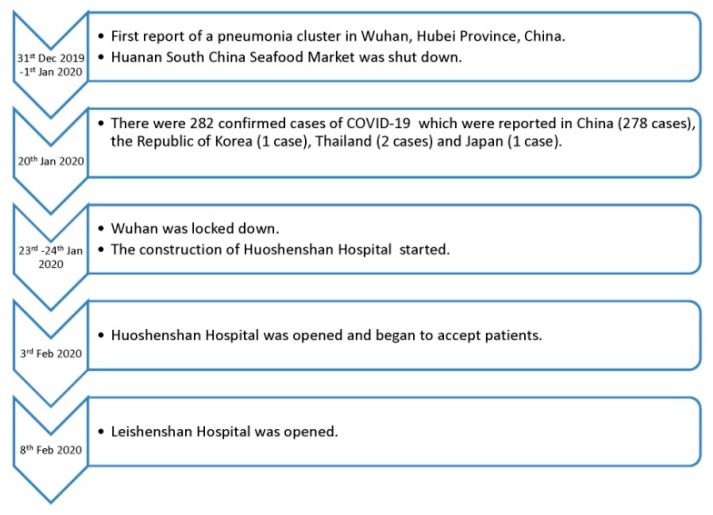
“Since December 2019, an outbreak of pneumonia from unknown causes has been appeared for the first time in Wuhan, Hubei Province of China [1].”
BackgroundOrganismic Health in Planetary Emergency Health Situations: A Transdisciplinary Salutogenic Approach
Panico, F., Puga-Olguín, A., & Vargas‐Madrazo, E. (2022) · World Futures · doi:10.1080/02604027.2022.2059306 · Cited by 3
“…the world rightly believe that what we are still experiencing is a general crisis, which affects various spheres, not only health: cultural, social, political, psychological, economic, environmental and so on (Osofsky et al., 2020; Watson et al., 2020; Yoosefi Lebni et al., 2021; Zhang & Ma, 2020).”
BackgroundSaúde docente: o possível impacto das condições de trabalho no ensino remoto emergencial
Martins, E. B. D. A., Schmitt, J. C., & Alves, A. M. L. (2022) · Revista Espaço Pedagógico · doi:10.5335/rep.v28i2.11804 · Cited by 27
Congard, A., Boudoukha, A. H., Galharret, J., Bret, A., Sapin, A., Navarro, Ó., & Fleury‐Bahi, G. (2022) · Psychologie Française · doi:10.1016/j.psfr.2022.02.001 · Cited by 4
Huang, J., Chen, N., Cai, Y., Yin, J., & Zhou, X. (2022) · PsyCh Journal · doi:10.1002/pchj.575 · Cited by 5
“There is evidence that some individuals have developed PTSS as a result of the COVID-19 pandemic (Shevlin et al., 2020); the prevalence rate of posttraumatic stress disorder (PTSD) among adults is 7.6% (Zhang & Ma, 2020).”
BackgroundInfluentialEl Estrés percibido en estudiantes universitarios durante la pandemia por COVID-19
Ortega-Ceballos, P. A., Meraz, M. A. T., Hernández, O. Y. Z., & Macías-Carrillo, C. (2022) · Revista Iberoamericana ConCiencia. · doi:10.32654/concienciaepg.7-2.5 · Cited by 3
Perspective Chapter: Rethinking CSR Strategies in the Era of COVID-19
Elkateb, M., Yousfi, O., & Omri, A. (2023) · Business, management and economics · doi:10.5772/intechopen.106248 · Cited by 5
Zouridis, S., Ashraf, M. F., Tempera, P., Abulawi, A., Malik, U. E., Minhas, H. J., & Batool, A. (2023) · Cureus · doi:10.7759/cureus.33266 · Cited by 3
“In general, better social support during the pandemic is associated with non-worsening of IBS symptoms, while lack of support has been linked with clinical deterioration [18-20].”
BackgroundXu, M., Tian, R., Fu, C., Li, J., Bi, D., & Wang, Y. (2023) · Frontiers in Public Health · doi:10.3389/fpubh.2023.1153820 · Cited by 4
Butt, S. S., & Khalid, R. (2023) · Pakistan Journal of Psychological Research · doi:10.33824/pjpr.2023.38.2.13 · Cited by 3
Huang, R., & Wang, X. (2023) · Frontiers in Public Health · doi:10.3389/fpubh.2023.1170838 · Cited by 4
Ebadi, M., Mohammadi, M., Pezeshki, A., & Jafari, S. M. (2023) · Springer eBooks · doi:10.1007/978-3-031-28109-9_51 · Cited by 5
Meta-Analysis: The Effects of Workload and Social Support on Burnout in Health Workers
Masters Program in Public Health, U. S. M., Hanifah, H., Sumardiyono, S., Murti, B., & Masters Program in Public Health, U. S. M. (2023) · Journal of Health Policy and Management · doi:10.26911/thejhpm.2023.08.03.08 · Cited by 7
Puri, B. K., Miari, A., & Theodoratou, M. (2023) · Health Psychology Research · doi:10.52965/001c.91274 · Cited by 4
Altahla, R., Alshorman, J., Ali, I., & Xu, T. (2024) · Journal of Orthopaedic Surgery and Research · doi:10.1186/s13018-024-04955-x · Cited by 3
“Numerous studies have consistently indicated that individuals with chronic conditions are more susceptible to diminished QOL [6–8].”
BackgroundDymecka, J., Marszałek-Mucha, K., & Machnik-Czerwik, A. (2025) · Journal of Clinical Medicine · doi:10.3390/jcm14196842 · Cited by 3
“There was no relationship between fear of COVID-19, stress, and the level of life satisfaction, which is inconsistent with the results of other studies, which indicate that fear of COVID-19 and stress are negatively associated with life satisfaction [16,35].”
Saha, S. R., & Khan, M. M. H. (2020) · Journal of Applied Science Engineering Technology and Education · doi:10.35877/454ri.asci150 · Cited by 3
Ardakani, M. B., Aghamolaei, T., Azad, M. H., Soleimani-Ahmadi, M., Zare, F., Khademian, M., Zare, M. R., Kakhaki, H. E. S., Madani, A., & Zare, M. (2021) · Disease and Diagnosis · doi:10.34172/ddj.2021.11 · Cited by 4
“This finding is comparable to the findings of studies on the general population in China, which revealed that more than half of the population is anxious about COVID-19 (13, 14).”
ResultStress due to Travel Ban for Pandemic during Vacation among Expatriates of Saudi Arabia
Jalal, S. M., Kumari, S., David, M. S., & Khamseen, Z. M. B. (2021) · International Journal of Nursing Care · doi:10.37506/ijonc.v9i1.13998 · Cited by 3
Stress and Coping Strategies of Trainee Counsellors during COVID-19 Movement Control Order
Subhi, N., Omar, F. N., & Mohamad, M. S. (2021) · International Journal of Academic Research in Business and Social Sciences · doi:10.6007/ijarbss/v11-i6/10226 · Cited by 5
“These findings are in line with the study conducted by Azizi et al (2010); Cao et al (2020); Norazila et al (2018); Zhang and Ma (2020).”
ResultExploration of Public Emotion Dynamics in Japan from Twitter Data during COVID-19
Bashar, M. K. (2021) · International Conference on Intelligent Informatics and Biomedical Sciences (ICIIBMS) · doi:10.1109/iciibms52876.2021.9651600 · Cited by 3
Moodi, M., Sharifzadeh, G., & Baghernejad, F. (2022) · Modern Care Journal · doi:10.5812/modernc.120955 · Cited by 3
Al-Hashimi, M., & AL-Sayed, H. (2022) · Studies in computational intelligence · doi:10.1007/978-3-030-93921-2_33 · Cited by 3
Bahrami‐Samani, S., Firouzbakht, M., Azizi, A., & Omidvar, S. (2022) · Iranian Journal of Psychiatry · doi:10.18502/ijps.v17i2.8909 · Cited by 4
“Other studies have also suggested that spending more time in social media or following COVID-19-related news, insufficient social support, insufficient protective behaviors and jobs with high infection risks are also related to high risk of mental and psychological disorders (37-41) which are in accordance with our re…”
ResultMatos, L. F. F., Reis, P. M. D. M., Labre, T. B. P., Franco, J. V. V., Campos, L. S., Montes, A. S., Campiol, N. L., Ferro, M. C. A. D. A. F., Mendes, L. M. C., Montes, L. N., et al. (2022) · Research Society and Development · doi:10.33448/rsd-v11i11.33979 · Cited by 3
Quality of Life among Indonesian during the COVID-19 Pandemic
Siregar, D., Tahulending, P. S., Sitanggang, Y. F., & Manurung, E. I. (2022) · Open Access Macedonian Journal of Medical Sciences · doi:10.3889/oamjms.2022.10607 · Cited by 3
“Compliance with health protocols such as mandatory masks, hand washing, stay-at-home orders, social distancing, and other restrictions resulted in a rippling effect on various sectors [4], [5].”
BackgroundSaavedra, J. E., Giraldo, K. P. A., Castillo-Martell, H., Pineda, J. H., Solís, Y. L., Hoyos, Y. N., Krüger-Malpartida, H., Schaeffer, V. P., Arana, Y. R., Soto, A. A. I. S., et al. (2022) · Diagnóstico · doi:10.33734/diagnostico.v61i3.374 · Cited by 15
Comite, U. (2020) · Transylvanian Review of Administrative Sciences · doi:10.24193/tras.si2020.3 · Cited by 3
“However, the radical change in daily habits, the limitation of social life and the stress resulting from the public health emergency could have a strong impact on the well-being of individuals (Brooks et al., 2020; Zhang and Ma, 2020).”
Backgroundde Melo, L. S. A., da Silva, J. E., dos Santos, R. R., & Ramalho, Â. M. C. (2021) · Research Society and Development · doi:10.33448/rsd-v10i7.16822 · Cited by 3
The Enigmatic COVID-19 Vulnerabilities and the Invaluable Artificial Intelligence (AI)
Lainjo, B. (2021) · Journal of Multidisciplinary Healthcare · doi:10.2147/jmdh.s321751 · Cited by 4
COVID-19 Lockdown as an Atypical Stressful Situation and Ways of Coping with It
Lelek‐Kratiuk, M., & Szczygieł, M. (2021) · Polish Psychological Bulletin · doi:10.24425/ppb.2021.137256 · Cited by 3
“Zhang and Ma (2020) reported that half of their respondents did not feel helpless because of the COVID-19 outbreak; however, over fifty percent of the respondents felt horrified and apprehensive for the same reason.”
BackgroundPandemic-Related Stress Symptoms Among Norwegian Parents of Adolescents in Grades 6 to 8
Idsøe, T., Dyregrov, A., Janson, H., & Nærde, A. (2021) · Frontiers in Psychiatry · doi:10.3389/fpsyt.2021.701782 · Cited by 5
“Ruang Refleksi”: Insight dari Program Pendampingan Sebaya Daring di Masa Pandemi COVID-19
Muhiddin, S., Yudistikhar, A., Idham, A. F., Massinai, S. M. M., Mustamin, S. N., & Wodong, G. M. A. (2021) · INSAN Jurnal Psikologi dan Kesehatan Mental · doi:10.20473/jpkm.v6i22021.90-105 · Cited by 2
Zin, S. A. M., Ismail, R. N. H. R., Rozali, W. N. A. W. B., & Isa, N. K. M. (2021) · Journal of Tourism Hospitality and Environment Management · doi:10.35631/jthem.625001 · Cited by 11
COVID-19 pandemic impact on mental health and quality of life among general population in Pakistan
Asif, H. M., Hashmi, H. A. S., Zahid, R., Ahmad, K., & Nazar, H. (2022) · Mental Health Review Journal · doi:10.1108/mhrj-06-2021-0050 · Cited by 4
Qassabi, K. A. H. A., Al-Dhuhli, R. A.-M., & Qassabi, A. K. A. A. (2021) · International Journal of Educational Studies · doi:10.53935/2641-533x.v4i3.160 · Cited by 3
Nugraha, M. D., Wahyuni, Y. T., & Mirwanti, R. (2022) · Jurnal Ilmu Kesehatan Bhakti Husada Health Sciences Journal · doi:10.34305/jikbh.v13i1.406 · Cited by 4
“Karena selama merawat, perawat harus dikarantina, terpisah dengan keluarga dan mereka mengkhawatirkan kondisi keluarganya (Zheng et al., 2021).”
Health, Well-Being, and Health-Related Quality of Life Following COVID-19
Cavaliere, C., Damiao, J. A., Pizzi, M. A., & Fau, L. (2022) · OTJR Occupational Therapy Journal of Research · doi:10.1177/15394492221111733 · Cited by 3
Kwok, J. O. T., Yan, R. W. K., Kwok, C. P. C., Cheng, G. W. H., Lin, C., Wong, B. H. C., Cheng, S., Lee, A. T. C., & LAM, L. C. W. (2022) · Frontiers in Psychiatry · doi:10.3389/fpsyt.2022.909162 · Cited by 3
Hubenschmid, L., Helmreich, I., Köber, G., Gilan, D., Frenzel, S. B., van Dick, R., & Lieb, K. (2022) · Frontiers in Public Health · doi:10.3389/fpubh.2022.991292 · Cited by 3
Rathi, S., & Kumar, P. (2023) · Rupkatha Journal on Interdisciplinary Studies in Humanities · doi:10.21659/rupkatha.v15n2.24 · Cited by 7
“In addition to job stress, the turnover intentions of employees are influenced by it as well (Said & ElShafei, 2021; Zhang & Ma, 2020).”
BackgroundDepression during COVID-19 Pandemic in India: Findings from an Online Survey
Anand, T. (2020) · International Journal of Preventive Curative & Community Medicine · doi:10.24321/2454.325x.202008 · Cited by 3
Mead, B. R., Davies, J. A. C., Falagán, N., Kourmpetli, S., Liu, L., & Hardman, C. A. (2021) · Emerald Open Research · doi:10.35241/emeraldopenres.14186.1 · Cited by 6
“These are predicted to have negative and long-lasting consequences for mental health (Daly et al ., 2020; Marroquín et al ., 2020; Pierce et al ., 2020; Rajkumar, 2020; Sani et al ., 2020; Torales et al ., 2020; Zhang & Ma, 2020).”
BackgroundAljaberi, M. A. A., Alareqe, N. A., Qasem, M. A., Alsalahi, A., Noman, S., Uzir, M. U. H., Mohammed, L. A., & Hamat, R. A. (2021) · Research Square · doi:10.21203/rs.3.rs-854593/v1 · Cited by 3
Malhotra, V., Javed, D., Bharshankar, R. N., Singh, V., Gautam, N., Mishra, S., Chundawat, D. S., Kushwah, A., & Singh, G. P. (2022) · medRxiv · doi:10.1101/2022.03.10.22272024 · Cited by 3
“[6] If some expert opinions are considered, then that would mean that up to 70% of the world’s population could potentially need both medical and psychological care following COVID-19 infections.[7]”
BackgroundInfluentialMental Health Awareness Through Social Media
Kothambikar, A. (2023) · Springer eBooks · doi:10.1007/978-3-031-34382-7_5 · Cited by 3
Cangussú, L. R., do Nascimento, J. A. S., de Barros, I. R. P., Cavalcanti, R. L., Dantas, F. G., Araújo, D. N., da Silva, J. F. C., Guedes, T. S. R., Lopes, M. R., Lopes, J. M., et al. (2024) · PLoS ONE · doi:10.1371/journal.pone.0296837 · Cited by 4
Sethuraman, P., Ganesan, A., & Radhakrishnan, S. (2024) · Salud Ciencia y Tecnología - Serie de Conferencias · doi:10.56294/sctconf2024900 · Cited by 18
Social determinants of mental health: The role of proximal and distal factors
Marković, M. V., Živanović, M., Dimoski, J., & Gvozden, M. (2025) · International Journal of Social Psychiatry · doi:10.1177/00207640251347675 · Cited by 3
“…could be found in a higher level of mental health literacy and higher self-awareness in relation to one’s own mental health among more educated individuals (Zhang & Ma, 2020), implying that they might be more ready to recognize and report having mental health difficulties (Ghweeba et al., 2017).”
Lerma, M. (2025) · Journal of interdisciplinary perspectives · doi:10.69569/jip.2025.492 · Cited by 2
Randomized Controlled Trial of Acoustic Neuromodulation to Enhance Well-Being in Healthcare Workers
Tegeler, C. L., Clary, H. M. M., Shaltout, H. A., Russell, G. B., Danhauer, S. C., & Tegeler, C. H. (2025) · Global Advances in Integrative Medicine and Health · doi:10.1177/27536130251388984 · Cited by 3
“9 With higher workloads and fewer resources, healthcare professionals across different disciplines are experiencing greater burnout and increased turnover.”
Psychosocial Impacts of Covid 19 Pandemic in Zimbabwe
Pavari, N. (2020) · Journal of Public Administration and Governance · doi:10.5296/jpag.v10i3.17687 · Cited by 2
“…the virus first affected China, most studies on its impacts on mental and social wellness of people were mostly done in this country (Ahmed et al., 2020; Cao et al., 2020; Lau et al., 2020; Qiu et al., 2020; Zhang, 2020; Zheng, 2020) leaving out other developing countries especially in Africa.”
BackgroundInfluentialDESAFIOS, IMPACTOS EMOCIONAIS E FISIOLÓGICOS DURANTE A PANDEMIA COVID19
Santos, D. S., Silva, P. H. S., da Silva, M. L. G., da Silva, J. C. S., Ferreira, M. S., dos Santos, Ú. P. P., & de Souza, T. (2020) · Stricto Sensu Editora eBooks · doi:10.35170/ss.ed.9786586283358.05 · Cited by 2
Challenges to Libraries During a Health Crisis and a Way Forward to Deal With These Challenges
Saleem, M., Hameed, W. U., Anwer, B., Niaz, S. A., Bibi, S., & Razzaq, S. (2021) · Advances in library and information science (ALIS) book series · doi:10.4018/978-1-7998-6449-3.ch013 · Cited by 4
COVID-19 Outbreak Anxiety: Attitude and Preventive Actions of Filipino Teachers in Shaanxi, China
Bazer, S. C., & Estigoy, E. B. (2021) · International Journal of Research and Innovation in Social Science · doi:10.47772/ijriss.2021.5401 · Cited by 2
Ismail, M. A., Nazeri, A. F., Zailan, N. A. I., & Ilias, N. F. (2021) · ACPES Journal of Physical Education Sport and Health (AJPESH) · doi:10.15294/ajpesh.v1i1.46296 · Cited by 2
“Limited studies have investigated the severe impact of strict quarantine on quality of life (Zhang & Ma, 2020).”
BackgroundFarozin, M., Purnama, D. S., Astuti, B., Prasetya, A. B., & Nurbaiti, A. T. (2022) · Jurnal Kajian Bimbingan dan Konseling · doi:10.17977/um001v7i12022p20-28 · Cited by 10
“A recent study by Zhang and Ma (2020) examined the well-being of recipients of higher education services during the pandemic.”
BackgroundTele-Rehabilitation Program for older adults Post COVID-19
Melika, F. F., & Amer, F. G. M. (2021) · Egyptian Journal of Health Care · doi:10.21608/ejhc.2021.274760 · Cited by 2
Sawang, N., Phongphanphanee, S., Wong-ekkabut, J., & Sutthibutpong, T. (2023) · The Journal of Physical Chemistry B · doi:10.1021/acs.jpcb.2c08312 · Cited by 2
Wang, G., Zheng, C., Lu, M., Luo, L., Wan, Z., & Feei, Z. (2023) · Journal of Public Health · doi:10.1007/s10389-023-01877-6 · Cited by 2
“Conversely, inadequate knowledge of COVID-19 and standardized pre-ventative measures may influence attitudes and practices of people and directly increase their risk of infection (Zhang et al. 2021; Zhang and Ma 2020).”
Liu, Y., Liu, L., & Shi, Z. (2023) · Frontiers in Psychiatry · doi:10.3389/fpsyt.2023.1086155 · Cited by 3
Lee, K. C., Duarte, K. L., Lasswell, E., Clark, A. L., Bhakta, S. G., & Harlé, K. M. (2023) · Telemedicine Journal and e-Health · doi:10.1089/tmj.2023.0020 · Cited by 3
“14 In addition, some researchers found an increase in suicide attempts among those in counties hit hardest by the pandemic.”
Changes in Stress Levels During the COVID-19 Pandemic: The Role of Involvement in Criminal Behavior
Swinehart, M. L., Giordano, P. C., Longmore, M. A., & Manning, W. D. (2023) · Deviant Behavior · doi:10.1080/01639625.2023.2233042 · Cited by 2
Effective Teaching Strategies for Overcoming the Challenges of E-Learning
Sharma, D., & Bhardwaj, K. (2023) · Advances in social networking and online communities book series · doi:10.4018/978-1-6684-8953-6.ch008 · Cited by 3
Susanto, F., Khan, A. M., Deng, C., & Cardinal, K. (2022) · Al-Hijr Journal of Adulearn World · doi:10.55849/alhijr.v1i4.532 · Cited by 3
Antecedents of Quality Interpersonal Communication in Marriage: A View From Divorcess
Kamal, N. M., Rahman, N. A. A., & Afandi, W. N. H. W. (2023) · The European Proceedings of Social & Behavioural Sciences · doi:10.15405/epsbs.2023.11.02.7 · Cited by 8
Alexiou, E., Wijk, H., Åkerström, M., Jónsdóttir, I. H., Innocenti, A. D., & Åhlström, L. (2024) · BMJ Open · doi:10.1136/bmjopen-2023-080248 · Cited by 2
Zaid, Z. I., Tasnim, A. F., Khan, M. M. H., Ratan, Z. A., Islam, M. T., & Haque, M. A. (2024) · PLoS ONE · doi:10.1371/journal.pone.0294495 · Cited by 2
Maintaining social trust: Family cohesion and enhancing mindset in the face of COVID ‐19 stress
Ye, B., Zhu, Z., Im, H., Chen, X., Fan, N., Yang, Q., & Xia, F. (2024) · Personal Relationships · doi:10.1111/pere.12542 · Cited by 3
Grandi, L. C., & Bruni, S. (2024) · BioMed · doi:10.3390/biomed4040029 · Cited by 2
Firouzabadi, D., Mahmoudi, L., Kadkhodamohammadi, M., Niknam, R., & Amanati, A. (2024) · Archives of Pediatric Infectious Diseases · doi:10.5812/apid-149370 · Cited by 2
Shen, X., Gao, Y., Suliman, M., He, X., & Qi, M. (2024) · The Asia-Pacific Education Researcher · doi:10.1007/s40299-024-00939-x · Cited by 2
“Research has demonstrated that elevated levels of perceived social support may positively affect individuals’ sleep quality and mental health (Budimir et al., 2021; Zhang & Ma, 2020), particularly by alleviating feelings of social isolation during the pandemic (Grey et al., 2020).”
Nasrabadi, Z. Z., Maher, Z., & Zahrani, D. (2024) · International Journal of Disaster Risk Reduction · doi:10.1016/j.ijdrr.2024.105142 · Cited by 2
The lived experience of Iranian adults from coronavirus disease 2019 (COVID-19)—A qualitative study
Pourmoradian, S., Haghighian-Roudsari, A., Khoshnazar, T. A. K., & Milani-Bonab, A. (2025) · Frontiers in Public Health · doi:10.3389/fpubh.2024.1362708 · Cited by 2
Holas, P., Juszczyk-Kalina, A., Wardęszkiewicz, J., Ciarrochi, J., & Hayes, S. C. (2025) · Healthcare · doi:10.3390/healthcare13080934 · Cited by 17
“A central feature of the pandemic was the heightened perception of threat to personal and collective safety [11], with studies indicating that a high perceived threat level was strongly correlated with poorer mental health outcomes [12].”
Metadata
- Authors
- Zhang, Y., & Ma, Z. F.
- Affiliations
- Jinzhou Medical University (CN)
- Department of Health and Environmental Sciences, Xi’an Jiaotong-Liverpool University, Suzhou 215123, China
- Corresponding author
- Zhang, Yingfei
- Venue
- International Journal of Environmental Research and Public Health
- Publisher
- MDPI AG
- Published
- 2020-03-31
- Volume
- 17
- Issue
- 7
- Pages
- 2381
- ISSN
- 1660-4601 (ISSN-L)
- PMC
- PMC7177660
- OpenAlex
- W3013207139
- Cited by
- 1,477
- References
- 14
- Citations by year
- 2026: 20 · 2025: 42 · 2024: 82 · 2023: 189 · 2022: 361 · 2021: 468 · 2020: 309
- FWCI
- 132.81
- Type
- journal article
- Language
- en
- Open access
- gold
- doi.org
- Licence
- Locations
- International Journal of Environmental Research and Public Health (publishedVersion, cc-by)
- PubMed Central (publishedVersion, cc-by)
- PubMed (publishedVersion)
- UWE Research Repository (UWE Bristol) (submittedVersion, cc-by)
- RePEc: Research Papers in Economics (submittedVersion)
- DOAJ (DOAJ: Directory of Open Access Journals) (submittedVersion, cc-by-sa)
- Informationszentrum Lebenswissenschaften (ZB MED) (submittedVersion, cc-by)
- Topics
- Social Sciences › Psychology › Clinical Psychology › COVID-19 and Mental Health
- Health Sciences › Medicine › Public Health, Environmental and Occupational Health › Maternal Mental Health During Pregnancy and Postpartum
- Health Sciences › Medicine › Clinical Neurology › Long-Term Effects of COVID-19
- Keywords
- COVID-19 pandemic, mental health, quality of life, psychological stress, Impact of Event Scale, social support, family support, helplessness, lifestyle modification, Liaoning Province
- MeSH terms
- Betacoronavirus, COVID-19, SARS-CoV-2, Adult, Anxiety, China, Cross-Sectional Studies, Emotions, Family, Family Health, Fear, Female, Humans, Male, Mental Health, Middle Aged, Pneumonia, Viral, Quality of Life, Surveys and Questionnaires, Social Support, Stress, Psychological, Coronavirus Infections, Asian People, Young Adult, Pandemics
About these checks
Registry, retraction, Cites and statistics results are computed, not judged, with one exception: a printed reference that no index lists is read once by a model before it counts as a citation error. Claims are extracted by a model and kept only when their quote appears verbatim in the text; each cited source is then checked, with a model’s help, for whether it says what the claim relies on. Those verdicts can be wrong — read the claim’s quote and the cited source before relying on one.
Statistics and arithmetic are recomputed, not judged.
Confidence bands are shown only for fields calibrated on our annotated test set. None is calibrated yet, so no band is shown.
What counts as a claim ›How we measure confidence ›How we check this ›
Are you an author, or do you see a problem with this page? Request a review
Data sources
Bibliographic data: Semantic Scholar, OpenAlex, Crossref.
Contains information from the Semantic Scholar Academic Graph Datasets, made available under the ODC Attribution License (ODC-BY 1.0).
Semantic Scholar’s data is described in: Kinney, R., et al. (2023). The Semantic Scholar Open Data Platform. arXiv:2301.10140.
