

The DOI matches its Crossref record; 36 of the 39 references it cites were found in a registry or an index.
Impacts of Drought on Maize and Soybean Production in Northeast China During the Past Five Decades
Open accessAbstract
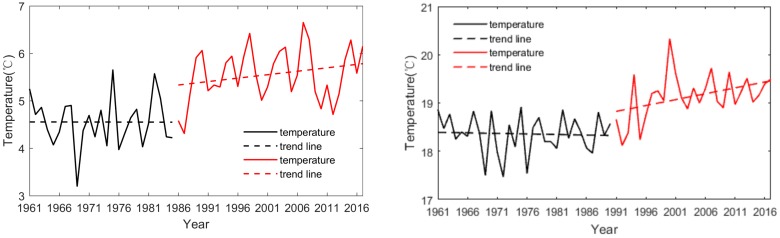
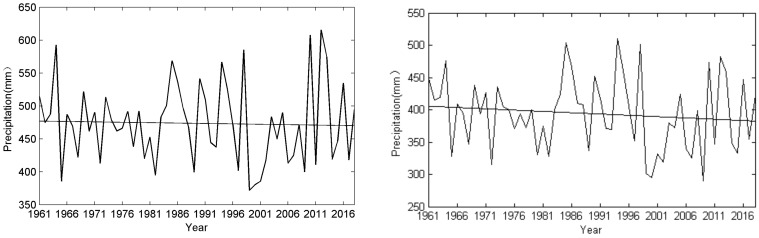
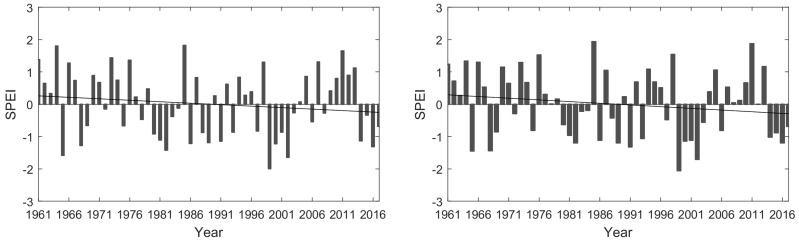
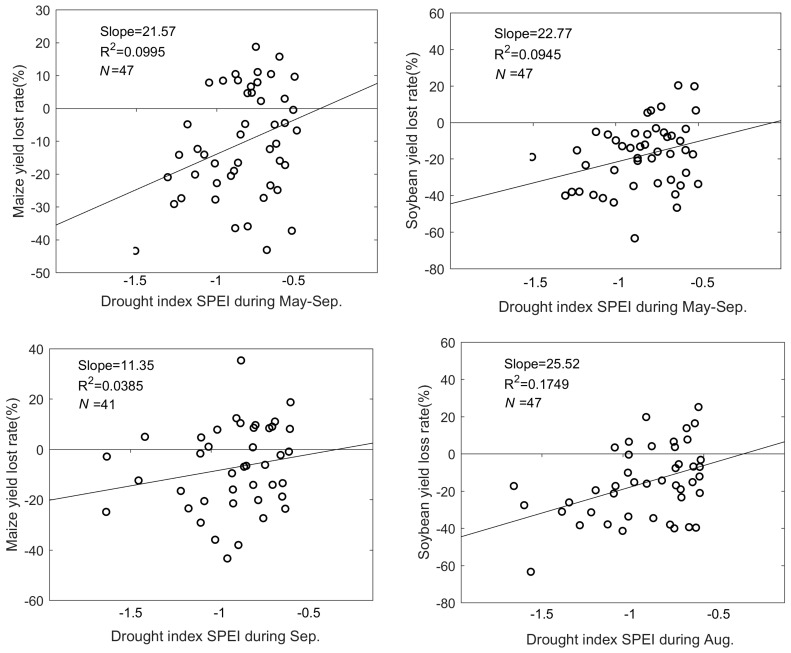
Climate change has a distinct impact on agriculture in China, particularly in the northeast, a key agriculture area sensitive to extreme hydroclimate events. Using monthly climate and agriculture data, the influence of drought on maize and soybean yields—two of the main crops in the region—in northeast China since 1961 to 2017 were investigated. The results showed that the temperature in the growing season increased by 1.0 °C from the period 1998–2017 to the period 1961–1980, while the annual precipitation decreased slightly. However, precipitation trends varied throughout the growing season (May–September), increasing slightly in May and June, but decreasing in July, August and September, associated with the weakening of the East Asian summer monsoon. Consequently, the annual and growing season drought frequency increased by 15%, and 25%, respectively, in the period 1998–2017 relative to the period 1961–1980. The highest drought frequency (55%) was observed in September. At the same time, the drought intensity during the growing season increased by 7.8%. The increasing frequency and intensity of drought had negative influences on the two crops. During moderate drought years in the period 1961–2017, 3.2% and 10.4% of the provincial maize and soybean yields were lost, respectively. However, during more severe drought years, losses doubled for soybean (21.8%), but increased more than four-fold for maize (14.0%). Moreover, in comparison to the period 1961–1980, a higher proportion of the yields were lost in the period 1998–2017, particularly for maize, which increased by 15% (increase for soybean was 2.4%). This change largely depends on increasing droughts in August and September, when both crops are in their filling stages. The impact of drought on maize and soybean production was different during different growth stages, where a strong relationship was noted between drought and yield loss of soybean in its filling stage. Given the sensitivity of maize and soybean yields in northeast China to drought, and the observed production trends, climate change will likely have significant negative impacts on productivity in the future.
Overview
The claims and statistics of this paper haven’t been checked yet.
Run the check — free, no account needed. It reads the open-access text and checks the sources it cites.
Integrity signals
Registry
Cites
Statistics
Figures
Verification
Claims the paper makes
The claims and statistics of this paper haven’t been checked yet.
Run the check — free, no account needed. It reads the open-access text and checks the sources it cites.
Claims other papers make about this one
Each is checked against this paper’s own text: does it say what the citing paper says it does?
The check wasn’t confident either way, so it gives no verdict — never disputed.
In the citing paper
“The 2013 IPCC report forecasts that, by the late twenty-first century, intense heat and dryness will affect countries extending across North Africa into Egypt and Sudan and northeast to Saudi Arabia, the Levant including Syria, Iraq, and Iran [20], to parts of India and China in Asia, and across the Southern United States and Mexico [21–23].”
From Climate Change, Migration, and Civil Strife. (2020) · cites this paper as [21]
Experimental — accuracy not yet measured
Self-check
Percentages, sums and reported differences re-computed from the paper’s own numbers.
The self-check needs the paper’s full text.
Citations
Cites
(1993) · Cited by 7,699
Influence of extreme weather disasters on global crop production
Lesk, C., Rowhani, P., & Ramankutty, N. (2016) · Nature · doi:10.1038/nature16467 · Cited by 3,883 · cited 1×
“For instance, it was estimated that during the period 2000–2007, approximately 3% of the global cereal production was lost to extreme drought disasters [5].”
BackgroundBeguería, S., Vicente-Serrano, S. M., Reig, F., & Latorre, B. (2014) · International Journal of Climatology · doi:10.1002/joc.3887 · Cited by 2,128
Multivariate Standardized Drought Index: A parametric multi-index model
Hao, Z., & AghaKouchak, A. (2013) · Advances in Water Resources · doi:10.1016/j.advwatres.2013.03.009 · Cited by 966
Assessment of Hydrological Drought Revisited
Nalbantis, I., & Tsakiris, G. (2008) · Water Resources Management · doi:10.1007/s11269-008-9305-1 · Cited by 935
The Lincoln Declaration on Drought Indices: Universal Meteorological Drought Index Recommended
Hayes, M. J., Svoboda, M. D., Wall, N. A., & Widhalm, M. (2010) · Bulletin of the American Meteorological Society · doi:10.1175/2010bams3103.1 · Cited by 926 · cited 1×
“In 2009, the WMO (World Meteorological Organization) recommended that the standardized precipitation index (SPI) [12], which is calculated only from precipitation, should be the main meteorological drought index used to monitor and follow up the evolution of drought conditions [21].”
BackgroundNarasimhan, B., & Srinivasan, R. (2005) · Agricultural and Forest Meteorology · doi:10.1016/j.agrformet.2005.07.012 · Cited by 863
Vicente-Serrano, S. M., Beguerı́a, S., López‐Moreno, J. I., Angulo, M., & Kenawy, A. E. (2010) · Journal of Hydrometeorology · doi:10.1175/2010jhm1224.1 · Cited by 733
Anderson, M. C., Hain, C., Wardlow, B. D., Pimstein, A., Mecikalski, J. R., & Kustas, W. P. (2010) · Journal of Climate · doi:10.1175/2010jcli3812.1 · Cited by 530
Prasad, P. V. V., Staggenborg, S., & Ristic, Z. (2008) · Advances in agricultural systems modeling · doi:10.2134/advagricsystmodel1.c11 · Cited by 525 · cited 1×
“To better understand how droughts affect crop production, it is vital to explore the different growth stages [32].”
Background
Research works printed but not linked: 7
- China Meteorological Disaster Yearbook (CMDY) (2015). China Meteorological Disaster Yearbook, China Meteorological Press. (In Chinese).
- China Statistical Yearbook (CSY) 9 (2019). China Statistical Yearbook, National Bureau of Statistics of China, China Statistics Press. (In Chinese).
- Song, Y.L., and Wang, J.L. (2017). The Assessment of Influence of Agro-Meteorological Disasters on Agriculture under Climate Change in China, China Meteorological Press. (In Chinese).
- Qi, 2011, Interdecadal variation and trend analysis of the drought occurrence frequency in China, Trans. Atmos. Sci., 34, 447
- Huang, 2019, Impact simulation of drought on maize growth and yield in different growth stages, J. Agric. Catastrophol., 9, 47
- Yang, F.Y., Zheng, Q.H., Luo, J.M., and Li, W.K. (2015). Practical Agro-Meteorological Index, China Meteorological Press. (In Chinese).
- Sun, 2003, Relationship between the Northeast Asian summer south wind anomaly and the precipitation in Northeast China, Chin. J. Atmos. Sci., 27, 425
Cited by
Sorted by citations
The negative impact of increasing temperatures on rice yields in southern China
Song, Y., Wang, C., Linderholm, H. W., Fu, Y., Cai, W., Xu, J., Zhuang, L., Wu, M., Shi, Y., Wang, G., et al. (2022) · The Science of The Total Environment · doi:10.1016/j.scitotenv.2022.153262 · Cited by 139
Self-citationMechanistic insights and future perspectives of drought stress management in staple crops
Khan, A. A., Wang, Y.-F., Akbar, R., & Alhoqail, W. A. (2025) · Frontiers in Plant Science · doi:10.3389/fpls.2025.1547452 · Cited by 151
“Drought stress during these times can lead to diminished grain size and quantity, poor pollination, and kernel abortion (Wang et al., 2020a).”
Climate Change, Migration, and Civil Strife.
Balsari, S., Dresser, C., & Leaning, J. (2020) · Current Environmental Health Reports · doi:10.1007/s40572-020-00291-4 · Cited by 135
Li, E., Zhao, J., Pullens, J. W. M., & Yang, X. (2021) · The Science of The Total Environment · doi:10.1016/j.scitotenv.2021.152461 · Cited by 134
Recent Advances in PGPR and Molecular Mechanisms Involved in Drought Stress Resistance
Sati, D., Pande, V., Pandey, S. C., & Samant, M. (2022) · Journal of soil science and plant nutrition · doi:10.1007/s42729-021-00724-5 · Cited by 126
Peng, Y., Xu, H., Shi, J. L., Wang, Z., Lv, J., Li, L., & Wang, X. (2024) · Agriculture Ecosystems & Environment · doi:10.1016/j.agee.2024.108915 · Cited by 98
Shi, H., Guo, J., An, J., Tang, Z., Wang, X., Li, W., Zhao, X. D., Jin, L., Xiang, Y., Li, Z., et al. (2023) · Agronomy · doi:10.3390/agronomy13030663 · Cited by 85
Non-Coding RNAs in Response to Drought Stress
Gelaw, T. A., & Mishra, N. S. (2021) · International Journal of Molecular Sciences · doi:10.3390/ijms222212519 · Cited by 84
Teshome, H., Tesfaye, K., Dechassa, N., Tana, T., & Huber, M. S. (2021) · Sustainability · doi:10.3390/su13179622 · Cited by 71
“[61] also reported that increasing frequency and intensity of drought had a negative influence on maize production.”
BackgroundModeling climatically suitable areas for soybean and their shifts across China
Zhao, J., Wang, C., Shi, X., Bo, X., Li, S., Shang, M., Chen, F., & Chu, Q. (2021) · Agricultural Systems · doi:10.1016/j.agsy.2021.103205 · Cited by 60
Self-citationImpact of climate extreme events and their causality on maize yield in South Africa
Simanjuntak, C., Gaiser, T., Ahrends, H. E., Ceglar, A., Singh, M., Ewert, F. A., & Srivastava, A. K. (2023) · Scientific Reports · doi:10.1038/s41598-023-38921-0 · Cited by 68
Xu, X., Chen, F., Wang, B., Harrison, M. T., Chen, Y. J., Liu, K., Zhang, C., Zhang, M., Zhang, X., Feng, P., et al. (2024) · Journal of Hydrology · doi:10.1016/j.jhydrol.2024.131102 · Cited by 61
Did Climate Change Influence the Emergence, Transmission, and Expression of the COVID-19 Pandemic?
Gupta, S., Rouse, B. T., & Sarangi, P. P. (2021) · Frontiers in Medicine · doi:10.3389/fmed.2021.769208 · Cited by 58
Ensemble learning prediction of soybean yields in China based on meteorological data
Qian-chuan, L. I., Shi-wei, X. U., ZHUANG, J.-Y., Jia-jia, L. I. U., Zhou, Y., & ZHANG, Z.-X. (2023) · Journal of Integrative Agriculture · doi:10.1016/j.jia.2023.02.011 · Cited by 53
Ntiamoah, E. B., Li, D., Appiah‐Otoo, I., Twumasi, M. A., & Nyamah, E. Y. (2022) · Environmental Science and Pollution Research · doi:10.1007/s11356-022-20962-z · Cited by 47
Fathi-Taperasht, A., Shafizadeh-Moghadam, H., & Kouchakzadeh, M. (2022) · Journal of Cleaner Production · doi:10.1016/j.jclepro.2022.133836 · Cited by 43
Fadiji, A. E., Orozco-Mosqueda, M. D. C., Santos‐Villalobos, S. D. L., Santoyo, G., & Babalola, O. O. (2022) · Plants · doi:10.3390/plants11223090 · Cited by 42
“For example, proline levels increased in response to drought in chickpea, garden pea, soybean, and rice [43,44].”
BackgroundJaved, T., Zhang, J., Bhattarai, N., Zhang, S., Rashid, S., Bai, Y., Ahmad, S., Henchiri, M., & Kamran, M. (2021) · Journal of Cleaner Production · doi:10.1016/j.jclepro.2021.127866 · Cited by 43
How to improve the potential of microalgal biostimulants for abiotic stress mitigation in plants?
Vangenechten, B., Coninck, B. D., & Ceusters, J. (2025) · Frontiers in Plant Science · doi:10.3389/fpls.2025.1568423 · Cited by 44
Genetic control of tolerance to drought stress in soybean
Saleem, A., Roldán-Ruíz, I., Aper, J., & Muylle, H. (2022) · BMC Plant Biology · doi:10.1186/s12870-022-03996-w · Cited by 38
Li, J., Li, G., Wang, L., Li, D., Li, H., Gao, C., Zhuang, J., Zhuang, J., Zhou, H., Hu, Z., et al. (2023) · Field Crops Research · doi:10.1016/j.fcr.2023.109102 · Cited by 36
Guo, H., Xie, S., & Pan, C. (2021) · International Journal of Environmental Research and Public Health · doi:10.3390/ijerph18020705 · Cited by 33
“On the whole, the total agricultural area of the three northeastern provinces of China is close to 25 million hectares, accounting for about 15% of China’s total agricultural area [5], and the total grain production accounts for about 20% of China’s total agricultural production.”
BackgroundThe effects of declining soil moisture levels on suitable maize cultivation areas in Northeast China
Li, L., Li, X., Zheng, X., Li, X., Jiang, T., Ju, H., & Wan, X. (2022) · Journal of Hydrology · doi:10.1016/j.jhydrol.2022.127636 · Cited by 32
Rolbiecki, R., Yücel, A., Kocięcka, J., Atılgan, A., Markovıć, M., & Liberacki, D. (2022) · Sustainability · doi:10.3390/su14063697 · Cited by 32
“Global research has increasingly focused on the assessment of the impact of drought on maize based on climate and agriculture data [24].”
BackgroundPeng, Y., Xu, H., Wang, Z., Shi, J. L., Lv, J., & Wang, X. (2023) · Plant and Soil · doi:10.1007/s11104-023-05931-w · Cited by 32
“The Northeast is a major grain-producing region in China commonly applied with cereal-legume intercropping patterns, which is vulnerable to seasonal drought due to the uneven distribution of rainfall (Wang et al. 2020a).”
Agricultural Insurance, Climate Change, and Food Security: Evidence from Chinese Farmers
Wang, H., Liu, H. S., & Wang, D. (2022) · Sustainability · doi:10.3390/su14159493 · Cited by 29
“However, there is no clear consensus on the largest important meteorological factors affecting food production in a region, with evidence showing that temperature changes affect crop yield more than precipitation changes [7,28,32,33].”
BackgroundLi, E., Zhao, J., Zhang, W., & Yang, X. (2023) · Journal of the Science of Food and Agriculture · doi:10.1002/jsfa.12650 · Cited by 29
Saleem, A., Aper, J., Muylle, H., Borra‐Serrano, I., Quataert, P., Lootens, P., Swaef, T. D., & Roldán-Ruíz, I. (2022) · Frontiers in Plant Science · doi:10.3389/fpls.2022.818766 · Cited by 28
Sun, J., Zhang, Q., Liu, X., Sun, J., Chen, L., Wu, Y., Hu, B., & Zhang, G. (2024) · Weather and Climate Extremes · doi:10.1016/j.wace.2024.100700 · Cited by 27
Next-generation genetic engineering tools for abiotic stress tolerance in plants
Hossain, A., Ahmed, S., Ahmad, Z., Alam, M. J., Moulick, D., Saha, B., Samanta, S., Maitra, S., Bhadra, P., Bukhari, M. A., et al. (2021) · Elsevier eBooks · doi:10.1016/b978-0-323-90943-3.00008-0 · Cited by 29
Lv, K., Wei, H., & Liu, G. (2021) · Frontiers in Plant Science · doi:10.3389/fpls.2021.791390 · Cited by 27
Hazra, S., Moulick, D., Mukherjee, A., Sahib, S., Chowardhara, B., Majumdar, A., Upadhyay, M. K., Yadav, P. T., Roy, P., Santra, S. C., et al. (2023) · Plant Physiology and Biochemistry · doi:10.1016/j.plaphy.2023.107940 · Cited by 27
Welfare Impact of Organic Fertilizer Adoption: Empirical Evidence From Nigeria
Oyetunde‐Usman, Z., Ogunpaimo, O. R., Olagunju, K. O., Ambali, O. I., & Ashagidigbi, W. M. (2021) · Frontiers in Sustainable Food Systems · doi:10.3389/fsufs.2021.691667 · Cited by 32
“, 2013) and have implications on agricultural households’ productivity and welfare outcomes (Barry et al., 2014; Ray et al., 2018; Wang et al., 2020).”
BackgroundLi, A., Lv, D., Zhang, Y., Zhang, D., Zong, Y., Shi, X., Li, P., & Hao, X. (2023) · Plant Physiology and Biochemistry · doi:10.1016/j.plaphy.2023.108266 · Cited by 25
Effects of post‐silking drought stress degree on grain yield and quality of waxy maize
Guo, J. P., Qu, L., Wang, L., Lu, W., & Lu, D. (2022) · Journal of the Science of Food and Agriculture · doi:10.1002/jsfa.12250 · Cited by 24
Li, K., Wang, C., Rong, G., Wei, S., Liu, C., Yang, Y., Sudu, B., Guo, Y., Sun, Q., & Zhang, J. (2022) · Remote Sensing · doi:10.3390/rs15010057 · Cited by 23
Self-citationde la Casa, A., Ovando, G. G., & Díaz, G. J. (2021) · European Journal of Agronomy · doi:10.1016/j.eja.2021.126340 · Cited by 22
Soybean Production and Spatial Agglomeration in China from 1949 to 2019
Chen, W., Zhang, B., Kong, X., Wen, L., Liao, Y., & Kong, L. (2022) · Land · doi:10.3390/land11050734 · Cited by 23
“In addition, the effects of conservation tillage [19], wheat straw mulching [20], temperature [21], CO 2 [22], and drought [23,24] on soybean yields have been studied.”
BackgroundMakuya, V., Tesfuhuney, W. A., Moeletsi, M. E., & Bello, Z. A. (2024) · Sustainability · doi:10.3390/su16114703 · Cited by 25
COVID-19 pandemic: the possible influence of the long-term ignorance about climate change
Gorji, S., & Gorji, A. (2021) · Environmental Science and Pollution Research · doi:10.1007/s11356-020-12167-z · Cited by 20
Zhang, Y., Sun, Z., Wang, E., Du, G., Chen, F., Zhang, W., Xu, H., Li, S., Li, Q., Zhang, L., et al. (2022) · Agronomy for Sustainable Development · doi:10.1007/s13593-022-00839-8 · Cited by 20
The persistent impact of drought stress on the resilience of summer maize
Jing, L., Weng, B., Yan, D., Zhang, S., Bi, W., & Yan, S. (2023) · Frontiers in Plant Science · doi:10.3389/fpls.2023.1016993 · Cited by 18
“It is the central disaster area of agricultural drought in the Huaihe River Basin (Liu et al., 2017; Chen et al., 2020; Wang et al., 2020).”
BackgroundAnkrah, J., Monteiro, A., & Madureira, H. (2023) · Water · doi:10.3390/w15010211 · Cited by 17
Soybean phenological changes in response to climate warming in three northeastern provinces of China
Xin, M., Zhang, Z., Han, Y., Feng, L., Lei, Y., Li, X., Wu, F., Wang, J., Wang, Z., & Li, Y. (2023) · Field Crops Research · doi:10.1016/j.fcr.2023.109082 · Cited by 17
Miranda, R. D. S., da Fonseca, B. S. F., Pinho, D. S., Batista, J. Y. N., de Brito, R. R., da Silva, E. M., Ferreira, W. S., Costa, J. H., Lopes, M. D. S., de Sousa, R. H. B., et al. (2023) · Plants · doi:10.3390/plants12173134 · Cited by 17
Classification of soybean frogeye leaf spot disease using leaf hyperspectral reflectance
Liu, S., Yu, H., Sui, Y., Zhou, H., Zhang, J., Kong, L., Dang, J., & Zhang, L. (2021) · PLoS ONE · doi:10.1371/journal.pone.0257008 · Cited by 17
“2–2017) in China: 0%– 1% (class 1), 1%– 3% (class 2), 3%– 6% (class 3), 6%– 20% (class 4), 20%– 50% (class 5), > 50% (class 6).”
BackgroundInfluentialMagnesium supplementation alleviates drought damage during vegetative stage of soybean plants
Santos, A. S., Pinho, D. S., da Silva, A. C., de Brito, R. R., Lacerda, J. J. D. J., da Silva, E. M., Batista, J. Y. N., da Fonseca, B. S. F., Gomes‐Filho, E., Paula‐Marinho, S. D. O., et al. (2023) · PLoS ONE · doi:10.1371/journal.pone.0289018 · Cited by 16
“In United States and China, drought-induced yield losses of up to 25.4% and 21.8% have been observed over the past four and five decades, respectively [4, 5].”
InfluentialChen, Q., Nie, T., Li, Y., Li, H., Sun, Y., Wu, Y., Zhang, Y., & Wang, M. (2025) · Agronomy · doi:10.3390/agronomy15020444 · Cited by 16
Multidimensional synergistic adaptation enhances the systemic resilience in China’s food security
Liu, Y., Chen, J., Cheng, W., Wang, X., Pan, T., Liu, J., Lu, Y., Zhang, E., Huang, S., Zhang, J., et al. (2025) · National Science Review · doi:10.1093/nsr/nwaf587 · Cited by 15
“In North-east China, the promotion of conservation tillage, while requiring more than 10 different models to suit local conditions, has been identified as a key adaptation strategy to improve soil health and climate resilience [48 ].”
Self-citationLi, M., Liu, Y., Pan, Y., Zhang, X., Xu, K., Qu, Y., & Li, H. (2024) · Atmosphere · doi:10.3390/atmos15040392 · Cited by 15
Self-citationHao, Y., Hao, Z., Feng, S., Wu, X., Zhang, X., & Hao, F. (2021) · Journal of Hydrology · doi:10.1016/j.jhydrol.2021.126729 · Cited by 15
Breeding Efforts for Crop Productivity in Abiotic Stress Environment
Choudhary, J. R., Get, S., Tripathi, A., Kaldate, R. C., Rana, M., Mehta, S., Ahlawat, J., Bansal, M., Zaid, A., & Wani, S. H. (2022) · Springer eBooks · doi:10.1007/978-981-16-6361-1_5 · Cited by 15
Dai, R., Chen, S., Cao, Y., Zhang, Y., & Xu, X. (2023) · Remote Sensing · doi:10.3390/rs15071915 · Cited by 14
Drought risk assessment for maize/peanut intercropping based on crop model and SPEI
Guo, Y., Sun, Z., Bai, W., Zhang, Z., Zhang, Y., Du, H., Sun, T., Zhang, J., Peng, P., Ji, Y., et al. (2024) · Agricultural Systems · doi:10.1016/j.agsy.2024.104144 · Cited by 13
Impact of irrigation on cropland yield potential and scenario-based optimization in Northeast China
Li, J., Xu, X., Liu, L., Deng, X., & Wang, S. (2025) · Agricultural Water Management · doi:10.1016/j.agwat.2025.109522 · Cited by 14
Zhang, Y., Zhao, Y., Sun, Q., & Chen, S. (2022) · International Journal of Biometeorology · doi:10.1007/s00484-022-02363-6 · Cited by 12
“One of the limitations of this study was the lack of consideration of drought, which has negative effects on NEC maize yield (Zhang and Hu 2018; Wang et al. 2020) and together with heat could intensify any effects on maize yield (Lobell et al.”
BackgroundZhang, B., Wang, S., & Zhu, J. (2021) · Climate Dynamics · doi:10.1007/s00382-021-05889-4 · Cited by 13
“2018; Shrestha and Wang 2020; Zhu et al.”
Li, L., & Cai, H.-J. (2024) · Environmental science and pollution research international · doi:10.1007/s11356-024-32803-2 · Cited by 11
“Drought events are among the most destructive and costly natural disasters, and they seriously impact agriculture, water resources, ecology, and society (Khanal et al. 2017; Kiem 2013; Wang et al. 2020).”
Shirazi, S. Z., Liu, B., Liu, Y., Han, R., Zhu, Y., Qiao, O., Che, H., Zhang, Y., & Mei, X. (2024) · Agricultural Water Management · doi:10.1016/j.agwat.2024.109150 · Cited by 12
Self-citationHalo, B. A., Aljabri, Y. A. S., & Yaish, M. W. F. (2025) · PLoS ONE · doi:10.1371/journal.pone.0320197 · Cited by 12
Song, S., Li, X., Wang, X., Zhou, Q., Li, Y., Wang, X., & Dong, S. (2022) · Phyton · doi:10.32604/phyton.2022.021090 · Cited by 12
Leite, J. T., Júnior, A. T. D. A., Kamphorst, S. H., de Lima, V. J., dos Santos, D. R., Schmitt, K. F. M., de Souza, Y. P., Santos, T. D. O., Bispo, R. B., Mafra, G. S., et al. (2021) · Plants · doi:10.3390/plants10071450 · Cited by 12
“scarcity and increased temperature are highlighted as the main limiting factors of the full expression of the yield potential of agricultural crops [8,11,12].”
BackgroundEmileva, B., Kuhn, L., Bobojonov, I., & Glauben, T. (2023) · Climate Risk Management · doi:10.1016/j.crm.2023.100537 · Cited by 11
Migratory herbivorous waterfowl track multiple resource waves during spring migration
Xu, F., Wu, W., Wei, J., Xin, Q., Wielstra, B., Sorte, F. A. L., Ma, Z., Lei, G., Lei, J., Wu, W., et al. (2024) · Proceedings of the Royal Society B Biological Sciences · doi:10.1098/rspb.2024.1448 · Cited by 11
Yerzhebayeva, R. S., Didorenko, S. V., Бастаубаева, Ш., Amangeldiyeva, A., Maikotov, B., Kassenov, R., & Shavrukov, Y. N. (2024) · Agriculture · doi:10.3390/agriculture14111884 · Cited by 11
Spatiotemporal assessment of drought and its impacts on crop yield in the Koshi River Basin, Nepal
Dahal, N., Xiong, D.-H., Neupane, N., Yuan, Y., Zhang, B.-J., Zhang, S., Fang, Y.-P., Zhao, W., Wu, Y.-H., & Deng, W. (2023) · Theoretical and Applied Climatology · doi:10.1007/s00704-023-04719-3 · Cited by 9
“Consequently, the variability in drought frequency and crop yield loss across the KRB, Nepal, is exacerbated by these factors (Wang et al. 2020).”
Effects of straw returning on soil moisture and maize yield in semi-humid area
Zhang, L., Zhao, H., Xu, C., Yan, W., Sun, N., Tan, G., Yu, J., Meng, X., Li, F., & Bian, S. (2021) · Cereal Research Communications · doi:10.1007/s42976-021-00194-6 · Cited by 11
Spatio-temporal variations and drought of spring maize in Northeast China between 2002 and 2020
Ji, L., Wu, Y., Ma, J., Song, C., Zhu, Z., & Zhao, A. (2022) · Environmental Science and Pollution Research · doi:10.1007/s11356-022-24502-7 · Cited by 10
Sajeev, A., & Kundapura, S. (2023) · Journal of Hydrologic Engineering · doi:10.1061/jhyeff.heeng-6011 · Cited by 10
Hao, B., Ma, J., Si, S., Wang, X., Wang, S., Li, F., & Jiang, L. (2024) · Agricultural Water Management · doi:10.1016/j.agwat.2024.108880 · Cited by 9
Lu, C., Leng, G., Yu, L., Qiu, J., & Peng, J. X. (2025) · Journal of Cleaner Production · doi:10.1016/j.jclepro.2025.145957 · Cited by 10
Water deficit on the growth and yield of irrigated soybean in the Brazilian Cerrado region
Alves, É. D. S., Rodrigues, L. N., de Oliveira, R. A., & Lorena, D. R. (2021) · Revista Brasileira de Engenharia Agrícola e Ambiental · doi:10.1590/1807-1929/agriambi.v25n11p750-757 · Cited by 9
Climate change in MATOPIBA region of Brazil: a study on climate extremes in agriculture
Aparecido, L. E. D. O., Dutra, A. F., Lorençone, P. A., Neto, F. D. A., Lorençone, J. A., & Leite, M. R. L. (2023) · Theoretical and Applied Climatology · doi:10.1007/s00704-023-04509-x · Cited by 8
Spatial–Temporal Characteristics and Driving Factors of Disaster-Induced Grain Yield Loss in China
Zhao, X., Deng, G., & Xi, Y. (2022) · Frontiers in Environmental Science · doi:10.3389/fenvs.2022.808565 · Cited by 8
“(2020) found that severe drought increased the yield loss rates of soybean and maize in Northeast China by more than one and four times, respectively, compared with moderate drought (Wang et al., 2020).”
Backgroundda Silva, E. H. F. M., Kothari, K., Pattey, E., Battisti, R., Boote, K., Archontoulis, S., Cuadra, S., Faye, B., Grant, B., Hoogenboom, G., et al. (2025) · Agricultural and Forest Meteorology · doi:10.1016/j.agrformet.2025.110463 · Cited by 9
Rigobelo, E. C., de Carvalho, L. A. L., Santos, C. H. B., Frezarin, E. T., Pinheiro, D. G., Nicodemo, D., Babalola, O. O., & Desoignies, N. (2024) · Scientific Reports · doi:10.1038/s41598-024-71565-2 · Cited by 7
Markovıć, M., Šoštarić, J., Josipović, M., & Atılgan, A. (2021) · Applied Sciences · doi:10.3390/app11167352 · Cited by 7
Zhang, X., Wang, H., Yu, Z., Yan, D., Liu, R., Liu, S., Zhu, Y., Chen, Y., & Wu, Z. (2025) · Land · doi:10.3390/land14030445 · Cited by 6
Chang, C. Y.-Y., Barnaby, J. Y., & Maul, J. E. (2025) · Remote Sensing of Environment · doi:10.1016/j.rse.2025.114722 · Cited by 6
Climate Change: Projections and Its Possible Impact on Soybean
Bijlwan, A., Ranjan, R., Kumar, M., & Jha, A. (2025) · Springer eBooks · doi:10.1007/978-981-97-8677-0_2 · Cited by 6
Variation in Root Development Response of Napier Grass to Drought Stress
Nguyen, L. V., Tran, N., Long, N. V., Phan, H., Mbaraka, S. R., Pham, C., & Tang, H. T. (2021) · Journal of Ecological Engineering · doi:10.12911/22998993/140321 · Cited by 6
“Severe drought-induced crop yield losses of 14.0% and 21.8% were reported for maize and soybean, respectively [Wang et al., 2020].”
BackgroundInfluentialThi, V. H. T., & Zhou, W. (2025) · Land · doi:10.3390/land14030547 · Cited by 5
Sihag, N., Singh, T., Sheoran, S., Singh, O., Malik, R., Kumar, L., & Singh, J. (2024) · Australian Journal of Agricultural Research · doi:10.1071/cp23183 · Cited by 5
Cloning and Drought Resistance Analysis of Soybean GmHsps_p23-like Gene
Zhang, Y., Li, G., Hu, S., Liu, J., Jiang, Y., Liu, S., Guan, S., Qu, J., Yao, D., Shi, A., et al. (2022) · Phyton · doi:10.32604/phyton.2022.018853 · Cited by 5
Self-citationSpatial Pattern of Water Footprints for Crop Production in Northeast China
Li, Z., Wu, H., & Deng, X. (2022) · Sustainability · doi:10.3390/su142013649 · Cited by 5
Ning, X., Dong, P., Wu, C., Wang, Y., & Zhang, Y. (2022) · Energies · doi:10.3390/en15228347 · Cited by 5
Sajeev, A., & Kundapura, S. (2024) · Natural Hazards · doi:10.1007/s11069-024-06739-2 · Cited by 5
“Wang et al. (2020b) have developed a non-stationary Standardized Streamflow Drought Index.”
InfluentialBacterial biofertilizers for bioremediation: A priority for future research
Rizvi, A., Ahmed, B., Umar, S., & Khan, M. S. (2022) · Elsevier eBooks · doi:10.1016/b978-0-323-91595-3.00011-2 · Cited by 5
Rudnicki, R., & Wiśniewski, Ł. (2022) · Journal of Water and Land Development · doi:10.24425/jwld.2021.139010 · Cited by 7
“G ALLARDO et al. 2019; R AY et al. 2018; W ANG et al. 2020].”
Amangeldiyeva, A., Yerzhebayeva, R. S., Mazkirat, S., Didorenko, S., Бастаубаева, Ш., Maikotov, B., Kassenov, R., Jenisbayeva, A., & Shavrukov, Y. N. (2025) · Frontiers in Plant Science · doi:10.3389/fpls.2025.1674201 · Cited by 4
Yang, N., Zhang, M., Jia, H., Zhao, X., Farooq, M., Dang, P., Wang, S., Pan, X., Joseph, C. O., Siddique, K. H. M., et al. (2026) · Agricultural Water Management · doi:10.1016/j.agwat.2026.110159 · Cited by 4
Future Cropland Exposure to Drought Frequency Under Climate Change and Land-Use Scenarios in Nigeria
Awhari, D. P., Jamal, M. H., Muhammad, M. K. I., Nasara, M. A., adi, Z. S., Shiruf, M. S., Sharrarg, L., & Shahid, S. (2026) · Earth Systems and Environment · doi:10.1007/s41748-025-01015-0 · Cited by 4
“8 and 10 show that the frequency of drought under moderate DF is high in both the near and far future, with increases expected across 1-to 12-month timescales land degradation, ultimately increasing food insecurity in drought-prone areas (Shiru et al. 2020; Wang et al. 2020).”
Halo, B. A., Aljabri, Y. A. S., Glick, B. R., & Yaish, M. W. F. (2026) · Scientific Reports · doi:10.1038/s41598-026-45459-4 · Cited by 4
Xu, J., Du, X., Dong, T., Li, Q., Zhang, Y., Wang, H., Xiao, J., Zhang, J., Shen, Y., & Dong, Y. (2026) · Earth system science data · doi:10.5194/essd-18-2413-2026 · Cited by 4
Self-citationde Oliveira, U. A., Júnior, A. T. D. A., Leite, J. T., Kamphorst, S. H., de Lima, V. J., Bispo, R. B., Ribeiro, R. M., Viana, F. N., Lamêgo, D. L., Carvalho, C. M., et al. (2024) · Life · doi:10.3390/life14060743 · Cited by 4
“Thus, the lack of adequate rainfall and the increase in temperature limit the productive potential of crops, especially maize [4,14,15].”
BackgroundSoussani, F.-E., Rahou, Y. A., Ikan, C., Douira, A., Benkirane, R., Barka, E. A., Lahlali, R., & Meddich, A. (2024) · Phyton · doi:10.32604/phyton.2024.055050 · Cited by 4
Yan, S., Chen, H., & He, S. (2025) · Atmospheric Research · doi:10.1016/j.atmosres.2025.108084 · Cited by 4
Zhou, Y., Li, H., Sun, B., Wang, H., Ju, H., Yuan, Y., & Zeng, J. (2025) · Agricultural and Forest Meteorology · doi:10.1016/j.agrformet.2025.110709 · Cited by 4
Matłok, N., Basara, O., Zardzewiały, M., Gorzelany, J., & Balawejder, M. (2021) · Agriculture · doi:10.3390/agriculture11080754 · Cited by 4
“[26] demonstrated that increasing frequency and intensity of dry periods occurring in Northeast China during 1961–2017 led to a significant decrease in the yield of maize grain produced.”
BackgroundZou, Z., Cheng, C., & Shen, S. (2023) · Sustainability · doi:10.3390/su15043485 · Cited by 4
“Previous research has shown that meteorological conditions at different growth stages have different effects on the crop yield [11].”
Background
Metadata
- Authors
- Wang, C., Linderholm, H. W., Song, Y., Wang, F., Liu, Y., Tian, J., Xu, J., Song, Y., & Ren, G.
- Affiliations
- Chinese Academy of Meteorological Sciences (CN)
- University of Cambridge (GB)
- China Meteorological Administration (CN)
- Christian-Albrechts-Universität zu Kiel (DE)
- Corresponding author
- Wang, Chunyi
- Venue
- International Journal of Environmental Research and Public Health
- Publisher
- MDPI AG
- Published
- 2020-04-03
- Volume
- 17
- Issue
- 7
- Pages
- 2459
- ISSN
- 1660-4601 (ISSN-L)
- PMC
- PMC7177764
- OpenAlex
- W3014444754
- Cited by
- 147
- References
- 39
- Citations by year
- 2026: 19 · 2025: 23 · 2024: 26 · 2023: 24 · 2022: 27 · 2021: 23 · 2020: 4
- FWCI
- 14.60
- Type
- journal article
- Language
- en
- Open access
- gold
- dx.doi.org
- Licence
- Locations
- International Journal of Environmental Research and Public Health (publishedVersion, cc-by)
- PubMed Central (publishedVersion, cc-by)
- PubMed (publishedVersion)
- RePEc: Research Papers in Economics (submittedVersion)
- DOAJ (DOAJ: Directory of Open Access Journals) (submittedVersion)
- Multimedialen Archiv und Publikationsserver der Christian-Albrechts-Universität zu Kiel (Christian-Albrechts-Universität zu Kiel) (submittedVersion, cc-by)
- Apollo (University of Cambridge) (submittedVersion, cc-by)
- Apollo (cc-by)
- Topics
- Life Sciences › Agricultural and Biological Sciences › Agronomy and Crop Science › Climate change impacts on agriculture
- Physical Sciences › Environmental Science › Global and Planetary Change › Hydrology and Drought Analysis
- Physical Sciences › Environmental Science › Ecology › Remote Sensing in Agriculture
- Keywords
- drought, maize yield, soybean yield, crop yield loss, climate change impacts on agriculture, growing season precipitation, East Asian summer monsoon, drought frequency and intensity, crop growth stages, Northeast China
- MeSH terms
- Agriculture, China, Zea mays, Glycine max, Droughts, Climate Change
About these checks
Registry, retraction, Cites and statistics results are computed, not judged, with one exception: a printed reference that no index lists is read once by a model before it counts as a citation error. Claims are extracted by a model and kept only when their quote appears verbatim in the text; each cited source is then checked, with a model’s help, for whether it says what the claim relies on. Those verdicts can be wrong — read the claim’s quote and the cited source before relying on one.
Statistics and arithmetic are recomputed, not judged.
Confidence bands are shown only for fields calibrated on our annotated test set. None is calibrated yet, so no band is shown.
What counts as a claim ›How we measure confidence ›How we check this ›
Are you an author, or do you see a problem with this page? Request a review
