

The DOI matches its Crossref record; 1 of the 1 references it cites were found in a registry or an index.
Vinyl-Asbestos Floor Risk Exposure in Three Different Simulations
Abstract
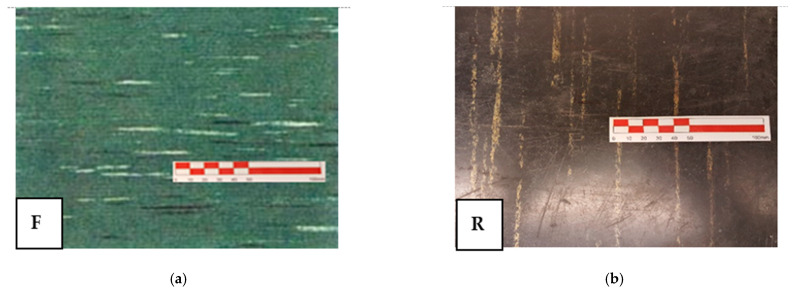
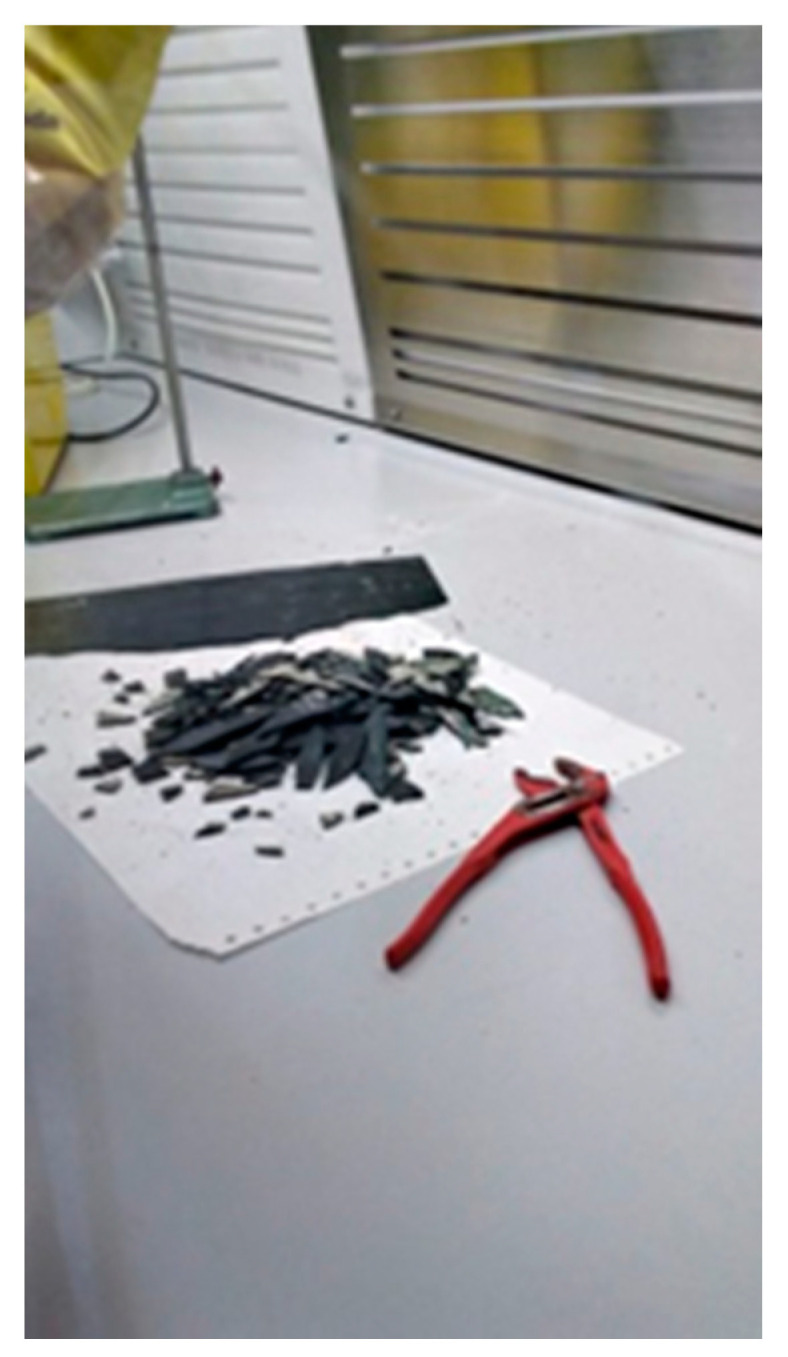
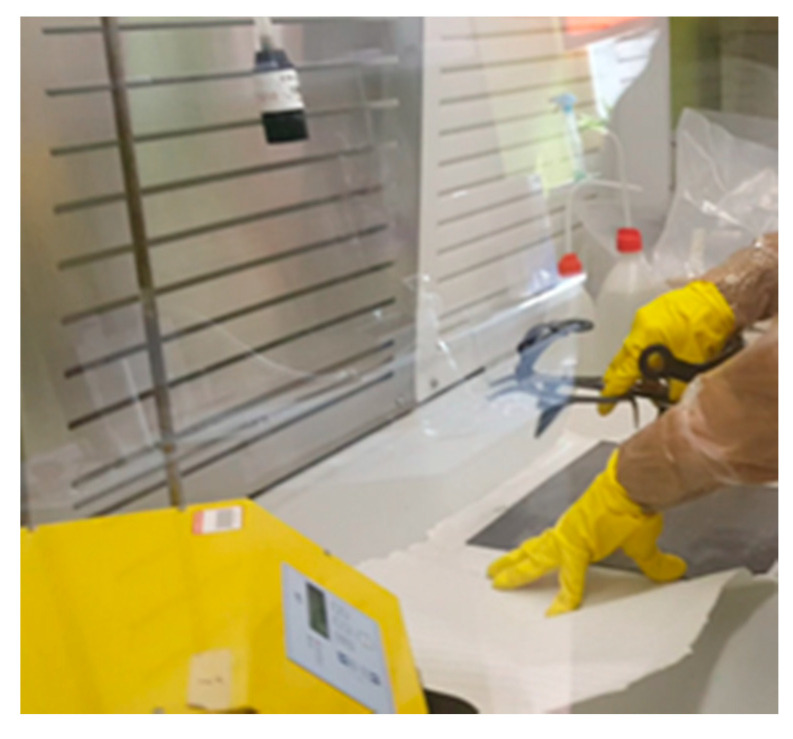
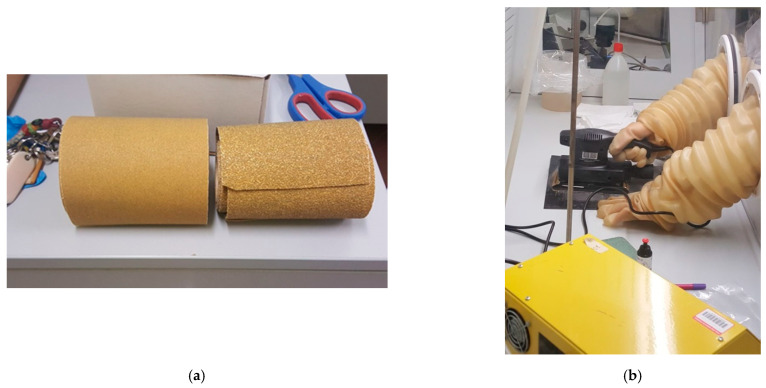
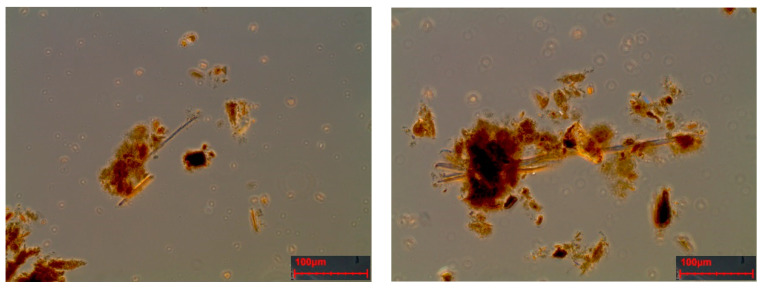
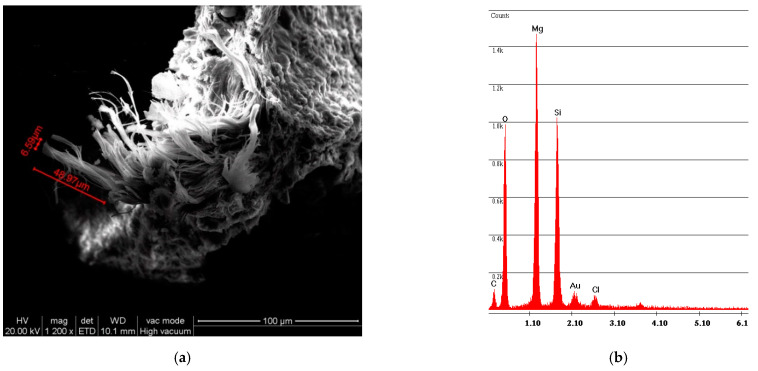
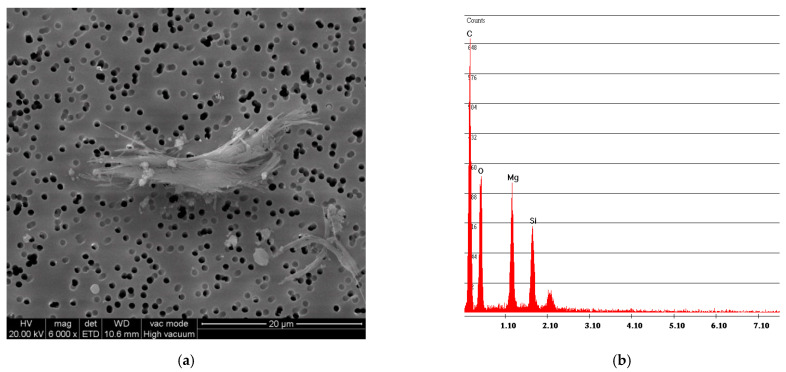
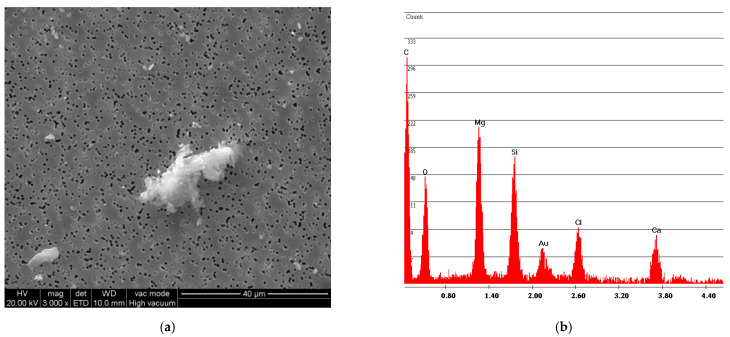
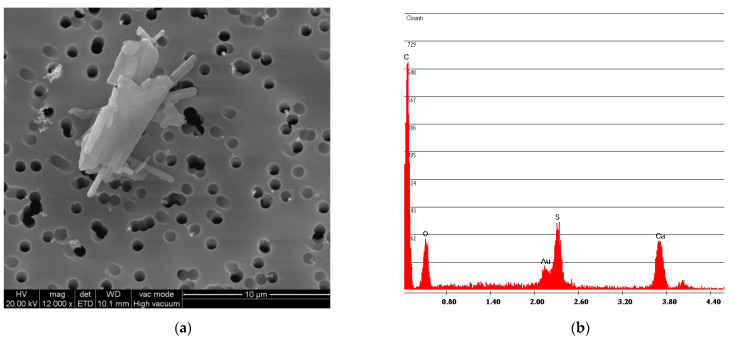
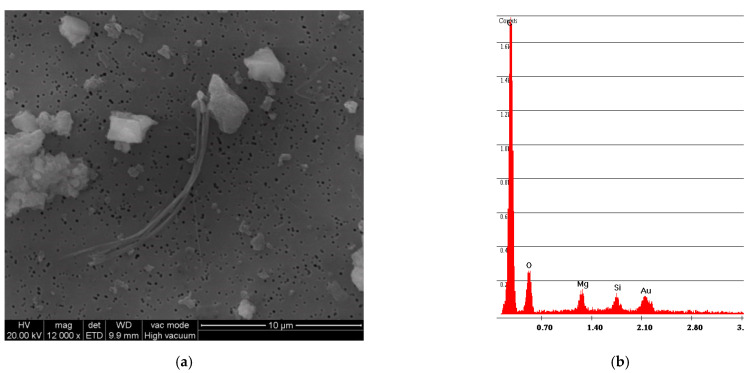
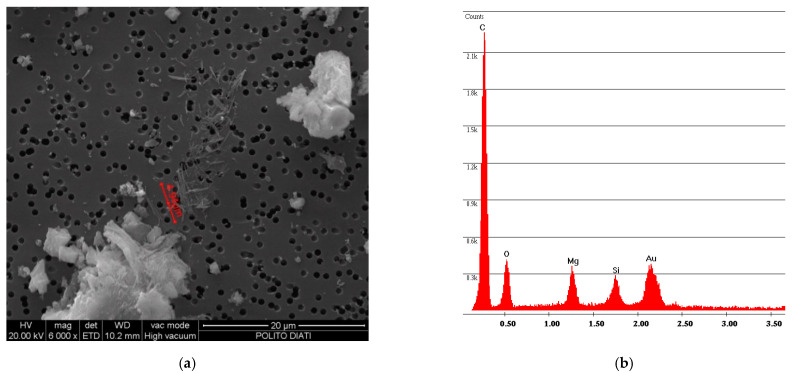
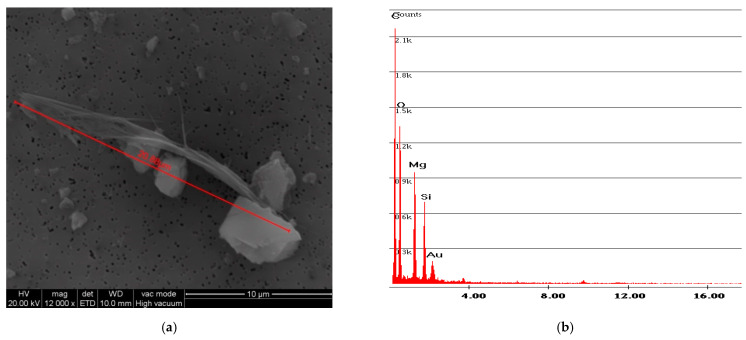
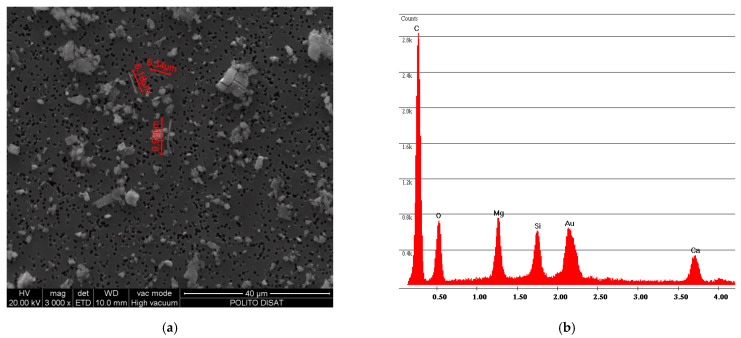
Vinyl floors are widely used in public areas for their low cost and easy cleaning. From 1960 to 1980, asbestos was often added to improve vinyl floor performances. The Italian Ministerial Decree (M.D.) 06/09/94 indicates asbestos vinyl tiles as non-friable materials and, therefore, few dangerous to human health. This work aims to check through three different experimental tests if asbestos floor tiles, after decades of use, maintain their characteristics of compactness and non-friability. The effect of a small stone fragment stuck in the sole of rubber shoes was reproduced by striking the vinyl floor with a crampon. A vinyl tile was broken into smaller pieces with the aid of pliers to simulate what normally happens when workers replace the floors or sample it to verify the presence of asbestos. The third test reproduced the abrasion of the tile surface due to the dragging of furniture or heavy materials or sand grains that remain attached to the soles of shoes. The tests were carried out in safe conditions, working under an extractor hood with a glove box. Airborne sampling in the hood obtained the concentration of asbestos fibers produced in each test. The simulation tests performed confirms the possible release of fibers if the vinyl tiles are cut, abraded or perforated, as indicated by the Italian M.D.
Overview
The claims and statistics of this paper haven’t been checked yet.
Run the check — free, no account needed. It reads the open-access text and checks the sources it cites.
Integrity signals
Registry
Cites
Statistics
Figures
Verification
Claims the paper makes
The claims and statistics of this paper haven’t been checked yet.
Run the check — free, no account needed. It reads the open-access text and checks the sources it cites.
Claims other papers make about this one
Each is checked against this paper’s own text: does it say what the citing paper says it does?
In the citing paper
“Other procedures or floor types may induce higher asbestos air concentrations, and variations can exist due to the technique used and/or to the floor conditions (Zichella et al. 2021).”
From Measurements of airborne asbestos fibres during refurbishing (2023) · cites this paper as Zichella et al. 2021
Self-check
Percentages, sums and reported differences re-computed from the paper’s own numbers.
The self-check needs the paper’s full text.
Citations
Cites
Boulanger, G., Andujar, P., Pairon, J.-C., Billon-Galland, M.-A., Dion, C., Dumortier, P., Brochard, P., Sobaszek, A., Bartsch, P., Paris, C., et al. (2014) · Environmental Health · doi:10.1186/1476-069x-13-59 · Cited by 176
Research works printed but not linked: 11
- Williams, 2003, Asbestos release during removal of resilient floor covering materials by recommended work practices of the resilient floor covering institute, Appl. Occup. Environ. Hyg., 18, 466, 10.1080/713833178 · DOI
- (2020, December 03). Legislative Decree 9 April 2008, n. 81. Text coordinated with Legislative Decree 3 August 2009, n. 106. Testo unico ON HEALTH AND SAFETY AT WORK. Implementation of Article 1 of the Law of 3 August 2007, n. 123 concerning the protection of health and safety in the workplace. (Official Journal No. 101 of April 30, 2008—Ordinary Supplement No. 108) (Additional and corrective decree: Official Journal No. 180 of August 5, 2009—Ordinary Supplement No. 142/L. Available online: https://www.gazzettaufficiale.it/eli/id/2008/04/30/008G0104/sg.
- Campopiano, 2004, Airborne asbestos levels in school buildings in Italy, J. Occup. Environ. Hyg., 1, 256, 10.1080/15459620490433771 · DOI
- Kominsky, 1998, Asbestos exposures during routine floor tile maintenance. Part 1: Spray-buffing and wet-stripping, Appl. Occup. Environ. Hyg., 13, 101, 10.1080/1047322X.1998.10389133 · DOI · Paper page
- Dodson, 2003, Asbestos fiber length as related to potential pathogenicity: A critical review, Am. J. Ind. Med., 44, 291, 10.1002/ajim.10263 · DOI · Paper page
- Clerc, 2018, Assessment of occupational exposure to asbestos fibers: Contribution of analytical transmission electron microscopy analysis and comparison with phase-contrast microscopy, J. Occup. Environ. Hyg., 15, 263, 10.1080/15459624.2017.1412583 · DOI · Paper page
- Perez, 2018, A meta-analysis of airborne asbestos fiber concentrations from work with or around asbestos-containing floor tile, Int. J. Occup. Environ. Health, 24, 134, 10.1080/10773525.2018.1533671 · DOI · Paper page
- Lange, 2005, Asbestos-containing floor tile and mastic abatement: is there enough exposure to cause asbestos-related disease?, Indoor Built Environ., 14, 83, 10.1177/1420326X05050675 · DOI
- Paustenbach, 2004, Occupational exposure to airborne asbestos from coatings, mastics, and adhesives, J. Expo. Sci. Environ. Epidemiol., 14, 234, 10.1038/sj.jea.7500320 · DOI
- Lange, 2002, Impact of asbestos concentrations in floor tiles on exposure during removal, Int. J. Environ. Health Res., 12, 293, 10.1080/0960312021000056401 · DOI · Paper page
- Crossman, 1996, Quantification of Fiber Releases for Various Floor Tile Removal Methods, Appl. Occup. Environ. Hyg., 11, 1113, 10.1080/1047322X.1996.10389381 · DOI
Cited by
Sorted by citations
Measurements of airborne asbestos fibres during refurbishing
Ervik, T. K., Hammer, S. E., Skaugset, N. P., & Graff, P. (2023) · Annals of Work Exposures and Health · doi:10.1093/annweh/wxad041 · Cited by 14
Metadata
- Authors
- Zichella, L., Baudana, F., Zanetti, G., & Marini, P.
- Affiliations
- Department of Environment, Land and Infrastructure Engineering (DIATI), Politecnico di Torino, 10129 Turin, Italy
- Venue
- International Journal of Environmental Research and Public Health
- Publisher
- MDPI AG
- Published
- 2021-02-20
- Volume
- 18
- Issue
- 4
- Pages
- 2073
- ISSN
- 1660-4601
- PMC
- PMC7924406
- Cited by
- 9
- References
- 1
- Language
- en
About these checks
Registry, retraction, Cites and statistics results are computed, not judged, with one exception: a printed reference that no index lists is read once by a model before it counts as a citation error. Claims are extracted by a model and kept only when their quote appears verbatim in the text; each cited source is then checked, with a model’s help, for whether it says what the claim relies on. Those verdicts can be wrong — read the claim’s quote and the cited source before relying on one.
Statistics and arithmetic are recomputed, not judged.
Confidence bands are shown only for fields calibrated on our annotated test set. None is calibrated yet, so no band is shown.
What counts as a claim ›How we measure confidence ›How we check this ›
Are you an author, or do you see a problem with this page? Request a review
