

Skin Cancer Detection: A Review Using Deep Learning Techniques
Open accessThe DOI matches its Crossref record; 70 of the 70 references it cites were found in a registry or an index.
Abstract
Skin cancer is one of the most dangerous forms of cancer. Skin cancer is caused by un-repaired deoxyribonucleic acid (DNA) in skin cells, which generate genetic defects or mutations on the skin. Skin cancer tends to gradually spread over other body parts, so it is more curable in initial stages, which is why it is best detected at early stages. The increasing rate of skin cancer cases, high mortality rate, and expensive medical treatment require that its symptoms be diagnosed early. Considering the seriousness of these issues, researchers have developed various early detection techniques for skin cancer. Lesion parameters such as symmetry, color, size, shape, etc. are used to detect skin cancer and to distinguish benign skin cancer from melanoma. This paper presents a detailed systematic review of deep learning techniques for the early detection of skin cancer. Research papers published in well-reputed journals, relevant to the topic of skin cancer diagnosis, were analyzed. Research findings are presented in tools, graphs, tables, techniques, and frameworks for better understanding.
Overview
The claims and statistics of this paper haven’t been checked yet.
Free: it reads the open-access text and checks the first 5 claims that cite a source we can check. Create a free account to check every claim.
Integrity signals
Registry
Cites
Statistics
Figures




Verification
Claims the paper makes
The claims and statistics of this paper haven’t been checked yet.
Free: it reads the open-access text and checks the first 5 claims that cite a source we can check. Create a free account to check every claim.
Self-check
Percentages, sums and reported differences re-computed from the paper’s own numbers.
The self-check needs the paper’s full text.
Citations
Cites
Dermatologist-level classification of skin cancer with deep neural networks
Esteva, A., Kuprel, B., Novoa, R. A., Ko, J., Swetter, S. M., Blau, H. M., & Thrun, S. (2017) · Nature · doi:10.1038/nature21056 · Cited by 14,362 · cited 1×
“[39] Melanoma /benign Keratinocyte carcinomas/benign SK Deep CNN ISIC-Dermoscopic Archive Expert-level performance against 21 certified dermatologists Accuracy (72.”
BackgroundA scaled conjugate gradient algorithm for fast supervised learning
Møller, M. F. (1993) · Neural Networks · doi:10.1016/s0893-6080(05)80056-5 · Cited by 4,052
Tschandl, P., Rosendahl, C., & Kittler, H. (2018) · Scientific Data · doi:10.1038/sdata.2018.161 · Cited by 3,628
Byrd, A. L., Belkaid, Y., & Segre, J. A. (2018) · Nature Reviews Microbiology · doi:10.1038/nrmicro.2017.157 · Cited by 2,806 · cited 1×
“As the skin is the body’s largest organ, the point of considering skin cancer as the most common type of cancer among humans is understandable [2].”
BackgroundCodella, N. C. F., Gutman, D., Celebi, M. E., Helba, B., Marchetti, M. A., Dusza, S. W., Kalloo, A., Liopyris, K., Mishra, N., Kittler, H., et al. (2018) · 2018 IEEE 15th International Symposium on Biomedical Imaging (ISBI 2018) · doi:10.1109/isbi.2018.8363547 · Cited by 2,620
NIPS 2016 Tutorial: Generative Adversarial Networks
Goodfellow, I. (2016) · arXiv (Cornell University) · doi:10.48550/arxiv.1701.00160 · Cited by 1,229
Automated Melanoma Recognition in Dermoscopy Images via Very Deep Residual Networks
Yu, L., Chen, H., Dou, Q., Qin, J., & Heng, P.-A. (2017) · IEEE Transactions on Medical Imaging · doi:10.1109/tmi.2016.2642839 · Cited by 1,140 · cited 3×
“This limited variation makes the task of image analysis and classification very complex [32].”
BackgroundMethodInfluentialPH2 - A dermoscopic image database for research and benchmarking
Mendonca, T., Ferreira, P. M., Marques, J. S., Marcal, A. R. S., & Rozeira, J. (2013) · 2013 35th Annual International Conference of the IEEE Engineering in Medicine and Biology Society (EMBC) · doi:10.1109/embc.2013.6610779 · Cited by 1,009 · cited 1×
“The dermoscopic images in the PH2 dataset were collected at the Dermatology Center of Pedro Hispano Hospital, Portugal [68].”
MethodThe Benefits and Challenges of Using Systematic Reviews in International Development Research
Mallett, R., Hagen-Zanker, J., Slater, R., & Duvendack, M. (2012) · Journal of Development Effectiveness · doi:10.1080/19439342.2012.711342 · Cited by 565 · cited 1×
“Once systematic literature is completed, it provides a more sensible, logical, and robust answer to the underlying question of the research [11].”
BackgroundVisualizing and Understanding Convolutional Networks
Zeiler, M. D., & Fergus, R. (2013) · arXiv · doi:10.48550/arxiv.1311.2901 · Cited by 522
Skin Cancer Classification Using Convolutional Neural Networks: Systematic Review
Brinker, T. J., Hekler, A., Utikal, J. S., Grabe, N., Schadendorf, D., Klode, J., Berking, C., Steeb, T., Enk, A. H., & von Kalle, C. (2018) · Journal of Medical Internet Research · doi:10.2196/11936 · Cited by 500 · cited 1×
“For accurate skin cancer detection in darkskinned people, a neural network must learn to account for skin color [76].”
BackgroundThe skin cancer classification using deep convolutional neural network
Dorj, U.-O., Lee, K.-K., Choi, J.-Y., & Lee, M. (2018) · Multimedia Tools and Applications · doi:10.1007/s11042-018-5714-1 · Cited by 404 · cited 1×
“[36] BCC/SCC/melanoma/AK SVM with deep CNN 3753 dermoscopic images Pertained to deep CNN and AlexNet for features extraction Accuracy (SCC: 95.”
BackgroundMelanoma detection by analysis of clinical images using convolutional neural network
Nasr-Esfahani, E., Samavi, S., Karimi, N., Soroushmehr, S. M. R., Jafari, M. H., Ward, K., & Najarian, K. (2016) · 2016 38th Annual International Conference of the IEEE Engineering in Medicine and Biology Society (EMBC) · doi:10.1109/embc.2016.7590963 · Cited by 373 · cited 2×
“[31] Melanoma/benign CNN classifier 170 skin lesion images Two convolving layers in CNN Accuracy (81), sensitivity (81), specificity (80)”
BackgroundMethodDeep features to classify skin lesions
Kawahara, J., BenTaieb, A., & Hamarneh, G. (2016) · 2016 IEEE 13th International Symposium on Biomedical Imaging (ISBI) · doi:10.1109/isbi.2016.7493528 · Cited by 333 · cited 1×
“[54] AK/melanocytic nevus/BCC/SK/SCC CNN 1300 skin lesion images Mean subtraction for each image, pooled multi-scale feature extraction process and pooling in augmented-feature space Accuracy (81.”
MethodMelanoma Classification on Dermoscopy Images Using a Neural Network Ensemble Model
Xie, F., Fan, H., Li, Y., Jiang, Z., Meng, R., & Bovik, A. (2017) · IEEE Transactions on Medical Imaging · doi:10.1109/tmi.2016.2633551 · Cited by 327 · cited 2×
“[14] Melanoma/Nonmelanoma ANN with Levenberg–Marquardt (LM), resilient backpropagation (RBP), and scaled conjugate gradient (GCG) learning algorithms 135 lesion images Combination of multiple classifiers to avoid the misclassification Accuracy (SCG:91.”
BackgroundMethodImprovements to the Levenberg-Marquardt algorithm for nonlinear least-squares minimizationPreprint
Transtrum, M. K., & Sethna, J. P. (2012) · arXiv (Cornell University) · doi:10.48550/arxiv.1201.5885 · Cited by 327 · cited 1×
“The performance of three ANN’s learning algorithms such as Levenberg–Marquardt (LM) [16], resilient backpropagation (RP) [17], scaled conjugate gradient (SCG) [18], was also investigated by this paper.”
MethodSkin Lesion Classification Using Convolutional Neural Network With Novel Regularizer
Albahar, M. A. (2019) · IEEE Access · doi:10.1109/access.2019.2906241 · Cited by 293 · cited 1×
“[49] Benign/malignant 2-layer CNN with a novel regularizer ISIC dataset Proposed regularization technique controlled complexity by adding a penalty on the dispersion value of classifier’s weight matrix Accuracy (97.”
MethodSkin Lesion Classification Using Hybrid Deep Neural Networks
Mahbod, A., Schaefer, G., Wang, C., Ecker, R., & Ellinge, I. (2019) · ICASSP 2019 - 2019 IEEE International Conference on Acoustics, Speech and Signal Processing (ICASSP) · doi:10.1109/icassp.2019.8683352 · Cited by 282
Classification of Melanoma and Nevus in Digital Images for Diagnosis of Skin Cancer
Khan, M. Q., Hussain, A., Rehman, S. U., Khan, U., Maqsood, M., Mehmood, K., & Khan, M. A. (2019) · IEEE Access · doi:10.1109/access.2019.2926837 · Cited by 260 · cited 2×
“Melanoma type of cancers can only be cured if diagnosed early; otherwise, they spread to other body parts and lead to the victim’s painful death [5].”
BackgroundRegion-of-Interest Based Transfer Learning Assisted Framework for Skin Cancer Detection
Ashraf, R., Afzal, S., Rehman, A. U., Gul, S., Baber, J., Bakhtyar, M., Mehmood, I., Song, O.-Y., & Maqsood, M. (2020) · IEEE Access · doi:10.1109/access.2020.3014701 · Cited by 260 · cited 1×
“Skin cancer is one of the most active types of cancer in the present decade [1].”
BackgroundNeural network diagnosis of malignant melanoma from color images
Ercal, F., Chawla, A., Stoecker, W. V., Lee, H.-C., & Moss, R. H. (1994) · IEEE Transactions on Biomedical Engineering · doi:10.1109/10.312091 · Cited by 258 · cited 2×
“[24] Malignant /benign Feed-forward ANN with the backpr pagation training algorithm 326 lesion images Color and shape characteristics of the tumo wer used as discriminant features for classification Accuracy (80)”
MethodSkin Cancer Epidemics in the Elderly as An Emerging Issue in Geriatric Oncology
Garcovich, S., Colloca, G., Sollena, P., Andrea, B., Balducci, L., Cho, W. C., Bernabei, R., & Peris, K. (2017) · Aging and disease · doi:10.14336/ad.2017.0503 · Cited by 248 · cited 1×
“Various types of skin cancers such as Merkel cell cancer, BCC, and SCC typically appear after the age of 65 years [77].”
BackgroundMelanoma diagnosis using deep learning techniques on dermatoscopic images
Jojoa Acosta, M. F., Caballero Tovar, L. Y., Garcia-Zapirain, M. B., & Percybrooks, W. S. (2021) · BMC Medical Imaging · doi:10.1186/s12880-020-00534-8 · Cited by 241
Skin colour and skin cancer –MC1R, the genetic link
Sturm, R. A. (2002) · Melanoma Research · doi:10.1097/00008390-200209000-00001 · Cited by 224 · cited 1×
“When these genetic risk factors are combined with environmental risks such as high ultraviolet light exposure, the chances of developing skin cancer become very high [82].”
BackgroundNida, N., Irtaza, A., Javed, A., Yousaf, M. H., & Mahmood, M. T. (2019) · International Journal of Medical Informatics · doi:10.1016/j.ijmedinf.2019.01.005 · Cited by 208 · cited 1×
“[46] Lipoma/fibroma/ sclerosis/melanoma Deep region-based CNN and fuzzy C means clustering ISIC dataset Combination of the region-based CNN and fuzzy C-means ensured more accuracy in disease detection Accuracy (94.”
MethodMilton, A. A. (2019) · arXiv (Cornell University) · doi:10.48550/arxiv.1901.10802 · Cited by 197
Farag, A., Lu, L., Roth, H. R., Liu, J., Turkbey, E., & Summers, R. M. (2017) · IEEE Transactions on Image Processing · doi:10.1109/tip.2016.2624198 · Cited by 185 · cited 1×
“range of areas such as speech recognition [7], pattern recognition [8], and bioinformatics [9].”
BackgroundA Review: Generative Adversarial Networks
Gonog, L., & Zhou, Y. (2019) · 2019 14th IEEE Conference on Industrial Electronics and Applications (ICIEA) · doi:10.1109/iciea.2019.8833686 · Cited by 178 · cited 1×
“A generative adversarial neural network is a powerful class of DNN that is inspired by zero-sum game theory [62].”
Skin Lesion Classification Using GAN based Data Augmentation
Rashid, H., Tanveer, M. A., & Aqeel Khan, H. (2019) · 2019 41st Annual International Conference of the IEEE Engineering in Medicine and Biology Society (EMBC) · doi:10.1109/embc.2019.8857905 · Cited by 153 · cited 3×
“[7] proposed a GAN-based skin lesion classification system.”
BackgroundMethodSelf-citationAbdelhalim, I., Mohamed, M. F., & Mahdy, Y. B. (2019) · Expert systems with applications · doi:10.48550/arxiv.1910.11960 · Cited by 151
An Interactive Node-Link Visualization of Convolutional Neural Networks
Harley, A. W. (2015) · Lecture notes in computer science · doi:10.1007/978-3-319-27857-5_77 · Cited by 150 · cited 2×
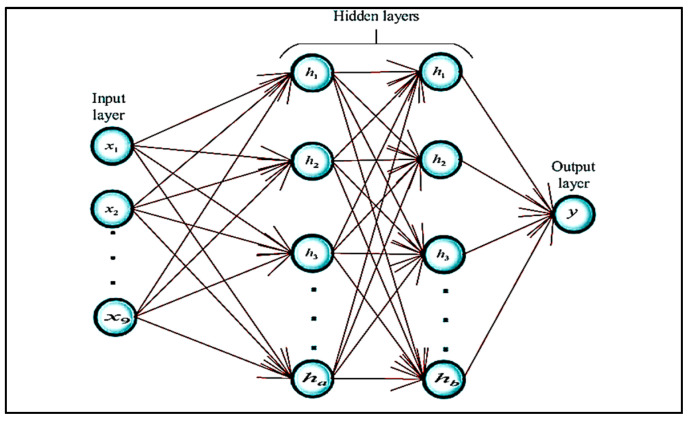
“CNN’s hidden layers consist of convolution layers, nonlinear p oli g layers, and fully connected layers [29].”
BackgroundSkin Lesion Synthesis with Generative Adversarial Networks
Bissoto, A. E., Perez, F., Junior, E. A. D. V., & Avila, S. (2018) · Lecture notes in computer science · doi:10.1007/978-3-030-01201-4_32 · Cited by 141
Skin Cancer Detection Using Convolutional Neural Network
Hasan, M., Barman, S. D., Islam, S., & Reza, A. W. (2019) · Proceedings of the 2019 5th International Conference on Computing and Artificial Intelligence · doi:10.1145/3330482.3330525 · Cited by 136 · cited 1×
“[44] Benign/malignant CNN ISIC database ABCD symptomatic checklist for feature extraction Accuracy (89.”
BackgroundTowards Automated Melanoma Detection With Deep Learning: Data Purification and Augmentation
Bisla, D., Choromanska, A., Berman, R. S., Stein, J. A., & Polsky, D. (2019) · 2019 IEEE/CVF Conference on Computer Vision and Pattern Recognition Workshops (CVPRW) · doi:10.1109/cvprw.2019.00330 · Cited by 132
Automatic Skin Cancer Images Classification
Elgamal, M. (2013) · International Journal of Advanced Computer Science and Applications · doi:10.14569/ijacsa.2013.040342 · Cited by 125 · cited 2×
“There as various types of melanoma skin cancer such as nodular melanoma, superficial spreading melanoma, acral lentiginous, and lentigo maligna [3].”
BackgroundVariants of Artificial Bee Colony algorithm and its applications in medical image processing
Öztürk, Ş., Ahmad, R., & Akhtar, N. (2020) · Applied Soft Computing · doi:10.1016/j.asoc.2020.106799 · Cited by 116 · cited 1×
“Various optimization algorithms such as artificial the bee colony algorithm [78], ant colony optimization [79], social spider optimization [80], and particle swarm optimization [81] can be explored to increase the performance of automated skin cancer diagnostic systems.”
MethodLiao, H., Li, Y., & Luo, J. (2016) · Proceedings - International Conference on Pattern Recognition/Proceedings/International Conference on Pattern Recognition · doi:10.1109/icpr.2016.7899659 · Cited by 102 · cited 2×
“1 HAM10000 2018 10,015 [45] 2 PH2 2013 200 [45] 3 ISIC archive 2016 25,331 [12,33,34,37,44,46–49,51,53] 4 DermQuest 1999 22,082 [52,63,67] 5 DermIS 6588 [52,63] 6 AtlasDerm 2000 1024 [52] 7 Dermnet 1998 23,000 [52,59]”
MethodComputer-Aided Model for Skin Diagnosis Using Deep Learning
Shoieb, D. A., Youssef, S. M., & Aly, W. M. (2016) · Journal of Image and Graphics · doi:10.18178/joig.4.2.122-129 · Cited by 96 · cited 1×
“1 HAM10000 2018 10,015 [45] 2 PH2 2013 200 [45] 3 ISIC archive 2016 25,331 [12,33,34,37,44,46–49,51,53] 4 DermQuest 1999 22,082 [52,63,67] 5 DermIS 6588 [52,63] 6 AtlasDerm 2000 1024 [52] 7 Dermnet 1998 23,000 [52,59]”
Skin melanoma segmentation using recurrent and convolutional neural networks
Attia, M., Hossny, M., Nahavandi, S., & Yazdabadi, A. (2017) · 2017 IEEE 14th International Symposium on Biomedical Imaging (ISBI 2017) · doi:10.1109/isbi.2017.7950522 · Cited by 95 · cited 1×
“[48] Melanoma/non melanoma Hybrid of fully CNN with autoencoder and decoder and RNN ISIC dataset Proposed model outperformed state-of-art SegNet, FCN, and ExB architecture Accuracy (98) Jaccard index (93), sensitivity (95), specificity (94)”
MethodClassification Of Skin Lesions Using An Ensemble Of Deep Neural Networks
Harangi, B., Baran, Á., & Hajdú, A. (2018) · Annual International Conference of the IEEE Engineering in Medicine and Biology Society (EMBC) · doi:10.1109/embc.2018.8512800 · Cited by 95 · cited 1×
“[41] Malignant melanoma/nevus/SK CNN as single neural-net architecture ISIC 2017 dataset CNN ensemble of AlexNet, VGGNet, and GoogleNetfor classification Average AUC:9 84.”
MethodRezvantalab, A., Safigholi, H., & Karimijeshni, S. (2018) · arXiv (Cornell University) · doi:10.48550/arxiv.1810.10348 · Cited by 95
Computer Aided Detection of Skin Cancer
Jaleel, J. A., Salim, S., & Aswin, R. (2013) · International Conference on Circuits, Power and Computing Technologies (ICCPCT) · doi:10.1109/iccpct.2013.6528879 · Cited by 92 · cited 1×
“[26] Cancerous/noncancerous Artificial neural network with backpropagation algorithm 50 dermoscopic images GLCM technique for feature extraction Accuracy (88)”
MethodSkin Lesions Classification Using Convolutional Neural Networks in Clinical ImagesPreprint
Mendes, D. B., & da Silva, N. C. (2018) · arXiv (Cornell University) · doi:10.48550/arxiv.1812.02316 · Cited by 83
Melanoma detection using regular convolutional neural networks
Ali, A. A., & Al-Marzouqi, H. (2017) · International Conference on Electrical and Computing Technologies and Applications (ICECTA) · doi:10.1109/icecta.2017.8252041 · Cited by 78 · cited 1×
“[38] Benign/malignant LightNet (deep learning framework), used for classification ISIC 2016 dataset Fewer parameters and well suited for mobile applications Accuracy (81.”
MethodClassification of Skin Lesion by Interference of Segmentation and Convolotion Neural Network
Rehman, M. U., Khan, S. H., Rizvi, S. M. D., Abbas, Z., & Zafar, A. (2018) · International Conference on Engineering Innovation (ICEI) · doi:10.1109/icei18.2018.8448814 · Cited by 70 · cited 2×
“CNN is a fantastic tool f r collecting and learning global d ta s well as oca d ta by gathering more straightforward fe tures s ch a curves and edges to produce complex features such as shape and corners [28].”
MethodArtificial Neural Network Based Detection of Skin Cancer
Jaleel, J. A., & Salim, S. (2012) · International Journal of Advanced Research in Electrical Electronics and Instrumentation Engineering · Cited by 68
Disaster Management in Smart Cities by Forecasting Traffic Plan Using Deep Learning and GPUs
Aqib, M., Mehmood, R., Albeshri, A. A., & Alzahrani, A. (2018) · Lecture notes of the Institute for Computer Sciences, Social Informatics and Telecommunications Engineering · doi:10.1007/978-3-319-94180-6_15 · Cited by 68 · cited 1×
“[13] Malignant/benign ANN meta-ensemble model consisting of BPN and fuzzy neural network Caucasian race and xanthous-race datasets Self-generating neural network was used for lesion extraction Accuracy (94.”
MethodConvolutional Neural Networks for Classifying Melanoma ImagesPreprint
Sagar, A., & Jacob, D. (2020) · bioRxiv (Cold Spring Harbor Laboratory) · doi:10.1101/2020.05.22.110973 · Cited by 63 · cited 1×
“[56] Melanoma/non melanoma ResNet-50 with deep transfer learning 3600 lesion images from the ISIC dataset The proposed model showed better performance than o InceptionV3, Densenet169, Inception ResNetV2, and Mobilenet Accuracy (93.”
MethodParticle swarm optimization with deep learning for human action recognition
Berlin, S. J., & John, M. (2020) · Multimedia Tools and Applications · doi:10.1007/s11042-020-08704-0 · Cited by 50 · cited 1×
“Various optimization algorithms such as artificial the bee colony algorithm [78], ant colony optimization [79], social spider optimization [80], and particle swarm optimization [81] can be explored to increase the performance of automated skin cancer diagnostic systems.”
MethodSkin Lesion Classification Using Deep Multi-scale Convolutional Neural NetworksPreprint
DeVries, T., & Ramachandram, D. (2017) · arXiv (Cornell University) · doi:10.48550/arxiv.1703.01402 · Cited by 48 · cited 2×
“DeVries and Ramachandram [33] proposed a multi-scale CNN using an inception v3 deep neural network that was trained on an ImageNet dataset.”
MethodHybrid genetic algorithm — Artificial neural network classifier for skin cancer detection
Aswin, R., Jaleel, J. A., & Salim, S. (2014) · International Conference on Control, Instrumentation, Communication and Computational Technologies · doi:10.1109/iccicct.2014.6993162 · Cited by 42 · cited 1×
“[22] described a new method for skin cancer detection based on a genetic algorithm (GA) and ANN algorithms.”
MethodMahmoud, M. K. A., Al-Jumaily, A. A., & Takruri, M. (2011) · International Conference on Hybrid Intelligent Systems (HIS) · doi:10.1109/his.2011.6122188 · Cited by 39 · cited 2×
“[25] Malignant/non-Malignant Backpropagation neural network as NN classifier 448 mixed-type images ROI and SRM for segmentation Accuracy (70.”
MethodLesion border detection using deep learning
Sabouri, P., & GholamHosseini, H. (2016) · IEEE Congress on Evolutionary Computation (CEC) · doi:10.1109/cec.2016.7743955 · Cited by 39 · cited 1×
“[43] Cancerous/noncancerous CNN 1730 skin lesion and background images Focused on edge detection Accuracy (86.”
Backgroundwww.derm101.com: A growing online resource for learning dermatology and dermatopathology
Boer, A., & Nischal, K. (2007) · Indian Journal of Dermatology, Venereology and Leprology · doi:10.4103/0378-6323.31909 · Cited by 37
Basal cell carcinoma detection in full field OCT images using convolutional neural networks
Mandache, D., Dalimier, E., Durkin, J. R., Boceara, C., Olivo‐Marín, J., & Meas‐Yedid, V. (2018) · IEEE International Symposium on Biomedical Imaging (ISBI) · doi:10.1109/isbi.2018.8363689 · Cited by 33 · cited 1×
“[42] BCC/nonBCC CNN 40 FF-OCT images Trained CNN, consisted of 10 layers for features extraction Accuracy (95.”
MethodAnalyzing Skin Lesions in Dermoscopy Images Using Convolutional Neural Networks
Singh, V., & Nwogu, I. (2018) · Conference proceedings/Conference proceedings - IEEE International Conference on Systems, Man, and Cybernetics · doi:10.1109/smc.2018.00684 · Cited by 31 · cited 1×
“[51] Benign/malignant Deep CNN ISIC dataset Data augmentation was performed for data balancing Accuracy (80.”
MethodFahad, L. G., Tahir, S. F., Shahzad, W., Hassan, M., Alquhayz, H., & Hassan, R. (2020) · Scientific Programming · doi:10.1155/2020/1064934 · Cited by 30 · cited 1×
“Various optimization algorithms such as artificial the bee colony algorithm [78], ant colony optimization [79], social spider optimization [80], and particle swarm optimization [81] can be explored to increase the performance of automated skin cancer diagnostic systems.”
MethodMasood, A., Al-Jumaily, A. A., & Adnan, T. (2014) · Lecture notes in computer science · doi:10.1007/978-3-319-11179-7_105 · Cited by 29 · cited 1×
“[15] proposed an ANN-based automated skin cancer diagnostic system.”
MethodHo, C., Calderon‐Delgado, M., Chan, C., Lin, M., Tjiu, J., Huang, S.-L. L., & Chen, H. H. (2020) · Journal of Biophotonics · doi:10.1002/jbio.202000271 · Cited by 29 · cited 1×
“[55] BCC/non-BCC Pruned ResNet18 297 FF-OCT images K-fold cross-validation was applied to measure the performance of the proposed system Accuracy (80)”
MethodComputer Vision for Skin Cancer Diagnosis and Recognition using RBF and SOM
Mengistu, A. D., Alemayehu, D. M., Mengistu, A. D., Alemayehu, D. M., & Dar, B. (2016) · Cited by 28
Detection of skin cancer ”Melanoma” through computer vision
Cueva, W. F., Munoz, F., Vasquez, G., & Delgado, G. (2017) · IEEE International Conference on Electronics, Electrical Engineering and Computing (INTERCON) · doi:10.1109/intercon.2017.8079674 · Cited by 28
Yoshida, T., Celebi, M. E., Schaefer, G., & Iyatomi, H. (2016) · IEEE International Conference on Big Data (BigData) · doi:10.1109/bigdata.2016.7841005 · Cited by 23
Artificial neural networks for processing fluorescence spectroscopy data in skin cancer diagnostics
Lenhardt, L., Zeković, I., Dramićanin, T., & Dramićanin, M. D. (2013) · Physica Scripta · doi:10.1088/0031-8949/2013/t157/014057 · Cited by 19
Artificial Neural Network for SkinCancer Detection
Choudhari, S., & Biday, S. (2014) · Cited by 19
Fawzi, M., & Ali, H. (2010) · InTech eBooks · doi:10.5772/7817 · Cited by 17 · cited 1×
“The performance of three ANN’s learning algorithms such as Levenberg–Marquardt (LM) [16], resilient backpropagation (RP) [17], scaled conjugate gradient (SCG) [18], was also investigated by this paper.”
MethodMahecha, M. S. S., Parra, O. J. S., & Velándia, J. B. (2018) · Lecture notes in computer science · doi:10.1007/978-3-030-02131-3_53 · Cited by 17 · cited 2×
“Under the umbrella of convolutional neural networks, auto-organization techniques increase the level of features representation that is retrieved by expert systems [47].”
BackgroundAdaptive Activation Functions for Skin Lesion Classification Using Deep Neural Networks
Namozov, A., Ergashev, D., & Cho, Y. I. (2018) · Joint International Conference on Soft Computing and Intelligent Systems and International Symposium on Advanced Intelligent Systems (SCIS&ISIS) · doi:10.1109/scis-isis.2018.00048 · Cited by 16 · cited 1×
“[50] melanoma/BCC/melanocytic nevus/AK/benign keratosis/vascular lesion/dermatofibroma CNN model with LeNet approach ISIC dataset The adaptive piecewise linear activation function was used to increase system performance Accuracy (95.”
MethodHusodo, A. Y., Jati, G., Octavian, A., & Jatmiko, W. (2020) · IEEE Access · doi:10.1109/access.2020.2969021 · Cited by 14 · cited 1×
“Various optimization algorithms such as artificial the bee colony algorithm [78], ant colony optimization [79], social spider optimization [80], and particle swarm optimization [81] can be explored to increase the performance of automated skin cancer diagnostic systems.”
MethodUsing Complex Network Topologies and Self-Organizing Maps for Time Series Prediction
Burguillo, J. C., & Dorronsoro, B. (2013) · Advances in intelligent systems and computing · doi:10.1007/978-3-319-00542-3_33 · Cited by 9 · cited 1×
“Basic KNN structure [58], BMU= Best matching unit.”
MethodTowards Automated Melanoma Detection with Deep Learning: Data Purification and Augmentation
Bisla, D., Choromanska, A., Stein, J. A., Polsky, D., & Berman, R. (2019) · arXiv · doi:10.48550/arxiv.1902.06061
Research works printed but not linked: 7
- Schlosser, 2006, The Role of Systematic Reviews in Evidence-Based Practice, Research and Development, Focus, 15, 1
- Kanimozhi, 2016, Computer-Aided Melanoma Skin Cancer Detection Using Artificial Neural Network Classifier, J. Sel. Areas Microelectron., 8, 35
- Bayot, 2007, Malignancy Detection of Candidate for Basal Cell Carcinoma Using Image Processing and Artificial Neural Network, Dlsu Eng. E J., 1, 70
- Kalouche, S. (2021, January 10). Vision-Based Classification of Skin Cancer Using Deep Learning. Available online: https://www.semanticscholar.org/paper/Vision-Based-Classification-of-Skin-Cancer-using-Kalouche/b57ba909756462d812dc20fca157b3972bc1f533.
- Sajid, 2018, Performance Evaluation of Classifiers for Automatic Early Detection of Skin Cancer, J. Adv. Res. Dyn. Control. Syst., 10, 454
- Shoieb, 2016, Computer-Aided Model for Skin Diagnosis Using Deep Learning, J. Image Graph., 4, 116
- Stanley, R.J., Stoecker, W.V., Moss, R.H., Gupta, K., and Jella, P. (2005, January 6–10). Color and Structural Features for Automatic Skin Lesion Discrimination in Dermoscopy Images. Proceedings of the 6th World Congress on Melanoma, Vancouver, BC, Canada.
Cited by
Detection of Skin Cancer Based on Skin Lesion Images Using Deep Learning
Gouda, W., Sama, N. U., Al-Waakid, G., Humayun, M., & Jhanjhi, N. Z. (2022) · Healthcare · doi:10.3390/healthcare10071183 · Cited by 393
Hasan, N., Nadaf, A., Imran, M., Jiba, U., Sheikh, A., Almalki, W. H., Almujri, S. S., Mohammed, Y. H., Kesharwani, P., & Ahmad, F. J. (2023) · Molecular Cancer · doi:10.1186/s12943-023-01854-3 · Cited by 322
Artificial Intelligence in Dermatology Image Analysis: Current Developments and Future Trends
Li, Z., Koban, K. C., Schenck, T. L., Giunta, R. E., Li, Q., & Sun, Y. (2022) · Journal of Clinical Medicine · doi:10.3390/jcm11226826 · Cited by 248
Shah, A., Shah, M., Pandya, A., Sushra, R., Sushra, R., Mehta, M., Patel, K., & Patel, K. (2023) · Clinical eHealth · doi:10.1016/j.ceh.2023.08.002 · Cited by 195
Skin Cancer Classification With Deep Learning: A Systematic Review
Wu, Y., Chen, B., Zeng, A., Pan, D., Wang, R., & Zhao, S. (2022) · Frontiers in Oncology · doi:10.3389/fonc.2022.893972 · Cited by 182
“…articles about melanoma classi fi cation and compared their results with human experts (36). summarized the latest CNN-based methods in skin lesion classi fi cation by utilizing image data and patient data (37). provided a review of deep learning-based methods for early diagnosis of skin cancer.”
Background
Metadata
- Authors
- Dildar, M., Akram, S., Irfan, M., Khan, H. U., Ramzan, M., Mahmood, A. R., Alsaiari, S. A., Saeed, A. H. M., Alraddadi, M. O., & Mahnashi, M. H.
- Affiliations
- Government Associate College for Women Mari Sargodha, Sargodha 40100, Pakistan
- University of Sargodha (PK)
- Najran University (SA)
- COMSATS University Islamabad (PK)
- University of Tabuk (SA)
- Corresponding author
- Ramzan, Muhammad
- Venue
- International Journal of Environmental Research and Public Health
- Publisher
- MDPI AG
- Published
- 2021-05-20
- Volume
- 18
- Issue
- 10
- Pages
- 5479
- ISSN
- 1660-4601 (ISSN-L)
- PMC
- PMC8160886
- OpenAlex
- W3165685657
- Semantic Scholar
- faec7030c99bf2fa29d341bc09d351b7edfa05bc
- Cited by
- 597
- References
- 62
- Citations by year
- 2026: 81 · 2025: 156 · 2024: 162 · 2023: 130 · 2022: 56 · 2021: 12
- FWCI
- 10.87
- Type
- journal article
- Language
- en
- Open access
- gold
- doi.org
- Licence
- Locations
- International Journal of Environmental Research and Public Health (publishedVersion, cc-by)
- PubMed Central (publishedVersion, cc-by)
- PubMed (publishedVersion)
- RePEc: Research Papers in Economics (submittedVersion)
- DOAJ (DOAJ: Directory of Open Access Journals) (submittedVersion)
- Funders
- Deanship of Scientific Research Najran University (DSR NU 2021)
- Topics
- Health Sciences › Medicine › Oncology › Cutaneous Melanoma Detection and Management
- Physical Sciences › Computer Science › Artificial Intelligence › AI in cancer detection
- Health Sciences › Health Professions › Health Information Management › Artificial Intelligence in Healthcare
- Keywords
- skin cancer, early detection, melanoma, benign skin lesions, deep learning, skin lesion classification, computer-aided diagnosis
- MeSH terms
- Deep Learning, Humans, Melanoma, Skin, Skin Neoplasms
About these checks
Registry, retraction, Cites and statistics results are computed, not judged, with one exception: a printed reference that no index lists is read once by a model before it counts as a citation error. Claims are extracted by a model and kept only when their quote appears verbatim in the text; each cited source is then checked, with a model’s help, for whether it says what the claim relies on. Those verdicts can be wrong — read the claim’s quote and the cited source before relying on one.
Statistics and arithmetic are recomputed, not judged.
Confidence bands are shown only for fields calibrated on our annotated test set. None is calibrated yet, so no band is shown.
What counts as a claim ›How we measure confidence ›How we check this ›
Are you an author, or do you see a problem with this page? Request a review
Data sources
Bibliographic data: Semantic Scholar, OpenAlex, Crossref.
Contains information from the Semantic Scholar Academic Graph Datasets, made available under the ODC Attribution License (ODC-BY 1.0).
Semantic Scholar’s data is described in: Kinney, R., et al. (2023). The Semantic Scholar Open Data Platform. arXiv:2301.10140.
