

Effect of Yoga and Mindfulness Intervention on Symptoms of Anxiety and Depression in Young Adolescents Attending Middle School: A Pragmatic Community-Based Cluster Randomized Controlled Trial in a Racially Diverse Urban Setting
Open accessThe DOI matches its Crossref record; 44 of the 44 references it cites were found in a registry or an index.
Abstract
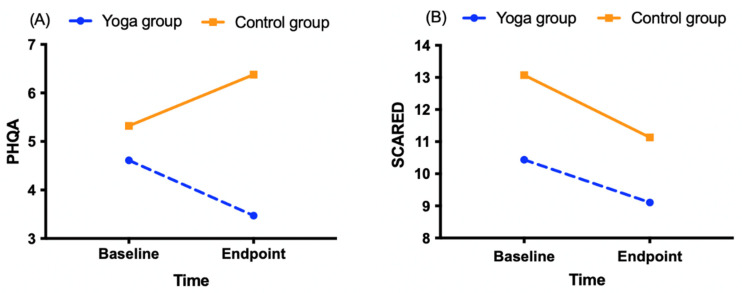
Mental health conditions in childhood and adolescence are increasing in the U.S. population and require early intervention, as highlighted by a recent Surgeon General’s Advisory on Protecting Youth Mental Health. These health issues, which have been exacerbated by the COVID-19 pandemic, impair functioning, and may lead to longer term reductions in quality of life. Young adolescents are likely to experience stressors including academic pressure, feelings of loneliness and isolation, and excessive exposure to social media, all of which have been made worse by the pandemic and associated disruptions. Universal preventive programs at school serve as an important strategy for equipping youth with coping skills to address current and future social and emotional challenges. Yoga and mindfulness programs have emerged as a promising preventive approach for schools and have proven feasible and acceptable. The current study evaluated a universal, school-based mindfulness and yoga program among youth aged 11–14 in a racially diverse, urban setting in the United States. Outcomes of interest included symptoms of anxiety and depression. Anxiety and depression symptoms decreased in the intervention group, although these differences were not statistically significant. In the control group, anxiety symptoms decreased but depression symptoms increased. The resulting time effect indicated a significant decrease in anxiety symptoms, while the time by group effect revealed a strong trend in depression symptoms. Future research should investigate the utility of yoga and mindfulness interventions for early adolescents in a larger population, and the differences in intervention effect among subgroups, with attention to longer term outcomes.
Overview
The claims and statistics of this paper haven’t been checked yet.
Free: it reads the open-access text and checks the first 5 claims that cite a source we can check. Create a free account to check every claim.
Integrity signals
Registry
Cites
Statistics
Figures
Verification
Claims the paper makes
The claims and statistics of this paper haven’t been checked yet.
Free: it reads the open-access text and checks the first 5 claims that cite a source we can check. Create a free account to check every claim.
Claims other papers make about this one
Each is checked against this paper’s own text: does it say what the citing paper says it does?
The cited source doesn’t support the claim as written.
In the citing paper
“For example, they did not describe the details of the mindfulness program [50] or vaguely described informal mindful photography practice with acts of kindness [51] or mind-body movement with breathing [44] rather than relying on evidence-based structured programs with mindfulness techniques that were described in greater detail.”
From Psychological Interventions and Those With Elements of Positive Psychology for Child and Youth Mental Health During the COVID-19 Pandemic: Literature Review, Lessons Learned, and Areas for Future Knowledge Dissemination (2024) · cites this paper as [44]
Checked by a reasoning model — may be wrong.
Experimental — accuracy not yet measuredThe cited source doesn’t support the claim as written.
In the citing paper
“Several studies also undertook a priori power calculations, ensuring that they were sufficiently powered with adequate sample sizes to detect a difference if one existed between the intervention and control arms [44,45,49-51,53,54,61,62,66].”
From Psychological Interventions and Those With Elements of Positive Psychology for Child and Youth Mental Health During the COVID-19 Pandemic: Literature Review, Lessons Learned, and Areas for Future Knowledge Dissemination (2024) · cites this paper as [44]
Checked by a reasoning model — may be wrong.
Experimental — accuracy not yet measuredThe source backs part of the claim, not all of it — or backs it for a different population, condition or comparison.
In the citing paper
“Overall, almost all of the psychological interventions targeting youth mental health had positive results on one or more mental health outcomes, but a monitory of the studies did not find that the interventions were effective for any of the measured mental health outcomes [44,50,51,67].”
From Psychological Interventions and Those With Elements of Positive Psychology for Child and Youth Mental Health During the COVID-19 Pandemic: Literature Review, Lessons Learned, and Areas for Future Knowledge Dissemination (2024) · cites this paper as [44]
Experimental — accuracy not yet measuredThe cited source says what the claim attributes to it.
In the citing paper
“Several studies were of mindfulness-based interventions or included mindfulness components [43,44,46,50-52,56,57,60,66-69].”
Self-check
Percentages, sums and reported differences re-computed from the paper’s own numbers.
The self-check needs the paper’s full text.
Citations
Cites
Merikangas, K. R., He, J.-P., Burstein, M., Swanson, S. A., Avenevoli, S., Cui, L., Benjet, C., Georgiades, K., & Swendsen, J. (2010) · Journal of the American Academy of Child & Adolescent Psychiatry · doi:10.1016/j.jaac.2010.05.017 · Cited by 6,278 · cited 2×
“poor academic performance, school absenteeism, and other negative health outcomes over the life course [2].”
BackgroundDynamics of a stressful encounter: Cognitive appraisal, coping, and encounter outcomes.
Folkman, S., Lazarus, R. S., Dunkel‐Schetter, C., DeLongis, A., & Gruen, R. J. (1986) · Journal of Personality and Social Psychology · doi:10.1037//0022-3514.50.5.992 · Cited by 4,836 · cited 1×
“Lazarus’ and Folkman’s stress and coping theory provides insight into the potential for coping as an explanatory mechanism, where they describe it as a process by which people utilize cognitive and behavioral efforts in managing stressful situations [25].”
BackgroundConsort 2010 statement: extension to cluster randomised trials
Campbell, M. K., Piaggio, G., Elbourne, D. R., Altman, D. G., & for the CONSORT Group (2012) · BMJ · doi:10.1136/bmj.e5661 · Cited by 3,510 · cited 3×
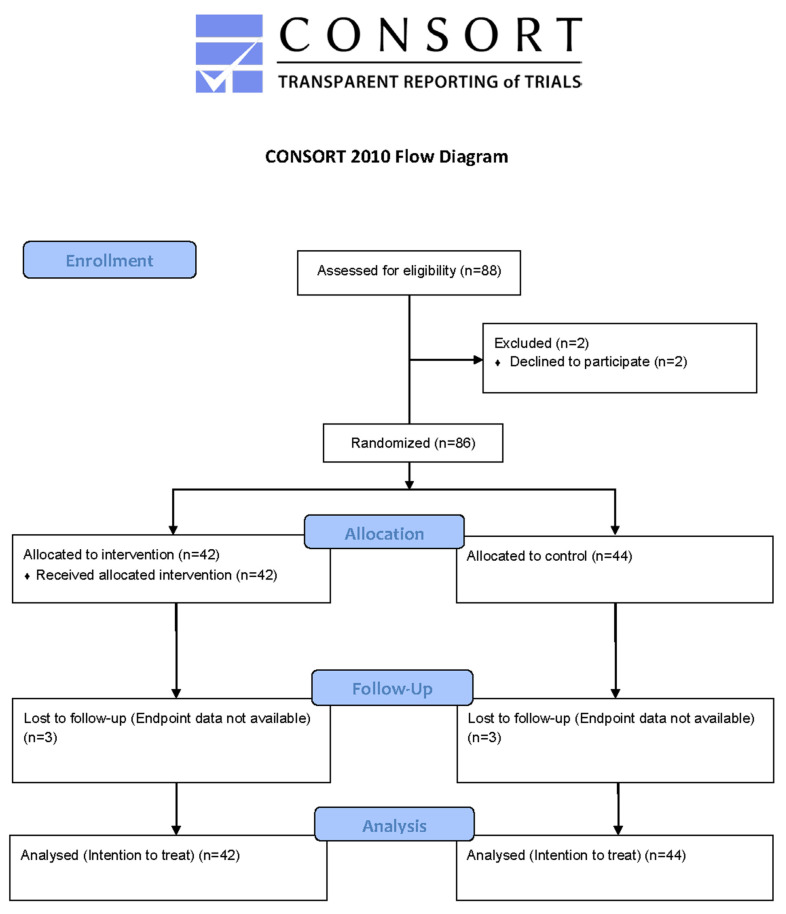
“The CONSORT flow chart is illustrated below in Figure 1.”
MethodInfluentialBIRMAHER, B., BRENT, D. A., CHIAPPETTA, L., BRIDGE, J., MONGA, S., & BAUGHER, M. (1999) · Journal of the American Academy of Child & Adolescent Psychiatry · doi:10.1097/00004583-199910000-00011 · Cited by 2,252 · cited 1×
“The total sum score of the 41 items showed a satisfactory internal consistency and discrimination validity in a children sample [36].”
BackgroundPrevalence and treatment of depression, anxiety, and conduct problems in US children
Ghandour, R. M., Sherman, L. J., Vladutiu, C. J., Ali, M. M., Lynch, S. E., Bitsko, R. H., & Blumberg, S. J. (2019) · The Journal of Pediatrics · doi:10.1016/j.jpeds.2018.09.021 · Cited by 1,135 · cited 2×
“However, despite increased stressors in recent years, more than 40% of children with anxiety in the United States reportedly receive no treatment [1].”
BackgroundLife course outcomes of young people with anxiety disorders in adolescence
WOODWARD, L. J., & FERGUSSON, D. M. (2001) · Journal of the American Academy of Child & Adolescent Psychiatry · doi:10.1097/00004583-200109000-00018 · Cited by 1,051 · cited 1×
“This gap in access to mental health care [8] represents a considerable public health problem given the chronic, relapsing nature of anxiety and depressive disorders, and their debilitating personal, social, and economic burdens over the life course [9,10].”
BackgroundThe patient health questionnaire for adolescents
Johnson, J. G., Harris, E. S., Spitzer, R. L., & Williams, J. B. W. (2002) · Journal of Adolescent Health · doi:10.1016/s1054-139x(01)00333-0 · Cited by 810 · cited 1×
“PHQA is a 9-item screening measure modified for children ages 11–17 to assess episodes and severity of depressive disorder [35].”
BackgroundLazarus, R. S. (2006) · Journal of Personality · doi:10.1111/j.1467-6494.2005.00368.x · Cited by 777 · cited 1×
“In this way, coping is seen as a psychological process focused on persons’ own interpretations of their situation [26].”
BackgroundThe evolutionary basis of risky adolescent behavior: Implications for science, policy, and practice.
Ellis, B. J., Del Giudice, M., Dishion, T. J., Figueredo, A. J., Gray, P., Griskevicius, V., Hawley, P. H., Jacobs, W. J., James, J., Volk, A. A., et al. (2012) · Developmental Psychology · doi:10.1037/a0026220 · Cited by 745 · cited 1×
“School based approaches to addressing stress and social emotional needs of youth have been increasingly studied [37,38]; however, few have focused specifically on middle school aged children (11–14 years of age) who may have distinct needs from older adolescents [39] and younger children.”
BackgroundMoran, P., Coffey, C., Romaniuk, H., Olsson, C., Borschmann, R., Carlin, J. B., & Patton, G. C. (2012) · The Lancet · doi:10.1016/s0140-6736(11)61141-0 · Cited by 607 · cited 1×
“Middle-to-late adolescence is characterized by problems of emotional control, and biological changes taking place during puberty may undermine the ability to cope with stress and give rise to unhealthy risk-taking behavior [49].”
Background
Cited by
Hammoudi Halat, D., Soltani, A., Dalli, R., Alsarraj, L., & Malki, A. (2023) · Journal of Clinical Medicine · doi:10.3390/jcm12134425 · Cited by 296
Fu, Q., Li, L., Li, Q., & Wang, J. (2025) · BMC Public Health · doi:10.1186/s12889-025-22690-8 · Cited by 177
“The studies were conducted across 10 countries: 11 in the United States [42, 43, 45, 47, 51, 53, 55, 58–60, 64 The interventions varied widely, encompassing general school physical education classes, sports, games, yoga, and broader programs such as COPE.”
Research on Educational Innovations
Ellis, A. K., Aker, L. B., & Wicks, D. (2014) · Routledge eBooks · doi:10.4324/9781003626282 · Cited by 156
Wang, C., Tian, Z., & Luo, Q. (2023) · Frontiers in Public Health · doi:10.3389/fpubh.2023.1279599 · Cited by 54
Burkhart, K. M., Agarwal, N., Kim, S., Neudecker, M., & Ievers‐Landis, C. E. (2023) · Children · doi:10.3390/children10061017 · Cited by 27
Galla, B. M., Karanam, A., Pelakh, A., & Goldberg, S. B. (2024) · Frontiers in Psychology · doi:10.3389/fpsyg.2024.1384531 · Cited by 24
Hikmat, R., Yosep, I., Mardhiyah, A., Kurniawan, K., & Syabana, M. N. (2025) · Discover Mental Health · doi:10.1007/s44192-025-00336-w · Cited by 24
“…such as the Mindfulness in Schools Programme and the Yoga Ed Curriculum have been reported to be applicable to specific subjects and enrichment activities, although results vary across schools, with significant concerns regarding the quality of implementation and consistency of delivery [27, 28].”
Lin, X., Zheng, J., Zhang, Q., & Li, Y. (2024) · Mental health and physical activity · doi:10.1016/j.mhpa.2024.100587 · Cited by 22
Jobin, K., Ravichandran Nair, K., Ashok, L., Munivenkatappa, M., Jothikaran, T. A. J., Mathias, E. G., & Krishnan, P. (2025) · Clinical Epidemiology and Global Health · doi:10.1016/j.cegh.2025.101961 · Cited by 29
Mei, Z., Jiang, W., Zhang, Y., Luo, S., & Luo, S. (2024) · General Hospital Psychiatry · doi:10.1016/j.genhosppsych.2024.08.014 · Cited by 18
Kerekes, N., Söderström, A., Holmberg, C., & Ahlström, B. H. (2024) · Journal of Psychiatric Research · doi:10.1016/j.jpsychires.2024.11.016 · Cited by 18
Nagpal, M. N., Lin, T., Park, H., Anderman, E. M., Bihari, T. E., Madrid, L., Ford, J. L., & Subramaniam, B. (2024) · Journal of Research on Adolescence · doi:10.1111/jora.12971 · Cited by 11
Carcelén‐Fraile, M. D. C., Aibar‐Almazán, A., & Hita‐Contreras, F. (2025) · Applied Sciences · doi:10.3390/app15179572 · Cited by 12
Fundamentals of Developmental Psychology
Mitchell, P., Ziegler, F. V., & Rose, S. (2013) · Routledge eBooks · doi:10.4324/9781315442167 · Cited by 20
Mindfulness and Anxiety in Adolescents: Systematic Literature Review Based on Big Data
Jannah, D. S. M., & Setiyowati, N. (2024) · Bulletin of Counseling and Psychotherapy · doi:10.51214/00202406835000 · Cited by 9
“A research by Bazzano et al. (2022) conducted on 86 adolescents revealed that adolescents who practiced mindfulness felt the benefits in reducing anxiety and symptoms of depression.”
MethodKumar, R., Sahu, M., Beniwal, K., Bahurupi, Y. A., & Das, A. (2025) · Medical Journal Armed Forces India · doi:10.1016/j.mjafi.2024.12.002 · Cited by 8
Lyzwinski, L., Zwicker, J. D., Mcdonald, S., & Tough, S. (2024) · JMIR Pediatrics and Parenting · doi:10.2196/59171 · Cited by 7
“…the details of the mindfulness program [50] or vaguely described informal mindful photography practice with acts of kindness [51] or mind-body movement with breathing [44] rather than relying on evidence-based structured programs with mindfulness techniques that were described in greater detail.”
BackgroundZhang, Z., Li, L., Wang, H., Dong, K., & Li, D. (2025) · European Child & Adolescent Psychiatry · doi:10.1007/s00787-025-02893-5 · Cited by 7
Magalhães, S., Carvalhais, L. S. D. A., Oliveira, P., Francisco, C., Mourisco, C., Leal, T., & Limpo, T. (2023) · Mindfulness · doi:10.1007/s12671-023-02269-3 · Cited by 8
“…improved Chinese students’ resilience and emotional intelligence (Yuan, 2021), (b) among American students, reduced anxiety and depression symptoms (Bazzano et al., 2022) and improved self ‐ compassion, sense of interdependence, and perspective ‐ taking (Colaianne et al., 2022), and (c) increased…”
Delavari, H., Talebi, M. E., & Delavari, H. (2023) · English Education Journal · doi:10.24815/eej.v14i2.31992 · Cited by 10
“offer a way to help students develop essential life skills, cope with stress and anxiety, and improve their overall academic performance (Bazzano et al., 2022; Bonde et al., 2022; Fulambarkar et al., 2023; Li et al., 2021; Moller & Aschersleben, 2020).”
Syafii, M. H., & Mulya, A. (2024) · Journal of Islamic Communication and Counseling · doi:10.18196/jicc.v3i1.72 · Cited by 6
Reimagining adolescent well-being through yoga as a public health paradigm
Babu, A., Joseph, A. P., Bose, J., & Sarathy, K. (2026) · Frontiers in Psychiatry · doi:10.3389/fpsyt.2025.1691915 · Cited by 7
Liu, Q., Xu, Z., Tai, P., Lian, Z., Cheng, W., & Zhang, J. (2026) · Frontiers in Psychology · doi:10.3389/fpsyg.2026.1825603 · Cited by 5
., A. (2024) · Journal of Sports Science and Nutrition · doi:10.33545/27077012.2024.v5.i2b.277 · Cited by 5
Ditzen-Janotta, C., Schwarz, S., Wendel, F., Kunzler, A. M., Schoenweger, P., Kirschneck, M., Merkel, L., Movsisyan, A., Weber, M., Rehfuess, E. A., et al. (2026) · European Archives of Psychiatry and Clinical Neuroscience · doi:10.1007/s00406-025-02187-6 · Cited by 5
Saunders, R., Cogburn, B., & Nguyen, N. (2024) · Professional School Counseling · doi:10.1177/2156759x241247166 · Cited by 4
“Mindful breathing helps students to regulate and strengthen their nervous systems and return to a state of optimal learning (Bazzano et al., 2019).”
BackgroundSlametiningsih, Hamid, A. Y. S., Rachmah, I. N., Mustikasari, M., & Ismail, R. I. (2025) · Jurnal PROMKES · doi:10.20473/jpk.v13.isi1.2025.235-245 · Cited by 7
Mental Health Interventions in Middle Schools: A 10-Year Review of Research
McKay, E. A., Mattheus, D. J., & Fontenot, H. B. (2024) · The Journal of School Nursing · doi:10.1177/10598405241265904 · Cited by 4
“These four interventions utilize a variety of theoretical approaches: CBT-based PTA (McCarty et al., 2013), Yoga Ed intervention (Bazzano et al., 2022), an adapted MBSR intervention (Sibinga et al., 2016), and the High School Transition Program (HSTP) intervention (Makover et al., 2019).”
InfluentialXian, J., Hu, Q., & Jiang, B. (2026) · Frontiers in Physiology · doi:10.3389/fphys.2025.1744254 · Cited by 4
Arslan, N., & Ardıç, A. (2026) · Journal of Adolescence · doi:10.1002/jad.70155 · Cited by 3
Mindfulness Therapy on Adolescent’s Anxiety and Depression: A Systematic Review
Lestari, N., Efendi, F., Qur'aniati, N., & Yunara, Y. (2023) · Media Ilmu Kesehatan · doi:10.30989/mik.v12i2.862 · Cited by 3
Toffoli, L., Stefanelli, G., Manca, G., Cristaldi, F. D. P., Duma, G. M., Guidi, M., Incagli, F., Sbernini, L., Tarantino, V., & Mento, G. (2025) · Frontiers in Psychology · doi:10.3389/fpsyg.2025.1379241 · Cited by 4
Efek Intervensi Mindfulness terhadap Kecemasan pada Remaja : Sebuah Sistematic Literatur Review
Ridlo, M. R., Yoenanto, N. H., & Nawangsari, N. A. F. (2025) · Jurnal Obsesi Jurnal Pendidikan Anak Usia Dini · doi:10.31004/obsesi.v9i5.6773 · Cited by 2
Oka, G. A., Ranade, A. S., Shinde, M. K., & Pore, P. D. (2025) · Frontiers in Pediatrics · doi:10.3389/fped.2025.1582984 · Cited by 2
Piri, E., Ghasemi, B., & Shafizadeh, A. (2023) · Baltic Journal of Health and Physical Activity · doi:10.29359/bjhpa.15.4.04 · Cited by 2
Kendirkıran, G., & Bilgin, H. (2024) · Current Psychology · doi:10.1007/s12144-024-06482-8 · Cited by 2
“Emotional control problems are common in adolescence, and biological changes during adolescence can weaken adolescents' ability to cope with stress and lead to unhealthy risk-taking behavior (Bazzano et al., 2022 ).”
InfluentialCastro, A. O., Pérez, R. P. B., Vargas-Huicochea, I., Márquez, A. F., & Castro, J. C. F. (2025) · Salud Mental · doi:10.17711/sm.0185-3325.2025.004 · Cited by 2
“They were also observed to have better treatment adherence (Félix-Junior et al., 2022; Bazzano et al., 2022; Kriakous et al., 2020; Chmielewski & Łuczyński, 2021; Oró et al., 2021; Zemestani & Fazeli Nikoo, 2020; Buizza et al., 2020; Kwok et al., 2019; Lo-mas et al., 2018; Ruiz-Fernández et al.,…”
Letter to Editor: Validated yoga protocol for college student mental health
Arumugam, V., Kuppusamy, M., Tarakeshwari, G., Annamalai, G., & Arthi, B. (2024) · Brain Behavior and Immunity Integrative · doi:10.1016/j.bbii.2023.100039 · Cited by 1
Efficacy of Yoga in Reducing Depressive Symptoms: A Systematic Review
Santos, G. V. A. D. A., Júnior, F. J. G. D. S., Sales, J. C. E. S., & Pereira, L. C. (2024) · Aquichan · doi:10.5294/aqui.2024.24.3.8 · Cited by 3
“With its positive effects and accessibility, yoga is accepted as a complementary therapeutic approach to help adolescents deal with depression (20, 49).”
Anxiety and Complementary Medicine - A Review Article
Varma, V. Y. H. (2023) · International Journal of Science and Research (IJSR) · doi:10.21275/sr23601113634
“Parents need to be conscious of their children's psychological health, especially if they are manifesting signs or symptoms of suicidal ideation [8].”
BackgroundPaniagua, T. J. B., Sandoval, S. C., Jara, R. L. R., & Franco, F. (2024) · Revista científica ciencias de la salud · doi:10.53732/rccsalud/2024.e6154
Bilagi, A., Kumari, S., & Archana, M. (2025) · Yoga Mimamsa · doi:10.4103/ym.ym_13_25
Random Assignment in School Settings: A Systematic Review of Yoga Interventions for Adolescents
Schelly, D., & Watts, M. P. (2025) · Journal of Child and Family Studies · doi:10.1007/s10826-025-03084-1
“Three studies (Bazzano et al., 2022; Sharma & Rawat, 2023; Velasquez et al., 2015) utilized a waitlist control.”
Espín, B. D. N., & Fray, V. D. P. G. (2025) · Ciencia Latina Revista Científica Multidisciplinar · doi:10.37811/cl_rcm.v9i4.19366
Sun, R. (2025) · SHS Web of Conferences · doi:10.1051/shsconf/202522202012
Analisis Pencahayaan dan Kenyamanan Pengguna: Studi Kasus The Sanctuary Bandung
Pattiasina, M. J., Tjandradipura, C., & Setyoningrum, Y. (2025) · Design Spectrum · doi:10.28932/ds.v1i1.13095
Thakur, M. K. (2024) · Research Square · doi:10.21203/rs.3.rs-3995680/v1
Helenius, J., & Laitinen, A. (2024) · Theseus (Ammattikorkeakoulujen)
Enhancing Adolescent Brain Health: Addressing Challenges and Exploring Interventions
Repaka, V., Grewal, G., Shivadevuni, V., & Ferguson, A. (2026) · Berkeley Pharma Tech Journal of Medicine · doi:10.52243/bptjm.v6i1.74
Sanchez, B., Allen, D., & Villarreal, L. H. (2026) · International Journal of Educational Methodology · doi:10.12973/ijem.12.1.1
Trauma Adapted Yoga as an Adjunct to Psychiatric Treatment on an Adolescent Inpatient Unit
Chung, T., Duquette, J. S., Zhang‐James, Y., Hagen, K., Biedrzycki, J., Cote, J. R., Nepal, M., Carbone, S., & Khoury, N. M. (2026) · Clinical Child Psychology and Psychiatry · doi:10.1177/13591045261424539
“We further hypothesized that those who participated in more TAY sessions would experience greater decreases in total Y-OQ scores, due to previous fi ndings that yoga dose and consistency is related to positive outcomes (Bazzano et al., 2022; Davis & Aylward, 2022).”
Mindfulness-based training to decrease stress-induced anxiety in drivers: A quasi-experimental study
Qiu, J., Xiang, H., Peng, L., Wang, Q., Li, X., Shen, K., & Zhao, H. (2026) · Transportation Research Interdisciplinary Perspectives · doi:10.1016/j.trip.2026.101991
Rainbow Mindfulness: Integrating Mindfulness-Based Interventions for the LGBTQIA+ Community
Srivastava, U., & Dhoundiyal, A. (2026) · IGI Global eBooks · doi:10.4018/979-8-2600-1202-4.ch006
Tundealao, S. T., Okunlola, P., Titiloye, T., Ezema, I. G., & Egba, O. (2026) · Discover Public Health · doi:10.1186/s12982-026-01934-x
LogRegression: human action pattern recognition for yoga and kavayat for children
Babanne, V., & Agarkar, P. M. (2026) · IAES International Journal of Artificial Intelligence · doi:10.11591/ijai.v15.i3.pp2377-2384
Role Of Indian Knowledge Systems (IKS) Curriculum In Reducing Academic Stress Among Students
Pandey, H. S., & Ahmad, I. (2026) · VEETHIKA · doi:10.67088/veethika/v16.i2.10
Wang, Y. (2026) · Discover Artificial Intelligence · doi:10.1007/s44163-026-01840-w
“TheAuthor of [16] performed a cluster randomized trial to examine the effects of mindfulness and yoga therapy at theschool-based level in adolescents.”
Soni, A., & Tuteja, S. (2026) · Divyayatan - A Journal of Lakulish Yoga University. · doi:10.69919/2pqh8c17
Yoga As A Pathway To Psychological Resilience In Adolescents: A Review Of Current Evidence
Gogoi, L., Gogoi, P. N., Deka, D. D., Devi, L. R., Yembem, S., Khersa, S., Taye, N., & Sarmah, P. (2026) · Adolescencia e Saude · doi:10.67440/ahj.v21i5s.1385
Saxena, K., Sreerama, V., & Kurian, S. R. (2026) · Psychiatric Clinics of North America · doi:10.1016/j.psc.2026.07.002
Purba, F. D., Hasyim, F. F., Setyowibowo, H., & de Vries, R. (2026) · Neuropsychiatric Disease and Treatment · doi:10.2147/ndt.s614122
“22,23,31 High data loss can invalidate conclusions, particularly when the lost data are strongly related to the outcomes being assessed.”
InfluentialRAJINIKANTH, S., Dass, P. D. N., Lawanis, H., Latha, R., & Boby, F. A. (2026) · Physical rehabilitation and recreational health technologies · doi:10.15391/prrht.2026-11(4).04
Parra, D. C., Regassa, A., Ataro, B., & Zhang, D. (2026) · Mindfulness · doi:10.1007/s12671-026-02984-7
Shiyue, C., Cao, D., Qi, Y., & Shi, H. (2026) · Frontiers in Psychology · doi:10.3389/fpsyg.2026.1893629
Tarigan, B. T. (2026) · Biblio Couns Jurnal Kajian Konseling dan Pendidikan · doi:10.30596/bibliocouns.v9i2.31232
Wang, J., Yang, L., Guo, R., Liu, D., & Li, M. (2026) · Frontiers in Psychiatry · doi:10.3389/fpsyt.2026.1917988
“For example, schools can implement 10 – 15-minute, classroom-based emotional regulation activities using age-appropriate scenarios — such as exam anxiety, peer con fl icts, or parental pressure (39, 40).”
Ferreira, Á. R. P., Torreani, R. J. A., Barrios, D. A. A., & de Souza, L. M. O. (2026) · Revista Ibero-Americana de Humanidades, Ciências e Educação · doi:10.51891/rease.v12i10.31348
Chen, L., Zhang, J., Wang, B., & Gao, Z. (2026) · Frontiers in Psychology · doi:10.3389/fpsyg.2026.2000159
Metadata
- Authors
- Bazzano, A. N., Sun, Y., Chavez-Gray, V., Akintimehin, T., Gustat, J., Barrera, D., & Roi, C.
- Affiliations
- Tulane University (US)
- Peking University Sixth Hospital (CN)
- Louisiana State University Health Sciences Center New Orleans (US)
- Corresponding author
- Bazzano, Alessandra N.
- Venue
- International Journal of Environmental Research and Public Health
- Publisher
- MDPI AG
- Published
- 2022-09-24
- Volume
- 19
- Issue
- 19
- Pages
- 12076
- ISSN
- 1660-4601 (ISSN-L)
- PMC
- PMC9564597
- OpenAlex
- W4297236166
- Cited by
- 55
- References
- 43
- Citations by year
- 2026: 17 · 2025: 14 · 2024: 16 · 2023: 8
- FWCI
- 8.68
- Type
- journal article
- Language
- en
- Open access
- gold
- doi.org
- Licence
- Locations
- International Journal of Environmental Research and Public Health (publishedVersion, cc-by)
- PubMed Central (publishedVersion, cc-by)
- PubMed (publishedVersion)
- RePEc: Research Papers in Economics (submittedVersion)
- DOAJ (DOAJ: Directory of Open Access Journals) (submittedVersion, cc-by-sa)
- Topics
- Social Sciences › Psychology › Clinical Psychology › Mindfulness and Compassion Interventions
- Social Sciences › Psychology › Clinical Psychology › Child and Adolescent Psychosocial and Emotional Development
- Health Sciences › Medicine › Public Health, Environmental and Occupational Health › School Health and Nursing Education
- Keywords
- yoga, mindfulness, anxiety symptoms, depressive symptoms, early adolescents, junior high school students, school-based mental health programs, universal prevention, youth mental health, COVID-19 pandemic, racial diversity, urban youth
- MeSH terms
- COVID-19, Adolescent, Anxiety, Depression, Humans, Quality of Life, Yoga, Pandemics, Mindfulness
About these checks
Registry, retraction, Cites and statistics results are computed, not judged, with one exception: a printed reference that no index lists is read once by a model before it counts as a citation error. Claims are extracted by a model and kept only when their quote appears verbatim in the text; each cited source is then checked, with a model’s help, for whether it says what the claim relies on. Those verdicts can be wrong — read the claim’s quote and the cited source before relying on one.
Statistics and arithmetic are recomputed, not judged.
Confidence bands are shown only for fields calibrated on our annotated test set. None is calibrated yet, so no band is shown.
What counts as a claim ›How we measure confidence ›How we check this ›
Are you an author, or do you see a problem with this page? Request a review
Data sources
Bibliographic data: Semantic Scholar, OpenAlex, Crossref.
Contains information from the Semantic Scholar Academic Graph Datasets, made available under the ODC Attribution License (ODC-BY 1.0).
Semantic Scholar’s data is described in: Kinney, R., et al. (2023). The Semantic Scholar Open Data Platform. arXiv:2301.10140.
