

The DOI matches its Crossref record; 44 of the 44 references it cites were found in a registry or an index.
Self-Medication Practices with Antibiotics among Tertiary Level Students in Accra, Ghana: A Cross-Sectional Study
Open accessAbstract
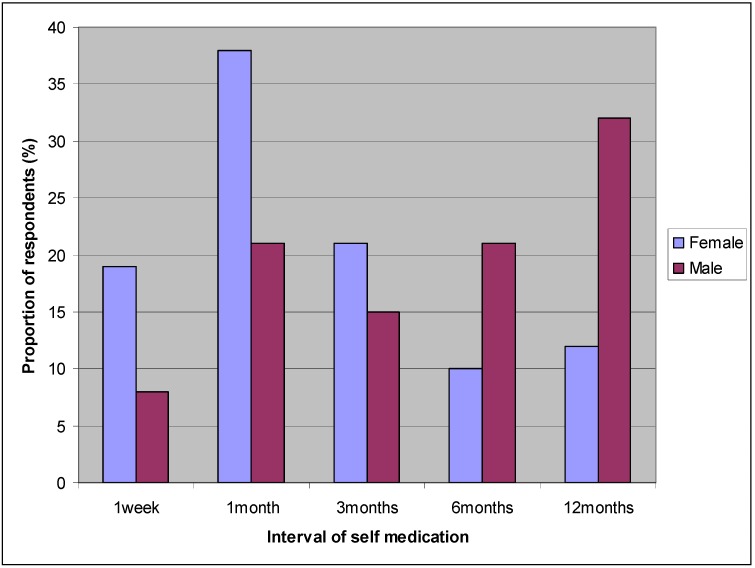
The study was carried out to estimate the prevalence of self-medication with antibiotics among tertiary level students in Accra (Ghana) and evaluate factors associated with the practice. This was a descriptive cross-sectional study and involved face-to-face interviews of 600 respondents selected by convenient sampling. Prevalence of self medication was 70% (95% CI: 66.3-73.7), and the practice was significantly lower among medically inclined students (OR: 0.2, 95% CI: 0.1-0.4, p < 0.001). Among the respondents who practiced self medication, the most common frequency of antibiotic usage was at intervals of one month (30%, 95% CI: 25.6-34.4%), and the most common antibiotic used was amoxacillin (23.9%, 95% CI: 21.0-26.8%). Treatment failure were reported by 35% (95% CI: 30.5-39.6%) of the respondents, and the main reasons cited for self medication were that, it was less expensive compared to medical care in the hospital and secondly, medical care in hospitals were associated with long delays. Forty nine percent (95% CI: 44.2-53.8%) of the respondents had poor knowledge about the health implications of irrational use of antibiotics, and 46% (95% CI: 41.2-50.8%) did not comply with the completion of the full course of antibiotics. Self medication among tertiary students in Accra is an important public health problem and this may reflect the situation among tertiary students in the whole of Ghana.
Overview
The claims and statistics of this paper haven’t been checked yet.
Run the check — free, no account needed. It reads the open-access text and checks the sources it cites.
Integrity signals
Registry
Cites
Statistics
Figures
Verification
Claims the paper makes
The claims and statistics of this paper haven’t been checked yet.
Run the check — free, no account needed. It reads the open-access text and checks the sources it cites.
Claims other papers make about this one
Each is checked against this paper’s own text: does it say what the citing paper says it does?
The cited source says what the claim attributes to it.
In the citing paper
“In a cross-sectional descriptive study conducted by Donkor et al. in Ghana among tertiary students, 70% of participants reported SMAs [7].”
From Understanding Antimicrobial Self-Medication Practices in the Andaman and Nicobar Islands in India (2025) · cites this paper as [7]
Self-check
Percentages, sums and reported differences re-computed from the paper’s own numbers.
The self-check needs the paper’s full text.
Citations
Cites
Outpatient antibiotic use in Europe and association with resistance: a cross-national database study
Goossens, H., Ferech, M., Vander Stichele, R., & Elseviers, M. (2005) · The Lancet · doi:10.1016/s0140-6736(05)17907-0 · Cited by 3,359 · cited 1×
“Self-medication with antibiotics constitute a major form of irrational use of medicine and can cause significant adverse effects such as resistant microorganisms, treatment failures, drug toxicity, increase in treatment cost, prolonged hospitalization periods and increase in morbidity [2–4].”
BackgroundBiostatistics: A Foundation for Analysis in the Health Sciences.
Rosenfeld, B., & Daniel, W. W. (1984) · Journal of the American Statistical Association · doi:10.2307/2288760 · Cited by 2,841
Population and Housing Census.
Tobago (2011) · Cited by 1,384
Practical Issues in Calculating the Sample Size for Prevalence Studies
Naing, L., & Winn, T. (2006) · Cited by 1,381
Identifying and Avoiding Bias in Research
Pannucci, C. J., & Wilkins, E. G. (2010) · Plastic and Reconstructive Surgery · doi:10.1097/prs.0b013e3181de24bc · Cited by 1,079 · cited 1×
“The questionnaire was administered by two undergraduate students who were trained in the interview process and about how to avoid biases [27].”
BackgroundMacfarlane, J., Holmes, W. F., Macfarlane, R., & Britten, N. (1997) · BMJ · doi:10.1136/bmj.315.7117.1211 · Cited by 483
Self-medication amongst university students of Karachi: prevalence, knowledge and attitudes.
Zafar, S. N., Syed, R., Waqar, S., Zubairi, A. J., Vaqar, T., Shaikh, M., Yousaf, W., Shahid, S., & Saleem, S. (2008) · PubMed · Cited by 359
Antimicrobial Resistance Determinants and Future Control
Harbarth, S., & Samore, M. H. (2005) · Emerging infectious diseases · doi:10.3201/eid1106.050167 · Cited by 314 · cited 1×
“Antibiotic resistance has been attributed to misuse and overuse of antibiotics which puts selective pressure on bacterial pathogens leading to the emergence and spread of resistance [8,35].”
BackgroundSelf-medication with antibiotics and antimalarials in the community of Khartoum State, Sudan.
Awad, A. I., Eltayeb, I. B., Matowe, L. K., & Thalib, L. (2005) · PubMed · Cited by 314
Self-medication with antibiotics—Does it really happen in Europe?
Väänänen, M. H., Pietilä, K., & Airaksinen, M. (2005) · Health Policy · doi:10.1016/j.healthpol.2005.07.001 · Cited by 193
Research works printed but not linked: 2
- Olayemi, 2010, Evaluation of antibiotic self-medication pattern amongst undergraduate students of Ahmadu Bello University (Main Campus), Zaria, Res. J. Appl. Sci. Eng. Technol., 2, 35
- Dennis, 2009, A study of self-medication in a neighborhood in Bogotá, Rev. Salud. Publica (Bogota), 11, 432
Cited by
Sorted by citations
Bryce, A., Hay, A. D., Lane, I. F., Thornton, H. V., Wootton, M., & Costelloe, C. (2016) · BMJ · doi:10.1136/bmj.i939 · Cited by 418
Public Knowledge, Attitudes, and Experience Regarding the Use of Antibiotics in Italy
Napolitano, F., Izzo, M. T., Giuseppe, G. D., & Angelillo, I. F. (2013) · PLoS ONE · doi:10.1371/journal.pone.0084177 · Cited by 310
Perceptions and Practices of Self-Medication among Medical Students in Coastal South India
Kumar, N., Kanchan, T., Unnikrishnan, B., Thapar, R., Mithra, P., Kulkarni, V., Papanna, M. K., Holla, R., & Uppal, S. (2013) · PLoS ONE · doi:10.1371/journal.pone.0072247 · Cited by 279
Lukovic, J. A., Miletic, V., Pekmezovic, T. D., Trajković, G., Ratkovic, N., Aleksic, D., & Grgurević, A. (2014) · PLoS ONE · doi:10.1371/journal.pone.0114644 · Cited by 254
“The fact that respondents in our study had most frequently bought their medication in pharmacies, as had the students in most previous studies [7, 18, 25, 29] suggests that legal obligations might not be obeyed and issuing of these drugs controlled.”
Godman, B., Haque, M., McKimm, J., Abu Bakar, M., Sneddon, J., Wale, J., Campbell, S., Martin, A. P., Hoxha, I., Abilova, V., et al. (2020) · Current Medical Research and Opinion · doi:10.1080/03007995.2019.1700947 · Cited by 171
Prevalence of self-medication in university students: systematic review and meta-analysis
Behzadifar, M., Behzadifar, M., Aryankhesal, A., Ravaghi, H., Baradaran, H. R., Sajadi, H. S., Khaksarian, M., & Bragazzi, N. L. (2020) · Eastern Mediterranean Health Journal · doi:10.26719/emhj.20.052 · Cited by 183
Esan, D. T., Fasoro, A. A., Odesanya, O. E., Esan, T. O., Ojo, E. F., & Faeji, C. O. (2018) · Journal of Environmental and Public Health · doi:10.1155/2018/5439079 · Cited by 164
“Other studies found out that ampicillin and amoxicillin were the mostly self-medicated drugs among students [17, 26, 27].”
BackgroundResultPierce, J., Apisarnthanarak, A., Schellack, N., Cornistein, W., Maani, A. A., Adnan, S., & Stevens, M. P. (2020) · International Journal of Infectious Diseases · doi:10.1016/j.ijid.2020.05.126 · Cited by 154
Self-Medication Practices among Parents in Italy
Garofalo, L., Giuseppe, G. D., & Angelillo, I. F. (2015) · BioMed Research International · doi:10.1155/2015/580650 · Cited by 137
Chem, E. D., Anong, D. N., & Akoachere, J. T. K. (2018) · PLoS ONE · doi:10.1371/journal.pone.0193353 · Cited by 127
Multidrug-resistant gram-negative bacterial infections in a teaching hospital in Ghana
Agyepong, N., Govinden, U., Owusu-Ofori, A., & Essack, S. Y. (2018) · Antimicrobial Resistance & Infection Control · doi:10.1186/s13756-018-0324-2 · Cited by 142
Situational analysis of antibiotic use and resistance in Ghana: policy and regulation
Yevutsey, S. K., Buabeng, K. O., Aikins, M., Anto, B. P., Biritwum, R. B., Frimodt-Møller, N., & Gyansa-Lutterodt, M. (2017) · BMC Public Health · doi:10.1186/s12889-017-4910-7 · Cited by 126
“Evidence available suggests that antibiotics are prescribed and dispensed by persons not mandated by the Regulatory Act especially in the rural areas of the country [27, 28].”
BackgroundYeika, E. V., Ingelbeen, B., Kemah, B., Wirsiy, F. S., Nkeangu, F. J., & van der Sande, M. A. B. (2021) · Tropical Medicine & International Health · doi:10.1111/tmi.13600 · Cited by 116
Prevalence of self-medication practices and its associated factors in Urban Puducherry, India
S, G., Selvaraj, K., & Ramalingam, A. (2014) · Perspectives in Clinical Research · doi:10.4103/2229-3485.124569 · Cited by 185
“The studies on self‐medication practices among medical students showed higher prevalence rates.[15,16] Prevalence of self‐medication could not be compared across different studies due to their varying nature of definitions used, recall period considered for definition, region selected, and methodology adopted.”
BackgroundSelf-medication practices with antibiotics among Chinese university students
Zhu, X., Pan, H., Yang, Z., Cui, B., Zhang, D., & Ba‐Thein, W. (2015) · Public Health · doi:10.1016/j.puhe.2015.04.005 · Cited by 103
Nepal, A., Hendrie, D., Robinson, S., & Selvey, L. A. (2019) · BMC Public Health · doi:10.1186/s12889-019-7924-5 · Cited by 125
Kalungia, A. C., Mwambula, H., Munkombwe, D., Marshall, S., Schellack, N., May, C. B., Jones, A. S. C., & Godman, B. (2019) · Journal of Chemotherapy · doi:10.1080/1120009x.2019.1622293 · Cited by 97
Chipwaza, B., Mugasa, J. P., Mayumana, I., Amuri, M., Makungu, C., & Gwakisa, P. S. (2014) · Malaria Journal · doi:10.1186/1475-2875-13-252 · Cited by 95
“These findings concur with observations reported in studies from Ghana and Sudan, where a large percentage of participants who were self-medicated had treatment failure and among those, the majority consulted physicians at health care facilities [49,50].”
ResultHorumpende, P. G., Said, S. H., Mazuguni, F. S., Antony, M. L., Kumburu, H. H., Sonda, T., Mwanziva, C. E., Mshana, S. E., Mmbaga, B. T., Kajeguka, D. C., et al. (2018) · PLoS ONE · doi:10.1371/journal.pone.0206623 · Cited by 95
Gebremariam, G., Legese, H., Woldu, Y., Araya, T., Hagos, K., & Wasihun, A. G. (2019) · BMC Infectious Diseases · doi:10.1186/s12879-019-4610-2 · Cited by 95
Health seeking behaviours among electronic waste workers in Ghana
Asampong, E., Dwuma-Badu, K., Stephens, J. K., Srigboh, R. K., Neitzel, R. L., Basu, N., & Fobil, J. N. (2015) · BMC Public Health · doi:10.1186/s12889-015-2376-z · Cited by 81
“Cost has been cited as the main reason for self medication rather than lack of access to medical care in general [41].”
BackgroundGillani, A. H., Ji, W., Hussain, W., Imran, A., Chang, J., Yang, C., & Fang, Y. (2017) · International Journal of Environmental Research and Public Health · doi:10.3390/ijerph14101152 · Cited by 76
“Research activities indicated that the prevalence of antibiotics was found to be high in Asia [15,19] Africa [20,21], and Latin America [22].”
BackgroundMbonye, A. K., Buregyeya, E., Rutebemberwa, E., Clarke, S. E., Lal, S., Hansen, K. S., Magnussen, P., & LaRussa, P. (2016) · BMJ Open · doi:10.1136/bmjopen-2015-010632 · Cited by 75
“Similar findings have been documented in Ghana where a high proportion, 70% of the respondents, practiced self-medication, and the most common antibiotic used was amoxicillin.(23) It is noted that the majority of drug shops (53.”
ResultIbrahim, N. K., Alamoudi, B. M., Baamer, W. O., & Al-Raddadi, R. M. (2014) · Pakistan Journal of Medical Sciences · doi:10.12669/pjms.311.6526 · Cited by 74
Nakwatumbah, S., Kibuule, D., Godman, B., Haakuria, V., Kalemeera, F., Kurdi, A. B., & Mubita, M. (2017) · Expert Review of Anti-infective Therapy · doi:10.1080/14787210.2017.1320220 · Cited by 68
“Sub-Sahara Africa has the highest burden of infectious disease in the world [1].”
BackgroundInfluentialA cross-sectional survey of practices and knowledge among antibiotic retailers in Nairobi, Kenya
Muloi, D. M., Fèvre, E. M., Bettridge, J., Rono, R., Ong'are, D., Hassell, J. M., Karani, M., Muinde, P., van Bunnik, B. A. D., Street, A., et al. (2019) · Journal of Global Health · doi:10.7189/jogh.09.020412 · Cited by 68
Factores económicos, sociales y culturales asociados con automedicación
Machado‐Alba, J. E., Echeverri-Cataño, L. F., Londoño-Builes, M. J., Moreno‐Gutiérrez, P. A., Ochoa-Orozco, S. A., & Ruiz-Villa, J. O. (2014) · Biomédica · doi:10.7705/biomedica.v34i4.2229 · Cited by 68
Cambaço, O., Alonso, Y., Kinsman, J., Sigaúque, B., Wertheim, H. F. L., Do, N. T. T., Gyapong, M., John-Langba, J., Sevene, E., & Munguambe, K. (2020) · BMC Public Health · doi:10.1186/s12889-020-09243-x · Cited by 64
Insights into Nasal Carriage of Staphylococcus aureus in an Urban and a Rural Community in Ghana
Egyir, B., Guardabassi, L., Esson, J., Nielsen, S. S., Newman, M. J., Addo, K. K., & Larsen, A. R. (2014) · PLoS ONE · doi:10.1371/journal.pone.0096119 · Cited by 65
“Antimicrobial usage might be higher than indicated by our questionnaire study considering the high rate of self-medication [36] and widespread usage of antimicrobial agents in Ghana and most African countries [37– 39].”
ResultTuyishimire, J., Okoya, F., Adebisi, Y. A., Humura, F., & Lucero‐Prisno, D. E. (2019) · Pan African Medical Journal · doi:10.11604/pamj.2019.33.307.18139 · Cited by 62
“Nigeria which showed that 25% of women employed antibiotics to treat menstrual symptom [13, 14].”
BackgroundInfluentialOtoo, B. A., Amoabeng, I. A., Darko, G., & Borquaye, L. S. (2022) · Toxicology Reports · doi:10.1016/j.toxrep.2022.07.003 · Cited by 61
Health literacy and health: rethinking the strategies for universal health coverage in Ghana
Amoah, P. A., & Phillips, D. R. (2018) · Public Health · doi:10.1016/j.puhe.2018.03.002 · Cited by 66
Konozy, E. H. E., Ghaieth, M., Elhag, S. M., & Hussien, M. (2015) · Journal of Pharmacy And Bioallied Sciences · doi:10.4103/0975-7406.154432 · Cited by 56
Self-Medication Pattern among Social Science University Students in Northwest Ethiopia
Gelayee, D. A. (2017) · Journal of Pharmaceutics · doi:10.1155/2017/8680714 · Cited by 56
“Paralleling this, a high prevalence of self-medication with antibiotics among college students is reported in Ghana (70%) [4] and Iran (53%) [29].”
BackgroundResultInfluentialA systematic review of the literature on survey questionnaires to assess self-medication practices
Limaye, D., Limaye, V., Krause, G., & Fortwengel, G. (2017) · International Journal of Community Medicine and Public Health · doi:10.18203/2394-6040.ijcmph20173192 · Cited by 51
Voidăzan, S. T., Moldovan, G., Voidăzan, L., Zazgyva, A., & Moldovan, H. R. (2019) · Infection and Drug Resistance · doi:10.2147/idr.s214574 · Cited by 53
Community acquired urinary tract infections among adults in Accra, Ghana
Donkor, E. S., Horlortu, P. Z., Dayie, N. T. K. D., Obeng‐Nkrumah, N., & Labi, A.-K. (2019) · Infection and Drug Resistance · doi:10.2147/idr.s204880 · Cited by 52
Padget, M., Guillemot, D., & Delarocque‐Astagneau, E. (2016) · International Journal of Antimicrobial Agents · doi:10.1016/j.ijantimicag.2016.04.024 · Cited by 51
“A number of houses are selected randomly using a survey plan and houses are visited by field workers who ask residents about their antibiotic use [18,23,31,34–44].”
BackgroundSaha, A., Marma, K. K. S., Rashid, A., Tarannum, N., Das, S., Chowdhury, T., Afrin, N., Chakraborty, P., Emran, M. A., Mehedi, H. M. H., et al. (2022) · PLoS ONE · doi:10.1371/journal.pone.0269622 · Cited by 55
“The study result was higher than most of the studies conducted on antibiotics self-medication such as India [14], Nigeria [59], Ghana [60], Greece [61], Tanzania [62], Jordan [63, 64], Sudan [65], Lithuania [66].”
ResultNdaki, P. M., Mwanga, J. R., Mushi, M. F., Konje, E. T., Mwita, S. M., & Mshana, S. E. (2025) · BMC Public Health · doi:10.1186/s12889-025-21553-6 · Cited by 49
Zeru, N., Fetene, D., Geberu, D. M., Melesse, A. W., & Atnafu, A. (2020) · Patient Preference and Adherence · doi:10.2147/ppa.s274634 · Cited by 52
Self-medication among rural residents in Lagos, Nigeria
Okafor, I. P., Ayanwale, M., & Odukoya, O. O. (2017) · Journal of Medicine in the Tropics · doi:10.4103/jomt.jomt_51_16 · Cited by 47
Sambakusi, C. S. (2019) · Malawi Medical Journal · doi:10.4314/mmj.v31i4.2 · Cited by 43
Bryce, A., Costelloe, C., Hawcroft, C., Wootton, M., & Hay, A. D. (2016) · BMC Infectious Diseases · doi:10.1186/s12879-016-1697-6 · Cited by 43
Sridhar, S. B., Shariff, A., Dallah, L., Anas, D., Ayman, M., & Rao, P. M. (2018) · International Journal of Applied and Basic Medical Research · doi:10.4103/ijabmr.ijabmr_46_17 · Cited by 44
Rational Use of Drugs Among Inpatients and Its Association with Health Literacy
Abacıgil, F., Turan, S. G., Adana, F., Okyay, P., & Demirci, B. (2019) · Meandros Medical And Dental Journal · doi:10.4274/meandros.galenos.2018.35119 · Cited by 42
“Self medication with antibiotics was reported as 70% from senior university students in Ghana (20), and in a Malaysian study, antibiotics used without consulting to a physician for flu-like symptoms was 7.”
BackgroundInfluentialLerbech, A. M., Opintan, J. A., Bekoe, S. O., Ahiabu, M., Tersbøl, B. P., Hansen, M. A., Brightson, K., Ametepeh, S., Frimodt‐Møller, N., & Styrishave, B. (2014) · PLoS ONE · doi:10.1371/journal.pone.0113055 · Cited by 42
Gupta, Y., Kumar, R. N., Goyal, A., & Padhy, B. (2016) · Journal of Natural Science Biology and Medicine · doi:10.4103/0976-9668.184700 · Cited by 45
“8%).[18,25,26] The media coverage of emergence of New Delhi Metallo beta-lactamase-1 enzyme bearing bacteria, which are resistant to most of the known antibiotics; and its relation to India might have created awareness among medical students regarding proper use of antibiotics.”
BackgroundAlves, R., Precioso, J., & Becoña, E. (2020) · Nordic Studies on Alcohol and Drugs · doi:10.1177/1455072520965017 · Cited by 41
Kpokiri, E., Ladva, M., Dodoo, C. C., Orman, E., Aku, T. A., Mensah, A., Jato, J., Mfoafo, K., Folitse, I., Hutton-Nyameaye, A., et al. (2021) · medRxiv · doi:10.3390/antibiotics11010006 · Cited by 40
“This is consistent with other findings reported in Ghana [3,20,21].”
ResultXu, R., Mu, T., Wang, G., Shi, J., Wang, X., & Ni, X. (2019) · The Journal of Infection in Developing Countries · doi:10.3855/jidc.11359 · Cited by 40
“[31] Ghana Africa NA 300:300 600 Medical: 100”
MethodHelegbe, G. K., Aryee, P. A., Mohammed, B. S., Wemakor, A., Kolbila, D. Z., Abubakari, A.-W., Askanda, S., Alhassan, R., Barnie, C., Donkoh, A. A., et al. (2018) · Canadian Journal of Infectious Diseases and Medical Microbiology · doi:10.1155/2018/5610981 · Cited by 35
Self-Medication Practices among the Adolescent Population of South Karnataka, India
Mathias, E. G., D'Souza, A., & Prabhu, S. (2020) · Journal of Environmental and Public Health · doi:10.1155/2020/9021819 · Cited by 37
“)e studies on self-medication practices among medical students in Accra, Ghana, showed higher prevalence rates [10].”
BackgroundTohan, M. M., Ahmed, F., Juie, I. J., Kabir, A., Howlader, M. H., & Rahman, M. A. (2024) · Scientific Reports · doi:10.1038/s41598-024-60931-9 · Cited by 38
“Factors such as knowledge and literacy 24,26 , attitude 28,30 , and the convenience of self-medication 32,34 have a significant impact on self-medication practices.”
BackgroundColonization of HIV-Infected Children with Methicillin-Resistant Staphylococcus aureus
Donkor, E. S., Kotey, F. C. N., Dayie, N. T. K. D., Duodu, S., Tetteh‐Quarcoo, P. B., Osei, M., & Tette, E. M. A. (2019) · Pathogens · doi:10.3390/pathogens8010035 · Cited by 34
“[70], they reported that about 50% of the study respondents did not complete an antibiotic course.”
BackgroundEgyir, B., Obeng‐Nkrumah, N., & Kyei, G. B. (2020) · African Journal of Laboratory Medicine · doi:10.4102/ajlm.v9i1.1302 · Cited by 31
Rerambiah, L. K., Ndong, J.-C., Massoua, P. M. M., Medzegue, S., Elisee-Ndam, M., Ndong, A. M., & Siawaya, J. F. D. (2014) · International Journal of Infectious Diseases · doi:10.1016/j.ijid.2014.01.015 · Cited by 32
Antibiotic self-medication in university students from Trujillo, Peru
Núñez, M., Tresierra-Ayala, M. A., & Gil-Olivares, F. (2016) · Medicina Universitaria · doi:10.1016/j.rmu.2016.10.003 · Cited by 32
Valentin, B. C., Mboni, H. M., Amuri, B. S., Kamulete, G. S., Byanga, J. K., Duez, P., & Simbi, J.-B. L. (2015) · Pan African Medical Journal · doi:10.11604/pamj.2015.21.107.5651 · Cited by 31
The role of Sudanese community pharmacists in patients’ self-care
Mohamed, S. S.-E., Mahmoud, A. A., & Ali, A. A. (2014) · International Journal of Clinical Pharmacy · doi:10.1007/s11096-013-9911-8 · Cited by 30
Dayie, N. T. K. D., Tetteh-Ocloo, G., Labi, A.-K., Olayemi, E., Slotved, H., Lartey, M. Y., & Donkor, E. S. (2018) · PLoS ONE · doi:10.1371/journal.pone.0206728 · Cited by 30
Jimah, T., Fenny, A. P., & Ogunseitan, O. A. (2020) · One Health Outlook · doi:10.1186/s42522-020-00021-8 · Cited by 30
A qualitative study on community use of antibiotics in Kinshasa, Democratic Republic of Congo
Shembo, A. K. P., Musumari, P. M., Srithanaviboonchai, K., Tangmunkongvorakul, A., & Dalleur, O. (2022) · PLoS ONE · doi:10.1371/journal.pone.0267544 · Cited by 30
Banerjee, I., Sathian, B., Gupta, R. K., Amarendra, A., Roy, B., Bakthavatchalam, P., Saha, A. C., & Banerjee, I. (2016) · Nepal Journal of Epidemiology · doi:10.3126/nje.v6i2.15165 · Cited by 33
Afriyie, D. K., Amponsah, S. K., Dogbey, J., Agyekum, K., Kesse, S., Truter, I., Meyer, J. C., & Godman, B. (2017) · Hospital Practice · doi:10.1080/21548331.2017.1348139 · Cited by 28
“We are aware that studies regarding antibiotic prescribing have been conducted in ambulatory care in Ghana, including self-medication, and there are also published studies monitoring antibiotic use and resistance patterns in Ghana [25-31].”
BackgroundPrevalence of self-medication in Ghana: a systematic review and meta-analysis
Opoku, R., Dwumfour-Asare, B., Agrey-Bluwey, L., Appiah, N. E., Ackah, M., Acquah, F., Asenso, P. F., & Issaka, A.-A. (2023) · BMJ Open · doi:10.1136/bmjopen-2022-064627 · Cited by 30
Tettey, R., Egyir, B., Tettey, P., Arko‐Mensah, J., Addo, S. O., Owusu-Nyantakyi, C., Boateng, W., & Fobil, J. N. (2024) · PLoS ONE · doi:10.1371/journal.pone.0301531 · Cited by 29
Sharma, A., Oommen, S., Topno, I., & Saya, R. P. (2015) · Journal of Basic and Clinical Physiology and Pharmacology · doi:10.1515/jbcpp-2015-0025 · Cited by 28
Shitindi, L., Issa, O., Poyongo, B. P., Horumpende, P. G., Kagashe, G. A. B., & Sangeda, R. Z. (2024) · Frontiers in Pharmacology · doi:10.3389/fphar.2023.1301561 · Cited by 31
Aworh, M. K., Kwaga, J. K. P., & Okolocha, E. C. (2021) · One Health Outlook · doi:10.1186/s42522-021-00058-3 · Cited by 26
Ali, H. T., Barakat, M., Abdelhalim, A. R., Al-Kurd, I. N., Muhammad, M. K.-E., Sharkawy, M. M., Elbahnasawy, M. G., Amer, S. A., Self-Medication Collaborative Group, Masoud, M., et al. (2024) · BMC Public Health · doi:10.1186/s12889-024-17913-3 · Cited by 25
“The cautious nature of females, in contrast to males, can also have an important contributing role [30].”
Antibiotic resistance in toxigenic E. coli: a severe threat to global health
Biswas, S., Bal, M., Pati, S., Rana, R., Dixit, S., & Ranjit, M. (2024) · Discover Medicine · doi:10.1007/s44337-024-00102-x · Cited by 30
Mahazu, S., Sato, W., Ayibieke, A., Prah, I., Hayashi, T., Suzuki, T., Iwanaga, S., Ablordey, A. S., & Saito, R. (2022) · Scientific Reports · doi:10.1038/s41598-022-05869-6 · Cited by 25
Appiah, V. A., Pesewu, G. A., Kotey, F. C. N., Boakye, A. N., Duodu, S., Tette, E. M. A., Nyarko, M. Y., & Donkor, E. S. (2020) · Pathogens · doi:10.3390/pathogens9050329 · Cited by 25
“These rates are higher than those recorded in previous studies [35,39, 40,64], and may be due to the extensive marketing of antimicrobials and indiscriminate antibiotic use [54,55,72,73].”
ResultNursing students’ perceived consequences of self-medication: a qualitative study
Khatony, A., Soroush, A., Andayeshgar, B., & Abdi, A. (2020) · BMC Nursing · doi:10.1186/s12912-020-00460-8 · Cited by 28
Kretchy, J., Adase, S. K., & Gyansa‐Lutterodt, M. (2021) · Scientific African · doi:10.1016/j.sciaf.2021.e01006 · Cited by 24
Multidrug-Resistant Streptococcus pneumoniae Isolates from Healthy Ghanaian Preschool Children
Dayie, N. T. K. D., Arhin, R. E., Newman, M. J., Dalsgaard, A., Bisgaard, M., Møller, J. K., & Slotved, H. (2015) · Microbial Drug Resistance · doi:10.1089/mdr.2014.0314 · Cited by 22
“20,52 There is evidence that the usage of substandard antimicrobials, the practice of truncating antimicrobial chemotherapy because of a lack of financial resources, 53 and exposure to low concentrations of antimicrobials during treatment may induce anti-microbial stress, which can lead to genotypic…”
InfluentialTefera, T. K., Gedif, T., Andualem, T., & Aferu, T. (2022) · Heliyon · doi:10.1016/j.heliyon.2022.e08825 · Cited by 22
Urrunaga‐Pastor, D., Benites-Zapata, V. A., & Mezones‐Holguín, E. (2020) · F1000Research · doi:10.12688/f1000research.17578.2 · Cited by 22
Chen, J., Sidibe, A. M., Shen, X., Dao, K., Maiga, A., Xie, Y., & Hesketh, T. M. (2020) · Expert Review of Anti-infective Therapy · doi:10.1080/14787210.2021.1857731 · Cited by 21
“Another study found that misuse of antibiotics through self-medication is common among students in Accra, the capital of Ghana, whose prevalence of self-medication was 70% [38].”
BackgroundAnalisis Perilaku dan Faktor Penyebab Perilaku Penggunaan Antibiotik Tanpa Resep di Surabaya
Djawaria, D. P. A., Setiadi, A. P., & Setiawan, E. (2018) · Media Kesehatan Masyarakat Indonesia · doi:10.30597/mkmi.v14i4.5080 · Cited by 35
“terhadap 422 pelajar di Ghana juga menunjukkan bahwa 40,50% pasien melakukan swamedikasi antibiotik karena biaya yang lebih murah dan menghindari lamanya waktu yang dibutuhkan untuk memperoleh obat di pusat layanan kesehatan.(36) Penelitian ini memiliki keterbatasan yakni faktor penyebab penggunaan antibiotik tanpa re…”
BackgroundSampah, J., Owusu-Frimpong, I., Aboagye, F. T., & Owusu-Ofori, A. K. (2023) · PLoS ONE · doi:10.1371/journal.pone.0274156 · Cited by 20
Gunawardhana, C., Sakeena, M. H. F., & Sivayoganthan, C. (2015) · Tropical Journal of Pharmaceutical Research · doi:10.4314/tjpr.v14i4.23 · Cited by 21
Moise, K., Bernard, J. J., & Henrys, J. H. (2017) · Pan African Medical Journal · doi:10.11604/pamj.2017.28.4.12589 · Cited by 20
“This is consistent with findings from a study conducted in Ghana [9].”
ResultHertz, J. T., Madut, D. B., Tesha, R. A., William, G., Simmons, R., Galson, S. W., Maro, V. P., Crump, J. A., & Rubach, M. P. (2018) · Transactions of the Royal Society of Tropical Medicine and Hygiene · doi:10.1093/trstmh/try138 · Cited by 20
Self medication practice among urban slum dwellers in Udupi Taluk, Karnataka, India
V, P., Narayanan, P., & Guddattu, V. (2017) · International Journal of Pharmacy and Pharmaceutical Sciences · doi:10.22159/ijpps.2017v9i6.15950 · Cited by 19
Lamptey, D. (2018) · Journal of Intellectual Disability Research · doi:10.1111/jir.12545 · Cited by 19
Self Medication with Antibiotics among Medical and Pharmacy Students in North India
Pal, B., Murti, K., Gupta, A. K., Choudhury, U., Rastogi, M., Pandey, H., Lal, C. S., Pandey, K., & Das, P. (2016) · American Medical Journal · doi:10.3844/amjsp.2016.7.12 · Cited by 18
Dillard, L. K., Wu, C. Z., Saunders, J. E., & McMahon, C. M. (2021) · Research in Social and Administrative Pharmacy · doi:10.1016/j.sapharm.2021.10.004 · Cited by 18
Detection of Potential Drug-Drug Interactions for Outpatients across Hospitals
Yeh, Y.-T., Hsu, M.-H., Chen, C.-Y., Lo, Y.-S., & Liu, C. (2014) · International Journal of Environmental Research and Public Health · doi:10.3390/ijerph110201369 · Cited by 18
“Previous studies have found that patients who receive medical care from multiple health care providers, particularly from different hospitals, are more likely to suffer adverse drug reactions (ADRs) [7–10].”
BackgroundSelf-Medication among Adults in Minia, Egypt: A Cross Sectional Community-Based Study
Ghazawy, E. R. (2017) · Health · doi:10.4236/health.2017.96063 · Cited by 18
“Globally, nearly half of all medicines are unreasonably used, and self-medication with antibiotics constitutes a major public health problem due to the irrational medicine use [2].”
BackgroundDemissie, F., Ereso, K., & Paulos, G. (2022) · Drug Healthcare and Patient Safety · doi:10.2147/dhps.s325150 · Cited by 17
“Treatment failures with antibiotics will also bring about prolonged contagion, which further increases the communicable disease burden in the community and thus expose the entire population to the danger of acquiring a resistant strain of bacteria and pathogens like Multi-Drug Resistant TB which are becoming global pr…”
BackgroundAlzoubi, A., Nasor, E. M., Suliman, E. M., Alqaderi, N., Abbastanira, S. H. I., Abdi, S. A. H., Mustafa, S., & Kheirallah, K. A. (2023) · Patient Preference and Adherence · doi:10.2147/ppa.s405279 · Cited by 17
Methicillin-Resistant Staphylococcus aureus in Ghana: Past, Present, and Future
Donkor, E. S., Dayie, N. T. K. D., & Tette, E. M. A. (2019) · Microbial Drug Resistance · doi:10.1089/mdr.2018.0115 · Cited by 17
“Consequently, despite the high rates of antibiotic misuse in Ghana, the consumption rates of ceph-alosporin and fluoroquinolones are relatively lower, 58,59 resulting in the low MRSA prevalence observed.”
PARENTAL SELF MEDICATION OF ANTIBIOTICS FOR CHILDREN IN BAGHDAD CITY
Jasim, A. L. (2014) · International Journal of Pharmacy and Pharmaceutical Sciences · Cited by 16
National Action Plan on Antimicrobial Resistance: stakeholder analysis of implementation in Ghana
Jimah, T., & Ogunseitan, O. (2020) · Journal of global health reports · doi:10.29392/001c.13695 · Cited by 25
Prevalence, patterns and associated factors of self-medication among older adults in Ghana
Morgan, A. K., Arimiyaw, A. W., & Nachibi, S. U. (2023) · Cogent Public Health · doi:10.1080/27707571.2023.2183564 · Cited by 15
Evaluating self-medication practices in Ethiopia
Tadesse, Y. B., Kassaw, A. T., & Belachew, E. A. (2023) · Journal of Pharmaceutical Policy and Practice · doi:10.1186/s40545-023-00553-0 · Cited by 17
“[41] in Accra, Ghana, and [42] in the United Arab Emirates, where amoxicillin had a high prevalence rate of 46% in both countries.”
BackgroundRisk of Asymptomatic Bacteriuria among People with Sickle Cell Disease in Accra, Ghana
Donkor, E. S., Osei, J., Anim‐Baidoo, I., & Darkwah, S. O. (2017) · Diseases · doi:10.3390/diseases5010004 · Cited by 15
“Ampicillin has been on the Ghanaian market for a long time, and there is evidence of a high rate of misuse of this antibiotic [34].”
BackgroundParents' knowledge and attitude to self-medication of children with antibiotics
Sharif, S., Masalmeh, B. M., Osama, A., Bugaighis, L. M. T., Abdulmqasood, Y. A., & Awad, H. A. (2015) · Archives of Pharmacy Practice · doi:10.4103/2045-080x.166592 · Cited by 15
Metadata
- Authors
- Donkor, E. S., Tetteh-Quarcoo, P. B., Nartey, P., & Agyeman, I. O.
- Affiliations
- University of Ghana (GH)
- Department of Microbiology, University of Ghana Medical School, Accra, Ghana
- Accra Technical University (GH)
- Corresponding author
- Donkor, Eric S.
- Venue
- International Journal of Environmental Research and Public Health
- Publisher
- MDPI AG
- Published
- 2012-10-05
- Volume
- 9
- Issue
- 10
- Pages
- 3519-3529
- ISSN
- 1660-4601 (ISSN-L)
- PMC
- PMC3509469
- OpenAlex
- W1988985355
- Cited by
- 225
- References
- 44
- Citations by year
- 2026: 8 · 2025: 13 · 2024: 19 · 2023: 15 · 2022: 16 · 2021: 13 · 2020: 29 · 2019: 21 · 2018: 21 · 2017: 21 · 2016: 15 · 2015: 13 · 2014: 16 · 2013: 5
- FWCI
- 11.88
- Type
- journal article
- Language
- en
- Open access
- gold
- doi.org
- Licence
- Locations
- International Journal of Environmental Research and Public Health (publishedVersion, cc-by)
- PubMed Central (publishedVersion, cc-by)
- PubMed (publishedVersion)
- RePEc: Research Papers in Economics (submittedVersion)
- Topics
- Health Sciences › Medicine › Infectious Diseases › Antibiotic Use and Resistance
- Health Sciences › Health Professions › Pharmacy › Pharmacy and Medical Practices
- Physical Sciences › Environmental Science › Pollution › Pharmaceutical and Antibiotic Environmental Impacts
- Keywords
- self-medication, antibiotics, tertiary students, antibiotic misuse, amoxicillin, treatment failure, antibiotic course completion, inappropriate antibiotic use, medical students, health knowledge, Accra, Ghana
- MeSH terms
- Anti-Bacterial Agents, Cross-Sectional Studies, Female, Ghana, Humans, Male, Surveys and Questionnaires, Self Medication, Students, Universities
About these checks
Registry, retraction, Cites and statistics results are computed, not judged, with one exception: a printed reference that no index lists is read once by a model before it counts as a citation error. Claims are extracted by a model and kept only when their quote appears verbatim in the text; each cited source is then checked, with a model’s help, for whether it says what the claim relies on. Those verdicts can be wrong — read the claim’s quote and the cited source before relying on one.
Statistics and arithmetic are recomputed, not judged.
Confidence bands are shown only for fields calibrated on our annotated test set. None is calibrated yet, so no band is shown.
What counts as a claim ›How we measure confidence ›How we check this ›
Are you an author, or do you see a problem with this page? Request a review
