

The DOI matches its Crossref record; 211 of the 213 references it cites were found in a registry or an index.
Therapeutic Inhibition of Myc in Cancer. Structural Bases and Computer-Aided Drug Discovery Approaches
Open accessAbstract
Myc (avian myelocytomatosis viral oncogene homolog) represents one of the most sought after drug targets in cancer. Myc transcription factor is an essential regulator of cell growth, but in most cancers it is overexpressed and associated with treatment-resistance and lethal outcomes. Over 40 years of research and drug development efforts did not yield a clinically useful Myc inhibitor. Drugging the “undruggable” is problematic, as Myc inactivation may negatively impact its physiological functions. Moreover, Myc is a disordered protein that lacks effective binding pockets on its surface. It is well established that the Myc function is dependent on dimerization with its obligate partner, Max (Myc associated factor X), which together form a functional DNA-binding domain to activate genomic targets. Herein, we provide an overview of the knowledge accumulated to date on Myc regulation and function, its critical role in cancer, and summarize various strategies that are employed to tackle Myc-driven malignant transformation. We focus on important structure-function relationships of Myc with its interactome, elaborating structural determinants of Myc-Max dimer formation and DNA recognition exploited for therapeutic inhibition. Chronological development of small-molecule Myc-Max prototype inhibitors and corresponding binding sites are comprehensively reviewed and particular emphasis is placed on modern computational drug design methods. On the outlook, technological advancements may soon provide the so long-awaited Myc-Max clinical candidate.
Overview
The claims and statistics of this paper haven’t been checked yet.
Run the check — free, no account needed. It reads the open-access text and checks the sources it cites.
Integrity signals
Registry
Cites
Statistics
Figures
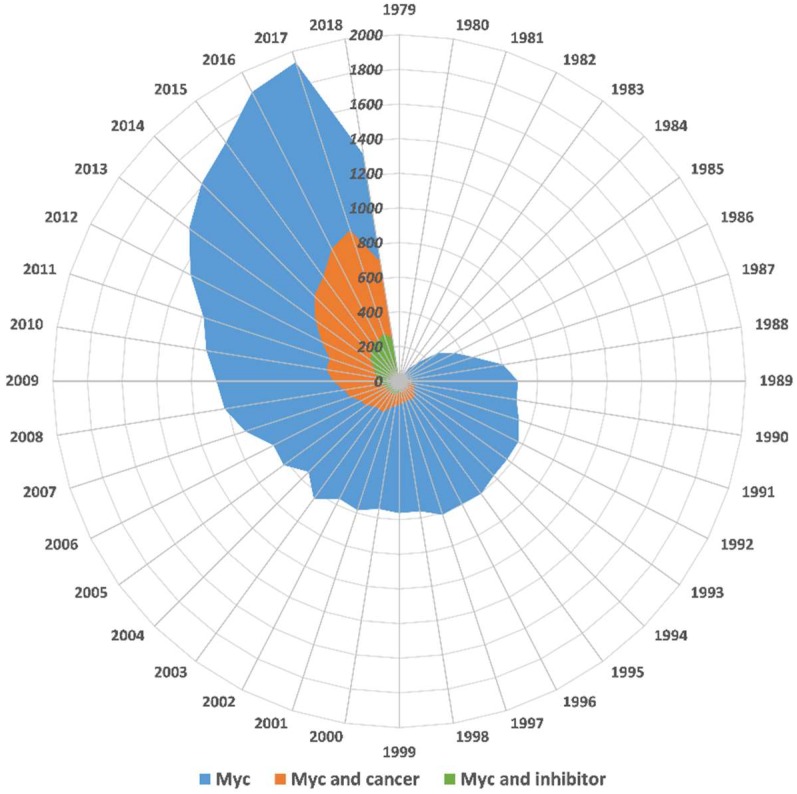
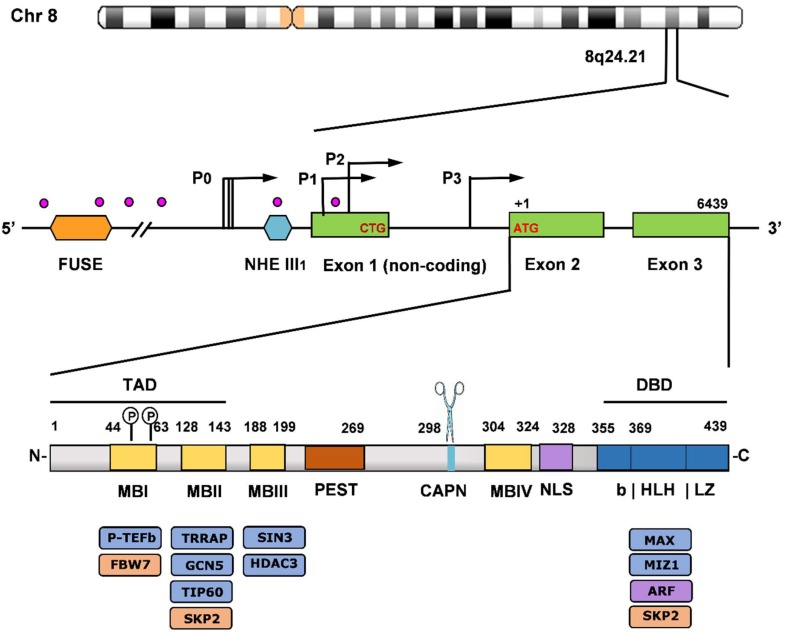
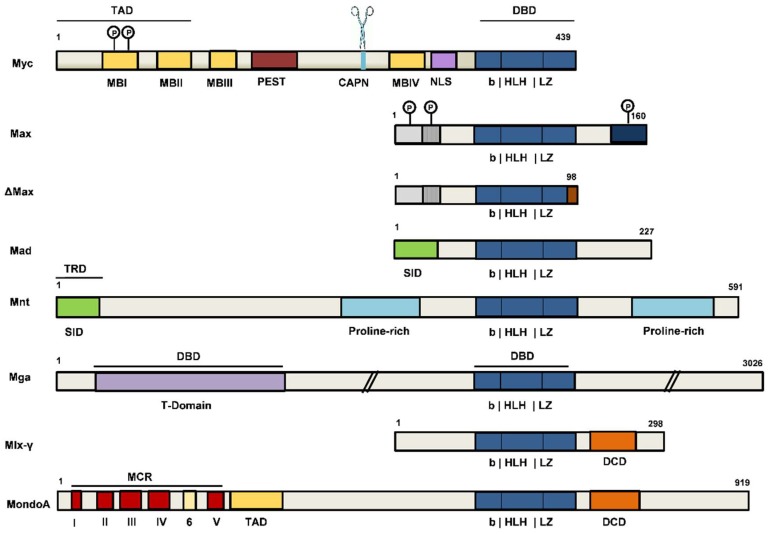
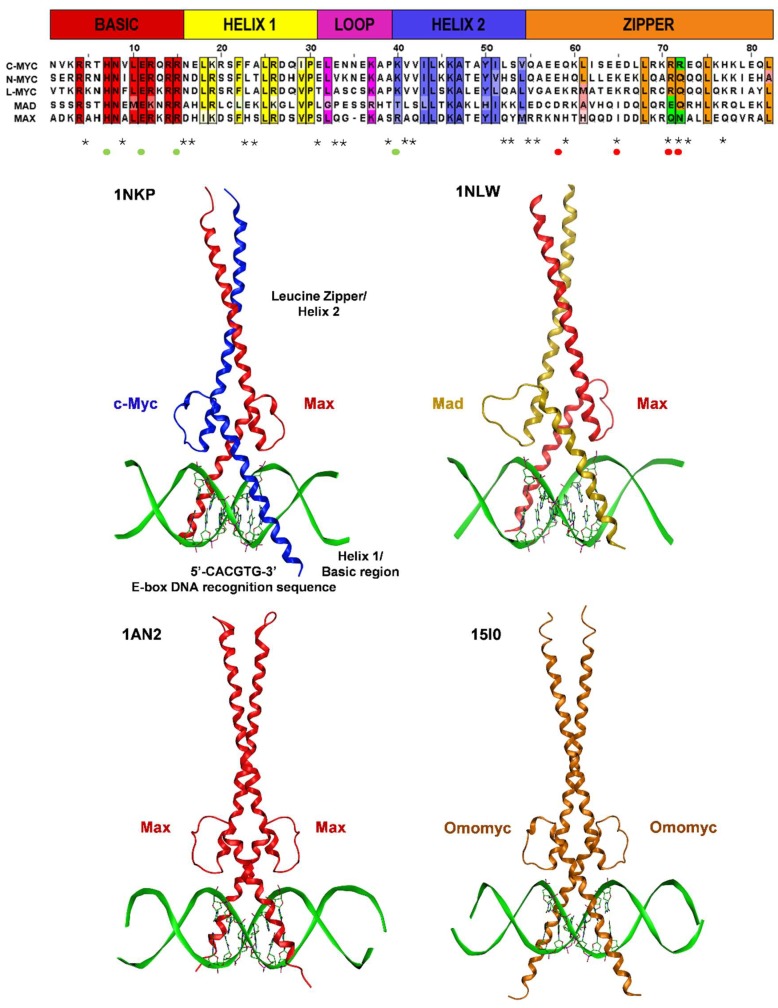
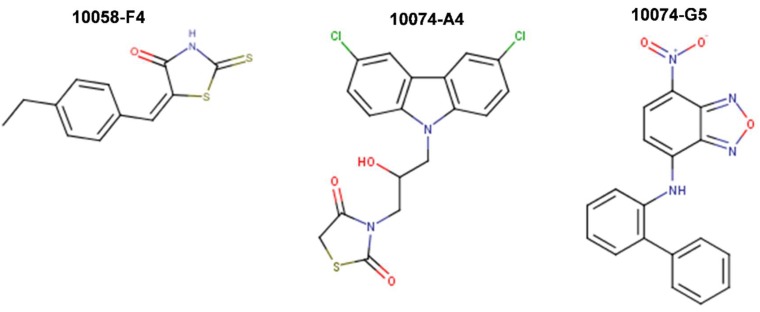
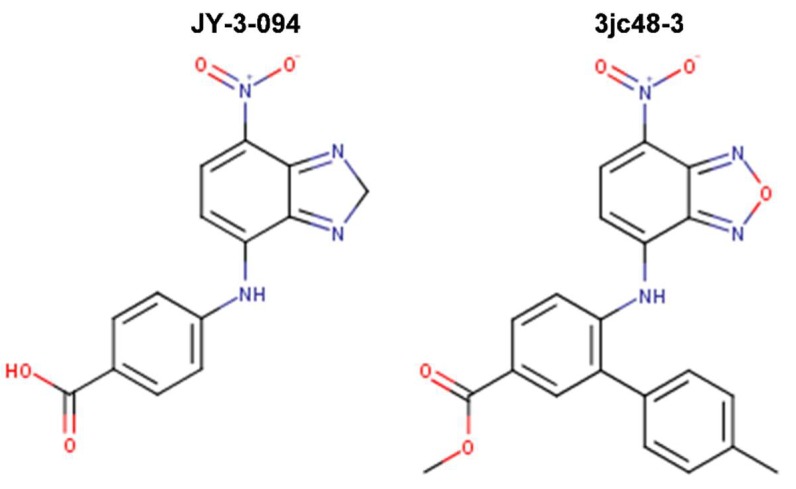
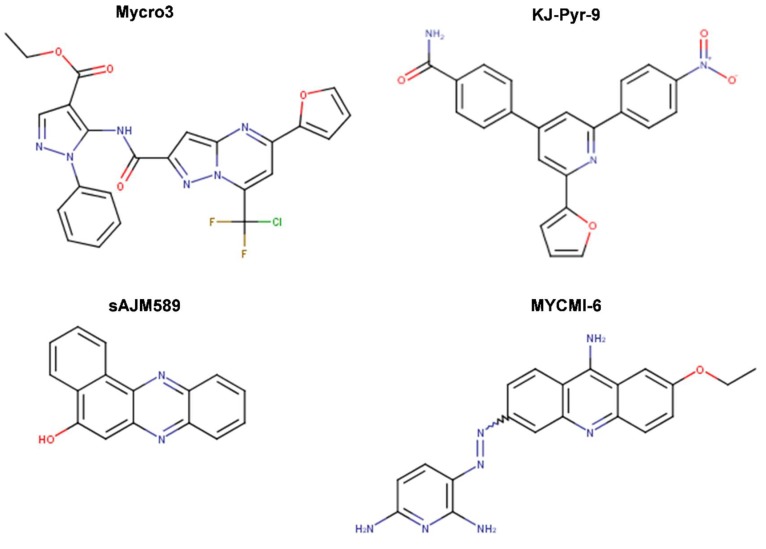
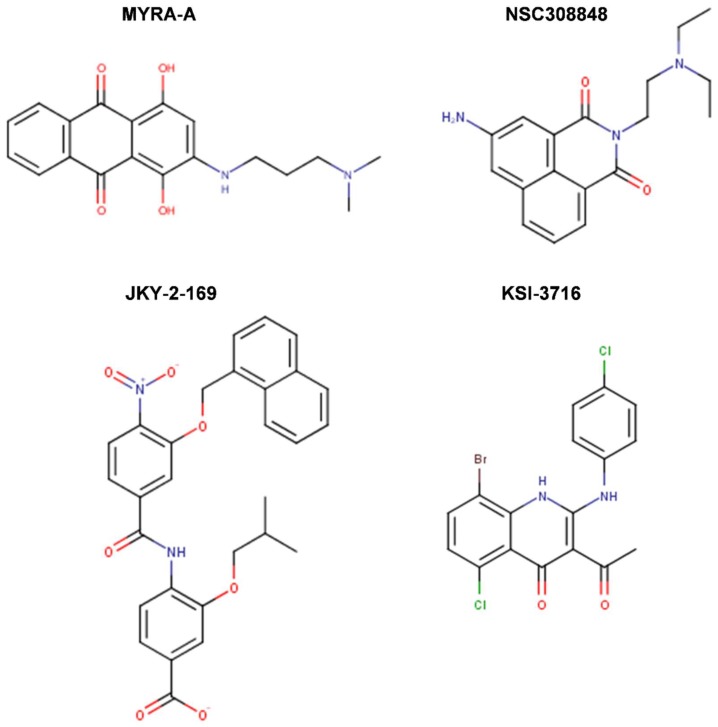
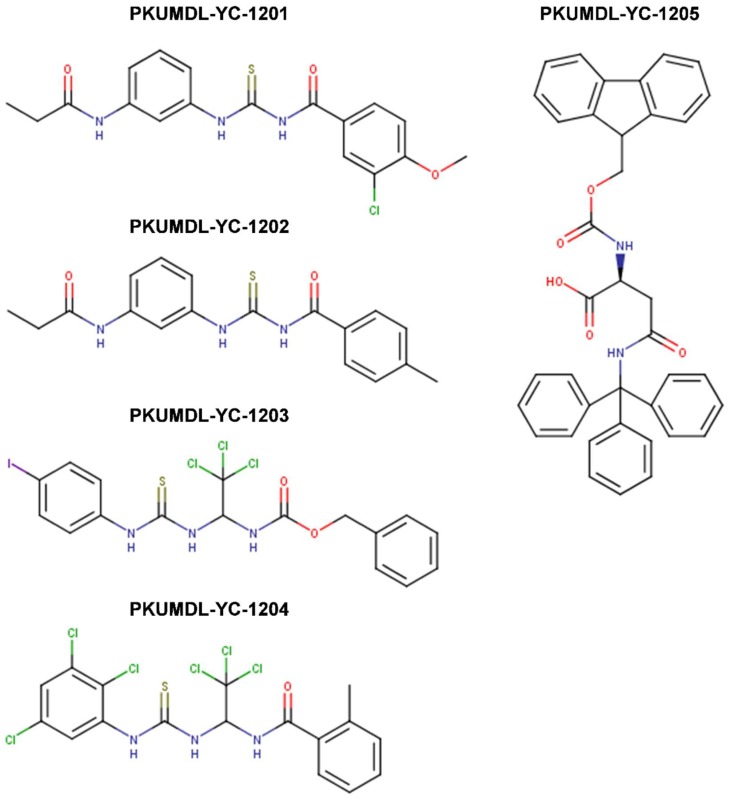
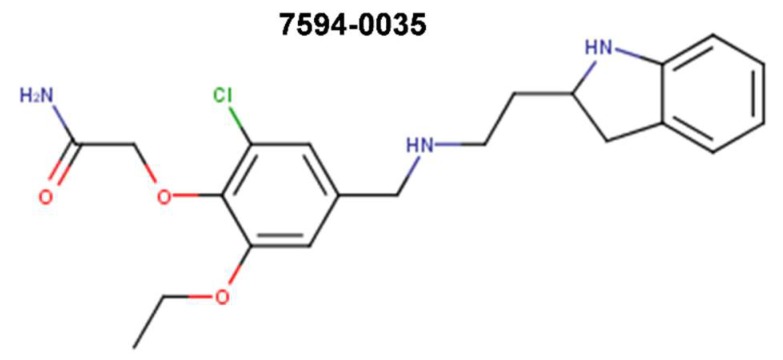
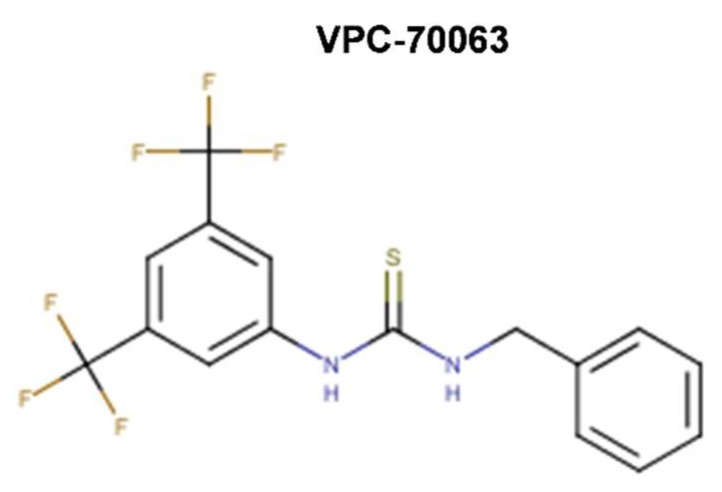
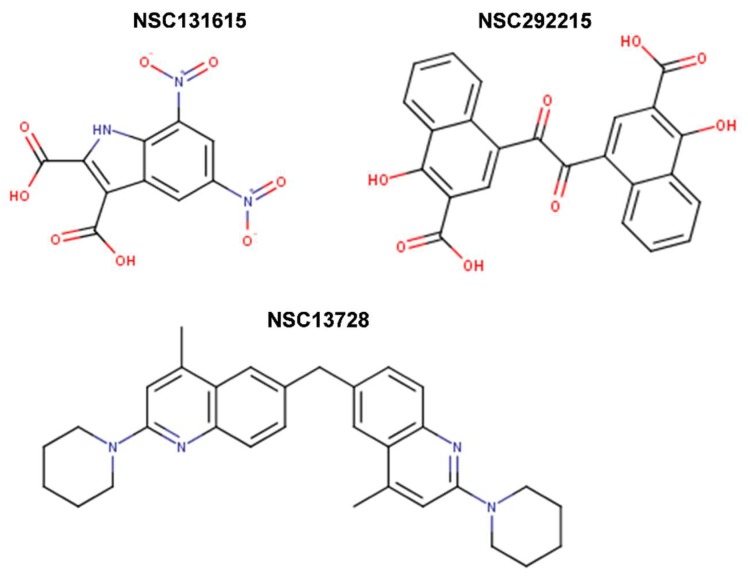
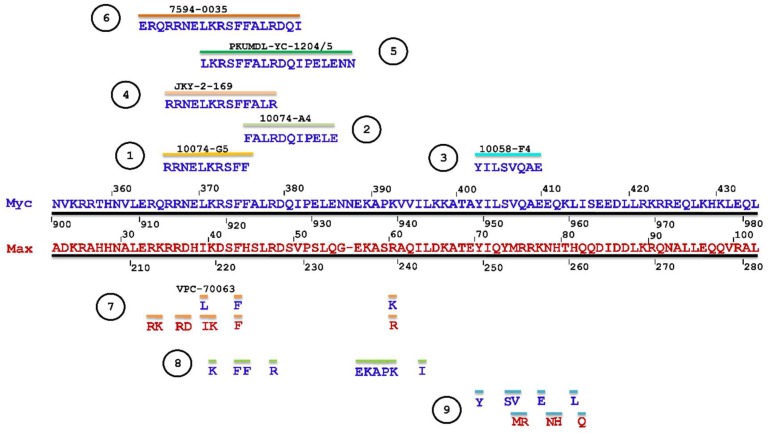
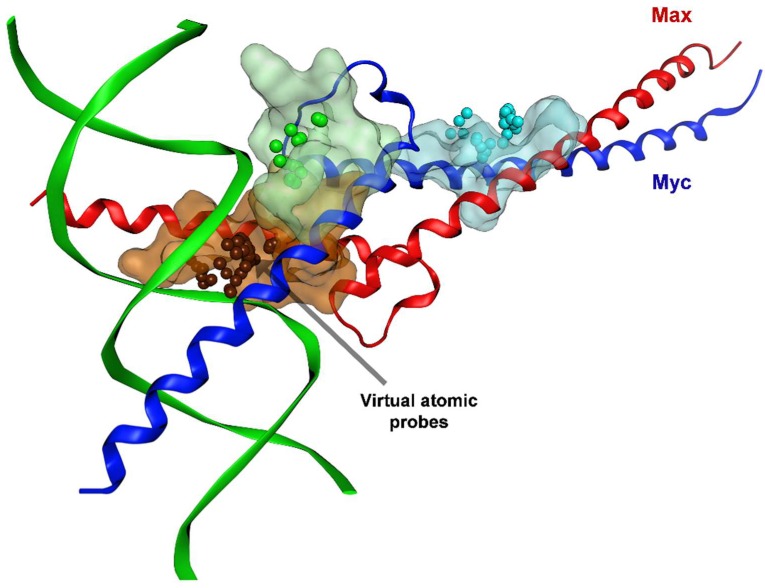
Verification
Claims the paper makes
The claims and statistics of this paper haven’t been checked yet.
Run the check — free, no account needed. It reads the open-access text and checks the sources it cites.
Claims other papers make about this one
Each is checked against this paper’s own text: does it say what the citing paper says it does?
In the citing paper
“Two compounds, VPC-70067 (191) and VPC-70063 (192) (Table 3), were ultimately obtained.472”
From Recent advances in targeting the “undruggable” proteins: from drug discovery to clinical trials (2023) · cites this paper as [472]
Self-check
Percentages, sums and reported differences re-computed from the paper’s own numbers.
The self-check needs the paper’s full text.
Citations
Cites
All-Atom Empirical Potential for Molecular Modeling and Dynamics Studies of Proteins
MacKerell, A. D., Bashford, D., Bellott, M., Dunbrack, R. L., Evanseck, J. D., Field, M. J., Fischer, S., Gao, J., Guo, H., Ha, S., et al. (1998) · The Journal of Physical Chemistry B · doi:10.1021/jp973084f · Cited by 14,429 · cited 1×
“Free and bound structures of the above-mentioned Myc peptides were modeled using the PREDITOR web server [152] based on dihedral constraints that were obtained from observed NMR chemical shifts, and further energy minimized using CHARMM27 parameters [153].”
MethodComparative Protein Modelling by Satisfaction of Spatial Restraints
Šali, A., & Blundell, T. L. (1993) · Journal of Molecular Biology · doi:10.1006/jmbi.1993.1626 · Cited by 12,977
Friesner, R. A., Banks, J. L., Murphy, R. B., Halgren, T. A., Klicic, J. J., Mainz, D. T., Repasky, M. P., Knoll, E. H., Shelley, M., Perry, J. K., et al. (2004) · Journal of Medicinal Chemistry · doi:10.1021/jm0306430 · Cited by 10,057
Halgren, T. A., Murphy, R. B., Friesner, R. A., Beard, H. S., Frye, L. L., Pollard, W. T., & Banks, J. L. (2004) · Journal of Medicinal Chemistry · doi:10.1021/jm030644s · Cited by 5,340
ZINC − A Free Database of Commercially Available Compounds for Virtual Screening
Irwin, J. J., & Shoichet, B. K. (2005) · Journal of Chemical Information and Modeling · doi:10.1021/ci049714+ · Cited by 4,058
Dang, C. V. (2012) · Cell · doi:10.1016/j.cell.2012.03.003 · Cited by 3,390
ZINC 15 – Ligand Discovery for Everyone
Sterling, T., & Irwin, J. J. (2015) · Journal of Chemical Information and Modeling · doi:10.1021/acs.jcim.5b00559 · Cited by 3,224
Pearlman, D. A., Case, D. A., Caldwell, J. W., Ross, W. S., Cheatham, T. E., DeBolt, S., Ferguson, D. M., Seibel, G., & Kollman, P. A. (1995) · Computer Physics Communications · doi:10.1016/0010-4655(95)00041-d · Cited by 3,129 · cited 1×
“Five independent 100-nanosecond MD simulations in explicit solvent were then performed, using the Amber molecular dynamics package [129], for each of the following: Myc/PKUMDL-YC-1205, Myc/10074-A4, and Myc/AJ-292/41944612 (an inactive compound) docked complexes as initial structures.”
MethodZINC: A Free Tool to Discover Chemistry for Biology
Irwin, J. J., Sterling, T., Mysinger, M. M., Bolstad, E. S. D., & Coleman, R. G. (2012) · Journal of Chemical Information and Modeling · doi:10.1021/ci3001277 · Cited by 2,611 · cited 1×
“7 million drug-like compounds from the ~6 million purchasable chemical space of the ZINC12 molecular database [145,146] reduced by physicochemical properties, including charge, number of rotatable bonds, and number of rings.”
BackgroundQuantifying the chemical beauty of drugs
Bickerton, G. R., Paolini, G. V., Besnard, J., Mureşan, S., & Hopkins, A. L. (2012) · Nature Chemistry · doi:10.1038/nchem.1243 · Cited by 2,397
Cited by
Sorted by citations
The MYC oncogene — the grand orchestrator of cancer growth and immune evasion
Dhanasekaran, R., Deutzmann, A., Mahauad‐Fernandez, W. D., Hansen, A. S., Gouw, A. M., & Felsher, D. W. (2021) · Nature Reviews Clinical Oncology · doi:10.1038/s41571-021-00549-2 · Cited by 1,044
Targeting transcription factors in cancer — from undruggable to reality
Bushweller, J. H. (2019) · Nature Reviews Cancer · doi:10.1038/s41568-019-0196-7 · Cited by 919
Therapeutic targeting of “undruggable” MYC
Llombart, V., & Mansour, M. R. (2021) · EBioMedicine · doi:10.1016/j.ebiom.2021.103756 · Cited by 507
Small-Molecule MYC Inhibitors Suppress Tumor Growth and Enhance Immunotherapy
Han, H., Jain, A. D., Truica, M. I., Izquierdo-Ferrer, J., Anker, J. F., Lysy, B., Sagar, V., Luan, Y., Chalmers, Z. R., Unno, K., et al. (2019) · Cancer Cell · doi:10.1016/j.ccell.2019.10.001 · Cited by 479
Recent advances in targeting the “undruggable” proteins: from drug discovery to clinical trials
Xie, X., Yu, T., Li, X., Zhang, N., Foster, L. J., Peng, C., Huang, W., & He, G. (2023) · Signal Transduction and Targeted Therapy · doi:10.1038/s41392-023-01589-z · Cited by 396
Metadata
- Authors
- Carabet, L. A., Rennie, P. S., & Cherkasov, A.
- Affiliations
- University of British Columbia (CA)
- Corresponding author
- Cherkasov, Artem
- ORCID
- Cherkasov, Artem
- Venue
- International Journal of Molecular Sciences
- Publisher
- MDPI AG
- Published
- 2018-12-29
- Volume
- 20
- Issue
- 1
- Pages
- 120
- ISSN
- 1422-0067 (ISSN-L)
- PMC
- PMC6337544
- OpenAlex
- W2907541282
- Cited by
- 172
- References
- 213
- Citations by year
- 2026: 11 · 2025: 23 · 2024: 29 · 2023: 17 · 2022: 23 · 2021: 29 · 2020: 26 · 2019: 14
- FWCI
- 1.81
- Type
- journal article
- Language
- en
- Open access
- gold
- dx.doi.org
- Licence
- Locations
- International Journal of Molecular Sciences (publishedVersion, cc-by)
- Europe PMC (PubMed Central) (publishedVersion, cc-by)
- PubMed Central (publishedVersion, cc-by)
- PubMed (publishedVersion)
- cIRcle (University of British Columbia) (submittedVersion, cc-by)
- DOAJ (DOAJ: Directory of Open Access Journals) (submittedVersion, cc-by-sa)
- Open Collections
- Topics
- Health Sciences › Medicine › Oncology › Cancer-related Molecular Pathways
- Life Sciences › Pharmacology, Toxicology and Pharmaceutics › Drug Discovery › Computational Drug Discovery Methods
- Life Sciences › Biochemistry, Genetics and Molecular Biology › Cancer Research › Cancer Mechanisms and Therapy
- Keywords
- c-Myc, MYC inhibitors, undruggable targets, intrinsically disordered proteins, small molecule inhibitors, structure-function relationship, protein-protein interaction, DNA-binding domain, cancer therapy resistance, computer-aided drug design
- MeSH terms
- Animals, Antineoplastic Agents, Humans, Protein Binding, Proto-Oncogene Proteins c-myc, Quantitative Structure-Activity Relationship, Small Molecule Libraries, Drug Discovery, Molecular Docking Simulation
About these checks
Registry, retraction, Cites and statistics results are computed, not judged, with one exception: a printed reference that no index lists is read once by a model before it counts as a citation error. Claims are extracted by a model and kept only when their quote appears verbatim in the text; each cited source is then checked, with a model’s help, for whether it says what the claim relies on. Those verdicts can be wrong — read the claim’s quote and the cited source before relying on one.
Statistics and arithmetic are recomputed, not judged.
Confidence bands are shown only for fields calibrated on our annotated test set. None is calibrated yet, so no band is shown.
What counts as a claim ›How we measure confidence ›How we check this ›
Are you an author, or do you see a problem with this page? Request a review
