

Antiretroviral Treatment of HIV-2 Infection: Available Drugs, Resistance Pathways, and Promising New Compounds
Open accessThe DOI matches its Crossref record; 171 of the 177 references it cites were found in a registry or an index.
Abstract
Currently, it is estimated that 1–2 million people worldwide are infected with HIV-2, accounting for 3–5% of the global burden of HIV. The course of HIV-2 infection is longer compared to HIV-1 infection, but without effective antiretroviral therapy (ART), a substantial proportion of infected patients will progress to AIDS and die. Antiretroviral drugs in clinical use were designed for HIV-1 and, unfortunately, some do not work as well, or do not work at all, for HIV-2. This is the case for non-nucleoside reverse transcriptase inhibitors (NNRTIs), the fusion inhibitor enfuvirtide (T-20), most protease inhibitors (PIs), the attachment inhibitor fostemsavir and most broadly neutralizing antibodies. Integrase inhibitors work well against HIV-2 and are included in first-line therapeutic regimens for HIV-2-infected patients. However, rapid emergence of drug resistance and cross-resistance within each drug class dramatically reduces second-line treatment options. New drugs are needed to treat infection with drug-resistant isolates. Here, we review the therapeutic armamentarium available to treat HIV-2-infected patients, as well as promising drugs in development. We also review HIV-2 drug resistance mutations and resistance pathways that develop in HIV-2-infected patients under treatment.
Overview
The claims and statistics of this paper haven’t been checked yet.
Free: it reads the open-access text and checks the first 5 claims that cite a source we can check. Create a free account to check every claim.
Integrity signals
Registry
Cites
Statistics
Figures
Verification
Claims the paper makes
The claims and statistics of this paper haven’t been checked yet.
Free: it reads the open-access text and checks the first 5 claims that cite a source we can check. Create a free account to check every claim.
Claims other papers make about this one
Each is checked against this paper’s own text: does it say what the citing paper says it does?
The source backs part of the claim, not all of it — or backs it for a different population, condition or comparison.
In the citing paper
“Importantly, enfuvirtide should not be directly extrapolated to HIV-2, because HIV-2 shows markedly reduced susceptibility to this fusion inhibitor. This difference is thought to result from natural sequence variation in the gp41 heptad-repeat target region, which can weaken inhibitor-target interactions and reduce the ability of T-20 to block six-helix bundle formation (2).”
From Research progress on HIV-1 structural proteins and antiviral therapies (2026) · cites this paper as [2]
Experimental — accuracy not yet measuredThe source backs part of the claim, not all of it — or backs it for a different population, condition or comparison.
In the citing paper
“NNRTIs exhibit high selectivity for HIV-1 RT, showing no activity against HIV-2 RT and generally low cellular toxicity. This intrinsic resistance is mainly due to sequence and structural differences in the HIV-2 NNRTI-binding pocket that impair NNRTI binding (2).”
From Research progress on HIV-1 structural proteins and antiviral therapies (2026) · cites this paper as [2]
Experimental — accuracy not yet measured
Self-check
Percentages, sums and reported differences re-computed from the paper’s own numbers.
The self-check needs the paper’s full text.
Citations
Cites
UPDATE ON DRUG RESISTANCE MUTATIONS IN HIV-1
&NA; (2001) · Infectious Diseases in Clinical Practice · doi:10.1097/00019048-200106000-00020 · Cited by 1,660
Approved Antiviral Drugs over the Past 50 Years
De Clercq, E., & Li, G. (2016) · Clinical Microbiology Reviews · doi:10.1128/cmr.00102-15 · Cited by 1,430
Maraviroc for Previously Treated Patients with R5 HIV-1 Infection
Gulick, R. M., Lalezari, J., Goodrich, J., Clumeck, N., DeJesus, E., Horban, A., Nadler, J., Clotet, B., Karlsson, A., Wohlfeiler, M., et al. (2008) · New England Journal of Medicine · doi:10.1056/nejmoa0803152 · Cited by 752
Summa, V., Petrocchi, A., Bonelli, F., Crescenzi, B., Donghi, M., Ferrara, M., Fiore, F., Gardelli, C., Gonzalez Paz, O., Hazuda, D. J., et al. (2008) · Journal of Medicinal Chemistry · doi:10.1021/jm800245z · Cited by 633
Anti-HIV drugs: 25 compounds approved within 25 years after the discovery of HIV.
De Clercq, E. (2009) · International Journal of Antimicrobial Agents · doi:10.1016/j.ijantimicag.2008.10.010 · Cited by 627
Sax, P. E., Wohl, D., Yin, M. T., Post, F., DeJesus, E., Saag, M., Pozniak, A., Thompson, M., Podzamczer, D., Molina, J. M., et al. (2015) · The Lancet · doi:10.1016/s0140-6736(15)60616-x · Cited by 601 · cited 1×
“It is a prodrug of tenofovir, which is more stable in blood and plasma [49], has more favorable renal and bone safety profiles [50,51], and has higher anti-HIV-1 activity, in oral doses in humans which are ten times lower [52] than TDF.”
BackgroundClinical targeting of HIV capsid protein with a long-acting small molecule
Link, J. O., Rhee, M. S., Tse, W. C., Zheng, J., Somoza, J. R., Rowe, W., Begley, R., Chiu, A., Mulato, A., Hansen, D., et al. (2020) · Nature · doi:10.1038/s41586-020-2443-1 · Cited by 425
In Vitro Antiretroviral Properties of S/GSK1349572, a Next-Generation HIV Integrase Inhibitor
Kobayashi, M., Yoshinaga, T., Seki, T., Wakasa-Morimoto, C., Brown, K. W., Ferris, R., Foster, S. A., Hazen, R. J., Miki, S., Suyama-Kagitani, A., et al. (2011) · Antimicrobial Agents and Chemotherapy · doi:10.1128/aac.01209-10 · Cited by 382
Nijhuis, M., Schuurman, R., de Jong, D., Erickson, J., Gustchina, E., Albert, J., Schipper, P., Gulnik, S., & Boucher, C. A. B. (1999) · AIDS · doi:10.1097/00002030-199912030-00006 · Cited by 367
A small molecule HIV-1 inhibitor that targets the HIV-1 envelope and inhibits CD4 receptor binding
Lin, P.-F., Blair, W., Wang, T., Spicer, T., Guo, Q., Zhou, N., Gong, Y.-F., Wang, H.-G. H., Rose, R., Yamanaka, G., et al. (2003) · Proceedings of the National Academy of Sciences · doi:10.1073/pnas.1832214100 · Cited by 357
Lee, W. A., He, G.-X., Eisenberg, E., Cihlar, T., Swaminathan, S., Mulato, A., & Cundy, K. C. (2005) · Antimicrobial Agents and Chemotherapy · doi:10.1128/aac.49.5.1898-1906.2005 · Cited by 338 · cited 1×
“It is a prodrug of tenofovir, which is more stable in blood and plasma [49], has more favorable renal and bone safety profiles [50,51], and has higher anti-HIV-1 activity, in oral doses in humans which are ten times lower [52] than TDF.”
BackgroundCapsid Inhibition with Lenacapavir in Multidrug-Resistant HIV-1 Infection
Segal-Maurer, S., DeJesus, E., Stellbrink, H.-J., Castagna, A., Richmond, G. J., Sinclair, G. I., Siripassorn, K., Ruane, P. J., Berhe, M., Wang, H., et al. (2022) · New England Journal of Medicine · doi:10.1056/nejmoa2115542 · Cited by 331
Ruane, P. J., DeJesus, E., Berger, D., Markowitz, M., Bredeek, U. F., Callebaut, C., Zhong, L., Ramanathan, S., S. Rhee, M., Fordyce, M. W., et al. (2013) · JAIDS Journal of Acquired Immune Deficiency Syndromes · doi:10.1097/qai.0b013e3182965d45 · Cited by 302 · cited 1×
“It is a prodrug of tenofovir, which is more stable in blood and plasma [49], has more favorable renal and bone safety profiles [50,51], and has higher anti-HIV-1 activity, in oral doses in humans which are ten times lower [52] than TDF.”
BackgroundTsiang, M., Jones, G. S., Goldsmith, J., Mulato, A., Hansen, D., Kan, E., Tsai, L., Bam, R. A., Stepan, G., Stray, K. M., et al. (2016) · Antimicrobial Agents and Chemotherapy · doi:10.1128/aac.01474-16 · Cited by 290
Witvrouw, M., Pannecouque, C., Switzer, W. M., Folks, T. M., Clercq, E. D., & Heneine, W. (2004) · Antiviral Therapy · doi:10.1177/135965350400900115 · Cited by 271 · cited 1×
“The first-generation NNRTIs inhibited HIV-2 strains ROD and EHO at concentrations 50-fold higher than those required to inhibit HIV-1IIIB [41].”
Background2011 update of the drug resistance mutations in HIV-1.
Va, J., Cálvez, V., Günthard, H. F., Paredes, R., Pillay, D., Shafer, R. W., Wensing, A. M. J., & Richman, D. D. (2011) · Europe PMC (PubMed Central) · Cited by 241
Structural and mechanistic bases for a potent HIV-1 capsid inhibitor
Bester, S. M., Wei, G., Zhao, H., Adu-Ampratwum, D., Iqbal, N., Courouble, V. V., Francis, A. C., Annamalai, A. S., Singh, P. K., Shkriabai, N., et al. (2020) · Science · doi:10.1126/science.abb4808 · Cited by 239
Phase 3 Study of Ibalizumab for Multidrug-Resistant HIV-1
Emu, B., Fessel, J., Schrader, S., Kumar, P., Richmond, G., Win, S., Weinheimer, S., Marsolais, C., & Lewis, S. (2018) · New England Journal of Medicine · doi:10.1056/nejmoa1711460 · Cited by 227
Hightower, K. E., Wang, R., DeAnda, F., Johns, B. A., Weaver, K., Shen, Y., Tomberlin, G. H., Carter, H. L., Broderick, T., Sigethy, S., et al. (2011) · Antimicrobial Agents and Chemotherapy · doi:10.1128/aac.00157-11 · Cited by 226
Sax, P. E., Zolopa, A., Brar, I., Elion, R., Ortiz, R., Post, F., Wang, H., Callebaut, C., Martin, H., Fordyce, M. W., et al. (2014) · JAIDS Journal of Acquired Immune Deficiency Syndromes · doi:10.1097/qai.0000000000000225 · Cited by 207 · cited 1×
“It is a prodrug of tenofovir, which is more stable in blood and plasma [49], has more favorable renal and bone safety profiles [50,51], and has higher anti-HIV-1 activity, in oral doses in humans which are ten times lower [52] than TDF.”
BackgroundMenéndez-Arias, L. (2013) · Antiviral Research · doi:10.1016/j.antiviral.2013.01.007 · Cited by 207
Ren, J., Bird, L. E., Chamberlain, P. P., Stewart-Jones, G. B., Stuart, D. I., & Stammers, D. K. (2002) · Proceedings of the National Academy of Sciences · doi:10.1073/pnas.222366699 · Cited by 201 · cited 14×
“of HIV-2 to NNRTIs is due to sequence and structural differences in the pocket binding site at positions 101, 106, 138, 181, 188 and 190 in the RT that may lead to unfavorable contacts with NNRTIs or pocket binding site destabilization [16,42].”
BackgroundInfluentialWang, T., Zhang, Z., Wallace, O. B., Deshpande, M., Fang, H., Yang, Z., Zadjura, L. M., Tweedie, D. L., Huang, S., Zhao, F., et al. (2003) · Journal of Medicinal Chemistry · doi:10.1021/jm034082o · Cited by 201
Genetic barrier to resistance for dolutegravir.
Llibre, J. M., Pulido, F., García, F., Deltoro, M. G., Blanco, J. L., & Delgado, R. B. (2015) · PubMed · Cited by 152
HIV-2/SIV viral protein X counteracts HUSH repressor complex
Chougui, G., Munir, S., Matkovic, R., Martin, M. M., Morel, M., Lahouassa, H., Leduc, M., Ramírez, B. C., Etienne, L., & Margottin-Goguet, F. (2018) · Nature Microbiology · doi:10.1038/s41564-018-0179-6 · Cited by 152
Lataillade, M., Chiarella, J., & Kozal, M. J. (2007) · Antiviral Therapy · doi:10.1177/135965350701200411 · Cited by 151
Popper, S. J., Sarr, A. D., Guèye‐Ndiaye, A., Mboup, S., Essex, M., & Kanki, P. J. (2000) · Journal of Virology · doi:10.1128/jvi.74.3.1554-1557.2000 · Cited by 151 · cited 2×
“In contrast to HIV-1-infected patients, plasma viral load is low or undetectable in most HIV-2-infected patients, irrespective of antiretroviral treatment [8,9].”
BackgroundResultApproved HIV reverse transcriptase inhibitors in the past decade
Li, G., Wang, Y., & Clercq, E. D. (2021) · Acta Pharmaceutica Sinica B · doi:10.1016/j.apsb.2021.11.009 · Cited by 147 · cited 8×
“BIC 50 mg daily is given as a fixed-dose combination with FTC and TAF for the treatment of HIV-1 infection [138].”
BackgroundInfluentialMeanwell, N. A., Krystal, M., Nowicka-Sans, B., Langley, D. R., Conlon, D. A., Eastgate, M. D., Grasela, D. M., Timmins, P., Wang, T., & Kadow, J. F. (2017) · Journal of Medicinal Chemistry · doi:10.1021/acs.jmedchem.7b01337 · Cited by 145
Visseaux, B., Damond, F., Matheron, S., Descamps, D., & Charpentier, C. (2016) · Infection Genetics and Evolution · doi:10.1016/j.meegid.2016.08.010 · Cited by 141 · cited 1×
“HIV-2 is composed of nine groups termed A to I, of which group A is by far the most disseminated [4,5].”
BackgroundRen, J., & STAMMERS, D. K. (2008) · Virus Research · doi:10.1016/j.virusres.2007.12.018 · Cited by 135 · cited 1×
“The smaller subunit, p54, is derived from proteolytic cleavage of p68 by the PR and lacks the RNase H active site [28].”
BackgroundIntegrase Strand Transfer Inhibitors Are Effective Anti-HIV Drugs
Smith, S. J., Zhao, X. Z., Passos, D. O., Lyumkis, D., Burke, T. R., & Hughes, S. H. (2021) · Viruses · doi:10.3390/v13020205 · Cited by 132
Roquebert, B., Damond, F., Collin, G., Matheron, S., Peytavin, G., Bénard, A., Campa, P., Chêne, G., Brun‐Vézinet, F., Descamps, D., et al. (2008) · Journal of Antimicrobial Chemotherapy · doi:10.1093/jac/dkn335 · Cited by 131
Desbois, D., Roquebert, B., Peytavin, G., Damond, F., Collin, G., Bénard, A., Campa, P., Matheron, S., Chêne, G., Brun‐Vézinet, F., et al. (2008) · Antimicrobial Agents and Chemotherapy · doi:10.1128/aac.01284-07 · Cited by 128
Development of Drug Resistance to HIV-1 Protease Inhibitors
Ridky, T. W., & Leis, J. P. (1995) · Journal of Biological Chemistry · doi:10.1074/jbc.270.50.29621 · Cited by 126
Hizi, A., Tal, R., Shaharabany, M., & Loya, S. (1991) · Journal of Biological Chemistry · doi:10.1016/s0021-9258(18)38108-0 · Cited by 125
Deval, J., Selmi, B., Boretto, J., Egloff, M. P., Guerreiro, C., Sarfati, S. R., & Canard, B. (2002) · Journal of Biological Chemistry · doi:10.1074/jbc.m206725200 · Cited by 120 · cited 1×
“The Q151M resistance mutation impairs the RT capacity to discriminate between NRTI triphosphates and dNTPs at the nucleotide-binding site [78].”
BackgroundInhibition of HIV‐2 Protease by HIV‐1 Protease Inhibitors in Clinical Use
Brower, E. T., Bacha, U., Kawasaki, Y., & Freire, E. (2008) · Chemical Biology & Drug Design · doi:10.1111/j.1747-0285.2008.00647.x · Cited by 109 · cited 1×
“Of these, only residues in positions 32, 46, 47, 76, 82 differ in both viruses [26,84,85].”
BackgroundWang, R., Yang, Q., Luo, R., Peng, Y., Dai, S., Zhang, X., Chen, H., Cui, X.-Q., Liu, Y., Huang, J., et al. (2014) · PLoS ONE · doi:10.1371/journal.pone.0105617 · Cited by 103 · cited 8×
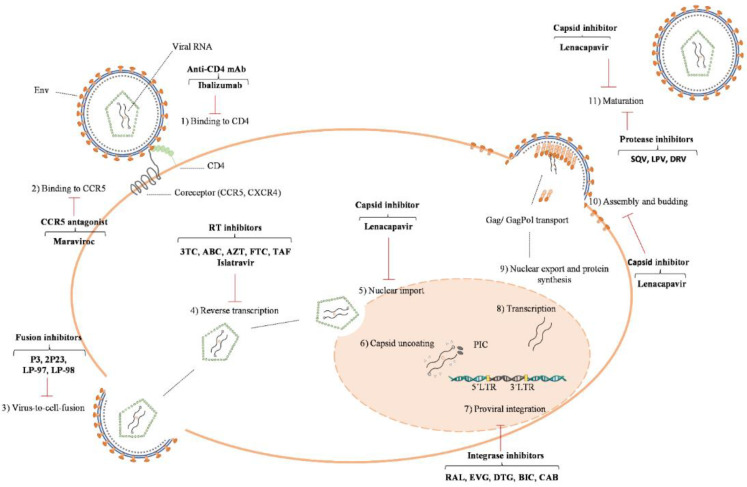
“Since proviral DNA synthesis is essential in the HIV replicative cycle, RT has been one of the main targets of ARVs.”
BackgroundInfluentialFactors associated with clinical progression in HIV-2 infected-patients
Matheron, S., Pueyo, S., Damond, F., Simon, F., Leprêtre, A., Campa, P., Salamon, R., Chêne, G., & Brun‐Vézinet, F. (2003) · AIDS · doi:10.1097/00002030-200312050-00006 · Cited by 103 · cited 1×
“Despite the extended course of the infection, without effective antiretroviral therapy (ART), a substantial proportion of HIV-2-infected patients will progress to AIDS and die [11,12].”
BackgroundStructural Aspects of Drug Resistance and Inhibition of HIV-1 Reverse Transcriptase
Singh, K., Marchand, B., Kirby, K. A., Michailidis, E., & Sarafianos, S. G. (2010) · Viruses · doi:10.3390/v2020606 · Cited by 99 · cited 6×
“RT has two distinct functions: DNA polymerase that mediates DNA polymerization from DNA and RNA templates, and RNase H that mediates RNA degradation in the context of a DNA/RNA hybrid [27].”
BackgroundInfluentialRetroviral Integrase Proteins and HIV-1 DNA Integration
Krishnan, L., & Engelman, A. (2012) · Journal of Biological Chemistry · doi:10.1074/jbc.r112.397760 · Cited by 97
4′-Ethynyl-2-fluoro-2′-deoxyadenosine, MK-8591
Markowitz, M. H., & Sarafianos, S. G. (2018) · Current Opinion in HIV and AIDS · doi:10.1097/coh.0000000000000467 · Cited by 97 · cited 1×
“Islatravir is an RT translocation inhibitor and its incorporation by the RT leads to immediate arrest of polymerization or termination after the incorporation of the next complementary nucleotide [60].”
BackgroundYoshinaga, T., Kobayashi, M., Seki, T., Miki, S., Wakasa-Morimoto, C., Suyama-Kagitani, A., Kawauchi-Miki, S., Taishi, T., Kawasuji, T., Johns, B. A., et al. (2015) · Antimicrobial Agents and Chemotherapy · doi:10.1128/aac.03909-14 · Cited by 96
Callebaut, C., Stepan, G. J., Yang, T., & Miller, M. D. (2015) · Antimicrobial Agents and Chemotherapy · doi:10.1128/aac.01152-15 · Cited by 94 · cited 1×
“Two studies have shown that TAF is active against clinical isolates from drug naïve and drug-experienced HIV-2-infected individuals with a mean EC50 similar to that of HIV-1 [53,54].”
ResultAntiretroviral therapy in HIV-2-infected patients
Adjé-Touré, C., CHEINGSONG-POPOV, R., Garcia-Lerma, J. G., Eholié, S. P., Borget, M.-Y., Bouchez, J.-M., Otten, R. A., Maurice, C., Sassan‐Morokro, M., Ekpini, R. E., et al. (2003) · AIDS · doi:10.1097/00002030-200317003-00007 · Cited by 94
Rodés, B., Holguín, Á., Soriano, V., Dourana, M., Mansinho, K., Antunes, F., & González‐Lahoz, J. (2000) · Journal of Clinical Microbiology · doi:10.1128/jcm.38.4.1370-1374.2000 · Cited by 93
Esbjörnsson, J., Månsson, F., Kvist, A., da Silva, Z. J., Andersson, S., Fenyõ, É. M., Isberg, P., Biague, A. J., Lindman, J. L., Palm, A. A., et al. (2018) · The Lancet HIV · doi:10.1016/s2352-3018(18)30254-6 · Cited by 92
Das, K., Bandwar, R. P., White, K. L., Feng, J. Y., Sarafianos, S. G., Tuske, S., Tu, X., Clark, A. D., Boyer, P. L., Hou, X., et al. (2009) · Journal of Biological Chemistry · doi:10.1074/jbc.m109.022525 · Cited by 91 · cited 9×
“The reverse transcription process can be blocked using reverse transcriptase inhibitors (3TC, ABC, AZT, FTC, TDF, TAF).”
BackgroundInfluentialRodés, B., Sheldon, J., Toro, C., Jiménez, V., Álvarez, M. Á., & Soriano, V. (2006) · Journal of Antimicrobial Chemotherapy · doi:10.1093/jac/dkl034 · Cited by 91 · cited 4×
“However, this mutation causes hypersusceptibility to SQV [93,107].”
BackgroundInfluentialAdjé-Touré, C., CHEINGSONG-POPOV, R., Garcia-Lerma, J. G., Eholié, S. P., Borget, M.-Y., Bouchez, J.-M., Otten, R. A., Maurice, C., Sassan‐Morokro, M., Ekpini, R. E., et al. (2003) · PubMed · Cited by 87
Gottlieb, G. S., Badiane, N. M. D., Hawes, S. E., Fortes, L., Touré, M., Ndour, C. T., Starling, A. K., Traoré, F., Sall, F., Wong, K. G., et al. (2009) · Clinical Infectious Diseases · doi:10.1086/596504 · Cited by 85
Piecing together the structure of retroviral integrase, an important target in AIDS therapy
Jaskolski, M., Alexandratos, J. N., Bujacz, G., & Wlodawer, A. (2009) · The FEBS Journal · doi:10.1111/j.1742-4658.2009.07009.x · Cited by 83
Viral proteases as therapeutic targets
Majerová, T., & Konvalinka, J. (2022) · Molecular Aspects of Medicine · doi:10.1016/j.mam.2022.101159 · Cited by 82 · cited 5×
“Protease inhibitors (DRV, LPV and SQV) bind to the HIV-2 protease enzyme and interfere with the maturation step of the virus.”
BackgroundInfluentialAntiretroviral Drug Resistance in Human Immunodeficiency Virus Type 2
Ntemgwa, M. L., Toni, T. D., BRENNER, B. G., Camacho, R. J., & Wainberg, M. A. (2009) · Antimicrobial Agents and Chemotherapy · doi:10.1128/aac.00154-09 · Cited by 80
Synthesis of a highly active new anti-HIV agent 2′,3′-Didehydro-3′-deoxy-4′-ethynylthymidine
Haraguchi, K., Takeda, S., Tanaka, H., Nitanda, T., Baba, M., Dutschman, G. E., & Cheng, Y. (2003) · Bioorganic & Medicinal Chemistry Letters · doi:10.1016/j.bmcl.2003.07.009 · Cited by 76 · cited 1×
“BMS-986001 (also known as festinavir, censavudine and OBP-601), a NRTI structurally related to d4T, exhibits more potent activity against HIV-2 than against HIV-1 in culture [54,57,58].”
BackgroundBaldauf, H., Stegmann, L., Schwarz, S.-M., Ambiel, I., Trotard, M., Martin, M., Burggraf, M., Lenzi, G. M., Lejk, H., Pan, X., et al. (2017) · Proceedings of the National Academy of Sciences · doi:10.1073/pnas.1613635114 · Cited by 72
Full-length HIV-1 Gag determines protease inhibitor susceptibility within in-vitro assays
Gupta, R. K., Kohli, A., McCormick, A. L., Towers, G. J., Pillay, D., & Parry, C. M. (2010) · AIDS · doi:10.1097/qad.0b013e3283398216 · Cited by 71 · cited 1×
“Resistance can also occur through the emergence of mutations in Gag-PR cleavage sites [95].”
BackgroundSmith, R. A., Anderson, D. J., Pyrak, C. L., Preston, B. D., & Gottlieb, G. S. (2009) · The Journal of Infectious Diseases · doi:10.1086/597802 · Cited by 71 · cited 7×
“The reverse transcription process can be blocked using reverse transcriptase inhibitors (3TC, ABC, AZT, FTC, TDF, TAF).”
BackgroundInfluentialDescamps, D., Damond, F., Matheron, S., Collin, G., Campa, P., Mercier‐Delarue, S., Pueyo, S., Chêne, G., Brun‐Vézinet, F., & the French ANRS HIV‐2 Cohort Study Group (2004) · Journal of Medical Virology · doi:10.1002/jmv.20174 · Cited by 69
Margot, N., Ram, R., Rhee, M., & Callebaut, C. (2021) · Antimicrobial Agents and Chemotherapy · doi:10.1128/aac.02057-20 · Cited by 69
GS-CA Compounds: First-In-Class HIV-1 Capsid Inhibitors Covering Multiple Grounds
Singh, K. D., Gallazzi, F., Hill, K. J., Burke, D. H., Lange, M. J., Quinn, T. P., Neogi, U., & Sönnerborg, A. B. (2019) · Frontiers in Microbiology · doi:10.3389/fmicb.2019.01227 · Cited by 66
Why Do HIV-1 and HIV-2 Use Different Pathways to Develop AZT Resistance?
Boyer, P. L., Sarafianos, S. G., Clark, P. K., Arnold, E., & Hughes, S. H. (2006) · PLoS Pathogens · doi:10.1371/journal.ppat.0020010 · Cited by 66 · cited 5×
“influence the ability to bind ATP [16,27,29].”
BackgroundInfluentialNtemgwa, M. L., BRENNER, B. G., Oliveira, M., Moisi, D. D., & Wainberg, M. A. (2006) · Antimicrobial Agents and Chemotherapy · doi:10.1128/aac.00870-06 · Cited by 66 · cited 3×
“In phenotypic assays, this mutation confers high level resistance to LPV with a more than 10-fold increase in IC50 compared to wild type virus [100].”
BackgroundInfluentialSierra-Madero, J. G., Perri, G. D., Wood, R., Saag, M. S., Frank, I., Craig, C., Burnside, R., McCracken, J. L., Pontani, D., Goodrich, J., et al. (2010) · HIV Clinical Trials · doi:10.1310/hct1103-125 · Cited by 65
Marcelin, A.-G., Charpentier, C., Jary, A., Perrier, M., Margot, N., Callebaut, C., Calvez, V., & Descamps, D. (2020) · Journal of Antimicrobial Chemotherapy · doi:10.1093/jac/dkaa060 · Cited by 63
Colson, P., Henry, M., Tourrès, C., Lozachmeur, D., Gallais, H., Gastaut, J., Moreau, J., & Tamalet, C. (2004) · Journal of Clinical Microbiology · doi:10.1128/jcm.42.2.570-577.2004 · Cited by 60
Damond, F., Brun‐Vézinet, F., Matheron, S., Peytavin, G., Campa, P., Pueyo, S., Mammano, F., Lastère, S., Farfara, I., Simon, F., et al. (2005) · Journal of Clinical Microbiology · doi:10.1128/jcm.43.1.484-487.2005 · Cited by 60 · cited 4×
“Other mutations such as K7R, V62A/T and L99F are often present in HIV-2-infected patients treated with PIs but are rarely selected in HIV-1 infection [94,97].”
BackgroundInfluentialAntiretroviral Therapy for HIV-2 Infection: Recommendations for Management in Low-Resource Settings
Peterson, K., Jallow, S., Rowland‐Jones, S., & de Silva, T. I. (2011) · AIDS Research and Treatment · doi:10.1155/2011/463704 · Cited by 60 · cited 1×
“Mutation K65R arises in HIV-2-infected patients exposed to TDF and other NRTIs [14,25,65,75,79] and can be selected in vitro after HIV-2 exposure to increasing doses of TDF [76], and produces a two- to seven-fold decrease in viral susceptibility to the drug [70,76].”
BackgroundKovalevsky, A. Y., Louis, J. M., Aniana, A., Ghosh, A. K., & Weber, I. T. (2008) · Journal of Molecular Biology · doi:10.1016/j.jmb.2008.09.031 · Cited by 59 · cited 1×
“Of these, only residues in positions 32, 46, 47, 76, 82 differ in both viruses [26,84,85].”
BackgroundSoares, R. S., Rego, R. T., Foxall, R. B., Baptista, A. P., Cavaleiro, R., Gómes, P., Camacho, R. J., Valadas, E., Doroana, M., Lucas, M. B., et al. (2010) · Journal of Virology · doi:10.1128/jvi.01921-10 · Cited by 57 · cited 1×
“However, levels of integrated proviral DNA are similar in both infections, suggesting that HIV-2 has a higher tendency for latency establishment than HIV-1 [8,10].”
BackgroundCritical differences in HIV‐1 and HIV‐2 protease specificity for clinical inhibitors
Tie, Y., Wang, Y., Boross, P. I., Chiu, T., Ghosh, A. K., Tőzsér, J., Louis, J. M., Harrison, R. W., & Weber, I. T. (2012) · Protein Science · doi:10.1002/pro.2019 · Cited by 56 · cited 10×
“Comparing to T20, AZT and 3TC, LP-97 and LP-98 were more potent and broader HIV-1 and HIV-2 inhibitors with impressive IC50 values (~0.03 to 0.07 pM).”
BackgroundInfluentialDamond, F., Lariven, S., Roquebert, B., Males, S., Peytavin, G., Morau, G., Toledano, D., Descamps, D., Brun‐Vézinet, F., & Matheron, S. (2008) · AIDS · doi:10.1097/qad.0b013e3282f51203 · Cited by 55
HIV-1 protease inhibitors: effects on HIV-2 replication and resistance
Menéndez‐Arias, L., & Tőzsér, J. (2007) · Trends in Pharmacological Sciences · doi:10.1016/j.tips.2007.10.013 · Cited by 55
Raltegravir treatment response in an HIV-2 infected patient: a case report
Garrett, N., Xu, L., Smit, E., Ferns, R. B., el-Gadi, S. M., & Anderson, J. (2008) · AIDS · doi:10.1097/qad.0b013e3282f9b165 · Cited by 54
Raugi, D. N., Smith, R. A., Ba, S., Touré, M., Traoré, F., Sall, F., Pan, C., Blankenship, L., Montaño, A., Olson, J., et al. (2013) · Antimicrobial Agents and Chemotherapy · doi:10.1128/aac.00405-13 · Cited by 53
Descamps, D., Peytavin, G., Visseaux, B., Tubiana, R., Damond, F., Campa, P., Charpentier, C., Khuong-Josses, M.-A., Duvivier, C., Karmochkine, M., et al. (2015) · Clinical Infectious Diseases · doi:10.1093/cid/civ124 · Cited by 53
Xue, J., Chong, H., Zhu, Y., Zhang, J., Tong, L., Lu, J., Chen, T., Cong, Z., Wei, Q., & He, Y. (2021) · Cell · doi:10.1016/j.cell.2021.11.032 · Cited by 52
Molina, J., Yazdanpanah, Y., Saud, A. A., Bettacchi, C. J., Anania, C. C., DeJesus, E., Klopfer, S. O., Grandhi, A., Eves, K. A., Robertson, M. N., et al. (2021) · The Lancet HIV · doi:10.1016/s2352-3018(21)00021-7 · Cited by 50
Maga, G., Radi, M., Gérard, M.-A., Botta, M., & Ennifar, E. (2010) · Viruses · doi:10.3390/v2040880 · Cited by 49 · cited 1×
“NNRTIs act by binding in a non-competitive way to HIV-1 RT in an allosteric site approximately 10 Å from the polymerase active site in the palm domain of the p68 subunit, and can induce conformational changes in RT or interfere with the mobility of the enzyme [16,37].”
BackgroundWill drug resistance against dolutegravir in initial therapy ever occur?
Wainberg, M. A., & Han, Y.-S. (2015) · Frontiers in Pharmacology · doi:10.3389/fphar.2015.00090 · Cited by 48
Boyer, P. L., Clark, P. K., & Hughes, S. H. (2012) · Journal of Virology · doi:10.1128/jvi.06597-11 · Cited by 48 · cited 1×
“Unlike HIV-1, HIV-2 rarely develops resistance to NRTIs through the excision pathway [32] because the presence of a methionine at position 73 in HIV-2 RT, instead of lysine as found in HIV-1, prevents the development of resistance through the accumulation of TAMs [64].”
BackgroundRuelle, J., Roman, F. P., Vandenbroucke, A.-T., Lambert, C., Fransen, K., Echahidi, F., Piérard, D., Verhofstede, C., Laethem, K. V., Delforge, M., et al. (2008) · BMC Infectious Diseases · doi:10.1186/1471-2334-8-21 · Cited by 48
Xiong, S., Borrego, P., Ding, X., Zhu, Y., Martins, A., Chong, H., Taveira, N., & He, Y. (2016) · Journal of Virology · doi:10.1128/jvi.01839-16 · Cited by 48
Self-citationBaseline Susceptibility of Primary HIV-2 to Entry Inhibitors
Borrego, P., Calado, R., Marcelino, J. M., Bártolo, I., Rocha, C., Cavaco‐Silva, P., Doroana, M., Antunes, F., Maltêz, F., Caixas, U., et al. (2011) · Antiviral Therapy · doi:10.3851/imp1996 · Cited by 47
Self-citationWhat if HIV were unable to develop resistance against a new therapeutic agent?
Wainberg, M. A., Mésplède, T., & Raffi, F. (2013) · BMC Medicine · doi:10.1186/1741-7015-11-249 · Cited by 46
Four Amino Acid Changes in HIV-2 Protease Confer Class-Wide Sensitivity to Protease Inhibitors
Raugi, D. N., Smith, R. A., & Gottlieb, G. S. (2015) · Journal of Virology · doi:10.1128/jvi.01772-15 · Cited by 45
Roquebert, B., Blum, L., Collin, G., Damond, F., Peytavin, G., Leleu, J., Matheron, S., Chêne, G., Brun‐Vézinet, F., & Descamps, D. (2008) · AIDS · doi:10.1097/qad.0b013e32830f4c7d · Cited by 43
Ballana, E., Badía, R., Terradas, G., Torres‐Torronteras, J., Ruiz, A., Pauls, E., Riveira‐Muñoz, E., Clotet, B., Martí, R., & Esté, J. A. (2014) · Antimicrobial Agents and Chemotherapy · doi:10.1128/aac.03145-14 · Cited by 42 · cited 1×
“It is noteworthy that the degradation of SAMHD1 by HIV-2 Vpx leads to increased cell concentration of thymidine analogs (AZT and d4T) and may lead to decreased activity of AZT against HIV-2 isolates at clinical concentrations used for HIV-1 [47,48].”
BackgroundSpecial Aspects of the Treatment of HIV-2-Infected Patients
Camacho, R. J. (2012) · Intervirology · doi:10.1159/000332025 · Cited by 41 · cited 2×
“Except for d4T and ddI, which are not recommended for the treatment of HIV-2 infection due to the rapid selection of drug resistance [44], NRTIs are the backbone of commonly prescribed regimens against HIV-2.”
BackgroundIn vitro activity of dolutegravir against wild-type and integrase inhibitor-resistant HIV-2
Smith, R. A., Raugi, D. N., Pan, C., Sow, P. S., Seydi, M., Mullins, J. I., & Gottlieb, G. S. (2015) · Retrovirology · doi:10.1186/s12977-015-0146-8 · Cited by 40
Charpentier, C., Larrouy, L., Collin, G., Damond, F., Matheron, S., Chêne, G., Nie, T., Schinazi, R., Brun‐Vézinet, F., & Descamps, D. (2010) · AIDS · doi:10.1097/qad.0b013e32833f9e36 · Cited by 40
Human Immunodeficiency Virus Type 2: The Neglected Threat
Ceccarelli, G., Giovanetti, M., Sagnelli, C., Ciccozzi, A., d’Ettorre, G., Angeletti, S., Borsetti, A., & Ciccozzi, M. (2021) · Pathogens · doi:10.3390/pathogens10111377 · Cited by 40 · cited 1×
“HIV-2 differs markedly from HIV-1 in the infection course, having a much longer asymptomatic phase, slower clinical progression and lower perinatal and sexual transmission rates (reviewed in [6,7].”
BackgroundHigh rate of proV47A selection in HIV-2 patients failing lopinavir-based HAART
Rodés, B., Toro, C., Sheldon, J., Jiménez, V., Mansinho, K., & Soriano, V. (2005) · AIDS · doi:10.1097/01.aids.0000196171.35056.6c · Cited by 39
Dolutegravir for the treatment of HIV-2 infection
Treviño, A., Cabezas, T., Lozano, A. B., García-Delgado, R., Force, L., Fernández-Montero, J. M., de Mendoza, C., Caballero, E., & Soriano, V. (2015) · Journal of Clinical Virology · doi:10.1016/j.jcv.2015.01.001 · Cited by 38
Ba, S., Raugi, D. N., Smith, R. A., Sall, F., Faye, K., Hawes, S. E., Sow, P. S., Seydi, M., Gottlieb, G. S., Traoré, F., et al. (2018) · Clinical Infectious Diseases · doi:10.1093/cid/ciy324 · Cited by 38
Optimal use of maraviroc in clinical practice
Soriano, V., Geretti, A. M., Perno, C. F., Fätkenheuer, G., Pillay, D., Reynes, J., Tambussi, G., Cálvez, V., Alcamí, J., & Rockstroh, J. (2008) · AIDS · doi:10.1097/qad.0b013e3283136d95 · Cited by 37
Mills, A., Richmond, G. J., Newman, C. L., Osiyemi, O. O., Cade, J. L., Brinson, C. C., Vente, J. D., Margolis, D. A., Sutton, K., Wilches, V., et al. (2021) · AIDS · doi:10.1097/qad.0000000000003085 · Cited by 37
Hizi, A., & Herschhorn, A. (2008) · Virus Research · doi:10.1016/j.virusres.2007.12.008 · Cited by 36
Clinical outcome in resistant HIV-2 infection treated with raltegravir and maraviroc
Armstrong-James, D. P. H., Stebbing, J., Scourfield, A., Smit, E., Ferns, R. B., Pillay, D., & Nelson, M. R. (2010) · Antiviral Research · doi:10.1016/j.antiviral.2010.02.324 · Cited by 36
Drylewicz, J., Eholié, S. P., Maiga, M. Y., Zannou, D. M., Sow, P. S., Ekouévi, D. K., Peterson, K., Bissagnené, E., Dabis, F., & Thiébaut, R. (2010) · AIDS · doi:10.1097/qad.0b013e3283377a06 · Cited by 36 · cited 1×
“Consistent with this, one study showed that treatment of HIV-2 patients with regimens containing NNRTIs results in poor CD4+ T cell recovery relative to HIV-1-infected patients [22].”
ResultBorrego, P., Calado, R., Marcelino, J. M., Pereira, P., Quintas, A., Barroso, H., & Taveira, N. (2013) · AIDS · doi:10.1097/qad.0b013e32835edc1d · Cited by 36
Self-citationColson, P., Henry, M., Tivoli, N., Gallais, H., Gastaut, J., Moreau, J., & Tamalet, C. (2005) · Journal of Medical Virology · doi:10.1002/jmv.20296 · Cited by 35
Masse, S., Lu, X., Dekhtyar, T., Lu, L., Koev, G., Gao, F., Mo, H., Kempf, D. J., Bernstein, B. M., Hanna, G. J., et al. (2007) · Antimicrobial Agents and Chemotherapy · doi:10.1128/aac.00146-07 · Cited by 35
Smith, R. A., Raugi, D. N., Pan, C., Coyne, M., Hernandez, A., Church, B., Parker, K., Mullins, J. I., & Sow, P. S. (2012) · PLoS ONE · doi:10.1371/journal.pone.0045372 · Cited by 35
Damond, F., Bénard, A., Balotta, C., Böni, J., Cotten, M. L., Duque, V., Ferns, R. B., Garson, J. A., Gómes, P., Gonçalves, F., et al. (2011) · Journal of Clinical Microbiology · doi:10.1128/jcm.02389-10 · Cited by 35 · cited 1×
“The management of ART in HIV-2-infected patients is suboptimal as it relies mostly on in-house viral load assays with varying clinical performances, and the results cannot be directly compared [14,23,24].”
BackgroundSalgado, M., Toro, C., Simón, A., Garrido, C., Blanco, F., Soriano, V., & Rodés, B. (2009) · Journal of Clinical Virology · doi:10.1016/j.jcv.2009.06.020 · Cited by 34
Drug resistance mutations in patients infected with HIV-2 living in Spain
Treviño, A. C., de Mendoza, C., Caballero, E., Rodríguez, C., Parra, P., Benito, R., Cabezas, T., Roc, L., Aguilera, A., Soriano, V., et al. (2011) · Journal of Antimicrobial Chemotherapy · doi:10.1093/jac/dkr164 · Cited by 34 · cited 2×
“Other mutations such as K7R, V62A/T and L99F are often present in HIV-2-infected patients treated with PIs but are rarely selected in HIV-1 infection [94,97].”
BackgroundBayesian network analysis of resistance pathways against HIV-1 protease inhibitors
Deforche, K., Camacho, R. J., Grossman, Z., Silander, T., Soares, M. A., Moreau, Y., Shafer, R. W., Laethem, K. V., Carvalho, A. P., & Wynhoven, B. (2006) · Infection Genetics and Evolution · doi:10.1016/j.meegid.2006.09.004 · Cited by 33 · cited 2×
“HIV-2 resistance pathways to PIs differ from those observed in HIV-1, with V33I, K45R, V47A, I50V, I54M, T56V, V62A, A73G, I82F, I84V, F85L and L90M being the most important HIV-2 PI resistance mutations (Table 1) [26,96].”
BackgroundNka, A. D., Bouba, Y., Této, G., Semengue, E. N. J., Takou, D., Ngueko, A. M. K., Fabeni, L., Carioti, L., Armenia, D., Pabo, W., et al. (2022) · Journal of Antimicrobial Chemotherapy · doi:10.1093/jac/dkac388 · Cited by 33
Isaka, Y., Miki, S., Kawauchi, S., Suyama, A., Sugimoto, H., Adachi, A., Miura, T., Hayami, M., Yoshie, O., Fujiwara, T., et al. (2001) · Archives of Virology · doi:10.1007/s007050170143 · Cited by 33 · cited 1×
“of HIV-2 to NNRTIs is due to sequence and structural differences in the pocket binding site at positions 101, 106, 138, 181, 188 and 190 in the RT that may lead to unfavorable contacts with NNRTIs or pocket binding site destabilization [16,42].”
BackgroundRomanó, L., Venturi, G., Giomi, S., Pippi, L., Valensin, P. E., & Zazzi, M. (2001) · Journal of Medical Virology · doi:10.1002/jmv.2123 · Cited by 33
Hot Spots of Integrase Genotypic Changes Leading to HIV-2 Resistance to Raltegravir
Charpentier, C., Roquebert, B., Delelis, O., Larrouy, L., Matheron, S., Tubiana, R., Karmochkine, M., Duval, X., Chêne, G., Storto, A., et al. (2010) · Antimicrobial Agents and Chemotherapy · doi:10.1128/aac.00942-10 · Cited by 33
Long Dissociation of Bictegravir from HIV-1 Integrase-DNA Complexes
White, K. L., Osman, N., Cuadra-Foy, E., Brenner, B. G., Shivakumar, D., Campigotto, F., Tsiang, M., Morganelli, P. A., Novikov, N., Lazerwith, S. E., et al. (2021) · Antimicrobial Agents and Chemotherapy · doi:10.1128/aac.02406-20 · Cited by 33
Hingrat, Q. L., Collin, G., Lê, M., Peytavin, G., Visseaux, B., Bertine, M., Tubiana, R., Karmochkine, M., Valin, N., Collin, F., et al. (2018) · Clinical Infectious Diseases · doi:10.1093/cid/ciy940 · Cited by 32
Requena, S., Treviño, A., Cabezas, T., García-Delgado, R., Amengual, M. J., Lozano, A. B., Peñaranda, M., Fernández, J. M., Soriano, V., de Mendoza, C., et al. (2017) · Journal of Antimicrobial Chemotherapy · doi:10.1093/jac/dkx090 · Cited by 32
Matheron, S., Descamps, D., Gallien, S., Besseghir, A., Sellier, P., Blum, L., Mortier, E., Charpentier, C., Tubiana, R., Damond, F., et al. (2018) · Clinical Infectious Diseases · doi:10.1093/cid/ciy245 · Cited by 31
Ntemgwa, M. L., Toni, T. D., BRENNER, B. G., Oliveira, M., Asahchop, E. L., Moisi, D. D., & Wainberg, M. A. (2008) · Antimicrobial Agents and Chemotherapy · doi:10.1128/aac.01109-08 · Cited by 31
Polymorphisms of HIV-2 integrase and selection of resistance to raltegravir
Perez-Bercoff, D., Triqueneaux, P., Lambert, C., Oumar, A. A., Ternes, A.-M., Dao, S., Goubau, P., Schmit, J., & Ruelle, J. (2010) · Retrovirology · doi:10.1186/1742-4690-7-98 · Cited by 30
Natural resistance of human immunodeficiency virus type 2 to zidovudine
Reid, P., MacInnes, H., Cong, M., Heneine, W., & Garcia-Lerma, J. G. (2005) · Virology · doi:10.1016/j.virol.2005.03.030 · Cited by 30 · cited 1×
“It is noteworthy that the degradation of SAMHD1 by HIV-2 Vpx leads to increased cell concentration of thymidine analogs (AZT and d4T) and may lead to decreased activity of AZT against HIV-2 isolates at clinical concentrations used for HIV-1 [47,48].”
BackgroundGómes, P., Taveira, N., Pereira, J., Antunes, F., Ferreira, M. O. S., & Lourenço, M. H. (1999) · Journal of Clinical Microbiology · doi:10.1128/jcm.37.2.453-456.1999 · Cited by 30 · cited 1×
“In contrast to HIV-1-infected patients, plasma viral load is low or undetectable in most HIV-2-infected patients, irrespective of antiretroviral treatment [8,9].”
ResultSelf-citationHIV Interaction With Human Host: HIV-2 As a Model of a Less Virulent Infection.
Azevedo‐Pereira, J. M., & Santos‐Costa, Q. (2016) · PubMed · Cited by 29
In VitroPhenotypic Susceptibility of HIV-2 Clinical Isolates to CCR5 Inhibitors
Visseaux, B., Charpentier, C., Hurtado-Nédelec, M., Storto, A., Antoine, R., Peytavin, G., Damond, F., Matheron, S., Brun‐Vézinet, F., Descamps, D., et al. (2011) · Antimicrobial Agents and Chemotherapy · doi:10.1128/aac.05313-11 · Cited by 28
Mutations selected in HIV-2-infected patients failing a regimen including atazanavir
Cavaco-Silva, J., Aleixo, M. J., Laethem, K. V., Faria, D., Valadas, E., Goncalves, M. D. F., Gómes, P., Vandamme, A., Cunha, C. V., Camacho, R. J., et al. (2012) · Journal of Antimicrobial Chemotherapy · doi:10.1093/jac/dks363 · Cited by 28
Cavaco-Silva, J., Abecasis, A. B., Miranda, A. C., Poças, J., Narciso, J., Águas, M. J., Maltêz, F., Almeida, I., Germano, I., Diniz, A., et al. (2014) · PLoS ONE · doi:10.1371/journal.pone.0092747 · Cited by 27
Smith, R. A., Raugi, D. N., Wu, V. H., Zavala, C. G., Song, J. K., Diallo, K. M., Seydi, M., Gottlieb, G. S., Sall, F., Diallo, M. B., et al. (2019) · Antimicrobial Agents and Chemotherapy · doi:10.1128/aac.00014-19 · Cited by 26
Andreatta, K. N., Miller, M. D., & White, K. (2012) · JAIDS Journal of Acquired Immune Deficiency Syndromes · doi:10.1097/qai.0b013e31827b55f1 · Cited by 26 · cited 9×
“The reverse transcription process can be blocked using reverse transcriptase inhibitors (3TC, ABC, AZT, FTC, TDF, TAF).”
BackgroundInfluentialDoravirine: a new non-nucleoside reverse transcriptase inhibitor for the treatment of HIV infection
Talwani, R., & Temesgen, Z. (2020) · Drugs of today · doi:10.1358/dot.2020.56.2.3109966 · Cited by 26
In VitroAntiviral Activity of Cabotegravir against HIV-2
Smith, R. A., Wu, V. H., Zavala, C. G., Raugi, D. N., Ba, S., Seydi, M., & Gottlieb, G. S. (2018) · Antimicrobial Agents and Chemotherapy · doi:10.1128/aac.01299-18 · Cited by 25
White, K., Raffi, F., & Miller, M. D. (2014) · Viruses · doi:10.3390/v6072858 · Cited by 25
Revealing the dimer dissociation and existence of a folded monomer of the mature HIV‐2 protease
Louis, J. M., Ishima, R., Aniana, A., & Sayer, J. M. (2009) · Protein Science · doi:10.1002/pro.261 · Cited by 25 · cited 1×
“In the active dimeric state, it forms a central cavity where the natural substrates, the precursor Gag and Gag-Pol polyproteins, bind [82].”
BackgroundDiallo, K., BRENNER, B. G., Oliveira, M., Moisi, D. D., Detorio, M., Götte, M., & Wainberg, M. A. (2003) · Antimicrobial Agents and Chemotherapy · doi:10.1128/aac.47.7.2376-2379.2003 · Cited by 25 · cited 3×
“LPV, DRV, and SQV are the most potent HIV-2 inhibitors while ATZ, NFV, APV and TPV demonstrate lower potency against HIV-2 and its use is not recommended [14,84,86,90–94].”
BackgroundBerzow, D., Descamps, D., Obermeier, M., Charpentier, C., Kaiser, R., Guertler, L. G., Eberle, J., Wensing, A. M. J., Sierra, S., Ruelle, J., et al. (2020) · Clinical Infectious Diseases · doi:10.1093/cid/ciaa275 · Cited by 25 · cited 5×
“Mutation K65R arises in HIV-2-infected patients exposed to TDF and other NRTIs [14,25,65,75,79] and can be selected in vitro after HIV-2 exposure to increasing doses of TDF [76], and produces a two- to seven-fold decrease in viral susceptibility to the drug [70,76].”
BackgroundInfluentialExpanded Spectrum of Antiretroviral-Selected Mutations in Human Immunodeficiency Virus Type 2
Tzou, P. L., Descamps, D., Rhee, S., Raugi, D. N., Charpentier, C., Taveira, N., Smith, R. A., Soriano, V., de Mendoza, C., Holmes, S., et al. (2020) · The Journal of Infectious Diseases · doi:10.1093/infdis/jiaa026 · Cited by 25
Self-citationSpiro-β-lactam BSS-730A Displays Potent Activity against HIV and Plasmodium
Bártolo, I., Santos, B. S., Fontinha, D., Machado, M., Francisco, D., Sepodes, B. M. N., Rocha, J. P., Mota‐Filipe, H., Pinto, R. M. A., Figueira, M. E., et al. (2021) · ACS Infectious Diseases · doi:10.1021/acsinfecdis.0c00768 · Cited by 24
Self-citationLenzi, G. M., Domaoal, R. A., Kim, D., Schinazi, R. F., & Kim, B. (2014) · Retrovirology · doi:10.1186/s12977-014-0111-y · Cited by 22 · cited 2×
“[33] have shown that RTs of several HIV-2 strains require higher”
BackgroundHill, L. A., Smith, S. R., & Karris, M. (2018) · HIV/AIDS - Research and Palliative Care · doi:10.2147/hiv.s145529 · Cited by 22
Damond, F., Collin, G., Matheron, S., Peytavin, G., Campa, P., Mercier‐Delarue, S., Taïeb, A., Bénard, A., Chêne, G., Brun‐Vézinet, F., et al. (2005) · Antiviral Therapy · doi:10.1177/135965350501000702 · Cited by 21 · cited 16×
“Using site-directed mutagenesis of a HIV-2ROD molecular clone, it was shown that high levels of resistance to festinavir requires the combination of Q151M and M184V and that K65R causes hypersusceptibility to this drug [58].”
BackgroundResultInfluentialClinical experience with integrase inhibitors in HIV-2-infected individuals in Spain
Requena, S., Lozano, A. B., Caballero, E., García, F., Nieto, M. C., Téllez, R., Fernández, J. M., Trigo, M., Rodríguez-Avial, I., Martín‐Carbonero, L., et al. (2019) · Journal of Antimicrobial Chemotherapy · doi:10.1093/jac/dkz007 · Cited by 21
Selection of K65R Mutation in HIV-2-Infected Patients Receiving Tenofovir-Containing Regimen
Damond, F., Matheron, S., Peytavin, G., Campa, P., Taïeb, A., Collin, G., Delaunay, C., Chêne, G., Brun‐Vézinet, F., & Descamps, D. (2004) · Antiviral Therapy · doi:10.1177/135965350400900422 · Cited by 21 · cited 1×
“Mutation K65R arises in HIV-2-infected patients exposed to TDF and other NRTIs [14,25,65,75,79] and can be selected in vitro after HIV-2 exposure to increasing doses of TDF [76], and produces a two- to seven-fold decrease in viral susceptibility to the drug [70,76].”
BackgroundFoscarnet as salvage therapy in HIV-2-infected patient with antiretroviral treatment failure
Stegmann, S., Manea, M. E., Charpentier, C., Damond, F., Karmochkine, M., Laureillard, D., Si‐Mohamed, A., Weiss, L., & Piketty, C. (2009) · Journal of Clinical Virology · doi:10.1016/j.jcv.2009.11.008 · Cited by 20
The Nucleoside Analog BMS-986001 Shows GreaterIn VitroActivity against HIV-2 than against HIV-1
Smith, R. A., Raugi, D. N., Wu, V. H., Leong, S., Parker, K. M., Oakes, M., Sow, P. S., Ba, S., Seydi, M., & Gottlieb, G. S. (2015) · Antimicrobial Agents and Chemotherapy · doi:10.1128/aac.01326-15 · Cited by 20 · cited 5×
“Using site-directed mutagenesis of a HIV-2ROD molecular clone, it was shown that high levels of resistance to festinavir requires the combination of Q151M and M184V and that K65R causes hypersusceptibility to this drug [58].”
BackgroundMethodInfluentialAraújo, I. I., Guimarães, M. L., Bello, G., Vicente, A. C. P., & Morgado, M. G. (2014) · PLoS ONE · doi:10.1371/journal.pone.0096201 · Cited by 18
The early years of retroviral protease crystal structures
Miller, M. (2010) · Biopolymers · doi:10.1002/bip.21387 · Cited by 16 · cited 1×
“PR has two identical monomers with 99 amino acids and consists of three main domains: the active site (which includes the conserved motif Asp-Thr-Gly), the dimerization domain and the flap region [81].”
BackgroundRaugi, D. N., Ba, S., Cisse, O., Diallo, K. M., Tamba, I. T., Ndour, C. T., Badiane, N. M. D., Fortes, L., Diallo, M. B., Faye, D., et al. (2020) · Clinical Infectious Diseases · doi:10.1093/cid/ciaa277 · Cited by 16 · cited 2×
“V47A is frequently found in HIV-2 patients failing LPV-based treatment [71,75,93,94,96,107].”
BackgroundDeuzing, I. P., Charpentier, C., Wright, D. W., Matheron, S., Paton, J. F. S., Frentz, D., van de Vijver, D. A. M. C., Coveney, P. V., Descamps, D., Cohort, T. A. C. H.-2., et al. (2014) · Journal of Virology · doi:10.1128/jvi.02259-14 · Cited by 15 · cited 9×
“The reverse transcription process can be blocked using reverse transcriptase inhibitors (3TC, ABC, AZT, FTC, TDF, TAF).”
BackgroundInfluential(2014) · Springer eBooks · doi:10.1007/978-1-4614-9610-6 · Cited by 15
Sarfo, F. S., Bibby, D., Schwab, U., Appiah, L. T., Clark, D. A., Collini, P., Phillips, R. O., Green, I., Dittmar, M. T., & Chadwick, D. (2009) · Journal of Antimicrobial Chemotherapy · doi:10.1093/jac/dkp216 · Cited by 15
Bowen, N. E., Oo, A., & Kim, B. (2022) · Viruses · doi:10.3390/v14081622 · Cited by 14 · cited 1×
“[33] have shown that RTs of several HIV-2 strains require higher dNTP concentrations for efficient DNA synthesis compared to HIV-1 RT; this can be relevant for viral replication kinetics in monocytes, macrophages, dendritic cells, and resting CD4+ T cells that have very low dNTP concentrations due to the activity of s…”
BackgroundGupta, S. K., McComsey, G. A., Lombaard, J., Echevarria, J. I., Orrell, C., Avihingsanon, A., Osiyemi, O. O., Santoscoy, M., Ray, N., Stock, D. A., et al. (2015) · The Lancet HIV · doi:10.1016/s2352-3018(15)00231-3 · Cited by 14 · cited 1×
“However, the use of this drug was discontinued due to the rapid acquisition of resistance by HIV-1 and increases in both peripheral and central fat accumulation [59].”
BackgroundDöring, M., Borrego, P., Büch, J., Martins, A., Friedrich, G., Camacho, R. J., Eberle, J., Kaiser, R., Lengauer, T., Taveira, N., et al. (2016) · Retrovirology · doi:10.1186/s12977-016-0320-7 · Cited by 13
Self-citationIbalizumab shows in-vitro activity against group A and group B HIV-2 clinical isolates
Hingrat, Q. L., Collin, G., Bachelard, A., Ghosn, J., Chalal, S., Pacanowski, J., Peytavin, G., Weinheimer, S., Marsolais, C., Damond, F., et al. (2022) · AIDS · doi:10.1097/qad.0000000000003218 · Cited by 13
Pujari, S. N., Patel, A. K., Gaikwad, S., Patel, K. K., Dabhade, D., Chitalikar, A., Joshi, K. S., & Bele, V. (2020) · Journal of Antimicrobial Chemotherapy · doi:10.1093/jac/dkaa112 · Cited by 12
Visseaux, B., Bertine, M., Hingrat, Q. L., Ferré, V. M., Charpentier, C., Collin, F., Damond, F., Matheron, S., Hué, S., & Descamps, D. (2021) · Virus Evolution · doi:10.1093/ve/veab024 · Cited by 12 · cited 1×
“HIV-2 is composed of nine groups termed A to I, of which group A is by far the most disseminated [4,5].”
BackgroundAlves, A. J. S., Alves, N. G., Bártolo, I., Fontinha, D., Caetano, S. M., Prudêncio, M., Taveira, N., & Melo, T. M. V. D. P. E. (2022) · Frontiers in Chemistry · doi:10.3389/fchem.2022.1017250 · Cited by 11
Self-citationÁlvarez, M., Nevot, M., Mendieta, J., Martı́nez, M. Á., & Menéndez‐Arias, L. (2017) · Journal of Biological Chemistry · doi:10.1074/jbc.ra117.000177 · Cited by 10 · cited 3×
“Unlike HIV-1, HIV-2 rarely develops resistance to NRTIs through the excision pathway [32] because the presence of a methionine at position 73 in HIV-2 RT, instead of lysine as found in HIV-1, prevents the development of resistance through the accumulation of TAMs [64].”
BackgroundHIV-2 susceptibility to entry inhibitors.
Borrego, P., & Taveira, N. (2013) · PubMed · Cited by 9
Self-citationZheng, Y., Lambert, C., Arendt, V., & Seguin‐Devaux, C. (2014) · AIDS · doi:10.1097/qad.0000000000000414 · Cited by 9
HIV-2 Protease resistance defined in yeast cells
M'Barek, N. B., Audoly, G., Raoult, D., & Gluschankof, P. (2006) · Retrovirology · doi:10.1186/1742-4690-3-58 · Cited by 8
Espírito-Santo, M., Santos‐Costa, Q., Calado, M. S., Dorr, P. K., & Azevedo‐Pereira, J. M. (2011) · AIDS Research and Human Retroviruses · doi:10.1089/aid.2011.0124 · Cited by 8
Smith, R. A., Wu, V. H., Song, J. K., Raugi, D. N., Mbaye, K. D., Seydi, M., & Gottlieb, G. S. (2022) · The Journal of Infectious Diseases · doi:10.1093/infdis/jiac037 · Cited by 8
Raffe, S. F., & Fisher, M. (2015) · Expert Opinion on Drug Metabolism & Toxicology · doi:10.1517/17425255.2015.997207 · Cited by 7
Management of HIV-2 resistance to antiretroviral therapy in a HIV-1/HIV-2/HBV co-infected patient
Cardoso, M., Vasconcelos, J., Baptista, T., Diogo, I., Gonçalves, F., Mansinho, K., & Gómes, P. (2021) · AIDS Research and Therapy · doi:10.1186/s12981-021-00394-4 · Cited by 7 · cited 13×
“HIV-2 Resistance to PIs HIV-1 resistance to PIs occurs through amino acid substitutions in the binding pocket of the PR or in a nearby site, and reduces the binding affinity of the PIs, ultimately resulting in failure in PR blocking [87–89].”
MethodInfluentialAntiretroviral Treatment of HIV-2 Infection
de Mendoza, C., Requena, S., Caballero, E., Cabezas, T., Peñaranda, M., Amengual, M. J., Sáez, A., Lozano, A. B., Ramos, J. M., & Soriano, V. (2017) · Future Virology · doi:10.2217/fvl-2017-0037 · Cited by 6
A Modular System to Evaluate the Efficacy of Protease Inhibitors against HIV-2
Mahdi, M., Matúz, K., Tóth, F., & Tőzsér, J. (2014) · PLoS ONE · doi:10.1371/journal.pone.0113221 · Cited by 6 · cited 16×
“HIV-2 Resistance to PIs HIV-1 resistance to PIs occurs through amino acid substitutions in the binding pocket of the PR or in a nearby site, and reduces the binding affinity of the PIs, ultimately resulting in failure in PR blocking [87–89].”
BackgroundInfluentialBorrego, P., Gonçalves, M. F., Gómes, P., Araújo, L., Moranguinho, I., Figueiredo, I. B., Barahona, I., Rocha, J., Mendonça, C., Cruz, M. C., et al. (2017) · Journal of Clinical Microbiology · doi:10.1128/jcm.00235-17 · Cited by 6 · cited 1×
“The management of ART in HIV-2-infected patients is suboptimal as it relies mostly on in-house viral load assays with varying clinical performances, and the results cannot be directly compared [14,23,24].”
BackgroundSelf-citationBártolo, I., Borrego, P., Gómes, P., Gonçalves, F., Caixas, U., Pinto, I. V., & Taveira, N. (2018) · Antiviral Research · doi:10.1016/j.antiviral.2018.10.018 · Cited by 3 · cited 4×
“BMS-986001 (also known as festinavir, censavudine and OBP-601), a NRTI structurally related to d4T, exhibits more potent activity against HIV-2 than against HIV-1 in culture [54,57,58].”
BackgroundResultInfluentialSelf-citationInfection à VIH-2 au Sénégal: échecs virologiques et résistances aux antirétroviraux (ARV)
Ba, S., Dia-Badiane, N. M., Hawes, S., Déguénonvo, L. F., Sall, F., Ndour, C. T., Faye, K., Traoré, F., Touré, M., Sy, M. P., et al. (2019) · Pan African Medical Journal · doi:10.11604/pamj.2019.33.222.15771 · Cited by 3
Bártolo, I., Moranguinho, I., Gonçalves, P., Diniz, A. R., Borrego, P., Martin, F., Figueiredo, I., Gómes, P., Gonçalves, F., Alves, A. J. S., et al. (2022) · International Journal of Molecular Sciences · doi:10.3390/ijms232214300 · Cited by 3
Self-citationMoranguinho, I., Borrego, P., Gonçalves, F., Gómes, P., Rocha, J., Barreto, J. N., & Taveira, N. (2019) · AIDS · doi:10.1097/qad.0000000000002431 · Cited by 2 · cited 1×
“V47A is frequently found in HIV-2 patients failing LPV-based treatment [71,75,93,94,96,107].”
BackgroundSelf-citationHall, N., Allavena, C., Katlama, C., Jobert, A., Molina, J., Cua, É., Bani‐Sadr, F., Hocqueloux, L., Duvivier, C., Merrien, D., et al. (2022) · AIDS Research and Therapy · doi:10.1186/s12981-022-00428-5 · Cited by 2
Research works printed but not linked: 1
- Faria N.R. Esbjörnsson J. Lemey P. Phylogeographic Insights into the Origins and Epidemic History of the Human Immunodeficiency Virus Type 2 Encyclopedia of AIDS Springer Science New York, NY, USA 2013
Cited by
Cedeño-Muñoz, J. S., Aransiola, S. A., Reddy, K. V., Ranjit, P., Victor-Ekwebelem, M. O., Oyedele, O. J., Pérez-Almeida, I. B., Maddela, N. R., & Rodríguez-Díaz, J. M. (2024) · The Science of The Total Environment · doi:10.1016/j.scitotenv.2024.175906 · Cited by 90
Sever, B., Otsuka, M., Fujita, M., & Ciftci, H. I. (2024) · International Journal of Molecular Sciences · doi:10.3390/ijms25073659 · Cited by 78
Tuttle, J. B., Allais, C., Allerton, C. M. N., Anderson, A. S., Arcari, J. T., Aschenbrenner, L. M., Avery, M., Bellenger, J., Berritt, S., Boras, B. W., et al. (2025) · Journal of Medicinal Chemistry · doi:10.1021/acs.jmedchem.4c02561 · Cited by 41
Comprehensive Insights Into Sulfanilamido‐Based Medicinal Design and Research
Wang, Y., Wang, J., Mou, L., Zhang, H. Y., Chen, G., & Zhou, C. (2025) · Medicinal Research Reviews · doi:10.1002/med.22115 · Cited by 28
Mackin, C., Dahiya, D., & Nigam, P. S. N. (2023) · Pharmaceuticals · doi:10.3390/ph16081154 · Cited by 15
Metadata
- Authors
- Moranguinho, I., Taveira, N., & Bártolo, I.
- Affiliations
- University of Lisbon (PT)
- Corresponding author
- Taveira, Nuno
- Bártolo, Inês
- Venue
- International Journal of Molecular Sciences
- Publisher
- MDPI AG
- Published
- 2023-03-21
- Volume
- 24
- Issue
- 6
- Pages
- 5905
- ISSN
- 1422-0067 (ISSN-L)
- PMC
- PMC10053740
- OpenAlex
- W4328119304
- Semantic Scholar
- 7634595e0ab2f445b2b85a66e6e7dfefce94b542
- Cited by
- 37
- References
- 177
- Citations by year
- 2026: 9 · 2025: 15 · 2024: 10 · 2023: 3
- FWCI
- 1.75
- Type
- journal article
- Language
- en
- Open access
- gold
- doi.org
- Licence
- Locations
- International Journal of Molecular Sciences (publishedVersion, cc-by)
- PubMed Central (publishedVersion, cc-by)
- PubMed (publishedVersion)
- Portuguese National Funding Agency for Science, Research and Technology (RCAAP Project by FCT) (submittedVersion, cc-by)
- Portuguese National Funding Agency for Science, Research and Technology (RCAAP Project by FCT) (submittedVersion, other-oa)
- Funders
- Fundação para a Ciência e Tecnologia (FCT), Portugal, Aga Khan Development Network (AKDN)—Portugal Collaborative Research Network in Portuguese speaking countries in Africa (332821690, SFRH/BD/131062/2017, DL57/2016/CP1376/CT0012)
- PhD fellowship from Fundação para a Ciência e Tecnologia (FCT), Portugal (332821690, SFRH/BD/131062/2017, DL57/2016/CP1376/CT0012)
- FCT through Norma Transitória (332821690, SFRH/BD/131062/2017, DL57/2016/CP1376/CT0012)
- Topics
- Health Sciences › Medicine › Infectious Diseases › HIV/AIDS drug development and treatment
- Life Sciences › Immunology and Microbiology › Virology › HIV Research and Treatment
- Health Sciences › Medicine › Infectious Diseases › HIV/AIDS Research and Interventions
- Keywords
- HIV-2, antiretroviral therapy, drug resistance, resistance pathways, integrase inhibitors, non-nucleoside reverse transcriptase inhibitors, protease inhibitors, enfuvirtide, fostemsavir, broadly neutralizing antibodies, cross-resistance
- MeSH terms
- Humans, HIV-2, HIV Infections, Reverse Transcriptase Inhibitors, Anti-HIV Agents, Antiretroviral Therapy, Highly Active, Drug Resistance, Viral
About these checks
Registry, retraction, Cites and statistics results are computed, not judged, with one exception: a printed reference that no index lists is read once by a model before it counts as a citation error. Claims are extracted by a model and kept only when their quote appears verbatim in the text; each cited source is then checked, with a model’s help, for whether it says what the claim relies on. Those verdicts can be wrong — read the claim’s quote and the cited source before relying on one.
Statistics and arithmetic are recomputed, not judged.
Confidence bands are shown only for fields calibrated on our annotated test set. None is calibrated yet, so no band is shown.
What counts as a claim ›How we measure confidence ›How we check this ›
Are you an author, or do you see a problem with this page? Request a review
Data sources
Bibliographic data: Semantic Scholar, OpenAlex, Crossref.
Contains information from the Semantic Scholar Academic Graph Datasets, made available under the ODC Attribution License (ODC-BY 1.0).
Semantic Scholar’s data is described in: Kinney, R., et al. (2023). The Semantic Scholar Open Data Platform. arXiv:2301.10140.
