

The DOI matches its Crossref record; 1 of the 1 references it cites were found in a registry or an index.
Cannabinoids in Glaucoma Patients: The Never-Ending Story
Open accessAbstract
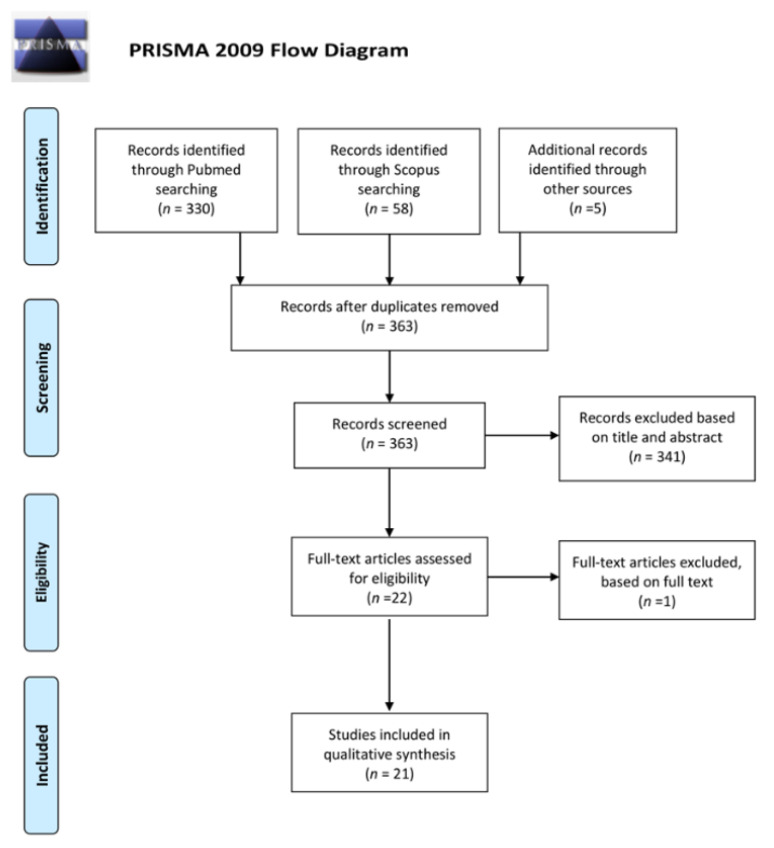
Glaucoma is one of the principal causes of irreversible blindness worldwide. Yet, intraocular pressure (IOP) is the main modifiable risk factor for disease progression. In the never-ending challenge to develop new and effective drugs, several molecules have been tested as anti-glaucoma agents thanks to their pressure-lowering capabilities. Among these molecules, the cannabinoids have been investigated as possible anti-glaucoma drugs since the early 1970s. Cannabinoids are a large class of chemical compounds that exploit their effects by interaction with cannabinoid receptors 1 and 2. These receptors are widely expressed in the human retina where they may influence important functions such as photo-transduction, amacrine cell network maintenance, and IOP regulation. Therefore, in past years several studies have been conducted in order to assess the IOP lowering effects of cannabinoids. PRISMA guidelines have been used to perform a literature search on Pubmed and Scopus aiming to investigate the mechanism of IOP lowering effects and the potential benefits of orally administered, inhaled, topical, and intravenous cannabinoids in the treatment of glaucoma patients.
Overview
The claims and statistics of this paper haven’t been checked yet.
Run the check — free, no account needed. It reads the open-access text and checks the sources it cites.
Integrity signals
Registry
Cites
Statistics
Figures
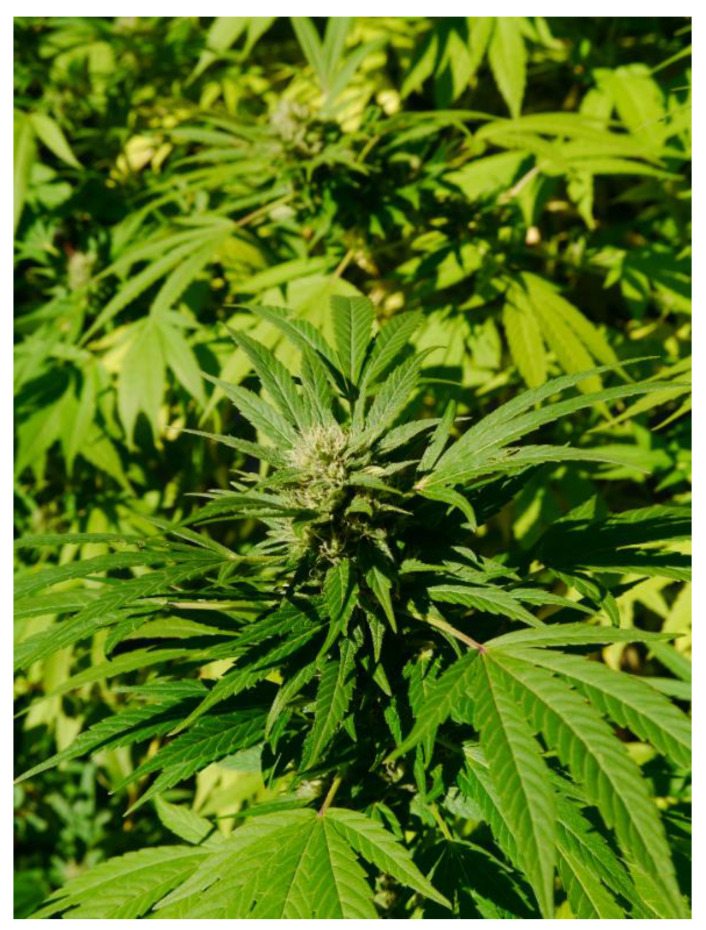
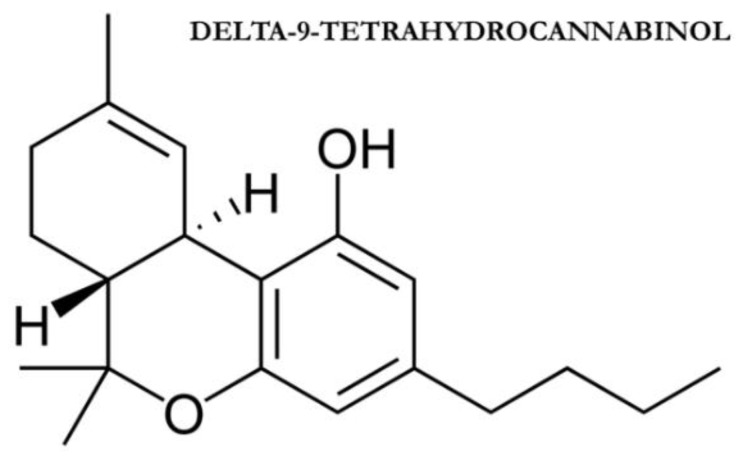
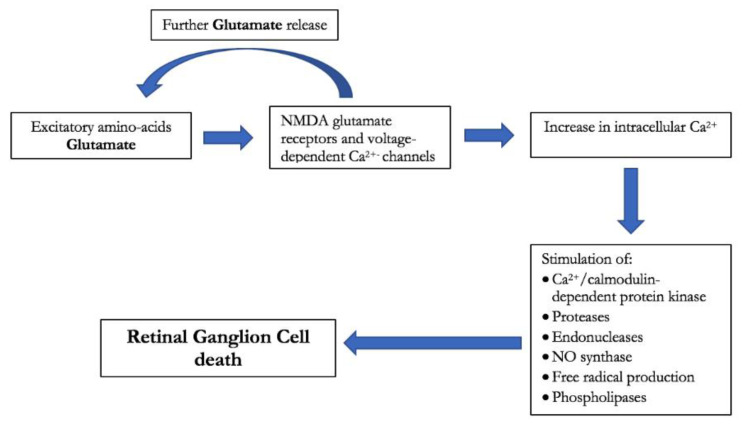
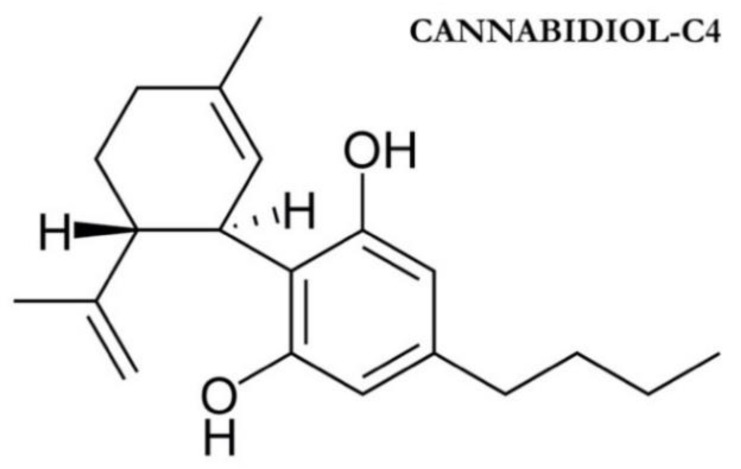
Verification
Claims the paper makes
The claims and statistics of this paper haven’t been checked yet.
Run the check — free, no account needed. It reads the open-access text and checks the sources it cites.
Claims other papers make about this one
Each is checked against this paper’s own text: does it say what the citing paper says it does?
The cited source says what the claim attributes to it.
In the citing paper
“THC-based effects on intraocular pressure are short-timed and reduced by the development of tolerance.”
From Cannabis, cannabinoids and health: a review of evidence on risks and medical benefits (2025) · cites this paper as [98]
The cited source says what the claim attributes to it.
In the citing paper
“Safe and effective drugs are already available on the market [98].”
From Cannabis, cannabinoids and health: a review of evidence on risks and medical benefits (2025) · cites this paper as [98]
Self-check
Percentages, sums and reported differences re-computed from the paper’s own numbers.
The self-check needs the paper’s full text.
Citations
Cites
Cannabinoids in Clinical Practice
Williamson, E. M., & Evans, F. J. (2000) · Drugs · doi:10.2165/00003495-200060060-00005 · Cited by 283 · cited 2×
“CBD is most abundant in Cannabis sativa, THC derives mainly from Cannabis indica, while Cannabis ruderalis presents low amounts of psychoactive cannabinoids [21,22].”
Background
Research works printed but not linked: 95
- Flaxman, 2017, Global causes of blindness and distance vision impairment 1990–2020: A systematic review and meta-analysis, Lancet Glob. Health, 5, e1221, 10.1016/S2214-109X(17)30393-5 · DOI · Paper page
- Rossetti, L., Digiuni, M., Giovanni, M., Centofanti, M., Fea, A.M., Iester, M., and Tanga, L. (2015). Blindness and glaucoma: A multicenter data review from 7 academic eye clinics. PLoS ONE, 10. · DOI
- Weinreb, 2014, The pathophysiology and treatment of glaucoma: A review, JAMA J. Am. Med. Assoc., 311, 1901, 10.1001/jama.2014.3192 · DOI · Paper page
- Hepler, 1971, Marihuana smoking and intraocular pressure, JAMA J. Am. Med. Assoc., 217, 1392, 10.1001/jama.1971.03190100074024 · DOI
- Russo, E.B., and Grotenhermen, F. (2014). The Handbook of Cannabis Therapeutics: From Bench to Bedside, Routledge. · DOI
- Baraldi, 2016, Medicinal chemistry, pharmacology, and potential therapeutic benefits of cannabinoid CB2 receptor agonists, Chem. Rev., 116, 519, 10.1021/acs.chemrev.5b00411 · DOI
- Grotenhermen, 2003, Pharmacokinetics and pharmacodynamics of cannabinoids, Clin. Pharmacokin., 42, 327, 10.2165/00003088-200342040-00003 · DOI
- Cairns, E.A., Baldridge, W.H., and Kelly, M.E.M. (2016). The endocannabinoid system as a therapeutic target in glaucoma. Neural Plast. · DOI
- Chen, 2005, Finding of endocannabinoids in human eye tissues: Implications for glaucoma, Biochem. Biophys. Res. Commun., 330, 1062, 10.1016/j.bbrc.2005.03.095 · DOI
- Dasilva, 2012, Endocannabinoid CB1 receptors modulate visual output from the thalamus, Psychopharmacology, 219, 835, 10.1007/s00213-011-2412-3 · DOI
- Nucci, 2008, Potential roles of (endo)cannabinoids in the treatment of glaucoma: From intraocular pressure control to neuroprotection, Prog. Brain Res., 173, 451, 10.1016/S0079-6123(08)01131-X · DOI
- Pate, 2002, Cannabinoids in the treatment of glaucoma, Pharmacol. Ther., 95, 203, 10.1016/S0163-7258(02)00259-0 · DOI
- Katz, 2019, Facts vs fiction: The role of cannabinoids in the treatment of glaucoma, Curr. Ophthalmol. Rep., 7, 177, 10.1007/s40135-019-00214-z · DOI
- Kim, 2006, Investigations on the association between normal tension glaucoma and single nucleotide polymorphisms of the endothelin-1 and endothelin receptor genes, Mol. Vis., 1, 1016
- Krishnan, 2015, Anandamide rescues retinal barrier properties in Müller glia through nitric oxide regulation, Neuroscience, 284, 536, 10.1016/j.neuroscience.2014.10.020 · DOI
- Lax, 2014, Neuroprotective effects of the cannabinoid agonist HU210 on retinal degeneration, Exp. Eye Res., 120, 175, 10.1016/j.exer.2014.01.019 · DOI
- Marsicano, 2003, CB1 cannabinoid receptors and on-demand defense against excitotoxicity, Science, 302, 84, 10.1126/science.1088208 · DOI · Paper page
- Samy, 1994, Toxicity of chronic glutamate administration to the retina, Investig. Ophthalmol. Vis. Sci., 35, 497
- Schwitzer, 2015, The cannabinoid system and visual processing: A review on experimental findings and clinical presumptions, Eur. Neuropsychopharmacol., 25, 100, 10.1016/j.euroneuro.2014.11.002 · DOI
- Flom, 1975, Marijuana smoking and reduced pressure in human eyes: Drug action or epiphenomenon?, Investig. Ophthalmol. Vis. Sci., 14, 52
- Panahi, 2017, The arguments for and against cannabinoids application in glaucomatous retinopathy, Biomed. Pharmacother., 86, 620, 10.1016/j.biopha.2016.11.106 · DOI
- Stout, 2012, The hexanoyl-CoA precursor for cannabinoid biosynthesis is formed by an acyl-activating enzyme in Cannabis sativa trichomes, Plant J., 71, 353, 10.1111/j.1365-313X.2012.04949.x · DOI
- Taura, 2007, Cannabidiolic-acid synthase, the chemotype-determining enzyme in the fiber-type Cannabis sativa, FEBS Lett., 581, 2929, 10.1016/j.febslet.2007.05.043 · DOI
- Lindgren, 1981, Clinical effects and plasma levels of DELTA 9-tetrahydrocannabinol (DELTA 9-THC) in heavy and light users of cannabis, Psychopharmacology, 74, 208, 10.1007/BF00427095 · DOI
- Mechoulam, 2002, Cannabidiol: An overview of some pharmacological aspects, J. Clin. Pharmacol., 42, 11S, 10.1002/j.1552-4604.2002.tb05998.x · DOI
- Scuderi, 2009, Cannabidiol in medicine: A review of its therapeutic potential in CNS disorders, Phyther. Res., 23, 597, 10.1002/ptr.2625 · DOI
- Brenneisen, 1996, The effect of orally and rectally administered delta 9-tetrahydrocannabinol on spasticity: A pilot study with 2 patients, Int. J. Clin. Pharm., 34, 446
- Chiang, 1983, Systemic absorption of DELTA9-tetrahydrocannabinol after ophthalmic administration to the rabbit, J. Pharm. Sci., 72, 136, 10.1002/jps.2600720210 · DOI
- Schwitzer, T., Schwan, R., Angioi-Duprez, K., Giersch, A., and Laprevote, V. (2016). The Endocannabinoid System in the Retina: From Physiology to Practical and Therapeutic Applications. Neural Plast. · DOI
- Lucas, 2018, The pharmacokinetics and the pharmacodynamics of cannabinoids, Br. J. Clin. Pharmacol., 84, 2477, 10.1111/bcp.13710 · DOI · Paper page
- McPartland, 2015, Are cannabidiol and Δ(9)-tetrahydrocannabivarin negative modulators of the endocannabinoid system? A systematic review, Br. J. Pharm., 172, 737, 10.1111/bph.12944 · DOI
- Tagliaferro, 2011, Distribution of CB2 cannabinoid receptor in adult rat retina, Synapse, 65, 388, 10.1002/syn.20856 · DOI
- Bouskila, J., Javadi, P., Elkrief, L., Casanova, C., Bouchard, J.F., and Ptito, M. (2016). A comparative analysis of the endocannabinoid system in the retina of mice, tree shrews, and monkeys. Neural Plast. · DOI
- Wei, 2009, Presence and regulation of cannabinoid receptors in human retinal pigment epithelial cells, Mol. Vis., 15, 1243
- Zhan, 2005, Effects of marijuana on aqueous humor dynamics in a glaucoma patient, J. Glaucoma, 14, 175, 10.1097/01.ijg.0000151882.07232.1d · DOI
- Romano, 2004, Cannabinoid agonists induce contractile responses through G i/o-dependent activation of phospholipase C in the bovine ciliary muscle, Eur. J. Pharmacol., 494, 55, 10.1016/j.ejphar.2004.04.039 · DOI
- Su, 2015, Role of endothelium in abnormal cannabidiol-induced vasoactivity in retinal arterioles, Investig. Ophthalmol. Vis. Sci., 56, 4029, 10.1167/iovs.14-14879 · DOI
- Colasanti, 1990, A comparison of the ocular and central effects of DELTA9-tetrahydrocannabinol and cannabigerol, J. Ocul. Pharmacol. Ther., 6, 259, 10.1089/jop.1990.6.259 · DOI
- Ramer, 2006, R(+)-methanandamide and other cannabinoids induce the expression of cyclooxygenase-2 and matrix metalloproteinases in human nonpigmented ciliary epithelial cells, J. Pharmacol. Exp. Ther., 316, 1219, 10.1124/jpet.105.092858 · DOI
- Plange, 2007, Dronabinol and retinal hemodynamics in humans, Am. J. Ophthalmol., 143, 173, 10.1016/j.ajo.2006.07.053 · DOI
- Hommer, 2020, The effect of orally administered dronabinol on optic nerve head blood flow in healthy subjects—A randomized clinical trial, Clin. Pharmacol. Ther., 108, 155, 10.1002/cpt.1797 · DOI
- Green, 1978, Effects of delta9-tetrahydrocannabinol on ocular blood flow and aqueous humor formation, Exp. Eye Res., 26, 65, 10.1016/0014-4835(78)90152-5 · DOI
- Yoles, 1996, HU-211, a nonpsychotropic cannabinoid, produces short- and long-term neuroprotection after optic nerve axotomy, J. Neurotrauma, 13, 49, 10.1089/neu.1996.13.49 · DOI
- Zalish, 2003, Dexanabinol (HU-211) has a beneficial effect on axonal sprouting and survival after rat optic nerve crush injury, Vision Res., 43, 237, 10.1016/S0042-6989(02)00494-7 · DOI
- Opere, 2006, Inhibition of potassium-and ischemia-evoked [3H] D-aspartate release from isolated bovine retina by cannabinoids, Curr. Eye Res., 31, 645, 10.1080/02713680600762747 · DOI
- Crandall, 2007, Neuroprotective and intraocular pressure-lowering effects of (-)Delta9-tetrahydrocannabinol in a rat model of glaucoma, Ophthalmic Res., 39, 69, 10.1159/000099240 · DOI
- Nucci, 2007, Involvement of the endocannabinoid system in retinal damage after high intraocular pressure-induced ischemia in rats, Investig. Ophthalmol. Vis. Sci., 48, 2997, 10.1167/iovs.06-1355 · DOI
- Sharma, 2013, Neuroprotective effects of topical CB1 agonist WIN 55212-2 on retinal ganglion cells after acute rise in intraocular pressure induced ischemia in rat, Exp. Eye Res., 110, 55, 10.1016/j.exer.2013.02.009 · DOI
- Liu, 2014, Clinical study on intravitreal injection of cannabinoid HU-211 for optic nerve damage in glaucoma rats, Int. Eye Sci., 14, 1584
- Arend, 2004, Pathogenetic aspects of the glaucomatous optic neuropathy: Fluorescein angiographic findings in patients with primary open angle glaucoma, Brain Res. Bull., 62, 517, 10.1016/j.brainresbull.2003.07.008 · DOI
- Schwitzer, 2020, Spatial localization of retinal anomalies in regular cannabis users: The relevance of the multifocal electroretinogram, Schizophr. Res., 219, 56, 10.1016/j.schres.2019.01.013 · DOI
- Lucas, 2019, Association between increased retinal background noise and co-occurrent regular cannabis and alcohol use, Prog. Neuropsychopharmacol. Biol. Psychiatry, 89, 335, 10.1016/j.pnpbp.2018.10.002 · DOI
- Schwitzer, 2016, Transient retinal dysfunctions after acute cannabis use, Eur. Addict. Res., 22, 287, 10.1159/000446823 · DOI
- Cohen, M. (1976). Experiences with administration of marihuana to glaucoma patients. The Therapeutic Potential of Marihuana, Springer. · DOI
- Braude, M.C., and Szara, S. (1976). Ocular effects of marihuana smoking. The Pharmacology of Marihuana, Raven Press.
- Newell, 1979, Nabilone: A Pressure-reducing synthetic benzopyran in open-angle glaucoma, Ophthalmology, 86, 156, 10.1016/S0161-6420(79)35539-7 · DOI
- Tiedeman, 1981, Effect of synthetic cannabinoids on elevated intraocular pressure, Ophthalmology, 88, 270, 10.1016/S0161-6420(81)35052-0 · DOI
- Flach, 2002, Delta-9-tetrahydrocannabinol (THC) in the treatment of end-stage open-angle glaucoma, Trans. Am. Ophthalmol. Soc., 100, 215
- Tomida, 2006, Effect of sublingual application of cannabinoids on intraocular pressure: A pilot study, J. Glaucoma, 15, 349, 10.1097/01.ijg.0000212260.04488.60 · DOI
- Gagliano, 2011, Ocular hypotensive effect of oral palmitoyl-ethanolamide: A clinical trial, Investig. Ophthalmol. Vis. Sci., 52, 6096, 10.1167/iovs.10-7057 · DOI
- Pescosolido, 2011, Palmitoylethanolamide effects on intraocular pressure after Nd: YAG laser iridotomy: An experimental clinical study, J. Ocul. Pharm., 27, 629, 10.1089/jop.2010.0191 · DOI
- Strobbe, 2013, Effectiveness of palmitoylethanolamide on endothelial dysfunction in ocular hypertensive patients: A randomized, placebo-controlled cross-over study, Investig. Ophthalmol. Vis. Sci., 54, 968, 10.1167/iovs.12-10899 · DOI
- Merritt, 1980, Effect of marihuana on intraocular and blood pressure in glaucoma, Ophthalmology, 87, 222, 10.1016/S0161-6420(80)35258-5 · DOI
- Jay, 1983, Multiple-drop study of topically applied 1% delta9-tetrahydrocannabinol in human eyes, Arch. Ophthalmol., 101, 591, 10.1001/archopht.1983.01040010591012 · DOI
- Merritt, 1981, Topical DELTA 9-Tetrahydrocannabinol and aqueous dynamics in glaucoma, J. Clin. Pharmacol., 21, 467S, 10.1002/j.1552-4604.1981.tb02626.x · DOI
- Merritt, 1981, Topical DELTA9-tetrahydrocannabinol in hypertensive glaucomas, J. Pharm. Pharmacol., 33, 40, 10.1111/j.2042-7158.1981.tb13699.x · DOI
- Green, 1982, Ocular effects of topical administration of DELTA9-tetrahydrocannabinol in man, Arch. Ophthalmol., 100, 265, 10.1001/archopht.1982.01030030267006 · DOI
- Porcella, 2001, The synthetic cannabinoid WIN55212-2 decreases the intraocular pressure in human glaucoma resistant to conventional therapies, Eur. J. Neurosci., 13, 409, 10.1046/j.0953-816X.2000.01401.x · DOI
- Pescosolido, 2018, Evaluation of cannabinoid eye drops on five patients with intractable hypertensive open angle glaucoma, Opth. Clin. Ther., 2, 1
- West, 1996, Cannabis as a medicine, Br. J. Anaesth., 76, 167, 10.1093/bja/76.1.167 · DOI
- Purnell, 1975, Delta (9)-tetrahydrocannabinol, euphoria and intraocular pressure in man, Ann. Ophthalmol., 7, 921
- Cooler, 1977, Effect of delta-9-tetrahydrocannabinol on intraocular pressure in humans, South Med. J., 70, 951, 10.1097/00007611-197708000-00016 · DOI
- Rapino, 2017, Neuroprotection by (endo)Cannabinoids in glaucoma and retinal neurodegenerative diseases, Curr. Neuropharmacol., 16, 959, 10.2174/1570159X15666170724104305 · DOI
- Belyea, 2016, Marijuana use among patients with glaucoma in a city with legalized medical marijuana use, JAMA Ophthalmol., 134, 259, 10.1001/jamaophthalmol.2015.5209 · DOI
- Higginbotham, 2016, Shaping patients’ perspective of medical marijuana for glaucoma treatment, JAMA Ophthalmol., 134, 265, 10.1001/jamaophthalmol.2015.5290 · DOI
- Green, 1998, Marijuana smoking vs cannabinoids for glaucoma therapy, Arch. Ophthalmol., 116, 1433, 10.1001/archopht.116.11.1433 · DOI
- Keppel Hesselink, J.M., Costagliola, C., Fakhry, J., and Kopsky, D.J. (2015). Palmitoylethanolamide, a natural retinoprotectant: Its putative relevance for the treatment of glaucoma and diabetic retinopathy. J. Ophthalmol. · DOI
- Vecino, 2011, Cannabinoid applications in glaucoma, Arch. Soc. Esp. Oftalmol., 86, 16, 10.1016/j.oftal.2010.11.015 · DOI
- Kaufman, 1998, Marijuana and glaucoma, Arch. Ophthalmol., 16, 1512, 10.1001/archopht.116.11.1512 · DOI
- Peña, J., Jiménez, C., and Schmidt, J. (2018). Do cannabinoids play a role in the control of glaucoma?. Medwave, 18. · DOI
- Pujari, 2019, Treating Glaucoma with medical marijuana: Peering through the smoke, Ophthalmol. Glaucoma, 2, 201, 10.1016/j.ogla.2019.02.007 · DOI
- Sun, 2015, Marijuana for glaucoma: A recipe for disaster or treatment?, Yale J. Biol. Med., 88, 265
- Sherif, 2018, The psychiatric consequences of cannabinoids, Clin. Ther., 40, 1448, 10.1016/j.clinthera.2018.03.013 · DOI
- Gruber, 2003, Attributes of long-term heavy cannabis users: A case-control study, Psychol. Med., 33, 1415, 10.1017/S0033291703008560 · DOI
- Karila, 2014, Acute and long-term effects of cannabis use: A Review, Curr. Pharm. Des., 20, 4112, 10.2174/13816128113199990620 · DOI
- Panlilio, 2015, Cannabinoid abuse and addiction: Clinical and preclinical findings, Clin. Pharmacol. Ther., 97, 616, 10.1002/cpt.118 · DOI
- Huestegge, L., Radach, R., Kunert, H.J., and Heller, D. (2002). Visual search in long-term cannabis users with early age of onset. Progress in Brain Research, Elsevier. · DOI
- Laffi, 1993, Persistent visual changes following hashish consumption, Br. J. Ophthalmol., 77, 601, 10.1136/bjo.77.9.601 · DOI
- Levi, 1990, Visual illusions associated with previous drug abuse, J. Clin. Neuroophthalmol., 10, 103
- Novack, 2016, Cannabinoids for treatment of glaucoma, Curr. Opin. Ophthalmol., 27, 146, 10.1097/ICU.0000000000000242 · DOI
- Cvenkel, B., and Kolko, M. (2020). Current medical therapy and future trends in the management of glaucoma treatment. J. Ophthalmol. · DOI
- Moher, 2009, Preferred reporting items for systematic reviews and meta-analyses: The PRISMA statement, J. Clin. Epidemiol., 62, 1006, 10.1016/j.jclinepi.2009.06.005 · DOI · Paper page
- Howick, 2010, Evidence-based mechanistic reasoning, J. R. Soc. Med., 103, 433, 10.1258/jrsm.2010.100146 · DOI
- Keaney, 1999, Auditing the implementation of SIGN (Scottish Intercollegiate Guidelines Network) clinical guidelines, Int. J. Health Care Qual. Assur., 12, 314, 10.1108/09526869910297331 · DOI
- Guyatt, 2011, GRADE guidelines: 1. Introduction-GRADE evidence profiles and summary of findings tables, J. Clin. Epidemiol., 64, 383, 10.1016/j.jclinepi.2010.04.026 · DOI · Paper page
Cited by
Sorted by citations
Cannabis, cannabinoids and health: a review of evidence on risks and medical benefits
Hoch, E., Volkow, N. D., Friemel, C. M., Lorenzetti, V., Freeman, T. P., & Hall, W. (2025) · European Archives of Psychiatry and Clinical Neuroscience · doi:10.1007/s00406-024-01880-2 · Cited by 139
Metadata
- Authors
- Passani, A., Posarelli, C., Sframeli, A. T., Perciballi, L., Pellegrini, M., Guidi, G., & Figus, M.
- Affiliations
- University of Pisa (IT)
- IRCCS Azienda Ospedliero-Universitaria di Bologna Policlinico di Sant'Orsola (IT)
- Corresponding author
- Posarelli, Chiara
- Venue
- Journal of Clinical Medicine
- Publisher
- MDPI AG
- Published
- 2020-12-08
- Volume
- 9
- Issue
- 12
- Pages
- 3978
- ISSN
- 2077-0383 (ISSN-L)
- PMC
- PMC7763320
- OpenAlex
- W3112477524
- Cited by
- 45
- References
- 1
- Citations by year
- 2026: 2 · 2025: 8 · 2024: 12 · 2023: 10 · 2022: 7 · 2021: 6
- FWCI
- 0.98
- Type
- journal article
- Language
- en
- Open access
- gold
- doi.org
- Licence
- Locations
- Journal of Clinical Medicine (publishedVersion, cc-by)
- PubMed Central (publishedVersion, cc-by)
- PubMed (publishedVersion)
- CINECA IRIS Institutial research information system (University of Pisa) (submittedVersion, other-oa)
- DOAJ (DOAJ: Directory of Open Access Journals) (submittedVersion, cc-by-sa)
- Institutional Research Information System University of Ferrara (University of Ferrara) (submittedVersion, cc-by)
- Topics
- Health Sciences › Medicine › Ophthalmology › Glaucoma and retinal disorders
- Health Sciences › Medicine › Pharmacology (medical) › Cannabis and Cannabinoid Research
- Health Sciences › Medicine › Ophthalmology › Drug-Induced Ocular Toxicity
- Keywords
- cannabinoids, glaucoma, intraocular pressure, glaucoma medications, cannabinoid receptors, CB1 receptor, CB2 receptor, retina
About these checks
Registry, retraction, Cites and statistics results are computed, not judged, with one exception: a printed reference that no index lists is read once by a model before it counts as a citation error. Claims are extracted by a model and kept only when their quote appears verbatim in the text; each cited source is then checked, with a model’s help, for whether it says what the claim relies on. Those verdicts can be wrong — read the claim’s quote and the cited source before relying on one.
Statistics and arithmetic are recomputed, not judged.
Confidence bands are shown only for fields calibrated on our annotated test set. None is calibrated yet, so no band is shown.
What counts as a claim ›How we measure confidence ›How we check this ›
Are you an author, or do you see a problem with this page? Request a review
