

The DOI matches its Crossref record; 48 of the 49 references it cites were found in a registry or an index, and 1 are not checked yet.
Liposome System for Encapsulation of Spirulina platensis Protein Hydrolysates: Controlled-Release in Simulated Gastrointestinal Conditions, Structural and Functional Properties
Open accessAbstract
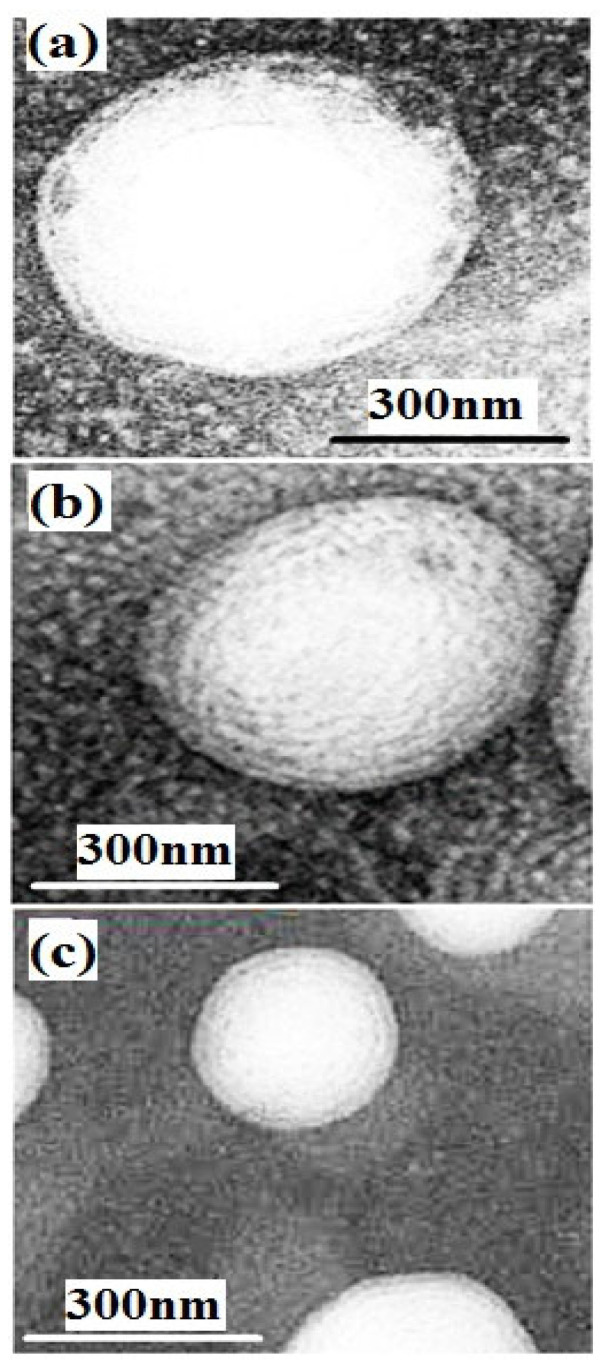
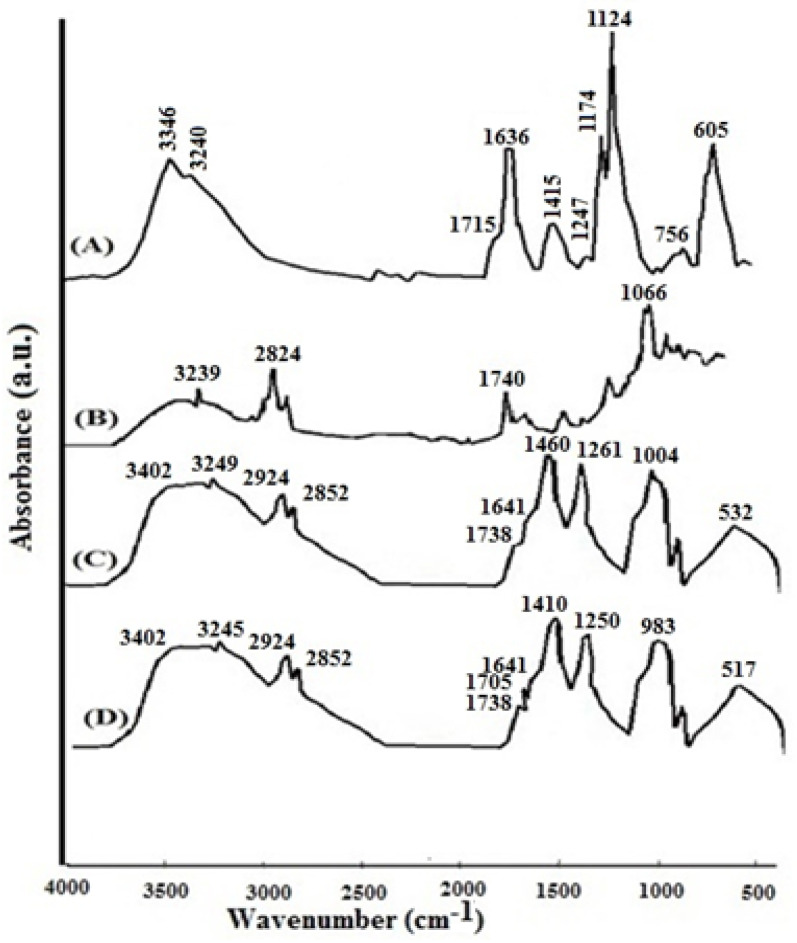
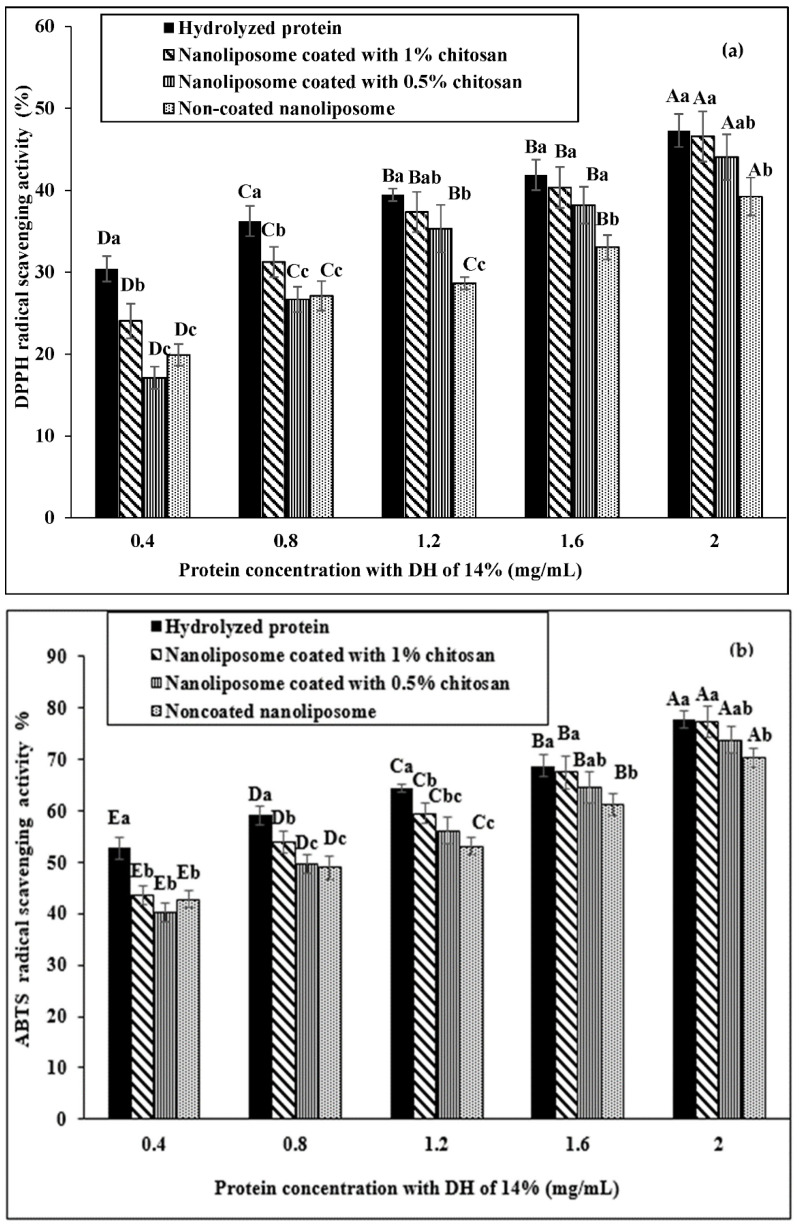
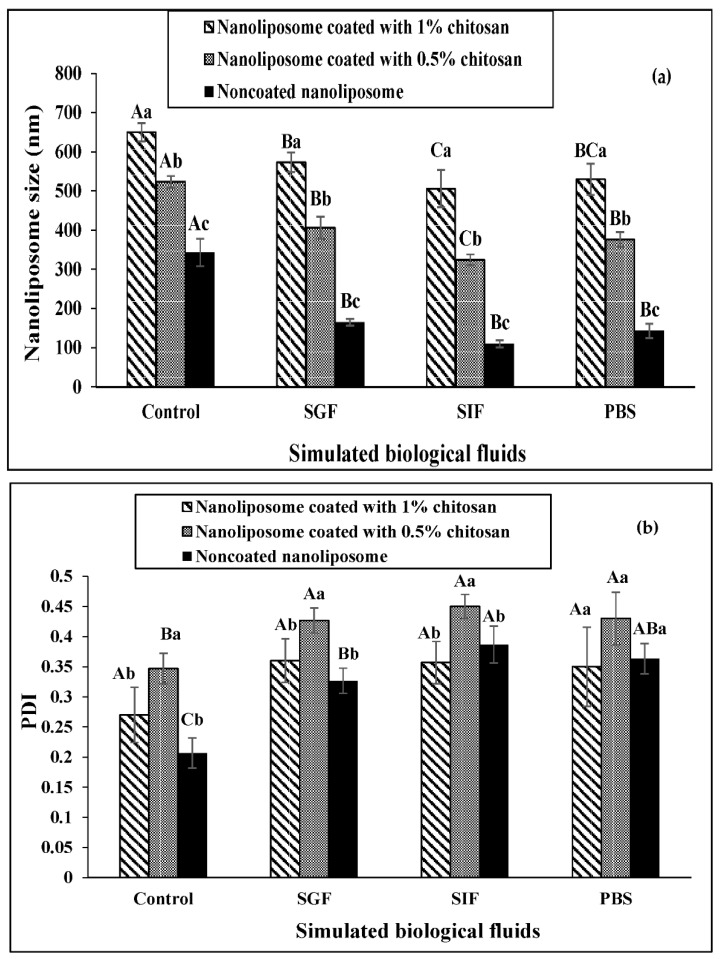
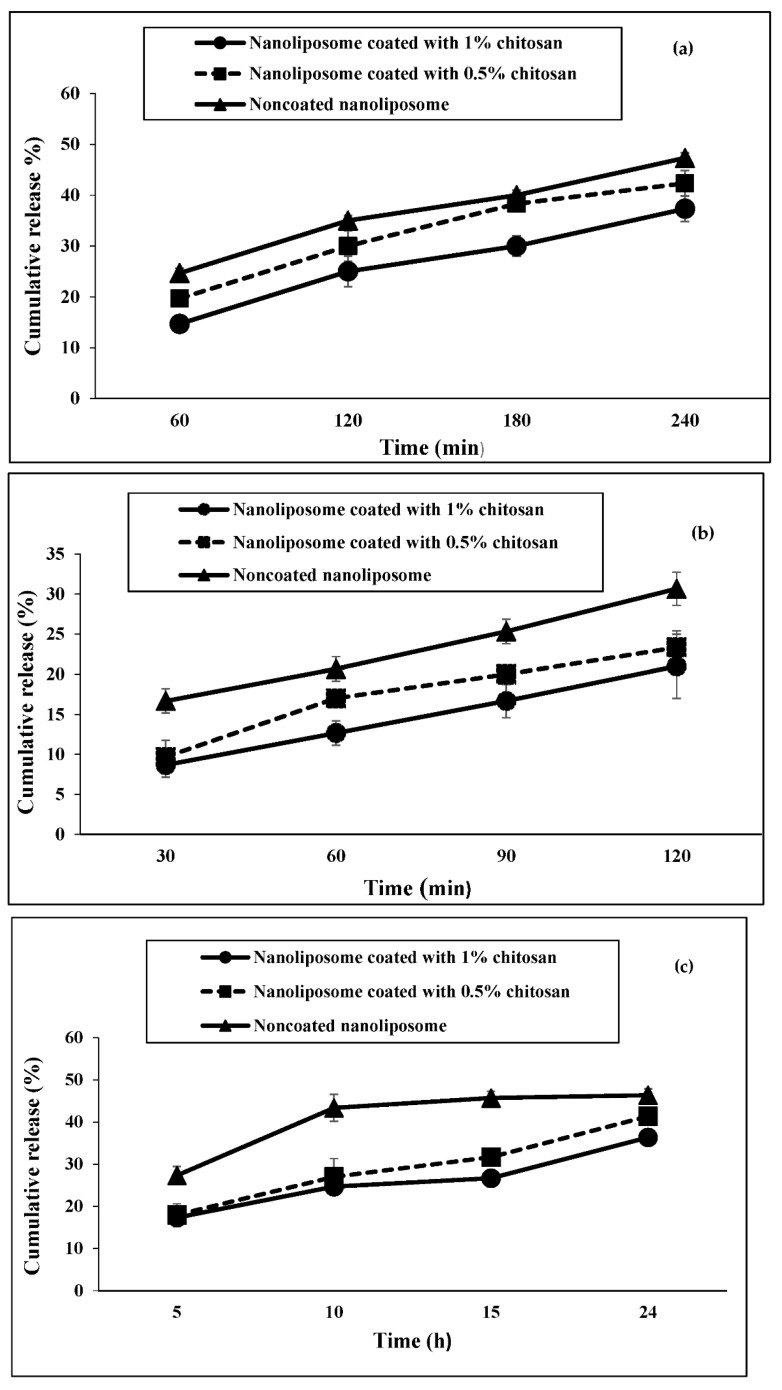
This study aimed to evaluate the physicochemical, structural, antioxidant and antibacterial properties of chitosan-coated (0.5 and 1% CH) nanoliposomes containing hydrolyzed protein of Spirulina platensis and its stability in simulated gastric and intestine fluids. The chitosan coating of nanoliposomes containing Spirulina platensis hydrolyzed proteins increased their size and zeta potential. The fourier transform infrared spectroscopy (FT-IR) test showed an effective interaction between the hydrolyzed protein, the nanoliposome, and the chitosan coating. Increasing the concentration of hydrolyzed protein and the percentage of chitosan coating neutralized the decreasing effect of microencapsulation on the antioxidant activity of peptides. Chitosan coating (1%) resulted in improved stability of size, zeta potential, and poly dispersity index (PDI) of nanoliposomes, and lowered the release of the hydrolyzed Spirulina platensis protein from nanoliposomes. Increasing the percentage of chitosan coating neutralized the decrease in antibacterial properties of nanoliposomes containing hydrolyzed proteins. This study showed that 1% chitosan-coated nanoliposomes can protect Spirulina platensis hydrolyzed proteins and maintain their antioxidant and antibacterial activities.
Overview
The claims and statistics of this paper haven’t been checked yet.
Run the check — free, no account needed. It reads the open-access text and checks the sources it cites.
Integrity signals
Registry
Cites
Statistics
Figures
Verification
Claims the paper makes
The claims and statistics of this paper haven’t been checked yet.
Run the check — free, no account needed. It reads the open-access text and checks the sources it cites.
Claims other papers make about this one
Each is checked against this paper’s own text: does it say what the citing paper says it does?
The source backs part of the claim, not all of it — or backs it for a different population, condition or comparison.
In the citing paper
“Strategies such as peptide modification, encapsulation, and advanced delivery systems are being explored to enhance stability and absorption; however, further investigation is necessary to validate their effectiveness [205].”
From Navigating the potential of algal peptides: health effects, market applications, and scientific challenges (2026) · cites this paper as [205]
Experimental — accuracy not yet measured
Self-check
Percentages, sums and reported differences re-computed from the paper’s own numbers.
The self-check needs the paper’s full text.
Citations
Cites
PROTEIN MEASUREMENT WITH THE FOLIN PHENOL REAGENT
Lowry, O. H., Rosebrough, N., Farr, A. L., & Randall, R. (1951) · Journal of Biological Chemistry · doi:10.1016/s0021-9258(19)52451-6 · Cited by 316,394
Micro-algae as a source of protein
Becker, E. W. (2007) · Biotechnology Advances · doi:10.1016/j.biotechadv.2006.11.002 · Cited by 2,311
Church, F., Swaisgood, H. E., Porter, D. H., & Catignani, G. L. (1983) · Journal of Dairy Science · doi:10.3168/jds.s0022-0302(83)81926-2 · Cited by 1,579
Microalgae as a future food source
Torres-Tiji, Y., Fields, F. J., & Mayfield, S. P. (2020) · Biotechnology Advances · doi:10.1016/j.biotechadv.2020.107536 · Cited by 559
Nano-encapsulation of fish oil in nano-liposomes and its application in fortification of yogurt
Ghorbanzade, T., Jafari, S. M., Akhavan‐Mahdavi, S., & Hadavi, R. (2016) · Food Chemistry · doi:10.1016/j.foodchem.2016.08.022 · Cited by 542
McClements, D. J. (2018) · Advances in Colloid and Interface Science · doi:10.1016/j.cis.2018.02.002 · Cited by 469
Antibacterial characteristics and activity of acid-soluble chitosan
Chung, Y., & Chen, C. (2007) · Bioresource Technology · doi:10.1016/j.biortech.2007.06.044 · Cited by 406
Chitosan-Alginate Nanoparticles as a Novel Drug Delivery System for Nifedipine
Li, P., Dai, Y., Zhang, J., & Wei, Q. (2008) · International Journal of Biomedical Science · doi:10.59566/ijbs.2008.4221 · Cited by 386
Xu, Q., Hong, H., Wu, J., & Yan, X. (2019) · Trends in Food Science & Technology · doi:10.1016/j.tifs.2019.02.050 · Cited by 372
Villamil, O., Váquiro, H., & Solanilla, J. F. (2017) · Food Chemistry · doi:10.1016/j.foodchem.2016.12.057 · Cited by 310
Ngo, D.-H., Vo, T., Ngo, D., Wijesekara, I., & Kim, S. (2012) · International Journal of Biological Macromolecules · doi:10.1016/j.ijbiomac.2012.06.001 · Cited by 301
Potential application of microalga Spirulina platensis as a protein source
Lupatini, A. L., Colla, L. M., Canan, C., & Colla, E. (2017) · Journal of the Science of Food and Agriculture · doi:10.1002/jsfa.7987 · Cited by 291
Marine-Based Nutraceuticals: An Innovative Trend in the Food and Supplement Industries
Suleria, H. A. R., Osborne, S. A., Masci, P. P., & Gobe, G. C. (2015) · Marine Drugs · doi:10.3390/md13106336 · Cited by 289
Biopolymer-coated nanoliposomes as carriers of rainbow trout skin-derived antioxidant peptides
Ramezanzade, L., Hosseini, S. F., & Nikkhah, M. (2017) · Food Chemistry · doi:10.1016/j.foodchem.2017.04.177 · Cited by 266
The specific antibacterial activity of liposome-encapsulated Clove oil and its application in tofu
Cui, H., Zhao, C., & Lin, L. (2015) · Food Control · doi:10.1016/j.foodcont.2015.03.026 · Cited by 234
Hasan, M., Messaoud, G. B., Michaux, F., Tamayol, A., Kahn, C. J. F., Belhaj, N., Linder, M., & Arab‐Tehrany, E. (2016) · RSC Advances · doi:10.1039/c6ra05574e · Cited by 203
Eckert, E., Han, J. S., Swallow, K. W., Tian, Z., Jarpa–Parra, M., & Chen, L. (2019) · Cereal Chemistry · doi:10.1002/cche.10169 · Cited by 182
Encapsulation of bioactive salmon protein hydrolysates with chitosan-coated liposomes
Li, Z., PAULSON, A. T., & GILL, T. A. (2015) · Journal of Functional Foods · doi:10.1016/j.jff.2015.09.058 · Cited by 175
Sarabandi, K., Jafari, S. M., Mohammadi, M., Akbarbaglu, Z., Pezeshki, A., & Heshmati, M. K. (2019) · Food Hydrocolloids · doi:10.1016/j.foodhyd.2019.05.047 · Cited by 175
Agrawal, A. K., Harde, H., Thanki, K., & Jain, S. (2013) · Biomacromolecules · doi:10.1021/bm401580k · Cited by 171
Antioxidant activity of several marine skin gelatins
Alemán, A., Giménez, B., Montero, P., & Gómez-Guillén, M. C. (2010) · LWT · doi:10.1016/j.lwt.2010.09.003 · Cited by 165
In-vitro digestion of curcumin loaded chitosan-coated liposomes
Cuomo, F., Cofelice, M., Venditti, F., Ceglie, A., Miguel, M. G., Lindman, B., & Lopez, F. (2017) · Colloids and Surfaces B Biointerfaces · doi:10.1016/j.colsurfb.2017.11.047 · Cited by 145
Rasti, B., Jinap, S., Mozafari, M. R., & Yazid, A. M. (2012) · Food Chemistry · doi:10.1016/j.foodchem.2012.07.016 · Cited by 143
Nasri, R., Younes, I., Jridi, M., Trigui, M., Bougatef, A., Nedjar‐Arroume, N., Dhulster, P., Nasri, M., & Karra‐Chaabouni, M. (2013) · Food Research International · doi:10.1016/j.foodres.2013.07.001 · Cited by 137
Zavareze, E. D. R., Telles, A. C., Halal, S. L. M. E., da Rocha, M., Colussi, R., de Assis, L. M., de Castro, L. A. S., Dias, Á. R. G., & Prentice, C. (2014) · LWT · doi:10.1016/j.lwt.2014.05.013 · Cited by 134
Gomes, M. H. G., & Kurozawa, L. E. (2019) · Journal of Food Engineering · doi:10.1016/j.jfoodeng.2019.109761 · Cited by 134
Development and characterization of chitosan-coated nanoliposomes for encapsulation of caffeine
Seyedabadi, M. M., Rostami, H., Jafari, S. M., & Fathi, M. (2020) · Food Bioscience · doi:10.1016/j.fbio.2020.100857 · Cited by 115
Bioactive Peptide of Marine Origin for the Prevention and Treatment of Non-Communicable Diseases
Pangestuti, R., & Kim, S. (2017) · Marine Drugs · doi:10.3390/md15030067 · Cited by 97
Maherani, B., Arab‐Tehrany, E., Kheirolomoom, A., Cleymand, F., & Linder, M. (2012) · Food Chemistry · doi:10.1016/j.foodchem.2012.02.098 · Cited by 96
Tidarat, T., Mes, J. J., Wichers, H. J., Roytrakul, S., & Yongsawatdigul, J. (2016) · Food Chemistry · doi:10.1016/j.foodchem.2016.09.183 · Cited by 94
Hypoglycemic efficacy of chitosan-coated insulin liposomes after oral administration in mice.
Zheng-hongWU, Qi-nengPING, YiWEI, & Jia-mingLAI (2004) · PubMed · Cited by 92
Sun, Y., Chang, R., Li, Q., & Li, B. (2015) · European Food Research and Technology · doi:10.1007/s00217-015-2576-x · Cited by 92
Mazloomi, S. N., Mahoonak, A. S., Ghorbani, M., & Houshmand, G. (2020) · Journal of Food Engineering · doi:10.1016/j.jfoodeng.2020.109976 · Cited by 80
Thompson, A. K., Mozafari, M. R., & Singh, H. (2007) · Le Lait · doi:10.1051/lait:2007013 · Cited by 69
Emerging biopharmaceuticals from bioactive peptides derived from marine organisms
Anjum, K., Abbas, S. Q., Akhter, N., Shagufta, B. I., Shah, S. A. A., & Hassan, S. S. U. (2016) · Chemical Biology & Drug Design · doi:10.1111/cbdd.12925 · Cited by 63
Alzahrani, M. A. J., Perera, C. O., & Hémar, Y. (2017) · International Journal of Food Science & Technology · doi:10.1111/ijfs.13642 · Cited by 63
Optimal extraction and hydrolysis of Chlorella pyrenoidosa proteins
Wang, X., & Zhang, X. (2012) · Bioresource Technology · doi:10.1016/j.biortech.2012.09.059 · Cited by 58
Lee, H., Zheng, J., Gaddy, D. F., Orcutt, K. D., Leonard, S. C., Geretti, E., Hesterman, J. Y., Harwell, C., Hoppin, J., Jaffray, D. A., et al. (2014) · Nanomedicine Nanotechnology Biology and Medicine · doi:10.1016/j.nano.2014.08.011 · Cited by 56
Dionne, C. E. (2005) · Journal of Clinical Epidemiology · doi:10.1016/j.jclinepi.2004.12.005 · Cited by 52
Bilge, D., Şahin, İ., Kazancı, N., & Severcan, F. (2014) · Spectrochimica Acta Part A Molecular and Biomolecular Spectroscopy · doi:10.1016/j.saa.2014.04.027 · Cited by 51
Mohammadi, M., Hamishehkar, H., McClements, D. J., Shahvalizadeh, R., & Barri, A. (2023) · Food Chemistry · doi:10.1016/j.foodchem.2022.133973 · Cited by 51
Zhao, G., Hu, C., & Xue, Y. (2017) · Journal of Cosmetic Dermatology · doi:10.1111/jocd.12369 · Cited by 46
Incorporation of liposomes containing squid tunic ACE ‐inhibitory peptides into fish gelatin
Mosquera, M. E., Giménez, B., Montero, P., & Gómez-Guillén, M. C. (2015) · Journal of the Science of Food and Agriculture · doi:10.1002/jsfa.7145 · Cited by 44
Katouzian, I., & Taheri, R. A. (2021) · Journal of Food Science and Technology · doi:10.1007/s13197-021-04972-2 · Cited by 43
Staphylococcus aureus Pore-Forming Toxins
Robles, T. R., & Torres, V. J. (2016) · Current topics in microbiology and immunology · doi:10.1007/82_2016_16 · Cited by 39
Mohammadi, M., Hamishehkar, H., Ghorbani, M., Shahvalizadeh, R., Pateiro, M., & Lorenzo, J. M. (2021) · Antioxidants · doi:10.3390/antiox10121953 · Cited by 34
Aboumanei, M. H., Mahmoud, A. F., & Motaleb, M. A. (2021) · Drug Development and Industrial Pharmacy · doi:10.1080/03639045.2021.1908334 · Cited by 25
Nanoparticle Mediated Oral Delivery of Peptides and Proteins
Rekha, M. R., & Sharma, C. P. (2011) · Elsevier eBooks · doi:10.1016/b978-0-12-384935-9.10008-2 · Cited by 19
Potential of Autotroph Microalgae (Spirulina plantentis) as Antimicrobial agent
Pratita, A., Fathurohman, M., Ruswanto, R., Khusnul, K., & Suhartati, R. (2019) · Journal of Physics Conference Series · doi:10.1088/1742-6596/1179/1/012173 · Cited by 13
Cited by
Sorted by citations
Najafian, L. (2023) · Food & Function · doi:10.1039/d3fo00362k · Cited by 49
Joy, J. M., Amruth, P., Rosemol Jacob, M., Dara, P. K., Renuka, V., & Anandan, R. (2023) · Food Hydrocolloids for Health · doi:10.1016/j.fhfh.2023.100142 · Cited by 42
Liposomes as sustainable delivery systems in food, cosmetic, and pharmaceutical applications
Luo, M., Oomah, B. D., Akoetey, W., Zhang, Y., Daneshfozoun, H., & Hosseinian, F. S. (2024) · Journal of the American Oil Chemists Society · doi:10.1002/aocs.12907 · Cited by 40
Effect of chitosan coating on the characterization and stability of the CPH liposomes
Wang, P., Zhu, S., Zhu, Q., Yang, X., Wu, C., Liang, K., He, Z., Min, W., Liu, X., Li, W., et al. (2024) · Journal of Food Engineering · doi:10.1016/j.jfoodeng.2024.112363 · Cited by 28
Gharehbeglou, P., Sarabandi, K., & Akbarbaglu, Z. (2024) · Journal of Polymers and the Environment · doi:10.1007/s10924-024-03313-6 · Cited by 15
Metadata
- Authors
- Forutan, M., Hasani, M., Hasani, S., Salehi, N., & Sabbagh, F.
- Affiliations
- Islamic Azad University, Shahrood (IR)
- Gorgan University of Agricultural Sciences and Natural Resources (IR)
- Chungbuk National University (KR)
- Corresponding author
- Hasani, Maryam
- Sabbagh, Farzaneh
- Venue
- Materials
- Publisher
- MDPI AG
- Published
- 2022-12-01
- Volume
- 15
- Issue
- 23
- Pages
- 8581
- ISSN
- 1996-1944 (ISSN-L)
- PMC
- PMC9736864
- OpenAlex
- W4311186641
- Cited by
- 26
- References
- 48
- Citations by year
- 2026: 7 · 2025: 11 · 2024: 5 · 2023: 3
- FWCI
- 2.53
- Type
- journal article
- Language
- en
- Open access
- gold
- doi.org
- Licence
- Locations
- Materials (publishedVersion, cc-by)
- PubMed Central (publishedVersion, cc-by)
- PubMed (publishedVersion)
- DOAJ (DOAJ: Directory of Open Access Journals) (submittedVersion)
- Topics
- Life Sciences › Agricultural and Biological Sciences › Food Science › Proteins in Food Systems
- Life Sciences › Agricultural and Biological Sciences › Food Science › Microencapsulation and Drying Processes
- Life Sciences › Agricultural and Biological Sciences › Food Science › Protein Hydrolysis and Bioactive Peptides
- Keywords
- nanoliposomes, chitosan coating, Spirulina platensis, protein hydrolysates, microencapsulation, controlled release, simulated gastrointestinal conditions, antioxidant activity, antibacterial activity, zeta potential, liposome stability, peptide bioactivity
About these checks
Registry, retraction, Cites and statistics results are computed, not judged, with one exception: a printed reference that no index lists is read once by a model before it counts as a citation error. Claims are extracted by a model and kept only when their quote appears verbatim in the text; each cited source is then checked, with a model’s help, for whether it says what the claim relies on. Those verdicts can be wrong — read the claim’s quote and the cited source before relying on one.
Statistics and arithmetic are recomputed, not judged.
Confidence bands are shown only for fields calibrated on our annotated test set. None is calibrated yet, so no band is shown.
What counts as a claim ›How we measure confidence ›How we check this ›
Are you an author, or do you see a problem with this page? Request a review
