

The Impact of GLP1 Agonists on Bone Metabolism: A Systematic Review
Open accessThe DOI matches its Crossref record; 54 of the 55 references it cites were found in a registry or an index.
Abstract
Background and Objectives: The association between diabetes mellitus and increased risk of bone fractures has led to the investigation of the impact of antidiabetic drugs on bone metabolism. Glucagon-like peptide-1 receptor agonists (GLP1RAs) are a relatively novel and promising class of anti-hyperglycemic drugs. In addition to their blood glucose lowering action, GLP1RAs seem to have additional pleiotropic properties such as a beneficial skeletal effect; although the underlying mechanisms are not completely understood. The present systematic review summarizes current evidence about GLP1RAs and their effects on bone metabolism and fracture. Methods: An extensive literature search was conducted based on electronic databases namely, PubMed, Google Scholar and Cochrane Central Register of Controlled Trials (CENTRAL) through October 2019 to January 2020 for articles related to bone mineral density, diabetes mellitus and GLP1RAs. We included articles published in English. Finally, we included four randomized controlled trials, three meta-analyses, a case-control study and a population-based cohort analysis. Results: Based on the articles included, the animal studies indicated the salutary skeletal effects of GLP1RAs in opposition to what has been commonly observed in human studies, showing that these agents have no impact on bone mineral density (BMD) and the turnover markers. Moreover, it was demonstrated that GLP1 was not associated with fracture risk as compared to other anti-hyperglycemic drugs. Conclusions: Findings from this systematic review have demonstrated the neutral impact of GLP1RAs on BMD. Moreover, further double-blind randomized controlled trials are needed to draw more meaningful and significant conclusions on the efficacy of GLP1RAs on BMD.
Overview
The claims and statistics of this paper haven’t been checked yet.
Free: it reads the open-access text and checks the first 5 claims that cite a source we can check. Create a free account to check every claim.
Integrity signals
Registry
Cites
Statistics
Figures
Verification
Claims the paper makes
The claims and statistics of this paper haven’t been checked yet.
Free: it reads the open-access text and checks the first 5 claims that cite a source we can check. Create a free account to check every claim.
Claims other papers make about this one
Each is checked against this paper’s own text: does it say what the citing paper says it does?
The source backs part of the claim, not all of it — or backs it for a different population, condition or comparison.
In the citing paper
“Interestingly, pre-clinical studies suggest that GLP1Ra-based therapies may positively impact bone health by promoting bone formation and reducing bone turnover; yet, currently available clinical data on effects of GLP1Ras on human bone metabolism are largely neutral (i.e., no consistent changes are observed in bone turnover biomarkers, bone mineral density (BMD), or fracture risk (12)).”
From G LP1Ra ‐based therapies and DXA ‐acquired musculoskeletal health outcomes: a focused meta‐analysis of placebo‐controlled trials (2025) · cites this paper as [12]
Experimental — accuracy not yet measuredThe source backs part of the claim, not all of it — or backs it for a different population, condition or comparison.
In the citing paper
“These limited findings align with pre-clinical data suggesting GLP1Ra-based therapies may positively impact bone health by promoting bone formation and reducing bone turnover (12, 44).”
From G LP1Ra ‐based therapies and DXA ‐acquired musculoskeletal health outcomes: a focused meta‐analysis of placebo‐controlled trials (2025) · cites this paper as [12]
Experimental — accuracy not yet measuredThe cited source says what the claim attributes to it.
In the citing paper
“Interestingly, pre-clinical studies suggest that GLP1Ra-based therapies may positively impact bone health by promoting bone formation and reducing bone turnover; yet, currently available clinical data on effects of GLP1Ras on human bone metabolism are largely neutral (i.e., no consistent changes are observed in bone turnover biomarkers, bone mineral density (BMD), or fracture risk (12)).”
From G LP1Ra ‐based therapies and DXA ‐acquired musculoskeletal health outcomes: a focused meta‐analysis of placebo‐controlled trials (2025) · cites this paper as [12]
In the citing paper
“therapies with second‐generation weight‐loss agents often result in a 2%–3% decrease in bone mass, increasing fracture risk [44]”
From Muscle Loss in Obesity Therapy as a Therapeutic Target: Trial Design and Endpoints for Regulatory Discussions (2025) · cites this paper as [44]
Self-check
Percentages, sums and reported differences re-computed from the paper’s own numbers.
The self-check needs the paper’s full text.
Citations
Cites
1 retracted
RETRACTED ARTICLE: Pluripotency of mesenchymal stem cells derived from adult marrow
Jiang, Y., Jahagirdar, B. N., Reinhardt, R. L., Schwartz, R. E., Keene, C. D., Ortiz-Gonzalez, X. R., Reyes, M., Lenvik, T., Lund, T., Blackstad, M., et al. (2002) · Nature · doi:10.1038/nature00870 · Cited by 5,518 · cited 2×
“tion of those cells to adipocytes) [18].”
RetractedHADJIDAKIS, D. J., & ANDROULAKIS, I. I. (2006) · Annals of the New York Academy of Sciences · doi:10.1196/annals.1365.035 · Cited by 1,360 · cited 1×
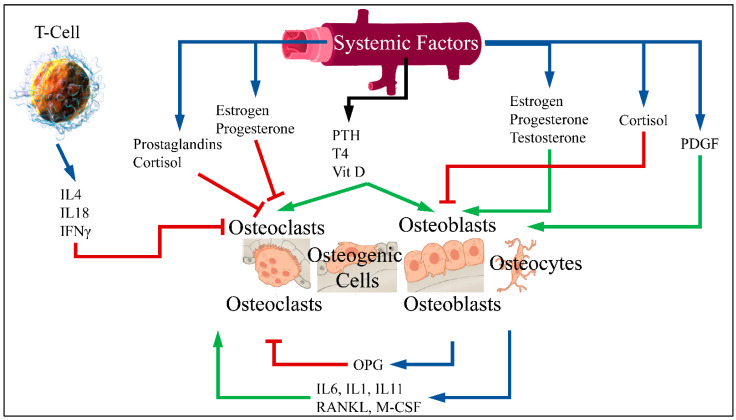
“Moreover, RANKL is bound by OPG, secreted by osteoblasts, which inhibits osteoclast differentiation [4,5] (Figure 1).”
BackgroundSystematic Review of Type 1 and Type 2 Diabetes Mellitus and Risk of Fracture
Janghorbani, M., Van Dam, R. M., Willett, W. C., & Hu, F. B. (2007) · American Journal of Epidemiology · doi:10.1093/aje/kwm106 · Cited by 1,209 · cited 1×
“Patients with diabetes mellitus are at an increased risk of fragility fractures [1].”
BackgroundOsteocyte control of bone formation via sclerostin, a novel BMP antagonist
Winkler, D. G. (2003) · The EMBO Journal · doi:10.1093/emboj/cdg599 · Cited by 1,112 · cited 2×
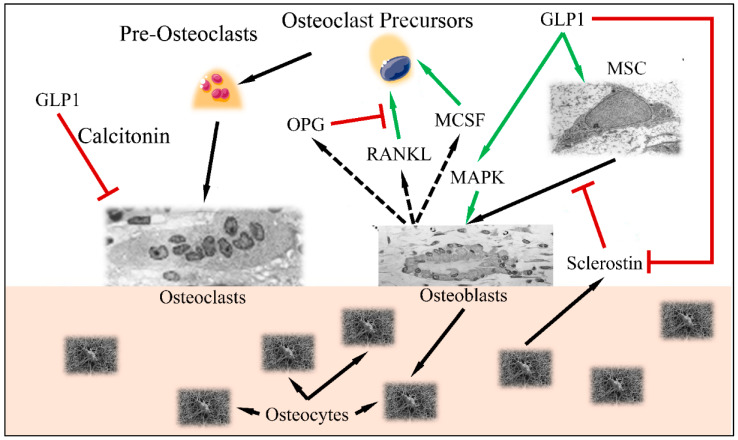
“On the other hand, GLP1 has been found to reduce SOST (sclerostin) mRNA levels, which i known to inhi it bone formation through suppression of the Wnt/nt Wnt known to inhibit bone formation through suppression of tin mRNA and COL1 [15].”
BackgroundMechanisms of diabetes mellitus-induced bone fragility
On behalf of the IOF Bone and Diabetes Working Group, Napoli, N., Chandran, M., Pierroz, D. D., Abrahamsen, B., Schwartz, A. V., & Ferrari, S. L. (2017) · Nature Reviews Endocrinology · doi:10.1038/nrendo.2016.153 · Cited by 1,107
Expression Profiling and Functional Analysis of Wnt Signaling Mechanisms in Mesenchymal Stem Cells
Etheridge, S. L., Spencer, G. J., Heath, D. J., & Genever, P. G. (2004) · STEM CELLS · doi:10.1634/stemcells.22-5-849 · Cited by 344 · cited 2×
“The canonical Wnt pathway, includes LPR5/6, β-catenin, GSK-3β and T cell factor activation which results in osteoblast differentiation and maturation [13,14].”
BackgroundThe Murine Glucagon-Like Peptide-1 Receptor Is Essential for Control of Bone Resorption
Yamada, C., Yamada, Y., Tsukiyama, K., Yamada, K., Udagawa, N., Takahashi, N., Tanaka, K., Drucker, D. J., Seino, Y., & Inagaki, N. (2008) · Endocrinology · doi:10.1210/en.2007-1292 · Cited by 318 · cited 3×
“Further on, GLP1 is able to decrease bone resorption through the calcitonin-dependent pathway [17].”
BackgroundInfluentialGlucagon‐like peptide‐1 receptor agonists in type 2 diabetes treatment: are they all the same?
Gentilella, R., Pechtner, V., Corcos, A., & Consoli, A. (2019) · Diabetes/Metabolism Research and Reviews · doi:10.1002/dmrr.3070 · Cited by 227
Su, B., Sheng, H., Zhang, M., Bu, L., Yang, P., Li, L., Li, F., Sheng, C., Han, Y., Qu, S., et al. (2015) · Endocrine · doi:10.1007/s12020-014-0361-4 · Cited by 203 · cited 2×
“Data revealed that liraglutide was associated with a decreased risk of fracture, while exenatide treatment was remarkably associated with an increased risk of fracture [41].”
BackgroundMa, X., Meng, J., Jia, M., Bi, L., Zhou, Y., Wang, Y., Hu, J., He, G., & Luo, X. (2013) · Journal of Bone and Mineral Research · doi:10.1002/jbmr.1898 · Cited by 200 · cited 5×
“In particular, it has been found that GLP1 agonists are able to reduce serum levels of C-terminal cross-linked telopeptide of type I collagen (CTX-1) and uri ary deoxypyridinoline (DPD)/creatinine ratio [16], thus inhibiting osteoclast action.”
BackgroundResultInfluentialIepsen, E. W., Lundgren, J. R., Hartmann, B., Pedersen, O., Hansen, T., Jørgensen, N. R., Jensen, J.-E. B., Holst, J. J., Madsbad, S., & Torekov, S. S. (2015) · The Journal of Clinical Endocrinology & Metabolism · doi:10.1210/jc.2015-1176 · Cited by 193 · cited 6×
“However, Iepsen et al. (2015) demonstrated that liraglutide increased bone formation marker N-terminal propeptide of type1procollagen (P1NP) by 16% in a group of healthy obese women, while the bone resorption marker CTX-1 was not affected [39] (Table 1).”
BackgroundMethodInfluentialEffect of GLP-1 Treatment on Bone Turnover in Normal, Type 2 Diabetic, and Insulin-Resistant States
Nuche-Berenguer, B., Moreno, P., Esbrit, P., Dapía, S., Caeiro, J. R., Cancelas, J., Haro-Mora, J. J., & Villanueva-Peñacarrillo, M. L. (2009) · Calcified Tissue International · doi:10.1007/s00223-009-9220-3 · Cited by 192 · cited 5×
“These findings indicated that GLP1 could be a salutary therapeutic factor for increasing bone formation [8].”
BackgroundInfluentialMabilleau, G., Mieczkowska, A., & Chappard, D. (2014) · Journal of Diabetes · doi:10.1111/1753-0407.12102 · Cited by 178
Effects of diabetes drugs on the skeleton
Meier, C., Schwartz, A. V., Egger, A., & Lecka-Czernik, B. (2016) · Bone · doi:10.1016/j.bone.2015.04.026 · Cited by 174 · cited 1×
“Yet, they seem to be an ideal treatment option for diabetics with high-risk fractures due to the low risk of hypoglycemia [34,35].”
BackgroundExendin-4 exerts osteogenic actions in insulin-resistant and type 2 diabetic states
Nuche‐Berenguer, B., Moreno, P., Portal‐Núñez, S., Dapía, S., Esbrit, P., & Villanueva‐Peñacarrillo, M. L. (2009) · Regulatory Peptides · doi:10.1016/j.regpep.2009.06.010 · Cited by 153 · cited 10×
“It has also been mentioned that exendin-4 administration in T2D and IR rats promoted bone formation via the Wnt signaling pathway [11].”
BackgroundInfluentialAn update on therapies for the treatment of diabetes-induced osteoporosis
Mohsin, S., Baniyas, M. M. Y. H., Darmaki, R. S. A., Tekes, K., Kalász, H., & Adeghate, E. A. (2019) · Expert Opinion on Biological Therapy · doi:10.1080/14712598.2019.1618266 · Cited by 146 · cited 1×
“There is an intense debate on whether GLP1RAs can minimize the risk of fracture [33].”
BackgroundKim, J.-Y., Lee, S.-K., Jo, K.-J., Song, D.-Y., Lim, D.-M., Park, K.-Y., Bonewald, L. F., & Kim, B.-J. (2013) · Life Sciences · doi:10.1016/j.lfs.2013.01.001 · Cited by 137 · cited 3×
“Another mechanism through which exendin-4 increases BMD is reducing the expression of SOST/sclerostin in MLO-Y4 cells, which leads to increased serum levels of osteocalcin, decreased serum levels of sclerostin and increased femoral BMD in T2D rats [46].”
BackgroundInfluentialSanz, C., Vázquez, P., Blázquez, C., Barrio, P. A., Alvarez, M. D. M., & Blázquez, E. (2010) · American Journal of Physiology-Endocrinology and Metabolism · doi:10.1152/ajpendo.00460.2009 · Cited by 135 · cited 1×
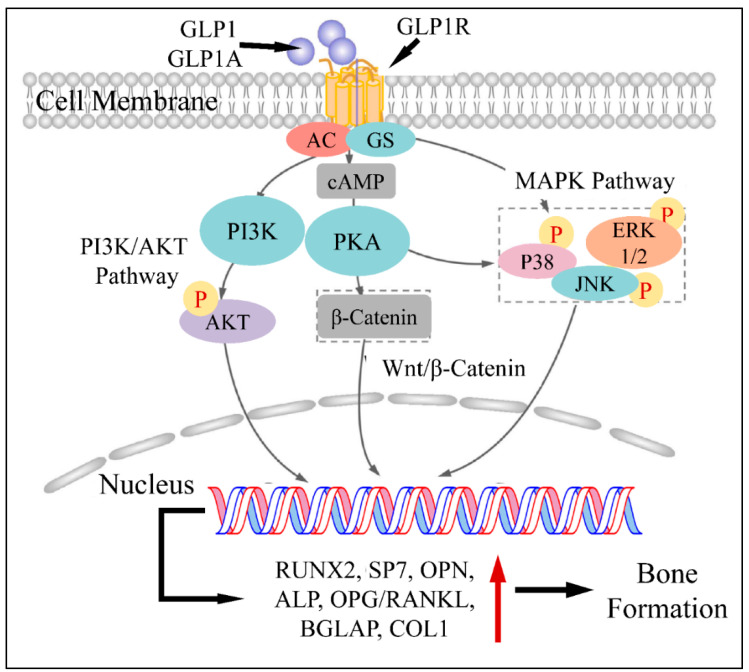
“This has been found to take place through activation of the MAPK and PKC pathways [19], as well as the PKA/PI3K/AKT/GSK3T pathways [20].”
BackgroundSchiellerup, S. P., Skov‐Jeppesen, K., Windeløv, J. A., Svane, M. S., Holst, J. J., Hartmann, B., & ROSENKILDE, M. M. (2019) · Frontiers in Endocrinology · doi:10.3389/fendo.2019.00075 · Cited by 118 · cited 2×
“Green arrows imply stimulation; red arrows imply inhibition; black arrows imply cellular stimulation) (Inspired and reproduced from Schiellerup et al. (2019) [21] under the Creative Common License CC BY 3.0, link: https://www.frontiersin.org/articles/10.3389/fendo.2019.00075/full, accessed on 28…”
BackgroundInfluentialThe Impact of Glucagon-Like Peptide-1 on Bone Metabolism and Its Possible Mechanisms
Zhao, C., Liang, J., Yang, Y., Yu, M., & Qu, X. (2017) · Frontiers in Endocrinology · doi:10.3389/fendo.2017.00098 · Cited by 115 · cited 1×
“stimulate insulin secretion from β cells, reduce β cell apoptosis, suppress glucagon secretion from α cells, increase liver insulin sensitivity, slow down gastric emptying and induce satiety [28].”
BackgroundBunck, M. C., Eliasson, B., Cornér, A., Heine, R. J., Shaginian, R. M., Taskinen, M. ‐., Yki‐Järvinen, H., Smith, U., & Diamant, M. (2011) · Diabetes, Obesity and Metabolism · doi:10.1111/j.1463-1326.2010.01355.x · Cited by 110 · cited 5×
“(2011) [36], metformin-treated patients were included, who were randomized to receive exenatide twice daily; in Li et al.”
BackgroundMethodInfluentialDiabetes pharmacotherapy and effects on the musculoskeletal system
Kalaitzoglou, E., Fowlkes, J. L., Popescu, I., & Thrailkill, K. M. (2019) · Diabetes/Metabolism Research and Reviews · doi:10.1002/dmrr.3100 · Cited by 100 · cited 2×
“The difference in doses and duration of therapy with GLP1RAs and the difference in the number of trials included in meta-analyses may have led to the above-mentioned conflicting findings [27].”
BackgroundResultGLP-1 and exendin-4 can reverse hyperlipidic-related osteopenia
Nuche-Berenguer, B., Lozano, D., Gutiérrez-Rojas, I., Moreno, P., Mariñoso, M. L., Esbrit, P., & Villanueva-Peñacarrillo, M. L. (2011) · Journal of Endocrinology · doi:10.1530/joe-11-0015 · Cited by 96 · cited 4×
“In another study by Nuche-Berenguer et al. (2011) based on a hyperlipidic model, exedin-4 also induced a significant increase in the tibias’ OPG/RANKL ratio and osteocalcin, as compared to the control [45] (Table 2).”
BackgroundResultInfluentialZhang, Y. S., Weng, W. Y., Xie, B. C., Meng, Y., Hao, Y. H., Liang, Y. M., & Zhou, Z. K. (2018) · Osteoporosis International · doi:10.1007/s00198-018-4649-8 · Cited by 93 · cited 3×
“(2018) [42] Metaanalysis Network meta-analysis, 54 RCTs were identified, GLP1Ra vs.”
BackgroundInfluentialCai, T.-T., Li, H.-Q., Jiang, L.-L., Wang, H.-Y., Luo, M.-H., Su, X.-F., & Ma, J.-H. (2021) · BioMed Research International · doi:10.1155/2021/3361309 · Cited by 84 · cited 1×
“A very recent report, indicated that the use of exenatide and dulaglutide in T2D patients, did not have any effect on BMD after 52 weeks of treatment, while the same cohort manifested a significant improvement of BMD when treated with insulin glargine [51].”
BackgroundGilbert, M. P., Marre, M., Holst, J. J., Garber, A. J., Baeres, F. M. M., Thomsen, H. F., & Pratley, R. E. (2015) · Endocrine Practice · doi:10.4158/ep15758.or · Cited by 82 · cited 5×
“(2016) [38], patients receiving liraglutide treatment 1.”
BackgroundMethodInfluentialAntidiabetic therapy effects on bone metabolism and fracture risk
Montagnani, A., & Gonnelli, S. (2013) · Diabetes, Obesity and Metabolism · doi:10.1111/dom.12077 · Cited by 80 · cited 1×
“Although many experimental studies have reported an association between diabetes and the risk of fracture, the connection between diabetes and osteoporosis has not been clarified [2].”
BackgroundThe effect of thiazolidinediones on BMD and osteoporosis
McDonough, A. K., Rosenthal, R. S., Cao, X., & Saag, K. G. (2008) · Nature Clinical Practice Endocrinology & Metabolism · doi:10.1038/ncpendmet0920 · Cited by 79 · cited 1×
“Moreover, pioglitazone inhibits hepatic gluconeogenesis, resulting in decreased endogenous glucose production [24].”
BackgroundDriessen, J. H. M., Henry, R. M. A., van Onzenoort, H. A. W., Lalmohamed, A., Burden, A. M., Prieto-Alhambra, D., Neef, C., Leufkens, H. G. M., & de Vries, F. (2015) · Calcified Tissue International · doi:10.1007/s00223-015-9993-5 · Cited by 79 · cited 2×
“No association was found between GLP1RAs and fracture risks in both studies conducted by Driessen et al. (2015) [43,44] (Table 1).”
BackgroundXie, B., Chen, S., Xu, Y., Han, W., Hu, R., Chen, M., Zhang, Y., & Ding, S. (2021) · Frontiers in Pharmacology · doi:10.3389/fphar.2021.697442 · Cited by 77 · cited 6×
“(2021) [9] under the Creative Common License CC BY 3.”
BackgroundInfluentialDriessen, J. H. M., van Onzenoort, H. A. W., Starup-Linde, J., Henry, R., Burden, A. M., Neef, C., van den Bergh, J. P., Vestergaard, P., & de Vries, F. (2015) · Calcified Tissue International · doi:10.1007/s00223-015-0037-y · Cited by 76 · cited 2×
“No association was found between GLP1RAs and fracture risks in both studies conducted by Driessen et al. (2015) [43,44] (Table 1).”
BackgroundEffect of anti-diabetic drugs on bone metabolism: Evidence from preclinical and clinical studies
Adil, M., Khan, R. A., Kalam, A., Venkata, S. K., Kandhare, A. D., Ghosh, P., & Sharma, M. (2017) · Pharmacological Reports · doi:10.1016/j.pharep.2017.05.008 · Cited by 75 · cited 1×
“It has been confirmed that antidiabetic drugs, especially thiazolidinediones (TZDs) and insulin, reduce bone density and increase the risk of fracture [22,23].”
BackgroundShi, Y., Worton, L. E., Esteban, L., Baldock, P. A. J., Fong, C., Eisman, J. A., & Gardiner, E. M. (2007) · Bone · doi:10.1016/j.bone.2007.04.174 · Cited by 72 · cited 2×
“The canonical Wnt pathway, includes LPR5/6, β-catenin, GSK-3β and T cell factor activation which results in osteoblast differentiation and maturation [13,14].”
BackgroundIncidence of Fractures in Patients With Type 2 Diabetes in the SAVOR-TIMI 53 Trial
Mosenzon, O., Wei, C., Davidson, J., Scirica, B. M., Yanuv, I., Rozenberg, A., Hirshberg, B., Cahn, A., Stahre, C., Strojek, K., et al. (2015) · Diabetes Care · doi:10.2337/dc15-1068 · Cited by 67 · cited 1×
“It has been confirmed that antidiabetic drugs, especially thiazolidinediones (TZDs) and insulin, reduce bone density and increase the risk of fracture [22,23].”
BackgroundYoshimura, N., Muraki, S., Oka, H., Kawaguchi, H., Nakamura, K., & Akune, T. (2011) · Modern Rheumatology · doi:10.1007/s10165-011-0455-2 · Cited by 67 · cited 3×
“An additional pathophysiological mechanism of GLP1 action, concerns the upregulation of RUNX2, alkaline phosphatase (ALP), collagen type-1 (COL1) and osteocalcin (OC), which are responsible for osteoblast stimulation [7].”
BackgroundLuo, G., Liu, H., & Lu, H. (2016) · British Journal of Clinical Pharmacology · doi:10.1111/bcp.12777 · Cited by 67 · cited 1×
“Moreover, RANKL is bound by OPG, secreted by osteoblasts, which inhibits osteoclast differentiation [4,5] (Figure 1).”
BackgroundNovel skeletal effects of glucagon-like peptide-1 (GLP-1) receptor agonists
Mabilleau, G., Pereira, M., & Chenu, C. (2018) · Journal of Endocrinology · doi:10.1530/joe-17-0278 · Cited by 64 · cited 2×
“Increasing evidence has shown that GLP1RAs are beneficial for bone metabolism [30,31], while no large-scale, long-term trials are available.”
BackgroundStatins, bone formation and osteoporosis: hope or hype?
Tsartsalis, A. N., Dokos, C., Kaiafa, G. D., Tsartsalis, D., Kattamis, A. C., Hatzitolios, A. I., & Savopoulos, C. G. (2012) · HORMONES · doi:10.14310/horm.2002.1339 · Cited by 63
Self-citationLi, R., Xu, W., Luo, S., Xu, H., Tong, G., Zeng, L., Zhu, D., & Weng, J. (2015) · Acta Diabetologica · doi:10.1007/s00592-015-0792-2 · Cited by 59 · cited 4×
“(2015) [37], patients newly diagnosed with T2D assigned to exenatide treatment at a dose of 5 μg twice daily were enrolled; in Gilbert et al.”
BackgroundMethodInfluentialExendin-4 promotes proliferation and differentiation of MC3T3-E1 osteoblasts by MAPKs activation
Feng, Y., Su, L., Zhong, X., Guohong, W., Xiao, H., Li, Y., & Xiu, L. (2016) · Journal of Molecular Endocrinology · doi:10.1530/jme-15-0264 · Cited by 58 · cited 1×
“, phosphatidylinositol-3 kinase (PI3K) and mitogen-activated protein kinase (MAPK) [11], as well as ERK1/2, p38 and JNK pathways [12].”
BackgroundOnoviran, O. F., Li, D., Toombs Smith, S., & Raji, M. A. (2019) · Therapeutic Advances in Chronic Disease · doi:10.1177/2040622319862691 · Cited by 57 · cited 1×
“Yet, they seem to be an ideal treatment option for diabetics with high-risk fractures due to the low risk of hypoglycemia [34,35].”
BackgroundBeyond Glycemic Control in Diabetes Mellitus: Effects of Incretin-Based Therapies on Bone Metabolism
Ceccarelli, E., Guarino, E. G., Merlotti, D., Patti, A., Gennari, L., Nuti, R., & Dotta, F. (2013) · Frontiers in Endocrinology · doi:10.3389/fendo.2013.00073 · Cited by 51 · cited 1×
“Increasing evidence has shown that GLP1RAs are beneficial for bone metabolism [30,31], while no large-scale, long-term trials are available.”
BackgroundDiabetes Drug Effects on the Skeleton
Chandran, M. (2016) · Calcified Tissue International · doi:10.1007/s00223-016-0203-x · Cited by 50 · cited 2×
“It has been confirmed that anti-hyperglycemic remedies, especially TZDs and insulin, known for maintaining glycemic levels, can affect bone metabolism by reducing bone density and increasing the risk of fracture [48].”
BackgroundEffects of Incretin-Related Diabetes Drugs on Bone Formation and Bone Resorption
Kitaura, H., Ogawa, S., Ohori, F., Noguchi, T., Marahleh, A., Nara, Y., Pramusita, A., Kinjo, R., Ma, J., Kanou, K., et al. (2021) · International Journal of Molecular Sciences · doi:10.3390/ijms22126578 · Cited by 45 · cited 1×
“In addition, a recent interesting review on the subject indicated that the administration of GLP1 agonists had an effect on the suppression of chronic inflammation by reducing the levels of inflammatory cytokines [54].”
BackgroundAntonopoulou, M., Bahtiyar, G., Banerji, M. A., & Sacerdote, A. S. (2013) · Maturitas · doi:10.1016/j.maturitas.2013.04.004 · Cited by 43 · cited 1×
“According to a previous study, diabetic patients, mainly women who were treated with (TZDs) for an extended period, had an increased risk of fracture [25], which points out that deregulated insulin levels probably are related to increases in the occurrence of fractures [26].”
ResultSciacqua, A., Succurro, E., Armentaro, G., Miceli, S., Pastori, D., Rengo, G., & Sesti, G. (2021) · Heart Failure Reviews · doi:10.1007/s10741-021-10182-x · Cited by 38 · cited 1×
“Similarly, a recent report suggested that GLP1 agonists when administered to T2D patients with concurrent cardiovascular disease, lead to significant reduction of hospitalizations, as well as kept bone metabolism unaffected [53].”
BackgroundThe bone-preserving effects of exendin-4 in ovariectomized rats
Sun, H., Lü, N., Liu, D., Zhao, L., Sun, L., Zhao, H., Liu, J., & Tao, B. (2015) · Endocrine · doi:10.1007/s12020-015-0667-x · Cited by 36 · cited 3×
“Moreover, GLP-1RAs have been demonstrated to possess anabolic effects on bones in ovariectomized animal models without diabetes, whereas exenatide is associated with bone mass elevation in both trabecular and cortical bones [20].”
BackgroundDrugs for type 2 diabetes: role in the regulation of bone metabolism
Mannucci, E., & Dicembrini, I. (2015) · Clinical cases in mineral and bone metabolism · doi:10.11138/ccmbm/2015.12.2.130 · Cited by 29 · cited 1×
“Furthermore, several studies found that these agents can promote bone formation and inhibit bone resorption, while the underlying molecular mechanisms have not been elucidated [32].”
BackgroundGlycemic Control with Thiazolidinedione Is Associated with Fracture of T2DM Patients
Chen, H., Horng, M.-H., Yeh, S.-Y., Lin, I., Yeh, C., Muo, C., Sung, F., & Kao, C. (2015) · PLoS ONE · doi:10.1371/journal.pone.0135530 · Cited by 28 · cited 1×
“According to a previous study, diabetic patients, mainly women who were treated with (TZDs) for an extended period, had an increased risk of fracture [25], which points out that deregulated insulin levels probably are related to increases in the occurrence of fractures [26].”
ResultEffects of Incretin-Based Therapies and SGLT2 Inhibitors on Skeletal Health
Egger, A., KRAENZLIN, M. E., & Meier, C. (2016) · Current Osteoporosis Reports · doi:10.1007/s11914-016-0337-9 · Cited by 28 · cited 1×
“GLP1RAs are widely used for the treatment of T2D and seem to be an ideal treatment therapy option for diabetes patients with high-risk fractures due to the low risk of hypoglycemia [50].”
BackgroundTerzi, R., Dindar, S., Terzi, H., & Demirtaş, Ö. (2014) · Metabolic Syndrome and Related Disorders · doi:10.1089/met.2014.0074 · Cited by 23 · cited 1×
“Thus, it has been speculated that GLP1 can indirectly affect bone metabolism by regulating glucose levels [10].”
BackgroundKong, Q.-X., Ruan, Q., Fan, C., Liu, B.-L., Reng, L.-P., & Xu, W. (2021) · Endokrynologia Polska · doi:10.5603/ep.a2021.0031 · Cited by 22 · cited 1×
“In general, all available studies agree on one point; that the use of GLP1 agonists in the treatment of diabetes is beneficial for both the disease in questions as well as bone metabolism [52].”
BackgroundPapazafiropoulou, A. K., Παπάνας, Ν., Pappas, S. I., & Maltezos, E. S. (2014) · Current Diabetes Reviews · doi:10.2174/1573399810666140217114848 · Cited by 7 · cited 1×
“Further studies are needed to elucidate the effect of different GLP1RAs on bone formation [47].”
BackgroundYoshimura, N., Muraki, S., Oka, H., Kawaguchi, H., Nakamura, K., & Akune, T. (2011) · Modern Rheumatology · doi:10.3109/s10165-011-0455-2
Research works printed but not linked: 1
- Office of the Surgeon General (US) Bone Health and Osteoporosis: A Report of the Surgeon General Department of Health and Human Services Rockville, MD, USA 2004 20945569
Cited by
Jensen, S. B. K., Sørensen, V., Sandsdal, R. M., Lehmann, E. W., Lundgren, J. R., Juhl, C. R., Janus, C., Ternhamar, T., Stallknecht, B. M., Holst, J. J., et al. (2024) · JAMA Network Open · doi:10.1001/jamanetworkopen.2024.16775 · Cited by 155
Understanding the impact of diabetes on bone health: A clinical review
Sharma, P., Sharma, R., & Gaur, K. (2024) · Metabolism Open · doi:10.1016/j.metop.2024.100330 · Cited by 92
Tan, Y., Liu, S., & Tang, Q. (2025) · Acta Diabetologica · doi:10.1007/s00592-025-02468-5 · Cited by 77
“Contrastingly, a study by Daniilo-poulou et al. revealed no effect of GLP-1 receptor agonists on BMD and bone turnover markers in human studies, likely due to the small number of included studies and lack of quantitative analysis [43].”
Old, V. J., Davies, M. J., Papamargaritis, D., Choudhary, P., & Watson, E. L. (2025) · Journal of Cachexia, Sarcopenia and Muscle · doi:10.1002/jcsm.13677 · Cited by 55
Zhang, Y., Chen, G., Wang, W., Yang, D., Zhu, D., & Jing, Y. (2024) · Bone · doi:10.1016/j.bone.2024.117338 · Cited by 52
Metadata
- Authors
- Daniilopoulou, I., Vlachou, E., Lambrou, G. I., Ntikoudi, A., Dokoutsidou, E., Fasoi, G., Govina, O., Kavga, A., & Tsartsalis, A. N.
- Affiliations
- University of West Attica (GR)
- Choremeio Research Laboratory, First Department of Pediatrics, National and Kapodistrian University of Athens, Thivon & Levadeias 8, 11527 Athens, Greece
- Athens Naval & Veterans Hospital (GR)
- Corresponding author
- Vlachou, Eugenia
- Tsartsalis, Athanasios N.
- ORCID
- Venue
- Medicina
- Publisher
- MDPI AG
- Published
- 2022-02-02
- Volume
- 58
- Issue
- 2
- Pages
- 224
- ISSN
- 1010-660X (ISSN-L)
- 1648-9144
- PMC
- PMC8878541
- OpenAlex
- W4210692687
- Cited by
- 74
- References
- 55
- Citations by year
- 2026: 18 · 2025: 32 · 2024: 19 · 2023: 3 · 2022: 2
- FWCI
- 3.06
- Type
- journal article
- Language
- en
- Open access
- gold
- doi.org
- Licence
- Locations
- Medicina (publishedVersion, cc-by)
- PubMed Central (publishedVersion, cc-by)
- PubMed (publishedVersion)
- DOAJ (DOAJ: Directory of Open Access Journals) (submittedVersion, cc-by-sa)
- Topics
- Health Sciences › Medicine › Orthopedics and Sports Medicine › Bone health and osteoporosis research
- Health Sciences › Medicine › Endocrinology, Diabetes and Metabolism › Diabetes Treatment and Management
- Life Sciences › Biochemistry, Genetics and Molecular Biology › Molecular Biology › Bone Metabolism and Diseases
- Keywords
- GLP-1 receptor agonists, bone metabolism, bone mineral density, fracture risk, diabetes mellitus, antidiabetic drugs, bone turnover markers, animal studies
- MeSH terms
- Animals, Blood Glucose, Diabetes Mellitus, Type 2, Humans, Hypoglycemic Agents, Case-Control Studies, Randomized Controlled Trials as Topic, Fractures, Bone
About these checks
Registry, retraction, Cites and statistics results are computed, not judged, with one exception: a printed reference that no index lists is read once by a model before it counts as a citation error. Claims are extracted by a model and kept only when their quote appears verbatim in the text; each cited source is then checked, with a model’s help, for whether it says what the claim relies on. Those verdicts can be wrong — read the claim’s quote and the cited source before relying on one.
Statistics and arithmetic are recomputed, not judged.
Confidence bands are shown only for fields calibrated on our annotated test set. None is calibrated yet, so no band is shown.
What counts as a claim ›How we measure confidence ›How we check this ›
Are you an author, or do you see a problem with this page? Request a review
Data sources
Bibliographic data: Semantic Scholar, OpenAlex, Crossref.
Contains information from the Semantic Scholar Academic Graph Datasets, made available under the ODC Attribution License (ODC-BY 1.0).
Semantic Scholar’s data is described in: Kinney, R., et al. (2023). The Semantic Scholar Open Data Platform. arXiv:2301.10140.
