

The DOI matches its Crossref record; 24 of the 25 references it cites were found in a registry or an index.
Evaluation of the Effects of Mitragyna speciosa Alkaloid Extract on Cytochrome P450 Enzymes Using a High Throughput Assay
Open accessAbstract
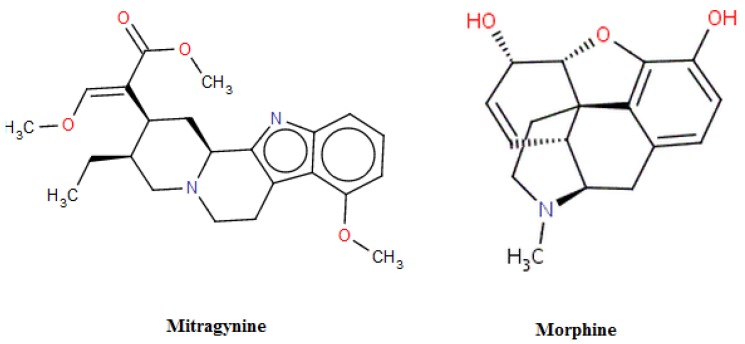
The extract from Mitragyna speciosa has been widely used as an opium substitute, mainly due to its morphine-like pharmacological effects. This study investigated the effects of M. speciosa alkaloid extract (MSE) on human recombinant cytochrome P450 (CYP) enzyme activities using a modified Crespi method. As compared with the liquid chromatography-mass spectrometry method, this method has shown to be a fast and cost-effective way to perform CYP inhibition studies. The results indicated that MSE has the most potent inhibitory effect on CYP3A4 and CYP2D6, with apparent half-maximal inhibitory concentration (IC50) values of 0.78 µg/mL and 0.636 µg/mL, respectively. In addition, moderate inhibition was observed for CYP1A2, with an IC50 of 39 µg/mL, and weak inhibition was detected for CYP2C19. The IC50 of CYP2C19 could not be determined, however, because inhibition was < 50%. Competitive inhibition was found for the MSE-treated CYP2D6 inhibition assay, whereas non-competitive inhibition was shown in inhibition assays using CYP3A4, CYP1A2 and CYP2C19. Quinidine (CYP2D6), ketoconazole (CYP3A4), tranylcypromine (CYP2C19) and furafylline (CYP1A2) were used as positive controls throughout the experiments. This study shows that MSE may contribute to an herb-drug interaction if administered concomitantly with drugs that are substrates for CYP3A4, CYP2D6 and CYP1A2.
Overview
The claims and statistics of this paper haven’t been checked yet.
Run the check — free, no account needed. It reads the open-access text and checks the sources it cites.
Integrity signals
Registry
Cites
Statistics
Figures
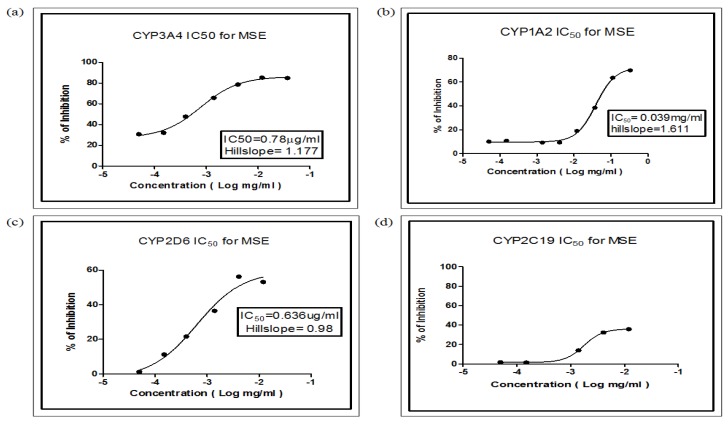
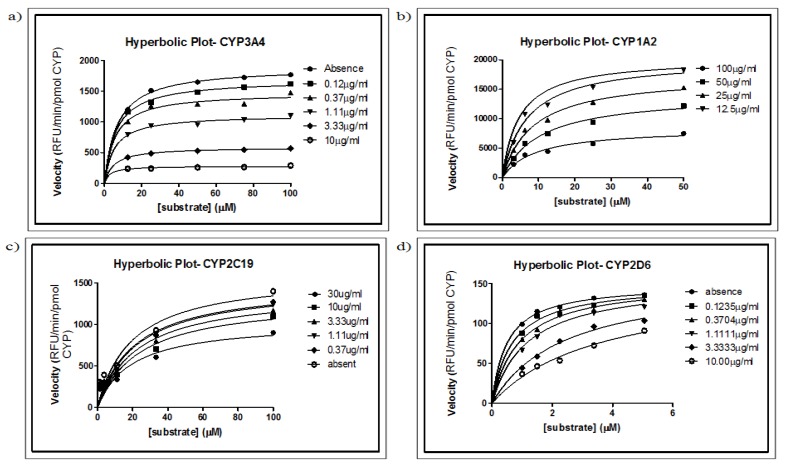
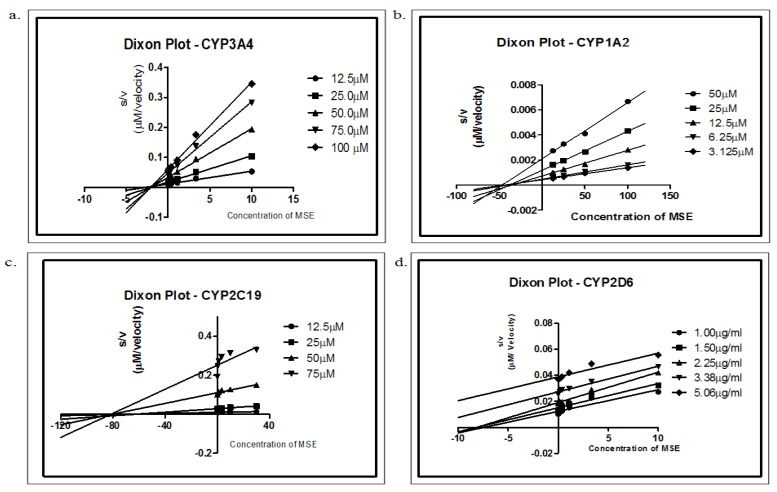
Verification
Claims the paper makes
The claims and statistics of this paper haven’t been checked yet.
Run the check — free, no account needed. It reads the open-access text and checks the sources it cites.
Claims other papers make about this one
Each is checked against this paper’s own text: does it say what the citing paper says it does?
The source backs part of the claim, not all of it — or backs it for a different population, condition or comparison.
In the citing paper
“According to Kong et al. [21], the potency of a test compound can be classified according to its IC50 values, as potent, if IC50 ≤ 20 μg/mL or ≤10 μM, moderate if IC50 20–100 μg/mL or 10–50 μM, or weak if IC50 ≥ 100 μg/mL or ≥50 μM.”
From Inhibition of Human Cytochrome P450 Enzymes by Bacopa monnieri Standardized Extract and Constituents (2014) · cites this paper as Kong et al. [21]
Experimental — accuracy not yet measured
Self-check
Percentages, sums and reported differences re-computed from the paper’s own numbers.
The self-check needs the paper’s full text.
Citations
Cites
Cornish-Bowden, A. J. (1974) · Biochemical Journal · doi:10.1042/bj1370143 · Cited by 944
Microtiter Plate Assays for Inhibition of Human, Drug-Metabolizing Cytochromes P450
Crespi, C. L., Miller, V. P., & Penman, B. W. (1997) · Analytical Biochemistry · doi:10.1006/abio.1997.2145 · Cited by 406
St John's wort ( Hypericum perforatum ): drug interactions and clinical outcomes
Henderson, L., Yue, Q., Bergquist, C., Gerdén, B., & Arlett, P. R. (2002) · British Journal of Clinical Pharmacology · doi:10.1046/j.1365-2125.2002.01683.x · Cited by 380
Drug Interactions Due to Cytochrome P450
Ogu, C. C., & Maxa, J. L. (2000) · Baylor University Medical Center Proceedings · doi:10.1080/08998280.2000.11927719 · Cited by 370 · cited 1×
“For example, ketoconazole and quinidine are well-known CYP3A4 inhibitors that can induce life-threatening heart rhythm disorders when co-administered with other substrates of CYP3A4, such as erythromycin [7,8].”
BackgroundInhibition and induction of human cytochrome P450 (CYP) enzymes
Pelkonen, O., MÄEENPÄEÄ, J., Taavitsainen, P., Rautio, A., & Raunio, H. (1998) · Xenobiotica · doi:10.1080/004982598238886 · Cited by 358
Effects of ginseng components on c-DNA-expressed cytochrome P450 enzyme catalytic activity
Henderson, G. L., Harkey, M. R., Gershwin, M. E., Hackman, R. M., Stern, J. S., & Stresser, D. M. (1999) · Life Sciences · doi:10.1016/s0024-3205(99)00407-5 · Cited by 274
Matsumoto, K., Horie, S., Ishikawa, H., Takayama, H., Aimi, N., Ponglux, D., & Watanabe, K. (2004) · Life Sciences · doi:10.1016/j.lfs.2003.09.054 · Cited by 229
Opioid receptors and legal highs:Salvia divinorumand Kratom
Babu, K. M., McCurdy, C. R., & Boyer, E. W. (2008) · Clinical Toxicology · doi:10.1080/15563650701241795 · Cited by 222
Donato, M. T., Jiménez, N., Castell, J. V., & Gómez-Lechón, M. J. (2004) · Drug Metabolism and Disposition · doi:10.1124/dmd.32.7.699 · Cited by 214
Effects of herbal components on cDNA-expressed cytochrome P450 enzyme catalytic activity
Zou, L., Harkey, M. R., & Henderson, G. L. (2002) · Life Sciences · doi:10.1016/s0024-3205(02)01913-6 · Cited by 204
Cited by
Sorted by citations
Kruegel, A. C., & Grundmann, O. (2017) · Neuropharmacology · doi:10.1016/j.neuropharm.2017.08.026 · Cited by 234
Kruegel, A. C., Uprety, R., Grinnell, S. G., Langreck, C. B., Pekarskaya, E. A., Rouzic, V. L., Ansonoff, M. A., Gassaway, M. M., Pintar, J. E., Pasternak, G. W., et al. (2019) · ACS Central Science · doi:10.1021/acscentsci.9b00141 · Cited by 230
The pharmacology and toxicology of kratom: from traditional herb to drug of abuse
Warner, M. L., Kaufman, N. C., & Grundmann, O. (2015) · International Journal of Legal Medicine · doi:10.1007/s00414-015-1279-y · Cited by 211
Kratom—Pharmacology, Clinical Implications, and Outlook: A Comprehensive Review
Eastlack, S. C., Cornett, E. M., & Kaye, A. D. (2020) · Pain and Therapy · doi:10.1007/s40122-020-00151-x · Cited by 190
Pharmacokinetics of mitragynine in man
Wananukul, W., Trakulsrichai, S., Sathirakul, K., Auparakkitanon, S., Krongvorakul, J., Sueajai, J., Noumjad, N., & Sukasem, C. (2015) · Drug Design Development and Therapy · doi:10.2147/dddt.s79658 · Cited by 140
Todd, D. A., Kellogg, J. J., Wallace, E. D., Khin, M., Flores‐Bocanegra, L., Tanna, R. S., McIntosh, S., Raja, H. A., Graf, T. N., Hemby, S. E., et al. (2020) · Scientific Reports · doi:10.1038/s41598-020-76119-w · Cited by 134
Kratom policy: The challenge of balancing therapeutic potential with public safety
Prozialeck, W. C., Avery, B. A., Boyer, E. W., Grundmann, O., Henningfield, J. E., Kruegel, A. C., McMahon, L. R., McCurdy, C. R., Swogger, M. T., Veltri, C. A., et al. (2019) · International Journal of Drug Policy · doi:10.1016/j.drugpo.2019.05.003 · Cited by 118
Hepatotoxicity Induced by “the 3Ks”: Kava, Kratom and Khat
Pantano, F., Tittarelli, R., Mannocchi, G., Zaami, S., Ricci, S., Giorgetti, R., Terranova, D., Busardò, F. P., & Marinelli, E. (2016) · International Journal of Molecular Sciences · doi:10.3390/ijms17040580 · Cited by 101
Essaidi, I., Brahmi, Z., Snoussi, A., Koubaier, H. B. H., Casabianca, H., Abe, N., Omri, A. E., Chaabouni, M. M., & Bouzouita, N. (2012) · Food Control · doi:10.1016/j.foodcont.2012.11.006 · Cited by 99
Kamble, S. H., Sharma, A., King, T. I., Berthold, E. C., León, F., Meyer, K. P. L., Kanumuri, R. S., McMahon, L. R., McCurdy, C. R., & Avery, B. A. (2019) · Toxicology Letters · doi:10.1016/j.toxlet.2019.11.005 · Cited by 80
An accidental poisoning with mitragynine
Karinen, R., Fosen, J. T., Rogde, S., & Vindenes, V. (2014) · Forensic Science International · doi:10.1016/j.forsciint.2014.10.025 · Cited by 80
Meireles, V. S. D. O., Rosado, T., Barroso, M., Soares, S., Gonçalves, J., Luís, Â., Caramelo, D., Simão, A. Y., Fernández, N., Duarte, A. P., et al. (2019) · Medicines · doi:10.3390/medicines6010035 · Cited by 77
Lü, J., Wei, H., Wu, J., Jamil, M. F. A., Tan, M., Adenan, M. I., Wong, P., & SHIM, W. S. N. (2014) · PLoS ONE · doi:10.1371/journal.pone.0115648 · Cited by 78
Singh, D., Müller, C. P., Murugaiyah, V., Hamid, S. B. S., Vicknasingam, B. K., Avery, B. A., Chear, N. J., & Mansor, S. M. (2017) · Journal of Ethnopharmacology · doi:10.1016/j.jep.2017.12.017 · Cited by 69
Peng, W., Li, J., Liu, X., Nan, C., Shi, L., Zhang, Y., Li, C., & He, L. (2018) · Pest Management Science · doi:10.1002/ps.5109 · Cited by 63
Protective effects of curcumin against aflatoxicosis: A comprehensive review
Mohajeri, M., Behnam, B., Cicero, A. F. G., & Sahebkar, A. (2017) · Journal of Cellular Physiology · doi:10.1002/jcp.26212 · Cited by 63
Abdullah, M. F. I. L. B., & Singh, D. (2021) · Frontiers in Pharmacology · doi:10.3389/fphar.2021.726003 · Cited by 53
Shamsi, S., Tran, H., Tan, R. S. J., Tan, Z. J., & Lim, L. Y. (2016) · Drug Metabolism and Disposition · doi:10.1124/dmd.116.073213 · Cited by 52
PXR mediated induction of CYP3A4, CYP1A2, and P‐gp by Mitragyna speciosa and its alkaloids
Manda, V. K., Avula, B., Dale, O. R., Ali, Z., Khan, I. A., Walker, L., & Khan, S. I. (2017) · Phytotherapy Research · doi:10.1002/ptr.5942 · Cited by 50
Prevete, E., Kuypers, K. P. C., Theunissen, E. L., Corazza, O., Bersani, G., & Ramaekers, J. G. (2021) · Human Psychopharmacology Clinical and Experimental · doi:10.1002/hup.2805 · Cited by 47
Showande, S. J., Fakeye, T. O., Kajula, M., Hokkanen, J., & Tolonen, A. (2018) · Food Science & Nutrition · doi:10.1002/fsn3.789 · Cited by 46
CYP450-Mediated Metabolism of Mitragynine and Investigation of Metabolites in Human Urine
Basiliere, S., & Kerrigan, S. (2020) · Journal of Analytical Toxicology · doi:10.1093/jat/bkz108 · Cited by 45
Inhibition of Human Cytochrome P450 Enzymes by Bacopa monnieri Standardized Extract and Constituents
Ramasamy, S., Kiew, L., & Chung, L. (2014) · Molecules · doi:10.3390/molecules19022588 · Cited by 47
“[21], the potency of a test compound can be classified according to its IC50 values, as potent, if IC50 ≤ 20 μg/mL or ≤10 μM, moderate if IC50 20–100 μg/mL or 10–50 μM, or weak if IC50 ≥ 100 μg/mL or ≥50 μM.”
Mohiuddin, M., Arbain, D., Islam, A. K. M. S., Ahmad, M. S., & Ahmad, M. (2016) · Nanoscale Research Letters · doi:10.1186/s11671-016-1292-1 · Cited by 44
Patel, O., Muller, C. J. F., Joubert, E., Louw, J., Rosenkranz, B., & Awortwe, C. (2016) · Molecules · doi:10.3390/molecules21111515 · Cited by 42
Kratom: A systematic review of toxicological issues
Kerrigan, S., & Basiliere, S. (2021) · Wiley Interdisciplinary Reviews Forensic Science · doi:10.1002/wfs2.1420 · Cited by 40
Tanna, R. S., Tian, D., Cech, N. B., Oberlies, N. H., Rettie, A. E., Thummel, K. E., & Paine, M. F. (2020) · Journal of Pharmacology and Experimental Therapeutics · doi:10.1124/jpet.120.000270 · Cited by 39
Mitragyna Species as Pharmacological Agents: From Abuse to Promising Pharmaceutical Products
Ahmad, I., Prabowo, W. C., Arifuddin, M., Fadraersada, J., Indriyanti, N., Herman, H., Purwoko, R. Y., Nainu, F., Rahmadi, A., Paramita, S., et al. (2022) · Life · doi:10.3390/life12020193 · Cited by 38
Kratom from Head to Toe—Case Reviews of Adverse Events and Toxicities
Alsarraf, E., Myers, J., Culbreth, S. E., & Fanikos, J. R. (2019) · Current Emergency and Hospital Medicine Reports · doi:10.1007/s40138-019-00194-1 · Cited by 38
Hossain, R., Sultana, A., Nuinoon, M., Noonong, K., Tangpong, J., Hossain, K. H., & Rahman, M. A. (2023) · Molecules · doi:10.3390/molecules28217372 · Cited by 37
A comparative analysis of kratom exposure cases in Thailand and the United States from 2010-2017
Davidson, C., Cao, D. J., King, T., Weiss, S. T., Wongvisawakorn, S., Ratprasert, N., Trakulsrichai, S., & Srisuma, S. (2020) · The American Journal of Drug and Alcohol Abuse · doi:10.1080/00952990.2020.1836185 · Cited by 34
Wang, R., Zhang, H., Wang, Y., Yu, X., & Yuan, Y. (2016) · Journal of Ethnopharmacology · doi:10.1016/j.jep.2016.01.021 · Cited by 33
Adverse pharmacokinetic interactions between illicit substances and clinical drugs
Abbott, K. L., Flannery, P. C., Gill, K. S., Boothe, D. M., Dhanasekaran, M., Mani, S., & Pondugula, S. R. (2019) · Drug Metabolism Reviews · doi:10.1080/03602532.2019.1697283 · Cited by 33
Lim, E. L., Seah, T. C., Koe, X. F., Wahab, H. A., Adenan, M. I., Jamil, M. F. A., Majid, M. I. A., & Tan, M. L. (2012) · Toxicology in Vitro · doi:10.1016/j.tiv.2012.12.014 · Cited by 33
Ulbricht, C. E., Costa, D., Dao, J., Isaac, R., LeBlanc, Y., Rhoades, J., & Windsor, R. C. (2013) · Journal of Dietary Supplements · doi:10.3109/19390211.2013.793541 · Cited by 30
The inhibitory effects of mitragynine on P-glycoprotein in vitro
Rusli, N., Amanah, A., Kaur, G., Adenan, M. I., Sulaiman, S. F., Wahab, H. A., & Tan, M. (2019) · Naunyn-Schmiedeberg s Archives of Pharmacology · doi:10.1007/s00210-018-01605-y · Cited by 30
Thomford, N. E., Dzobo, K., Adu, F., Chirikure, S., Wonkam, A., & Dandara, C. (2017) · Journal of Ethnopharmacology · doi:10.1016/j.jep.2017.09.023 · Cited by 31
Le, T. T., McGrath, S. R., & Fasinu, P. S. (2021) · Current Neuropharmacology · doi:10.2174/1570159x19666210809100357 · Cited by 29
Translating Kratom-Drug Interactions: From Bedside to Bench and Back
Tanna, R. S., Cech, N. B., Oberlies, N. H., Rettie, A. E., Thummel, K. E., & Paine, M. F. (2023) · Drug Metabolism and Disposition · doi:10.1124/dmd.122.001005 · Cited by 29
Xiao, J. R., Chen, D., Lin, X., Peng, S., Xiao, M., Huang, W., Wang, Y., Peng, J., Zhang, W., Ouyang, D., et al. (2016) · PLoS ONE · doi:10.1371/journal.pone.0147183 · Cited by 28
Genus Mitragyna: Ethnomedicinal uses and pharmacological studies
Gong, F., Gu, H., Qi-tai, X., & Kang, W. (2012) · Cited by 27
Mitragynine and its potential blocking effects on specific cardiac potassium channels
Tay, Y. L., Teah, Y. F., Chong, Y. M., Jamil, M. F. A., Kollert, S. Y., Adenan, M. I., Wahab, H. A., Döring, F., Wischmeyer, E., & Tan, M. (2016) · Toxicology and Applied Pharmacology · doi:10.1016/j.taap.2016.05.022 · Cited by 26
Birer-Williams, C. M. C., Gufford, B. T., Chou, E., Alilio, M., VanAlstine, S., Morley, R. E., McCune, J. S., Paine, M. F., & Boyce, R. D. (2020) · Drug Metabolism and Disposition · doi:10.1124/dmd.120.000054 · Cited by 26
Kong, W. M., Chik, Z., Mohamed, Z., & Alshawsh, M. A. (2017) · Combinatorial Chemistry & High Throughput Screening · doi:10.2174/1386207320666171026121820 · Cited by 25
Self-citationTay, Y. L., Amanah, A., Adenan, M. I., Wahab, H. A., & Tan, M. (2019) · Scientific Reports · doi:10.1038/s41598-019-56106-6 · Cited by 19
Screening and Identification of Mitragynine and 7-Hydroxymitragynine in Human Urine by LC-MS/MS
Fu, H., Cid, F., Dworkin, N., Cocores, J. A., & Shore, G. (2015) · Chromatography · doi:10.3390/chromatography2020253 · Cited by 18
Tohar, N., Shilpi, J. A., Sivasothy, Y., Ahmad, S., & Awang, K. (2016) · Arabian Journal of Chemistry · doi:10.1016/j.arabjc.2016.09.005 · Cited by 18
Srichana, K., Janchawee, B., Prutipanlai, S., Raungrut, P., & Keawpradub, N. (2015) · Pharmaceutics · doi:10.3390/pharmaceutics7020010 · Cited by 17
Two Single-Drug Fatal Intoxications by Mitragynine
Behonick, G. S., Vu, C., Czarnecki, L., El-Ters, M., & Shanks, K. G. (2022) · Journal of Analytical Toxicology · doi:10.1093/jat/bkac016 · Cited by 16
A Review of Danshen Combined with Clopidogrel in the Treatment of Coronary Heart Disease
Zhang, Z., Wang, Y., Tan, W., Wang, S., Liu, J., Liu, X., Wang, X., & Gao, X. (2019) · Evidence-based Complementary and Alternative Medicine · doi:10.1155/2019/2721413 · Cited by 15
Huang, X., Guo, Y., Huang, W., Zhang, W., Tan, Z., Peng, J., Wang, Y., Hu, D., Ouyang, D., Xiao, J. R., et al. (2014) · PLoS ONE · doi:10.1371/journal.pone.0113819 · Cited by 14
Sodium tanshinone IIA sulfonate and its interactions with human CYP450s
Chen, D., Lin, X., Huang, W., Zhang, W., Tan, Z., Peng, J., Wang, Y.-C., Guo, Y., Hu, D., & Chen, Y. (2016) · Xenobiotica · doi:10.3109/00498254.2016.1152417 · Cited by 14
Kinetics of cytochrome P450 enzymes for metabolism of sodium tanshinone IIA sulfonate in vitro
Ouyang, D., Huang, W., Chen, D., Zhang, W., Tan, Z., Peng, J., Wang, Y., Guo, Y., Hu, D., Xiao, J. R., et al. (2016) · Chinese Medicine · doi:10.1186/s13020-016-0083-z · Cited by 14
Coonan, E. E., & Tatum, W. O. (2021) · Epilepsy & Behavior · doi:10.1016/j.yebeh.2021.107882 · Cited by 15
Pan, Y., Tiong, K. H., Abd-Rashid, B. A., Ismail, Z., Ismail, R., Mak, J. W., & Ong, C. E. (2014) · Phytomedicine · doi:10.1016/j.phymed.2014.08.003 · Cited by 12
Rooibos, a supportive role to play during the COVID-19 pandemic?
Abdul, N. S., & Marnewick, J. L. (2021) · Journal of Functional Foods · doi:10.1016/j.jff.2021.104684 · Cited by 12
Multiorgan Dysfunction Related to Kratom Ingestion
Khan, M. Z., Saleh, M. A., Alkhayyat, M. M., ROBERTS, D. E., & Lindenmeyer, C. C. (2021) · ACG Case Reports Journal · doi:10.14309/crj.0000000000000647 · Cited by 10
Melchert, P. W., Zhang, Q., Mukhopadhyay, S., Kanumuri, R. S., McCurdy, C. R., & Markowitz, J. S. (2023) · Chemico-Biological Interactions · doi:10.1016/j.cbi.2023.110715 · Cited by 9
Kratom (Mitragyna speciosa) Use in a Veteran With Chronic Pain
Jayadeva, V., Bunnag, A. P., Meyen, R., & Fernando, I. (2017) · American Journal of Psychiatry Residents Journal · doi:10.1176/appi.ajp-rj.2017.120305 · Cited by 9
Case Report: Possible Serotonin Syndrome in a Patient Taking Kratom and Multiple Serotonergic Agents
Eudaley, S. T., Brooks, S. P., & Hamilton, L. A. (2022) · Journal of Pharmacy Practice · doi:10.1177/08971900221116009 · Cited by 9
Fu, H. (2016) · Detection · doi:10.4236/detection.2016.43009 · Cited by 8
Yi, J.-M., Kim, Y. A., Lee, Y. J., Bang, O., & Kim, N. S. (2015) · BMC Complementary and Alternative Medicine · doi:10.1186/s12906-015-0965-0 · Cited by 8
Mitragyna speciosa Korth toxicity: Experimental findings and future prospects
Begum, T., Arzmi, M. H., Uddin, A. B. M. H., Khatib, A., Abbas, S. A., & Ahmed, Q. U. (2024) · Journal of Taibah University Medical Sciences · doi:10.1016/j.jtumed.2024.12.002 · Cited by 6
Jiang, X., Chen, S., Guo, Z., Gu, D., & Liang, X. (2019) · Natural Product Research · doi:10.1080/14786419.2019.1637871 · Cited by 6
Greene, S. L. (2021) · Elsevier eBooks · doi:10.1016/b978-0-12-818788-3.00014-0 · Cited by 5
Nuñez, M. B., Dhingra, A., Dhingra, M., Kossack, R., & Dhingra, M. (2022) · Psychiatry Research Case Reports · doi:10.1016/j.psycr.2022.100069 · Cited by 5
Cardiovascular health in kratom users; a narrative review
Chichagi, F., Alikhani, R., & Harchegani, A. B. (2023) · Journal of Addictive Diseases · doi:10.1080/10550887.2023.2282033 · Cited by 4
Pan, Y., Ung, Y. T., Jagadish, P. A. P. R., Lim, K., Chowdhury, L. N. S., Shang, T., & Ong, C. E. (2022) · Drug Metabolism and Bioanalysis Letters · doi:10.2174/1872312815666220707114744 · Cited by 4
Rached, G., Campana, A. M., Fiani, D., Nguyen, C. Y., den Eynde, V. V., Gillman, P. K., & Barnett, B. S. (2026) · CNS Drugs · doi:10.1007/s40263-025-01256-7 · Cited by 3
Liver Organ Impairment Due to the Consumption of Kratom Leaves (Mitragyna speciosa Korth.)
Panjaitan, R. G. P., & Liridah, L. (2021) · Pharmacognosy Journal · doi:10.5530/pj.2021.13.25 · Cited by 3
Mohiuddin, M., Arbain, D., Islam, A. K. M. S., Rahman, M., Ahmad, M. S., & Ahmad, M. (2014) · Current Nanoscience · doi:10.2174/1573413711666141209234531 · Cited by 3
Mtambo, T. R., Machaba, K. E., Chellan, N., Ramharack, P., Muller, C. J. F., Mhlongo, N. N., & Hlengwa, N. (2024) · International Journal of Molecular Sciences · doi:10.3390/ijms252212089 · Cited by 2
Bowe, A., & Kerr, P. L. (2024) · Advances in neurobiology · doi:10.1007/978-3-031-45493-6_15 · Cited by 2
Controversial usages of kratom (Mitragyna speciosa): For good or for evil
Basheer, M., Jasim, R. K., & Harn, G. L. (2022) · World Journal of Pharmacology · doi:10.5497/wjp.v11.i3.16 · Cited by 1
An in vitro evaluation on metabolism of mitragynine to 9-O-demethylmitragynine
Melchert, P. W., Zhang, Q., & Markowitz, J. S. (2024) · Chemico-Biological Interactions · doi:10.1016/j.cbi.2024.111247 · Cited by 1
Kratom: A Narrative Review of the Possible Clinical Uses and Dangers of This Opioid-Like Plant
Edinoff, A. N., Kaufman, S. E., Mahoney, T. C., Upshaw, W. C., Gong, J., Cornett, E. M., Murnane, K. S., Kaye, A. M., Varrassi, G., Shekoohi, S., et al. (2024) · Cureus · doi:10.7759/cureus.73058 · Cited by 1
Rashid, M. H., Williams, M. J., Guerra, A. G., Itharat, A., Löebenberg, R., & Davies, N. M. (2026) · Journal of Phytomedicine · doi:10.3390/jphytomed1010002 · Cited by 1
Mitragyna speciosa: Opioid Addiction Treatment and Risk of Use
Rusydan, A. M., Lukitaningsih, E., & Fakhrudin, N. (2022) · JPSCR Journal of Pharmaceutical Science and Clinical Research · doi:10.20961/jpscr.v7i2.50942 · Cited by 1
Repurposing Mitragynine as Anti-SARS-CoV-2 Agent Evidenced by In Silico Predictive Approach
Tap, F. M., Zakaria, N. H., Majid, F. A. A., Huq, A. M., & Jamal, J. A. (2022) · Malaysian Journal of Fundamental and Applied Sciences · doi:10.11113/mjfas.v18n6.2637 · Cited by 1
Smith, K. E., Grundmann, O., Swogger, M. T., & Garcia‐Romeu, A. (2023) · Oxford University Press eBooks · doi:10.1093/oxfordhb/9780197618431.013.15 · Cited by 1
Uchaipichat, V. (2025) · Toxicology Reports · doi:10.1016/j.toxrep.2025.101951 · Cited by 1
Kratom (Mitragyna speciosa): eine psychoaktive Pflanze mit Chancen und Risiken
Gahr, M. (2022) · Fortschritte der Neurologie · Psychiatrie · doi:10.1055/a-1826-2766 · Cited by 1
Effects of mitragynine on morphine and methamphetamine addiction in animal models of addiction
Meepong, R. (2017) · Chula Digiverse · doi:10.58837/chula.the.2017.33 · Cited by 1
Kratom, a novel herbal opioid in a patient with benzodiazepine use disorder
Stieglitz, H. M., & Cotten, S. W. (2020) · Elsevier eBooks · doi:10.1016/b978-0-12-815846-3.00076-4
Kurdil, N. V., Podrushnyak, A. E., Zinovieva, M. L., Petrashenko, H. I., Karpiuk, U. V., & Коvalska, N. P. (2021) · One Health and Nutrition Problems of Ukraine · doi:10.33273/2663-9726-2021-55-2-30-43
Singh, B., & Sharma, R. A. (2020) · Secondary Metabolites of Medicinal Plants · doi:10.1002/9783527825578.c02-53
Mixtures Biotransformation: Multilayer Molecular Networking of Kratom Liver Metabolites
Crandall, W. J., Weinberg, J., Liu, K. H., Lee, C., Singer, G., Morgan, E. T., Jones, D. P., & Quave, C. L. (2026) · Journal of Natural Products · doi:10.1021/acs.jnatprod.5c01235
He, X., Zhang, D., & Chen, H. (2026) · Xenobiotica · doi:10.1080/00498254.2026.2626346
Metadata
- Authors
- Kong, W. M., Chik, Z., Ramachandra, M., Subramaniam, U., Aziddin, R. E. R., & Mohamed, Z.
- Affiliations
- University of Malaya (MY)
- Aurigene Discovery Technologies (India) (IN)
- Aurigene Discovery Technologies (M) Sdn. Bhd, Malaysia, 57000 Bukit Jalil, Kuala Lumpur, Malaysia
- Hospital Kuala Lumpur (MY)
- Corresponding author
- Kong, Wai Mun
- Venue
- Molecules
- Publisher
- MDPI AG
- Published
- 2011-08-29
- Volume
- 16
- Issue
- 9
- Pages
- 7344-7356
- ISSN
- 1420-3049 (ISSN-L)
- PMC
- PMC6264431
- OpenAlex
- W2122692346
- Cited by
- 88
- References
- 25
- Citations by year
- 2026: 4 · 2025: 1 · 2024: 5 · 2023: 5 · 2022: 9 · 2021: 10 · 2020: 8 · 2019: 10 · 2018: 2 · 2017: 8 · 2016: 11 · 2015: 5 · 2014: 6 · 2013: 1 · 2012: 3
- FWCI
- 3.37
- Type
- journal article
- Language
- en
- Open access
- gold
- doi.org
- Licence
- Locations
- Molecules (publishedVersion, cc-by)
- Europe PMC (PubMed Central) (publishedVersion, other-oa)
- PubMed Central (publishedVersion, cc-by)
- PubMed (publishedVersion)
- DOAJ (DOAJ: Directory of Open Access Journals) (submittedVersion, cc-by-sa)
- Funders
- Universiti Malaya
- Topics
- Life Sciences › Pharmacology, Toxicology and Pharmaceutics › Pharmacology › Pharmacogenetics and Drug Metabolism
- Life Sciences › Pharmacology, Toxicology and Pharmaceutics › Pharmacology › Alkaloids: synthesis and pharmacology
- Life Sciences › Pharmacology, Toxicology and Pharmaceutics › Toxicology › Forensic Toxicology and Drug Analysis
- Keywords
- Mitragyna speciosa, kopi, alkaloid extract, cytochrome P450 inhibition, CYP3A4, CYP2D6, CYP1A2, CYP2C19, herb-drug interactions, competitive inhibition, non-competitive inhibition, high-throughput assay
- MeSH terms
- Alkaloids, Aryl Hydrocarbon Hydroxylases, Humans, Kinetics, Plant Extracts, Recombinant Proteins, Plant Leaves, Mitragyna, Enzyme Assays, High-Throughput Screening Assays
About these checks
Registry, retraction, Cites and statistics results are computed, not judged, with one exception: a printed reference that no index lists is read once by a model before it counts as a citation error. Claims are extracted by a model and kept only when their quote appears verbatim in the text; each cited source is then checked, with a model’s help, for whether it says what the claim relies on. Those verdicts can be wrong — read the claim’s quote and the cited source before relying on one.
Statistics and arithmetic are recomputed, not judged.
Confidence bands are shown only for fields calibrated on our annotated test set. None is calibrated yet, so no band is shown.
What counts as a claim ›How we measure confidence ›How we check this ›
Are you an author, or do you see a problem with this page? Request a review
