

The DOI matches its Crossref record; 73 of the 73 references it cites were found in a registry or an index.
Recent Advances in Biotransformation of Saponins
Open accessAbstract
Saponins are a class of glycosides whose aglycones can be either triterpenes or helical spirostanes. It is commonly recognized that these active ingredients are widely found in various kinds of advanced plants. Rare saponins, a special type of the saponins class, are able to enhance bidirectional immune regulation and memory, and have anti-lipid oxidation, anticancer, and antifatigue capabilities, but they are infrequent in nature. Moreover, the in vivo absorption rate of saponins is exceedingly low, which restricts their functions. Under such circumstances, the biotransformation of these ingredients from normal saponins—which are not be easily adsorbed by human bodies—is preferred nowadays. This process has multiple advantages, including strong specificity, mild conditions, and fewer byproducts. In this paper, the biotransformation of natural saponins—such as ginsenoside, gypenoside, glycyrrhizin, saikosaponin, dioscin, timosaponin, astragaloside and ardipusilloside—through microorganisms (Aspergillus sp., lactic acid bacteria, bacilli, and intestinal microbes) will be reviewed and prospected.
Overview
The claims and statistics of this paper haven’t been checked yet.
Run the check — free, no account needed. It reads the open-access text and checks the sources it cites.
Integrity signals
Registry
Cites
Statistics
Figures
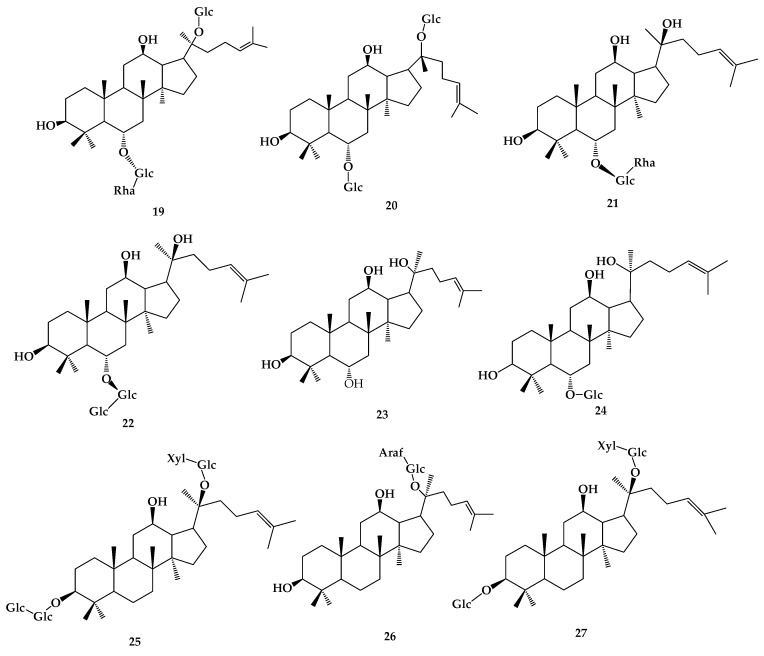
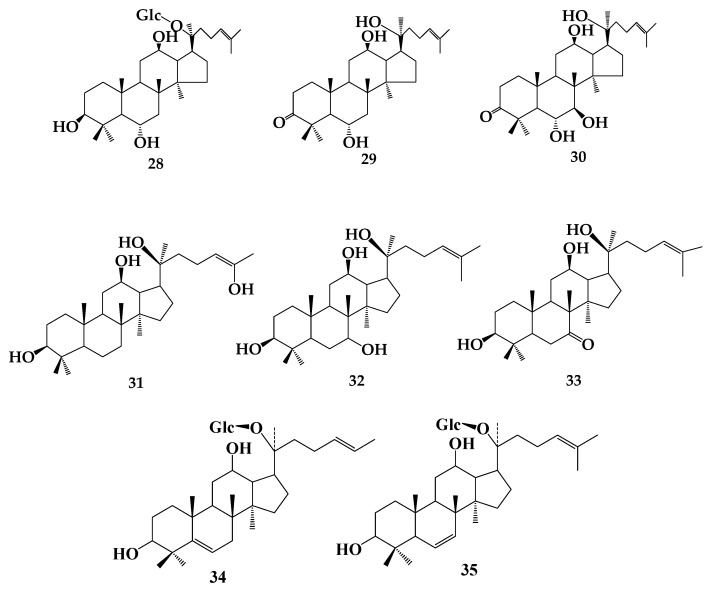
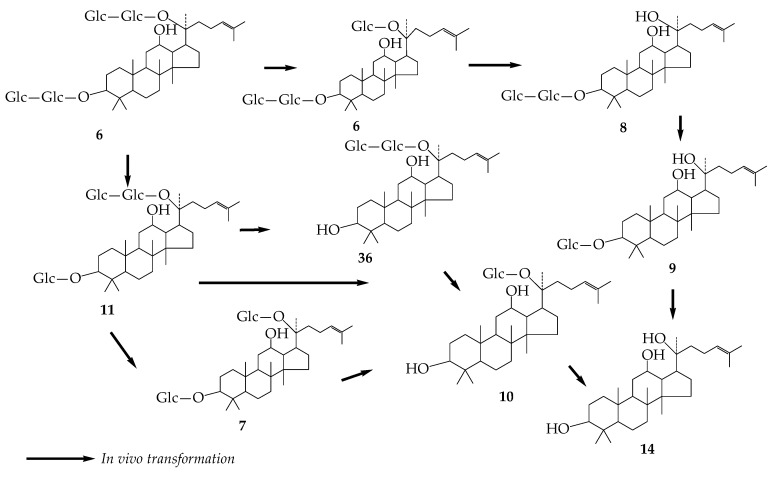
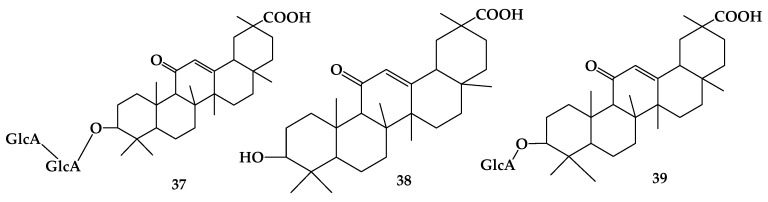
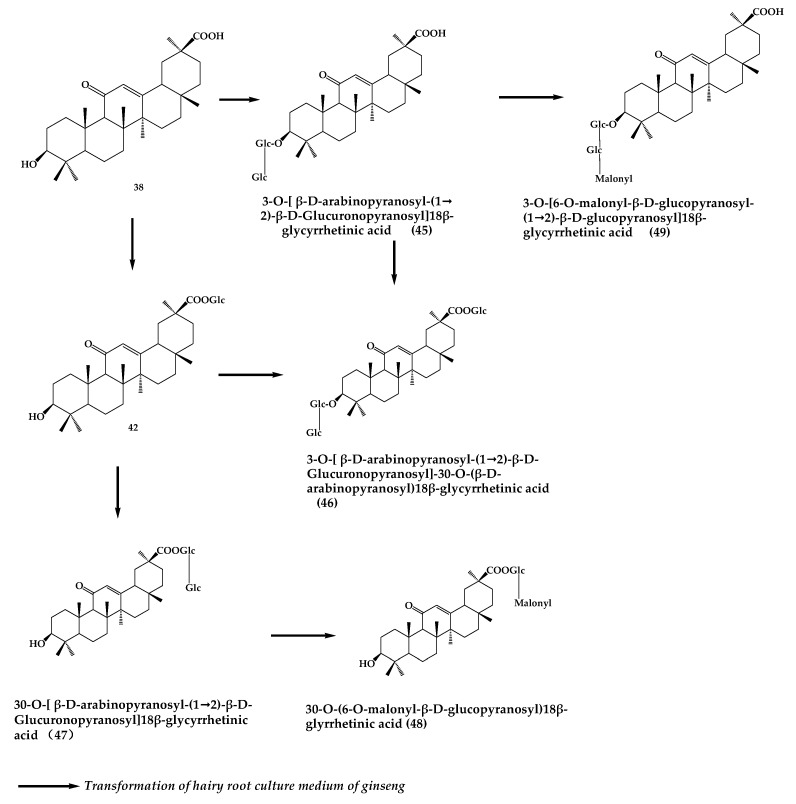
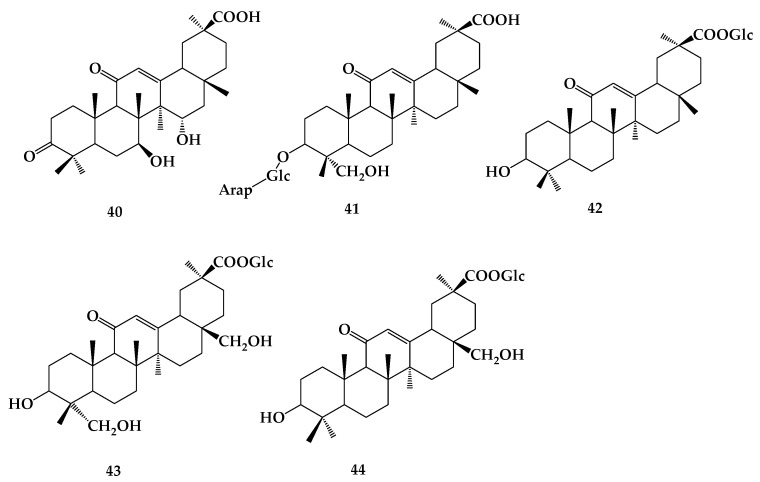
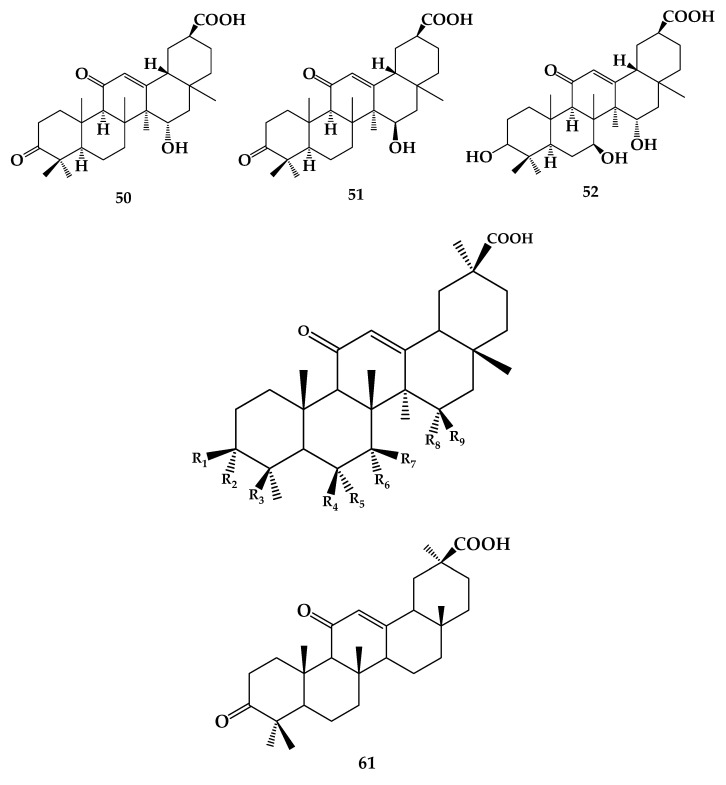
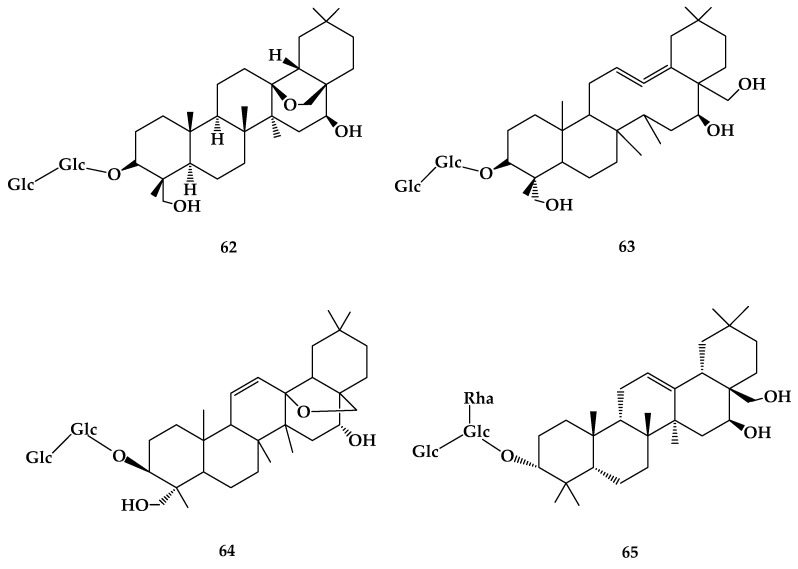
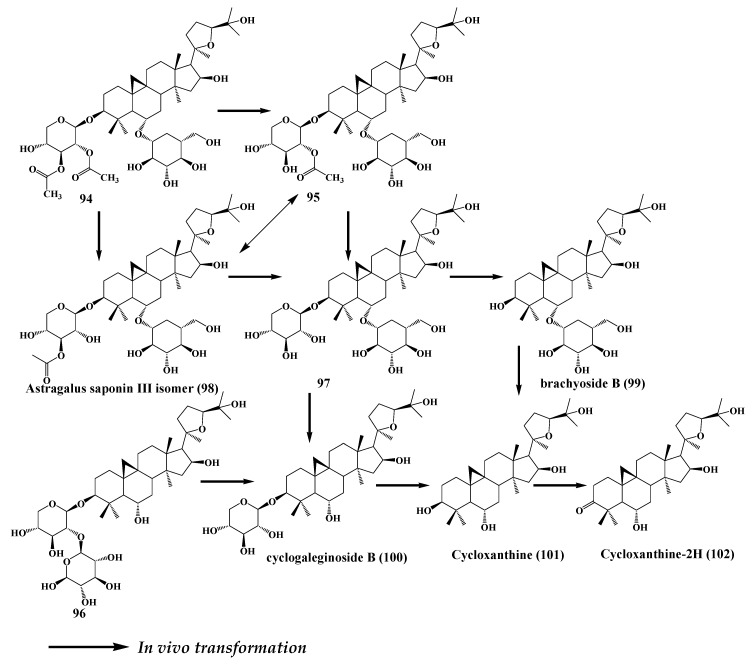
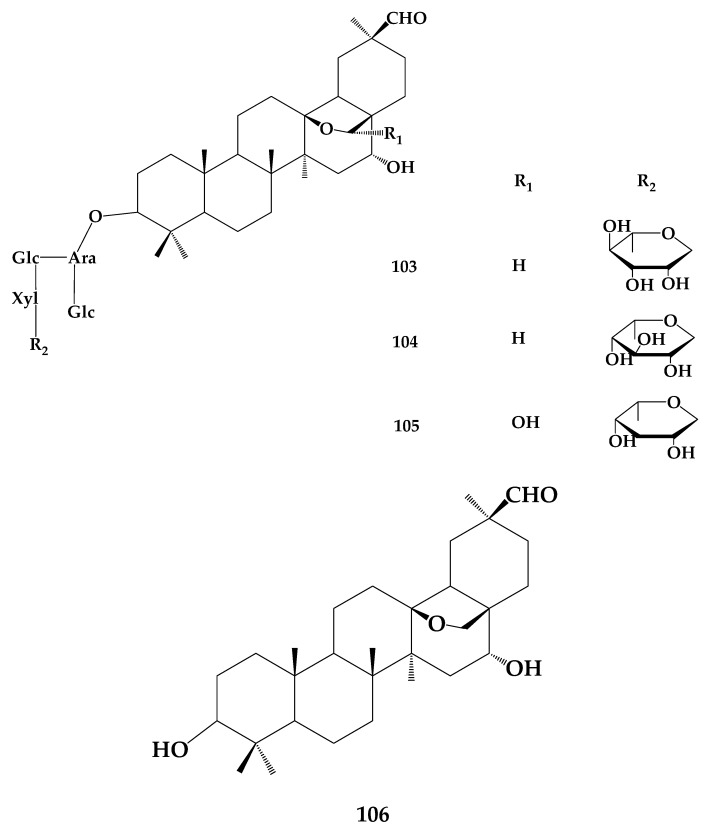
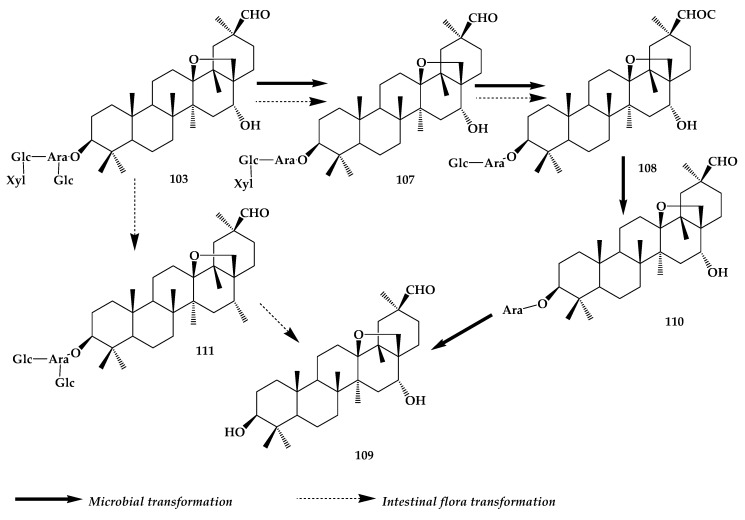
Verification
Claims the paper makes
The claims and statistics of this paper haven’t been checked yet.
Run the check — free, no account needed. It reads the open-access text and checks the sources it cites.
Claims other papers make about this one
Each is checked against this paper’s own text: does it say what the citing paper says it does?
The source backs part of the claim, not all of it — or backs it for a different population, condition or comparison.
In the citing paper
“In addition, preclinical and pharmacokinetic studies indicate that triterpenoid-rich extracts exhibit dose-dependent biological activity despite inherently low bioavailability, supporting the rationale for a moderate dosing strategy [25,53,54,55,56,57].”
From A Randomized, Double-Blind, Placebo-Controlled Trial Assessing the Effects of Oral Centella asiatica Extract on Skin Aging-Related Parameters in Middle-Aged Korean Women. (2026) · cites this paper as [55]
Experimental — accuracy not yet measured
Self-check
Percentages, sums and reported differences re-computed from the paper’s own numbers.
The self-check needs the paper’s full text.
Citations
Cites
Christensen (2008) · doi:10.1016/s1043-4526(08)00401-4 · Cited by 504
Biosynthesis of Triterpenoid Saponins in Plants
Haralampidis, K., Trojanowska, M., & Osbourn, A. (2002) · Advances in biochemical engineering, biotechnology · doi:10.1007/3-540-44604-4_2 · Cited by 439
A Review of Recent Research Progress on the Astragalus Genus
Li, X., Qu, L., Dong, Y., Han, L., Liu, E., Fang, S., Zhang, Y., & Wang, T. (2014) · Molecules · doi:10.3390/molecules191118850 · Cited by 333
Bae, E.-A., Han, M. J., Choo, M.-K., Park, S.-Y., & Kim, D.-H. (2002) · Biological and Pharmaceutical Bulletin · doi:10.1248/bpb.25.58 · Cited by 307
Saponins in Garlic as Modifiers of the Risk of Cardiovascular Disease
Matsuura, H. (2001) · Journal of Nutrition · doi:10.1093/jn/131.3.1000s · Cited by 226
Giri, A., Dhingra, V., Giri, C. C., Singh, A., Ward, O. P., & Narasu, M. L. (2001) · Biotechnology Advances · doi:10.1016/s0734-9750(01)00054-4 · Cited by 205
del Hierro, J. N., Herrera, T., Fornari, T., Reglero, G., & Martín, D. (2017) · Journal of Functional Foods · doi:10.1016/j.jff.2017.11.032 · Cited by 186
Liu, M., Wang, Z., Ju, Y., Wong, R. N., & Wu, Q. (2004) · Cancer Chemotherapy and Pharmacology · doi:10.1007/s00280-004-0849-3 · Cited by 184
Cheeke, P. R. (2000) · Springer eBooks · doi:10.1007/978-94-015-9339-7_25 · Cited by 135
Transformation of Ginsenosides Rb2 and Rc from Panax ginseng by Food Microorganisms
Chi, H., Kim, D., & Ji, G. E. (2005) · Biological and Pharmaceutical Bulletin · doi:10.1248/bpb.28.2102 · Cited by 113
Research works printed but not linked: 4
- Yamada, 1994, Biochemistry Transformation of Glycyrrhizic Acid by Aspergillus spp., B Chem. Soc. Jpn., 58, 436
- Gao, 2017, Microbial Transformation of Gracillin by Penicillium Lilacinum ACCC 31890, China Pharm., 20, 988
- Meng, 2018, Investigation on Biotransformation Characteristics of Astragalosides in Human Intestinal Microbiota, Food Drug, 20, 161
- Cao, 2015, Study on biotransformation of Ardipusilloside-I by cultured human intestinal flora in vitro, Tianran Chanwu Yanjiu Yu Kaifa, 27, 1357
Cited by
Ma, Y., Zhao, Y., Luo, M., Jiang, Q., Liu, S., Jia, Q., Bai, Z., Wu, F., & Xie, J. (2024) · Frontiers in Pharmacology · doi:10.3389/fphar.2024.1393409 · Cited by 44
Hur, N., Seo, Y., Bae, J., Kim, Y. J., Kim, E. J., & Choi, Y. J. (2026) · Nutrients · doi:10.3390/nu18101505
Metadata
- Authors
- He, Y., Hu, Z., Li, A., Zhu, Z., Yang, N., Ying, Z., He, J., Wang, C., Yin, S., & Cheng, S.
- Affiliations
- Wuhan Polytechnic University (CN)
- Beijing Technology and Business University (CN)
- Corresponding author
- He, Jingren
- Wang, Chengtao
- Cheng, Shuiyuan
- Venue
- Molecules
- Publisher
- MDPI AG
- Published
- 2019-06-26
- Volume
- 24
- Issue
- 13
- Pages
- 2365
- ISSN
- 1420-3049 (ISSN-L)
- PMC
- PMC6650892
- OpenAlex
- W2954230857
- Cited by
- 148
- References
- 73
- Citations by year
- 2026: 16 · 2025: 25 · 2024: 26 · 2023: 21 · 2022: 28 · 2021: 21 · 2020: 10 · 2019: 1
- FWCI
- 1.32
- Type
- journal article
- Language
- en
- Open access
- gold
- dx.doi.org
- Licence
- Locations
- Molecules (publishedVersion, cc-by)
- PubMed Central (publishedVersion, cc-by)
- PubMed (publishedVersion)
- DOAJ (DOAJ: Directory of Open Access Journals) (submittedVersion)
- Funders
- National Natural Science Foundation of China (31701590)
- Topics
- Physical Sciences › Chemistry › Organic Chemistry › Natural product bioactivities and synthesis
- Physical Sciences › Chemistry › Organic Chemistry › Steroid Chemistry and Biochemistry
- Life Sciences › Pharmacology, Toxicology and Pharmaceutics › Pharmacology › Ginseng Biological Effects and Applications
- Keywords
- saponins, biotransformation, microbial transformation, ginsenosides, gypenosides, glycyrrhizin, saikosaponins, dioscin, astragaloside, bioavailability, gut microbiota, lactic acid bacteria, Aspergillus, Bacillus, anticancer activity, anti-fatigue activity
- MeSH terms
- Biotransformation, Humans, Saponins, Molecular Structure, Metabolic Networks and Pathways
About these checks
Registry, retraction, Cites and statistics results are computed, not judged, with one exception: a printed reference that no index lists is read once by a model before it counts as a citation error. Claims are extracted by a model and kept only when their quote appears verbatim in the text; each cited source is then checked, with a model’s help, for whether it says what the claim relies on. Those verdicts can be wrong — read the claim’s quote and the cited source before relying on one.
Statistics and arithmetic are recomputed, not judged.
Confidence bands are shown only for fields calibrated on our annotated test set. None is calibrated yet, so no band is shown.
What counts as a claim ›How we measure confidence ›How we check this ›
Are you an author, or do you see a problem with this page? Request a review
Data sources
Bibliographic data: Semantic Scholar, OpenAlex, Crossref.
Contains information from the Semantic Scholar Academic Graph Datasets, made available under the ODC Attribution License (ODC-BY 1.0).
Semantic Scholar’s data is described in: Kinney, R., et al. (2023). The Semantic Scholar Open Data Platform. arXiv:2301.10140.
