

The DOI matches its Crossref record; 1 of the 1 references it cites were found in a registry or an index.
Resistance of Gram-Negative Bacteria to Current Antibacterial Agents and Approaches to Resolve It
Abstract
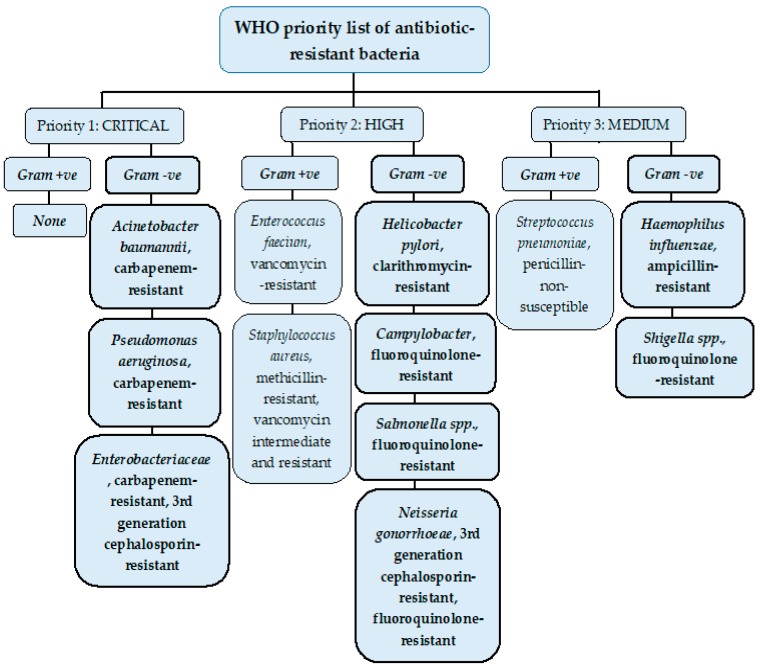
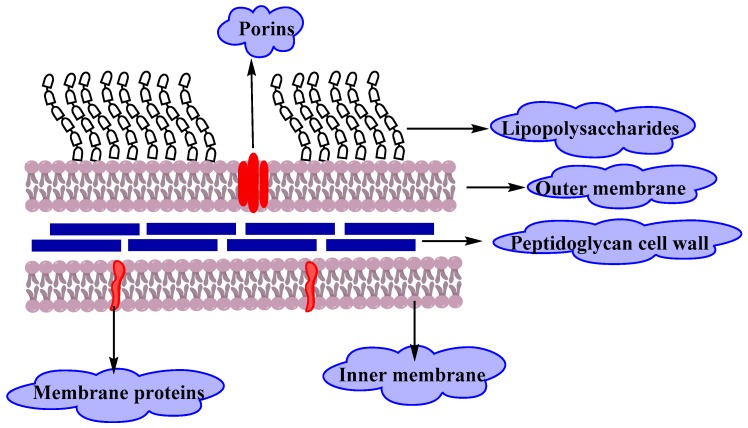
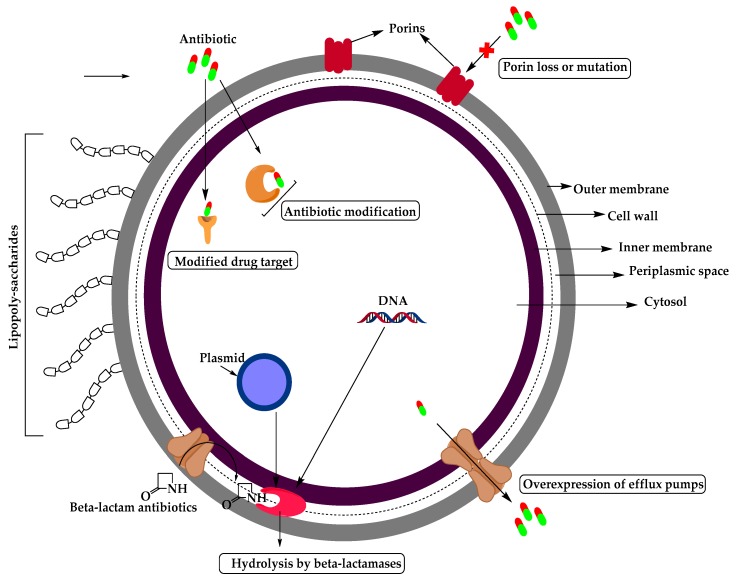
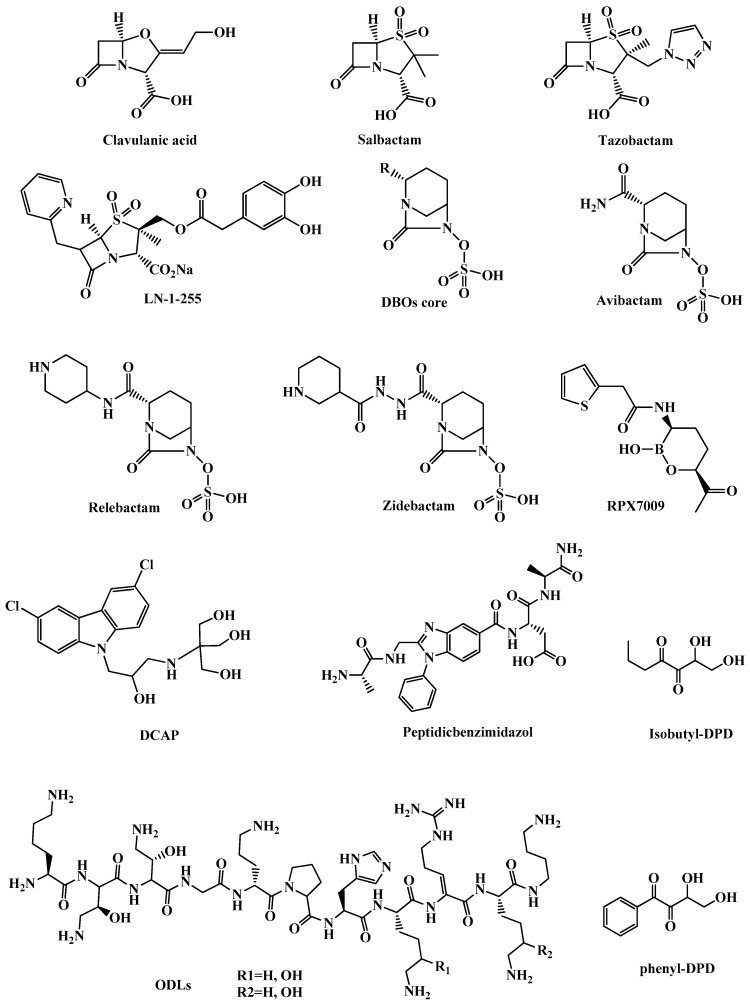
Antimicrobial resistance represents an enormous global health crisis and one of the most serious threats humans face today. Some bacterial strains have acquired resistance to nearly all antibiotics. Therefore, new antibacterial agents are crucially needed to overcome resistant bacteria. In 2017, the World Health Organization (WHO) has published a list of antibiotic-resistant priority pathogens, pathogens which present a great threat to humans and to which new antibiotics are urgently needed the list is categorized according to the urgency of need for new antibiotics as critical, high, and medium priority, in order to guide and promote research and development of new antibiotics. The majority of the WHO list is Gram-negative bacterial pathogens. Due to their distinctive structure, Gram-negative bacteria are more resistant than Gram-positive bacteria, and cause significant morbidity and mortality worldwide. Several strategies have been reported to fight and control resistant Gram-negative bacteria, like the development of antimicrobial auxiliary agents, structural modification of existing antibiotics, and research into and the study of chemical structures with new mechanisms of action and novel targets that resistant bacteria are sensitive to. Research efforts have been made to meet the urgent need for new treatments; some have succeeded to yield activity against resistant Gram-negative bacteria by deactivating the mechanism of resistance, like the action of the β-lactamase Inhibitor antibiotic adjuvants. Another promising trend was by referring to nature to develop naturally derived agents with antibacterial activity on novel targets, agents such as bacteriophages, DCAP(2-((3-(3,6-dichloro-9H-carbazol-9-yl)-2-hydroxypropyl)amino)-2(hydroxymethyl)propane1,3-diol, Odilorhabdins (ODLs), peptidic benzimidazoles, quorum sensing (QS) inhibitors, and metal-based antibacterial agents.
Overview
The claims and statistics of this paper haven’t been checked yet.
Run the check — free, no account needed. It reads the open-access text and checks the sources it cites.
Integrity signals
Registry
Cites
Statistics
Figures
Verification
Claims the paper makes
The claims and statistics of this paper haven’t been checked yet.
Run the check — free, no account needed. It reads the open-access text and checks the sources it cites.
Claims other papers make about this one
Each is checked against this paper’s own text: does it say what the citing paper says it does?
In the citing paper
“Since this selective outer membrane is not present in Gram-positive bacteria, antimicrobial compounds show higher activity in these bacteria58.”
From Synergistic and antagonistic contributions of main components to the bioactivity profile of Anethum graveolens extract (2025) · cites this paper as [58]
In the citing paper
“In Gram-negative bacteria, the double membrane surrounding the cell is the main element of resistance to many antimicrobial agents.”
From Synergistic and antagonistic contributions of main components to the bioactivity profile of Anethum graveolens extract (2025) · cites this paper as [58]
In the citing paper
“Gram-negative bacteria have a thin peptidoglycan cell wall and an outer lipopolysaccharide membrane but gram-positive bacteria lack an outer membrane.”
From Synergistic and antagonistic contributions of main components to the bioactivity profile of Anethum graveolens extract (2025) · cites this paper as [58]
Self-check
Percentages, sums and reported differences re-computed from the paper’s own numbers.
The self-check needs the paper’s full text.
Citations
Cites
Three Decades of β-Lactamase Inhibitors
Drawz, S. M., & Bonomo, R. A. (2010) · Clinical Microbiology Reviews · doi:10.1128/cmr.00037-09 · Cited by 1,709
Research works printed but not linked: 116
- Coico, 2006, Gram staining, Curr. Protoc. Microbiol., 1, A.3C.1
- Moyes, 2009, Differential Staining of Bacteria: Gram Stain, Curr. Protoc. Microbiol., 15, 3
- Silhavy, 2010, The Bacterial Cell Envelope, Cold Spring Harb. Perspect. Boil., 2, a000414
- Murray, P.R., Rosenthal, K.S., and Pfaller, M.A. (2005). Medical Microbiology, Elsevier.
- Miller, 2016, Antibiotic Resistance and Regulation of the Gram-Negative Bacterial Outer Membrane Barrier by Host Innate Immune Molecules, mBio, 7, e01541-16, 10.1128/mBio.01541-16 · DOI
- Datta, 2019, Next-generation strategy for treating drug resistant bacteria: Antibiotic hybrids, Indian J. Med. Res., 149, 97, 10.4103/ijmr.IJMR_755_18 · DOI
- Woerther, 2015, Mechanisms of antimicrobial resistance in Gram-negative bacilli, Ann. Intensiv. Care, 5, 61
- Paterson, 2006, Resistance in gram-negative bacteria: Enterobacteriaceae, Am. J. Med., 34, S20, 10.1016/j.amjmed.2006.03.013 · DOI
- 2017, Carbapenem-resistant Enterobacteriaceae: What we know and what we need to know, Virulence, 8, 379, 10.1080/21505594.2017.1306621 · DOI
- Lutgring, 2019, Carbapenem-resistant Enterobacteriaceae: An emerging bacterial threat, Semin. Diagn. Pathol., 36, 182, 10.1053/j.semdp.2019.04.011 · DOI
- Lee, 2017, Biology of Acinetobacter baumannii: Pathogenesis, Antibiotic Resistance Mechanisms, and Prospective Treatment Options, Front. Microbiol., 7, 55
- Lin, 2014, Antimicrobial resistance inAcinetobacter baumannii: From bench to bedside, World J. Clin. Cases, 2, 787, 10.12998/wjcc.v2.i12.787 · DOI
- Pachori, 2019, Emergence of antibiotic resistance Pseudomonas aeruginosa in intensive care unit; a critical review, Gene Funct. Dis., 6, 109, 10.1016/j.gendis.2019.04.001 · DOI
- Savoldi, 2018, Prevalence of Antibiotic Resistance in Helicobacter pylori: A Systematic Review and Meta-analysis in World Health Organization Regions, Gastroenterology, 155, 1372, 10.1053/j.gastro.2018.07.007 · DOI
- Park, 2016, Helicobacter pylori Clarithromycin Resistance and Treatment Failure Are Common in the USA, Dig. Dis. Sci., 61, 2373, 10.1007/s10620-016-4091-8 · DOI
- Alba, 2017, Antibiotic resistance in Helicobacter pylori, Curr. Opin. Infect. Dis., 30, 489, 10.1097/QCO.0000000000000396 · DOI
- Smith, 2010, Fluoroquinolone Resistance in Campylobacter, J. Food Prot., 73, 1141, 10.4315/0362-028X-73.6.1141 · DOI
- Sproston, E.L., Wimalarathna, H.M.L., and Sheppard, S.K. (2018). Trends in fluoroquinolone resistance in Campylobacter. Microb. Genom., 4. · DOI
- Cuypers, W., Jacobs, J., Wong, V., Klemm, E.J., Deborggraeve, S., and Van Puyvelde, S. (2018). Fluoroquinolone resistance in Salmonella: Insights by whole-genome sequencing. Microb. Genom., 4. · DOI
- Parry, 2015, Epidemiology, Clinical Presentation, Laboratory Diagnosis, Antimicrobial Resistance, and Antimicrobial Management of Invasive Salmonella Infections, Clin. Microbiol. Rev., 28, 901, 10.1128/CMR.00002-15 · DOI
- Masters, 2016, Gonorrhea - an evolving disease of the new millennium, Microb. Cell, 3, 371, 10.15698/mic2016.09.524 · DOI
- Bala, 2010, Cephalosporin Resistance in Neisseria gonorrhoeae, J. Glob. Infect. Dis., 2, 284, 10.4103/0974-777X.68537 · DOI
- Barry, 2009, The use of cephalosporins for gonorrhea: The impending problem of resistance, Expert Opin. Pharmacother., 10, 555, 10.1517/14656560902731993 · DOI
- Ghanem, 2005, Fluoroquinolone-resistant Neisseria gonorrhoeae: The Inevitable Epidemic, Infect. Dis. Clin. North Am., 19, 351, 10.1016/j.idc.2005.03.005 · DOI
- Moreira, 2017, Antimicrobial resistance in Neisseria gonorrhoeae: History, molecular mechanisms and epidemiological aspects of an emerging global threat, Braz. J. Microbiol., 48, 617, 10.1016/j.bjm.2017.06.001 · DOI
- Heinz, 2018, The return of Pfeiffer’s bacillus: Rising incidence of ampicillin resistance in Haemophilus influenzae, Microb. Genom., 4, e000214
- Tristram, 2007, Antimicrobial Resistance in Haemophilus influenzae, Clin. Microbiol. Rev., 20, 368, 10.1128/CMR.00040-06 · DOI
- Bae, 2009, Antimicrobial Resistance in Haemophilus influenzae Respiratory Tract Isolates in Korea: Results of a Nationwide Acute Respiratory Infections Surveillance▿, Antimicrob. Agents Chemother., 54, 65, 10.1128/AAC.00966-09 · DOI
- Qin, 2017, Newest data on fluoroquinolone resistance mechanism of Shigella flexneri isolates in Jiangsu Province of China, Antimicrob. Resist. Infect. Control., 6, 97, 10.1186/s13756-017-0249-1 · DOI
- Heini, 2016, Shigella Antimicrobial Drug Resistance Mechanisms, 2004–2014, Emerg. Infect. Dis., 22, 1083, 10.3201/eid2206.152088 · DOI
- Xu, 2019, Discovery and development of DNA polymerase IIIC inhibitors to treat Gram-positive infections, Bioorganic Med. Chem., 27, 3209, 10.1016/j.bmc.2019.06.017 · DOI
- Bernal, 2013, Antibiotic adjuvants: Identification and clinical use, Microb. Biotechnol., 6, 445, 10.1111/1751-7915.12044 · DOI
- Gill, 2014, Antibiotic Adjuvants: Diverse Strategies for Controlling Drug-Resistant Pathogens, Chem. Boil. Drug Des., 85, 56, 10.1111/cbdd.12478 · DOI
- Walsh, 2000, Molecular mechanisms that confer antibacterial drug resistance, Nature, 406, 775, 10.1038/35021219 · DOI
- 2017, Antibiotic adjuvants – A strategy to unlock bacterial resistance to antibiotics, Bioorganic Med. Chem. Lett., 27, 4221, 10.1016/j.bmcl.2017.08.027 · DOI
- Drawz, 2013, New β-Lactamase Inhibitors: A Therapeutic Renaissance in an MDR World, Antimicrob. Agents Chemother., 58, 1835, 10.1128/AAC.00826-13 · DOI
- Leonard, 2013, Class D β-Lactamases: A Reappraisal after Five Decades, Accounts Chem. Res., 46, 2407, 10.1021/ar300327a · DOI
- Klingler, 2015, Approved Drugs Containing Thiols as Inhibitors of Metallo-β-lactamases: Strategy To Combat Multidrug-Resistant Bacteria, J. Med. Chem., 58, 3626, 10.1021/jm501844d · DOI
- Reading, 1977, Clavulanic Acid: A Beta-Lactamase-Inhibiting Beta-Lactam from Streptomyces clavuligerus, Antimicrob. Agents Chemother., 11, 852, 10.1128/AAC.11.5.852 · DOI
- Buynak, 1999, The synthesis and evaluation of 6-alkylidene-2′β-substituted penam sulfones as β-lactamase inhibitors, Bioorganic Med. Chem. Lett., 9, 1997, 10.1016/S0960-894X(99)00325-X · DOI
- Vallejo, 2016, LN-1-255, a penicillanic acid sulfone able to inhibit the class D carbapenemase OXA-48, J. Antimicrob. Chemother., 71, 2171, 10.1093/jac/dkw105 · DOI
- Mangoni, A.A., Guillou, C., Vanden Eynde, J.J., Hulme, C., Jampilek, J., Li, W., Prokai-Tatrai, K., Rautio, J., Collina, S., and Tuccinardi, T. (2018). Breakthroughs in Medicinal Chemistry: New Targets and Mechanisms, New Drugs, New Hopes (-)4. Molecules, 2. · DOI
- Coleman, 2011, Diazabicyclooctanes (DBOs): A potent new class of non-β-lactam β-lactamase inhibitors, Curr. Opin. Microbiol., 14, 550, 10.1016/j.mib.2011.07.026 · DOI
- Walkty, 2014, Ceftazidime–avibactam: An evidence-based review of its pharmacology and potential use in the treatment of Gram-negative bacterial infections, Core Évid., 9, 13
- Maneiro, 2017, Activity of the β-Lactamase Inhibitor LN-1-255 against Carbapenem-Hydrolyzing Class D β-Lactamases from Acinetobacter baumannii, Antimicrob. Agents Chemother., 61, e01172-17, 10.1128/AAC.01172-17 · DOI
- Leone, 2019, New antimicrobial options for the management of complicated intra-abdominal infections, Eur. J. Clin. Microbiol. Infect. Dis., 38, 819, 10.1007/s10096-019-03533-y · DOI
- Wright, 2017, New agents for the treatment of infections with Gram-negative bacteria: Restoring the miracle or false dawn?, Clin. Microbiol. Infect., 23, 704, 10.1016/j.cmi.2017.09.001 · DOI
- Sader, 2017, WCK 5222 (Cefepime-Zidebactam) Antimicrobial Activity against Clinical Isolates of Gram-Negative Bacteria Collected Worldwide in 2015, Antimicrob. Agents Chemother., 61, e00072-17, 10.1128/AAC.00072-17 · DOI
- Smoum, 2012, Boron Containing Compounds as Protease Inhibitors, Chem. Rev., 112, 4156, 10.1021/cr608202m · DOI
- Beesley, 1983, The inhibition of class C β-lactamases by boronic acids, Biochem. J., 209, 229, 10.1042/bj2090229 · DOI
- Hecker, 2015, Discovery of a Cyclic Boronic Acid β-Lactamase Inhibitor (RPX7009) with Utility vs Class A Serine Carbapenemases, J. Med. Chem., 58, 3682, 10.1021/acs.jmedchem.5b00127 · DOI
- Goldstein, 2013, In Vitro Activity of Biapenem plus RPX7009, a Carbapenem Combined with a Serine β-Lactamase Inhibitor, against Anaerobic Bacteria, Antimicrob. Agents Chemother., 57, 2620, 10.1128/AAC.02418-12 · DOI
- 1917, Sur un microbe invisible antagoniste des bacilles dysentériques, CR Acad. Sci. Paris, 165, 373
- Chanishvili, N., and Aminov, R.I. (2019). Bacteriophage therapy: Coping with the growing antibiotic resistance problem. Microbiol. Aust. · DOI
- Kortright, 2019, Phage Therapy: A Renewed Approach to Combat Antibiotic-Resistant Bacteria, Cell Host Microbe, 25, 219, 10.1016/j.chom.2019.01.014 · DOI
- McCallin, 2013, Safety analysis of a Russian phage cocktail: From MetaGenomic analysis to oral application in healthy human subjects, Virology, 443, 187, 10.1016/j.virol.2013.05.022 · DOI
- Borysowski, 2012, Clinical Aspects of Phage Therapy, Advances in Clinical Chemistry, 83, 73
- Wright, 2009, A controlled clinical trial of a therapeutic bacteriophage preparation in chronic otitis due to antibiotic-resistantPseudomonas aeruginosa; a preliminary report of efficacy, Clin. Otolaryngol., 34, 349, 10.1111/j.1749-4486.2009.01973.x · DOI
- Sultana, 2016, Oral Phage Therapy of Acute Bacterial Diarrhea With Two Coliphage Preparations: A Randomized Trial in Children From Bangladesh, EBioMedicine, 4, 124, 10.1016/j.ebiom.2015.12.023 · DOI
- Jault, 2019, Efficacy and tolerability of a cocktail of bacteriophages to treat burn wounds infected by Pseudomonas aeruginosa (PhagoBurn): A randomised, controlled, double-blind phase 1/2 trial, Lancet Infect. Dis., 19, 35, 10.1016/S1473-3099(18)30482-1 · DOI
- Oechslin, 2017, Synergistic Interaction Between Phage Therapy and Antibiotics Clears Pseudomonas Aeruginosa Infection in Endocarditis and Reduces Virulence, J. Infect. Dis., 215, 703
- Huff, 2004, Therapeutic efficacy of bacteriophage and Baytril (enrofloxacin) individually and in combination to treat colibacillosis in broilers, Poult. Sci., 83, 1944, 10.1093/ps/83.12.1944 · DOI
- Ye, 2019, Bacteriophages as Environmental Reservoirs of Antibiotic Resistance, Trends Microbiol., 27, 570, 10.1016/j.tim.2019.02.008 · DOI
- Thanbichler, 2006, MipZ, a Spatial Regulator Coordinating Chromosome Segregation with Cell Division in Caulobacter, Cell, 126, 147, 10.1016/j.cell.2006.05.038 · DOI
- Eun, 2012, DCAP: A Broad-Spectrum Antibiotic That Targets the Cytoplasmic Membrane of Bacteria, J. Am. Chem. Soc., 134, 11322, 10.1021/ja302542j · DOI
- Heinrich, 2015, DCAP: A broad-spectrum antibiotic that targets the cytoplasmic membrane of bacteria, FASEB J., 29, 575.6, 10.1096/fasebj.29.1_supplement.575.6 · DOI
- Hurley, 2015, Membrane-Targeting DCAP Analogues with Broad-Spectrum Antibiotic Activity against Pathogenic Bacteria, ACS Med. Chem. Lett., 6, 466, 10.1021/acsmedchemlett.5b00024 · DOI
- Polikanov, 2018, The Mechanisms of Action of Ribosome-Targeting Peptide Antibiotics, Front. Mol. Biosci., 5, 48, 10.3389/fmolb.2018.00048 · DOI
- 2005, Bioactive Microbial Metabolites, J. Antibiot., 58, 1, 10.1038/ja.2005.1 · DOI · Paper page
- Pantel, 2018, Odilorhabdins, Antibacterial Agents that Cause Miscoding by Binding at a New Ribosomal Site, Mol. Cell, 70, 83, 10.1016/j.molcel.2018.03.001 · DOI
- Bansal, 2012, The therapeutic journey of benzimidazoles: A review, Bioorganic Med. Chem., 20, 6208, 10.1016/j.bmc.2012.09.013 · DOI · Paper page
- Boiani, 2005, Imidazole and benzimidazole derivatives as chemotherapeutic agents, Mini-Reviews Med. Chem., 5, 409, 10.2174/1389557053544047 · DOI
- Jain, 2005, Bacterial Peptide deformylase inhibitors: A new class of antibacterial agents, Curr. Med. Chem., 12, 1607, 10.2174/0929867054367194 · DOI
- Becker, 1998, Structure of Peptide Deformylase and Identification of the Substrate Binding Site, J. Boil. Chem., 273, 11413, 10.1074/jbc.273.19.11413 · DOI
- Nguyen, 2003, Characterization of a Human Peptide Deformylase: Implications for Antibacterial Drug Design†, Biochemistry, 42, 9952, 10.1021/bi0346446 · DOI
- Bird, 2018, Expedient on-resin synthesis of peptidic benzimidazoles, Bioorganic Med. Chem. Lett., 28, 2679, 10.1016/j.bmcl.2018.04.062 · DOI
- Bugday, 2017, Synthesis and Evaluation of Novel Benzimidazole Conjugates Incorporating Amino Acids and Dipeptide Moieties, Lett. Org. Chem., 14, 198, 10.2174/1570178614666170203093406 · DOI
- Stotani, S., Gatta, V., Medda, F., Padmanaban, M., Karawajczyk, A., Tammela, P., Giordanetto, F., Tzalis, D., and Collina, S. (2018). A Versatile Strategy for the Synthesis of 4,5-Dihydroxy-2,3-Pentanedione (DPD) and Related Compounds as Potential Modulators of Bacterial Quorum Sensing. Molecules, 23. · DOI
- Stotani, 2019, DPD-Inspired Discovery of Novel LsrK Kinase Inhibitors: An Opportunity To Fight Antimicrobial Resistance, J. Med. Chem., 62, 2720, 10.1021/acs.jmedchem.9b00025 · DOI
- Gasser, 2015, Metal Complexes and Medicine: A Successful Combination, Chim. Int. J. Chem., 69, 442, 10.2533/chimia.2015.442 · DOI
- Medici, 2016, Silver coordination compounds: A new horizon in medicine, Co-ord. Chem. Rev., 327, 349, 10.1016/j.ccr.2016.05.015 · DOI
- Lovering, 2009, Escape from Flatland: Increasing Saturation as an Approach to Improving Clinical Success, J. Med. Chem., 52, 6752, 10.1021/jm901241e · DOI
- Hung, 2011, Route to three-dimensional fragments using diversity-oriented synthesis, Proc. Natl. Acad. Sci., 108, 6799, 10.1073/pnas.1015271108 · DOI
- Li, 2015, Ruthenium complexes as antimicrobial agents, Chem. Soc. Rev., 44, 2529, 10.1039/C4CS00343H · DOI
- Smitten, 2019, Using Nanoscopy To Probe the Biological Activity of Antimicrobial Leads That Display Potent Activity against Pathogenic, Multidrug Resistant, Gram-Negative Bacteria, ACS Nano, 13, 5133, 10.1021/acsnano.8b08440 · DOI
- Abebe, 2016, Synthesis and Assessment of Antibacterial Activities of Ruthenium(III) Mixed Ligand Complexes Containing 1,10-Phenanthroline and Guanide, Bioinorg. Chem. Appl., 2016, 1, 10.1155/2016/3607924 · DOI
- Bonchi, 2014, Repurposing of gallium-based drugs for antibacterial therapy, BioFactors, 40, 303, 10.1002/biof.1159 · DOI
- Wang, 2019, Combination of gallium(iii) with acetate for combating antibiotic resistant Pseudomonas aeruginosa, Chem. Sci., 10, 6099, 10.1039/C9SC01480B · DOI
- Fock, 2013, Helicobacter pylori research: Historical insights and future directions, Nat. Rev. Gastroenterol. Hepatol., 10, 495, 10.1038/nrgastro.2013.96 · DOI
- Li, 2018, Systems Approaches for Unveiling the Mechanism of Action of Bismuth Drugs: New Medicinal Applications beyond Helicobacter Pylori Infection, Accounts Chem. Res., 52, 216, 10.1021/acs.accounts.8b00439 · DOI
- Wang, 2018, Bismuth antimicrobial drugs serve as broad-spectrum metallo-β-lactamase inhibitors, Nat. Commun., 9, 439, 10.1038/s41467-018-02828-6 · DOI
- Luqman, 2014, Homo- and Heteroleptic Bismuth(III/V) Thiolates from N-Heterocyclic Thiones: Synthesis, Structure and Anti-Microbial Activity, Chem. A Eur. J., 20, 14362, 10.1002/chem.201404109 · DOI
- Luqman, 2016, The Importance of Heterolepticity in Improving the Antibacterial Activity of Bismuth(III) Thiolates, Eur. J. Inorg. Chem., 2016, 2738, 10.1002/ejic.201600076 · DOI
- Werrett, 2018, Bismuth Phosphinates in Bi-Nanocellulose Composites and their Efficacy towards Multi-Drug Resistant Bacteria, Chem. A Eur. J., 24, 12938, 10.1002/chem.201801803 · DOI
- Muller, 2016, Rescue therapy with bismuth-containing quadruple therapy in patients infected with metronidazole-resistant Helicobacter pylori strains, Clin. Res. Hepatol. Gastroenterol., 40, 517, 10.1016/j.clinre.2015.12.012 · DOI
- Alexander, 2009, History of the Medical Use of Silver, Surg. Infect., 10, 289, 10.1089/sur.2008.9941 · DOI
- Aziz, 2012, A systematic review of silver-containing dressings and topical silver agents (used with dressings) for burn wounds, Burns, 38, 307, 10.1016/j.burns.2011.09.020 · DOI
- Sierra, 2019, Bio-Organometallic Derivatives of Antibacterial Drugs, Chem. A Eur. J., 25, 7232, 10.1002/chem.201805985 · DOI
- Yan, 2016, Antibacterial activity of silver nanoparticles synthesized In-situ by solution spraying onto cellulose, Carbohydr. Polym., 147, 500, 10.1016/j.carbpol.2016.03.029 · DOI
- Mijnendonckx, 2013, Antimicrobial silver: Uses, toxicity and potential for resistance, BioMetals, 26, 609, 10.1007/s10534-013-9645-z · DOI
- Frei, A. (2020). Metal Complexes, an Untapped Source of Antibiotic Potential?. Antibiotics, 9. · DOI
- Ma, 2017, Antibacterial evaluation of sliver nanoparticles synthesized by polysaccharides from Astragalus membranaceus roots, Biomed. Pharmacother., 89, 351, 10.1016/j.biopha.2017.02.009 · DOI
- Kareem, 2017, Combination effect of edible mushroom–sliver nanoparticles and antibiotics against selected multidrug biofilm pathogens, Iraq Med. J., 1, 68
- Kareem, A. (2018). Combination Effect of Edible Mushroom – Sliver Nanoparticles and Antibioticsagainst selected Multidrug Biofilm Pathogens. Int. J. Res. Pharm. Sci., 9. · DOI
- Rai, 2012, Silver nanoparticles: The powerful nanoweapon against multidrug-resistant bacteria, J. Appl. Microbiol., 112, 841, 10.1111/j.1365-2672.2012.05253.x · DOI
- Panzner, 2007, N-Heterocyclic carbene–silver complexes: A new class of antibiotics, Co-ord. Chem. Rev., 251, 884, 10.1016/j.ccr.2006.08.019 · DOI
- Johnson, N.A., Southerland, M.R., and Youngs, W.J. (2017). Recent Developments in the Medicinal Applications of Silver-NHC Complexes and Imidazolium Salts. Molecules, 22. · DOI
- Vincent, 2016, Antimicrobial applications of copper, Int. J. Hyg. Environ. Heal., 219, 585, 10.1016/j.ijheh.2016.06.003 · DOI
- Vincent, 2018, Contact killing and antimicrobial properties of copper, J. Appl. Microbiol., 124, 1032, 10.1111/jam.13681 · DOI
- Dalecki, 2017, Copper and Antibiotics, Adv. Microb. Physiol., 70, 193, 10.1016/bs.ampbs.2017.01.007 · DOI
- Bondarczuk, 2013, Molecular basis of active copper resistance mechanisms in Gram-negative bacteria, Cell Boil. Toxicol., 29, 397, 10.1007/s10565-013-9262-1 · DOI
- Djoko, 2015, Copper(II)-Bis(Thiosemicarbazonato) Complexes as Antibacterial Agents: Insights into Their Mode of Action and Potential as Therapeutics, Antimicrob. Agents Chemother., 59, 6444, 10.1128/AAC.01289-15 · DOI
- Perdih, 2012, Different types of copper complexes with the quinolone antimicrobial drugs ofloxacin and norfloxacin: Structure, DNA- and albumin-binding, J. Inorg. Biochem., 117, 35, 10.1016/j.jinorgbio.2012.08.008 · DOI
- Thummeepak, R., Pooalai, R., Harrison, C., Gannon, L., Thanwisai, A., Chantratita, N., Millard, A., and Sitthisak, S. (2020). Essential Gene Clusters Involved in Copper Tolerance Identified in Acinetobacter baumannii Clinical and Environmental Isolates. Pathogens, 9. · DOI
- Lee, 2015, Educational Effectiveness, Target, and Content for Prudent Antibiotic Use, BioMed Res. Int., 2015, 1
- Alink, 2015, Patient information leaflets to reduce antibiotic use and reconsultation rates in general practice: A systematic review, BMJ Open, 5, 007612
Cited by
Abdel-Moneim, A.-M. E., El-Saadony, M. T., Shehata, A. M., Saad, A. M., Aldhumri, S. A., Ouda, S. M., & Mesalam, N. M. (2022) · Saudi Journal of Biological Sciences · doi:10.1016/j.sjbs.2021.09.046 · Cited by 229
Bioactivity evaluation for volatiles and water extract of commercialized star anise
Sabry, B. A., Farouk, A., & Badr, A. N. (2021) · Heliyon · doi:10.1016/j.heliyon.2021.e07721 · Cited by 37
Kesti Usta, S., Yalçın, E., & Çavuşoğlu, K. (2025) · Scientific Reports · doi:10.1038/s41598-025-07297-8 · Cited by 10
Metadata
- Authors
- Breijyeh, Z., Jubeh, B., & Karaman, R.
- Venue
- Molecules
- Publisher
- MDPI AG
- Published
- 2020-03-16
- Volume
- 25
- Issue
- 6
- Pages
- 1340
- ISSN
- 1420-3049
- PMC
- PMC7144564
- Cited by
- 1,437
- References
- 1
- Language
- en
About these checks
Registry, retraction, Cites and statistics results are computed, not judged, with one exception: a printed reference that no index lists is read once by a model before it counts as a citation error. Claims are extracted by a model and kept only when their quote appears verbatim in the text; each cited source is then checked, with a model’s help, for whether it says what the claim relies on. Those verdicts can be wrong — read the claim’s quote and the cited source before relying on one.
Statistics and arithmetic are recomputed, not judged.
Confidence bands are shown only for fields calibrated on our annotated test set. None is calibrated yet, so no band is shown.
What counts as a claim ›How we measure confidence ›How we check this ›
Are you an author, or do you see a problem with this page? Request a review
How to cite
Cite CoChat for the checks on this page, and the paper for its own findings.
- This page
- CoChat. (2026). Citation check: Resistance of Gram-Negative Bacteria to Current Antibacterial Agents and Approaches to Resolve It. https://app.cochat.ai/papers/10.3390/molecules25061340
- The paper
- Breijyeh, Z., Jubeh, B., & Karaman, R. (2020). Resistance of Gram-Negative Bacteria to Current Antibacterial Agents and Approaches to Resolve It. Molecules. https://doi.org/10.3390/molecules25061340
Data sources
Bibliographic data: Semantic Scholar, OpenAlex, Crossref.
Contains information from the Semantic Scholar Academic Graph Datasets, made available under the ODC Attribution License (ODC-BY 1.0).
Semantic Scholar’s data is described in: Kinney, R., et al. (2023). The Semantic Scholar Open Data Platform. arXiv:2301.10140.
