

Nano-Sized Cyclodextrin-Based Molecularly Imprinted Polymer Adsorbents for Perfluorinated Compounds—A Mini-Review
Open accessThe DOI matches its Crossref record; 123 of the 123 references it cites were found in a registry or an index.
Abstract
Recent efforts have been directed towards the design of efficient and contaminant selective remediation technology for the removal of perfluorinated compounds (PFCs) from soils, sediments, and aquatic environments. While there is a general consensus on adsorption-based processes as the most suitable methodology for the removal of PFCs from aquatic environments, challenges exist regarding the optimal materials design of sorbents for selective uptake of PFCs. This article reviews the sorptive uptake of PFCs using cyclodextrin (CD)-based polymer adsorbents with nano- to micron-sized structural attributes. The relationship between synthesis of adsorbent materials and their structure relate to the overall sorption properties. Hence, the adsorptive uptake properties of CD-based molecularly imprinted polymers (CD-MIPs) are reviewed and compared with conventional MIPs. Further comparison is made with non-imprinted polymers (NIPs) that are based on cross-linking of pre-polymer units such as chitosan with epichlorohydrin in the absence of a molecular template. In general, MIPs offer the advantage of selectivity, chemical tunability, high stability and mechanical strength, ease of regeneration, and overall lower cost compared to NIPs. In particular, CD-MIPs offer the added advantage of possessing multiple binding sites with unique physicochemical properties such as tunable surface properties and morphology that may vary considerably. This mini-review provides a rationale for the design of unique polymer adsorbent materials that employ an intrinsic porogen via incorporation of a macrocyclic compound in the polymer framework to afford adsorbent materials with tunable physicochemical properties and unique nanostructure properties.
Overview
The claims and statistics of this paper haven’t been checked yet.
Free: it reads the open-access text and checks the first 5 claims that cite a source we can check. Create a free account to check every claim.
Integrity signals
Registry
Cites
Statistics
Figures
Verification
Claims the paper makes
The claims and statistics of this paper haven’t been checked yet.
Free: it reads the open-access text and checks the first 5 claims that cite a source we can check. Create a free account to check every claim.
Claims other papers make about this one
Each is checked against this paper’s own text: does it say what the citing paper says it does?
The source backs part of the claim, not all of it — or backs it for a different population, condition or comparison.
In the citing paper
“S1′s cationic amine attracts anionic carboxylic or sulfonic groups electrostatically, while its -cyclodextrin cavity forms stable complexes with fluorocarbons [24,37,38].”
From Comparative evaluation of PFAS-selective adsorbents in hard-to-treat residual waste streams (2025) · doi:10.1016/j.cej.2025.161983 · cites this paper as [37]
Experimental — accuracy not yet measured
Self-check
Percentages, sums and reported differences re-computed from the paper’s own numbers.
The self-check needs the paper’s full text.
Citations
Cites
Cyclodextrins and their uses: a review
Del Valle, E. M. M. (2004) · Process Biochemistry · doi:10.1016/s0032-9592(03)00258-9 · Cited by 3,375 · cited 1×
“In order to form a stable complex, the guest molecules must fit, at least partly, into the CD cavity [81,82].”
BackgroundWater Analysis: Emerging Contaminants and Current Issues
Richardson, S. D., & Ternes, T. A. (2014) · Analytical Chemistry · doi:10.1021/ac500508t · Cited by 2,144
Steed, J. W., & Atwood, J. L. (2009) · Wiley eBooks · doi:10.1002/9780470740880 · Cited by 1,341
Cyclodextrins as Building Blocks for Supramolecular Structures and Functional Units
Wenz, G. (1994) · Angewandte Chemie International Edition in English · doi:10.1002/anie.199408031 · Cited by 1,320 · cited 1×
“Wenz has reviewed the utility of CDs as versatile building blocks for supramolecular structures because they can be linked regioselectively to multiple substituents, both covalently and non-covalently [85].”
BackgroundAdsorption behavior and mechanism of perfluorinated compounds on various adsorbents—A review
Du, Z., Deng, S., Bei, Y., Huang, Q., Wang, B., Huang, J., & Yu, G. (2014) · Journal of Hazardous Materials · doi:10.1016/j.jhazmat.2014.04.038 · Cited by 1,236 · cited 4×
“[41] that described biomaterial adsorbents.”
BackgroundInfluentialMolecularly Imprinted Polymers: Present and Future Prospective
Vasapollo, G., Sole, R. D., Mergola, L., Lazzoi, M. R., Scardino, A., Scorrano, S., & Mele, G. (2011) · International Journal of Molecular Sciences · doi:10.3390/ijms12095908 · Cited by 1,128 · cited 1×
“Reproduced with permission from [95], Copyright 2011, MDPI AG.”
MethodPeer Reviewed: Perfluorochemical Surfactants in the Environment
Giesy, J. P., & Kannan, K. (2002) · Environmental Science & Technology · doi:10.1021/es022253t · Cited by 1,100
CRINI, G., PEINDY, H., GIMBERT, F., & ROBERT, C. (2007) · Separation and Purification Technology · doi:10.1016/j.seppur.2006.06.018 · Cited by 975 · cited 1×
“SPE methods using CD-based polymers have been reported for the efficient removal of organic dyes [63–66] and other organic pollutants [67–69].”
MethodMicrowave heating applications in environmental engineering—a review
Jones, D. A., Lelyveld, T. P., Mavrofidis, S. D., Kingman, S. W., & Miles, N. J. (2002) · Resources, Conservation and Recycling · doi:10.1016/s0921-3449(01)00088-x · Cited by 966 · cited 1×
“However, the regeneration of carbonaceous materials using chemical and biological methods, oxidation, ultrasound, heat, and solvent assisted methods may be impractical due to the prohibitive economic costs [57–61].”
Yu, Q., Zhang, R., Deng, S., Huang, J., & Yu, G. (2009) · Water Research · doi:10.1016/j.watres.2008.12.001 · Cited by 890 · cited 1×
“documented with several recent reports [46–55].”
Research works printed but not linked: 2
- Chen M.S. Wang J.H. Microwave regeneration of activated carbon containing toluene Environ. Pollut. Control Technol. Equip. 2006 7 77 79
- Szejtli J. Osa T. Comprehensive Supramolecular Chemistry Pergamon Oxford, UK 1996 Volume 3
Cited by
Supramolecular Luminescent Sensors
Mako, T. L., Racicot, J. M., & Levine, M. (2019) · Chemical Reviews · doi:10.1021/acs.chemrev.8b00260 · Cited by 735
Cyclodextrins, from molecules to applications
Crini, G., Fourmentin, S., Fenyvesi, É., Torri, G., Fourmentin, M., & Morin-Crini, N. (2018) · Environmental Chemistry Letters · doi:10.1007/s10311-018-0763-2 · Cited by 372
Morin-Crini, N., Winterton, P., Fourmentin, S., Wilson, L. D., Fenyvesi, É., & Crini, G. (2018) · Progress in Polymer Science · doi:10.1016/j.progpolymsci.2017.07.004 · Cited by 250
Self-citationVu, C. T., & Wu, T. (2022) · Critical Reviews in Environmental Science and Technology · doi:10.1080/10643389.2020.1816125 · Cited by 232
Molecular Imprinting: Materials Nanoarchitectonics with Molecular Information
Komiyama, M., Mori, T., & Ariga, K. (2018) · Bulletin of the Chemical Society of Japan · doi:10.1246/bcsj.20180084 · Cited by 229
Zheng, Z., Yu, H., Geng, W.-C., Hu, X.-Y., Wang, Y.-Y., Li, Z., Wang, Y., & Guo, D.-S. (2019) · Nature Communications · doi:10.1038/s41467-019-13775-1 · Cited by 222
Menger, R. F., Funk, E., Henry, C. S., & Borch, T. (2021) · Chemical Engineering Journal · doi:10.1016/j.cej.2021.129133 · Cited by 217
Heavy metal removal from wastewater using nanomaterials-process and engineering aspects
Kolluru, S. S., Agarwal, S., Sireesha, S., Sreedhar, I., & Kale, S. R. (2021) · Process Safety and Environmental Protection · doi:10.1016/j.psep.2021.04.025 · Cited by 121
Synthesis of substituted cyclodextrins
Řezanka, M. (2018) · Environmental Chemistry Letters · doi:10.1007/s10311-018-0779-7 · Cited by 130
A Comprehensive Review of Novel Adsorbents for Per- and Polyfluoroalkyl Substances in Water
Liu, F., Pignatello, J. J., Sun, R., Guan, X., & Xiao, F. (2024) · ACS ES&T Water · doi:10.1021/acsestwater.3c00569 · Cited by 100
Dinu, A., & Apetrei, C. (2022) · International Journal of Molecular Sciences · doi:10.3390/ijms23031218 · Cited by 84
Zhao, B., Jiang, L., & Jia, Q. (2021) · Chinese Chemical Letters · doi:10.1016/j.cclet.2021.06.031 · Cited by 80
Detailed NMR investigation of cyclodextrin-perfluorinated surfactant interactions in aqueous media
Weiss-Errico, M. J., & O’Shea, K. E. (2017) · Journal of Hazardous Materials · doi:10.1016/j.jhazmat.2017.01.017 · Cited by 77
Lay, S., Ni, X., Yu, H., & Shen, S. (2016) · Journal of Separation Science · doi:10.1002/jssc.201600003 · Cited by 70
Chen, R., Kang, S., Li, J., Lu, L., Luo, X., & Wu, L. (2021) · Analytical Methods · doi:10.1039/d1ay01014j · Cited by 69
Sun, J., Guo, W., Ji, J., Li, Z., Yuan, X. H., Pi, F., Zhang, Y., & Sun, X. (2019) · LWT · doi:10.1016/j.lwt.2019.108854 · Cited by 61
Ali, H., Mukhopadhyay, S., & Jana, N. R. (2018) · New Journal of Chemistry · doi:10.1039/c8nj05883k · Cited by 60
Fundamentals and Applications of Cyclodextrins
Crini, G., Fourmentin, S., Fenyvesi, É., Torri, G., Fourmentin, M., & Morin‐Crini, N. (2018) · Environmental chemistry for a sustainable world · doi:10.1007/978-3-319-76159-6_1 · Cited by 69
Research progress on the removal of hazardous perfluorochemicals: A review
Li, P., Zhi, D., Zhang, X., Zhu, H., Li, Z., Peng, Y., He, Y., Luo, L., Rong, X., & Zhou, Y. (2019) · Journal of Environmental Management · doi:10.1016/j.jenvman.2019.109488 · Cited by 57
Weiss-Errico, M. J., Ghiviriga, I., & O’Shea, K. E. (2017) · The Journal of Physical Chemistry B · doi:10.1021/acs.jpcb.7b05901 · Cited by 57
Li, F., Duan, H., Wang, J., Lin, Y.-M., Sun, J., & Zhang, Z. (2021) · Journal of Hazardous Materials · doi:10.1016/j.jhazmat.2021.126659 · Cited by 58
Research progress in the environmental application of magnesium hydroxide nanomaterials
Liu, X., Liao, C., Lin, L., Gao, H., Zhou, J., Feng, Z., & Lin, Z. (2020) · Surfaces and Interfaces · doi:10.1016/j.surfin.2020.100701 · Cited by 65
Farooq, S., Xu, L., Ostovan, A., Qin, C., Liu, Y., Pan, Y., Ping, J. F., & Ying, Y. B. (2023) · Food Chemistry · doi:10.1016/j.foodchem.2023.136822 · Cited by 53
Cyclodextrin-based nanostructured materials for sustainable water remediation applications
Kumari, P., Singh, P., Singhal, A., & Alka (2020) · Environmental Science and Pollution Research · doi:10.1007/s11356-020-09519-0 · Cited by 54
“Karoyo and Wilson (2015) reviewed nanosized cyclodextrin-based imprinted polymers (CDMIPs) absorbent for perfluorinated compounds.”
BackgroundFunctionalized bio‐adsorbents for removal of perfluoroalkyl substances: A perspective
Li, D., Londhe, K., Chi, K., Lee, C., Venkatesan, A. K., & Hsiao, B. S. (2021) · AWWA Water Science · doi:10.1002/aws2.1258 · Cited by 52
“With more attention to PFAS in water, CD-based MIPs for PFAS adsorption have been recently reviewed (Karoyo & Wilson, 2015).”
MethodMethods for nanoemulsion and nanoencapsulation of food bioactives
Walia, N., Dasgupta, N., Ranjan, S., Chidambaram, R., & Gandhi, M. (2019) · Environmental Chemistry Letters · doi:10.1007/s10311-019-00886-w · Cited by 45
Farooq, S., Nie, J., Cheng, Y., Bacha, S. A. S., & Chang, W. (2019) · Journal of Separation Science · doi:10.1002/jssc.201901029 · Cited by 41
Recent Advances of Molecularly Imprinted Polymers Based on Cyclodextrin
Zhao, X., Wang, Y., Zhang, P., Lu, Z., & Xiao, Y. (2021) · Macromolecular Rapid Communications · doi:10.1002/marc.202100004 · Cited by 40
Kundu, S., Manor-Korin, N., & Radian, A. (2020) · ACS Applied Materials & Interfaces · doi:10.1021/acsami.0c17510 · Cited by 39
Cataldo, S., Meo, P. L., Conte, P., Vincenzo, A. D., Milea, D., & Pettignano, A. (2021) · Carbohydrate Polymers · doi:10.1016/j.carbpol.2021.118151 · Cited by 36
Qiao, W., Zhang, Y., Xie, Z., Luo, Y., Zhang, X., Sang, C., Xie, S., & Huang, J. G. (2019) · Ecotoxicology and Environmental Safety · doi:10.1016/j.ecoenv.2019.02.066 · Cited by 36
Weiss-Errico, M. J., & Ο'Shea, K. Ε. (2019) · Journal of Inclusion Phenomena and Macrocyclic Chemistry · doi:10.1007/s10847-019-00930-w · Cited by 39
Zou, D., Li, P., Yang, C., Han, D., & Yan, H. (2022) · Analytica Chimica Acta · doi:10.1016/j.aca.2022.340271 · Cited by 39
“Pillaring Effects” in Cross-Linked Cellulose Biopolymers: A Study of Structure and Properties
Udoetok, I. A., Wilson, L. D., & Headley, J. V. (2018) · International Journal of Polymer Science · doi:10.1155/2018/6358254 · Cited by 39
“Cross-linking and other surface modification [17, 42, 43, 67] alter the textural properties of polysaccharide materials as revealed by dye adsorption methods.”
BackgroundSelf-citationSteigerwald, J. M., Peng, S., & Ray, J. R. (2023) · ACS ES&T Engineering · doi:10.1021/acsestengg.2c00336 · Cited by 36
Karoyo, A. H., & Wilson, L. D. (2016) · The Journal of Physical Chemistry C · doi:10.1021/acs.jpcc.5b12246 · Cited by 33
Self-citationTunioli, F., Marforio, T. D., Favaretto, L., Mantovani, S., Pintus, A., Bianchi, A., Kovtun, A., Agnes, M., Palermo, V., Calvaresi, M., et al. (2023) · Chemistry - A European Journal · doi:10.1002/chem.202301854 · Cited by 30
β-Cyclodextrin Reverses Binding of Perfluorooctanoic Acid to Human Serum Albumin
Weiss-Errico, M. J., Mikšovská, J., & Ο'Shea, K. Ε. (2018) · Chemical Research in Toxicology · doi:10.1021/acs.chemrestox.8b00002 · Cited by 30
β-Cyclodextrin Attenuates Perfluorooctanoic Acid Toxicity in the Zebrafish Embryo Model
Weiss-Errico, M. J., Berry, J. P., & Ο'Shea, K. Ε. (2017) · Toxics · doi:10.3390/toxics5040031 · Cited by 26
Understanding Degradation Dynamics of Azomethine-containing Conjugated Polymers
Charland‐Martin, A., & Collier, G. S. (2024) · Macromolecules · doi:10.1021/acs.macromol.4c01168 · Cited by 27
Cyclodextrins: Past and Present
Martin, J., Díaz-Montaña, E. J., & Asuero, A. G. (2018) · InTech eBooks · doi:10.5772/intechopen.72736 · Cited by 31
“Karoyo and Wilson (2015) [194] Overall view of the diversity of designs of CD-based supramolecular nanosystems with a special focus on the advances materialized in the last five years, including clinical trials.”
BackgroundDevelopment of remediation technologies for organic contaminants informed by QSAR/QSPR models
Samadi, A., Kermanshahi‐pour, A., & Jamieson, R. (2021) · Environmental Advances · doi:10.1016/j.envadv.2021.100112 · Cited by 26
Cyclodextrins for the removal of per- and polyfluoroalkyl substances: a review
Lacalamita, D., Mongioví, C., Crini, G., & Morin‐Crini, N. (2025) · Environmental Chemistry Letters · doi:10.1007/s10311-025-01868-x · Cited by 25
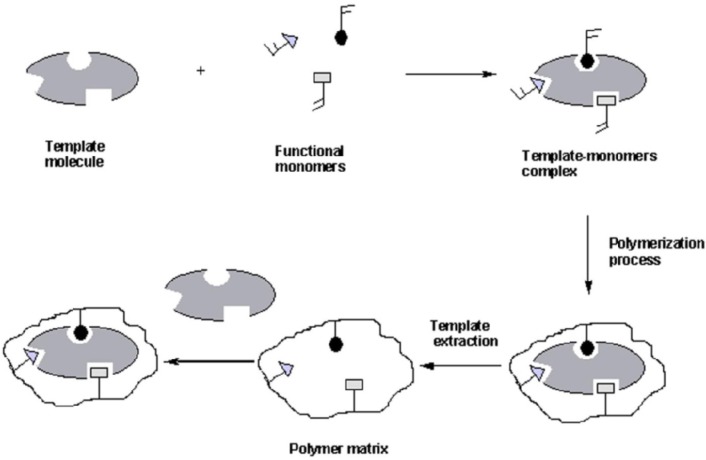
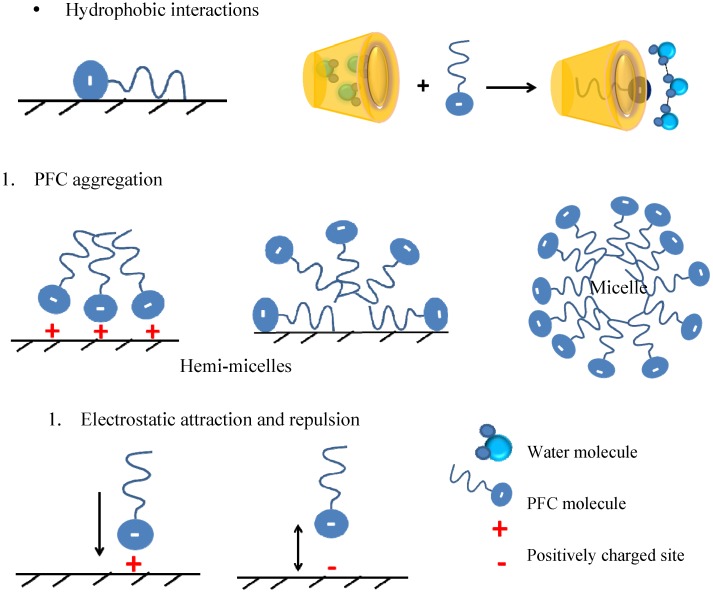
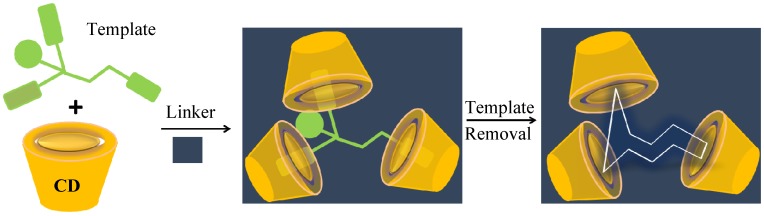
“Subsequent removal of the template molecule leaves behind cavities complementary to the analyte, enabling selective rebinding [168].”
InfluentialSynthesis of Cyclodextrin Derivatives
Řezanka, M. (2018) · Environmental chemistry for a sustainable world · doi:10.1007/978-3-319-76159-6_2 · Cited by 26
Comparative evaluation of PFAS-selective adsorbents in hard-to-treat residual waste streams
(2025) · doi:10.1016/j.cej.2025.161983 · Cited by 19
Doan, A. T. N., Doan, V. T. H., Katsuki, J., Fujii, S., Kono, H., & Sakurai, K. (2022) · ACS Omega · doi:10.1021/acsomega.1c06194 · Cited by 19
Jeschke, S., & Cole, I. S. (2019) · Chemosphere · doi:10.1016/j.chemosphere.2019.03.020 · Cited by 18
Herrera-Morales, J., Turley, T. A., Ponce, M. A. B., & Nicolau, E. (2019) · Materials · doi:10.3390/ma12020230 · Cited by 19
Preparation and Characterization of a Polymer-Based “Molecular Accordion”
Karoyo, A. H., & Wilson, L. D. (2016) · Langmuir · doi:10.1021/acs.langmuir.6b00099 · Cited by 15
Self-citationTarannum, N., Kumar, D., & Kumar, N. (2022) · ChemistrySelect · doi:10.1002/slct.202200140 · Cited by 15
Design of size-tunable molecularly imprinted polymer for selective adsorption of acetaminophen
Lee, S.-H., Lin, O. H., & Doong, R. (2016) · Clean Technologies and Environmental Policy · doi:10.1007/s10098-016-1201-4 · Cited by 14
“2014) and perfluorinated compounds (Karoyo and Wilson 2015).”
BackgroundZhu, Y., Rong, J., Mao, K., Yang, D. Y., Zhang, T., Qiu, F., Pan, J., & Pu, Z. (2021) · Journal of Materials Science · doi:10.1007/s10853-021-06126-3 · Cited by 13
“in variety of fields such as food, pharmaceuticals [4, 5], environmental remediation [6], analysis [7, 8] and other areas that closely related to our life [9].”
BackgroundGao, L., & He, C. (2021) · Environmental Science and Pollution Research · doi:10.1007/s11356-021-16201-6 · Cited by 13
“2021), controlled gene delivery (ReyRico and Cucchiarini 2019), adsorption and separation (Karoyo and Wilson 2015), and electrochemical sensing (Zhu et al.”
BackgroundMa, J., Liu, C., Li, J., An, Z., Zhang, B., Hong, W., Ye, C., Li, M., & Guo, L. (2025) · Environmental Science Nano · doi:10.1039/d4en01096e · Cited by 16
Structural Adaptive, Self-Separating Material for Removing Ibuprofen from Waters and Sewage
Skwierawska, A. M., Nowacka, D., Nowicka, P., Rosa, S., & Kozłowska-Tylingo, K. (2021) · Materials · doi:10.3390/ma14247697 · Cited by 11
“There are reports in the literature on the adsorption of dyes [41,56–59], pesticides [41,60–62], fluorocarbons [63,64], organic and inorganic compounds [56,65,66] from waters.”
BackgroundAdsorption-based removal of PFASs from water: mechanisms, materials and future perspective
Guo, W., Tong, H., Luo, D., Zhao, X. Q., Long, Q., Yin, C., & Yong, Y. (2025) · Environmental Chemistry · doi:10.1071/en25053 · Cited by 8
Mohamed, M. H., Wang, C., Peru, K. M., Headley, J. V., & Wilson, L. D. (2017) · Molecular Pharmaceutics · doi:10.1021/acs.molpharmaceut.7b00088 · Cited by 6
Self-citationRestrepo-Osorio, R. A., & Ο'Shea, K. Ε. (2025) · Journal of Hazardous Materials Advances · doi:10.1016/j.hazadv.2025.100904 · Cited by 10
Food Engineering for Developing Food-Grade Nanoemulsions
Dasgupta, N., & Ranjan, S. (2018) · Environmental chemistry for a sustainable world · doi:10.1007/978-981-10-6986-4_5 · Cited by 4
Jiang, S., Patil, R. S., Barnes, C. L., & Atwood, J. L. (2017) · Crystal Growth & Design · doi:10.1021/acs.cgd.7b00172 · Cited by 2
Edible Delivery Systems Based on Favorable Interactions for Encapsulation of Phytochemicals
Xiao, J., Wang, W., Huang, Q., & Li, Y. (2017) · Elsevier eBooks · doi:10.1016/b978-0-08-100596-5.21849-0 · Cited by 2
Emerging materials for per- and polyfluoroalkyl substances (PFAS) removal from water
Bedair, A., Algethami, F. K., Hamed, M., & Mansour, F. R. (2026) · RSC Advances · doi:10.1039/d6ra02536f · Cited by 1
Biomolecule based nanoencapsulation for food preservation
Sabat, M., Patil, S., Kaur, G., Kumar, P., Panigrahi, C., Jose, N., & Shelake, P. S. (2024) · Elsevier eBooks · doi:10.1016/b978-0-443-13567-5.00016-2 · Cited by 1
Errico, M. J. (2018) · FIU - Digital Commons (Florida International University) · doi:10.25148/etd.fidc006877 · Cited by 2
“Several β-CD polymeric materials have also been developed to remove PFOA and PFOS from water (Karoyo and Wilson 2013, Karoyo and Wilson 2015, Karoyo and Wilson 2016, Xiao et al. 2017).”
BackgroundModulation of Host-Guest Complexation of Pfas with Ph Ionizable Β-Cyclodextrin DerivativesPreprint
O'Shea, K. E., & Restrepo-Osorio, R. A. (2025) · SSRN Electronic Journal · doi:10.2139/ssrn.5115030
Cellulose-based hydrogels for wastewater treatment
Kalita, B., Sultana, N., & Sarma, N. S. (2025) · Elsevier eBooks · doi:10.1016/b978-0-443-22049-4.00003-5
Nanomaterials for the Removal of Metal Ions from Wastewater
Basree, Ali, A., & Ahmad, M. (2026) · Smart nanomaterials technology · doi:10.1007/978-981-95-6079-0_8
Vivekanandan, K., Kandasamy, S., Sigamani, S., Gopal, K., & Kaliyannan, G. (2026) · Process Safety and Environmental Protection · doi:10.1016/j.psep.2026.109104
Metadata
- Authors
- Karoyo, A., & Wilson, L.
- Affiliations
- University of Saskatchewan (CA)
- Corresponding author
- Wilson, Lee
- Venue
- Nanomaterials
- Publisher
- MDPI AG
- Published
- 2015-06-04
- Volume
- 5
- Issue
- 2
- Pages
- 981-1003
- ISSN
- 2079-4991 (ISSN-L)
- PMC
- PMC5312915
- OpenAlex
- W1520975041
- Cited by
- 68
- References
- 123
- Citations by year
- 2026: 3 · 2025: 7 · 2024: 3 · 2023: 3 · 2022: 4 · 2021: 12 · 2020: 4 · 2019: 9 · 2018: 12 · 2017: 7 · 2016: 4
- FWCI
- 0.94
- Type
- journal article
- Language
- en
- Open access
- gold
- dx.doi.org
- Licence
- Locations
- Nanomaterials (publishedVersion, cc-by)
- Europe PMC (PubMed Central) (publishedVersion, cc-by)
- PubMed Central (publishedVersion, cc-by)
- PubMed (publishedVersion)
- DOAJ (DOAJ: Directory of Open Access Journals) (submittedVersion, cc-by-sa)
- Funders
- University of Saskatchewan
- Global Institute for Water Security, University of Saskatchewan
- Topics
- Physical Sciences › Chemistry › Analytical Chemistry › Analytical chemistry methods development
- Physical Sciences › Environmental Science › Environmental Chemistry › Per- and polyfluoroalkyl substances research
- Physical Sciences › Environmental Science › Water Science and Technology › Adsorption and biosorption for pollutant removal
- Keywords
- perfluorinated compounds, cyclodextrins, molecularly imprinted polymers, adsorbents, selective sorption, non-imprinted polymer, chitosan, epichlorohydrin, nanostructured polymers, pollutant removal, pore-forming agent
About these checks
Registry, retraction, Cites and statistics results are computed, not judged, with one exception: a printed reference that no index lists is read once by a model before it counts as a citation error. Claims are extracted by a model and kept only when their quote appears verbatim in the text; each cited source is then checked, with a model’s help, for whether it says what the claim relies on. Those verdicts can be wrong — read the claim’s quote and the cited source before relying on one.
Statistics and arithmetic are recomputed, not judged.
Confidence bands are shown only for fields calibrated on our annotated test set. None is calibrated yet, so no band is shown.
What counts as a claim ›How we measure confidence ›How we check this ›
Are you an author, or do you see a problem with this page? Request a review
Data sources
Bibliographic data: Semantic Scholar, OpenAlex, Crossref.
Contains information from the Semantic Scholar Academic Graph Datasets, made available under the ODC Attribution License (ODC-BY 1.0).
Semantic Scholar’s data is described in: Kinney, R., et al. (2023). The Semantic Scholar Open Data Platform. arXiv:2301.10140.
