

Nano-Sized Cyclodextrin-Based Molecularly Imprinted Polymer Adsorbents for Perfluorinated Compounds—A Mini-Review
Open accessThe DOI matches its Crossref record; 123 of the 123 references it cites were found in a registry or an index.
Abstract
Recent efforts have been directed towards the design of efficient and contaminant selective remediation technology for the removal of perfluorinated compounds (PFCs) from soils, sediments, and aquatic environments. While there is a general consensus on adsorption-based processes as the most suitable methodology for the removal of PFCs from aquatic environments, challenges exist regarding the optimal materials design of sorbents for selective uptake of PFCs. This article reviews the sorptive uptake of PFCs using cyclodextrin (CD)-based polymer adsorbents with nano- to micron-sized structural attributes. The relationship between synthesis of adsorbent materials and their structure relate to the overall sorption properties. Hence, the adsorptive uptake properties of CD-based molecularly imprinted polymers (CD-MIPs) are reviewed and compared with conventional MIPs. Further comparison is made with non-imprinted polymers (NIPs) that are based on cross-linking of pre-polymer units such as chitosan with epichlorohydrin in the absence of a molecular template. In general, MIPs offer the advantage of selectivity, chemical tunability, high stability and mechanical strength, ease of regeneration, and overall lower cost compared to NIPs. In particular, CD-MIPs offer the added advantage of possessing multiple binding sites with unique physicochemical properties such as tunable surface properties and morphology that may vary considerably. This mini-review provides a rationale for the design of unique polymer adsorbent materials that employ an intrinsic porogen via incorporation of a macrocyclic compound in the polymer framework to afford adsorbent materials with tunable physicochemical properties and unique nanostructure properties.
Overview
The claims and statistics of this paper haven’t been checked yet.
Free: it reads the open-access text and checks the first 5 claims that cite a source we can check. Create a free account to check every claim.
Integrity signals
Registry
Cites
Statistics
Figures




Verification
Claims the paper makes
The claims and statistics of this paper haven’t been checked yet.
Free: it reads the open-access text and checks the first 5 claims that cite a source we can check. Create a free account to check every claim.
Claims other papers make about this one
Each is checked against this paper’s own text: does it say what the citing paper says it does?
The source backs part of the claim, not all of it — or backs it for a different population, condition or comparison.
In the citing paper
“S1′s cationic amine attracts anionic carboxylic or sulfonic groups electrostatically, while its -cyclodextrin cavity forms stable complexes with fluorocarbons [24,37,38].”
From Comparative evaluation of PFAS-selective adsorbents in hard-to-treat residual waste streams (2025) · doi:10.1016/j.cej.2025.161983 · cites this paper as [37]
Experimental — accuracy not yet measured
Self-check
Percentages, sums and reported differences re-computed from the paper’s own numbers.
The self-check needs the paper’s full text.
Citations
Cites
Cyclodextrins and their uses: a review
Del Valle, E. M. M. (2004) · Process Biochemistry · doi:10.1016/s0032-9592(03)00258-9 · Cited by 3,375 · cited 1×
“In order to form a stable complex, the guest molecules must fit, at least partly, into the CD cavity [81,82].”
BackgroundWater Analysis: Emerging Contaminants and Current Issues
Richardson, S. D., & Ternes, T. A. (2014) · Analytical Chemistry · doi:10.1021/ac500508t · Cited by 2,144
Steed, J. W., & Atwood, J. L. (2009) · Wiley eBooks · doi:10.1002/9780470740880 · Cited by 1,341
Cyclodextrins as Building Blocks for Supramolecular Structures and Functional Units
Wenz, G. (1994) · Angewandte Chemie International Edition in English · doi:10.1002/anie.199408031 · Cited by 1,320 · cited 1×
“Wenz has reviewed the utility of CDs as versatile building blocks for supramolecular structures because they can be linked regioselectively to multiple substituents, both covalently and non-covalently [85].”
BackgroundAdsorption behavior and mechanism of perfluorinated compounds on various adsorbents—A review
Du, Z., Deng, S., Bei, Y., Huang, Q., Wang, B., Huang, J., & Yu, G. (2014) · Journal of Hazardous Materials · doi:10.1016/j.jhazmat.2014.04.038 · Cited by 1,236 · cited 4×
“[41] that described biomaterial adsorbents.”
BackgroundInfluentialMolecularly Imprinted Polymers: Present and Future Prospective
Vasapollo, G., Sole, R. D., Mergola, L., Lazzoi, M. R., Scardino, A., Scorrano, S., & Mele, G. (2011) · International Journal of Molecular Sciences · doi:10.3390/ijms12095908 · Cited by 1,128 · cited 1×
“Reproduced with permission from [95], Copyright 2011, MDPI AG.”
MethodPeer Reviewed: Perfluorochemical Surfactants in the Environment
Giesy, J. P., & Kannan, K. (2002) · Environmental Science & Technology · doi:10.1021/es022253t · Cited by 1,100
CRINI, G., PEINDY, H., GIMBERT, F., & ROBERT, C. (2007) · Separation and Purification Technology · doi:10.1016/j.seppur.2006.06.018 · Cited by 975 · cited 1×
“SPE methods using CD-based polymers have been reported for the efficient removal of organic dyes [63–66] and other organic pollutants [67–69].”
MethodMicrowave heating applications in environmental engineering—a review
Jones, D. A., Lelyveld, T. P., Mavrofidis, S. D., Kingman, S. W., & Miles, N. J. (2002) · Resources, Conservation and Recycling · doi:10.1016/s0921-3449(01)00088-x · Cited by 966 · cited 1×
“However, the regeneration of carbonaceous materials using chemical and biological methods, oxidation, ultrasound, heat, and solvent assisted methods may be impractical due to the prohibitive economic costs [57–61].”
Yu, Q., Zhang, R., Deng, S., Huang, J., & Yu, G. (2009) · Water Research · doi:10.1016/j.watres.2008.12.001 · Cited by 890 · cited 1×
“documented with several recent reports [46–55].”
The Developmental Toxicity of Perfluoroalkyl Acids and Their Derivatives
Lau, C., Butenhoff, J. L., & Rogers, J. M. (2004) · Toxicology and Applied Pharmacology · doi:10.1016/j.taap.2003.11.031 · Cited by 867 · cited 1×
“PFCs have been associated with wide ranging health risks, such as reproductive and developmental disorders [10–16], suppression of immunity [17–19] and cancer [20–23].”
BackgroundChen, G., & Jiang, M. (2011) · Chemical Society Reviews · doi:10.1039/c0cs00153h · Cited by 834 · cited 1×
“Future prospects for materials design strategy may involve the use of gel phase components over insoluble and less hydrated polymers as a way to enhance the uptake kinetics [121].”
BackgroundThe toxicology of perfluorooctanoate
Kennedy, G. L., Butenhoff, J. L., Olsen, G. W., O'Connor, J. C., Seacat, A. M., Perkins, R. G., Biegel, L. B., Murphy, S. R., & Farrar, D. G. (2004) · Critical Reviews in Toxicology · doi:10.1080/10408440490464705 · Cited by 742 · cited 1×
“PFCs have been associated with wide ranging health risks, such as reproductive and developmental disorders [10–16], suppression of immunity [17–19] and cancer [20–23].”
BackgroundPost, G. B., Cohn, P. D., & Cooper, K. R. (2012) · Environmental Research · doi:10.1016/j.envres.2012.03.007 · Cited by 639 · cited 1×
“Perfluorinated chemicals have been detected in drinking water, ground water and surface water supplies [2,4], industrial wastewater effluents [5,6] soil and sediments [7], and other aquatic environments [8,9].”
BackgroundZareitalabad, P., Siemens, J., Hamer, M., & Amelung, W. (2013) · Chemosphere · doi:10.1016/j.chemosphere.2013.02.024 · Cited by 615 · cited 1×
“Perfluorinated chemicals have been detected in drinking water, ground water and surface water supplies [2,4], industrial wastewater effluents [5,6] soil and sediments [7], and other aquatic environments [8,9].”
Backgroundvan de Manakker, F., Vermonden, T., van Nostrum, C. F., & Hennink, W. E. (2009) · Biomacromolecules · doi:10.1021/bm901065f · Cited by 603
Effects of Perfluorooctanoic Acid Exposure during Pregnancy in the Mouse
Lau, C., Thibodeaux, J. R., Hanson, R. G., Narotsky, M. G., Rogers, J. M., Lindstrom, A. B., & Strynar, M. J. (2006) · Toxicological Sciences · doi:10.1093/toxsci/kfj105 · Cited by 537 · cited 1×
“PFCs have been associated with wide ranging health risks, such as reproductive and developmental disorders [10–16], suppression of immunity [17–19] and cancer [20–23].”
BackgroundMolecular imprinted polymers for separation science: A review of reviews
Cheong, W. J., Yang, S. H., & Ali, F. (2013) · Journal of Separation Science · doi:10.1002/jssc.201200784 · Cited by 507
Removal of perfluorinated surfactants by sorption onto granular activated carbon, zeolite and sludge
Ochoa-Herrera, V., & Sierra-Alvarez, R. (2008) · Chemosphere · doi:10.1016/j.chemosphere.2008.04.029 · Cited by 482 · cited 1×
“documented with several recent reports [46–55].”
Sonochemical Decomposition of Perfluorooctane Sulfonate and Perfluorooctanoic Acid
Moriwaki, H., Takagi, Y., Tanaka, M., Tsuruho, K., Okitsu, K., & Maeda, Y. (2005) · Environmental Science & Technology · doi:10.1021/es040342v · Cited by 464 · cited 1×
“Alternative approaches for the removal of PFCs was reported in the literature that employed ultrasonic [43], ultraviolet (UV) irradiation [44], and oxidation methods [45].”
MethodEnvironmental applications of water-insoluble β-cyclodextrin–epichlorohydrin polymers
Morin-Crini, N., & Crini, G. (2013) · Progress in Polymer Science · doi:10.1016/j.progpolymsci.2012.06.005 · Cited by 434 · cited 1×
“SPE methods using CD-based polymers have been reported for the efficient removal of organic dyes [63–66] and other organic pollutants [67–69].”
MethodToxicology of perfluorinated compounds
Stahl, T., Mattern, D., & Brunn, H. (2011) · Environmental Sciences Europe · doi:10.1186/2190-4715-23-38 · Cited by 432 · cited 1×
“Most of the research reports on PFCs have focused on their physicochemical and toxicological properties [7,25–27], fate and distribution [28–31], and complexation phenomena [32–40].”
BackgroundWater Analysis: Emerging Contaminants and Current Issues
Richardson, S. D. (2009) · Analytical Chemistry · doi:10.1021/ac9008012 · Cited by 421 · cited 1×
“their relative inert nature owing to the high stability of the C-F bonds [26,42].”
BackgroundAqueous adsorption and removal of organic contaminants by carbon nanotubes
Yu, J.-G., Zhao, X.-H., Yang, H., Chen, X.-H., Yang, Q., Yu, L.-Y., Jiang, J.-H., & Chen, X.-Q. (2014) · Science of The Total Environment · doi:10.1016/j.scitotenv.2014.02.129 · Cited by 391 · cited 2×
“[62] reviewed carbon nanotubes (CNTs) as potential adsorbent nanomaterials for remediation of organic contaminants including PFCs.”
BackgroundMaternal levels of perfluorinated chemicals and subfecundity
Fei, C., McLaughlin, J. K., Lipworth, L., & Olsen, J. (2009) · Human Reproduction · doi:10.1093/humrep/den490 · Cited by 385 · cited 1×
“PFCs have been associated with wide ranging health risks, such as reproductive and developmental disorders [10–16], suppression of immunity [17–19] and cancer [20–23].”
BackgroundCritical review and perspective of macromolecularly imprinted polymers
Kryscio, D. R., & Peppas, N. A. (2012) · Acta Biomaterialia · doi:10.1016/j.actbio.2011.11.005 · Cited by 367 · cited 1×
“A unique feature of macromolecular-based imprinted polymers lies in their impressive host-guest chemistry and related applications in sensor technology, separation science, and diagnostic materials due to their unique molecular recognition properties [77].”
BackgroundSorption mechanisms of perfluorinated compounds on carbon nanotubes
Deng, S., Zhang, Q., Nie, Y., Wei, H., Wang, B., Huang, J., Yu, G., & Xing, B. (2012) · Environmental Pollution · doi:10.1016/j.envpol.2012.03.048 · Cited by 362
Yu, Q., Deng, S., & Yu, G. (2008) · Water Research · doi:10.1016/j.watres.2008.02.024 · Cited by 355 · cited 6×
“The first MIP for recognition of PFOS was prepared by cross-linking chitosan with epichlorohydrin in the presence of PFOS as the molecular template [107].”
BackgroundMethodResultInfluentialSynthesis and applications of adsorbents containing cyclodextrins
Crini, G., & Morcellet, M. (2002) · Journal of Separation Science · doi:10.1002/1615-9314(20020901)25:13<789::aid-jssc789>3.0.co;2-j · Cited by 337 · cited 2×
“Studies of polymer materials, especially CD-based copolymers, with simple organic/inorganic model compounds contribute to an understanding of sorption based processes and applications [71].”
BackgroundFujii, S., Polprasert, C., Tanaka, S., Hong Lien, N. P., & Qiu, Y. (2007) · Journal of Water Supply: Research and Technology-Aqua · doi:10.2166/aqua.2007.005 · Cited by 301 · cited 2×
“Perfluorooctane sulfonate (PFOS) and perfluorooctanoic acid (PFOA) are among the most commonly studied PFCs [2,3].”
BackgroundAquatic Toxicology of Perfluorinated Chemicals
Giesy, J. P., Naile, J. E., Khim, J. S., Jones, P. D., & Newsted, J. L. (2010) · Reviews of Environmental Contamination and Toxicology · doi:10.1007/978-1-4419-1157-5_1 · Cited by 282 · cited 1×
“Most of the research reports on PFCs have focused on their physicochemical and toxicological properties [7,25–27], fate and distribution [28–31], and complexation phenomena [32–40].”
BackgroundSuppression of Humoral Immunity in Mice following Exposure to Perfluorooctane Sulfonate
Peden-Adams, M. M., Keller, J. M., EuDaly, J. G., Berger, J., Gilkeson, G. S., & Keil, D. E. (2008) · Toxicological Sciences · doi:10.1093/toxsci/kfn059 · Cited by 277 · cited 1×
“PFCs have been associated with wide ranging health risks, such as reproductive and developmental disorders [10–16], suppression of immunity [17–19] and cancer [20–23].”
BackgroundBurns, D. C., Ellis, D. A., Li, H., McMurdo, C. J., & Webster, E. (2008) · Environmental Science & Technology · doi:10.1021/es802047v · Cited by 270 · cited 1×
“Selected physicochemical properties of PFOA, PFOS, and PFBA are compared in Table 1 [92,93].”
BackgroundStudies on adsorption of dyes on beta-cyclodextrin polymer
Crini, G. (2003) · Bioresource Technology · doi:10.1016/s0960-8524(03)00111-1 · Cited by 260 · cited 1×
“SPE methods using CD-based polymers have been reported for the efficient removal of organic dyes [63–66] and other organic pollutants [67–69].”
MethodPhysicochemical properties and aquatic toxicity of poly- and Perfluorinated compounds
Ding, G., & Peijnenburg, W. J. G. M. (2013) · Critical Reviews in Environmental Science and Technology · doi:10.1080/10643389.2011.627016 · Cited by 241 · cited 1×
“Most of the research reports on PFCs have focused on their physicochemical and toxicological properties [7,25–27], fate and distribution [28–31], and complexation phenomena [32–40].”
BackgroundUtilization of cyclodextrins in industrial products and processes
Szejtli, J. (1997) · Journal of Materials Chemistry · doi:10.1039/a605235e · Cited by 238 · cited 1×
“In order to form a stable complex, the guest molecules must fit, at least partly, into the CD cavity [81,82].”
BackgroundDistribution of perfluorinated compounds in aquatic systems in the Netherlands
Kwadijk, C. J. A. F., Korytár, P., & Koelmans, A. A. (2010) · Environmental Science & Technology · doi:10.1021/es100485e · Cited by 234 · cited 1×
“Most of the research reports on PFCs have focused on their physicochemical and toxicological properties [7,25–27], fate and distribution [28–31], and complexation phenomena [32–40].”
BackgroundGene Expression Profiles in Rat Liver Treated With Perfluorooctanoic Acid (PFOA)
Guruge, K. S., Yeung, L. W. Y., Yamanaka, N., Miyazaki, S., Lam, P. K. S., Giesy, J. P., Jones, P. D., & Yamashita, N. (2006) · Toxicological Sciences · doi:10.1093/toxsci/kfj011 · Cited by 234 · cited 1×
“PFCs have been associated with wide ranging health risks, such as reproductive and developmental disorders [10–16], suppression of immunity [17–19] and cancer [20–23].”
BackgroundZhang, Q., Deng, S., Yu, G., & Huang, J. (2011) · Bioresource Technology · doi:10.1016/j.biortech.2010.10.040 · Cited by 226 · cited 1×
“[89] have reported the preparation of NIP adsorbent materials with chitosan beads cross-linked with epichlorohydrin (ECH) for the uptake of PFOS.”
BackgroundVierke, L., Staude, C., Biegel-Engler, A., Drost, W., & Schulte, C. (2012) · Environmental Sciences Europe · doi:10.1186/2190-4715-24-16 · Cited by 222 · cited 1×
“Although many countries, including Canada and the USA, have restricted the use of PFOA, PFOS and related PFC chemicals, their use in the electroplating and textile industry continues unabated elsewhere [23,24].”
BackgroundMolecularly Imprinted Polymers for Solid Phase Extraction
Qiao, F., Sun, H., Yan, H., & Row, K. H. (2006) · Chromatographia · doi:10.1365/s10337-006-0097-2 · Cited by 208
Molecularly imprinted polymers and their application in solid phase extraction
Lasáková, M., & Jandera, P. (2009) · Journal of Separation Science · doi:10.1002/jssc.200800506 · Cited by 202 · cited 1×
“Molecular imprinting technology is a well-established method for the preparation of polymers that possess specific molecular recognition properties [95–103].”
MethodLi, X., Chen, S., Quan, X., & Zhang, Y. (2011) · Environmental Science & Technology · doi:10.1021/es202026v · Cited by 201 · cited 1×
“documented with several recent reports [46–55].”
Investigating the biodegradability of perfluorooctanoic acid
Liou, J. S.-C., Szostek, B., DeRito, C. M., & Madsen, E. L. (2010) · Chemosphere · doi:10.1016/j.chemosphere.2010.03.009 · Cited by 191 · cited 1×
“Perfluorinated chemicals have been detected in drinking water, ground water and surface water supplies [2,4], industrial wastewater effluents [5,6] soil and sediments [7], and other aquatic environments [8,9].”
BackgroundPhotodegradation of Perfluorooctane Sulfonate by UV Irradiation in Water and Alkaline 2-Propanol
Yamamoto, T., Noma, Y., Sakai, S.-I., & Shibata, Y. (2007) · Environmental Science & Technology · doi:10.1021/es0706504 · Cited by 188 · cited 1×
“Alternative approaches for the removal of PFCs was reported in the literature that employed ultrasonic [43], ultraviolet (UV) irradiation [44], and oxidation methods [45].”
MethodThe reproductive toxicology of ammonium perfluorooctanoate (APFO) in the rat
Butenhoff, J. L., Kennedy, G. L., Frame, S. R., O’Connor, J. C., & York, R. G. (2004) · Toxicology · doi:10.1016/j.tox.2003.11.005 · Cited by 188 · cited 1×
“PFCs have been associated with wide ranging health risks, such as reproductive and developmental disorders [10–16], suppression of immunity [17–19] and cancer [20–23].”
BackgroundMortality Among Employees of a Perfluorooctanoic Acid Production Plant
Gilliland, F. D., & Mandel, J. S. (1993) · Journal of Occupational and Environmental Medicine · doi:10.1097/00043764-199309000-00020 · Cited by 183 · cited 1×
“PFCs have been associated with wide ranging health risks, such as reproductive and developmental disorders [10–16], suppression of immunity [17–19] and cancer [20–23].”
BackgroundKyzas, G. Z., Lazaridis, N. K., & Bikiaris, D. N. (2013) · Carbohydrate Polymers · doi:10.1016/j.carbpol.2012.08.016 · Cited by 182 · cited 1×
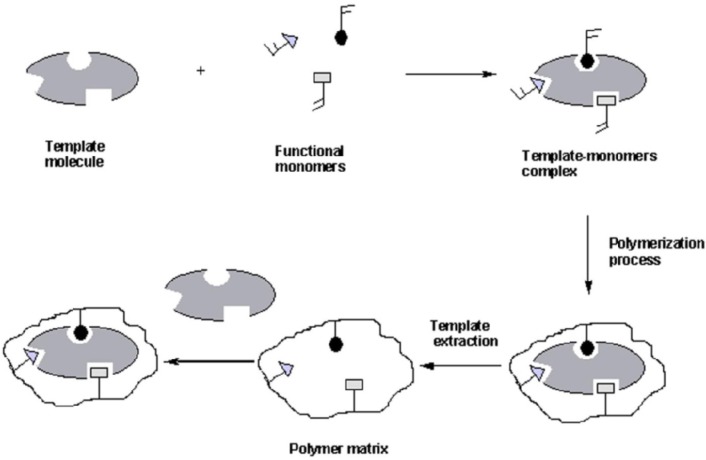
“Schematic showing mechanism of CD-MIPs preparation using bulk imprinting technology (redrawn from [106]).”
BackgroundA Chemical‐Responsive Supramolecular Hydrogel from Modified Cyclodextrins
Deng, W., Yamaguchi, H., Takashima, Y., & Harada, A. (2007) · Angewandte Chemie International Edition · doi:10.1002/anie.200701272 · Cited by 177 · cited 1×
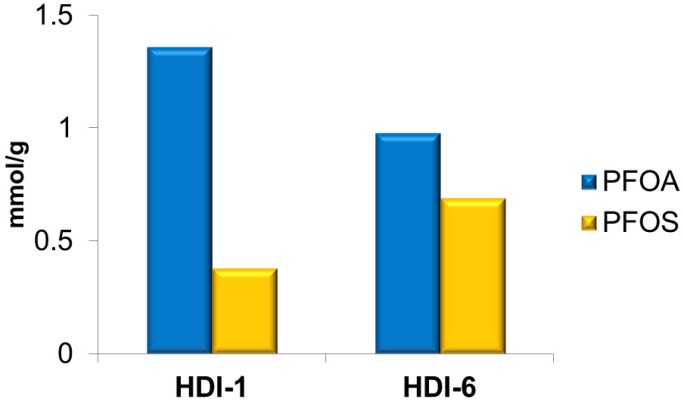
“CD-polymers may undergo self-assembly and aggregation of the linear polymer (HDI-1), where it was reported to exhibit behavior observed that was characteristic of a “smart material” due to cooperative interactions [119].”
BackgroundSorption of perfluorinated compounds from contaminated water to activated carbon
Hansen, M. C., Børresen, M. H., Schlabach, M., & Cornelissen, G. (2010) · Journal of Soils and Sediments · doi:10.1007/s11368-009-0172-z · Cited by 175 · cited 1×
“documented with several recent reports [46–55].”
Yang, Q., Abedi-Valugerdi, M., Xie, Y., Zhao, X.-Y., Möller, G., Dean Nelson, B., & DePierre, J. W. (2002) · International Immunopharmacology · doi:10.1016/s1567-5769(01)00164-3 · Cited by 169 · cited 1×
“PFCs have been associated with wide ranging health risks, such as reproductive and developmental disorders [10–16], suppression of immunity [17–19] and cancer [20–23].”
BackgroundSenevirathna, L., Tanaka, S., Fujii, S., Kunacheva, C., Harada, H., Shivakoti, B. R., & Okamoto, R. (2010) · Chemosphere · doi:10.1016/j.chemosphere.2010.04.053 · Cited by 163 · cited 1×
“documented with several recent reports [46–55].”
Molecularly imprinted polymer for solid‐phase extraction of ephedrine and analogs from human plasma
Lasáková, M., Thiébaut, D., Jandera, P., & Pichon, V. (2009) · Journal of Separation Science · doi:10.1002/jssc.200800684 · Cited by 162
Carter, K. E., & Farrell, J. (2010) · Separation Science and Technology · doi:10.1080/01496391003608421 · Cited by 161 · cited 1×
“documented with several recent reports [46–55].”
Qu, Y., Zhang, C., Li, F., Bo, X., Liu, G., & Zhou, Q. (2009) · Journal of Hazardous Materials · doi:10.1016/j.jhazmat.2009.03.063 · Cited by 159 · cited 1×
“documented with several recent reports [46–55].”
Naile, J. E., Khim, J. S., Hong, S., Park, J., Kwon, B.-O., Ryu, J., Hwang, J. H., Jones, P. D., & Giesy, J. P. (2012) · Chemosphere · doi:10.1016/j.chemosphere.2012.07.033 · Cited by 154 · cited 1×
“Most of the research reports on PFCs have focused on their physicochemical and toxicological properties [7,25–27], fate and distribution [28–31], and complexation phenomena [32–40].”
BackgroundQin, L., He, X., Li, W., & Zhang, Y. (2008) · Journal of Chromatography A · doi:10.1016/j.chroma.2008.02.004 · Cited by 154
Deng, S., Li, N., Bei, Y., Wang, B., Huang, J. G., & Yu, G. (2012) · Chemosphere · doi:10.1016/j.chemosphere.2012.11.015 · Cited by 152 · cited 1×
“Recently, Deng and coworkers grafted long polymers with amine groups onto nonporous biomaterials, such as cotton [90] and rice husk [91], to target PFOA, PFOS, and perfluorobutyric acid (PFBA).”
BackgroundJunquera, E., Tardajos, G., & Aicart, E. (1993) · Langmuir · doi:10.1021/la00029a011 · Cited by 149
Deng, S., Zheng, Y., Xu, F., Wang, B., Huang, J. G., & Yu, G. (2012) · Chemical Engineering Journal · doi:10.1016/j.cej.2012.04.005 · Cited by 145 · cited 1×
“Recently, Deng and coworkers grafted long polymers with amine groups onto nonporous biomaterials, such as cotton [90] and rice husk [91], to target PFOA, PFOS, and perfluorobutyric acid (PFBA).”
BackgroundSurfactant–cyclodextrin interactions by conductance measurements
Palepu, R. M., & Reinsborough, V. C. (1988) · Canadian Journal of Chemistry · doi:10.1139/v88-056 · Cited by 138
Piletsky, S. A., Andersson, H. S., & Nicholls, I. A. (1999) · Macromolecules · doi:10.1021/ma9812736 · Cited by 136 · cited 3×
“Molecular imprinting technology is a well-established method for the preparation of polymers that possess specific molecular recognition properties [95–103].”
BackgroundMethodRat and Rabbit Oral Developmental Toxicology Studies With Two Perfluorinated Compounds
T. Case, R. G. Y. (2001) · International Journal of Toxicology · doi:10.1080/10915810151115236 · Cited by 133
Binding constants of .beta.-cyclodextrin/surfactant inclusion by conductivity measurements
Palepu, R. M., Richardson, J. E., & Reinsborough, V. C. (1989) · Langmuir · doi:10.1021/la00085a041 · Cited by 122 · cited 2×
“Most of the research reports on PFCs have focused on their physicochemical and toxicological properties [7,25–27], fate and distribution [28–31], and complexation phenomena [32–40].”
BackgroundMethodMolecular imprinting of cyclodextrin in water for the recognition of nanometer-scaled guests
Asanuma, H., Akiyama, T., Kajiya, K., Hishiya, T., & Komiyama, M. (2001) · Analytica Chimica Acta · doi:10.1016/s0003-2670(00)01303-9 · Cited by 118 · cited 3×
“Several articles and reviews exist that describe the preparation of CD-MIPs for the separation of hydrocarbon mixtures [110–113].”
BackgroundFolch-Cano, C., Yazdani‐Pedram, M., & Olea‐Azar, C. (2014) · Molecules · doi:10.3390/molecules190914066 · Cited by 116 · cited 1×
“[105] have described two materials design strategies for the preparation of CD-MIPs; (1) bulk imprinting, and (2) surface imprinting.”
BackgroundZhao, H., Gao, J., Zhao, G., Fan, J., Wang, Y., & Wang, Y. (2013) · Applied Catalysis B: Environmental · doi:10.1016/j.apcatb.2013.02.013 · Cited by 112 · cited 1×
“Alternative approaches for the removal of PFCs was reported in the literature that employed ultrasonic [43], ultraviolet (UV) irradiation [44], and oxidation methods [45].”
MethodUnusual phenomena in perfluorosurfactants
Hoffmann, H., & Würtz, J. (1997) · Journal of Molecular Liquids · doi:10.1016/s0167-7322(97)00039-1 · Cited by 106 · cited 1×
“Selected physicochemical properties of PFOA, PFOS, and PFBA are compared in Table 1 [92,93].”
BackgroundSalvador, F., & Jiménez, C. S. (1996) · Carbon · doi:10.1016/0008-6223(95)00211-1 · Cited by 103 · cited 1×
“However, the regeneration of carbonaceous materials using chemical and biological methods, oxidation, ultrasound, heat, and solvent assisted methods may be impractical due to the prohibitive economic costs [57–61].”
New Organic Nanoporous Polymers and Their Inclusion Complexes
Ma, M., & Li, D. (1999) · Chemistry of Materials · doi:10.1021/cm981090y · Cited by 102 · cited 1×
“Moreover, the HDI linker agent may provide additional pore structure properties within the polymer framework and secondary H-bond acceptor or donor binding sites for PFOA [72,79,117].”
BackgroundSorption of Perfluorochemicals to Granular Activated Carbon in the Presence of Ultrasound
Zhao, D., Cheng, J., Vecitis, C. D., & Hoffmann, M. R. (2011) · The Journal of Physical Chemistry A · doi:10.1021/jp111784k · Cited by 99 · cited 1×
“documented with several recent reports [46–55].”
Yao, Y., Volchek, K., Brown, C. E., Robinson, A., & Obal, T. (2014) · Water Science and Technology · doi:10.2166/wst.2014.445 · Cited by 92 · cited 1×
“relatively low cost compared to conventional chemical-based removal methods [56].”
BackgroundKaroyo, A. H., & Wilson, L. D. (2013) · Journal of Colloid and Interface Science · doi:10.1016/j.jcis.2013.03.065 · Cited by 89 · cited 6×
“recent study by Karoyo and Wilson [79], polymers with unique structure were prepared by reaction of”
BackgroundInfluentialSelf-citationNMR study of cyclodextrin inclusion of fluorocarbon surfactants in solution
Guo, W., Fung, B. M., & Christian, S. D. (1992) · Langmuir · doi:10.1021/la00038a022 · Cited by 85 · cited 1×
“Complexes with greater stability were reported for CDs with C8 perfluorocarbon (PFC) guests (102 M−1 to 104 M−1) [32,33], as compared with their hydrocarbon analogues (≈ 102 M−1) [84].”
BackgroundBhattarai, B., Muruganandham, M., & Suri, R. (2014) · Journal of Hazardous Materials · doi:10.1016/j.jhazmat.2014.03.044 · Cited by 82 · cited 3×
“[114] evaluated the molecular recognition of CD-MIPs formed by coating β-CD coating on silica for binding PFOA and other organic molecules.”
BackgroundFormation of Host-Guest Complexes of β-Cyclodextrin and Perfluorooctanoic Acid
Karoyo, A. H., Borisov, A. S., Wilson, L. D., & Hazendonk, P. (2011) · The Journal of Physical Chemistry B · doi:10.1021/jp110806k · Cited by 79 · cited 2×
“Most of the research reports on PFCs have focused on their physicochemical and toxicological properties [7,25–27], fate and distribution [28–31], and complexation phenomena [32–40].”
BackgroundMethodSelf-citationMolecularly imprinted polymer of β-cyclodextrin for the efficient recognition of cholesterol
Asanuma, H., Kakazu, M., Shibata, M., & Hishiya, T. (1997) · Chemical Communications · doi:10.1039/a704176d · Cited by 78
Screening of perfluorinated chemicals (PFCs) in various aquatic organisms
Fernández-Sanjuan, M., Meyer, J., Damásio, J., Faria, M., Barata, C., & Lacorte, S. (2010) · Analytical and Bioanalytical Chemistry · doi:10.1007/s00216-010-4024-x · Cited by 77 · cited 1×
“Perfluorinated chemicals have been detected in drinking water, ground water and surface water supplies [2,4], industrial wastewater effluents [5,6] soil and sediments [7], and other aquatic environments [8,9].”
BackgroundMonofunctionalized cyclodextrin polymers for the removal of organic pollutants from water
Mamba, B. B., Krause, R. W. M., Malefetse, T. J., & Nxumalo, E. N. (2006) · Environmental Chemistry Letters · doi:10.1007/s10311-006-0082-x · Cited by 76 · cited 1×
“SPE methods using CD-based polymers have been reported for the efficient removal of organic dyes [63–66] and other organic pollutants [67–69].”
MethodDesign and characterization of novel β-cyclodextrin based copolymer materials
Mohamed, M. H., Wilson, L. D., & Headley, J. V. (2010) · Carbohydrate Research · doi:10.1016/j.carres.2010.11.022 · Cited by 74 · cited 2×
“The presence of macromolecular porogens within a polymer framework presents an alternative design strategy where the physicochemical properties of the material can be controlled by an appropriate cross-linker, relative mole ratio of reagents, and reaction conditions [72].”
BackgroundSelf-citationPorous Copolymer Resins: Tuning Pore Structure and Surface Area with Non Reactive Porogens
Mohamed, M. H., & Wilson, L. D. (2012) · Nanomaterials · doi:10.3390/nano2020163 · Cited by 73 · cited 1×
“The limitations of molecular template-based MIPs was recently reviewed [122] and further insight was provided as to why solvent regeneration attenuates the uptake capacity.”
BackgroundSelf-citationShi, Y., Pan, Y., Wang, J., & Cai, Y. (2012) · J. Environ. Monit. · doi:10.1039/c1em10772k · Cited by 72
Kudo, N., Iwase, Y., Okayachi, H., Yamakawa, Y., & Kawashima, Y. (2005) · Toxicological Sciences · doi:10.1093/toxsci/kfi191 · Cited by 71 · cited 1×
“PFCs have been associated with wide ranging health risks, such as reproductive and developmental disorders [10–16], suppression of immunity [17–19] and cancer [20–23].”
BackgroundSaint‐Aman, E., & SERVE, D. (1990) · Journal of Colloid and Interface Science · doi:10.1016/0021-9797(90)90219-e · Cited by 70
Regeneration of spent activated carbon by wet air oxidation
Mvndale, V. D., Joglekar, H. S., Kalam, A., & Joshi, J. B. (1991) · The Canadian Journal of Chemical Engineering · doi:10.1002/cjce.5450690515 · Cited by 62 · cited 1×
“However, the regeneration of carbonaceous materials using chemical and biological methods, oxidation, ultrasound, heat, and solvent assisted methods may be impractical due to the prohibitive economic costs [57–61].”
A 1H NMR study of cyclodextrin - hydrocarbon surfactant inclusion complexes in aqueous solutions
Wilson, L. D., & Verrall, R. E. (1998) · Canadian Journal of Chemistry · doi:10.1139/cjc-76-1-25 · Cited by 61
Self-citationPreparation and sorption studies of β‐cyclodextrin/epichlorohydrin copolymers
Pratt, D. Y., Wilson, L. D., Koziński, J. A., & Mohart, A. M. (2010) · Journal of Applied Polymer Science · doi:10.1002/app.31824 · Cited by 59 · cited 1×
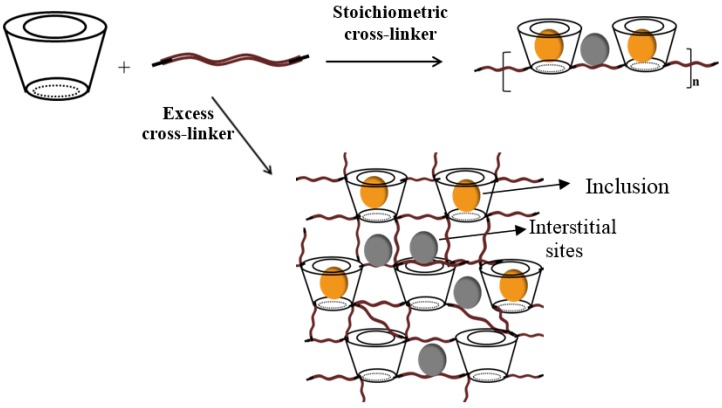
“The polymer framework is shown as a semi-ordered material where the interior of the toroids are referred to as the “inclusion sites” and the other voids are the interstitial or “non-inclusion sites”; (B) Choice of different bifunctional cross-linker units (top-to-bottom; 1,6-hexamethylene diisocyanate (HDI), 4,4'-diic…”
BackgroundSelf-citationSequestration of naphthenic acids from aqueous solution using β-cyclodextrin-based polyurethanes
Mohamed, M. H., Wilson, L. D., Headley, J. V., & Peru, K. M. (2010) · Physical Chemistry Chemical Physics · doi:10.1039/c0cp00421a · Cited by 58 · cited 1×
“The polymer framework is shown as a semi-ordered material where the interior of the toroids are referred to as the “inclusion sites” and the other voids are the interstitial or “non-inclusion sites”; (B) Choice of different bifunctional cross-linker units (top-to-bottom; 1,6-hexamethylene diisocyanate (HDI), 4,4'-diic…”
BackgroundSelf-citationDeWitt, J. C., Copeland, C. B., & Luebke, R. W. (2009) · Toxicological Sciences · doi:10.1093/toxsci/kfp040 · Cited by 57 · cited 1×
“PFCs have been associated with wide ranging health risks, such as reproductive and developmental disorders [10–16], suppression of immunity [17–19] and cancer [20–23].”
BackgroundSelective sorption of perfluorooctane sulfonate on molecularly imprinted polymer adsorbents
Deng, S., Shuai, D., Yu, Q., Huang, J. G., & Yu, G. (2009) · 中国环境科学与工程前沿:英文版 · doi:10.1007/s11783-009-0017-4 · Cited by 53 · cited 2×
“[108] prepared a series of MIPs by polymerization of 4-vinylpyridine in the presence of”
BackgroundMethodComplex Formation of β-Cyclodextrin- and Perfluorocarbon-Modified Water-Soluble Polymers
Zhang, H., Hogen‐Esch, T. E., Boschet, F., & Margaillan, A. (1998) · Langmuir · doi:10.1021/la971030r · Cited by 53
Surikumaran, H., Mohamad, S., & Sarih, N. M. (2014) · International Journal of Molecular Sciences · doi:10.3390/ijms15046111 · Cited by 52 · cited 2×
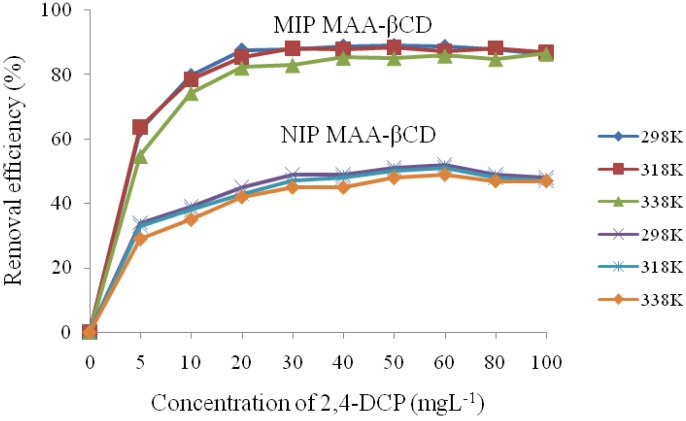
“Similar results were reported elsewhere [109] for a MIP that was formed using a methacrylic acid functionalized β-CD (MAA-βCD).”
MethodResultHowell, S., Kenmore, M., Kirkland, M., & Badley, R. A. (1998) · Journal of Molecular Recognition · doi:10.1002/(sici)1099-1352(199812)11:1/6<200::aid-jmr423>3.0.co;2-7 · Cited by 51
The rational use of hydrophobic effect-based recognition in molecularly imprinted polymers
Piletsky, S. A., Andersson, H. S., & Nicholls, I. A. (1998) · Journal of Molecular Recognition · Cited by 51
Asanuma, H., Kakazu, M., Shibata, M., Hishiya, T., & Komiyama, M. (1998) · Supramolecular Science · doi:10.1016/s0968-5677(98)00042-x · Cited by 50
Kawashima, Y., Kobayashi, H., Miura, H., & Kozuka, H. (1995) · Toxicology · doi:10.1016/0300-483x(95)03027-d · Cited by 49 · cited 1×
“PFCs have been associated with wide ranging health risks, such as reproductive and developmental disorders [10–16], suppression of immunity [17–19] and cancer [20–23].”
BackgroundRegeneration of phenol‐saturated activated carbon in an electrochemical reactor
Zhang, H., Ye, L., & Zhong, H. (2002) · Journal of Chemical Technology & Biotechnology · doi:10.1002/jctb.699 · Cited by 49 · cited 1×
“However, the regeneration of carbonaceous materials using chemical and biological methods, oxidation, ultrasound, heat, and solvent assisted methods may be impractical due to the prohibitive economic costs [57–61].”
Chularueangaksorn, P., Tanaka, S., Fujii, S., & Kunacheva, C. (2014) · Journal of Applied Polymer Science · doi:10.1002/app.39782 · Cited by 47 · cited 1×
“documented with several recent reports [46–55].”
Solution inclusion complexes of cyclodextrins with sodium perfluorooctanoate
Palepu, R., & Reinsborough, V. C. (1989) · Canadian Journal of Chemistry · doi:10.1139/v89-236 · Cited by 46 · cited 2×
“Most of the research reports on PFCs have focused on their physicochemical and toxicological properties [7,25–27], fate and distribution [28–31], and complexation phenomena [32–40].”
BackgroundMethodKaroyo, A. H., Sidhu, P., Wilson, L. D., & Hazendonk, P. (2013) · The Journal of Physical Chemistry B · doi:10.1021/jp402559n · Cited by 45
Self-citationZainuddin, K., Zakaria, M. P., Al-Odaini, N. A., Bakhtiari, A. R., & Latif, P. A. (2012) · Environmental Forensics · doi:10.1080/15275922.2011.643335 · Cited by 39
Takayose, M., Nishimoto, K., & Matsui, J. (2012) · The Analyst · doi:10.1039/c2an15936h · Cited by 36 · cited 1×
“As for the fluorinated materials reported by Takayose and coworkers [116], the reduced uptake of the surface grafted CD-MIPs is related to limited surface area, pore structure and morphological properties of the 2-D surface.”
BackgroundYang, K.-H., Lin, Y.-C., Fang, M., Wu, C., Panchangam, S. C., Hong, P.-K. A., & Lin, C. (2013) · Separation Science and Technology · doi:10.1080/01496395.2012.737887 · Cited by 35 · cited 1×
“Although many countries, including Canada and the USA, have restricted the use of PFOA, PFOS and related PFC chemicals, their use in the electroplating and textile industry continues unabated elsewhere [23,24].”
BackgroundNMR Studies on Selectivity of β-Cyclodextrin to Fluorinated/Hydrogenated Surfactant Mixtures
Xing, H., Lin, S., Yan, P., Xiao, J., & Chen, Y. (2007) · The Journal of Physical Chemistry B · doi:10.1021/jp070198a · Cited by 34 · cited 4×
“Most of the research reports on PFCs have focused on their physicochemical and toxicological properties [7,25–27], fate and distribution [28–31], and complexation phenomena [32–40].”
BackgroundMethodInfluentialBecker, A. M., Suchan, M., Gerstmann, S., & Frank, H. (2010) · Environmental Science and Pollution Research · doi:10.1007/s11356-010-0335-x · Cited by 34
Qaqish, S. E., Urquhart, S. G., Lanke, U. D., Brunet, S. M. K., & Paige, M. F. (2009) · Langmuir · doi:10.1021/la900308b · Cited by 33
Recognition of Solution Structures of Peptides by Molecularly Imprinted Cyclodextrin Polymers
Song, S.-H., Shirasaka, K., Katayama, M., Nagaoka, S., Yoshihara, S., Osawa, T., Sumaoka, J., Asanuma, H., & Komiyama, M. (2007) · Macromolecules · doi:10.1021/ma070348f · Cited by 32 · cited 1×
“[102,103] described a balance of hydrophobic and electrostatic interactions are important for ligand recognition in CD-based MIPs, in addition to the importance of enthalpy-entropy compensation phenomena.”
BackgroundKawano, S., Kida, T., Takemine, S., Matsumura, C., Nakano, T., Kuramitsu, M., Adachi, K., & Akashi, M. (2013) · Chemistry Letters · doi:10.1246/cl.121239 · Cited by 32 · cited 2×
“Schematic showing mechanism of CD-MIPs preparation using surface imprinting technology (redrawn from [115]).”
BackgroundMohamed, M. H., Wilson, L. D., & Headley, J. V. (2015) · Microporous and Mesoporous Materials · doi:10.1016/j.micromeso.2015.04.029 · Cited by 29 · cited 1×
“The complexity of designing MIPs in aqueous solution was evidenced in a recent study [123] where structural modification of cross-linked cyclodextrin polymers was achieved under thermodynamic versus kinetically controlled conditions.”
BackgroundSelf-citationZhang, J., Shen, X., & Chen, Q. (2010) · Current Organic Chemistry · doi:10.2174/138527211793797765 · Cited by 29 · cited 1×
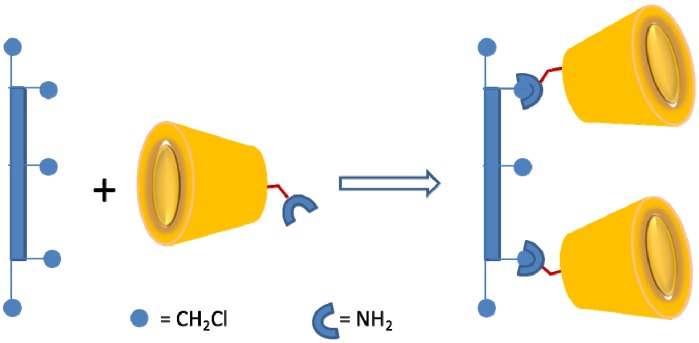
“The molecular recognition of surface grafted CDs depends on the physicochemical properties of the solid supports since they dictate self-assembly of the CD molecules [104].”
BackgroundParker, K. M., & Stalcup, A. M. (2008) · Journal of Chromatography A · doi:10.1016/j.chroma.2008.02.050 · Cited by 28 · cited 1×
“Complexes with greater stability were reported for CDs with C8 perfluorocarbon (PFC) guests (102 M−1 to 104 M−1) [32,33], as compared with their hydrocarbon analogues (≈ 102 M−1) [84].”
BackgroundPreparation and sorption studies of polyester microsphere copolymers containing β-Cyclodextrin
Wilson, L. D., & Guo, R. X. (2012) · Journal of Colloid and Interface Science · doi:10.1016/j.jcis.2012.07.092 · Cited by 27 · cited 1×
“Previous reports [70–76] indicate that the formation of cross-linked polymers containing a macrocyclic host that enables tuning of the surface chemistry and morphology (micron to nanometer scale range) of such porous materials.”
ResultSelf-citationEfficient Separation of Hydrophobic Molecules by Molecularly Imprinted Cyclodextrin Polymers
Asanuma, H., Hishiya, T., & Komiyama, M. (2004) · Journal of inclusion phenomena and molecular recognition in chemistry · doi:10.1007/s10847-003-8838-4 · Cited by 26 · cited 1×
“[102,103] described a balance of hydrophobic and electrostatic interactions are important for ligand recognition in CD-based MIPs, in addition to the importance of enthalpy-entropy compensation phenomena.”
BackgroundAsakawa, T., Amada, K., & Miyagishi, S. (1997) · Langmuir · doi:10.1021/la970131m · Cited by 22
Adsorption and Recovery of Ionic Surfactants by β-Cyclodextrin Polymer
Murai, S., Imajo, S., Inumaru, H., Takahashi, K., & Hattori, K. (1997) · Journal of Colloid and Interface Science · doi:10.1006/jcis.1997.4873 · Cited by 22 · cited 1×
“SPE methods using CD-based polymers have been reported for the efficient removal of organic dyes [63–66] and other organic pollutants [67–69].”
MethodMohammadi‐Rovshandeh, J., Farnia, S. M. F., & Sarbolouki, M. N. (1998) · Journal of Applied Polymer Science · doi:10.1002/(sici)1097-4628(19980620)68:12<1973::aid-app11>3.0.co;2-t · Cited by 19 · cited 1×
“SPE methods using CD-based polymers have been reported for the efficient removal of organic dyes [63–66] and other organic pollutants [67–69].”
MethodXu, Z. F., Wen, G., Kuang, D. Z., Zhang, F. X., & Tang, S. P. (2013) · Journal of Environmental Science and Health Part B · doi:10.1080/03601234.2013.742372 · Cited by 19 · cited 3×
“CD-MIPs possess some unique advantages for separation of chemical mixtures, and they have been studied for the molecular discrimination of pesticides, steroids, peptides, antibiotics, amino acids, and other organic compounds [99–103,110–112].”
BackgroundTunable Polymeric Sorbent Materials for Fractionation of Model Naphthenates
Mohamed, M. H., Wilson, L. D., & Headley, J. V. (2013) · The Journal of Physical Chemistry B · doi:10.1021/jp310593p · Cited by 19 · cited 1×
“[120].”
Self-citationPiletsky, S. A., Andersson, H. S., & Nicholls, I. A. (2005) · Polymer Journal · doi:10.1295/polymj.37.793 · Cited by 17 · cited 3×
“Molecular imprinting technology is a well-established method for the preparation of polymers that possess specific molecular recognition properties [95–103].”
BackgroundMethodKaroyo, A. H., Sidhu, P. S., Wilson, L. D., & Hazendonk, P. (2014) · The Journal of Physical Chemistry C · doi:10.1021/jp502325e · Cited by 17 · cited 1×
“Reproduced with permission from [94], Copyright 2014, American Chemical Society.”
MethodSelf-citationNovel materials for environmental remediation of oil sands contaminants
Wilson, L. D., Mohamed, M. H., & Headley, J. V. (2014) · Reviews on Environmental Health · doi:10.1515/reveh-2014-0005 · Cited by 16
Self-citationMatyska, M. T., & Pesek, J. J. (2000) · CRC Press eBooks · doi:10.1201/9781420056242.ch2 · Cited by 5 · cited 1×
“This can be achieved by controlling the functionality of the monomer units, monomer composition, and type of the cross-linker, respectively, as depicted in Figure 1, and in agreement with studies of solid phase extraction (SPE) materials [88].”
BackgroundStructural studies of supramolecular host-guest systems
Karoyo, A. H. (2015) · University Library - University of Saskatchewan (University of Saskatchewan) · Cited by 3
Self-citation
Research works printed but not linked: 3
- Case, 2001, Rats and rabit oral developmental taxicological studies with two perfluorinated compounds, Int. J. Toxicol., 20, 101, 10.1177/109158180102000207 · doi:10.1177/109158180102000207 · Paper page
- Chen, 2006, Microwave regeneration of activated carbon containing toluene, Environ. Pollut. Control Technol. Equip., 7, 77
- Pesek, J.J., and Matyska, M.T. (2000). Solid-Phase Extraction: Principles, Techniques, and Applications, Taylor & Francis Group LLC.
Cited by
Supramolecular Luminescent Sensors
Mako, T. L., Racicot, J. M., & Levine, M. (2019) · Chemical Reviews · doi:10.1021/acs.chemrev.8b00260 · Cited by 735
Cyclodextrins, from molecules to applications
Crini, G., Fourmentin, S., Fenyvesi, É., Torri, G., Fourmentin, M., & Morin-Crini, N. (2018) · Environmental Chemistry Letters · doi:10.1007/s10311-018-0763-2 · Cited by 372
Morin-Crini, N., Winterton, P., Fourmentin, S., Wilson, L. D., Fenyvesi, É., & Crini, G. (2018) · Progress in Polymer Science · doi:10.1016/j.progpolymsci.2017.07.004 · Cited by 250
Self-citationVu, C. T., & Wu, T. (2022) · Critical Reviews in Environmental Science and Technology · doi:10.1080/10643389.2020.1816125 · Cited by 232
Molecular Imprinting: Materials Nanoarchitectonics with Molecular Information
Komiyama, M., Mori, T., & Ariga, K. (2018) · Bulletin of the Chemical Society of Japan · doi:10.1246/bcsj.20180084 · Cited by 229
Metadata
- Authors
- Karoyo, A., & Wilson, L.
- Affiliations
- University of Saskatchewan (CA)
- Corresponding author
- Wilson, Lee
- Venue
- Nanomaterials
- Publisher
- MDPI AG
- Published
- 2015-06-04
- Volume
- 5
- Issue
- 2
- Pages
- 981-1003
- ISSN
- 2079-4991 (ISSN-L)
- PMC
- PMC5312915
- OpenAlex
- W1520975041
- Cited by
- 68
- References
- 123
- Citations by year
- 2026: 3 · 2025: 7 · 2024: 3 · 2023: 3 · 2022: 4 · 2021: 12 · 2020: 4 · 2019: 9 · 2018: 12 · 2017: 7 · 2016: 4
- FWCI
- 0.94
- Type
- journal article
- Language
- en
- Open access
- gold
- dx.doi.org
- Licence
- Locations
- Nanomaterials (publishedVersion, cc-by)
- Europe PMC (PubMed Central) (publishedVersion, cc-by)
- PubMed Central (publishedVersion, cc-by)
- PubMed (publishedVersion)
- DOAJ (DOAJ: Directory of Open Access Journals) (submittedVersion, cc-by-sa)
- Funders
- University of Saskatchewan
- Global Institute for Water Security, University of Saskatchewan
- Topics
- Physical Sciences › Chemistry › Analytical Chemistry › Analytical chemistry methods development
- Physical Sciences › Environmental Science › Environmental Chemistry › Per- and polyfluoroalkyl substances research
- Physical Sciences › Environmental Science › Water Science and Technology › Adsorption and biosorption for pollutant removal
- Keywords
- perfluorinated compounds, cyclodextrins, molecularly imprinted polymers, adsorbents, selective sorption, non-imprinted polymer, chitosan, epichlorohydrin, nanostructured polymers, pollutant removal, pore-forming agent
About these checks
Registry, retraction, Cites and statistics results are computed, not judged, with one exception: a printed reference that no index lists is read once by a model before it counts as a citation error. Claims are extracted by a model and kept only when their quote appears verbatim in the text; each cited source is then checked, with a model’s help, for whether it says what the claim relies on. Those verdicts can be wrong — read the claim’s quote and the cited source before relying on one.
Statistics and arithmetic are recomputed, not judged.
Confidence bands are shown only for fields calibrated on our annotated test set. None is calibrated yet, so no band is shown.
What counts as a claim ›How we measure confidence ›How we check this ›
Are you an author, or do you see a problem with this page? Request a review
Data sources
Bibliographic data: Semantic Scholar, OpenAlex, Crossref.
Contains information from the Semantic Scholar Academic Graph Datasets, made available under the ODC Attribution License (ODC-BY 1.0).
Semantic Scholar’s data is described in: Kinney, R., et al. (2023). The Semantic Scholar Open Data Platform. arXiv:2301.10140.
