

The DOI matches its Crossref record; 54 of the 54 references it cites were found in a registry or an index.
Effects of Gamma Radiation on the Sterility Assurance, Antibacterial Ability, and Biocompatibility of Impregnated Hydrogel Macrosphere Protein and Drug Release
Open accessAbstract
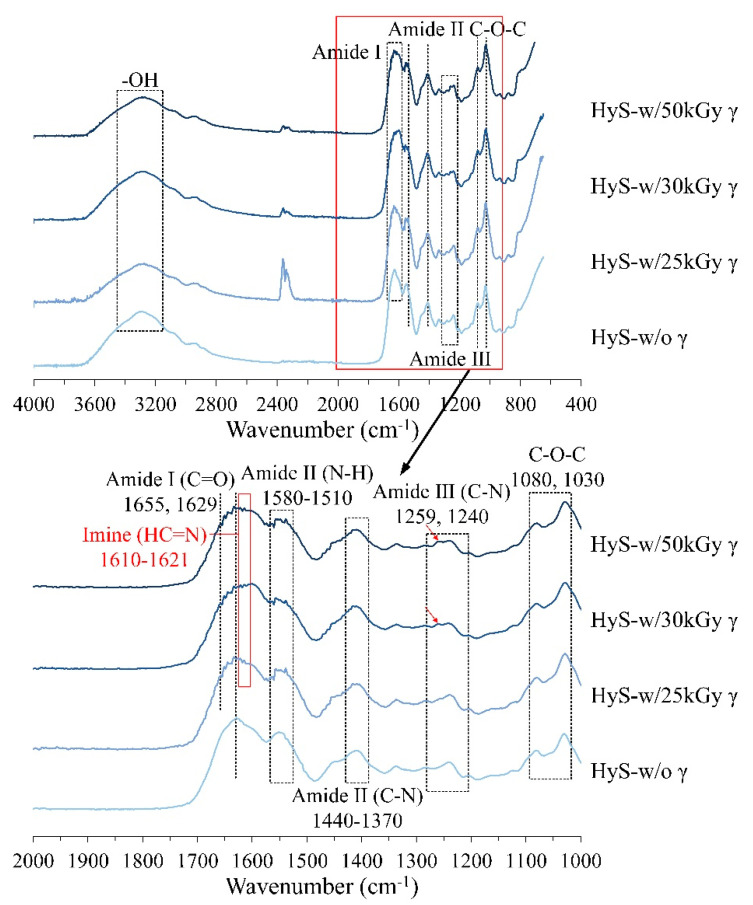
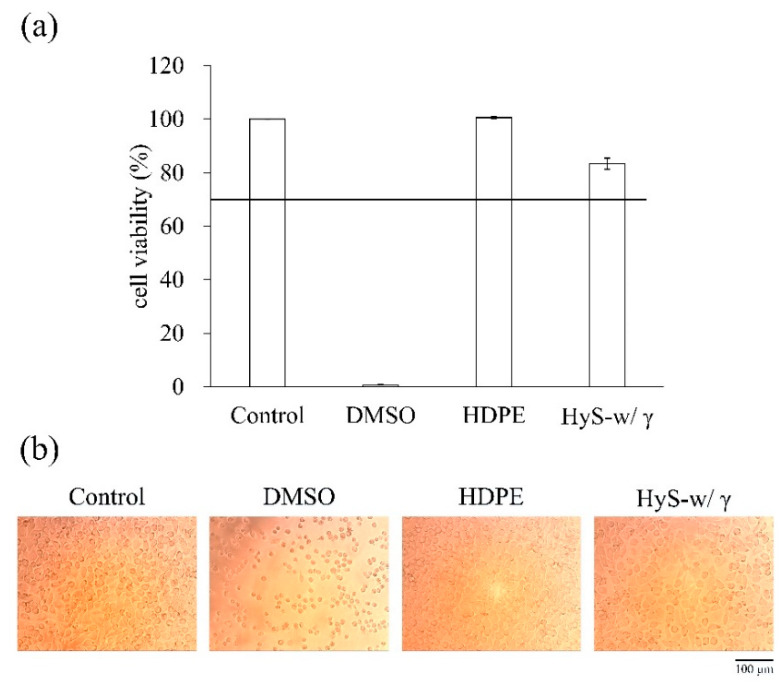
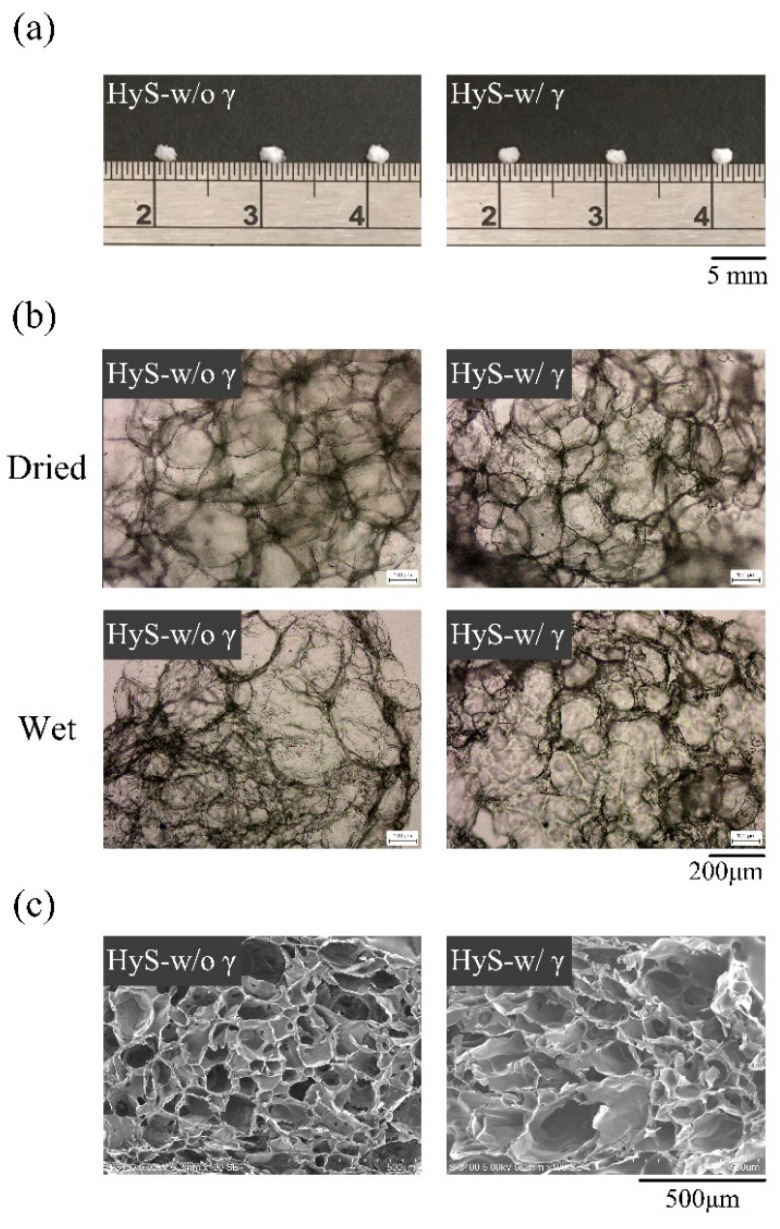
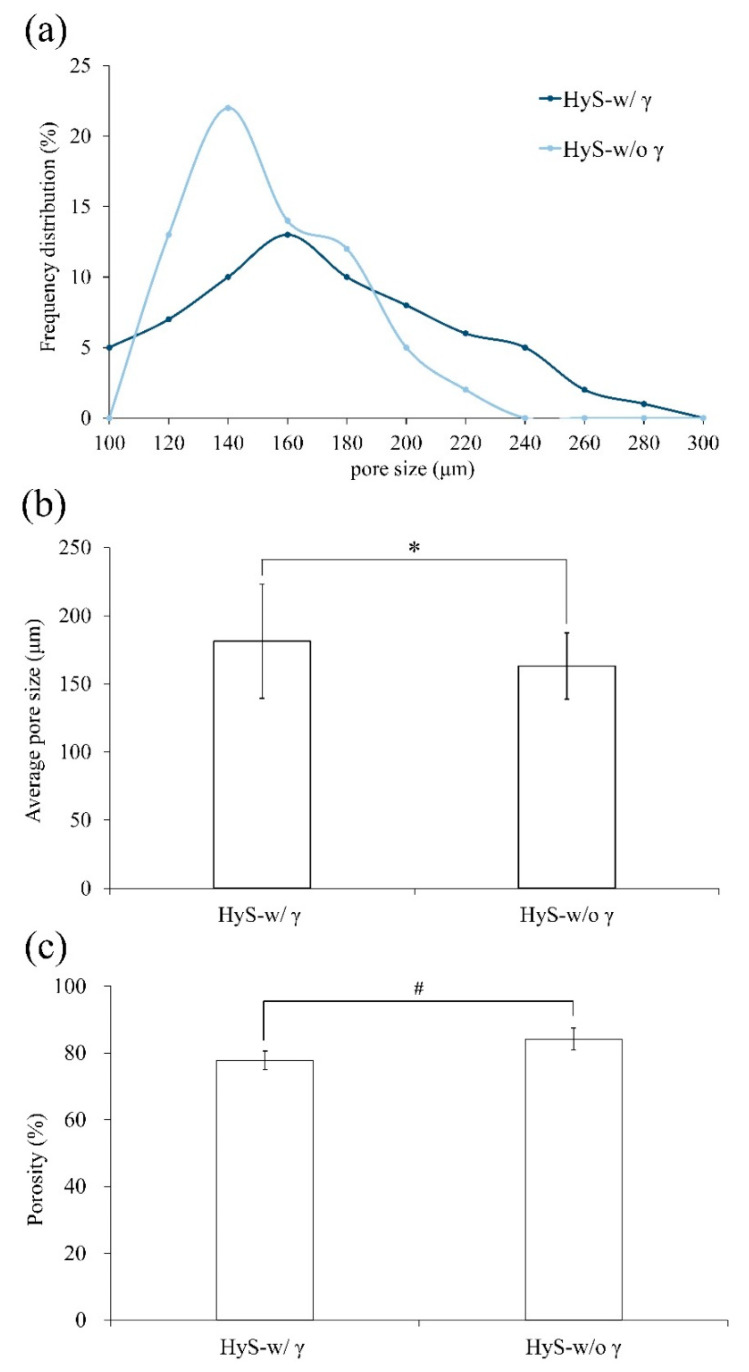
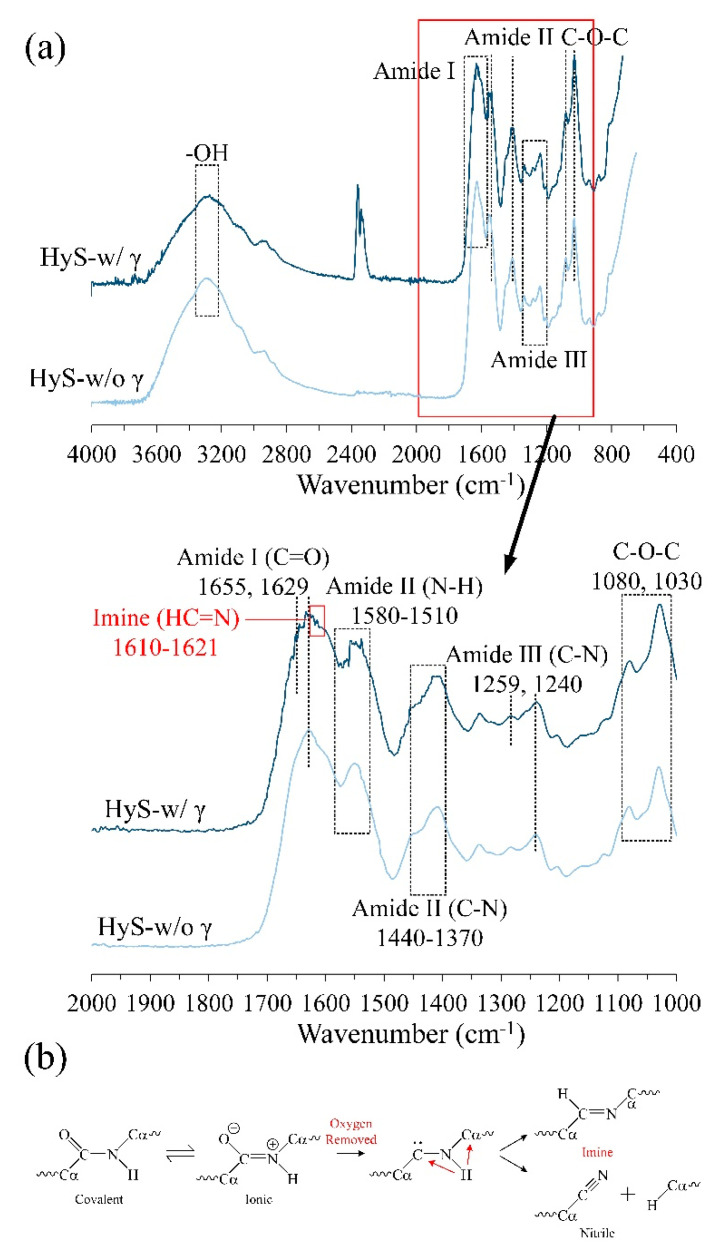
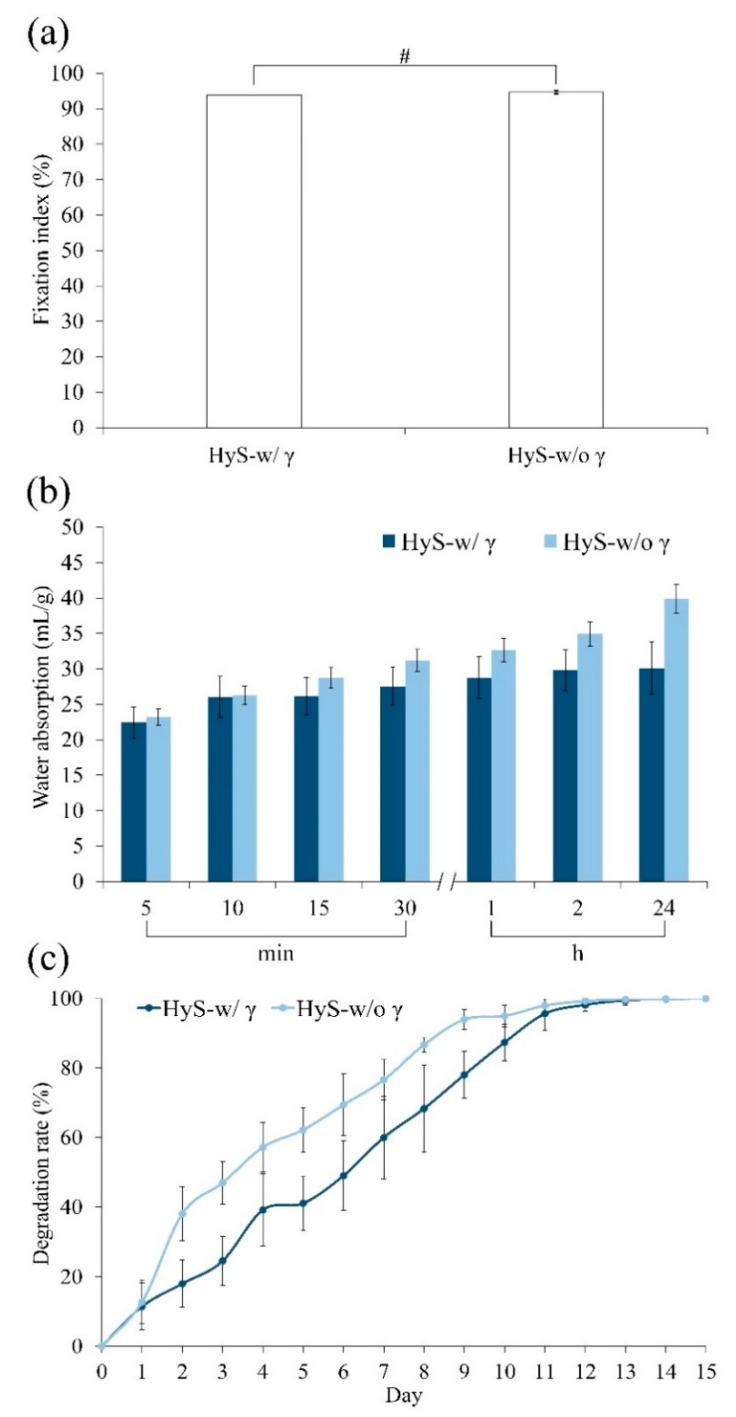
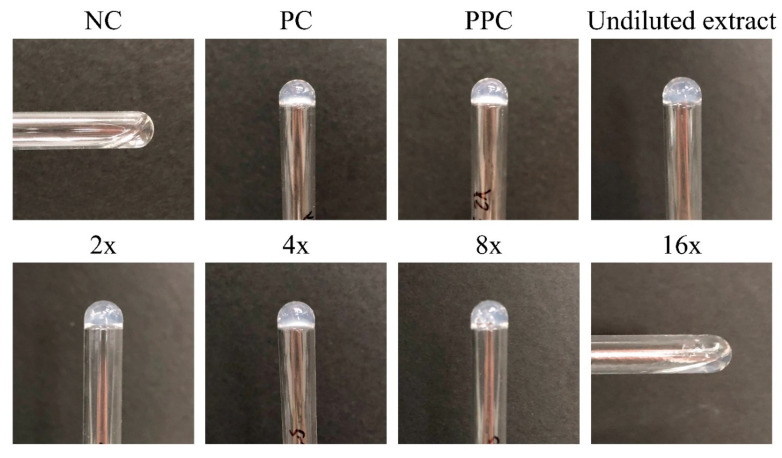
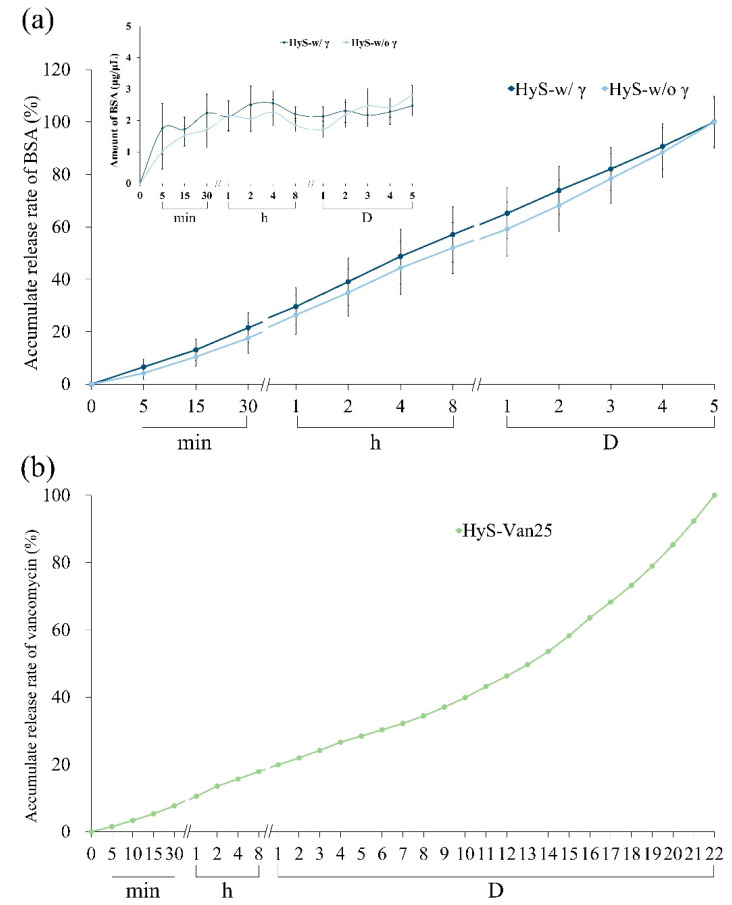
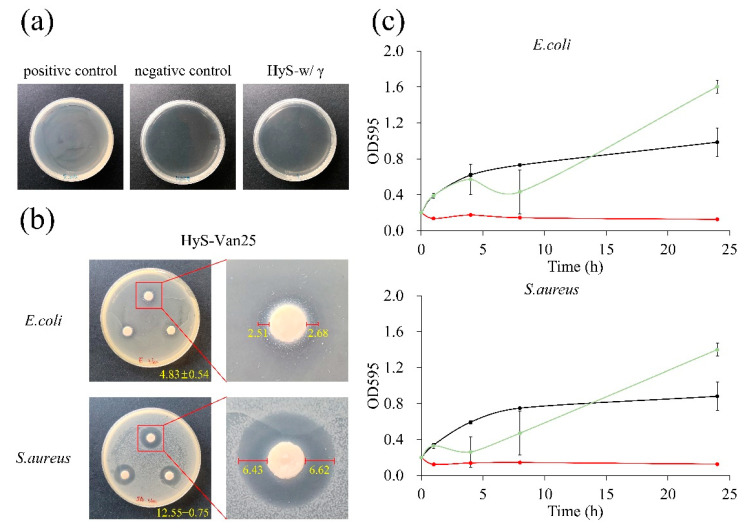
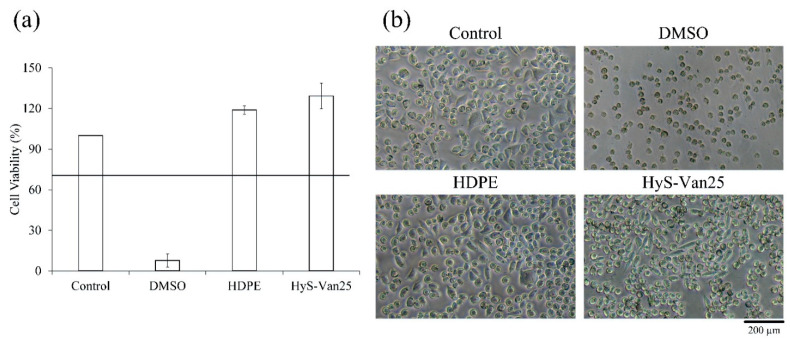
Devices and medicines used in the medical field must be sterile. Gamma (γ)-irradiation is commonly used for sterilization because its high rate of penetration ensures uniform sterilization. To confirm that hydrogel macrosphere carriers inherit excellent liquid absorption with no cytotoxicity after γ-irradiation sterilization, investigating whether the physiochemical properties of hydrogel macrospheres differ before and after sterilization is essential. The present study evaluated the influence of the recommended 25-kGy γ-irradiation dose on the physicochemical characteristics and in vitro release of bovine serum albumin and vancomycin (an antibiotic medication) from alginate/gelatin with a w/w ratio of 1/4 crosslinking gel macrospheres. Gel macrosphere properties before and after sterilization were compared according to optical and scanning electron microscopy, infrared spectroscopy analysis, the amino residual crosslinking index, water absorption, degradation, sterility assurance, in vitro drug release, antibacterial ability, and cytotoxicity. The crosslinking index was almost unchanged; however, the γ-irradiation caused in situ hydrogel debonding and recrosslinking, which led to a decrease in the water absorption and increase in the degradation rate of the macrospheres after immersion. The release of gel macrospheres carrying vancomycin did not significantly affect antibacterial ability or biocompatibility after γ-irradiation. Accordingly, we conclude that γ-irradiation is suitable for macrospherical formulation.
Overview
The claims and statistics of this paper haven’t been checked yet.
Run the check — free, no account needed. It reads the open-access text and checks the sources it cites.
Integrity signals
Registry
Cites
Statistics
Figures
Verification
Claims the paper makes
The claims and statistics of this paper haven’t been checked yet.
Run the check — free, no account needed. It reads the open-access text and checks the sources it cites.
Claims other papers make about this one
Each is checked against this paper’s own text: does it say what the citing paper says it does?
The check wasn’t confident either way, so it gives no verdict — never disputed.
In the citing paper
“Theoretically, the carbonyl groups that are randomly spread across edges and the basal planes of the graphene can also react with primary amine groups and form imines47.”
From Bioengineered liver crosslinked with nano-graphene oxide enables efficient liver regeneration via MMP suppression and immunomodulation (2023) · cites this paper as [47]
Experimental — accuracy not yet measured
Self-check
Percentages, sums and reported differences re-computed from the paper’s own numbers.
The self-check needs the paper’s full text.
Citations
Cites
Hydrogel nanoparticles in drug delivery
Hamidi, M., Azadi, A., & Rafiei, P. (2008) · Advanced Drug Delivery Reviews · doi:10.1016/j.addr.2008.08.002 · Cited by 2,067
Novel crosslinking methods to design hydrogels
Hennink, W. E., & van Nostrum, C. F. (2002) · Advanced Drug Delivery Reviews · doi:10.1016/s0169-409x(01)00240-x · Cited by 2,009
Poly(lactide) Stereocomplexes: Formation, Structure, Properties, Degradation, and Applications
Tsuji, H. (2005) · Macromolecular Bioscience · doi:10.1002/mabi.200500062 · Cited by 1,366
Hassan, C. M., & Peppas, N. A. (2007) · Advances in Polymer Science · doi:10.1007/3-540-46414-x_2 · Cited by 1,356
Novel crosslinking methods to design hydrogels
Hennink, W. E., & van Nostrum, C. F. (2012) · Advanced Drug Delivery Reviews · doi:10.1016/j.addr.2012.09.009 · Cited by 1,171
Poly(lactide) Stereocomplexes: Formation, Structure, Properties, Degradation, and Applications
Tsuji, H. (2007) · Macromolecular Bioscience · doi:10.1002/mabi.200700275 · Cited by 1,021
Advances in crosslinking strategies of biomedical hydrogels
Hu, W., Wang, Z., Xiao, Y., Zhang, S., & Wang, J. (2019) · Biomaterials Science · doi:10.1039/c8bm01246f · Cited by 896
Self-citationMicroengineered hydrogels for tissue engineering
Khademhosseini, A., & Langer, R. (2007) · Biomaterials · doi:10.1016/j.biomaterials.2007.07.021 · Cited by 830
Laftah, W. A., Hashim, S., & Ibrahim, A. N. (2011) · Polymer-Plastics Technology and Engineering · doi:10.1080/03602559.2011.593082 · Cited by 474
Chemical reactions of polymer crosslinking and post-crosslinking at room and medium temperature
Tillet, G., Boutevin, B., & Ameduri, B. (2011) · Progress in Polymer Science · doi:10.1016/j.progpolymsci.2010.08.003 · Cited by 472
Research works printed but not linked: 2
- Peppas, N.A. (2010). Biomedical Applications of Hydrogels Handbook, Springer Science & Business Media.
- Lowman, A., and Peppas, N. (1999). Encyclopedia of Controlled Drug Delivery, John Wiley & Sons.
Cited by
A review of conventional and emerging technologies for hydrogels sterilization
Bento, C. S. A., Gaspar, M. C., Coimbra, P., de Sousa, H. C., & Braga, M. E. M. (2023) · International Journal of Pharmaceutics · doi:10.1016/j.ijpharm.2023.122671 · Cited by 144
Alginate-Based Materials Loaded with Nanoparticles in Wound Healing
Froelich, A., Jakubowska, E., Wojtyłko, M., Jadach, B., Gackowski, M., Gadziński, P., Napierała, O., Ravliv, Y., & Osmałek, T. Z. (2023) · Pharmaceutics · doi:10.3390/pharmaceutics15041142 · Cited by 118
Ahmed, M. S., Islam, M., Hasan, M. K., & Nam, K. (2024) · Gels · doi:10.3390/gels10060381 · Cited by 107
Bioinspired Hydrogels as Platforms for Life-Science Applications: Challenges and Opportunities
Bercea, M. (2022) · Polymers · doi:10.3390/polym14122365 · Cited by 78
Passornraprasit, N., Siripongpreda, T., Ninlapruk, S., Rodthongkum, N., & Potiyaraj, P. (2022) · International Journal of Biological Macromolecules · doi:10.1016/j.ijbiomac.2022.06.053 · Cited by 64
Kim, D.-H., Kim, M.-J., Kwak, S.-Y., Jeong, J., Choi, D., Choi, S. W., Ryu, J., & Kang, K.-S. (2023) · Nature Communications · doi:10.1038/s41467-023-35941-2 · Cited by 53
Zhou, Y., Ma, Y., Samad, A., Wang, Z., Gu, Z., Shi, J., Cui, Y., He, Y., & Gu, Z. (2025) · Biomaterials Science · doi:10.1039/d5bm01305d · Cited by 30
Nanocellulose hydrogels from agricultural wastes: methods, properties, and application prospects
Altynov, Y. A., Bexeitova, K., Nazhipkyzy, M., Азат, С., Konarov, A., Rakhman, D., Şahiner, N., & Kudaibergenov, K. (2025) · Nanoscale · doi:10.1039/d5nr00997a · Cited by 26
Liu, S.-M., Chen, W., Ko, C., Chang, H.-T., Chen, Y.-S., Haung, S.-M., Chang, K., & Chen, J. (2021) · Pharmaceuticals · doi:10.3390/ph14101000 · Cited by 23
Self-citationChen, J., Chen, C.-H., Chang, K., Liu, S.-M., Ko, C., Shih, C., Sun, Y.-S., & Chen, W. (2021) · Polymers · doi:10.3390/polym13132081 · Cited by 14
Self-citationEvaluation of sterilisation techniques for 3D-printed implantable devices
Stewart, S. A., Domínguez‐Robles, J., Donnelly, R. F., & Larrañeta, E. (2023) · RPS Pharmacy and Pharmacology Reports · doi:10.1093/rpsppr/rqad003 · Cited by 11
One-Step Construction of Tryptophan-Derived Small Molecule Hydrogels for Antibacterial Materials
Song, X., He, S., Zheng, J., Yang, S., Li, Q., & Zhang, Y. (2023) · Molecules · doi:10.3390/molecules28083334 · Cited by 9
Zhao, P., Ma, S., Guo, L., Jia, Y., Zhang, R., Chen, M., Wang, Z., Liu, D., Zhao, Y., Wang, X., et al. (2024) · Journal of Hazardous Materials · doi:10.1016/j.jhazmat.2024.134365 · Cited by 9
Chang, K., Chang, P.-J., Chen, J., Huang, S.-M., Liu, S.-M., Shih, C., & Chen, W. (2023) · Polymers · doi:10.3390/polym15061504 · Cited by 8
Self-citationEl-Lakany, S. A., Abol-Fotouh, D., Aly, R. G. M., Abd-Elhamid, A. I., & Al‐Hagar, O. E. A. (2025) · Journal of Drug Delivery Science and Technology · doi:10.1016/j.jddst.2025.107427 · Cited by 7
Thermoluminescence radiation dosimetry in Sonoran zeolite exposed to beta particle irradiation
Burruel-Ibarra, S. E., Salas-Juárez, C. J., Gil-Tolano, M. I., Ramos-Velazquez, J. P., Soria-Hernandez, J. I., García‐Haro, A. R., Alvarado-Ibarra, J., Brown, F., Moreno-Corral, R. A., & Meléndrez, R. (2022) · Radiation Physics and Chemistry · doi:10.1016/j.radphyschem.2022.110631 · Cited by 7
Fu, P., Wang, J., Lai, P., Liu, S.-M., Chen, Y.-S., Chen, W., & Hung, C. (2022) · Polymers · doi:10.3390/polym14030505 · Cited by 7
Self-citationSchwingenschlögl-Maisetschläger, V., Vila, X. M., Duman, I., Okuducu, C., Kuess, P., Hacker, M., Kraule, C., Teuschl, A., & Pichler, V. (2025) · International Journal of Biological Macromolecules · doi:10.1016/j.ijbiomac.2025.144212 · Cited by 4
Current and emerging antibacterial strategies for periprosthetic joint infection: An overview
Fosca, M., Mănescu, V., Antoniac, I., & Rau, J. V. (2026) · Bioactive Materials · doi:10.1016/j.bioactmat.2026.03.047 · Cited by 3
Fikri, E., Dwidjartini, T. R., Puspitasari, E., Chalimah, E., Evalisa, M., & Firmansyah, Y. W. (2023) · International Journal of Safety and Security Engineering · doi:10.18280/ijsse.130608 · Cited by 3
Chen, Y., Sun, X., Peng, Y., Eichenbaum, J., Ren, L., & Liu, Y. (2022) · ACS Omega · doi:10.1021/acsomega.2c01875 · Cited by 3
Self-citationGabrie, J. K., Lee, C., Wu, L., Kütahya, C., Song, W., & Birchall, M. (2025) · Soft Robotics · doi:10.1177/21695172251404160 · Cited by 2
Kumar, S., & Mothilal, M. (2024) · Pharmaceutical Nanotechnology · doi:10.2174/0122117385332757241104104727 · Cited by 1
Mollah, M. Z. I., Faruque, M. R. I., Khandaker, M. U., Almugren, K. S., & Boukhris, I. (2023) · SSRN Electronic Journal · doi:10.2139/ssrn.4499228
Biopolymer-based hydrogel electrostatic reinforcement for bone regeneration
Khan, A., Walid, B. M., Chowdhury, M. L., Haque, M. A., Chowdhury, M. I. S., & Hoque, M. E. (2026) · Elsevier eBooks · doi:10.1016/b978-0-443-33391-0.00019-4
Metadata
- Authors
- Fu, P.-S., Wang, J.-C., Lai, P.-L., Liu, S.-M., Chen, Y.-S., Chen, W.-C., & Hung, C.-C.
- Affiliations
- Kaohsiung Medical University (TW)
- Kaohsiung Medical University Chung-Ho Memorial Hospital (TW)
- Feng Chia University (TW)
- Corresponding author
- Chen, Wen-Cheng
- Hung, Chun-Cheng
- Venue
- Polymers
- Publisher
- MDPI AG
- Published
- 2021-03-18
- Volume
- 13
- Issue
- 6
- Pages
- 938
- ISSN
- 2073-4360 (ISSN-L)
- PMC
- PMC8003089
- OpenAlex
- W3136826041
- Cited by
- 25
- References
- 54
- Citations by year
- 2026: 2 · 2025: 5 · 2024: 3 · 2023: 8 · 2022: 5 · 2021: 2
- FWCI
- 1.43
- Type
- journal article
- Language
- en
- Open access
- gold
- doi.org
- Licence
- Locations
- Polymers (publishedVersion, cc-by)
- PubMed Central (publishedVersion, cc-by)
- PubMed (publishedVersion)
- DOAJ (DOAJ: Directory of Open Access Journals) (submittedVersion, cc-by-sa)
- Funders
- the Southern Taiwan Science Park Bureau, Ministry of Science and Technology, Taiwan (107CB02)
- Kaohsiung Municipal Ta-Tung Hospital plan (kmtth-109-040)
- Ministry of Science and Technology, Taiwan (108-2745-8-035-003 -)
- Topics
- Physical Sciences › Materials Science › Biomaterials › Hydrogels: synthesis, properties, applications
- Life Sciences › Pharmacology, Toxicology and Pharmaceutics › Pharmaceutical Science › Advanced Drug Delivery Systems
- Physical Sciences › Materials Science › Biomaterials › Collagen: Extraction and Characterization
- Keywords
- gamma irradiation sterilization, bovine serum albumin, vancomycin, in vitro drug release, antibacterial activity, biocompatibility, water absorption, hydrogel degradation, cytotoxicity, protein drug delivery
About these checks
Registry, retraction, Cites and statistics results are computed, not judged, with one exception: a printed reference that no index lists is read once by a model before it counts as a citation error. Claims are extracted by a model and kept only when their quote appears verbatim in the text; each cited source is then checked, with a model’s help, for whether it says what the claim relies on. Those verdicts can be wrong — read the claim’s quote and the cited source before relying on one.
Statistics and arithmetic are recomputed, not judged.
Confidence bands are shown only for fields calibrated on our annotated test set. None is calibrated yet, so no band is shown.
What counts as a claim ›How we measure confidence ›How we check this ›
Are you an author, or do you see a problem with this page? Request a review
Data sources
Bibliographic data: Semantic Scholar, OpenAlex, Crossref.
Contains information from the Semantic Scholar Academic Graph Datasets, made available under the ODC Attribution License (ODC-BY 1.0).
Semantic Scholar’s data is described in: Kinney, R., et al. (2023). The Semantic Scholar Open Data Platform. arXiv:2301.10140.
