

A Feature Extraction Method Based on Differential Entropy and Linear Discriminant Analysis for Emotion Recognition
Open accessThe DOI matches its Crossref record; 46 of the 46 references it cites were found in a registry or an index.
Abstract
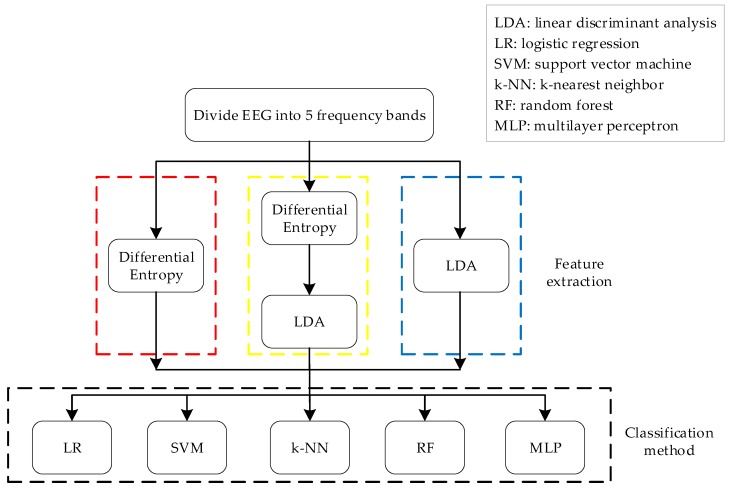
Feature extraction of electroencephalography (EEG) signals plays a significant role in the wearable computing field. Due to the practical applications of EEG emotion calculation, researchers often use edge calculation to reduce data transmission times, however, as EEG involves a large amount of data, determining how to effectively extract features and reduce the amount of calculation is still the focus of abundant research. Researchers have proposed many EEG feature extraction methods. However, these methods have problems such as high time complexity and insufficient precision. The main purpose of this paper is to introduce an innovative method for obtaining reliable distinguishing features from EEG signals. This feature extraction method combines differential entropy with Linear Discriminant Analysis (LDA) that can be applied in feature extraction of emotional EEG signals. We use a three-category sentiment EEG dataset to conduct experiments. The experimental results show that the proposed feature extraction method can significantly improve the performance of the EEG classification: Compared with the result of the original dataset, the average accuracy increases by 68%, which is 7% higher than the result obtained when only using differential entropy in feature extraction. The total execution time shows that the proposed method has a lower time complexity.
Overview
The claims and statistics of this paper haven’t been checked yet.
Free: it reads the open-access text and checks the first 5 claims that cite a source we can check. Create a free account to check every claim.
Integrity signals
Registry
Cites
Statistics
Figures
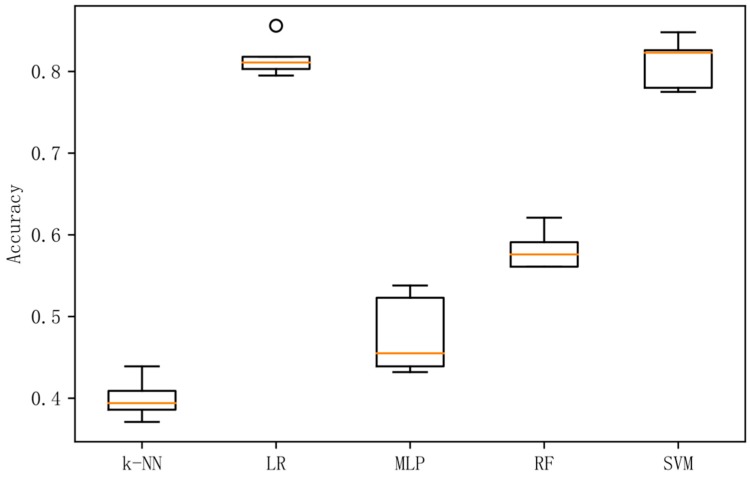
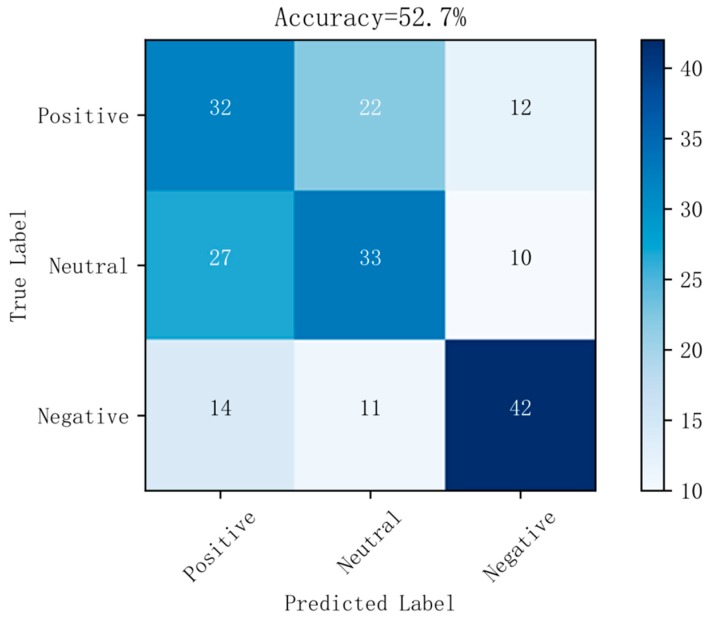
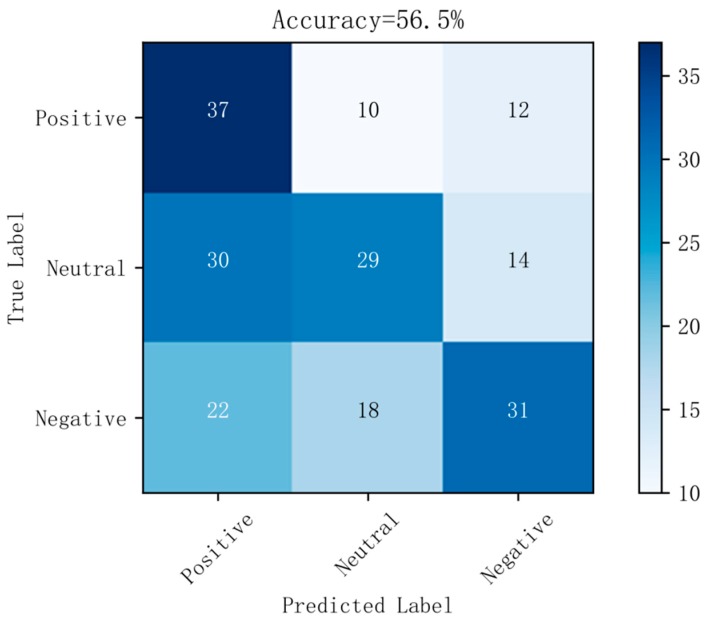
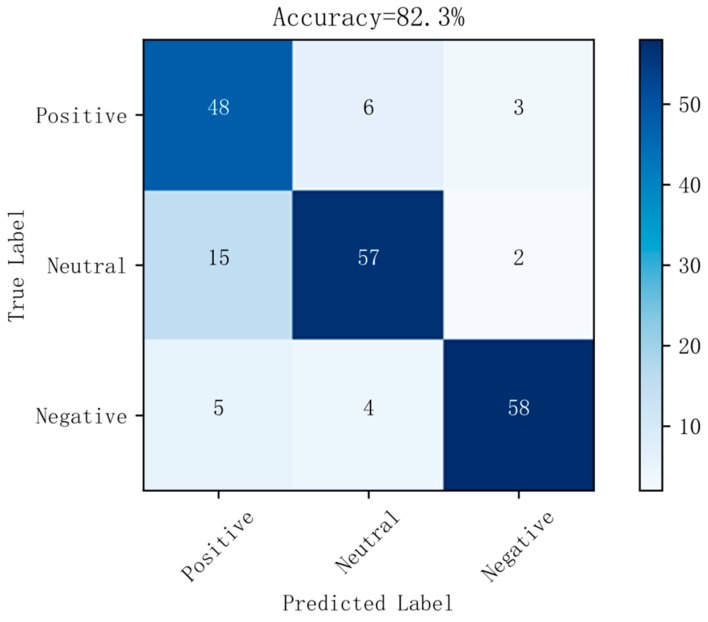
Verification
Claims the paper makes
The claims and statistics of this paper haven’t been checked yet.
Free: it reads the open-access text and checks the first 5 claims that cite a source we can check. Create a free account to check every claim.
Claims other papers make about this one
Each is checked against this paper’s own text: does it say what the citing paper says it does?
The cited source says what the claim attributes to it.
In the citing paper
“Although researchers have proposed a variety of EEG feature extraction and fusion methods, these methods have problems such as high time complexity and insuf cient precision [8].”
From Multimodal Emotion Recognition Using a Hierarchical Fusion Convolutional Neural Network (2021) · cites this paper as [8]
Self-check
Percentages, sums and reported differences re-computed from the paper’s own numbers.
The self-check needs the paper’s full text.
Citations
Cites
Brain–computer interfaces for communication and control
Wolpaw, J. R., Birbaumer, N., McFarland, D. J., Pfurtscheller, G., & Vaughan, T. M. (2002) · Clinical Neurophysiology · doi:10.1016/s1388-2457(02)00057-3 · Cited by 7,927
Deep learning with convolutional neural networks for EEG decoding and visualization
Schirrmeister, R. T., Springenberg, J. T., Fiederer, L. D. J., Glasstetter, M., Eggensperger, K., Tangermann, M., Hutter, F., Burgard, W., & Ball, T. (2017) · Human Brain Mapping · doi:10.1002/hbm.23730 · Cited by 3,751
Emotion recognition in human-computer interaction
Cowie, R., Douglas-Cowie, E., Tsapatsoulis, N., Votsis, G., Kollias, S., Fellenz, W., & Taylor, J. G. (2001) · IEEE Signal Processing Magazine · doi:10.1109/79.911197 · Cited by 2,603 · cited 1×
“Emotional recognition generally refers to the acquisition of an individual’s physiological or non-physiological signals to automatically identify the individual’s emotional state [10,11].”
BackgroundZheng, W.-L., & Lu, B.-L. (2015) · IEEE Transactions on Autonomous Mental Development · doi:10.1109/tamd.2015.2431497 · Cited by 2,595 · cited 1×
“In the past two years, many researchers have used differential entropy as a feature extraction method to achieve good results on different datasets [19,20].”
MethodBrain-computer interface technology: a review of the first international meeting
Wolpaw, J. R., Birbaumer, N., Heetderks, W. J., McFarland, D. J., Peckham, P. H., Schalk, G., Donchin, E., Quatrano, L. A., Robinson, C. J., & Vaughan, T. M. (2000) · IEEE Transactions on Rehabilitation Engineering · doi:10.1109/tre.2000.847807 · Cited by 2,324
EEG signal classification using PCA, ICA, LDA and support vector machines
Subasi, A., & Ismail Gursoy, M. (2010) · Expert Systems with Applications · doi:10.1016/j.eswa.2010.06.065 · Cited by 1,209 · cited 1×
“Subasi proposed a data reduction method based on linear discriminant analysis (LDA), which proved that the LDA method can effectively improve the classification of epileptic datasets [22].”
MethodDifferential entropy feature for EEG-based emotion classification
Duan, R.-N., Zhu, J.-Y., & Lu, B.-L. (2013) · 2013 6th International IEEE/EMBS Conference on Neural Engineering (NER) · doi:10.1109/ner.2013.6695876 · Cited by 1,100 · cited 3×
“In 2013, Duan proposed a feature extraction method based on differential entropy, which achieved good results on emotion-based datasets [18].”
BackgroundMethodInfluentialDeep learning for healthcare applications based on physiological signals: A review
Faust, O., Hagiwara, Y., Hong, T. J., Lih, O. S., & Acharya, U. R. (2018) · Computer Methods and Programs in Biomedicine · doi:10.1016/j.cmpb.2018.04.005 · Cited by 1,026
Brain–computer interfaces for communication and rehabilitation
Chaudhary, U., Birbaumer, N., & Ramos-Murguialday, A. (2016) · Nature Reviews Neurology · doi:10.1038/nrneurol.2016.113 · Cited by 928
Analysis of emotion recognition using facial expressions, speech and multimodal information
Busso, C., Deng, Z., Yildirim, S., Bulut, M., Lee, C. M., Kazemzadeh, A., Lee, S., Neumann, U., & Narayanan, S. (2004) · Proceedings of the 6th international conference on Multimodal interfaces · doi:10.1145/1027933.1027968 · Cited by 840 · cited 1×
“Emotional recognition generally refers to the acquisition of an individual’s physiological or non-physiological signals to automatically identify the individual’s emotional state [10,11].”
Background
Cited by
Review of the emotional feature extraction and classification using EEG signals
Wang, J., & Wang, M. (2021) · Cognitive Robotics · doi:10.1016/j.cogr.2021.04.001 · Cited by 195
Obaido, G., Mienye, I. D., Egbelowo, O. F., Emmanuel, I. D., Ogunleye, A., Ogbuokiri, B., Mienye, P., & Aruleba, K. (2024) · Machine Learning with Applications · doi:10.1016/j.mlwa.2024.100576 · Cited by 154
A systematic review on EEG-based neuromarketing: recent trends and analyzing techniques
Khondakar, M. F. K., Sarowar, M. H., Chowdhury, M. H., Majumder, S., Hossain, M. A., Dewan, M. A. A., & Hossain, Q. D. (2024) · Brain Informatics · doi:10.1186/s40708-024-00229-8 · Cited by 125
“Apart from these features, some studies also used Hjorth parameters as features in Neuromarketing [10, 158].”
MethodCross-Subject EEG-Based Emotion Recognition Through Neural Networks With Stratified Normalization
Fdez, J., Guttenberg, N., Witkowski, O., & Pasquali, A. (2021) · Frontiers in Neuroscience · doi:10.3389/fnins.2021.626277 · Cited by 85
Physiological Sensors Based Emotion Recognition While Experiencing Tactile Enhanced Multimedia
Raheel, A., Majid, M., Alnowami, M. R., & Anwar, S. M. (2020) · Sensors · doi:10.3390/s20144037 · Cited by 98
“A feature extraction method was proposed to improve emotion recognition accuracy using EEG signals [73].”
MethodAdvances in EEG-based emotion recognition: Challenges, methodologies, and future directions
Chen, J., Cui, Y., Wei, C., Polat, K., & Alenezi, F. S. (2025) · Applied Soft Computing · doi:10.1016/j.asoc.2025.113478 · Cited by 101
Multimodal Emotion Recognition Using a Hierarchical Fusion Convolutional Neural Network
Zhang, Y., Cheng, C., & Zhang, Y. (2021) · IEEE Access · doi:10.1109/access.2021.3049516 · Cited by 84
“[8] proposed a multichannel EEG feature extraction method that combines differential entropy and linear discriminant analysis, and the method achieved an accuracy rate of 82.”
BackgroundMethodCho, J., & Hwang, H. (2020) · Sensors · doi:10.3390/s20123491 · Cited by 69
WeDea: A New EEG-Based Framework for Emotion Recognition
Kim, S.-H., Yang, H.-J., Nguyen, N. A. T., Prabhakar, S. K., & Lee, S.-W. (2021) · IEEE Journal of Biomedical and Health Informatics · doi:10.1109/jbhi.2021.3091187 · Cited by 55
Villalba-Díez, J., Zheng, X., Schmidt, D., & Molina, M. (2019) · Sensors · doi:10.3390/s19132841 · Cited by 59
“…mostly consist of extracting features from the signals in several domains [84–86] that are selected by experts or by dimensional reduction algorithms, such as principal and independent component analysis [87] or more recently with differential entropy and linear discriminant analysis filters [88].”
BackgroundRomero, D. J. D., den Eynde, S. V., Sterkens, W., Eckert, A., Zaplana, I., Goedemé, T., & Peeters, J. R. (2022) · Spectrochimica Acta Part B Atomic Spectroscopy · doi:10.1016/j.sab.2022.106519 · Cited by 57
Li, D., Liu, J., Yang, Y., Hou, F., Song, H., Song, Y., Gao, Q., & Mao, Z. (2022) · IEEE Transactions on Neural Systems and Rehabilitation Engineering · doi:10.1109/tnsre.2022.3225948 · Cited by 52
Arevalillo‐Herráez, M., Cobos, M., Roger, S., & García, M. (2019) · Sensors · doi:10.3390/s19132999 · Cited by 55
“This includes the use of appropriate signal processing methods to cancel undesired artifacts [21,22]; the extraction and selection of the most informative features and channels [23,24]; and the development of techniques that are able to detect patterns that can be linked to specific emotional states (e.”
MethodAlsenan, S. A., Al-Turaiki, I. M., & Hafez, A. M. (2020) · IEEE Access · doi:10.1109/access.2020.2990375 · Cited by 47
“applications, such as extracting EEG and EMG signals [41], emotion recognition [42], and face recognition [43].”
BackgroundAutomatic epileptic EEG classification based on differential entropy and attention model
Zhang, J., Wei, Z., Zou, J., & Fu, H. (2020) · Engineering Applications of Artificial Intelligence · doi:10.1016/j.engappai.2020.103975 · Cited by 44
Gilakjani, S. S., & Osman, H. A. (2023) · IEEE Access · doi:10.1109/access.2023.3344476 · Cited by 42
Damage detection in power transmission towers using machine learning algorithms
Kouchaki, M., Salkhordeh, M., Mashayekhi, ., Mirtaheri, M., & Amanollah, H. (2023) · Structures · doi:10.1016/j.istruc.2023.104980 · Cited by 37
Liu, W., Jia, K., & Wang, Z. (2024) · Frontiers in Neuroscience · doi:10.3389/fnins.2024.1367212 · Cited by 41
Recognizing Emotional States With Wearables While Playing a Serious Game
Romero, D. J. D., Rincon, A. M. R., Cruz, A. M., Yee, N., & Stroulia, E. (2021) · IEEE Transactions on Instrumentation and Measurement · doi:10.1109/tim.2021.3059467 · Cited by 43
Uyanık, H., Özçelik, S. T. A., Duranay, Z. B., Şengür, A., & Acharya, U. R. (2022) · Diagnostics · doi:10.3390/diagnostics12102508 · Cited by 38
Imtiaz, M. N., & Khan, N. (2024) · Computers in Biology and Medicine · doi:10.1016/j.compbiomed.2024.109394 · Cited by 32
“Other popular techniques include K-Nearest Neighbor (KNN) [26, 27], Decision Tree (DT) [28], and Linear Discriminant Analysis (LDA) [29].”
Tawsif, K., Aziz, N. A. A., Raja, J. E., Hossen, M. J., & Jesmeen, M. Z. H. (2022) · Emerging Science Journal · doi:10.28991/esj-2022-06-05-017 · Cited by 37
“EEG feature extraction using differential entropy (DE) is discussed in Chen et al. (2019) [11].”
BackgroundMethodInfluentialEffectiveness of multi-task deep learning framework for EEG-based emotion and context recognition
Choo, S., Park, H., Kim, S., Park, D., Jung, J., Lee, S., & Nam, C. S. (2023) · Expert Systems with Applications · doi:10.1016/j.eswa.2023.120348 · Cited by 39
Zeng, L., Lin, M., Xiao, K., Wang, J., & Zhou, H. D. (2022) · Frontiers in Human Neuroscience · doi:10.3389/fnhum.2021.793952 · Cited by 31
Oversampling Approach Using Radius-SMOTE for Imbalance Electroencephalography Datasets
Wardoyo, R., Wirawan, I. M. A., & Pradipta, I. G. A. (2022) · Emerging Science Journal · doi:10.28991/esj-2022-06-02-013 · Cited by 37
“According to [42], the method is capable of characterizing spatial data from EEG signals with the highlights feature comprising foremost exact and steady features [28, 43–46].”
MethodMartínez-Tejada, L. A., Maruyama, Y., Yoshimura, N., & Koike, Y. (2020) · Machine Learning and Knowledge Extraction · doi:10.3390/make2020007 · Cited by 34
“DE can be defined as the entropy of continuous random variables and is used to measure its complexity [61].”
Liu, C., Zhang, N., Wang, Z., Pan, X. M., Ren, Y., & Gao, W. (2024) · Building and Environment · doi:10.1016/j.buildenv.2024.111694 · Cited by 35
Gao, Z., Cui, X., Wan, W., Zheng, W., & Gu, Z. (2021) · Biomedical Signal Processing and Control · doi:10.1016/j.bspc.2021.103291 · Cited by 31
Emotion Recognition from Physiological Channels Using Graph Neural Network
Wierciński, T., Rock, M., Zwierzycki, R., Zawadzka, T., & Zawadzki, M. (2022) · Sensors · doi:10.3390/s22082980 · Cited by 27
“This was particularly important, as research often utilizes DE features for recognizing emotions, but mainly in the Circumplex model [6,7] or for three emotional states (positive, neutral and negative) [7–11] and, to the best of our knowledge, none apply the Ekman model.”
MethodPatel, P., Balasubramanian, S., & Annavarapu, R. N. (2024) · Brain Informatics · doi:10.1186/s40708-024-00220-3 · Cited by 29
“Recognition accuracies from multiscale entropy matrices range between 73% and 94% [33–37].”
BackgroundExploring EEG Characteristics to Identify Emotional Reactions under Videogame Scenarios
Martínez-Tejada, L. A., González, A. P., Yoshimura, N., & Koike, Y. (2021) · Brain Sciences · doi:10.3390/brainsci11030378 · Cited by 27
“Differential entropy (DE) equivalent to the logarithm of the energy spectrum [39,40].”
BackgroundCognitive Vigilance Enhancement Using Audio Stimulation of Pure Tone at 250 Hz
Al-Shargie, F., Tariq, U., Babiloni, F., & Al-Nashash, H. A. (2021) · IEEE Access · doi:10.1109/access.2021.3054785 · Cited by 23
“More importantly, the entropy measures have been successfully used to quantify the irregularity, randomness and complexity of EEG signals in many domains [40]–[43].”
EEG-Based Emotion Recognition: A Review and Emerging Paths
Phuong, H. T., Im, E., Oh, M., & Gim, G.-Y. (2025) · IEEE Access · doi:10.1109/access.2025.3610918 · Cited by 28
EEG decoding for musical emotion with functional connectivity features
Xu, J., Qian, W., Hu, L., Liao, G., & Tian, Y. (2023) · Biomedical Signal Processing and Control · doi:10.1016/j.bspc.2023.105744 · Cited by 24
Wirawan, I. M. A., Wardoyo, R., & Lelono, D. (2022) · International Journal of Power Electronics and Drive Systems/International Journal of Electrical and Computer Engineering · doi:10.11591/ijece.v12i2.pp1508-1519 · Cited by 27
Rajeshwari, M. R., & Kavitha, K. (2022) · Cluster Computing · doi:10.1007/s10586-022-03547-w · Cited by 20
“Differential entropy is the entropy measure of continuous random variables and their complexity [26].”
BackgroundKim, B. H., Koh, S., Huh, S., Jo, S., & Choi, S. (2020) · IEEE Access · doi:10.1109/access.2020.3032056 · Cited by 22
“As the results from Table 2 and FIGURE 10 imply that analyzing asymmetry between the left and right hemispheres may be a possible way to evaluate explanatory efficacy, we extracted three different features from the EEG signals: hemispheric asymmetry (HASYM) [22], differential entropy (DE) [37], and asymmetric differen…”
Attention-based 3D convolutional recurrent neural network model for multimodal emotion recognition
Du, Y., Li, P., Cheng, L., Zhang, X., Li, M., & Li, F. (2024) · Frontiers in Neuroscience · doi:10.3389/fnins.2023.1330077 · Cited by 21
Toward the Construction of Affective Brain-Computer Interface: A Systematic Review
Chen, H., Li, J., He, H., Zhu, J., Sun, S., Li, X., & Hu, B. (2025) · ACM Computing Surveys · doi:10.1145/3712259 · Cited by 26
Self-citationECG based person authentication using empirical mode decomposition and discriminant analysis
Hadiyoso, S., Rizal, A., & Aulia, S. (2019) · Journal of Physics Conference Series · doi:10.1088/1742-6596/1367/1/012014 · Cited by 17
“LDA is widely used for pattern recognition, such as face recognition [23], emotion recognition [24], or gait analysis [25].”
MethodChen, D., Miao, R., Deng, Z., Lu, Y., Liang, Y. Q., & Huang, L. (2020) · Frontiers in Neuroinformatics · doi:10.3389/fninf.2020.00029 · Cited by 16
Self-citationEmotional State Classification from MUSIC-Based Features of Multichannel EEG Signals
Hossain, M. S. A., Rahman, M. A., Chakrabarty, A., Rashid, M. A., Kuwana, A., & Kobayashi, H. (2023) · Bioengineering · doi:10.3390/bioengineering10010099 · Cited by 17
“[37] Differential Entropy Linear Discriminant Analysis 82.”
Textile EEG Cap using Dry-Comb Electrodes for Emotion Detection of Elderly People
Zeng, F., Siriaraya, P., Choi, D., & Kuwahara, N. (2020) · International Journal of Advanced Computer Science and Applications · doi:10.14569/ijacsa.2020.0110409 · Cited by 16
“Now, with added advancements in affective computing [5], it’s able to recognize emotions from EEG signals using diversified classification methods that extract time and frequency domain features.”
BackgroundResearch on Fatigue Driving Detection Technology Based on CA-ACGAN
Ye, H., Chen, M., & Feng, G. (2024) · Brain Sciences · doi:10.3390/brainsci14050436 · Cited by 14
“Initially, we introduce a novel feature termed differential entropy (DE) [23], which demonstrates stability and efficacy as a characteristic in classifying fatigue.”
Positive and Negative Emotion Classification Based on Multi-channel
Long, F., Zhao, S., Wei, X., Ng, S., Ni, X., Chi, A., Fang, P., Zeng, W., & Wei, B. (2021) · Frontiers in Behavioral Neuroscience · doi:10.3389/fnbeh.2021.720451 · Cited by 13
“Chen et al. (2019) verified that the feature of differential entropy significantly affects sentiment classification.”
BackgroundContinuous Capsule Network Method for Improving Electroencephalogram-Based Emotion Recognition
Wirawan, I. M. A., Wardoyo, R., Lelono, D., & Kusrohmaniah, S. (2022) · Emerging Science Journal · doi:10.28991/esj-2023-07-01-09 · Cited by 16
“Regarding feature extraction, the Differential Entropy (DE) method is used to detect low amplitudes [15], as well as characterize the time series of EEG signals [16].”
Lu, W., & Yan, X. (2020) · IEEE Transactions on Industrial Informatics · doi:10.1109/tii.2020.3000194 · Cited by 13
Du, Y., Ding, H., Wu, M., Chen, F., & Cai, Z. (2024) · Brain Sciences · doi:10.3390/brainsci14040344 · Cited by 13
“The DE [35,36] feature is the most reliable feature, reflecting the emotional changes in previous studies.”
ResultZhou, Y., Lu, H., Wan, X., Dong, W., & Xie, X. (2025) · Biomedical Signal Processing and Control · doi:10.1016/j.bspc.2025.108209 · Cited by 11
Theivadas, J. R., & Ponnan, S. (2025) · Multimodal Transportation · doi:10.1016/j.multra.2025.100266 · Cited by 16
Analysis of Classroom Learning Behaviors Based on Internet of Things and Image Processing
Yu, J., & Bai, X. (2021) · Traitement du signal · doi:10.18280/ts.380331 · Cited by 11
“Chen et al. [9] held that EEG signals of high frequency bands (e.g., 𝛽 and 𝛾 ) are more suitable for emotion research.”
BackgroundModified Weighted Mean Filter to Improve the Baseline Reduction Approach for Emotion Recognition
Wirawan, I. M. A., Wardoyo, R., Lelono, D., & Kusrohmaniah, S. (2022) · Emerging Science Journal · doi:10.28991/esj-2022-06-06-03 · Cited by 14
“This is a suitable approach because it tends to characterize the EEG signal with respect to the time series and its frequency [28, 29].”
BackgroundEntropy and Fractal Analysis of EEG Signals for Early Detection of Alzheimer's Dementia
Hadiyoso, S., Wijayanto, I., & Humairani, A. (2023) · Traitement du signal · doi:10.18280/ts.400435 · Cited by 15
“The target of LDA is to achieve a predictor value from the new variable which combines the actual class and the actual predictors [40].”
BackgroundEntropy-Based Emotion Recognition Using EEG Signals
Alidoost, Y., & Asl, B. M. (2025) · IEEE Access · doi:10.1109/access.2025.3553809 · Cited by 12
Study of Time-Window Length in EEG-Based Emotion Recognition
Silva, A. J., Pérez, V. A. G., & Domínguez-Ramírez, O. A. (2024) · Revista Mexicana de Ingeniería Biomédica · doi:10.17488/rmib.45.1.3 · Cited by 11
“In Moreover, these classifiers are widely used in the study of emotions, according to the literature [10][37][38][39][40][41] .”
Alsenan, S. A., Al-Turaiki, I. M., & Hafez, A. M. (2020) · IEEE Access · doi:10.1109/access.2020.3047375 · Cited by 10
“PCA has also been shown to outperform linear discriminant analysis when dealing with complex data structures [16], [29], [30].”
BackgroundStudent's Emotion Recognition using Multimodality and Deep Learning
Kalaiyarasi, M., Prasad, B. V. V. S., Ramesh, J. V. N., Kushwaha, R. K., Patel, R., & Balajee, J. M. (2024) · ACM Transactions on Asian and Low-Resource Language Information Processing · doi:10.1145/3654797 · Cited by 10
“A approach that employs differential entropy and linear discriminant analysis to extract EEG characteristics has an accuracy rate of 82.5 percent [12].”
BackgroundInfluentialPeng, Y. K., Zhang, Y., Kong, W., Nie, F., Lu, B., & Cichocki, A. S. (2022) · IEEE Transactions on Instrumentation and Measurement · doi:10.1109/tim.2022.3165741 · Cited by 11
“Most of the existing studies performed classification on either primary EEG features or transformed EEG features to determine the emotional states [14]–[16].”
BackgroundMB-MSTFNet: A Multi-Band Spatio-Temporal Attention Network for EEG Sensor-Based Emotion Recognition
Fang, C., Liu, S., & Gao, B. (2025) · Sensors · doi:10.3390/s25154819 · Cited by 10
Barberi, E., Cucinotta, F., Forssén, P.-E., & Sfravara, F. (2023) · International Electronic Conference on Applied Sciences (ASEC) · doi:10.3390/asec2023-15808 · Cited by 8
“Point clouds analysis with entropy, specifically with differential entropy (DE) [11–13], offers a unique perspective on characterizing their spatial distribution and complexity.”
Fira, M., Goraş, L., Fira, L. I., Popa, R. F., & Costin, H. N. (2025) · Sensors · doi:10.3390/s25185621 · Cited by 7
“The integration of these complementary techniques offers a multi-perspective understanding of the internal structure of the dataset and supports a well-founded design of the subsequent stages in the machine learning pipeline [9].”
Xu, D., Qin, X., Dong, X., & Cui, X. (2022) · Mathematical Biosciences & Engineering · doi:10.3934/mbe.2023120 · Cited by 7
Multimodal Techniques for Emotion Recognition
Agarwal, D., & Desai, S. S. (2021) · International Conference on Computational Intelligence and Computing Applications (ICCICA) · doi:10.1109/iccica52458.2021.9697294 · Cited by 8
Hassani, A., Hekmatmanesh, A., & Nasrabadi, A. M. (2023) · IEEE Access · doi:10.1109/access.2023.3308810 · Cited by 6
“used in emotion recognition [20], [21].”
Wang, Y., Chen, C., Imamura, T., Tapia, I. E., Somers, V. K., Zee, P. C., & Lim, D. C. (2024) · Frontiers in Physiology · doi:10.3389/fphys.2024.1425582 · Cited by 7
Zhang, Y., & Chen, W. (2024) · Biomedical Signal Processing and Control · doi:10.1016/j.bspc.2024.107036 · Cited by 6
Gudikandula, N., Janapati, R., Sengupta, R., & Chintala, S. (2025) · Discover Applied Sciences · doi:10.1007/s42452-025-06692-0 · Cited by 8
“In [109], a unique approach that merges differential entropy with LDA is proposed to extract emotional EEG characteristics using a three-category sentiment EEG dataset.”
Mogili, R., & Narsimha, G. (2023) · Soft Computing · doi:10.1007/s00500-023-08579-x · Cited by 6
“3.3.3.5 Differential entropy Continuous random variable complexity is measured using Differential Entropy (Chen et al. 2019).”
MethodInfluentialClassifier comparison using EEG features for emotion recognition process
Martínez-Tejada, L. A., Yoshimura, N., & Koike, Y. (2020) · IEEE World Symposium on Applied Machine Intelligence and Informatics (SAMI) · doi:10.1109/sami48414.2020.9108746 · Cited by 8
“[17].”
Research progress on emotion recognition based on electroencephalogram signals
Li, X., Yan, Z., Gong, P., Lin, D., & Chen, F. (2025) · Biomedical Signal Processing and Control · doi:10.1016/j.bspc.2025.109188 · Cited by 8
A Novel Deep Learning-Based Bidirectional Elman Neural Network for Facial Emotion Recognition
Alamgir, F. M., & Alam, M. S. (2022) · International Journal of Pattern Recognition and Artificial Intelligence · doi:10.1142/s0218001422520164 · Cited by 7
MUSIC Model based Neural Information Processing for Emotion Recognition from Multichannel EEG Signal
Hossain, M. S. A., Rahman, M. A., & Chakrabarty, A. (2021) · International Conference on Signal Processing and Integrated Networks (SPIN) · doi:10.1109/spin52536.2021.9565974 · Cited by 5
A Differential Entropy-Based Method for Reverse Engineering Quality Assessment
Barberi, E., Cucinotta, F., Forssén, P.-E., Raffaele, M., & Salmeri, F. (2024) · Lecture notes in mechanical engineering · doi:10.1007/978-3-031-58094-9_50 · Cited by 4
Tello-Cifuentes, L., Marulanda, J., & Thomson, P. (2025) · Machine Learning · doi:10.1007/s10994-025-06803-3 · Cited by 4
“To achieve this, LDA constructs a linear projection of the original data into a lower-dimensional space, in which the separation between classes is emphasized (Chen et al., 2019).”
Investigation and Research on Several Key Issues of Software Defect Prediction
Zhang, Y. L., & Liu, N. (2025) · IET Software · doi:10.1049/sfw2/6615496 · Cited by 4
Brain Computer Interface: A New Pathway to Human Brain
Chaudhary, P., & Agrawal, R. (2020) · Learning and analytics in intelligent systems · doi:10.1007/978-3-030-48118-6_10 · Cited by 4
Feature Extraction for Emotion Recognition: A Review
Garg, N., & Sharma, K. (2023) · IntechOpen eBooks · doi:10.5772/intechopen.109740 · Cited by 7
Ni, T., He, C., Jiang, Y., & Gu, X. (2023) · International Journal of Machine Learning and Cybernetics · doi:10.1007/s13042-023-01957-9 · Cited by 3
Hyper-Enhanced Feature Learning System for Emotion Recognition
Fordson, H. P., Xing, X., Guo, K., Xu, X., Anderson, A. K., & Rosa, E. D. (2023) · Springer eBooks · doi:10.1007/978-3-031-21236-9_1 · Cited by 3
Uyanık, H., Özçelik, S. T. A., & Şengür, A. (2023) · Fırat Üniversitesi Mühendislik Bilimleri Dergisi · doi:10.35234/fumbd.1242223 · Cited by 2
Simplified white shark with centroid DBN for urban waste management in smart cities
Raipurkar, A. R., Chandak, M. B., & Rawat, S. G. (2024) · Case Studies in Chemical and Environmental Engineering · doi:10.1016/j.cscee.2024.100957 · Cited by 3
Leysa, C. M., Castro, J. D., Gerardo, B. D., Byun, Y.-C., & Dionio, R. L. (2023) · Journal of Physics Conference Series · doi:10.1088/1742-6596/2559/1/012011 · Cited by 2
TheRobust EEG Based Emotion Recognition using Deep Neural Network
Khojasteh, S. B., & Ornek, H. K. (2021) · International Journal of Intelligent Systems and Applications in Engineering · doi:10.18201/ijisae.2021473639 · Cited by 2
Neural Markers of shootig performance: An explore of EEG frequency features during aiming
Li, Z., Zeng, Y., Shu, J., Heng, D., Zhang, R., Li, T., Lu, R., & Yan, B. (2023) · Advances in Engineering Technology Research · doi:10.56028/aetr.3.1.559 · Cited by 1
Darmawati, A. D., Wirawan, I. M. A., & Sunarya, I. M. G. (2025) · International Conference on Cybernetics and Intelligent System (ICORIS) · doi:10.1109/icoris67789.2025.11296038 · Cited by 2
“Differential entropy has been implemented with success in the analysis of EEG signals [13], [21], [22].”
Distributed Sparse Manifold-Constrained Optimization Algorithm in Linear Discriminant Analysis
Zhang, Y., Chen, X., Feng, M., & Liu, J. (2025) · Journal of Imaging · doi:10.3390/jimaging11030081 · Cited by 1
“From the perspective of feature extraction, sparse analysis-based methods have significant data analysis capabilities but can not reveal potential causal relationships between variables during the analysis process [21–23].”
Fusion of Deep-CNN and Texture Features for Emotion Recognition using Support Vector Machines
Sujanaa, J., & Palanivel, S. (2021) · Cited by 1
Entropy and the Emotional Brain: Overview of a Research Field
García-Martínez, B., Fernández‐Caballero, A., & Martínez‐Rodrigo, A. (2021) · Artificial intelligence · doi:10.5772/intechopen.98342 · Cited by 1
Emotion Recognition - Recent Advances, New Perspectives and Applications
Hosseini, S. A. (2023) · IntechOpen eBooks · doi:10.5772/intechopen.104074 · Cited by 2
Chen, Y., Zhang, H., Long, J., & Xie, Y. (2023) · Multimedia Tools and Applications · doi:10.1007/s11042-023-17142-7 · Cited by 2
“Also, to illustrate the effectiveness of the 3D representation+TSM-ResNet method in this paper, we compare state-of-the-art methods from other works [29–36] with our method.”
Shivabalan, K. R., Deb, B., Goel, S., & Arivan, R. (2020) · medRxiv · doi:10.1101/2020.10.02.20205922 · Cited by 1
Prediction of Solar Radiation using Hybrid Discriminant-Neural Network
Rakhee, Singh, A., & Mittal, M. (2020) · International Conference on Parallel, Distributed and Grid Computing (PDGC) · doi:10.1109/pdgc50313.2020.9315748
“Discriminant analysis has been identified as a feature extraction method [12-14] which results in reducing the features into a manageable set.”
MethodVillalba-Diez, J., & Ordieres Meré, J. (2022) · MDPI eBooks · doi:10.3390/books978-3-0365-3813-6
Lprr: Locality Preserving Robust Regression Based Sparse Feature ExtractionPreprint
Lai, Z., Zhu, Y., Zhou, J., & Kong, H. (2023) · SSRN Electronic Journal · doi:10.2139/ssrn.4478599
Using Convolutional Neural Networks for Music Emotion Recognition on Microcontrollers
Kamzola, L., & Anohina-Naumeca, A. (2023) · International Scientific Conference on Information Technology and Management Science of Riga Technical University (ITMS) · doi:10.1109/itms59786.2023.10317771
“…[10], [21], [26], [33] 7 Gaussian Mixture Model [4], [8], [21], [28] 8 Long Short-Term Memory [4], [24], [29], [33] 9 Multilayer Perceptron [29], [30], [33] 10 Hidden Markov Model [21], [31] The most frequently mentioned emotion classification methods are the Support Vector Machine followed by…”
MethodInfluentialLprr: Locality Preserving Robust Regression Based Sparse Feature ExtractionPreprint
Zhu, Y., Wen, J., Lai, Z., Zhou, J., & Kong, H. (2024) · SSRN Electronic Journal · doi:10.2139/ssrn.4706042
Noninvasive brain stimulation during EEG improves machine learning classification in chronic strokePreprint
Suresh, R. E., Zobaer, M. S., Triano, M. J., Saway, B. F., & Rowland, N. C. (2024) · Research Square · doi:10.21203/rs.3.rs-4809587/v1
Fatigue EEG signal detection based on Ensemble learning
Chen, J., & Liu, J. (2024) · IEEE International Conference on Digital Twins and Parallel Intelligence (DTPI) · doi:10.1109/dtpi61353.2024.10778733
Hu, R., Yang, Z., Shan, J., Su, N., Tang, Y., Yan, H., Lv, X., Fu, D., Zhang, H., Jiang, T., et al. (2025) · IEEE Transactions on Cognitive and Developmental Systems · doi:10.1109/tcds.2025.3595203
“As the continuous form of Shannon entropy, it can measure the complexity of continuous random variables [32].”
Emotion recognition from EEG and individual characteristics in HCI scenarios
MARTINEZ, T. L. A., & Tejada, L. A. M. (2021) · Institutional Repositories DataBase (IRDB)
Metadata
- Authors
- Chen, D.-W., Miao, R., Yang, W.-Q., Liang, Y., Chen, H.-H., Huang, L., Deng, C.-J., & Han, N.
- Affiliations
- University of Electronic Science and Technology of China (CN)
- Macau University of Science and Technology (MO)
- Beijing Institute of Technology (CN)
- Corresponding author
- Han, Na
- Venue
- Sensors
- Publisher
- MDPI AG
- Published
- 2019-04-05
- Volume
- 19
- Issue
- 7
- Pages
- 1631
- ISSN
- 1424-8220 (ISSN-L)
- PMC
- PMC6479375
- OpenAlex
- W2932154953
- Cited by
- 104
- References
- 45
- Citations by year
- 2026: 5 · 2025: 15 · 2024: 18 · 2023: 19 · 2022: 15 · 2021: 15 · 2020: 14 · 2019: 3
- FWCI
- 13.81
- Type
- journal article
- Language
- en
- Open access
- gold
- dx.doi.org
- Licence
- Locations
- Sensors (publishedVersion, cc-by)
- PubMed Central (publishedVersion, cc-by)
- PubMed (publishedVersion)
- DOAJ (DOAJ: Directory of Open Access Journals) (submittedVersion, cc-by-sa)
- Funders
- Zhongshan City Team Project (180809162197874)
- Research Projects for High-Level Talents of University of Electronic Science and Technology of China, Zhongshan (417YKQ8)
- Characteristic Innovation Project of Guangdong Province (2017GXJK217)
- Topics
- Physical Sciences › Computer Science › Artificial Intelligence › Emotion and Mood Recognition
- Life Sciences › Neuroscience › Cognitive Neuroscience › EEG and Brain-Computer Interfaces
- Physical Sciences › Computer Science › Computer Vision and Pattern Recognition › Face and Expression Recognition
- Keywords
- EEG feature extraction, differential entropy, linear discriminant analysis, EEG-based emotion recognition, wearable computing, EEG classification, computational efficiency, edge computing
- MeSH terms
- Algorithms, Electroencephalography, Emotions, Humans, Discriminant Analysis, Entropy
About these checks
Registry, retraction, Cites and statistics results are computed, not judged, with one exception: a printed reference that no index lists is read once by a model before it counts as a citation error. Claims are extracted by a model and kept only when their quote appears verbatim in the text; each cited source is then checked, with a model’s help, for whether it says what the claim relies on. Those verdicts can be wrong — read the claim’s quote and the cited source before relying on one.
Statistics and arithmetic are recomputed, not judged.
Confidence bands are shown only for fields calibrated on our annotated test set. None is calibrated yet, so no band is shown.
What counts as a claim ›How we measure confidence ›How we check this ›
Are you an author, or do you see a problem with this page? Request a review
Data sources
Bibliographic data: Semantic Scholar, OpenAlex, Crossref.
Contains information from the Semantic Scholar Academic Graph Datasets, made available under the ODC Attribution License (ODC-BY 1.0).
Semantic Scholar’s data is described in: Kinney, R., et al. (2023). The Semantic Scholar Open Data Platform. arXiv:2301.10140.
