

Varespladib (LY315920) and Methyl Varespladib (LY333013) Abrogate or Delay Lethality Induced by Presynaptically Acting Neurotoxic Snake Venoms
Open accessThe DOI matches its Crossref record; 38 of the 38 references it cites were found in a registry or an index.
Abstract
The phospholipase A2 (PLA2) inhibitor Varespladib (LY315920) and its orally bioavailable prodrug, methyl-Varespladib (LY333013) inhibit PLA2 activity of a wide variety of snake venoms. In this study, the ability of these two forms of Varespladib to halt or delay lethality of potent neurotoxic snake venoms was tested in a mouse model. The venoms of Notechis scutatus, Crotalus durissus terrificus, Bungarus multicinctus, and Oxyuranus scutellatus, all of which have potent presynaptically acting neurotoxic PLA2s of variable quaternary structure, were used to evaluate simple dosing regimens. A supralethal dose of each venom was injected subcutaneously in mice, followed by the bolus intravenous (LY315920) or oral (LY333013) administration of the inhibitors, immediately and at various time intervals after envenoming. Control mice receiving venom alone died within 3 h of envenoming. Mice injected with O. scutellatus venom and treated with LY315920 or LY333013 survived the 24 h observation period, whereas those receiving C. d. terrificus and B. multicinctus venoms survived at 3 h or 6 h with a single dose of either form of Varespladib, but not at 24 h. In contrast, mice receiving N. scutatus venom and then the inhibitors died within 3 h, similarly to the control animals injected with venom alone. LY315920 was able to reverse the severe paralytic manifestations in mice injected with venoms of O. scutellatus, B. multicinctus, and C. d. terrificus. Overall, results suggest that the two forms of Varespladib are effective in abrogating, or delaying, neurotoxic manifestations induced by some venoms whose neurotoxicity is mainly dependent on presynaptically acting PLA2s. LY315920 is able to reverse paralytic manifestations in severely envenomed mice, but further work is needed to understand the significance of species-specific differences in animal models as they compare to clinical syndromes in human and for potential use in veterinary medicine.
Overview
The claims and statistics of this paper haven’t been checked yet.
Free: it reads the open-access text and checks the first 5 claims that cite a source we can check. Create a free account to check every claim.
Integrity signals
Registry
Cites
Statistics
Figures
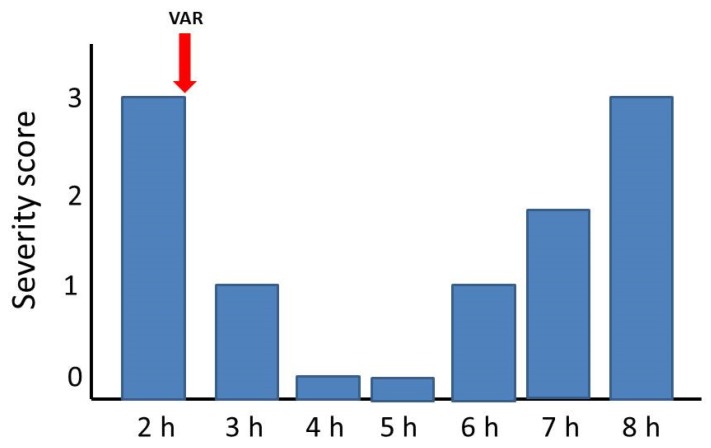
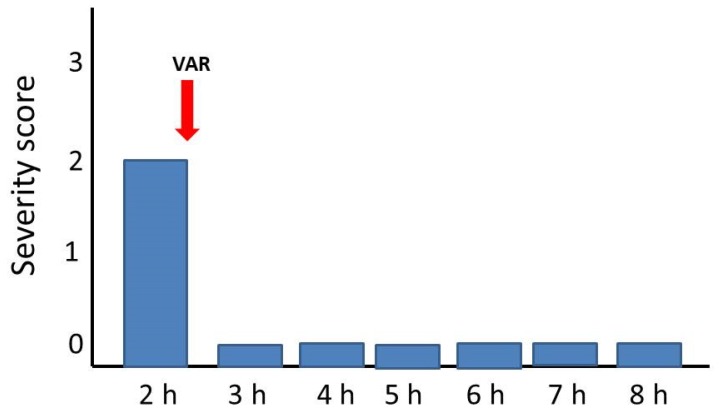
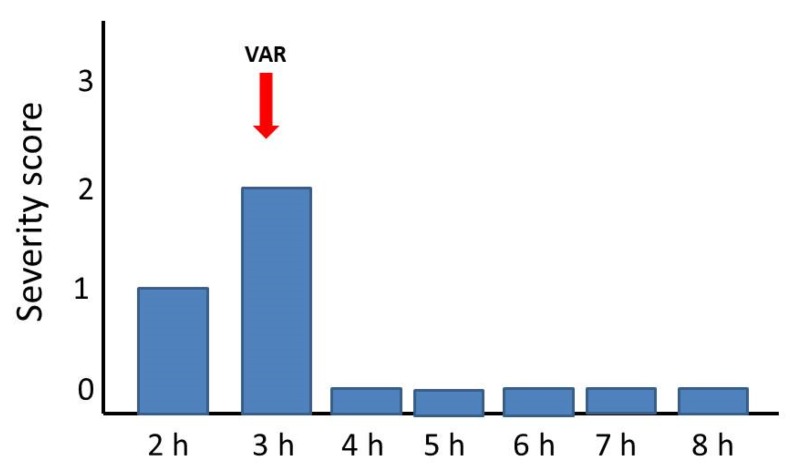
Verification
Claims the paper makes
The claims and statistics of this paper haven’t been checked yet.
Free: it reads the open-access text and checks the first 5 claims that cite a source we can check. Create a free account to check every claim.
Claims other papers make about this one
Each is checked against this paper’s own text: does it say what the citing paper says it does?
The cited source says what the claim attributes to it.
In the citing paper
“Varespladib (LY315920) is a repurposed inhibitor of snake venom PLA2 [83,84,85,86] and is one of the most advanced adjunct therapeutics under investigation.”
From Role of Regulated Cell Death Pathways in Snakebite Envenomation: Mechanisms, Crosstalk, and Therapeutic Opportunities (2026) · cites this paper as [84]
Self-check
Percentages, sums and reported differences re-computed from the paper’s own numbers.
The self-check needs the paper’s full text.
Citations
Cites
Warrell, D. A. (2010) · The Lancet · doi:10.1016/s0140-6736(09)61754-2 · Cited by 774 · cited 2×
“The centerpiece in the therapy of snakebite envenoming is the timely administration of safe and effective antivenoms [1,3].”
BackgroundInfluentialExcitement ahead: structure, function and mechanism of snake venom phospholipase A2 enzymes
Manjunatha Kini, R. (2003) · Toxicon · doi:10.1016/j.toxicon.2003.11.002 · Cited by 720
A Review and Database of Snake Venom Proteomes
Tasoulis, T., & Isbister, G. (2017) · Toxins · doi:10.3390/toxins9090290 · Cited by 616
Nicholls, S. J., Kastelein, J. J. P., Schwartz, G. G., Bash, D., Rosenson, R. S., Cavender, M. A., Brennan, D. M., Koenig, W., Jukema, J. W., Nambi, V., et al. (2014) · JAMA · doi:10.1001/jama.2013.282836 · Cited by 344 · cited 2×
“Such is the case of the PLA2 inhibitor Varespladib (LY315920) and its orally available derivative methyl-Varespladib (LY333013), which were developed for the therapy of several unrelated conditions [11,12].”
BackgroundMontecucco, C., Gutiérrez, J. M., & Lomonte, B. (2008) · Cellular and Molecular Life Sciences · doi:10.1007/s00018-008-8113-3 · Cited by 288 · cited 1×
“This in turn causes a calcium influx that promotes the release of the neurotransmitter stored in synaptic vesicles and the increment in the membrane permeability to ions which, in the particular case of calcium, causes the degeneration of the nerve terminal and the irreversible blockade of the transmission [37].”
BackgroundSelf-citationCorrection: Snakebite envenoming
Gutiérrez, J. M., Calvete, J. J., Habib, A. G., Harrison, R. A., Williams, D. J., & Warrell, D. A. (2017) · Nature Reviews Disease Primers · doi:10.1038/nrdp.2017.79 · Cited by 265
Self-citationFOHLMAN, J., EAKER, D., KARLSSON, E., & THESLEFF, S. (1976) · European Journal of Biochemistry · doi:10.1111/j.1432-1033.1976.tb10833.x · Cited by 255
Neurotoxicity in Snakebite—The Limits of Our Knowledge
Ranawaka, U. K., Lalloo, D. G., & de Silva, H. J. (2013) · PLoS Neglected Tropical Diseases · doi:10.1371/journal.pntd.0002302 · Cited by 245 · cited 1×
“The complexity of snake venom-induced neurotoxicity [36], the species-to-species variation in the presence of PLA2 neurotoxins, and the toxicokinetic/pharmacokinetic relationships demand innovation and attention in detail in the methods of preclinical assessment of efficacy of toxin specific inhibitors for different s…”
BackgroundCalvete, J. J., Sanz, L., Cid, P., de la Torre, P., Flores-Díaz, M., Dos Santos, M. C., Borges, A., Bremo, A., Angulo, Y., Lomonte, B., et al. (2010) · Journal of Proteome Research · doi:10.1021/pr9008749 · Cited by 243
Self-citationLewin, M., Samuel, S., Merkel, J., & Bickler, P. (2016) · Toxins · doi:10.3390/toxins8090248 · Cited by 224
Self-citation
Research works printed but not linked: 2
- Sunegar K. Jackson T.N.W. Reeks T. Fry B.G. Group I phospholipase A2 enzymes Venomous Reptiles and Their Toxins. Evolution, Pathophysiology & Biodiscovery Fry B.G. Oxford University Press Oxford, UK 2015 327 334
- Finney D.J. Probit Analysis Cambridge University Press Cambridge, UK 1971
Cited by
Causes and Consequences of Snake Venom Variation
Casewell, N. R., Jackson, T. N. W., Laustsen, A. H., & Sunagar, K. (2020) · Trends in Pharmacological Sciences · doi:10.1016/j.tips.2020.05.006 · Cited by 396
“Moreover, several recent studies have demonstrated the highly promising utility of a repurposed Phase II-approved PLA2 inhibitor, varespladib, as a future snakebite therapeutic, as this molecule has been demonstrated to broadly neutralize PLA2-mediated pathologies caused by multiple different elapid and viperid venoms…”
BackgroundAlbulescu, L.-O., Xie, C., Ainsworth, S., Alsolaiss, J., Crittenden, E., Dawson, C. A., Softley, R., Bartlett, K. E., Harrison, R. A., Kool, J., et al. (2020) · Nature Communications · doi:10.1038/s41467-020-19981-6 · Cited by 174
Clinical management of snakebite envenoming: Future perspectives
Hamza, M., Knudsen, C., Gnanathasan, C. A., Monteiro, W. M., Lewin, M. R., Laustsen, A. H., & Habib, A. G. (2021) · Toxicon X · doi:10.1016/j.toxcx.2021.100079 · Cited by 111
Self-citationGutiérrez, J. M., Albulescu, L.-O., Clare, R. H., Casewell, N. R., Abd El-Aziz, T. M., Escalante, T., & Rucavado, A. (2021) · Toxins · doi:10.3390/toxins13070451 · Cited by 96
Self-citationLewin, M. R., Carter, R. W., Matteo, I. A., Samuel, S. P., Rao, S., Fry, B. G., & Bickler, P. E. (2022) · Toxins · doi:10.3390/toxins14110783 · Cited by 98
“…Venoms B. fasciatus, C.d. terrificus, N. scutatus, and O. scutellatus In vivo (mouse) acute toxicity/survival LY315920 ‡ and LY333013 10 mg/kg IV, PO Gutierréz et al., 2020 [78] 10 PLA2 Inhibitor Varespladib as an Alternative to the Antivenom Treatment for Bites from Nikolsky’s Viper…”
BackgroundSelf-citationSnake Antivenom: Challenges and Alternate Approaches
Alangode, A., Rajan, K., & Nair, B. G. (2020) · Biochemical Pharmacology · doi:10.1016/j.bcp.2020.114135 · Cited by 88
Unraveling snake venom phospholipase A2: an overview of its structure, pharmacology, and inhibitors
Sampat, G. H., Hiremath, K., Dodakallanavar, J., Patil, V. S., Harish, D. R., Biradar, P. R., Mahadevamurthy, R. K., Barvaliya, M. J., & Roy, S. (2023) · Pharmacological Reports · doi:10.1007/s43440-023-00543-8 · Cited by 75
“In one investigation, mice were treated with Notechis scutatus, Crotalus durissus terrificus, Bungarus multicinctus , and Oxyuranus scutellatus venoms, which included potent pre-synaptically acting neurotoxic sPLA 2 s with varied quaternary configurations [121].”
MethodSmall molecule drug discovery for neglected tropical snakebite
Clare, R. H., Hall, S. R., Patel, R. N., & Casewell, N. R. (2021) · Trends in Pharmacological Sciences · doi:10.1016/j.tips.2021.02.005 · Cited by 76
Hall, S. R., Rasmussen, S. A., Crittenden, E., Dawson, C. A., Bartlett, K. E., Westhorpe, A. P., Albulescu, L.-O., Kool, J., Gutiérrez, J. M., & Casewell, N. R. (2023) · Nature Communications · doi:10.1038/s41467-023-43510-w · Cited by 63
Self-citationXie, C., Albulescu, L.-O., Still, K. B. M., Slagboom, J., Zhao, Y., Jiang, Z., Somsen, G. W., Vonk, F. J., Casewell, N. R., & Kool, J. (2020) · Biomedicines · doi:10.3390/biomedicines8060165 · Cited by 58
“Overall, our data further support the value of varespladib as a potential new therapeutic for mitigating the toxic effects of certain snakebites [9], and they re‐emphasize that while this small molecule toxin inhibitor is a highly promising treatment for combatting neurotoxicity [25,28,29], it may also be of great val…”
BackgroundResultJenkins, T. P., Ahmadi, S., Bittenbinder, M. A., Stewart, T. K., Akgun, D. E., Hale, M., Nasrabadi, N. N., Wolff, D. S., Vonk, F. J., Kool, J., et al. (2021) · PLoS neglected tropical diseases · doi:10.1371/journal.pntd.0009880 · Cited by 66
“It is believed that similar to other Buthids, the toxic effects of M. epeus are derived from various NTxs, including MeuKTx.”
BackgroundInfluentialXie, C., Albulescu, L.-O., Bittenbinder, M. A., Somsen, G. W., Vonk, F. J., Casewell, N. R., & Kool, J. (2020) · Biomedicines · doi:10.3390/biomedicines8090297 · Cited by 61
“Varespladib shows great promise against neurotoxic elapid snake venoms and has been shown 62 to prevent lethality in murine in vivo models of envenoming [24] but is seemingly capable of also 63 inhibiting certain myotoxic and coagulotoxic symptoms induced by snake venoms [25,26].”
BackgroundThe design and discovery of phospholipase A2 inhibitors for the treatment of inflammatory diseases
Batsika, C. S., Gerogiannopoulou, A. D., Mantzourani, C., Vasilakaki, S., & Kokotos, G. (2021) · Expert Opinion on Drug Discovery · doi:10.1080/17460441.2021.1942835 · Cited by 47
“Varespladib is also able to reverse severe paralytic manifestations in mice injected with the same venoms [71].”
BackgroundYoungman, N. J., Walker, A. A., Naude, A., Coster, K., Sundman, E., & Fry, B. G. (2020) · Comparative Biochemistry and Physiology Part C Toxicology & Pharmacology · doi:10.1016/j.cbpc.2020.108818 · Cited by 48
“Varespladib (LY315920) is a known inhibitor of snake venom phospholipase A2 (PLA2) class toxins, which has an oral derivative (methyl-varespladib) that is a promising candidate for treatment of PLA2 driven snake venoms (Gutiérrez et al., 2020; Lewin et al., 2016).”
BackgroundKnudsen, C., Casewell, N. R., Lomonte, B., Gutiérrez, J. M., Vaiyapuri, S., & Laustsen, A. H. (2020) · Toxins · doi:10.3390/toxins12090528 · Cited by 43
“, venom by a subcutaneous route and a drug by the intravenous, subcutaneous, or oral routes, depending on its properties (see, for example, [9]).”
BackgroundSelf-citationCerebral Complications of Snakebite Envenoming: Case Studies
Huang, Y.-K., Chen, Y.-C., Liu, C.-C., Cheng, H.-C., Tu, A. T., & Chang, K. (2022) · Toxins · doi:10.3390/toxins14070436 · Cited by 46
“Later, an orally bioavailable prodrug of Varespladib (methyl-Varespladib; LY333013) was developed and it shows similar efficacy in abrogating or delaying neurotoxic manifestations induced by snake venoms [122].”
BackgroundCarter, R. W., Gerardo, C. J., Samuel, S. P., Kumar, S., Kotehal, S. D., Mukherjee, P. P., Shirazi, F. M., Akpunonu, P. D., Bammigatti, C., Bhalla, A., et al. (2022) · Toxins · doi:10.3390/toxins15010022 · Cited by 39
Self-citationMarchi‐Salvador, D. P., Borges, R. J., Lomonte, B., Lewin, M. R., & Fontes, M. R. M. (2021) · Biochimica et Biophysica Acta (BBA) - General Subjects · doi:10.1016/j.bbagen.2021.129913 · Cited by 42
Self-citationGerardo, C. J., Carter, R. W., Kumar, S., Shirazi, F. “., Kotehal, S. D., Akpunonu, P., Bhalla, A., Schwartz, R. B., Bammigatti, C., Manikath, N., et al. (2024) · BMJ Global Health · doi:10.1136/bmjgh-2024-015985 · Cited by 38
Self-citationBickler, P. E., Abouyannis, M., Bhalla, A., & Lewin, M. R. (2023) · Toxins · doi:10.3390/toxins15010049 · Cited by 38
Self-citationde Oliveira, A. L. N., Lacerda, M. T., Ramos, M. J., & Fernandes, P. A. (2024) · Toxins · doi:10.3390/toxins16020071 · Cited by 43
“Moreover, it is known that competitive enzymatic inhibitors such as varespladib [69,73–79] also inhibit PLA2-like myotoxicity [69,74,80].”
BackgroundLiu, C.-C., Wu, C.-J., Hsiao, Y.-C., Yang, Y.-H., Liu, K.-L., Huang, G., Hsieh, C.-H., Chen, C.-K., & Liaw, G.-W. (2020) · Journal of Proteomics · doi:10.1016/j.jprot.2020.104084 · Cited by 37
Wong, K. Y., Tan, N. H., Tan, N. H., & Tan, C. H. (2021) · Toxins · doi:10.3390/toxins13010060 · Cited by 40
“Besides, the use of small toxin inhibitors such as varespladip, a phospholipase A2 inhibitor has been advocated as an adjunct treatment in snakebite envenomation, as it showed a promising effect in attenuating neurotoxicity caused by elapid snake venoms [78,79].”
BackgroundKazandjian, T. D., Arrahman, A., Still, K. B. M., Somsen, G. W., Vonk, F. J., Casewell, N. R., Wilkinson, M. C., & Kool, J. (2021) · Toxins · doi:10.3390/toxins13050302 · Cited by 40
Chowdhury, A., Lewin, M. R., Zdenek, C. N., Carter, R., & Fry, B. G. (2021) · Frontiers in Immunology · doi:10.3389/fimmu.2021.752442 · Cited by 36
Self-citationAnticoagulant Micrurus venoms: Targets and neutralization
Dashevsky, D., Bénard-Valle, M., Neri-Castro, É., Youngman, N. J., Zdenek, C. N., Alagon, A. C., Portes-Junior, J. A., Frank, N., & Fry, B. G. (2020) · Toxicology Letters · doi:10.1016/j.toxlet.2020.11.010 · Cited by 37
“Recently, a small molecule phospholipase inhibitor known as varespladib (LY315920) has been shown to also protect against elapid neurotoxicity (Lewin et al., 2016; Gutiérrez et al., 2020).”
BackgroundTan, C. H., Lingam, T. M. C., & Tan, N. H. (2021) · Acta Tropica · doi:10.1016/j.actatropica.2021.106289 · Cited by 35
Pucca, M. B., Bernarde, P. S., Rocha, A. M., Viana, P. F., Farias, R. E. S., Cerni, F. A., de Oliveira, I. S., Ferreira, I. G., Sandri, E. A., Sachett, J. D. A. G., et al. (2021) · Frontiers in Immunology · doi:10.3389/fimmu.2021.659515 · Cited by 33
“terrificus (167), crotalid heterologous antivenoms are the only available effective treatment for rattlesnake envenomings in endemic areas.”
BackgroundJaiswal, A. K., Rehman, R., Dutta, J., Singh, S., Ray, A., Shridhar, M., Jaisankar, J., Bhatt, M., Khandelwal, D., Sahoo, B., et al. (2023) · Cells · doi:10.3390/cells12071044 · Cited by 29
“Though we have selected pBPB based on our earlier findings in the asthma study [21,22], there are newer pharmaceutical agents like varespladib (LY315920) and its prodrug methylvarespladib (LY333013) that had shown very effective sPLA2 inhibition even at nanomolar concentrations [81,82], which should be explored for th…”
MethodPatra, A., & Mukherjee, A. K. (2021) · Acta Tropica · doi:10.1016/j.actatropica.2021.105833 · Cited by 32
The Need for Next-Generation Antivenom for Snakebite Envenomation in India
Vanuopadath, M., Rajan, K., Alangode, A., Nair, S. S., & Nair, B. G. (2023) · Toxins · doi:10.3390/toxins15080510 · Cited by 33
Oliveira, I. C. F., Gutiérrez, J. M., Lewin, M. R., & Oshima‐Franco, Y. (2020) · Toxicon · doi:10.1016/j.toxicon.2020.08.023 · Cited by 28
Self-citationMukherjee, A. K., & Mackessy, S. P. (2021) · Toxicon · doi:10.1016/j.toxicon.2021.07.008 · Cited by 25
Puzari, U., Fernandes, P. A., & Mukherjee, A. K. (2021) · Journal of Medicinal Chemistry · doi:10.1021/acs.jmedchem.1c00266 · Cited by 24
Youngman, N. J., Lewin, M. R., Carter, R., Naude, A., & Fry, B. G. (2022) · Molecules · doi:10.3390/molecules27051733 · Cited by 22
“Thus, current research remains primarily directed at investigating the efficacy of PLA2 and metalloprotease inhibitors [17,18,21,22,25,34].”
BackgroundSelf-citationSilva-Carvalho, R., Gaspar, M. Z., Quadros, L. H. B., Lobo, L. G. G., Rogério, L. M., Santos, N. T. S., Zerbinatti, M. C., Santarém, C. L., da Silva, E. O., Gerez, J. R., et al. (2021) · Toxicology Letters · doi:10.1016/j.toxlet.2021.11.003 · Cited by 23
Self-citationGutierres, P. G., Pereira, D. R., Vieira, N. L., Arantes, L. F., da Silva, N. J., Torres-Bonilla, K. A., Hyslop, S., de Morais-Zani, K., Nogueira, R. M. B., Rowan, E. G., et al. (2022) · Frontiers in Pharmacology · doi:10.3389/fphar.2021.812295 · Cited by 24
“, 2019), concerning its suppressive action on the biological effects of Elapidae and Viperidae venoms (Bittenbinder et al., 2018; Lewin et al., 2018; Wang et al., 2018; Zinenko et al., 2020; Gutiérrez et al., 2020a), including their toxins (BryanQuirós et al.”
BackgroundBolon, I., Martins, S. B., Ochoa, C., Alcoba, G., Herrera, M., Boyogueno, H. M. B., Sharma, B. K., Subedi, M., Shah, B., Wanda, F., et al. (2021) · Toxicon X · doi:10.1016/j.toxcx.2021.100068 · Cited by 25
“…et al., 2002; Einterz and Bates, 2003) and other sub-Saharan African countries (e.g., Kenya, Nigeria, and Tanzania) (Warrell and Arnett, 1976; Habib et al., 2001; Kipanyula and Kimaro, 2015; Ochola et al., 2018) showed that pastoralist activities are often associated with snake encounters…”
BackgroundLay, M., Liang, Q., Isbister, G. K., & Hodgson, W. C. (2023) · Toxins · doi:10.3390/toxins15010062 · Cited by 22
“Considering that the inhibitory action of Varespladib is rapid but has a relatively short half-life in vivo [48], multiple dosing amounts or continuous infusion of Varespladib to maintain concentrations high enough for toxin neutralisation may be required.”
BackgroundMaciel, F. V., Pinto, Ê. K. R., Souza, N. M. V., de Abreu, T. A. G., Ortolani, P. L., Fortes-Dias, C. L., & Cavalcante, W. L. G. (2021) · Toxicon · doi:10.1016/j.toxicon.2021.09.009 · Cited by 19
Quiroz, S., Castañeda, I. C. H., Granados, J., Patiño, A. C., Preciado, L. M., & Pereañez, J. A. (2022) · Molecules · doi:10.3390/molecules27238588 · Cited by 18
Marchi‐Salvador, D. P., Pinto, Ê. K. R., Ortolani, P. L., Fortes-Dias, C. L., Cavalcante, W. L. G., Soares, A. M., Lomonte, B., Lewin, M. R., & Fontes, M. R. M. (2022) · Biochimie · doi:10.1016/j.biochi.2022.11.006 · Cited by 15
Self-citationArrahman, A., Kazandjian, T. D., Still, K. B. M., Slagboom, J., Somsen, G. W., Vonk, F. J., Casewell, N. R., & Kool, J. (2022) · Toxins · doi:10.3390/toxins14110736 · Cited by 16
“Varespladib in particular is a broad-spectrum inhibitor of venom PLA2s that has been shown to delay the lethal effects of venoms from the elapids Bungarus multicinctus, Oxuranus scutellatus, and Micrurus fulvius in mice through the inhibition of presynaptically acting PLA2s [56–58], with the injectable form temporaril…”
Backgroundde Souza, J., Oliveira, I. C. F., Yoshida, E. H., Cantuaria, N. M., Cogo, J. C., Torres-Bonilla, K. A., Hyslop, S., da Silva, N. J., Floriano, R. S., Gutiérrez, J. M., et al. (2022) · Toxicon · doi:10.1016/j.toxicon.2022.05.001 · Cited by 17
Self-citationChowdhury, A., Youngman, N. J., Liu, J., Lewin, M. R., Carter, R. W., & Fry, B. G. (2022) · Toxicology Letters · doi:10.1016/j.toxlet.2022.06.009 · Cited by 14
“…A 2 (PLA 2 ) inhibitor var-espladib have shown great efficacy towards neutralising snake venom PLA 2 toxins in non-clinical studies (Lewin et al., 2016a; b; Wang et al., 2018; Bittenbinder et al., 2018; Xie et al., 2020; Youngman et al., 2020; Guti ´ errez et al., 2020; Chowdhury et al., 2021a).”
Self-citationSilva-Carvalho, R., Gaspar, M. Z., Quadros, L. H. B., Lobo, L. G. G., Giuffrida, R., Santarém, C. L., da Silva, E. O., Gerez, J. R., da Silva, N. J., Hyslop, S., et al. (2022) · Toxicon · doi:10.1016/j.toxicon.2022.04.014 · Cited by 12
Self-citationSmith, C. F., Modahl, C. M., Ceja Galindo, D., Larson, K. Y., Maroney, S. P., Bahrabadi, L., Brandehoff, N. P., Perry, B. W., McCabe, M. C., Petras, D., et al. (2024) · Molecular & Cellular Proteomics · doi:10.1016/j.mcpro.2024.100779 · Cited by 11
Self-citationStazi, M., D’Este, G., Mattarei, A., Negro, S., Lista, F. R., Rigoni, M., Megighian, A., & Montecucco, C. (2020) · PLoS neglected tropical diseases · doi:10.1371/journal.pntd.0008547 · Cited by 10
Multi-drug loaded microneedles for emergency treatment of snakebite envenomation
Tiwari, N., Aggarwal, G., Jain, G. K., & Mittal, G. (2022) · Medical Hypotheses · doi:10.1016/j.mehy.2022.110908 · Cited by 11
Repurposed drug to the rescue of snakebite victims
Koh, C. Y., Bendre, R., & Kini, R. M. (2020) · Science Translational Medicine · doi:10.1126/scitranslmed.abb6700 · Cited by 10
“Varespladib showed broad specificity in neutralizing the lethality of many neurotoxic snake venoms (5).”
BackgroundOliveira, I. C. F., Yoshida, E. H., Dini, M. M. J., Paschoal, A. B. O., Cogo, J. C., da Cruz‐Höfling, M. A., Hyslop, S., & Oshima‐Franco, Y. (2021) · Toxins · doi:10.3390/toxins13110801 · Cited by 10
“terrificus, including the use of natural (plant) products and, more recently, drug repurposing with compounds such as varespladib, a selective PLA2 inhibitor [10].”
BackgroundCrous, C., Petzer, A., & Petzer, J. P. (2024) · Chemical Biology & Drug Design · doi:10.1111/cbdd.14466 · Cited by 9
“…methyl treatment increased survival and significantly reduced the toxic effects of several different snake venoms (Bryan-Quiros et al., 2019; Gutiérrez et al., 2020; Lewin et al., 2016; Lewin, Gilliam, et al., 2018; Lewin, Gutiérrez, et al., 2018; Wang et al., 2018; Xiao et al., 2017, 2018).”
BackgroundCañas, C. A. (2022) · Toxins · doi:10.3390/toxins14120875 · Cited by 8
“durissus venoms [291,292] and appears to act synergistically with antivenom [293].”
BackgroundTan, C. H., Oh, A. M. F., Wong, K. Y., Liew, J. L., Tan, N. H., & Tan, N. H. (2022) · Comparative Biochemistry and Physiology Part D Genomics and Proteomics · doi:10.1016/j.cbd.2022.101006 · Cited by 7
Werner, R. M., & Soffa, A. N. (2023) · Toxicon X · doi:10.1016/j.toxcx.2023.100169 · Cited by 7
Albulescu, L.-O., Xie, C., Ainsworth, S., Alsolaiss, J., Crittenden, E., Dawson, C. A., Softley, R., Bartlett, K. E., Harrison, R. A., Kool, J., et al. (2020) · bioRxiv (Cold Spring Harbor Laboratory) · doi:10.1101/2020.05.13.094599 · Cited by 7
Brasileiro, L., Marques, G. D., Maciel, J. B., Neiva, M., Nascimento, T. P., Reyes, D. J. E., Feitosa, A. J. C., Cavalcante, S. A., de Aquino, P. F., Sachett, J. D. A. G., et al. (2025) · Toxins · doi:10.3390/toxins17120583 · Cited by 6
“Interestingly, Varespladib has been shown not only to inhibit Crotalus durissus lethality, but also the neuromuscular paralysis and myoticicity effects of the venom [69,70].”
Lay, M., & Hodgson, W. C. (2024) · Toxins · doi:10.3390/toxins16030124 · Cited by 6
Yong, M. Y., Tan, N. H., & Tan, C. H. (2024) · Comparative Biochemistry and Physiology Part C Toxicology & Pharmacology · doi:10.1016/j.cbpc.2024.110077 · Cited by 6
Zhao, J., Liu, G., Shi, X., & Huang, C. (2025) · Toxins · doi:10.3390/toxins17060280 · Cited by 5
“However, other treatment options, such as small molecule drugs, can serve as a supplement to antitoxin serum or help delay the treatment time for patients [22,54,55].”
Stazi, M., Megighian, A., D’Este, G., Negro, S., Ivanušec, A., Lonati, D., Pirazzini, M., Križaj, I., & Montecucco, C. (2023) · Journal of Neurochemistry · doi:10.1111/jnc.15803 · Cited by 6
“Accordingly, Varespladib, a specific sPLA2 inhibitor, has been recently identified and tested against different neurotoxic snake venoms with promising results (Gutiérrez et al., 2020 ; Lewin et al., 2022 ; Salvador et al., 2019; Silva-Carvalho et al., 2021 ).”
BackgroundClare, R. H., Westhorpe, A., Stars, E. L., Kazandjian, T. D., Albulescu, L.-O., Menzies, S. K., & Casewell, N. R. (2026) · eLife · doi:10.7554/elife.110419 · Cited by 5
Reghu, N., Kiruthika, S., Santhosh, A. K., Narayanan, A. L., Geetha, K. G., Sidheek, N., Danthuluri, S. S., Nair, B. G., & Vanuopadath, M. (2026) · International Journal of Molecular Sciences · doi:10.3390/ijms27136000 · Cited by 4
“Its orally bioavailable prodrug, methyl-varespladib, makes it especially attractive as a pre-referral treatment, and this has led to the fastest progression of varespladib toward clinical application [26,27].”
InfluentialChowdhury, A., Fry, B. G., Samuel, S. P., Bhalla, A., Vaiyapuri, S., Bhargava, P., Carter, R. W., & Lewin, M. R. (2024) · Toxicon · doi:10.1016/j.toxicon.2024.108178 · Cited by 4
“…as its primary use in krait-bite envenoming would be most likely for neuro-toxicity, its prevention if given early and antivenom resistant treatment failure (Ghose and Faiz, 2015; Guti ´ errez et al., 2020; Ranawaka et al., 2013; Prasarnpun et al., 2005; Lewin et al., 2022; Gerardo et al., 2024).”
Self-citationHearth, J., Linne, K., Harrison, J., Zolfaghari, H., & Lewin, M. R. (2025) · Toxicon X · doi:10.1016/j.toxcx.2025.100214 · Cited by 4
Self-citationCouceiro, F. Y. G. M., Demico, P. J., Dias, S. R., Oliveira, I. N., Pacagnelli, F. L., da Silva, E. O., Sant’Anna, S. S., Grego, K. F., de Morais-Zani, K., Torres-Bonilla, K. A., et al. (2023) · Toxicon · doi:10.1016/j.toxicon.2023.107263 · Cited by 4
Choudhury, A., Linne, K., Bulfone, T. C., Hossain, T., Sina, A. A. I., Bickler, P. L., Fry, B. G., & Lewin, M. R. (2025) · Toxins · doi:10.3390/toxins17040193 · Cited by 5
“This DTI prevented and delayed neurotoxic effects on CD-1 mice caused by Oxyuranus scutellatus , Bungarus multicinctus , and Crotalus durissus terrificus ; it also reversed neurotoxicity and rescued juvenile pigs from lethal doses of Micrurus fulvius (Eastern coral snake) venoms [86,87].”
Self-citationAntivenoms, recombinant antibodies, inhibitors, and the future of snakebite envenoming therapy
Gutiérrez, J. M. (2025) · Toxicon · doi:10.1016/j.toxicon.2025.108964 · Cited by 3
Self-citationMaslovski, F., Angelina, E., Alonso, M., Leiva, L. C., & Fusco, L. (2024) · Comparative Biochemistry and Physiology Part C Toxicology & Pharmacology · doi:10.1016/j.cbpc.2024.109973 · Cited by 3
Lawrence, K. L., Owen, J. L., Garver, L. S., Ritter, B. A., Wilson, C. M., Boatright, G. R., Bowling, F. Y., Platts‐Mills, T. F., Renner, A. K., & Carter, R. W. (2026) · Toxins · doi:10.3390/toxins18040180 · Cited by 2
“The preclinical evidence has progressed from broad venom in vitro screening to delayed-rescue studies, large-animal models, and studies in combination with antivenom or other toxin inhibitors, further strengthening the translational rationale [24,30–33].”
Venomous and Poisonous Animals
Warrell, D. A. (2023) · Elsevier eBooks · doi:10.1016/b978-0-7020-7959-7.00079-8 · Cited by 4
Khan, S. A., & Ilies, M. A. (2023) · Elsevier eBooks · doi:10.1016/b978-0-12-823974-2.00018-8 · Cited by 3
Kumar, R., Kumar, S., & Rathore, A. S. (2025) · Journal of Chromatography B · doi:10.1016/j.jchromb.2025.124768 · Cited by 2
Pucca, M. B., Bernarde, P. S., Rocha, A. M., Viana, P. F., Farias, R. E. S., Cerni, F. A., de Oliveira, I. S., Ferreira, I. G., Sandri, E. A., Sachett, J. D. A. G., et al. (2021) · Vide Leaf, Hyderabad eBooks · doi:10.37247/paimmu2ed.2.2021.17 · Cited by 3
Gaspar, M. Z., Yabunaka, A. C., Silva-Carvalho, R., Nascimento, C. U., Brinholi, R. B., Silva, E. O., Gerez, J. R., da Silva, N. J., Torres-Bonilla, K. A., Hyslop, S., et al. (2023) · Cardiovascular Toxicology · doi:10.1007/s12012-023-09786-6 · Cited by 2
Clare, R. H., Westhorpe, A., Stars, E. L., Kazandjian, T. D., Albulescu, L.-O., Menzies, S. K., & Casewell, N. R. (2026) · eLife · doi:10.7554/elife.110419.3 · Cited by 3
Salvador, G. H. M., Pereira, E. S., Cavalcante, W. L. G., Ortolani, P. L., Fortes-Dias, C. L., Lomonte, B., Lewin, M. R., & Fontes, M. R. M. (2026) · Biochimie · doi:10.1016/j.biochi.2026.03.006 · Cited by 1
Self-citationZhang, Z., Jiang, N., Xiao, M., Hu, S., Jia, Q., Deguo, D. O. N. G., & Liao, M. (2026) · PLoS neglected tropical diseases · doi:10.1371/journal.pntd.0014207 · Cited by 1
Engineering Antivenom: Research Progress and Future Directions in Snakebite Envenoming Therapy
Laustsen, A. H. (2026) · Annals of the New York Academy of Sciences · doi:10.1111/nyas.70385 · Cited by 1
Plant Molecular Pharming to Overcome the Global Impact of Neglected Tropical Diseases
Moralo, M., Singh, A. A., Pillay, P., Kwezi, L., & Tsekoa, T. L. (2024) · Concepts and strategies in plant sciences · doi:10.1007/978-981-97-0176-6_17 · Cited by 2
Clare, R. H., Westhorpe, A., Stars, E. L., Kazandjian, T. D., Albulescu, L.-O., Menzies, S. K., & Casewell, N. R. (2026) · eLife · doi:10.7554/elife.110419.2 · Cited by 1
Alangode, A., Rajasekhar, A., Sabu, J. J., Krishna, S., Anuja, D., Sreeja, A., Remesh, G., Kaladevi, A., & Nair, B. G. (2026) · International Journal of Molecular Sciences · doi:10.3390/ijms27156830
(2022) · Elsevier eBooks · doi:10.1016/b978-0-12-822786-2.00018-2
Snake venom phospholipases A2 and their roles in snakebite envenomings
Jiménez, J. A. P. (2023) · Elsevier eBooks · doi:10.1016/b978-0-443-15313-6.00019-3
Secretory phospholipase A2 in snake venom and revelation from cobra venomics
Tan, C. H., & Tan, N. H. (2023) · Elsevier eBooks · doi:10.1016/b978-0-443-15313-6.00024-7 · Cited by 1
Varespladib: An Oral Treatment for Snakebite Envenoming
Huston, J., & Egelund, E. F. (2024) · Journal of Current Toxicology and Venomics · doi:10.2174/0129505704333882240826041739
Neurotoxinas de serpentes peçonhentas: uma análise dos efeitos sobre o sistema nervoso
Benítes, T. B. C., Borges, L. T. D. O., Maciel, D. P. D. L., dos Santos, A. N., & Correia, J. M. (2025) · Cuadernos de Educación y Desarrollo · doi:10.55905/cuadv17n7-075
Pereira, D. R. (2023) · LA Referencia (Red Federada de Repositorios Institucionales de Publicaciones Científicas)
Clare, R. H., Westhorpe, A., Stars, E. L., Kazandjian, T. D., Albulescu, L.-O., Menzies, S. K., & Casewell, N. R. (2026) · eLife · doi:10.7554/elife.110419.1
Clare, R. H., Westhorpe, A., Stars, E. L., Kazandjian, T. D., Albulescu, L.-O., Menzies, S. K., & Casewell, N. R. (2026) · eLife · doi:10.7554/elife.110419.1.sa0
Design, synthesis and biological evaluation of novel anti-inflammatory agents
Sava, A. (2021) · theses.fr (ABES) · doi:10.70675/9d9e1f52ze82fz4140zbdefz367ec5062461
Cantuaria, N. M., Passos, F. R., Serino-Silva, C., da Rocha, M. M. T., Prezoto, B. C., Hyslop, S., Floriano, R. S., Lewin, M. R., Gutiérrez, J. M., & Oshima‐Franco, Y. (2026) · Toxicon · doi:10.1016/j.toxicon.2026.109210
Self-citationBungarus multicinctus venom induces pyroptosis via the NLRP3/Caspase-1/GSDMD pathway in BV2 cells
Luo, M., Wang, Z.-R., Tan, X.-L., Yang, X., & Ning, Z. (2026) · Cell Biology and Toxicology · doi:10.1007/s10565-026-10240-w
“…varespladib (LY315920) as an adjuvant treatment can alleviate the neurotox-icity caused by neurotoxic snake venoms and the mortality rate in mice (Gutiérrez et al. 2020), while natural compounds such as adenosine can alleviate secondary inflammatory tissue damage and neurotox-icity (Huang et…”
Varespladib for snakebite envenoming: insights from therapeutic development and clinical trials
McGann, M. R., Platts‐Mills, T. F., & Gerardo, C. J. (2026) · Expert Opinion on Investigational Drugs · doi:10.1080/13543784.2026.2727499
“From a biologic perspective, there is robust preclinical data on the in vitro and in vivo activity of varespladib against many of the venoms of the snake species enrolled in this study [29,43,44,55,84–86].”
Metadata
- Authors
- Gutiérrez, J. M., Lewin, M. R., Williams, D. J., & Lomonte, B.
- Affiliations
- Instituto Clodomiro Picado, Facultad de Microbiología, Universidad de Costa Rica, San José 11501-2060, Costa Rica
- California Academy of Sciences (US)
- Global Snakebite Initiative, Ashgrove Qld 4060, Australia
- Universidad de Costa Rica (CR)
- Venue
- Toxins
- Publisher
- MDPI AG
- Published
- 2020-02-20
- Volume
- 12
- Issue
- 2
- Pages
- 131
- ISSN
- 2072-6651 (ISSN-L)
- PMC
- PMC7076770
- OpenAlex
- W3009813414
- Cited by
- 92
- References
- 38
- Citations by year
- 2026: 11 · 2025: 7 · 2024: 11 · 2023: 14 · 2022: 16 · 2021: 20 · 2020: 13
- FWCI
- 9.24
- Type
- journal article
- Language
- en
- Open access
- gold
- dx.doi.org
- Licence
- Locations
- Toxins (publishedVersion, cc-by)
- Europe PMC (PubMed Central) (publishedVersion, cc-by)
- PubMed Central (publishedVersion, cc-by)
- PubMed (publishedVersion)
- LA Referencia (Red Federada de Repositorios Institucionales de Publicaciones Científicas) (publishedVersion, other-oa)
- Investigative News in Education (Universidad de Costa Rica) (submittedVersion, cc-by)
- DOAJ (DOAJ: Directory of Open Access Journals) (submittedVersion, cc-by-sa)
- Funders
- Vicerrectoría de Investigación, Universidad de Costa Rica (No grant number)
- Topics
- Life Sciences › Pharmacology, Toxicology and Pharmaceutics › Toxicology › Venomous Animal Envenomation and Studies
- Health Sciences › Medicine › Emergency Medicine › Poisoning and overdose treatments
- Life Sciences › Agricultural and Biological Sciences › Ecology, Evolution, Behavior and Systematics › Amphibian and Reptile Biology
- Keywords
- varespladib, phospholipase A2 inhibitors, snake venom neurotoxins, envenomation, Oxyuranus scutellatus, Crotalus durissus terrificus, Bungarus multicinctus, Notechis scutatus, antivenom therapy, prodrugs
- MeSH terms
- Acetates, Animals, Disease Models, Animal, Dose-Response Relationship, Drug, Indoles, Keto Acids, Lethal Dose 50, Snake Bites, Snake Venoms, Time Factors, Survival Analysis, Neurotoxicity Syndromes, Mice, Phospholipases A2, Phospholipase A2 Inhibitors
About these checks
Registry, retraction, Cites and statistics results are computed, not judged, with one exception: a printed reference that no index lists is read once by a model before it counts as a citation error. Claims are extracted by a model and kept only when their quote appears verbatim in the text; each cited source is then checked, with a model’s help, for whether it says what the claim relies on. Those verdicts can be wrong — read the claim’s quote and the cited source before relying on one.
Statistics and arithmetic are recomputed, not judged.
Confidence bands are shown only for fields calibrated on our annotated test set. None is calibrated yet, so no band is shown.
What counts as a claim ›How we measure confidence ›How we check this ›
Are you an author, or do you see a problem with this page? Request a review
Data sources
Bibliographic data: Semantic Scholar, OpenAlex, Crossref.
Contains information from the Semantic Scholar Academic Graph Datasets, made available under the ODC Attribution License (ODC-BY 1.0).
Semantic Scholar’s data is described in: Kinney, R., et al. (2023). The Semantic Scholar Open Data Platform. arXiv:2301.10140.
