

Varespladib (LY315920) and Methyl Varespladib (LY333013) Abrogate or Delay Lethality Induced by Presynaptically Acting Neurotoxic Snake Venoms
Open accessThe DOI matches its Crossref record; 38 of the 38 references it cites were found in a registry or an index.
Abstract
The phospholipase A2 (PLA2) inhibitor Varespladib (LY315920) and its orally bioavailable prodrug, methyl-Varespladib (LY333013) inhibit PLA2 activity of a wide variety of snake venoms. In this study, the ability of these two forms of Varespladib to halt or delay lethality of potent neurotoxic snake venoms was tested in a mouse model. The venoms of Notechis scutatus, Crotalus durissus terrificus, Bungarus multicinctus, and Oxyuranus scutellatus, all of which have potent presynaptically acting neurotoxic PLA2s of variable quaternary structure, were used to evaluate simple dosing regimens. A supralethal dose of each venom was injected subcutaneously in mice, followed by the bolus intravenous (LY315920) or oral (LY333013) administration of the inhibitors, immediately and at various time intervals after envenoming. Control mice receiving venom alone died within 3 h of envenoming. Mice injected with O. scutellatus venom and treated with LY315920 or LY333013 survived the 24 h observation period, whereas those receiving C. d. terrificus and B. multicinctus venoms survived at 3 h or 6 h with a single dose of either form of Varespladib, but not at 24 h. In contrast, mice receiving N. scutatus venom and then the inhibitors died within 3 h, similarly to the control animals injected with venom alone. LY315920 was able to reverse the severe paralytic manifestations in mice injected with venoms of O. scutellatus, B. multicinctus, and C. d. terrificus. Overall, results suggest that the two forms of Varespladib are effective in abrogating, or delaying, neurotoxic manifestations induced by some venoms whose neurotoxicity is mainly dependent on presynaptically acting PLA2s. LY315920 is able to reverse paralytic manifestations in severely envenomed mice, but further work is needed to understand the significance of species-specific differences in animal models as they compare to clinical syndromes in human and for potential use in veterinary medicine.
Overview
The claims and statistics of this paper haven’t been checked yet.
Free: it reads the open-access text and checks the first 5 claims that cite a source we can check. Create a free account to check every claim.
Integrity signals
Registry
Cites
Statistics
Figures
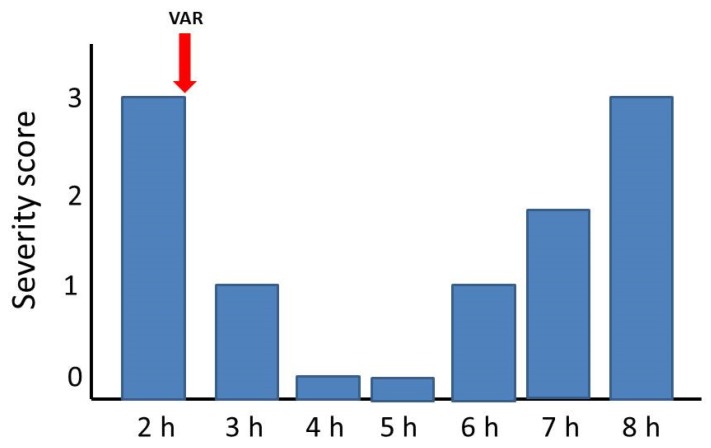
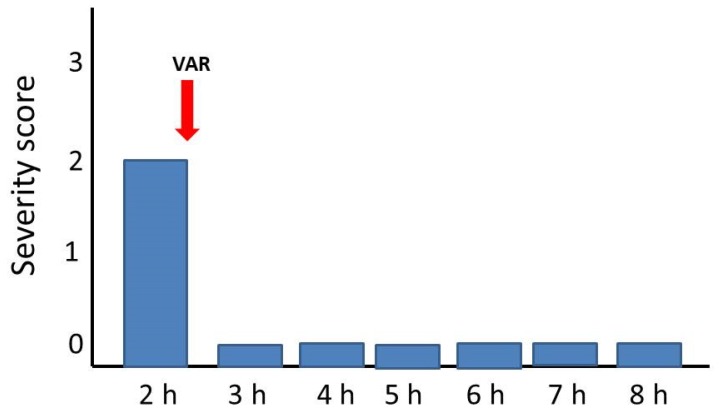
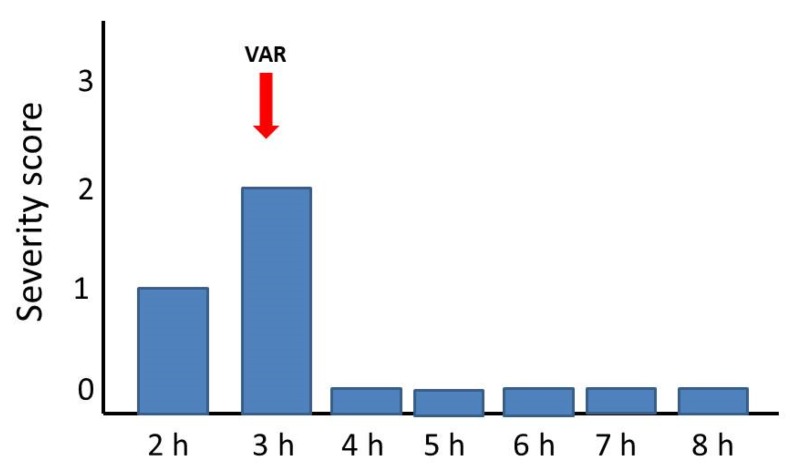
Verification
Claims the paper makes
The claims and statistics of this paper haven’t been checked yet.
Free: it reads the open-access text and checks the first 5 claims that cite a source we can check. Create a free account to check every claim.
Claims other papers make about this one
Each is checked against this paper’s own text: does it say what the citing paper says it does?
The cited source says what the claim attributes to it.
In the citing paper
“Varespladib (LY315920) is a repurposed inhibitor of snake venom PLA2 [83,84,85,86] and is one of the most advanced adjunct therapeutics under investigation.”
From Role of Regulated Cell Death Pathways in Snakebite Envenomation: Mechanisms, Crosstalk, and Therapeutic Opportunities (2026) · cites this paper as [84]
Self-check
Percentages, sums and reported differences re-computed from the paper’s own numbers.
The self-check needs the paper’s full text.
Citations
Cites
Warrell, D. A. (2010) · The Lancet · doi:10.1016/s0140-6736(09)61754-2 · Cited by 774 · cited 2×
“The centerpiece in the therapy of snakebite envenoming is the timely administration of safe and effective antivenoms [1,3].”
BackgroundInfluentialExcitement ahead: structure, function and mechanism of snake venom phospholipase A2 enzymes
Manjunatha Kini, R. (2003) · Toxicon · doi:10.1016/j.toxicon.2003.11.002 · Cited by 720
A Review and Database of Snake Venom Proteomes
Tasoulis, T., & Isbister, G. (2017) · Toxins · doi:10.3390/toxins9090290 · Cited by 616
Nicholls, S. J., Kastelein, J. J. P., Schwartz, G. G., Bash, D., Rosenson, R. S., Cavender, M. A., Brennan, D. M., Koenig, W., Jukema, J. W., Nambi, V., et al. (2014) · JAMA · doi:10.1001/jama.2013.282836 · Cited by 344 · cited 2×
“Such is the case of the PLA2 inhibitor Varespladib (LY315920) and its orally available derivative methyl-Varespladib (LY333013), which were developed for the therapy of several unrelated conditions [11,12].”
BackgroundMontecucco, C., Gutiérrez, J. M., & Lomonte, B. (2008) · Cellular and Molecular Life Sciences · doi:10.1007/s00018-008-8113-3 · Cited by 288 · cited 1×
“This in turn causes a calcium influx that promotes the release of the neurotransmitter stored in synaptic vesicles and the increment in the membrane permeability to ions which, in the particular case of calcium, causes the degeneration of the nerve terminal and the irreversible blockade of the transmission [37].”
BackgroundSelf-citationCorrection: Snakebite envenoming
Gutiérrez, J. M., Calvete, J. J., Habib, A. G., Harrison, R. A., Williams, D. J., & Warrell, D. A. (2017) · Nature Reviews Disease Primers · doi:10.1038/nrdp.2017.79 · Cited by 265
Self-citationFOHLMAN, J., EAKER, D., KARLSSON, E., & THESLEFF, S. (1976) · European Journal of Biochemistry · doi:10.1111/j.1432-1033.1976.tb10833.x · Cited by 255
Neurotoxicity in Snakebite—The Limits of Our Knowledge
Ranawaka, U. K., Lalloo, D. G., & de Silva, H. J. (2013) · PLoS Neglected Tropical Diseases · doi:10.1371/journal.pntd.0002302 · Cited by 245 · cited 1×
“The complexity of snake venom-induced neurotoxicity [36], the species-to-species variation in the presence of PLA2 neurotoxins, and the toxicokinetic/pharmacokinetic relationships demand innovation and attention in detail in the methods of preclinical assessment of efficacy of toxin specific inhibitors for different s…”
BackgroundCalvete, J. J., Sanz, L., Cid, P., de la Torre, P., Flores-Díaz, M., Dos Santos, M. C., Borges, A., Bremo, A., Angulo, Y., Lomonte, B., et al. (2010) · Journal of Proteome Research · doi:10.1021/pr9008749 · Cited by 243
Self-citationLewin, M., Samuel, S., Merkel, J., & Bickler, P. (2016) · Toxins · doi:10.3390/toxins8090248 · Cited by 224
Self-citationHalpert, J., & Eaker, D. (1975) · Journal of Biological Chemistry · doi:10.1016/s0021-9258(19)41030-2 · Cited by 176
Trends in Snakebite Envenomation Therapy: Scientific, Technological and Public Health Considerations
Gutierrez, J., Lomonte, B., Leon, G., Rucavado, A., Chaves, F., & Angulo, Y. (2007) · Current Pharmaceutical Design · doi:10.2174/138161207782023784 · Cited by 160 · cited 1×
“An unmet need is for the development of novel therapies that could be administered in the field rapidly after the onset of envenoming [4], as well as to augment antivenom performance where specific toxins have become inaccessible to antivenom upon distribution into the tissues, but might be amenable to inhibition or d…”
BackgroundSelf-citationPungerčar, J., & Križaj, I. (2007) · Toxicon · doi:10.1016/j.toxicon.2007.07.025 · Cited by 145
Karlsson, E., Eaker, D. L., & Rydén, L. (1972) · Toxicon · doi:10.1016/0041-0101(72)90066-9 · Cited by 136
Rucavado, A., Escalante, T., Franceschi, A., Chaves, F., León, G., Cury, Y., Ovadia, M., & Gutiérrez, J. M. (2000) · The American journal of tropical medicine and hygiene · doi:10.4269/ajtmh.2000.63.313 · Cited by 133 · cited 1×
“Promising developments in this area have emerged, including natural and synthetic inhibitors of snake venom metalloproteinases (SVMPs) [5,6], phospholipases A2 (PLA2s) [7], cytotoxins of the three finger toxin family [8,9], and α-neurotoxins [10], among others.”
BackgroundSelf-citationLomonte, B., Fernández, J., Sanz, L., Angulo, Y., Sasa, M., Gutiérrez, J. M., & Calvete, J. J. (2014) · Journal of Proteomics · doi:10.1016/j.jprot.2014.02.020 · Cited by 127
Self-citationNerve Terminal Damage by β-Bungarotoxin
Dixon, R. W., & Harris, J. B. (1999) · American Journal Of Pathology · doi:10.1016/s0002-9440(10)65291-1 · Cited by 126 · cited 1×
“Studies on the mechanism of action of presynaptically acting snake venom neurotoxic PLA2s have shown drastic ultrastructural alterations at the nerve terminal, hence explaining the observed lack of efficacy of therapeutic antivenoms when administered after the onset of neurotoxicity [29].”
BackgroundThe Neurotoxicity of the Venom Phospholipases A2, Notexin and Taipoxin
Harris, J. B., Grubb, B. D., Maltin, C. A., & Dixon, R. W. (2000) · Experimental Neurology · doi:10.1006/exnr.1999.7275 · Cited by 121 · cited 1×
“scutellatus venom, in turn, contains the potent presynaptic toxin taipoxin, whose quaternary structure is characterized by three subunits, one of which is a catalytically active PLA2 [27,33].”
BackgroundFaure, G., Xu, H., & Saul, F. A. (2011) · Journal of Molecular Biology · doi:10.1016/j.jmb.2011.07.027 · Cited by 114 · cited 1×
“terrificus contains a high proportion of the dimeric neurotoxin crotoxin, comprising a PLA2 subunit linked, through non-covalent bonds, to an enzymatically inactive subunit [31,32].”
BackgroundKondo, K., Narita, K., & Lee, C.-Y. (1978) · The Journal of Biochemistry · doi:10.1093/oxfordjournals.jbchem.a131881 · Cited by 108
Bittenbinder, M., Zdenek, C., Op den Brouw, B., Youngman, N., Dobson, J., Naude, A., Vonk, F., & Fry, B. (2018) · Toxins · doi:10.3390/toxins10120516 · Cited by 95 · cited 1×
“This drug was reported to inhibit the in vitro coagulotoxic effects of venoms of African spitting cobras [22].”
BackgroundArias, A. S., Rucavado, A., & Gutiérrez, J. M. (2017) · Toxicon · doi:10.1016/j.toxicon.2017.04.001 · Cited by 90 · cited 2×
“In this regard, the search for inhibitors that have been developed for diseases whose pathogenesis is associated with endogenous enzymes, such as PLA2s and metalloproteinases, represents a potentially cost- and development time-efficient piggy-back approach by taking advantage of previous preclinical and clinical asse…”
BackgroundSelf-citationDeveloping Small Molecule Therapeutics for the Initial and Adjunctive Treatment of Snakebite
Bulfone, T. C., Samuel, S. P., Bickler, P. E., & Lewin, M. R. (2018) · Journal of Tropical Medicine · doi:10.1155/2018/4320175 · Cited by 83 · cited 1×
“In this regard, the search for inhibitors that have been developed for diseases whose pathogenesis is associated with endogenous enzymes, such as PLA2s and metalloproteinases, represents a potentially cost- and development time-efficient piggy-back approach by taking advantage of previous preclinical and clinical asse…”
BackgroundSelf-citationSalvador, G. H. M., Gomes, A. A. S., Bryan-Quirós, W., Fernández, J., Lewin, M. R., Gutiérrez, J. M., Lomonte, B., & Fontes, M. R. M. (2019) · Scientific Reports · doi:10.1038/s41598-019-53755-5 · Cited by 82 · cited 1×
“Furthermore, Varespladib was effective in the inhibition of myotoxicity induced by crude venoms and isolated PLA2s of viperid and elapid species [20,21].”
BackgroundSelf-citationHerrera, M., Fernández, J., Vargas, M., Villalta, M., Segura, Á., León, G., Angulo, Y., Paiva, O. K., Matainaho, T. K., Jensen, S. D., et al. (2012) · Journal of Proteomics · doi:10.1016/j.jprot.2012.01.006 · Cited by 77
Self-citationLewin, M. R., Gilliam, L. L., Gilliam, J., Samuel, S. P., Bulfone, T. C., Bickler, P. E., & Gutiérrez, J. M. (2018) · Toxins · doi:10.3390/toxins10110479 · Cited by 70 · cited 3×
“Following the initial description of Varespladib’s capacity to inhibit PLA2 activity of many snake venoms in vitro [7], further studies demonstrated its ability to abrogate lethality in mouse and pig models of envenoming by the venoms of the elapid snakes Oxyuranus scutellatus and Micrurus fulvius, respectively, whose…”
BackgroundSelf-citationNeutralizing properties of LY315920 toward snake venom group I and II myotoxic phospholipases A2
Bryan-Quirós, W., Fernández, J., Gutiérrez, J. M., Lewin, M. R., & Lomonte, B. (2019) · Toxicon · doi:10.1016/j.toxicon.2018.11.292 · Cited by 67 · cited 1×
“Furthermore, Varespladib was effective in the inhibition of myotoxicity induced by crude venoms and isolated PLA2s of viperid and elapid species [20,21].”
BackgroundSelf-citationŠribar, J., Oberčkal, J., & Križaj, I. (2014) · Toxicon · doi:10.1016/j.toxicon.2014.06.019 · Cited by 63
Lewin, M., Gutiérrez, J., Samuel, S., Herrera, M., Bryan-Quirós, W., Lomonte, B., Bickler, P., Bulfone, T., & Williams, D. (2018) · Toxins · doi:10.3390/toxins10100380 · Cited by 60 · cited 9×
“Louis, MO, USA), and was administered orally, as previously described [18].”
BackgroundMethodSelf-citationMorphological changes induced by crotoxin in murine nerve and neuromuscular junction
Gopalakrishnakone, P., & Hawgood, B. J. (1984) · Toxicon · doi:10.1016/0041-0101(84)90162-4 · Cited by 58 · cited 1×
“terrificus contains a high proportion of the dimeric neurotoxin crotoxin, comprising a PLA2 subunit linked, through non-covalent bonds, to an enzymatically inactive subunit [31,32].”
BackgroundEngineered nanoparticles bind elapid snake venom toxins and inhibit venom-induced dermonecrosis
O’Brien, J., Lee, S.-H., Gutiérrez, J. M., & Shea, K. J. (2018) · PLoS neglected tropical diseases · doi:10.1371/journal.pntd.0006736 · Cited by 54 · cited 1×
“Promising developments in this area have emerged, including natural and synthetic inhibitors of snake venom metalloproteinases (SVMPs) [5,6], phospholipases A2 (PLA2s) [7], cytotoxins of the three finger toxin family [8,9], and α-neurotoxins [10], among others.”
BackgroundSelf-citationTan, C. H., Tan, N. H., & Tan, N. H. (2016) · Journal of Proteomics · doi:10.1016/j.jprot.2016.06.004 · Cited by 41 · cited 1×
“One possibility to explain this finding has to do with the potential role of post-synaptically acting α-neurotoxins present in this venom [34,35].”
BackgroundAlbulescu, L.-O., Kazandjian, T. D., Slagboom, J., Bruyneel, B., Ainsworth, S., Alsolaiss, J., Wagstaff, S. C., Whiteley, G., Harrison, R. A., Ulens, C., et al. (2019) · Frontiers in Pharmacology · doi:10.3389/fphar.2019.00848 · Cited by 39 · cited 1×
“Promising developments in this area have emerged, including natural and synthetic inhibitors of snake venom metalloproteinases (SVMPs) [5,6], phospholipases A2 (PLA2s) [7], cytotoxins of the three finger toxin family [8,9], and α-neurotoxins [10], among others.”
Background&NA; (2011) · American Journal Cardiovascular Drugs · doi:10.2165/11533650-000000000-00000 · Cited by 38
DNA Aptamers against Taiwan Banded Krait α-Bungarotoxin Recognize Taiwan Cobra Cardiotoxins
Chen, Y., Tsai, C.-Y., Hu, W., & Chang, L. (2016) · Toxins · doi:10.3390/toxins8030066 · Cited by 34 · cited 1×
“Promising developments in this area have emerged, including natural and synthetic inhibitors of snake venom metalloproteinases (SVMPs) [5,6], phospholipases A2 (PLA2s) [7], cytotoxins of the three finger toxin family [8,9], and α-neurotoxins [10], among others.”
BackgroundHalpert, J. R., Fohlman, J., & Eaker, D. L. (1979) · Biochimie · doi:10.1016/s0300-9084(79)80172-8 · Cited by 28 · cited 1×
“One possibility to explain this finding has to do with the potential role of post-synaptically acting α-neurotoxins present in this venom [34,35].”
BackgroundHerrera, M., Collaço, R. D. C., Villalta, M., Segura, Á., Vargas, M., Wright, C. E., Paiva, O. K., Matainaho, T. K., Jensen, S. D., León, G., et al. (2015) · Toxicology Letters · doi:10.1016/j.toxlet.2015.11.020 · Cited by 25 · cited 1×
“LD50 had been previously determined [23], and the same venom batch of a previous study [18] was used in this work.”
MethodSelf-citationSmall Molecule Therapeutics for the Initial and Adjunctive Treatment of SnakebitePreprint
Bulfone, T. C., Samuel, S. P., Bickler, P. L., & Lewin, M. R. (2018) · Preprints.org · doi:10.20944/preprints201804.0358.v1 · Cited by 4
Self-citation
Research works printed but not linked: 2
- Sunegar K. Jackson T.N.W. Reeks T. Fry B.G. Group I phospholipase A2 enzymes Venomous Reptiles and Their Toxins. Evolution, Pathophysiology & Biodiscovery Fry B.G. Oxford University Press Oxford, UK 2015 327 334
- Finney D.J. Probit Analysis Cambridge University Press Cambridge, UK 1971
Cited by
Causes and Consequences of Snake Venom Variation
Casewell, N. R., Jackson, T. N. W., Laustsen, A. H., & Sunagar, K. (2020) · Trends in Pharmacological Sciences · doi:10.1016/j.tips.2020.05.006 · Cited by 396
“Moreover, several recent studies have demonstrated the highly promising utility of a repurposed Phase II-approved PLA2 inhibitor, varespladib, as a future snakebite therapeutic, as this molecule has been demonstrated to broadly neutralize PLA2-mediated pathologies caused by multiple different elapid and viperid venoms…”
BackgroundAlbulescu, L.-O., Xie, C., Ainsworth, S., Alsolaiss, J., Crittenden, E., Dawson, C. A., Softley, R., Bartlett, K. E., Harrison, R. A., Kool, J., et al. (2020) · Nature Communications · doi:10.1038/s41467-020-19981-6 · Cited by 174
Clinical management of snakebite envenoming: Future perspectives
Hamza, M., Knudsen, C., Gnanathasan, C. A., Monteiro, W. M., Lewin, M. R., Laustsen, A. H., & Habib, A. G. (2021) · Toxicon X · doi:10.1016/j.toxcx.2021.100079 · Cited by 111
Self-citationGutiérrez, J. M., Albulescu, L.-O., Clare, R. H., Casewell, N. R., Abd El-Aziz, T. M., Escalante, T., & Rucavado, A. (2021) · Toxins · doi:10.3390/toxins13070451 · Cited by 96
Self-citationLewin, M. R., Carter, R. W., Matteo, I. A., Samuel, S. P., Rao, S., Fry, B. G., & Bickler, P. E. (2022) · Toxins · doi:10.3390/toxins14110783 · Cited by 98
“…Venoms B. fasciatus, C.d. terrificus, N. scutatus, and O. scutellatus In vivo (mouse) acute toxicity/survival LY315920 ‡ and LY333013 10 mg/kg IV, PO Gutierréz et al., 2020 [78] 10 PLA2 Inhibitor Varespladib as an Alternative to the Antivenom Treatment for Bites from Nikolsky’s Viper…”
BackgroundSelf-citation
Metadata
- Authors
- Gutiérrez, J. M., Lewin, M. R., Williams, D. J., & Lomonte, B.
- Affiliations
- Instituto Clodomiro Picado, Facultad de Microbiología, Universidad de Costa Rica, San José 11501-2060, Costa Rica
- California Academy of Sciences (US)
- Global Snakebite Initiative, Ashgrove Qld 4060, Australia
- Universidad de Costa Rica (CR)
- Venue
- Toxins
- Publisher
- MDPI AG
- Published
- 2020-02-20
- Volume
- 12
- Issue
- 2
- Pages
- 131
- ISSN
- 2072-6651 (ISSN-L)
- PMC
- PMC7076770
- OpenAlex
- W3009813414
- Cited by
- 92
- References
- 38
- Citations by year
- 2026: 11 · 2025: 7 · 2024: 11 · 2023: 14 · 2022: 16 · 2021: 20 · 2020: 13
- FWCI
- 9.24
- Type
- journal article
- Language
- en
- Open access
- gold
- dx.doi.org
- Licence
- Locations
- Toxins (publishedVersion, cc-by)
- Europe PMC (PubMed Central) (publishedVersion, cc-by)
- PubMed Central (publishedVersion, cc-by)
- PubMed (publishedVersion)
- LA Referencia (Red Federada de Repositorios Institucionales de Publicaciones Científicas) (publishedVersion, other-oa)
- Investigative News in Education (Universidad de Costa Rica) (submittedVersion, cc-by)
- DOAJ (DOAJ: Directory of Open Access Journals) (submittedVersion, cc-by-sa)
- Funders
- Vicerrectoría de Investigación, Universidad de Costa Rica (No grant number)
- Topics
- Life Sciences › Pharmacology, Toxicology and Pharmaceutics › Toxicology › Venomous Animal Envenomation and Studies
- Health Sciences › Medicine › Emergency Medicine › Poisoning and overdose treatments
- Life Sciences › Agricultural and Biological Sciences › Ecology, Evolution, Behavior and Systematics › Amphibian and Reptile Biology
- Keywords
- varespladib, phospholipase A2 inhibitors, snake venom neurotoxins, envenomation, Oxyuranus scutellatus, Crotalus durissus terrificus, Bungarus multicinctus, Notechis scutatus, antivenom therapy, prodrugs
- MeSH terms
- Acetates, Animals, Disease Models, Animal, Dose-Response Relationship, Drug, Indoles, Keto Acids, Lethal Dose 50, Snake Bites, Snake Venoms, Time Factors, Survival Analysis, Neurotoxicity Syndromes, Mice, Phospholipases A2, Phospholipase A2 Inhibitors
About these checks
Registry, retraction, Cites and statistics results are computed, not judged, with one exception: a printed reference that no index lists is read once by a model before it counts as a citation error. Claims are extracted by a model and kept only when their quote appears verbatim in the text; each cited source is then checked, with a model’s help, for whether it says what the claim relies on. Those verdicts can be wrong — read the claim’s quote and the cited source before relying on one.
Statistics and arithmetic are recomputed, not judged.
Confidence bands are shown only for fields calibrated on our annotated test set. None is calibrated yet, so no band is shown.
What counts as a claim ›How we measure confidence ›How we check this ›
Are you an author, or do you see a problem with this page? Request a review
Data sources
Bibliographic data: Semantic Scholar, OpenAlex, Crossref.
Contains information from the Semantic Scholar Academic Graph Datasets, made available under the ODC Attribution License (ODC-BY 1.0).
Semantic Scholar’s data is described in: Kinney, R., et al. (2023). The Semantic Scholar Open Data Platform. arXiv:2301.10140.
