

The DOI matches its Crossref record; 4 of the 4 references it cites were found in a registry or an index.
Insight into the Life Cycle of Enterovirus-A71
Open accessAbstract
Human enterovirus 71 (EV-A71), a member of the Picornaviridae family, is predominantly associated with hand, foot, and mouth disease in infants and young children. Additionally, EV-A71 can cause severe neurological complications, including aseptic meningitis, brainstem encephalitis, and fatalities. The molecular mechanisms underlying these symptoms are complex and involve the viral tissue tropism, evasion from the host immune responses, induction of the programmed cell death, and cytokine storms. This review article delves into the EV-A71 life cycle, with a particular emphasis on recent advancements in understanding the virion structure, tissue tropism, and the interplay between the virus and host regulatory networks during replication. The comprehensive review is expected to contribute to our understanding of EV-A71 pathogenesis and inform the development of antiviral therapies and vaccines.
Overview
The claims and statistics of this paper haven’t been checked yet.
Run the check — free, no account needed. It reads the open-access text and checks the sources it cites.
Integrity signals
Registry
Cites
Statistics
Figures
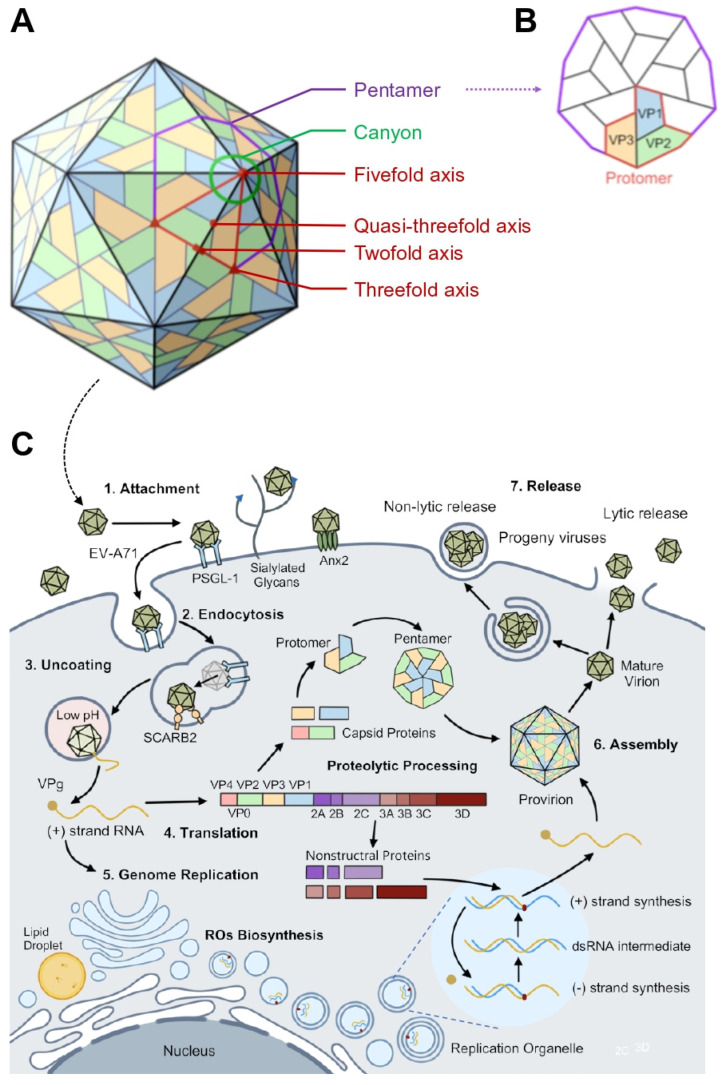
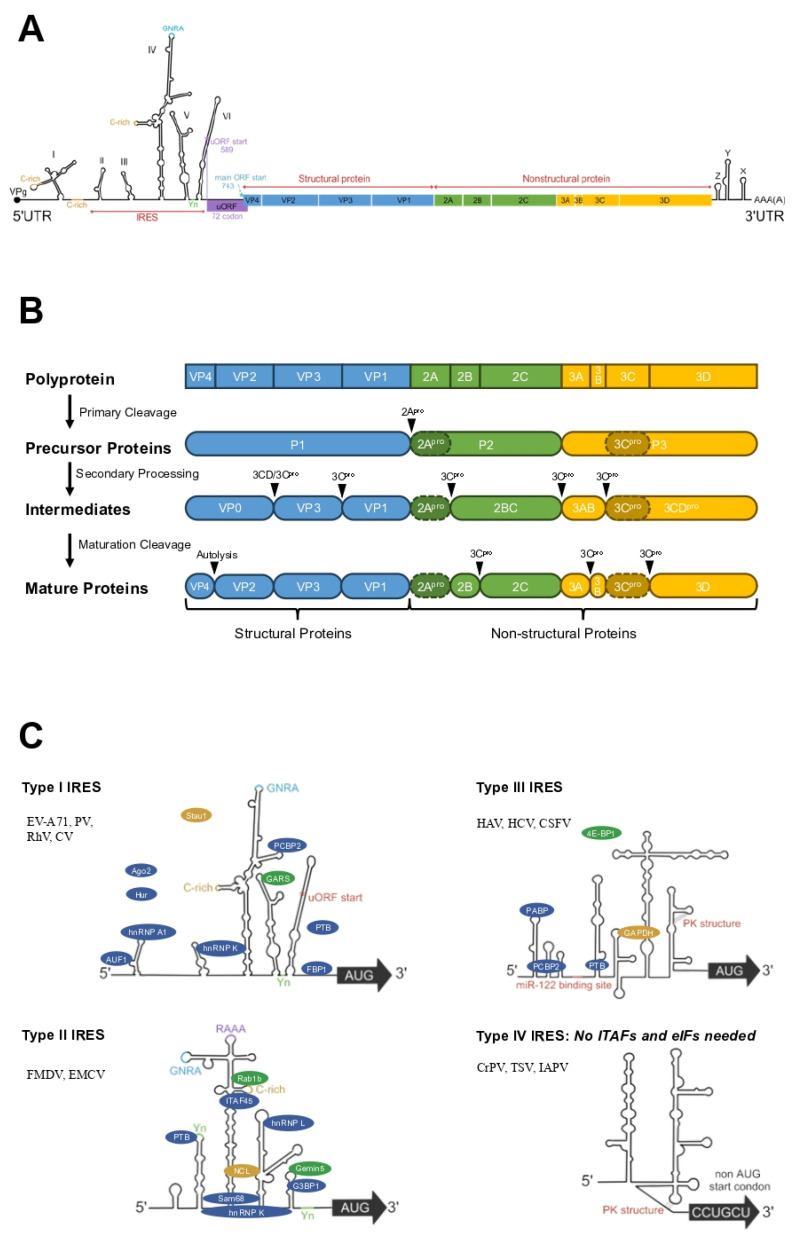
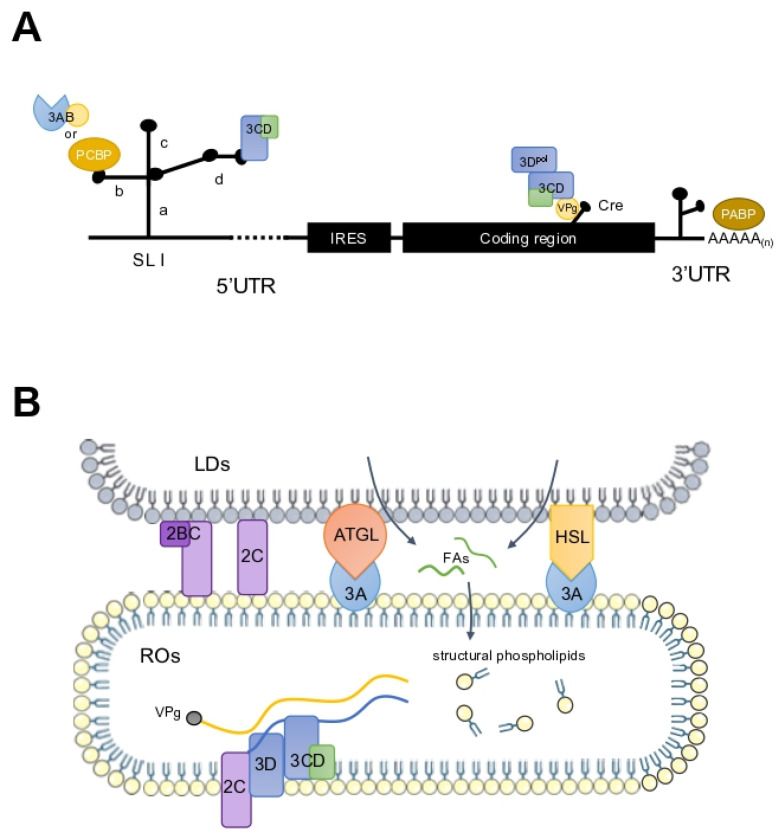
Verification
Claims the paper makes
The claims and statistics of this paper haven’t been checked yet.
Run the check — free, no account needed. It reads the open-access text and checks the sources it cites.
Claims other papers make about this one
Each is checked against this paper’s own text: does it say what the citing paper says it does?
The source backs part of the claim, not all of it — or backs it for a different population, condition or comparison.
In the citing paper
“By traveling within nerve axons, the virus can effectively bypass the bloodstream and the meningeal immune surveillance, reaching the CNS without triggering an early, widespread meningeal inflammation (21, 22).”
From Pathogen detection in acellular cerebrospinal fluid: diagnostic insights from a pediatric cohort in Colombia (2026) · cites this paper as [22]
Experimental — accuracy not yet measured
Self-check
Percentages, sums and reported differences re-computed from the paper’s own numbers.
The self-check needs the paper’s full text.
Citations
Cites
Gene essentiality and synthetic lethality in haploid human cells
Blomen, V. A., Májek, P., Jae, L. T., Bigenzahn, J. W., Nieuwenhuis, J., Staring, J., Sacco, R., van Diemen, F. R., Olk, N., Stukalov, A., et al. (2015) · Science · doi:10.1126/science.aac7557 · Cited by 857
PLA2G16 represents a switch between entry and clearance of Picornaviridae
Staring, J., von Castelmur, E., Blomen, V. A., van den Hengel, L. G., Brockmann, M., Baggen, J., Thibaut, H. J., Nieuwenhuis, J., Janssen, H., van Kuppeveld, F. J. M., et al. (2017) · Nature · doi:10.1038/nature21032 · Cited by 201
Marissen, W. E., & Lloyd, R. E. (1998) · Molecular and Cellular Biology · doi:10.1128/mcb.18.12.7565 · Cited by 198
Liu, Y., Wang, C., Mueller, S., Paul, A. V., Wimmer, E., & Jiang, P. (2010) · PLoS Pathogens · doi:10.1371/journal.ppat.1001066 · Cited by 142
Research works printed but not linked: 233
- Messacar, 2020, Clinical characteristics of enterovirus A71 neurological disease during an outbreak in children in Colorado, USA, in 2018: An observational cohort study, Lancet Infect. Dis., 20, 230, 10.1016/S1473-3099(19)30632-2 · DOI
- Ooi, 2010, Clinical features, diagnosis, and management of enterovirus 71, Lancet Neurol., 9, 1097, 10.1016/S1474-4422(10)70209-X · DOI
- Hamaguchi, 2008, Acute encephalitis caused by intrafamilial transmission of enterovirus 71 in adult, Emerg. Infect. Dis., 14, 828, 10.3201/eid1405.071121 · DOI
- Chen, Y.F., Hu, L., Xu, F., Liu, C.J., and Li, J. (2019). A case report of a teenager with severe hand, foot, and mouth disease with brainstem encephalitis caused by enterovirus 71. BMC Pediatr., 19. · DOI
- Koopmans, 2009, Epidemiology of enterovirus 71 in the Netherlands, 1963 to 2008, J. Clin. Microbiol., 47, 2826, 10.1128/JCM.00507-09 · DOI
- Xing, 2014, Hand, foot, and mouth disease in China, 2008–2012: An epidemiological study, Lancet Infect. Dis., 14, 308, 10.1016/S1473-3099(13)70342-6 · DOI
- Solomon, 2010, Virology, epidemiology, pathogenesis, and control of enterovirus 71, Lancet Infect. Dis., 10, 778, 10.1016/S1473-3099(10)70194-8 · DOI
- Chang, H.L., Chio, C.P., Su, H.J., Liao, C.M., Lin, C.Y., Shau, W.Y., Chi, Y.C., Cheng, Y.T., Chou, Y.L., and Li, C.Y. (2012). The association between enterovirus 71 infections and meteorological parameters in Taiwan. PLoS ONE, 7. · DOI
- Jiang, L., Jiang, H., Tian, X., Xia, X., and Huang, T. (2021). Epidemiological characteristics of hand, foot, and mouth disease in Yunnan Province, China, 2008–2019. BMC Infect. Dis., 21. · DOI
- Baker, 2024, Increasing intensity of enterovirus outbreaks projected with climate change, Nat. Commun., 15, 6466, 10.1038/s41467-024-50936-3 · DOI
- Hong, 2022, Changing epidemiology of hand, foot, and mouth disease in China, 2013-2019: A population-based study, Lancet Reg. Health–West. Pac., 20, 100370
- He, 2014, Tonsillar crypt epithelium is an important extra-central nervous system site for viral replication in EV71 encephalomyelitis, Am. J. Pathol., 184, 714, 10.1016/j.ajpath.2013.11.009 · DOI
- Huang, 2012, Viral and host factors that contribute to pathogenicity of enterovirus 71, Future Microbiol., 7, 467, 10.2217/fmb.12.22 · DOI
- Wang, 2003, Pathogenesis of enterovirus 71 brainstem encephalitis in pediatric patients: Roles of cytokines and cellular immune activation in patients with pulmonary edema, J. Infect. Dis., 188, 564, 10.1086/376998 · DOI
- Hsia, 2005, Predictors of unfavorable outcomes in enterovirus 71-related cardiopulmonary failure in children, Pediatr. Infect. Dis. J., 24, 331, 10.1097/01.inf.0000157219.19674.98 · DOI
- Chen, 2007, Retrograde axonal transport: A major transmission route of enterovirus 71 in mice, J. Virol., 81, 8996, 10.1128/JVI.00236-07 · DOI · Paper page
- Tee, 2021, Recent advances in the understanding of enterovirus A71 infection: A focus on neuropathogenesis, Expert. Rev. Anti Infect. Ther., 19, 733, 10.1080/14787210.2021.1851194 · DOI
- Gaume, L., Chabrolles, H., Bisseux, M., Lopez-Coqueiro, I., Dehouck, L., Mirand, A., Henquell, C., Gosselet, F., Archimbaud, C., and Bailly, J.L. (2024). Enterovirus A71 crosses a human blood-brain barrier model through infected immune cells. Microbiol. Spectr., 12. · DOI
- Wong, 2008, The distribution of inflammation and virus in human enterovirus 71 encephalomyelitis suggests possible viral spread by neural pathways, J. Neuropathol. Exp. Neurol., 67, 162, 10.1097/nen.0b013e318163a990 · DOI · Paper page
- Catching, 2023, A tradeoff between enterovirus A71 particle stability and cell entry, Nat. Commun., 14, 7450, 10.1038/s41467-023-43029-0 · DOI
- Zhou, 2019, Unexpected mode of engagement between enterovirus 71 and its receptor SCARB2, Nat. Microbiol., 4, 414, 10.1038/s41564-018-0319-z · DOI
- Santiana, 2018, Vesicle-Cloaked Virus Clusters Are Optimal Units for Inter-organismal Viral Transmission, Cell Host Microbe, 24, 208, 10.1016/j.chom.2018.07.006 · DOI
- Yang, J.E., Rossignol, E.D., Chang, D., Zaia, J., Forrester, I., Raja, K., Winbigler, H., Nicastro, D., Jackson, W.T., and Bullitt, E. (2020). Complexity and ultrastructure of infectious extracellular vesicles from cells infected by non-enveloped virus. Sci. Rep., 10. · DOI
- Patel, 2009, Receptors identified for hand, foot and mouth virus, Nat. Med., 15, 728, 10.1038/nm0709-728 · DOI
- Yamayoshi, 2009, Scavenger receptor B2 is a cellular receptor for enterovirus 71, Nat. Med., 15, 798, 10.1038/nm.1992 · DOI
- Liu, 2014, The cellular receptor for enterovirus 71, Protein Cell, 5, 655, 10.1007/s13238-014-0092-6 · DOI
- Su, P.Y., Liu, Y.T., Chang, H.Y., Huang, S.W., Wang, Y.F., Yu, C.K., Wang, J.R., and Chang, C.F. (2012). Cell surface sialylation affects binding of enterovirus 71 to rhabdomyosarcoma and neuroblastoma cells. BMC Microbiol., 12. · DOI
- Jiao, 2014, Distribution of EV71 receptors SCARB2 and PSGL-1 in human tissues, Virus Res., 190, 40, 10.1016/j.virusres.2014.05.007 · DOI
- Fujii, 2013, Transgenic mouse model for the study of enterovirus 71 neuropathogenesis, Proc. Natl. Acad. Sci. USA, 110, 14753, 10.1073/pnas.1217563110 · DOI
- Lin, Y.W., Yu, S.L., Shao, H.Y., Lin, H.Y., Liu, C.C., Hsiao, K.N., Chitra, E., Tsou, Y.L., Chang, H.W., and Sia, C. (2013). Human SCARB2 transgenic mice as an infectious animal model for enterovirus 71. PLoS ONE, 8. · DOI
- Hussain, 2011, The essential role of clathrin-mediated endocytosis in the infectious entry of human enterovirus 71, J. Biol. Chem., 286, 309, 10.1074/jbc.M110.168468 · DOI
- Lin, Y.W., Lin, H.Y., Tsou, Y.L., Chitra, E., Hsiao, K.N., Shao, H.Y., Liu, C.C., Sia, C., Chong, P., and Chow, Y.H. (2012). Human SCARB2-mediated entry and endocytosis of EV71. PLoS ONE, 7. · DOI
- Siebert, 2014, Identification of miRNAs that modulate glucocerebrosidase activity in Gaucher disease cells, RNA Biol., 11, 1291, 10.1080/15476286.2014.996085 · DOI
- Feng, 2017, miR-127-5p negatively regulates enterovirus 71 replication by directly targeting SCARB2, FEBS Open Bio, 7, 747, 10.1002/2211-5463.12197 · DOI
- Jin, J., Li, R., Jiang, C., Zhang, R., Ge, X., Liang, F., Sheng, X., Dai, W., Chen, M., and Wu, J. (2017). Transcriptome analysis reveals dynamic changes in coxsackievirus A16 infected HEK 293T cells. BMC Genom., 18. · DOI
- Nishimura, Y., Sato, K., Koyanagi, Y., Wakita, T., Muramatsu, M., Shimizu, H., Bergelson, J.M., and Arita, M. (2024). Enterovirus A71 does not meet the uncoating receptor SCARB2 at the cell surface. PLoS Pathog., 20. · DOI
- Sako, 1993, Expression cloning of a functional glycoprotein ligand for p-selectin, Cell, 75, 1179, 10.1016/0092-8674(93)90327-M · DOI
- Laszik, 1996, P-selectin glycoprotein ligand-1 is broadly expressed in cells of myeloid, lymphoid, and dendritic lineage and in some nonhematopoietic cells, Blood, 88, 3010, 10.1182/blood.V88.8.3010.bloodjournal8883010 · DOI
- Nishimura, 2009, Human P-selectin glycoprotein ligand-1 is a functional receptor for enterovirus 71, Nat. Med., 15, 794, 10.1038/nm.1961 · DOI
- Nishimura, Y., Lee, H., Hafenstein, S., Kataoka, C., Wakita, T., Bergelson, J.M., and Shimizu, H. (2013). Enterovirus 71 binding to PSGL-1 on leukocytes: VP1-145 acts as a molecular switch to control receptor interaction. PLoS Pathog., 9. · DOI
- Zhang, 2024, Enterovirus 71 Activates Plasmacytoid Dendritic Cell-Dependent PSGL-1 Binding Independent of Productive Infection, J. Immunol., 212, 1782, 10.4049/jimmunol.2300407 · DOI
- Liu, 2012, Transgenic expression of human P-selectin glycoprotein ligand-1 is not sufficient for enterovirus 71 infection in mice, Arch. Virol., 157, 539, 10.1007/s00705-011-1198-2 · DOI
- Miyamura, 2010, Adaptive mutations in the genomes of enterovirus 71 strains following infection of mouse cells expressing human P-selectin glycoprotein ligand-1, J. Gen. Virol., 92, 287, 10.1099/vir.0.022418-0 · DOI
- Yamayoshi, 2013, Functional comparison of SCARB2 and PSGL1 as receptors for enterovirus 71, J. Virol., 87, 3335, 10.1128/JVI.02070-12 · DOI
- Lin, 2013, Caveolar endocytosis is required for human PSGL-1-mediated enterovirus 71 infection, J. Virol., 87, 9064, 10.1128/JVI.00573-13 · DOI
- Yang, 2009, Sialylated glycans as receptor and inhibitor of enterovirus 71 infection to DLD-1 intestinal cells, Virol. J., 6, 141, 10.1186/1743-422X-6-141 · DOI
- Su, 2015, Cell surface nucleolin facilitates enterovirus 71 binding and infection, J. Virol., 89, 4527, 10.1128/JVI.03498-14 · DOI
- Kobayashi, K., and Koike, S. (2020). Cellular receptors for enterovirus A71. J. Biomed. Sci., 27. · DOI
- Du, 2014, Cell surface vimentin is an attachment receptor for enterovirus 71, J. Virol., 88, 5816, 10.1128/JVI.03826-13 · DOI
- Yamayoshi, 2014, Receptors for enterovirus 71, Emerg. Microbes Infect., 3, e53, 10.1038/emi.2014.49 · DOI
- Yang, 2011, Annexin II binds to capsid protein VP1 of enterovirus 71 and enhances viral infectivity, J. Virol., 85, 11809, 10.1128/JVI.00297-11 · DOI
- Tan, 2013, Enterovirus 71 uses cell surface heparan sulfate glycosaminoglycan as an attachment receptor, J. Virol., 87, 611, 10.1128/JVI.02226-12 · DOI
- Too, I.H.K., Bonne, I., Tan, E.L., Chu, J.J.H., and Alonso, S. (2018). Prohibitin plays a critical role in Enterovirus 71 neuropathogenesis. PLoS Pathog., 14. · DOI
- Schmid, 1997, Clathrin-coated vesicle formation and protein sorting: An integrated process, Annu. Rev. Biochem., 66, 511, 10.1146/annurev.biochem.66.1.511 · DOI
- Ku, 2015, Single Neutralizing Monoclonal Antibodies Targeting the VP1 GH Loop of Enterovirus 71 Inhibit both Virus Attachment and Internalization during Viral Entry, J. Virol., 89, 12084, 10.1128/JVI.02189-15 · DOI
- Xu, L., He, D., Yang, L., Li, Z., Ye, X., Yu, H., Zhao, H., Li, S., Yuan, L., and Qian, H. (2015). A Broadly Cross-protective Vaccine Presenting the Neighboring Epitopes within the VP1 GH Loop and VP2 EF Loop of Enterovirus 71. Sci. Rep., 5. · DOI
- Plevka, 2012, Crystal structure of human enterovirus 71, Science, 336, 1274, 10.1126/science.1218713 · DOI
- Chen, 2012, Molecular determinants of enterovirus 71 viral entry: Cleft around GLN-172 on VP1 protein interacts with variable region on scavenge receptor B 2, J. Biol. Chem., 287, 6406, 10.1074/jbc.M111.301622 · DOI
- Wang, 2012, A sensor-adaptor mechanism for enterovirus uncoating from structures of EV71, Nat. Struct. Mol. Biol., 19, 424, 10.1038/nsmb.2255 · DOI
- Baggen, 2018, The life cycle of non-polio enteroviruses and how to target it, Nat. Rev. Microbiol., 16, 368, 10.1038/s41579-018-0005-4 · DOI
- Reczek, 2007, LIMP-2 is a receptor for lysosomal mannose-6-phosphate-independent targeting of beta-glucocerebrosidase, Cell, 131, 770, 10.1016/j.cell.2007.10.018 · DOI
- Dang, 2014, Molecular mechanism of SCARB2-mediated attachment and uncoating of EV71, Protein Cell, 5, 692, 10.1007/s13238-014-0087-3 · DOI
- Shingler, K.L., Yoder, J.L., Carnegie, M.S., Ashley, R.E., Makhov, A.M., Conway, J.F., and Hafenstein, S. (2013). The enterovirus 71 A-particle forms a gateway to allow genome release: A cryoEM study of picornavirus uncoating. PLoS Pathog., 9. · DOI
- Levy, 2010, Catching a virus in the act of RNA release: A novel poliovirus uncoating intermediate characterized by cryo-electron microscopy, J. Virol., 84, 4426, 10.1128/JVI.02393-09 · DOI
- Lulla, 2019, An upstream protein-coding region in enteroviruses modulates virus infection in gut epithelial cells, Nat. Microbiol., 4, 280, 10.1038/s41564-018-0297-1 · DOI
- Guo, 2019, A second open reading frame in human enterovirus determines viral replication in intestinal epithelial cells, Nat. Commun., 10, 4066, 10.1038/s41467-019-12040-9 · DOI
- Abdullah, S.W., Wu, J., Wang, X., Guo, H., and Sun, S. (2023). Advances and Breakthroughs in IRES-Directed Translation and Replication of Picornaviruses. mBio, 14. · DOI
- Lai, M.C., Chen, H.H., Xu, P., and Wang, R.Y.L. (2020). Translation control of Enterovirus A71 gene expression. J. Biomed. Sci., 27. · DOI
- Lozano, 2015, Structural insights into viral IRES-dependent translation mechanisms, Curr. Opin. Virol., 12, 113, 10.1016/j.coviro.2015.04.008 · DOI
- Kok, 2012, Modification of the untranslated regions of human enterovirus 71 impairs growth in a cell-specific manner, J. Virol., 86, 542, 10.1128/JVI.00069-11 · DOI
- Wang, 1999, Structural requirements of the higher order RNA kissing element in the enteroviral 3’UTR, Nucleic Acids Res., 27, 485, 10.1093/nar/27.2.485 · DOI
- Walsh, 2011, Viral subversion of the host protein synthesis machinery, Nat. Rev. Microbiol., 9, 860, 10.1038/nrmicro2655 · DOI
- Pisarev, 2004, Functional and Structural Similarities between the Internal Ribosome Entry Sites of Hepatitis C Virus and Porcine Teschovirus, a Picornavirus, J. Virol., 78, 4487, 10.1128/JVI.78.9.4487-4497.2004 · DOI
- Sweeney, 2012, A distinct class of internal ribosomal entry site in members of the Kobuvirus and proposed Salivirus and Paraturdivirus genera of the Picornaviridae, J. Virol., 86, 1468, 10.1128/JVI.05862-11 · DOI
- Lamphear, 1995, Mapping of functional domains in eukaryotic protein synthesis initiation factor 4G (eIF4G) with picornaviral proteases. Implications for cap-dependent and cap-independent translational initiation, J. Biol. Chem., 270, 21975, 10.1074/jbc.270.37.21975 · DOI
- Gradi, 1998, Proteolysis of human eukaryotic translation initiation factor eIF4GII, but not eIF4GI, coincides with the shutoff of host protein synthesis after poliovirus infection, Proc. Natl. Acad. Sci. USA, 95, 11089, 10.1073/pnas.95.19.11089 · DOI
- Liberman, 2015, DAP5 associates with eIF2beta and eIF4AI to promote Internal Ribosome Entry Site driven translation, Nucleic Acids Res., 43, 3764, 10.1093/nar/gkv205 · DOI
- Weisser, 2017, Structural and Functional Insights into Human Re-initiation Complexes, Mol. Cell, 67, 447, 10.1016/j.molcel.2017.06.032 · DOI
- Mehle, A., Kim, H., Aponte-Diaz, D., Sotoudegan, M.S., Shengjuler, D., Arnold, J.J., and Cameron, C.E. (2023). The enterovirus genome can be translated in an IRES-independent manner that requires the initiation factors eIF2A/eIF2D. PLoS Biol., 21. · DOI
- Lee, 2017, Regulation Mechanisms of Viral IRES-Driven Translation, Trends Microbiol., 25, 546, 10.1016/j.tim.2017.01.010 · DOI
- Sarnow, P., Hung, C.-T., Kung, Y.-A., Li, M.-L., Brewer, G., Lee, K.-M., Liu, S.-T., and Shih, S.-R. (2016). Additive Promotion of Viral Internal Ribosome Entry Site-Mediated Translation by Far Upstream Element-Binding Protein 1 and an Enterovirus 71-Induced Cleavage Product. PLOS Pathog., 12. · DOI
- Lin, 2009, Far upstream element binding protein 2 interacts with enterovirus 71 internal ribosomal entry site and negatively regulates viral translation, Nucleic Acids Res., 37, 47, 10.1093/nar/gkn901 · DOI
- Dan, 2019, Hsp27 Responds to and Facilitates Enterovirus A71 Replication by Enhancing Viral Internal Ribosome Entry Site-Mediated Translation, J. Virol., 93, 10-1128, 10.1128/JVI.02322-18 · DOI
- Dong, 2018, Hsc70 regulates the IRES activity and serves as an antiviral target of enterovirus A71 infection, Antivir. Res., 150, 39, 10.1016/j.antiviral.2017.11.020 · DOI
- Su, Y.S., Tsai, A.H., Ho, Y.F., Huang, S.Y., Liu, Y.C., and Hwang, L.H. (2018). Stimulation of the Internal Ribosome Entry Site (IRES)-Dependent Translation of Enterovirus 71 by DDX3X RNA Helicase and Viral 2A and 3C Proteases. Front. Microbiol., 9. · DOI
- Pisareva, 2016, DHX29 reduces leaky scanning through an upstream AUG codon regardless of its nucleotide context, Nucleic Acids Res., 44, 4252, 10.1093/nar/gkw240 · DOI
- Dhote, 2015, Structure of mammalian eIF3 in the context of the 43S preinitiation complex, Nature, 525, 491, 10.1038/nature14891 · DOI
- Yuan, J., Shen, L., Wu, J., Zou, X., Gu, J., Chen, J., and Mao, L. (2018). Enterovirus A71 Proteins: Structure and Function. Front. Microbiol., 9. · DOI
- Zhang, 2015, Nuclear Protein Sam68 Interacts with the Enterovirus 71 Internal Ribosome Entry Site and Positively Regulates Viral Protein Translation, J. Virol., 89, 10031, 10.1128/JVI.01677-15 · DOI
- Song, 2015, Early growth response-1 facilitates enterovirus 71 replication by direct binding to the viral genome RNA, Int. J. Biochem. Cell Biol., 62, 36, 10.1016/j.biocel.2015.02.012 · DOI
- Lin, J.Y., Li, M.L., and Brewer, G. (2014). mRNA decay factor AUF1 binds the internal ribosomal entry site of enterovirus 71 and inhibits virus replication. PLoS ONE, 9. · DOI
- Li, 2022, Host Restriction Factor A3G Inhibits the Replication of Enterovirus D68 by Competitively Binding the 5′ Untranslated Region with PCBP1, J. Virol., 96, e0170821, 10.1128/JVI.01708-21 · DOI
- Weng, 2014, A cytoplasmic RNA virus generates functional viral small RNAs and regulates viral IRES activity in mammalian cells, Nucleic Acids Res., 42, 12789, 10.1093/nar/gku952 · DOI
- Han, 2016, SIRT1 inhibits EV71 genome replication and RNA translation by interfering with the viral polymerase and 5’UTR RNA, J. Cell Sci., 129, 4534, 10.1242/jcs.193698 · DOI
- Yang, 2020, Foot-and-Mouth Disease Virus 3A Protein Causes Upregulation of Autophagy-Related Protein LRRC25 To Inhibit the G3BP1-Mediated RIG-Like Helicase-Signaling Pathway, J. Virol., 94, 10-1128, 10.1128/JVI.02086-19 · DOI
- Kung, 2017, Control of the negative IRES trans-acting factor KHSRP by ubiquitination, Nucleic Acids Res., 45, 271, 10.1093/nar/gkw1042 · DOI
- Shao, 2023, Anisomycin inhibits Coxsackievirus B replication by promoting the lysosomal degradation of eEF1A1, Antivir. Res., 215, 105621, 10.1016/j.antiviral.2023.105621 · DOI
- Luo, Z., Dong, X., Li, Y., Zhang, Q., Kim, C., Song, Y., Kang, L., Liu, Y., Wu, K., and Wu, J. (2014). PolyC-binding protein 1 interacts with 5’-untranslated region of enterovirus 71 RNA in membrane-associated complex to facilitate viral replication. PLoS ONE, 9. · DOI
- Chen, 2013, Enterovirus 71 infection cleaves a negative regulator for viral internal ribosomal entry site-driven translation, J. Virol., 87, 3828, 10.1128/JVI.02278-12 · DOI
- Lin, J.Y., Brewer, G., and Li, M.L. (2015). HuR and Ago2 Bind the Internal Ribosome Entry Site of Enterovirus 71 and Promote Virus Translation and Replication. PLoS ONE, 10. · DOI
- Fan, 2015, Heterogeneous Ribonucleoprotein K (hnRNP K) Binds miR-122, a Mature Liver-Specific MicroRNA Required for Hepatitis C Virus Replication, Mol. Cell. Proteom., 14, 2878, 10.1074/mcp.M115.050344 · DOI
- Liu, 2020, hnRNP K Is a Novel Internal Ribosomal Entry Site-Transacting Factor That Negatively Regulates Foot-and-Mouth Disease Virus Translation and Replication and Is Antagonized by Viral 3C Protease, J. Virol., 94, 10-1128, 10.1128/JVI.00803-20 · DOI
- Lin, 2008, Heterogeneous nuclear ribonuclear protein K interacts with the enterovirus 71 5’ untranslated region and participates in virus replication, J. Gen. Virol., 89, 2540, 10.1099/vir.0.2008/003673-0 · DOI
- Gao, 2017, PRMT5 regulates IRES-dependent translation via methylation of hnRNP A1, Nucleic Acids Res., 45, 4359
- Lin, 2009, hnRNP A1 Interacts with the 5′ Untranslated Regions of Enterovirus 71 and Sindbis Virus RNA and Is Required for Viral Replication, J. Virol., 83, 6106, 10.1128/JVI.02476-08 · DOI
- Hao, Z., Yin, X., Ding, R., Chen, L., Hao, C., and Duan, H. (2023). A novel oncolytic virus-based biomarker participates in prognosis and tumor immune infiltration of glioma. Front. Microbiol., 14. · DOI
- Wang, 2016, MOV10 interacts with Enterovirus 71 genomic 5’UTR and modulates viral replication, Biochem. Biophys. Res. Commun., 479, 571, 10.1016/j.bbrc.2016.09.112 · DOI
- Li, H., Li, W., Zhang, S., Qiu, M., Li, Z., Lin, Y., Tan, J., and Qiao, W. (2022). Enterovirus 71 Activates GADD34 via Precursor 3CD to Promote IRES-Mediated Viral Translation. Microbiol. Spectr., 10. · DOI
- Abedeera, S.M., Davila-Calderon, J., Haddad, C., Henry, B., King, J., Penumutchu, S., and Tolbert, B.S. (2023). The Repurposing of Cellular Proteins during Enterovirus A71 Infection. Viruses, 16. · DOI
- Li, 2024, Cleavage of Stau2 by 3C protease promotes EV-A71 replication, Virol. J., 21, 216, 10.1186/s12985-024-02489-6 · DOI
- Skalsky, 2010, Viruses, microRNAs, and host interactions, Annu. Rev. Microbiol., 64, 123, 10.1146/annurev.micro.112408.134243 · DOI
- Zheng, 2013, Human microRNA hsa-miR-296-5p suppresses enterovirus 71 replication by targeting the viral genome, J. Virol., 87, 5645, 10.1128/JVI.02655-12 · DOI
- Yang, 2021, MicroRNAs miR-18a and miR-452 regulate the replication of enterovirus 71 by targeting the gene encoding VP3, Virus Genes, 57, 318, 10.1007/s11262-021-01842-z · DOI
- Ho, 2011, Enterovirus-induced miR-141 contributes to shutoff of host protein translation by targeting the translation initiation factor eIF4E, Cell Host Microbe, 9, 58, 10.1016/j.chom.2010.12.001 · DOI
- Lawson, 1992, Alternate poliovirus nonstructural protein processing cascades generated by primary sites of 3C proteinase cleavage, Virology, 191, 309, 10.1016/0042-6822(92)90193-S · DOI
- Ryan, 1989, Specificity of enzyme-substrate interactions in foot-and-mouth disease virus polyprotein processing, Virology, 173, 35, 10.1016/0042-6822(89)90219-5 · DOI
- Filman, 1988, Structural domains of the poliovirus polyprotein are major determinants for proteolytic cleavage at Gln-Gly pairs, J. Biol. Chem., 263, 17846, 10.1016/S0021-9258(19)77912-5 · DOI
- Jore, 1988, Poliovirus protein 3CD is the active protease for processing of the precursor protein P1 in vitro, J. Gen. Virol., 69, 1627, 10.1099/0022-1317-69-7-1627 · DOI
- Hanecak, 1982, Proteolytic processing of poliovirus polypeptides: Antibodies to polypeptide P3-7c inhibit cleavage at glutamine-glycine pairs, Proc. Natl. Acad. Sci. USA, 79, 3973, 10.1073/pnas.79.13.3973 · DOI
- Toyoda, 1986, A second virus-encoded proteinase involved in proteolytic processing of poliovirus polyprotein, Cell, 45, 761, 10.1016/0092-8674(86)90790-7 · DOI
- Cao, 2019, Determination of the cleavage site of enterovirus 71 VP0 and the effect of this cleavage on viral infectivity and assembly, Microb. Pathog., 134, 103568, 10.1016/j.micpath.2019.103568 · DOI
- Kiener, 2012, Characterization and specificity of the linear epitope of the enterovirus 71 VP2 protein, Virol. J., 9, 55, 10.1186/1743-422X-9-55 · DOI
- Kataoka, C., Suzuki, T., Kotani, O., Iwata-Yoshikawa, N., Nagata, N., Ami, Y., Wakita, T., Nishimura, Y., and Shimizu, H. (2015). The Role of VP1 Amino Acid Residue 145 of Enterovirus 71 in Viral Fitness and Pathogenesis in a Cynomolgus Monkey Model. PLoS Pathog., 11. · DOI
- Zhang, Y.X., Huang, Y.M., Li, Q.J., Li, X.Y., Zhou, Y.D., Guo, F., Zhou, J.M., and Cen, S. (2017). A highly conserved amino acid in VP1 regulates maturation of enterovirus 71. PLoS Pathog., 13. · DOI
- Liu, Z.W., Zhuang, Z.C., Chen, R., Wang, X.R., Zhang, H.L., Li, S.H., Wang, Z.Y., and Wen, H.L. (2019). Enterovirus 71 VP1 Protein Regulates Viral Replication in SH-SY5Y Cells via the mTOR Autophagy Signaling Pathway. Viruses, 12. · DOI
- Liu, 2011, Identification and characterization of a cross-neutralization epitope of Enterovirus 71, Vaccine, 29, 4362, 10.1016/j.vaccine.2011.04.010 · DOI
- Kiener, T.K., Jia, Q., Meng, T., Chow, V.T., and Kwang, J. (2014). A novel universal neutralizing monoclonal antibody against enterovirus 71 that targets the highly conserved “knob” region of VP3 protein. PLoS Negl. Trop. Dis., 8. · DOI
- Jia, Q., Ng, Q., Chin, W., Meng, T., Chow, V.T.K., Wang, C.I., Kwang, J., and He, F. (2017). Effective in vivo therapeutic IgG antibody against VP3 of enterovirus 71 with receptor-competing activity. Sci. Rep., 7. · DOI
- Phanthong, S., Densumite, J., Seesuay, W., Thanongsaksrikul, J., Teimoori, S., Sookrung, N., Poovorawan, Y., Onvimala, N., Guntapong, R., and Pattanapanyasat, K. (2020). Human Antibodies to VP4 Inhibit Replication of Enteroviruses Across Subgenotypes and Serotypes, and Enhance Host Innate Immunity. Front. Microbiol., 11. · DOI
- Cao, 2020, Myristoylation of EV71 VP4 is Essential for Infectivity and Interaction with Membrane Structure, Virol. Sin., 35, 599, 10.1007/s12250-020-00226-1 · DOI
- Zhao, M., Bai, Y., Liu, W., Xiao, X., Huang, Y., Cen, S., Chan, P.K., Sun, X., Sheng, W., and Zeng, Y. (2013). Immunization of N terminus of enterovirus 71 VP4 elicits cross-protective antibody responses. BMC Microbiol., 13. · DOI
- Duan, 2017, Regulation of enterovirus 2A protease-associated viral IRES activities by the cell’s ERK signaling cascade: Implicating ERK as an efficiently antiviral target, Antivir. Res., 143, 13, 10.1016/j.antiviral.2017.03.018 · DOI
- Xie, 2011, DIDS blocks a chloride-dependent current that is mediated by the 2B protein of enterovirus 71, Cell Res., 21, 1271, 10.1038/cr.2011.112 · DOI
- Tang, 2007, Reticulon 3 binds the 2C protein of enterovirus 71 and is required for viral replication, J. Biol. Chem., 282, 5888, 10.1074/jbc.M611145200 · DOI
- Lai, J.K.F., Sam, I.C., Verlhac, P., Baguet, J., Eskelinen, E.L., Faure, M., and Chan, Y.F. (2017). 2BC Non-Structural Protein of Enterovirus A71 Interacts with SNARE Proteins to Trigger Autolysosome Formation. Viruses, 9. · DOI
- Fan, 2021, Enterovirus 71 2A Protease Inhibits P-Body Formation to Promote Viral RNA Synthesis, J. Virol., 95, e0092221, 10.1128/JVI.00922-21 · DOI
- Li, 2018, Nonstructural protein 2A modulates replication and virulence of enterovirus 71, Virus Res., 244, 262, 10.1016/j.virusres.2017.11.023 · DOI
- Kuo, 2002, Infection with enterovirus 71 or expression of its 2A protease induces apoptotic cell death, J. Gen. Virol., 83, 1367, 10.1099/0022-1317-83-6-1367 · DOI
- Zhang, 2013, The 2A protease of enterovirus 71 cleaves nup62 to inhibit nuclear transport, Bing Du Xue Bao Chin. J. Virol., 29, 421
- Wang, 2015, Antiviral Potential of a Novel Compound CW-33 against Enterovirus A71 via Inhibition of Viral 2A Protease, Viruses, 7, 3155, 10.3390/v7062764 · DOI
- Chen, 2020, Cellular Caspase-3 Contributes to EV-A71 2A(pro)-Mediated Down-Regulation of IFNAR1 at the Translation Level, Virol. Sin., 35, 64, 10.1007/s12250-019-00151-y · DOI
- Visser, 2019, Essential Role of Enterovirus 2A Protease in Counteracting Stress Granule Formation and the Induction of Type I Interferon, J. Virol., 93, 10-1128, 10.1128/JVI.00222-19 · DOI
- Lu, 2012, Enterovirus 71 disrupts interferon signaling by reducing the level of interferon receptor 1, J. Virol., 86, 3767, 10.1128/JVI.06687-11 · DOI
- Wang, 2015, Enterovirus 71 Proteins 2A and 3D Antagonize the Antiviral Activity of Gamma Interferon via Signaling Attenuation, J. Virol., 89, 7028, 10.1128/JVI.00205-15 · DOI
- Cheng, M.L., Wu, C.H., Chien, K.Y., Lai, C.H., Li, G.J., Liu, Y.Y., Lin, G., and Ho, H.Y. (2022). Enteroviral 2B Interacts with VDAC3 to Regulate Reactive Oxygen Species Generation That Is Essential to Viral Replication. Viruses, 14. · DOI
- Cong, 2016, Enterovirus 71 2B Induces Cell Apoptosis by Directly Inducing the Conformational Activation of the Proapoptotic Protein Bax, J. Virol., 90, 9862, 10.1128/JVI.01499-16 · DOI
- Supasorn, 2020, A nonstructural 2B protein of enterovirus A71 increases cytosolic Ca(2+) and induces apoptosis in human neuroblastoma SH-SY5Y cells, J. Neurovirol., 26, 201, 10.1007/s13365-019-00824-0 · DOI
- Sun, M., Lin, Q., Wang, C., Xing, J., Yan, K., Liu, Z., Jin, Y., Cardona, C.J., and Xing, Z. (2021). Enterovirus A71 2B Inhibits Interferon-Activated JAK/STAT Signaling by Inducing Caspase-3-Dependent Karyopherin-alpha1 Degradation. Front. Microbiol., 12. · DOI
- Du, H., Yin, P., Yang, X., Zhang, L., Jin, Q., and Zhu, G. (2015). Enterovirus 71 2C Protein Inhibits NF-kappaB Activation by Binding to RelA(p65). Sci. Rep., 5. · DOI
- Li, 1990, An intragenic revertant of a poliovirus 2C mutant has an uncoating defect, J. Virol., 64, 1102, 10.1128/jvi.64.3.1102-1107.1990 · DOI
- Cho, 1994, Membrane rearrangement and vesicle induction by recombinant poliovirus 2C and 2BC in human-cells, Virology, 202, 129, 10.1006/viro.1994.1329 · DOI
- Wang, 2012, Alanine scanning of poliovirus 2CATPase reveals new genetic evidence that capsid protein/2CATPase interactions are essential for morphogenesis, J. Virol., 86, 9964, 10.1128/JVI.00914-12 · DOI
- Ji, 2021, Enterovirus 2C Protein Suppresses IKKalpha Phosphorylation by Recruiting IKKbeta and IKKalpha into Viral Inclusion Bodies, Viral Immunol., 34, 218, 10.1089/vim.2020.0173 · DOI
- Xiao, 2017, Enterovirus 3A Facilitates Viral Replication by Promoting Phosphatidylinositol 4-Kinase IIIbeta-ACBD3 Interaction, J. Virol., 91, 10-1128, 10.1128/JVI.00791-17 · DOI
- Lu, J.Y., Brewer, G., Li, M.L., Lin, K.Z., Huang, C.C., Yen, L.C., and Lin, J.Y. (2021). Secretory Carrier Membrane Protein 3 Interacts with 3A Viral Protein of Enterovirus and Participates in Viral Replication. Microbiol. Spectr., 9. · DOI
- Ruan, Z., Liang, Y., Chen, Z., Yin, J., Li, C., Pan, P., Zhang, Q., Wu, J., and Luo, Z. (2022). Enterovirus 71 non-structural protein 3A hijacks vacuolar protein sorting 25 to boost exosome biogenesis to facilitate viral replication. Front. Microbiol., 13. · DOI
- Rattanakomol, P., Srimanote, P., Tongtawe, P., Khantisitthiporn, O., Supasorn, O., and Thanongsaksrikul, J. (2022). Host neuronal PRSS3 interacts with enterovirus A71 3A protein and its role in viral replication. Sci. Rep., 12. · DOI
- Lu, 2016, ATP1B3: A virus-induced host factor against EV71 replication by up-regulating the production of type-I interferons, Virology, 496, 28, 10.1016/j.virol.2016.05.013 · DOI
- Chen, 2013, Crystal Structure of Enterovirus 71 RNA-Dependent RNA Polymerase Complexed with Its Protein Primer VPg: Implication for a trans Mechanism of VPg Uridylylation, J. Virol., 87, 5755, 10.1128/JVI.02733-12 · DOI
- Shih, 2004, Mutations at KFRDI and VGK domains of enterovirus 71 3C protease affect its RNA binding and proteolytic activities, J. Biomed. Sci., 11, 239, 10.1007/BF02256567 · DOI
- Weng, K.F., Li, M.L., Hung, C.T., and Shih, S.R. (2009). Enterovirus 71 3C protease cleaves a novel target CstF-64 and inhibits cellular polyadenylation. PLoS Pathog., 5. · DOI
- Lei, 2014, Enterovirus 71 3C Inhibits Cytokine Expression through Cleavage of the TAK1/TAB1/TAB2/TAB3 Complex, J. Virol., 88, 9830, 10.1128/JVI.01425-14 · DOI
- Li, 2021, 3C protease of enterovirus 71 cleaves promyelocytic leukemia protein and impairs PML-NBs production, Virol. J., 18, 255, 10.1186/s12985-021-01725-7 · DOI
- Zhou, 2022, EV71 3C protease cleaves host anti-viral factor OAS3 and enhances virus replication, Virol. Sin., 37, 418, 10.1016/j.virs.2022.04.013 · DOI
- Ma, 2018, Association of EV71 3C polymorphisms with clinical severity, J. Microbiol. Immunol. Infect., 51, 608, 10.1016/j.jmii.2016.12.006 · DOI
- Li, H., Yao, Y., Chen, Y., Zhang, S., Deng, Z., Qiao, W., and Tan, J. (2022). TRAF3IP3 Is Cleaved by EV71 3C Protease and Exhibits Antiviral Activity. Front. Microbiol., 13. · DOI
- Lei, 2017, Enterovirus 71 Inhibits Pyroptosis through Cleavage of Gasdermin D, J. Virol., 91, e01069-17, 10.1128/JVI.01069-17 · DOI
- Li, M.L., Lin, J.Y., Chen, B.S., Weng, K.F., Shih, S.R., Calderon, J.D., Tolbert, B.S., and Brewer, G. (2019). EV71 3C protease induces apoptosis by cleavage of hnRNP A1 to promote apaf-1 translation. PLoS ONE, 14. · DOI
- Wo, 2021, TAR DNA-Binding Protein 43 is Cleaved by the Protease 3C of Enterovirus A71, Virol. Sin., 36, 95, 10.1007/s12250-020-00262-x · DOI
- Sun, 2012, Enterovirus 71 VPg uridylation uses a two-molecular mechanism of 3D polymerase, J. Virol., 86, 13662, 10.1128/JVI.01712-12 · DOI
- Liu, 2016, SUMO Modification Stabilizes Enterovirus 71 Polymerase 3D To Facilitate Viral Replication, J. Virol., 90, 10472, 10.1128/JVI.01756-16 · DOI
- Xu, 2024, EV71 5’UTR interacts with 3D protein affecting replication through the AKT-mTOR pathway, Virol. J., 21, 114, 10.1186/s12985-024-02385-z · DOI
- Xiang, Q., Wan, P., Yang, G., Huang, S., Qin, M., Yang, H., Luo, Z., Wu, K., and Wu, J. (2020). Beclin1 Binds to Enterovirus 71 3D Protein to Promote the Virus Replication. Viruses, 12. · DOI
- Yu, 2015, Enterovirus 71 mediates cell cycle arrest in S phase through non-structural protein 3D, Cell Cycle, 14, 425, 10.4161/15384101.2014.980631 · DOI
- Wang, W., Xiao, F., Wan, P., Pan, P., Zhang, Y., Liu, F., Wu, K., Liu, Y., and Wu, J. (2017). EV71 3D Protein Binds with NLRP3 and Enhances the Assembly of Inflammasome Complex. PLoS Pathog., 13. · DOI
- Wang, 2015, Reciprocal Regulation between Enterovirus 71 and the NLRP3 Inflammasome, Cell Rep., 12, 42, 10.1016/j.celrep.2015.05.047 · DOI
- Yang, 2021, The expression of IFN-beta is suppressed by the viral 3D polymerase via its impact on PGAM5 expression during enterovirus D68 infection, Virus Res., 304, 198549, 10.1016/j.virusres.2021.198549 · DOI
- Tang, 2014, The identification and characterization of nucleic acid chaperone activity of human enterovirus 71 nonstructural protein 3AB, Virology, 464–465, 353, 10.1016/j.virol.2014.07.037 · DOI
- Barton, 1999, Translating ribosomes inhibit poliovirus negative-strand RNA synthesis, J. Virol., 73, 10104, 10.1128/JVI.73.12.10104-10112.1999 · DOI
- Gamarnik, 1998, Switch from translation to RNA replication in a positive-stranded RNA virus, Genes Dev., 12, 2293, 10.1101/gad.12.15.2293 · DOI
- Gamarnik, 2000, Interactions of viral protein 3CD and poly(rC) binding protein with the 5’ untranslated region of the poliovirus genome, J. Virol., 74, 2219, 10.1128/JVI.74.5.2219-2226.2000 · DOI
- Perera, 2007, Cellular protein modification by poliovirus: The two faces of poly(rC)-binding protein, J. Virol., 81, 8919, 10.1128/JVI.01013-07 · DOI
- Maciejewski, 2015, Divergent Requirement for a DNA Repair Enzyme during Enterovirus Infections, mBio, 7, e01931-15, 10.1128/mBio.01931-15 · DOI
- Kriner, 2016, Learning from the Leaders: Gene Regulation by the Transcription Termination Factor Rho, Trends Biochem. Sci., 41, 690, 10.1016/j.tibs.2016.05.012 · DOI
- Washburn, 2015, Regulation of transcription elongation and termination, Biomolecules, 5, 1063, 10.3390/biom5021063 · DOI
- Laufman, 2019, Viral Generated Inter-Organelle Contacts Redirect Lipid Flux for Genome Replication, Cell, 178, 275, 10.1016/j.cell.2019.05.030 · DOI
- Suhy, 2000, Remodeling the Endoplasmic Reticulum by Poliovirus Infection and by Individual Viral Proteins: An Autophagy-Like Origin for Virus-Induced Vesicles, J. Virol., 74, 8953, 10.1128/JVI.74.19.8953-8965.2000 · DOI
- Limpens, 2011, The transformation of enterovirus replication structures: A three-dimensional study of single- and double-membrane compartments, mBio, 2, 10-1128, 10.1128/mBio.00166-11 · DOI
- Belov, 2012, Complex dynamic development of poliovirus membranous replication complexes, J. Virol., 86, 302, 10.1128/JVI.05937-11 · DOI
- Melia, 2019, Origins of Enterovirus Replication Organelles Established by Whole-Cell Electron Microscopy, mBio, 10, 10-1128, 10.1128/mBio.00951-19 · DOI
- Paul, 2013, Architecture and biogenesis of plus-strand RNA virus replication factories, World J. Virol., 2, 32, 10.5501/wjv.v2.i2.32 · DOI
- Viktorova, E.G., Nchoutmboube, J.A., Ford-Siltz, L.A., Iverson, E., and Belov, G.A. (2018). Phospholipid synthesis fueled by lipid droplets drives the structural development of poliovirus replication organelles. PLoS Pathog., 14. · DOI
- Nchoutmboube, J.A., Viktorova, E.G., Scott, A.J., Ford, L.A., Pei, Z., Watkins, P.A., Ernst, R.K., and Belov, G.A. (2013). Increased long chain acyl-Coa synthetase activity and fatty acid import is linked to membrane synthesis for development of picornavirus replication organelles. PLoS Pathog., 9. · DOI
- Cheng, M.L., Weng, S.F., Kuo, C.H., and Ho, H.Y. (2014). Enterovirus 71 induces mitochondrial reactive oxygen species generation that is required for efficient replication. PLoS ONE, 9. · DOI
- Yang, 2019, Mitochondria Redistribution in Enterovirus A71 Infected Cells and Its Effect on Virus Replication, Virol. Sin., 34, 397, 10.1007/s12250-019-00120-5 · DOI
- Dorobantu, 2016, Fat(al) attraction: Picornaviruses Usurp Lipid Transfer at Membrane Contact Sites to Create Replication Organelles, Trends Microbiol., 24, 535, 10.1016/j.tim.2016.02.017 · DOI
- Hsu, 2010, Viral reorganization of the secretory pathway generates distinct organelles for RNA replication, Cell, 141, 799, 10.1016/j.cell.2010.03.050 · DOI
- Lanke, 2009, GBF1, a guanine nucleotide exchange factor for Arf, is crucial for coxsackievirus B3 RNA replication, J. Virol., 83, 11940, 10.1128/JVI.01244-09 · DOI
- Lyoo, 2019, ACBD3 Is an Essential Pan-enterovirus Host Factor That Mediates the Interaction between Viral 3A Protein and Cellular Protein PI4KB, mBio, 10, 10-1128, 10.1128/mBio.02742-18 · DOI
- Greninger, 2013, ACBD3 interaction with TBC1 domain 22 protein is differentially affected by enteroviral and kobuviral 3A protein binding, mBio, 4, e00098-13, 10.1128/mBio.00098-13 · DOI
200 of 233 shown
Cited by
Sorted by citations
Patiño Patiño, J. J., Osorio-Rodríguez, E., García Toscano, Y. P., Filott Tamara, M., De-Ávila-Arias, M., Rodríguez Sanjuán, A., Villarreal-Camacho, J. L., Martínez De la Rosa, W., Bilbao Ramírez, J., Coronell-Rodríguez, W., et al. (2026) · Microbiology Spectrum · doi:10.1128/spectrum.02122-25
Metadata
- Authors
- Liu, Q., & Long, J.-E.
- Affiliations
- Shanghai Medical College of Fudan University (CN)
- Corresponding author
- Long, Jian-Er
- ORCID
- Long, Jian-Er
- Venue
- Viruses
- Publisher
- MDPI AG
- Published
- 2025-01-27
- Volume
- 17
- Issue
- 2
- Pages
- 181
- ISSN
- 1999-4915 (ISSN-L)
- PMC
- PMC11861800
- OpenAlex
- W4406844396
- Cited by
- 11
- References
- 4
- Citations by year
- 2026: 6 · 2025: 5
- FWCI
- 1.99
- Type
- journal article
- Language
- en
- Open access
- gold
- doi.org
- Licence
- Locations
- Viruses (publishedVersion, cc-by)
- Preprints.org (acceptedVersion, cc-by)
- PubMed Central (publishedVersion, cc-by)
- PubMed (publishedVersion)
- DOAJ (DOAJ: Directory of Open Access Journals) (submittedVersion, cc-by-sa)
- Funders
- National Natural Science Foundation of China (32070184, 32470144)
- Topics
- Health Sciences › Medicine › Infectious Diseases › Viral Infections and Immunology Research
- Health Sciences › Medicine › Infectious Diseases › Viral Infections and Outbreaks Research
- Health Sciences › Medicine › Epidemiology › Virology and Viral Diseases
- Keywords
- enterovirus 71, viral life cycle, hand, foot and mouth disease, neurological complications, aseptic meningitis, brainstem encephalitis, virion structure, tissue tropism, immune evasion, programmed cell death, cytokine storm, host-virus interaction, viral replication, antiviral therapy, vaccine development
- MeSH terms
- Animals, Enterovirus Infections, Hand, Foot and Mouth Disease, Humans, Life Cycle Stages, Virus Replication, Enterovirus A, Human, Host-Pathogen Interactions, Viral Tropism
About these checks
Registry, retraction, Cites and statistics results are computed, not judged, with one exception: a printed reference that no index lists is read once by a model before it counts as a citation error. Claims are extracted by a model and kept only when their quote appears verbatim in the text; each cited source is then checked, with a model’s help, for whether it says what the claim relies on. Those verdicts can be wrong — read the claim’s quote and the cited source before relying on one.
Statistics and arithmetic are recomputed, not judged.
Confidence bands are shown only for fields calibrated on our annotated test set. None is calibrated yet, so no band is shown.
What counts as a claim ›How we measure confidence ›How we check this ›
Are you an author, or do you see a problem with this page? Request a review
How to cite
Cite CoChat for the checks on this page, and the paper for its own findings.
- This page
- CoChat. (2026). Citation check: Insight into the Life Cycle of Enterovirus-A71. https://app.cochat.ai/papers/10.3390/v17020181
- The paper
- Liu, Q., & Long, J.-E. (2025). Insight into the Life Cycle of Enterovirus-A71. Viruses. https://doi.org/10.3390/v17020181
