

The DOI matches its Crossref record; 169 of the 170 references it cites were found in a registry or an index.
An Update on Self-Amplifying mRNA Vaccine Development
Open accessPublished version of a preprint
Abstract
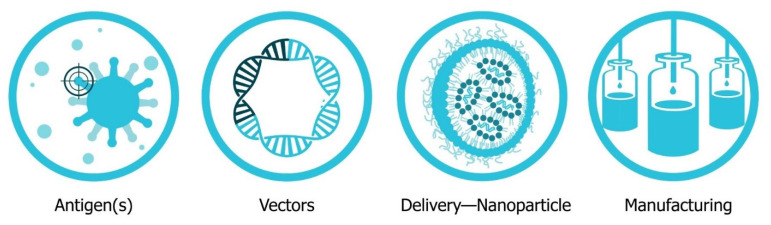
This review will explore the four major pillars required for design and development of an saRNA vaccine: Antigen design, vector design, non-viral delivery systems, and manufacturing (both saRNA and lipid nanoparticles (LNP)). We report on the major innovations, preclinical and clinical data reported in the last five years and will discuss future prospects.
Overview
The claims and statistics of this paper haven’t been checked yet.
Run the check — free, no account needed. It reads the open-access text and checks the sources it cites.
Integrity signals
Registry
Cites
Statistics
Figures
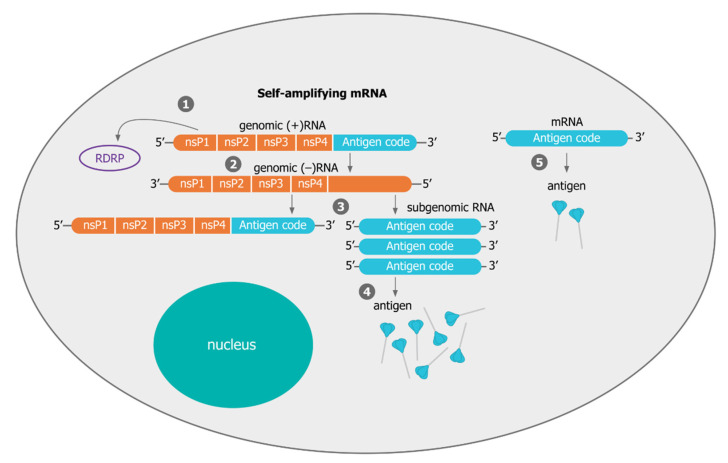
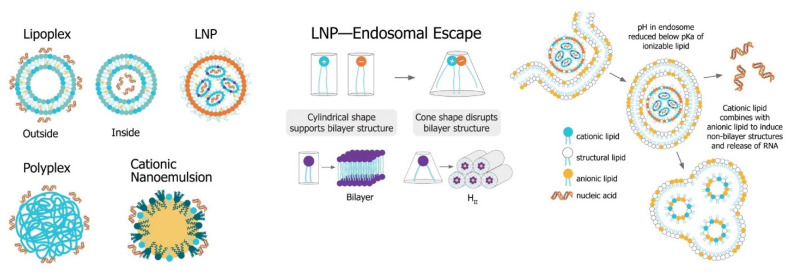
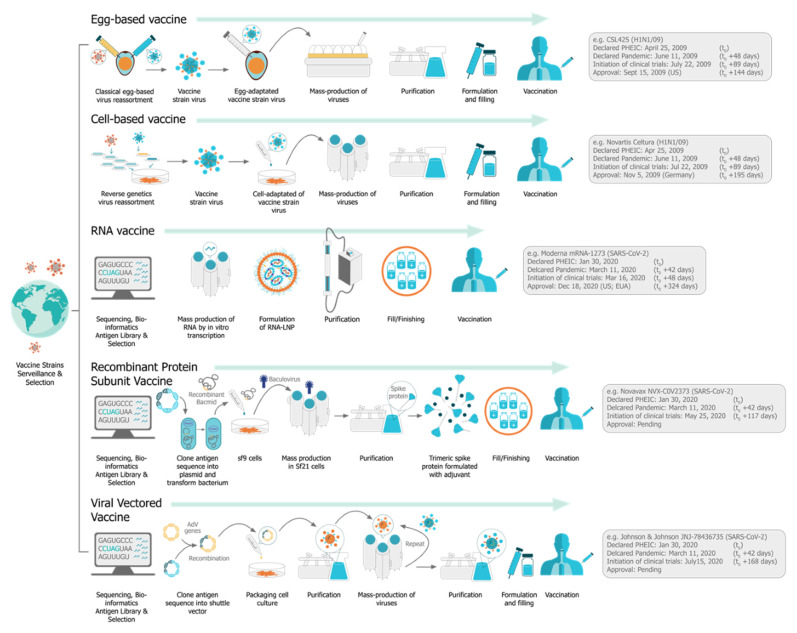
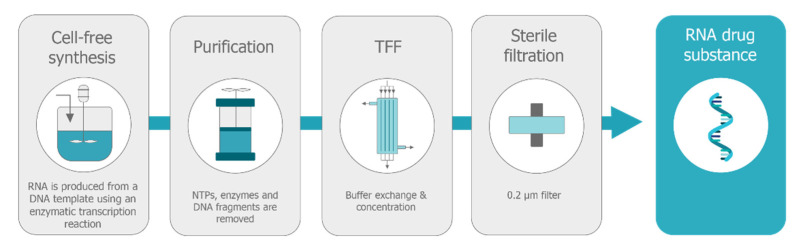
Verification
Claims the paper makes
The claims and statistics of this paper haven’t been checked yet.
Run the check — free, no account needed. It reads the open-access text and checks the sources it cites.
Claims other papers make about this one
Each is checked against this paper’s own text: does it say what the citing paper says it does?
In the citing paper
“saRNA vaccines can deliver genetic information encoding the target antigen and other genes, e.g., viral RNA polymerase, to enable mRNA to self-replicate.109,110”
From Advances in COVID-19 mRNA vaccine development (2022) · cites this paper as [109]
In the citing paper
“Another approach to reducing dose levels is the use of an mRNA platform that is able to self-amplify.50”
From COVID-19 mRNA vaccines: Platforms and current developments (2022) · cites this paper as [50]
In the citing paper
“Accordingly, despite lower doses, the use of saRNA vaccines lead to higher reactogenicity.50,157”
From COVID-19 mRNA vaccines: Platforms and current developments (2022) · cites this paper as [50]
Self-check
Percentages, sums and reported differences re-computed from the paper’s own numbers.
The self-check needs the paper’s full text.
Citations
Cites
A pneumonia outbreak associated with a new coronavirus of probable bat origin
Zhou, P., Yang, X.-L., Wang, X.-G., Hu, B., Zhang, L., Zhang, W., Si, H.-R., Zhu, Y., Li, B., Huang, C.-L., et al. (2020) · Nature · doi:10.1038/s41586-020-2012-7 · Cited by 21,969
Safety and Efficacy of the BNT162b2 mRNA Covid-19 Vaccine
Polack, F. P., Thomas, S. J., Kitchin, N., Absalon, J., Gurtman, A., Lockhart, S., Perez, J. L., Pérez Marc, G., Moreira, E. D., Zerbini, C., et al. (2020) · New England Journal of Medicine · doi:10.1056/nejmoa2034577 · Cited by 14,592
Sohrabi, C., Alsafi, Z., O’Neill, N., Khan, M., Kerwan, A., Al‐Jabir, A., Iosifidis, C., & Agha, R. (2020) · International Journal of Surgery · doi:10.1016/j.ijsu.2020.02.034 · Cited by 6,269
Lipofection: a highly efficient, lipid-mediated DNA-transfection procedure.
Felgner, P. L., Gadek, T. R., Holm, M., Roman, R., Chan, H. W., Wenz, M., Northrop, J. P., RINGOLD, G. M., & Danielsen, M. (1987) · Proceedings of the National Academy of Sciences · doi:10.1073/pnas.84.21.7413 · Cited by 4,954
mRNA vaccines — a new era in vaccinology
Pardi, N., Hogan, M. J., Porter, F. W., & Weissman, D. (2018) · Nature Reviews Drug Discovery · doi:10.1038/nrd.2017.243 · Cited by 4,667
Direct Gene Transfer into Mouse Muscle in Vivo
Wolff, J. A., Malone, R. W., Williams, P., Chong, W., Acsadi, G., Jani, A., & Felgner, P. L. (1990) · Science · doi:10.1126/science.1690918 · Cited by 4,173
An mRNA Vaccine against SARS-CoV-2 — Preliminary Report
Jackson, L. A., Anderson, E. J., Rouphael, N. G., Roberts, P. C., Makhene, M., Coler, R. N., McCullough, M. P., Chappell, J. D., Denison, M. R., Stevens, L. J., et al. (2020) · New England Journal of Medicine · doi:10.1056/nejmoa2022483 · Cited by 3,237 · cited 2×
“Moderna bmRNA LNP [9,12] [7,8] BioNTech/Pfizer bmRNA LNP [13] [11,14–17] ICL saRNA LNP [18] Arcturus saRNA LNP [19] CureVac mRNA LNP [20]”
BackgroundKarikó, K., Buckstein, M., Ni, H., & Weissman, D. (2005) · Immunity · doi:10.1016/j.immuni.2005.06.008 · Cited by 2,728
RNA-Based COVID-19 Vaccine BNT162b2 Selected for a Pivotal Efficacy Study
Walsh, E. E., Frenck, R., Falsey, A. R., Kitchin, N., Absalon, J., Gurtman, A., Lockhart, S., Neuzil, K., Mulligan, M. J., Bailey, R., et al. (2020) · doi:10.1101/2020.08.17.20176651 · Cited by 2,615
mRNA-based therapeutics--developing a new class of drugs
Sahin, U., Karikó, K., & Türeci, Ö. (2014) · Nature Reviews Drug Discovery · doi:10.1038/nrd4278 · Cited by 2,474
Research works printed but not linked: 3
- Mulligan, 2020, Phase I/II study of COVID-19 RNA vaccine BNT162b1 in adults, Nature, 586, 589, 10.1038/s41586-020-2639-4 · DOI · Paper page
- Walsh, 2020, Safety and Immunogenicity of Two RNA-Based Covid-19 Vaccine Candidates, N. Engl. J. Med., 383, 2439, 10.1056/NEJMoa2027906 · DOI · Paper page
- Alnylam Pharmaceuticals Press (2018). Alnylam Announces First-Ever FDA Approval of an RNAi Therapeutic, ONPATTRO (Patisiran) for the Treatment of the Polyneuropathy of Hereditary Transthyretin-Mediated Amyloidosis in Adults, Alnylam Pharmaceuticals Press.
Cited by
Sorted by citations
Items 201–289 of 289
Optimizing Humoral Immunity for Durable and Broad Protection in Flavivirus Vaccines
Park, J. Y., & Lee, H. (2025) · Vaccines · doi:10.3390/vaccines13121182 · Cited by 2
Sun, Z. F., Liu, Y., Zhang, H., Ge, T., Pan, Y., Liu, Y., Wu, M., Shan, T., Zhu, G., Wu, Q., et al. (2025) · Vaccine · doi:10.1016/j.vaccine.2025.128055 · Cited by 2
Pawar, B. P. S., Loganathan, S., Belliappa, K. M., Ranganathan, L. B., Thekdi, K. P., & Hiware, S. D. (2026) · Cureus · doi:10.7759/cureus.100608 · Cited by 3
mRNA therapy: A novel approach for retinal neurodegenerative diseases
Zhang, B., Tang, J., Zhang, Q., Qiu, Y., Cheng, Y., Yu, S., Liu, L., Xue, J., Liu, X., He, Q., et al. (2026) · Neural Regeneration Research · doi:10.4103/nrr.nrr-d-25-01306 · Cited by 2
Zhu, Z., Li, J., Lu, Q., Zeng, W., Yu, Z., Liu, N., Zhang, Z., Wang, Z., Yang, N., Chen, Y., et al. (2026) · Journal of Nanobiotechnology · doi:10.1186/s12951-026-04319-z · Cited by 2
Decoding Self vs. Non-Self: Alphavirus Cap0 Recognition and Immune Evasion
Faraj, S. E., & Filomatori, C. V. (2026) · Viruses · doi:10.3390/v18040439 · Cited by 2
Cui, H., Hu, H., He, X., Cui, H., & Ni, Q. (2026) · Journal of Controlled Release · doi:10.1016/j.jconrel.2026.114947 · Cited by 2
Emerging Non-Conventional Approaches in mRNA-LNP Formulation for Therapeutic Applications
Zhang, Y., Linaje-Ferrel, G., Angel, J. M. R., Banik, O., Banoth, E., Kamen, A., Yandrapalli, N., & Perumal, A. S. (2026) · Pharmaceutics · doi:10.3390/pharmaceutics18050527 · Cited by 2
Huang, M., Quan, Y., Chen, R., Gu, H., Song, W., Zhu, F., Feng, S., Lin, J. I. N. Y. I., Lu, J., Li, X., et al. (2026) · Emerging Microbes & Infections · doi:10.1080/22221751.2026.2668752 · Cited by 4
RNA-based cancer immunotherapy: Harnessing the power of RNA nanoparticles for melanoma treatment
Liu, X. (2026) · Pathology - Research and Practice · doi:10.1016/j.prp.2026.156512 · Cited by 2
Kunyk, D., Vasileva, O., Bespalov, M., Dzharullaeva, A. S., Mazunina, E., Chubarova, A., Seliverstov, M., Smirnykh, D., Shevyrev, D., Shtraus, S., et al. (2026) · ChemMedChem · doi:10.1002/cmdc.70335 · Cited by 2
mRNA Vaccines for Influenza: Hope for a Universal Vaccine?
Omotara, P., Zhu, W., & Wang, B. (2026) · BioDrugs · doi:10.1007/s40259-026-00791-z · Cited by 2
Perspective Chapter: Next-Generation Vaccines Based on Self-Amplifying RNA
Nafian, F., Nafian, S., Soleymani, G., Pourmanouchehri, Z., Kiyanjam, M., Jalaei, S. B., Jeyroudi, H., & Mohammdi, S. M. (2021) · IntechOpen eBooks · doi:10.5772/intechopen.101467 · Cited by 2
Application of self-amplifying mRNA technology in the development of infectious disease vaccines
Li, X., Wang, X., & Zhang, B. (2023) · Chinese Science Bulletin (Chinese Version) · doi:10.1360/tb-2023-0902 · Cited by 3
An antibody-free evaluation of an mRNA COVID-19 vaccine
Branham, P. J., Cooper, H. C., Williamson, Y. M., Najjar, F. N., Sutton, W. J. H., Pierce, C. L., Barr, J. R., & Williams, T. L. (2023) · Biologicals · doi:10.1016/j.biologicals.2023.101738 · Cited by 2
Nanoparticle-Mediated Mucosal Vaccination: Harnessing Nucleic Acids for Immune Enhancement
Hussain, W., Chaman, S., Koser, N., Aun, S. M., Bibi, Z., Pirzadi, A. N., Hussain, J. S., Zubaria, Z., Nabi, G., Ullah, M. W., et al. (2024) · Current Microbiology · doi:10.1007/s00284-024-03803-9 · Cited by 2
Lü, X., Wu, Y., Zhao, C., Zheng, J., Chen, S., Wang, Y., & Xia, Y. (2025) · FEBS Open Bio · doi:10.1002/2211-5463.70036 · Cited by 2
Preparation of Synthetic mRNAs—Overview and Considerations
Chan, S., & Roy, B. (2022) · RNA technologies · doi:10.1007/978-3-031-08415-7_9 · Cited by 2
Personalized vaccines, novel vaccination technologies, and future prospects
Vasudevan, S. S., Kandrikar, T. Y., Sayyed, A. A., Sridhar, S., Prasad, A., Khandelwal, S., Baniya, S., Miguela, C. A. C., & Gondaliya, P. (2024) · Elsevier eBooks · doi:10.1016/b978-0-443-18564-9.00024-2 · Cited by 2
Sousa, A. (2021) · Biomedical Journal of Scientific & Technical Research · doi:10.26717/bjstr.2021.34.005501 · Cited by 2
Emerging Nucleic Acid Cargos for Next-Generation RNA Vaccines and Therapeutics
Safford, H. C., Palanki, R., Ang, M. J. Y., & Mitchell, M. J. (2025) · Bioconjugate Chemistry · doi:10.1021/acs.bioconjchem.5c00476 · Cited by 2
Pharmaceutical perspectives on oligonucleotide therapeutics and delivery systems
Staller, D. W., Gawargi, F. I., Panigrahi, S. S., Mishra, P. K., & Mahato, R. I. (2025) · Pharmacological Reviews · doi:10.1016/j.pharmr.2025.100065 · Cited by 1
Introduction to the Immune System
McComb, S., Thiriot, A., Akache, B., Krishnan, L., & Stark, F. C. (2025) · Methods in molecular biology · doi:10.1007/978-1-0716-4832-2_1 · Cited by 1
Hu, C., Wang, H., Liu, G., Li, K., Zhang, X., Song, L., Gao, F., Xing, W., Wang, Q., Liu, M., et al. (2025) · Vaccines · doi:10.3390/vaccines13101062 · Cited by 1
Hameedat, F., Lopez-Parra, J. S., Hoogaars, W. M. H., Dijkstra, E. S. C., Huang, C., Casmil, I. C., Blakney, A. K., Olinga, P., Rothen‐Rutishauser, B., Santos, H. A., et al. (2025) · Advanced Functional Materials · doi:10.1002/adfm.202529443 · Cited by 1
Self-citationLi, H., Tong, L., Chen, S., Bi, Z., Hu, G., Chen, W.-L., Yu, J.-L., Tao, R.-N., Huang, T., Xia, S.-H., et al. (2026) · Poultry Science · doi:10.1016/j.psj.2026.106632 · Cited by 1
Cancer-Immunity Cycle-Based Smart Nucleic Acid Nanodrugs for Potentiated Immunotherapy
Wu, B., Chen, J., Jiang, L., Zhao, Z., Shan, X., Ouyang, C., Jiang, P., Tong, X., Lü, Y., Zhang, J., et al. (2026) · ACS Nano Medicine · doi:10.1021/acsnanomed.5c00202 · Cited by 1
Sun, S., Deng, Y., Ren, J., Xiaotian, H., Bing, J., Wang, T., Hao, Z., Tian, H., Zhang, L., & Tan, W. (2026) · Molecular Biomedicine · doi:10.1186/s43556-026-00412-9 · Cited by 1
GenIV vaccines: bridging innovation to equity in neglected tropical diseases
Araújo, M., Gurjar, D., Grandchamp, N., Saha, B., & Silvestre, R. (2026) · Frontiers in Immunology · doi:10.3389/fimmu.2026.1756570 · Cited by 1
He, W., Xi, J., Wu, X. P. P., Geng, Q., Zhang, X., Ye, J., He, Y.-C., & Jin, Q. (2026) · International Journal of Biological Macromolecules · doi:10.1016/j.ijbiomac.2026.151789 · Cited by 2
Wang, M., Gao, Y., Zhang, Y., Yang, T., Zhang, Y., Sun, Y., Guo, Q., Zhang, G., Gong, J., Wang, Z., et al. (2026) · Veterinary Microbiology · doi:10.1016/j.vetmic.2026.111042 · Cited by 1
Cai, D., Li, X., Wang, R., Chen, L., Wen, J., & Tian, B. (2026) · Vaccines · doi:10.3390/vaccines14090781 · Cited by 1
Applications of Spray-Dried Vaccines
Arpagaus, C. (2023) · Springer eBooks · doi:10.1007/978-3-031-24323-3_6 · Cited by 2
Rational design of an EDIII mRNA vaccine candidate against Zika virus
Tian, Y., Wu, M., Li, K., Chao Hui, Z. H. O. U., Zhang, R., Zhou, H., Ye, Q., Qin, C., Huang, S., & Li, X.-F. (2023) · Chinese Science Bulletin (Chinese Version) · doi:10.1360/tb-2023-0369 · Cited by 1
Banerjee, M., Chadha, S., Sanyal, S., & Mukherjee, S. (2023) · Coronaviruses · doi:10.2174/0126667975269506231108053010 · Cited by 1
Hillery, A. M. (2024) · Elsevier eBooks · doi:10.1016/b978-0-443-28934-7.00003-0 · Cited by 1
Nanotechnology in Battle against CoViD-19: The Prevention, Diagnosis, and Treatment
(2021) · Letters in Applied NanoBioScience · doi:10.33263/lianbs104.26372645 · Cited by 1
Therapeutic and prophylactic applications of self-replicating RNA viruses
Lundstrom, K. H. (2022) · Exploration of Immunology · doi:10.37349/ei.2022.00050 · Cited by 1
Hussain, H., Ganesh, A., Milane, L. S., & Amiji, M. M. (2023) · Expert Opinion on Drug Delivery · doi:10.1080/17425247.2023.2189697 · Cited by 1
Lim, T. K. Y., Ritoux, A., Paine, L. W., Ferguson, L., Abdul, T., Grundy, L. J., & Smith, E. S. J. (2025) · eLife · doi:10.7554/elife.105978.2 · Cited by 1
Mohammadi, A., & Jebali, A. (2021) · Research Square · doi:10.21203/rs.3.rs-753957/v1
Lipid Nanoparticles to Harness the Therapeutic Potential of mRNA for Cancer Treatment
Guevara, M. L., Persano, F., & Persano, S. (2022) · RNA technologies · doi:10.1007/978-3-031-08415-7_14
SARS-COV-2 and Other mRNA Vaccines
Jackson, N. (2022) · RNA technologies · doi:10.1007/978-3-031-08415-7_6
Jackson, N. A. C. (2022) · RNA technologies · doi:10.1007/978-3-031-08415-7_2
da Silva, J. R. (2021) · Digital Library of Theses and Dissertations (Universidade de São Paulo) · doi:10.11606/t.42.2021.tde-17032022-102622
Sayed, M., Emam, S. E., El-Garhy, O. H., Sarhan, H. A., & Kamal, A. (2023) · Journal of advanced Biomedical and Pharmaceutical Sciences · doi:10.21608/jabps.2023.184283.1176 · Cited by 1
Azizah, D. N. (2023) · Sainsbertek Jurnal Ilmiah Sains & Teknologi · doi:10.33479/sb.v3i2.220
Syphilis and advancements in its treatment
Chen, Y. (2024) · Theoretical and Natural Science · doi:10.54254/2753-8818/32/20240644
New approaches to vaccines for infectious diseases
Bagwe, P., Vijayanand, S., Patil, S., Akanksha, K., Menon, I., Gomes, K. B., Uddin, M. N., & D’Souza, M. J. (2024) · Elsevier eBooks · doi:10.1016/b978-0-443-18564-9.00003-5
RNA-Based vaccine manufacturing: infrastructure, regulations, and global implications
Fonseca, L. M. D. S., Junior, V., Santos, H. M., Ferreira, C. V., Ferreira, C. V., Moret, M. A., Mascarenhas, L., Andrade, L. P. C. D. S., Minafra, C., & Machado, B. A. S. (2024) · Concilium · doi:10.53660/clm-3202-24g02 · Cited by 1
New Generation Self-Replicating RNA Vaccines Derived from Pestivirus Genome
Démoulins, T., Techakriengkrai, N., Ebensen, T., Schulze, K., Liniger, M., Gerber, M., Nedumpun, T., McCullough, K. C., Guzmán, C. A., Suradhat, S., et al. (2024) · Methods in molecular biology · doi:10.1007/978-1-0716-3770-8_4
Lloren, K. K. S., Sivasankar, C., & Lee, J. H. (2024) · Veterinary Microbiology · doi:10.1016/j.vetmic.2024.110151
Further therapeutic applications of mRNA and saRNA
Hillery, A. M. (2024) · Elsevier eBooks · doi:10.1016/b978-0-443-28934-7.00007-8 · Cited by 1
(2024) · Elsevier eBooks · doi:10.1016/b978-0-443-28934-7.15001-0
Lim, T. K. Y., Ritoux, A., Paine, L. W., Ferguson, L., Abdul, T., & Smith, E. S. J. (2025) · eLife · doi:10.7554/elife.105978.1
RNA in the Central Dogma: mRNA
Saw, P. E., & Song, E. (2025) · Springer eBooks · doi:10.1007/978-981-96-3041-7_3
Novel approaches to immuno-oncology
Chen, R., & Su, F. (2025) · Elsevier eBooks · doi:10.1016/b978-0-443-14064-8.00047-3
mRNA-Based Biosimilars as Next-Generation Vaccines
Upadhyay, A., & Rani, V. (2025) · Advances in Science, Technology & Innovation/Advances in science, technology & innovation · doi:10.1007/978-3-031-80973-6_1
The strategies and advances of mRNA translation booster
Shi, Y., Sun, K., Hu, Y., Lou, Z., Wang, Y., & You, J. (2025) · Asian Journal of Pharmaceutical Sciences · doi:10.1016/j.ajps.2025.101090
Wang, J., Jiang, Z., Jin, Z., Cao, Z., & Deng, P. (2025) · Journal of Chromatography A · doi:10.1016/j.chroma.2025.466362
Nucleic acid-encoded antibody gene transfer-next generation of antibody therapies
Yu, K., Xiao, G., Chen, B., Xu, N., & Liu, W. (2025) · Drug Delivery · doi:10.1080/10717544.2025.2566782 · Cited by 1
Safarchi, A., Fatima, S., Ayati, Z., & Vafaee, F. (2021) · Figshare · doi:10.6084/m9.figshare.16388173
Kumari, M., Lu, R.-M., Li, M.-C., Huang, J., Hsu, F.-F., Ko, S.-H., Ke, F.-Y., Su, S.-C., Liang, K.-H., Yuan, J. P., et al. (2022) · Figshare · doi:10.6084/m9.figshare.21085242
mRNA Technology Beyond Vaccines: Exploring Potential mRNA-Based Therapies for Autoimmune Diseases
Kharat, M. G., Kulkarni, V. A., Chavan, S. P., Gawali, N. B., & Khandarkar, S. M. (2026) · Asian Journal of Pharmaceutical Research · doi:10.52711/2231-5691.2026.00001
Shu, J., Zhang, H., Wang, F., Zhang, H., Liu, X., Liu, K., Zha, Y., Chai, W., Yao, J., Lin, Y., et al. (2026) · Transboundary and Emerging Diseases · doi:10.1155/tbed/3115893
Reina, J., & Fraile-Ribot, P. A. (2026) · Vacunas · doi:10.1016/j.vacun.2026.500667
Cudog, C. J. A., Arcilla, T. A. A., Gregorio, A. M. D., Ramos, S. D., Salazar, E. S., Sindingan, J. L., Tubalinal, M. J. L., Huang, H.-Y., Wu, P.-H., Minh, H., et al. (2026) · J — Multidisciplinary Scientific Journal · doi:10.3390/j9020015 · Cited by 1
CAR-T cells and cancer nanovaccines: Comparative insights into advances and translational challenges
Zaccariotto, G. D. C., & Zucolotto, V. (2026) · Biotechnology Advances · doi:10.1016/j.biotechadv.2026.108942
Efficient heterologous mRNA production in E. coli via protein-facilitated protectionPreprint
Zou, Z., Younas, T., Dumsday, G. J., Haritos, V. S., & He, L. (2026) · bioRxiv (Cold Spring Harbor Laboratory) · doi:10.64898/2026.06.15.732261
Mohamed, R. A., Huitao, S., Si, M., jinguan, Z., & Mabrouk, M. S. (2026) · In Silico Pharmacology · doi:10.1007/s40203-026-00674-9
Current status and prospects of self-amplifying messenger RNA (aaRNAm) vaccines against SARS-CoV-2
Reina, J., & Fraile-Ribot, P. A. (2026) · Vacunas (English Edition) · doi:10.1016/j.vacune.2026.500667
Bathula, N. V., Soriano, S. K. V., Huang, C., Jan, E., Sagan, S. M., & Blakney, A. K. (2026) · Molecular Therapy · doi:10.1016/j.ymthe.2026.07.004
Self-citationAdvances in Nanotechnology in mRNA Vaccines
Krishna, V., Bandi, S. P., & Datta, D. (2026) · Nanomedicine and nanotoxicology · doi:10.1007/978-3-032-29006-9_10
mRNA vaccines targeting HPV E6/E7: A new frontier in cervical cancer immunotherapy
Aftabsavad, S., Arashkia, A., Shokrgozar, M. A., Rahimi, A., & Karimipoor, M. (2026) · Critical Reviews in Oncology/Hematology · doi:10.1016/j.critrevonc.2026.105520
SaRNA Vaccines and Their Controlled and Self-Limiting Mechanism
Masselli, R. (2026) · World Journal of Vaccines · doi:10.4236/wjv.2026.163004
Enitan, S. S., Ugochi, C.-M. J., Ofodile, C. A., Enitan, C. B., Akele, R. Y., Olayanju, A., Itodo, G. E., Okafor, C. J., & Ogunniyi, T. J. (2026) · Clinical Immunology Communications · doi:10.1016/j.clicom.2026.100138
Advances in the development and delivery of nucleic acid-based therapeutics
Kurczewski, E., Mansurov, A., Sachar, C., & Guler, M. O. (2026) · Biomaterials Science · doi:10.1039/d6bm00738d
Self‐Amplifying RNA‐Based Therapeutics: Advances, Challenges, and Future Perspectives
Zong, Y., Jin, C., & Cheng, Q. (2026) · Small · doi:10.1002/smll.75396
From RNA design to delivery: Computational strategies for functional RNA therapeutics
Wang, Y., Tong, S., Wang, X., Jin, X., Tan, D., & Lu, Y. (2026) · Bioactive Materials · doi:10.1016/j.bioactmat.2026.08.045
Advances in Vaccines Against Infectious Diseases
De-Simone, S. G. (2026) · Vaccines · doi:10.3390/vaccines14090796
Wen, Z., Long, Y., Shi, W., Song, W., Xu, R., Zhan, X., Wang, X., Su, R., Wang, Y., & Fei, J. (2026) · iScience · doi:10.1016/j.isci.2026.117519
Immune memory engineering in mRNA therapeutics
Wen, J., Tao, W., & Zhou, X. (2026) · Journal of Controlled Release · doi:10.1016/j.jconrel.2026.115370
Mengistu, G. (2026) · Immunity Inflammation and Disease · doi:10.1002/iid3.70511
Khan, W. U., Hua, Z. Y., Xia, X., Qaisar, K., Zhong, C., Khan, R., & Khan, R. (2026) · Frontiers in Microbiology · doi:10.3389/fmicb.2026.1946449
Zhu, N., Zhong, J., ZengJun, L., & Zhang, J. (2026) · Viruses · doi:10.3390/v18101077
Wang, W., Liu, H., Tang, W., Shin, J., Kim, Y., & Li, S. (2026) · ACS Applied Bio Materials · doi:10.1021/acsabm.6c01403
Kim, K. H., Mainali, A., Pih, S. H., Jung, H. S., Kim, H. J., Kim, N. A., & Jeong, S. H. (2026) · International Journal of Pharmaceutics X · doi:10.1016/j.ijpx.2026.100695
SAM COBRA vaccine antibody response to influenza
Ross, T. (2025) · ImmPort · doi:10.21430/m3xnzulswc
Metadata
- Authors
- Blakney, A. K., Ip, S., & Geall, A. J.
- Affiliations
- University of British Columbia (CA)
- Precision Nanosystems (Canada) (CA)
- Corresponding author
- Blakney, Anna K.
- Venue
- Vaccines
- Publisher
- MDPI AG
- Published
- 2021-01-28
- Volume
- 9
- Issue
- 2
- Pages
- 97
- ISSN
- 2076-393X (ISSN-L)
- PMC
- PMC7911542
- OpenAlex
- W3112388253
- Cited by
- 288
- References
- 170
- Citations by year
- 2026: 48 · 2025: 55 · 2024: 53 · 2023: 49 · 2022: 50 · 2021: 33
- FWCI
- 4.85
- Type
- journal article
- Language
- en
- Open access
- gold
- doi.org
- Licence
- Locations
- Vaccines (publishedVersion, cc-by)
- Preprints.org (acceptedVersion, cc-by)
- PubMed Central (publishedVersion, cc-by)
- PubMed (publishedVersion)
- cIRcle (University of British Columbia) (submittedVersion, cc-by)
- DOAJ (DOAJ: Directory of Open Access Journals) (submittedVersion, cc-by-sa)
- Open Collections
- Funders
- H2020 Marie Skłodowska-Curie Actions (794059)
- Topics
- Life Sciences › Biochemistry, Genetics and Molecular Biology › Molecular Biology › RNA Interference and Gene Delivery
- Life Sciences › Immunology and Microbiology › Immunology › Immunotherapy and Immune Responses
- Health Sciences › Medicine › Infectious Diseases › SARS-CoV-2 and COVID-19 Research
- Keywords
- self-amplifying RNA vaccine, antigen design, vector design, lipid nanoparticles, vaccine production
About these checks
Registry, retraction, Cites and statistics results are computed, not judged, with one exception: a printed reference that no index lists is read once by a model before it counts as a citation error. Claims are extracted by a model and kept only when their quote appears verbatim in the text; each cited source is then checked, with a model’s help, for whether it says what the claim relies on. Those verdicts can be wrong — read the claim’s quote and the cited source before relying on one.
Statistics and arithmetic are recomputed, not judged.
Confidence bands are shown only for fields calibrated on our annotated test set. None is calibrated yet, so no band is shown.
What counts as a claim ›How we measure confidence ›How we check this ›
Are you an author, or do you see a problem with this page? Request a review
