

The DOI matches its Crossref record; 22 of the 22 references it cites were found in a registry or an index; none of the 26 sources its claims cite is checked for support yet.
Guerras, libertad y ciudadanía. Los afro-descendientes de Esmeraldas en la independencia
Open accessAbstract
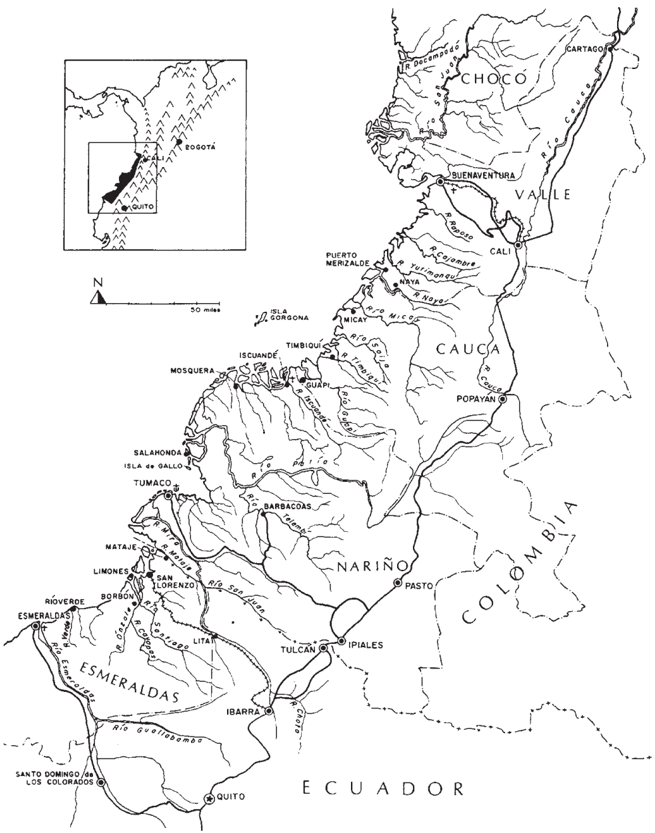
El artículo analiza el papel jugado por la crisis del imperio español y de las guerras de independencia hispanoamericanas en la trasformación de las jerarquías raciales y sociales de la época colonial y en la configuración de nuevos derechos de ciudadanía. Estudiando el caso de Esmeraldas, una región de frontera al noroeste de Ecuador, se quiere poner en evidencia los variados mecanismos que los afro-descendientes, tanto esclavos como libres, utilizaron para acceder a la libertad y la ciudadanía durante el derrumbe de la Monarquía. Se trató de estrategias diferentes a las empleadas por los esclavos y libres de color en otras regiones de Hispanoamérica ya que respondieron a dinámicas propias de una región de frontera.
Overview
AI snapshot
Written from the paper’s full text.
TL;DR
The article argues that in Esmeraldas, a frontier region of Ecuador, Afro-descendants—both enslaved and free—used the crisis of the Spanish monarchy and the independence wars to gain freedom and citizenship, even without major battles or mass military recruitment. Their path differed from other Spanish American regions but produced a broad process of slave liberation and access to citizenship.
Key findings
- In Esmeraldas, Afro-descendants were only indirectly involved in militia formation and the independence wars and were not influenced by Haitian events; nevertheless, the reforms and monarchy crisis radically transformed how they perceived and pursued freedom and citizenship.
- The 1815 mining district had about 400 enslaved people out of a total population of 2,300 in Esmeraldas, organized in cuadrillas across four reales de minas: Playa de Oro, San Antonio de Cachavi, Nuestra Señora de la Purísima Concepción del río Bogotá, and Nuestra Señora de la Concepción de Guembi.
- Enslaved miners used customary Saturdays and “días de guardar” to collect gold, buy their own or relatives’ freedom, and in 1815 Governor Andrés de Castro accepted their proposal to become mining tenants paying a pension/jornal; the Real Hacienda recorded 1,100 pesos from the pension of the Black miners at the end of 1815.
- During independence, Esmeraldas slaves generally supported the insurgents rather than the royalists, seeking to exploit the crisis for freedom; in 1826 captains including Justo and Cornelio Arroyo, Agustín and Guillermo Valencia, and later Pío and Félix Valencia and Manuel Feliciano and Tomás Valencia petitioned the protector general de esclavos, invoking both customary liberties and the new liberty decrees such as the 1821 Cúcuta libertad de vientres law.
Methods
- Historical case study of Esmeraldas as a frontier region, analyzed within the broader Atlantic and Spanish American independence context and compared with Tierra Firme (Colombia and Venezuela).
- Uses archival sources including visitas pastorales and government visits, inventories of the Reales de Minas, population padrones, and judicial records, especially from the Archivo Nacional del Ecuador (e.g., Serie Haciendas caja 213, 1815; Fondo Especial caja 194 and caja 207; Tierras caja 213; Serie Esclavos caja 23, exp. 3).
- Qualitative social and political history combining “history from below” and “history from above,” with attention to legal petitions, manumission, land claims, and slave resistance.
Limitations
- The paper states that few archival sources exist for this frontier region because of the scarce presence of civil and religious authorities; the surviving documents are mainly pastoral and government visits and inventories of the Reales de Minas.
- Evident from the text: the study is a single-case analysis, so its findings are not presented as broadly generalizable; motivations and everyday life are often inferred from fragmentary legal and official records rather than from direct testimony.
Model-written summary. Check it against the paper before relying on it.
Integrity signals
Registry
Cites
Statistics
Figures
Verification
Claims the paper makes
39 Own interpretation · 28 No basis given · 25 Sources not found · 1 Own result
In the paper
“Al final de 1815, en el libro de la Real Hacienda, el mismo Castro registró en efecto el ingreso de 1.100 pesos por la pensión de los negros de las minas 35 .”
What the sources say
- Not matchedcites [35]
Couldn’t be matched to a paper in Crossref, so it can’t be checked.
plainSingle case- Asserted: passes — The authors put it forward as true.
- Checkable: passes — It can be checked against evidence.
- Load-bearing: passes — The paper’s conclusions depend on it.
- Based: passes — The paper gives a reason why it holds.
- Not matched
The paper states this without a source or data behind it here, so there is nothing to check it against. The quote shows it is in the paper.
In the paper
“Un «suelo patrio» que se negaban a abandonar como pretendían las autoridades al sacar a los líderes rebeldes y trasladarlos a Tumaco.”
plain- Asserted: passes — The authors put it forward as true.
- Checkable: passes — It can be checked against evidence.
- Load-bearing: passes — The paper’s conclusions depend on it.
- Based: passes — The paper gives a reason why it holds.
In the paper
“En la visita realizada a los reales de minas en 1815, se contabilizó alrededor de 400 esclavos de un total de 2.300 habitantes existentes en Esmeraldas 24 .”
What the sources say
- Not matchedcites [24]
Couldn’t be matched to a paper in Crossref, so it can’t be checked.
hedged- Asserted: passes — The authors put it forward as true.
- Checkable: passes — It can be checked against evidence.
- Load-bearing: unclear — It is unclear whether the paper’s conclusions depend on it.
- Based: passes — The paper gives a reason why it holds.
- Not matched
In the paper
“Este sentimiento de rechazo a la dispersión familiar y al destierro no afloraba solo entre los esclavos de la minas de Esmeraldas, sino también en los de las haciendas del valle del Chota-Mira y de las áreas urbanas 40 .”
What the sources say
- Not matchedcites [40]
Couldn’t be matched to a paper in Crossref, so it can’t be checked.
plain- Asserted: passes — The authors put it forward as true.
- Checkable: passes — It can be checked against evidence.
- Load-bearing: unclear — It is unclear whether the paper’s conclusions depend on it.
- Based: passes — The paper gives a reason why it holds.
- Not matched
The paper states this without a source or data behind it here, so there is nothing to check it against. The quote shows it is in the paper.
In the paper
“Sin embargo, el estado de insurrección no había terminado en las minas, pues en 1814 se conoció de un proyecto de fuga colectiva que pretendían realizar los esclavos para incorporarse a la comunidad fugitiva establecida en las montañas de Malbucho y en el río Tululbí, un refugio de esclavos huidos de las haciendas del valle del Chota, de las minas del sur colombiano y de los esclavos del distrito”
plain- Asserted: passes — The authors put it forward as true.
- Checkable: passes — It can be checked against evidence.
- Load-bearing: unclear — It is unclear whether the paper’s conclusions depend on it.
- Based: passes — The paper gives a reason why it holds.
In the paper
“En efecto, a partir del momento en el que estas se trasformaron de conflictos civiles entre ciudades a guerras internacionales contra los españoles, muchos esclavos fueron reclutados en ambos ejércitos (realista y republicano) en cambio de la libertadfoot_16 .”
What the sources say
- Not matchedcites foot_16
Couldn’t be matched to a paper in Crossref, so it can’t be checked.
plaindirect- Asserted: passes — The authors put it forward as true.
- Checkable: passes — It can be checked against evidence.
- Load-bearing: passes — The paper’s conclusions depend on it.
- Based: passes — The paper gives a reason why it holds.
- Not matched
None of the sources cited for this claim could be matched to a paper in Crossref, so there is nothing to check it against.
In the paper
“en la visita realizada por el gobernador de Popayánfoot_23 , don Pedro de Becaria y Espinoza, a los reales de minas de las provincias de Barbacoas e Iscuandé en 1779, encontró que los mineros no cumplían con su obligación de proveer a los esclavizados el vestuario y alimentación, como era su obligación de acuerdo con las normas establecidas en la colonias españolasfoot_24 .”
What the sources say
- Not matchedcites foot_23
Couldn’t be matched to a paper in Crossref, so it can’t be checked.
- Not matchedcites foot_24
Couldn’t be matched to a paper in Crossref, so it can’t be checked.
plainSingle case- Asserted: passes — The authors put it forward as true.
- Checkable: passes — It can be checked against evidence.
- Load-bearing: unclear — It is unclear whether the paper’s conclusions depend on it.
- Based: passes — The paper gives a reason why it holds.
- Not matched
The paper states this without a source or data behind it here, so there is nothing to check it against. The quote shows it is in the paper.
In the paper
“Los grupos que vivían en este territorio fueron involucrados en el proceso de formación de milicias o en las guerras de independencia de manera muy indirecta y no fueron influenciados por los eventos haitianos.”
plain- Asserted: passes — The authors put it forward as true.
- Checkable: passes — It can be checked against evidence.
- Load-bearing: passes — The paper’s conclusions depend on it.
- Based: passes — The paper gives a reason why it holds.
The paper states this without a source or data behind it here, so there is nothing to check it against. The quote shows it is in the paper.
In the paper
“El metal recolectado les permitió incluso llegar, en algunos casos, hasta la compra de su libertad.”
plaindirect- Asserted: passes — The authors put it forward as true.
- Checkable: passes — It can be checked against evidence.
- Load-bearing: passes — The paper’s conclusions depend on it.
- Based: passes — The paper gives a reason why it holds.
In the paper
“Procesos judiciales que en muchos casos dieron la razón a los esclavos 37 .”
What the sources say
- Not matchedcites [37]
Couldn’t be matched to a paper in Crossref, so it can’t be checked.
plain- Asserted: passes — The authors put it forward as true.
- Checkable: passes — It can be checked against evidence.
- Load-bearing: passes — The paper’s conclusions depend on it.
- Based: passes — The paper gives a reason why it holds.
- Not matched
- It may state two separate claims as one. 48
- Probably not a substantial claim. 12
The paper states this without a source or data behind it here, so there is nothing to check it against. The quote shows it is in the paper.
In the paper
“Al momento de la primera fase de la independencia, o sea durante el periodo de las dos juntas quiteña, la de 1809 y la de 1810-12, los esclavos de Esmeraldas no se juntaron a los realistas, como habían hecho los de los Reales de Minas de Popayán.”
plain- Asserted: passes — The authors put it forward as true.
- Checkable: passes — It can be checked against evidence.
- Load-bearing: passes — The paper’s conclusions depend on it.
- Based: passes — The paper gives a reason why it holds.
It may state two separate claims as one.
In the paper
“En 1826, frente al tentativo de los dueños de las minas de reapropiarse de sus bienes, los capitanes de las cuadrillas, Justo y Cornelio Arroyo, Agustín y Guillermo Valencia, y más tarde los capitanes Pío y Félix Valencia y Manuel Feliciano y Tomás Valencia, conocedores de la normativa jurídica colonial y de las ideas libertarias que pregonaba la nueva república, en un acto de resistencia legal,”
What the sources say
- Not matchedcites [38]
Couldn’t be matched to a paper in Crossref, so it can’t be checked.
plain- Asserted: passes — The authors put it forward as true.
- Checkable: passes — It can be checked against evidence.
- Load-bearing: passes — The paper’s conclusions depend on it.
- Based: passes — The paper gives a reason why it holds.
It may state two separate claims as one.
- Not matched
A result the paper reports from its own data — it cites no other source for it, so there is none to check. The quote shows it is in the paper.
In the paper
“Sin embargo, en este caso, no invocaron solo sus «libertades consuetudinarias», fundadas en la legislación de Antiguo Régimen, sino que se refirieron también al nuevo concepto de libertad solicitando la aplicación de los decretos expedidos por el poder Ejecutivo y en referencia presumiblemente a la ley de Libertad de Vientres, establecida en el Congreso de Cúcuta el 21 de julio de 1821.”
hedged- Asserted: passes — The authors put it forward as true.
- Checkable: passes — It can be checked against evidence.
- Load-bearing: passes — The paper’s conclusions depend on it.
- Based: passes — The paper gives a reason why it holds.
It may state two separate claims as one.
The paper states this without a source or data behind it here, so there is nothing to check it against. The quote shows it is in the paper.
In the paper
“En la parte final del documento los capitanes rechazaban el calificativo de «alzados» otorgado por las autoridades de gobierno.”
plain- Asserted: passes — The authors put it forward as true.
- Checkable: passes — It can be checked against evidence.
- Load-bearing: fails — The paper’s conclusions may not depend on it.
- Based: fails — The paper may give no reason why it holds.
Probably not a substantial claim. The paper’s conclusions may not depend on it. The paper may give no reason why it holds.
In the paper
“En esto parece confirmarse tanto por la frecuencia de expedientes sobre casos de auto-manumisión y compra de la libertad de familiares y relacionados, como por algunos pocos pero significativos casos en los que negros libres llegaron a apropiarse de minas, quebradas y ríosfoot_26 .”
What the sources say
- Not matchedcites foot_26
Couldn’t be matched to a paper in Crossref, so it can’t be checked.
hedgeddirect- Asserted: passes — The authors put it forward as true.
- Checkable: passes — It can be checked against evidence.
- Load-bearing: passes — The paper’s conclusions depend on it.
- Based: passes — The paper gives a reason why it holds.
It may state two separate claims as one.
- Not matched
The paper states this without a source or data behind it here, so there is nothing to check it against. The quote shows it is in the paper.
In the paper
“Los insurgentes fueron derrotados a la Tola y conducidos a Tumaco, donde se instruyó el sumario y mas tarde se les ajustició.”
plaindirect- Asserted: passes — The authors put it forward as true.
- Checkable: passes — It can be checked against evidence.
- Load-bearing: fails — The paper’s conclusions may not depend on it.
- Based: passes — The paper gives a reason why it holds.
Probably not a substantial claim. The paper’s conclusions may not depend on it. It may state two separate claims as one.
The paper states this without a source or data behind it here, so there is nothing to check it against. The quote shows it is in the paper.
In the paper
“Las guerras de independencia cambiaron profundamente el panorama político y social de esta zona: el desorden y el caos de los conflictos, unidos a la falta de abastecimientos por la inhabilitación del camino y la huida de los esclavos, contribuyeron al paulatino abandono de las minas por parte de los dueños.”
plaindirect- Asserted: passes — The authors put it forward as true.
- Checkable: passes — It can be checked against evidence.
- Load-bearing: passes — The paper’s conclusions depend on it.
- Based: passes — The paper gives a reason why it holds.
It may state two separate claims as one.
The paper states this without a source or data behind it here, so there is nothing to check it against. The quote shows it is in the paper.
In the paper
“La intención era poner los esclavos a trabajar, pues la improductividad y la falta de sujeción en que vivían habían provocado numerosas pérdidas al Estado.”
plaindirect- Asserted: passes — The authors put it forward as true.
- Checkable: passes — It can be checked against evidence.
- Load-bearing: fails — The paper’s conclusions may not depend on it.
- Based: passes — The paper gives a reason why it holds.
Probably not a substantial claim. The paper’s conclusions may not depend on it. It may state two separate claims as one.
The paper states this without a source or data behind it here, so there is nothing to check it against. The quote shows it is in the paper.
In the paper
“Aún si el gobernador de Popayán, Miguel Tacón, intentó alistar algunos esclavos de la región en las milicias realistas para defender el puerto de la Tola, sito terminal de la ruta de Malbucho, a través de la cual se podía ingresar desde la costa hacia el interior andino, estos entraron en contacto directo con los insurgentes quiteños que, en cambio de su ayuda, le prometieron la libertad.”
plaindirect- Asserted: passes — The authors put it forward as true.
- Checkable: passes — It can be checked against evidence.
- Load-bearing: passes — The paper’s conclusions depend on it.
- Based: passes — The paper gives a reason why it holds.
It may state two separate claims as one.
The paper states this without a source or data behind it here, so there is nothing to check it against. The quote shows it is in the paper.
In the paper
“Cuando estos soldados, con las fuerzas procedentes de Iscuandé, llegaron a Esmeraldas, los libres de color de los pueblos de esta ciudad, Atacames, La Tola y Río Verde se juntaron a los revolucionarios dando lugar a la independencia de la región.”
plaindirect- Asserted: passes — The authors put it forward as true.
- Checkable: passes — It can be checked against evidence.
- Load-bearing: passes — The paper’s conclusions depend on it.
- Based: fails — The paper may give no reason why it holds.
Probably not a substantial claim. The paper may give no reason why it holds. It may state two separate claims as one.
In the paper
“Según Andrés de Castro, gobernador de Esmeraldas, este grupo entró en contacto con los esclavos y se encontraron en las minas, desde donde esperaban la llegada de sus compañeros; señaló, además, que no pude ir en su captura por cuanto «los negros ponen muchas trabas y rinden la vista por los quiteños»foot_29 .”
What the sources say
- Not matchedcites foot_29
Couldn’t be matched to a paper in Crossref, so it can’t be checked.
plaindirect- Asserted: passes — The authors put it forward as true.
- Checkable: passes — It can be checked against evidence.
- Load-bearing: fails — The paper’s conclusions may not depend on it.
- Based: passes — The paper gives a reason why it holds.
Probably not a substantial claim. The paper’s conclusions may not depend on it. It may state two separate claims as one.
- Not matched
The paper states this without a source or data behind it here, so there is nothing to check it against. The quote shows it is in the paper.
In the paper
“una de las recomendaciones principales del gobernador fue reconocer y legitimar que el trabajo para sí de los esclavos el sábado, nacido como costumbre, era una necesidad en toda la región, lo que de todas formas no eximía a los mineros de sus obligaciones para con sus esclavos, de acuerdo con las leyes de minas y demás disposiciones.”
plain- Asserted: passes — The authors put it forward as true.
- Checkable: passes — It can be checked against evidence.
- Load-bearing: fails — The paper’s conclusions may not depend on it.
- Based: passes — The paper gives a reason why it holds.
Probably not a substantial claim. The paper’s conclusions may not depend on it. It may state two separate claims as one.
The paper states this without a source or data behind it here, so there is nothing to check it against. The quote shows it is in the paper.
In the paper
“Una vez que los realistas retomaron el poder en la Audiencia de Quito en 1814, frente al creciente estado de insurrección del área y al total abandono de las minas, el gobernador de Esmeraldas Andrés de Castro, con el fin de someter a los rebeldes, decidió cambiar de estrategia: visitó los reales de Playa de Oro, Cachavi y Guembi y tomó posesión de las minas, pues en ausencia de los legítimos dueñ”
plaindirect- Asserted: passes — The authors put it forward as true.
- Checkable: passes — It can be checked against evidence.
- Load-bearing: fails — The paper’s conclusions may not depend on it.
- Based: fails — The paper may give no reason why it holds.
Probably not a substantial claim. The paper’s conclusions may not depend on it. The paper may give no reason why it holds. It may state two separate claims as one.
The paper states this without a source or data behind it here, so there is nothing to check it against. The quote shows it is in the paper.
In the paper
“Para impedir que vol-vieran bajo el control de sus amos y administradores, los esclavos pidieron un mejoramiento de sus condiciones de vida y de trabajo (la provisión de herramientas, alimentación, vestido y días libres), el nombramiento de un capellán que les ayudase a recobrar la moral religiosa y que los dueños no enviaran comisionados a oprimirlos para reclamar sus derechos.”
plaindirect- Asserted: passes — The authors put it forward as true.
- Checkable: passes — It can be checked against evidence.
- Load-bearing: passes — The paper’s conclusions depend on it.
- Based: passes — The paper gives a reason why it holds.
It may state two separate claims as one.
The paper states this without a source or data behind it here, so there is nothing to check it against. The quote shows it is in the paper.
In the paper
“La costumbre legitimada del trabajo los días sábados, además de los «días de guardar» (domingos o fiestas religiosas) permitió a los esclavos intensificar la explotación de los depósitos más productivos, volver sobre antiguos cortes abandonados por los mineros blancos por supuesto agotamiento y desplegar buena parte de su inventiva y conocimiento en torno a las actividades mineras.”
plaindirect- Asserted: passes — The authors put it forward as true.
- Checkable: passes — It can be checked against evidence.
- Load-bearing: passes — The paper’s conclusions depend on it.
- Based: unclear — It is unclear why the paper says it holds.
It may state two separate claims as one.
The paper states this without a source or data behind it here, so there is nothing to check it against. The quote shows it is in the paper.
In the paper
“Los esclavos también se quejaron del estado de pobreza en que se hallaban los reales de minas a causa de las continuas inundaciones de los ríos, hecho que ameritaba la construcción de nuevas pilas, estanques, acequias, capillas e iniciar nuevas siembras, sin lo cual era imposible la explotación minera.”
plaindirect- Asserted: passes — The authors put it forward as true.
- Checkable: passes — It can be checked against evidence.
- Load-bearing: fails — The paper’s conclusions may not depend on it.
- Based: passes — The paper gives a reason why it holds.
Probably not a substantial claim. The paper’s conclusions may not depend on it. It may state two separate claims as one.
The paper states this without a source or data behind it here, so there is nothing to check it against. The quote shows it is in the paper.
In the paper
“Una vez alineados con la insurgencia participaron como soldados, utilizaron la protesta social, la fuga y el uso libertario de formas de comunicación, provocando un ambiente de subversión y desconcierto.”
plaindirect- Asserted: passes — The authors put it forward as true.
- Checkable: passes — It can be checked against evidence.
- Load-bearing: passes — The paper’s conclusions depend on it.
- Based: passes — The paper gives a reason why it holds.
It may state two separate claims as one.
In the paper
“Esta modalidad ya se utilizaba en otras regiones de la costa pacífica colombiana, en donde los afro-descendientes adquirieron el nombre de «mazamorreros»: éstos pagaban una cantidad por el «derecho de mazamorrería» y lo hacían dos veces al año, en San Juan y Navidad.”
What the sources say
- Not matchedcites [36]
Couldn’t be matched to a paper in Crossref, so it can’t be checked.
plain- Asserted: passes — The authors put it forward as true.
- Checkable: passes — It can be checked against evidence.
- Load-bearing: unclear — It is unclear whether the paper’s conclusions depend on it.
- Based: passes — The paper gives a reason why it holds.
It may state two separate claims as one.
- Not matched
In the paper
“La descripción que presenta Andrés de Castro sobre el estado de las minas es de un completo deterioro 34 .”
What the sources say
- Not matchedcites [34]
Couldn’t be matched to a paper in Crossref, so it can’t be checked.
plain- Asserted: passes — The authors put it forward as true.
- Checkable: passes — It can be checked against evidence.
- Load-bearing: fails — The paper’s conclusions may not depend on it.
- Based: passes — The paper gives a reason why it holds.
Probably not a substantial claim. The paper’s conclusions may not depend on it.
- Not matched
The paper states this without a source or data behind it here, so there is nothing to check it against. The quote shows it is in the paper.
In the paper
“Durante buena parte de la época colonial fue una región de frontera, difícil de acceder, habitada por pobladores calificados de salvajes e incivilizados, marginal al estado y caracterizada por la escasa presencia de agentes de la corona, incluso los doctrineros.”
plain- Asserted: passes — The authors put it forward as true.
- Checkable: passes — It can be checked against evidence.
- Load-bearing: passes — The paper’s conclusions depend on it.
- Based: passes — The paper gives a reason why it holds.
It may state two separate claims as one.
The paper states this without a source or data behind it here, so there is nothing to check it against. The quote shows it is in the paper.
In the paper
“La participación directa de los esclavos de estos reales de mina comenzó cuando Toribio Montes fue nombrado Presidente de la Audiencia de Quito en 1812, con lo cual el gobierno insurgente se trasladó a Ibarra y allí fueron derrotados.”
plaindirect- Asserted: passes — The authors put it forward as true.
- Checkable: passes — It can be checked against evidence.
- Load-bearing: fails — The paper’s conclusions may not depend on it.
- Based: fails — The paper may give no reason why it holds.
Probably not a substantial claim. The paper’s conclusions may not depend on it. The paper may give no reason why it holds. It may state two separate claims as one.
The paper states this without a source or data behind it here, so there is nothing to check it against. The quote shows it is in the paper.
In the paper
“En efecto, en los años siguientes a la independencia, los esclavos iniciaron múltiples acciones en los tribunales en contra de sus amos en demanda de la libertad, pues luego de ser parte de los ejércitos solicitaron el cumplimiento de los decretos emitidos por los libertadores.”
plaindirect- Asserted: passes — The authors put it forward as true.
- Checkable: passes — It can be checked against evidence.
- Load-bearing: passes — The paper’s conclusions depend on it.
- Based: passes — The paper gives a reason why it holds.
It may state two separate claims as one.
The paper states this without a source or data behind it here, so there is nothing to check it against. The quote shows it is in the paper.
In the paper
“A cambio de este reconocimiento, las cuadrillas y sus capitanes debían velar por las cantidades de oro efectivamente producidas por los Reales de minas para que los propietarios pagasen efectivamente el quinto a las cajas del estado.”
plaindirect- Asserted: passes — The authors put it forward as true.
- Checkable: passes — It can be checked against evidence.
- Load-bearing: fails — The paper’s conclusions may not depend on it.
- Based: passes — The paper gives a reason why it holds.
Probably not a substantial claim. The paper’s conclusions may not depend on it. It may state two separate claims as one.
The paper states this without a source or data behind it here, so there is nothing to check it against. The quote shows it is in the paper.
In the paper
“día para recolectar oro en los ríos, oro que intercambiaban por productos que ofrecían los negros libres de la localidad y los comerciantes de Tumaco.”
plaindirect- Asserted: passes — The authors put it forward as true.
- Checkable: passes — It can be checked against evidence.
- Load-bearing: unclear — It is unclear whether the paper’s conclusions depend on it.
- Based: passes — The paper gives a reason why it holds.
It may state two separate claims as one.
The paper states this without a source or data behind it here, so there is nothing to check it against. The quote shows it is in the paper.
In the paper
“La propuesta de los esclavos de transformarse en arrendatarios de las minas fue aceptada por el gobernador no solo por la dificultad de acceder y controlar efectivamente esos territorios, sino también porque, en cambio, los esclavos hubieran defendido el área contra los rebeldes y contribuido a las cajas estatales.”
plaindirectSingle case- Asserted: passes — The authors put it forward as true.
- Checkable: passes — It can be checked against evidence.
- Load-bearing: passes — The paper’s conclusions depend on it.
- Based: passes — The paper gives a reason why it holds.
It may state two separate claims as one.
A conclusion the paper draws from its own results — it cites no other source for it, so there is none to check. The quote shows it is in the paper.
In the paper
“Este imaginario de la peligrosidad de los esclavos se había exacerbado no solo por el clima de rebelión en que se habían mantenido durante esos años, sino también por la capacidad que habían adquirido de enfrentar judicialmente el poder de los amos: acudir a los tribunales, movilizar redes de apoyo para mantener largos juicios y obtener la colaboración de diversos individuos pertenecientes a vari”
plaindirect- Asserted: passes — The authors put it forward as true.
- Checkable: passes — It can be checked against evidence.
- Load-bearing: passes — The paper’s conclusions depend on it.
- Based: passes — The paper gives a reason why it holds.
It may state two separate claims as one.
A conclusion the paper draws from its own results — it cites no other source for it, so there is none to check. The quote shows it is in the paper.
In the paper
“Si a esto añadimos la ausencia de caminos, por lo menos durante la primera mitad del siglo XIX, y la baja rentabilidad de las minas, que condujo muchos propietarios a abandonar el territorio, entendemos cómo las tierras se mantuvieron en las manos de los esclavos y de los libres de color.”
plaindirect- Asserted: passes — The authors put it forward as true.
- Checkable: passes — It can be checked against evidence.
- Load-bearing: passes — The paper’s conclusions depend on it.
- Based: unclear — It is unclear why the paper says it holds.
It may state two separate claims as one.
A conclusion the paper draws from its own results — it cites no other source for it, so there is none to check. The quote shows it is in the paper.
In the paper
“La población de la región, si bien simpatizó desde el principio con la insurgencia, tuvo su propia dinámica y objetivo: los esclavos estaban dispuestos a defender una forma de vida construida con cierta autonomía y libertad a partir del debilitamiento de los dispositivos de explotación minera esclavista.”
plaindirect- Asserted: passes — The authors put it forward as true.
- Checkable: passes — It can be checked against evidence.
- Load-bearing: passes — The paper’s conclusions depend on it.
- Based: passes — The paper gives a reason why it holds.
It may state two separate claims as one.
A conclusion the paper draws from its own results — it cites no other source for it, so there is none to check. The quote shows it is in the paper.
In the paper
“Este tipo de quejas permitían a los esclavos subrayar a las autoridades coloniales que sus amos no les protegían como estaba establecido en las leyes y por lo tanto que su dominio podía ser puesto en discusión.”
plaindirect- Asserted: passes — The authors put it forward as true.
- Checkable: passes — It can be checked against evidence.
- Load-bearing: passes — The paper’s conclusions depend on it.
- Based: passes — The paper gives a reason why it holds.
It may state two separate claims as one.
A conclusion the paper draws from its own results — it cites no other source for it, so there is none to check. The quote shows it is in the paper.
In the paper
“Para finalizar, los esclavos de Esmeraldas en las contiendas por la independencia, se mostraron políticamente activos, afectando con su participación la serie de acontecimientos que caracterizaron esta región.”
plaindirect- Asserted: passes — The authors put it forward as true.
- Checkable: passes — It can be checked against evidence.
- Load-bearing: passes — The paper’s conclusions depend on it.
- Based: passes — The paper gives a reason why it holds.
It may state two separate claims as one.
A conclusion the paper draws from its own results — it cites no other source for it, so there is none to check. The quote shows it is in the paper.
In the paper
“Si bien la mayoría de los estados hispanoamericanos suprimieron definitivamente la esclavitud en la década de 1850, las guerras de independencia implicaron de hecho un fuerte debilitamiento de la institución, ya que millares y millares de esclavos se encontraron libres hacia el fin de los conflictos.”
plaindirect- Asserted: passes — The authors put it forward as true.
- Checkable: passes — It can be checked against evidence.
- Load-bearing: passes — The paper’s conclusions depend on it.
- Based: passes — The paper gives a reason why it holds.
It may state two separate claims as one.
A conclusion the paper draws from its own results — it cites no other source for it, so there is none to check. The quote shows it is in the paper.
In the paper
“Esto les permitió desplazarse libremente por los montes y los ríos, abandonar las labores mineras en beneficio de sus amos y decidir su colaboración al bando realista o insurgente.”
plaindirect- Asserted: passes — The authors put it forward as true.
- Checkable: passes — It can be checked against evidence.
- Load-bearing: passes — The paper’s conclusions depend on it.
- Based: unclear — It is unclear why the paper says it holds.
It may state two separate claims as one.
A conclusion the paper draws from its own results — it cites no other source for it, so there is none to check. The quote shows it is in the paper.
In the paper
“Mientras en Popayán, la alianza entre los esclavos y los realistas durante la década de 1809-1819 se fortaleció por el hecho de que sus dueños, además de apoyar a los juntistas de Bogotá y Quito, no tenían intereses de negociar con ellos ofreciéndoles la libertad, en el caso de Esmeraldas los acontecimientos vinculados al destino de los revolucionarios quiteños cambió la suerte de los afro-descend”
plaindirect- Asserted: passes — The authors put it forward as true.
- Checkable: passes — It can be checked against evidence.
- Load-bearing: passes — The paper’s conclusions depend on it.
- Based: passes — The paper gives a reason why it holds.
It may state two separate claims as one.
A conclusion the paper draws from its own results — it cites no other source for it, so there is none to check. The quote shows it is in the paper.
In the paper
“Aun constituyendo la mayoría de la población como en la costa caribeña de Colombia y Venezuela, los afro-descendientes del área, tanto esclavos como libres, accedieron a la libertad y a la ciudadanía siguiendo pautas distintas de los de la costa septentrional del continente suramericano.”
plaincorrelational- Asserted: passes — The authors put it forward as true.
- Checkable: passes — It can be checked against evidence.
- Load-bearing: passes — The paper’s conclusions depend on it.
- Based: passes — The paper gives a reason why it holds.
It may state two separate claims as one.
- Rests on an assumption: The Afro-descendant groups of Esmeraldas were not influenced by the Haitian events.
A conclusion the paper draws from its own results — it cites no other source for it, so there is none to check. The quote shows it is in the paper.
In the paper
“Acatar esa pretensión significaba el desarraigo del territorio y la desarticulación de las familias, ya que había sido en ese espacio donde se habían fortalecido los vínculos de parentesco en respuesta al sistema social de dominio esclavista.”
plaindirect- Asserted: passes — The authors put it forward as true.
- Checkable: passes — It can be checked against evidence.
- Load-bearing: passes — The paper’s conclusions depend on it.
- Based: passes — The paper gives a reason why it holds.
It may state two separate claims as one.
In the paper
“Mientras la relación de dominio descansaba, entre otras cosas, sobre la incapacidad de los esclavizados de «representar figura en la república»foot_37 , después de las guerras de independencia los afro-descendientes tenían las expectativas de integrarse a un ideal de ciudadanía y de patria.”
What the sources say
- Not matchedcites foot_37
Couldn’t be matched to a paper in Crossref, so it can’t be checked.
plain- Asserted: passes — The authors put it forward as true.
- Checkable: passes — It can be checked against evidence.
- Load-bearing: passes — The paper’s conclusions depend on it.
- Based: passes — The paper gives a reason why it holds.
It may state two separate claims as one.
- Not matched
A conclusion the paper draws from its own results — it cites no other source for it, so there is none to check. The quote shows it is in the paper.
In the paper
“Lo que les ofreció no solo la posibilidad de obtener la libertad, sino de transformarse en propietarios de estos mismos territorios.”
plaindirect- Asserted: passes — The authors put it forward as true.
- Checkable: passes — It can be checked against evidence.
- Load-bearing: passes — The paper’s conclusions depend on it.
- Based: passes — The paper gives a reason why it holds.
It may state two separate claims as one.
In the paper
“Las reformas no lograron centralizar el poder, sino intentaron integrar los territorios americanos en una nueva idea de imperio, en el que la metrópoli se transformaba en nación y las provincias del antiguo orden imperial en colonias integradas en un sistema comercial atlántico 11 .”
What the sources say
- Not matchedcites [11]
Couldn’t be matched to a paper in Crossref, so it can’t be checked.
plain- Asserted: passes — The authors put it forward as true.
- Checkable: passes — It can be checked against evidence.
- Load-bearing: unclear — It is unclear whether the paper’s conclusions depend on it.
- Based: passes — The paper gives a reason why it holds.
It may state two separate claims as one.
- Not matched
A conclusion the paper draws from its own results — it cites no other source for it, so there is none to check. The quote shows it is in the paper.
In the paper
“Los conflictos entre realistas e insurgentes, como ya las reformas en la segunda mitad del siglo XVIII, determinaron en esta región de frontera del imperio español una situación muy particular: gracias a algunos mecanismos (el trabajo en cuadrillas, los días de descanso, el usufructo de las tierras en cambio de impuestos) y a la ausencia de propietarios y de autoridades coloniales, las tierras y”
plaindirect- Asserted: passes — The authors put it forward as true.
- Checkable: passes — It can be checked against evidence.
- Load-bearing: passes — The paper’s conclusions depend on it.
- Based: passes — The paper gives a reason why it holds.
It may state two separate claims as one.
A conclusion the paper draws from its own results — it cites no other source for it, so there is none to check. The quote shows it is in the paper.
In the paper
“Si el pacto entre autoridades coloniales y cuadrillas había permitido a un buen número de esclavos conseguir la libertad mediante la auto-manumisión, los títulos sobre la tierra habían convertido a los libres de color en vecinos de la comunidad, permitiéndoles alcanzar un estatus social más elevado.”
plaindirect- Asserted: passes — The authors put it forward as true.
- Checkable: passes — It can be checked against evidence.
- Load-bearing: passes — The paper’s conclusions depend on it.
- Based: unclear — It is unclear why the paper says it holds.
It may state two separate claims as one.
A conclusion the paper draws from its own results — it cites no other source for it, so there is none to check. The quote shows it is in the paper.
In the paper
“la precoz y definitiva inclusión constitucional de las minorías de raza y de color en la ciudadanía civil y política y su acción decisiva en el proceso revolucionario y contrarrevolucionario.”
plaincorrelational- Asserted: passes — The authors put it forward as true.
- Checkable: passes — It can be checked against evidence.
- Load-bearing: passes — The paper’s conclusions depend on it.
- Based: unclear — It is unclear why the paper says it holds.
It may state two separate claims as one.
In the paper
“los trabajos más recientes han integrado a los afroamericanos en los análisis sobre las independencias, mostrando como su actividad en la guerra fue decisiva para la victoria final sobre los españoles 7 .”
What the sources say
- Not matchedcites [7]
Couldn’t be matched to a paper in Crossref, so it can’t be checked.
boosteddirect- Asserted: passes — The authors put it forward as true.
- Checkable: passes — It can be checked against evidence.
- Load-bearing: fails — The paper’s conclusions may not depend on it.
- Based: passes — The paper gives a reason why it holds.
Probably not a substantial claim. The paper’s conclusions may not depend on it. It may state two separate claims as one.
- Not matched
A conclusion the paper draws from its own results — it cites no other source for it, so there is none to check. The quote shows it is in the paper.
In the paper
“Apelaron abiertamente a la ilegalidad de la rebelión de sus amos, sentando como punto de partida su propia comprensión de la relación esclavista, en la que sólo era legítimo que se les mantuviera en ella mientras el rey estuviese a la cabeza de la misma; una vez rota esa jerarquía a causa de una rebelión anticolonial de sus amos, los esclavos no tolerarían permanecer bajo su yugo.”
plaindirect- Asserted: passes — The authors put it forward as true.
- Checkable: passes — It can be checked against evidence.
- Load-bearing: passes — The paper’s conclusions depend on it.
- Based: passes — The paper gives a reason why it holds.
It may state two separate claims as one.
A conclusion the paper draws from its own results — it cites no other source for it, so there is none to check. The quote shows it is in the paper.
In the paper
“Las atribuciones conferidas a los esclavos configuran un «pacto no escrito» entre autoridades centrales y cuadrillas, que se explicaría por las condiciones sui generis de la esclavitud en la región: los esclavos debían contribuir a velar por el derecho al quinto real, mientras que el rey vigilaría, a través de sus funcionarios, que sus derechos como cristianos (trato, vestido, raciones, doctrina)”
hedgeddirect- Asserted: passes — The authors put it forward as true.
- Checkable: passes — It can be checked against evidence.
- Load-bearing: passes — The paper’s conclusions depend on it.
- Based: passes — The paper gives a reason why it holds.
It may state two separate claims as one.
A conclusion the paper draws from its own results — it cites no other source for it, so there is none to check. The quote shows it is in the paper.
In the paper
“Las practicas de manumisión forzadas por la guerra y aquellas que se aplicaron en cumplimiento de la ley de libertad de vientres contribuyeron a modificar el concepto de libertad de los esclavos, introduciendo un nuevo elemento en su universo de significación pública, el de que la libertad era una consecuencia de las transformaciones políticas, que debía ser unilateral y que constituía un derecho.”
plaindirect- Asserted: passes — The authors put it forward as true.
- Checkable: passes — It can be checked against evidence.
- Load-bearing: passes — The paper’s conclusions depend on it.
- Based: passes — The paper gives a reason why it holds.
It may state two separate claims as one.
In the paper
“Durante esta época, la zona se convirtió en efecto en un territorio de tránsito de esclavos, que huían en medio del fragor de los enfrentamientos, y en un lugar de cimarronaje itinerante y de bandolerismo 33 .”
What the sources say
- Not matchedcites [33]
Couldn’t be matched to a paper in Crossref, so it can’t be checked.
plaindirect- Asserted: passes — The authors put it forward as true.
- Checkable: passes — It can be checked against evidence.
- Load-bearing: unclear — It is unclear whether the paper’s conclusions depend on it.
- Based: passes — The paper gives a reason why it holds.
It may state two separate claims as one.
- Not matched
In the paper
“Este pacto no puede ser comprendido sino en el contexto reformista de la segunda mitad del XVIII que, si bien quería hacer más efectivo el cobro de los impuestos, impuso también leyes y códigos que iban hacia una «protección» de los esclavos 28 .”
What the sources say
- Not matchedcites [28]
Couldn’t be matched to a paper in Crossref, so it can’t be checked.
plaindirect- Asserted: passes — The authors put it forward as true.
- Checkable: passes — It can be checked against evidence.
- Load-bearing: passes — The paper’s conclusions depend on it.
- Based: passes — The paper gives a reason why it holds.
It may state two separate claims as one.
- Not matched
A conclusion the paper draws from its own results — it cites no other source for it, so there is none to check. The quote shows it is in the paper.
In the paper
“Aun si las autoridades y los propietarios caracterizaban estas acciones colectivas como actas de rebelión e insubordinación, en realidad los esclavos no se estaban rebelando contra las autoridades coloniales o intentando liberarse de la esclavitud.”
plain- Asserted: passes — The authors put it forward as true.
- Checkable: passes — It can be checked against evidence.
- Load-bearing: passes — The paper’s conclusions depend on it.
- Based: passes — The paper gives a reason why it holds.
It may state two separate claims as one.
In the paper
“Lo que vale la pena subrayar es que generalmente se trataba de grupos separados de la esclavitud y que podían acoger a otros libres 36 .”
What the sources say
- Not matchedcites [36]
Couldn’t be matched to a paper in Crossref, so it can’t be checked.
plain- Asserted: passes — The authors put it forward as true.
- Checkable: passes — It can be checked against evidence.
- Load-bearing: passes — The paper’s conclusions depend on it.
- Based: passes — The paper gives a reason why it holds.
It may state two separate claims as one.
- Not matched
A conclusion the paper draws from its own results — it cites no other source for it, so there is none to check. The quote shows it is in the paper.
In the paper
“Su intención política era terminar con las antiguas relaciones de sujeción esclavista en la región, continuar con el control y laboreo de las minas y obtener del nuevo Estado la legitimación de sus sociedades mediante el reconocimiento de su condición de libres y de la propiedad de la tierra.”
plain- Asserted: passes — The authors put it forward as true.
- Checkable: passes — It can be checked against evidence.
- Load-bearing: passes — The paper’s conclusions depend on it.
- Based: passes — The paper gives a reason why it holds.
It may state two separate claims as one.
The paper relies on this without support.
The Afro-descendant groups of Esmeraldas were not influenced by the Haitian events.
“Los grupos que vivían en este territorio fueron involucrados en el proceso de formación de milicias o en las guerras de independencia de manera muy indirecta y no fueron influenciados por los eventos haitianos.”
Citations
Cites
Sovereignty and Revolution in the Iberian Atlantic
Adelman, J. (2006) · Princeton University Press eBooks · doi:10.1515/9781400832668 · Cited by 329
Lasso, M. (2007) · University of Pittsburgh Press eBooks · doi:10.2307/j.ctt5hjrmh · Cited by 270
Atlantic History: Definitions, Challenges, and Opportunities
Games, A. (2006) · The American Historical Review · doi:10.1086/ahr.111.3.741 · Cited by 239
Atlantic History: Concept and Contours
Bailyn, B. (2017) · The SHAFR Guide Online · doi:10.1163/2468-1733_shafr_sim020040002 · Cited by 216
Galaxy And Mass Assembly (GAMA): the input catalogue and star-galaxy separation
Baldry, I. K., Robotham, A. S. G., Hill, D. T., Driver, S. P., Liske, J., Norberg, P., Bamford, S. P., Hopkins, A. M., Loveday, J., Peacock, J. A., et al. (2010) · Monthly Notices of the Royal Astronomical Society · doi:10.1111/j.1365-2966.2010.16282.x · Cited by 128
Frontiers of possession: Spain and Portugal in Europe and the Americas
Herzog, T. (2015) · Choice Reviews Online · doi:10.5860/choice.189506 · Cited by 71
From Saint-Domingue to New Orleans: Migration and Influences
Dessens, N. (2007) · HAL · Cited by 69
Le spectre de la révolution noire
Gómez, A. E. (2013) · Presses universitaires de Rennes eBooks · doi:10.4000/books.pur.43694 · Cited by 46
Los códigos negros de la América Española
Salmoral, M. L. (1996) · Medical Entomology and Zoology · Cited by 40
Workshop of revolution: plebeian Buenos Aires and the Atlantic world, 1776-1810
(2011) · Choice Reviews Online · doi:10.5860/choice.49-1045 · Cited by 33
Research works printed but not linked: 1
- Baldry, I. K., et al. 2010, MNRAS, 404, 86
Cited by
Sorted by citations
Slavery, Resistance(s) and Abolition in Early Nineteenth-Century Chile
Mareite, T. (2019) · Journal of Global Slavery · doi:10.1163/2405836x-00403002 · Cited by 6
Calderón, J. E. C. (2019) · Co-herencia · doi:10.17230/10.17230/co-herencia.16.31.3 · Cited by 4
Castiblanco, A. C. C., Galindo, D. B., Romero, D. M. C., & González, S. S. (2018) · Aletheia Revista de Desarrollo Humano Educativo y Social Contemporáneo · doi:10.11600/21450366.10.2aletheia.170.195 · Cited by 1
Citizenship in the Atlantic World
Morelli, F. (2018) · Oxford University Press eBooks · doi:10.1093/obo/9780199730414-0296
Self-citation
Metadata
- Authors
- Morelli, F.
- Affiliations
- University of Turin (IT)
- Corresponding author
- Morelli, Federica
- ORCID
- Morelli, Federica
- Venue
- Revista de Indias
- Publisher
- Editorial CSIC
- Published
- 2016-04-30
- Volume
- 76
- Issue
- 266
- Pages
- 83-108
- ISSN
- 0034-8341 (ISSN-L)
- 1988-3188
- OpenAlex
- W2357993693
- Cited by
- 6
- References
- 20
- Citations by year
- 2025: 1 · 2019: 2 · 2018: 2 · 2017: 1
- FWCI
- 24.95
- Type
- journal article
- Language
- es
- Open access
- diamond
- doi.org
- Locations
- Revista de Indias (publishedVersion, cc-by)
- Americanae (AECID Library) (acceptedVersion)
- Institutional Research Information System University of Turin (University of Turin) (submittedVersion, other-oa)
- DOAJ (DOAJ: Directory of Open Access Journals) (submittedVersion)
- DOAJ (DOAJ: Directory of Open Access Journals) (submittedVersion, cc-by-sa)
- Topics
- Social Sciences › Arts and Humanities › History › Historical Studies in Latin America
- Social Sciences › Arts and Humanities › History › Colonialism, slavery, and trade
- Social Sciences › Cultural Studies › Afro-Latin American Studies
- Keywords
- Afro-descendants, Esmeraldas, Spanish American independence, citizenship, freedom, slavery, racial hierarchy, social hierarchy, Spanish Empire, borderlands, free people of color
About these checks
Registry, retraction, Cites and statistics results are computed, not judged, with one exception: a printed reference that no index lists is read once by a model before it counts as a citation error. Claims are extracted by a model and kept only when their quote appears verbatim in the text; each cited source is then checked, with a model’s help, for whether it says what the claim relies on. Those verdicts can be wrong — read the claim’s quote and the cited source before relying on one.
A language model drew the claims from the paper on 2026-11-10, under version 3 of the claim definition (model deepseek-v4.1-flash, prompt extract-v3).
A second model labelled each claim on 2026-11-10 (model jev-1.13-20260917, definition revision gold-guideline-v0.2).
Statistics and arithmetic are recomputed, not judged.
Confidence bands are shown only for fields calibrated on our annotated test set. None is calibrated yet, so no band is shown.
What counts as a claim ›How we measure confidence ›How we check this ›
Are you an author, or do you see a problem with this page? Request a review
