

The DOI matches its Crossref record; 6 of the 6 references it cites were found in a registry or an index; 2 of the 23 sources its claims cite were checked for support.
Négociations identitaires et légitimités territoriales: les chilapos dans le bajo atrato en colombie
Open accessAbstract
Dans cet article je souhaite aborder le thème des revendications identitaires et légitimités territoriales des Chilapos, paysans métis1 provenant du département de Córdoba, au nord de la Colombie, et arrivés dans le Bajo Atrato à partir des années 1970. Ils mobilisent aujourd’hui différentes identités afin de revendiquer leurs légitimités territoriales. Ainsi, il sera question d’analyser comment la population chilapa négocie et construit son appartenance à l’afrocolombianité par un discours selon lequel « être noir n’est pas seulement une question de couleur de peau ». La fluidité dans la construction de discours et pratiques autour des identités s’accompagne de nouvelles territorialités et vice-versa. Où se trouvent les limites de cette fluidité ?
Overview
AI snapshot
Written from the paper’s full text.
TL;DR
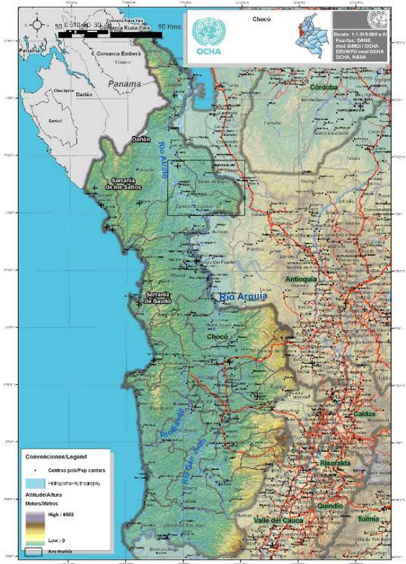
This article examines how Chilapos (mestizo peasants from Córdoba and the Sinú valley, settled since the 1970s in the Curvaradó and Jiguamiandó basins of the Bajo Atrato, Chocó, Colombia) negotiate identities and territorial legitimacy after Law 70 of 1993 and the forced displacement of 1996–1997. It argues that through humanitarian and biodiversity zones the Chilapos reappropriate and transform the ethnic lexicon of Law 70 — claiming "afrocolombianidad" beyond skin colour — to legitimize their access to collectively titled land, while this fluidity reaches its limits in the conflict with ASCOBA over land restitution.
Key findings
- Law 70 of 1993 granted collective territorial rights to "black communities," tending to naturalize a "black" identity and generating inter-ethnic tensions; Chilapos, although the majority in the Curvaradó and Jiguamiandó basins, were not recognized as "black" but were accepted as *possessores de boa fé* (good-faith possessors) by black inhabitants, allowing their inclusion in collective titles without being named as a distinct group.
- After the 1996–1997 displacement — described as the country's largest mass displacement, with figures varying but around 10,000 people displaced — the ethnic-territorial struggle shifted to a discourse of victims' rights, return, and environmental protection; the first humanitarian zone was created in the Jiguamiandó basin in 2004, and biodiversity zones from 2006.
- Currently there are 8 humanitarian zones and about 60 biodiversity zones across the two basins, grouping roughly 2,000 people; humanitarian zones range from 1 to 5 hectares, delimited by fencing and signage citing the laws and conventions protecting them.
- Two organizational models now compete: the humanitarian/biodiversity zones (associated locally with Chilapos, federated in an association since 2010) and ASCOBA (created 2003, grouping more than 50 community councils across the Bajo Atrato, associated with Blacks), which refuses Chilapo participation in community council representation; this polarization has delayed land restitution in Curvaradó and Jiguamiandó by more than 6 years.
- Chilapos articulate territorial legitimacy through claims such as "I am afro because we are in this struggle," ancestral residence in Chocó, and adoption of "traditional production practices" attributed to black communities; the Constitutional Court's December 2012 decision (Auto 299/12) defined beneficiaries of collective territorial rights as those who, "without necessarily having phenotypic traits of the black race," meet the conditions that gave rise to protection of these communities' collective rights.
Methods
- Qualitative ethnographic case study of the eastern margin of the Bajo Atrato (Curvaradó and Jiguamiandó basins, Chocó department), based on fieldwork and interviews conducted in humanitarian zones (Caracolí, Camelias, Caño Manso) and with institutional actors, with interview dates cited between November 2011 and May 2013 (plus one in Medellín, February 2012).
- Analysis of legal and institutional material: Law 70 of 1993, the 1991 Constitution, international humanitarian and environmental law instruments, and Constitutional Court decisions, including Auto 299 of 18 December 2012.
- The author frames the analysis through the concepts of territorial legitimacy (after Hoffmann 2013) and socially produced space, examining how spatial figures (zones) and identity discourses are articulated and negotiated.
Limitations
- The paper states that it does not develop the characteristics and interests of the economic, military, and political actors involved, and that it does not aim to judge whether the Chilapos' use of discourses is instrumentalization ("il ne m'intéresse pas ici de juger de ce qui est bien ou mal").
- The paper states its objective is not to reduce the complex territorial dynamics of the Bajo Atrato to an ethnic question, presenting the Chilapo case as one illustration among others not mentioned.
- Evident from the text: the analysis rests on a small set of named interviews and a single regional case, so the findings are not presented as generalizable; the author also notes that the number of displaced persons is uncertain ("les chiffres varient").
Model-written summary. Check it against the paper before relying on it.
Integrity signals
Registry
Cites
Statistics
Figures
Verification
Claims the paper makes
50 Own interpretation · 26 No basis given · 15 Sources not found · 3 Not checked yet · 2 Partly supported · 2 No full text of the sources · 1 Own result · accuracy not yet measured
The paper states this without a source or data behind it here, so there is nothing to check it against. The quote shows it is in the paper.
In the paper
“La population métisse ou chilapa, qui constitue la majorité des habitants des deux bassins mentionnés, ne se reconnaissait pas et n'était pas considérée comme « noire ».”
§ Négociations identitaires et légitimités territoriales : les Chilapos > 8
plain- Asserted: passes — The authors put it forward as true.
- Checkable: passes — It can be checked against evidence.
- Load-bearing: passes — The paper’s conclusions depend on it.
- Based: passes — The paper gives a reason why it holds.
The paper states this without a source or data behind it here, so there is nothing to check it against. The quote shows it is in the paper.
In the paper
“C'est dans ce contexte qu'une partie des habitants des bassins mentionnés décide, avec l'aide d'ONG colombiennes et internationales et de l'Eglise catholique, de s'organiser pour retourner sur leurs terres”
§ Négociations identitaires et légitimités territoriales : les Chilapos > 4
plaindirect- Asserted: passes — The authors put it forward as true.
- Checkable: passes — It can be checked against evidence.
- Load-bearing: passes — The paper’s conclusions depend on it.
- Based: passes — The paper gives a reason why it holds.
- Rests on an assumption: The forced displacement of the Bajo Atrato population (Blacks, Chilapos, Indians) occurred in 1996 and 1997 as a result of military operations of the Brigade XVII of the army in connivance with paramilitary groups.
The paper states this without a source or data behind it here, so there is nothing to check it against. The quote shows it is in the paper.
In the paper
“En septembre 1996 et février 1997, la violence du conflit armé se déplace du voisin département d'Antioquia et fait irruption dans le Bajo Atrato.”
§ Négociations identitaires et légitimités territoriales : les Chilapos > 8
plaindirect- Asserted: passes — The authors put it forward as true.
- Checkable: passes — It can be checked against evidence.
- Load-bearing: passes — The paper’s conclusions depend on it.
- Based: passes — The paper gives a reason why it holds.
None of the sources cited for this claim have been checked yet.
In the paper
“De manière complémentaire, les acteurs locaux, à l'aide de leurs assesseurs nationaux, ont créé les zones de biodiversité (à partir de 2006)”
§ Négociations identitaires et légitimités territoriales : les Chilapos > 8
plaindirect- Asserted: passes — The authors put it forward as true.
- Checkable: passes — It can be checked against evidence.
- Load-bearing: unclear — It is unclear whether the paper’s conclusions depend on it.
- Based: passes — The paper gives a reason why it holds.
The paper states this without a source or data behind it here, so there is nothing to check it against. The quote shows it is in the paper.
In the paper
“La population métisse ou chilapa, qui constitue la majorité des habitants des deux bassins mentionnés, ne se reconnaissait pas et n'était pas considérée comme « noire ».”
§ Négociations identitaires et légitimités territoriales : les Chilapos > 8
plain- Asserted: passes — The authors put it forward as true.
- Checkable: passes — It can be checked against evidence.
- Load-bearing: passes — The paper’s conclusions depend on it.
- Based: passes — The paper gives a reason why it holds.
The paper states this without a source or data behind it here, so there is nothing to check it against. The quote shows it is in the paper.
In the paper
“Ainsi, en cette première phase de retour (début des années 2000), à travers les figures des zones humanitaires et de biodiversité, malgré les débats autour de la titularisation collective -qui a eu lieu en novembre 2000 pour les bassins du Curvaradó et Jiguamiandó -et ensuite autour des différentes options d'organisation14 , il y a convergence et accords locaux au sein de la population des deux b”
§ Négociations identitaires et légitimités territoriales : les Chilapos > 8
plain- Asserted: passes — The authors put it forward as true.
- Checkable: passes — It can be checked against evidence.
- Load-bearing: unclear — It is unclear whether the paper’s conclusions depend on it.
- Based: passes — The paper gives a reason why it holds.
The paper states this without a source or data behind it here, so there is nothing to check it against. The quote shows it is in the paper.
In the paper
“La population métisse ou chilapa, qui constitue la majorité des habitants des deux bassins mentionnés, ne se reconnaissait pas et n'était pas considérée comme « noire ».”
§ Négociations identitaires et légitimités territoriales : les Chilapos > 8
plain- Asserted: passes — The authors put it forward as true.
- Checkable: passes — It can be checked against evidence.
- Load-bearing: unclear — It is unclear whether the paper’s conclusions depend on it.
- Based: passes — The paper gives a reason why it holds.
In the paper
“Deux opérations militaires justifiées par le gouvernement par leur caractère contre-insurrectionnel, et orchestrées avec les paramilitaires des ACCU8 ont comme conséquence le plus grand déplacement massif jamais connu dans le pays.”
§ Négociations identitaires et légitimités territoriales : les Chilapos > 8
What the sources say
- Not matchedcites [8]
Couldn’t be matched to a paper in Crossref, so it can’t be checked.
plaindirect- Asserted: passes — The authors put it forward as true.
- Checkable: passes — It can be checked against evidence.
- Load-bearing: passes — The paper’s conclusions depend on it.
- Based: passes — The paper gives a reason why it holds.
- Not matched
The paper states this without a source or data behind it here, so there is nothing to check it against. The quote shows it is in the paper.
In the paper
“Mais, après de nombreux débats et discussions dans la région, elle a été reconnue comme possesseur de bonne foi par les habitants noirs du Bajo Atrato qui discutaient de la titularisation collective.”
§ Négociations identitaires et légitimités territoriales : les Chilapos > 8
plaindirect- Asserted: passes — The authors put it forward as true.
- Checkable: passes — It can be checked against evidence.
- Load-bearing: passes — The paper’s conclusions depend on it.
- Based: passes — The paper gives a reason why it holds.
In the paper
“Dans leur processus de retour, l'Eglise catholique mais aussi l'ONG colombienne Comisión Intereclesial de Justicia y Paz (CIJP)10 ont joué un rôle essentiel.”
§ Négociations identitaires et légitimités territoriales : les Chilapos > 8
What the sources say
- Not matchedcites [10]
Couldn’t be matched to a paper in Crossref, so it can’t be checked.
plaindirect- Asserted: passes — The authors put it forward as true.
- Checkable: passes — It can be checked against evidence.
- Load-bearing: unclear — It is unclear whether the paper’s conclusions depend on it.
- Based: passes — The paper gives a reason why it holds.
- Not matched
- Probably not a substantial claim. 22
- It may state two separate claims as one. 39
The cited sources support only part of this claim — read each source’s verdict below.
In the paper
“cette loi a été perçue, par certains observateurs ( AGUDELO 2005, HOFFMANN 2004, RESTREPO 2011) dans les débuts de son application, comme une loi qui avait tendance à naturaliser une identité « noire », ce qui entrainait des crispations face aux autres populations non identifiées comme noires, et favorisait à terme des conflits territoriaux.”
- Also stated in: § 8 · plain
“Elle a été perçue, dans les débuts de son application, comme une loi qui a eu tendance à naturaliser ce qu'est être « noir », en en faisant la condition pour être un possible bénéficiaire de dotation de terres collectives.”
§ Négociations identitaires et légitimités territoriales : les Chilapos > 2
What the sources say
- Not matchedcites AGUDELO 2005
Couldn’t be matched to a paper in Crossref, so it can’t be checked.
- Not matchedcites HOFFMANN 2004
Couldn’t be matched to a paper in Crossref, so it can’t be checked.
- Supportedcites RESTREPO 2011 source
In “Tensiones y problemáticas emergentes” (page unavailable), Restrepo describes early interpretations of Law 70 as applying exclusively to black people, with non-black residents told to leave the territory. He links the resulting ethnic and racial distinctions to tensions over land and collective titling. The passage supports the paraphrase, though he cautions that Law 70 did not create all tensions between these populations. (LLM, conf=0.88)
plaindirect- Asserted: passes — The authors put it forward as true.
- Checkable: passes — It can be checked against evidence.
- Load-bearing: passes — The paper’s conclusions depend on it.
- Based: passes — The paper gives a reason why it holds.
Probably not a substantial claim. It may state two separate claims as one.
- Also stated in: § 8 · plain
The cited sources support only part of this claim — read each source’s verdict below.
In the paper
“Sans pour autant affirmer qu'il n'existait pas de tensions entre les Noirs et les Chilapos avant la loi, le déplacement d'une mobilisation paysanne vers une mobilisation ethnico-territoriale et, quelques années plus tard, l'irruption du conflit armé, constituent des points de rupture dans la vision politique de la population du Bajo Atrato (RESTREPO 2011).”
§ Négociations identitaires et légitimités territoriales : les Chilapos > 8
What the sources say
- Partly supportedcites RESTREPO 2011 sourceExperimental — accuracy not yet measured
The discussion of ethnization describes a shift from peasant mobilization to ethno-territorial claims in the early 1990s. The section on emerging tensions reports the 1996 armed violence, mass displacement, and disappearance of peasant organizations. But the Conclusions caution that ethnization did not affect all local residents alike and remained unfamiliar to many; the paper does not establish that both events were ruptures in the political outlook of the Bajo Atrato population as a whole. Page numbers were not available in our copy. (LLM, conf=0.86)
plaindirect- Asserted: passes — The authors put it forward as true.
- Checkable: passes — It can be checked against evidence.
- Load-bearing: passes — The paper’s conclusions depend on it.
- Based: passes — The paper gives a reason why it holds.
It may state two separate claims as one.
- Partly supported
In the paper
“la Cour constitutionnelle est intervenue à plusieurs reprises en émettant des décisions de justice, dont la dernière date de décembre 2012 22”
§ Négociations identitaires et légitimités territoriales : les Chilapos > 8
What the sources say
- Not matchedcites [22]
Couldn’t be matched to a paper in Crossref, so it can’t be checked.
plain- Asserted: passes — The authors put it forward as true.
- Checkable: passes — It can be checked against evidence.
- Load-bearing: fails — The paper’s conclusions may not depend on it.
- Based: passes — The paper gives a reason why it holds.
Probably not a substantial claim. The paper’s conclusions may not depend on it. It may state two separate claims as one.
- Not matched
The paper states this without a source or data behind it here, so there is nothing to check it against. The quote shows it is in the paper.
In the paper
“Mais leur argument est clair en termes pratiques : les zones sont nécessaires pour défendre et protéger la vie de ses habitants puisque les conditions du conflit armé n'évolueront pas à court ou moyen terme.”
§ Négociations identitaires et légitimités territoriales : les Chilapos > 8
boosteddirect- Asserted: fails — The authors may not put it forward as true.
- Checkable: passes — It can be checked against evidence.
- Load-bearing: fails — The paper’s conclusions may not depend on it.
- Based: passes — The paper gives a reason why it holds.
Probably not a substantial claim. The authors may not put it forward as true. The paper’s conclusions may not depend on it. It may state two separate claims as one.
- Rests on an assumption: Les conditions du conflit armé n'évolueront pas à court ou moyen terme.
The paper states this without a source or data behind it here, so there is nothing to check it against. The quote shows it is in the paper.
In the paper
“A partir de 2003, deux processus organisationnels se développent dans cet espace régional.”
§ Négociations identitaires et légitimités territoriales : les Chilapos > 8
plain- Asserted: passes — The authors put it forward as true.
- Checkable: passes — It can be checked against evidence.
- Load-bearing: passes — The paper’s conclusions depend on it.
- Based: fails — The paper may give no reason why it holds.
Probably not a substantial claim. The paper may give no reason why it holds.
The paper states this without a source or data behind it here, so there is nothing to check it against. The quote shows it is in the paper.
In the paper
“Les chiffres varient, mais on parle de quelque 10 000 personnes déplacées.”
§ Négociations identitaires et légitimités territoriales : les Chilapos > 8
hedged- Asserted: passes — The authors put it forward as true.
- Checkable: passes — It can be checked against evidence.
- Load-bearing: fails — The paper’s conclusions may not depend on it.
- Based: passes — The paper gives a reason why it holds.
Probably not a substantial claim. The paper’s conclusions may not depend on it.
The paper states this without a source or data behind it here, so there is nothing to check it against. The quote shows it is in the paper.
In the paper
“Depuis plus de quinze ans, le Bajo Atrato est le théâtre d'affrontements entre les différents acteurs économiques, militaires ou politiques, pour le contrôle du territoire.”
§ Négociations identitaires et légitimités territoriales : les Chilapos > 8
plain- Asserted: passes — The authors put it forward as true.
- Checkable: passes — It can be checked against evidence.
- Load-bearing: fails — The paper’s conclusions may not depend on it.
- Based: fails — The paper may give no reason why it holds.
Probably not a substantial claim. The paper’s conclusions may not depend on it. The paper may give no reason why it holds.
The paper states this without a source or data behind it here, so there is nothing to check it against. The quote shows it is in the paper.
In the paper
“Bien que reconnaissant les Chilapos comme possesseurs de bonne foi, ASCOBA refuse leur participation dans la représentation des Conseils communautaires et conteste la légitimité des zones humanitaires en se fondant sur une lecture stricte de la loi 70.”
§ Négociations identitaires et légitimités territoriales : les Chilapos > 8
plaindirect- Asserted: passes — The authors put it forward as true.
- Checkable: passes — It can be checked against evidence.
- Load-bearing: passes — The paper’s conclusions depend on it.
- Based: passes — The paper gives a reason why it holds.
It may state two separate claims as one.
None of the sources cited for this claim have been checked yet.
In the paper
“Mais, lorsque le retour de la population déplacée des bassins du Curvaradó et Jiguamiandó commence à se « généraliser »15 , les pressions sur l'espace s'accentuent et les visions politiques des territorialités se transforment et se diversifient.”
§ Négociations identitaires et légitimités territoriales : les Chilapos > 8
plaindirect- Asserted: passes — The authors put it forward as true.
- Checkable: passes — It can be checked against evidence.
- Load-bearing: passes — The paper’s conclusions depend on it.
- Based: passes — The paper gives a reason why it holds.
It may state two separate claims as one.
The paper states this without a source or data behind it here, so there is nothing to check it against. The quote shows it is in the paper.
In the paper
“qui correspondent à la parcelle d'un individu ou d'une famille avant le déplacement.”
§ Négociations identitaires et légitimités territoriales : les Chilapos > 8
plaincorrelational- Asserted: passes — The authors put it forward as true.
- Checkable: passes — It can be checked against evidence.
- Load-bearing: fails — The paper’s conclusions may not depend on it.
- Based: passes — The paper gives a reason why it holds.
Probably not a substantial claim. The paper’s conclusions may not depend on it.
The paper states this without a source or data behind it here, so there is nothing to check it against. The quote shows it is in the paper.
In the paper
“Les habitants du Bajo Atrato, et dans ce cas spécifique des bassins du Curvardó et du Jiguamiandó, ont été gravement affectés et ont perdu le contrôle sur leurs terres.”
§ Négociations identitaires et légitimités territoriales : les Chilapos > 8
plain- Asserted: passes — The authors put it forward as true.
- Checkable: passes — It can be checked against evidence.
- Load-bearing: passes — The paper’s conclusions depend on it.
- Based: passes — The paper gives a reason why it holds.
It may state two separate claims as one.
The paper states this without a source or data behind it here, so there is nothing to check it against. The quote shows it is in the paper.
In the paper
“Actuellement il existe 8 zones humanitaires et environ 60 zones de biodiversité réparties dans les bassins de Curvaradó et Jiguamiandó dans le Bajo Atrato, regroupant une population d'environ 2000 personnes.”
§ Négociations identitaires et légitimités territoriales : les Chilapos > 8
plain- Asserted: passes — The authors put it forward as true.
- Checkable: passes — It can be checked against evidence.
- Load-bearing: unclear — It is unclear whether the paper’s conclusions depend on it.
- Based: passes — The paper gives a reason why it holds.
It may state two separate claims as one.
The paper states this without a source or data behind it here, so there is nothing to check it against. The quote shows it is in the paper.
In the paper
“Ces deux options sont des propositions qui, bien que déployant différentes stratégies, ont permis à une partie des habitants du Bajo Atrato de retourner sur leurs terres et d'entamer un processus de « re-territorialisation ».”
§ Négociations identitaires et légitimités territoriales : les Chilapos > 8
plaindirect- Asserted: passes — The authors put it forward as true.
- Checkable: passes — It can be checked against evidence.
- Load-bearing: passes — The paper’s conclusions depend on it.
- Based: passes — The paper gives a reason why it holds.
It may state two separate claims as one.
A result the paper reports from its own data — it cites no other source for it, so there is none to check. The quote shows it is in the paper.
In the paper
“Confrontés à l'horreur de la guerre et du déplacement, confinés dans les campements de Pavarandó et Turbo dans le département d'Antioquia pendant de longs mois, une partie des déplacés décident de commencer à s'organiser pour le retour -qui s'est déroulé en plusieurs étapes -grâce à l'aide d'organisations nationales et internationales.”
§ Négociations identitaires et légitimités territoriales : les Chilapos > 8
plaindirect- Asserted: passes — The authors put it forward as true.
- Checkable: passes — It can be checked against evidence.
- Load-bearing: unclear — It is unclear whether the paper’s conclusions depend on it.
- Based: passes — The paper gives a reason why it holds.
It may state two separate claims as one.
The paper states this without a source or data behind it here, so there is nothing to check it against. The quote shows it is in the paper.
In the paper
“Ces deux types d'organisation, au départ coexistent puis entrent en compétition pour la reconnaissance de leurs processus organisationnels respectifs par l'Etat et par les différentes organisations internationales et agences de coopération ayant des projets dans le Bajo Atrato.”
§ Négociations identitaires et légitimités territoriales : les Chilapos > 8
plaindirect- Asserted: passes — The authors put it forward as true.
- Checkable: passes — It can be checked against evidence.
- Load-bearing: passes — The paper’s conclusions depend on it.
- Based: passes — The paper gives a reason why it holds.
It may state two separate claims as one.
The paper states this without a source or data behind it here, so there is nothing to check it against. The quote shows it is in the paper.
In the paper
“Au bout de deux ans de négociations entre les acteurs locaux déplacés de leurs terres et les différentes organisations qui les soutenaient et les accompagnaient, ils décident de former la première zone humanitaire et de tenter ainsi un retour sur leur région de résidence avant le déplacement.”
§ Négociations identitaires et légitimités territoriales : les Chilapos > 8
plaindirect- Asserted: passes — The authors put it forward as true.
- Checkable: passes — It can be checked against evidence.
- Load-bearing: passes — The paper’s conclusions depend on it.
- Based: passes — The paper gives a reason why it holds.
It may state two separate claims as one.
The paper states this without a source or data behind it here, so there is nothing to check it against. The quote shows it is in the paper.
In the paper
“Or, les zones humanitaires et de biodiversité dans ces deux bassins sont habitées majoritairement par la population chilapa et sont donc associées dans l'imaginaire collectif local à celle-ci, tandis que ASCOBA, qui regroupe plus de 50 Conseils communautaires dans l'ensemble du Bajo Atrato est associée aux Noirs.”
§ Négociations identitaires et légitimités territoriales : les Chilapos > 8
plaincorrelational- Asserted: passes — The authors put it forward as true.
- Checkable: passes — It can be checked against evidence.
- Load-bearing: passes — The paper’s conclusions depend on it.
- Based: passes — The paper gives a reason why it holds.
It may state two separate claims as one.
The paper states this without a source or data behind it here, so there is nothing to check it against. The quote shows it is in the paper.
In the paper
“Ces zones correspondent à un espace, dont la taille peut varier entre 1 et 5 hectares, délimité par une clôture et parfaitement rendu visible par des panneaux où sont indiquées les différentes lois et conventions qui le protègent.”
§ Négociations identitaires et légitimités territoriales : les Chilapos > 8
plain- Asserted: passes — The authors put it forward as true.
- Checkable: passes — It can be checked against evidence.
- Load-bearing: fails — The paper’s conclusions may not depend on it.
- Based: passes — The paper gives a reason why it holds.
Probably not a substantial claim. The paper’s conclusions may not depend on it. It may state two separate claims as one.
A conclusion the paper draws from its own results — it cites no other source for it, so there is none to check. The quote shows it is in the paper.
In the paper
“20 Ainsi, par le processus organisationnel des zones humanitaires, le discours de l'ancrage territorial est renforcé tout comme le discours de la protection de l'environnement est exploité par la création des zones de biodiversité, dans lesquelles les pratiques traditionnelles seraient perpétuées.”
§ Négociations identitaires et légitimités territoriales : les Chilapos > 8
hedgeddirect- Asserted: passes — The authors put it forward as true.
- Checkable: passes — It can be checked against evidence.
- Load-bearing: passes — The paper’s conclusions depend on it.
- Based: passes — The paper gives a reason why it holds.
It may state two separate claims as one.
A conclusion the paper draws from its own results — it cites no other source for it, so there is none to check. The quote shows it is in the paper.
In the paper
“La légitimité des conseils communautaires et du paradigme ethnico-territorial est donc acceptée par les habitants dans les zones humanitaires.”
§ Négociations identitaires et légitimités territoriales : les Chilapos > 8
plain- Asserted: passes — The authors put it forward as true.
- Checkable: passes — It can be checked against evidence.
- Load-bearing: passes — The paper’s conclusions depend on it.
- Based: passes — The paper gives a reason why it holds.
It may state two separate claims as one.
A conclusion the paper draws from its own results — it cites no other source for it, so there is none to check. The quote shows it is in the paper.
In the paper
“Ainsi, par le processus de la loi 70, le rapport entre territoire et identité devient un des outils politiques consciemment élaborés et négociés par les acteurs locaux afin de revendiquer des droits fondamentaux, d'en exiger des nouveaux et de tenter de rendre possibles des transformations majeures, bien qu'entrainant également différents conflits, comme je le montrerai par la suite.”
§ Négociations identitaires et légitimités territoriales : les Chilapos > 8
plaindirect- Asserted: passes — The authors put it forward as true.
- Checkable: passes — It can be checked against evidence.
- Load-bearing: passes — The paper’s conclusions depend on it.
- Based: passes — The paper gives a reason why it holds.
It may state two separate claims as one.
A conclusion the paper draws from its own results — it cites no other source for it, so there is none to check. The quote shows it is in the paper.
In the paper
“Ils reprennent un lexique existant et le transforment, pour se le réapproprier, ce qui passe par différentes articulations de discours et pratiques, qui évoluent, se rétro-alimentent et parfois même se contredisent.”
§ Négociations identitaires et légitimités territoriales : les Chilapos > 8
plain- Asserted: passes — The authors put it forward as true.
- Checkable: passes — It can be checked against evidence.
- Load-bearing: passes — The paper’s conclusions depend on it.
- Based: passes — The paper gives a reason why it holds.
It may state two separate claims as one.
In the paper
“Les luttes paysannes commencées dans la région dans les années 1980 contre l'exploitation irrationnelle des ressources se sont transformées dans les années 1990 en des luttes ethnico-territoriales qui ont abouti en la promulgation de la loi 70.”
§ Négociations identitaires et légitimités territoriales : les Chilapos > 6
What the sources say
- Not checked — no full text of the sourcecites CARDENAS 2012 source
plaindirect- Asserted: passes — The authors put it forward as true.
- Checkable: passes — It can be checked against evidence.
- Load-bearing: passes — The paper’s conclusions depend on it.
- Based: passes — The paper gives a reason why it holds.
It may state two separate claims as one.
A conclusion the paper draws from its own results — it cites no other source for it, so there is none to check. The quote shows it is in the paper.
In the paper
“ces acteurs mettent en œuvre la politique du « diviser pour mieux régner ».”
§ Négociations identitaires et légitimités territoriales : les Chilapos > 8
plaindirect- Asserted: passes — The authors put it forward as true.
- Checkable: passes — It can be checked against evidence.
- Load-bearing: fails — The paper’s conclusions may not depend on it.
- Based: fails — The paper may give no reason why it holds.
Probably not a substantial claim. The paper’s conclusions may not depend on it. The paper may give no reason why it holds.
In the paper
“qui seraient une concrétisation du droit de l'environnement 12 , pour la « défense du territoire »”
§ Négociations identitaires et légitimités territoriales : les Chilapos > 8
What the sources say
- Not matchedcites [12]
Couldn’t be matched to a paper in Crossref, so it can’t be checked.
hedgeddirect- Asserted: passes — The authors put it forward as true.
- Checkable: passes — It can be checked against evidence.
- Load-bearing: fails — The paper’s conclusions may not depend on it.
- Based: passes — The paper gives a reason why it holds.
Probably not a substantial claim. The paper’s conclusions may not depend on it.
- Not matched
A conclusion the paper draws from its own results — it cites no other source for it, so there is none to check. The quote shows it is in the paper.
In the paper
“car le territoire représente actuellement l'endroit où les participants aux deux projets organisationnels vivent et développent leurs projets de vie.”
§ Négociations identitaires et légitimités territoriales : les Chilapos > 8
plain- Asserted: passes — The authors put it forward as true.
- Checkable: passes — It can be checked against evidence.
- Load-bearing: fails — The paper’s conclusions may not depend on it.
- Based: fails — The paper may give no reason why it holds.
Probably not a substantial claim. The paper’s conclusions may not depend on it. The paper may give no reason why it holds.
A conclusion the paper draws from its own results — it cites no other source for it, so there is none to check. The quote shows it is in the paper.
In the paper
“où le paysan comme sujet politique est ethnicisé et devient la « communauté noire »”
§ Négociations identitaires et légitimités territoriales : les Chilapos > 8
plaindirect- Asserted: passes — The authors put it forward as true.
- Checkable: passes — It can be checked against evidence.
- Load-bearing: passes — The paper’s conclusions depend on it.
- Based: passes — The paper gives a reason why it holds.
It may state two separate claims as one.
A conclusion the paper draws from its own results — it cites no other source for it, so there is none to check. The quote shows it is in the paper.
In the paper
“Aussi, les légitimités territoriales des Chilapos sont basées sur des éléments allant au-delà des critères essentialistes de la loi 70 et des hiérarchies de couleur qui ont voulu être imposées au moment de la promulgation de la dite loi, tout en les exploitant.”
§ Négociations identitaires et légitimités territoriales : les Chilapos > 8
plaindirect- Asserted: passes — The authors put it forward as true.
- Checkable: passes — It can be checked against evidence.
- Load-bearing: passes — The paper’s conclusions depend on it.
- Based: passes — The paper gives a reason why it holds.
It may state two separate claims as one.
A conclusion the paper draws from its own results — it cites no other source for it, so there is none to check. The quote shows it is in the paper.
In the paper
“il est clair qu'ils sont multiples, avec des frontières poreuses”
§ Négociations identitaires et légitimités territoriales : les Chilapos > 8
boosted- Asserted: passes — The authors put it forward as true.
- Checkable: passes — It can be checked against evidence.
- Load-bearing: passes — The paper’s conclusions depend on it.
- Based: passes — The paper gives a reason why it holds.
It may state two separate claims as one.
A conclusion the paper draws from its own results — it cites no other source for it, so there is none to check. The quote shows it is in the paper.
In the paper
“Alors, lorsqu'on réduit des catégories de sujets, comme les communautés noires, à un espace, il semble y avoir des contradictions par exemple par la contradiction entre la réalité mobile et dynamique des populations et la stabilité physique du territoire qui ne peut s'étendre ou se déplacer.”
§ Négociations identitaires et légitimités territoriales : les Chilapos > 5
hedgeddirect- Asserted: passes — The authors put it forward as true.
- Checkable: passes — It can be checked against evidence.
- Load-bearing: passes — The paper’s conclusions depend on it.
- Based: passes — The paper gives a reason why it holds.
It may state two separate claims as one.
- Rests on an assumption: Space is not only a social, political and symbolic product, but also physical and concrete, and cannot superimpose itself.
In the paper
“ce projet « commence avec le développement d'un plan d'appropriationexpropriation des terres de la population déplacée ou susceptible de l'être, sous l'initiative d'agents paramilitaires en connivence avec les forces de sécurité de l'Etat, qui sert de ciment pour entreprendre la formation de l'infrastructure entrepreneuriale » (FRANCO et RESTREPO 2011, p. 280).”
§ Négociations identitaires et légitimités territoriales : les Chilapos > 8
What the sources say
- Not matchedcites FRANCO et RESTREPO 2011
Couldn’t be matched to a paper in Crossref, so it can’t be checked.
plaindirect- Asserted: passes — The authors put it forward as true.
- Checkable: passes — It can be checked against evidence.
- Load-bearing: passes — The paper’s conclusions depend on it.
- Based: passes — The paper gives a reason why it holds.
Probably not a substantial claim.
- Not matched
A conclusion the paper draws from its own results — it cites no other source for it, so there is none to check. The quote shows it is in the paper.
In the paper
“Au moment de négocier le retour avec les différentes institutions gouvernementales concernées, le combat politique devient la priorité et adopte des voies innovantes, qui se manifestent au sein des figures spatiales mentionnées.”
§ Négociations identitaires et légitimités territoriales : les Chilapos > 8
plaindirect- Asserted: passes — The authors put it forward as true.
- Checkable: passes — It can be checked against evidence.
- Load-bearing: passes — The paper’s conclusions depend on it.
- Based: passes — The paper gives a reason why it holds.
It may state two separate claims as one.
A conclusion the paper draws from its own results — it cites no other source for it, so there is none to check. The quote shows it is in the paper.
In the paper
“Effectivement, le cas du Bajo Atrato constitue un exemple de la manière dont l'Etat colombien a voulu « récupérer » le contrôle de cette région des mains de la guérilla par la force et de cette manière instaurer des projets productifs.”
§ Négociations identitaires et légitimités territoriales : les Chilapos > 8
plaindirectSingle case- Asserted: passes — The authors put it forward as true.
- Checkable: passes — It can be checked against evidence.
- Load-bearing: passes — The paper’s conclusions depend on it.
- Based: passes — The paper gives a reason why it holds.
It may state two separate claims as one.
A conclusion the paper draws from its own results — it cites no other source for it, so there is none to check. The quote shows it is in the paper.
In the paper
“ont déplacé les objets de mobilisation des années 1980 et ont mis en avant le « territoire »”
§ Négociations identitaires et légitimités territoriales : les Chilapos > 8
plaindirect- Asserted: passes — The authors put it forward as true.
- Checkable: passes — It can be checked against evidence.
- Load-bearing: passes — The paper’s conclusions depend on it.
- Based: passes — The paper gives a reason why it holds.
It may state two separate claims as one.
In the paper
“Se met en place une certaine « subordination ethnique qui veut être imposée par le leadership noir » (VILLA 2013, p. 47).”
§ Négociations identitaires et légitimités territoriales : les Chilapos > 8
What the sources say
- Not matchedcites VILLA 2013
Couldn’t be matched to a paper in Crossref, so it can’t be checked.
plaindirect- Asserted: passes — The authors put it forward as true.
- Checkable: passes — It can be checked against evidence.
- Load-bearing: passes — The paper’s conclusions depend on it.
- Based: passes — The paper gives a reason why it holds.
Probably not a substantial claim.
- Not matched
A conclusion the paper draws from its own results — it cites no other source for it, so there is none to check. The quote shows it is in the paper.
In the paper
“Les tensions d'ordre politique s'expriment alors sur le registre des différences ethniques.C'est le début du « conflit ethnique ».”
§ Négociations identitaires et légitimités territoriales : les Chilapos > 8
plaindirect- Asserted: passes — The authors put it forward as true.
- Checkable: passes — It can be checked against evidence.
- Load-bearing: passes — The paper’s conclusions depend on it.
- Based: passes — The paper gives a reason why it holds.
It may state two separate claims as one.
A conclusion the paper draws from its own results — it cites no other source for it, so there is none to check. The quote shows it is in the paper.
In the paper
“Tout d'abord, le « territoire » est maintenant revendiqué comme pilier dans la défense des victimes du conflit armé et comme protecteur de la vie.”
§ Négociations identitaires et légitimités territoriales : les Chilapos > 8
plain- Asserted: passes — The authors put it forward as true.
- Checkable: passes — It can be checked against evidence.
- Load-bearing: passes — The paper’s conclusions depend on it.
- Based: passes — The paper gives a reason why it holds.
It may state two separate claims as one.
A conclusion the paper draws from its own results — it cites no other source for it, so there is none to check. The quote shows it is in the paper.
In the paper
“Cette situation a suscité des conflits interethniques, notamment pour l'accès aux terres collectives pour les Chilapos.”
§ Négociations identitaires et légitimités territoriales : les Chilapos > 8
plaindirect- Asserted: passes — The authors put it forward as true.
- Checkable: passes — It can be checked against evidence.
- Load-bearing: passes — The paper’s conclusions depend on it.
- Based: passes — The paper gives a reason why it holds.
It may state two separate claims as one.
A conclusion the paper draws from its own results — it cites no other source for it, so there is none to check. The quote shows it is in the paper.
In the paper
“Ils s'appuient sur leurs légitimités territoriales et donc mobilisent des spatialités.”
§ Négociations identitaires et légitimités territoriales : les Chilapos > 8
plaindirect- Asserted: passes — The authors put it forward as true.
- Checkable: passes — It can be checked against evidence.
- Load-bearing: passes — The paper’s conclusions depend on it.
- Based: passes — The paper gives a reason why it holds.
It may state two separate claims as one.
None of the sources cited for this claim have been checked yet.
In the paper
“Il est désormais couramment admis que la loi 70 est à l'origine du processus d'ethnicisation des communautés noires, soit la formation d'un sujet politique en tant que groupe ethnique (RESTREPO 2011).”
§ Négociations identitaires et légitimités territoriales : les Chilapos > 8
What the sources say
- Not checked yetcites RESTREPO 2011 source
Checked before — its earlier verdict is held back until a new check runs.
boosteddirect- Asserted: passes — The authors put it forward as true.
- Checkable: passes — It can be checked against evidence.
- Load-bearing: fails — The paper’s conclusions may not depend on it.
- Based: passes — The paper gives a reason why it holds.
Probably not a substantial claim. The paper’s conclusions may not depend on it.
- Not checked yet
A conclusion the paper draws from its own results — it cites no other source for it, so there is none to check. The quote shows it is in the paper.
In the paper
“puisque nous nous trouvons actuellement non pas face à un problème ethnique, mais bien à une négociation de pouvoir autour de l'espace du Bajo Atrato.”
§ Négociations identitaires et légitimités territoriales : les Chilapos > 8
plain- Asserted: passes — The authors put it forward as true.
- Checkable: passes — It can be checked against evidence.
- Load-bearing: passes — The paper’s conclusions depend on it.
- Based: passes — The paper gives a reason why it holds.
It may state two separate claims as one.
In the paper
“les « communautés noires » 4 inscrites ainsi dans la loi, se sont vu accorder des droits collectifs en tant que groupe ethnique, dont le volet le plus important est le volet foncier.”
- Also stated in: § 8 · plain
“Elle définit les communautés noires comme bénéficiaires collectives de droits spécifiques en relation à leur identité ethnique (HOFFMANN 2004) dont le volet le plus important est le volet foncier.”
§ Négociations identitaires et légitimités territoriales : les Chilapos > 2
What the sources say
- Not matchedcites HOFFMANN 2004
Couldn’t be matched to a paper in Crossref, so it can’t be checked.
plaindirect- Asserted: passes — The authors put it forward as true.
- Checkable: passes — It can be checked against evidence.
- Load-bearing: passes — The paper’s conclusions depend on it.
- Based: passes — The paper gives a reason why it holds.
It may state two separate claims as one.
- Also stated in: § 8 · plain
A conclusion the paper draws from its own results — it cites no other source for it, so there is none to check. The quote shows it is in the paper.
In the paper
“la population chilapa et noire transforme la base discursive de la lutte ethnico-territoriale en un discours sur la lutte pour les droits des victimes du conflit, mais aussi de la protection de l'environnement.”
§ Négociations identitaires et légitimités territoriales : les Chilapos > 6
plaindirect- Asserted: passes — The authors put it forward as true.
- Checkable: passes — It can be checked against evidence.
- Load-bearing: passes — The paper’s conclusions depend on it.
- Based: unclear — It is unclear why the paper says it holds.
It may state two separate claims as one.
The paper states this without a source or data behind it here, so there is nothing to check it against. The quote shows it is in the paper.
In the paper
“Comme je l'ai évoqué auparavant, le Conseil communautaire est la seule autorité administratrice des territoires collectifs et sa création est une condition même pour l'octroi du titre collectif de propriété.”
§ Négociations identitaires et légitimités territoriales : les Chilapos > 8
plaindirect- Asserted: passes — The authors put it forward as true.
- Checkable: passes — It can be checked against evidence.
- Load-bearing: fails — The paper’s conclusions may not depend on it.
- Based: passes — The paper gives a reason why it holds.
Probably not a substantial claim. The paper’s conclusions may not depend on it. It may state two separate claims as one.
In the paper
“L'auteure conclue sa définition du concept introduit précédemment en indiquant que cette légitimité, pour être opérationnelle, doit être à la fois légitimée -même si cela peut paraitre redondant -par des « techniques spatiales ».”
§ Négociations identitaires et légitimités territoriales : les Chilapos > 8
What the sources say
- Not matchedcites HOFFMANN 2013
Couldn’t be matched to a paper in Crossref, so it can’t be checked.
plaindirect- Asserted: passes — The authors put it forward as true.
- Checkable: passes — It can be checked against evidence.
- Load-bearing: passes — The paper’s conclusions depend on it.
- Based: passes — The paper gives a reason why it holds.
Probably not a substantial claim.
- Not matched
A conclusion the paper draws from its own results — it cites no other source for it, so there is none to check. The quote shows it is in the paper.
In the paper
“Toutefois, les acteurs qui ont porté leurs regards sur ces terres profitent des différences dans les visions politiques des deux options et à travers la cooptation de certains leaders et membres des différentes communautés retardent la restitution des terres et mettent en avant la question des « vrais » propriétaires.”
§ Négociations identitaires et légitimités territoriales : les Chilapos > 8
plaindirect- Asserted: passes — The authors put it forward as true.
- Checkable: passes — It can be checked against evidence.
- Load-bearing: passes — The paper’s conclusions depend on it.
- Based: passes — The paper gives a reason why it holds.
It may state two separate claims as one.
A conclusion the paper draws from its own results — it cites no other source for it, so there is none to check. The quote shows it is in the paper.
In the paper
“La population concernée acquiert ainsi une nouvelle identification au « territoire » : elle en est la protectrice et responsable de sa récupération, tout comme les Afrocolombiens.”
§ Négociations identitaires et légitimités territoriales : les Chilapos > 8
plaindirect- Asserted: passes — The authors put it forward as true.
- Checkable: passes — It can be checked against evidence.
- Load-bearing: passes — The paper’s conclusions depend on it.
- Based: passes — The paper gives a reason why it holds.
It may state two separate claims as one.
None of the sources cited for this claim could be matched to a paper in Crossref, so there is nothing to check it against.
In the paper
“des auteurs tels que Bettina Ng'weno (NG'WENO 2007) soutiennent que la titularisation collective des terres du Pacifique ont eu comme objectif principal, de la part de l'Etat, de mieux contrôler et institutionnaliser ces terres « aux marges » (DAS et POOLE 2004) de la Colombie.”
§ Négociations identitaires et légitimités territoriales : les Chilapos > 8
What the sources say
- Not matchedcites NG'WENO 2007
Couldn’t be matched to a paper in Crossref, so it can’t be checked.
- Not matchedcites DAS et POOLE 2004
Couldn’t be matched to a paper in Crossref, so it can’t be checked.
plaindirect- Asserted: passes — The authors put it forward as true.
- Checkable: passes — It can be checked against evidence.
- Load-bearing: fails — The paper’s conclusions may not depend on it.
- Based: passes — The paper gives a reason why it holds.
Probably not a substantial claim. The paper’s conclusions may not depend on it.
- Not matched
In the paper
“19 La légitimité territoriale s'opère également à travers un autre élément qui dérive de l'ancestralité, ou le temps vécu dans le département du Chocó.Il s'agit du partage des modes de vie des communautés noires, représentés, entre autres, par la gestion et le travail de la terre.”
- Also stated in: § 8 · hedged
“Cela se traduirait par une assimilation des « pratiques traditionnelles de production » des Noirs, un élément constitutif de l'identité noire inscrit dans la loi 70 de 1993 (RUIZ SERNA 2006)”
§ Négociations identitaires et légitimités territoriales : les Chilapos > 8
What the sources say
- Not matchedcites RUIZ SERNA 2006
Couldn’t be matched to a paper in Crossref, so it can’t be checked.
plaindirect- Asserted: passes — The authors put it forward as true.
- Checkable: passes — It can be checked against evidence.
- Load-bearing: passes — The paper’s conclusions depend on it.
- Based: passes — The paper gives a reason why it holds.
It may state two separate claims as one.
- Also stated in: § 8 · hedged
A conclusion the paper draws from its own results — it cites no other source for it, so there is none to check. The quote shows it is in the paper.
In the paper
“La fluidité dans la construction de discours et pratiques autour des identités s'accompagne de nouvelles territorialités et vice-versa.”
§ Négociations identitaires et légitimités territoriales : les Chilapos > Additional information
plaincorrelational- Asserted: passes — The authors put it forward as true.
- Checkable: passes — It can be checked against evidence.
- Load-bearing: passes — The paper’s conclusions depend on it.
- Based: fails — The paper may give no reason why it holds.
Probably not a substantial claim. The paper may give no reason why it holds. It may state two separate claims as one.
A conclusion the paper draws from its own results — it cites no other source for it, so there is none to check. The quote shows it is in the paper.
In the paper
“On peut tout de même dire qu'il y a eu un moment d'accord avant la polarisation actuelle de la population locale.”
§ Négociations identitaires et légitimités territoriales : les Chilapos > 8
hedged- Asserted: passes — The authors put it forward as true.
- Checkable: passes — It can be checked against evidence.
- Load-bearing: fails — The paper’s conclusions may not depend on it.
- Based: fails — The paper may give no reason why it holds.
Probably not a substantial claim. The paper’s conclusions may not depend on it. The paper may give no reason why it holds.
A conclusion the paper draws from its own results — it cites no other source for it, so there is none to check. The quote shows it is in the paper.
In the paper
“Ils mobilisent aujourd'hui différentes identités afin de revendiquer leurs légitimités territoriales.”
§ Négociations identitaires et légitimités territoriales : les Chilapos > Additional information
plaindirect- Asserted: passes — The authors put it forward as true.
- Checkable: passes — It can be checked against evidence.
- Load-bearing: passes — The paper’s conclusions depend on it.
- Based: fails — The paper may give no reason why it holds.
Probably not a substantial claim. The paper may give no reason why it holds.
A conclusion the paper draws from its own results — it cites no other source for it, so there is none to check. The quote shows it is in the paper.
In the paper
“Le cas des deux bassins, par la mobilisation dans les zones humanitaires notamment, est devenu emblématique de la politique de restitution de terres au niveau national mais crée des conflits au niveau local.”
§ Négociations identitaires et légitimités territoriales : les Chilapos > 8
plaindirect- Asserted: passes — The authors put it forward as true.
- Checkable: passes — It can be checked against evidence.
- Load-bearing: unclear — It is unclear whether the paper’s conclusions depend on it.
- Based: passes — The paper gives a reason why it holds.
It may state two separate claims as one.
A conclusion the paper draws from its own results — it cites no other source for it, so there is none to check. The quote shows it is in the paper.
In the paper
“Celle-ci irait audelà de la pigmentation de la peau et se fonde, pour les habitants des zones humanitaires et de biodiversité, sur des éléments tels que la présence et le temps passé dans le Bajo Atrato et le département du Chocó, faisant ainsi référence à « l'établissement historique et ancestral » mentionné dans la loi”
§ Négociations identitaires et légitimités territoriales : les Chilapos > 8
plaincorrelational- Asserted: passes — The authors put it forward as true.
- Checkable: passes — It can be checked against evidence.
- Load-bearing: passes — The paper’s conclusions depend on it.
- Based: passes — The paper gives a reason why it holds.
Probably not a substantial claim.
A conclusion the paper draws from its own results — it cites no other source for it, so there is none to check. The quote shows it is in the paper.
In the paper
“De cette manière, une fois que les espaces « pour la protection de la vie et la terre » ont été établis, il y a une deuxième phase qui est celle de la définition, pour faire face aux pressions exercées par les différents acteurs, que j'ai précédemment mentionnés, ayant des intérêts sur les terres.”
§ Négociations identitaires et légitimités territoriales : les Chilapos > 8
plaindirect- Asserted: passes — The authors put it forward as true.
- Checkable: passes — It can be checked against evidence.
- Load-bearing: fails — The paper’s conclusions may not depend on it.
- Based: passes — The paper gives a reason why it holds.
Probably not a substantial claim. The paper’s conclusions may not depend on it.
The paper relies on this without support.
Chilapos are mestizo peasants from the department of Córdoba and the Sinú river valley, majority in the Curvaradó and Jiguamiandó basins, and minority in the Chocó department and the Pacific region (which is majority black).
“Les Chilapos 2 , paysans métis provenant du département de Córdoba et de la vallée du fleuve Sinú, majoritaires dans les bassins du Curvaradó et Jiguamiandó -situés sur la marge orientale du Bajo Atrato -sont minoritaires dans le département du Chocó et, de manière plus large, dans la région dite du Pacifique colombien peuplée majoritairement par une population noire 3 .”
The paper relies on this without support.
The forced displacement of the Bajo Atrato population (Blacks, Chilapos, Indians) occurred in 1996 and 1997 as a result of military operations of the Brigade XVII of the army in connivance with paramilitary groups.
“à la suite du déplacement forcé de la population du Bajo Atrato (quelles que soient leurs identifications comme Noirs, Chilapos et Indiens) qui a eu lieu en 1996 et 1997 suite aux opérations militaires de la Brigade XVII de l'armée en connivence avec des groupes paramilitaires”
The paper relies on this without support.
Space is not only a social, political and symbolic product, but also physical and concrete, and cannot superimpose itself.
“L'espace, qui non seulement est un produit social, politique et symbolique, mais aussi à la fois physique et concret, ne peut pas se superposer à lui-même.”
The paper relies on this without support.
The question of black identity emerged during the 1991 Constituent Assembly, which later led to Law 70.
“L'identité noire est une question qui surgit lors de l'Assemblée constituante en 1991, qui a par la suite amené la loi 70.”
The paper relies on this without support.
The answer to the black identity question is inscribed in the 1991 Constitution/Assembly, associating black communities with life in 'community', environmental protection through ancestral relation to land, and traditional production practices.
“La réponse à la question de l'identité noire s'y trouve inscrite, associant les communautés noires à des caractéristiques telles que la vie en « communauté » mais aussi la protection de l'environnement par leur rapport « ancestral » à la terre et leurs « pratiques traditionnelles de production ».”
The paper relies on this without support.
To be part of a collective title, one had to be native or resident in these lands for at least ten years.
“en se référant au fait que pour faire partie du titre collectif il fallait être natif ou résident dans ces terres depuis au moins dix ans.”
The paper relies on this without support.
For granting the rights inscribed in Law 70, black communities are subordinated to organization around a new authority, the Community Council, responsible for ensuring collective land management.
“Pour l'octroi des droits inscrits dans cette loi, les communautés noires sont subordonnées à l'organisation autour d'une nouvelle autorité, le « Conseil communautaire », chargé de veiller à la gestion « collective » de la terre.”
The paper relies on this without support.
Les Chilapos ne correspondent pas aux caractéristiques phénotypiques associées aux communautés noires.
“Les Chilapos, qui ne correspondent pas aux caractéristiques phénotypiques qui sont associées aux communautés noires”
The paper relies on this without support.
Les conditions du conflit armé n'évolueront pas à court ou moyen terme.
“puisque les conditions du conflit armé n'évolueront pas à court ou moyen terme.”
The paper relies on this without support.
La loi 70 de 1993 est perçue comme une loi « essentialiste » dans ses débuts.
“perçue comme une loi « essentialiste » dans ses débuts”
Citations
Cites
Black and Green: Afro-Colombians, Development, and Nature in the Pacific Lowlands
Asher, K. (2009) · doi:10.1215/9780822390879 · Cited by 208
Ng’weno, B. (2007) · Stanford University Press eBooks · doi:10.11126/stanford/9780804755962.001.0001 · Cited by 113
Cárdenas, R. (2012) · Journal of Peasant Studies · doi:10.1080/03066150.2012.665892 · Cited by 65
Turf Wars: Territory and Citizenship in the Contemporary State
Ng’weno, B. (2007) · doi:10.1515/9780804768290 · Cited by 39
Etnización y multiculturalismo en el bajo Atrato
Restrepo, E. (2011) · Revista Colombiana de Antropología · doi:10.22380/2539472x.957 · Cited by 26
Multiculturalismo en Colombia: política, inclusión y exclusión de poblaciones negras
Hoyos, I. C. C., Galeano, D. Y. P., & Ruíz, F. J. G. (2011) · Digital Library (University of San Buenaventura Colombia) · Cited by 4
Research works printed but not linked: 5
- CARDENAS Roosbelinda (2011), “El mito del multiculturalismo interrumpido”. In, Afro-Latino Social Movements Conference, Miami, Actes non publiés.
- DAS Veena et POOLE Deborah (2004), Anthropology in the Margins of the State, Santa Fe, School of American Research Press.
- FRANCO Vilma et RESTREPO Juan diego (2011), “Empresarios palmeros, poderes de facto y despojo de tierras en el Bajo atrato” in ROMERO VIDAL (ed.), La economía de los paramilitares. Redes de corrupción, negocios y política, Bogotá, Corporaciòn Nuevo Arco Iris.
- RUIZ SERNA Daniel (2006), “Nuevas formas de ser negro. Consideraciones sobre las identidades entre la gente chilapa y negra del Bajo Atrato”. In, BOLIVAR Ingrid J. (Ed.), Identidades culturales y formación del Estado en Colombia. Colonización, naturaleza y cultura, Bogotá, Ediciones Uniandes.
- VILLA William (2013), “Colonización y conflicto territorial en el bajo Atrato : el poblamiento de las cuencas de la margen oriental”, Revista de Estudios del Pacífico Colombiano, 1, pp. 9-56.
Cited by
Sorted by citations
Le droit, la violence et la terre : le rôle de l’État dans l’accaparement foncier en Colombie
Grajales, J. (2016) · Cahiers des Amériques latines · doi:10.4000/cal.4268 · Cited by 4
Sortie de conflit et capitalisme agraire en Colombie : une esquisse d’analyse
Grajales, J. (2017) · IdeAs · doi:10.4000/ideas.1844 · Cited by 1
Allain, M. (2016) · theses.fr (ABES) · doi:10.70675/f3cabe93za1baz47faza5a6zdfa07dc845ab · Cited by 1
Allain, M. (2023) · Éditions de l’IHEAL eBooks · doi:10.4000/books.iheal.11056
Metadata
- Authors
- Corredor, J.
- Affiliations
- Université Paris Diderot (FR)
- Corresponding author
- Corredor, Jessica
- Venue
- Cahiers de l’Urmis
- Publisher
- OpenEdition
- Published
- 2014
- Volume
- 15
- ISSN
- 1287-471X (ISSN-L)
- 1773-021X
- OpenAlex
- W1529225782
- Semantic Scholar
- af96f832d95c75b23c47ed847218b1d1c56bc375
- Cited by
- 3
- References
- 5
- Citations by year
- 2023: 1 · 2017: 1 · 2016: 1
- FWCI
- 7.76
- Type
- journal article
- Language
- fr
- Open access
- hybrid
- doi.org
- Licence
- Locations
- Cahiers de l’Urmis (publishedVersion, cc-by-nc-nd)
- OpenEdition (OpenEdition) (submittedVersion, cc-by-nc-nd)
- Topics
- Social Sciences › Cultural Studies › Afro-Latin American Studies
- Social Sciences › Cultural Studies › Indigenous Studies in Latin America
- Social Sciences › Sociology and Political Science › Conflict, Peace, and Violence in Colombia
- Keywords
- Afro-Colombian identity, territorial legitimacy, identity negotiation, Córdoba, Colombia, ethnic identity formation, territoriality, Afro-Colombian communities
About these checks
Registry, retraction, Cites and statistics results are computed, not judged, with one exception: a printed reference that no index lists is read once by a model before it counts as a citation error. Claims are extracted by a model and kept only when their quote appears verbatim in the text; each cited source is then checked, with a model’s help, for whether it says what the claim relies on. Those verdicts can be wrong — read the claim’s quote and the cited source before relying on one.
A language model drew the claims from the paper on 2026-11-10, under version 3 of the claim definition (model deepseek-v4.1-flash, prompt extract-v3).
A second model labelled each claim on 2026-11-10 (model jev-1.13-20260917, definition revision gold-guideline-v0.2).
Cited sources are checked with a language model’s help (gpt-6-sol).
Statistics and arithmetic are recomputed, not judged.
Confidence bands are shown only for fields calibrated on our annotated test set. None is calibrated yet, so no band is shown.
What counts as a claim ›How we measure confidence ›How we check this ›
Are you an author, or do you see a problem with this page? Request a review
