

The DOI matches its Crossref record; 5 of the 5 references it cites were found in a registry or an index; none of the 15 sources its claims cite is checked for support yet.
ANCESTRAL SEEDS OF FREEDOM: CIMARRONA WISDOM AND PEDAGOGY CIMARRONA OF THE AFROCHOTEÑIDAD
Open accessAbstract
En el Ecuador habita una población de origen africana, secuestrada e introducida de manera compulsiva por la Compañía de Jesús, a finales del siglo XVI, para ser esclavizados.La colonialidad/modernidad del poder, para garantizar la explotación esclavista/ hacendataria, a las personas africanas y a sus descendientes, les negó su existencia humana, conjuntamente con su espiritualidad y sus milenarias sabidurías.Gracias a la memoria colectiva y a la imaginación, la afrochoteñidad ha sabido trasmitir o sembrar en sus (re)nacientes, de boca a oreja, de oreja a boca, el saber de la vida, la semilla cimarrona de libertad, contrapuesta al proyecto político, esclavista, civilizatorio, colonial/moderno eurocriollo.En este contexto, hablaremos de manera central acerca de las prácticas pedagógicas con pertinencia cultural, articuladas a la malla curricular oficial, implementadas por el docente afrochoteño Salomón Chalá Lara en la escuela José María Urbina de la comunidad El Chota.Palabras claves: Sabiduría, pedagogía, cimarrón, libertad, memoria colectiva, cosmoexistencia, colonialidad/modernidad del poder, colonialidad del saber, colonialidad del ser.In Ecuador, a population of African origin was kidnapped and introduced by the Society of Jesus to be enslaved at the end of the 16th century; the coloniality/modernity of power, in order to guarantee the slave/landholder exploitation of African people and their descendants, denied them not only their human existence but also their spirituality and their millenary wisdom.Thanks to collective memory and imagination, the Afrochoteñidad has managed to transmit or sow in its (newly) nascent, from mouth to ear, from ear to mouth, the knowledge of life, the Cimarron seed of freedom, opposed to the project political, civilizational, colonial/modern Eurocriollo.In this context, we will talk centrally about pedagogical practices with culture relevance articulated to the official curricular subjects' official curriculum implemented by professor Salomón Chalá Lara at the José Maria Urbina school in the community of Chota.
Overview
AI snapshot
Written from the paper’s full text.
TL;DR
The paper argues that Afrochoteñidad in Ecuador preserved a “cimarrona” wisdom and pedagogy of freedom against colonial/modern denial, transmitted through collective memory, orality, music, games, and naming. It centers Prof. Salomón Chalá Lara’s culturally relevant teaching at the José María Urbina school in El Chota, where Afrochoteño Muntú wisdom was articulated with the official curriculum.
Key findings
- The paper contends that coloniality/modernity of power denied African and Afro-descendant people their human existence, spirituality, and millenary wisdom, treating them as non-human and negating their histories, cultures, and epistemologies.
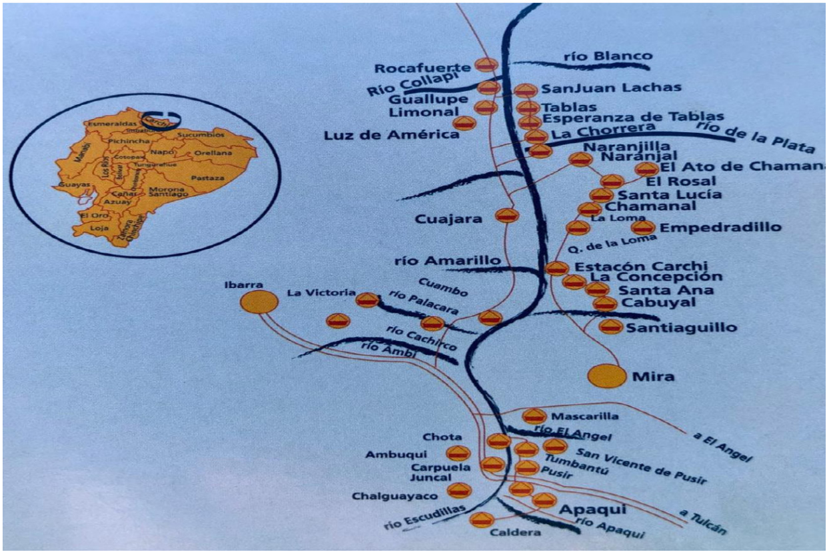
- Afrochoteñidad is described as transmitting the “saber de la vida” and the “semilla cimarrona de libertad” through collective memory and orality—myths, stories, songs, dance (bomba del Chota), games, and naming practices; El Chota is called a palenque formed by cimarronas/cimarrones rebelling from 1780, with “Chota” meaning “agrupación de personas libres” (Chalá 2013: 33).
- Prof. Salomón Chalá Lara (1916–2003) implemented culturally relevant pedagogical practices at the José María Urbina school in El Chota, articulating Afrochoteño Muntú wisdom with the official curriculum through activities such as bomba, games (“el camotico,” “chivita barbona,” jump rope, perinola, tingue, rayuela), crafts with seeds, clay, terrón, and carrizo, and learning local geography, plants, and community boundaries.
- The paper links this legacy to current Afro-Ecuadorian etnoeducación, noting that surviving ex-students are aged 54–90 and that a reform bill is being processed in Ecuador’s National Assembly to include “etnoeducación afroecuatoriana o educación afroecuatoriana” as state policy.
Methods
- Qualitative, reflexive/decolonial essay and testimonial reconstruction; no formal methods section is stated. It proceeds through conceptual dialogue with modernity/coloniality thinkers (Quijano, Mignolo, Walsh, Grosfoguel, Albán, Fanon, Du Bois, among others) and “casa adentro” reflection.
- Data/sample: a personal interview with Prof. Salomón Chalá Lara (1985, cited in Chalá 2013), the author’s recollections of the José María Urbina school, community elders/sabios, ex-students aged 54–90, and the Centro de Investigaciones “Familia Negra” (CIFANE, founded 1983). This is not described as a systematic sample.
- Main analysis: narrative and conceptual analysis of cimarronaje, Muntú, cosmoexistencia, coloniality/modernity, and pedagogical practices; no quantitative analysis is reported.
Limitations
- The paper states that, due to space, it does not present the important internal Afro-Ecuadorian debate about the name “etnoeducación” as it emerged in the 1980s.
- Evident from the text: no formal methodology, sampling strategy, or systematic data analysis is described; evidence is largely testimonial, autobiographical, and conceptual, limiting replicability and generalizability.
- Evident from the text: the account centers one teacher and one ancestral territory (El Chota-La Concepción y Salinas), so the findings are context-specific.
Model-written summary. Check it against the paper before relying on it.
Integrity signals
Registry
Cites
Statistics
Figures
Verification
Claims the paper makes
29 Own interpretation · 13 Sources not found · 7 No basis given · 4 Own result
The paper states this without a source or data behind it here, so there is nothing to check it against. The quote shows it is in the paper.
In the paper
“por ejemplo: mediante las prácticas del canto y el baile al ritmo de bomba, supo desarrollar en la niñez y juventud, la inteligencia motriz y creatividad”
§ SIEMBRAS ANCESTRALES DE LIBERTAD: SABIDURÍA Y PEDAGOGÍA CIMARRONA DE LA AFROCHOTEÑIDAD ANCESTRAL SEEDS OF FREEDOM: CIMARRONA WISDOM AND PEDAGOGY CIMARRONA OF THE AFROCHOTEÑIDAD > El Muntú afrochoteño habla en la escuela
plainstates a causeSingle case- Asserted: passes — The authors put it forward as true.
- Checkable: passes — It can be checked against evidence.
- Load-bearing: passes — The paper’s conclusions depend on it.
- Based: passes — The paper gives a reason why it holds.
In the paper
“el cimarronaje de las personas africanas y de sus descendientes se desengancha de manera radical de la colonialidad/ modernidad del poder, a la que Aníbal Quijano (2005) la conceptualiza como una estructura de dominación que sometió a América Latina, a África y a Asia, a partir de la conquista.”
§ SIEMBRAS ANCESTRALES DE LIBERTAD: SABIDURÍA Y PEDAGOGÍA CIMARRONA DE LA AFROCHOTEÑIDAD ANCESTRAL SEEDS OF FREEDOM: CIMARRONA WISDOM AND PEDAGOGY CIMARRONA OF THE AFROCHOTEÑIDAD > Introducción
What the sources say
- Not matchedcites Aníbal Quijano (2005)
Couldn’t be matched to a paper in Crossref, so it can’t be checked.
plainstates a cause- Asserted: passes — The authors put it forward as true.
- Checkable: passes — It can be checked against evidence.
- Load-bearing: passes — The paper’s conclusions depend on it.
- Based: passes — The paper gives a reason why it holds.
- Not matched
None of the sources cited for this claim could be matched to a paper in Crossref, so there is nothing to check it against.
In the paper
“a pesar de haber acabado el colonialismo tradicional, las estructuras subjetivas, los imaginarios y la colonización epistemológica aún se encuentran fuertemente presentes.”
§ SIEMBRAS ANCESTRALES DE LIBERTAD: SABIDURÍA Y PEDAGOGÍA CIMARRONA DE LA AFROCHOTEÑIDAD ANCESTRAL SEEDS OF FREEDOM: CIMARRONA WISDOM AND PEDAGOGY CIMARRONA OF THE AFROCHOTEÑIDAD > Introducción
What the sources say
- Not matchedcites Quijano
Couldn’t be matched to a paper in Crossref, so it can’t be checked.
- Not matchedcites Mignolo
Couldn’t be matched to a paper in Crossref, so it can’t be checked.
- Not matchedcites Walsh
Couldn’t be matched to a paper in Crossref, so it can’t be checked.
boosted- Asserted: passes — The authors put it forward as true.
- Checkable: passes — It can be checked against evidence.
- Load-bearing: passes — The paper’s conclusions depend on it.
- Based: passes — The paper gives a reason why it holds.
- Not matched
In the paper
“la toponimia americana registra en la actualidad muchas localidades bajo el nombre de palenque en México, Guatemala, Panamá, Colombia, Perú, y todas ellas deben su nombre a los antiguos palenques de cimarrones y cimarronas.”
§ SIEMBRAS ANCESTRALES DE LIBERTAD: SABIDURÍA Y PEDAGOGÍA CIMARRONA DE LA AFROCHOTEÑIDAD ANCESTRAL SEEDS OF FREEDOM: CIMARRONA WISDOM AND PEDAGOGY CIMARRONA OF THE AFROCHOTEÑIDAD > Introducción
What the sources say
- Not matchedcites Nicomedes Santa cruz (1988: 28)
Couldn’t be matched to a paper in Crossref, so it can’t be checked.
plainstates a cause- Asserted: passes — The authors put it forward as true.
- Checkable: passes — It can be checked against evidence.
- Load-bearing: unclear — It is unclear whether the paper’s conclusions depend on it.
- Based: passes — The paper gives a reason why it holds.
- Not matched
In the paper
“La actual comunidad El Chota es un palenque formado por cimarronas y cimarrones que se revelaron en contra del régimen esclavista/hacendatario, colonial/moderno a partir de 1780.”
§ SIEMBRAS ANCESTRALES DE LIBERTAD: SABIDURÍA Y PEDAGOGÍA CIMARRONA DE LA AFROCHOTEÑIDAD ANCESTRAL SEEDS OF FREEDOM: CIMARRONA WISDOM AND PEDAGOGY CIMARRONA OF THE AFROCHOTEÑIDAD > Introducción
What the sources say
- Not matchedcites Chalá 2013: 87
Couldn’t be matched to a paper in Crossref, so it can’t be checked.
plain- Asserted: passes — The authors put it forward as true.
- Checkable: passes — It can be checked against evidence.
- Load-bearing: passes — The paper’s conclusions depend on it.
- Based: passes — The paper gives a reason why it holds.
- Not matched
- It may state two separate claims as one. 26
- The quote only partly states this claim. 1
- Probably not a substantial claim. 41
A result the paper reports from its own data — it cites no other source for it, so there is none to check. The quote shows it is in the paper.
In the paper
“También la niñez y juventud afrochoteña trabajaba con maderas livianas del entorno, como el carrizo, la caña brava, etc., se construían escaleras, se hacían carros de carrizo, con llantas de”
§ SIEMBRAS ANCESTRALES DE LIBERTAD: SABIDURÍA Y PEDAGOGÍA CIMARRONA DE LA AFROCHOTEÑIDAD ANCESTRAL SEEDS OF FREEDOM: CIMARRONA WISDOM AND PEDAGOGY CIMARRONA OF THE AFROCHOTEÑIDAD > El Muntú afrochoteño habla en la escuela
plain- Asserted: passes — The authors put it forward as true.
- Checkable: passes — It can be checked against evidence.
- Load-bearing: unclear — It is unclear whether the paper’s conclusions depend on it.
- Based: passes — The paper gives a reason why it holds.
It may state two separate claims as one. The quote only partly states this claim.
A result the paper reports from its own data — it cites no other source for it, so there is none to check. The quote shows it is in the paper.
In the paper
“algunas niñas y niños, para que sus trabajos en barro alcancen mayor consistencia, las ponían en el fogón, cuando sus madres cocían los alimentos con leña.”
§ SIEMBRAS ANCESTRALES DE LIBERTAD: SABIDURÍA Y PEDAGOGÍA CIMARRONA DE LA AFROCHOTEÑIDAD ANCESTRAL SEEDS OF FREEDOM: CIMARRONA WISDOM AND PEDAGOGY CIMARRONA OF THE AFROCHOTEÑIDAD > El Muntú afrochoteño habla en la escuela
plainstates a cause- Asserted: passes — The authors put it forward as true.
- Checkable: passes — It can be checked against evidence.
- Load-bearing: fails — The paper’s conclusions may not depend on it.
- Based: passes — The paper gives a reason why it holds.
Probably not a substantial claim. The paper’s conclusions may not depend on it.
The paper states this without a source or data behind it here, so there is nothing to check it against. The quote shows it is in the paper.
In the paper
“Asimismo, a la presente fecha, en la Asamblea Nacional de Ecuador, se está tramitando un proyecto de ley reformatorio a la Ley Orgánica de Educación Intercultural de Ecuador, presentada por el autor, en mi calidad de Asambleísta de la provincia de Imbabura ante la Asamblea Nacional de Ecuador, la propuesta de ley está siendo acompañada por maestras y maestros afroecuatorianos, quienes conforman la”
§ SIEMBRAS ANCESTRALES DE LIBERTAD: SABIDURÍA Y PEDAGOGÍA CIMARRONA DE LA AFROCHOTEÑIDAD ANCESTRAL SEEDS OF FREEDOM: CIMARRONA WISDOM AND PEDAGOGY CIMARRONA OF THE AFROCHOTEÑIDAD > Data availability
plain- Asserted: passes — The authors put it forward as true.
- Checkable: passes — It can be checked against evidence.
- Load-bearing: fails — The paper’s conclusions may not depend on it.
- Based: passes — The paper gives a reason why it holds.
Probably not a substantial claim. The paper’s conclusions may not depend on it. It may state two separate claims as one.
The paper states this without a source or data behind it here, so there is nothing to check it against. The quote shows it is in the paper.
In the paper
“Actualmente, la pedagogía cimarrona inspirada por el Profesor Salomón Chalá está siendo retomada por las maestras y maestros afroecuatorianos a nivel nacional, llamándola etnoeducación afroecuatoriana, surge por la motivación del maestro Juan García Salazar, acompañado del autor y otros educadores, con la finalidad que el Ministerio de Educación ecuatoriano inserte en la malla curricular de manera”
§ SIEMBRAS ANCESTRALES DE LIBERTAD: SABIDURÍA Y PEDAGOGÍA CIMARRONA DE LA AFROCHOTEÑIDAD ANCESTRAL SEEDS OF FREEDOM: CIMARRONA WISDOM AND PEDAGOGY CIMARRONA OF THE AFROCHOTEÑIDAD > Data availability
plainstates a cause- Asserted: passes — The authors put it forward as true.
- Checkable: passes — It can be checked against evidence.
- Load-bearing: fails — The paper’s conclusions may not depend on it.
- Based: passes — The paper gives a reason why it holds.
Probably not a substantial claim. The paper’s conclusions may not depend on it. It may state two separate claims as one.
A result the paper reports from its own data — it cites no other source for it, so there is none to check. The quote shows it is in the paper.
In the paper
“La creatividad, aunado al desarrollo de las destrezas finas y gruesas de acuerdo con la complejidad de su elaboración, el Prof. Chalá hacía que la niñez las desarrollen realizando juguetes de arcilla (conocida localmente como greda), realizaban muñecas, carros, ollas, rostros, con dichas actividades, nos acercamos al conocimiento del cuerpo humano, (conocimos nuestras masculinidades y feminidades)”
§ SIEMBRAS ANCESTRALES DE LIBERTAD: SABIDURÍA Y PEDAGOGÍA CIMARRONA DE LA AFROCHOTEÑIDAD ANCESTRAL SEEDS OF FREEDOM: CIMARRONA WISDOM AND PEDAGOGY CIMARRONA OF THE AFROCHOTEÑIDAD > El Muntú afrochoteño habla en la escuela
plainstates a causeSingle case- Asserted: passes — The authors put it forward as true.
- Checkable: passes — It can be checked against evidence.
- Load-bearing: unclear — It is unclear whether the paper’s conclusions depend on it.
- Based: passes — The paper gives a reason why it holds.
It may state two separate claims as one.
The paper states this without a source or data behind it here, so there is nothing to check it against. The quote shows it is in the paper.
In the paper
“aprehendimos a reconocer las diversas clases de semillas y el lugar en donde podíamos conseguirlas, supimos, por ejemplo, que de la semilla (pepa) de aguacate, podíamos hacer marcas permanentes en cualquier tipo de tela o fibra vegetal, conocimos algunas plantas medicinales, como el llantén y plantas comestibles como el bledo, el berro, etcétera.”
§ SIEMBRAS ANCESTRALES DE LIBERTAD: SABIDURÍA Y PEDAGOGÍA CIMARRONA DE LA AFROCHOTEÑIDAD ANCESTRAL SEEDS OF FREEDOM: CIMARRONA WISDOM AND PEDAGOGY CIMARRONA OF THE AFROCHOTEÑIDAD > Agradecimientos
plain- Asserted: passes — The authors put it forward as true.
- Checkable: passes — It can be checked against evidence.
- Load-bearing: fails — The paper’s conclusions may not depend on it.
- Based: passes — The paper gives a reason why it holds.
Probably not a substantial claim. The paper’s conclusions may not depend on it. It may state two separate claims as one.
A result the paper reports from its own data — it cites no other source for it, so there is none to check. The quote shows it is in the paper.
In the paper
“Salomón Chalá, en el aula de clase y fuera de ella, en la comunidad, pedagógicamente sembraba en sus alumnos la cultura e identidad afrochoteña, al tiempo de desarrollar en los infantes y juventud, las habilidades motrices finas y gruesas con calidez y calidad, reforzadas con recorridos por los distintos senderos del conocimiento propio”
§ SIEMBRAS ANCESTRALES DE LIBERTAD: SABIDURÍA Y PEDAGOGÍA CIMARRONA DE LA AFROCHOTEÑIDAD ANCESTRAL SEEDS OF FREEDOM: CIMARRONA WISDOM AND PEDAGOGY CIMARRONA OF THE AFROCHOTEÑIDAD > El Muntú afrochoteño habla en la escuela
plainstates a causeSingle case- Asserted: passes — The authors put it forward as true.
- Checkable: passes — It can be checked against evidence.
- Load-bearing: passes — The paper’s conclusions depend on it.
- Based: passes — The paper gives a reason why it holds.
It may state two separate claims as one.
The paper states this without a source or data behind it here, so there is nothing to check it against. The quote shows it is in the paper.
In the paper
“Fue/es la siembra pedagógica del Prof. Salomón Chalá Lara del saber de la vida de la afrochoteñidad con pertinencia y pertenencia cultural, histórica, territorial, su legado es una leyenda en el territorio ancestral, recordado y reconocido con cariño hasta hoy por sus exalumnas y alumnos; quienes aún le sobreviven sus edades oscilan entre 54 y 90 años, muchas/muchos de ellos siguen sembrando, en”
§ SIEMBRAS ANCESTRALES DE LIBERTAD: SABIDURÍA Y PEDAGOGÍA CIMARRONA DE LA AFROCHOTEÑIDAD ANCESTRAL SEEDS OF FREEDOM: CIMARRONA WISDOM AND PEDAGOGY CIMARRONA OF THE AFROCHOTEÑIDAD > Data availability
plain- Asserted: passes — The authors put it forward as true.
- Checkable: passes — It can be checked against evidence.
- Load-bearing: fails — The paper’s conclusions may not depend on it.
- Based: fails — The paper may give no reason why it holds.
Probably not a substantial claim. The paper’s conclusions may not depend on it. The paper may give no reason why it holds. It may state two separate claims as one.
The paper states this without a source or data behind it here, so there is nothing to check it against. The quote shows it is in the paper.
In the paper
“En su mayoría, conocimos a todos los miembros de la comunidad con quienes debíamos/debemos ser respetuosos.”
§ SIEMBRAS ANCESTRALES DE LIBERTAD: SABIDURÍA Y PEDAGOGÍA CIMARRONA DE LA AFROCHOTEÑIDAD ANCESTRAL SEEDS OF FREEDOM: CIMARRONA WISDOM AND PEDAGOGY CIMARRONA OF THE AFROCHOTEÑIDAD > Agradecimientos
hedged- Asserted: passes — The authors put it forward as true.
- Checkable: passes — It can be checked against evidence.
- Load-bearing: fails — The paper’s conclusions may not depend on it.
- Based: passes — The paper gives a reason why it holds.
Probably not a substantial claim. The paper’s conclusions may not depend on it.
A conclusion the paper draws from its own results — it cites no other source for it, so there is none to check. The quote shows it is in the paper.
In the paper
“Las cimarronas y los cimarrones afrochoteños, enseñaron el saber de la vida a las nuevas generaciones cuya didáctica se caracterizó en la manera lúdica de trasmisión de conocimientos, mediante la narración de sus mitos, cuentos, leyendas, adivinanzas, mediante el canto y la danza de su género musical, conocida como bomba del Chota, la gestualidad corporal, mediante el ritmo y la musicalidad de los”
§ SIEMBRAS ANCESTRALES DE LIBERTAD: SABIDURÍA Y PEDAGOGÍA CIMARRONA DE LA AFROCHOTEÑIDAD ANCESTRAL SEEDS OF FREEDOM: CIMARRONA WISDOM AND PEDAGOGY CIMARRONA OF THE AFROCHOTEÑIDAD > Introducción
plainstates a cause- Asserted: passes — The authors put it forward as true.
- Checkable: passes — It can be checked against evidence.
- Load-bearing: passes — The paper’s conclusions depend on it.
- Based: fails — The paper may give no reason why it holds.
Probably not a substantial claim. The paper may give no reason why it holds.
A conclusion the paper draws from its own results — it cites no other source for it, so there is none to check. The quote shows it is in the paper.
In the paper
“cuya fuerza (de)colonial se expresa en el cimarronaje corpo/político y de las subjetividades, mecanismo de legítima defensa de su cosmoexistencia en libertad”
§ SIEMBRAS ANCESTRALES DE LIBERTAD: SABIDURÍA Y PEDAGOGÍA CIMARRONA DE LA AFROCHOTEÑIDAD ANCESTRAL SEEDS OF FREEDOM: CIMARRONA WISDOM AND PEDAGOGY CIMARRONA OF THE AFROCHOTEÑIDAD > Introducción
plainstates a cause- Asserted: passes — The authors put it forward as true.
- Checkable: fails — It may be too vague to check against evidence.
- Load-bearing: passes — The paper’s conclusions depend on it.
- Based: fails — The paper may give no reason why it holds.
Probably not a substantial claim. It may be too vague to check against evidence. The paper may give no reason why it holds.
A conclusion the paper draws from its own results — it cites no other source for it, so there is none to check. The quote shows it is in the paper.
In the paper
“La sabiduría y pedagogía cimarrona del Muntú afrochoteño, abarca el sentido de totalidad, al ser una ontología vivida, profundamente humanista, vitalista y existencialista, fundamentada en el respeto a la majestad de la vida en todas sus formas, capitaneada por el amor, la alegría y la ternura.”
§ SIEMBRAS ANCESTRALES DE LIBERTAD: SABIDURÍA Y PEDAGOGÍA CIMARRONA DE LA AFROCHOTEÑIDAD ANCESTRAL SEEDS OF FREEDOM: CIMARRONA WISDOM AND PEDAGOGY CIMARRONA OF THE AFROCHOTEÑIDAD > Agradecimientos
plain- Asserted: passes — The authors put it forward as true.
- Checkable: fails — It may be too vague to check against evidence.
- Load-bearing: passes — The paper’s conclusions depend on it.
- Based: fails — The paper may give no reason why it holds.
Probably not a substantial claim. It may be too vague to check against evidence. The paper may give no reason why it holds. It may state two separate claims as one.
A conclusion the paper draws from its own results — it cites no other source for it, so there is none to check. The quote shows it is in the paper.
In the paper
“contrapuesta a la colonialidad/modernidad del poder, del ser, del saber, del sentir y de las demás formas conexas de colonialidad/modernidad eurocriollas.”
§ SIEMBRAS ANCESTRALES DE LIBERTAD: SABIDURÍA Y PEDAGOGÍA CIMARRONA DE LA AFROCHOTEÑIDAD ANCESTRAL SEEDS OF FREEDOM: CIMARRONA WISDOM AND PEDAGOGY CIMARRONA OF THE AFROCHOTEÑIDAD > Introducción
plain- Asserted: passes — The authors put it forward as true.
- Checkable: passes — It can be checked against evidence.
- Load-bearing: passes — The paper’s conclusions depend on it.
- Based: fails — The paper may give no reason why it holds.
Probably not a substantial claim. The paper may give no reason why it holds.
A conclusion the paper draws from its own results — it cites no other source for it, so there is none to check. The quote shows it is in the paper.
In the paper
“Los frontales cuestionamientos realizados, tanto por Fanon como por Du Bois, al colonialismo y sus reprochables consecuencias dejadas por su aberrante praxis, infelizmente, siguen gozando de buena salud.”
§ SIEMBRAS ANCESTRALES DE LIBERTAD: SABIDURÍA Y PEDAGOGÍA CIMARRONA DE LA AFROCHOTEÑIDAD ANCESTRAL SEEDS OF FREEDOM: CIMARRONA WISDOM AND PEDAGOGY CIMARRONA OF THE AFROCHOTEÑIDAD > Conclusiones
plain- Asserted: passes — The authors put it forward as true.
- Checkable: fails — It may be too vague to check against evidence.
- Load-bearing: passes — The paper’s conclusions depend on it.
- Based: fails — The paper may give no reason why it holds.
Probably not a substantial claim. It may be too vague to check against evidence. The paper may give no reason why it holds.
In the paper
“El cimarronaje, propició el nacimiento de palenques: Palenque fue el nombre que la sociedad esclavista de Hispanoamérica aplicó a la ciudadela fortificada, erigida por los cimarrones [y por las cimarronas] para su refugio y defensa.”
§ SIEMBRAS ANCESTRALES DE LIBERTAD: SABIDURÍA Y PEDAGOGÍA CIMARRONA DE LA AFROCHOTEÑIDAD ANCESTRAL SEEDS OF FREEDOM: CIMARRONA WISDOM AND PEDAGOGY CIMARRONA OF THE AFROCHOTEÑIDAD > Introducción
What the sources say
- Not matchedcites Barnet 2012: 27
Couldn’t be matched to a paper in Crossref, so it can’t be checked.
plainstates a cause- Asserted: passes — The authors put it forward as true.
- Checkable: passes — It can be checked against evidence.
- Load-bearing: fails — The paper’s conclusions may not depend on it.
- Based: passes — The paper gives a reason why it holds.
Probably not a substantial claim. The paper’s conclusions may not depend on it. It may state two separate claims as one.
- Not matched
A conclusion the paper draws from its own results — it cites no other source for it, so there is none to check. The quote shows it is in the paper.
In the paper
“Es en este marco de cimarronaje corpo/político y de las subjetividades (ontologías) de la afrochoteñidad desde donde emerge la pedagogía cimarrona.”
§ SIEMBRAS ANCESTRALES DE LIBERTAD: SABIDURÍA Y PEDAGOGÍA CIMARRONA DE LA AFROCHOTEÑIDAD ANCESTRAL SEEDS OF FREEDOM: CIMARRONA WISDOM AND PEDAGOGY CIMARRONA OF THE AFROCHOTEÑIDAD > Agradecimientos
plainstates a cause- Asserted: passes — The authors put it forward as true.
- Checkable: fails — It may be too vague to check against evidence.
- Load-bearing: passes — The paper’s conclusions depend on it.
- Based: fails — The paper may give no reason why it holds.
Probably not a substantial claim. It may be too vague to check against evidence. The paper may give no reason why it holds.
A conclusion the paper draws from its own results — it cites no other source for it, so there is none to check. The quote shows it is in the paper.
In the paper
“La pedagogía cimarrona para la vida se convierte en una clara ruptura epistémica con la razón la ciencia y la técnica euroccidental que pretendió erigirse como universal; hoy con tranquilidad decimos que aquel conocimiento es uno más entre muchos otros conocimientos.”
§ SIEMBRAS ANCESTRALES DE LIBERTAD: SABIDURÍA Y PEDAGOGÍA CIMARRONA DE LA AFROCHOTEÑIDAD ANCESTRAL SEEDS OF FREEDOM: CIMARRONA WISDOM AND PEDAGOGY CIMARRONA OF THE AFROCHOTEÑIDAD > Introducción
boostedstates a cause- Asserted: passes — The authors put it forward as true.
- Checkable: fails — It may be too vague to check against evidence.
- Load-bearing: passes — The paper’s conclusions depend on it.
- Based: fails — The paper may give no reason why it holds.
Probably not a substantial claim. It may be too vague to check against evidence. The paper may give no reason why it holds. It may state two separate claims as one.
A conclusion the paper draws from its own results — it cites no other source for it, so there is none to check. The quote shows it is in the paper.
In the paper
“El concepto cimarrón es útil para explicar el profundo enganche (en) el amplio concepto de libertad, como un derecho fundamental de la humanidad, vinculada a la cosmoexistencia afrodiaspórica, dialécticamente, se desengancha (de) la siniestra historia de esclavización y negación vivida por las personas africanas y sus descendientes en las”
§ SIEMBRAS ANCESTRALES DE LIBERTAD: SABIDURÍA Y PEDAGOGÍA CIMARRONA DE LA AFROCHOTEÑIDAD ANCESTRAL SEEDS OF FREEDOM: CIMARRONA WISDOM AND PEDAGOGY CIMARRONA OF THE AFROCHOTEÑIDAD > Agradecimientos
plainstates an association- Asserted: passes — The authors put it forward as true.
- Checkable: fails — It may be too vague to check against evidence.
- Load-bearing: passes — The paper’s conclusions depend on it.
- Based: fails — The paper may give no reason why it holds.
Probably not a substantial claim. It may be too vague to check against evidence. The paper may give no reason why it holds. It may state two separate claims as one.
In the paper
“La sabiduría articula la memoria, las raíces de ancestralidad con el presente, muestra su contemporaneidad y devuelve dicha contemporaneidad a sujetos que fueron arrancados de ella por la colonialidad del poder.”
§ SIEMBRAS ANCESTRALES DE LIBERTAD: SABIDURÍA Y PEDAGOGÍA CIMARRONA DE LA AFROCHOTEÑIDAD ANCESTRAL SEEDS OF FREEDOM: CIMARRONA WISDOM AND PEDAGOGY CIMARRONA OF THE AFROCHOTEÑIDAD > Introducción
What the sources say
- Not matchedcites Patricio Guerrero (2010: 56)
Couldn’t be matched to a paper in Crossref, so it can’t be checked.
plainstates a cause- Asserted: passes — The authors put it forward as true.
- Checkable: fails — It may be too vague to check against evidence.
- Load-bearing: passes — The paper’s conclusions depend on it.
- Based: passes — The paper gives a reason why it holds.
Probably not a substantial claim. It may be too vague to check against evidence. It may state two separate claims as one.
- Not matched
In the paper
“la afrochoteñidad por medio del nombre, encuentra un mecanismo efectivo para luchar en contra de la colonialidad/modernidad del poder, asimismo, confronta a la colonialidad/modernidad del saber, conocida también como racismo epistemológico”
§ SIEMBRAS ANCESTRALES DE LIBERTAD: SABIDURÍA Y PEDAGOGÍA CIMARRONA DE LA AFROCHOTEÑIDAD ANCESTRAL SEEDS OF FREEDOM: CIMARRONA WISDOM AND PEDAGOGY CIMARRONA OF THE AFROCHOTEÑIDAD > Introducción
What the sources say
- Not matchedcites Grosfoguel (2007)
Couldn’t be matched to a paper in Crossref, so it can’t be checked.
plainstates a cause- Asserted: passes — The authors put it forward as true.
- Checkable: passes — It can be checked against evidence.
- Load-bearing: passes — The paper’s conclusions depend on it.
- Based: passes — The paper gives a reason why it holds.
It may state two separate claims as one.
- Not matched
A conclusion the paper draws from its own results — it cites no other source for it, so there is none to check. The quote shows it is in the paper.
In the paper
“este ejercicio pedagógico, lúdico, didáctico a más de desarrollar la movilidad fina y gruesa, permitió sembrar la semilla cimarrona del Muntú afrochoteño; literalmente en cada práctica, en cada elaboración, se (re)vitalizaba la cultura, se desarrollaba la creatividad, al tiempo de reforzar la estabilidad psicológica y emocional con identidad en la niñez y juventud afrochoteña.”
§ SIEMBRAS ANCESTRALES DE LIBERTAD: SABIDURÍA Y PEDAGOGÍA CIMARRONA DE LA AFROCHOTEÑIDAD ANCESTRAL SEEDS OF FREEDOM: CIMARRONA WISDOM AND PEDAGOGY CIMARRONA OF THE AFROCHOTEÑIDAD > Agradecimientos
plainstates a cause- Asserted: passes — The authors put it forward as true.
- Checkable: passes — It can be checked against evidence.
- Load-bearing: passes — The paper’s conclusions depend on it.
- Based: passes — The paper gives a reason why it holds.
Probably not a substantial claim. It may state two separate claims as one.
In the paper
“La historia muestra que las personas africanas desde el momento mismo en que fueron secuestradas de su patria ancestral, África (siglo XVI), para luego ser transportadas y esclavizadas básicamente en tierras de Abya-Yala (Continente americano), lucharon tenazmente por sus vidas y por la libertad”
§ SIEMBRAS ANCESTRALES DE LIBERTAD: SABIDURÍA Y PEDAGOGÍA CIMARRONA DE LA AFROCHOTEÑIDAD ANCESTRAL SEEDS OF FREEDOM: CIMARRONA WISDOM AND PEDAGOGY CIMARRONA OF THE AFROCHOTEÑIDAD > Introducción
What the sources say
- Not matchedcites CODAE. 2008: 5
Couldn’t be matched to a paper in Crossref, so it can’t be checked.
plain- Asserted: passes — The authors put it forward as true.
- Checkable: passes — It can be checked against evidence.
- Load-bearing: unclear — It is unclear whether the paper’s conclusions depend on it.
- Based: passes — The paper gives a reason why it holds.
It may state two separate claims as one.
- Not matched
A conclusion the paper draws from its own results — it cites no other source for it, so there is none to check. The quote shows it is in the paper.
In the paper
“El profesor Salomón Chalá Lara tempranamente supo que la pedagogía con pertinencia cultural afrochoteña no era otra cosa que el saber de la vida aprehendido en la comunidad de boca de sus mayores, el mismo que acompañó a los ancestros más tempranos en ese largo viaje compulsivo sin retorno.”
§ SIEMBRAS ANCESTRALES DE LIBERTAD: SABIDURÍA Y PEDAGOGÍA CIMARRONA DE LA AFROCHOTEÑIDAD ANCESTRAL SEEDS OF FREEDOM: CIMARRONA WISDOM AND PEDAGOGY CIMARRONA OF THE AFROCHOTEÑIDAD > El Muntú cimarrón afrochoteño, ingresa a la escuela
plain- Asserted: passes — The authors put it forward as true.
- Checkable: passes — It can be checked against evidence.
- Load-bearing: fails — The paper’s conclusions may not depend on it.
- Based: fails — The paper may give no reason why it holds.
Probably not a substantial claim. The paper’s conclusions may not depend on it. The paper may give no reason why it holds.
A conclusion the paper draws from its own results — it cites no other source for it, so there is none to check. The quote shows it is in the paper.
In the paper
“Los nombres de origen de la patria ancestral, fueron/son el cordón umbilical que conecta y otorga a la afrodescendencia, a la afrochoteñidad, el sentido mismo de su/nuestra existencia; sin lugar a dudas, son la brújula que nos remite al tronco familiar ancestral, a nuestra historia heredada y contemporánea, parafraseando a Manuel Zapata Olivella (2010: 17), es el Muntú en El Chota.”
§ SIEMBRAS ANCESTRALES DE LIBERTAD: SABIDURÍA Y PEDAGOGÍA CIMARRONA DE LA AFROCHOTEÑIDAD ANCESTRAL SEEDS OF FREEDOM: CIMARRONA WISDOM AND PEDAGOGY CIMARRONA OF THE AFROCHOTEÑIDAD > Agradecimientos
boostedstates a cause- Asserted: passes — The authors put it forward as true.
- Checkable: fails — It may be too vague to check against evidence.
- Load-bearing: fails — The paper’s conclusions may not depend on it.
- Based: passes — The paper gives a reason why it holds.
Probably not a substantial claim. It may be too vague to check against evidence. The paper’s conclusions may not depend on it. It may state two separate claims as one.
A conclusion the paper draws from its own results — it cites no other source for it, so there is none to check. The quote shows it is in the paper.
In the paper
“A pesar de ello, sus profundas reflexiones continúan vigentes, fundamentalmente en torno al dilema existencial de las personas africanas y de sus descendientes, a las que el Prof. Salomón Chalá, desde otro tiempo y lugar, respondió por medio del umbral ontológico/pedagógico de la sabiduría/ pedagogía cimarrona del Muntú, el saber de la vida de la afrochoteñidad.”
§ SIEMBRAS ANCESTRALES DE LIBERTAD: SABIDURÍA Y PEDAGOGÍA CIMARRONA DE LA AFROCHOTEÑIDAD ANCESTRAL SEEDS OF FREEDOM: CIMARRONA WISDOM AND PEDAGOGY CIMARRONA OF THE AFROCHOTEÑIDAD > Conclusiones
plainstates a cause- Asserted: passes — The authors put it forward as true.
- Checkable: fails — It may be too vague to check against evidence.
- Load-bearing: passes — The paper’s conclusions depend on it.
- Based: fails — The paper may give no reason why it holds.
Probably not a substantial claim. It may be too vague to check against evidence. The paper may give no reason why it holds. It may state two separate claims as one.
A conclusion the paper draws from its own results — it cites no other source for it, so there is none to check. The quote shows it is in the paper.
In the paper
“El ingreso al aula de clase del Muntú afrochoteño (el saber de la vida), fue/es un acto de cimarronaje, crítico, político/pedagógico con pertenencia cultural, identitaria, territorial liberador”
§ SIEMBRAS ANCESTRALES DE LIBERTAD: SABIDURÍA Y PEDAGOGÍA CIMARRONA DE LA AFROCHOTEÑIDAD ANCESTRAL SEEDS OF FREEDOM: CIMARRONA WISDOM AND PEDAGOGY CIMARRONA OF THE AFROCHOTEÑIDAD > El Muntú afrochoteño habla en la escuela
plainstates a cause- Asserted: passes — The authors put it forward as true.
- Checkable: fails — It may be too vague to check against evidence.
- Load-bearing: passes — The paper’s conclusions depend on it.
- Based: fails — The paper may give no reason why it holds.
Probably not a substantial claim. It may be too vague to check against evidence. The paper may give no reason why it holds.
In the paper
“es el proceso por medio del cual reconocemos otras historias, trayectorias y formas de ser y estar en el mundo, distintas a la lógica racional del capitalismo contemporáneo como expresión cultural, humanizando la existencia en el sentido de devolver la dignidad a quienes por fuerza del proyecto hegemónico colonial/moderno fueron considerados infe riores y tratados como no-humanos”
§ SIEMBRAS ANCESTRALES DE LIBERTAD: SABIDURÍA Y PEDAGOGÍA CIMARRONA DE LA AFROCHOTEÑIDAD ANCESTRAL SEEDS OF FREEDOM: CIMARRONA WISDOM AND PEDAGOGY CIMARRONA OF THE AFROCHOTEÑIDAD > Introducción
What the sources say
- Not matchedcites Albán. 2010, 452
Couldn’t be matched to a paper in Crossref, so it can’t be checked.
plain- Asserted: passes — The authors put it forward as true.
- Checkable: passes — It can be checked against evidence.
- Load-bearing: passes — The paper’s conclusions depend on it.
- Based: passes — The paper gives a reason why it holds.
Probably not a substantial claim.
- Not matched
A conclusion the paper draws from its own results — it cites no other source for it, so there is none to check. The quote shows it is in the paper.
In the paper
“Como dicen las sabias y sabios de la comunidad, es el espíritu libre de la afrochoteñidad, es el espejo de las nuevas generaciones en el que debemos mirarnos y desde este marco cultural referencial, dialogar con los otros saberes y culturas, propiciando de esta manera un verdadero diálogo intercultural.”
§ SIEMBRAS ANCESTRALES DE LIBERTAD: SABIDURÍA Y PEDAGOGÍA CIMARRONA DE LA AFROCHOTEÑIDAD ANCESTRAL SEEDS OF FREEDOM: CIMARRONA WISDOM AND PEDAGOGY CIMARRONA OF THE AFROCHOTEÑIDAD > Conclusiones
plainstates a cause- Asserted: passes — The authors put it forward as true.
- Checkable: fails — It may be too vague to check against evidence.
- Load-bearing: passes — The paper’s conclusions depend on it.
- Based: fails — The paper may give no reason why it holds.
Probably not a substantial claim. It may be too vague to check against evidence. The paper may give no reason why it holds. It may state two separate claims as one.
A conclusion the paper draws from its own results — it cites no other source for it, so there is none to check. The quote shows it is in the paper.
In the paper
“Gracias a la memoria colectiva y a la imaginación, la afrochoteñidad ha sabido trasmitir o sembrar en sus (re)nacientes, de boca a oreja, de oreja a boca, el saber de la vida, la semilla cimarrona de libertad, contrapuesta al proyecto político, esclavista, civilizatorio, colonial/moderno eurocriollo.”
§ SIEMBRAS ANCESTRALES DE LIBERTAD: SABIDURÍA Y PEDAGOGÍA CIMARRONA DE LA AFROCHOTEÑIDAD ANCESTRAL SEEDS OF FREEDOM: CIMARRONA WISDOM AND PEDAGOGY CIMARRONA OF THE AFROCHOTEÑIDAD > Abstract
plainstates a cause- Asserted: passes — The authors put it forward as true.
- Checkable: fails — It may be too vague to check against evidence.
- Load-bearing: passes — The paper’s conclusions depend on it.
- Based: fails — The paper may give no reason why it holds.
Probably not a substantial claim. It may be too vague to check against evidence. The paper may give no reason why it holds.
In the paper
“la colonialidad es constitutiva de la modernidad y no derivada, es decir, modernidad y colonialidad son las dos caras de una misma moneda.”
§ SIEMBRAS ANCESTRALES DE LIBERTAD: SABIDURÍA Y PEDAGOGÍA CIMARRONA DE LA AFROCHOTEÑIDAD ANCESTRAL SEEDS OF FREEDOM: CIMARRONA WISDOM AND PEDAGOGY CIMARRONA OF THE AFROCHOTEÑIDAD > Introducción
What the sources say
- Not matchedcites Mignolo (2005: 75)
Couldn’t be matched to a paper in Crossref, so it can’t be checked.
plainstates a cause- Asserted: passes — The authors put it forward as true.
- Checkable: passes — It can be checked against evidence.
- Load-bearing: passes — The paper’s conclusions depend on it.
- Based: passes — The paper gives a reason why it holds.
It may state two separate claims as one.
- Not matched
A conclusion the paper draws from its own results — it cites no other source for it, so there is none to check. The quote shows it is in the paper.
In the paper
“Es en este contexto que toma impulso y sustento el cimarronaje corpo/político y de las subjetividades, como mecanismo de legítima defensa de su cosmoexistencia en libertad.”
§ SIEMBRAS ANCESTRALES DE LIBERTAD: SABIDURÍA Y PEDAGOGÍA CIMARRONA DE LA AFROCHOTEÑIDAD ANCESTRAL SEEDS OF FREEDOM: CIMARRONA WISDOM AND PEDAGOGY CIMARRONA OF THE AFROCHOTEÑIDAD > Introducción
plainstates a cause- Asserted: passes — The authors put it forward as true.
- Checkable: fails — It may be too vague to check against evidence.
- Load-bearing: passes — The paper’s conclusions depend on it.
- Based: passes — The paper gives a reason why it holds.
Probably not a substantial claim. It may be too vague to check against evidence.
A conclusion the paper draws from its own results — it cites no other source for it, so there is none to check. The quote shows it is in the paper.
In the paper
“la pedagogía cimarrona de la afrochoteñidad nace desde adentro de la subjetividad comunitaria, como defensa insurgente de su cosmoexistencia en libertad.”
§ SIEMBRAS ANCESTRALES DE LIBERTAD: SABIDURÍA Y PEDAGOGÍA CIMARRONA DE LA AFROCHOTEÑIDAD ANCESTRAL SEEDS OF FREEDOM: CIMARRONA WISDOM AND PEDAGOGY CIMARRONA OF THE AFROCHOTEÑIDAD > Introducción
plainstates a cause- Asserted: passes — The authors put it forward as true.
- Checkable: fails — It may be too vague to check against evidence.
- Load-bearing: passes — The paper’s conclusions depend on it.
- Based: passes — The paper gives a reason why it holds.
Probably not a substantial claim. It may be too vague to check against evidence.
A conclusion the paper draws from its own results — it cites no other source for it, so there is none to check. The quote shows it is in the paper.
In the paper
“materializadas en la praxis de sus expresiones culturales, míticas y simbólicas, en su pedagogía cimarrona, libre y liberadora para la vida, respetuosa de la majestad de la vida, capitaneadas por el amor, la alegría y la ternura”
§ SIEMBRAS ANCESTRALES DE LIBERTAD: SABIDURÍA Y PEDAGOGÍA CIMARRONA DE LA AFROCHOTEÑIDAD ANCESTRAL SEEDS OF FREEDOM: CIMARRONA WISDOM AND PEDAGOGY CIMARRONA OF THE AFROCHOTEÑIDAD > Introducción
plainstates an association- Asserted: passes — The authors put it forward as true.
- Checkable: fails — It may be too vague to check against evidence.
- Load-bearing: passes — The paper’s conclusions depend on it.
- Based: fails — The paper may give no reason why it holds.
Probably not a substantial claim. It may be too vague to check against evidence. The paper may give no reason why it holds. It may state two separate claims as one.
In the paper
“Es una filosofía vital de amor, alegría y paz entre la [humanidad] y el mundo que los nutre(Zapata 1997: 361-362).”
§ SIEMBRAS ANCESTRALES DE LIBERTAD: SABIDURÍA Y PEDAGOGÍA CIMARRONA DE LA AFROCHOTEÑIDAD ANCESTRAL SEEDS OF FREEDOM: CIMARRONA WISDOM AND PEDAGOGY CIMARRONA OF THE AFROCHOTEÑIDAD > Agradecimientos
What the sources say
- Not matchedcites Zapata 1997: 361-362
Couldn’t be matched to a paper in Crossref, so it can’t be checked.
plain- Asserted: passes — The authors put it forward as true.
- Checkable: passes — It can be checked against evidence.
- Load-bearing: fails — The paper’s conclusions may not depend on it.
- Based: passes — The paper gives a reason why it holds.
Probably not a substantial claim. The paper’s conclusions may not depend on it.
- Not matched
A conclusion the paper draws from its own results — it cites no other source for it, so there is none to check. The quote shows it is in the paper.
In the paper
“Las cimarronas y cimarrones afrochoteños, al decidir llevar los nombres del tronco familiar que se quedó en algún reino africano o los nombres de los lugares desde donde fueron raptados por la colonialidad/modernidad del poder, constituye un potente testimonio de repudio a la negación y degradación de su ser y de su atributo humano, conjuntamente con sus cosmovisiones, sus sabidurías y espiritual”
§ SIEMBRAS ANCESTRALES DE LIBERTAD: SABIDURÍA Y PEDAGOGÍA CIMARRONA DE LA AFROCHOTEÑIDAD ANCESTRAL SEEDS OF FREEDOM: CIMARRONA WISDOM AND PEDAGOGY CIMARRONA OF THE AFROCHOTEÑIDAD > Agradecimientos
boostedstates a cause- Asserted: passes — The authors put it forward as true.
- Checkable: passes — It can be checked against evidence.
- Load-bearing: passes — The paper’s conclusions depend on it.
- Based: passes — The paper gives a reason why it holds.
Probably not a substantial claim.
A conclusion the paper draws from its own results — it cites no other source for it, so there is none to check. The quote shows it is in the paper.
In the paper
“la afrochoteñidad al nombrar(ser), dieron muestras de la vital y heroica creatividad, con el fin de poder (re)establecer nuevos modos de sentir, oír, mirar, oler, palpar, saborear, pensar, conocer, amar, llorar, cantar, bailar, saber, saber hacer, actuar, etcétera, en definitiva: cosmoexistir, recuperando por medio del nombre, su cuerpo social, político e histórico.”
§ SIEMBRAS ANCESTRALES DE LIBERTAD: SABIDURÍA Y PEDAGOGÍA CIMARRONA DE LA AFROCHOTEÑIDAD ANCESTRAL SEEDS OF FREEDOM: CIMARRONA WISDOM AND PEDAGOGY CIMARRONA OF THE AFROCHOTEÑIDAD > Introducción
plainstates a cause- Asserted: passes — The authors put it forward as true.
- Checkable: fails — It may be too vague to check against evidence.
- Load-bearing: passes — The paper’s conclusions depend on it.
- Based: fails — The paper may give no reason why it holds.
Probably not a substantial claim. It may be too vague to check against evidence. The paper may give no reason why it holds. It may state two separate claims as one.
In the paper
“Europa pudo producir las ciencias humanas como modelo único, universal y el objetivo relativo a la producción de conocimientos, además de desheredar a todas las sabidurías, epistemologías que no sean de Occidente”
§ SIEMBRAS ANCESTRALES DE LIBERTAD: SABIDURÍA Y PEDAGOGÍA CIMARRONA DE LA AFROCHOTEÑIDAD ANCESTRAL SEEDS OF FREEDOM: CIMARRONA WISDOM AND PEDAGOGY CIMARRONA OF THE AFROCHOTEÑIDAD > Introducción
What the sources say
- Not matchedcites Mignolo, 2010: 46
Couldn’t be matched to a paper in Crossref, so it can’t be checked.
plainstates a cause- Asserted: passes — The authors put it forward as true.
- Checkable: passes — It can be checked against evidence.
- Load-bearing: passes — The paper’s conclusions depend on it.
- Based: passes — The paper gives a reason why it holds.
It may state two separate claims as one.
- Not matched
A conclusion the paper draws from its own results — it cites no other source for it, so there is none to check. The quote shows it is in the paper.
In the paper
“Y es que la sabiduría y pedagogía cimarrona del Muntú afrochoteño es un proyecto político/ pedagógico cimarrón, libre y liberador para la vida; por su naturaleza (dialéctica) cimarrona siempre se encuentra en movimiento transformador, dicho proceso crítico, reflexivo en movimiento, nos posibilita que tengamos miradas ontológicas y afroepistémicas enraizadas en nuestra cosmoexistencia, atributo que”
§ SIEMBRAS ANCESTRALES DE LIBERTAD: SABIDURÍA Y PEDAGOGÍA CIMARRONA DE LA AFROCHOTEÑIDAD ANCESTRAL SEEDS OF FREEDOM: CIMARRONA WISDOM AND PEDAGOGY CIMARRONA OF THE AFROCHOTEÑIDAD > Conclusiones
plainstates a cause- Asserted: passes — The authors put it forward as true.
- Checkable: fails — It may be too vague to check against evidence.
- Load-bearing: passes — The paper’s conclusions depend on it.
- Based: fails — The paper may give no reason why it holds.
Probably not a substantial claim. It may be too vague to check against evidence. The paper may give no reason why it holds. It may state two separate claims as one.
A conclusion the paper draws from its own results — it cites no other source for it, so there is none to check. The quote shows it is in the paper.
In the paper
“En este marco sociohistórico vivido por la afrochoteñidad, surge a plenitud la sabiduría cimarrona del Muntú, ontología que explica desde adentro de la comunidad su cosmovisión o las maneras de ver el mundo para vivir en él.”
§ SIEMBRAS ANCESTRALES DE LIBERTAD: SABIDURÍA Y PEDAGOGÍA CIMARRONA DE LA AFROCHOTEÑIDAD ANCESTRAL SEEDS OF FREEDOM: CIMARRONA WISDOM AND PEDAGOGY CIMARRONA OF THE AFROCHOTEÑIDAD > Agradecimientos
plain- Asserted: passes — The authors put it forward as true.
- Checkable: passes — It can be checked against evidence.
- Load-bearing: passes — The paper’s conclusions depend on it.
- Based: passes — The paper gives a reason why it holds.
Probably not a substantial claim.
A conclusion the paper draws from its own results — it cites no other source for it, so there is none to check. The quote shows it is in the paper.
In the paper
“los nombres asumidos por la afrochoteñidad heredados del tronco familiar de las naciones africanas, nos ungen con una pertenencia histórica, simbólica, cultural, mítica, espiritual de matriz africana, que posibilitó a mis ancestros más tempranos (re)establecer el sentido mismo de la esencia de sus vidas de manera individual y colectiva, siempre en comunidad.”
§ SIEMBRAS ANCESTRALES DE LIBERTAD: SABIDURÍA Y PEDAGOGÍA CIMARRONA DE LA AFROCHOTEÑIDAD ANCESTRAL SEEDS OF FREEDOM: CIMARRONA WISDOM AND PEDAGOGY CIMARRONA OF THE AFROCHOTEÑIDAD > Introducción
plainstates a cause- Asserted: passes — The authors put it forward as true.
- Checkable: fails — It may be too vague to check against evidence.
- Load-bearing: fails — The paper’s conclusions may not depend on it.
- Based: fails — The paper may give no reason why it holds.
Probably not a substantial claim. It may be too vague to check against evidence. The paper’s conclusions may not depend on it. The paper may give no reason why it holds. It may state two separate claims as one.
A conclusion the paper draws from its own results — it cites no other source for it, so there is none to check. The quote shows it is in the paper.
In the paper
“Este hecho trascendental, sumado a la inexistente presencia de África en el currículo educativo nacional, motivó al Prof. Chalá, años más tarde, a introducir en las aulas de clase, la sabiduría (ontología) cimarrona del Muntú, el saber de la vida de la afrochoteñidad, estratégicamente articulado a la malla curricular oficial.”
§ SIEMBRAS ANCESTRALES DE LIBERTAD: SABIDURÍA Y PEDAGOGÍA CIMARRONA DE LA AFROCHOTEÑIDAD ANCESTRAL SEEDS OF FREEDOM: CIMARRONA WISDOM AND PEDAGOGY CIMARRONA OF THE AFROCHOTEÑIDAD > El Muntú cimarrón afrochoteño, ingresa a la escuela
plainstates a causeSingle case- Asserted: passes — The authors put it forward as true.
- Checkable: passes — It can be checked against evidence.
- Load-bearing: passes — The paper’s conclusions depend on it.
- Based: passes — The paper gives a reason why it holds.
Probably not a substantial claim.
- Rests on an assumption: Africa is inexistent in the national educational curriculum.
In the paper
“a pesar de los intentos de la cultura euroccidental de sustituir la sabiduría por la ciencia y los epistemes, la sabiduría ha sido capaz de preservarse, de recrearse, de revitalizarse, allí está el sentido político de la sabiduría, su carácter insurgente frente a la colonialidad del saber”
§ SIEMBRAS ANCESTRALES DE LIBERTAD: SABIDURÍA Y PEDAGOGÍA CIMARRONA DE LA AFROCHOTEÑIDAD ANCESTRAL SEEDS OF FREEDOM: CIMARRONA WISDOM AND PEDAGOGY CIMARRONA OF THE AFROCHOTEÑIDAD > Introducción
What the sources say
- Not matchedcites Patricio Guerrero (2010: 56)
Couldn’t be matched to a paper in Crossref, so it can’t be checked.
plainstates a cause- Asserted: passes — The authors put it forward as true.
- Checkable: fails — It may be too vague to check against evidence.
- Load-bearing: passes — The paper’s conclusions depend on it.
- Based: passes — The paper gives a reason why it holds.
Probably not a substantial claim. It may be too vague to check against evidence. It may state two separate claims as one.
- Not matched
A conclusion the paper draws from its own results — it cites no other source for it, so there is none to check. The quote shows it is in the paper.
In the paper
“dialécticamente, el Muntú afrochoteño al interior del sistema educativo oficial ecuatoriano se encarga de cuestionar de manera crítica, desde adentro a la estructura colonial/moderna del poder, del ser, del saber, del oír, del mirar, del sentir, eurocriollos.”
§ SIEMBRAS ANCESTRALES DE LIBERTAD: SABIDURÍA Y PEDAGOGÍA CIMARRONA DE LA AFROCHOTEÑIDAD ANCESTRAL SEEDS OF FREEDOM: CIMARRONA WISDOM AND PEDAGOGY CIMARRONA OF THE AFROCHOTEÑIDAD > El Muntú afrochoteño habla en la escuela
plainstates a cause- Asserted: passes — The authors put it forward as true.
- Checkable: passes — It can be checked against evidence.
- Load-bearing: passes — The paper’s conclusions depend on it.
- Based: fails — The paper may give no reason why it holds.
Probably not a substantial claim. The paper may give no reason why it holds.
The paper states this without a source or data behind it here, so there is nothing to check it against. The quote shows it is in the paper.
In the paper
“La colonialidad/modernidad del poder, para garantizar la explotación esclavista/ hacendataria, a las personas africanas y a sus descendientes, les negó su existencia humana, conjuntamente con su espiritualidad y sus milenarias sabidurías.”
§ SIEMBRAS ANCESTRALES DE LIBERTAD: SABIDURÍA Y PEDAGOGÍA CIMARRONA DE LA AFROCHOTEÑIDAD ANCESTRAL SEEDS OF FREEDOM: CIMARRONA WISDOM AND PEDAGOGY CIMARRONA OF THE AFROCHOTEÑIDAD > Abstract
plainstates a cause- Asserted: passes — The authors put it forward as true.
- Checkable: passes — It can be checked against evidence.
- Load-bearing: passes — The paper’s conclusions depend on it.
- Based: fails — The paper may give no reason why it holds.
Probably not a substantial claim. The paper may give no reason why it holds.
A conclusion the paper draws from its own results — it cites no other source for it, so there is none to check. The quote shows it is in the paper.
In the paper
“En sus siembras pedagógicas desde adentro (casa adentro), el Profesor Chalá afianzó en sus alumnos y alumnas los sentimientos identitarios de pertenencia cultural, simbólica, mítica a su pueblo y territorio ancestral.”
§ SIEMBRAS ANCESTRALES DE LIBERTAD: SABIDURÍA Y PEDAGOGÍA CIMARRONA DE LA AFROCHOTEÑIDAD ANCESTRAL SEEDS OF FREEDOM: CIMARRONA WISDOM AND PEDAGOGY CIMARRONA OF THE AFROCHOTEÑIDAD > El Muntú cimarrón afrochoteño, ingresa a la escuela
plainstates a causeSingle case- Asserted: passes — The authors put it forward as true.
- Checkable: passes — It can be checked against evidence.
- Load-bearing: passes — The paper’s conclusions depend on it.
- Based: fails — The paper may give no reason why it holds.
Probably not a substantial claim. The paper may give no reason why it holds.
A conclusion the paper draws from its own results — it cites no other source for it, so there is none to check. The quote shows it is in the paper.
In the paper
“Todo el proceso didáctico/lúdico/pedagógico experimentados en la comunidad, estuvieron acompañados de relatos históricos positivos, reforzados por prácticas culturales como el canto y el baile de la bomba, etc., dichas actividades a los niños nos fascinaba realizarlas asegurando en ellos/ellas la estabilidad emocional; los recorridos por la comunidad despertaron nuestra curiosidad, las historias”
§ SIEMBRAS ANCESTRALES DE LIBERTAD: SABIDURÍA Y PEDAGOGÍA CIMARRONA DE LA AFROCHOTEÑIDAD ANCESTRAL SEEDS OF FREEDOM: CIMARRONA WISDOM AND PEDAGOGY CIMARRONA OF THE AFROCHOTEÑIDAD > Agradecimientos
plainstates a cause- Asserted: passes — The authors put it forward as true.
- Checkable: passes — It can be checked against evidence.
- Load-bearing: passes — The paper’s conclusions depend on it.
- Based: passes — The paper gives a reason why it holds.
Probably not a substantial claim. It may state two separate claims as one.
A conclusion the paper draws from its own results — it cites no other source for it, so there is none to check. The quote shows it is in the paper.
In the paper
“La colonialidad/modernidad del poder se expresa con claridad mediante la siniestra historia de esclavización de las personas africanas y de sus descendientes, con la consecuente negación de sus vividas”
§ SIEMBRAS ANCESTRALES DE LIBERTAD: SABIDURÍA Y PEDAGOGÍA CIMARRONA DE LA AFROCHOTEÑIDAD ANCESTRAL SEEDS OF FREEDOM: CIMARRONA WISDOM AND PEDAGOGY CIMARRONA OF THE AFROCHOTEÑIDAD > Introducción
boostedstates a cause- Asserted: passes — The authors put it forward as true.
- Checkable: fails — It may be too vague to check against evidence.
- Load-bearing: passes — The paper’s conclusions depend on it.
- Based: passes — The paper gives a reason why it holds.
Probably not a substantial claim. It may be too vague to check against evidence.
A conclusion the paper draws from its own results — it cites no other source for it, so there is none to check. The quote shows it is in the paper.
In the paper
“La afrochoteñidad es heredera de una rica sabiduría (ontología) y espiritualidad de matriz africana”
§ SIEMBRAS ANCESTRALES DE LIBERTAD: SABIDURÍA Y PEDAGOGÍA CIMARRONA DE LA AFROCHOTEÑIDAD ANCESTRAL SEEDS OF FREEDOM: CIMARRONA WISDOM AND PEDAGOGY CIMARRONA OF THE AFROCHOTEÑIDAD > Introducción
plain- Asserted: passes — The authors put it forward as true.
- Checkable: fails — It may be too vague to check against evidence.
- Load-bearing: passes — The paper’s conclusions depend on it.
- Based: fails — The paper may give no reason why it holds.
Probably not a substantial claim. It may be too vague to check against evidence. The paper may give no reason why it holds.
The paper relies on this without support.
In Ecuador, a population of African origin was kidnapped and introduced by the Society of Jesus at the end of the 16th century to be enslaved.
“En el Ecuador habita una población de origen africana, secuestrada e introducida de manera compulsiva por la Compañía de Jesús, a finales del siglo XVI, para ser esclavizados.”
The paper relies on this without support.
Salomón Chalá Lara was born in 1916 in the Afrochoteña community of Las Dos Acequias, next to Mascarilla (Carchi) and El Chota (Imbabura).
“Salomón Chalá Lara, hijo de Flavio y Ofelia, nace en 1916 en la comunidad afrochoteña de las Dos Acequias, junto a las comunidades de Mascarilla (Carchi) y El Chota (Imbabura)”
The paper relies on this without support.
The República cimarrona de Esmeraldas defeated the colonial army of the Real Audiencia de Quito more than five times.
“cuyo ejército por más de cinco ocasiones derrotó al ejército colonial de la Real Audiencia de Quito, representante de la Corona española.”
The paper relies on this without support.
Africa is inexistent in the national educational curriculum.
“la inexistente presencia de África en el currículo educativo nacional”
The paper relies on this without support.
The cimarrona wisdom of Muntú accompanied Afrochoteñidad from the African continent.
“La sabiduría cimarrona del Muntú que acompañó a la afrochoteñidad desde el continente africano”
The paper relies on this without support.
The wise men and women of the community sowed the cimarrona seed of freedom in Salomón Chalá Lara from his infancy.
“las sabias y los sabios de la comunidad habían sembrado en él/ellos, la semilla cimarrona de libertad, desde la infancia.”
Self-check
Percentages, sums and reported differences re-computed from the paper’s own numbers.
Each contradiction between two passages listed here was confirmed by an independent check.
Rated minor: it would not touch a result — a value no result rests on, a p-value that stays on the same side of the significance level, or a conflict that is clerical, resolved elsewhere in the paper, or outside its own findings.
In the paper
§ SIEMBRAS ANCESTRALES DE LIBERTAD: SABIDURÍA Y PEDAGOGÍA CIMARRONA DE LA AFROCHOTEÑIDAD ANCESTRAL SEEDS OF FREEDOM: CIMARRONA WISDOM AND PEDAGOGY CIMARRONA OF THE AFROCHOTEÑIDAD > Introducción
“(Kamau 1997: 166)”
§ SIEMBRAS ANCESTRALES DE LIBERTAD: SABIDURÍA Y PEDAGOGÍA CIMARRONA DE LA AFROCHOTEÑIDAD ANCESTRAL SEEDS OF FREEDOM: CIMARRONA WISDOM AND PEDAGOGY CIMARRONA OF THE AFROCHOTEÑIDAD > References
“Kamau, E. 1977 "Presencia africana en la literatura del Caribe". En África en América Latina, Serie "El mundo en América Latina", Relator. Manuel, Moreno Fraginales, pp. 152-184.”
Rated minor: it would not touch a result — a value no result rests on, a p-value that stays on the same side of the significance level, or a conflict that is clerical, resolved elsewhere in the paper, or outside its own findings.
In the paper
§ SIEMBRAS ANCESTRALES DE LIBERTAD: SABIDURÍA Y PEDAGOGÍA CIMARRONA DE LA AFROCHOTEÑIDAD ANCESTRAL SEEDS OF FREEDOM: CIMARRONA WISDOM AND PEDAGOGY CIMARRONA OF THE AFROCHOTEÑIDAD > Introducción
“Nicomedes Santa cruz (1988: 28)”
§ SIEMBRAS ANCESTRALES DE LIBERTAD: SABIDURÍA Y PEDAGOGÍA CIMARRONA DE LA AFROCHOTEÑIDAD ANCESTRAL SEEDS OF FREEDOM: CIMARRONA WISDOM AND PEDAGOGY CIMARRONA OF THE AFROCHOTEÑIDAD > References
“Santacruz, N. 1988 "El negro en Iberoamérica", Cuadernos Hispanoame- ricanos, pp. 451-452.”
Citations
Cites
Lázaro, J. F. (2019) · Dialnet (Universidad de la Rioja) · Cited by 53
(2017) · Consejo Latinoamericano de Ciencias Sociales. CLACSO eBooks · doi:10.2307/j.ctv253f619.7 · Cited by 20
Antón Sánchez, J. (2019) · Diálogo andino · doi:10.4067/s0719-26812019000100007 · Cited by 7
Alves, S., & Gañán, R. P. (2016) · Diálogo andino · doi:10.4067/s0719-26812016000100010
Millán, G. L. (2017) · Diálogo andino · doi:10.4067/s0719-26812017000100057
Research works printed but not linked: 8
- Albán, A. 2013 Pedagogías de la Re-existencia: Artistas indígenas y afrocolombianos. En Pedagogías Decoloniales Prácticas Insurgentes de Resistir, (re) existir Y (re) vivir. Tomo I. Serie Pensamiento Decolonial, editado por C. Walsh, pp. 441-468. Editorial Abya -Yala, Quito, Ecuador.
- García, J. 2010 "La diáspora africana en Venezuela: Resistencia y creación". En Conocimiento desde adentro: Los afrosuda- mericanos hablas de sus Pueblos y sus historias, Volumen II. Sheila Walker (compiladora), Fundación PIEB, La Paz, Bolivia: pp. 223-259.
- Grosfoguel, Ramón 2007 "Dilemas dos estudos étnicos norte-americanos: Multiculturalismo identitario, colonizacao disciplinar e epistemologías decoloniais". Ciencia e cultura 59 (2), 32-35.
- Kamau, E. 1977 "Presencia africana en la literatura del Caribe". En África en América Latina, Serie "El mundo en América Latina", Relator. Manuel, Moreno Fraginales, pp. 152-184. Editorial siglo XXI y UNESCO, Mexico.
- Mignolo, W. 2005 "A colonialidade de cabo a rabo: O hemisfério occi- dental no horizonte conceitual da modernidade". En E. Lander (Ed.), A colonialidade do saber: Eurocentrismo e ciencias sociais. Perspectivas latinoamericanas. Buenos Aires: Colección Sur Sur, CLACSO.
- Quijano, A. 2005 "Colonialidad del poder, eurocentrismo y América Latina". En E. Lander (Ed.), La colonialidad del saber: eurocentrismo y ciencias sociales. Perspectivas latinoa- mericanas. La Habana: editorial de ciencias sociales.
- Santacruz, N. 1988 "El negro en Iberoamérica", Cuadernos Hispanoame- ricanos, pp. 451-452. Madrid, España.
- Walsh, C. 2013 "Lo pedagógico y lo decolonial: entretegiendo cami- nos". En Pedagogías Decoloniales Prácticas Insurgentes de Resistir, (re) existir Y (re) vivir, Tomo I. Serie Pensamiento Decolonial, editado por C. Walsh, pp. 23-68. Editorial Abya-Yala, Quito, Ecuador.
Cited by
Sorted by citations
Beautiful Black futures: The aesthetics of Afro-Ecuadorian memories as liberatory pedagogies
Coello, G., & León, E. F. (2025) · Curriculum Inquiry · doi:10.1080/03626784.2025.2600583
Aux sources du politique, la reconnaissance : apports à partir de l'Amérique latine
Salamanca, H. V. (2024) · theses.fr (ABES) · doi:10.70675/9569fdc3z2a02z4f65zbee8z51b71eafbae3
Metadata
- Authors
- Chalá Cruz, J.
- Venue
- Diálogo andino
- Publisher
- Universidad de Tarapacá
- Published
- 2020-12
- Issue
- 63
- Pages
- 25-35
- ISSN
- 0716-2278 (ISSN-L)
- 0719-2681
- OpenAlex
- W3117268767
- Cited by
- 2
- References
- 3
- Citations by year
- 2025: 1 · 2024: 1
- FWCI
- 0.00
- Type
- journal article
- Language
- en
- Open access
- hybrid
- doi.org
- Licence
- cc-by-nc
- Locations
- Diálogo andino (publishedVersion, cc-by-nc)
- LA Referencia (Red Federada de Repositorios Institucionales de Publicaciones Científicas) (publishedVersion, other-oa)
- Dialnet (Universidad de la Rioja)
- Topics
- Social Sciences › Cultural Studies › Afro-Latin American Studies
- Social Sciences › Sociology and Political Science › Race, Identity, and Education in Brazil
- Social Sciences › Anthropology › Latin American Cultural Politics
- Keywords
- Cimarron, African descendants, slavery, collective memory, oral transmission of knowledge, cultural pedagogy, coloniality of knowledge, coloniality of power, Afro-Ecuadorian identity, Indigenous pedagogy
About these checks
Registry, retraction, Cites and statistics results are computed, not judged, with one exception: a printed reference that no index lists is read once by a model before it counts as a citation error. Claims are extracted by a model and kept only when their quote appears verbatim in the text; each cited source is then checked, with a model’s help, for whether it says what the claim relies on. Those verdicts can be wrong — read the claim’s quote and the cited source before relying on one.
A language model drew the claims from the paper on 2026-11-10, under version 3 of the claim definition (model deepseek-v4.1-flash, prompt extract-v3).
A second model labelled each claim on 2026-11-10 (model jev-1.13-20260917, definition revision gold-guideline-v0.2).
Statistics and arithmetic are recomputed, not judged.
Confidence bands are shown only for fields calibrated on our annotated test set. None is calibrated yet, so no band is shown.
What counts as a claim ›How we measure confidence ›How we check this ›
Are you an author, or do you see a problem with this page? Request a review
