

The DOI matches its Crossref record.
LncRNA FOXD3-AS1/miR-128-3p axis-mediated IGF2BP3 in glioma stimulates cancer angiogenesis and progression
Overview
The claims and statistics of this paper haven’t been checked yet.
Run the check — free, no account needed. It reads the open-access text and checks the sources it cites.
Integrity signals
Registry
Cites
Statistics
Figures
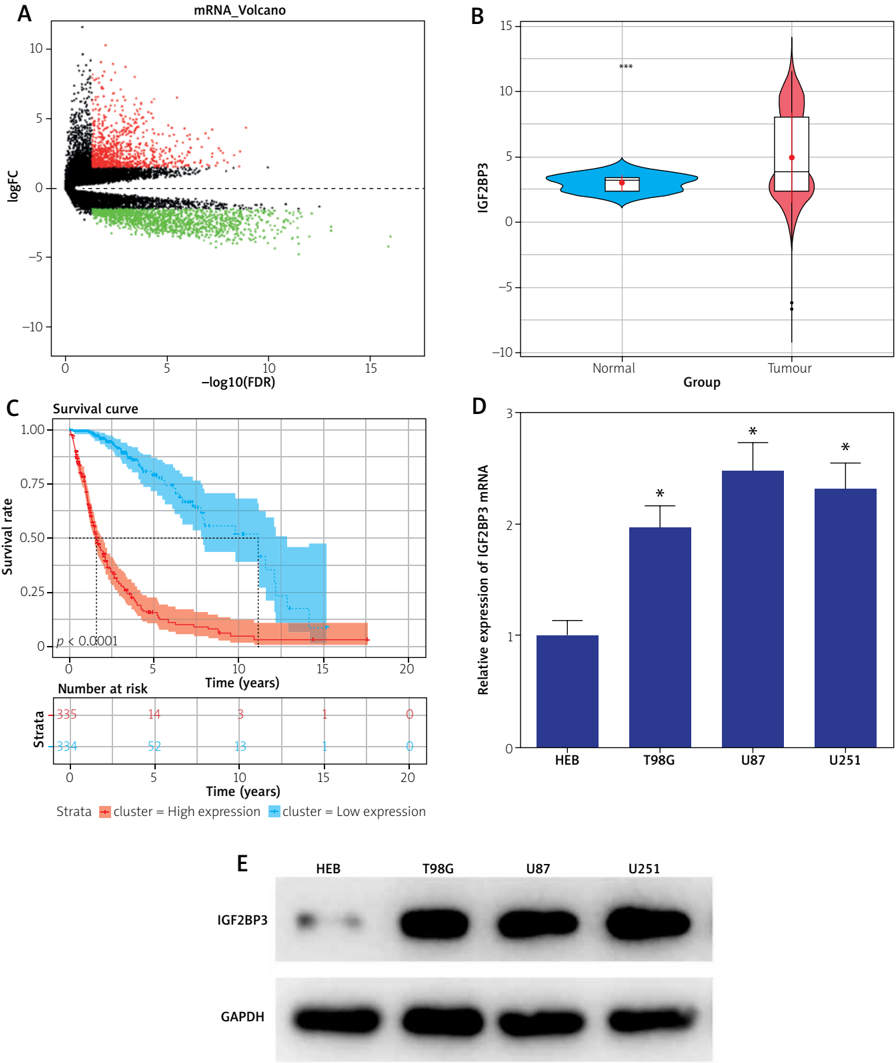
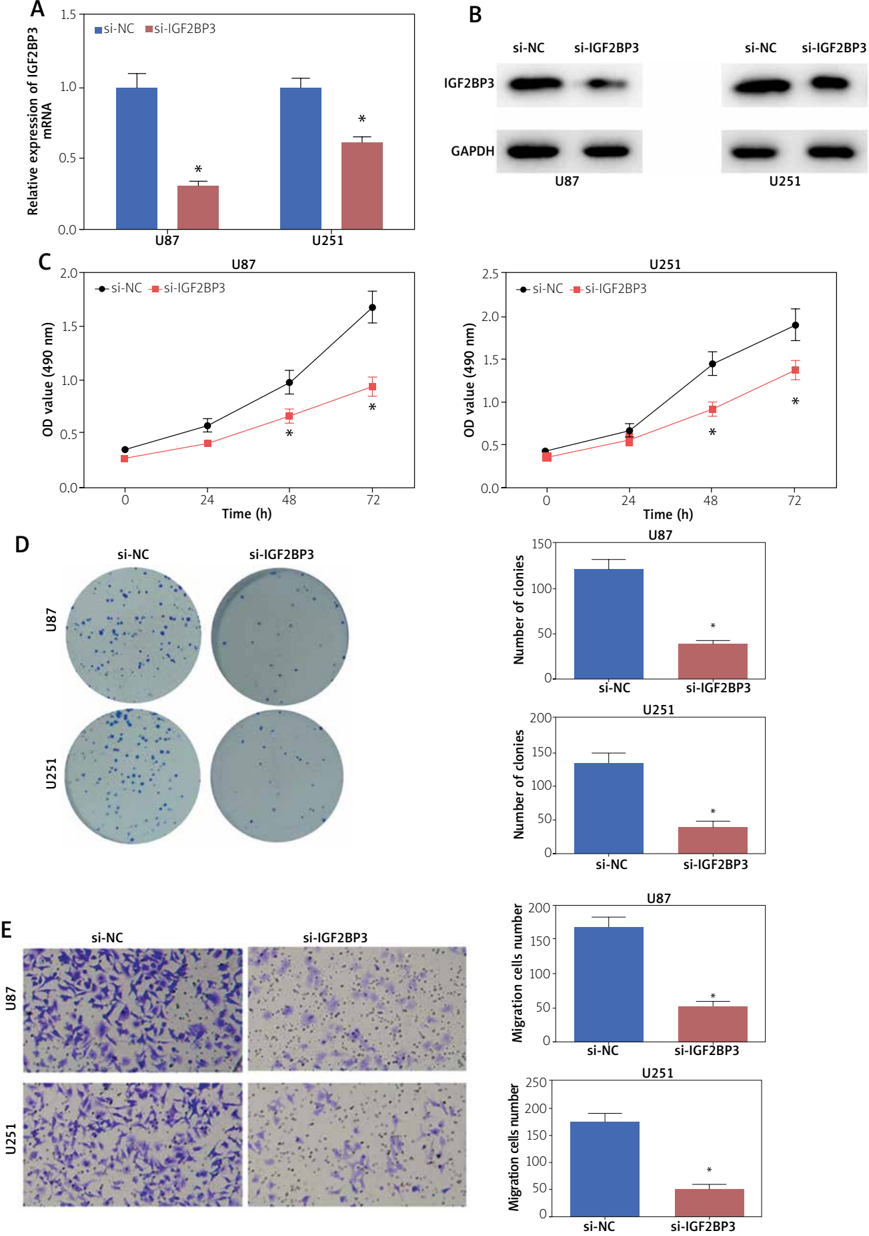
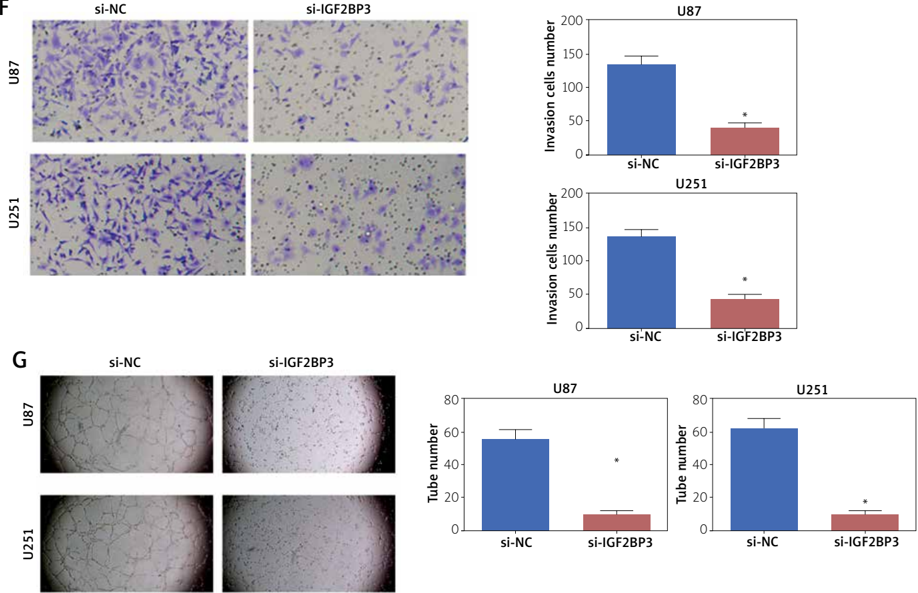
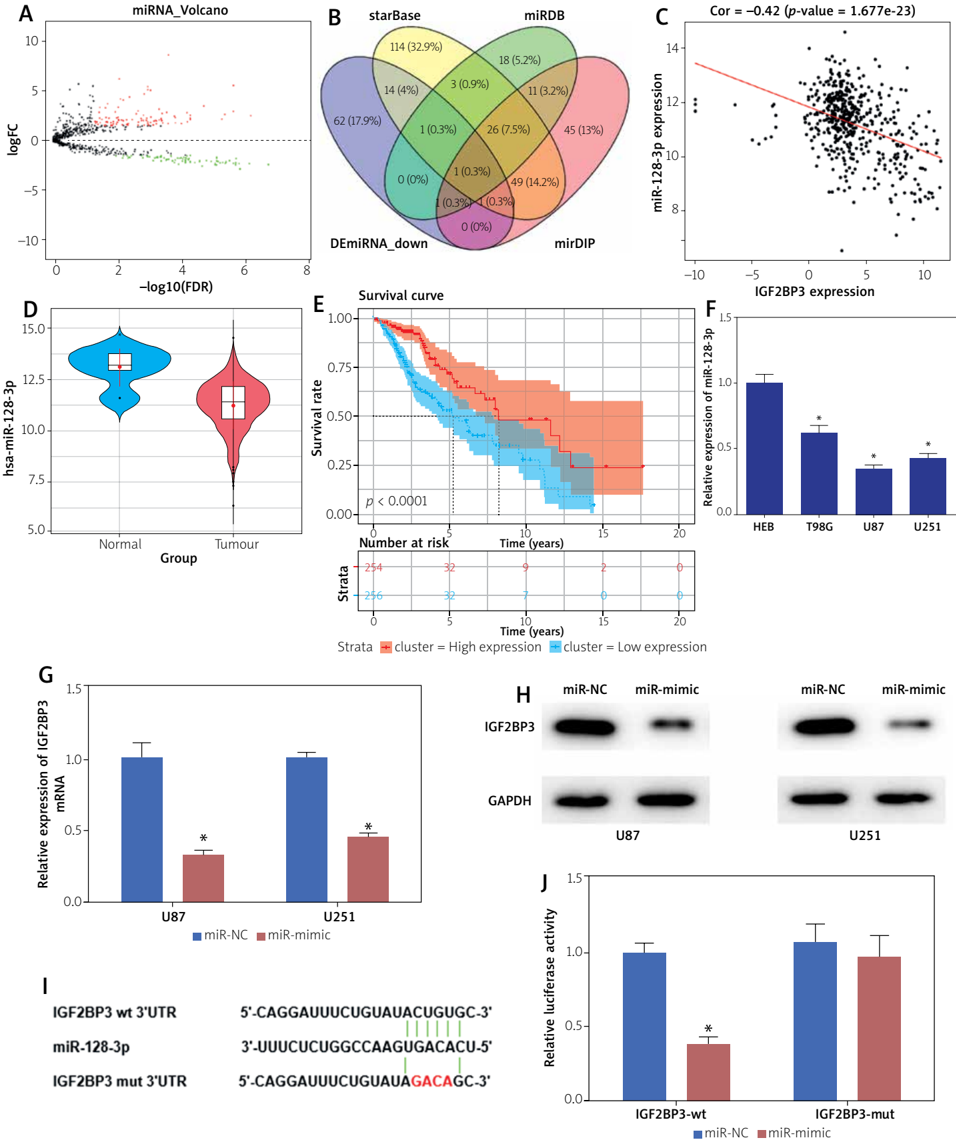
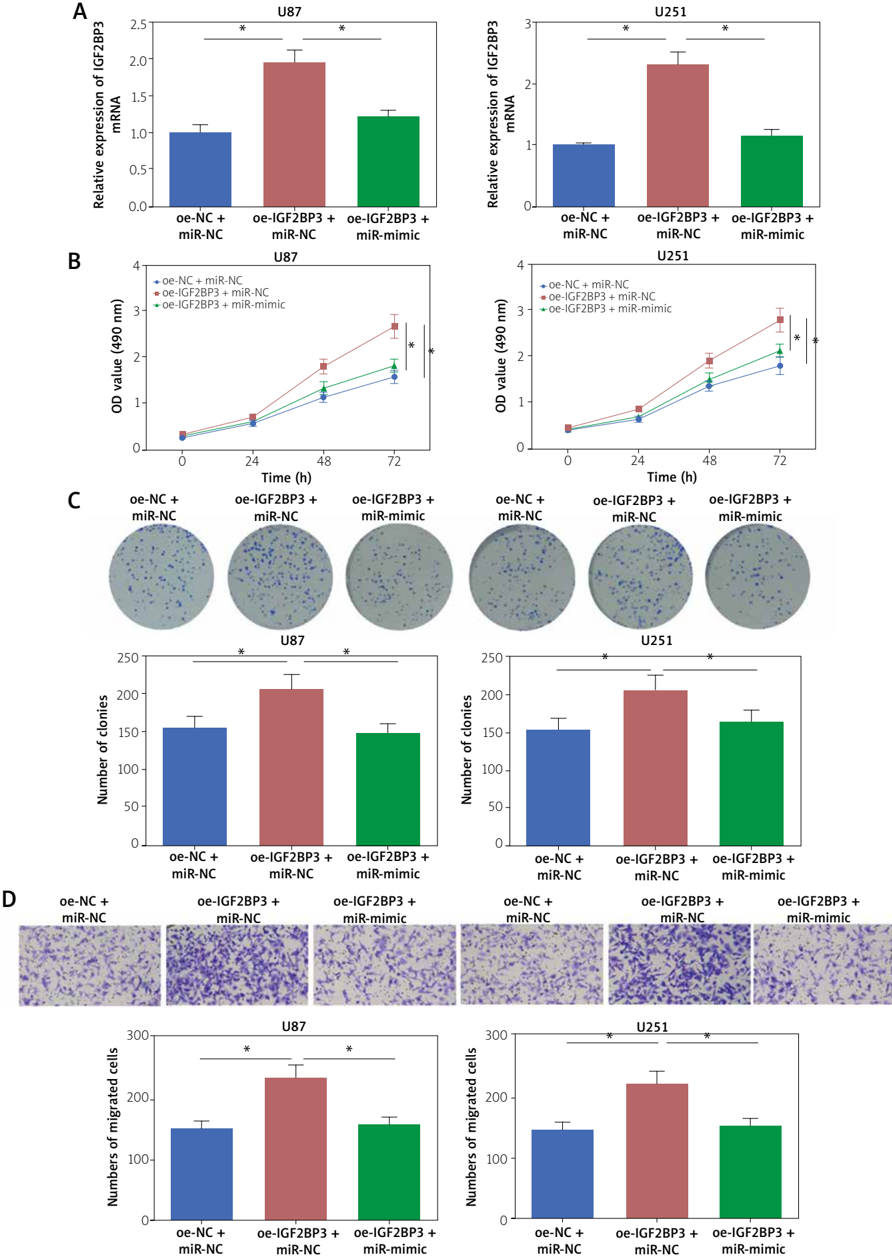
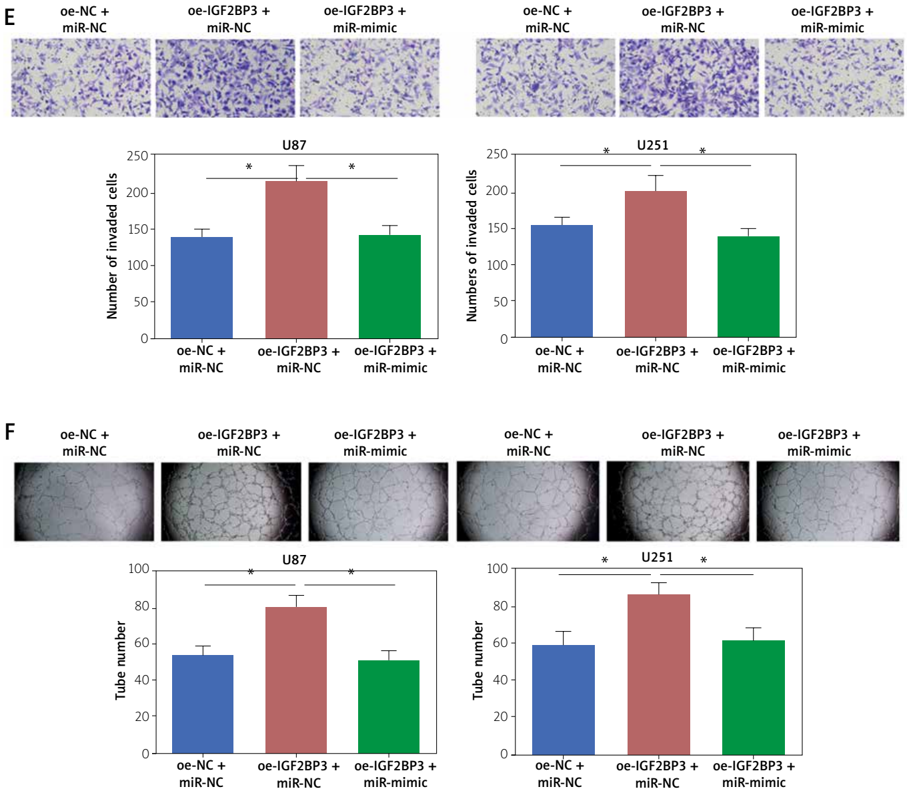
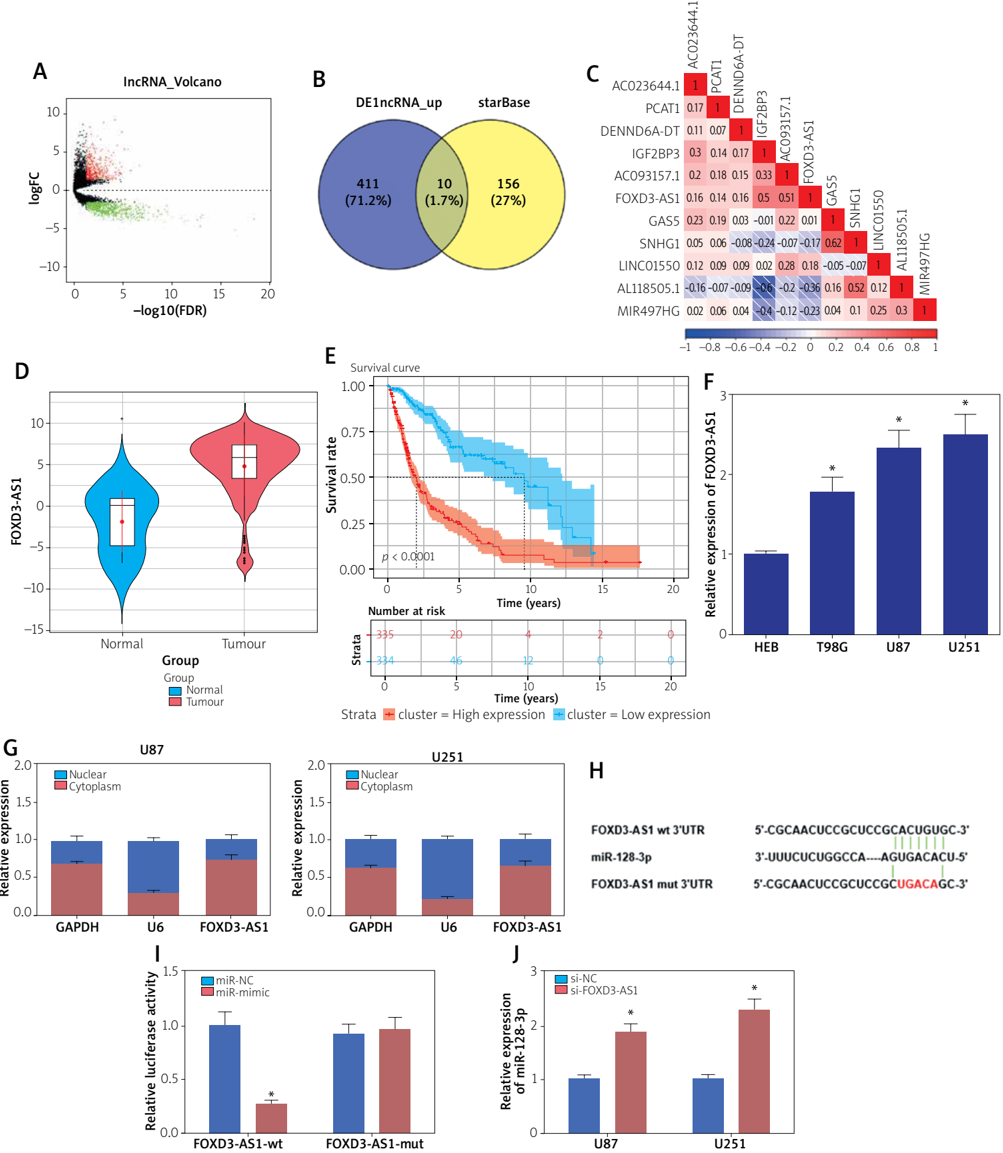
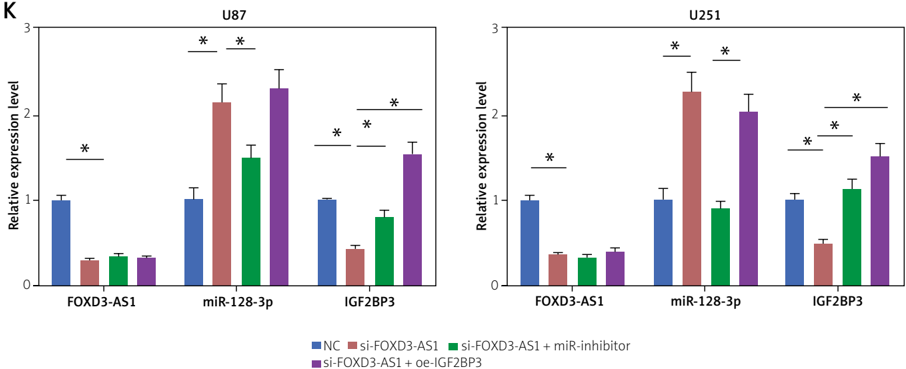
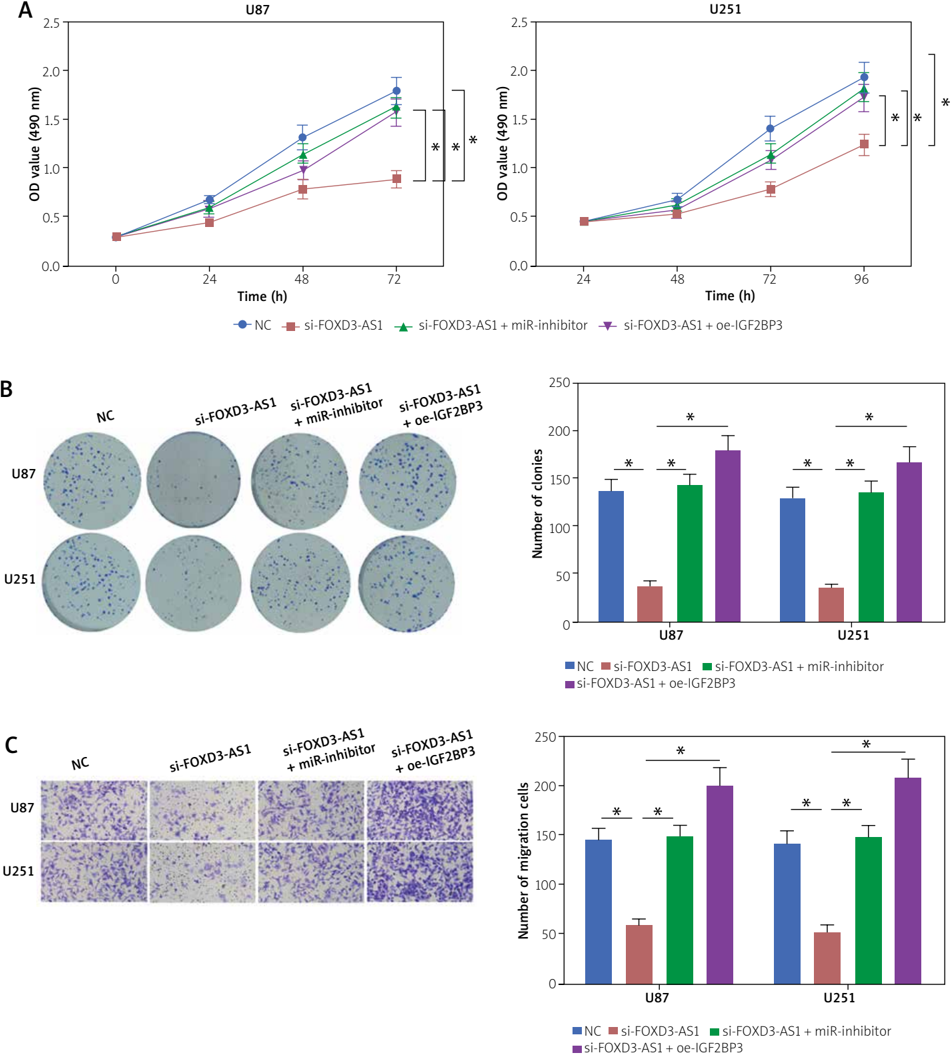
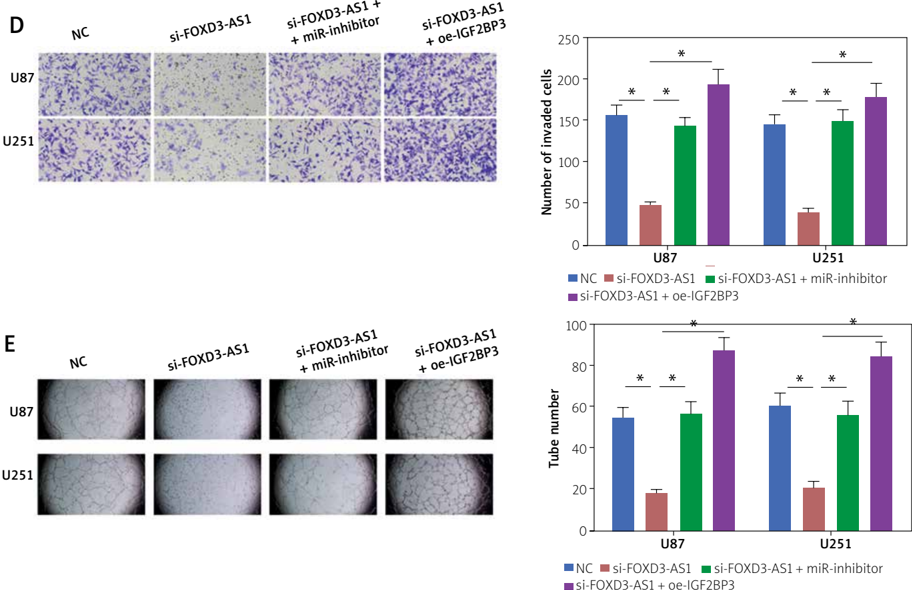
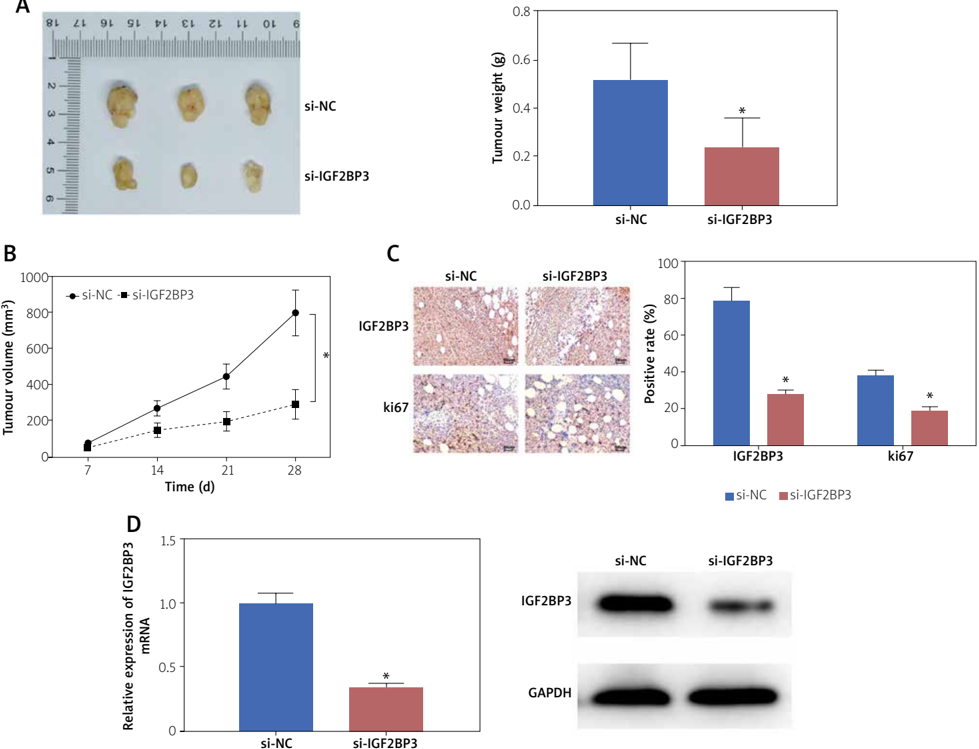
Verification
Claims the paper makes
The claims and statistics of this paper haven’t been checked yet.
Run the check — free, no account needed. It reads the open-access text and checks the sources it cites.
Claims other papers make about this one
Each is checked against this paper’s own text: does it say what the citing paper says it does?
The source backs part of the claim, not all of it — or backs it for a different population, condition or comparison.
In the citing paper
“Among experimentally validated relations, several long-non-coding RNAs were shown to act as either action-enhancing co-partners or inhibitory”
From MiR-128-3p – a gray eminence of the human central nervous system (2024) · cites this paper as [150]
Experimental — accuracy not yet measured
Self-check
Percentages, sums and reported differences re-computed from the paper’s own numbers.
The self-check needs the paper’s full text.
Citations
Cites
No references could be resolved yet.
Research works printed but not linked: 46
- Bello L, Giussani C, Carrabba G, Pluderi M, Costa F, Bikfalvi A. Angiogenesis and invasion in gliomas. Cancer Treat Res 2004; 117: 263-284.
- Bhan A, Soleimani M, Mandal SS. Long noncoding RNA and cancer: A new paradigm. Cancer Res 2017; 77: 3965-3981.
- Bhargava S, Patil V, Shah RA, Somasundaram K. IGF2 mRNA binding protein 3 (IMP3) mediated regulation of transcriptome and translatome in glioma cells. Cancer Biol Ther 2018; 19: 42-52.
- Burdelski C, Jakani-Karimi N, Jacobsen F, Moller-Koop C, Minner S, Simon R, Sauter G, Steurer S, Clauditz TS, Wilczak W. IMP3 overexpression occurs in various important cancer types and is linked to aggressive tumor features: A tissue microarray study on 8,877 human cancers and normal tissues. Oncol Rep 2018; 39: 3-12.
- Chen ZH, Hu HK, Zhang CR, Lu CY, Bao Y, Cai Z, Zou YX, Hu GH, Jiang L. Down-regulation of long non-coding RNA FOXD3 anti- sense RNA 1 (FOXD3-AS1) inhibits cell proliferation, migration, and invasion in malignant glioma cells. Am J Transl Res 2016; 8: 4106-4119.
- Dong D, Mu Z, Wei N, Sun M, Wang W, Xin N, Shao Y, Zhao C. Long non-coding RNA ZFAS1 promotes proliferation and metas- tasis of clear cell renal cell carcinoma via targeting miR-10a/ SKA1 pathway. Biomed Pharmacother 2019; 111: 917-925.
- Fu C, Li D, Zhang X, Liu N, Chi G, Jin X. LncRNA PVT1 facilitates tumorigenesis and progression of glioma via regulation of MiR- 128-3p/GREM1 axis and BMP signaling pathway. Neurothera- peutics 2018; 15: 1139-1157.
- Griveau A, Seano G, Shelton SJ, Kupp R, Jahangiri A, Obernier K, Krishnan S, Lindberg OR, Yuen TJ, Tien AC, Sabo JK, Wang N, Chen I, Kloepper J, Larrouquere L, Ghosh M, Tirosh I, Huillard E, Alvarez-Buylla A, Oldham MC, Persson AI, Weiss WA, Batche- lor TT, Stemmer-Rachamimov A, Suvà ML, Phillips JJ, Aghi MK, Mehta S, Jain RK, Rowitch DH. A glial signature and Wnt7 sig- naling regulate glioma-vascular interactions and tumor micro- environment. Cancer Cell 2018; 33: 874-889.e877.
- Hanniford D, Ulloa-Morales A, Karz A, Berzoti-Coelho MG, Mou- barak RS, Sanchez-Sendra B, Kloetgen A, Davalos V, Imig J, Wu P, Vasudevaraja V, Argibay D, Lilja K, Tabaglio T, Monteagudo C, Guccione E, Tsirigos A, Osman I, Aifantis I, Hernando E. Epigen- etic silencing of CDR1as drives IGF2BP3-mediated melanoma invasion and metastasis. Cancer Cell 2020; 37: 55-70.e15.
- Hartmann EM, Bea S, Navarro A, Trapp V, Campo E, Ott G, Ros- enwald A. Increased tumor cell proliferation in mantle cell lym- phoma is associated with elevated insulin-like growth factor 2 mRNA-binding protein 3 expression. Mod Pathol 2012; 25: 1227-1235.
- He Q, Zhao L, Liu X, Zheng J, Liu Y, Liu L, Ma J, Cai H, Li Z, Xue Y. MOV10 binding circ-DICER1 regulates the angiogenesis of gli- oma via miR-103a-3p/miR-382-5p mediated ZIC4 expression change. J Exp Clin Cancer Res 2019; 38: 9.
- Hsu KF, Shen MR, Huang YF, Cheng YM, Lin SH, Chow NH, Cheng SW, Chou CY, Ho CL. Overexpression of the RNA-bind- ing proteins Lin28B and IGF2BP3 (IMP3) is associated with chemoresistance and poor disease outcome in ovarian cancer. Br J Cancer 2015; 113: 414-424.
- Huo L, Wang B, Zheng M, Zhang Y, Xu J, Yang G, Guan Q. miR-128-3p inhibits glioma cell proliferation and differentiation by targeting NPTX1 through IRS-1/PI3K/AKT signaling pathway. Exp Ther Med 2019; 17: 2921-2930.
- Jain RK, di Tomaso E, Duda DG, Loeffler JS, Sorensen AG, Batch- elor TT. Angiogenesis in brain tumours. Nat Rev Neurosci 2007; 8: 610-622.
- Jeng YM, Chang CC, Hu FC, Chou HY, Kao HL, Wang TH, Hsu HC. RNA-binding protein insulin-like growth factor II mRNA-bind- ing protein 3 expression promotes tumor invasion and predicts early recurrence and poor prognosis in hepatocellular carcino- ma. Hepatology 2008; 48: 1118-1127.
- Jiang H, Liang M, Jiang Y, Zhang T, Mo K, Su S, Wang A, Zhu Y, Huang G, Zhou R. The lncRNA TDRG1 promotes cell prolifera- tion, migration and invasion by targeting miR-326 to regulate MAPK1 expression in cervical cancer. Cancer Cell Int 2019; 19: 152.
- Jiang L, Li Y, He Y, Wei D, Yan L, Wen H. Knockdown of m6A read- er IGF2BP3 inhibited hypoxia-induced cell migration and angio- genesis by regulating hypoxia inducible factor-1α in stomach cancer. Front Oncol 2021; 11: 711207.
- Jin P, Huang Y, Zhu P, Zou Y, Shao T, Wang O. CircRNA circHIPK3 serves as a prognostic marker to promote glioma progression by regulating miR-654/IGF2BP3 signaling. Biochem Biophys Res Commun 2018; 503: 1570-1574.
- Kobel M, Xu H, Bourne PA, Spaulding BO, Shih Ie M, Mao TL, Soslow RA, Ewanowich CA, Kalloger SE, Mehl E, Lee CH, Hunts- man D, Gilks CB. IGF2BP3 (IMP3) expression is a marker of unfa- vorable prognosis in ovarian carcinoma of clear cell subtype. Mod Pathol 2009; 22: 469-475.
- Kouhkan F, Mobarra N, Soufi-Zomorrod M, Keramati F, Hosseini Rad SM, Fathi-Roudsari M, Tavakoli R, Hajarizadeh A, Ziaei S, Lahmi R, Hanif H, Soleimani M. MicroRNA-129-1 acts as tumour suppressor and induces cell cycle arrest of GBM cancer cells through targeting IGF2BP3 and MAPK1. J Med Genet 2016; 53: 24-33.
- Li Z, Li M, Xia P, Wang L, Lu Z. LncRNA FOXD3-AS1 promotes tumorigenesis of glioma via targeting miR-128-3p/SZRD1 axis. Cancer Manag Res 2021; 13: 9037-9048.
- Liu G, Jiang R, Xu C, Zhou J, Liu F, He Z, Liu Z. Survival analysis for high-grade glioma patients who received comprehensive treatment. Zhong Nan Da Xue Xue Bao Yi Xue Ban 2018; 43: 388-393.
- Liu H, Zeng Z, Afsharpad M, Lin C, Wang S, Yang H, Liu S, Kele- men LE, Xu W, Ma W, Xiang Q, Mastriani E, Wang P, Wang J, Liu SL, Johnston RN, Kobel M. Overexpression of IGF2BP3 as a potential oncogene in ovarian clear cell carcinoma. Front Oncol 2019; 9: 1570.
- Liu T, Zhang X, Du L, Wang Y, Liu X, Tian H, Wang L, Li P, Zhao Y, Duan W, Xie Y, Sun Z, Wang C. Exosome-transmitted miR-128- 3p increase chemosensitivity of oxaliplatin-resistant colorectal cancer. Mol Cancer 2019; 18: 43.
- Liu X, Dong C, Ma S, Wang Y, Lin T, Li Y, Yang S, Zhang W, Zhang R, Zhao G. Nanocomplexes loaded with miR-128-3p for enhanc- ing chemotherapy effect of colorectal cancer through dual-tar- geting silence the activity of PI3K/AKT and MEK/ERK pathway. Drug Deliv 2020; 27: 323-333.
- Mancarella C, Scotlandi K. IGF2BP3 from physiology to cancer: novel discoveries, unsolved issues, and future perspectives. Front Cell Dev Biol 2019; 7: 363.
- Meng P, Ma S, Liu Y, Zhao N, Xia X, Bi Y. MiR-128-3p targets JAG1 to inhibit cell proliferation and invasion in melanoma. Ital J Der- matol Venerol 2021; 156: 250-251.
- Moncayo G, Grzmil M, Smirnova T, Zmarz P, Huber RM, Hynx D, Kohler H, Wang Y, Hotz HR, Hynes NE, Keller G, Frank S, Merlo A, Hemmings BA. SYK inhibition blocks proliferation and migra- tion of glioma cells and modifies the tumor microenvironment. Neuro Oncol 2018; 20: 621-631.
- Nielsen FC, Nielsen J, Christiansen J. A family of IGF-II mRNA binding proteins (IMP) involved in RNA trafficking. Scand J Clin Lab Invest Suppl 2001; 234: 93-99.
- Omuro A, DeAngelis LM. Glioblastoma and other malignant gli- omas: a clinical review. JAMA 2013; 310: 1842-1850.
- Peng Z, Liu C, Wu M. New insights into long noncoding RNAs and their roles in glioma. Mol Cancer 2018; 17: 61.
- Qu C, Yan C, Cao W, Li F, Qu Y, Guan K, Si C, Yu Z, Qu Z. miR- 128-3p contributes to mitochondrial dysfunction and induces apoptosis in glioma cells via targeting pyruvate dehydrogenase kinase 1. IUBMB Life 2020; 72: 465-475.
- Ren Y, Shang J, Li J, Liu W, Zhang Z, Yuan J, Yang M. The long noncoding RNA PCAT-1 links the microRNA miR-215 to onco- gene CRKL-mediated signaling in hepatocellular carcinoma. J Biol Chem 2017; 292: 17939-17949.
- Samanta S, Sharma VM, Khan A, Mercurio AM. Regulation of IMP3 by EGFR signaling and repression by ERbeta: implications for triple-negative breast cancer. Oncogene 2012; 31: 4689- 4697.
- Shantha Kumara H, Kirchoff D, Caballero OL, Su T, Ahmed A, Herath SA, Njoh L, Cekic V, Simpson AJ, Cordon-Cardo C, Whel- an RL. Expression of the cancer testis antigen IGF2BP3 in col- orectal cancers; IGF2BP3 holds promise as a specific immuno- therapy target. Oncoscience 2015; 2: 607-614.
- Suvasini R, Shruti B, Thota B, Shinde SV, Friedmann-Morvinski D, Nawaz Z, Prasanna KV, Thennarasu K, Hegde AS, Arivazhagan A, Chandramouli BA, Santosh V, Somasundaram K. Insulin growth factor-2 binding protein 3 (IGF2BP3) is a glioblastoma-specif- ic marker that activates phosphatidylinositol 3-kinase/mito- gen-activated protein kinase (PI3K/MAPK) pathways by mod- ulating IGF-2. J Biol Chem 2011; 286: 25882-25890.
- Taylor LP. Diagnosis, treatment, and prognosis of glioma: five new things. Neurology 2010; 75: S28-32.
- Valadez JG, Sarangi A, Lundberg CJ, Cooper MK. Primary orthotopic glioma xenografts recapitulate infiltrative growth and isocitrate dehydrogenase I mutation. J Vis Exp 2014; 83: e50865.
- Yang X, Du H, Bian W, Li Q, Sun H. FOXD3AS1/miR1283p/LIMK1 axis regulates cervical cancer progression. Oncol Rep 2021; 45: 62.
- Yang Z, Wang T, Wu D, Min Z, Tan J, Yu B. RNA N6-methylade- nosine reader IGF2BP3 regulates cell cycle and angiogenesis in colon cancer. J Exp Clin Cancer Res 2020; 39: 203.
- Zeng ZL, Zhu HK, He LF, Xu X, Xie A, Zheng EK, Ni JJ, Liu JT, Zhao GF. Highly expressed lncRNA FOXD3-AS1 promotes non- small cell lung cancer progression via regulating miR-127-3p/ mediator complex subunit 28 axis. Eur Rev Med Pharmacol Sci 2020; 24: 2525-2538.
- Zhang J, Ding F, Jiao D, Li Q, Ma H. The aberrant expression of microRNA-125a-5p/IGF2BP3 axis in advanced gastric cancer and its clinical relevance. Technol Cancer Res Treat 2020; 19: 1533033820917332.
- Zhang Y, Guo S, Wang S, Li X, Hou D, Li H, Wang L, Xu Y, Ma B, Wang H, Jiang X. LncRNA OIP5-AS1 inhibits ferroptosis in pros- tate cancer with long-term cadmium exposure through miR- 128-3p/SLC7A11 signaling. Ecotoxicol Environ Saf 2021; 220: 112376.
- Zhao W, Lu D, Liu L, Cai J, Zhou Y, Yang Y, Zhang Y, Zhang J. Insu- lin-like growth factor 2 mRNA binding protein 3 (IGF2BP3) pro- motes lung tumorigenesis via attenuating p53 stability. Onco- target 2017; 8: 93672-93687.
- Zhou X, He J, Wang Q, Ma T. MiRNA-128-3p restrains malignant melanoma cell malignancy by targeting NTRK3. Front Oncol 2020; 10: 538894.
- Zhu L, Wang A, Gao M, Duan X, Li Z. LncRNA MIR4435-2HG triggers ovarian cancer progression by regulating miR-128-3p/ CKD14 axis. Cancer Cell Int 2020; 20: 145.
Cited by
Sorted by citations
MiR-128-3p – a gray eminence of the human central nervous system
Kiel, K., Król, S. K., Bronisz, A., & Godlewski, J. (2024) · Molecular Therapy Nucleic Acids · doi:10.1016/j.omtn.2024.102141 · Cited by 15
Metadata
- Authors
- Zhao, H., Wang, Y., Liang, C., & Xie, M.
- Venue
- Folia Neuropathologica
- Publisher
- Termedia Sp. z.o.o.
- Published
- 2023
- Volume
- 61
- Issue
- 2
- Pages
- 168-184
- ISSN
- 1641-4640
- Cited by
- 9
- References
- 0
About these checks
Registry, retraction, Cites and statistics results are computed, not judged, with one exception: a printed reference that no index lists is read once by a model before it counts as a citation error. Claims are extracted by a model and kept only when their quote appears verbatim in the text; each cited source is then checked, with a model’s help, for whether it says what the claim relies on. Those verdicts can be wrong — read the claim’s quote and the cited source before relying on one.
Statistics and arithmetic are recomputed, not judged.
Confidence bands are shown only for fields calibrated on our annotated test set. None is calibrated yet, so no band is shown.
What counts as a claim ›How we measure confidence ›How we check this ›
Are you an author, or do you see a problem with this page? Request a review
