

Rapid increase in summer surface ozone over the North China Plain during 2013–2019: a side effect of particulate matters reduction control?
Open accessPreprint — published as 10.5194/acp-21-1-2021 · Paper page
The DOI matches its Crossref record; 63 of the 63 references it cites were found in a registry or an index.
Abstract
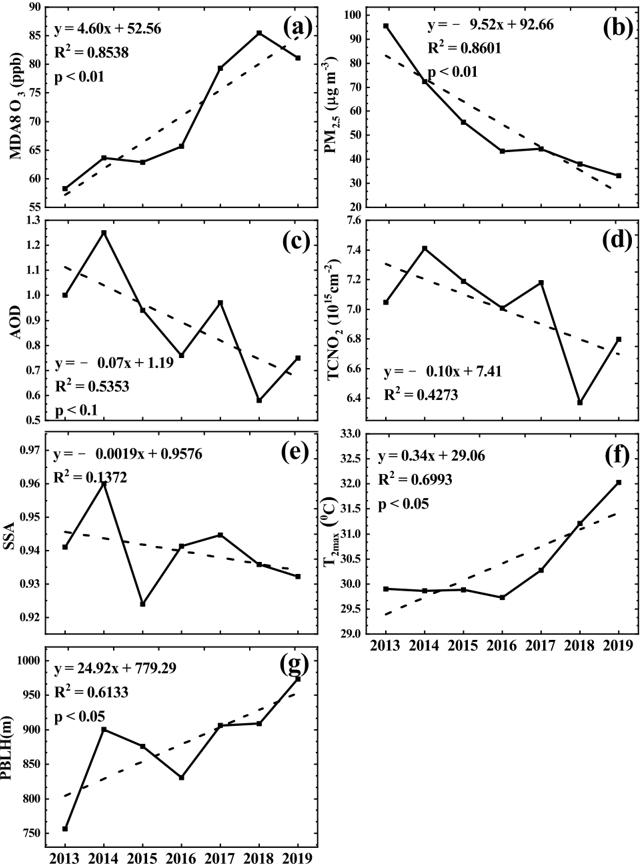
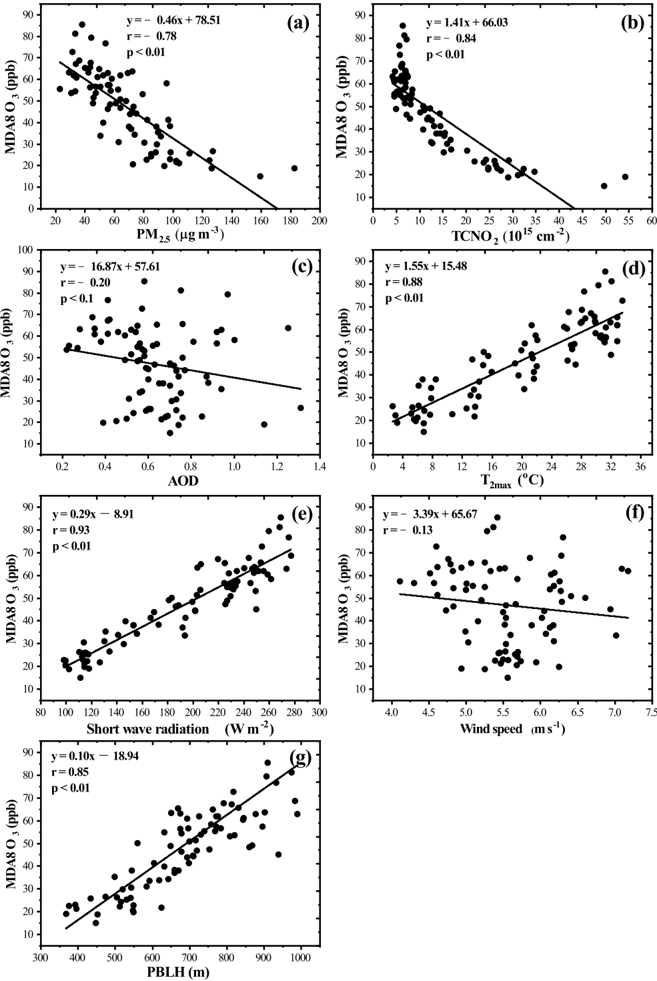
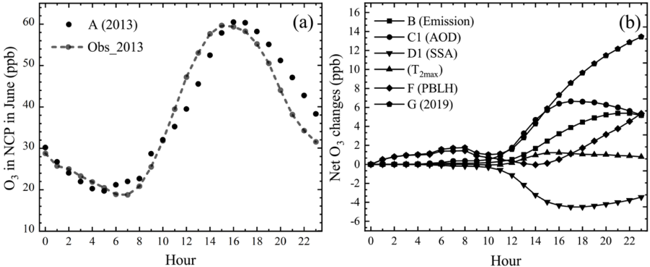
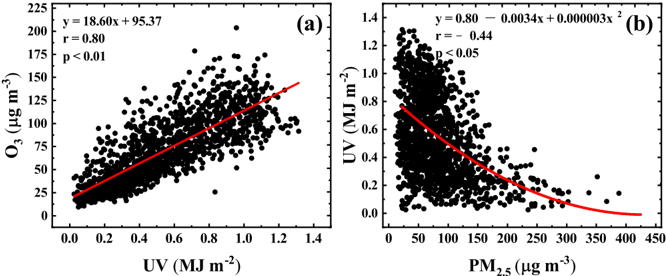
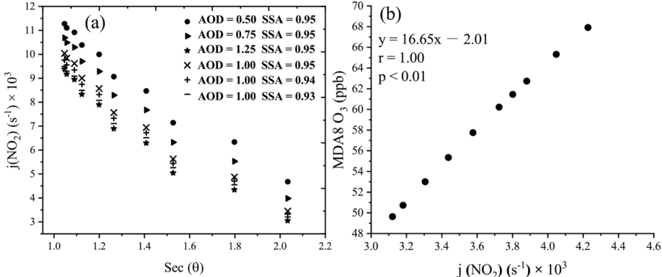
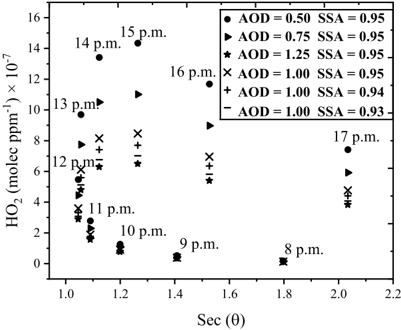
While the elevated ambient levels of particulate matters with aerodynamic diameter of 2.5 micrometers or less (PM2.5) are alleviated largely with the implementation of effective emission control measures, an opposite trend with a rapid increase is seen in surface ozone (O3) in the North China Plain (NCP) region over the past several years. It is critical to determine the real culprit causing such a large increase in surface O3. In this study, seven-year surface observations and satellite retrieval data are analyzed to determine the long-term change in surface O3 as well as driving factors. Results indicate that anthropogenic emission control strategies and changes in aerosol concentrations as well as aerosol optical properties such as single-scattering albedo (SSA) are the most important factors driving such a large increase in surface O3. Numerical simulations with National Center for Atmospheric Research (NCAR) Master Mechanism (MM) model suggest that reduction of O3 precursor emissions and aerosol radiative effect accounted for 45 % and 23 % of the total change in surface O3 in summertime during 2013–2019, respectively. Planetary boundary layer (PBL) height with an increase of 0.21 km and surface air temperature with an increase of 2.1 °C contributed 18 % and 12 % to the total change in surface O3, respectively. The combined effect of these factor was responsible for the rest change. Decrease in SSA or strengthened absorption property of aerosols may offset the impact of AOD reduction on surface O3 substantially. While the MM model enables quantification of individual factor's percentage contributions, it requires further refinement with aerosol chemistry included in the future investigation. The study indicates an important role of aerosol radiative effect in development of more effective emission control strategies on reduction of ambient levels of O3 as well as alleviation of national air quality standard exceedance events.
Overview
The claims and statistics of this paper haven’t been checked yet.
Free: it reads the open-access text and checks the first 5 claims that cite a source we can check. Create a free account to check every claim.
Integrity signals
Registry
Cites
Statistics
Figures



Verification
Claims the paper makes
The claims and statistics of this paper haven’t been checked yet.
Free: it reads the open-access text and checks the first 5 claims that cite a source we can check. Create a free account to check every claim.
Claims other papers make about this one
Each is checked against this paper’s own text: does it say what the citing paper says it does?
The source backs part of the claim, not all of it — or backs it for a different population, condition or comparison.
In the citing paper
“Simulations with numerical models show several possible reasons including increases in UV radiation [31, 33–39], shifts in the VOC/NOx chemical regime resulting in increased production of O3 efficiency [35, 40], higher emissions of biogenic VOC due to rising temperatures [30], and decreased competition for gas-phase radicals by aerosol surfaces [34, 40], with reality likely being a combination of”
From Changes in tropospheric air quality related to the protection of stratospheric ozone in a changing climate (2023) · cites this paper as [40]
Experimental — accuracy not yet measured
Self-check
Percentages, sums and reported differences re-computed from the paper’s own numbers.
The self-check needs the paper’s full text.
Citations
Cites
Trends in China's anthropogenic emissions since 2010 as the consequence of clean air actions
Zheng, B., Tong, D., Li, M., Liu, F., Hong, C., Geng, G., Li, H., Li, X., Peng, L., Qi, J., et al. (2018) · Atmospheric Chemistry and Physics · doi:10.5194/acp-18-14095-2018 · Cited by 2,916 · cited 1×
“Significant reductions were also seen in other air pollutants such as SO2 but not for VOCs, which showed an increase of 2 % instead over the period of 2013–2017 (Zheng et al., 2018).”
BackgroundThis is How the Discussion Started
Liu, X.-W. (1981) · doi:10.2753/csa0009-462514023 · Cited by 2,882
Wang, T., Xue, L., Brimblecombe, P., Lam, Y. F., Li, L., & Zhang, L. (2017) · Science of The Total Environment · doi:10.1016/j.scitotenv.2016.10.081 · Cited by 1,876 · cited 1×
“…region during the period of 2005– 2015 (1.1 ppb a−1) (Ma et al., 2016) and other regions such as Mount Tai, the YRD, Hong Kong and North America where the changes were less than 2.1 ppb a−1 during the same time period (e.g., Sun et al., 2016; Gao et al., 2017; Wang et al., 2017; Xu et al., 2019).”
BackgroundInfluentialAnthropogenic drivers of 2013–2017 trends in summer surface ozone in China
Li, K., Jacob, D. J., Liao, H., Shen, L., Zhang, Q., & Bates, K. H. (2019) · Proceedings of the National Academy of Sciences · doi:10.1073/pnas.1812168116 · Cited by 1,804 · cited 27×
“However, the MM model does not include aqueous-phase chemistry that has been implemented in the 3D meteorology–chemistry models (e.g., Li et al., 2019a; Liu and Wang, 2020a, b), which could be another possible reason for the response to such a difference.”
BackgroundMethodResultInfluentialMonks, P. S., Archibald, A. T., Colette, A., Cooper, O., Coyle, M., Derwent, R., Fowler, D., Granier, C., Law, K. S., Mills, G. E., et al. (2015) · Atmospheric Chemistry and Physics · doi:10.5194/acp-15-8889-2015 · Cited by 1,572 · cited 1×
“Elevated ambient levels of ozone (O3) are of great concern due to their important impact on human health, ecosystem productivity, atmospheric chemistry and climate change (Monks et al., 2015; Tai et al., 2014; Tan et al., 2019).”
BackgroundSevere Surface Ozone Pollution in China: A Global Perspective
Lu, X., Hong, J., Zhang, L., Cooper, O. R., Schultz, M. G., Xu, X., Wang, T., Gao, M., Zhao, Y., & Zhang, Y. (2018) · Environmental Science & Technology Letters · doi:10.1021/acs.estlett.8b00366 · Cited by 1,040 · cited 2×
“While O3 concentrations show a steady decreasing trend in Europe and North America, an opposite trend with an accelerating increase rate is observed in China (Lu et al., 2018; Li et al., 2019a).”
BackgroundSevere haze in northern China: A synergy of anthropogenic emissions and atmospheric processes
An, Z., Huang, R.-J., Zhang, R., Tie, X., Li, G., Cao, J., Zhou, W., Shi, Z., Han, Y., Gu, Z., et al. (2019) · Proceedings of the National Academy of Sciences · doi:10.1073/pnas.1900125116 · Cited by 1,015 · cited 1×
“5 pollution events were the major concern to air quality during that period (Gu, 2013; An et al., 2019), but surface PM2.”
BackgroundA two-pollutant strategy for improving ozone and particulate air quality in China
Li, K., Jacob, D. J., Liao, H., Zhu, J., Shah, V., Shen, L., Bates, K. H., Zhang, Q., & Zhai, S. (2019) · Nature Geoscience · doi:10.1038/s41561-019-0464-x · Cited by 874 · cited 27×
“However, the MM model does not include aqueous-phase chemistry that has been implemented in the 3D meteorology–chemistry models (e.g., Li et al., 2019a; Liu and Wang, 2020a, b), which could be another possible reason for the response to such a difference.”
BackgroundMethodResultInfluentialZhai, S., Jacob, D. J., Wang, X., Shen, L., Li, K., Zhang, Y., Gui, K., Zhao, T., & Liao, H. (2019) · Atmospheric Chemistry and Physics · doi:10.5194/acp-19-11031-2019 · Cited by 785 · cited 2×
“Meanwhile, O3 exceedance events became more frequent and more serious in the NCP region (Zhang et al., 2015; Lang et al., 2017; Zhai et al., 2019).”
BackgroundSelf-citationGlobal distribution and trends of tropospheric ozone: An observation-based review
Cooper, O. R., Parrish, D. D., Ziemke, J., Balashov, N. V., Cupeiro, M., Galbally, I. E., Gilge, S., Horowitz, L., Jensen, N. R., Lamarque, J.-F., et al. (2014) · Elementa: Science of the Anthropocene · doi:10.12952/journal.elementa.000029 · Cited by 718 · cited 1×
“However, an opposite trend with an accelerating increase rate of O3 was observed in the NCP region during this period (Lu et al., 2018; Cooper et al., 2014).”
Background
Cited by
Neale, R. E., Barnes, P. W., Robson, T. M., Neale, P. J., Williamson, C. E., Zepp, R. G., Wilson, S. R., Madronich, S., Andrady, A. L., Heikkilä, A. M., et al. (2021) · Photochemical & Photobiological Sciences · doi:10.1007/s43630-020-00001-x · Cited by 225
Drivers of Increasing Ozone during the Two Phases of Clean Air Actions in China 2013–2020
Liu, Y., Geng, G., Cheng, J., Liu, Y., Xiao, Q., Liu, L., Shi, Q., Tong, D., He, K., & Zhang, Q. (2023) · Environmental Science & Technology · doi:10.1021/acs.est.3c00054 · Cited by 195
Madronich, S., Sulzberger, B., Longstreth, J. D., Schikowski, T., Andersen, M. P. S., Solomon, K. R., & Wilson, S. R. (2023) · Photochemical & Photobiological Sciences · doi:10.1007/s43630-023-00369-6 · Cited by 64
He, Z., Liu, P., Zhao, X., He, X., Liu, J., & Mu, Y. (2021) · The Science of The Total Environment · doi:10.1016/j.scitotenv.2021.150792 · Cited by 73
Sun, Z., Zhao, J., Liu, X., Qiu, M., Shen, H., Guillas, S., Giorio, C., Staniaszek, Z., Yu, P., Wan, M. W. L., et al. (2023) · The Innovation · doi:10.1016/j.xinn.2023.100517 · Cited by 58
“47 But, fortunately, O 3 -”
Zhao, K., Huang, J., Wu, Y., et al. (2021) · doi:10.1029/2020jd033955 · Cited by 45
“Their roles have been widely investigated through observational and modeling studies (e.g., Lin et al., 2012; Ma et al., 2021; Verstraeten et al., 2015; Zhao et al., 2019).”
BackgroundSelf-citationJiang, Y., Wang, S., Xing, J., Zhao, B., Li, S., Chang, X., Zhang, S., & Dong, Z. (2022) · Environmental Research Letters · doi:10.1088/1748-9326/aca16a · Cited by 51
Self-citationHe, X., Yuan, B., Wu, C., Wang, S., Wang, C., Huangfu, Y., Qi, J., Ma, N., Xu, W., Wang, M., et al. (2022) · Journal of Environmental Sciences · doi:10.1016/j.jes.2021.08.010 · Cited by 46
Zhang, Y., Shindell, D., Seltzer, K., et al. (2021) · Atmospheric Chemistry and Physics · doi:10.5194/acp-2021-385 · Cited by 32
Self-citationInsights from ozone and particulate matter pollution control in New York City applied to Beijing
Zhang, J., Wang, J., Sun, Y., Li, J., Ninneman, M., Ye, J., Li, K., Crandall, B. A., Mao, J., Xu, W., et al. (2022) · npj Climate and Atmospheric Science · doi:10.1038/s41612-022-00309-8 · Cited by 34
Zhao, K., Yuan, Z., Wu, Y., Huang, J., Yang, F., Zhang, X., Huang, D., & Jiang, R. (2023) · Atmospheric Research · doi:10.1016/j.atmosres.2023.107025 · Cited by 25
Self-citationMishra, M., Chen, P.-H., Bisquera, W., Lin, G.-Y., Le, T.-C., Dejchanchaiwong, R., Tekasakul, P., Jhang, C.-W., Wu, C.-J., & Tsai, C. (2023) · Environmental Research · doi:10.1016/j.envres.2023.116329 · Cited by 29
Balamurugan, V., Chen, J., Bi, X., Qu, Z., Gensheimer, J., Shekhar, A., Bhattacharjee, S., & Keutsch, F. N. (2021) · Journal of Geophysical Research Atmospheres · doi:10.1029/2021jd035440 · Cited by 44
Mishra, M., Chen, P.-H., Lin, G.-Y., Nguyen, T.-T.-N., Le, T.-C., Dejchanchaiwong, R., Tekasakul, P., Shih, S.-H., Jhang, C.-W., & Tsai, C. (2024) · Environmental Pollution · doi:10.1016/j.envpol.2024.123662 · Cited by 25
Wu, S., Yan, X., Yao, J., & Zhao, W. (2023) · Environmental Pollution · doi:10.1016/j.envpol.2023.122517 · Cited by 24
Ma, M., Liu, M., Xue-yan, S., Liu, M., Fan, W., Wang, Y., Xing, H., Meng, F., & Lv, Y. (2023) · Atmospheric Pollution Research · doi:10.1016/j.apr.2023.101950 · Cited by 26
Recent-year variations in O3 pollution with high-temperature suppression over central China
Fu, W., Zhao, T., Sun, X., Bai, Y., Yang, Q., Shen, L., Liang, D., Tan, C., Luo, Y., Yang, K., et al. (2024) · Environmental Pollution · doi:10.1016/j.envpol.2024.123932 · Cited by 26
Self-citationExploring the causes for co-pollution of O3 and PM2.5 in summer over North China
Ou, S., Wei, W., Cai, B., Yao, S., Wang, K., & Cheng, S. (2022) · Environmental Monitoring and Assessment · doi:10.1007/s10661-022-09951-4 · Cited by 19
“5 pollution frequently occurred under the stagnant weather conditions (i.e., high relative humidity and small winds) (Ma et al., 2021b; Wang et al., 2021).”
BackgroundUltraviolet Radiation Environment of a Tropical Megacity in Transition: Mexico City 2000–2019
Ipiña, A., López-Padilla, G., Retama, A., Piacentini, R. D., & Madronich, S. (2021) · Environmental Science & Technology · doi:10.1021/acs.est.0c08515 · Cited by 19
Dufour, G., Hauglustaine, D., Zhang, Y., et al. (2021) · Atmospheric Chemistry and Physics · doi:10.5194/acp-2021-476 · Cited by 18
Chen, X., Wang, Z., Shangguan, Y.-L., et al. (2023) · Atmospheric Environment · doi:10.1016/j.atmosenv.2023.119819 · Cited by 17
Chang, Y. K., Du, T., Song, X. S., Wang, W., Tian, P., Guan, X., Zhang, N., Wang, M., Guo, Y., Shi, J., et al. (2022) · Atmospheric Environment · doi:10.1016/j.atmosenv.2022.119270 · Cited by 27
“In turn, aerosols with higher SSA relatively absorbed less while scattered more solar radiation, which promoted the formation of O3 (Liu et al., 2019; Ma et al., 2021a).”
BackgroundWang, H., Gao, Y., Sheng, L., Wang, Y., Zeng, X., Kou, W., Ma, M., & Cheng, W. (2022) · International Journal of Environmental Research and Public Health · doi:10.3390/ijerph19116758 · Cited by 15
“The correlation indicates that the stronger westerly can transport gaseous pollutants from the upstream, such as the North China Plain, to Qingdao, aggravating local ozone pollution, akin to regional ozone transport from the polluted Pearl River Delta to another coastal city—Hong Kong [54].”
InfluentialDecadal changes in ozone in the lower boundary layer over Beijing, China
Liu, Y., Tang, G., Liu, B., Zhang, X., Li, Q., Hu, Q., Wang, Y. T., Yu, M., Sun, Y., Ji, D., et al. (2022) · Atmospheric Environment · doi:10.1016/j.atmosenv.2022.119018 · Cited by 30
Yin, S.-J., Liu, Y.-F., Ma, W., et al. (2023) · Social Science Research Network · doi:10.2139/ssrn.4167912 · Cited by 14
Summertime ozone pollution in China affected by stratospheric quasi-biennial oscillation
Li, M., Yang, Y., Wang, H., Li, H., Wang, P., & Liao, H. (2023) · Atmospheric chemistry and physics · doi:10.5194/acp-23-1533-2023 · Cited by 15
Gao, M. C., Yang, Y., Liao, H., Zhu, B., Zhang, Y., Liu, Z., Lu, X. H., Wang, C., Zhou, Q., Wang, Y., et al. (2021) · Atmospheric chemistry and physics · doi:10.5194/acp-21-11405-2021 · Cited by 27
Tong, L., Liu, Y., Yang, M., Dai, X., Huang, L., Luo, W., Yang, M., Pan, Y., Zheng, J., & Xiao, H. (2022) · Journal of Atmospheric Chemistry · doi:10.1007/s10874-022-09443-2 · Cited by 20
A hybrid XGBoost-SMOTE model for optimization of operational air quality numerical model forecasts
Ke, H., Gong, S., He, J., Zhang, L., & Mo, J. (2022) · Frontiers in Environmental Science · doi:10.3389/fenvs.2022.1007530 · Cited by 17
“Furthermore, the features of O3, LAT, V, and VIS also affect the optimized O3 concentration basely with a positive correlation, while the features of RH, SLP, PWAT, NO2 and U are negatively correlated with the optimized O3 concentration, which may be mainly related to photochemical reaction and ozone production (He et…”
BackgroundZhang, H., Guo, W., Wang, J., Zhang, H., Ge, M., Tong, S., Zhao, N., & Yao, Z. (2025) · Journal of Hazardous Materials · doi:10.1016/j.jhazmat.2025.139468 · Cited by 13
Simulations of Summertime Ozone and PM2.5 Pollution in Fenwei Plain (FWP) Using the WRF-Chem Model
Wang, Y., Cao, L., Zhang, T., & Kong, H. (2023) · Atmosphere · doi:10.3390/atmos14020292 · Cited by 12
Song, Y., Zhang, Y., Liu, J., Zhang, C., Liu, C., Liu, P., & Mu, Y. (2022) · Journal of Environmental Sciences · doi:10.1016/j.jes.2021.08.015 · Cited by 12
Self-citationLidar- and UAV-Based Vertical Observation of Spring Ozone and Particulate Matter in Nanjing, China
Qu, Y., Zhao, M., Wang, T., Li, S., Li, M., Xie, M., & Zhuang, B. (2022) · Remote Sensing · doi:10.3390/rs14133051 · Cited by 17
Bougault, V., Carlsten, C., Adami, P. E., Sewry, N. A., Schobersberger, W., Soligard, T., Engebretsen, L., Budgett, R., Schwellnus, M. P., & Fitch, K. D. (2025) · British Journal of Sports Medicine · doi:10.1136/bjsports-2024-109145 · Cited by 13
Chen, L., Xiao, H., Zhu, L.-Y., et al. (2022) · Atmosphere · doi:10.3390/atmos13101729 · Cited by 9
“At present, industrial production and automobile exhaust emissions lead to severe surface O3 pollution in China [32,33], while North China has become one of the most serious regions [34].”
BackgroundGlobal modelling of soil carbonyl sulfide exchange
Abadie, C., Maignan, F., Remaud, M., et al. (2021) · Biogeosciences · doi:10.5194/bg-2021-281 · Cited by 9
“These model–observation mismatches have led top-down studies to identify vegetation as an underestimated sink in the high latitudes (Ma et al., 2021; Remaud et al., 2022) and the tropical oceanic emissions as the missing source (Berry et al.”
InfluentialKang, M., Zhang, H., & Ying, Q. (2023) · Atmospheric Environment · doi:10.1016/j.atmosenv.2023.120116 · Cited by 10
Lei, Y., Yue, X., Wang, Z., Liao, H., Zhang, L., Tian, C., Zhou, H., Zhong, J., Guo, L., Che, H., et al. (2022) · Environmental Research Letters · doi:10.1088/1748-9326/ac6ff7 · Cited by 7
Surface Ozone Concentration in Russia in the Second Half of 2020
Andreev, V. V., Arshinov, M., Belan, B. D., Belan, S. B., Davydov, D., Иванович, Д. В., Elansky, N. F., Жамсуева, Г. С., Zayakhanov, A. S., Ivlev, G. A., et al. (2021) · Atmospheric and Oceanic Optics · doi:10.1134/s1024856021040035 · Cited by 8
Gao, M., Yang, Y., Liao, H., et al. (2021) · doi:10.5194/acp-2021-170 · Cited by 7
Fan, J., Yu, C., Li, Y., Zhang, Y., Fan, M., Tao, J., & Chen, L. (2025) · Remote Sensing · doi:10.3390/rs17193321 · Cited by 4
Qi, L., Yin, J., Li, J., & Duan, X. (2024) · Environmental Research Letters · doi:10.1088/1748-9326/ad376d · Cited by 7
“Ma et al (2021) showed that precursor emission reductions (45”
BackgroundSpatiotemporal variations and trends of air quality in major cities in Guizhou
Fu, L., Yuan, Y., Hong, F., & Liu, H. (2023) · Frontiers in Environmental Science · doi:10.3389/fenvs.2023.1254390 · Cited by 7
Influence of Southeast Asian biomass burning on tropospheric ozone enhancement over southern China
Zhao, K., Chen, Y., Xu, D., Qiu, F., Xiang, F. H., Li, Q., Yin, A., & Yang, R. (2025) · Environment International · doi:10.1016/j.envint.2025.110023 · Cited by 6
Self-citationUnraveling the spatiotemporal dynamics and drivers of surface and tropospheric ozone in China
Yin, S., Shi, C., Letu, H., Jin, Z., Chu, Q., Shang, H., Ji, D., Guo, M., Yi, K., Zhao, X., et al. (2025) · Environment International · doi:10.1016/j.envint.2025.109412 · Cited by 6
Huang, W., Liu, J., Wei, J., & Qian, Y. (2024) · Atmospheric Environment · doi:10.1016/j.atmosenv.2024.121003 · Cited by 4
Air Quality Status in Wuhan City during and One Year after the COVID-19 Lockdown
Ethan, C. J., Mokoena, K. K., & Yu, Y. (2021) · Aerosol and Air Quality Research · doi:10.4209/aaqr.210282 · Cited by 4
“According to Ma et al. (2021), the most important causes driving such a large increase in surface ozone include anthropogenic emission control techniques, changes in aerosol concentrations, and aerosol optical characteristics including single-scattering albedo (SSA).”
BackgroundOzone pollution: a persistent challenge in large cities like Mexico City, Los Angeles and Beijing
Velasco, E., Retama, A., & Molina, L. T. (2025) · UCL Open Environment · doi:10.14324/111.444/ucloe.3448 · Cited by 5
“Reductions in black carbon have altered the aerosol optical depth and the single-scattering albedo, also accelerating O 3 production [86].”
Shipborne lidar measurements of ozone over the southeastern coastal regions of China in winter
Lv, L., Yan, X., Wang, J., Pan, Y., Wang, Z., Yi, Z., Zhang, T., & Liu, W. (2025) · Environmental Research · doi:10.1016/j.envres.2025.121165 · Cited by 2
Xu, H., Ruan, Z., Fang, H., Jia, Q., Li, F., Li, J., Ye, M., & Wu, T. H. (2024) · Journal of Environmental Sciences · doi:10.1016/j.jes.2024.10.028 · Cited by 4
Meng, J., Gao, Y., Wang, Y., Sheng, L., & Zhang, S. (2023) · Atmospheric Research · doi:10.1016/j.atmosres.2023.106975 · Cited by 6
Analysis of satellite-derived data for the study of fouling in aircraft engines
Zanini, N., Suman, A., Friso, R., et al. (2022) · Journal of Physics, Conference Series · doi:10.1088/1742-6596/2385/1/012134 · Cited by 3
Zhong, X., Wang, P.-Y., Yang, Y., et al. (2026) · Atmospheric research · doi:10.1016/j.atmosres.2025.108621 · Cited by 2
Wang, W., & Wang, C. (2025) · Atmosphere · doi:10.3390/atmos16111296 · Cited by 3
“Urban areas, with abundant NO x emissions from fossil fuel combustion, are often VOC-limited, where reducing NO x may inadvertently increase O 3 levels [9,10], posing a significant challenge for public health protection.”
Chen, X., Li, K., Yang, T., Jin, X., Chen, L., Yang, Y., Zhao, S., Hu, B., Zhu, B., Wang, Z., et al. (2025) · Atmospheric chemistry and physics · doi:10.5194/acp-25-9151-2025 · Cited by 6
“…is a key factor contributing to the increasing ozone trend ( Li et al., 2019b; Liu and Wang, 2020; Wang et al., 2020b; Li et al., 2021b; Ma et al., 2021; Shao et al., 2021; Liu et al., 2023), highlighting the urgent need for further investigation on the interactions between aerosols…”
InfluentialCharacteristics and Source Analysis of Ozone Pollution in Tianjin from 2013 to 2022
Dong, S., Ma, P., Yang, X., Luo, N., Chen, L., Wang, L., Song, H., Zhao, S., & Zhao, W. (2024) · Remote Sensing · doi:10.3390/rs16213970 · Cited by 2
Ibe, O. C., Nwofor, O. K., & Okoro, U. K. (2024) · Discover Atmosphere · doi:10.1007/s44292-024-00018-2 · Cited by 5
Song, X. S., Tian, P., Guo, Y., Du, T., Yu, Z., Shi, J., Chang, Y. K., Li, J., & Zhang, L. (2023) · Atmospheric Environment · doi:10.1016/j.atmosenv.2023.120172 · Cited by 5
Cohort Profile: Zhejiang Environmental and Birth Health Research Alliance (ZEBRA) Maternity CohortPreprint
Sun, Z., Tang, H., Xiang, Q., Xu, S., Fang, J., Dai, H., Shi, R., Pan, Y., Luo, T., Jin, H., et al. (2023) · medRxiv · doi:10.1101/2023.02.21.23286173 · Cited by 3
Ou, S., Wei, W., Cai, B., Chen, S., Guan, P., & Cheng, S. (2022) · Sustainability · doi:10.3390/su14073930 · Cited by 2
Liu, S., Jia, G.-J., Chen, Y., et al. (2026) · Journal of Environmental Science · doi:10.1016/j.jes.2026.01.013 · Cited by 1
Gao, Y., Liu, X., Chen, Y., et al. (2025) · Atmospheric Environment · doi:10.1016/j.atmosenv.2025.121574 · Cited by 1
Zhang, J., Huang, Y., Tong, X., Wu, H., Ran, H., Fan, W., Li, Y., Dong, S., Zhou, S., Liu, J., et al. (2025) · Atmospheric Environment · doi:10.1016/j.atmosenv.2025.121438 · Cited by 1
Drivers of a Summertime Combined High Air Pollution Event of Ozone and PM2.5 in Taiyuan, China
Miao, J., Wang, Y., Xu, L., Ding, H., Li, S., Sun, L., & Cao, L. (2025) · Atmosphere · doi:10.3390/atmos16050627 · Cited by 2
“Ma et al. [11] analyzed ground-based observations and satellite data, and they suggested the changes in the aerosol concentration and optical properties as the major factors for the increase of surface ozone.”
Yin, A., Xu, D., Yang, Q., Li, J., Liu, D., Liu, C., Han, Y., Chen, Y., Ye, M., & Zhao, K. (2026) · Environmental Technology & Innovation · doi:10.1016/j.eti.2026.105119
Self-citationDu, Y., Qi, X., Feng, M., Che, H., Yang, F., Long, X., Huang, D., Zhang, S., Peng, C., & Chen, Y. (2026) · Atmospheric Environment · doi:10.1016/j.atmosenv.2026.122244
Mechanisms of ozone formation in heavily polluted cities using interpretable machine learning
Sun, B., Han, Y., Bao, Z., et al. (2026) · Urban Climate · doi:10.1016/j.uclim.2026.102954
Shen, F., Sun, J., You, G., et al. (2026) · Environmental Pollution · doi:10.1016/j.envpol.2026.128467
Wen, L., Yang, Y., Zhang, Y., Feng, J., Gao, R., Guo, W., Guo, S., Wang, H., Chai, F., Herrmann, H., et al. (2025) · Journal of Environmental Sciences · doi:10.1016/j.jes.2025.11.058
Ke, H.-B., Gong, S., Wang, Y.-Q., et al. (2025) · Atmospheric Environment · doi:10.1016/j.atmosenv.2025.121667
Zhou, P., Chou, J., Ye, S., Sun, M., Luo, J., Cao, Z., Yao, Q., Zhang, H., Bilal, M., & Dan, L. C. (2025) · IEEE Transactions on Geoscience and Remote Sensing · doi:10.1109/tgrs.2025.3647448
“…analysis of 35 995 municipalities worldwide, large metropolitan areas such as Cuajimalpa de Morelos (53.59) also exhibit significant VEI O 3 (see Supplementary Table S4), highlighting the substantial impact of urbanization, transportation, and industrial activities on local ozone levels [47], [48].”
Influential
Metadata
- Authors
- Ma, X., Huang, J., Zhao, T., Liu, C., Zhao, K., Xing, J., & Xiao, W.
- Affiliations
- China Meteorological Administration (CN)
- National Oceanic and Atmospheric Administration (US)
- East China University of Technology (CN)
- South China University of Technology (CN)
- State Key Joint Laboratory of Environment Simulation and Pollution Control (CN)
- Nanjing University of Information Science and Technology (CN)
- Corresponding author
- Liu, Cheng
- Venue
- Atmospheric chemistry and physics
- Publisher
- Copernicus GmbH
- Published
- 2020-07-21
- Volume
- 21
- Issue
- 1
- Pages
- 1-16
- ISSN
- 1680-7316 (ISSN-L)
- OpenAlex
- W3045146265
- Cited by
- 112
- References
- 58
- Citations by year
- 2026: 6 · 2025: 17 · 2024: 10 · 2023: 19 · 2022: 32 · 2021: 28
- FWCI
- 7.80
- Type
- journal article
- Language
- en
- Open access
- gold
- doi.org
- Licence
- Locations
- Atmospheric chemistry and physics (publishedVersion, cc-by)
- DOAJ (DOAJ: Directory of Open Access Journals) (submittedVersion, cc-by-sa)
- NOAA Institutional Repository (submittedVersion, cc-by)
- Funders
- National Natural Science Foundation of China (20202BAB213019, 41575009, 41830965, 91744209, 91544109)
- Government of Jiangsu Province
- Topics
- Physical Sciences › Earth and Planetary Sciences › Atmospheric Science › Atmospheric chemistry and aerosols
- Physical Sciences › Environmental Science › Global and Planetary Change › Atmospheric aerosols and clouds
- Physical Sciences › Earth and Planetary Sciences › Atmospheric Science › Atmospheric Ozone and Climate
- Keywords
- PM2.5 reduction, emission control, aerosol radiative effects, single scattering albedo, aerosol optical properties, boundary layer height, surface air temperature, North China Plain, air quality standards
About these checks
Registry, retraction, Cites and statistics results are computed, not judged, with one exception: a printed reference that no index lists is read once by a model before it counts as a citation error. Claims are extracted by a model and kept only when their quote appears verbatim in the text; each cited source is then checked, with a model’s help, for whether it says what the claim relies on. Those verdicts can be wrong — read the claim’s quote and the cited source before relying on one.
Statistics and arithmetic are recomputed, not judged.
Confidence bands are shown only for fields calibrated on our annotated test set. None is calibrated yet, so no band is shown.
What counts as a claim ›How we measure confidence ›How we check this ›
Are you an author, or do you see a problem with this page? Request a review
Data sources
Bibliographic data: Semantic Scholar, OpenAlex, Crossref.
Contains information from the Semantic Scholar Academic Graph Datasets, made available under the ODC Attribution License (ODC-BY 1.0).
Semantic Scholar’s data is described in: Kinney, R., et al. (2023). The Semantic Scholar Open Data Platform. arXiv:2301.10140.
