

The DOI matches its Crossref record; 76 of the 76 references it cites were found in a registry or an index.
Normal cognitive and social development require posterior cerebellar activity
Open accessAbstract
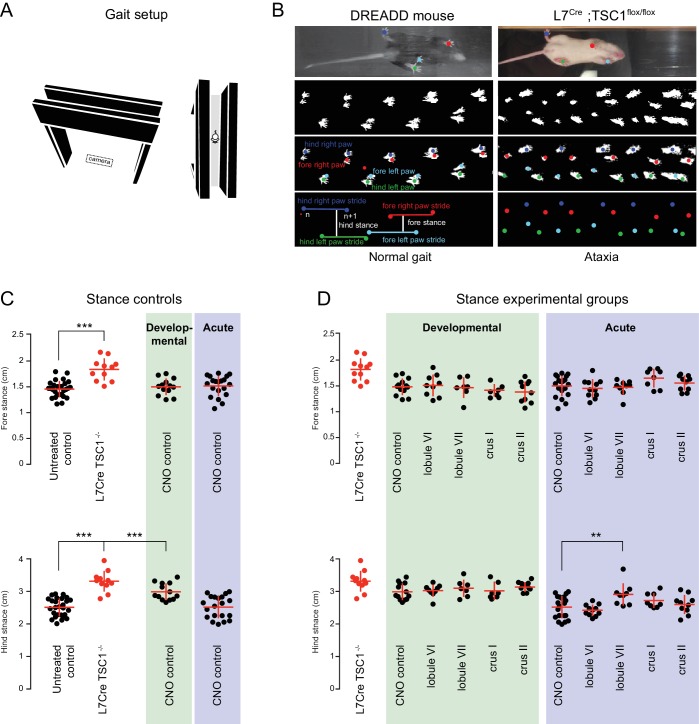
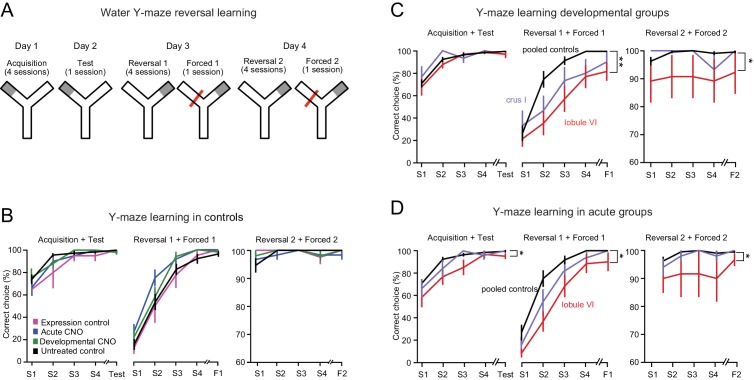
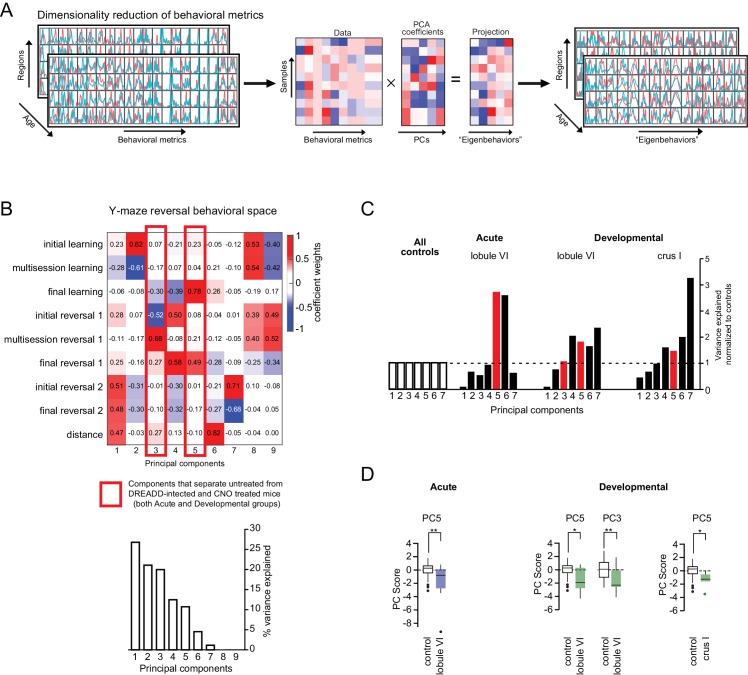
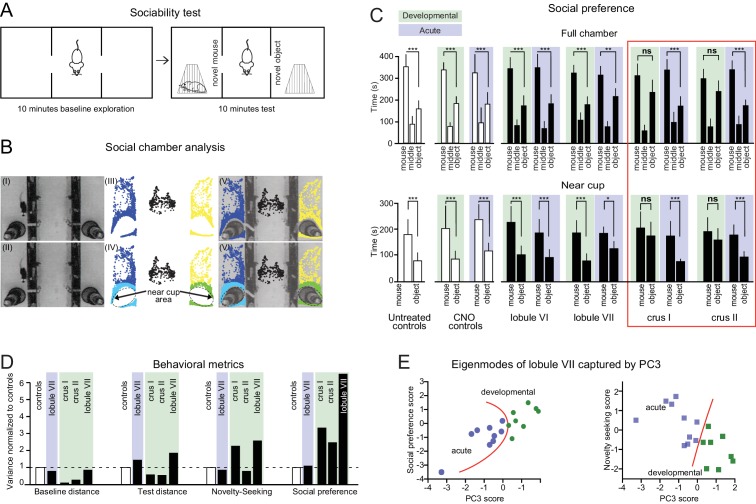
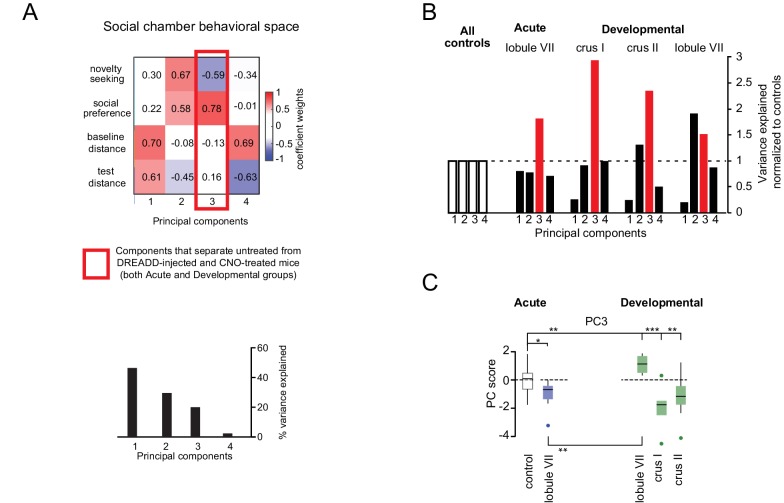
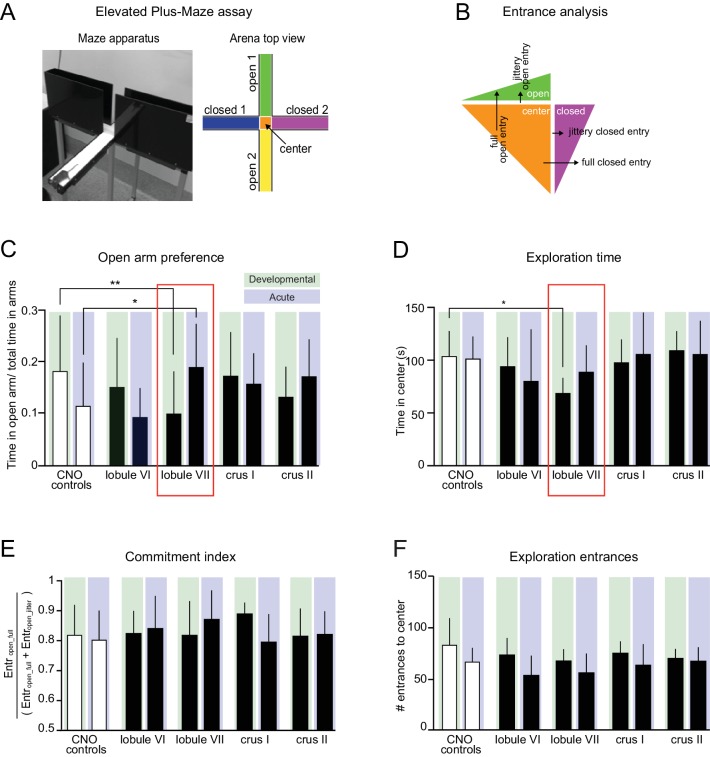
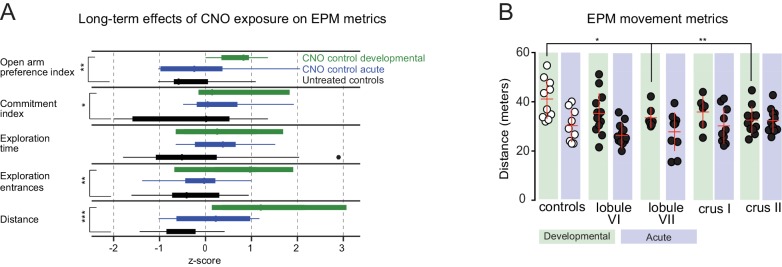
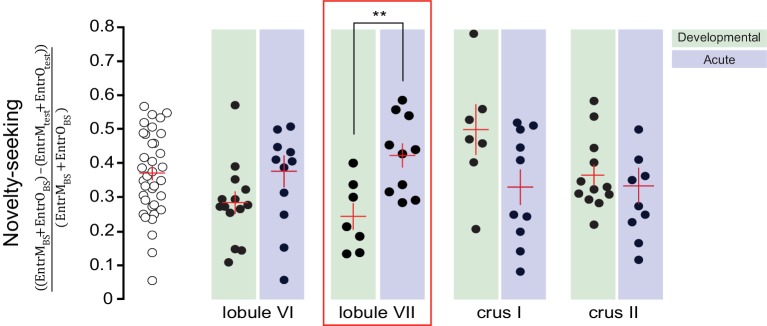
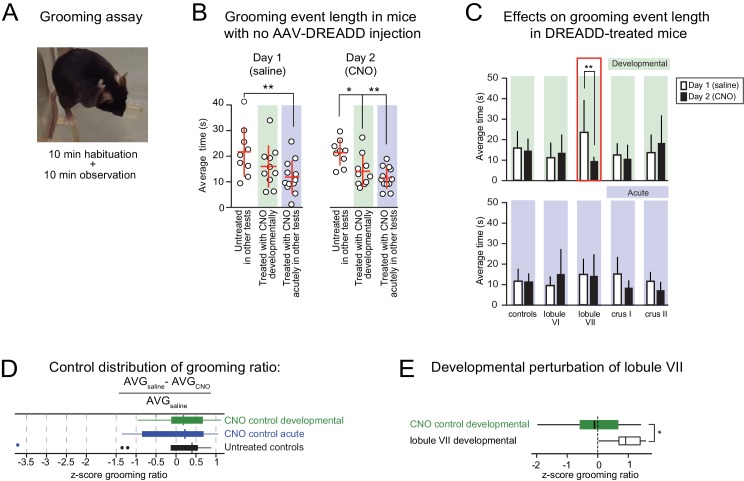
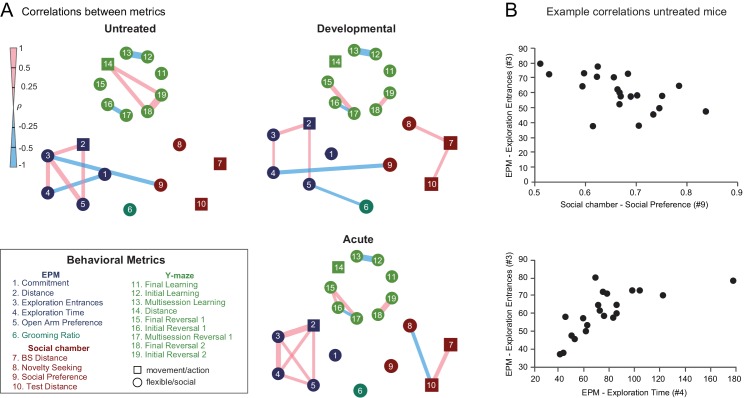
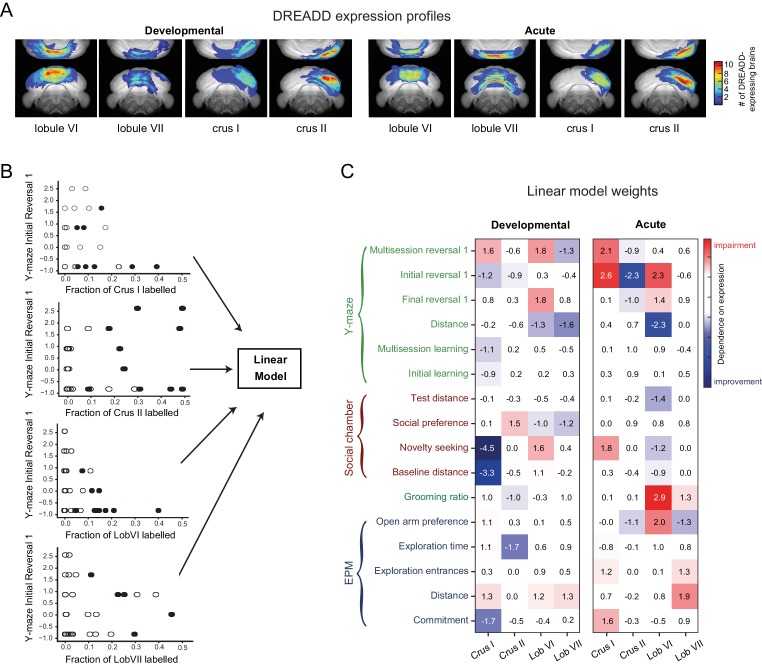
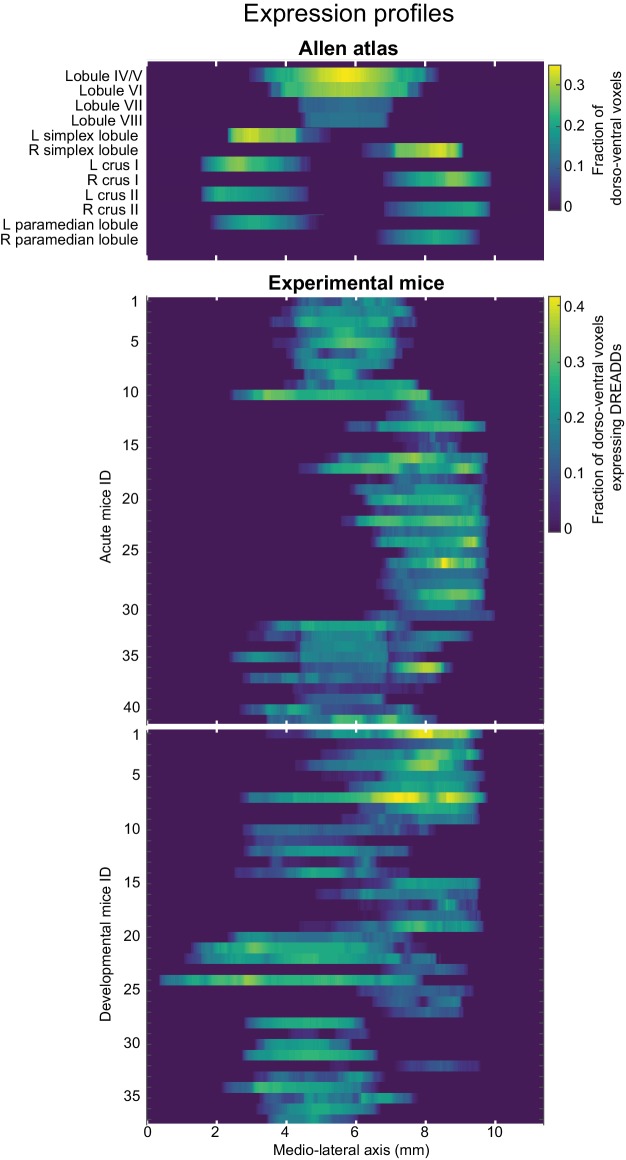
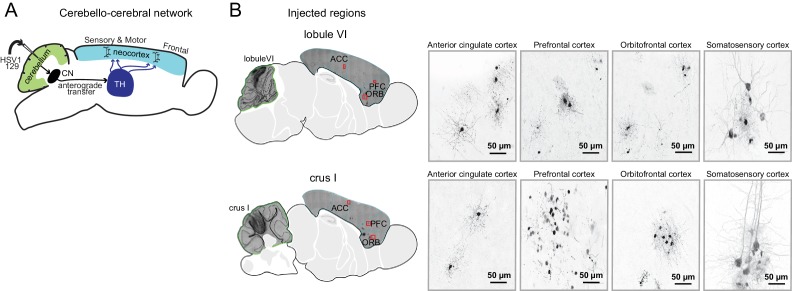
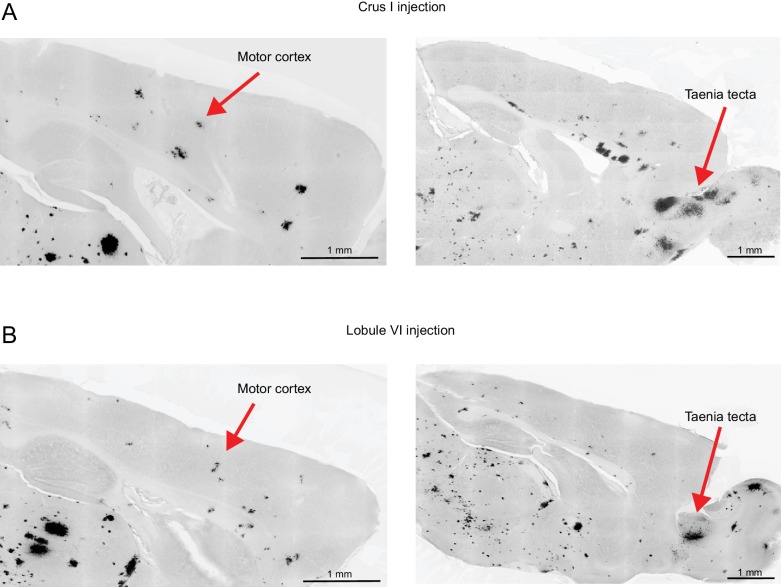
Cognitive and social capacities require postnatal experience, yet the pathways by which experience guides development are unknown. Here we show that the normal development of motor and nonmotor capacities requires cerebellar activity. Using chemogenetic perturbation of molecular layer interneurons to attenuate cerebellar output in mice, we found that activity of posterior regions in juvenile life modulates adult expression of eyeblink conditioning (paravermal lobule VI, crus I), reversal learning (lobule VI), persistive behavior and novelty-seeking (lobule VII), and social preference (crus I/II). Perturbation in adult life altered only a subset of phenotypes. Both adult and juvenile disruption left gait metrics largely unaffected. Contributions to phenotypes increased with the amount of lobule inactivated. Using an anterograde transsynaptic tracer, we found that posterior cerebellum made strong connections with prelimbic, orbitofrontal, and anterior cingulate cortex. These findings provide anatomical substrates for the clinical observation that cerebellar injury increases the risk of autism.
Overview
The claims and statistics of this paper haven’t been checked yet.
Run the check — free, no account needed. It reads the open-access text and checks the sources it cites.
Integrity signals
Registry
Cites
Statistics
Figures
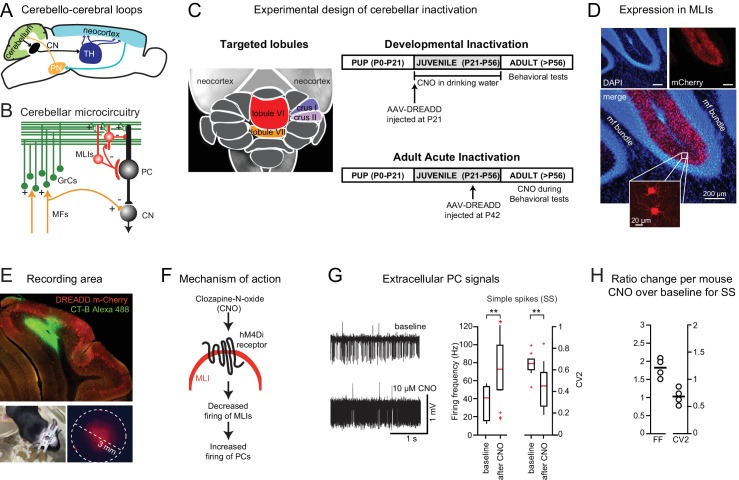
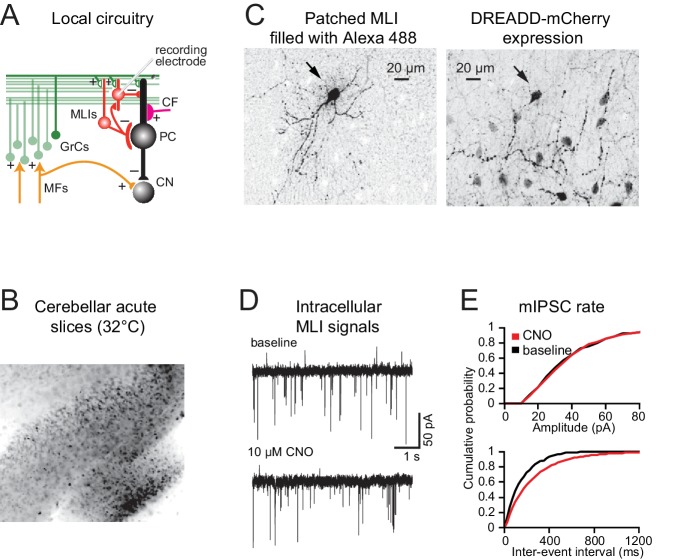
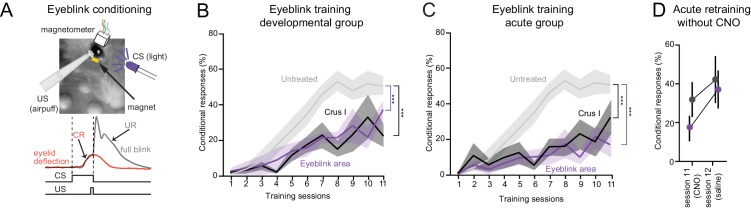
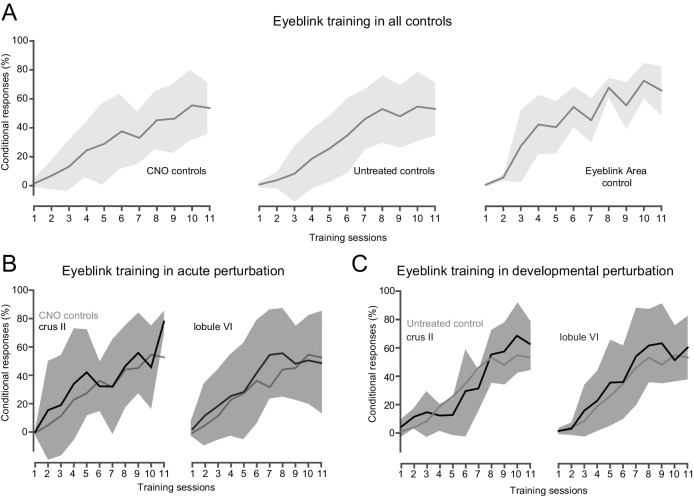
Verification
Claims the paper makes
The claims and statistics of this paper haven’t been checked yet.
Run the check — free, no account needed. It reads the open-access text and checks the sources it cites.
Claims other papers make about this one
Each is checked against this paper’s own text: does it say what the citing paper says it does?
In the citing paper
“One cerebellar domain that has been implicated in ASD is the posterior cerebellar vermis6,7,32.”
From Regulation of autism-relevant behaviors by cerebellar-prefrontal cortical circuits (2020) · cites this paper as [32]
Self-check
Percentages, sums and reported differences re-computed from the paper’s own numbers.
The self-check needs the paper’s full text.
Citations
Cites
Statistical Power Analysis for the Behavioral Sciences
Muller, K. E., & Cohen, J. (1989) · Technometrics · doi:10.2307/1270020 · Cited by 99,603
The organization of the human cerebellum estimated by intrinsic functional connectivity
Buckner, R. L., Krienen, F. M., Castellanos, A., Diaz, J. C., & Yeo, B. T. T. (2011) · Journal of Neurophysiology · doi:10.1152/jn.00339.2011 · Cited by 7,304
Genome-wide atlas of gene expression in the adult mouse brain
Lein, E. S., Hawrylycz, M. J., Ao, N., Ayres, M., Bensinger, A., Bernard, A., Boe, A. F., Boguski, M. S., Brockway, K. S., Byrnes, E. J., et al. (2007) · Nature · doi:10.1038/nature05453 · Cited by 5,572
The adolescent brain and age-related behavioral manifestations
Spear, L. P. (2000) · Neuroscience & Biobehavioral Reviews · doi:10.1016/s0149-7634(00)00014-2 · Cited by 5,433
Contributions of anterior cingulate cortex to behaviour
Devinsky, O., Morrell, M. J., & Vogt, B. A. (1995) · Brain · doi:10.1093/brain/118.1.279 · Cited by 3,377
Point Set Registration: Coherent Point Drift
Myronenko, A., & Song, X. (2010) · IEEE Transactions on Pattern Analysis and Machine Intelligence · doi:10.1109/tpami.2010.46 · Cited by 2,774
A mesoscale connectome of the mouse brain
Oh, S. W., Harris, J. A., Ng, L., Winslow, B., Cain, N., Mihalas, S., Wang, Q., Lau, C., Kuan, L., Henry, A. M., et al. (2014) · Nature · doi:10.1038/nature13186 · Cited by 2,612
Internal models in the cerebellum
Wolpert, D. M., Miall, R. C., & Kawato, M. (1998) · Trends in Cognitive Sciences · doi:10.1016/s1364-6613(98)01221-2 · Cited by 2,469
Functional topography in the human cerebellum: A meta-analysis of neuroimaging studies
STOODLEY, C., & SCHMAHMANN, J. (2009) · NeuroImage · doi:10.1016/j.neuroimage.2008.08.039 · Cited by 2,183
Sensitive periods in the development of the brain and behavior
Knudsen, E. I. (2004) · Journal of Cognitive Neuroscience · doi:10.1162/0898929042304796 · Cited by 1,842
Cited by
Sorted by citations
Consensus Paper: Cerebellum and Social Cognition
Overwalle, F. V., Manto, M. U., Cattaneo, Z., Clausi, S., Ferrari, C., Gabrieli, J. D. E., Guell, X., Heleven, E., Lupo, M., Ma, Q., et al. (2020) · The Cerebellum · doi:10.1007/s12311-020-01155-1 · Cited by 465
Diedrichsen, J., King, M., Hernandez-Castillo, C., Sereno, M., & Ivry, R. B. (2019) · Neuron · doi:10.1016/j.neuron.2019.04.021 · Cited by 281
Regulation of autism-relevant behaviors by cerebellar-prefrontal cortical circuits
Kelly, E., Meng, F., Fujita, H., Morgado, F., Kazemi, Y., Rice, L. C., Ren, C., Escamilla, C. O., Gibson, J. M., Sajadi, S., et al. (2020) · Nature Neuroscience · doi:10.1038/s41593-020-0665-z · Cited by 280
Towards a unified analysis of brain maturation and aging across the entire lifespan: A MRI analysis
Coupé, P., Catheline, G., Lanuza, E., Manjón, J. V., & Initiative, A. D. N. (2017) · Human Brain Mapping · doi:10.1002/hbm.23743 · Cited by 283
Fujita, H., Kodama, T., & du Lac, S. (2020) · eLife · doi:10.7554/elife.58613 · Cited by 254
Cognitive-Affective Functions of the Cerebellum
Rudolph, S., Badura, A., Lutzu, S., Pathak, S. S., Thieme, A. G., Verpeut, J. L., Wagner, M. J., Yang, Y., & Fioravante, D. (2023) · Journal of Neuroscience · doi:10.1523/jneurosci.1451-23.2023 · Cited by 215
Self-citationPrediction signals in the cerebellum: Beyond supervised motor learning
Hull, C. (2020) · eLife · doi:10.7554/elife.54073 · Cited by 206
NINscope, a versatile miniscope for multi-region circuit investigations
de Groot, A., van den Boom, B. J. G., van Genderen, R. M., Coppens, J. E., van Veldhuijzen, J., Bos, J., Hoedemaker, H., Negrello, M., Willuhn, I., Zeeuw, C. I. D., et al. (2020) · eLife · doi:10.7554/elife.49987 · Cited by 151
Heffley, W., & Hull, C. (2019) · eLife · doi:10.7554/elife.46764 · Cited by 142
Homologous organization of cerebellar pathways to sensory, motor, and associative forebrain
Pisano, T. J., Dhanerawala, Z. M., Kislin, M., Bakshinskaya, D. E., Engel, E. A., Hansen, E. J., Hoag, A. T., Lee, J., de Oude, N. L., Venkataraju, K. U., et al. (2021) · Cell Reports · doi:10.1016/j.celrep.2021.109721 · Cited by 135
Self-citationErnst, T., Brol, A. E., Gratz, M., Ritter, C., Bingel, U., Schlamann, M. U., Maderwald, S., Quick, H. H., Merz, C. J., & Timmann, D. (2019) · eLife · doi:10.7554/elife.46831 · Cited by 124
Reward signals in the cerebellum: Origins, targets, and functional implications
Kostadinov, D., & Häusser, M. (2022) · Neuron · doi:10.1016/j.neuron.2022.02.015 · Cited by 112
Abnormal Cerebellar Development in Autism Spectrum Disorders
van der Heijden, M. E., Gill, J. S., & Sillitoe, R. V. (2021) · Developmental Neuroscience · doi:10.1159/000515189 · Cited by 105
HippoBellum: Acute Cerebellar Modulation Alters Hippocampal Dynamics and Function
Zeidler, Z., Hoffmann, K., & Krook-Magnuson, E. I. (2020) · Journal of Neuroscience · doi:10.1523/jneurosci.0763-20.2020 · Cited by 102
Cerebellum Lecture: the Cerebellar Nuclei—Core of the Cerebellum
Kebschull, J. M., Casoni, F., Consalez, G. G., Goldowitz, D., Hawkes, R. B., Ruigrok, T. J. H., Schilling, K., Wingate, R. J. T., Wu, J., Yeung, J., et al. (2023) · The Cerebellum · doi:10.1007/s12311-022-01506-0 · Cited by 94
van der Heijden, M. E., & Sillitoe, R. V. (2020) · Neuroscience · doi:10.1016/j.neuroscience.2020.06.010 · Cited by 81
Stoodley, C. J., & Tsai, P. T. (2021) · Annual Review of Neuroscience · doi:10.1146/annurev-neuro-100120-092143 · Cited by 75
Prati, J. M., Pontes‐Silva, A., & Gianlorenço, A. C. (2024) · Behavioural Brain Research · doi:10.1016/j.bbr.2024.114933 · Cited by 79
Moreno-Rius, J. (2019) · Frontiers in Neuroendocrinology · doi:10.1016/j.yfrne.2019.100774 · Cited by 77
Andrews, D. S., Lee, J. K., Solomon, M., Rogers, S. J., Amaral, D. G., & Nordahl, C. W. (2019) · Journal of Neurodevelopmental Disorders · doi:10.1186/s11689-019-9291-z · Cited by 71
Molecular Layer Interneurons: Key Elements of Cerebellar Network Computation and Behavior
Kim, J., & Augustine, G. J. (2020) · Neuroscience · doi:10.1016/j.neuroscience.2020.10.008 · Cited by 68
Climbing fiber multi-innervation of mouse Purkinje dendrites with arborization common to human
Busch, S. E., & Hansel, C. (2023) · Science · doi:10.1126/science.adi1024 · Cited by 66
Mu, C., Dang, X., & Luo, X. (2024) · Nature Human Behaviour · doi:10.1038/s41562-024-01879-8 · Cited by 68
Social and emotional learning in the cerebellum
Overwalle, F. V. (2024) · Nature reviews. Neuroscience · doi:10.1038/s41583-024-00871-5 · Cited by 70
Beekhof, G. C., Osório, C., White, J. J., van Zoomeren, S., van der Stok, H., Xiong, B., Nettersheim, I. H. M. S., Mak, W. A., Runge, M., Fiocchi, F. R., et al. (2021) · eLife · doi:10.7554/elife.63668 · Cited by 62
Maturation of Purkinje cell firing properties relies on neurogenesis of excitatory neurons
van der Heijden, M. E., Lackey, E. P., Perez, R. M., Isleyen, F. S., Brown, A. M., Donofrio, S. G., Lin, T., Zoghbi, H. Y., & Sillitoe, R. V. (2021) · eLife · doi:10.7554/elife.68045 · Cited by 58
Chin, P. W., & Augustine, G. J. (2023) · Frontiers in Cellular Neuroscience · doi:10.3389/fncel.2023.1130505 · Cited by 60
Rudolph, S., Guo, C., Pashkovski, S. L., Osorno, T., Gillis, W. F., Krauss, J., Nyitrai, H., Flaquer, I., El-Rifai, M., Datta, S. R., et al. (2020) · Cell Reports · doi:10.1016/j.celrep.2020.108338 · Cited by 56
New Horizons on Non-invasive Brain Stimulation of the Social and Affective Cerebellum
Cattaneo, Z., Ferrari, C., Ciricugno, A., Heleven, E., Schutter, D. J. L. G., Manto, M. U., & Overwalle, F. V. (2021) · The Cerebellum · doi:10.1007/s12311-021-01300-4 · Cited by 54
Simmons, D. H., Titley, H. K., Hansel, C., & Mason, P. (2020) · Neuroscience · doi:10.1016/j.neuroscience.2020.05.010 · Cited by 57
Little brain, little minds: The big role of the cerebellum in social development
Olson, I. R., Hoffman, L. J., Jobson, K. R., Popal, H. S., & Wang, Y. (2023) · Developmental Cognitive Neuroscience · doi:10.1016/j.dcn.2023.101238 · Cited by 55
The cerebellum and psychological trauma: A systematic review of neuroimaging studies
Blithikioti, C., Nuño, L., Guell, X., Pascual‐Diaz, S., Gual, A., Balcells‐Oliveró, M., & Miquel, L. (2022) · Neurobiology of Stress · doi:10.1016/j.ynstr.2022.100429 · Cited by 49
Molecular layer interneurons in the cerebellum encode for valence in associative learning
Ma, M., Futia, G. L., de Souza, F. M. S., Ozbay, B. N., Llano, I., Gibson, E. A., & Restrepo, D. (2020) · Nature Communications · doi:10.1038/s41467-020-18034-2 · Cited by 46
Functional Convergence of Motor and Social Processes in Lobule IV/V of the Mouse Cerebellum
Chao, O. Y.-H., Zhang, H., Pathak, S. S., Huston, J. P., & Yang, Y. (2021) · The Cerebellum · doi:10.1007/s12311-021-01246-7 · Cited by 46
Social memory deficit caused by dysregulation of the cerebellar vermis
Chao, O. Y.-H., Pathak, S. S., Zhang, H., Augustine, G. J., Christie, J. M., Kikuchi, C., Taniguchi, H., & Yang, Y. (2023) · Nature Communications · doi:10.1038/s41467-023-41744-2 · Cited by 43
Lackey, E. P., Moreira, L., Norton, A., Hemelt, M. E., Osorno, T., Nguyen, T., Macosko, E. Z., Lee, W.-C. A., Hull, C., & Regehr, W. G. (2024) · Neuron · doi:10.1016/j.neuron.2024.04.010 · Cited by 43
Kelly, E., Escamilla, C. O., & Tsai, P. T. (2020) · Neuroscience · doi:10.1016/j.neuroscience.2020.11.012 · Cited by 46
Romero, J. E., Pierrick Coupé, A., Lanuza, E., Catheline, G., Manjón, J. V., & Initiative, A. D. N. (2021) · Human Brain Mapping · doi:10.1002/hbm.25293 · Cited by 42
Impaired cerebellar plasticity hypersensitizes sensory reflexes in SCN2A-associated ASD
Wang, C., Derderian, K. D., Hamada, E. C., Zhou, X., Nelson, A. D., Kyoung, H., Ahituv, N., Bouvier, G., & Bender, K. J. (2024) · Neuron · doi:10.1016/j.neuron.2024.01.029 · Cited by 44
Chao, O. Y.-H., de Velasco, E. M. F., Pathak, S. S., Maitra, S., Zhang, H., Duvick, L. A., Wickman, K., Orr, H. T., Hirai, H., & Yang, Y. (2020) · Neuropsychopharmacology · doi:10.1038/s41386-020-0656-5 · Cited by 52
Location and Size of Preterm Cerebellar Hemorrhage and Childhood Development
Garfinkle, J., Guo, T., Synnes, A. R., Chau, V., Branson, H. M., Ufkes, S., Tam, E., GRUNAU, R. E., & Miller, S. P. (2020) · Annals of Neurology · doi:10.1002/ana.25899 · Cited by 40
Continuous manipulation of mental representations is compromised in cerebellar degeneration
McDougle, S. D., Tsay, J. S., Pitt, B., King, M. B., Saban, W., Taylor, J. A., & Ivry, R. B. (2022) · Brain · doi:10.1093/brain/awac072 · Cited by 40
Cerebellar Circuits for Classical Fear Conditioning
Hwang, K., Kim, S. J., & Lee, Y. (2022) · Frontiers in Cellular Neuroscience · doi:10.3389/fncel.2022.836948 · Cited by 37
Cerebellar contribution to vocal emotion decoding: Insights from stroke and neuroimaging
Thomasson, M., Saj̈, A., Benis, D., Grandjean, D., Assal, F., & Péron, J. (2019) · Neuropsychologia · doi:10.1016/j.neuropsychologia.2019.107141 · Cited by 34
A Dynamic Splicing Program Ensures Proper Synaptic Connections in the Developing Cerebellum
Farini, D., Cesari, E., Weatheritt, R. J., Sala, G. L., Naro, C., Pagliarini, V., Bonvissuto, D., Medici, V., Guerra, M., Pietro, C. D., et al. (2020) · Cell Reports · doi:10.1016/j.celrep.2020.107703 · Cited by 33
Cerebellar contribution to the cognitive alterations in SCA1: evidence from mouse models
Asher, M. J., Rosa, J. S., Rainwater, O., Duvick, L. A., Bennyworth, M., Lai, R., CRC-SCA, Kuo, S., & Cvetanović, M. (2019) · Human Molecular Genetics · doi:10.1093/hmg/ddz265 · Cited by 36
A Comparative Perspective on the Cerebello-Cerebral System and Its Link to Cognition
Magielse, N., Heuer, K., Toro, R., Schutter, D. J. L. G., & Valk, S. L. (2022) · The Cerebellum · doi:10.1007/s12311-022-01495-0 · Cited by 36
Lidstone, D. E., Rochowiak, R., Mostofsky, S. H., & Nebel, M. B. (2021) · Autism Research · doi:10.1002/aur.2476 · Cited by 31
The little brain and the seahorse: Cerebellar-hippocampal interactions
Froula, J. M., Hastings, S. D., & Krook-Magnuson, E. I. (2023) · Frontiers in Systems Neuroscience · doi:10.3389/fnsys.2023.1158492 · Cited by 35
Cerebellar contributions to a brainwide network for flexible behavior in mice
Verpeut, J. L., Bergeler, S., Kislin, M., Townes, F. W., Klibaite, U., Dhanerawala, Z. M., Hoag, A., Janarthanan, S. R., Jung, C., Lee, J., et al. (2023) · Communications Biology · doi:10.1038/s42003-023-04920-0 · Cited by 35
Self-citationA FN-MdV pathway and its role in cerebellar multimodular control of sensorimotor behavior
Wang, X., Yu, S., Ren, Z., Zeeuw, C. I. D., & Gao, Z. (2020) · Nature Communications · doi:10.1038/s41467-020-19960-x · Cited by 27
Kaiser, F. M. P., Gruenbacher, S., Oyaga, M. R., Nio, E., Jaritz, M., Sun, Q., van der Zwaag, W., Kreidl, E., Zopf, L. M., Dalm, V. A. S. H., et al. (2022) · The Journal of Experimental Medicine · doi:10.1084/jem.20220498 · Cited by 31
Self-citationOkada, N. J., Liu, J., Tsang, T., Nosco, E., McDonald, N. M., Cummings, K. K., Jung, J., Patterson, G., Bookheimer, S. Y., Green, S. A., et al. (2021) · Journal of Child Psychology and Psychiatry · doi:10.1111/jcpp.13555 · Cited by 31
Sushi domain-containing protein 4 controls synaptic plasticity and motor learning
González-Calvo, I., Iyer, K., Carquin, M., Khayachi, A., Giuliani, F. A., Sigoillot, S. M., Vincent, J. D., Sevéno, M., Veleanu, M., Tahraoui, S., et al. (2021) · eLife · doi:10.7554/elife.65712 · Cited by 33
Addiction and the cerebellum with a focus on actions of opioid receptors
Ranjbar, H., Soti, M., Banazadeh, M., Saleki, K., Kohlmeier, K. A., & Shabani, M. (2021) · Neuroscience & Biobehavioral Reviews · doi:10.1016/j.neubiorev.2021.09.021 · Cited by 28
Cerebellar Contributions to Social Cognition in ASD: A Predictive Processing Framework
Frosch, I. R., Mittal, V. A., & D’Mello, A. M. (2022) · Frontiers in Integrative Neuroscience · doi:10.3389/fnint.2022.810425 · Cited by 28
van der Heijden, M. E., Hipolito, A. G. R., Kim, L. H., Kizek, D. J., Perez, R. M., Lin, T., & Sillitoe, R. V. (2023) · Nature Communications · doi:10.1038/s41467-023-38475-9 · Cited by 29
A cerebro-cerebellar network for learning visuomotor associations
Sendhilnathan, N., Bostan, A. C., Strick, P. L., & Goldberg, M. E. (2024) · Nature Communications · doi:10.1038/s41467-024-46281-0 · Cited by 26
A Critical Period for Development of Cerebellar-Mediated Autism-Relevant Social Behavior
Gibson, J. M., Howland, C. P., Ren, C., Howland, C., Vernino, A., & Tsai, P. T. (2022) · Journal of Neuroscience · doi:10.1523/jneurosci.1230-21.2021 · Cited by 26
Cerebellar contribution to autism-relevant behaviors in fragile X syndrome models
Gibson, J. M., Vazquez, A. H., Yamashiro, K., Jakkamsetti, V., Ren, C., Lei, K., Dentel, B., Pascual, J. M., & Tsai, P. T. (2023) · Cell Reports · doi:10.1016/j.celrep.2023.113533 · Cited by 23
Cerebellar-Cortical Connectivity Is Linked to Social Cognition Trans-Diagnostically
Brady, R. O., Beermann, A., Nye, M., Eack, S. M., Mesholam‐Gately, R. I., Keshavan, M. S., & Lewandowski, K. E. (2020) · Frontiers in Psychiatry · doi:10.3389/fpsyt.2020.573002 · Cited by 26
Liu, Y., McAfee, S. S., van der Heijden, M. E., Dhamala, M., Sillitoe, R. V., & Heck, D. H. (2022) · The Cerebellum · doi:10.1007/s12311-022-01383-7 · Cited by 25
Purkinje cell number-correlated cerebrocerebellar circuit anomaly in the valproate model of autism
Spisák, T., Román, V., Papp, E., Kedves, R., Sághy, K., Csölle, C., Varga, A., Gajári, D., Nyitrai, G., Spisák, Z., et al. (2019) · Scientific Reports · doi:10.1038/s41598-019-45667-1 · Cited by 26
Shedding Light on Social Reward Circuitry: (Un)common Blueprints in Humans and Rodents
Grimm, C., Balsters, J. H., & Zerbi, V. (2020) · The Neuroscientist · doi:10.1177/1073858420923552 · Cited by 26
Zhang, X., Ibi, M., Haga, R., Iwata, K., Matsumoto, M., Asaoka, N., Liu, J., Katsuyama, M., & Yabe‐Nishimura, C. (2020) · Biochemical and Biophysical Research Communications · doi:10.1016/j.bbrc.2020.11.070 · Cited by 23
Suriano, C. M., Kumar, N., Verpeut, J. L., Ma, J., Jung, C., Dunn, C. E., Carvajal, B. V., Nguyen, A. V., & Boulanger, L. M. (2024) · Molecular Therapy · doi:10.1016/j.ymthe.2024.03.036 · Cited by 21
Self-citationZanin, J. P., Verpeut, J. L., Li, Y., Shiflett, M. W., Wang, S. S. ‐., Santhakumar, V., & Friedman, W. (2019) · Journal of Neuroscience · doi:10.1523/jneurosci.0990-19.2019 · Cited by 20
Self-citationThe Optogenetic Revolution in Cerebellar Investigations
Prestori, F., Montagna, I., D'Angelo, E. U., & Mapelli, L. (2020) · International Journal of Molecular Sciences · doi:10.3390/ijms21072494 · Cited by 20
Li, Y., Yang, L., Li, L., Xie, Y., & Fang, P. (2021) · Behavioural Brain Research · doi:10.1016/j.bbr.2021.113586 · Cited by 19
Magielse, N., Toro, R., Steigauf, V., Abbaspour, M., Eickhoff, S. B., Heuer, K., & Valk, S. L. (2023) · Communications Biology · doi:10.1038/s42003-023-05553-z · Cited by 18
Converging and Diverging Cerebellar Pathways for Motor and Social Behaviors in Mice
van der Heijden, M. E. (2024) · The Cerebellum · doi:10.1007/s12311-024-01706-w · Cited by 19
Tepfer, L. J., Alloy, L. B., & Smith, D. V. (2021) · Depression and Anxiety · doi:10.1002/da.23143 · Cited by 19
Social behavior in prepubertal neurexin 1α deficient rats: A model of neurodevelopmental disorders.
Kight, K. E., Argue, K. J., Bumgardner, J. G., Bardhi, K., Waddell, J., & McCarthy, M. M. (2021) · Behavioral Neuroscience · doi:10.1037/bne0000482 · Cited by 17
Sex‐dependent influence of postweaning environmental enrichment in Angelman syndrome model mice
Cosgrove, J. A., Kelly, L. K., Kiffmeyer, E. A., & Kloth, A. D. (2022) · Brain and Behavior · doi:10.1002/brb3.2468 · Cited by 16
Adeno-associated virus (AAV) reduces cortical dendritic complexity in a TLR9-dependent mannerPreprint
Suriano, C. M., Verpeut, J. L., Kumar, N., Ma, J., Jung, C., & Boulanger, L. M. (2021) · bioRxiv (Cold Spring Harbor Laboratory) · doi:10.1101/2021.09.28.462148 · Cited by 17
Self-citationThe Cerebellum Is Related to Cognitive Dysfunction in White Matter Hyperintensities
Cao, S., Nie, J., Zhang, J., Chen, C., Wang, X., Liu, Y., Mo, Y., Du, B., Hu, Y., Tian, Y., et al. (2021) · Frontiers in Aging Neuroscience · doi:10.3389/fnagi.2021.670463 · Cited by 16
Serra, I., Manusama, O. R., Kaiser, F. M. P., Floriano, I. I., Wahl, L. F., van der Zalm, C., IJspeert, H., van Hagen, P. M., van Beveren, N. J. M., Arend, S. M., et al. (2021) · Brain Behavior & Immunity - Health · doi:10.1016/j.bbih.2021.100377 · Cited by 16
Self-citationTranscriptome programs involved in the development and structure of the cerebellum
Farini, D., Marazziti, D., Geloso, M. C., & Sette, C. (2021) · Cellular and Molecular Life Sciences · doi:10.1007/s00018-021-03911-w · Cited by 18
Dijkshoorn, A. B. C., Turk, E., Hortensius, L. M., van der Aa, N. E., Hoebeek, F. E., Groenendaal, F., Benders, M. J. N. L., & Dudink, J. (2020) · Scientific Reports · doi:10.1038/s41598-020-62078-9 · Cited by 14
Siciliano, L., Olivito, G., & Leggio, M. G. (2022) · Neuroscience & Biobehavioral Reviews · doi:10.1016/j.neubiorev.2022.104863 · Cited by 15
Xu, F., Wang, X., Cai, X., Liu, J., Guo, J.-W., Yang, F., Chen, W., Schonewille, M., Zeeuw, C. I. D., Zhou, L., et al. (2023) · Cell Reports · doi:10.1016/j.celrep.2023.113559 · Cited by 15
Hooshmandi, M., Truong, V. T., Fields, E., Thomas, R. E., Wong, C., Sharma, V. K., Gantois, I., Roque, P. S., Chalkiadaki, K., Wu, N., et al. (2021) · Cell Reports · doi:10.1016/j.celrep.2021.109036 · Cited by 14
Simmons, D. H., Busch, S. E., Titley, H. K., Grasselli, G., Shih, J., Du, X., Wei, C., Gomez, C. M., Piochon, C., & Hansel, C. (2021) · Biological Psychiatry Global Open Science · doi:10.1016/j.bpsgos.2021.09.004 · Cited by 14
DESARROLLO DE LA ALTA CAPACIDAD DURANTE LA INFANCIA TEMPRANA
Gómez-León, M. I., & Rioja, U. I. D. L. (2020) · Papeles del Psicólogo - Psychologist Papers · doi:10.23923/pap.psicol2020.2930 · Cited by 13
Correlated signatures of social behavior in cerebellum and anterior cingulate cortex
Hur, S. W., Safaryan, K., Yang, L., Blair, H. T., Masmanidis, S. C., Mathews, P. J., Aharoni, D. B., & Golshani, P. (2024) · eLife · doi:10.7554/elife.88439.3 · Cited by 13
King, C., Rogers, L. G., Jansen, J., Sivayokan, B., Neyhard, J., Warnes, E., Hall, S. E., & Plakke, B. (2024) · Physiology & Behavior · doi:10.1016/j.physbeh.2024.114638 · Cited by 16
Veleanu, M., Urrieta-Chávez, B., Sigoillot, S. M., Paul, M. A., Usardi, A., Iyer, K., Delagrange, M., Doyle, J., Heintz, N., Bécamel, C., et al. (2022) · Proceedings of the National Academy of Sciences · doi:10.1073/pnas.2122544119 · Cited by 16
Serotonergic Input into the Cerebellar Cortex Modulates Anxiety-Like Behavior
Chin, P. W., & Augustine, G. J. (2025) · Journal of Neuroscience · doi:10.1523/jneurosci.1825-24.2024 · Cited by 12
Pérez-Martín, E., Muñoz-Castañeda, R., Moutin, M., Ávila-Zarza, C. A., Munõz-Castañeda, J. M., del Pilar, C., Alonso, J. R., Andrieux, A., Díaz, D., & Weruaga, E. (2021) · Neurotherapeutics · doi:10.1007/s13311-021-01044-3 · Cited by 12
Enhanced fear limits behavioral flexibility in Shank2-deficient mice
Yun, M., Kim, E., & Jung, M. W. (2022) · Molecular Autism · doi:10.1186/s13229-022-00518-1 · Cited by 13
González-Portilla, M., Moya, M., Montagud‐Romero, S., de Fonseca, F. R., Orío, L., & Rodríguez‐Arias, M. (2023) · Progress in Neuro-Psychopharmacology and Biological Psychiatry · doi:10.1016/j.pnpbp.2023.110722 · Cited by 12
Mild Deficits in Fear Learning: Evidence from Humans and Mice with Cerebellar Cortical Degeneration
Batsikadze, G., Pakusch, J., Klein, M., Ernst, T., Thieme, A. G., Nicksirat, S. A., Steiner, K. M., Nio, E., Genç, E., Maderwald, S., et al. (2024) · eNeuro · doi:10.1523/eneuro.0365-23.2023 · Cited by 14
Impact of Intrauterine Insults on Fetal and Postnatal Cerebellar Development in Humans and Rodents
Westerhuis, J. A. W., Dudink, J., Wijnands, B. E. C. A., Zeeuw, C. I. D., & Canto, C. B. (2024) · Cells · doi:10.3390/cells13221911 · Cited by 11
Correlated signatures of social behavior in cerebellum and anterior cingulate cortex
Hur, S. W., Safaryan, K., Yang, L., Blair, H. T., Masmanidis, S. C., Mathews, P. J., Aharoni, D. B., & Golshani, P. (2023) · eLife · doi:10.7554/elife.88439 · Cited by 11
Emergence of syntax and word prediction in an artificial neural circuit of the cerebellum
Ohmae, K., & Ohmae, S. (2024) · Nature Communications · doi:10.1038/s41467-024-44801-6 · Cited by 15
Prefrontal but not cerebellar tDCS attenuates renewal of extinguished conditioned eyeblink responses
Lipp, J., Draganova, R., Batsikadze, G., Ernst, T., Uengoer, M., & Timmann, D. (2019) · Neurobiology of Learning and Memory · doi:10.1016/j.nlm.2019.107137 · Cited by 12
Homologous organization of cerebellar pathways to sensory, motor, and associative forebrain
Pisano, T. J., Dhanerawala, Z. M., Kislin, M., Bakshinskaya, D. E., Engel, E. A., Hansen, E. J., Hoag, A. T., Lee, J., de Oude, N. L., Venkataraju, K. U., et al. (2021) · Utrecht University Repository (Utrecht University) · Cited by 11
Self-citationKiffmeyer, E. A., Cosgrove, J. A., Siganos, J. K., Bien, H. E., Vipond, J. E., Vogt, K. R., & Kloth, A. D. (2022) · NeuroSci · doi:10.3390/neurosci3040045 · Cited by 13
Sefik, E., Duan, K., Li, Y., Sholar, B., Evans, L., Pincus, J. E., Ammar, Z., Murphy, M. M., Klaiman, C., Saulnier, C. A., et al. (2024) · Molecular Psychiatry · doi:10.1038/s41380-024-02584-8 · Cited by 11
More Than a Small Brain: The Importance of Studying Neural Function during Development
Dooley, J. C., & van der Heijden, M. E. (2024) · Journal of Neuroscience · doi:10.1523/jneurosci.1367-24.2024 · Cited by 10
Metadata
- Authors
- Badura, A., Verpeut, J. L., Metzger, J. W., Pereira, T. D., Pisano, T. J., Deverett, B., Bakshinskaya, D. E., & Wang, S. S.-H.
- Affiliations
- Netherlands Institute for Neuroscience (NL)
- Princeton University (US)
- Rutgers, The State University of New Jersey (US)
- Corresponding author
- Wang, Samuel S-H
- ORCID
- Venue
- eLife
- Publisher
- eLife Sciences Publications, Ltd
- Published
- 2018-09-20
- Volume
- 7
- ISSN
- 2050-084X (ISSN-L)
- PMC
- PMC6195348
- OpenAlex
- W2889806840
- Cited by
- 205
- References
- 76
- Citations by year
- 2026: 16 · 2025: 25 · 2024: 32 · 2023: 33 · 2022: 27 · 2021: 30 · 2020: 27 · 2019: 14
- FWCI
- 10.57
- Type
- journal article
- Language
- en
- Open access
- gold
- doi.org
- Licence
- Locations
- eLife (publishedVersion, cc-by)
- Europe PMC (PubMed Central) (publishedVersion, cc-by)
- PubMed Central (publishedVersion, cc-by)
- PubMed (publishedVersion)
- EUR Research Repository (Erasmus University Rotterdam) (publishedVersion, other-oa)
- KNAW research portal (Royal Academy of Art and Sciences (KNAW)) (publishedVersion, other-oa)
- EUR Research Repository (Erasmus University Rotterdam) (submittedVersion, other-oa)
- RePub (Erasmus University Rotterdam) (submittedVersion, other-oa)
- Data Archiving and Networked Services (DANS) (submittedVersion, other-oa)
- DOAJ (DOAJ: Directory of Open Access Journals) (submittedVersion, cc-by-sa)
- KNAW Research Portal (The Royal Netherlands Academy of Arts and Sciences) (submittedVersion, other-oa)
- Funders
- Nederlandse Organisatie voor Wetenschappelijk Onderzoek (Innovational Research Incentives Scheme VENI (NWO,ZonMw))
- Nancy Lurie Marks Family Foundation
- National Institutes of Health (R01 NS045193, R01 MH115750, F30 MH115577, F31 NS089303)
- New Jersey Commission on Brain Injury Research (CBIR16FEL010)
- National Science Foundation (Graduate Research Fellowship DGE-1148900)
- Rutgers Robert Wood Johnson Medical School-Princeton University M.D.-Ph.D. Program
- Topics
- Life Sciences › Neuroscience › Cognitive Neuroscience › Memory and Neural Mechanisms
- Life Sciences › Neuroscience › Cognitive Neuroscience › Motor Control and Adaptation
- Life Sciences › Neuroscience › Cellular and Molecular Neuroscience › Neuroscience and Neuropharmacology Research
- Keywords
- posterior cerebellum, cerebellar development, molecular layer interneurons, eyeblink conditioning, reversal learning, social preferences, novelty seeking, orbitofrontal cortex, anterior cingulate cortex, prelimbic cortex, autism risk, postnatal experience, gait
- MeSH terms
- Animals, Autistic Disorder, Behavior, Animal, Brain Mapping, Cerebellum, Cognition, Disease Models, Animal, Humans, Image Processing, Computer-Assisted, Interneurons, Learning, Magnetic Resonance Imaging, Neural Pathways, Social Change, Mice
About these checks
Registry, retraction, Cites and statistics results are computed, not judged, with one exception: a printed reference that no index lists is read once by a model before it counts as a citation error. Claims are extracted by a model and kept only when their quote appears verbatim in the text; each cited source is then checked, with a model’s help, for whether it says what the claim relies on. Those verdicts can be wrong — read the claim’s quote and the cited source before relying on one.
Statistics and arithmetic are recomputed, not judged.
Confidence bands are shown only for fields calibrated on our annotated test set. None is calibrated yet, so no band is shown.
What counts as a claim ›How we measure confidence ›How we check this ›
Are you an author, or do you see a problem with this page? Request a review
