

The DOI matches its Crossref record; 67 of the 67 references it cites were found in a registry or an index.
Structural features stabilized by divalent cation coordination within hepatitis E virus ORF1 are critical for viral replication
Open accessPublished version of a preprint
Abstract
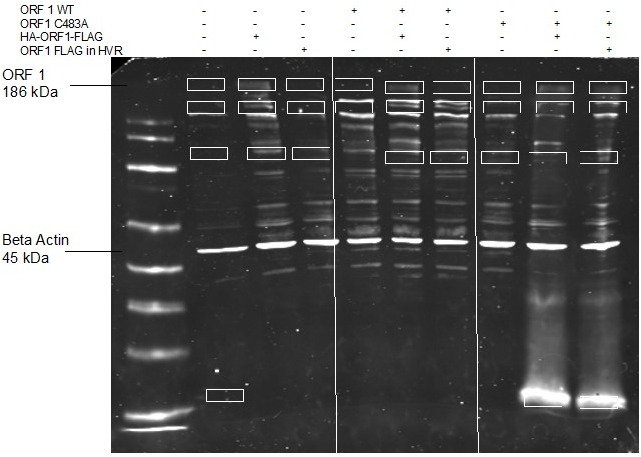
Hepatitis E virus (HEV) is an RNA virus responsible for over 20 million infections annually. HEV’s open reading frame (ORF)1 polyprotein is essential for genome replication, though it is unknown how the different subdomains function within a structural context. Our data show that ORF1 operates as a multifunctional protein, which is not subject to proteolytic processing. Supporting this model, scanning mutagenesis performed on the putative papain-like cysteine protease (pPCP) domain revealed six cysteines essential for viral replication. Our data are consistent with their role in divalent metal ion coordination, which governs local and interdomain interactions that are critical for the overall structure of ORF1; furthermore, the ‘pPCP’ domain can only rescue viral genome replication in trans when expressed in the context of the full-length ORF1 protein but not as an individual subdomain. Taken together, our work provides a comprehensive model of the structure and function of HEV ORF1.
Overview
The claims and statistics of this paper haven’t been checked yet.
Run the check — free, no account needed. It reads the open-access text and checks the sources it cites.
Integrity signals
Registry
Cites
Statistics
Figures
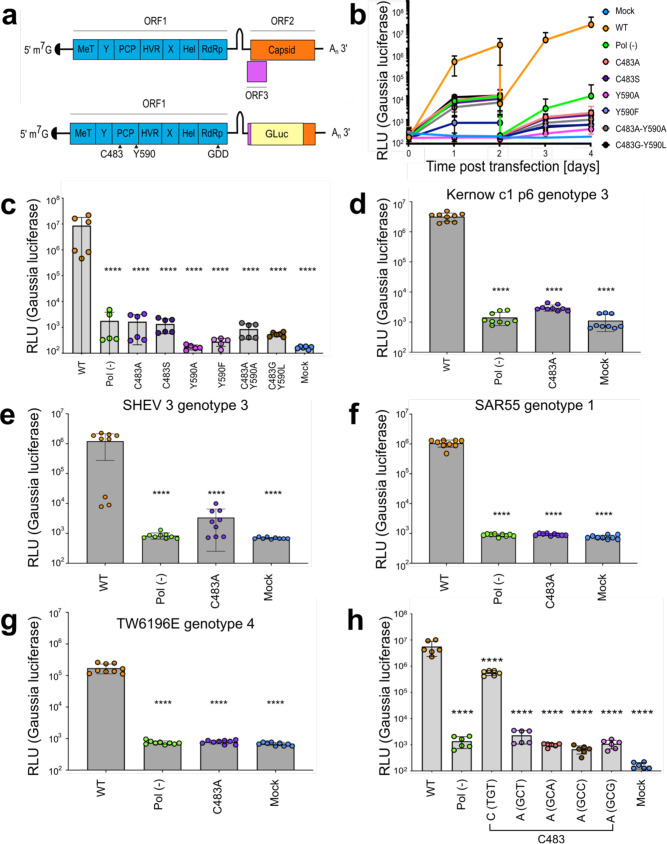
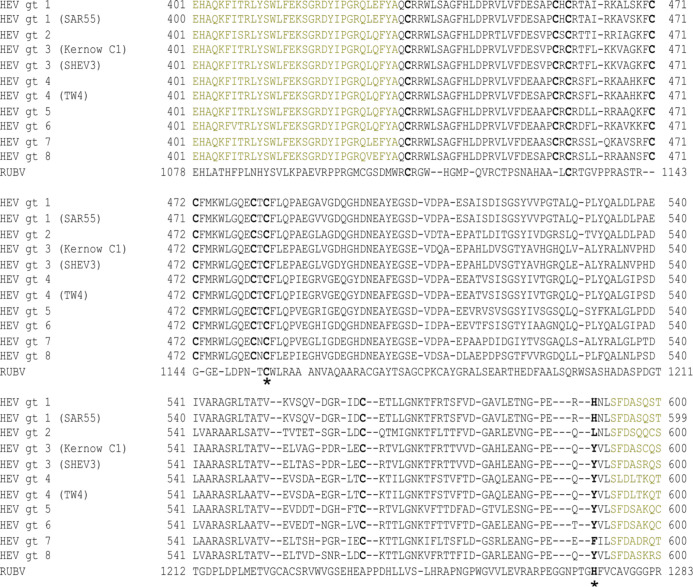
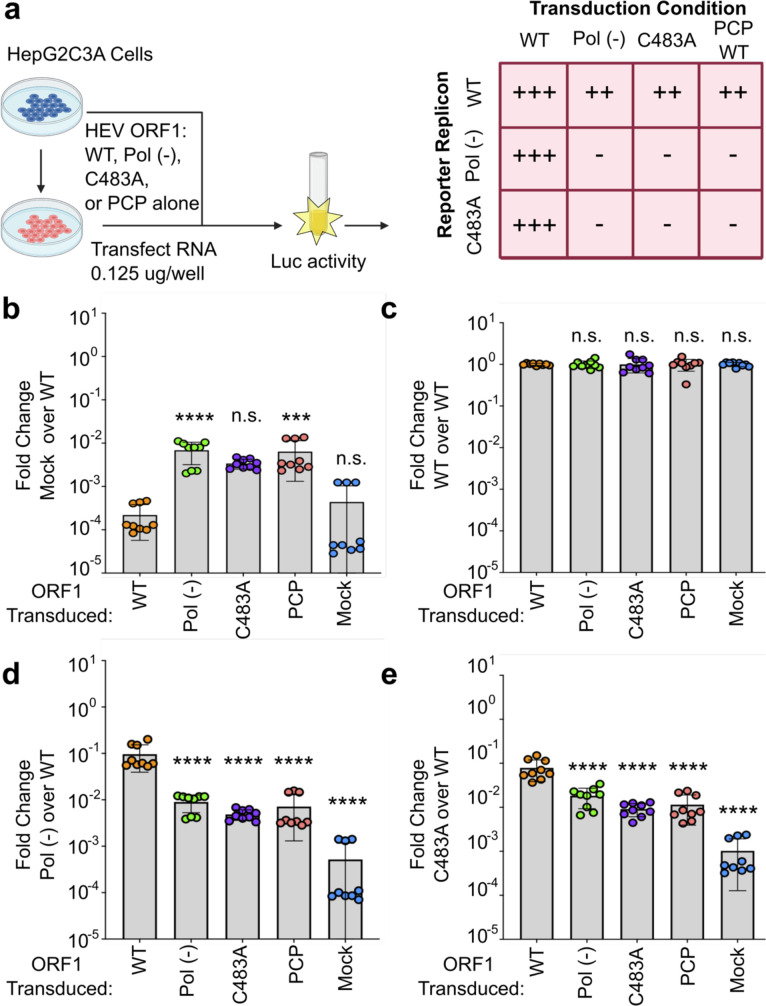
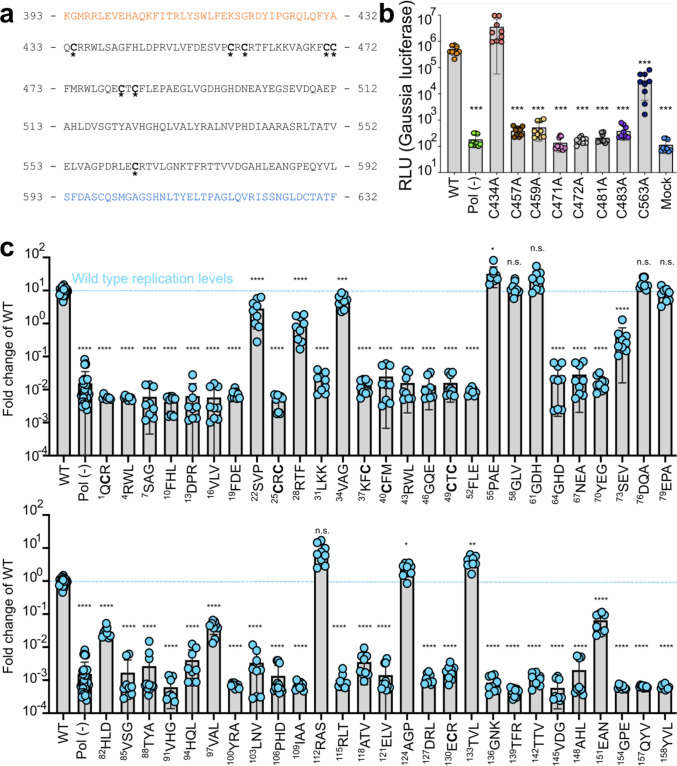
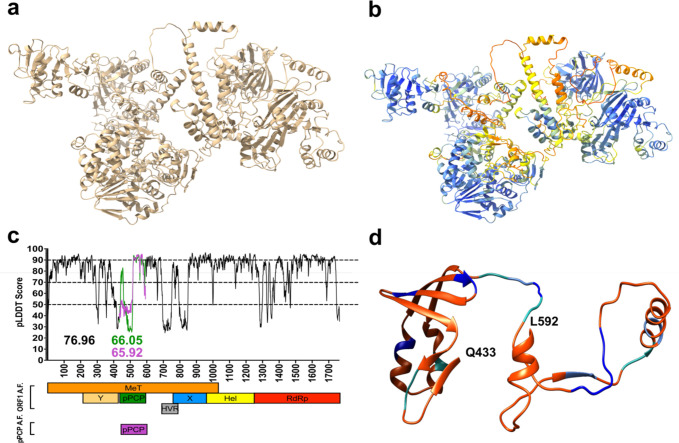
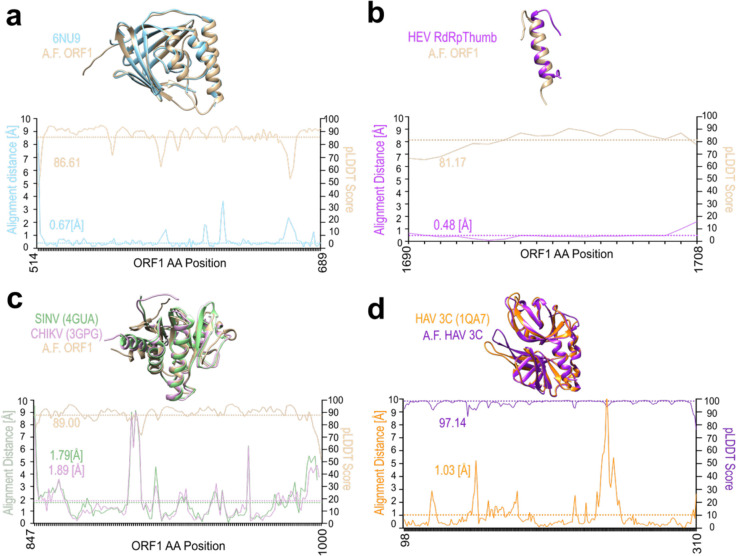
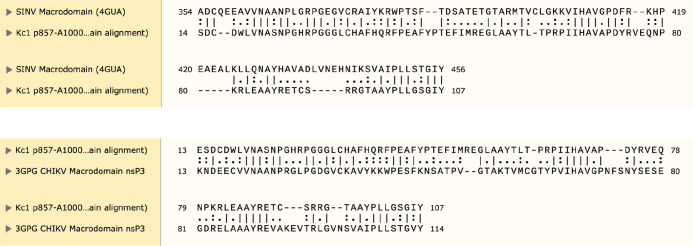
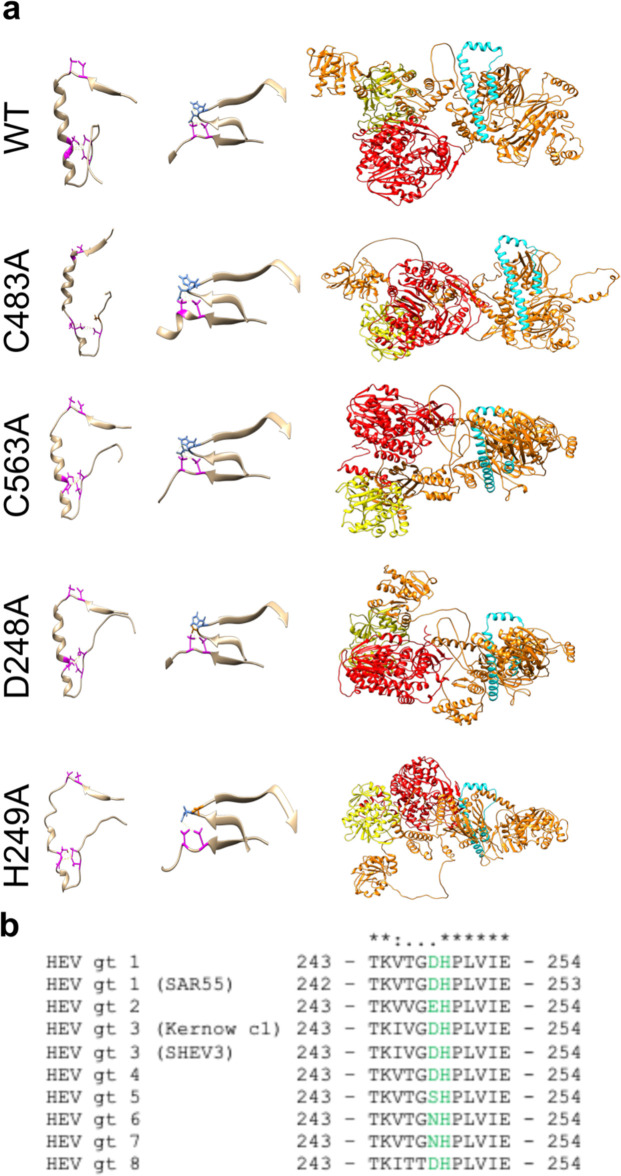
CC[x](7-9)CxC). This analysis brought forth 26 proteins with known functions, enriched for proteins with divalent metal ion binding activity. Green: proteins that matched the first stretch of [x 10–12]. Orange: proteins that matched the second stretch of [x 7–9].](/paper-figures/c6d8f28bbbcc4db8bbd88bc5dd908c8e/structural-features-stabilized-by-divalent-cation-coordination-within-hepatitis-figure-5.jpg)
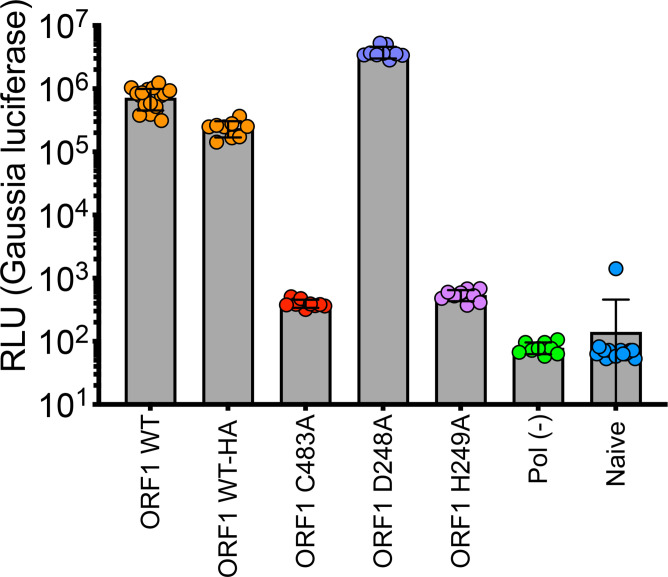
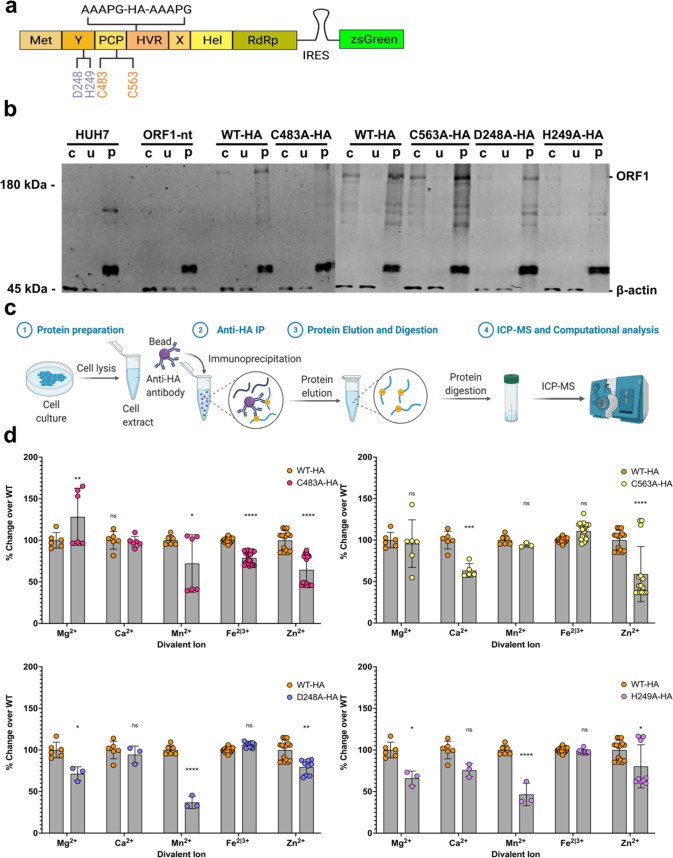
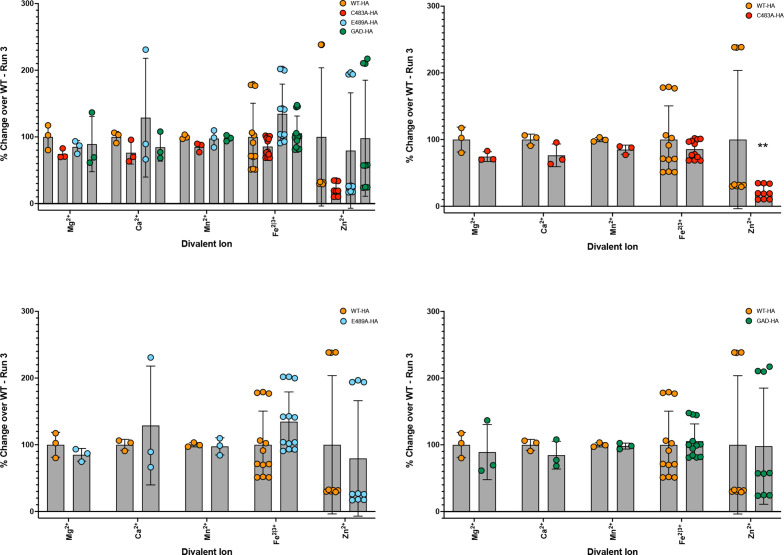
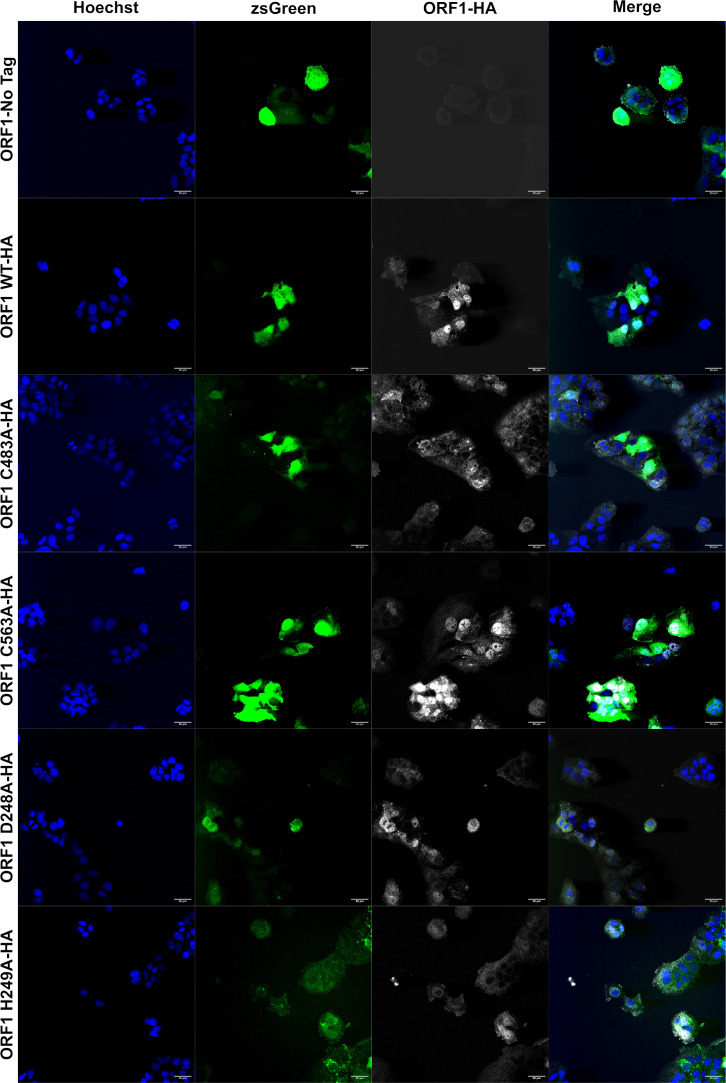
Verification
Claims the paper makes
The claims and statistics of this paper haven’t been checked yet.
Run the check — free, no account needed. It reads the open-access text and checks the sources it cites.
Self-check
Percentages, sums and reported differences re-computed from the paper’s own numbers.
The self-check needs the paper’s full text.
Citations
Cites
UCSF Chimera—A visualization system for exploratory research and analysis
Pettersen, E. F., Goddard, T. D., Huang, C. C., Couch, G. S., Greenblatt, D. M., Meng, E. C., & Ferrin, T. E. (2004) · Journal of Computational Chemistry · doi:10.1002/jcc.20084 · Cited by 45,828
Highly accurate protein structure prediction with AlphaFold
Jumper, J., Evans, R., Pritzel, A., Green, T., Figurnov, M., Ronneberger, O., Tunyasuvunakool, K., Bates, R., Žídek, A., Potapenko, A., et al. (2021) · Nature · doi:10.1038/s41586-021-03819-2 · Cited by 43,764
The SWISS-PROT protein knowledgebase and its supplement TrEMBL in 2003
Boeckmann, B. (2003) · Nucleic Acids Research · doi:10.1093/nar/gkg095 · Cited by 3,911
TM-align: a protein structure alignment algorithm based on the TM-score
Zhang, Y. (2005) · Nucleic Acids Research · doi:10.1093/nar/gki524 · Cited by 3,774
The SWISS-PROT protein sequence data bank and its supplement TrEMBL
Bairoch, A., & Apweiler, R. (1997) · Nucleic Acids Research · doi:10.1093/nar/25.1.31 · Cited by 3,594
The SWISS-PROT protein sequence data bank and its supplement TrEMBL in 1998
Bairoch, A. (1998) · Nucleic Acids Research · doi:10.1093/nar/26.1.38 · Cited by 3,275
The SWISS-PROT protein sequence database and its supplement TrEMBL in 2000
Bairoch, A. (2000) · Nucleic Acids Research · doi:10.1093/nar/28.1.45 · Cited by 3,116
Highly accurate protein structure prediction for the human proteome
Tunyasuvunakool, K., Adler, J., Wu, Z., Green, T., Zielinski, M., Žídek, A., Bridgland, A., Cowie, A., Meyer, C., Laydon, A., et al. (2021) · Nature · doi:10.1038/s41586-021-03828-1 · Cited by 3,025
de Castro, E., Sigrist, C. J. A., Gattiker, A., Bulliard, V., Langendijk-Genevaux, P. S., Gasteiger, E., Bairoch, A., & Hulo, N. (2006) · Nucleic Acids Research · doi:10.1093/nar/gkl124 · Cited by 1,686
Hepatitis E virus (HEV): Molecular cloning and sequencing of the full-length viral genome
Tam, A. W., Smith, M. M., Guerra, M. E., Huang, C.-C., Bradley, D. W., Fry, K. E., & Reyes, G. R. (1991) · Virology · doi:10.1016/0042-6822(91)90760-9 · Cited by 1,083
The phylogeny of RNA-dependent RNA polymerases of positive-strand RNA viruses
Koonin, E. V. (1991) · Journal of General Virology · doi:10.1099/0022-1317-72-9-2197 · Cited by 891
The global burden of hepatitis E virus genotypes 1 and 2 in 2005
Rein, D. B., Stevens, G. A., Theaker, J., et al. (2011) · Hepatology · doi:10.1002/hep.25505 · Cited by 740
Consensus proposals for classification of the family Hepeviridae
Smith, D. B., Simmonds, P., Jameel, S., Emerson, S., Harrison, T., Meng, X.-J., Okamoto, H., van der Poel, W., & Purdy, M. (2014) · Journal of General Virology · doi:10.1099/vir.0.068429-0 · Cited by 658
Koonin, E. V., Gorbalenya, A. E., Purdy, M. A., Rozanov, M. N., Reyes, G. R., & Bradley, D. W. (1992) · Proceedings of the National Academy of Sciences · doi:10.1073/pnas.89.17.8259 · Cited by 530
Ribavirin for Chronic Hepatitis E Virus Infection in Transplant Recipients
Kamar, N., Izopet, J., Tripon, S., Bismuth, M., Hillaire, S., Dumortier, J., Radenne, S., Coilly, A., Garrigue, V., d’Altéroche, L., et al. (2014) · New England Journal of Medicine · doi:10.1056/nejmoa1215246 · Cited by 525
Structure of the zinc-binding domain of an essential component of the hepatitis C virus replicase
Tellinghuisen, T. L., Marcotrigiano, J., & Rice, C. M. (2005) · Nature · doi:10.1038/nature03580 · Cited by 519
The NS5A Protein of Hepatitis C Virus Is a Zinc Metalloprotein
Tellinghuisen, T. L., Marcotrigiano, J., Gorbalenya, A. E., & Rice, C. M. (2004) · Journal of Biological Chemistry · doi:10.1074/jbc.m407787200 · Cited by 356
Shukla, P., Nguyen, H., Torian, U., et al. (2011) · Proceedings of the National Academy of Sciences · doi:10.1073/pnas.1018878108 · Cited by 326
Aetiology, clinical course and outcome of sporadic acute viral hepatitis in pregnancy*
Khuroo, M. S., & Kamili, S. (2003) · Journal of Viral Hepatitis · doi:10.1046/j.1365-2893.2003.00398.x · Cited by 325
Data mining of metal ion environments present in protein structures
Zheng, H., Chruszcz, M., Lasota, P., Lebioda, L., & Minor, W. (2008) · Journal of Inorganic Biochemistry · doi:10.1016/j.jinorgbio.2008.05.006 · Cited by 306
High-quality protein knowledge resource: SWISS-PROT and TrEMBL
O’Donovan, C. (2002) · Briefings in Bioinformatics · doi:10.1093/bib/3.3.275 · Cited by 306
Shukla, P., Nguyen, H., Faulk, K. N., Mather, K., Torian, U., Engle, R. E., & Emerson, S. U. (2012) · Journal of Virology · doi:10.1128/jvi.00146-12 · Cited by 282
Zinc Coordination Spheres in Protein Structures
Laitaoja, M., Valjakka, J., & Jänis, J. (2013) · Inorganic Chemistry · doi:10.1021/ic401072d · Cited by 263
Malet, H., Coutard, B., Jamal, S., Dutartre, H., Papageorgiou, N., Neuvonen, M., Ahola, T., Forrester, N. L., Gould, E. A., Lafitte, D., et al. (2009) · Journal of Virology · doi:10.1128/jvi.00189-09 · Cited by 262
Hepatitis E virus ORF3 is a functional ion channel required for release of infectious particles
Ding, Q., Heller, B. L., Capuccino, J. M. V., Song, B., Nimgaonkar, I., Hrebikova, G., Contreras, J. E., & Ploß, A. (2017) · Proceedings of the National Academy of Sciences · doi:10.1073/pnas.1614955114 · Cited by 233
Self-citationEmerson, S. U., Nguyen, H., Graff, J., Stephany, D., Brockington, A., & Purcell, R. H. (2004) · Journal of Virology · doi:10.1128/jvi.78.9.4838-4846.2004 · Cited by 206
Ding, Q., Gaska, J. M., Douam, F., Wei, L., Kim, D., Balev, M., Heller, B. L., & Ploß, A. (2018) · Proceedings of the National Academy of Sciences · doi:10.1073/pnas.1803406115 · Cited by 199
Self-citationStructural and functional insights into alphavirus polyprotein processing and pathogenesis
Shin, G., Yost, S. A., Miller, M. T., et al. (2012) · Proceedings of the National Academy of Sciences · doi:10.1073/pnas.1210418109 · Cited by 176
Treatment of chronic hepatitis E in liver transplant recipients with pegylated interferon alpha-2b
Haagsma, E. B., Riezebos‐Brilman, A., van den Berg, A. P., Porte, R. J., & Niesters, H. G. M. (2010) · Liver Transplantation · doi:10.1002/lt.22014 · Cited by 168
Virus-Specific mRNA Capping Enzyme Encoded by Hepatitis E Virus
Magden, J., Takeda, N., Li, T., Auvinen, P., Ahola, T., Miyamura, T., Merits, A., & Kääriäinen, L. (2001) · Journal of Virology · doi:10.1128/jvi.75.14.6249-6255.2001 · Cited by 166
Johne, R., Reetz, J., Ulrich, R. G., Machnowska, P., Sachsenröder, J., Nickel, P., & Hofmann, J. (2013) · Journal of Viral Hepatitis · doi:10.1111/jvh.12157 · Cited by 126
Kamar, N., Abravanel, F., Garrouste, C., Cardeau‐Desangles, I., Mansuy, J., Wéclawiak, H., Izopet, J., & Rostaing, L. P. E. (2010) · Nephrology Dialysis Transplantation · doi:10.1093/ndt/gfq282 · Cited by 117
NTPase and 5′ to 3′ RNA Duplex-Unwinding Activities of the Hepatitis E Virus Helicase Domain
Karpe, Y. A., & Lole, K. S. (2010) · Journal of Virology · doi:10.1128/jvi.02130-09 · Cited by 105
Expression of the hepatitis E virus ORF1
Ropp, S. L., Tam, A. W., Beames, B., Purdy, M. A., & Frey, T. K. (2000) · Archives of Virology · doi:10.1007/s007050070093 · Cited by 101
Expression and processing of the Hepatitis E virus ORF1 nonstructural polyprotein
Sehgal, D., Thomas, S., Chakraborty, M., & Jameel, S. (2006) · Virology Journal · doi:10.1186/1743-422x-3-38 · Cited by 93
Deubiquitination activity associated with hepatitis E virus putative papain-like cysteine protease
Karpe, Y. A., & Lole, K. S. (2011) · Journal of General Virology · doi:10.1099/vir.0.033738-0 · Cited by 87
Identification of archetype and rearranged forms of BK virus in leukocytes from healthy individuals
Chatterjee, M., Weyandt, T. B., & Frisque, R. J. (2000) · Journal of Medical Virology · doi:10.1002/(sici)1096-9071(200003)60:3 · Cited by 85
Molecular organization and replication of hepatitis E virus (HEV)
Reyes, G. R., Huang, C., Tam, A. W., & Purdy, M. A. (1993) · Archives of virology. Supplementum · doi:10.1007/978-3-7091-9300-6_2 · Cited by 79
Perttilä, J., Spuul, P., & Ahola, T. (2012) · Journal of General Virology · doi:10.1099/vir.0.049577-0 · Cited by 73
Parvez, M. K. (2013) · Virus Research · doi:10.1016/j.virusres.2013.07.020 · Cited by 72
Lack of Processing of the Expressed ORF1 Gene Product of Hepatitis E Virus
Suppiah, S., Zhou, Y., & Frey, T. K. (2011) · Virology Journal · doi:10.1186/1743-422x-8-245 · Cited by 72
Sofosbuvir shows antiviral activity in a patient with chronic hepatitis E virus infection
van der Valk, M., Zaaijer, H. L., Kater, A. P., & Schinkel, J. (2016) · Journal of Hepatology · doi:10.1016/j.jhep.2016.09.014 · Cited by 72
Parvez, M. K. (2015) · Gene · doi:10.1016/j.gene.2015.04.026 · Cited by 71
Hepatitis E virus treatment and ribavirin therapy: viral mechanisms of nonresponse
Tödt, D., Meister, T. L., & Steinmann, E. (2018) · Current Opinion in Virology · doi:10.1016/j.coviro.2018.10.001 · Cited by 70
Graff, J., Nguyen, H., Kasorndorkbua, C., Halbur, P. G., Claire, M. S., Purcell, R. H., & Emerson, S. U. (2004) · Journal of Virology · doi:10.1128/jvi.79.2.1017-1026.2005 · Cited by 69
Visualization of hepatitis E virus RNA and proteins in the human liver
Lenggenhager, D. M., Gouttenoire, J., Malehmir, M., Bawohl, M., Honcharova‐Biletska, H., Kreutzer, S., Semela, D., Neuweiler, J., Hürlimann, S., Aepli, P. R., et al. (2017) · Journal of Hepatology · doi:10.1016/j.jhep.2017.04.002 · Cited by 65
Paliwal, D., Panda, S. K., Kapur, N., Varma, S. P. K., & Durgapal, H. (2014) · Journal of General Virology · doi:10.1099/vir.0.066142-0 · Cited by 59
Recombinant Hepatitis E Viruses Harboring Tags in the ORF1 Protein
Szkolnicka, D., Pollán, A., Silva, N. D., Oechslin, N., Gouttenoire, J., & Moradpour, D. (2019) · Journal of Virology · doi:10.1128/jvi.00459-19 · Cited by 56
Composition of alphavirus-like replication complexes: involvement of virus and host encoded proteins
van der Heijden, M. W., & Bol, J. F. (2002) · Archives of Virology · doi:10.1007/s00705-001-0773-3 · Cited by 51
Kanade, G. D., Pingale, K. D., & Karpe, Y. A. (2018) · Journal of Virology · doi:10.1128/jvi.01853-17 · Cited by 50
Parvez, M. K. (2017) · World Journal of Gastroenterology · doi:10.3748/wjg.v23.i4.590 · Cited by 49
Bergmann, E. M., Cherney, M. M., McKendrick, J. E., Frormann, S., Luo, C., Malcolm, B. A., Vederas, J. C., & James, M. N. G. (1999) · Virology · doi:10.1006/viro.1999.9968 · Cited by 48
Ribavirin for Chronic Hepatitis E Virus Infection
Kamar, N., Mallet, V. O., & Izopet, J. (2014) · New England Journal of Medicine · doi:10.1056/nejmc1405191 · Cited by 46
Protein multiple alignments: sequence-based versus structure-based programs
Carpentier, M., & Chomilier, J. (2019) · Bioinformatics · doi:10.1093/bioinformatics/btz236 · Cited by 43
Ding, Q., Nimgaonkar, I., Archer, N. F., Bram, Y., Heller, B. L., Schwartz, R. E., & Ploß, A. (2018) · mBio · doi:10.1128/mbio.00769-18 · Cited by 39
Self-citationKazakov, T., Yang, F., Ramanathan, H. N., Kohlway, A. S., Diamond, M., & Lindenbach, B. D. (2015) · PLoS Pathogens · doi:10.1371/journal.ppat.1004817 · Cited by 37
Metzger, K., Bentaleb, C., Hervouet, K., Alexandre, V., Montpellier, C., Saliou, J., Ferrié, M., Camuzet, C., Rouillé, Y., Lecœur, C., et al. (2022) · Frontiers in Microbiology · doi:10.3389/fmicb.2022.828636 · Cited by 32
Molecular modeling and analysis of hepatitis E virus (HEV) papain-like cysteine protease
Parvez, M. K., & Khan, A. A. (2013) · Virus Research · doi:10.1016/j.virusres.2013.11.016 · Cited by 29
Proudfoot, A., Hyrina, A., Holdorf, M. M., Frank, A. O., & Bussiere, D. E. (2019) · Journal of Virology · doi:10.1128/jvi.00170-19 · Cited by 29
Isocotoin suppresses hepatitis E virus replication through inhibition of heat shock protein 90
Nimgaonkar, I., Archer, N. F., Becher, I., Shahrad, M., LeDesma, R. A., Mateus, A., Caballero‐Gómez, J., Berneshawi, A. R., Ding, Q., Douam, F., et al. (2020) · Antiviral Research · doi:10.1016/j.antiviral.2020.104997 · Cited by 28
Self-citationDevhare, P. B., Sharma, K., Mhaindarkar, V. P., Arankalle, V. A., & Lole, K. S. (2014) · Virus Research · doi:10.1016/j.virusres.2014.02.018 · Cited by 26
Chasapis, C. T. (2018) · Journal of Inorganic Biochemistry · doi:10.1016/j.jinorgbio.2018.06.012 · Cited by 26
van Wezel, E. M., de Bruijne, J., Damman, K., Bijmolen, M., van den Berg, A. P., Verschuuren, E. A. M., Ruigrok, G. A., Riezebos‐Brilman, A., & Knoester, M. (2019) · Open Forum Infectious Diseases · doi:10.1093/ofid/ofz346 · Cited by 26
Internal Cleavage of Hepatitis C Virus NS3 Protein Is Dependent on the Activity of NS34A Protease
Yang, S.-H., Lee, C. G., Song, M., et al. (2000) · Virology · doi:10.1006/viro.1999.0168 · Cited by 24
Saraswat, S., Chaudhary, M., & Sehgal, D. (2020) · Frontiers in Cellular and Infection Microbiology · doi:10.3389/fcimb.2019.00478 · Cited by 19
Oechslin, N., Silva, N. D., Szkolnicka, D., et al. (2021) · Hepatology · doi:10.1002/hep.32100 · Cited by 18
Lemon, S. M., Amphlett, E. M., & Sangar, D. V. (1991) · Journal of Virology · doi:10.1128/jvi.65.10.5636-5640.1991 · Cited by 13
Metadata
- Authors
- LeDesma, R., Heller, B., Biswas, A., Maya, S., Gili, S., Higgins, J., & Ploss, A.
- Affiliations
- Princeton University (US)
- Corresponding author
- Ploss, Alexander
- Venue
- eLife
- Publisher
- eLife Sciences Publications, Ltd
- Published
- 2023-02-28
- Volume
- 12
- ISSN
- 2050-084X (ISSN-L)
- PMC
- PMC9977285
- OpenAlex
- W4322488467
- Cited by
- 22
- References
- 67
- Citations by year
- 2026: 7 · 2025: 5 · 2024: 5 · 2023: 5
- FWCI
- 3.72
- Type
- journal article
- Language
- en
- Open access
- gold
- doi.org
- Licence
- Locations
- eLife (publishedVersion, cc-by)
- bioRxiv (Cold Spring Harbor Laboratory) (acceptedVersion, cc-by)
- PubMed Central (publishedVersion, cc-by)
- PubMed (publishedVersion)
- DOAJ (DOAJ: Directory of Open Access Journals) (submittedVersion, cc-by-sa)
- Funders
- National Institute of Allergy and Infectious Diseases
- Burroughs Wellcome Fund
- National Institute of General Medical Sciences
- National Science Foundation
- Topics
- Health Sciences › Medicine › Hepatology › Hepatitis Viruses Studies and Epidemiology
- Life Sciences › Agricultural and Biological Sciences › Animal Science and Zoology › Animal Virus Infections Studies
- Life Sciences › Biochemistry, Genetics and Molecular Biology › Structural Biology › Enzyme Structure and Function
- Keywords
- hepatitis E virus, papain-like cysteine protease, viral genome replication, protein structure-function relationship, cysteine residues, domain-domain interactions, RNA virus replication
- MeSH terms
- Calpain, Cations, Divalent, Cysteine, Viral Proteins, Virus Replication, Hepatitis E virus
About these checks
Registry, retraction, Cites and statistics results are computed, not judged, with one exception: a printed reference that no index lists is read once by a model before it counts as a citation error. Claims are extracted by a model and kept only when their quote appears verbatim in the text; each cited source is then checked, with a model’s help, for whether it says what the claim relies on. Those verdicts can be wrong — read the claim’s quote and the cited source before relying on one.
Statistics and arithmetic are recomputed, not judged.
Confidence bands are shown only for fields calibrated on our annotated test set. None is calibrated yet, so no band is shown.
What counts as a claim ›How we measure confidence ›How we check this ›
Are you an author, or do you see a problem with this page? Request a review
Data sources
Bibliographic data: Semantic Scholar, OpenAlex, Crossref.
Contains information from the Semantic Scholar Academic Graph Datasets, made available under the ODC Attribution License (ODC-BY 1.0).
Semantic Scholar’s data is described in: Kinney, R., et al. (2023). The Semantic Scholar Open Data Platform. arXiv:2301.10140.
