

Factor analytic mixed models for the provision of grower information from national crop variety testing programs
Open accessThe DOI matches its Crossref record; 27 of the 27 references it cites were found in a registry or an index.
Abstract
KEY MESSAGE: Factor analytic mixed models for national crop variety testing programs have the potential to improve industry productivity through appropriate modelling and reporting to growers of variety by environment interaction. Crop variety testing programs are conducted in many countries world-wide. Within each program, data are combined across locations and seasons, and analysed in order to provide information to assist growers in choosing the best varieties for their conditions. Despite major advances in the statistical analysis of multi-environment trial data, such methodology has not been adopted within national variety testing programs. The most commonly used approach involves a variance component model that includes variety and environment main effects, and variety by environment (V × E) interaction effects. The variety predictions obtained from such an analysis, and subsequently reported to growers, are typically on a long-term regional basis. In Australia, the variance component model has been found to be inadequate in terms of modelling V × E interaction, and the reporting of information at a regional level often masks important local V × E interaction. In contrast, the factor analytic mixed model approach that is widely used in Australian plant breeding programs, has regularly been found to provide a parsimonious and informative model for V × E effects, and accurate predictions. In this paper we develop an approach for the analysis of crop variety evaluation data that is based on a factor analytic mixed model. The information obtained from such an analysis may well be superior, but will only enhance industry productivity if mechanisms exist for successful technology transfer. With this in mind, we offer a suggested reporting format that is user-friendly and contains far greater local information for individual growers than is currently the case.
Overview
The claims and statistics of this paper haven’t been checked yet.
Free: it reads the open-access text and checks the first 5 claims that cite a source we can check. Create a free account to check every claim.
Integrity signals
Registry
Cites
Statistics
Figures
Verification
Claims the paper makes
The claims and statistics of this paper haven’t been checked yet.
Free: it reads the open-access text and checks the first 5 claims that cite a source we can check. Create a free account to check every claim.
Claims other papers make about this one
Each is checked against this paper’s own text: does it say what the citing paper says it does?
The cited source says what the claim attributes to it.
In the citing paper
“However, the identification of the optimal FA model order is a crucial step, as emphasized by De Resende and Thompson (2004) and Smith et al. (2015) as it ensures the most parsimonious yet informative representation of the G × E structure.”
From Multi-environment trials data analysis: linear mixed model-based approaches using spatial and factor analytic models (2025) · cites this paper as Smith et al. (2015)
Self-check
Percentages, sums and reported differences re-computed from the paper’s own numbers.
The self-check needs the paper’s full text.
Citations
Cites
R: A Language and Environment for Statistical Computing
R Core Team (2025) · doi:10.32614/r.manuals · Cited by 352,181
Breeding for Quantitative Traits in Plants
Udall, J. A. (2003) · Crop Science · doi:10.2135/cropsci2003.1578 · Cited by 884 · cited 1×
“Formally the process may involve forming variety averages across these environments by assigning economic weights to the environments in much the same way as a selection index across traits would be formed for breeding purposes (Bernardo 2010).”
BackgroundLinear models for the prediction of animal breeding values
(2014) · CABI eBooks · doi:10.1079/9781780643915.0000 · Cited by 870
A reaction norm model for genomic selection using high-dimensional genomic and environmental data
Jarquín, D., Crossa, J., Lacaze, X., Du Cheyron, P., Daucourt, J., Lorgeou, J., Piraux, F., Guerreiro, L., Pérez, P., Calus, M., et al. (2014) · Theoretical and Applied Genetics · doi:10.1007/s00122-013-2243-1 · Cited by 687 · cited 4×
“Similar conclusions were reached in Mohring and Piepho (2009) and Piepho et al.”
BackgroundResultInfluentialSMITH, A. B., CULLIS, B. R., & THOMPSON, R. (2005) · The Journal of Agricultural Science · doi:10.1017/s0021859605005587 · Cited by 623 · cited 1×
“…an emphasis on superior models for V × E interaction, has been published since that time (see, for example Piepho 1997, 1998; Nabugoomu et al. 1999; Smith et al. 2001b, 2005; Theobald et al. 2002; Beeck et al. 2010; Cullis et al. 2010) and yet none has been implemented within the context of…”
MethodSelf-citation(2002) · Cited by 601
Smith, A., Cullis, B., & Thompson, R. (2001) · Biometrics · doi:10.1111/j.0006-341x.2001.01138.x · Cited by 566 · cited 16×
“There is substantial evidence in the literature that, for MET data, FA models are far superior to variance component models in terms of the goodness-of-fit (for example Smith et al. 2001b; Kelly et al. 2007; Mathews et al. 2007).”
BackgroundMethodSelf-citationLinear models for the prediction of animal breeding values
(2005) · CABI Publishing eBooks · doi:10.1079/9780851990002.0000 · Cited by 536 · cited 2×
“Accuracy may be computed, for each variety in an environment, as the correlation between the true and predicted effects, and computed from model output as in Mrode (2005).”
MethodAnalyzing genotype-environment data by mixed models with multiplicative terms
Piepho, H.-P. (1997) · Biometrics · doi:10.2307/2533976 · Cited by 234 · cited 1×
“…analysis of MET data, in particular with an emphasis on superior models for V × E interaction, has been published since that time (see, for example Piepho 1997, 1998; Nabugoomu et al. 1999; Smith et al. 2001b, 2005; Theobald et al. 2002; Beeck et al. 2010; Cullis et al. 2010) and yet none has…”
MethodComparison of Weighting in Two‐Stage Analysis of Plant Breeding Trials
Möhring, J., & Piepho, H. ‐. (2009) · Crop Science · doi:10.2135/cropsci2009.02.0083 · Cited by 228 · cited 1×
“Similar conclusions were reached in Mohring and Piepho (2009) and Piepho et al. (2012).”
Result
Cited by
Li, Y., Suontama, M., Burdon, R. D., & Dungey, H. S. (2017) · Tree Genetics & Genomes · doi:10.1007/s11295-017-1144-x · Cited by 218
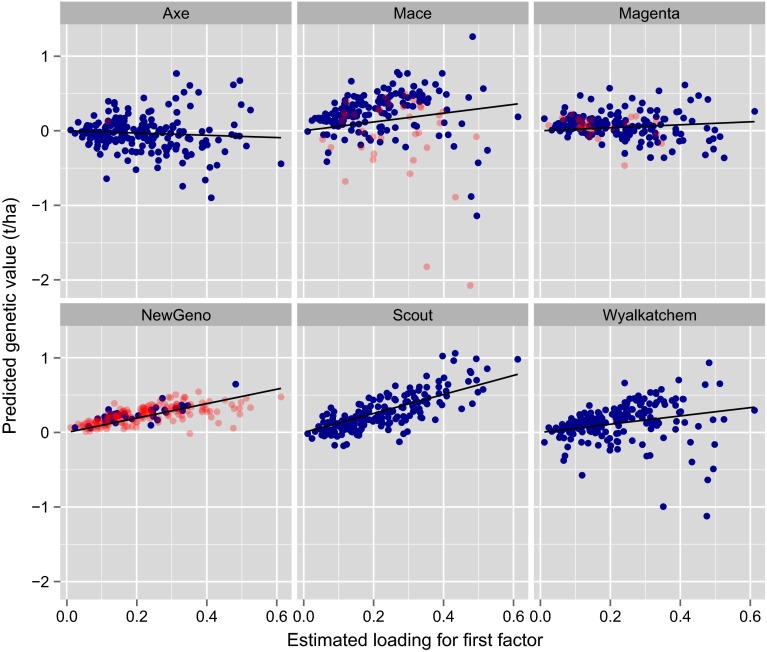
“Latent regression plots were used to show genetic responses to trial loadings, indicating the magnitude of G×E (or stability) of selection candidates across multiple environments in the FA models (Chen et al. 2017; Cullis et al. 2014; Smith et al. 2015; Table 1).”
BackgroundMethodInfluentialSmith, A. B., & Cullis, B. R. (2018) · Euphytica · doi:10.1007/s10681-018-2220-5 · Cited by 153
“The success of the approach for plant breeding programmes has also led to its adoption within the Australian National Variety Trials (NVT) system (Smith et al, 2015; Gogel et al, 2018).”
BackgroundSelf-citationGenomic Prediction Enhanced Sparse Testing for Multi-environment Trials
Jarquín, D., Howard, R., Crossa, J. L., Beyene, Y., Gowda, M., Martini, J. W. R., Covarrubias‐Pazaran, G., Burgueño, J. A., Pacheco, Á., Grondona, M. O., et al. (2020) · G3 Genes Genomes Genetics · doi:10.1534/g3.120.401349 · Cited by 171
Dias, K. O. D. G., Gezan, S. A., Guimarães, C. T., Nazarian, A., da Costa e Silva, L., Parentoni, S. N., de Oliveira Guimarães, P. E., de Oliveira Anoni, C., Pádua, J. M. V., de Oliveira Pinto, M., et al. (2018) · Heredity · doi:10.1038/s41437-018-0053-6 · Cited by 115
Crossa, J. L., Montesinos-López, O. A., Pérez‐Rodríguez, P., Costa‐Neto, G., Fritsche‐Neto, R., Ortiz, R. O., Martini, J. W. R., Lillemo, M., Montesinos‐López, A., Jarquín, D., et al. (2022) · Methods in molecular biology · doi:10.1007/978-1-0716-2205-6_9 · Cited by 107
“means that the variance–covariance matrices are dissected in orthogonal factors and these loadings are used as variance–covariance structures, priors of any Bayesian approach [68] or for clustering genotypes or environments for targeting better and adapted cultivars for certain environments [84].”
MethodOliveira, I. C. M., Guilhen, J. H. S., Ribeiro, P. C. D. O., Gezan, S. A., Schaffert, R. E., Simeone, M. L. F., Damasceno, C. M. B., Carneiro, J. E. D. S., Carneiro, P. C. S., Parrella, R. A. D. C., et al. (2020) · Field Crops Research · doi:10.1016/j.fcr.2020.107929 · Cited by 78
“, 2016), and also to define mega-environments in plant breeding programs (Monteverde et al., 2018; Smith et al., 2015; Smith and Cullis, 2018).”
BackgroundMethodRoot architectural traits and yield: exploring the relationship in barley breeding trials
Robinson, H., Kelly, A. M., Fox, G. P., Franckowiak, J. D., Borrell, A. K., & Hickey, L. T. (2018) · Euphytica · doi:10.1007/s10681-018-2219-y · Cited by 83
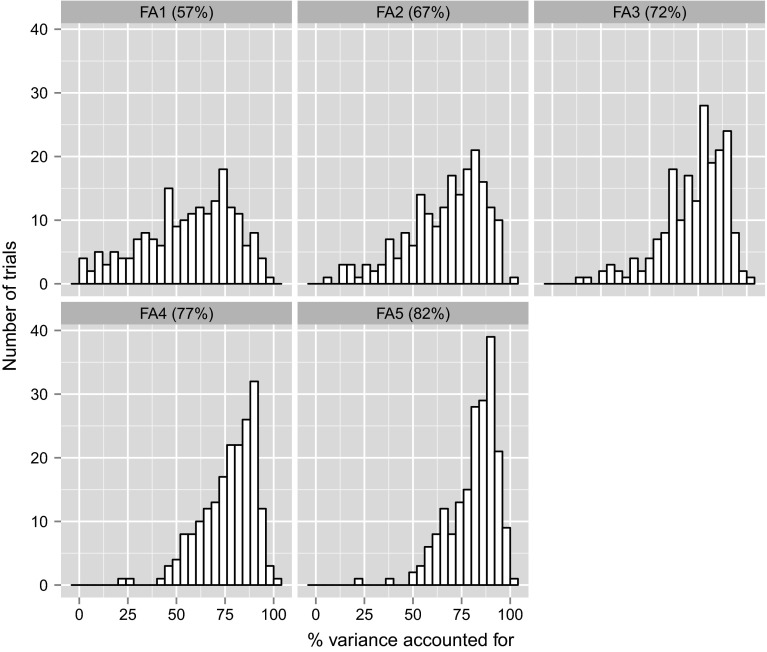
“Multi-environment trial (MET) FA model goodness of fit Factor analytic models, FA1 through to FA6, were fitted in increasing order to theMET data until the total percentage of variance accounted for by the model surpassed 80% (Supplementary Figure 3; Smith et al. 2015).”
MethodTura, H., Edwards, J., Gahlaut, V., Garcia, M., Sznajder, B., Baumann, U., Shahinnia, F., Reynolds, M. P., Langridge, P., Balyan, H. S., et al. (2019) · Theoretical and Applied Genetics · doi:10.1007/s00122-019-03454-6 · Cited by 74
Smith, A. B., Norman, A., Kuchel, H., & Cullis, B. R. (2021) · Frontiers in Plant Science · doi:10.3389/fpls.2021.737462 · Cited by 62
“The plots have a similar appearance to those introduced in Smith et al. (2015) but the key difference is that the iClass Interaction Plots not only capture the major sources of crossover VEI in the data but also order this information in an enlightening manner.”
Self-citationGogel, B., Smith, A., & Cullis, B. (2018) · Euphytica · doi:10.1007/s10681-018-2116-4 · Cited by 57
“Smith et al. (2015) present a detailed development of this model and its implementation.”
Self-citationDias, K. O. D. G., Gezan, S. A., Guimarães, C. T., Parentoni, S. N., Guimarães, P. E. D. O., Carneiro, N. P., Portugal, A. F., Bastos, E. A., Cardoso, M. J., Anoni, C. D. O., et al. (2018) · Crop Science · doi:10.2135/cropsci2016.07.0566 · Cited by 83
Tolhurst, D. J., Mathews, K. L., Smith, A. B., & Cullis, B. R. (2019) · Journal of Animal Breeding and Genetics · doi:10.1111/jbg.12404 · Cited by 48
Self-citationChen, Z., Karlsson, B., & Wu, H. X. (2017) · Tree Genetics & Genomes · doi:10.1007/s11295-017-1103-6 · Cited by 52
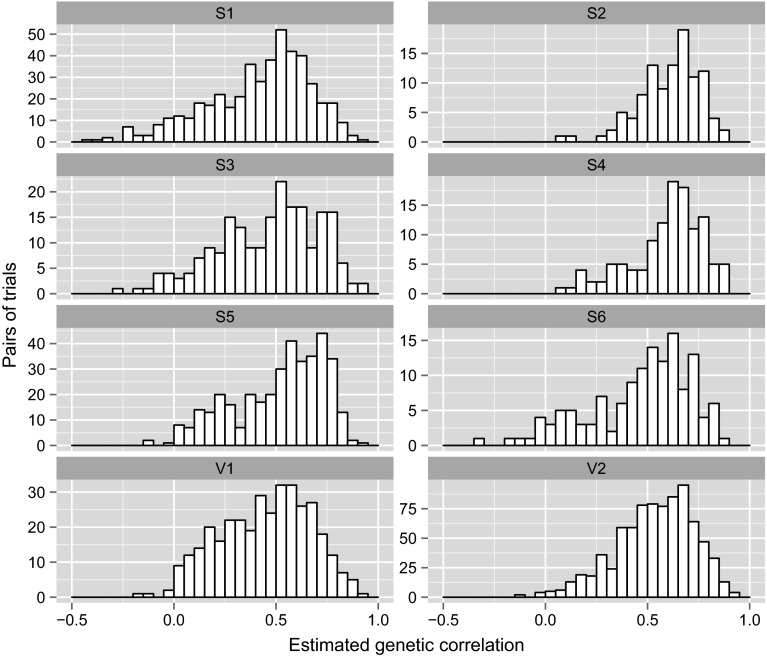
“To understand and estimate the amount of G × E interaction, genetic correlations between trials are commonly used to explore G × E interaction (Berlin et al. 2014; Burdon 1977; Hannrup et al. 2008; Smith et al. 2015; Wu and Matheson 2005).”
MethodInfluentialWheat photosystem II heat tolerance: evidence for genotype‐by‐environment interactions
Coast, O., Posch, B. C., Rognoni, B. G., Bramley, H., Gaju, O., Mackenzie, J., Pickles, C., Kelly, A. M., Lu, M., Ruan, Y., et al. (2022) · The Plant Journal · doi:10.1111/tpj.15894 · Cited by 45
Statistical methods to explore genotype-by-environment interaction for loblolly pine clonal trials
Gezan, S. A., de Carvalho, M. P., & Sherrill, J. R. (2016) · Tree Genetics & Genomes · doi:10.1007/s11295-016-1081-0 · Cited by 38
“Other MET studies using FA models for plant breeding have shown substantial superiority, in terms of goodness-offit to model variance components, when compared with simpler structures (Smith et al. 2015).”
Araújo, M. D. S., Chaves, S. F. D. S., Dias, L. A. D. S., Ferreira, F. M., Pereira, G. R., Bezerra, A. R. G., Alves, R. S., Heinemann, A. B., Breseghello, F., Carneiro, P. C. S., et al. (2024) · Theoretical and Applied Genetics · doi:10.1007/s00122-024-04579-z · Cited by 40
“As complementary information, we also estimated the proportion of genetic variance explained by the k th factor in the j th environment ( v k j , Smith et al. 2015): From the best-fit model, we estimated some useful parameters to investigate the experimental precision, such as the environment-wise…”
Hunt, J., Kirkegaard, J. A., Harris, F. A. J., Porker, K. D., Rattey, A., Collins, M. J., Celestina, C., Cann, D. J., Hochman, Z., Lilley, J. M., et al. (2021) · Journal of Experimental Botany · doi:10.1093/jxb/erab250 · Cited by 36
Genetic parameter estimates and GxE interaction in a large cloned population of Pinus taeda L.
Shalizi, M. N., & Işik, F. (2019) · Tree Genetics & Genomes · doi:10.1007/s11295-019-1352-7 · Cited by 37
Enhancing winter wheat prediction with genomics, phenomics and environmental data
Montesinos-López, O. A., Herr, A. W., Crossa, J. L., Montesinos‐López, A., & Carter, A. H. (2024) · BMC Genomics · doi:10.1186/s12864-024-10438-4 · Cited by 36
“MET involves testing plant varieties across multiple environments to assess their performance under diverse conditions, allowing researchers to identify genotypes that exhibit consistent superiority across varying settings [5, 6].”
BackgroundA novel GIS-based tool to reveal spatial trends in reaction norm: upland rice case study
Costa‐Neto, G., Júnior, O. P. M., Heinemann, A. B., de Castro, A. P., & Duarte, J. B. (2020) · Euphytica · doi:10.1007/s10681-020-2573-4 · Cited by 38
Models to estimate genetic gain of soybean seed yield from annual multi-environment field trials
Krause, M. D., Piepho, H., Dias, K. O. D. G., Singh, A. K., & Beavis, W. D. (2023) · Theoretical and Applied Genetics · doi:10.1007/s00122-023-04470-3 · Cited by 34
“Metrics such as the Akaike and Bayesian information criteria (Akaike 1974; Schwarz 1978), as well as the proportion of genetic variance explained by FA models (Smith et al. 2015), should always be considered.”
BackgroundFikere, M., Barbulescu, D. M., Malmberg, M. M., Maharjan, P., Salisbury, P. A., Kant, S., Panozzo, J., Norton, S., SPANGENBERG, G. C., Cogan, N. O. I., et al. (2020) · Plants · doi:10.3390/plants9060719 · Cited by 33
“Furthermore, more sophisticated G × E models, such as factor analytic models, have also been applied in a range of crops (e.g. [54]).”
Menkir, A., Crossa, J. L., Meseka, S. K., Bossey, B., Muhyideen, O., Riberio, P. F., Coulibaly, M. M., Yacoubou, A., Olaoye, G., & Haruna, A. (2020) · Frontiers in Plant Science · doi:10.3389/fpls.2020.00166 · Cited by 33
Krause, M. D., Dias, K. O. D. G., dos Santos, J. P. R., de Oliveira, A. A., Guimarães, L. J. M., Pastina, M. M., Margarido, G. R. A., & Garcia, A. A. F. (2020) · Crop Science · doi:10.1002/csc2.20253 · Cited by 36
Hui, F. K. C., Müller, S., & Welsh, A. H. (2020) · International Statistical Review · doi:10.1111/insr.12378 · Cited by 34
Thompson, J., Sheedy, J. G., & Robinson, N. A. (2019) · Phytopathology · doi:10.1094/phyto-06-19-0203-r · Cited by 29
Derejko, A., Studnıckı, M., Wójcik‐Gront, E., & Gacek, E. S. (2020) · Agronomy · doi:10.3390/agronomy10030415 · Cited by 27
Order Selection and Sparsity in Latent Variable Models via the Ordered Factor LASSO
Hui, F. K. C., Tanaka, E., & Warton, D. I. (2018) · Biometrics · doi:10.1111/biom.12888 · Cited by 27
“A considerable amount of research has been devoted to this problem, ranging from heuristic methods such as selecting the minimum order which ensures the overall proportion of variance explained by the factors exceeds some arbitrary threshold (Smith et al., 2015), to statistically driven approaches such as hypothesis t…”
MethodFerrante, A., Cullis, B. R., Smith, A. B., & Able, J. A. (2021) · Frontiers in Plant Science · doi:10.3389/fpls.2021.722637 · Cited by 27
Self-citationRaman, H., Raman, R., Pirathiban, R., McVittie, B., Sharma, N., Liu, S., Qiu, Y. L., Zhu, A., Kilian, A., Cullis, B. R., et al. (2022) · Plant Cell & Environment · doi:10.1111/pce.14337 · Cited by 27
“Commensurate with the aims of the experiments and the structure of the datasets, for Experiments 1–3 whole genome, single‐step QTL analyses were performed on each trait using an extension of the approach developed by Verbyla and Cullis (2012) within a multienvironment trial (MET) analysis framework using factor analyt…”
MethodInfluentialSelf-citationUkrainetz, N. K., Yanchuk, A. D., & Mansfield, S. D. (2018) · Canadian Journal of Forest Research · doi:10.1139/cjfr-2017-0367 · Cited by 27
Krause, M. D., Dias, K. O. D. G., Singh, A. K., & Beavis, W. D. (2025) · Agronomy Journal · doi:10.1002/agj2.70023 · Cited by 29
Stability Analysis for a Countrywide Series of Wheat Trials in Pakistan
Piepho, H., Nazir, M. F., Qamar, M., Rattu, A. R., Riaz‐ud‐Din, Hussain, M., Ahmad, G., Fazal‐e‐Subhan, Ahmad, J., Abdullah, A., et al. (2016) · Crop Science · doi:10.2135/cropsci2015.12.0743 · Cited by 25
Yield stability and adaptability of canola (Brassica napus L.) in multiple environment trials
Zhang, H., Berger, J. D., & Herrmann, C. (2017) · Euphytica · doi:10.1007/s10681-017-1948-7 · Cited by 29
“The variance–covariance structure can be approximated using a factor-analytic (FA) variance–covariance of mixed model (Cullis et al. 2014; Kelly et al. 2007; Piepho 1999; Smith et al. 2015).”
BackgroundMethodInfluentialde Melo, V. L., Marçal, T. D. S., Rocha, J. R. D. A. S. D. C., dos Anjos, R. S. R., Carneiro, P. C. S., & Carneiro, J. E. D. S. (2020) · Euphytica · doi:10.1007/s10681-020-02607-9 · Cited by 25
Bančič, J., Ovenden, B. W., Gorjanc, G., & Tolhurst, D. J. (2023) · Theoretical and Applied Genetics · doi:10.1007/s00122-023-04305-1 · Cited by 25
Optimizing Sparse Testing for Genomic Prediction of Plant Breeding Crops
Montesinos-López, O. A., Pierre, C. S., Gezan, S. A., Bentley, A. R., Mosqueda-González, B. A., Montesinos‐López, A., van Eeuwijk, F., Beyene, Y., Gowda, M., Gardner, K. A., et al. (2023) · Genes · doi:10.3390/genes14040927 · Cited by 23
“Precisely evaluating all genotypes once in each environment (that is, each environment is a complete replica of all lines) is more expensive, as it requires more extensive field-testing evaluations [11,12].”
BackgroundAlves, R. S., de Resende, M. D. V., Azevedo, C. F., Silva, F. F. E., Rocha, J. R. D. A. S. D. C., Nunes, A. C. P., Carneiro, A. P. S., & dos Santos, G. A. (2020) · Tree Genetics & Genomes · doi:10.1007/s11295-020-01431-5 · Cited by 27
Bayesian GGE biplot models applied to maize multi-environments trials
de Oliveira, L. A., da Silva, C. P., Nuvunga, J. J., da Silva, A. Q., & Balestre, M. (2016) · Genetics and Molecular Research · doi:10.4238/gmr.15028612 · Cited by 23
Adaptation patterns of winter wheat cultivars in agro-ecological regions
Studnıckı, M., Derejko, A., Wójcik‐Gront, E., & Kosma, M. (2018) · Scientia Agricola · doi:10.1590/1678-992x-2017-0183 · Cited by 23
Characterizing stay-green in barley across diverse environments: unveiling novel haplotypes
Brunner, S. M., Dinglasan, E. G., Baraibar, S., Alahmad, S., Katsikis, C., Meer, S. V. D., Godoy, J., Moody, D. B., Smith, M. R., Hickey, L. T., et al. (2024) · Theoretical and Applied Genetics · doi:10.1007/s00122-024-04612-1 · Cited by 22
“Within each iClass crossover G × E is minimal as genotype rankings remain similar, BLUEs were then calculated from the MET variance components for each iClass (Smith et al. 2015).”
MethodCalleja-Rodríguez, A., Gull, B. A., Wu, H. X., Mullin, T. J., & Persson, T. (2019) · Tree Genetics & Genomes · doi:10.1007/s11295-019-1343-8 · Cited by 22
Employing factor analytic tools for selecting high‐performance and stable tropical maize hybrids
Chaves, S. F. D. S., Evangelista, J. S. P. C., Trindade, R. D. S., Dias, L. A. D. S., Guimarães, P. E. D. O., Guimarães, L. J. M., Alves, R. S., Bhering, L. L., & Dias, K. O. D. G. (2023) · Crop Science · doi:10.1002/csc2.20911 · Cited by 25
Adaptability and stability analyses of plants using random regression models
de Souza, M. H., Júnior, J. D. P., Steckling, S. D. M., Mencalha, J., Dias, F. D. S., Rocha, J. R. D. A. S. D. C., Carneiro, P. C. S., & Carneiro, J. E. D. S. (2020) · PLoS ONE · doi:10.1371/journal.pone.0233200 · Cited by 21
“[1], using accurate information for the behavior of the cultivars, allowed breeders to choose the best varieties, according to the needs of farmers, in order to maximize profitability and food security.”
BackgroundMethodAnalysis of Repeated Measures for the Biological and Agricultural Sciences
Gezan, S. A., de Carvalho, M. P., Glaz, B., & Yeater, K. M. (2018) · ASSA, CSSA and SSSA · doi:10.2134/appliedstatistics.2016.0008.c10 · Cited by 21
Parsimonious genotype by environment interaction covariance models for cassava (Manihot esculenta)
Bakare, M. A., Kayondo, S. I., Aghogho, C. I., Wolfe, M. D., Parkes, E. Y., Kulakow, P., Egesi, C. N., Jannink, J., & Rabbi, I. Y. (2022) · Frontiers in Plant Science · doi:10.3389/fpls.2022.978248 · Cited by 23
“, 2018), and also to delineate mega-environments in plant breeding (Smith et al., 2015; Monteverde et al., 2018; Smith and Cullis, 2018).”
BackgroundMethodChaves, S. F. D. S., Evangelista, J. S. P. C., Alves, R. S., Ferreira, F. M., Dias, L. A. D. S., Alves, R. M., Dias, K. O. D. G., & Bhering, L. L. (2022) · Tree Genetics & Genomes · doi:10.1007/s11295-022-01576-5 · Cited by 22
Bayesian factor analytic model: An approach in multiple environment trials
Nuvunga, J. J., da Silva, C. P., de Oliveira, L. A., de Lima, R. R., & Balestre, M. (2019) · PLoS ONE · doi:10.1371/journal.pone.0220290 · Cited by 20
Argaw, T., Fenta, B. A., Zegeye, H., Azmach, G., & Funga, A. (2025) · Frontiers in Research Metrics and Analytics · doi:10.3389/frma.2025.1472282 · Cited by 19
Verbyla, A. P., Faveri, J. D., Deery, D. M., & Rebetzke, G. J. (2021) · Australian & New Zealand Journal of Statistics · doi:10.1111/anzs.12336 · Cited by 18
“Smith et al. (2015) discuss an alternative method for selecting a factor model.”
BackgroundMethodIşik, F., Holland, J. B., & Maltecca, C. (2017) · Springer eBooks · doi:10.1007/978-3-319-55177-7_8 · Cited by 18
Heterogeneity of Variances in the Bayesian AMMI Model for Multienvironment Trial Studies
da Silva, C. P., de Oliveira, L. A., Nuvunga, J. J., Pamplona, A. K. A., & Balestre, M. (2019) · Crop Science · doi:10.2135/cropsci2018.10.0641 · Cited by 19
An analysis of wheat yield and adaptation in India
Trethowan, R. M., Chatrath, R., Tiwari, R., Kumar, S., V, SAHARAN, M. S., Bains, N. S., Sohu, V. S., Srivastava, P., Sharma, A., De, N., et al. (2018) · Field Crops Research · doi:10.1016/j.fcr.2018.01.021 · Cited by 18
Lawes, R., Huth, N. I., & Hochman, Z. (2016) · European Journal of Agronomy · doi:10.1016/j.eja.2016.03.009 · Cited by 19
Ovenden, B. W., Milgate, A., Wade, L. J., Rebetzke, G. J., & Holland, J. B. (2018) · G3 Genes Genomes Genetics · doi:10.1534/g3.118.200038 · Cited by 19
“33: 799–809. https://doi.org/10.1071/FP06062 Sallam, A. H., J. B. Endelman, J.-L. Jannink, and K. P. Smith, 2015 Assessing genomic selection prediction accuracy in a dynamic barley breeding population.”
BackgroundInfluentialExploring opportunities for reducing complexity of genotype-by-environment interaction models
Hardner, C. M. (2017) · Euphytica · doi:10.1007/s10681-017-2023-0 · Cited by 18
“However, accuracy of additive genetic values predicted from G 9 E models are greater than for the main genotypic effect model (Smith et al. 2015).”
BackgroundDamesa, T. M., Hartung, J., Gowda, M., Beyene, Y., Das, B., Semagn, K., & Piepho, H. (2019) · Crop Science · doi:10.2135/cropsci2019.04.0209 · Cited by 16
Walker, T., Cumbie, W. P., & Işik, F. (2021) · Forest Science · doi:10.1093/forsci/fxab054 · Cited by 25
Sjoberg, S. M., Carter, A. H., Steber, C. M., & Garland-Campbell, K. A. (2020) · Crop Science · doi:10.1002/csc2.20293 · Cited by 16
Lauer, E., Sims, A. D., McKeand, S. E., & Işik, F. (2020) · Forest Science · doi:10.1093/forsci/fxaa035 · Cited by 16
Aoun, M., Carter, A. H., Thompson, Y. A., Ward, B., & Morris, C. F. (2021) · The Plant Genome · doi:10.1002/tpg2.20128 · Cited by 17
Raman, H., Shamaya, N., Pirathiban, R., McVittie, B., Raman, R., Cullis, B. R., & Easton, A. (2023) · Plants · doi:10.3390/plants12040720 · Cited by 15
“For each environment, the datasets for all four traits were combined and analysed within a MET analysis framework using FALMM, where each trait was considered an ‘environment’.”
MethodSelf-citationKidziński, Ł., Hui, F. K. C., Warton, D. I., & Hastie, T. J. (2020) · PubMed · doi:10.48550/arxiv.2010.02469 · Cited by 15
Montesinos-López, O. A., Montesinos‐López, A., Acosta-Díaz, R., Varshney, R. K., Bentley, A. R., & Crossa, J. L. (2022) · The Plant Genome · doi:10.1002/tpg2.20194 · Cited by 15
Studnıckı, M., Paderewski, J., Piepho, H., & Wójcik‐Gront, E. (2017) · Crop Science · doi:10.2135/cropsci2017.01.0004 · Cited by 16
Thompson, J., Sheedy, J. G., Robinson, N. A., & Clewett, T. G. (2021) · Euphytica · doi:10.1007/s10681-020-02761-0 · Cited by 15
Xie, X., Quintana, M. R., Sandhu, N., Subedi, S. R., Zou, Y., Rutkoski, J. E., & Henry, A. (2021) · Journal of Experimental Botany · doi:10.1093/jxb/erab214 · Cited by 19
Prediction of Australian wheat genotype by environment interactions and mega-environments
Fradgley, N. S., Gerard, G., Govindan, V., Nıcol, J. M., Singh, A. K., Tadesse, W., Zwart, A. B., Trethowan, R. M., Trevaskis, B., Whan, A., et al. (2025) · Theoretical and Applied Genetics · doi:10.1007/s00122-025-05023-6 · Cited by 15
“The lowest AIC and BIC values across FA model orders differed for both COP and GRM models so similarly to Smith et al. (2015) and Tolhurst et al. (2022), we took a pragmatic approach considering the percentage of variance explained per environments.”
Araújo, M. D. S., Pavan, J. P. S., Stella, A. A., Fregonezi, B. F., Lima, N. F., Léles, É. P., Santos, M. F., Goldsmith, P., Chigeza, G., Diers, B. W., et al. (2025) · Frontiers in Plant Science · doi:10.3389/fpls.2025.1594736 · Cited by 14
A Framework for Financing Post-Registration Variety Testing System: A Case Study from Poland
Niedbała, G., Tratwal, A., Piekutowska, M., Wojciechowski, T., & Uglis, J. (2022) · Agronomy · doi:10.3390/agronomy12020325 · Cited by 14
Poupon, V., Gezan, S. A., Schueler, S., & Lstibůrek, M. (2023) · Forest Ecology and Management · doi:10.1016/j.foreco.2023.121259 · Cited by 17
Unravelling the Effect of Provitamin A Enrichment on Agronomic Performance of Tropical Maize Hybrids
Menkir, A., Dieng, I., Mengesha, W., Meseka, S. K., Maziya-Dixon, B. B., Alamu, E. O., Bossey, B., Muhyideen, O., Ewool, M. B., & Coulibaly, M. M. (2021) · Plants · doi:10.3390/plants10081580 · Cited by 14
“As provitamin A and grain yield were targeted as primary traits in the present study, we fitted the factor analytic model of order three to determine hybrid stability across varying growing conditions, through the latent regression analysis of predicted breeding values on rotated environmental loadings of each of the…”
MethodA framework for simulating genotype-by-environment interaction using multiplicative models
Bančič, J., Gorjanc, G., & Tolhurst, D. J. (2024) · Theoretical and Applied Genetics · doi:10.1007/s00122-024-04644-7 · Cited by 14
“…are well aligned with previous empirical and simulation studies (see, for example, Crossa et al. 2006; Kelly et al. 2007; Burgueño et al. 2008; Smith et al. 2015; Bakare et al. 2022), it is important to reiterate that the primary objective here was to demonstrate the potential application of…”
Genotype x environment interaction in cassava multi-environment trials via analytic factor
Filho, J. S. S., Oliveira, I. C. M., Pastina, M. M., Campos, M. D. S., & de Oliveira, E. J. (2024) · PLoS ONE · doi:10.1371/journal.pone.0315370 · Cited by 14
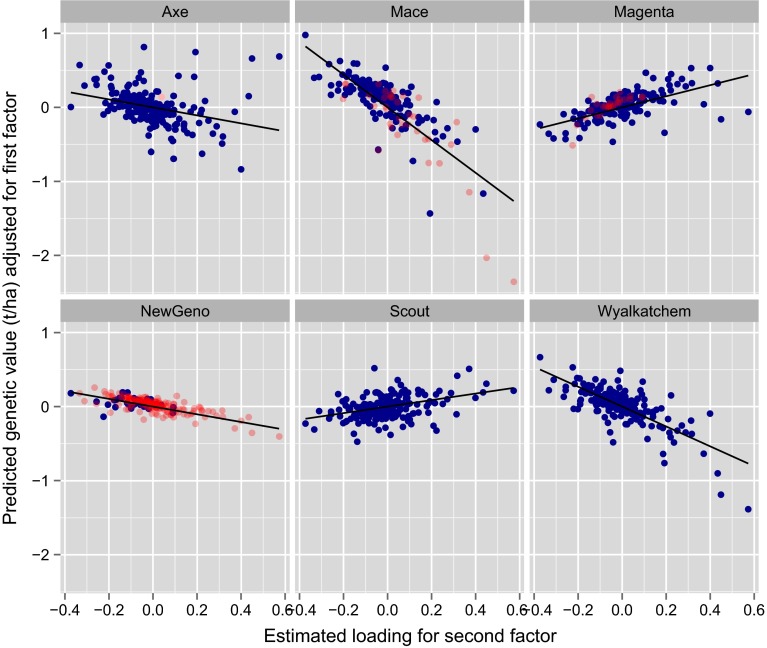
“In the study conducted by [17] on five commercial wheat varieties, the use of latent regression plots with the FA 5 model explained 82% of the genetic variance.”
Measure to evaluate the sensitivity to genotype‐by‐environment interaction in grapevine clones
Gonçalves, E. F., Carrasquinho, I., & Martins, A. (2020) · Australian Journal of Grape and Wine Research · doi:10.1111/ajgw.12432 · Cited by 14
Genetic and physiological bases for variation in water use efficiency in canola
Raman, H., Raman, R., McVittie, B., Borg, L., Diffey, S., Yadav, A. S., Balasubramanian, S., & Farquhar, G. D. (2020) · Food and Energy Security · doi:10.1002/fes3.237 · Cited by 13
Random regression models for multi-environment, multi-time data from crop breeding selection trials
De Faveri, J., Verbyla, A. P., & Rebetzke, G. (2023) · Crop & Pasture Science · doi:10.1071/cp21732 · Cited by 12
Zhu, J., Giri, K., Cogan, N. O. I., Smith, K. F., & Jacobs, J. L. (2023) · Field Crops Research · doi:10.1016/j.fcr.2023.109143 · Cited by 12
Rodda, M. S., Hobson, K. B., Forknall, C. R., Daniel, R., Fanning, J., Pounsett, D. D., Simpfendorfer, S., Moore, K. J., Owen, K. J., Sheedy, J. G., et al. (2016) · Australasian Plant Pathology · doi:10.1007/s13313-016-0409-4 · Cited by 14
“thornei Disadvantage, were plotted across the environments included in the MET analysis (Smith et al. 2014).”
MethodNielsen, U. B., Xu, J., & Hansen, O. K. (2020) · Tree Genetics & Genomes · doi:10.1007/s11295-020-01461-z · Cited by 13
“The number of factors to fit was decided based on the percentage of additive genetic variance accounted for by the kmultiplicative terms (Smith et al. 2015).”
BackgroundMethodInfluentialExploring genotype × environment interaction in sweet sorghum under tropical environments
de Souza, V. F., Ribeiro, P. C. D. O., Júnior, I. C. V., Oliveira, I. C. M., Damasceno, C. M. B., Schaffert, R. E., Parrella, R. A. D. C., Dias, K. O. D. G., & Pastina, M. M. (2021) · Agronomy Journal · doi:10.1002/agj2.20696 · Cited by 12
Calleja-Rodríguez, A., Li, Z., Hallingbäck, H. R., Sillanpää, M. J., Wu, H. X., Abrahamsson, S., & García‐Gil, M. R. (2018) · Journal of Theoretical Biology · doi:10.1016/j.jtbi.2018.11.007 · Cited by 13
Filho, C. C. F., Andrade, M. H. M. L., Marçal, T. D. S., Fernandes, M. O., Bastos, A. J. R., Guedes, M. L., Ribeiro, S. R. R. D. P., Pinto, C. A. B. P., & Nunes, J. A. R. (2020) · Crop Science · doi:10.1002/csc2.20361 · Cited by 13
Hussain, W., Mahender, A., Catolos, M., Khanna, A., Cruz, M. T. S., Ramos, J. M., & Bhosale, S. (2022) · Plant Methods · doi:10.1186/s13007-022-00845-7 · Cited by 11
“Genomic (G) matrix or GRM [37, 39] is constructed using the following equation: Here X is a scaled and centered matrix of marker data, ´ X transpose of X matrix, and n is the number of total markers or columns in marker data.”
MethodSparse multi‐trait genomic prediction under balanced incomplete block design
Montesinos-López, O. A., Mosqueda-González, B. A., Salinas‐Ruíz, J., Montesinos‐López, A., & Crossa, J. L. (2023) · The Plant Genome · doi:10.1002/tpg2.20305 · Cited by 12
Lin, S., Medina, C. A., Wang, G., Combs, D. K., Shewmaker, G. E., Fransen, S., Llewellyn, D., Norberg, S., & Yu, L. (2023) · Theoretical and Applied Genetics · doi:10.1007/s00122-023-04364-4 · Cited by 16
Simple outlier detection for a multi‐environmental field trial
Tanaka, E. (2020) · Biometrics · doi:10.1111/biom.13216 · Cited by 11
Bayesian GGE model for heteroscedastic multienvironmental trials
de Oliveira, L. A., da Silva, C. P., da Silva, A. Q., Mendes, C. T. E., Nuvunga, J. J., Nunes, J. A. R., Parrella, R. A. D. C., Balestre, M., & Filho, J. S. D. S. B. (2021) · Crop Science · doi:10.1002/csc2.20696 · Cited by 11
“…there are procedures for imputing missing data based on the SVD (Yan, 2013), in nonorthogonal and unbalanced scenarios, components of variance and derived measures such as heritabilities are best estimated from direct modeling methods, such as mixed models (Kelly et al., 2007; Spilke et al., 2005).”
Zdziarski, A. D., Woyann, L. G., Milioli, A. S., Zanella, R., Dallacorte, L. V., Panho, M. C., & Benin, G. (2019) · Plant Breeding · doi:10.1111/pbr.12693 · Cited by 10
Puhl, L. E., Miralles, D. J., López, C. G., Iriarte, L., & Rondanini, D. P. (2019) · The Journal of Agricultural Science · doi:10.1017/s0021859619000522 · Cited by 10
Evaluation and optimization of wheat and maize national variety evaluation systems in Europe
Ramakers, J. J. C., Malik, W. A., Welcker, C., Parent, B., Bustos‐Korts, D., Spencer, N. A.-S., Buntaran, H., Chen, X., Eylenbosch, D., Flamm, C., et al. (2026) · Field Crops Research · doi:10.1016/j.fcr.2026.110420 · Cited by 9
Zhang, H., Berger, J. D., Herrmann, C., Brown, A., & Flottmann, S. (2020) · Field Crops Research · doi:10.1016/j.fcr.2020.107943 · Cited by 9
Chaves, S. F. D. S., Alves, R. S., Dias, L. A. D. S., Alves, R. M., Dias, K. O. D. G., & Evangelista, J. S. P. C. (2023) · Crop Science · doi:10.1002/csc2.20995 · Cited by 14
Genetics of sorghum: grain quality, molecular aspects, and drought responses
Endalamaw, C., Nida, H., Tsegaye, D., van Biljon, A., Herselman, L., & Labuschagne, M. T. (2025) · Planta · doi:10.1007/s00425-025-04628-x · Cited by 9
“The use of factor analysis in conjunction with mixed models for multi-environmental trial (MET) analysis of imbalanced data is crucial for determining the relative stability and GEI of varieties (Cullis et al. 2010; Smith et al. 2015).”
The provision of grower and breeder information on the frost susceptibility of wheat in Australia
Cocks, N., March, T. J., Biddulph, T. B., Smith, A. B., & Cullis, B. R. (2019) · The Journal of Agricultural Science · doi:10.1017/s0021859619000704 · Cited by 9
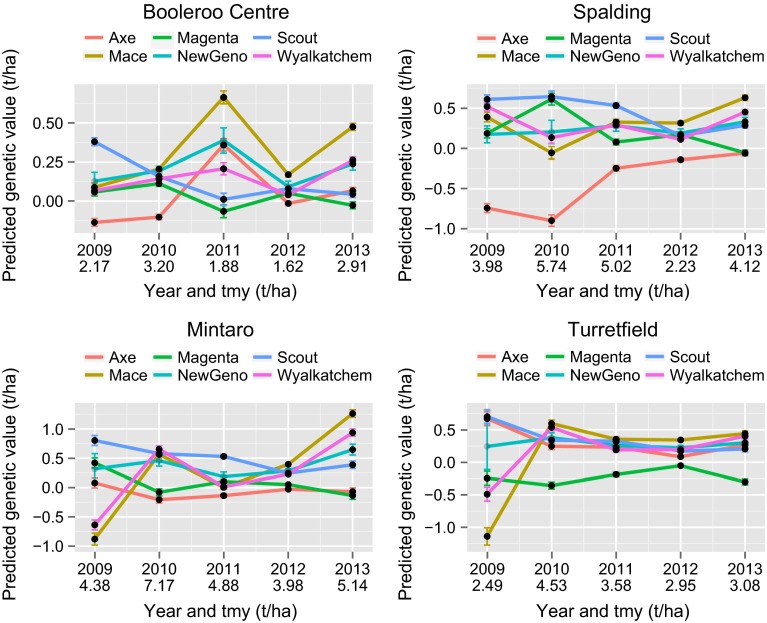
“The FV-PLUS plots (Smith et al., 2015) provide an excellent interactive summary to the growers of variety performance across years within state or across all states and years if they wish.”
BackgroundMethodSelf-citationMontesinos-López, O. A., Vitale, P., Gerard, G., Crespo‐Herrera, L., Pierre, C. S., Montesinos‐López, A., & Crossa, J. L. (2024) · Plants · doi:10.3390/plants13213059 · Cited by 8
“In plant breeding, evaluating a larger number of lines across more environments is financially costly due to the extensive field testing required [4,5].”
BackgroundDudley, C., Haeften, S. V., Alahmad, S., Dinglasan, E. G., Hickey, L. T., Robinson, H., Beveridge, C. A., Udvardi, M. K., Noble, T. J., Massel, K., et al. (2025) · Journal of Experimental Botany · doi:10.1093/jxb/eraf222 · Cited by 9
Trethowan, R. M., Nıcol, J. M., Singh, A., Singh, R. P., Tadesse, W., Govidan, V., Crespo‐Herrera, L., Cullis, B. R., Mazur, L., Dieters, M. J., et al. (2024) · Frontiers in Plant Science · doi:10.3389/fpls.2024.1435837 · Cited by 10
Self-citationMeyer, E. D., Prenger, E. M., Mahmood, A. S. M. A., Santos, M. D. F., Chigeza, G., Song, Q., Mwadzingeni, L., Mukaro, R., Chibanda, M., Mabuyaye, G., et al. (2024) · Crop Science · doi:10.1002/csc2.21356 · Cited by 8
“These are referred to as multi-environment trials (METs) and can inform which new lines have the most stable or best performance within or across environments while allowing for the delineation of mega-environments (Olivoto et al., 2019; Smith et al., 2015; Vaezi et al., 2019).”
Leveraging genomic prediction to surpass current yield gains in spring barley
Åstrand, J., Odilbekov, F., Vetukuri, R. R., Ceplitis, A., & Chawade, A. (2024) · Theoretical and Applied Genetics · doi:10.1007/s00122-024-04763-1 · Cited by 8
Metadata
- Authors
- Smith, A. B., Ganesalingam, A., Kuchel, H., & Cullis, B. R.
- Affiliations
- University of Wollongong (AU)
- The University of Western Australia (AU)
- Commonwealth Scientific and Industrial Research Organisation (AU)
- Corresponding author
- Smith, Alison B.
- Venue
- Theoretical and Applied Genetics
- Published
- 2014-10-19
- Volume
- 128
- Issue
- 1
- Pages
- 55-72
- ISSN
- 0040-5752 (ISSN-L)
- 1432-2242
- PMC
- PMC4282718
- OpenAlex
- W2116483583
- Cited by
- 172
- References
- 27
- Citations by year
- 2026: 12 · 2025: 18 · 2024: 18 · 2023: 15 · 2022: 17 · 2021: 18 · 2020: 24 · 2019: 15 · 2018: 16 · 2017: 9 · 2016: 8 · 2015: 2
- FWCI
- 7.40
- Type
- journal article
- Language
- en
- Open access
- hybrid
- doi.org
- Locations
- Theoretical and Applied Genetics (publishedVersion, cc-by)
- Europe PMC (PubMed Central) (publishedVersion, cc-by)
- PubMed Central (publishedVersion, cc-by)
- PubMed (publishedVersion)
- Research Online (University of Wollongong) (submittedVersion)
- Adelaide Research & Scholarship (AR&S) (University of Adelaide) (submittedVersion, other-oa)
- eSpace (Curtin University) (submittedVersion)
- Figshare (submittedVersion)
- Funders
- Grains Research and Development Corporation
- Topics
- Life Sciences › Agricultural and Biological Sciences › Plant Science › Genetics and Plant Breeding
- Life Sciences › Agricultural and Biological Sciences › Agronomy and Crop Science › Agriculture, Soil, Plant Science
- Life Sciences › Biochemistry, Genetics and Molecular Biology › Genetics › Genetic and phenotypic traits in livestock
- Keywords
- variety-by-environment interaction, multi-environment trials, cultivar evaluation, cultivar recommendation, variance component models, technology transfer, report format, plant breeding
- MeSH terms
- Agriculture, Australia, Breeding, Environment, Factor Analysis, Statistical, Triticum, Models, Statistical, Crops, Agricultural
About these checks
Registry, retraction, Cites and statistics results are computed, not judged, with one exception: a printed reference that no index lists is read once by a model before it counts as a citation error. Claims are extracted by a model and kept only when their quote appears verbatim in the text; each cited source is then checked, with a model’s help, for whether it says what the claim relies on. Those verdicts can be wrong — read the claim’s quote and the cited source before relying on one.
Statistics and arithmetic are recomputed, not judged.
Confidence bands are shown only for fields calibrated on our annotated test set. None is calibrated yet, so no band is shown.
What counts as a claim ›How we measure confidence ›How we check this ›
Are you an author, or do you see a problem with this page? Request a review
Data sources
Bibliographic data: Semantic Scholar, OpenAlex, Crossref.
Contains information from the Semantic Scholar Academic Graph Datasets, made available under the ODC Attribution License (ODC-BY 1.0).
Semantic Scholar’s data is described in: Kinney, R., et al. (2023). The Semantic Scholar Open Data Platform. arXiv:2301.10140.
