

Comparison of R-ketamine and rapastinel antidepressant effects in the social defeat stress model of depression
Open accessThe DOI matches its Crossref record; 44 of the 44 references it cites were found in a registry or an index.
Abstract
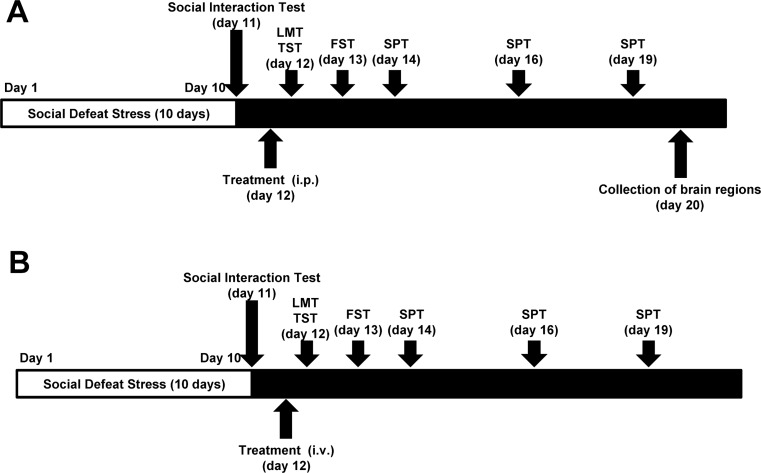
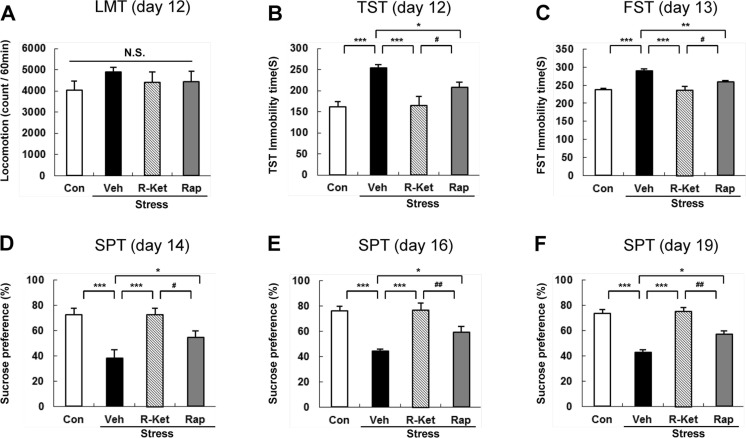
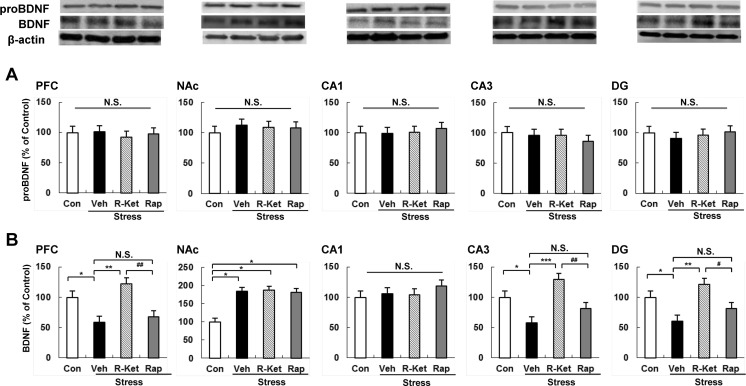
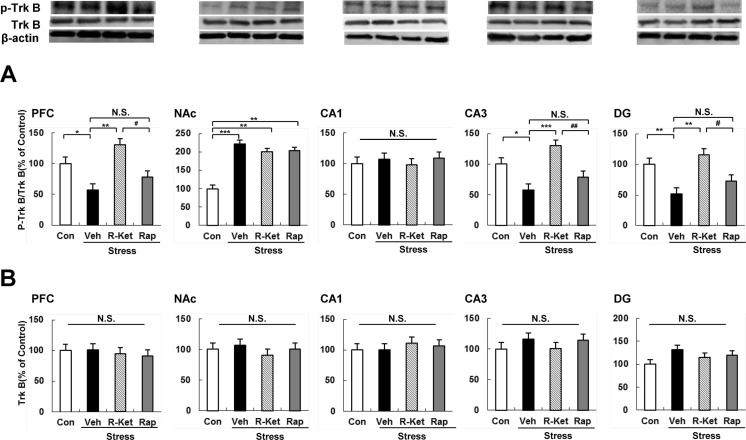
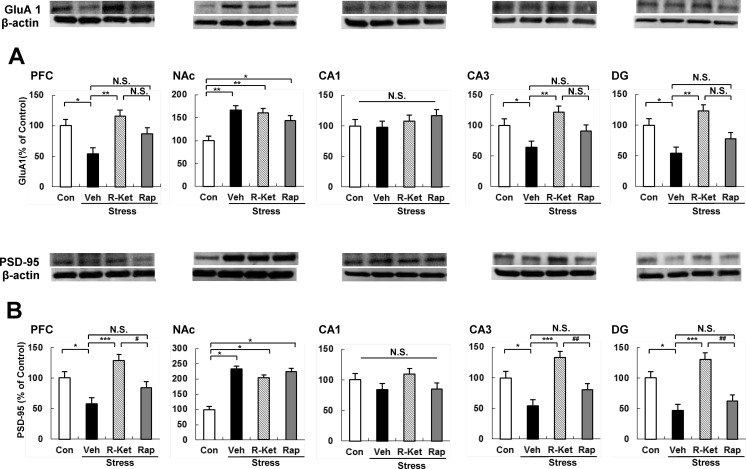
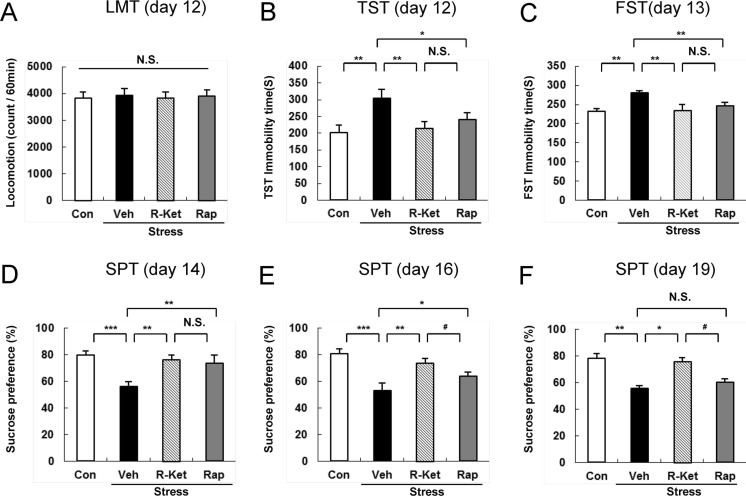
RATIONALE: The N-methyl-D-aspartate (NMDA) receptor antagonists, including R-ketamine and rapastinel (formerly GLYX-13), show rapid antidepressant effects in animal models of depression. OBJECTIVE: We compared the rapid and sustained antidepressant effects of R-ketamine and rapastinel in the social defeat stress model. RESULTS: In the tail suspension and forced swimming tests, R-ketamine (10 mg/kg, intraperitoneal (i.p.)) or rapastinel (10 mg/kg, i.p.) significantly attenuated the increased immobility time in the susceptible mice, compared with the vehicle-treated group. In the sucrose preference test, both compounds significantly enhanced the reduced preference in susceptible mice 2, 4, or 7 days after a single injection. All mice were sacrificed 8 days after a single injection. Western blot analyses showed that R-ketamine, but not rapastinel, significantly attenuated the reduced brain-derived neurotrophic factor (BDNF)-TrkB signaling, postsynaptic density protein 95 (PSD-95), and GluA1 (a subtype of α-amino-3-hydroxy-5-methyl-4-isoxazolepropionic acid (AMPA) receptor) in the prefrontal cortex, dentate gyrus, and CA3 of the hippocampus in the susceptible mice. In contrast, both compounds had no effect against the increased BDNF-TrkB signaling, PSD-95, and GluA1 seen in the nucleus accumbens of susceptible mice. Moreover, sustained antidepressant effect of R-ketamine (3 mg/kg, intravenous (i.v.)), but not rapastinel (3 mg/kg, i.v.), was detected 7 days after a single dose. CONCLUSIONS: These results highlight R-ketamine as a longer lasting antidepressant compared with rapastinel in social defeat stress model. It is likely that synaptogenesis including BDNF-TrkB signaling in the prefrontal cortex (PFC) and hippocampus may be required for the mechanisms promoting this sustained antidepressant effect.
Overview
The claims and statistics of this paper haven’t been checked yet.
Free: it reads the open-access text and checks the first 5 claims that cite a source we can check. Create a free account to check every claim.
Integrity signals
Registry
Cites
Statistics
Figures
Verification
Claims the paper makes
The claims and statistics of this paper haven’t been checked yet.
Free: it reads the open-access text and checks the first 5 claims that cite a source we can check. Create a free account to check every claim.
Claims other papers make about this one
Each is checked against this paper’s own text: does it say what the citing paper says it does?
The source backs part of the claim, not all of it — or backs it for a different population, condition or comparison.
In the citing paper
“Preclinical evidence suggests that rapastinel may enhance dendritic complexity and long-term potentiation via bidirectional modulation of NMDA signal transduction [161,162,163].”
From Pharmacotherapies Targeting GABA-Glutamate Neurotransmission for Treatment-Resistant Depression (2023) · cites this paper as [163]
Experimental — accuracy not yet measuredIn the citing paper
“Another finding challenging the NMDAR inhibition hypothesis of ketamine’s antidepressant mechanism of action is the fact that partial agonists at the NMDAR glycineB binding site, including GLYX-13 (i.e., rapastinel) and D-cycloserine manifest antidepressant effects in clinical trials 104, 105 and in animal tests 106–109, without sharing ketamine’s NMDAR inhibition-mediated side effects 109.”
From Mechanisms of ketamine action as an antidepressant (2018) · cites this paper as [106]
Self-check
Percentages, sums and reported differences re-computed from the paper’s own numbers.
The self-check needs the paper’s full text.
Citations
Cites
1 retracted
Yang, C., Shirayama, Y., Zhang, J.-C., Ren, Q., & Hashimoto, K. (2015) · International Journal of Neuropsychopharmacology · doi:10.1093/ijnp/pyu121 · Cited by 103 · cited 16×
“Effects of i.p. administration of R-ketamine and rapastinel in the social defeat stress model Ketamine produces rapid and long-lasting antidepressant effects in the chronic mild stress model and social defeat stress model (Li et al. 2010; Ma et al. 2013; Yang et al. 2015b; Zhang et al. 2015b).”
BackgroundMethodResultInfluentialSelf-citationRetractedMolecular Mechanisms of Depression: Perspectives on New Treatment Strategies
Lang, U. E., & Borgwardt, S. (2013) · Cellular Physiology and Biochemistry · doi:10.1159/000350094 · Cited by 8,475
Antidepressant effects of ketamine in depressed patients
Berman, R. M., Cappiello, A., Anand, A., Oren, D. A., Heninger, G. R., Charney, D. S., & Krystal, J. H. (2000) · Biological Psychiatry · doi:10.1016/s0006-3223(99)00230-9 · Cited by 3,856 · cited 2×
“A single sub-anesthet ic dose (0.5 mg/kg) of ketamine produces a rapid and robust antidepressant response in two-thirds of patients with treatment-resistant depression, which can last for over a week (Aan Het Rot et al. 2012; Berman et al. 2000; Diazgranados et al. 2010; Zarate et al. 2006; 2012).”
BackgroundInfluentialA randomized trial of an N-methyl-D-aspartate antagonist in treatment-resistant major depression.
Zarate, C. A., Singh, J. B., Carlson, P. J., Brutsche, N. E., Ameli, R., Luckenbaugh, D. A., Charney, D. S., & Manji, H. K. (2006) · Archives of General Psychiatry · doi:10.1001/archpsyc.63.8.856 · Cited by 3,766 · cited 2×
“A single sub-anesthet ic dose (0.5 mg/kg) of ketamine produces a rapid and robust antidepressant response in two-thirds of patients with treatment-resistant depression, which can last for over a week (Aan Het Rot et al. 2012; Berman et al. 2000; Diazgranados et al. 2010; Zarate et al. 2006; 2012).”
BackgroundInfluentialmTOR-Dependent Synapse Formation Underlies the Rapid Antidepressant Effects of NMDA Antagonists
Li, N., Lee, B., Liu, R.-J., Banasr, M., Dwyer, J. M., Iwata, M., Li, X.-Y., Aghajanian, G., & Duman, R. S. (2010) · Science · doi:10.1126/science.1190287 · Cited by 2,881 · cited 2×
“Ketamine produces rapid and long-lasting antidepressant effects in the chronic mild stress model and social defeat stress model (Li et al. 2010; Ma et al. 2013; Yang et al. 2015b; Zhang et al. 2015b).”
BackgroundEssential role of BDNF in the mesolimbic dopamine pathway in social defeat stress
Berton, O., McClung, C. A., DiLeone, R. J., Krishnan, V., Renthal, W., Russo, S. J., Graham, D., Tsankova, N. M., Bolanos, C. A., Rios, M., et al. (2006) · Science · doi:10.1126/science.1120972 · Cited by 2,129 · cited 1×
“The social defeat procedure was performed as previously reported (Berton et al. 2006; Golden et al. 2011; Ren et al. 2016; Yang et al. 2015b; Zhang et al. 2015b).”
MethodThe mesolimbic dopamine reward circuit in depression
Nestler, E. J., & Carlezon, W. A. (2006) · Biological Psychiatry · doi:10.1016/j.biopsych.2005.09.018 · Cited by 2,059 · cited 1×
“N.S. not significant, Con control, Veh vehicle, R-Ket R-ketamine, Rap rapastinel BDNF activity in the NAc produced antidepressant-like effects (Nestler and Carlezon 2006).”
BackgroundNMDA receptor blockade at rest triggers rapid behavioural antidepressant responses
Autry, A. E., Adachi, M., Nosyreva, E., Na, E. S., Los, M. F., Cheng, P.-F., Kavalali, E. T., & Monteggia, L. M. (2011) · Nature · doi:10.1038/nature10130 · Cited by 1,926 · cited 4×
“In addition, we performedWestern blot analysis of brain-derived neurotrophic factor (BDNF)TrkB pathway, postsynaptic density protein 95 (PSD-95), and the α-amino-3-hydroxy-5-methyl-4-isoxazolepropionic acid (AMPA) receptor (GluA1), both of which are required for synaptic plasticity in selected brain regions, since BDN…”
BackgroundMethodInfluentialSynaptic Dysfunction in Depression: Potential Therapeutic Targets
Duman, R. S., & Aghajanian, G. K. (2012) · Science · doi:10.1126/science.1222939 · Cited by 1,651 · cited 3×
“In addition, we performedWestern blot analysis of brain-derived neurotrophic factor (BDNF)TrkB pathway, postsynaptic density protein 95 (PSD-95), and the α-amino-3-hydroxy-5-methyl-4-isoxazolepropionic acid (AMPA) receptor (GluA1), both of which are required for synaptic plasticity in selected brain regions, since BDN…”
BackgroundMethodA standardized protocol for repeated social defeat stress in mice
Golden, S. A., Covington, H. E., Berton, O., & Russo, S. J. (2011) · Nature Protocols · doi:10.1038/nprot.2011.361 · Cited by 1,581 · cited 1×
“The social defeat procedure was performed as previously reported (Berton et al. 2006; Golden et al. 2011; Ren et al. 2016; Yang et al. 2015b; Zhang et al. 2015b).”
Method
Cited by
Major depressive disorder: hypothesis, mechanism, prevention and treatment
Cui, L., Li, S., Wang, S., Wu, X., Liu, Y., Yu, W., Wang, Y., Tang, Y., Xia, M., & Li, B. (2024) · Signal Transduction and Targeted Therapy · doi:10.1038/s41392-024-01738-y · Cited by 1,244
Mechanisms of ketamine action as an antidepressant
Zanos, P., & Gould, T. D. (2018) · Molecular Psychiatry · doi:10.1038/mp.2017.255 · Cited by 1,127
Animal models of major depression: drawbacks and challenges
Planchez, B., Surget, A., & Belzung, C. (2019) · Journal of Neural Transmission · doi:10.1007/s00702-019-02084-y · Cited by 480
Protein lactylation induced by neural excitation
Hagihara, H., Shoji, H., Otabi, H., Toyoda, A., Katoh, K., Namihira, M., & Miyakawa, T. (2021) · Cell Reports · doi:10.1016/j.celrep.2021.109820 · Cited by 349
Hashimoto, K. (2019) · Psychiatry and Clinical Neurosciences · doi:10.1111/pcn.12902 · Cited by 335
“Furthermore, (R)-ketamine elicited longer-lasting antidepressant actions than rapastinel in a CSDS model.(155) Intravenous administration of rapastinel (5 or 10 mg/kg) showed antidepressant actions in depressed patients who did not respond to another antidepressant.”
BackgroundSelf-citationDuman, R. S., Deyama, S., & Fogaça, M. V. (2021) · European Journal of Neuroscience · doi:10.1111/ejn.14630 · Cited by 321
“Another study of social defeat stress has reported that rapastinel does not reverse the BDNF and pTrkB deficits in this model of stress (Yang et al., 2016).”
BackgroundYang, C., Ren, Q., Qu, Y., Zhang, J.-C., Ma, M., Dong, C., & Hashimoto, K. (2018) · Biological Psychiatry · doi:10.1016/j.biopsych.2017.05.016 · Cited by 250
Self-citationSelecting an Appropriate Animal Model of Depression
Hao, Y., Ge, H., Sun, M., & Gao, Y. (2019) · International Journal of Molecular Sciences · doi:10.3390/ijms20194827 · Cited by 247
Molecular mechanisms of the rapid-acting and long-lasting antidepressant actions of (R)-ketamine
Hashimoto, K. (2020) · Biochemical Pharmacology · doi:10.1016/j.bcp.2020.113935 · Cited by 236
Self-citationAleksandrova, L. R., Phillips, A. G., & Wang, Y. T. (2017) · Journal of Psychiatry and Neuroscience · doi:10.1503/jpn.160175 · Cited by 228
Yang, C., Qu, Y., Fujita, Y., Ren, Q., Ma, M., Dong, C., & Hashimoto, K. (2017) · Translational Psychiatry · doi:10.1038/s41398-017-0031-4 · Cited by 223
Self-citationKetamine and rapid-acting antidepressants: a new era in the battle against depression and suicide
Duman, R. S. (2018) · F1000Research · doi:10.12688/f1000research.14344.1 · Cited by 207
“However, one study reports that the antidepressant actions of rapastinel in a social defeat model as well as its effects on BDNF-TrkB signaling are not as long-lasting as those of (R)-ketamine 60 .”
BackgroundYang, C., Yang, J., Luo, A., & Hashimoto, K. (2019) · Translational Psychiatry · doi:10.1038/s41398-019-0624-1 · Cited by 190
Self-citationZhang, J.-C., Yao, W., Dong, C., Yang, C., Ren, Q., Ma, M., & Hashimoto, K. (2017) · Translational Psychiatry · doi:10.1038/tp.2017.112 · Cited by 182
Self-citationIdentifying fast-onset antidepressants using rodent models
Ramaker, M. J., & Dulawa, S. C. (2017) · Molecular Psychiatry · doi:10.1038/mp.2017.36 · Cited by 182
Convergent Mechanisms Underlying Rapid Antidepressant Action
Zanos, P., Thompson, S. M., Duman, R. S., Zarate, C. A., & Gould, T. D. (2018) · CNS Drugs · doi:10.1007/s40263-018-0492-x · Cited by 171
“Moreover, it reversed anhedonia and other maladaptive behaviors following chronic mild stress [57] and chronic social defeat stress [58] (see Table 1).”
BackgroundQu, Y., Yang, C., Ren, Q., Ma, M., Dong, C., & Hashimoto, K. (2017) · Scientific Reports · doi:10.1038/s41598-017-16060-7 · Cited by 127
Self-citationAMPA Receptor Activation–Independent Antidepressant Actions of Ketamine Metabolite (S)-Norketamine
Yang, C., Kobayashi, S., Nakao, K., Dong, C., Han, M., Qu, Y., Ren, Q., Zhang, J.-C., Ma, M., Toki, H., et al. (2018) · Biological Psychiatry · doi:10.1016/j.biopsych.2018.05.007 · Cited by 125
Self-citationYao, N., Skiteva, O., Zhang, X., Svenningsson, P., & Chergui, K. (2018) · Molecular Psychiatry · doi:10.1038/mp.2017.239 · Cited by 118
Dong, C., Zhang, J.-C., Yao, W., Ren, Q., Ma, M., Yang, C., Chaki, S., & Hashimoto, K. (2016) · International Journal of Neuropsychopharmacology · doi:10.1093/ijnp/pyw089 · Cited by 116
Self-citationWang, S., Qu, Y., Chang, L., Pu, Y., Zhang, K., & Hashimoto, K. (2020) · Journal of Affective Disorders · doi:10.1016/j.jad.2019.09.064 · Cited by 94
Self-citationYamada, J., & Jinno, S. (2019) · Neuropharmacology · doi:10.1016/j.neuropharm.2019.107710 · Cited by 76
Caraci, F., Calabrese, F., Molteni, R., Bartova, L., Dold, M., Leggio, G. M., Fabbri, C., Mendlewicz, J., Racagni, G., Kasper, S., et al. (2018) · Pharmacological Reviews · doi:10.1124/pr.117.014977 · Cited by 73
“stress-induced alterations of BDNF and synaptic proteins (Yang et al., 2016).”
BackgroundRapid Acting Antidepressants in Chronic Stress Models: Molecular and Cellular Mechanisms
Hare, B. D., Ghosal, S., & Duman, R. S. (2017) · Chronic Stress · doi:10.1177/2470547017697317 · Cited by 67
“In the SDS model, subjects are repeatedly exposed to aggressive intruder males, resulting in a phenotype of reduced social interaction time in a susceptible subset of the stressed animals.40 Susceptible animals also demonstrate other depression-like behaviors, including decreased sucrose preference and increased anxie…”
BackgroundInfluentialRen, Z., Yan, P., Zhu, L.-S., Yang, H., Zhao, Y., Kirby, B. P., Waddington, J. L., & Zhen, X. (2017) · Psychopharmacology · doi:10.1007/s00213-017-4761-z · Cited by 66
“The prefrontal cortex (Zhang et al. 2014) and nucleus accumbens (Yang et al. 2016) may also play a role in such experimental models.”
Wang, X., Chang, L., Wan, X., Tan, Y., Qu, Y., Shan, J., Yang, Y., Ma, L., & Hashimoto, K. (2022) · Neurobiology of Disease · doi:10.1016/j.nbd.2022.105635 · Cited by 64
Self-citationLeal, G. C., Souza-Marques, B., Mello, R. P., Bandeira, I. D., Caliman-Fontes, A. T., Carneiro, B. A., Faria-Guimarães, D., Guerreiro-Costa, L. N. F., Jesus-Nunes, A. P., Silva, S. S., et al. (2023) · Journal of Affective Disorders · doi:10.1016/j.jad.2023.02.151 · Cited by 62
Ma, M., Ren, Q., Yang, C., Zhang, J.-C., Yao, W., Dong, C., Ohgi, Y., Futamura, T., & Hashimoto, K. (2016) · Scientific Reports · doi:10.1038/srep39209 · Cited by 59
Self-citationThe Neurotrophic Hypothesis of Depression Revisited: New Insights and Therapeutic Implications
Jaggar, M., Fanibunda, S. E., Ghosh, S., Duman, R. S., & Vaidya, V. A. (2019) · Neurobiology of Depression · doi:10.1016/b978-0-12-813333-0.00006-8 · Cited by 54
Miyanishi, H., & Nitta, A. (2021) · Pharmaceuticals · doi:10.3390/ph14090889 · Cited by 57
“Chronic stress decreases levels of BDNF and phosphorylated TrkB in the PFC, indicating the inactivation of TrkB signaling [76,77].”
BackgroundJiang, N., Lv, J., Wang, H., Lü, C., Wang, Q., Xia, T., Bao, Y., Li, S., & Liu, X. (2019) · Brain Research Bulletin · doi:10.1016/j.brainresbull.2019.09.007 · Cited by 58
Ketamine as a Treatment for Anorexia Nervosa: A Narrative Review
Keeler, J. L., Treasure, J. L., Juruena, M. F., Kan, C., & Himmerich, H. (2021) · Nutrients · doi:10.3390/nu13114158 · Cited by 61
“Thus, the positive effect of ketamine on synaptogenesis is thought to reverse the reduced synaptic density that results from chronic stress and depression [27,28] and is implicated in its antidepressant effects.”
BackgroundBarfield, E. T., & Gourley, S. L. (2018) · Neuroscience & Biobehavioral Reviews · doi:10.1016/j.neubiorev.2018.10.015 · Cited by 53
Zhang, H., & Bramham, C. R. (2020) · Frontiers in Synaptic Neuroscience · doi:10.3389/fnsyn.2020.00026 · Cited by 52
Donello, J. E., Banerjee, P., Li, Y.-X., Guo, Y.-X., Yoshitake, T., Zhang, X.-L., Miry, O., Kehr, J., Stanton, P. K., Gross, A. L., et al. (2019) · International Journal of Neuropsychopharmacology · doi:10.1093/ijnp/pyy101 · Cited by 50
Zhang, K., Dong, C., Fujita, Y., Fujita, A., & Hashimoto, K. (2018) · International Journal of Neuropsychopharmacology · doi:10.1093/ijnp/pyx100 · Cited by 48
“CSDS Model The procedure of CSDS was performed as previously reported (Zhang et al., 2015; Yang et al., 2015, 2016a, 2016b, Yang et al., 2017a, 2017b, 2017c; Ren et al., 2016).”
MethodSelf-citationPharmacotherapies Targeting GABA-Glutamate Neurotransmission for Treatment-Resistant Depression
Vecera, C. M., C. Courtes, A., Jones, G., Soares, J. C., & Machado-Vieira, R. (2023) · Pharmaceuticals · doi:10.3390/ph16111572 · Cited by 48
“Preclinical evidence suggests that rapastinel may enhance dendritic complexity and long-term potentiation via bidirectional modulation of NMDA signal transduction [161–163].”
BackgroundKetamine’s rapid antidepressant effects are mediated by Ca2+-permeable AMPA receptors
Zaytseva, A., Bouckova, E., Wiles, M. J., Wustrau, M. H., Schmidt, I. G., Mendez-Vazquez, H., Khatri, L., & Kim, S. (2023) · eLife · doi:10.7554/elife.86022 · Cited by 48
“Interestingly, following ketamine treatment in animals, many studies find elevated levels of GluA1, particularly in the hippocampus, whereas the results of other subunits' expression are less consistent (Georgiou et al., 2022; Koike & Chaki, 2014; Li et al., 2010; Nosyreva et al., 2013; Yang et al., 2016; Zanos et al.…”
BackgroundInfluentialWang, Y., Zhang, N., Liu, L., Jiang, H., Hu, D., Wang, Z., Chen, N., & Zhang, Y. (2022) · Biochemical and Biophysical Research Communications · doi:10.1016/j.bbrc.2022.01.024 · Cited by 52
TrkB neurotrophin receptor at the core of antidepressant effects, but how?
Rantamäki, T. (2019) · Cell and Tissue Research · doi:10.1007/s00441-018-02985-6 · Cited by 45
Jiang, N., Lv, J., Wang, H., Wang, Q., Lü, C., Yang, Y., Huang, H. M., Xia, T., Lv, G., & Liu, X. (2019) · Phytotherapy Research · doi:10.1002/ptr.6446 · Cited by 42
“Previous studies have demonstrated that BDNF protein expression is decreased in the hippocampus of mice exposed to CSDS, and treatment with antidepressant drugs restores BDNF to normal levels (Olivier et al., 2006; Yang et al., 2016).”
BackgroundBeyond Ketamine: New Approaches to the Development of Safer Antidepressants
Chaki, S. (2017) · Current Neuropharmacology · doi:10.2174/1570159x15666170221101054 · Cited by 40
“ketamine [35]: the antidepressant effects of GLYX-13 were observed until 5 days, but not at 7 days after administration [35].”
BackgroundOxytocin prevents the increase of cocaine-related responses produced by social defeat
Perez, C. F., Castro‐Zavala, A., Luján, M. Á., Filarowska, J., Ballestín, R., Miñarro, J., Valverde, O., & Rodríguez‐Arias, M. (2018) · Neuropharmacology · doi:10.1016/j.neuropharm.2018.11.011 · Cited by 41
McGrath, A. G., & Briand, L. A. (2019) · Neuroscience & Biobehavioral Reviews · doi:10.1016/j.neubiorev.2019.09.007 · Cited by 42
Pałucha-Poniewiera, A. (2018) · Pharmacological Reports · doi:10.1016/j.pharep.2018.02.011 · Cited by 36
Scotton, E., Antqueviezc, B., Vasconcelos, M., Dalpiaz, G., Géa, L. P., Goularte, J. F., Colombo, R., & Rosa, A. R. (2022) · Biochemical Pharmacology · doi:10.1016/j.bcp.2022.114963 · Cited by 40
Zarate, C. A., & Machado-Vieira, R. (2017) · Molecular Psychiatry · doi:10.1038/mp.2016.249 · Cited by 33
Anti-depressant effect of Zhi-zi-chi decoction on CUMS mice and elucidation of its signaling pathway
Chai, C., Jin, B. R., Yan, Y., Yuan, Q., Wen, H., Tao, W., Cui, X., Shan, C., & Yu, S. (2020) · Journal of Ethnopharmacology · doi:10.1016/j.jep.2020.113283 · Cited by 36
Investigational drugs for treating major depressive disorder
Dhir, A. (2016) · Expert Opinion on Investigational Drugs · doi:10.1080/13543784.2017.1267727 · Cited by 32
“min (PV)-immunoreactivity in the medial prefrontal cortex and hippocampus regions in mice administered with esketamine at a dose of 10 mg/kg once a week for a total of 8 weeks [63].”
BackgroundMethodRapastinel - an investigational NMDA-R modulator for major depressive disorder: evidence to date
Ragguett, R.-M., Rong, C., Kratiuk, K., & McIntyre, R. S. (2019) · Expert Opinion on Investigational Drugs · doi:10.1080/13543784.2019.1559295 · Cited by 30
“Findings from animal/in vitro models Upon completion of tasks such as the forced swim test, female urine sniffing test, tail suspension test, and the novelty suppressed feeding test, rodents who were given rapastinel demonstrated improved task behaviour [21,22].”
BackgroundChaki, S., & Watanabe, M. (2022) · Neuropharmacology · doi:10.1016/j.neuropharm.2022.109348 · Cited by 30
Deletion of serine racemase confers D-serine –dependent resilience to chronic social defeat stress
Dong, C., Zhang, J., Ren, Q., Ma, M., Qu, Y., Zhang, K., Yao, W., Ishima, T., Mori, H., & Hashimoto, K. (2018) · Neurochemistry International · doi:10.1016/j.neuint.2018.03.008 · Cited by 28
Self-citationPereira, V. S., Joca, S. R. L., Harvey, B. H., Elfving, B., & Wegener, G. (2019) · Acta Neuropsychiatrica · doi:10.1017/neu.2019.25 · Cited by 23
Miyanishi, H., Muramatsu, S., & Nitta, A. (2021) · Neuropsychopharmacology · doi:10.1038/s41386-021-01033-2 · Cited by 28
“Antagonism of striatal BDNF signaling elevated by RSDS suppresses stress sensitivity Previous reports have shown that BDNF levels in the mPFC and hippocampus are decreased in depression model mice [42, 43], and we confirmed the similar expression patterns of BDNF mRNA in these regions after RSDS (Fig.”
ResultDou, P., Chen, Y., You, Y., Wang, Z., Zhao, J., Zhou, M., & Yuan, W. (2021) · Advanced Synthesis & Catalysis · doi:10.1002/adsc.202100516 · Cited by 25
Hara, H., Suzuki, A., Kunugi, A., Tajima, Y., Yamada, R. X., & Kimura, H. (2021) · Pharmacology Biochemistry and Behavior · doi:10.1016/j.pbb.2021.173289 · Cited by 28
Burgdorf, J. S., Zhang, X., Stanton, P. K., Moskal, J. R., & Donello, J. E. (2022) · The International Journal of Neuropsychopharmacology · doi:10.1093/ijnp/pyac043 · Cited by 24
Vasilescu, A.-N., Schweinfurth, N., Borgwardt, S., Gass, P., Lang, U. E., Inta, D., & Eckart, S. (2017) · Neuropsychiatric Disease and Treatment · doi:10.2147/ndt.s119004 · Cited by 21
“Although the antidepressant effect of rapastinel in the FST required AMPAR activation,(64) only R-ketamine but not rapastinel significantly attenuated the reduced GluA1 AMPAR expression in the PFC and hippocampus in the social defeat stress model of depression.(49) Future studies, for example, examining the antidepres…”
BackgroundResultPiva, A., Caffino, L., Mottarlini, F., Pintori, N., Castillo Díaz, F., Fumagalli, F., & Chiamulera, C. (2021) · Molecular Neurobiology · doi:10.1007/s12035-021-02352-7 · Cited by 21
“depression [28], and this decrease was shown to be attenuated by acute ketamine [30, 31].”
BackgroundYang, P.-S., Peng, H., Lin, T.-B., Hsieh, M., Lai, C., Lee, A., Wang, H.-H., & Ho, Y. (2020) · Neuropharmacology · doi:10.1016/j.neuropharm.2020.108269 · Cited by 21
Yu, H., Li, M., Shen, X., Lv, D., Sun, X., Wang, J., Gu, X., Hu, J., & Wang, C. (2017) · The International Journal of Neuropsychopharmacology · doi:10.1093/ijnp/pyx080 · Cited by 22
“Several randomized, double-blind, placebo-controlled studies have been conducted with i.v. injection of the anticholinergic agent scopolamine as an adjunctive or monotherapy in subjects with depressive disorders (Khajavi et al., 2012; Yang and Hashimoto, 2015; Drevets et al., 2013).”
BackgroundZhao, Y., Yang, S., Guo, Q., Guo, Y., Zheng, Y., & Ji, E. (2021) · Journal of Ethnopharmacology · doi:10.1016/j.jep.2021.114040 · Cited by 21
New investigational agents for the treatment of major depressive disorder
Pochwat, B., Krupa, A. J., Siwek, M., & Szewczyk, B. (2022) · Expert Opinion on Investigational Drugs · doi:10.1080/13543784.2022.2113376 · Cited by 23
Phillips, A. G., Geyer, M. A., & Robbins, T. W. (2018) · Biological Psychiatry · doi:10.1016/j.biopsych.2018.01.014 · Cited by 22
Han, M., Zeng, D., Tan, W., Chen, X.-X., Bai, S.-Y., Wu, Q., Chen, Y., Wei, Z., Mei, Y., & Zeng, Y. (2024) · Neural Regeneration Research · doi:10.4103/nrr.nrr-d-23-01419 · Cited by 23
“BDNF-TrkB signaling in the HIPP is required for the behavioral effects of antidepressant drugs in rodent models (Yang et al., 2016).”
BackgroundSelf-citationJager, J. E. D., Boesjes, R., Roelandt, G. H. J., Koliaki, I., Sommer, I. E., Schoevers, R. A., & Nuninga, J. O. (2024) · Neuroscience & Biobehavioral Reviews · doi:10.1016/j.neubiorev.2024.105796 · Cited by 21
Yang, B., Qin, J., Nie, Y., & Chen, J. (2018) · Experimental and Therapeutic Medicine · doi:10.3892/etm.2018.6876 · Cited by 19
“A previous study revealed that the etiology of depression is associated with the PFC and hippocampus (12).”
InfluentialSelf-citationRapid Antidepressant Activity of Ketamine Beyond NMDA Receptor
Hashimoto, K. (2017) · Springer eBooks · doi:10.1007/978-3-319-49795-2_4 · Cited by 17
Self-citationGhaffarzadegan, R., Akhondzadeh, S., Nikasa, Z., Hajizamani, S., Mehrabanifar, S., Cheraghi, I., & Vaseghi, S. (2024) · Neurochemical Research · doi:10.1007/s11064-024-04242-5 · Cited by 16
“…study has shown that social defeat stress significantly reduces BDNF protein levels in the prefrontal cortex, den - tate gyrus, and CA3 but not CA1 region, while increases BDNF protein levels in the nucleus accumbens [ 131], the only study suggesting possible region-dependent alterations in mice.”
Zhornitsky, S., Oliva, H. N. P., Jayne, L. A., Allsop, A. S., Kaye, A. P., Potenza, M. N., & Angarita, G. A. (2023) · Frontiers in Psychiatry · doi:10.3389/fpsyt.2023.1197890 · Cited by 18
“Five studies have examined ketamine with social defeat stress (SDS).”
BackgroundInfluentialBilen, M., Ibrahim, P., Barmo, N., Haidar, E. A., Karnib, N., Hayek, L. E., Khalifeh, M., Jabre, V., Houbeika, R. Y., Stephan, J. S., et al. (2020) · Psychopharmacology · doi:10.1007/s00213-020-05588-8 · Cited by 18
Choquet, D., Opazo, P., & Zhang, H. (2025) · Translational Neurodegeneration · doi:10.1186/s40035-025-00470-z · Cited by 13
“…inescapable shock, and chronic psychosocial stress impair LTP in hippocampal DG [194–196], CA3-CA1 [194, 197–199], and temporoammonic (TA)-CA1 regions [200], and reduce the total or surface levels of AMPARs [201, 202], the total PSD-95 protein levels [201, 203], and LTP in the PFC [189, 204–206].”
Pesarico, A. P., Rosa, S. G., Martini, F., Goulart, T. A. C., Zeni, G. R., & Nogueira, C. W. (2017) · Journal of Psychiatric Research · doi:10.1016/j.jpsychires.2017.06.012 · Cited by 12
Shen, M., Lv, D., Li, S., Zhang, Y., Wang, Z., Zhao, C., Chen, X., & Wang, C. (2018) · Cerebral Cortex · doi:10.1093/cercor/bhy324 · Cited by 10
Zheng, C., Qiao, Z., Hou, M. Z., Liu, N. N., Fu, B., Ding, R., Li, Y. Y., Wei, L. P., Liu, A. L., & Shen, H. (2017) · Frontiers in Aging Neuroscience · doi:10.3389/fnagi.2017.00186 · Cited by 13
“Numerous studies have reported the apparent effects of NMDAR modulator GLYX-13 on antidepressant treatment (Burgdorf et al., 2013, 2015; Preskorn et al., 2015; Cooper et al., 2016; Lepack et al., 2016; Yang et al., 2016; Liu et al., 2017).”
BackgroundMa, M., Ren, Q., Fujita, Y., Yang, C., Dong, C., Ohgi, Y., Futamura, T., & Hashimoto, K. (2017) · Psychopharmacology · doi:10.1007/s00213-017-4700-z · Cited by 11
“…the antidepressant effects of the combination of brexpiprazole and fluoxetine may be similar to the rapid antidepressant effects of the N-methylD-aspartate receptor (NMDAR) antagonist ketamine [or (R)-ketamine] (Ma et al. 2016; Ma et al. 2017; Zhang et al. 2015; Yang et al. 2015, 2016, 2017a, b).”
BackgroundSelf-citationColla, M., Scheerer, H., Weidt, S., Seifritz, E., & Kronenberg, G. (2021) · Frontiers in Behavioral Neuroscience · doi:10.3389/fnbeh.2021.759466 · Cited by 13
“This outcome is sobering, given that preclinical research had demonstrated antidepressant-like effects of rapastinel in mice and rats (Burgdorf et al., 2013; Yang et al., 2016).”
Resultde Aquino, G. Â., de Sousa, C. N. S., Medeiros, I. D. S., de Almeida, J. C., Filho, F. M. S. C., Júnior, M. A. S., & Vasconcelos, S. M. M. (2021) · Journal of Basic and Clinical Physiology and Pharmacology · doi:10.1515/jbcpp-2021-0056 · Cited by 9
Belloch, F. B., Cortés-Erice, M., Herzog, É., Zhang, X. M., Diaz-Perdigón, T., Puerta, E., & Tordera, R. M. (2022) · Progress in Neuro-Psychopharmacology and Biological Psychiatry · doi:10.1016/j.pnpbp.2022.110640 · Cited by 8
The Effect of Propofol on a Forced Swim Test in Mice at 24 Hours
Daniel, D. G., Daniel, D. T., Daniel, D. T., Flynn, L. C., & Allen, M. H. (2020) · Current Therapeutic Research · doi:10.1016/j.curtheres.2020.100590 · Cited by 7
Antidepressant Actions of Ketamine and Its Two Enantiomers
Chang, L., Wei, Y., & Hashimoto, K. (2020) · Springer eBooks · doi:10.1007/978-981-15-2902-3_7 · Cited by 4
Self-citationUnraveling the brain expression of bdnf in a mouse model of anorexia nervosa
Cao, J., Lebrun, N., Chen, S.-P., du Montcel, C. T., Gorwood, P. A. P. M., Cruciani‐Guglielmacci, C., Tolle, V., Ramoz, N., & Viltart, O. (2025) · Translational Psychiatry · doi:10.1038/s41398-025-03618-7 · Cited by 4
Oh, H., Choi, S., Lee, J., Lee, H., Shin, J., Son, S., Hyeon, B., & Heo, W. D. (2025) · Nature Communications · doi:10.1038/s41467-025-67559-x · Cited by 6
“Speci fi - cally, increased occurrences of clusters 48, 47, and 4 and decreased cluster 3 activity characterized positive predictions for non-monoaminergic antidepressants, while inverse patterns distinguished monoaminergic treatments (Supplementary Fig.”
Mao, L., Mathur, N., & Wang, J. Q. (2022) · IBRO Neuroscience Reports · doi:10.1016/j.ibneur.2022.05.007 · Cited by 6
Bailey, A. M., Barrett, A., Havens, L., Leyder, E. C., Merchant, T., Starnes, H. M., & Thompson, S. M. (2023) · Behavioural Brain Research · doi:10.1016/j.bbr.2023.114554 · Cited by 4
The Effect of Acutely Administered Propofol on Forced Swim Test Outcomes in Mice.
Daniel, D. G., Daniel, N. G., Daniel, D. T., Flynn, L. C., & Allen, M. H. (2019) · PubMed Central · Cited by 4
Coutellier, L. D., Musazzi, L., & Pavlovic, Z. M. (2022) · Springer eBooks · doi:10.1007/978-3-030-87480-3_4 · Cited by 2
Talaee, N., Asanjan, M. F., Hooshmand, F., Nakhaei-Zadeh, R., Hajizamani, S., Rahimpour, P., & Vaseghi, S. (2026) · Learning & Behavior · doi:10.3758/s13420-026-00709-3 · Cited by 1
“Furthermore, social defeat stress can significantly reduce BDNF protein levels in the prefrontal cortex, dentate gyrus, and CA3 but not CA1 region, while increasing BDNF protein levels in the nucleus accumbens (Yang et al., 2016).”
Carrillo, J. F. S. (2017) · Digital Library of Theses and Dissertations (Universidade de São Paulo) · doi:10.11606/d.42.2017.tde-26102017-153230 · Cited by 1
A Web-Based Autonomous Learning System for Engineering Graphics Education
Song, W., Yang, B., Cao, S., Song, K., & Lv, J. (2011) · International Workshop on Education Technology and Computer Science · doi:10.1109/etcs.2011.215
Self-citation
Metadata
- Authors
- Yang, B., Zhang, J.-C., Han, M., Yao, W., Yang, C., Ren, Q., Ma, M., Chen, Q.-X., & Hashimoto, K.
- Affiliations
- Chiba University (JP)
- Corresponding author
- Hashimoto, Kenji
- Venue
- Psychopharmacology
- Published
- 2016-08-04
- Volume
- 233
- Issue
- 19-20
- Pages
- 3647-3657
- ISSN
- 0033-3158 (ISSN-L)
- 1432-2072
- PMC
- PMC5021744
- OpenAlex
- W2499491810
- Cited by
- 91
- References
- 44
- Citations by year
- 2026: 1 · 2025: 3 · 2024: 4 · 2023: 5 · 2022: 9 · 2021: 11 · 2020: 7 · 2019: 14 · 2018: 14 · 2017: 19 · 2016: 3
- FWCI
- 13.49
- Type
- journal article
- Language
- en
- Open access
- hybrid
- doi.org
- Locations
- Psychopharmacology (publishedVersion, cc-by)
- PubMed Central (publishedVersion, cc-by)
- PubMed (publishedVersion)
- Funders
- KAKENHI, Japan (24116006)
- The Strategic Research Program for Brain Sciences from Japan Agency for Medical Research and development, AMED
- Topics
- Health Sciences › Medicine › Pharmacology (medical) › Treatment of Major Depression
- Life Sciences › Neuroscience › Biological Psychiatry › Tryptophan and brain disorders
- Life Sciences › Neuroscience › Cellular and Molecular Neuroscience › Neuroscience and Neuropharmacology Research
- Keywords
- (R)-ketamine, antidepressant effects, social defeat stress, NMDA receptor antagonists, BDNF/TrkB signaling, PSD-95, GluR1, AMPA receptors, synaptogenesis, prefrontal cortex, hippocampus, nucleus accumbens, rapid-acting antidepressants, depression
- MeSH terms
- Disks Large Homolog 4 Protein, Animals, Antidepressive Agents, Brain, Depression, Disease Models, Animal, Hippocampus, Ketamine, Male, Nucleus Accumbens, Oligopeptides, Stress, Psychological, Swimming, Prefrontal Cortex, Receptors, AMPA, Excitatory Amino Acid Antagonists, Dentate Gyrus, Brain-Derived Neurotrophic Factor, Hindlimb Suspension, Receptor, trkB, Mice, CA3 Region, Hippocampal
About these checks
Registry, retraction, Cites and statistics results are computed, not judged, with one exception: a printed reference that no index lists is read once by a model before it counts as a citation error. Claims are extracted by a model and kept only when their quote appears verbatim in the text; each cited source is then checked, with a model’s help, for whether it says what the claim relies on. Those verdicts can be wrong — read the claim’s quote and the cited source before relying on one.
Statistics and arithmetic are recomputed, not judged.
Confidence bands are shown only for fields calibrated on our annotated test set. None is calibrated yet, so no band is shown.
What counts as a claim ›How we measure confidence ›How we check this ›
Are you an author, or do you see a problem with this page? Request a review
Data sources
Bibliographic data: Semantic Scholar, OpenAlex, Crossref.
Contains information from the Semantic Scholar Academic Graph Datasets, made available under the ODC Attribution License (ODC-BY 1.0).
Semantic Scholar’s data is described in: Kinney, R., et al. (2023). The Semantic Scholar Open Data Platform. arXiv:2301.10140.
