

Computational modelling reveals contrasting effects on reinforcement learning and cognitive flexibility in stimulant use disorder and obsessive-compulsive disorder: remediating effects of dopaminergic D2/3 receptor agents
Open accessThe DOI matches its Crossref record; 85 of the 85 references it cites were found in a registry or an index.
Abstract
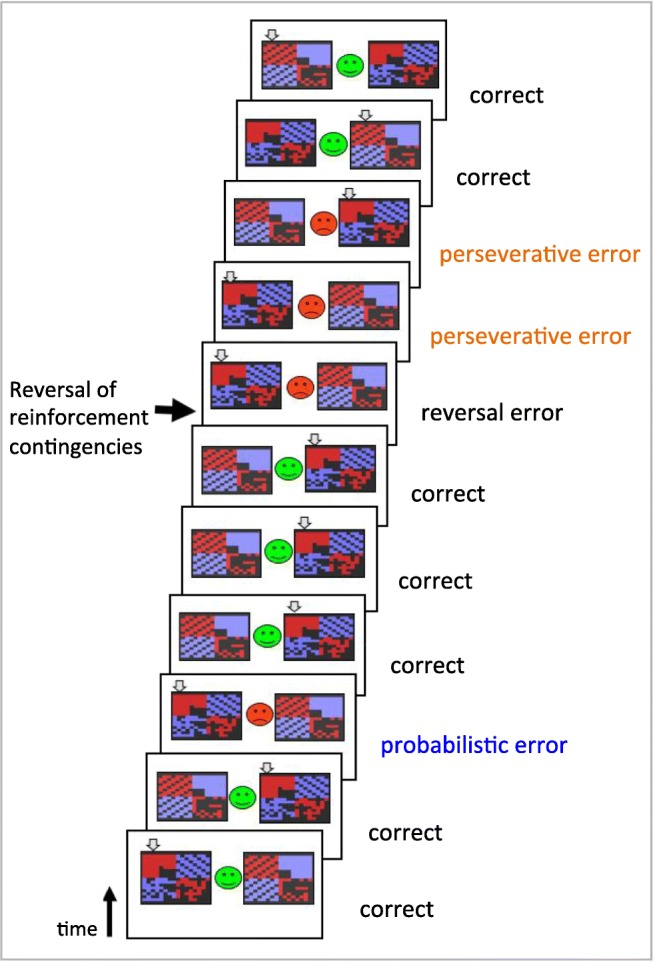
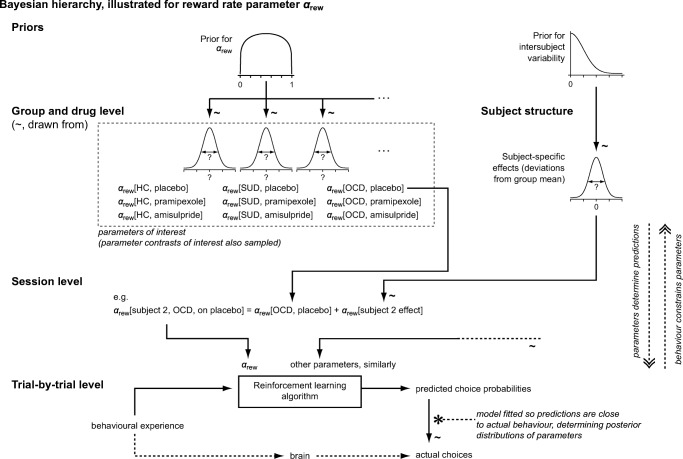
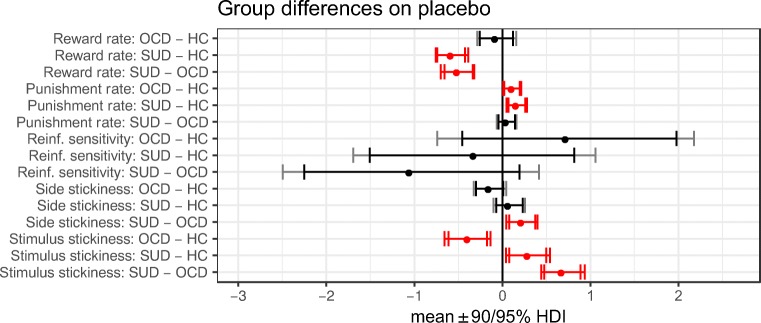
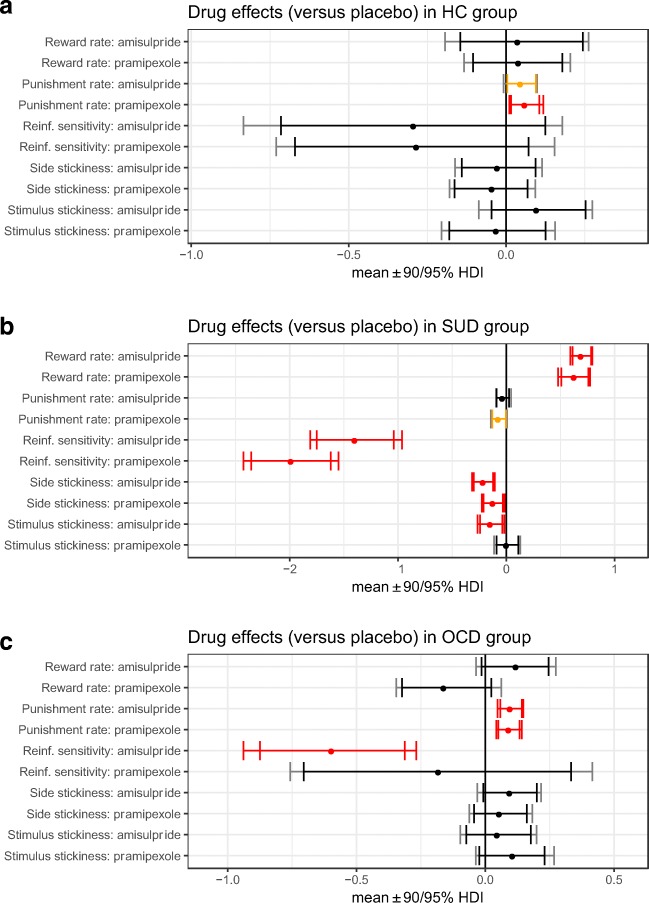
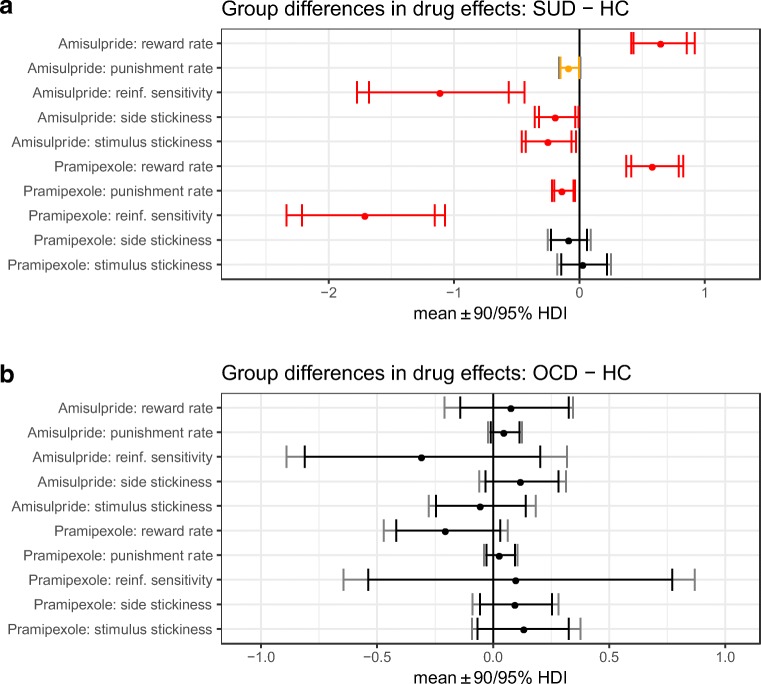
Rationale Disorders of compulsivity such as stimulant use disorder (SUD) and obsessive-compulsive disorder (OCD) are characterised by deficits in behavioural flexibility, some of which have been captured using probabilistic reversal learning (PRL) paradigms. Objectives This study used computational modelling to characterise the reinforcement learning processes underlying patterns of PRL behaviour observed in SUD and OCD and to show how the dopamine D2/3 receptor agonist pramipexole and the D2/3 antagonist amisulpride affected these responses. Methods We applied a hierarchical Bayesian method to PRL data across three groups: individuals with SUD, OCD, and healthy controls. Participants completed three sessions where they received placebo, pramipexole, and amisulpride, in a double-blind placebo-controlled, randomised design. We compared seven models using a bridge sampling estimate of the marginal likelihood. Results Stimulus-bound perseveration, a measure of the degree to which participants responded to the same stimulus as before irrespective of outcome, was significantly increased in SUD, but decreased in OCD, compared to controls (on placebo). Individuals with SUD also exhibited reduced reward-driven learning, whilst both the SUD and OCD groups showed increased learning from punishment (nonreward). Pramipexole and amisulpride had similar effects on the control and OCD groups; both increased punishment-driven learning. These D2/3-modulating drugs affected the SUD group differently, remediating reward-driven learning and reducing aspects of perseverative behaviour, amongst other effects. Conclusions We provide a parsimonious computational account of how perseverative tendencies and reward- and punishment-driven learning differentially contribute to PRL in SUD and OCD. D2/3 agents modulated these processes and remediated deficits in SUD in particular, which may inform therapeutic effects.
Overview
The claims and statistics of this paper haven’t been checked yet.
Free: it reads the open-access text and checks the first 5 claims that cite a source we can check. Create a free account to check every claim.
Integrity signals
Registry
Cites
Statistics
Figures
Verification
Claims the paper makes
The claims and statistics of this paper haven’t been checked yet.
Free: it reads the open-access text and checks the first 5 claims that cite a source we can check. Create a free account to check every claim.
Self-check
Percentages, sums and reported differences re-computed from the paper’s own numbers.
The self-check needs the paper’s full text.
Citations
Cites
Diagnostic and Statistical Manual of Mental Disorders
American Psychiatric Association (2013) · doi:10.1176/appi.books.9780890425596 · Cited by 116,369
Gelman, A., Carlin, J. B., Stern, H. S., & Rubin, D. B. (2003) · doi:10.1201/9780429258480 · Cited by 27,276
Hao (2015) · doi:10.1002/14651858 · Cited by 11,321
A neural substrate of prediction and reward
Schultz, W., Dayan, P., & Montague, P. R. (1997) · Science · doi:10.1126/science.275.5306.1593 · Cited by 9,388 · cited 2×
“When a reward is omitted, there is ordinarily a dip in dopaminergic firing (Schultz et al. 1997), and in the setting of dopamine depletion in Parkinson’s, this mechanism of learning from negative feedback appears to be facilitated, at least when assessed using outcomes of points or money (Frank et…”
BackgroundStan : A Probabilistic Programming Language
Carpenter, B., Gelman, A., Hoffman, M. D., Lee, D., Goodrich, B., Betancourt, M., Brubaker, M., Guo, J., Li, P., & Riddell, A. (2017) · Journal of Statistical Software · doi:10.18637/jss.v076.i01 · Cited by 7,754 · cited 1×
“A single dose of an SSRI, more specifically, has promoted hypersensitivity to negative feedback in rats and healthy humans, and subchronic dosing has improved performance in rats (Bari et al. 2010; Chamberlain et al. 2006; Skandali et al. 2018).”
BackgroundThe Yale-Brown Obsessive Compulsive Scale: I. Development, Use, and Reliability
Goodman, W. K. (1989) · Archives of General Psychiatry · doi:10.1001/archpsyc.1989.01810110048007 · Cited by 7,712
Information theory, inference, and learning algorithms
(2004) · Choice Reviews Online · doi:10.5860/choice.41-5949 · Cited by 6,362
General methods for monitoring convergence of iterative simulations
Brooks, S. P., & Gelman, A. (1998) · Journal of Computational and Graphical Statistics · doi:10.1080/10618600.1998.10474787 · Cited by 6,045
Information Theory, Inference, and Learning Algorithms
(2004) · Kybernetes · doi:10.1108/03684920410534506 · Cited by 4,937
Diagnostic and Statistical Manual of Mental Disorders, 5th Edition
(2013) · American Psychiatric Association Publishing eBooks · doi:10.1176/appi.books.9780890425596.893619 · Cited by 4,383
Research works printed but not linked: 2
- Beck AT Steer RA Brown GK Manual for Beck depression inventory—II 1996 San Antonio Psychological Corporation
- First MB Spitzer RL Gibbon M Williams JBW Structured clinical interview for DSM-IV-TR Axis I disorders, research version, non-patient edition. (SCID-I/NP) 2002 New York Biometrics Research, New York State Psychiatric Institute
Cited by
Does Psychedelic Therapy Have a Transdiagnostic Action and Prophylactic Potential?
Kočárová, R., Horáček, J., & Carhart-Harris, R. (2021) · Frontiers in Psychiatry · doi:10.3389/fpsyt.2021.661233 · Cited by 96
Value-free random exploration is linked to impulsivity
Dubois, M., & Hauser, T. U. (2022) · Nature Communications · doi:10.1038/s41467-022-31918-9 · Cited by 68
“Inaddition,ourdata allowed us to explore how exploration impairments may be linked to other psychiatric domains (e.g., to OCD and other avoidance of uncertainty disorders 44,45 ; to depression, anxiety and anhedonia 46 – 48 ) using data-driven methods.”
MethodSmith, R. S., Schwartenbeck, P., Stewart, J. L., Kuplicki, R., Ekhtiari, H., T Investigators, & Paulus, M. P. (2020) · Drug and Alcohol Dependence · doi:10.1016/j.drugalcdep.2020.108208 · Cited by 85
Modulation of value-based decision making behavior by subregions of the rat prefrontal cortex
Verharen, J. P. H., den Ouden, H. E. M., Adan, R. A. H., & Vanderschuren, L. J. M. J. (2020) · Psychopharmacology · doi:10.1007/s00213-020-05454-7 · Cited by 81
Gueguen, M. C. M., Schweitzer, E. M., & Konova, A. B. (2020) · Current Opinion in Behavioral Sciences · doi:10.1016/j.cobeha.2020.08.007 · Cited by 73
“Further, under certain conditions, some users actually showed increased learning from punishment [32] and punishment prediction errors [34], while drugs with effects on dopamine administered acutely either normalized (rather than exacerbated) deviant learning phenotypes [32] or had no measurable…”
BackgroundResultInfluentialThe empirical status of predictive coding and active inference
Hodson, R., Mehta, M., & Smith, R. (2024) · Neuroscience & Biobehavioral Reviews · doi:10.1016/j.neubiorev.2023.105473 · Cited by 69
Roberts, C., Sahakian, B. J., & Robbins, T. W. (2020) · Neuroscience & Biobehavioral Reviews · doi:10.1016/j.neubiorev.2020.09.001 · Cited by 67
Self-citationLangley, C., Armand, S., Luo, Q., Savulich, G., Segerberg, T., Søndergaard, A., Pedersen, E. B., Svart, N., Overgaard-Hansen, O., Johansen, A., et al. (2023) · Neuropsychopharmacology · doi:10.1038/s41386-022-01523-x · Cited by 58
“Finally, for the Probabilistic Reversal Learning Task, we used an innovative computational modelling approach, by fitting families of hierarchical Bayesian reinforcement learning models to trial-by-trial task data [35, 36].”
BackgroundMethodSelf-citationEffect of lysergic acid diethylamide (LSD) on reinforcement learning in humans
Kanen, J. W., Luo, Q., Kandroodi, M. R., Cardinal, R. N., Robbins, T. W., Nutt, D. J., Carhart-Harris, R. L., & den Ouden, H. E. M. (2022) · Psychological Medicine · doi:10.1017/s0033291722002963 · Cited by 51
“That LSD lowered stimulus stickiness may also be clinically relevant: stimulus stickiness was recently shown to be abnormally high in cocaine and amphetamine use disorders (Kanen et al., 2019).”
BackgroundMethodResultInfluentialSelf-citationA cross-species assessment of behavioral flexibility in compulsive disorders
Benzina, N., N’Diaye, K., Pélissolo, A., Mallet, L., & Burguière, E. (2021) · Communications Biology · doi:10.1038/s42003-020-01611-y · Cited by 44
Yang, Z., Wu, G., Liu, M., Sun, X., Xu, Q., Zhang, C., & Lei, H. (2020) · Current Biology · doi:10.1016/j.cub.2020.10.045 · Cited by 38
Predicting Mental Illness using Social Media Posts and Comments
kamal, M., Ur, S., Hussain, S., Nasir, A., Aslam, K., Tariq, S., & Farhan, M. (2020) · International Journal of Advanced Computer Science and Applications · doi:10.14569/ijacsa.2020.0111271 · Cited by 36
“As, in [16] OCD and SUD are identified through probabilistic reversal learning (PRL) paradigms.”
Tong, K., Chan, Y. N., Cheng, X., Cheon, B. K., Ellefson, M. R., Fauziana, R., Feng, S., Fischer, N. L., Gulyás, B. Z., Hoo, N. P., et al. (2023) · PLoS ONE · doi:10.1371/journal.pone.0286208 · Cited by 36
Self-citationJenni, N. L., Rutledge, G., & Floresco, S. (2022) · Journal of Neuroscience · doi:10.1523/jneurosci.2097-21.2022 · Cited by 36
“…are characterized by maladaptive patterns of response persistence and behavioral rigidity (Chamberlain et al., 2006; Everitt and Robbins, 2016; Kanen et al., 2019), which have been associated with abnormal patterns of brain activation in mOFC circuits (Kalivas and Volkow, 2005; Goldstein and…”
BackgroundSerotonin depletion impairs both Pavlovian and instrumental reversal learning in healthy humans
Kanen, J. W., Apergis-Schoute, A. M., Yellowlees, R., Arntz, F. E., van der Flier, F. E., Price, A., Cardinal, R. N., Christmas, D. M., Clark, L., Sahakian, B. J., et al. (2021) · Molecular Psychiatry · doi:10.1038/s41380-021-01240-9 · Cited by 34
Self-citationApergis-Schoute, A. M., van der Flier, F. E., Ip, S. H. Y., Kanen, J. W., Vaghi, M. M., Fineberg, N. A., Sahakian, B. J., Cardinal, R. N., & Robbins, T. W. (2024) · Biological Psychiatry Global Open Science · doi:10.1016/j.bpsgos.2023.06.004 · Cited by 25
Self-citationMarzuki, A. A., Tomić, I., Ip, S. H. Y., Gottwald, J., Kanen, J. W., Kaser, M., Sule, A., Conway-Morris, A., Sahakian, B. J., & Robbins, T. W. (2021) · JAMA Network Open · doi:10.1001/jamanetworkopen.2021.36195 · Cited by 32
Self-citationComputational Mechanisms of Addiction: Recent Evidence and Its Relevance to Addiction Medicine
Smith, R. S., Taylor, S., & Bilek, E. (2021) · Current Addiction Reports · doi:10.1007/s40429-021-00399-z · Cited by 32
Yin, L., Han, F., Yu, Y., & Wang, Q. (2022) · Cognitive Neurodynamics · doi:10.1007/s11571-022-09858-3 · Cited by 30
“On account of the fact that dopaminergic D2/3 receptors have an impact on (Kanen et al. 2019), further work should therefore include the reward/punishment-driven learning through D2/3 receptors.”
BackgroundRamakrishnan, S., Robbins, T. W., & Zmigrod, L. (2022) · Frontiers in Psychiatry · doi:10.3389/fpsyt.2022.865896 · Cited by 29
Self-citationPramipexole Enhances Reward Learning by Preserving Value Estimates
Halahakoon, D. C., Kaltenboeck, A., Martens, M., Geddes, J. R., Harmer, C. J., Cowen, P. J., & Browning, M. D. (2023) · Biological Psychiatry · doi:10.1016/j.biopsych.2023.05.023 · Cited by 29
Luo, Q., Kanen, J. W., Bari, A., Skandali, N., Langley, C., Knudsen, G. M., Alsiö, J., Phillips, B. U., Sahakian, B. J., Cardinal, R. N., et al. (2023) · Neuropsychopharmacology · doi:10.1038/s41386-023-01762-6 · Cited by 29
Self-citationComputational reinforcement learning, reward (and punishment), and dopamine in psychiatric disorders
Liebenow, B., Jones, R., DiMarco, E. K., Trattner, J. D., Humphries, J. B., Sands, L. P., Spry, K. P., Johnson, C. K., Farkas, E. B., Jiang, A., et al. (2022) · Frontiers in Psychiatry · doi:10.3389/fpsyt.2022.886297 · Cited by 26
“In one study, pramipexole— a dopamine receptor agonist known to cause ICD—was given to individuals with SUD and found to increase learning from punishment (80).”
BackgroundComputational psychopharmacology: a translational and pragmatic approach
Robbins, T. W., & Cardinal, R. N. (2019) · Psychopharmacology · doi:10.1007/s00213-019-05302-3 · Cited by 25
“This task has increasingly been employed to make comparisons between patient groups and healthy controls, commonly finding that there is a shift towards model-free learning, for example in stimulant dependence or OCD (e.g. Voon et al. 2015).”
BackgroundSelf-citationRobinson, A. H., Perales, J. C., Volpe, I., Chong, T. T. ‐., & Verdejo‐García, A. (2021) · Addiction Biology · doi:10.1111/adb.12999 · Cited by 22
Suzuki, S., Zhang, X., Dezfouli, A., Braganza, L., Fulcher, B., Parkes, L., Fontenelle, L. F., Harrison, B. J., Murawski, C., Yücel, M., et al. (2023) · PLoS Biology · doi:10.1371/journal.pbio.3002031 · Cited by 22
Bağcı, B., Düsmez, S., Zorlu, N., Bahtiyar, G., Işıklı, S., Bayrakçı, A., Heinz, A., Schad, D. J., & Sebold, M. (2022) · Frontiers in Psychiatry · doi:10.3389/fpsyt.2022.960238 · Cited by 20
“Another study which used a similar number of reversals as our study has reported increased learning from non-reward in patients with stimulant use disorder (25).”
BackgroundResultInfluentialPilhatsch, M., Pooseh, S., Junke, A., Kohno, M., Petzold, J., Sauer, C., & Smolka, M. N. (2020) · Frontiers in Psychiatry · doi:10.3389/fpsyt.2020.588768 · Cited by 20
“Another study showed that patients suffering from cocaine/crack or amphetamine dependence exhibited reduced reward-driven learning (24).”
BackgroundResultInfluentialImpaired Learning From Negative Feedback in Stimulant Use Disorder: Dopaminergic Modulation
Lim, T. V., Cardinal, R. N., Bullmore, E. T., Robbins, T. W., & Ersche, K. D. (2021) · The International Journal of Neuropsychopharmacology · doi:10.1093/ijnp/pyab041 · Cited by 20
“punishment in SUD patients in a serial probabilistic reversal learning task (Kanen et al., 2019).”
BackgroundMethodSelf-citationNeurobehavioral Precursors of Compulsive Cocaine Seeking in Dual Frontostriatal Circuits
Jones, J. A., Belin‐Rauscent, A., Jupp, B., Fouyssac, M., Sawiak, S. J., Zühlsdorff, K., Zhukovsky, P., Hebdon, L., Velázquez-Sánchez, C., Robbins, T. W., et al. (2023) · Biological Psychiatry Global Open Science · doi:10.1016/j.bpsgos.2023.06.001 · Cited by 19
“These fi ndings are consistent with previous work showing a negative relationship between the thickness of AI and impulsivity in rats (39) and increased stickiness in human stimulant users (52).”
BackgroundResultSelf-citationZühlsdorff, K., López‐Cruz, L., Dutcher, E. G., Jones, J. A., Pama, C., Sawiak, S. J., Khan, S., Milton, A. L., Robbins, T. W., Bullmore, E. T., et al. (2022) · Neurobiology of Stress · doi:10.1016/j.ynstr.2022.100507 · Cited by 20
“measure of habitual behaviour manifesting itself in the form of value-free perseverative responding, which is supported by the fact that both behaviours are defined by performing the same response irrespective of whether the action leads to a reward or not (Ito and Doya, 2009; Kanen et al., 2019; Miller et al., 2019).”
Self-citationTheory-driven computational models of drug addiction in humans: Fruitful or futile?
Lim, T. V., & Ersche, K. D. (2023) · Addiction Neuroscience · doi:10.1016/j.addicn.2023.100066 · Cited by 18
“[20] might reflect the increased tenency to switch responses upon all negative feedback, which may afect task performance in a volatile environment negatively.”
BackgroundInfluentialSelf-citationMota, P. M. P. C., Picó‐Pérez, M., & Morgado, P. F. (2025) · Journal of Psychiatric Research · doi:10.1016/j.jpsychires.2025.12.007 · Cited by 18
Lee, J. K., Rouault, M., & Wyart, V. (2025) · Nature Mental Health · doi:10.1038/s44220-024-00364-5 · Cited by 18
“24 Both participants with high CIT scores 25 and patients with clinically diagnosed OCD 4 can accurately track the statistics of uncertain sensory environments, with impairments in downstream metacognitive processes.”
Computational Predictions for OCD Pathophysiology and Treatment: A Review
Szalisznyó, K., & Silverstein, D. N. (2021) · Frontiers in Psychiatry · doi:10.3389/fpsyt.2021.687062 · Cited by 17
“Dopamine receptor D2/3 agonists and antagonists had similar effects on OCD groups, as both increased punishment-driven learning (33).”
BackgroundRuan, Z., Seger, C. A., Yang, Q., Kim, D., Lee, S. W., Chen, Q., & Peng, Z. (2023) · Frontiers in Psychiatry · doi:10.3389/fpsyt.2023.1162800 · Cited by 16
Taylor, S., Lavalley, C. A., Hakimi, N., Stewart, J. L., Ironside, M., Zheng, H., White, E., Guinjoan, S., Paulus, M. P., & Smith, R. (2023) · Drug and Alcohol Dependence · doi:10.1016/j.drugalcdep.2023.110945 · Cited by 15
Sato, R., Shimomura, K., & Morita, K. (2023) · PLoS Computational Biology · doi:10.1371/journal.pcbi.1011206 · Cited by 15
“Previous studies using probabilistic reversal learning tasks reported unchanged / increased learning rate for positive / negative RPEs in OCD patients [45] or increased / decreased learning rate for positive / negative RPEs in youth with OCD [46], and a recent study using a probabilistic instrumental learning task rep…”
Marzuki, A. A., Banca, P., Garofalo, S., Degni, L., Dalbagno, D., Badioli, M., Sule, A., Kaşer, M., Conway‐Morris, A., Sahakian, B. J., et al. (2024) · Translational Psychiatry · doi:10.1038/s41398-024-03028-1 · Cited by 15
Self-citationFerreira, S., Moreira, P. S., Magalhães, R. J. D. S., Coelho, A., Marques, P., Portugal‐Nunes, C., Silva, C., Sousa, N., & Morgado, P. F. (2020) · Journal of Psychiatric Research · doi:10.1016/j.jpsychires.2020.11.008 · Cited by 14
Differential profiles of cognitive and behavioral inflexibility in addictive disorders
Lim, T. V., & Ersche, K. D. (2024) · Current Opinion in Behavioral Sciences · doi:10.1016/j.cobeha.2024.101402 · Cited by 14
Self-citationMartens, M., Kaltenboeck, A., Halahakoon, D. C., Browning, M. D., Cowen, P. J., & Harmer, C. J. (2021) · Pharmaceuticals · doi:10.3390/ph14080800 · Cited by 14
Bari, B. A., Moerke, M. J., Jedema, H. P., Effinger, D. P., Cohen, J. Y., & Bradberry, C. W. (2022) · Behavioral Neuroscience · doi:10.1037/bne0000492 · Cited by 11
Sánchez-Salvador, L., Prados-Pardo, Á., Martín-González, E., Olmedo-Córdoba, M., Mora, S., & Moreno, M. (2021) · International Journal of Environmental Research and Public Health · doi:10.3390/ijerph18094953 · Cited by 10
Action sequence learning, habits, and automaticity in obsessive-compulsive disorder
Banca, P., Herrojo Ruiz, M., Gonzalez-Zalba, M. F., Biria, M., Marzuki, A. A., Piercy, T., Sule, A., Fineberg, N. A., & Robbins, T. W. (2024) · eLife · doi:10.7554/elife.87346 · Cited by 9
“Given previous suggestions of enhanced sensitivity to negative feedback in patients with OCD (Apergis-Schoute et al., 2023, Becker et al., 2014; Kanen et al., 2019), we predicted that the OCD group, as compared to the control group, would demonstrate greater trial-to-trial changes in movement time…”
Self-citationMethylphenidate as a treatment option for substance use disorder: a transdiagnostic perspective
van Ruitenbeek, P., Franzen, L., Mason, N. L., Stiers, P. L. J., & Ramaekers, J. G. (2023) · Frontiers in Psychiatry · doi:10.3389/fpsyt.2023.1208120 · Cited by 9
“In addition, these differences could be reversed using the dopaminergic drugs pramipexole (66) and amisulpride (67).”
BackgroundYan, W.-S., Liu, S.-J., & Zheng, D.-H. (2023) · Biological Psychiatry Cognitive Neuroscience and Neuroimaging · doi:10.1016/j.bpsc.2023.11.002 · Cited by 10
Unlocking the reinforcement-learning circuits of the orbitofrontal cortex.
Groman, S. M., Lee, D., & Taylor, J. R. (2021) · Behavioral Neuroscience · doi:10.1037/bne0000414 · Cited by 9
“Kanen et al. (2019) suggested that reductions in stimulus stickiness might lead to the pathological levels of checking behavior that are observed in individuals with OCD and reflect a compulsive need to verify that alternative choices yield the predicted outcomes (Hauser et al., 2017).”
BackgroundSkvortsova, V., & Hauser, T. U. (2022) · Research Square · doi:10.21203/rs.3.rs-1280535/v1 · Cited by 9
Mapping computational cognitive profiles of aging to dissociable brain and sociodemographic factors
Marzuki, A. A., Wong, K. Y., Chan, J. K., Na, S. Y., Thanaraju, A., Phon-Amnuaisuk, P., Vafa, S., Yap, J., Lim, W., Yip, W. Z., et al. (2024) · npj Aging · doi:10.1038/s41514-024-00171-3 · Cited by 8
Electroencephalographic Correlates of Obsessive-Compulsive Disorder
de Souza, A. M. F. L. P. (2021) · Current topics in behavioral neurosciences · doi:10.1007/7854_2020_200 · Cited by 8
Hervig, M. E.-S., Zühlsdorff, K., Olesen, S. F., Phillips, B. U., Božič, T., Dalley, J. W., Cardinal, R. N., Alsiö, J., & Robbins, T. W. (2024) · Psychopharmacology · doi:10.1007/s00213-024-06586-w · Cited by 7
“In probabilistic reversal tasks, where there is already a high baseline of response shift - ing, further increases are unlikely to improve performance and may impair it (e.g., human data in (Kanen et al. 2019).”
BackgroundSelf-citationExamining the effects of psychoactive drugs on complex behavioral processes in laboratory animals
Kangas, B. D. (2022) · Advances in pharmacology · doi:10.1016/bs.apha.2021.09.001 · Cited by 7
Atomoxetine Reduces Decisional Impulsivity in Human Cocaine Addiction
Lim, T. V., Cardinal, R. N., Ziauddeen, H., Regenthal, R., Sahakian, B. J., Robbins, T. W., & Ersche, K. D. (2024) · Biological Psychiatry · doi:10.1016/j.biopsych.2024.10.018 · Cited by 6
Self-citationA generalized reward processing deficit pathway to negative symptoms across diagnostic boundaries
Spilka, M. J., Millman, Z. B., Waltz, J. A., Walker, E. F., Levin, J. A., Powers, A. R., Corlett, P. R., Schiffman, J. E., Gold, J. M., Silverstein, S. M., et al. (2025) · Psychological Medicine · doi:10.1017/s003329172400326x · Cited by 6
“Anxiety, trauma, substance use, and obsessive-compulsive disorders are also associated with overlapping and divergent patterns of reward-processing behavior (Amlung et al., 2019; Bishop & Gagne, 2018; Kanen, Ersche, Fineberg, Robbins, & Cardinal, 2019; Weaver et al., 2020).”
Rodríguez‐Herrera, R., León, J. J., Fernández‐Martín, P., Sánchez-Kuhn, A., Ontoso, M. S., Amaya‐Pascasio, L., Martínez‐Sánchez, P., & Flores, P. (2025) · Comprehensive Psychiatry · doi:10.1016/j.comppsych.2025.152589 · Cited by 6
Langley, C., Murray, G. K., Armand, S., Knolle, F., Cardinal, R. N., Johansen, A., Jensen, P. S., Feng, J., Stenbæk, D. S., Knudsen, G. M., et al. (2025) · Translational Psychiatry · doi:10.1038/s41398-025-03392-6 · Cited by 5
“To analyse the reinforcement learning paradigm, we used sophisticated computational modelling approach, by fi tting families of hierarchical Bayesian reinforcement learning models to trial-by-trial task data [20, 39, 40].”
Self-citationSurprising sounds influence risky decision making
Feng, G. W., & Rutledge, R. B. (2024) · Nature Communications · doi:10.1038/s41467-024-51729-4 · Cited by 5
Nist, A. N., Walsh, S. J., & Shahan, T. A. (2023) · Psychopharmacology · doi:10.1007/s00213-023-06514-4 · Cited by 5
“Kanen et al. (2019, 2022) utilized a computationally expensive fully Bayesian model of several versions of the RL model.”
InfluentialRamakrishnan, S. A., Shaik, R., Kanagamani, T., Neppala, G. K., Chen, J., Fiore, V. G., Hammond, C. J., Srinivasan, S., Ivanov, I., Chakravarthy, V. S., et al. (2025) · NPP—Digital Psychiatry and Neuroscience · doi:10.1038/s44277-024-00023-8 · Cited by 5
Dissociating social reward learning and behavior in alcohol use disorder
Jangard, S., Lindström, B., Khemiri, L., Jayaram‐Lindström, N., & Olsson, A. (2025) · Translational Psychiatry · doi:10.1038/s41398-025-03236-3 · Cited by 4
Ardestani, S. Y., Shakib, N., & Yousefi, S. (2021) · Journal of studies and psychological in adolescents and youth · doi:10.61838/kman.jayps.2.1.15 · Cited by 4
Yu, Q., Gao, F., Li, C., Xia, J. L., Cao, Y., Wang, X., Xiao, C., Lu, J., Liu, Q., Fan, J., et al. (2024) · International Journal of Clinical and Health Psychology · doi:10.1016/j.ijchp.2024.100531 · Cited by 5
“…switching between responses) when learning optimal behaviors has also been observed in other studies (Fradkin, Ludwig, Eldar, & Huppert, 2020; Kanen, Ersche, Fineberg, Robbins, & Cardinal, 2019; Ruan et al., 2023), collectively suggesting that OCD patients may place less weight on prior…”
Zühlsdorff, K., Verdejo‐Román, J., Clark, L., Albein‐Urios, N., Soriano‐Mas, C., Cardinal, R. N., Robbins, T. W., Dalley, J. W., Verdejo‐García, A., & Kanen, J. W. (2023) · BJPsych Open · doi:10.1192/bjo.2023.611 · Cited by 4
Self-citationSerotonin reduces belief stickiness
Conceição, V. A., Petzschner, F. H., Cole, D. M., Wellstein, K. V., Müller, D., Raman, S., & Maia, T. V. (2026) · Nature Mental Health · doi:10.1038/s44220-026-00621-9 · Cited by 4
“The alternative formulation considers stimulus stickiness to depend only on the previous trial 75,76,78,80 , which seems less complete and less plausible psychologically.”
InfluentialVahedi, J., Bahic, A., Chaliani, I., Schilbach, L., Ciupka‐Schön, B., Bellebaum, C., Pietrowsky, R., & Peterburs, J. (2025) · Psychophysiology · doi:10.1111/psyp.70142 · Cited by 3
“This observation is also in line with various other studies reporting generally less perseveration but more choice shifting under uncertainty in OCD (e.g., Hauser et al. 2017; Kanen et al. 2019; Pushkarskaya et al. 2015).”
Kerr‐Gaffney, J., Myrtle, S., Askari, F., Bird, C., Modlin, N. L., Young, A. H., & Rucker, J. (2026) · Journal of Psychopharmacology · doi:10.1177/02698811251408769 · Cited by 3
“Indeed, poor cognitive flexibility is a prominent feature of a range of psychiatric disorders that have shown a positive response to psychedelics, including depression, anorexia nervosa, and substance use disorder (Kanen et al., 2019; Murphy et al., 2012; Tchanturia et al., 2012).”
Zühlsdorff, K., Piller, S., Sala‐Bayo, J., Zhukovsky, P., Lamla, T., Nissen, W., von Heimendahl, M., Deiana, S., Nicholson, J. R., Robbins, T. W., et al. (2024) · European Journal of Neuroscience · doi:10.1111/ejn.16584 · Cited by 3
Self-citationRamakrishnan, S. A., Muliya, M., Chakravarthy, V. S., & Parvaz, M. A. (2026) · Springer eBooks · doi:10.1007/978-3-032-02925-6_33 · Cited by 3
Greenfield, M. S., Wang, Y., Martinsson, L., Li, T., & Msghina, M. (2025) · Psychopharmacology · doi:10.1007/s00213-025-06835-6 · Cited by 2
“…Crockett 2010 ), reducing hypervigi - lance (Ramaekers et al. 1995 , O'Hanlon et al. 1998; Schmitt et al. 2002 ) and enhancing reversal learning (Clarke et al. 2004 ; Clarke et al. 2005 ; Walker et al. 2008 ; Brown et al. 2012 ; Rygula et al. 2014 ; Kanen et al. 2019 ; Roberts et al. 2020b, a ).”
Ruiz, S. G., Paskewitz, S., & Baskin-sommers, A. R. (2026) · Translational Psychiatry · doi:10.1038/s41398-026-03830-z · Cited by 2
How to Treat Compulsive Facets of Behavioural Addictions
Fineberg, N. A., Pellegrini, L., Solly, J. E., Mpavaenda, D., Chamberlain, S. R., & Grant, J. E. (2024) · Current Addiction Reports · doi:10.1007/s40429-024-00596-6 · Cited by 2
“For example, computational analysis of probabilistic reversal learning in stimulant use disorder and OCD found that the groups differed in opposite directions in a “stimulus stickiness” parameter measuring the extent to which a stimulus is persistently chosen regardless of outcome [89].”
Self-citationGwilt, M., Hodgson, A. R., Axelsson, S. F. A., Cockcroft, G. J., McIver, L. B., Hird, M., Stasiak, A., McKenzie, C., Ip, S., Cardinal, R. N., et al. (2025) · Science Advances · doi:10.1126/sciadv.adu0975 · Cited by 2
Self-citationFedotov, I. A., Volodin, B. Y., Novikov, V. V., Владимирович, Л. Е., & Shustov, D. I. (2023) · Vestnik nevrologii psihiatrii i nejrohirurgii (Bulletin of Neurology Psychiatry and Neurosurgery) · doi:10.33920/med-01-2306-02 · Cited by 2
Tsukamura, Y., & Okada, K. (2024) · Behaviormetrika · doi:10.1007/s41237-024-00232-7 · Cited by 2
Suzuki, S., & Katahira, K. (2025) · Studies in neuroscience, psychology and behavioral economics · doi:10.1007/978-3-032-00880-0_14 · Cited by 2
Editorial: bridging the gap with computational and translational psychopharmacology
Flagel, S. B., Gordon, J. A., & Paulus, M. P. (2019) · Psychopharmacology · doi:10.1007/s00213-019-05320-1 · Cited by 2
Kanen, J. W., Luo, Q., Yellowlees, R., Arntz, F. E., Christmas, D. M. B., Sahakian, B. J., Apergis-Schoute, A. M., Cardinal, R. N., & Robbins, T. W. (2021) · bioRxiv (Cold Spring Harbor Laboratory) · doi:10.1101/2021.04.05.437619 · Cited by 2
“In the context of PRL, this would manifest as overly exploratory responses, consistent with low stimulus stickiness as seen here in individuals with high subclinical OCD symptoms, and in clinical OCD (Kanen et al. 2019).”
BackgroundMethodResultInfluentialSelf-citationAcquisition and generalization of conditional choice value in pigeons and humans
Navarro, V. M., Wasserman, E. A., McMurray, B., Hazeltine, E., Freeman, J. H., & Vecera, S. P. (2020) · doi:10.17077/etd.005738 · Cited by 2
Action-sequence learning, habits and automaticity in obsessive-compulsive disorderPreprint
Banca, P., Ruiz, M. H., González-Zalba, M. F., Biria, M., Marzuki, A. A., Piercy, T., Sule, A., Fineberg, N. A., & Robbins, T. W. (2023) · medRxiv · doi:10.1101/2023.02.23.23286338 · Cited by 2
Self-citationHeintz, H., & Haynos, A. F. (2024) · PsyArXiv (OSF Preprints) · doi:10.31234/osf.io/5prej · Cited by 2
Reduced brain connectivity underlying value-based choices and outcomes in stimulant use disorder
Nestor, L. J., Lim, T. V., Robbins, T. W., & Ersche, K. D. (2024) · NeuroImage Clinical · doi:10.1016/j.nicl.2024.103676 · Cited by 1
“These reductions in connectivity during the processing of outcomes may be consistent with impairments in outcome prediction error signalling, as previously reported in addictive disorders (Chiu et al., 2008; Kanen et al., 2019; Lim et al., 2019; Park et al., 2010).”
ResultSelf-citationZhang, X., Li, Y., Zhang, Q., Wang, Y., Zhou, J., & Zhang, M. (2025) · Behavioral Sciences · doi:10.3390/bs15091207 · Cited by 1
“…spectrum disorder (Andreou et al., 2022; Lacroix et al., 2024; Landry & Al-Taie, 2016), obsessive– compulsive disorder (Gruner & Pittenger, 2017; Kanen et al., 2019; Rosa-Alcázar et al., 2020; Vaghi et al., 2017; Whitton et al., 2014), schizophrenia (Everett et al., 2001; Thoma et al., 2007),…”
Altered uncertainty processing during adaptive learning in internet gaming disorder
Pang, Y.-X., Zhang, L., Yao, Y.-W., Potenza, M. N., & Liu, L. (2025) · Computers in Human Behavior · doi:10.1016/j.chb.2025.108882 · Cited by 1
Learning Mechanisms in Alcohol Use Disorders
Heinz, A., Icoez, S., Treusch, Y., Chiara, G. D., & Halil, M. G. (2026) · Addiction Biology · doi:10.1111/adb.70168 · Cited by 1
Highgate, Q., Abadey, A. A., & Schenk, S. (2022) · Behavioural Brain Research · doi:10.1016/j.bbr.2022.114064 · Cited by 1
Parr, A. C., Riek, H. C., Coe, B. C., Pari, G., Masellis, M., Marras, C., & Munoz, D. P. (2022) · European Journal of Neuroscience · doi:10.1111/ejn.15875 · Cited by 1
“…with decreased cognitive flexibility (Groman et al., 2016; Groman & Jentsch, 2012; van Holstein et al., 2011) and increased perseveration (Ballard et al., 2015; Samanez-Larkin et al., 2013), which can be remediated with D2/D3 receptor agonists (Kanen et al., 2019; van Holstein et al., 2011).”
BackgroundKaltenboeck, A. (2020) · Oxford University Research Archive (ORA) (University of Oxford) · doi:10.5287/ora-mv070dmrw · Cited by 1
Action-sequence learning, habits and automaticity in obsessive-compulsive disorderPreprint
Banca, P., Ruiz, M. H., González-Zalba, M. F., Biria, M., Marzuki, A. A., Piercy, T., Sule, A., Fineberg, N. A., & Robbins, T. W. (2023) · eLife · doi:10.7554/elife.87346.2 · Cited by 1
Self-citationAction-sequence learning, habits and automaticity in obsessive-compulsive disorderPreprint
Banca, P., Ruiz, M. H., González-Zalba, M. F., Biria, M., Marzuki, A. A., Piercy, T., Sule, A., Fineberg, N. A., & Robbins, T. W. (2024) · eLife · doi:10.7554/elife.87346.3 · Cited by 1
Self-citationFeng, S. (2020) · VTechWorks (Virginia Tech)
Kanen, J. W. (2020) · Apollo (University of Cambridge) · doi:10.17863/cam.56767
“The work presented here has appeared in Kanen et al. (2019).”
BackgroundMethodResultInfluentialSelf-citationCui, Z. (2021) · VTechWorks (Virginia Tech)
Marzuki, A. A. (2021) · Apollo (University of Cambridge) · doi:10.17863/cam.70408
Highgate, Q. (2022) · Open Access Victoria University of Wellington | Te Herenga Waka (Figshare) · doi:10.26686/wgtn.21607191
Author Response: Action-sequence learning, habits and automaticity in obsessive-compulsive disorder
Banca, P., Ruiz, M. H., González-Zalba, M. F., Biria, M., Marzuki, A. A., Piercy, T., Sule, A., Fineberg, N. A., & Robbins, T. W. (2023) · eLife · doi:10.7554/elife.87346.1.sa3
Self-citationAuthor Response: Action-sequence learning, habits and automaticity in obsessive-compulsive disorder
Banca, P., Ruiz, M. H., González-Zalba, M. F., Biria, M., Marzuki, A. A., Piercy, T., Sule, A., Fineberg, N. A., & Robbins, T. W. (2023) · eLife · doi:10.7554/elife.87346.2.sa3
Self-citationeLife Assessment: Action-sequence learning, habits and automaticity in obsessive-compulsive disorder
O’Connell, R. G. (2024) · eLife · doi:10.7554/elife.87346.3.sa1
Author response: Action sequence learning, habits, and automaticity in obsessive-compulsive disorder
Banca, P., Ruiz, M. H., González-Zalba, M. F., Biria, M., Marzuki, A. A., Piercy, T., Sule, A., Fineberg, N. A., & Robbins, T. W. (2024) · eLife · doi:10.7554/elife.87346.4.sa2
Self-citationCapturing Optimal and Suboptimal behavior Of Agents Via Structure Learning Of Their Internal ModelPreprint
James, A., Bethus, I., & Muzy, A. (2024) · bioRxiv (Cold Spring Harbor Laboratory) · doi:10.1101/2024.09.30.615767
“Our findings suggest that suboptimal behavior is not solely a result of flawed learning rules or inaccurate environmental models (Reddy et al., 2018; Kanen et al., 2019; Lim et al., 2019; Zorowitz et al., 2020).”
Background
Metadata
- Authors
- Kanen, J. W., Ersche, K. D., Fineberg, N. A., Robbins, T. W., & Cardinal, R. N.
- Affiliations
- University of Cambridge (GB)
- University of Hertfordshire (GB)
- Corresponding author
- Kanen, Jonathan W.
- Venue
- Psychopharmacology
- Published
- 2019-07-20
- Volume
- 236
- Issue
- 8
- Pages
- 2337-2358
- ISSN
- 0033-3158 (ISSN-L)
- 1432-2072
- PMC
- PMC6820481
- OpenAlex
- W2957704534
- Semantic Scholar
- 64924c01e895a49c74e8938e0e85cd223a632c47
- Cited by
- 101
- References
- 83
- Citations by year
- 2026: 6 · 2025: 17 · 2024: 17 · 2023: 24 · 2022: 14 · 2021: 13 · 2020: 8 · 2019: 2
- FWCI
- 4.42
- Type
- journal article
- Language
- en
- Open access
- hybrid
- doi.org
- Licence
- cc-by
- creativecommons.org/licenses/by/4.0 (tdm)
- creativecommons.org/licenses/by/4.0 (vor)
- Locations
- Psychopharmacology (publishedVersion, cc-by)
- Europe PMC (PubMed Central) (publishedVersion, cc-by)
- PubMed Central (publishedVersion, cc-by)
- PubMed (publishedVersion)
- University of Hertfordshire Research Archive (University of Hertfordshire) (submittedVersion)
- Apollo (University of Cambridge) (submittedVersion)
- Apollo (University of Cambridge) (submittedVersion, cc-by)
- Apollo
- Apollo (cc-by)
- Funders
- University of Cambridge
- Topics
- Life Sciences › Neuroscience › Cellular and Molecular Neuroscience › Neurotransmitter Receptor Influence on Behavior
- Life Sciences › Neuroscience › Cognitive Neuroscience › Neural and Behavioral Psychology Studies
- Social Sciences › Psychology › Clinical Psychology › Obsessive-Compulsive Spectrum Disorders
- Keywords
- stimulant use disorder, obsessive-compulsive disorder, probabilistic reversal learning, reinforcement learning, cognitive flexibility, dopamine D2/D3 receptors, pramipexole, amisulpride, perseveration, computational modelling, compulsivity
- MeSH terms
- Adult, Central Nervous System Stimulants, Cognition, Double-Blind Method, Female, Humans, Male, Middle Aged, Models, Neurological, Obsessive-Compulsive Disorder, Reinforcement, Psychology, Reversal Learning, Reward, Receptors, Dopamine D2, Dopamine Agonists, Dopamine Antagonists, Substance-Related Disorders, Receptors, Dopamine D3, Young Adult, Dopamine D2 Receptor Antagonists
About these checks
Registry, retraction, Cites and statistics results are computed, not judged, with one exception: a printed reference that no index lists is read once by a model before it counts as a citation error. Claims are extracted by a model and kept only when their quote appears verbatim in the text; each cited source is then checked, with a model’s help, for whether it says what the claim relies on. Those verdicts can be wrong — read the claim’s quote and the cited source before relying on one.
Statistics and arithmetic are recomputed, not judged.
Confidence bands are shown only for fields calibrated on our annotated test set. None is calibrated yet, so no band is shown.
What counts as a claim ›How we measure confidence ›How we check this ›
Are you an author, or do you see a problem with this page? Request a review
Data sources
Bibliographic data: Semantic Scholar, OpenAlex, Crossref.
Contains information from the Semantic Scholar Academic Graph Datasets, made available under the ODC Attribution License (ODC-BY 1.0).
Semantic Scholar’s data is described in: Kinney, R., et al. (2023). The Semantic Scholar Open Data Platform. arXiv:2301.10140.
