

Plant cell culture technology in the cosmetics and food industries: current state and future trends
Open accessThe DOI matches its Crossref record; 99 of the 102 references it cites were found in a registry or an index.
Abstract
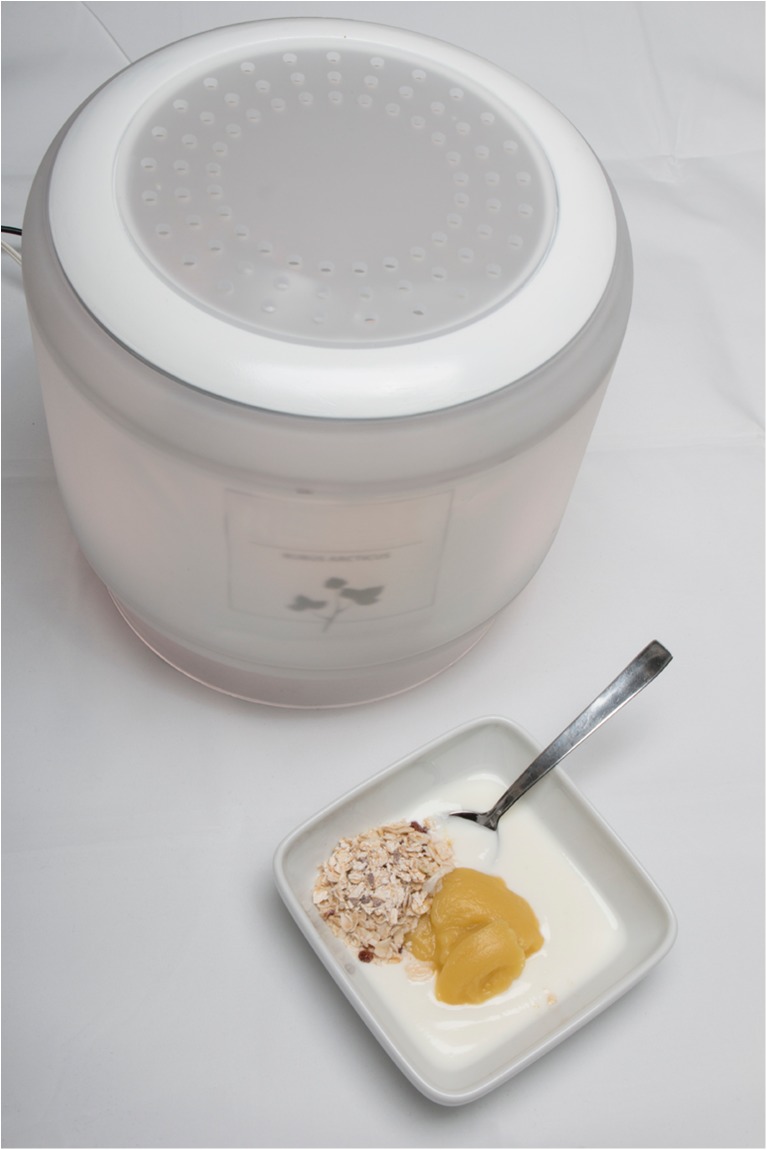
The production of drugs, cosmetics, and food which are derived from plant cell and tissue cultures has a long tradition. The emerging trend of manufacturing cosmetics and food products in a natural and sustainable manner has brought a new wave in plant cell culture technology over the past 10 years. More than 50 products based on extracts from plant cell cultures have made their way into the cosmetics industry during this time, whereby the majority is produced with plant cell suspension cultures. In addition, the first plant cell culture-based food supplement ingredients, such as Echigena Plus and Teoside 10, are now produced at production scale. In this mini review, we discuss the reasons for and the characteristics as well as the challenges of plant cell culture-based productions for the cosmetics and food industries. It focuses on the current state of the art in this field. In addition, two examples of the latest developments in plant cell culture-based food production are presented, that is, superfood which boosts health and food that can be produced in the lab or at home.
Overview
The claims and statistics of this paper haven’t been checked yet.
Free: it reads the open-access text and checks the first 5 claims that cite a source we can check. Create a free account to check every claim.
Integrity signals
Registry
Cites
Statistics
Figures
Verification
Claims the paper makes
The claims and statistics of this paper haven’t been checked yet.
Free: it reads the open-access text and checks the first 5 claims that cite a source we can check. Create a free account to check every claim.
Claims other papers make about this one
Each is checked against this paper’s own text: does it say what the citing paper says it does?
The cited source says what the claim attributes to it.
In the citing paper
“Other benefits are the elimination of seasonality of the vegetable; ecological friendliness; use of less water volume; elimination of pest control; and use of less energy [68].”
From Innovative Approaches to an Eco-Friendly Cosmetic Industry: A Review of Sustainable Ingredients (2024) · cites this paper as [68]
Self-check
Percentages, sums and reported differences re-computed from the paper’s own numbers.
The self-check needs the paper’s full text.
Citations
Cites
A Revised Medium for Rapid Growth and Bio Assays with Tobacco Tissue Cultures
Murashige, T., & Skoog, F. (1962) · Physiologia Plantarum · doi:10.1111/j.1399-3054.1962.tb08052.x · Cited by 67,392
Nutrient requirements of suspension cultures of soybean root cells
Gamborg, O. L., Miller, R. A., & Ojima, K. (1968) · Experimental Cell Research · doi:10.1016/0014-4827(68)90403-5 · Cited by 9,427
Plant Propagation by Tissue Culture
(2007) · doi:10.1007/978-1-4020-5005-3 · Cited by 2,531 · cited 1×
“Both type and concentration of the growth regulators have an influence on callus growth and morphology as well as on secondary metabolite synthesis (Evans et al. 2003; George et al. 2008; Gutzeit and LudwigMüller 2014).”
Schenk, R. U., & Hildebrandt, A. C. (1972) · Canadian Journal of Botany · doi:10.1139/b72-026 · Cited by 2,368
Murthy, H. N., Lee, E.-J., & Paek, K.-Y. (2014) · Plant Cell, Tissue and Organ Culture (PCTOC) · doi:10.1007/s11240-014-0467-7 · Cited by 679
Current approaches toward production of secondary plant metabolites
Hussain, M. S., Fareed, S., Ansari, S., Rahman, M. A., Ahmad, I., & Saeed, M. (2012) · Journal of Pharmacy And Bioallied Sciences · doi:10.4103/0975-7406.92725 · Cited by 636
Somatic embryogenesis — Stress-induced remodeling of plant cell fate
Fehér, A. (2015) · Biochimica et Biophysica Acta (BBA) - Gene Regulatory Mechanisms · doi:10.1016/j.bbagrm.2014.07.005 · Cited by 478 · cited 1×
“This phenomenon, also known as cellular totipotency of plant cells, was experimentally demonstrated by growing carrot cells in vitro by Haberlandt in 1958 (Fehér 2015).”
BackgroundAbiotic and Biotic Stress in Plants - Recent Advances and Future Perspectives
(2016) · InTech eBooks · doi:10.5772/60477 · Cited by 377
Hairy root type plant in vitro systems as sources of bioactive substances
Georgiev, M. I., Pavlov, A. I., & Bley, T. (2007) · Applied Microbiology and Biotechnology · doi:10.1007/s00253-007-0856-5 · Cited by 362
Bioprocessing of plant cell cultures for mass production of targeted compounds
Georgiev, M. I., Weber, J., & Maciuk, A. (2009) · Applied Microbiology and Biotechnology · doi:10.1007/s00253-009-2049-x · Cited by 276
Research works printed but not linked: 15
- Belser E Anti-ageing hair care: preventing hair loss and ensuring fuller hair COSMA 2015 1 10 11
- Bimonte M Tito A Carola A Barbulova A Monoli I Cucchiara M Hill J Colucci G Apone F A new active extract obtained from Coffea bengalensis stem cells acts on different skin cell types attenuating signs of ageing Cosmet Toilet 2011 126 644 650
- Carola A Tito A Bimonte M Mustilli A Cucchiara M Monoli I Hill J Apone F Colucci G Liposoluble extracts of Vitis vinifera grape marc and cell cultures with synergistic anti-ageing effects Househ Pers Care Today 2012 1 42 46
- Dal Toso R Melandri F Plant cell culture technology: a new ingredient source Pers CARE 2010 28 35 38
- Dal Toso R Melandri F Sustainable sourcing of natural food ingredients by plant cell cultures Agro Food Ind Hi Tech 2011 22 30 32
- Haberlandt G Kulturversuche mit isolierten Pflanzenzellen: Math-Naturwiss Kl. Abt J Sitzungsber Akad Wiss Wien 1902 111 69 92
- Hess D Biotechnologie der Pflanzen: Eine Einführung 1992 Stuttgart Ulmer
- Imseng N, Schillberg S, Schürch C, Schmid N, Schütte K, Gorr G, Eibl D, Eibl R (2014) Industrial scale suspension culture of living cells. In: Meyer HP, Schmidhalter DR (eds) Suspension culture of plant cells under heterotrophic conditions, Wiley Blackwell, pp 224–258
- Lonza (2014) ReGeniStemTM Brightening: a brighter solution for even skin tone. https://www.semanticscholar.org/paper/ReGeniStemTM-Brightening-A-Brighter-Solution-for-Brightening/59e6fcd41e1bfd5a666ece8ae45fcd330a760085?tab=references. Accessed 2 Jan 2018
- Reynolds J Bying local food products Food Serv Nutr 2016 1 5 10
- Ritterhaus E Ulrich J Westphal L Large-scale production of plant cell cultures Int Assoc Plant Tissue Cult Newsl 1990 62 2 10
- Schmid D Zülli F Use of plant cell cultures for a sustainable production of innovative ingredients SOFW J 2012 138 2 10
- Sena M (2015) Hairy root culture as a source of novel plant-derived active compounds with applications in cosmetics. Dissertation, Universita Degli Studi di Salerno
- Sevón N Tropan alkaloids in hairy roots and regenerated plants of Hyoscyamus muticus 1997 Dissertation University of Helsinki
- Stutz I Cell culture chocolate: plant cell culture based production of food and food supplement ingredients 2018 Master thesis Zurich University of Applied Sciences
Cited by
Items 101–200 of 245
Guidoni, M., Júnior, A. D. D. S., Aragão, V. P. M., Silva, M. V. T. E., Barth, T., Clarindo, W. R., Endringer, D. C., Scherer, R., & Fronza, M. (2023) · PubMed Central · doi:10.1590/1414-431x2023e12849 · Cited by 11
“The activity of the plant stem cell culture extract of Theobroma cacao demonstrated great antioxidant capacity compared to conventional extracts from leaves and fruits (8).”
BackgroundGehlot, A., Chaudhary, N., Devi, J., Joshi, R., Kumar, D., & Bhushan, S. (2021) · Plant Cell Tissue and Organ Culture (PCTOC) · doi:10.1007/s11240-021-02193-1 · Cited by 11
“In this regard, several reports are available that demonstrated the potential of plant cell and organ cultures for the production of secondary metabolites at an industrial scale (Eibl et al. 2018; Khan et al. 2021).”
BackgroundThakur, A., Thakur, K., Kumar, A., Warghat, A. R., Kumar, D., & Pandey, S. S. (2024) · Journal of Applied Microbiology · doi:10.1093/jambio/lxae242 · Cited by 10
TAALAT, K., Javed, M. A., Huyop, F., & Kaya, Y. (2021) · MANAS Journal of Engineering · doi:10.51354/mjen.839516 · Cited by 10
“Callus stage is widely studied in tissue culture protocols to present new desirable cultivars and generating genetically modified plants to achieve some new traits such as pesticide or herbicide resistance product [35,17,36].”
BackgroundMoradi, A., Zarinkamar, F., Mita, G., Caretto, S., & Paolis, A. D. (2022) · Horticulturae · doi:10.3390/horticulturae8121176 · Cited by 9
Errico, S., Mastrobuono, V., Pagliarello, R., Bennici, E., Tavazza, R., Verardi, A., Presenti, O., Panozzo, M., Sangiorgio, P., & Massa, S. (2024) · Innovative Food Science & Emerging Technologies · doi:10.1016/j.ifset.2024.103893 · Cited by 9
Qin, Y., Zhang, Y., Zhang, S., & Wu, T. Y. (2022) · Scientia Horticulturae · doi:10.1016/j.scienta.2022.111770 · Cited by 9
Biotechnology for micropropagation and camptothecin production in Ophiorrhiza sp.
Pandey, D. K., Konjengbam, M., Ghorai, M., Dwivedi, P., Roy, D., Kant, N., Gangaprasad, A. N., & Dey, A. (2022) · Applied Microbiology and Biotechnology · doi:10.1007/s00253-022-11941-y · Cited by 9
“Plant tissue culture offers new strategies for increasing productivity, profitability, stability and sustainability (Eibl et al. 2018; Yancheva and Kondakova 2018).”
BackgroundAdvances in microfluidic plant biotechnology: From single cells to mature plants
Marín-Lizarraga, V., Núñez-Becerril, L. F., & De‐la‐Peña, C. (2024) · Process Biochemistry · doi:10.1016/j.procbio.2024.10.004 · Cited by 8
Costa, V. D., Piovan, A., Filippini, R., & Brun, P. (2024) · Molecules · doi:10.3390/molecules29112472 · Cited by 8
“In this contest, plant cell cultures are an attractive alternative for producing valuable materials with promising applications in the healthcare and cosmetic sectors [9–12] as they present some relevant advantages.”
BackgroundBioengineering for Production of Biologically Active Compounds in Plants
Singh, H. (2024) · Springer eBooks · doi:10.1007/978-981-97-2166-5_1 · Cited by 8
Abas, A., Huded, S., Reddy, K. J., Panigrahi, C. K., Padamini, R., Diwan, S., Tyagi, V., & Saiyad, M. Y. (2024) · PLANT CELL BIOTECHNOLOGY AND MOLECULAR BIOLOGY · doi:10.56557/pcbmb/2024/v25i9-108829 · Cited by 8
Wierzchowski, K., & Pilarek, M. (2024) · Chemical Engineering Journal · doi:10.1016/j.cej.2024.155966 · Cited by 8
Integrative Approaches for Enhanced Secondary Metabolite Production
Shukla, P. K., Pulamolu, R. K., & Misra, P. S. N. (2024) · Springer eBooks · doi:10.1007/978-981-97-2367-6_17 · Cited by 8
Xu, Y. H., Cao, Y., Tie, F., Kong, X., Liu, Y., Zhang, Y., Guan, W., Hu, N., Wang, H., Qin, X., et al. (2025) · Plant Biotechnology Journal · doi:10.1111/pbi.70001 · Cited by 8
“Plant cell and tissue cultures have a long history of application, and with the progress of biotechnology, their use has increased in industries such as pharmaceuticals and functional foods (Eibl et al ., 2018).”
Flavonoid Accumulation in an Aseptic Culture of Summer Savory (Satureja hortensis L.)
Khlebnikova, D. A., Efanova, E. M., Danilova, N. A., Shcherbakova, Y. V., & Sidorova, I. (2022) · Plants · doi:10.3390/plants11040533 · Cited by 8
“Thus, expanding the knowledge base for the characteristics of in vitro cultivation of medicinal, aromatic, and valuable agricultural plants, especially their cell cultures, contributes to the development of this industry sector and is an urgent task to research [4].”
BackgroundPartap, M., Rattan, S., Kumar, D., & Warghat, A. R. (2022) · Industrial Crops and Products · doi:10.1016/j.indcrop.2022.115311 · Cited by 8
In Vitro Production of Bioactive Compounds from Plant Cell Culture
Lakshmaiah, V. V., Banadka, A., Thirumoorthy, G., Naik, P. M., Al-Khayri, J. M., & Nagella, P. (2022) · Springer eBooks · doi:10.1007/978-981-16-8858-4_2 · Cited by 8
Efficient Screening Techniques to Identify Mutants with TR4 Resistance in Banana
Jankowicz-Cieślak, J., & Ingelbrecht, I. L. (2022) · Springer eBooks · doi:10.1007/978-3-662-64915-2 · Cited by 8
Michelutti, L., Bulfoni, M., Bolzon, V., & Nencioni, E. (2020) · Cosmetics · doi:10.3390/cosmetics7030054 · Cited by 8
“These methodologies are straightforward and practical enough to use in a quality control laboratory [32,53,54].”
MethodSecondary Metabolite Production in Plant Cell Culture: A New Epigenetic Frontier
Newton, C. B., Young, E. M., & Roberts, S. C. (2021) · Springer eBooks · doi:10.1007/978-3-030-58271-5_1 · Cited by 7
Protocol for Mass Propagation of Plants Using a Low-Cost Bioreactor
Hassan, A. A., Noordin, N., Ahmad, Z., Akil, M., Ahmad, F., & Ibrahim, R. (2022) · Springer eBooks · doi:10.1007/978-3-662-64915-2_11 · Cited by 7
Large-Scale Production of Specialized Metabolites In Vitro Cultures
Marchev, A. S., Stoykova, I. D., & Georgiev, M. I. (2024) · Methods in molecular biology · doi:10.1007/978-1-0716-3954-2_21 · Cited by 7
Transcriptomic analyses of cacao flavonoids produced in photobioreactors
Gallego, A., Rojas, L. F., Valencia, W. G., Atehortúa, L., Trujillo, A. I. U., Fister, A. S., Guiltinan, M. J., Maximova, S. N., & Pabón‐Mora, N. (2021) · BMC Genomics · doi:10.1186/s12864-021-07871-0 · Cited by 7
Li, Y., Han, J., Gong, R., Liu, Y., Zhou, Y., Gong, T., Wang, B., Zhang, L., Li, S., & Chen, J. (2025) · International Journal of Cosmetic Science · doi:10.1111/ics.13055 · Cited by 6
A review of Siraitia grosvenorii: Applications, breeding, and biosynthesis of mogrosides
Luo, Z., Zang, Y., Su, J., Tang, Q., Pan, L., Ma, X., Wang, C., & Mo, C. (2025) · Chinese Herbal Medicines · doi:10.1016/j.chmed.2025.11.005 · Cited by 6
“It has become one of the effective methods for the large-scale production of natural compounds used in the pharmaceutical, food, beverage, and cosmetics industries (Efferth, 2019; Eibl et al., 2018).”
Blue LED light enhances the growth of Cinchona officinalis L. cultured in vitro
Vivanco-Galván, O., Jiménez-Gaona, Y., Castillo, D., & Lucero, H. (2022) · Organic and Hybrid Sensors and Bioelectronics · doi:10.1117/12.2633167 · Cited by 6
Plant-based foods—future outlook
Soukoulis, C. (2022) · Elsevier eBooks · doi:10.1016/b978-0-323-89842-3.00002-6 · Cited by 6
Carvajal, F., V, Duran, C., & Aquea, F. (2019) · Journal of Cosmetic Dermatology · doi:10.1111/jocd.13137 · Cited by 6
Transcriptomic Changes in Internode Explants of Stinging Nettle during Callogenesis
Xu, X., Legay, S., Berni, R., Hausman, J.-F., & Guerriero, G. (2021) · International Journal of Molecular Sciences · doi:10.3390/ijms222212319 · Cited by 6
“, to produce phytochemicals with bioactivities of interest for the cosmetic and food industries [3,4], as well as for the biopharmaceutical industry [5].”
BackgroundMaschke, R. W., Seidel, S., Rossi, L., Eibl, D., & Eibl, R. (2024) · Advances in biochemical engineering, biotechnology · doi:10.1007/10_2024_249 · Cited by 6
Self-citationIntroduction to Cellular Agriculture
Farzana, W., & George, G. S. (2024) · Advances in environmental engineering and green technologies book series · doi:10.4018/979-8-3693-4115-5.ch001 · Cited by 6
Woodfordia fruticosa (L.) Kurz: in vitro biotechnological interventions and perspectives
Aileni, M., Bulle, M., Malavath, R. N., Thurpu, S., Bandaram, K., Balkampeta, B., Marri, M., Singasani, V. S. R., & Murthy, E. N. (2023) · Applied Microbiology and Biotechnology · doi:10.1007/s00253-023-12695-x · Cited by 6
“Because plants growing in wild habitats have the tendency to produce such valuable attributes in trace amounts, in such instances, biotechnology and its reliable approaches were widely engaged in their large-scale production from cell and organ cultures (Eibl et al. 2018).”
BackgroundSingle-Use Technology Today – A Cornucopia of Applications
Schmidhalter, D. R., Eibl, D., & Eibl, R. (2025) · CHIMIA International Journal for Chemistry · doi:10.2533/chimia.2025.312 · Cited by 5
Self-citationPlant Cell Strain Improvement Through Engineering Biology for Industrial Plant Cell Culture
Li, Y., & Hall-Ponselè, A. M. (2025) · Engineering Biology · doi:10.1049/enb2.70002 · Cited by 5
“Despite these advantages, only a few bioactive compounds have been commercialised via PCC to date [17].”
Impact of Plant Growth Regulators on Callus Induction in Cannabis sativa L.
Thiry, M., Iken, M., Renaut, J., Lutts, S., & Guerriero, G. (2026) · Cells · doi:10.3390/cells15040385 · Cited by 5
“Beyond clonal propagation and germplasm conservation [5], in vitro culture systems enable controlled studies of plant development and offer alternative routes to produce valuable metabolites [6–9].”
Plants to pharmacy: recapitulation of natural compounds transmuting human health
Kishor, P. B. K., Pullaiah, T., Rao, A. R., Romano, A., Rathnagiri, P., & Suprasanna, P. (2024) · Elsevier eBooks · doi:10.1016/b978-0-443-21818-7.00014-9 · Cited by 5
In Vitro Cultures: Challenges and Limitations
Kumari, N., Gupta, A. V., Pandey, B. C., Kushwaha, R., & Yaseen, M. (2023) · Springer eBooks · doi:10.1007/978-981-99-2824-8_17 · Cited by 5
Senyange, B., Steur, H. D., Wesana, J., Gellynck, X., & Huylenbroeck, G. V. (2024) · The Journal of Horticultural Science and Biotechnology · doi:10.1080/14620316.2024.2376591 · Cited by 5
“These studies have analysed the state of the art of plant tissue culture (Gubser et al., 2021; Onay et al., 2011), emerging trends and challenges (Eibl et al., 2018), and future development (Al-Khayri & Naik, 2017).”
Mamdouh, D., Neubauer, P. B., Junne, S. G., & Smetanska, I. (2024) · Plant Cell Tissue and Organ Culture (PCTOC) · doi:10.1007/s11240-024-02896-1 · Cited by 5
“Plant cell cultures, as opposed to conventional planting, enable the production of compounds for the food and cosmetics industries with lower consumption of energy, a potentially lower environmental impact, and seasonal and geographical independence (Eibl et al. 2018).”
Angulo‐Bejarano, P. I., de la Fuente-Jiménez, J. L., Paul, S., Donato, M. D., Maldonado, I. C., Cabrera, G. B., Valiente-Banuet, J. I., & Sharma, A. K. (2019) · Springer eBooks · doi:10.1007/978-981-13-9624-3_2 · Cited by 5
Martinez, A. A., Panuska, C., Kurina‐Sanz, M., Rinaldoni, A. N., & Orden, A. A. (2023) · Plant Foods for Human Nutrition · doi:10.1007/s11130-023-01105-2 · Cited by 5
“In addition, these technologies allow endangered or exotic species to be exploited, avoiding the risk of becoming invasive weeds, which would compromise native flora and fauna [4, 5].”
BackgroundOğuz, D., Keskin, N., & ÖZDEMİR, F. A. (2020) · Türkiye Tarımsal Araştırmalar Dergisi · doi:10.19159/tutad.673602 · Cited by 5
“In recent years, studies on obtaining secondary metabolites with plant cell and tissue culture systems have gained speed (Eibl et al., 2018; Cardoso et al., 2019).”
BackgroundKubica, P., Szopa, A., Setkiewicz, A., & Ekiert, H. (2024) · Molecules · doi:10.3390/molecules29194622 · Cited by 4
“Currently, some cosmetic products and food supplements are produced on a commercial scale in European countries, the USA, and Korea using plant in vitro technology [11–13].”
BackgroundA highly efficient platform for Arabidopsis hairy root induction using Agrobacterium strain K599
Rodrigues, S. D., Delmotte, D., Coster, G. D., Sweron, O., den Steen, E. V., Saeger, J. D., Pauwels, L., & Coninck, B. D. (2025) · Plant Cell Tissue and Organ Culture (PCTOC) · doi:10.1007/s11240-025-03256-3 · Cited by 4
“Specialized metabolite pathways are also acti - vated and upregulated in hairy roots, making them valuable for biosynthesis of important bioactive compounds (Guil - lon et al. 2006; Eibl et al. 2018; Gutierrez-Valdes et al. 2020 ).”
Sokolov, A. O., Dykman, L. A., Galitskaya, A. A., & Соколов, О. И. (2020) · International Electronic Conference on Plant Science (IECPS) · doi:10.3390/iecps2020-08753 · Cited by 4
Jahan, I., Onay, A., Toksoy, M. O., & Kaya, S. (2021) · Springer eBooks · doi:10.1007/978-981-16-3529-8_8 · Cited by 4
Hata, T., Mukae, K., Satoh, S., Matsuo, M., & Obokata, J. (2021) · Plant Biotechnology · doi:10.5511/plantbiotechnology.20.1211b · Cited by 4
“Plant cell culture is a useful system not only for basic plant sciences but also for genetic engineering to produce useful substances (Eibl et al. 2018; Nagata et al. 1992; Ochoa-Villarreal et al. 2016).”
BackgroundCallus Culture Approach Towards Production of Plant Secondary Metabolites
Rattan, S., Partap, M., Ashrita, Kanika, K., Kumar, P., Sood, A., & Warghat, A. R. (2021) · Springer eBooks · doi:10.1007/978-981-16-2339-4_8 · Cited by 4
Ling, L.-J., Wang, M., Pan, C., Tang, D., Yuan, E., Zhang, Y., Chen, J., Peng, D., & Yin, Z. (2023) · Frontiers in Bioengineering and Biotechnology · doi:10.3389/fbioe.2023.1150842 · Cited by 4
“Over the past century, plant cell and tissue culture technologies have developed rapidly and shown outstanding advantages in the plant secondary metabolites production, such as short production cycle, independence of natural conditions and conveniences in extraction and purification (Davies et al., 2013; Regine et al.…”
BackgroundArias-Rodríguez, L. I., Rodríguez-Mendiola, M. A., Arias-Castro, C., Guti閞rez-Miceli, F. A., P閞ez, D. R., Hidalgo, M. C. L., Villalobos-Maldonado, J. J., & Mancilla-Margalli, N. A. (2023) · Phyton · doi:10.32604/phyton.2023.030396 · Cited by 4
Mitra, R., Upadhyay, J., & Chakraborty, N. (2024) · Springer eBooks · doi:10.1007/978-981-97-1467-4_13 · Cited by 4
Martinez, A. A., Bonilla, J. O., Aguilera, L., Callegari, E. A., Paez, M. D., Kurina‐Sanz, M., & Orden, A. A. (2024) · Plant Cell Tissue and Organ Culture (PCTOC) · doi:10.1007/s11240-024-02876-5 · Cited by 3
“Polyphenols, including anthocya - nins, also serve as natural pigments with applications in cos - metics and nutraceuticals (Barbulova et al. 2014; Georgiev et al. 2018; Eibl et al. 2018 ).”
Omics and plant tissue culture for secondary metabolite production and synthetic biology
Nallasamy, L., Kumar, A., & Swaminathan, A. (2024) · LS International Journal of Life Sciences · doi:10.5958/2319-1198.2024.00007.3 · Cited by 3
Production of Aloe vera Phytoplacenta Extract and Potential Applications in Skincare
Jung, S. M., Kim, H.-I., Kim, S., Jang, S. J., Seo, H. H., Lee, J. H., Kim, J.-D., Cho, W. K., & Moh, S. H. (2025) · Life · doi:10.3390/life15030397 · Cited by 3
“Plant cell culture technology is a powerful approach for producing high-value compounds in cosmetics, pharmaceuticals, and food industries by cultivating plant cells in controlled environments [20–22].”
Georgieva, M., Vasileva, B., Ivanov, P., Hristova‐Panusheva, K., Paunova-Krasteva, T. S., Lesov, I., Gospodinova, Z., Krasteva, N. A., Miloshev, G. A., & Georgiev, V. (2025) · Cosmetics · doi:10.3390/cosmetics12030090 · Cited by 4
Kadyrbaev, M. K., Boyko, E. V., Avdeeva, E. Y., Glukhova, L. B., Филонова, М. В., Густавович, Е. А., Markova, Y. A., Khlusov, I. A., & Belousov, M. V. (2026) · In Vitro Cellular & Developmental Biology - Plant · doi:10.1007/s11627-026-10634-9 · Cited by 3
“2016; Eibl et al .”
Biotechnology based on cell cultures of higher plants
Nourani, A., Popova, E., & Титова, М. В. (2021) · E3S Web of Conferences · doi:10.1051/e3sconf/202126504012 · Cited by 3
Kaňuková, Š., Gubišová, M., Klčová, L., Mihálik, D., & Kraic, J. (2022) · International Journal of Molecular Sciences · doi:10.3390/ijms23147644 · Cited by 3
“Callus cultures themselves offer a wide range of biotechnological applications [52,53] aimed at the highly desirable application of in vitro cultures, the production of various natural products [31,53,54], especially secondary metabolites [28].”
BackgroundBudama‐Kilinc, Y., & Gök, B. (2024) · Journal of Drug Delivery Science and Technology · doi:10.1016/j.jddst.2024.106250 · Cited by 3
Pan, C., Liu, Y., Tang, D., Chen, J., & Yin, Z. (2024) · Biotechnology and Bioengineering · doi:10.1002/bit.28913 · Cited by 3
“Since the pio-neering work on plant cell culture by Muir, Hildebrandt, and Riker (1954), researchers have studied over 1000 plants for cell culture, resulting in the isolation of more than 600 secondary metabolites (Eibl et al. 2018).”
Evaluation of the production of cellular green tea in comparison with traditional commercial teas
Esteban-Campos, P., Vela, P., Llano, B. P., Salinero, C., & Pérez‐Santín, E. (2025) · Food Bioscience · doi:10.1016/j.fbio.2025.106609 · Cited by 3
Commercial opportunities, future directions, and Novel approaches to fermentation
Yap, W. S., Murugan, P., Suntornnond, R., & Choudhury, D. (2024) · Elsevier eBooks · doi:10.1016/b978-0-443-18767-4.00030-5 · Cited by 3
From “Maraschino” to Cell Cultures: A Deep Study on Prunus cerasus L. Cell Culture Juices
Costa, V. D., Piovan, A., Varfaj, I., Marcotullio, M. C., Brun, P., & Filippini, R. (2025) · Molecules · doi:10.3390/molecules30051089 · Cited by 3
In vitro culture technique of Camellia sinensis L for epicatechin production with phosphor inducer
Sutini, S., Widiwurjani, W., Augustien, N., Suhardjono, H., Guniarti, G., Purwanto, D. A., & Muslihatin, W. (2020) · Berkala Penelitian Hayati · doi:10.23869/bphjbr.25.2.20203 · Cited by 3
“…levels up to 15% and 40% compared to epicatechin produced from the seeds of the cacao teobroma plant and C. sinensis L suspension culture, respectively (Eibl et al., 2018; Shibasaki-Kitakawa et al., 2003), suggesting for further modification to produce a high level of epicatechin production.”
BackgroundSandalwood Biotechnology: Challenges, Opportunities, and Outlook
Bapat, V. A. (2021) · Springer eBooks · doi:10.1007/978-981-16-0780-6_13 · Cited by 3
Reviewed Commentary: Factory-Grown Wood, the Future of Forestry?
Hansen, E., Beckwith, A. L., Lancaster, C. A., & Leavengood, S. (2022) · Wood and Fiber Science · doi:10.22382/wfs-2022-20 · Cited by 3
Role of Biotechnology in Improvement and Regulation of Biosynthesis of Bioactive Compounds
Kour, S., Sagar, T., Nipunta, Hussain, S., Kapoor, N., & Mahajan, R. (2025) · Sustainable landscape planning and natural resources management · doi:10.1007/978-3-031-76859-0_3 · Cited by 2
Microbial resources for food system sustainability: Lessons from the cocoa industry
Gupta, A., & Cocolin, L. (2025) · Trends in Food Science & Technology · doi:10.1016/j.tifs.2025.105250 · Cited by 2
Kim, D., Lim, J., Lee, K., Kim, G., Pyee, J., You, M., & Hwang, J. S. (2025) · Cosmetics · doi:10.3390/cosmetics12050181 · Cited by 3
“While grape-derived bioactives have been widely studied in leaf or skin tissues, the use of floral cell cultures for regenerative skin applications remains largely unexplored, presenting new opportunities for innovation in cosmeceutical development [28].”
Evaluation of a high throughput multiparallel stirred bioreactor system using an apple cell line
Lillberg, A., Guerriero, G., Cocco, E., Jourdan, S., Sergeant, K., Renaut, J., Pajumo, M., AKHGARI, A. B., Rischer, H., & Legay, S. (2026) · Scientific Reports · doi:10.1038/s41598-026-50148-3 · Cited by 2
“Consequently, the technology has garnered considerable attention in the fields of natural products and alternative sustainable technologies 4,5 .”
He, P., Ye, Q., Yang, R., Chen, L., Cai, S., Lin, X., Zhao, H., Niu, Q., Chen, N., Wu, Q., et al. (2026) · Journal of Agricultural and Food Chemistry · doi:10.1021/acs.jafc.6c00869 · Cited by 2
Scaling up of secondary metabolite production
Kumar, V., Мадан, А. К., Sahai, P., & Dutta, R. (2024) · Elsevier eBooks · doi:10.1016/b978-0-443-16158-2.00008-2 · Cited by 2
Cell Suspension Cultures and High Frequency Shoot Regeneration of Some Hypericum species
Ahmed, H. A. A., Uranbey, S., Salaj, T., & Mistríková, V. (2025) · Tarım Bilimleri Dergisi · doi:10.15832/ankutbd.1535826 · Cited by 2
“…culture applications focus on the presence of bioactive compounds and these techniques are employed under controlled environmental conditions to generate plant-specific metabolites used in medicinal and cosmetics industry (Eibl et al. 2018; Al-Atrakchii et al. 2019; Gubser et al. 2021; Faizy at al.”
Safety Assessment of Ethanolic Extract of Padina gymnospora as a Cosmetic Ingredient
Kang, H. B., Bak, J., Kim, H. K., & Choi, Y.-S. (2021) · Asian Journal of Beauty and Cosmetology · doi:10.20402/ajbc.2021.0214 · Cited by 2
“화 장품 소재로 사용하기 위한 식물 추출물은 열수 또는 에탄올을 이 용한 추출물, 줄기세포를 포함한 식물 세포 배양액, 식물-유래 아 미노산 등 매우 다양하다(Krasteva et al., 2020; Eibl et al., 2018; Trehan et al., 2017; Burnett et al., 2014).”
Cis Elements: Added Boost to the Directed Evolution of Plant Genes
Valli, H., Prasanna, D., Rajput, V. S., Sridhar, W., Sakuntala, N. N. V., Harshavardhan, P., & Runthala, A. (2022) · Journal of Pure and Applied Microbiology · doi:10.22207/jpam.16.1.68 · Cited by 2
Kärkkäinen, E., Aisala, H., Rischer, H., & Sözer, N. (2022) · LWT · doi:10.1016/j.lwt.2022.113650 · Cited by 2
Optimization of Anthocyanin Production in Tobacco Cells
Carpi, A., Rahim, A., Marin, A., Armellin, M., Brun, P., Miotto, G., Monte, R. D., & Trainotti, L. (2023) · International Journal of Molecular Sciences · doi:10.3390/ijms241813711 · Cited by 2
“1 (M1 hereafter) TF were already available in the laboratory [22], as well as genetic constructs for the expression of standard 2B”
Unconventional Material from In Vitro Plant Cell Cultures: Vitis labrusca var. Isabella Case Study
Costa, V. D., Piovan, A., Brun, P., & Filippini, R. (2025) · Applied Sciences · doi:10.3390/app15169139 · Cited by 2
Chemicals: cosmetics and other consumer products
Haugabrooks, E. M. (2020) · Elsevier eBooks · doi:10.1016/b978-0-12-813724-6.00014-1 · Cited by 2
THE CONTENT OF PHENOLIC COMPOUNDS AND FLAVONOIDS IN Deschampsia antarctica TISSUE CULTURE
Twardovska, M. O. (2021) · Biotechnologia Acta · doi:10.15407/biotech14.02.059 · Cited by 2
Orchid callus extract: a sustainable and natural active to promote hair growth
Kallukalam, B. C., Karempudi, P., Dixit, A. K., & Kalsi, G. (2024) · The Journal of Phytopharmacology · doi:10.31254/phyto.2024.13210 · Cited by 1
Grapevine as a natural resource in the cosmetic industry
Lopes, C. M., Lúcio, M., Oliveira, R., Almeida, I. F., & Amaral, M. H. (2024) · Advances in botanical research · doi:10.1016/bs.abr.2024.07.001 · Cited by 1
Martin, Z., & Heralde, F. M. (2026) · International Journal of Secondary Metabolite · doi:10.21448/ijsm.1663264 · Cited by 1
Son, J.-H., Sun, H.-J., & Lee, H. Y. (2026) · Horticultural Science and Technology · doi:10.7235/hort.20260004 · Cited by 1
A safety culture for plant cell culture-based foods
Bouwman, L. M. S., Sturme, M. H. J., & Kleter, G. A. (2026) · Trends in biotechnology · doi:10.1016/j.tibtech.2026.02.012 · Cited by 1
López, L. J., Vilafranca-Tello, M., Leivar, P., Lliberia, J. L., Lecina, M., & Artigues, M. (2026) · Analytical and Bioanalytical Chemistry · doi:10.1007/s00216-026-06412-6 · Cited by 1
Lee, S. H., Ku, K., Cho, J. B., & Cho, W. S. (2026) · Horticultural Science and Technology · doi:10.7235/hort.20250081 · Cited by 1
Ebrahimi, S., Zakavi, M., Askari, H., & Saidi, A. (2026) · Scientific Reports · doi:10.1038/s41598-026-42526-8 · Cited by 1
Stem Cells in Cosmetic Applications: Advancements, Challenges, and Future Directions
KarkonShayan, F., Saderi, N., Morshedi, I., Ghamari, B., & Shayan, S. K. (2026) · Journal of Cosmetic Dermatology · doi:10.1111/jocd.70866 · Cited by 1
Rahi, M. T., Patil, R. A., Lenka, S. K., Walker, E. L., & Roberts, S. C. (2026) · Journal of Plant Biochemistry and Biotechnology · doi:10.1007/s13562-026-01080-0 · Cited by 1
Next-Generation In Vitro Strategies in Woody Plant Cloning
Sota, V., Lambardi, M., Vidal, N., & Werbrouck, S. (2026) · Springer eBooks · doi:10.1007/978-3-032-28071-8 · Cited by 1
Bari, L. R., Ghanbari, A., Darvishzadeh, R., Giglou, M. T., & Baneh, H. D. (2021) · Food Science and Technology · doi:10.52547/fsct.18.111.1 · Cited by 1
Agisimanto, D., Yulianti, F., & Arisah, H. (2022) · AIP conference proceedings · doi:10.1063/5.0075651 · Cited by 1
Expanding Horizons: Role of Biotechnology in MAP Research, Production and Utilization
Mehrotra, N., & Khan, S. A. (2022) · Medicinal and aromatic plants of the world · doi:10.1007/978-3-030-98701-5_8 · Cited by 1
Patil, R. H., Patil, M. P., & Maheshwari, V. L. (2023) · Springer eBooks · doi:10.1007/978-981-99-5406-3_10 · Cited by 1
Marette, S., & Lejars, C. (2024) · Éditions Quæ eBooks · doi:10.35690/978-2-7592-3895-8 · Cited by 1
Pereira, M. C., Moreira, J. V., Souza, S. C. R., Coutinho, H. P. D. S., Soares, K. L., Kerr, H. K. A., Ribeiro, J. S., da Silva, Q. M., Pires, A. A., Aquije, G. M. F. V., et al. (2025) · Cuadernos de Educación y Desarrollo · doi:10.55905/cuadv17n4-112 · Cited by 1
Çallı, A., Bodurlar, Y., & Korkut, Ş. V. (2022) · Research Square · doi:10.21203/rs.3.rs-1854039/v1 · Cited by 1
Bernard, G. (2019) · theses.fr (ABES) · doi:10.70675/a81bcbf9z6827z4d8bz941czb40df06e28e7 · Cited by 1
Metadata
- Authors
- Eibl, R., Meier, P., Stutz, I., Schildberger, D., Hühn, T., & Eibl, D.
- Affiliations
- ZHAW Zurich University of Applied Sciences (CH)
- Corresponding author
- Eibl, Regine
- Venue
- Applied Microbiology and Biotechnology
- Published
- 2018-08-11
- Volume
- 102
- Issue
- 20
- Pages
- 8661-8675
- ISSN
- 0175-7598 (ISSN-L)
- 1432-0614
- PMC
- PMC6153648
- OpenAlex
- W2887326842
- Cited by
- 228
- References
- 102
- Citations by year
- 2026: 26 · 2025: 20 · 2024: 33 · 2023: 23 · 2022: 42 · 2021: 39 · 2020: 29 · 2019: 14 · 2018: 1
- FWCI
- 2.03
- Type
- journal article
- Language
- en
- Open access
- hybrid
- doi.org
- Licence
- cc-by
- creativecommons.org/licenses/by/4.0 (tdm)
- Locations
- Applied Microbiology and Biotechnology (publishedVersion, cc-by)
- Europe PMC (PubMed Central) (publishedVersion, cc-by)
- PubMed Central (publishedVersion, cc-by)
- PubMed (publishedVersion)
- Zürcher Hochschule für Angewandte Wissenschaften digital collection (Zurich University of Applied Sciences) (submittedVersion, cc-by-nc-nd)
- ZHAW Digital Collection (cc-by)
- Funders
- Zürcher Hochschule für Angewandte Wissenschaften
- Topics
- Life Sciences › Agricultural and Biological Sciences › Plant Science › Plant tissue culture and regeneration
- Life Sciences › Biochemistry, Genetics and Molecular Biology › Biotechnology › Transgenic Plants and Applications
- Life Sciences › Biochemistry, Genetics and Molecular Biology › Molecular Biology › Viral Infectious Diseases and Gene Expression in Insects
- Keywords
- plant cell culture, plant cell suspension culture, cosmetics, food industry, superfoods, dietary supplements, sustainable production, bioreactors
- MeSH terms
- Cosmetics, Humans, Cell Culture Techniques, Dietary Supplements, Food Industry, Plant Cells
About these checks
Registry, retraction, Cites and statistics results are computed, not judged, with one exception: a printed reference that no index lists is read once by a model before it counts as a citation error. Claims are extracted by a model and kept only when their quote appears verbatim in the text; each cited source is then checked, with a model’s help, for whether it says what the claim relies on. Those verdicts can be wrong — read the claim’s quote and the cited source before relying on one.
Statistics and arithmetic are recomputed, not judged.
Confidence bands are shown only for fields calibrated on our annotated test set. None is calibrated yet, so no band is shown.
What counts as a claim ›How we measure confidence ›How we check this ›
Are you an author, or do you see a problem with this page? Request a review
Data sources
Bibliographic data: Semantic Scholar, OpenAlex, Crossref.
Contains information from the Semantic Scholar Academic Graph Datasets, made available under the ODC Attribution License (ODC-BY 1.0).
Semantic Scholar’s data is described in: Kinney, R., et al. (2023). The Semantic Scholar Open Data Platform. arXiv:2301.10140.
