

Plant cell culture technology in the cosmetics and food industries: current state and future trends
Open accessThe DOI matches its Crossref record; 99 of the 102 references it cites were found in a registry or an index.
Abstract
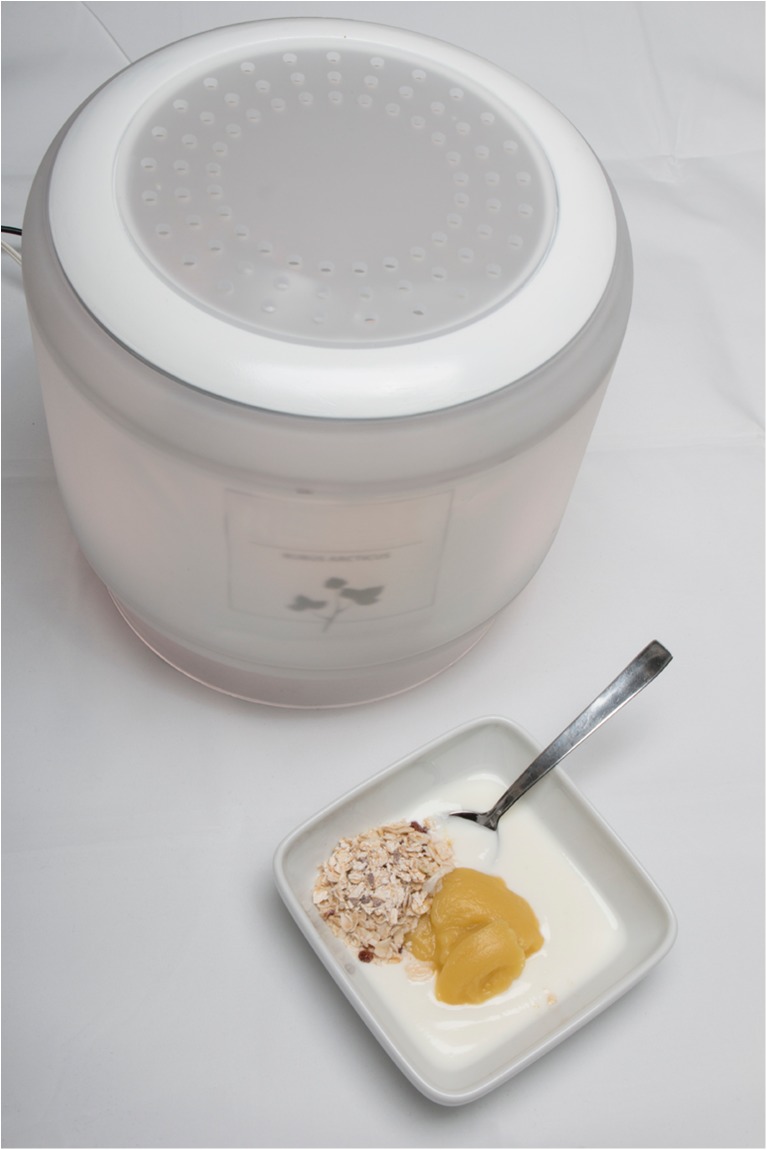
The production of drugs, cosmetics, and food which are derived from plant cell and tissue cultures has a long tradition. The emerging trend of manufacturing cosmetics and food products in a natural and sustainable manner has brought a new wave in plant cell culture technology over the past 10 years. More than 50 products based on extracts from plant cell cultures have made their way into the cosmetics industry during this time, whereby the majority is produced with plant cell suspension cultures. In addition, the first plant cell culture-based food supplement ingredients, such as Echigena Plus and Teoside 10, are now produced at production scale. In this mini review, we discuss the reasons for and the characteristics as well as the challenges of plant cell culture-based productions for the cosmetics and food industries. It focuses on the current state of the art in this field. In addition, two examples of the latest developments in plant cell culture-based food production are presented, that is, superfood which boosts health and food that can be produced in the lab or at home.
Overview
The claims and statistics of this paper haven’t been checked yet.
Free: it reads the open-access text and checks the first 5 claims that cite a source we can check. Create a free account to check every claim.
Integrity signals
Registry
Cites
Statistics
Figures
Verification
Claims the paper makes
The claims and statistics of this paper haven’t been checked yet.
Free: it reads the open-access text and checks the first 5 claims that cite a source we can check. Create a free account to check every claim.
Claims other papers make about this one
Each is checked against this paper’s own text: does it say what the citing paper says it does?
The cited source says what the claim attributes to it.
In the citing paper
“Other benefits are the elimination of seasonality of the vegetable; ecological friendliness; use of less water volume; elimination of pest control; and use of less energy [68].”
From Innovative Approaches to an Eco-Friendly Cosmetic Industry: A Review of Sustainable Ingredients (2024) · cites this paper as [68]
Self-check
Percentages, sums and reported differences re-computed from the paper’s own numbers.
The self-check needs the paper’s full text.
Citations
Cites
A Revised Medium for Rapid Growth and Bio Assays with Tobacco Tissue Cultures
Murashige, T., & Skoog, F. (1962) · Physiologia Plantarum · doi:10.1111/j.1399-3054.1962.tb08052.x · Cited by 67,392
Nutrient requirements of suspension cultures of soybean root cells
Gamborg, O. L., Miller, R. A., & Ojima, K. (1968) · Experimental Cell Research · doi:10.1016/0014-4827(68)90403-5 · Cited by 9,427
Plant Propagation by Tissue Culture
(2007) · doi:10.1007/978-1-4020-5005-3 · Cited by 2,531 · cited 1×
“Both type and concentration of the growth regulators have an influence on callus growth and morphology as well as on secondary metabolite synthesis (Evans et al. 2003; George et al. 2008; Gutzeit and LudwigMüller 2014).”
Schenk, R. U., & Hildebrandt, A. C. (1972) · Canadian Journal of Botany · doi:10.1139/b72-026 · Cited by 2,368
Murthy, H. N., Lee, E.-J., & Paek, K.-Y. (2014) · Plant Cell, Tissue and Organ Culture (PCTOC) · doi:10.1007/s11240-014-0467-7 · Cited by 679
Current approaches toward production of secondary plant metabolites
Hussain, M. S., Fareed, S., Ansari, S., Rahman, M. A., Ahmad, I., & Saeed, M. (2012) · Journal of Pharmacy And Bioallied Sciences · doi:10.4103/0975-7406.92725 · Cited by 636
Somatic embryogenesis — Stress-induced remodeling of plant cell fate
Fehér, A. (2015) · Biochimica et Biophysica Acta (BBA) - Gene Regulatory Mechanisms · doi:10.1016/j.bbagrm.2014.07.005 · Cited by 478 · cited 1×
“This phenomenon, also known as cellular totipotency of plant cells, was experimentally demonstrated by growing carrot cells in vitro by Haberlandt in 1958 (Fehér 2015).”
BackgroundAbiotic and Biotic Stress in Plants - Recent Advances and Future Perspectives
(2016) · InTech eBooks · doi:10.5772/60477 · Cited by 377
Hairy root type plant in vitro systems as sources of bioactive substances
Georgiev, M. I., Pavlov, A. I., & Bley, T. (2007) · Applied Microbiology and Biotechnology · doi:10.1007/s00253-007-0856-5 · Cited by 362
Bioprocessing of plant cell cultures for mass production of targeted compounds
Georgiev, M. I., Weber, J., & Maciuk, A. (2009) · Applied Microbiology and Biotechnology · doi:10.1007/s00253-009-2049-x · Cited by 276
Research works printed but not linked: 15
- Belser E Anti-ageing hair care: preventing hair loss and ensuring fuller hair COSMA 2015 1 10 11
- Bimonte M Tito A Carola A Barbulova A Monoli I Cucchiara M Hill J Colucci G Apone F A new active extract obtained from Coffea bengalensis stem cells acts on different skin cell types attenuating signs of ageing Cosmet Toilet 2011 126 644 650
- Carola A Tito A Bimonte M Mustilli A Cucchiara M Monoli I Hill J Apone F Colucci G Liposoluble extracts of Vitis vinifera grape marc and cell cultures with synergistic anti-ageing effects Househ Pers Care Today 2012 1 42 46
- Dal Toso R Melandri F Plant cell culture technology: a new ingredient source Pers CARE 2010 28 35 38
- Dal Toso R Melandri F Sustainable sourcing of natural food ingredients by plant cell cultures Agro Food Ind Hi Tech 2011 22 30 32
- Haberlandt G Kulturversuche mit isolierten Pflanzenzellen: Math-Naturwiss Kl. Abt J Sitzungsber Akad Wiss Wien 1902 111 69 92
- Hess D Biotechnologie der Pflanzen: Eine Einführung 1992 Stuttgart Ulmer
- Imseng N, Schillberg S, Schürch C, Schmid N, Schütte K, Gorr G, Eibl D, Eibl R (2014) Industrial scale suspension culture of living cells. In: Meyer HP, Schmidhalter DR (eds) Suspension culture of plant cells under heterotrophic conditions, Wiley Blackwell, pp 224–258
- Lonza (2014) ReGeniStemTM Brightening: a brighter solution for even skin tone. https://www.semanticscholar.org/paper/ReGeniStemTM-Brightening-A-Brighter-Solution-for-Brightening/59e6fcd41e1bfd5a666ece8ae45fcd330a760085?tab=references. Accessed 2 Jan 2018
- Reynolds J Bying local food products Food Serv Nutr 2016 1 5 10
- Ritterhaus E Ulrich J Westphal L Large-scale production of plant cell cultures Int Assoc Plant Tissue Cult Newsl 1990 62 2 10
- Schmid D Zülli F Use of plant cell cultures for a sustainable production of innovative ingredients SOFW J 2012 138 2 10
- Sena M (2015) Hairy root culture as a source of novel plant-derived active compounds with applications in cosmetics. Dissertation, Universita Degli Studi di Salerno
- Sevón N Tropan alkaloids in hairy roots and regenerated plants of Hyoscyamus muticus 1997 Dissertation University of Helsinki
- Stutz I Cell culture chocolate: plant cell culture based production of food and food supplement ingredients 2018 Master thesis Zurich University of Applied Sciences
Cited by
Ginsenosides in Panax genus and their biosynthesis
Hou, M., Wang, R., Zhao, S., & Wang, Z. (2021) · Acta Pharmaceutica Sinica B · doi:10.1016/j.apsb.2020.12.017 · Cited by 370
Production of secondary metabolites using tissue culture-based biotechnological applications
Ozyigit, I. I., Dogan, I., Hocaoglu-Ozyigit, A., Yalcin, B., Erdogan, A., Yalcin, I. E., Cabi, E., & Kaya, Y. (2023) · Frontiers in Plant Science · doi:10.3389/fpls.2023.1132555 · Cited by 261
“Due to excessive branching of hairy roots causing self-immobilization by forming an interlocked matrix in the bioreactor, the biochemical mass transfer of nutrients and oxygen becomes limited (Eibl et al., 2018; Srikantan and Srivastava, 2018, Angulo-Bejarano et al., 2019).”
BackgroundUnraveling Plant Natural Chemical Diversity for Drug Discovery Purposes
Lautié, E., Russo, O., Ducrot, P., & Boutin, J. A. (2020) · Frontiers in Pharmacology · doi:10.3389/fphar.2020.00397 · Cited by 233
““Research and Discovery”: In Vitro Culture Regarding plant cell culture, several recent reviews bring a new light to in vitro culture, for investigation purposes as well as for its uses as a valuable platform for high-value metabolite production (Wilson and Roberts, 2012; Moscatiello et al., 2013; Ochoa-Villarreal et…”
BackgroundHasnain, A., Naqvi, S. A. H., Ayesha, S. I., Khalid, F., Ellahi, M., Iqbal, S., Hassan, M. Z., Abbas, A., Adamski, R., Markowska, D., et al. (2022) · Frontiers in Plant Science · doi:10.3389/fpls.2022.1009395 · Cited by 226
Cellular agriculture — industrial biotechnology for food and materials
Rischer, H., Szilvay, G. R., & Oksman-Caldentey, K.-M. (2020) · Current Opinion in Biotechnology · doi:10.1016/j.copbio.2019.12.003 · Cited by 201
Green (cell) factories for advanced production of plant secondary metabolites
Marchev, A. S., Yordanova, Z. P., & Georgiev, M. I. (2020) · Critical Reviews in Biotechnology · doi:10.1080/07388551.2020.1731414 · Cited by 180
“In this way, the CMCs circumvent the dedifferentiated procedure [49], omit the epigenetic modifications and are characterized with fast and uniform growth as single cells, possess morphologically and physiologically stability and are easy to regrow after cryopreservation [50,51].”
BackgroundNaviglio, D., Scarano, P., Ciaravolo, M., & Gallo, M. (2019) · Foods · doi:10.3390/foods8070245 · Cited by 171
“More recently, the reasons and the characteristics as well as the challenges of plant cell culture-based productions for the cosmetic and food industries are discussed in a review by Eibl et al. (2018) [66].”
BackgroundTuomisto, H. L. (2019) · EMBO reports · doi:10.15252/embr.201847395 · Cited by 162
“Cellular products consist largely of cultured, vat-grown meat—also known as in vitro meat, artificial meat, clean meat or cell-based meat—and fish, but also plant cells for food, cosmetics or other uses [5].”
Cellular Agriculture: Opportunities and Challenges
Eibl, R., Senn, Y., Gubser, G., Jossen, V., van den Bos, C., & Eibl, D. (2021) · Annual Review of Food Science and Technology · doi:10.1146/annurev-food-063020-123940 · Cited by 159
Self-citationPeroxisome compartmentalization of a toxic enzyme improves alkaloid production
Grewal, P. S., Samson, J. A., Baker, J. J., Choi, B., & Dueber, J. E. (2020) · Nature Chemical Biology · doi:10.1038/s41589-020-00668-4 · Cited by 149
Plant Cell Cultures: Biofactories for the Production of Bioactive Compounds
Bapat, V. A., Kishor, P. B. K., Naravula, J., Jain, S. M., & Suprasanna, P. (2023) · Agronomy · doi:10.3390/agronomy13030858 · Cited by 144
Plant cell cultures as heterologous bio-factories for secondary metabolite production
Wu, T., Kerbler, S. M., Fernie, A. R., & Zhang, Y. (2021) · Plant Communications · doi:10.1016/j.xplc.2021.100235 · Cited by 144
Egertsdotter, U., Ahmad, I., & Clapham, D. (2019) · Frontiers in Plant Science · doi:10.3389/fpls.2019.00109 · Cited by 120
Recent Applications of Plant Cell Culture Technology in Cosmetics and Foods
Krasteva, G., Georgiev, V., & Pavlov, A. (2021) · Engineering in Life Sciences · doi:10.1002/elsc.202000078 · Cited by 116
“They can be rich in the target bioactive compound or group of compounds, or they can be a bulk mix of disrupted cells where the entire cell content is presented [1, 3].”
BackgroundInfluentialAlcántara, E. A. M., Castillo-Araiza, C. O., Rodríguez-Monroy, M., Román‐Guerrero, A., & Cruz‐Sosa, F. (2021) · Plants · doi:10.3390/plants10122762 · Cited by 112
“highly dense suspensions that behave as non-Newtonian fluids, which also contributes to restricting the flow regime and the heat and mass transfer mechanisms, leading to zones with gradients of concentration and temperature, and, therefore, to dead zones of mixing in the bioreactor [42,173].”
BackgroundInfluentialFierăscu, R. C., Fierăscu, I., Orțan, A., Georgiev, M. I., & Sieniawska, E. (2020) · Molecules · doi:10.3390/molecules25020309 · Cited by 105
“It was recently estimated that over 50 products, based on extracts from PCTOC, are currently used in the cosmetics industry [18].”
BackgroundInnovative Approaches to an Eco-Friendly Cosmetic Industry: A Review of Sustainable Ingredients
Sasounian, R., Martinez, R. M., Lopes, A. M., Giarolla, J., Rosado, C., Magalhães, W. V., Velasco, M. V. R., & Baby, A. R. (2024) · Clean Technologies · doi:10.3390/cleantechnol6010011 · Cited by 96
“Other benefits are the elimination of seasonality of the vegetable; ecological friendliness; use of less water volume; elimination of pest control; and use of less energy [68].”
BackgroundAbdulhafiz, F., Mohammed, A., Reduan, M. F. H., Kari, Z. A., Wei, L. S., & Goh, K. W. (2022) · Arabian Journal of Chemistry · doi:10.1016/j.arabjc.2022.104161 · Cited by 92
Unlocking the Potential of Fermentation in Cosmetics: A Review
Pérez-Rivero, C., & López-Gómez, J. P. (2023) · Fermentation · doi:10.3390/fermentation9050463 · Cited by 73
Biotechnology and In Vitro Culture as an Alternative System for Secondary Metabolite Production
Mohaddab, M., Goumi, Y. E., Gallo, M., Montesano, D., Zengin, G., Bouyahya, A., & Fakiri, M. (2022) · Molecules · doi:10.3390/molecules27228093 · Cited by 74
Engineering Metabolism in Nicotiana Species: A Promising Future
Molina‐Hidalgo, F. J., Vázquez‐Vilar, M., D’Andrea, L., Demurtas, O. C., Fraser, P. D., Giuliano, G., Bock, R., Orzáez, D., & Goossens, A. (2020) · Trends in biotechnology · doi:10.1016/j.tibtech.2020.11.012 · Cited by 69
D’Amelia, V., Docimo, T., Crocoll, C., & Rigano, M. M. (2021) · Genes · doi:10.3390/genes12060936 · Cited by 66
Hassan, F., Edo, G. I., Nwosu, L. C., Jalloh, A. A., Onyibe, P. N., Itoje-akpokiniovo, L. O., & Irogbo, P. U. (2021) · Acta Ecologica Sinica · doi:10.1016/j.chnaes.2021.11.003 · Cited by 67
Genetic Manipulation and Bioreactor Culture of Plants as a Tool for Industry and Its Applications
Kowalczyk, T., Merecz-Sadowska, A., Picot, L., Karačonji, I. B., Wieczfińska, J., Śliwiński, T., & Sitarek, P. (2022) · Molecules · doi:10.3390/molecules27030795 · Cited by 62
Gubser, G., Vollenweider, S., Eibl, D., & Eibl, R. (2021) · Engineering in Life Sciences · doi:10.1002/elsc.202000077 · Cited by 56
“towards establishing mass propagation of the cell culture have already been described by Eibl et al (2018) [99].”
BackgroundMethodSelf-citationDairy, Plant, and Novel Proteins: Scientific and Technological Aspects
Liu, Y., Aimutis, W. R., & Drake, M. A. (2024) · Foods · doi:10.3390/foods13071010 · Cited by 55
“In the food industry, cell culturing is mostly used in cell-cultured meat, although cultured plant cells could be versatile raw materials for future food and pharmaceutical applications [24].”
BackgroundDroplets microfluidics platform—A tool for single cell research
Li, B., Ma, X., Cheng, J., Tian, T., Guo, J., Wang, Y., & Pang, L. (2023) · Frontiers in Bioengineering and Biotechnology · doi:10.3389/fbioe.2023.1121870 · Cited by 56
“that the cultures do not exceed growth limits and are not affected by apoptotic cells (Eibl et al., 2018; Jensen and Teng, 2020; Badr-Eldin et al., 2022).”
BackgroundApplication of In Vitro Plant Tissue Culture Techniques to Halophyte Species: A Review
Custódio, L. M. B., Charles, G., Magné, C., Barba‐Espín, G., Piqueras, A., Hernández, J. A., Hamed, K. B., Castañeda‐Loaiza, V., Fernandes, E., & Rodrigues, M. J. (2022) · Plants · doi:10.3390/plants12010126 · Cited by 54
“The application of tissue culture refers only to a few species [13–18], but already yielded the optimization of cosmetic ingredients of high commercial value (CELTOSOMETM) from sea fennel and sea holly (Eryngium maritimum) [19].”
BackgroundAbdulhafiz, F., Mohammed, A., Kayat, F. B., Zakaria, S., Hamzah, Z., Pamuru, R. R., Gundala, P. B., & Reduan, M. F. H. (2020) · Plants · doi:10.3390/plants9070816 · Cited by 52
“In addition, it is possible to produce novel bioactive compounds that are not normally found in mother plants [14,15].”
BackgroundPlant cell cultures as food—aspects of sustainability and safety
Häkkinen, S. T., Nygrén, H., Nohynek, L. J., Puupponen‐Pimiä, R., Heiniö, R., Maiorova, N., Rischer, H., & Ritala, A. (2020) · Plant Cell Reports · doi:10.1007/s00299-020-02592-2 · Cited by 51
García-Pérez, P., Lozano-Milo, E., Landín, M., & Gallego, P. P. F. (2020) · Pharmaceuticals · doi:10.3390/ph13120444 · Cited by 50
“Novel strategies, based on plant biotechnology methodologies, are required to meet the growing global demand for products derived from medicinal plants for industrial purposes in different sectors, such as the food, cosmetic, and pharmaceutical industries [131].”
BackgroundCallus Culture for the Production of Therapeutic Compounds
Benjamin, E. D., Ishaku, G. A., Andrew, F. P., & Afolabi, A. S. (2019) · American Journal of Plant Biology · doi:10.11648/j.ajpb.20190404.14 · Cited by 48
“It involves the growth of plant tissues into an undifferentiated mass, which can then be engineered to yield useful products for pharmaceutical, food, agriculture, and cosmetic industries [1].”
Background3D printing: trends and approaches toward achieving long-term sustainability in the food industry
Thorakkattu, P., Awasti, N., Babu, K. S., Khanashyam, A. C., Deliephan, A., Shah, K., Singh, P., Pandiselvam, R., & Nirmal, N. P. (2024) · Critical Reviews in Biotechnology · doi:10.1080/07388551.2024.2344577 · Cited by 48
“…secondary metabolite does not depend on the season and can be produced under highly optimized and controlled manufacturing environment and (ii) the production of secondary metabolites in bioreactors is associated with very low carbon footprints and allows sustainable use of natural resources [51].”
Cryopreservation of plant cell cultures – Diverse practices and protocols
Nausch, H., & Buyel, J. F. (2021) · New Biotechnology · doi:10.1016/j.nbt.2021.02.002 · Cited by 46
Single‐Use Bioreactors – An Overview
Jossen, V., Eibl, R., & Eibl, D. (2019) · Wiley eBooks · doi:10.1002/9781119477891.ch4 · Cited by 46
Self-citationGarcía-Pérez, P., Miras‐Moreno, B., Lucini, L., & Gallego, P. P. F. (2021) · Industrial Crops and Products · doi:10.1016/j.indcrop.2021.113322 · Cited by 41
Lambert, C., Lemaire, J., Auger, H., Guilleret, A., Reynaud, R., Clément, C., Courot, É., & Taidi, B. (2019) · Plants · doi:10.3390/plants8120567 · Cited by 40
“Plant cell cultures are a useful production platform for natural compound synthesis and have even led to commercial use, especially in the cosmetic industry [16].”
BackgroundGarcía-Pérez, P., Lozano-Milo, E., Landín, M., & Gallego, P. P. F. (2020) · Frontiers in Plant Science · doi:10.3389/fpls.2020.576177 · Cited by 37
“…(PTC) constitutes an efficient pool of methodologies becoming a sustainable platform to achieve true-to-type products with added-value properties (Eibl et al., 2018; Chandran et al., 2020) and requires much less space for achieving the same yields than conventional open field agriculture, due to…”
BackgroundGarcía-Pérez, P., Losada‐Barreiro, S., Gallego, P. P. F., & Bravo‐Díaz, C. (2019) · International Journal of Molecular Sciences · doi:10.3390/ijms20205180 · Cited by 36
“The use of plant suspension cultured cells (PSCC) has emerged as a powerful biotechnological method for the production of plant-derived bioactive compounds of high added value that are widely employed in the cosmetic, pharmaceutical, and food industries [1].”
BackgroundKolarević, T., Milinčić, D. D., Vujović, T., Gašić, U. M., Prokić, L. T., Kostić, A. Ž., Cerović, R., Stanojević, S. P., Tešić, Ž., & Pešić, M. B. (2021) · Horticulturae · doi:10.3390/horticulturae7110420 · Cited by 36
“[32], and given the economic importance of these fruit species and their potential for targeted BC production, the results could help to estimate their possible use in the food and pharmaceutical industry.”
BackgroundТитова, М. В., Popova, E., & Nosov, A. M. (2024) · Plants · doi:10.3390/plants13030430 · Cited by 36
Rattan, S., Sood, A., Kumar, P., Kumar, A., Kumar, D., & Warghat, A. R. (2020) · Industrial Crops and Products · doi:10.1016/j.indcrop.2020.112708 · Cited by 35
Cell‐cultivated food production and processing: A review
Barzee, T. J., El‐Mashad, H. M., Cao, L., Chio, A., Pan, Z., & Zhang, R. (2022) · Food Bioengineering · doi:10.1002/fbe2.12009 · Cited by 36
Single‐Use Bioreactors—An Overview
Eibl, R., Löffelholz, C., & Eibl, D. (2010) · Wiley eBooks · doi:10.1002/9780470909997.ch4 · Cited by 35
Self-citationТитова, М. В., Popova, E., Konstantinova, S. V., Kochkin, D. V., Ivanov, I. M., Klyushin, A. G., Titova, E. G., Nebera, E. A., Vasilevskaya, E. R., Сергеевна, Т. Г., et al. (2021) · Agronomy · doi:10.3390/agronomy11020394 · Cited by 33
“The indisputable advantage of cell cultures over plants collected from the wild is a controllable, sterile production environment that supports standardization and implementation of quality control measures [30,35].”
BackgroundLaneri, S., Dini, I., Tito, A., Lorenzo, R. D., Bimonte, M., Tortora, A., Zappelli, C., Angelillo, M., Bernardi, A., Sacchi, A., et al. (2020) · Phytotherapy Research · doi:10.1002/ptr.6832 · Cited by 32
“Plant cell cultures are becoming an always more accessible source of active ingredients for skin care applications, due to their bio-sustainable and standardized characteristics in industrial production (Apone, Tito, Arciello, Carotenuto, & Colucci, 2020; Eibl et al., 2018; Karg & Kallio, 2009).”
BackgroundPhenylalanine Increases the Production of Antioxidant Phenolic Acids in Ginkgo biloba Cell Cultures
Szewczyk, A., Kwiecień, I., Grabowski, M., Rajek, K., Cavò, E., Taviano, M. F., & Miceli, N. (2021) · Molecules · doi:10.3390/molecules26164965 · Cited by 32
“It is worth mentioning that extracts from in vitro cultures are used in cosmetics in low concentrations [18].”
BackgroundLife cycle assessment of plant cell cultures
Kobayashi, Y., Kärkkäinen, E., Häkkinen, S. T., Nohynek, L. J., Ritala, A., Rischer, H., & Tuomisto, H. L. (2021) · The Science of The Total Environment · doi:10.1016/j.scitotenv.2021.151990 · Cited by 31
Kim, J., Han, J.-E., Murthy, H. N., Kim, J.-Y., Kim, M. J., Jeong, T.-K., & Park, S. (2023) · Plants · doi:10.3390/plants12061390 · Cited by 30
“Recently, plant cell and organ cultures have emerged as alternatives for the production of plant-based raw materials for the cosmetic and food industries [11,12].”
BackgroundRischer, H., Nohynek, L. J., Puupponen‐Pimiä, R., Aguiar, J., Rocchetti, G., Lucini, L., Câmara, J. S., Cruz, T. M., Marques, M. B., & Granato, D. (2021) · Food Chemistry · doi:10.1016/j.foodchem.2021.130571 · Cited by 27
Plant Tissue Culture: Industrial Relevance and Future Directions
Zuzarte, M., Salgueiro, L., & Canhoto, J. (2024) · Advances in biochemical engineering, biotechnology · doi:10.1007/10_2024_254 · Cited by 27
Bose, S., Munsch, T., Lanoue, A., Garros, L., Tungmunnithum, D., Messaili, S., Destandau, É., Billet, K., St‐Pierre, B., Clastre, M., et al. (2020) · Frontiers in Plant Science · doi:10.3389/fpls.2020.508658 · Cited by 27
“An undoubted advantage of using cell cultures as opposed to whole plants is that they can be used efficiently for a continuous production of bioactive metabolites (Eibl et al., 2018; Georgiev et al., 2018).”
BackgroundEnvironmental Factors on Secondary Metabolism of Medicinal Plants
Uddin, M. (2019) · Acta Scientific Pharmaceutical Sciences · doi:10.31080/asps.2019.03.0338 · Cited by 26
Analysis and effect of conventional flasks in shaking culture of Escherichia coli
Takahashi, M., & Aoyagi, H. (2020) · AMB Express · doi:10.1186/s13568-020-01013-7 · Cited by 25
Minutolo, M., Chiaiese, P., Matteo, A. D., Errico, A., & Corrado, G. (2020) · Antioxidants · doi:10.3390/antiox9030222 · Cited by 25
“Plant cell culture represents an interesting option for the controlled and scalable production of natural bioactive metabolites, especially those strongly dependent on a variety of environmental factors and/or accumulating in fruits or organs at late stage of cultivation [31,32].”
BackgroundRizwan, H. M., Yang, Q., Yousef, A. F., Zhang, X., Sharif, Y., Kaijie, J., Shi, M., Li, H., Munir, N., Yang, X., et al. (2021) · Plants · doi:10.3390/plants10112459 · Cited by 25
“Although in vitro plant regeneration is suitable to a wide range of agricultural relevant plant species [20–23], it is time consuming and requires aseptic conditions [24].”
BackgroundFriščić, M., Petlevski, R., Kosalec, I., Madunić, J., Matulić, M., Bučar, F., Pilepić, K. H., & Maleš, Ž. (2022) · Pharmaceuticals · doi:10.3390/ph15050506 · Cited by 25
“cordifolia have already found their commercial use in cosmetic products [25].”
BackgroundVarma, A., Gemeda, H. B., McNulty, M. J., McDonald, K. A., Nandi, S., & Knipe, J. M. (2021) · Biotechnology Journal · doi:10.1002/biot.202100133 · Cited by 23
"Impact of Various Environmental Factors on Secondary Metabolism of Medicinal Plants"
Mohiuddin, A. K. (2019) · Journal of pharmacology & clinical research · doi:10.19080/jpcr.2019.07.555704 · Cited by 23
“Therefore, plant cell and tissue cultures have a great potential to be used as an alternative to traditional agriculture for the industrial production of secondary metabolites [34,35].”
BackgroundPartap, M., Warghat, A. R., & Kumar, S. (2022) · Critical Reviews in Biotechnology · doi:10.1080/07388551.2022.2055995 · Cited by 22
Thakur, K., Partap, M., Kumar, P., Sharma, R., & Warghat, A. R. (2022) · Journal of Food Composition and Analysis · doi:10.1016/j.jfca.2022.105070 · Cited by 22
Partap, M., Kumar, P., Ashrita, Kumar, P., Kumar, D., & Warghat, A. R. (2020) · Applied Biochemistry and Biotechnology · doi:10.1007/s12010-020-03391-x · Cited by 22
Povydysh, M. N., Титова, М. В., Ivanov, I. M., Klushin, A. G., Kochkin, D. V., Galishev, B. A., Popova, E., Ivkin, D. Y., Luzhanin, V. G., Krasnova, M. V., et al. (2021) · Nutrients · doi:10.3390/nu13113811 · Cited by 22
“This “cell farming” technology enables season-independent, high-yield production of plant material in standardized batches that reduces or completely eliminates the need for harvesting wild-growing plants [17,18].”
BackgroundLaezza, C., Imbimbo, P., D’Amelia, V., Marzocchi, A., Monti, D. M., Loria, A. D., Monti, S. M., Novellino, E., Tenore, G. C., & Rigano, M. M. (2023) · Journal of Functional Foods · doi:10.1016/j.jff.2023.105988 · Cited by 22
Bellis, R. D., Chiarantini, L., Potenza, L., Gorassini, A., Verardo, G., Marco, R. D., Benayada, L., Stocchi, V., Albertini, M. C., & Fraternale, D. (2022) · Journal of Functional Foods · doi:10.1016/j.jff.2022.105133 · Cited by 21
Exploiting plant cell culture for natural product formation
Kreis, W. (2019) · Angewandte Botanik · doi:10.5073/jabfq.2019.092.030 · Cited by 20
Trauger, M. A., Hile, A., Sreenivas, K., Shouse, E. M., Bhatt, J., Lai, T. S., Ramya, M., Tripathi, L., Ogden, A. J., & Curtis, W. R. (2022) · Plant Cell Tissue and Organ Culture (PCTOC) · doi:10.1007/s11240-021-02210-3 · Cited by 19
“However, due to design constraints that limit economic feasibility (Eibl et al. 2018) these solutions have generally been relegated to research environments (Balogun et al.”
BackgroundYuorieva, N. O., Sinetova, M. A., Messineva, E. M., Куличенко, И. Е., Fomenkov, A. A., Vysotskaya, O. N., Osipova, E., Baikalova, A., Prudnikova, O. N., Титова, М. В., et al. (2023) · Biology · doi:10.3390/biology12060838 · Cited by 18
Ethnobotanical and pharmacological importance of Taxus wallichiana Zucc.
Sinha, D. (2020) · Plant Science Today · doi:10.14719/pst.2020.7.1.636 · Cited by 18
Partap, M., Chhimwal, J., Kumar, P., Kumar, D., Padwad, Y. S., & Warghat, A. R. (2022) · Process Biochemistry · doi:10.1016/j.procbio.2022.06.002 · Cited by 18
Merino, D., & Athanassiou, A. (2023) · Advanced Sustainable Systems · doi:10.1002/adsu.202300179 · Cited by 18
Zhao, W., Tang, D., Yuan, E., Wang, M., Zhang, Q., Liu, Y., Shen, B., Chen, J., & Yin, Z. (2020) · Industrial Crops and Products · doi:10.1016/j.indcrop.2020.112266 · Cited by 18
Sharma, M., Koul, A., Ahuja, A., & Mallubhotla, S. (2019) · Engineering in Life Sciences · doi:10.1002/elsc.201800184 · Cited by 16
Popova, E., Nosov, A. V., Титова, М. В., Kochkin, D. V., Fomenkov, A. A., Куличенко, И. Е., & Nosov, A. M. (2021) · Russian Journal of Plant Physiology · doi:10.1134/s102144372103016x · Cited by 16
Partap, M., Kumar, P., Kumar, P., Pal, P. K., Kumar, D., Warghat, A. R., & Kumar, S. (2022) · Journal of Food Composition and Analysis · doi:10.1016/j.jfca.2022.104450 · Cited by 16
Czech, K., Gaweł‐Bęben, K., Szopa, A., Kukuła‐Koch, W., Jakschitz, T. A. E., Bonn, G. K., Hussain, S., Kubica, P., Ekiert, H., & Głowniak, K. (2023) · Molecules · doi:10.3390/molecules28124791 · Cited by 15
“However, for each plant species, the conditions of in vitro cultures must be carefully optimized in order to obtain satisfactory levels of bioactive metabolites and possibly reduce amounts of potentially harmful compounds [17].”
BackgroundA review and outlook on expression of animal proteins in plants
Tusé, D., McNulty, M. J., McDonald, K. A., & Buchman, L. W. (2024) · Frontiers in Plant Science · doi:10.3389/fpls.2024.1426239 · Cited by 15
Tailoring sensory properties of plant cell cultures for food use
Ritala, A., Heiniö, R., Häkkinen, S. T., Lille, M. E., Hyytiäinen-Pabst, T., & Rischer, H. (2022) · Food Research International · doi:10.1016/j.foodres.2022.111440 · Cited by 15
Bodurlar, Y., & Çalışkan, M. (2022) · Molecular Biology Reports · doi:10.1007/s11033-022-07608-6 · Cited by 15
Liu, Y., Liang, Q., Tang, D., Chen, Y., Zang, J., Zhao, W., Chen, J., Zhang, Q., & Yin, Z. (2022) · Plant Cell Tissue and Organ Culture (PCTOC) · doi:10.1007/s11240-021-02215-y · Cited by 15
“Production of secondary metabolites by plant cell culture has many advantages, such as short cycle, strong controllability, independence on the natural environment, easy extraction and purification of target substances (Davies and Deroles 2014; Eibl et al. 2018), which make it a potential method for anthocyanins produ…”
BackgroundLeather-like materials by cellular agriculture
Wilson, D., Tsigkou, O., Bosworth, L. A., & Jones, C. (2023) · Textile Progress · doi:10.1080/00405167.2023.2188835 · Cited by 14
“To fully assess whether cellular agriculture will genuinely reduce environmental impacts compared with animal agriculture, laboratory synthesis of all animal products ought to be considered in the future (Eibl et al., 2018; Stephens & Ellis, 2020).”
BackgroundThe plant platform for natural products synthesis: Tobacco
Liu, C., Chen, Q., Qu, Y., Cui, X., & Ge, F. (2025) · Industrial Crops and Products · doi:10.1016/j.indcrop.2025.120605 · Cited by 15
Povydysh, M. N., Титова, М. В., Ivkin, D. Y., Krasnova, M. V., Vasilevskaya, E. R., Fedulova, L., Ivanov, I. M., Klushin, A. G., Popova, E., & Nosov, A. M. (2023) · Nutrients · doi:10.3390/nu15030656 · Cited by 14
“Therefore, the bioreactor-derived cell biomass must be thoroughly investigated for its biological activities before it is certified for the use in any type of treatment [52,53].”
BackgroundBianconi, M., Ceriotti, L., Cuzzocrea, S., Esposito, E., Pressi, G., Sgaravatti, E., Bertaiola, O., Guarnerio, C., Barbieri, E., Semenzato, A., et al. (2020) · Frontiers in Bioengineering and Biotechnology · doi:10.3389/fbioe.2020.575079 · Cited by 14
Lee, J. I., Seo, J. H., Ko, E.-S., Cho, S.-M., Kang, J.-R., Jeong, J.-H., Jeong, Y. J., Kim, C. Y., Cha, J., Kim, W. S., et al. (2021) · International Journal of Medical Sciences · doi:10.7150/ijms.62530 · Cited by 14
“physiological activity in functional cosmetics using plant tissue culture technology [7-10].”
MethodSingle‐use Technology for the Production of Cellular Agricultural Products: Where are We Today?
Schirmer, C., Eibl, R., Maschke, R. W., Mozaffari, F., Junne, S. G., Daumke, R., Ottinger, M., Göhmann, R., Ott, C., Wenk, I., et al. (2022) · Chemie Ingenieur Technik · doi:10.1002/cite.202200092 · Cited by 13
Self-citationMurthy, H. N., Joseph, K. S., Paek, K., & Park, S. (2023) · South African Journal of Botany · doi:10.1016/j.sajb.2023.12.007 · Cited by 13
Potential of Plant Stem Cells as Helpful Agents for Skin Disorders—A Narrative Review
Hermosaningtyas, A. A., Chanaj-Kaczmarek, J., Kikowska, M. A., Gornowicz‐Porowska, J., Budzianowska, A., & Pawlaczyk, M. (2024) · Applied Sciences · doi:10.3390/app14167402 · Cited by 13
Wang, R., Lenka, S. K., Kumar, V., Gashu, K., Sikron-Persi, N., Dynkin, I., Weiss, D. W., Perl, A., Fait, A., & Oren‐Shamir, M. (2021) · Journal of Agricultural and Food Chemistry · doi:10.1021/acs.jafc.0c08086 · Cited by 13
Valdiani, A., Hansen, O. K., Johannsen, V. K., & Nielsen, U. B. (2019) · International Journal of Environmental Science and Technology · doi:10.1007/s13762-019-02556-4 · Cited by 12
Lee, J., & Kwon, K. H. (2021) · Journal of Cosmetic Dermatology · doi:10.1111/jocd.14377 · Cited by 12
Anti-Cancerous Potential of Polysaccharides Derived from Wheat Cell Culture
Murtazina, A. S., Ruiz-Alcalá, G., Jiménez-Martínez, Y., Marchal, J. A., Tarabayeva, A., Bitanova, E., McDougall, G. J., Bishimbayeva, N., & Boulaiz, H. (2022) · Pharmaceutics · doi:10.3390/pharmaceutics14051100 · Cited by 12
“high output of cell culture, it is crucial to screen for productive plant cell lines and attempt to optimize culture growth conditions [29].”
BackgroundPandey, K., Karthik, K., Singh, S. K., Vinod, V., Sreevathsa, R., & Srivastav, M. K. (2022) · GM crops & food · doi:10.1080/21645698.2022.2141014 · Cited by 12
Biotechnology based strategies for secondary metabolites enhancement: a review
Shruti, & Bharadvaja, N. (2023) · Vegetos · doi:10.1007/s42535-023-00647-9 · Cited by 12
“In addition, other sectors like the food, bever - age, and cosmetics industries also contribute to the overuse of medicinal plants (Eibl et al. 2018 ).”
Boonsnongcheep, P., Pichetpongtorn, P., Juntosuth, P., Yowsong, T., Vansanit, P., Preeprame, S., Kanchanapoom, T., & Putalun, W. (2021) · Journal of Plant Biochemistry and Biotechnology · doi:10.1007/s13562-021-00659-z · Cited by 12
“…subsp. trichosantha (Çölgeçen et al. 2018), Plantago lanceolate (Gonda et al. 2014), Gmelina arborea (Dhakulkar et al. 2005), Buddleja cordata (Estrada-Zúñiga et al. 2009), Olea europaea (Gentile and Uccella 2014), Rehmannia glutinosa (Piątczak et al. 2015a, 2016), Rehmannia elata…”
BackgroundResultTrends in the biotechnological production of isoflavonoids in plant cell suspension cultures
Rani, D., & Vimolmangkang, S. (2022) · Phytochemistry Reviews · doi:10.1007/s11101-022-09811-6 · Cited by 12
“Lastly, the active ingredients are extracted using liposomal extraction involving high-pressure homogenization (Eibl et al. 2018).”
MethodD’Alessandro, R., Docimo, T., Graziani, G., D’Amelia, V., Palma, M. D., Cappetta, E., & Tucci, M. (2022) · Antioxidants · doi:10.3390/antiox11061041 · Cited by 12
Biological potential of an ethanolic extract from “Mela Rosa Marchigiana” pulp callus culture
Potenza, L., Minutelli, M., Stocchi, V., & Fraternale, D. (2020) · Journal of Functional Foods · doi:10.1016/j.jff.2020.104269 · Cited by 12
“Over the past two decades, several studies have been performed on the propagation of plant cell cultures to develop bioprocesses delivering secondary metabolites for the pharmaceutical, food and, cosmetics industries (Baldelli et al., 2019; Eibl et al., 2018).”
Титова, М. В., Popova, E., Шумило, Н. А., Куличенко, И. Е., Chernyak, N. D., Ivanov, I. M., Klushin, A. G., & Nosov, A. M. (2021) · Plant Cell Tissue and Organ Culture (PCTOC) · doi:10.1007/s11240-021-02030-5 · Cited by 11
“The extensive use of plant cell cultures in cosmetic and food industries, and their high potential as “molecular farms” for the production of recombinant proteins has also been reported (Eibl et al. 2018; Nordlung et al. 2018).”
BackgroundBorgonetti, V., Pressi, G., Bertaiola, O., Guarnerio, C., Mandrone, M., Chiocchio, I., & Galeotti, N. (2022) · Journal of Pharmaceutical and Biomedical Analysis · doi:10.1016/j.jpba.2022.114969 · Cited by 11
Metadata
- Authors
- Eibl, R., Meier, P., Stutz, I., Schildberger, D., Hühn, T., & Eibl, D.
- Affiliations
- ZHAW Zurich University of Applied Sciences (CH)
- Corresponding author
- Eibl, Regine
- Venue
- Applied Microbiology and Biotechnology
- Published
- 2018-08-11
- Volume
- 102
- Issue
- 20
- Pages
- 8661-8675
- ISSN
- 0175-7598 (ISSN-L)
- 1432-0614
- PMC
- PMC6153648
- OpenAlex
- W2887326842
- Cited by
- 228
- References
- 102
- Citations by year
- 2026: 26 · 2025: 20 · 2024: 33 · 2023: 23 · 2022: 42 · 2021: 39 · 2020: 29 · 2019: 14 · 2018: 1
- FWCI
- 2.03
- Type
- journal article
- Language
- en
- Open access
- hybrid
- doi.org
- Licence
- cc-by
- creativecommons.org/licenses/by/4.0 (tdm)
- Locations
- Applied Microbiology and Biotechnology (publishedVersion, cc-by)
- Europe PMC (PubMed Central) (publishedVersion, cc-by)
- PubMed Central (publishedVersion, cc-by)
- PubMed (publishedVersion)
- Zürcher Hochschule für Angewandte Wissenschaften digital collection (Zurich University of Applied Sciences) (submittedVersion, cc-by-nc-nd)
- ZHAW Digital Collection (cc-by)
- Funders
- Zürcher Hochschule für Angewandte Wissenschaften
- Topics
- Life Sciences › Agricultural and Biological Sciences › Plant Science › Plant tissue culture and regeneration
- Life Sciences › Biochemistry, Genetics and Molecular Biology › Biotechnology › Transgenic Plants and Applications
- Life Sciences › Biochemistry, Genetics and Molecular Biology › Molecular Biology › Viral Infectious Diseases and Gene Expression in Insects
- Keywords
- plant cell culture, plant cell suspension culture, cosmetics, food industry, superfoods, dietary supplements, sustainable production, bioreactors
- MeSH terms
- Cosmetics, Humans, Cell Culture Techniques, Dietary Supplements, Food Industry, Plant Cells
About these checks
Registry, retraction, Cites and statistics results are computed, not judged, with one exception: a printed reference that no index lists is read once by a model before it counts as a citation error. Claims are extracted by a model and kept only when their quote appears verbatim in the text; each cited source is then checked, with a model’s help, for whether it says what the claim relies on. Those verdicts can be wrong — read the claim’s quote and the cited source before relying on one.
Statistics and arithmetic are recomputed, not judged.
Confidence bands are shown only for fields calibrated on our annotated test set. None is calibrated yet, so no band is shown.
What counts as a claim ›How we measure confidence ›How we check this ›
Are you an author, or do you see a problem with this page? Request a review
Data sources
Bibliographic data: Semantic Scholar, OpenAlex, Crossref.
Contains information from the Semantic Scholar Academic Graph Datasets, made available under the ODC Attribution License (ODC-BY 1.0).
Semantic Scholar’s data is described in: Kinney, R., et al. (2023). The Semantic Scholar Open Data Platform. arXiv:2301.10140.
