

Overweight and diabetes prevention: Is a low-carbohydrate-high-fat diet recommendable?
Open accessThe DOI matches its Crossref record; 70 of the 70 references it cites were found in a registry or an index.
Abstract
In the past, different types of diet with a generally low-carbohydrate content (< 50–< 20 g/day) have been promoted, for weight loss and diabetes, and the effectiveness of a very low dietary carbohydrate content has always been a matter of debate. A significant reduction in the amount of carbohydrates in the diet is usually accompanied by an increase in the amount of fat and to a lesser extent, also protein. Accordingly, using the term “low carb–high fat” (LCHF) diet is most appropriate. Low/very low intakes of carbohydrate food sources may impact on overall diet quality and long-term effects of such drastic diet changes remain at present unknown. This narrative review highlights recent metabolic and clinical outcomes of studies as well as practical feasibility of low LCHF diets. A few relevant observations are as follows: (1) any diet type resulting in reduced energy intake will result in weight loss and related favorable metabolic and functional changes; (2) short-term LCHF studies show both favorable and less desirable effects; (3) sustained adherence to a ketogenic LCHF diet appears to be difficult. A non-ketogenic diet supplying 100–150 g carbohydrate/day, under good control, may be more practical. (4) There is lack of data supporting long-term efficacy, safety and health benefits of LCHF diets. Any recommendation should be judged in this light. (5) Lifestyle intervention in people at high risk of developing type 2 diabetes, while maintaining a relative carbohydrate-rich diet, results in long-term prevention of progression to type 2 diabetes and is generally seen as safe.
Overview
The claims and statistics of this paper haven’t been checked yet.
Free: it reads the open-access text and checks the first 5 claims that cite a source we can check. Create a free account to check every claim.
Integrity signals
Registry
Cites
Statistics
Figures
Verification
Claims the paper makes
The claims and statistics of this paper haven’t been checked yet.
Free: it reads the open-access text and checks the first 5 claims that cite a source we can check. Create a free account to check every claim.
Claims other papers make about this one
Each is checked against this paper’s own text: does it say what the citing paper says it does?
In the citing paper
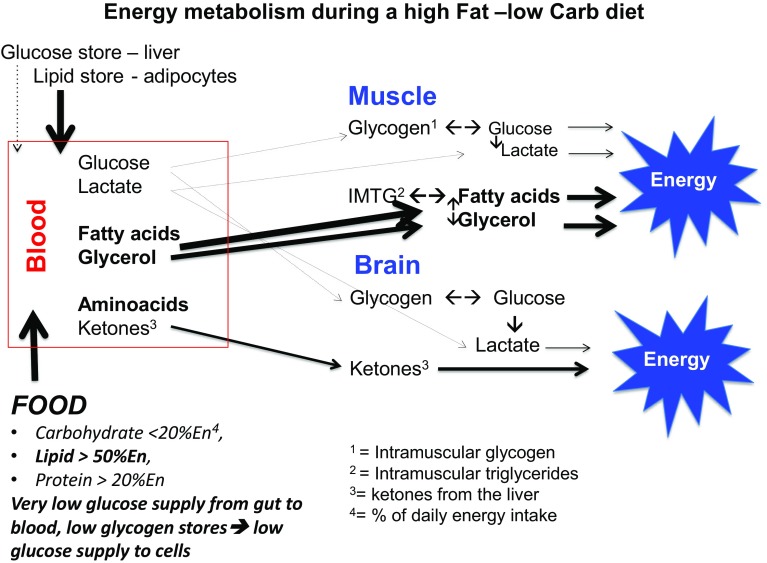
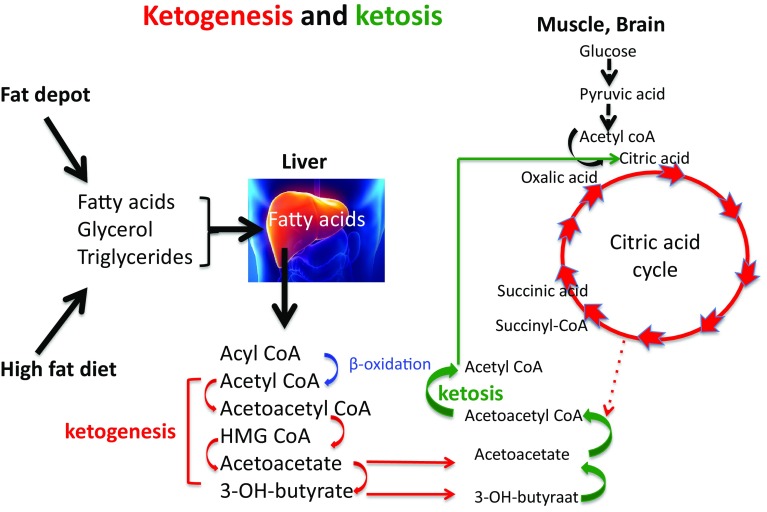
“Ketogenesis usually takes place once endogenous glucose production is depleted and lowers insulin levels in the blood, which further limits the storage of fat and glucose in the body [44].”
In the citing paper
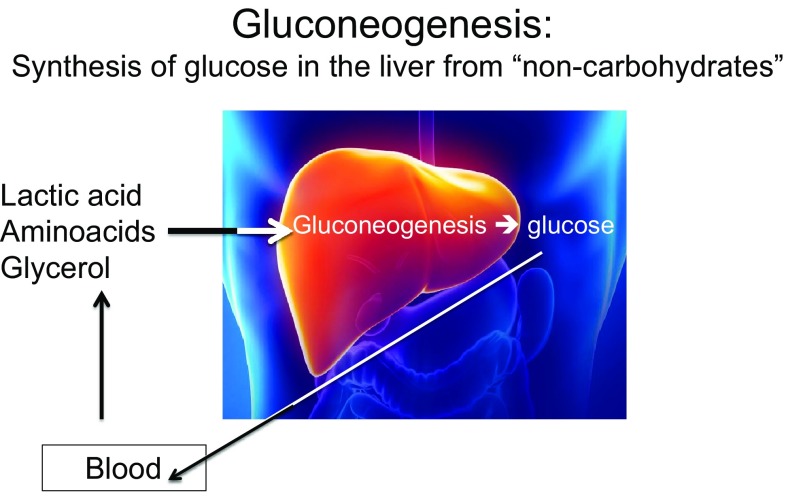
“Carbohydrate restriction to less than 50 g per day triggers gluconeogenesis and ketogenesis in the liver, production of ketone bodies such as acetoacetic acid and beta-hydroxybutyric acid from fatty acids in replacement of glucose [44].”
Self-check
Percentages, sums and reported differences re-computed from the paper’s own numbers.
The self-check needs the paper’s full text.
Citations
Cites
Cani, P. D., Bibiloni, R., Knauf, C., Waget, A., Neyrinck, A. M., Delzenne, N. M., & Burcelin, R. (2008) · Diabetes · doi:10.2337/db07-1403 · Cited by 4,819
Energy Metabolism in the Liver
Rui, L. (2014) · Comprehensive Physiology · doi:10.1002/cphy.c130024 · Cited by 1,953
A Randomized Trial of a Low-Carbohydrate Diet for Obesity
Foster, G. D., Wyatt, H. R., Hill, J. O., McGuckin, B. G., Brill, C., Mohammed, B. S., Szapary, P. O., Rader, D. J., Edman, J. S., & Klein, S. (2003) · New England Journal of Medicine · doi:10.1056/nejmoa022207 · Cited by 1,794 · cited 1×
“Seen in the recommendations, discussed above, the question is what the long-term health implications of LCHF diets would be, given the relatively short duration of virtually all available studies [53, 54].”
BackgroundSatija, A., Bhupathiraju, S. N., Rimm, E. B., Spiegelman, D., Chiuve, S. E., Borgi, L., Willett, W. C., Manson, J. E., Sun, Q., & Hu, F. B. (2016) · PLOS Medicine · doi:10.1371/journal.pmed.1002039 · Cited by 1,069
Dietary Guidelines for Americans
DeSalvo, K. B., Olson, R., & Casavale, K. O. (2016) · JAMA · doi:10.1001/jama.2015.18396 · Cited by 1,059
Aune, D., Keum, N., Giovannucci, E., Fadnes, L. T., Boffetta, P., Greenwood, D. C., Tonstad, S., Vatten, L. J., Riboli, E., & Norat, T. (2016) · BMJ · doi:10.1136/bmj.i2716 · Cited by 1,013
Nordmann, A. J., Nordmann, A., Briel, M., Keller, U., Yancy, W. S., Brehm, B. J., & Bucher, H. C. (2006) · Archives of Internal Medicine · doi:10.1001/archinte.166.3.285 · Cited by 973 · cited 1×
“However, an increase in LDL cholesterol was also observed, which is in line with the earlier observations of [50].”
ResultFeinman, R. D., Pogozelski, W. K., Astrup, A., Bernstein, R. K., Fine, E. J., Westman, E. C., Accurso, A., Frassetto, L., Gower, B. A., McFarlane, S. I., et al. (2015) · Nutrition · doi:10.1016/j.nut.2014.06.011 · Cited by 912
Stern, L., Iqbal, N., Seshadri, P., Chicano, K. L., Daily, D. A., McGrory, J., Williams, M., Gracely, E. J., & Samaha, F. F. (2004) · Annals of Internal Medicine · doi:10.7326/0003-4819-140-10-200405180-00007 · Cited by 831
Stem, L., Iqbal, N., Seshadri, P., & Chicano, K. (2004) · ACC Current Journal Review · doi:10.1016/j.accreview.2004.07.103 · Cited by 627
Research works printed but not linked: 1
- World Health Organization (2015) Guideline: sugars intake for adults and children. World Health Organization. http://apps.who.int/iris/bitstream/10665/149782/1/9789241549028_eng.pdf. Accessed May 2017 25905159
Cited by
Items 101–200 of 233
Bolesławska, I., Kowalówka, M., Dobrzyńska, M., Karaźniewicz‐Łada, M., & Przysławski, J. (2021) · Nutrients · doi:10.3390/nu13082774 · Cited by 11
Medeiros, L. D. B., Alves, S. P., Bessa, R. J. B., Soares, J. K. B., Costa, C. N. M., Aquino, J. D. S., Guerra, G. C. B., Araújo, D. F. D. S., Toscano, L. T., Silva, A. S., et al. (2021) · Scientific Reports · doi:10.1038/s41598-021-98248-6 · Cited by 10
Kim, I., Son, K., Jeong, S. J., & Lim, H. (2022) · Nutrients · doi:10.3390/nu14183816 · Cited by 14
Zhang, J., Chen, J., Sui, X., Drenowatz, C. J., & Wang, Q. (2023) · Nutrients · doi:10.3390/nu15040806 · Cited by 21
A bibliometric and visual analysis of low carbohydrate diet
Lü, G., Huang, X., Lin, C., Zou, L., & Pan, H. (2023) · Frontiers in Nutrition · doi:10.3389/fnut.2023.1085623 · Cited by 9
Are the Modern Diets for the Treatment of Obesity Better than the Classical Ones?
Koliaki, C. C., & Katsilambros, N. L. (2022) · Endocrines · doi:10.3390/endocrines3040052 · Cited by 9
Titcomb, T. J., Liu, B., Wahls, T. L., Snetselaar, L., Shadyab, A. H., Tabung, F. K., Saquib, N., Arcan, C., Tinker, L. F., Wallace, R. B., et al. (2022) · Journal of the Academy of Nutrition and Dietetics · doi:10.1016/j.jand.2022.12.004 · Cited by 12
Zhu, J., Wang, Y., Yu, W., Xia, K., Huang, Y., Wang, J., Liu, B., Tao, H., Liang, C., & Li, F. (2018) · Current Stem Cell Research & Therapy · doi:10.2174/1574888x14666181127145809 · Cited by 8
Beyond epilepsy management: A narrative review of the health effects of ketogenic diets
Chamma, L., Chamma, N., Mattar, L., Slaybe, M. A., Haidar, S. A., & Rizk, R. (2025) · Nutrition · doi:10.1016/j.nut.2025.112804 · Cited by 11
Ginsenoside rg3 reduces body weight by regulating fat content and browning in obese mice
Mu, Q., Zuo, J., Zhao, D., Zhou, X., Hua, J., Bai, Y., Mo, F., Fang, X., Fu, M., & Gao, S. (2021) · Journal of Traditional Chinese Medical Sciences · doi:10.1016/j.jtcms.2021.01.009 · Cited by 7
The development of the 2020 Dietary Reference Intakes for Koreans: carbohydrate
Kim, W. (2021) · Journal of Nutrition and Health · doi:10.4163/jnh.2021.54.6.584 · Cited by 7
“그러나 이상태에서 지방산은 완전하게 산화되지 못하고 케톤체 (acetone, acetoacetate, 3-hydroxybutyrate)를 만들고, 케톤체는 포도당의 대체물로 단기적으로는 뇌와 같은 기관에서 에너지로 사용된다 [11].”
Habib, T. N., El-Sayed, M. F., Ali, F. M., & Almsatar, T. M. (2019) · Journal of Biotechnology Research · doi:10.32861/jbr.511.113.122 · Cited by 7
Vargas, G. A., Azarbal, J., & Tota-Maharaj, R. (2020) · Current Problems in Cardiology · doi:10.1016/j.cpcardiol.2020.100582 · Cited by 11
Shan, L., Guo, X., Hu, Y., Zhou, H., Meng, X., Liu, K., Lining, S., Hu, F., Liu, Y., Zhang, T., et al. (2025) · npj Biofilms and Microbiomes · doi:10.1038/s41522-025-00832-5 · Cited by 7
The growing popularity of low-carb cereal-based products: the lay of the land
Gasparre, N., Rosell, C. M., & Boukid, F. (2023) · European Food Research and Technology · doi:10.1007/s00217-023-04399-3 · Cited by 9
“According to Brouns (2018), a daily intake of carbohydrates less than 45% ( 150 g) of the recommended daily allow-ance represents the average LC diet, while some authors have agreed about the overall macronutrient distribution for the LC diets, in which 50–60% coming from fat, less than 30% from…”
Ketogenic diet combined with intermittent fasting: an option for type 2 diabetes remission?
Zhou, X., Guo, K.-H., Huang, S.-F., Liu, R.-K., & Zeng, C. (2024) · Nutrition Reviews · doi:10.1093/nutrit/nuae014 · Cited by 6
Batar, N., Kermen, S., Sevdin, S., Ersin, A., Şan, S., Erdem, M. G., Demır, H. P., & Güçlü, D. (2020) · Iranian Red Crescent Medical Journal · doi:10.5812/ircmj.101688 · Cited by 7
“Such diets may cause decreased appetite leading to weight loss and may lead to an improvement in the course of obesity-related chronic diseases (37).”
BackgroundJakše, B., Jakše, B., Godnov, U., & Pinter, S. (2022) · Obesities · doi:10.3390/obesities2020014 · Cited by 6
Liday, C., & Kirkpatrick, C. F. (2019) · Current Cardiology Reports · doi:10.1007/s11886-019-1232-7 · Cited by 6
Metabolic acidosis in a lactating woman induced by a deliberate ketogenic diet
Hong, M. J., Schwartz, L. E., Ward, H. H., Morgan, J. C., & Jacoby, J. L. (2021) · JAAPA · doi:10.1097/01.jaa.0000800304.52410.9c · Cited by 6
Srokowska, M., Żwierełło, W., Wszołek, A., & Gutowska, I. (2025) · Biology · doi:10.3390/biology14101317 · Cited by 8
“Earlier diets with similar nutritional principles include the Atkins diet (without protein restriction), the South Beach diet, and the Zone diet [22].”
Sinisterra-Loaiza, L., Alonso-Lovera, P., Cardelle‐Cobas, A., Miranda, J. M., Vázquez, B. I., & Cepeda, A. (2023) · Nutrients · doi:10.3390/nu15153418 · Cited by 7
Damas, O. M., Leo, M., Colina, N., Mijares, M., Fernández, I., McAleavy, J., Hernandez, I., Assumpção-Mengarelli, C., Garces, L. C., Quintero, M. A., et al. (2025) · Clinical Gastroenterology and Hepatology · doi:10.1016/j.cgh.2025.03.020 · Cited by 5
Zhu, L. D., Guo, G., Fan, Z.-Q., Na, W., Zou, D.-Q., & Shi, X.-Q. (2021) · ScienceAsia · doi:10.2306/scienceasia1513-1874.2021.021 · Cited by 5
Therapeutic effect of ketogenic diet treatment on type 2 diabetes
Li, F., Shen, Y., Chen, Q., Li, X., Yang, H., Zhang, C. Y., Lin, J., Du, Z., Jiang, C., Yang, C., et al. (2022) · Journal of Future Foods · doi:10.1016/j.jfutfo.2022.03.004 · Cited by 12
Wang, S., Guo, R., Li, X., Wang, F., Wu, Z., Liu, Y., Dong, Y., & Li, B. (2024) · Journal of Diabetes · doi:10.1111/1753-0407.13555 · Cited by 4
“10 Therefore, it was more realistic to consider the three as a whole.”
BackgroundPart 2: Theoretical Intakes of Modern-Day Paleo Diets
Karlsen, M. C., Livingston, K. A., Agoulnik, D., Miki, A. J., Lichtenstein, A. H., Gilhooly, C. H., Folta, S. C., Economos, C. D., & McKeown, N. M. (2021) · Nutrition Today · doi:10.1097/nt.0000000000000490 · Cited by 5
Dimba, N. R., Mzimela, N., & Khathi, A. (2024) · Biomedicines · doi:10.3390/biomedicines12061275 · Cited by 6
“These various types of diets, including the Banting, Atkins and ketogenic diets, have been shown to be beneficial for people with obesity, diabetes, or PD [69,70].”
BackgroundAnti-inflammatory and Anti-infectious Dietary Paradigms May Be Crucial for Visceral Weight Reduction
Chen, D., Zhang, M.-L., Shi, Z., Li, C., Wang, Q., Song, J., Xu, Q., Li, H., & Zeng, Q.-P. (2019) · Frontiers in Immunology · doi:10.3389/fimmu.2019.00422 · Cited by 4
Shakya, P., Bajracharya, M., Skovlund, E., Shrestha, A., Karmacharya, B. M., Kulseng, B. E., Sen, A., Steinsbekk, A., & Shrestha, A. (2023) · International Journal of Environmental Research and Public Health · doi:10.3390/ijerph20065054 · Cited by 7
Chen, J. H., Fukasawa, M., Sakane, N., Suganuma, A., Kuzuya, H., Pandey, S., D’Alessandro, P., Venkatapurapu, S. P., & Dwivedi, G. (2023) · PLoS ONE · doi:10.1371/journal.pone.0287069 · Cited by 5
Regulatory and Metabolic Interactions of Carbohydrates and Lipids in Diabetes and Obesity
Chrysanthus, C. S. (2019) · Journal of Biotechnology Research · doi:10.32861/jbr.511.123.127 · Cited by 4
Aralıklı Açlık Diyetleri ve Düşük Karbonhidratlı Diyetlerin Obezite Tedavisindeki Etkisi
Aydoğdu, G. S., & Akbulut, G. (2020) · Journal of Nutrition and Dietetics · doi:10.33076/2020.bdd.1302 · Cited by 7
“Düşük karbonhidratlı diyetlerin vücut ağırlığına ve metabolizmaya etkisinin tam olarak anlaşılabilmesi için enerji, karbonhidrat, yağ ve posa alımının vücut ağırlığındaki değişikliklerle birlikte değerlendirildiği, uzun süreli çalışmaların (en az iki yıl) yapılması gerekmektedir (31).”
Cheloi, N., Asgari, Z., Ershadi, S., Naseri, R., & Sharifi, A. (2024) · Journal of Research in Health Sciences · doi:10.34172/jrhs.2025.174 · Cited by 7
“28 The study by Thanh et al 29 showed that carbohydrates constitute a large part of energy intake in diabetic patients.”
InfluentialRecent progress of remission in type 2 diabetes
Zhao, Z., Yue, H., Zhang, X., Chen, F., Xu, J., & Shao, S. (2025) · Therapeutic Advances in Endocrinology and Metabolism · doi:10.1177/20420188251408210 · Cited by 4
“32 The Mediterranean diet, rich in plant-derived foods, including grains, vegetables, and olive oil, along with the replacement of red meat with poultry and fish, 15 has been related to more favorable outcomes in terms of reducing blood lipids and car-diovascular-related risk factors.”
Campos, L. P., & Lobo, L. M. D. C. (2020) · DEMETRA Alimentação Nutrição & Saúde · doi:10.12957/demetra.2020.43534 · Cited by 6
Haganes, K. L., Devlin, B. L., Orr, R., & Moholdt, T. T. (2025) · Nutrients · doi:10.3390/nu17020218 · Cited by 6
Landolfo, M., Stella, L., Gezzi, A., Spannella, F., Turri, P., Sabbatini, L., Cecchi, S., Lucchetti, B., Petrelli, M. D., & Sarzani, R. (2025) · Nutrients · doi:10.3390/nu17101739 · Cited by 5
“…(KD), which have been proposed for weight and metabolic syndrome (MetS) management, given the hypothesis that the high lipid and protein content, combined with a low carbohydrate intake, may confer more significant metabolic and cardiovascular benefits, compared to other hypocaloric diets [6].”
Esfandiar, Z., Hosseini‐Esfahani, F., Mirmiran, P., & Azizi, F. (2021) · Primary care diabetes · doi:10.1016/j.pcd.2021.09.006 · Cited by 4
Akrimi, S., & Brinkmann, C. K. (2022) · International Journal of Environmental Research and Public Health · doi:10.3390/ijerph192316251 · Cited by 5
“, a higher fat or protein consumption [14].”
BackgroundMetta, E. O. (2023) · BMC Public Health · doi:10.1186/s12889-023-15147-3 · Cited by 5
Is obesity associated with tooth loss due to caries? A cross-sectional study
Chisini, L. A., Queiroz, A. B. D. L., de Lima, F. V., da Silva, L. J., Cademartori, M. G., Costa, F. D. S., Demarco, F. F., & Corrêa, M. B. (2021) · Brazilian journal of oral sciences/Brazilian Journal of Oral Sciences · doi:10.20396/bjos.v19i0.8661088 · Cited by 5
Yu, W., Pooni, R., Ardern, C. I., & Kuk, J. L. (2023) · PLoS ONE · doi:10.1371/journal.pone.0286691 · Cited by 3
“Of late, the wisdom of prescribing low fat diets for health and particularly for obesity management has been called into question [22].”
BackgroundThe effect of the keto diet on lipid profile with type two diabetic patients
Ghassan, F., Mohammed, A., & Kazim, Z. (2024) · Drug development & registration · doi:10.33380/2305-2066-2024-13-4-1820 · Cited by 3
Zhang, X., Sun, M., Xue, G., Zhao, Y., Du, T., Guan, X., & Xu, Y. J. (2025) · Epilepsia Open · doi:10.1002/epi4.70048 · Cited by 3
“19,20 This model, essential for health literacy, posits that knowledge positively influences attitudes, which in turn shape practices.”
Influences of ratio of macro-nutrients intake to human and animals: an overview
Song, G., Wang, Y., Chen, X., Pang, S., Miao, H., Li, A., & Wang, W. (2019) · Food and Agricultural Immunology · doi:10.1080/09540105.2018.1561832 · Cited by 2
“Secondly, short-term low carbohydrate and high fat (LCHF) was acceptable and passable (Brouns, 2018), but long-term LCHF was difficult to sustain.”
BackgroundHigh Protein Gluten Free Snack Foods Based on Whole Grain Flour and Vegetables
Kahlon, T. S., Haff, R. P., & Brichta, J. L. (2021) · Food and Nutrition Sciences · doi:10.4236/fns.2021.125031 · Cited by 3
“For instance, while some recent research suggests that lowcarbohydrate diets promote weight loss and healthy aging [16] [17], it has also been observed that the risk of heart disease was significantly lower with the consumption of whole-grain rye and oats [18].”
BackgroundErnährungsempfehlungen für Menschen mit Diabetes (Update 2023)
Klammer, C., Schindler, K., Bugl, R., Plazek, D., Vötter, M., Kirchner, T., Martino, C., Klammer-Martin, J., Brix, J. M., Dämon, S., et al. (2023) · Wiener klinische Wochenschrift · doi:10.1007/s00508-023-02170-y · Cited by 3
“Dies soll im Rahmen einer intensiven Schulung zum Kohlenhydratgehalt von Speisen in Gramm an Kohlenhydraten bzw. in Kohlenhydrateinheiten (KE) je nach Therapieform erfolgen.”
BackgroundInfluentialMomordica balsamina improves glucose handling in a diet-induced prediabetic rat model
Khumalo, B., Siboto, A., Akinnuga, A. M., Sibiya, N. H., Khathi, A., & Ngubane, P. S. (2023) · PLoS ONE · doi:10.1371/journal.pone.0295498 · Cited by 4
“Despite a change in diet recommendation, some individuals cannot strictly adhere to the diet regimen, thus posing a challenge in the management of prediabetes with only western medicine without diet intervention [13].”
BackgroundBhadouria, A. S., & Ahirwar, A. (2024) · Advances in medical technologies and clinical practice book series · doi:10.4018/979-8-3693-8990-4.ch015 · Cited by 5
Cigliano, L., Palma, F. D., Petecca, N., Fasciolo, G., Panico, G., Venditti, P., Lombardi, A., & Spagnuolo, M. S. (2024) · Biomedicine & Pharmacotherapy · doi:10.1016/j.biopha.2024.117774 · Cited by 5
Nutraceuticals for Diabetes in Dogs and Cats
Gupta, R. C., Lall, R., Sinha, A., & Srivastava, A. (2019) · Springer eBooks · doi:10.1007/978-3-030-04624-8_35 · Cited by 2
Consumo alimentar de indivíduos com ortorexia e sua relação com nível de atividade física
Santos, S. K. D., D’avila, H. F., & Alves, F. D. (2020) · DEMETRA Alimentação Nutrição & Saúde · doi:10.12957/demetra.2020.44043 · Cited by 2
Prävention, Remission oder Verzögerung der Typ-2-Diabetes-Manifestation – Teil 1
Landgraf, R. (2020) · Diabetologie und Stoffwechsel · doi:10.1055/a-0872-6365 · Cited by 3
“In einem umfangreichen Review kommt Brouns zu folgenden Schlüssen [44]: Jeder „Diät“-Typ kann bei Menschen mit Diabetesrisiko oder manifestem Diabetes zu einer verminderten Energiezufuhr führen.”
BackgroundAssociation of the low-carbohydrate dietary pattern with postpartum weight retention in women
Chen, Y., Qin, Y., Zhang, Z., Huang, S., Jiao, C., Zhang, Z., Bao, W., & Mao, L. (2021) · Food & Function · doi:10.1039/d1fo00935d · Cited by 7
Two Stories about Diet and Diabetes in Europe
Foley, P. J., Gunson, J., & Baumann, S. L. (2019) · Nursing Science Quarterly · doi:10.1177/0894318419881797 · Cited by 2
Saito, H., Wada, N. A., & Iida, K. (2022) · PLoS ONE · doi:10.1371/journal.pone.0262875 · Cited by 2
Efek Diet Ketogenik Pada Diabetes Mellitus Tipe 2: Scoping Review
Putri, M. N. H., Dewi, M. A., & Handayani, D. (2022) · Amerta Nutrition · doi:10.20473/amnt.v6i3.2022.326-341 · Cited by 7
Diet and physical activity in the treatment of obesity - current knowledge
Brzuszkiewicz, K., Rudziński, G., Pożarowska, K., & Grunwald, A. (2022) · Journal of Education Health and Sport · doi:10.12775/jehs.2022.12.12.028 · Cited by 6
Influence of anti-obesity strategies on brain function in health and review: A review
de Souza, K. R., Engel, N. A., Costa, A. B., Soares, H. J., Bressan, C. B. C., de Oliveira, M. P., Vedova, L. M. D., da Silva, L. E., Mendes, T. F., da Silva, M. R., et al. (2022) · Neurochemistry International · doi:10.1016/j.neuint.2022.105468 · Cited by 2
Pierzak, M. (2023) · Journal of Education Health and Sport · doi:10.12775/jehs.2023.44.01.009 · Cited by 3
Tantisattamo, E., & Kalantar‐Zadeh, K. (2023) · Elsevier eBooks · doi:10.1016/b978-0-323-88369-6.00002-5 · Cited by 4
Kysel, P., Vilikus, Z., & Haluzík, M. (2021) · Acta Salus Vitae · doi:10.58743/asv2021vol9no2.270 · Cited by 1
Food Metabolism and Chronic Diseases
Tiwari, R., Yadav, A., Hamsa, S., & Dhewa, T. (2023) · Wiley eBooks · doi:10.1002/9781394229116.ch16 · Cited by 5
Promising Perspectives of Low Carbohydrate Diet in Cancer Adjuvant Therapy
Ig, T. (2020) · journal of nutritional oncology · doi:10.34175/jno202002001 · Cited by 1
Current Evidence Regarding Low-carb Diets for The Metabolic Control of Type-2 Diabetes
de Sousa, A. A., Renke, G., Leal, A., Rassi, M. M. B., Feuser, C. S., Cunha, H., Silva, F. M., & Arbex, A. K. (2020) · Current Diabetes Reviews · doi:10.2174/1573399816666201123104358 · Cited by 1
Bell-McClure, E., Sabol, V. K., & McMillan, K. (2022) · The Journal for Nurse Practitioners · doi:10.1016/j.nurpra.2022.11.011 · Cited by 1
Efficiency of a Nutrition Education Program in the Prediabetic Population: Is it Necessary?
Crișan, A., Guluta, E.-C., Mincă, A., Mincă, D. I., Rusu, A., Costea, R., Mincă, D. G., Gheorghiţă, V., & Călinoiu, A. L. (2023) · Internal Medicine · doi:10.2478/inmed-2023-0254 · Cited by 1
Xu, Y., Zhang, S., Bao, Y., Luan, J., Fu, Z., Sun, M., Zhao, X. J., & Feng, X. (2024) · Journal of the Science of Food and Agriculture · doi:10.1002/jsfa.13565 · Cited by 1
Ilayan, A., Dustin, D., Kowalski, C., Belury, M. A., Johnson, L. K., & Conrad, Z. (2024) · Journal of the Academy of Nutrition and Dietetics · doi:10.1016/j.jand.2024.11.001 · Cited by 2
Osei, T. B., Osei-Kwasi, H., Nicolaou, M., Beune, E., Agyemang, C. O., Meeks, K. A. C., Bahendeka, S., Schulze, M. B., Klipstein‐Grobusch, K., Addo, J., et al. (2025) · European Journal of Nutrition · doi:10.1007/s00394-025-03729-3 · Cited by 2
“Hence, any effects observed should con - sider the parallel change in other macronutrients and any conclusions should be viewed in that light [46].”
Sun, W., Gao, Q., Tang, S., Sun, Y., Kang, X., Jiang, L., Zhao, X., Li, Z., An, X., Ji, H., et al. (2026) · Nutrition Reviews · doi:10.1093/nutrit/nuaf250 · Cited by 1
Tabung, F. K., & Giovannucci, E. L. (2026) · Advances in Nutrition · doi:10.1016/j.advnut.2026.100607 · Cited by 4
“…rely on foods historically linked to health; a posteriori patterns describe statistical eating clusters without biological rationale; and macronutrient-focused diets (low-fat, low-carbohydrate, ketogenic, etc.) often overlook noncaloric items such as coffee and lack mechanistic grounding [8].”
Gao, Q., Li, Y., & Wang, L. (2026) · Food Reviews International · doi:10.1080/87559129.2026.2642794 · Cited by 3
“[82– 84] While differing in macronutrient composition, they share the goal of restricting carbohydrate intake to mitigate glycemic variability, promote fat loss, and improve insulin sensitivity.”
Akter, M., & Borna, A. A. (2026) · Journal of Food Processing and Preservation · doi:10.1155/jfpp/6410657 · Cited by 1
Zec, M. M., Zeković, M., Šarac, I., Glibetić, M., Gurinović, M. A., & Jeremić-Zec, G. (2019) · Pirotski zbornik · doi:10.5937/pirotzbor1944189z · Cited by 1
“Beneficial effects of low-carbohydrate-high-fat diet are related to weight management strategies, glycemic control and subsequently diabetes management (Brouns, 2018; Noakes & Windt, 2017).”
BackgroundOzsoz, C. F., Yıldız, E., & Gürbüz, O. (2022) · Izmir Democracy University Health Sciences Journal · doi:10.52538/iduhes.1093564 · Cited by 4
Neurological diseases: A perspective genetic approach & dietary intervention
Chikkara, G., Mittal, P., & Chikara, S. K. (2022) · International journal of applied research · doi:10.22271/allresearch.2022.v8.i8b.10055 · Cited by 1
Vandenberghe, C., Hardy, E., Morin, M. C., St‐Pierre, V., Groulx, K., Fortier, M., Tessier, D., Leclerc, P., & Cunnane, S. C. (2024) · Applied Physiology, Nutrition, and Metabolism · doi:10.1139/apnm-2024-0277 · Cited by 2
Bazezew, A. M., Emire, S. A., Sisay, M. T., Dadi, D. W., Teka, F., & Abebe, A. (2024) · Journal of Food Measurement & Characterization · doi:10.1007/s11694-024-02995-9 · Cited by 1
“However, due to its high content of saturated fat [3], it may expose consumers to different non-communicable dis - eases such as cardiovascular, high cholesterol level, arthritis, memory loss, weight gain and obesity due to sedentary life style [4].”
Ernährung bei Diabetes mellitus Typ 2
Brede, S., & Lehnert, H. (2018) · Der Internist · doi:10.1007/s00108-018-0531-1 · Cited by 1
A dieta cetogênica pode auxiliar no tratamento do câncer? Uma análise crítica
Figueiredo, F. N., & Painelli, V. D. S. (2020) · Revista da Associação Brasileira de Nutrição - RASBRAN · doi:10.47320/rasbran.2020.1467 · Cited by 2
Dose-ranging study of BTI320 in type 2 diabetic patients
Luke, D. R., Cheng, E. M., Lee, K. K. Y., Rausch, C. W., Stokes, E., & Harris, R. W. (2020) · Trends in Diabetes and Metabolism · doi:10.15761/tdm.1000116 · Cited by 1
“1000116 of the daily carbohydrate meal which results in lower PPGE [20-27], although others have had indeterminate results with these strategies [28-31].”
ResultFranklin, J. L., & Sim, K. A. (2022) · Wiley eBooks · doi:10.1002/9781119695257.ch18 · Cited by 1
Low Carb – Trend oder optimale Ernährung?
Rust, P. (2018) · Ernährung & Medizin · doi:10.1055/a-0549-9284
“Eine Kohlenhydratzufuhr zwischen 50 und maximal 150 g/Tag, die eine geringere Ketonkörperbildung in der Leber auslöst, wäre als Low Carb zu definieren [5].”
BackgroundUse of low-carbohydrate diets in patients with type 2 diabetes
Oleszko, A., Szczepańska, E., & Jośko-Ochojska, J. (2018) · Annales Academiae Medicae Silesiensis · doi:10.18794/aams/91316
Ernährungsempfehlungen bei Diabetes mellitus (Update 2019)
Schindler, K., Brix, J. M., Dämon, S., Hoppichler, F., Kautzky‐Willer, A., Kruschitz, R., Toplak, H., & Ludvik, B. H. (2019) · Wiener klinische Wochenschrift · doi:10.1007/s00508-019-1470-0
Pastuszak, Ż., Trawińska, L., Trawińska, J., & Stępień, J. (2023) · Research Square · doi:10.21203/rs.3.rs-2851251/v1
Jobela, B. C. (2019) · UpSpace Institutional Repository (University of Pretoria)
Shittu, M. D., Adesina, G. O., & Eseigbe, S. (2019) · Journal of Biotechnology Research · doi:10.32861/jbr.511.107.112 · Cited by 1
Ketogenic Diet and Glucose Control
Lee, Y. H. (2019) · Journal of Korean Diabetes · doi:10.4093/jkd.2019.20.4.244
“에너지원으로 사용하도록 유도하는 식사로 케톤체 생성을 위해 당질 섭취를 최소화하고 지방 섭취를 늘리는 극저당 질-고지방식사이다[8-10].”
The ketogenic diet is not effective in preclinical models of IDH1 wild-type and IDH1 mutant gliomaPreprint
Javier, R. A., & Horbinski, C. (2020) · bioRxiv (Cold Spring Harbor Laboratory) · doi:10.1101/2020.06.23.166652
McAlister, A., Green, V., Camel, S. P., & Fontenot, C. (2020) · Journal of Nutrition Education and Behavior · doi:10.1016/j.jneb.2020.04.139
Mediterranean Diet versus a Low-Carbohydrate Diet in Reducing Colorectal Cancer Risk
Crystal, M. (2021) · Journal of Nutritional Medicine and Diet Care · doi:10.23937/2572-3278/1510054
“The average daily intake of macronutrients is 45% from carbohydrates, 35% from fats, and 15% from protein [ 14].”
Ruffett, A. (2021) · Summit (Simon Fraser University)
Conhecimento de recomendações nutricionais por outros profissionais da Estratégia Saúde da Família
Fiuza, G. V., Alencar, A. P., Barbosa, B. B., & Carioca, A. A. F. (2021) · Revista Brasileira em Promoção da saúde · doi:10.5020/18061230.2021.11195 · Cited by 1
Trenddiäten Low Carb und Intervallfasten
Knop, U. (2021) · Springer eBooks · doi:10.1007/978-3-662-63245-1_2
Erfolgreich abnehmen und schlank bleiben: Nachhaltige Gewichtsreduktion wissenschaftlich belegt
Knop, U. (2021) · Springer eBooks · doi:10.1007/978-3-662-63245-1
POSSIBILIDADE DE REMISSÃO DE DIABETES MELLITUS TIPO 2: UMA REVISÃO BIBLIOGRÁFICA
Lima, D. F., Siqueira, T. G. R., Neiva, S. G. P., Caixeta, R. B., Souto, D. N., Resende, L. B., Andrade, G. B. M., Oliveira, G. S. F., Silvani, J., dos Santos, C. N. A., et al. (2022) · Editora Pasteur eBooks · doi:10.29327/547549.1-31
Review of Co-Morbid Mechanisms of Alzheimer’s Disease and Type 2 Diabetes
(2022) · Journal of Contemporary Medical Practice · doi:10.53469/jcmp.2022.04(03).38
Metadata
- Authors
- Brouns, F.
- Affiliations
- Maastricht University (NL)
- Corresponding author
- Brouns, Fred
- ORCID
- Brouns, Fred
- Venue
- European Journal of Nutrition
- Published
- 2018-03-14
- Volume
- 57
- Issue
- 4
- Pages
- 1301-1312
- ISSN
- 1436-6207 (ISSN-L)
- 1436-6215
- PMC
- PMC5959976
- OpenAlex
- W2790087708
- Cited by
- 235
- References
- 70
- Citations by year
- 2026: 14 · 2025: 19 · 2024: 23 · 2023: 40 · 2022: 35 · 2021: 38 · 2020: 33 · 2019: 23 · 2018: 10
- FWCI
- 3.41
- Type
- journal article
- Language
- en
- Update notices
- correction (2019-04-16)
- Open access
- hybrid
- doi.org
- Licence
- cc-by
- creativecommons.org/licenses/by/4.0 (tdm)
- creativecommons.org/licenses/by/4.0 (vor)
- Locations
- European Journal of Nutrition (publishedVersion, cc-by)
- Europe PMC (PubMed Central) (publishedVersion, other-oa)
- PubMed Central (publishedVersion, cc-by)
- PubMed (publishedVersion)
- Research Publications (Maastricht University) (submittedVersion, cc-by)
- Research Publications (Maastricht University) (submittedVersion, other-oa)
- Funders
- Universiteit Maastricht
- Topics
- Health Sciences › Medicine › Physiology (medical) › Diet and metabolism studies
- Health Sciences › Medicine › Physiology (medical) › Dietary Effects on Health
- Health Sciences › Medicine › Endocrinology, Diabetes and Metabolism › Diabetes Management and Research
- Keywords
- low-carbohydrate high-fat diet, ketogenic diet, type 2 diabetes prevention, overweight, weight loss, dietary adherence, caloric restriction, lifestyle intervention, diet quality
- MeSH terms
- Diabetes Mellitus, Type 2, Dietary Carbohydrates, Dietary Fats, Humans, Obesity, Weight Loss, Overweight, Diet, Carbohydrate-Restricted, Diet, High-Fat
About these checks
Registry, retraction, Cites and statistics results are computed, not judged, with one exception: a printed reference that no index lists is read once by a model before it counts as a citation error. Claims are extracted by a model and kept only when their quote appears verbatim in the text; each cited source is then checked, with a model’s help, for whether it says what the claim relies on. Those verdicts can be wrong — read the claim’s quote and the cited source before relying on one.
Statistics and arithmetic are recomputed, not judged.
Confidence bands are shown only for fields calibrated on our annotated test set. None is calibrated yet, so no band is shown.
What counts as a claim ›How we measure confidence ›How we check this ›
Are you an author, or do you see a problem with this page? Request a review
Data sources
Bibliographic data: Semantic Scholar, OpenAlex, Crossref.
Contains information from the Semantic Scholar Academic Graph Datasets, made available under the ODC Attribution License (ODC-BY 1.0).
Semantic Scholar’s data is described in: Kinney, R., et al. (2023). The Semantic Scholar Open Data Platform. arXiv:2301.10140.
