

Overweight and diabetes prevention: Is a low-carbohydrate-high-fat diet recommendable?
Open accessThe DOI matches its Crossref record; 70 of the 70 references it cites were found in a registry or an index.
Abstract
In the past, different types of diet with a generally low-carbohydrate content (< 50–< 20 g/day) have been promoted, for weight loss and diabetes, and the effectiveness of a very low dietary carbohydrate content has always been a matter of debate. A significant reduction in the amount of carbohydrates in the diet is usually accompanied by an increase in the amount of fat and to a lesser extent, also protein. Accordingly, using the term “low carb–high fat” (LCHF) diet is most appropriate. Low/very low intakes of carbohydrate food sources may impact on overall diet quality and long-term effects of such drastic diet changes remain at present unknown. This narrative review highlights recent metabolic and clinical outcomes of studies as well as practical feasibility of low LCHF diets. A few relevant observations are as follows: (1) any diet type resulting in reduced energy intake will result in weight loss and related favorable metabolic and functional changes; (2) short-term LCHF studies show both favorable and less desirable effects; (3) sustained adherence to a ketogenic LCHF diet appears to be difficult. A non-ketogenic diet supplying 100–150 g carbohydrate/day, under good control, may be more practical. (4) There is lack of data supporting long-term efficacy, safety and health benefits of LCHF diets. Any recommendation should be judged in this light. (5) Lifestyle intervention in people at high risk of developing type 2 diabetes, while maintaining a relative carbohydrate-rich diet, results in long-term prevention of progression to type 2 diabetes and is generally seen as safe.
Overview
The claims and statistics of this paper haven’t been checked yet.
Free: it reads the open-access text and checks the first 5 claims that cite a source we can check. Create a free account to check every claim.
Integrity signals
Registry
Cites
Statistics
Figures
Verification
Claims the paper makes
The claims and statistics of this paper haven’t been checked yet.
Free: it reads the open-access text and checks the first 5 claims that cite a source we can check. Create a free account to check every claim.
Claims other papers make about this one
Each is checked against this paper’s own text: does it say what the citing paper says it does?
In the citing paper
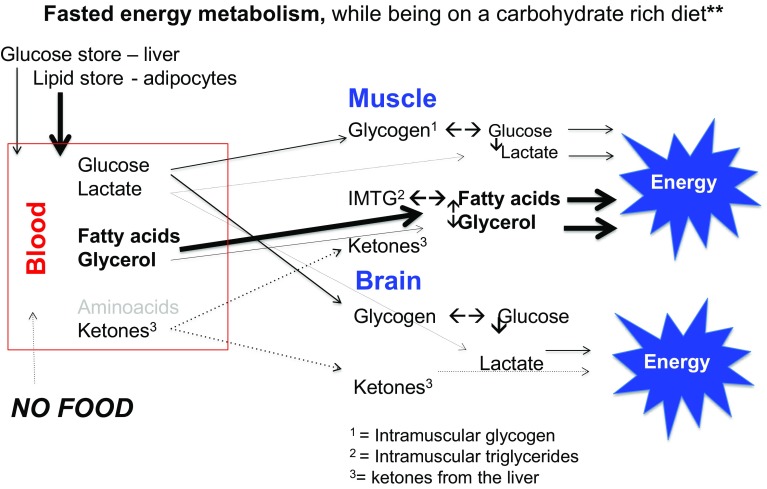
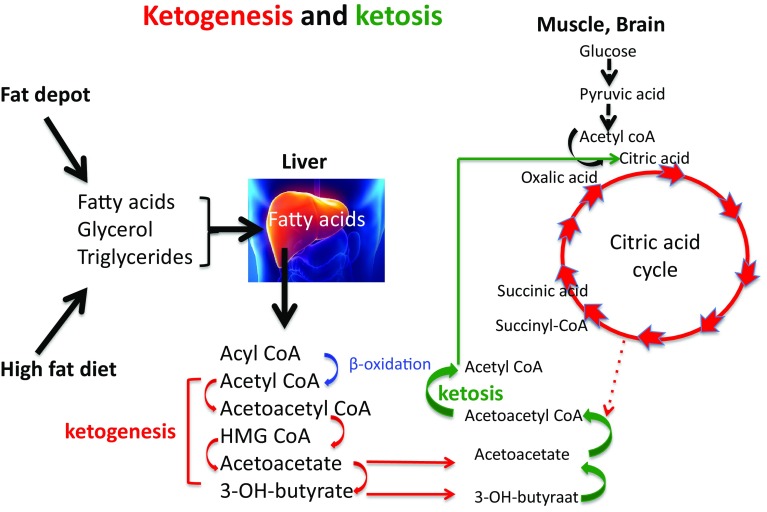
“Ketogenesis usually takes place once endogenous glucose production is depleted and lowers insulin levels in the blood, which further limits the storage of fat and glucose in the body [44].”
In the citing paper
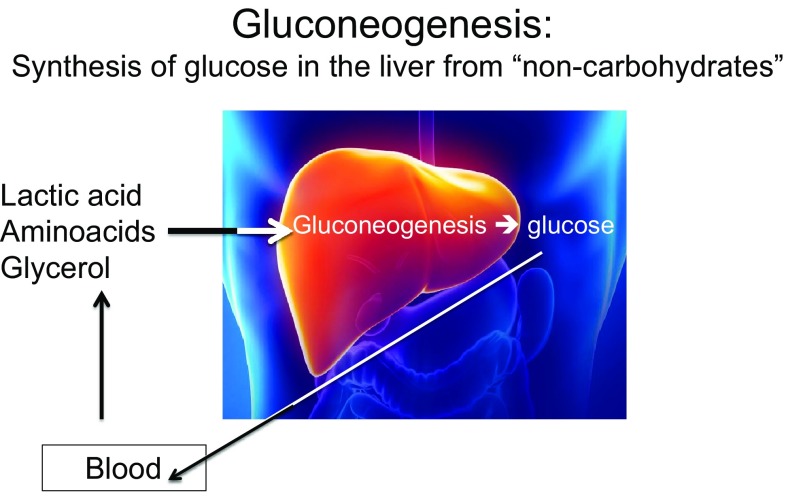
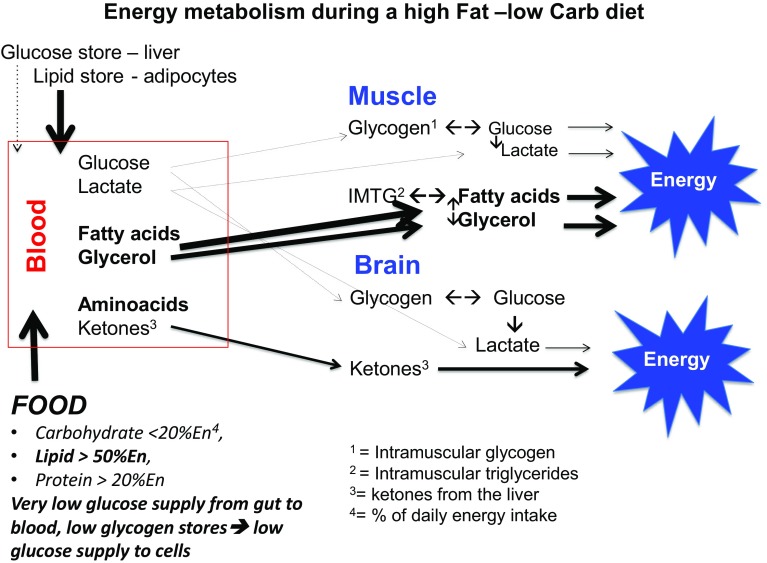
“Carbohydrate restriction to less than 50 g per day triggers gluconeogenesis and ketogenesis in the liver, production of ketone bodies such as acetoacetic acid and beta-hydroxybutyric acid from fatty acids in replacement of glucose [44].”
Self-check
Percentages, sums and reported differences re-computed from the paper’s own numbers.
The self-check needs the paper’s full text.
Citations
Cites
Cani, P. D., Bibiloni, R., Knauf, C., Waget, A., Neyrinck, A. M., Delzenne, N. M., & Burcelin, R. (2008) · Diabetes · doi:10.2337/db07-1403 · Cited by 4,819
Energy Metabolism in the Liver
Rui, L. (2014) · Comprehensive Physiology · doi:10.1002/cphy.c130024 · Cited by 1,953
A Randomized Trial of a Low-Carbohydrate Diet for Obesity
Foster, G. D., Wyatt, H. R., Hill, J. O., McGuckin, B. G., Brill, C., Mohammed, B. S., Szapary, P. O., Rader, D. J., Edman, J. S., & Klein, S. (2003) · New England Journal of Medicine · doi:10.1056/nejmoa022207 · Cited by 1,794 · cited 1×
“Seen in the recommendations, discussed above, the question is what the long-term health implications of LCHF diets would be, given the relatively short duration of virtually all available studies [53, 54].”
BackgroundSatija, A., Bhupathiraju, S. N., Rimm, E. B., Spiegelman, D., Chiuve, S. E., Borgi, L., Willett, W. C., Manson, J. E., Sun, Q., & Hu, F. B. (2016) · PLOS Medicine · doi:10.1371/journal.pmed.1002039 · Cited by 1,069
Dietary Guidelines for Americans
DeSalvo, K. B., Olson, R., & Casavale, K. O. (2016) · JAMA · doi:10.1001/jama.2015.18396 · Cited by 1,059
Aune, D., Keum, N., Giovannucci, E., Fadnes, L. T., Boffetta, P., Greenwood, D. C., Tonstad, S., Vatten, L. J., Riboli, E., & Norat, T. (2016) · BMJ · doi:10.1136/bmj.i2716 · Cited by 1,013
Nordmann, A. J., Nordmann, A., Briel, M., Keller, U., Yancy, W. S., Brehm, B. J., & Bucher, H. C. (2006) · Archives of Internal Medicine · doi:10.1001/archinte.166.3.285 · Cited by 973 · cited 1×
“However, an increase in LDL cholesterol was also observed, which is in line with the earlier observations of [50].”
ResultFeinman, R. D., Pogozelski, W. K., Astrup, A., Bernstein, R. K., Fine, E. J., Westman, E. C., Accurso, A., Frassetto, L., Gower, B. A., McFarlane, S. I., et al. (2015) · Nutrition · doi:10.1016/j.nut.2014.06.011 · Cited by 912
Stern, L., Iqbal, N., Seshadri, P., Chicano, K. L., Daily, D. A., McGrory, J., Williams, M., Gracely, E. J., & Samaha, F. F. (2004) · Annals of Internal Medicine · doi:10.7326/0003-4819-140-10-200405180-00007 · Cited by 831
Stem, L., Iqbal, N., Seshadri, P., & Chicano, K. (2004) · ACC Current Journal Review · doi:10.1016/j.accreview.2004.07.103 · Cited by 627
Research works printed but not linked: 1
- World Health Organization (2015) Guideline: sugars intake for adults and children. World Health Organization. http://apps.who.int/iris/bitstream/10665/149782/1/9789241549028_eng.pdf. Accessed May 2017 25905159
Cited by
Kirkpatrick, C. F., Bolick, J. P., Kris-Etherton, P. M., Sikand, G., Aspry, K. E., Soffer, D. E., Willard, K.-E., & Maki, K. C. (2019) · Journal of Clinical Lipidology · doi:10.1016/j.jacl.2019.08.003 · Cited by 390
“Glycogen depletion to maintain blood glucose levels results in a loss of body water (3 grams of water per 1 gram stored glycogen).(2,30,48,49,75) Gomez-Arbelaez et al.”
BackgroundKetogenic diets and chronic disease: weighing the benefits against the risks
Crosby, L., Davis, B., Joshi, S., Jardine, M., Paul, J., Neola, M., & Barnard, N. D. (2021) · Frontiers in Nutrition · doi:10.3389/fnut.2021.702802 · Cited by 229
Low-Carb and Ketogenic Diets in Type 1 and Type 2 Diabetes
Bolla, A. M., Caretto, A., Laurenzi, A., Scavini, M., & Piemonti, L. (2019) · Nutrients · doi:10.3390/nu11050962 · Cited by 226
“Various diets with a low content of carbohydrates (CHO) have been proposed, such as the Atkins diet, the Zone diet, the South Beach diet and the Paleo diet [5].”
BackgroundMethodChoi, Y. J., Jeon, S.-M., & Shin, S. (2020) · Nutrients · doi:10.3390/nu12072005 · Cited by 193
“Carbohydrate restriction to less than 50 g per day triggers gluconeogenesis and ketogenesis in the liver, production of ketone bodies such as acetoacetic acid and beta-hydroxybutyric acid from fatty acids in replacement of glucose [44].”
BackgroundAzlan, A., Sultana, S., Huei, C. S., & Razman, M. R. (2022) · Molecules · doi:10.3390/molecules27030898 · Cited by 164
“Compared to a non-ketogenic diet, a ketogenic diet has less sustainability [3].”
BackgroundSkytte, M. J., Samkani, A., Petersen, A. D., Thomsen, M. N., Astrup, A., Chabanova, E., Frystyk, J., Holst, J. J., Thomsen, H. S., Madsbad, S., et al. (2019) · Diabetologia · doi:10.1007/s00125-019-4956-4 · Cited by 158
A Clinician's Guide to Healthy Eating for Cardiovascular Disease Prevention
Pallazola, V. A., Davis, D. M., Whelton, S. P., Cardoso, R., Latina, J. M., Michos, E. D., Sarkar, S., Blumenthal, R. S., Arnett, D. K., Stone, N. J., et al. (2019) · Mayo Clinic Proceedings: Innovations, Quality & Outcomes · doi:10.1016/j.mayocpiqo.2019.05.001 · Cited by 123
Algera, J., Colomier, E., & Simrén, M. (2019) · Nutrients · doi:10.3390/nu11092162 · Cited by 109
The Low-Carbohydrate Diet: Short-Term Metabolic Efficacy Versus Longer-Term Limitations
Barber, T. M., Hanson, P., Kabisch, S., Pfeiffer, A. F. H., & Weickert, M. O. (2021) · Nutrients · doi:10.3390/nu13041187 · Cited by 109
The Microbiota and the Gut–Brain Axis in Controlling Food Intake and Energy Homeostasis
Romaní‐Pérez, M., Bullich‐Vilarrubias, C., López‐Almela, I., Liébana-García, R., Olivares, M., & Sanz, Y. (2021) · International Journal of Molecular Sciences · doi:10.3390/ijms22115830 · Cited by 124
Burén, J., Ericsson, M., Damasceno, N., & Sjödin, A. (2021) · Nutrients · doi:10.3390/nu13030814 · Cited by 104
“Along-side its well-documented weight-reducing effects [5,6], recent studies have also shown a beneficial impact of ketogenic LCHF diets on cardiovascular risk factors [5].”
Li, R., Liu, Y., Liu, H., & Li, J. (2020) · Journal of Food Biochemistry · doi:10.1111/jfbc.13140 · Cited by 106
Rafiullah, M., Musambil, M., & David, S. K. (2022) · Nutrition Reviews · doi:10.1093/nutrit/nuab040 · Cited by 86
Jikah, A. N., & Edo, G. I. (2023) · Journal of the Science of Food and Agriculture · doi:10.1002/jsfa.12892 · Cited by 97
Ketogenic Diet, Physical Activity, and Hypertension—A Narrative Review
Raimondo, D. D., Buscemi, S., Musiari, G., Rizzo, G., Pirera, E., Corleo, D., Pinto, A. V., & Tuttolomondo, A. (2021) · Nutrients · doi:10.3390/nu13082567 · Cited by 90
“6 of 15 RT is primarily anaerobic, even while training at a lower intensity (training loads of 0–40% of one-repetition maximum [one rep maximum or 1RM], i.e., the maximum amount of weight that a person can possibly lift for one repetition) [49]. mixed and/or detrimental For anaerobic performance,…”
BackgroundInfluentialDietary Management of Obesity: A Review of the Evidence
Hwalla, N., & Jaafar, Z. (2020) · Diagnostics · doi:10.3390/diagnostics11010024 · Cited by 66
“While low carbohydrate diets might be effective for short term weight loss, compliance on the long term is both difficult and potentially dangerous since a significant reduction of carbohydrate intake in addition to a high fat intake may lead to increased low-density lipoprotein (LDL) cholesterol levels and increase m…”
BackgroundHansen, N. W., & Sams, A. (2018) · Nutrients · doi:10.3390/nu10111590 · Cited by 65
Yang, Z., Mi, J., Wang, Y., Xue, L., Liu, J., Fan, M., Zhang, D., Wang, L., Qian, H., & Li, Y. (2021) · Nutrition · doi:10.1016/j.nut.2021.111230 · Cited by 77
Ketogenic diets, not for everyone
Goldberg, I. J., Ibrahim, N., Bredefeld, C., Foo, S., Lim, V., Gutman, D., Huggins, L.-A., & Hegele, R. A. (2021) · Journal of Clinical Lipidology · doi:10.1016/j.jacl.2020.10.005 · Cited by 65
Fechner, E., Smeets, E., Schrauwen, P., & Mensink, R. (2020) · Nutrients · doi:10.3390/nu12040991 · Cited by 64
“More recently, Harvey et al. [12] compared three LCDs containing 5 E%, 15 E%, and 25 E% of CHO.”
InfluentialKetogenic Diet: A Review of Composition Diversity, Mechanism of Action and Clinical Application
Malinowska, D., & Żendzian‐Piotrowska, M. (2024) · Journal of Nutrition and Metabolism · doi:10.1155/2024/6666171 · Cited by 86
“…Brouns observed that the KD (a high-fat diet accompanies increased production of ketone bodies) is more efective for weight loss in prediabetic and diabetic individuals, while a low-fat diet (a relatively high-carbohydrate diet) is more recommended for individuals with normal glucose levels [151].”
BackgroundWang, X., Liu, F., Gao, Y., Xue, C., Li, R. W., & Tang, Q. (2018) · International Journal of Biological Macromolecules · doi:10.1016/j.ijbiomac.2018.04.042 · Cited by 65
Michalczyk, M. M., Klonek, G., Maszczyk, A., & Zajac, A. (2020) · Nutrients · doi:10.3390/nu12061854 · Cited by 60
“A decrease in considered variables admittedly resulted from the fact that the LCKD daily carbohydrates consumption was less than 50 g [12].”
BackgroundInfluentialKoufakis, T., Karras, S. Ν., Mustafa, O. G., Zebekakis, P. E., & Kotsa, K. (2018) · High Altitude Medicine & Biology · doi:10.1089/ham.2018.0076 · Cited by 60
“Obesity has been well documented as a risk factor for the development of T2D (Brouns, 2018).”
InfluentialDi Rosa, C., Lattanzi, G., Taylor, S. F., Manfrini, S., & Khazrai, Y. M. (2020) · Obesity Research & Clinical Practice · doi:10.1016/j.orcp.2020.08.009 · Cited by 54
Dyńka, D., Kowalcze, K., Ambrożkiewicz, F., & Paziewska, A. (2023) · Nutrients · doi:10.3390/nu15030500 · Cited by 58
Chai, X.-N., Zhou, B.-Q., Ning, N., Pan, T., Xu, F., He, S.-H., Chen, N.-N., & Sun, M. (2023) · Frontiers in Endocrinology · doi:10.3389/fendo.2023.1081096 · Cited by 52
“The Mechanisms maybe that carbohydrate, the main raw material for liver’s fat synthesis, reduced in diets would inhibit the fat accumulation in hepatocytes, while initiating lipolysis to reduce HFC (51).”
BackgroundLundblad, M. W., Andersen, L. F., Jacobsen, B. K., Carlsen, M. H., Hjartåker, A., Grimsgaard, S., & Hopstock, L. A. (2019) · Food & Nutrition Research · doi:10.29219/fnr.v63.3616 · Cited by 51
“Such diets are characterized by a high saturated fat and low carbohydrate intake, as is reflected in our study sample (26).”
BackgroundPepe, R. B., Lottenberg, A. M., Fujiwara, C. T. H., Beyruti, M., Cintra, D. E., Machado, R. M., Rodrigues, A., Jensen, N. S. O., Caldas, A. P. S., Fernandes, A. E., et al. (2023) · Diabetology & Metabolic Syndrome · doi:10.1186/s13098-023-01037-6 · Cited by 72
Alsharairi, N. A. (2020) · International Journal of Molecular Sciences · doi:10.3390/ijms21249580 · Cited by 57
“The VLCKD is characterized by reducing the proportion of dietary CHO to a certain level [3,14,15], which may result in lowering the amount of dietary fiber intake [88].”
BackgroundDurkalec-Michalski, K., Nowaczyk, P. M., Główka, N., Ziobrowska, A., & Podgórski, T. (2021) · Nutrients · doi:10.3390/nu13030864 · Cited by 43
Luo, W., Zhang, J., Xu, D., Zhou, Y., Qu, Z., Yang, Q., & Lv, Q. (2022) · Frontiers in Nutrition · doi:10.3389/fnut.2022.1092031 · Cited by 44
“Ketone body production usually occurs when endogenous glucose production is depleted and lowers insulin levels in the blood, which further limits fat and glucose storage in the body (50, 52).”
BackgroundHamdy, O., Tasabehji, M. W., Elseaidy, T., Tomah, S., Ashrafzadeh, S., & Mottalib, A. (2018) · Current Diabetes Reports · doi:10.1007/s11892-018-1103-4 · Cited by 39
Ketogenic diet in children and adolescents: The effects on growth and nutritional status
Corsello, A., Trovato, C. M., Profio, E. D., Cardile, S., Campoy, C., Zuccotti, G., Verduci, E., & Diamanti, A. (2023) · Pharmacological Research · doi:10.1016/j.phrs.2023.106780 · Cited by 50
“Although most of authors are concerned that an unbalanced diet with a low intake of carbohydrates and a high intake of fats and proteins could be harmful in childhood, some studies have shown its effectiveness in absence of significant negative effects [20,78].”
BackgroundVitamin C Deficiency and the Risk of Osteoporosis in Patients with an Inflammatory Bowel Disease
Ratajczak, A. E., Szymczak‐Tomczak, A., Skrzypczak-Zielińska, M., Rychter, A. M., Zawada, A. E., Dobrowolska, A., & Krela‐Kaźmierczak, I. (2020) · Nutrients · doi:10.3390/nu12082263 · Cited by 39
“A very low-carbohydrate diet containing carbohydrate below 20 g/day is called a ketogenic diet [104].”
BackgroundMaula, A., Kai, J., Woolley, A. K., Weng, S. F., Dhalwani, N. N., Griffiths, F. E., Khunti, K., & Kendrick, D. (2019) · Diabetic Medicine · doi:10.1111/dme.14193 · Cited by 45
Low-Carbohydrate High-Fat Diet: A SWOC Analysis
Nuwaylati, D. A., Eldakhakhny, B. M., Bima, A. I. H., Sakr, H. F., & Elsamanoudy, A. Z. (2022) · Metabolites · doi:10.3390/metabo12111126 · Cited by 42
Anekwe, C. V., Chandrasekaran, P., & Stanford, F. C. (2020) · Cureus · doi:10.7759/cureus.6605 · Cited by 39
“The amino acids alanine and glutamine can be converted to glucose through gluconeogenesis, thus removing the body from a ketotic state [7].”
Shimizu, K., Saito, H., Sumi, K., Sakamoto, Y. S., Tachi, Y., & Iida, K. (2018) · Nutrition Research · doi:10.1016/j.nutres.2018.09.004 · Cited by 34
Huang, T., Linden, M. A., Fuller, S. E., Goldsmith, F., Simon, J., Batdorf, H. M., Scott, M. C., Essajee, N. M., Brown, J. M., & Noland, R. C. (2021) · American Journal of Physiology-Endocrinology and Metabolism · doi:10.1152/ajpendo.00410.2020 · Cited by 39
Kysel, P., Haluzíková, D., Doležalová, R. P., Laňková, I., Lacinová, Z., Kasperová, B. J., Trnovská, J., Hrádková, V., Mráz, M., Vilikus, Z., et al. (2020) · Nutrients · doi:10.3390/nu12092832 · Cited by 30
“Nevertheless, it has to be noted that long-term compliance and efficacy of ketogenic diet is not optimal and most of the studies had rather limited duration (Bolla et al., 2019; Brouns, 2018).”
BackgroundThe Merits and the Pitfalls of Low Carbohydrate Diet: A Concise Review
Mooradian, A. D. (2020) · The journal of nutrition health & aging · doi:10.1007/s12603-020-1417-1 · Cited by 37
Gong, R., Liu, Y., Luo, G., Liu, W., Jin, Z., Xu, Z., Li, Z., Yang, L., & Wei, X. (2021) · International Journal of Endocrinology · doi:10.1155/2021/9949579 · Cited by 37
Li, B., Chen, Q., Feng, Y., Wei, T., Zhang, Y., Zhang, Y., & Feng, Q. (2023) · Cancer Letters · doi:10.1016/j.canlet.2023.216424 · Cited by 31
Global Scientific Trends on Healthy Eating from 2002 to 2021: A Bibliometric and Visualized Analysis
Fang, T., Cao, H., Wang, Y., Gong, Y., & Wang, Z. (2023) · Nutrients · doi:10.3390/nu15061461 · Cited by 45
Firman, C., Mellor, D. D., Unwin, D., & Brown, A. C. (2023) · Diabetes Therapy · doi:10.1007/s13300-023-01492-4 · Cited by 33
“…and vegan dietary patterns, which are nutrient dense, moderate-high in carbohydrates and fibre, also result in significant beneficial gly-caemia-lowering effects along with reduction in cardiovascular risk in those with T2D when compared to ADA nutritional guidelines for diabetes management [73, 81].”
BackgroundResultDietary and Lifestyle Strategies for Obesity
Barber, T. M., Kabisch, S., Pfeiffer, A. F. H., & Weickert, M. O. (2024) · Nutrients · doi:10.3390/nu16162714 · Cited by 42
“Furthermore, reduced serum levels of insulin result in a diminished drive to store fat in adipose tissue, manifesting in reduced fat mass [93].”
BackgroundInfluentialChuruangsuk, C., Lean, M. E. J., & Combet, E. (2020) · Proceedings of The Nutrition Society · doi:10.1017/s0029665120000105 · Cited by 37
Acierno, C., Barletta, F., Caturano, A., Nevola, R., Sasso, F. C., Adinolfi, L. E., & Rinaldi, L. (2025) · Nutrients · doi:10.3390/nu17132229 · Cited by 43
“Other dietary approaches—including low-carbohydrate, ketogenic, or high-protein regimens—may offer benefits in specific subgroups (e.g., individuals with obesity or diabetes), but raise concerns regarding long-term adherence, sustainability, and adverse lipid profiles [146,147].”
Antioxidant and anti-obesity properties of local chilies varieties in Malaysia
Huei, C. S., Azlan, A., Ismail, A., Shafie, N. H., & Sultana, S. (2020) · Journal of Food Science and Technology · doi:10.1007/s13197-020-04400-x · Cited by 25
“Besides, adherence to a ketogenic fad diet has lower sustainability, compared to a non-ketogenic diet (Brouns 2018).”
BackgroundDietary Components, Microbial Metabolites and Human Health: Reading between the Lines
Guo, Y., Bian, X., Liu, J., Zhu, M. Q., Li, L., Yao, T., Tang, C., Ravichandran, V., Liao, P., Papadimitriou, K., et al. (2020) · Foods · doi:10.3390/foods9081045 · Cited by 24
“However, the Ketogenic diet may be inadequate for dietary fiber and macronutrients, and its long-term effects, safety, and health effects remain to be investigated [169].”
BackgroundAlnami, A., Bima, A. I. H., Alamoudi, A. A., Eldakhakhny, B. M., Sakr, H. F., & Elsamanoudy, A. Z. (2022) · Nutrients · doi:10.3390/nu14091903 · Cited by 24
“and diabetics, reduction in cardiovascular disease risk factors, and increased feelings of satiety [2,4].”
BackgroundResultAamri, K. S. A., Alrawahi, A. H., Busaidi, N. A., Githi, M. S. A., Jabri, K. A., Balushi, F. A., Ronquillo-Talara, R., Balushi, S. A., & Waly, M. I. (2022) · Clinical Nutrition ESPEN · doi:10.1016/j.clnesp.2022.02.110 · Cited by 27
Xu, Y., Zhang, S., Luan, J., Fu, Z., Sun, M., Zhao, X. J., & Feng, X. (2022) · Neurotoxicology and Teratology · doi:10.1016/j.ntt.2022.107123 · Cited by 22
Inuit metabolism revisited: what drove the selective sweep of CPT1a L479?
Hale, N. (2020) · Molecular Genetics and Metabolism · doi:10.1016/j.ymgme.2020.01.010 · Cited by 20
Santamarina, A. B., Mennitti, L. V., de Souza, E. A., Mesquita, L. M. D. S., Noronha, I. H., Vasconcelos, J. R., Prado, C. M., & Pisani, L. P. (2023) · Clinical Nutrition · doi:10.1016/j.clnu.2023.09.024 · Cited by 23
A Ketogenic Diet is Effective in Improving Insulin Sensitivity in Individuals with Type 2 Diabetes
Skow, S. L., & Jha, R. K. (2022) · Current Diabetes Reviews · doi:10.2174/1573399818666220425093535 · Cited by 25
Obesity and diabetes: the final frontier
Rendell, M. (2023) · Expert Review of Endocrinology & Metabolism · doi:10.1080/17446651.2023.2168643 · Cited by 23
Tatta, J., Nijs, J., Elma, Ö., Malfliet, A., & Magnusson, D. (2022) · Physical Therapy · doi:10.1093/ptj/pzab296 · Cited by 22
Dietary therapy to halt the progression of diabetes to diabetic kidney disease
Hu, H., Ding, G., & Liang, W. (2025) · Food & Function · doi:10.1039/d4fo06011c · Cited by 19
Xu, Y., Zheng, F., Zhong, Q., & Zhu, Y. (2023) · Journal of Alzheimer s Disease · doi:10.3233/jad-230002 · Cited by 23
“A key prob-Y lem for treatment of the KD in patients is compliance with dietary recommendations [225].”
Pondel, N., Liśkiewicz, D., & Liśkiewicz, A. (2020) · Postępy Biochemii · doi:10.18388/pb.2020_342 · Cited by 34
Benitez, L. O., Castagnini, J. M., Añón, M. C., & Salgado, P. R. (2019) · LWT · doi:10.1016/j.lwt.2019.108809 · Cited by 21
Biesiekierska, M., Strigini, M., Śliwińska, A., Pirola, L., & Balcerczyk, A. (2025) · Nutrition Reviews · doi:10.1093/nutrit/nuaf010 · Cited by 18
Improved Glycemic Control and Variability: Application of Healthy Ingredients in Asian Staples
Camps, S. G., Kaur, B., Lim, J. C. L., Loo, Y. T., Pang, E., Ng, T. R. D., & Henry, C. J. (2021) · Nutrients · doi:10.3390/nu13093102 · Cited by 17
“Diet strategies to manage glycemia have included frequent small meals [15] and reduction in carbohydrate content of diets [16].”
BackgroundYuan, Y., Chen, C., Liu, Q., Luo, Y., Yang, Z., Lin, Y., Sun, L., & Fan, G. (2024) · Food & Function · doi:10.1039/d4fo00337c · Cited by 25
Palaeolithic Diet in Diabesity and Endocrinopathies – A Vegan’s Perspective
Gupta, L., Khandelwal, D., Lal, P. R., Kalra, S., & Dutta, D. (2019) · touchREVIEWS in Endocrinology · doi:10.17925/ee.2019.15.2.77 · Cited by 16
“40 The authors’ personal observation is that when patients with T2DM are able to strictly follow Palaeolithic diet plans for a prolonged period of time, a number of them were able to either discontinue oral anti-diabetic medications completely, or reduce their reliance on such medications by 50%.”
BackgroundHu, J., Wang, Z., Lei, B., Li, J., & Wang, R. (2021) · International Journal of Environmental Research and Public Health · doi:10.3390/ijerph182010740 · Cited by 19
Lugones-Sánchez, C., Recio-Rodriguez, J. I., Menéndez-Suárez, M., Saz‐Lara, A., Ramírez‐Manent, J. I., Sánchez-Calavera, M. A., Gómez-Sánchez, L., Rodríguez‐Sánchez, E., García-Ortiz, L., & Evident 3 Investigators Group (2022) · Nutrients · doi:10.3390/nu14020270 · Cited by 21
“However, the effect of this type of interventions is not always maintained in the long term [17,18], thus new strategies are required to prolong the effect.”
BackgroundNewson, L., & Parody, F. H. (2022) · PLoS ONE · doi:10.1371/journal.pone.0273422 · Cited by 20
“144 Similar concerns have been raised surrounding the long-term application of LCDs, 145 which have suggested poor adherence to the LCDs beyond six months (particularly 146 for ketogenic diets, very low carb diets) [37].”
InfluentialPramsohler, S., Burtscher, M., Rausch, L. K., & Netzer, N. C. (2022) · Life · doi:10.3390/life12040545 · Cited by 18
Brain Injury: How Dietary Patterns Impact Long-Term Outcomes
Patel, P. R., Armistead‐Jehle, P., Eltman, N. R., Heath, K. M., Cifu, D. X., & Swanson, R. L. (2023) · Current Physical Medicine and Rehabilitation Reports · doi:10.1007/s40141-023-00413-7 · Cited by 15
Opposite effects of low-carbohydrate high-fat diet on metabolism in humans and mice
Cai, L., Xia, X., Gu, Y., Hu, L., Li, C., Ma, X., & Yin, J. (2023) · Lipids in Health and Disease · doi:10.1186/s12944-023-01956-3 · Cited by 18
“A reduction in carbohydrate consumption is usually accompanied by an increase in dietary fat and, to a lesser extent, protein [12].”
BackgroundAre long‐term FAD diets restricting micronutrient intake? A randomized controlled trial
Malik, N., Tonstad, S., Paalani, M., Santos, H. D., & do Prado, W. L. (2020) · Food Science & Nutrition · doi:10.1002/fsn3.1895 · Cited by 20
“Long-term effects of low-glycemic, high-fiber diets have also shown favorable effects on body weight and reduced risk of cardiovascular disease, type 2 diabetes, and colon cancer (Brouns, 2018; Reynolds et al., 2019).”
BackgroundXie, J., Li, J., Qin, Q., Ning, H., Long, Z., Gao, Y., Yu, Y., Han, Z. Y., Wang, F., & Wang, M. (2022) · Advances in Nutrition · doi:10.1093/advances/nmac057 · Cited by 14
Clinician's Guide to the Updated ABCs of Cardiovascular Disease Prevention: A Review Part 2
Arps, K. E., Pallazola, V. A., Cardoso, R. N., Meyer, J., Jones, R., Latina, J. M., Gluckman, T. J., Stone, N. J., Blumenthal, R. S., & McEvoy, J. W. (2019) · The American Journal of Medicine · doi:10.1016/j.amjmed.2019.01.031 · Cited by 14
Pradhan, P., Jana, K., Ghosh, S., Debnath, B., Rout, S. K., Rai, V. K., Kar, B., Kar, D. M., Ghosh, G., & Rath, G. (2025) · Current Aging Science · doi:10.2174/0118746098369369250119112935 · Cited by 13
Kim, H., & Song, S.-W. (2018) · Nutrition · doi:10.1016/j.nut.2018.11.011 · Cited by 14
A Case of Hypoglycemia Associated With the Ketogenic Diet and Alcohol Use
Spoke, C., & Malaeb, S. (2020) · Journal of the Endocrine Society · doi:10.1210/jendso/bvaa045 · Cited by 12
“Also, there are few data on the long-term risks of maintaining a ketogenic diet indefinitely [19].”
BackgroundPopüler Diyet Akımlarının Vücut Ağırlığı ve Sağlık Üzerine Etkileri
KÜÇÜK, S. C., & Yıbar, A. (2021) · Akademik Gıda · doi:10.24323/akademik-gida.927722 · Cited by 25
“Ketojenik diyetlerin uzun süreli etkinliği, güvenliği ve sağlık faydaları sınırlı literatür nedeniyle iyi bilinmemekle birlikte ketojenik diyetlere uyum zayıf görünmektedir [67, 68].”
Das, S., Sakr, H. F., Sirasanagandla, S. R., Bima, A. I. H., & Elsamanoudy, A. Z. (2022) · Current Diabetes Reviews · doi:10.2174/1573399818666220511121629 · Cited by 15
Effects of Rhodiola rosea and its major compounds on insulin resistance in Caenorhabditis elegans
Teng, H., Deng, H., Wu, Y., Zhang, C., Ai, C., Cao, H., Xiao, J., & Chen, L. (2022) · Journal of Future Foods · doi:10.1016/j.jfutfo.2022.08.008 · Cited by 12
Suzuki, Y., Maekawa, S., Yamashita, K., Osawa, L., Komiyama, Y., Nakakuki, N., Takada, H., Muraoka, M., Sato, M., Takano, S., et al. (2023) · Journal of Gastroenterology and Hepatology · doi:10.1111/jgh.16154 · Cited by 14
Chun, D.-W., Kwon, Y., Heo, S., & Lee, J. (2024) · Nutrition · doi:10.1016/j.nut.2024.112360 · Cited by 12
Santamarina, A. B., Sertorio, M. N., Mennitti, L. V., de Souza, E. A., de Souza, D. V., Ribeiro, D. A., & Pisani, L. P. (2024) · Journal of Nutrition · doi:10.1016/j.tjnut.2024.03.007 · Cited by 11
Winczewska‐Wiktor, A., Hirschfeld, A. S., Badura‐Stronka, M., Komasińska, P., & Steinborn, B. (2022) · Journal of Clinical Medicine · doi:10.3390/jcm11030606 · Cited by 10
“However, other descriptions define it as a deficiency in carbohydrate intake—5–10% of total daily calories, or 20–50 g per day [15].”
BackgroundMartín, M., Rodríguez, A., Gómez‐Ambrosi, J., Ramírez, B., Becerril, S., Catalán, V., López, M., Diéguez, C., Frühbeck, G., & Burrell, M. A. (2021) · Nutrients · doi:10.3390/nu13072128 · Cited by 10
“In this regard, several control studies have shown that low-carbohydrate, high-fat diets (HFD) in patients with obesity and diabetes induce short-term favorable effects on weight loss, blood glucose and insulin [4].”
BackgroundSilveira, É. A., Noll, P. R. E. S., Mohammadifard, N., Rodrigues, A. P. D. S., Sarrafzadegan, N., & de Oliveira, C. M. (2021) · Nutrients · doi:10.3390/nu13103504 · Cited by 14
Setayesh, L., Ebrahimi, R., Pooyan, S., Yarizadeh, H., Rashidbeygi, E., Badrooj, N., Imani, H., & Mirzaei, K. (2021) · PLoS ONE · doi:10.1371/journal.pone.0257275 · Cited by 11
“In this diet, due to the restriction of carbohydrates, fat oxidation is started to produce ketone bodies (KBs) which are fuel for the brain [45, 46] and can be used medically to control epilepsy and seizures [47].”
BackgroundChen, C., Huang, W., Ho, M., Chang, C., Lee, L., Chen, H., Kang, Y.-D., Chie, W., Jan, C.-F. J., Wang, W.-D., et al. (2022) · Nutrition and Diabetes · doi:10.1038/s41387-022-00193-4 · Cited by 17
“A recent systematic review indicated patient adherence to a ketogenic LCHF (low carb high fat) diet may be difficult [15].”
BackgroundSantamarina, A. B., Moreira, R. G., Mennitti, L. V., Ferreira, Y. A. M., Jucá, A., Prado, C. M., & Pisani, L. P. (2025) · Nutrition Metabolism and Cardiovascular Diseases · doi:10.1016/j.numecd.2025.103932 · Cited by 10
Włodarek, D. (2021) · Current Opinion in Clinical Nutrition & Metabolic Care · doi:10.1097/mco.0000000000000752 · Cited by 11
“A major problem in long-term use of the classical KD is the adherence of patients to dietary recommendations [2].”
BackgroundBan, F., Hu, L., Zhou, X., Zhao, Y., Mo, H., Li, H., & Zhou, W. (2021) · Food Science & Nutrition · doi:10.1002/fsn3.2392 · Cited by 8
“Recently more national authorities and the World Health Organization (WHO) have provided advice on the daily diets urging a limited consumption of rapidly digestible starches and sugars [2].”
BackgroundAlzahrani, A. H., Skytte, M. J., Samkani, A., Thomsen, M. N., Astrup, A. V., Ritz, C., Chabanova, E., Frystyk, J., Holst, J. J., Thomsen, H. S., et al. (2021) · European Journal of Nutrition · doi:10.1007/s00394-021-02605-0 · Cited by 11
“Although long-term studies with hard endpoints are lacking, intervention studies provide evidence that diets moderately low in carbohydrate and moderate high in protein and fat are generally safe [39] and, in fact,”
BackgroundJavier, R., Wang, W., Drumm, M. R., McCortney, K., Sarkaria, J. N., & Horbinski, C. (2022) · PLoS ONE · doi:10.1371/journal.pone.0257725 · Cited by 10
“Since that type of KD had never been tried in animal models of gliomas, and prolonged adherence to KD is notoriously difficult [15, 45], we tested that same unrestricted cycling KD regimen in both patient-derived and engineered mouse glioma cells, with negative results in both settings.”
ResultPalma‐Morales, M., Mateos, A., Rodríguez, J., Casuso, R. A., & Huertas, J. R. (2022) · Nutrition · doi:10.1016/j.nut.2022.111702 · Cited by 10
Low carbohydrate high fat-diet in real life assessed by diet history interviews
Hagström, H., Hagfors, L. N., Tellström, A., Hedelin, R., & Lindmark, K. (2023) · Nutrition Journal · doi:10.1186/s12937-023-00847-8 · Cited by 11
Eating window and eating habits of adults in China: A cross-sectional study
Tang, R., Wang, J., Zhang, W., Fu, W., Zhuo, L., Yang, J., Wang, Q., & Yang, K. (2023) · Heliyon · doi:10.1016/j.heliyon.2023.e17233 · Cited by 9
Kabthymer, R. H., Karim, M. N., Itsiopoulos, C., Hodge, A. M., & de Courten, B. V. (2024) · Diabetes & Metabolic Syndrome Clinical Research & Reviews · doi:10.1016/j.dsx.2024.103049 · Cited by 9
Very low carbohydrate ketogenic diets and diabetes
Dyson, P. A. (2020) · Practical Diabetes · doi:10.1002/pdi.2284 · Cited by 10
Metadata
- Authors
- Brouns, F.
- Affiliations
- Maastricht University (NL)
- Corresponding author
- Brouns, Fred
- ORCID
- Brouns, Fred
- Venue
- European Journal of Nutrition
- Published
- 2018-03-14
- Volume
- 57
- Issue
- 4
- Pages
- 1301-1312
- ISSN
- 1436-6207 (ISSN-L)
- 1436-6215
- PMC
- PMC5959976
- OpenAlex
- W2790087708
- Cited by
- 235
- References
- 70
- Citations by year
- 2026: 14 · 2025: 19 · 2024: 23 · 2023: 40 · 2022: 35 · 2021: 38 · 2020: 33 · 2019: 23 · 2018: 10
- FWCI
- 3.41
- Type
- journal article
- Language
- en
- Update notices
- correction (2019-04-16)
- Open access
- hybrid
- doi.org
- Licence
- cc-by
- creativecommons.org/licenses/by/4.0 (tdm)
- creativecommons.org/licenses/by/4.0 (vor)
- Locations
- European Journal of Nutrition (publishedVersion, cc-by)
- Europe PMC (PubMed Central) (publishedVersion, other-oa)
- PubMed Central (publishedVersion, cc-by)
- PubMed (publishedVersion)
- Research Publications (Maastricht University) (submittedVersion, cc-by)
- Research Publications (Maastricht University) (submittedVersion, other-oa)
- Funders
- Universiteit Maastricht
- Topics
- Health Sciences › Medicine › Physiology (medical) › Diet and metabolism studies
- Health Sciences › Medicine › Physiology (medical) › Dietary Effects on Health
- Health Sciences › Medicine › Endocrinology, Diabetes and Metabolism › Diabetes Management and Research
- Keywords
- low-carbohydrate high-fat diet, ketogenic diet, type 2 diabetes prevention, overweight, weight loss, dietary adherence, caloric restriction, lifestyle intervention, diet quality
- MeSH terms
- Diabetes Mellitus, Type 2, Dietary Carbohydrates, Dietary Fats, Humans, Obesity, Weight Loss, Overweight, Diet, Carbohydrate-Restricted, Diet, High-Fat
About these checks
Registry, retraction, Cites and statistics results are computed, not judged, with one exception: a printed reference that no index lists is read once by a model before it counts as a citation error. Claims are extracted by a model and kept only when their quote appears verbatim in the text; each cited source is then checked, with a model’s help, for whether it says what the claim relies on. Those verdicts can be wrong — read the claim’s quote and the cited source before relying on one.
Statistics and arithmetic are recomputed, not judged.
Confidence bands are shown only for fields calibrated on our annotated test set. None is calibrated yet, so no band is shown.
What counts as a claim ›How we measure confidence ›How we check this ›
Are you an author, or do you see a problem with this page? Request a review
Data sources
Bibliographic data: Semantic Scholar, OpenAlex, Crossref.
Contains information from the Semantic Scholar Academic Graph Datasets, made available under the ODC Attribution License (ODC-BY 1.0).
Semantic Scholar’s data is described in: Kinney, R., et al. (2023). The Semantic Scholar Open Data Platform. arXiv:2301.10140.
