

The DOI matches its Crossref record; 50 of the 50 references it cites were found in a registry or an index.
Modeling key pathological features of frontotemporal dementia with C9ORF72 repeat expansion in iPSC-derived human neurons
Open accessAbstract
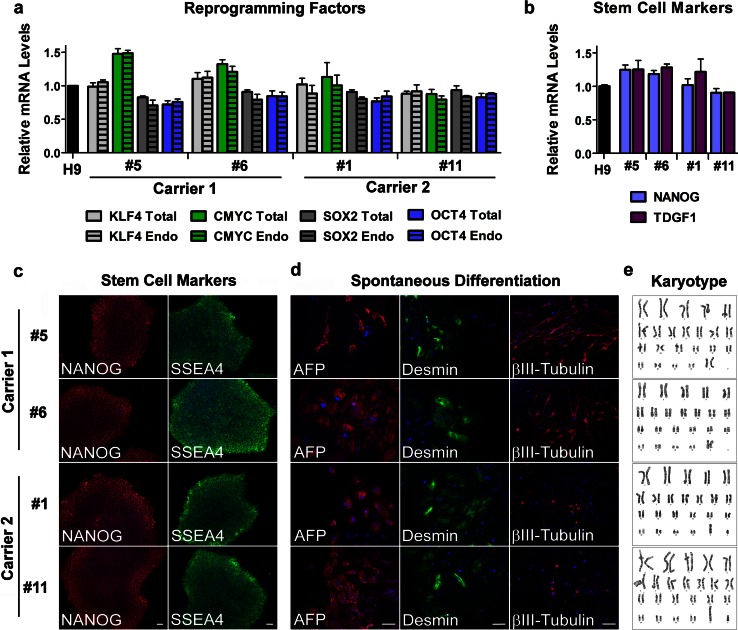
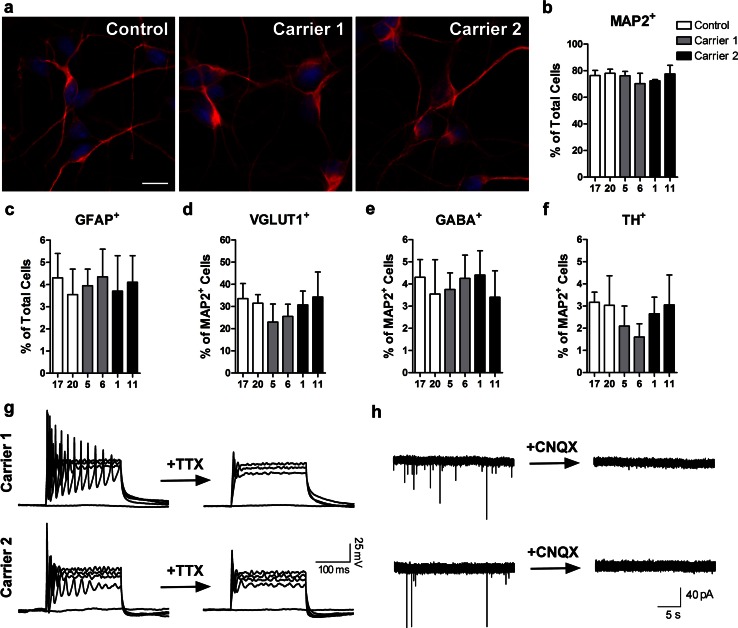
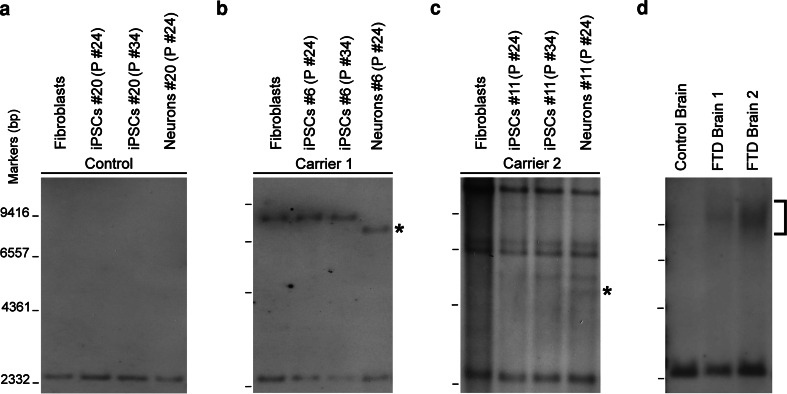
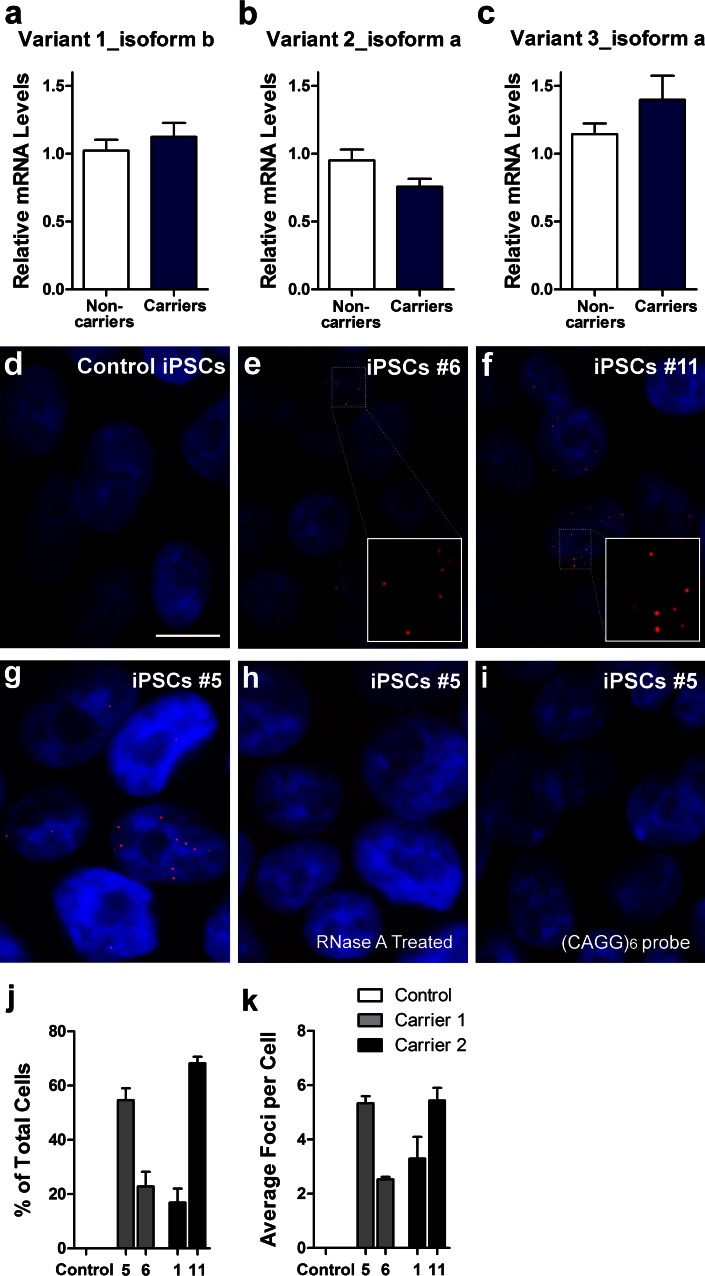
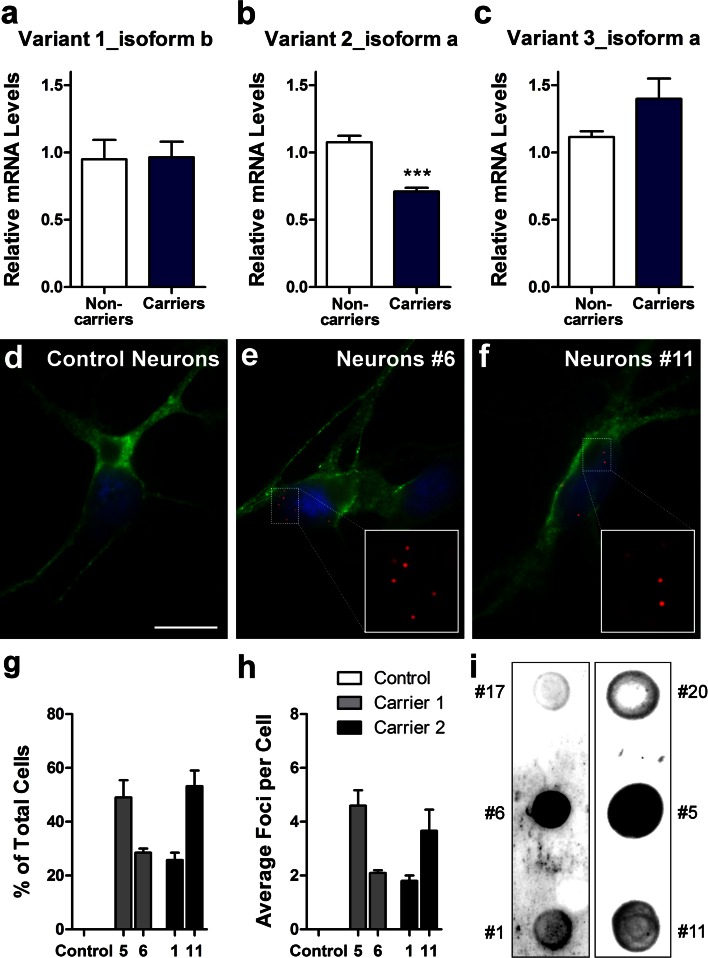
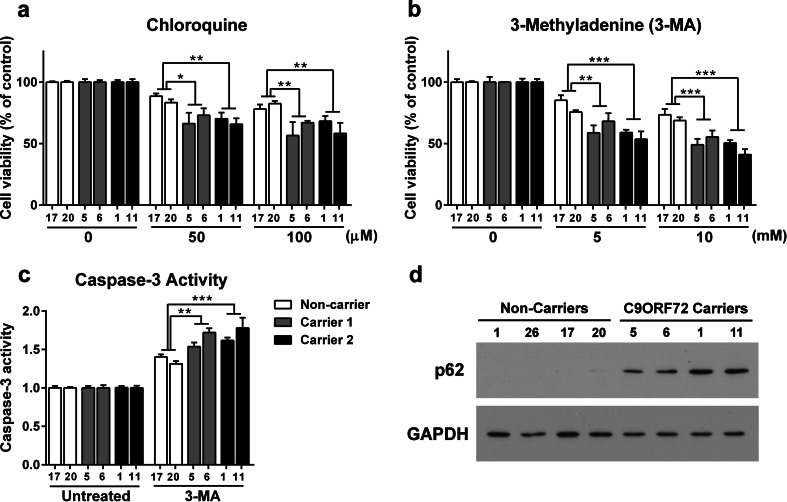
The recently identified GGGGCC repeat expansion in the noncoding region of C9ORF72 is the most common pathogenic mutation in patients with frontotemporal dementia (FTD) or amyotrophic lateral sclerosis (ALS). We generated a human neuronal model and investigated the pathological phenotypes of human neurons containing GGGGCC repeat expansions. Skin biopsies were obtained from two subjects who had >1,000 GGGGCC repeats in C9ORF72 and their respective fibroblasts were used to generate multiple induced pluripotent stem cell (iPSC) lines. After extensive characterization, two iPSC lines from each subject were selected, differentiated into postmitotic neurons, and compared with control neurons to identify disease-relevant phenotypes. Expanded GGGGCC repeats exhibit instability during reprogramming and neuronal differentiation of iPSCs. RNA foci containing GGGGCC repeats were present in some iPSCs, iPSC-derived human neurons and primary fibroblasts. The percentage of cells with foci and the number of foci per cell appeared to be determined not simply by repeat length but also by other factors. These RNA foci do not seem to sequester several major RNA-binding proteins. Moreover, repeat-associated non-ATG (RAN) translation products were detected in human neurons with GGGGCC repeat expansions and these neurons showed significantly elevated p62 levels and increased sensitivity to cellular stress induced by autophagy inhibitors. Our findings demonstrate that key neuropathological features of FTD/ALS with GGGGCC repeat expansions can be recapitulated in iPSC-derived human neurons and also suggest that compromised autophagy function may represent a novel underlying pathogenic mechanism.
Overview
The claims and statistics of this paper haven’t been checked yet.
Run the check — free, no account needed. It reads the open-access text and checks the sources it cites.
Integrity signals
Registry
Cites
Statistics
Figures
Verification
Claims the paper makes
The claims and statistics of this paper haven’t been checked yet.
Run the check — free, no account needed. It reads the open-access text and checks the sources it cites.
Claims other papers make about this one
Each is checked against this paper’s own text: does it say what the citing paper says it does?
In the citing paper
“C9orf72 mutations are associated with reduced basal autophagy and enhanced sensitivity to autophagy inhibitors in human iPSC-derived neurons [153,178].”
From Autophagy and ALS: mechanistic insights and therapeutic implications (2022) · cites this paper as [178]
Self-check
Percentages, sums and reported differences re-computed from the paper’s own numbers.
The self-check needs the paper’s full text.
Citations
Cites
Induction of Pluripotent Stem Cells from Adult Human Fibroblasts by Defined Factors
Takahashi, K., Tanabe, K., Ohnuki, M., Narita, M., Ichisaka, T., Tomoda, K., & Yamanaka, S. (2007) · Cell · doi:10.1016/j.cell.2007.11.019 · Cited by 20,221
Ubiquitinated TDP-43 in Frontotemporal Lobar Degeneration and Amyotrophic Lateral Sclerosis
Neumann, M., Sampathu, D. M., Kwong, L. K., Truax, A. C., Micsenyi, M. C., Chou, T. T., Bruce, J., Schuck, T., Grossman, M., Clark, C. M., et al. (2006) · Science · doi:10.1126/science.1134108 · Cited by 6,576
Self-citationDeJesus-Hernandez, M., Mackenzie, I. R., Boeve, B. F., Boxer, A. L., Baker, M., Rutherford, N. J., Nicholson, A. M., Finch, N. A., Flynn, H., Adamson, J., et al. (2011) · Neuron · doi:10.1016/j.neuron.2011.09.011 · Cited by 4,936 · cited 11×
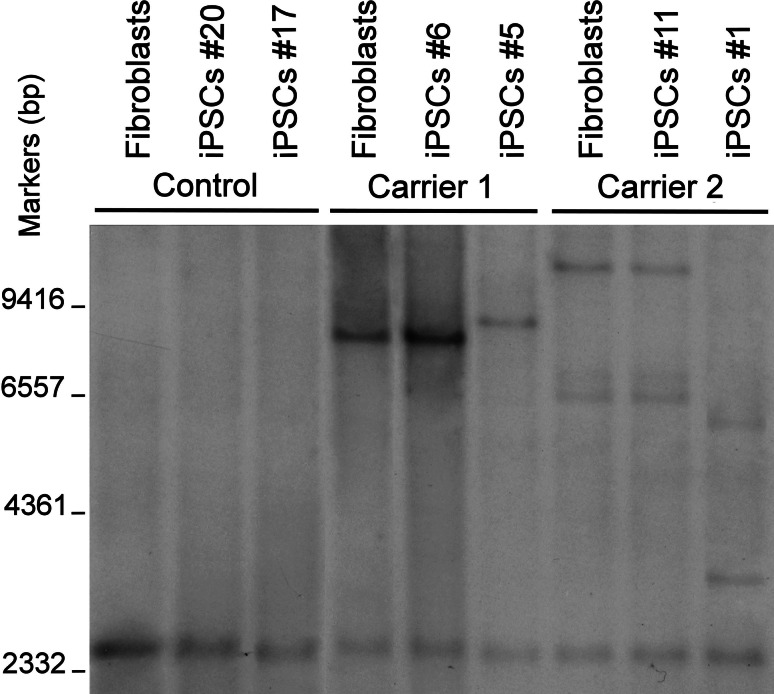
“After the publication of studies showing that GGGGCC repeat expansion is the disease-causing mutation in the VSM-20 family and other patients with FTD/ALS [12, 39], we first performed southern blot analysis to confirm the presence of the repeat expansion in skin fibroblasts from these two members of the VSM-20 family.”
BackgroundMethodResultInfluentialSelf-citationA Hexanucleotide Repeat Expansion in C9ORF72 Is the Cause of Chromosome 9p21-Linked ALS-FTD
Renton, A. E., Majounie, E., Waite, A., Simón-Sánchez, J., Rollinson, S., Gibbs, J. R., Schymick, J. C., Laaksovirta, H., van Swieten, J. C., Myllykangas, L., et al. (2011) · Neuron · doi:10.1016/j.neuron.2011.09.010 · Cited by 4,409
Arai, T., Hasegawa, M., Akiyama, H., Ikeda, K., Nonaka, T., Mori, H., Mann, D., Tsuchiya, K., Yoshida, M., Hashizume, Y., et al. (2006) · Biochemical and Biophysical Research Communications · doi:10.1016/j.bbrc.2006.10.093 · Cited by 2,732
Mutations in FUS, an RNA Processing Protein, Cause Familial Amyotrophic Lateral Sclerosis Type 6
Vance, C. A., Rogelj, B., Hortobágyi, T., Vos, K. J. D., Nishimura, A. L., Sreedharan, J., Hu, X., Smith, B. N., Ruddy, D., Wright, P. D., et al. (2009) · Science · doi:10.1126/science.1165942 · Cited by 2,625
Mutations in the FUS/TLS Gene on Chromosome 16 Cause Familial Amyotrophic Lateral Sclerosis
Kwiatkowski, T. J., Bosco, D. A., LeClerc, A. L., Tamrazian, E., Vanderburg, C. R., Russ, C., Davis, A., Gilchrist, J. M., Kasarskis, E. J., Munsat, T. L., et al. (2009) · Science · doi:10.1126/science.1166066 · Cited by 2,624
Dimos, J. T., Rodolfa, K. T., Niakan, K. K., Weisenthal, L. M., Mitsumoto, H., Chung, W. K., Croft, G. F., Saphier, G., Leibel, R. L., Goland, R., et al. (2008) · Science · doi:10.1126/science.1158799 · Cited by 2,019
Soldner, F., Hockemeyer, D. F., Beard, C., Gao, Q., Bell, G. W., Cook, E. G., Hargus, G., Blak, A. A., Cooper, O., Mitalipova, M. M., et al. (2009) · Cell · doi:10.1016/j.cell.2009.02.013 · Cited by 1,584
Induced pluripotent stem cells from a spinal muscular atrophy patient
Ebert, A. D., Yu, J., Rose, F. F., Mattis, V. B., Lorson, C. L., Thomson, J. A., & Svendsen, C. N. (2009) · Nature · doi:10.1038/nature07677 · Cited by 1,441
Cited by
Sorted by citations
C9orf72 nucleotide repeat structures initiate molecular cascades of disease
Haeusler, A. R., Donnelly, C. J., Periz, G., Simko, E. A. J., Shaw, P. G., Kim, M.-S., Maragakis, N. J., Troncoso, J. C., Pandey, A., Sattler, R., et al. (2014) · Nature · doi:10.1038/nature13124 · Cited by 978
RNA Toxicity from the ALS/FTD C9ORF72 Expansion Is Mitigated by Antisense Intervention
Donnelly, C. J., Zhang, P.-W., Pham, J. T., Haeusler, A. R., Mistry, N. A., Vidensky, S., Daley, E. L., Poth, E. M., Hoover, B., Fines, D. M., et al. (2013) · Neuron · doi:10.1016/j.neuron.2013.10.015 · Cited by 877
Self-citationGGGGCC repeat expansion in C9orf72 compromises nucleocytoplasmic transport
Freibaum, B. D., Lu, Y., Lopez-Gonzalez, R., Kim, N. C., Almeida, S., Lee, K.-H., Badders, N., Valentine, M., Miller, B. L., Wong, P. C., et al. (2015) · Nature · doi:10.1038/nature14974 · Cited by 841
Self-citationRAN proteins and RNA foci from antisense transcripts in C9ORF72 ALS and frontotemporal dementia
Zu, T., Liu, Y., Báñez-Coronel, M., Reid, T. S., Pletniková, O., Lewis, J. M., Miller, T. M., Harms, M. B., Falchook, A. E., Subramony, S. H., et al. (2013) · Proceedings of the National Academy of Sciences · doi:10.1073/pnas.1315438110 · Cited by 777
ALS Genetics, Mechanisms, and Therapeutics: Where Are We Now?
Mejzini, R., Flynn, L. L., Pitout, I. L., Fletcher, S., Wilton, S. D., & Akkari, P. A. (2019) · Frontiers in Neuroscience · doi:10.3389/fnins.2019.01310 · Cited by 803
Metadata
- Authors
- Almeida, S., Gascon, E., Tran, H., Chou, H. J., Gendron, T. F., DeGroot, S., Tapper, A. R., Sellier, C., Charlet-Berguerand, N., Karydas, A., Seeley, W. W., Boxer, A. L., Petrucelli, L., Miller, B. L., & Gao, F.-B.
- Affiliations
- University of Massachusetts Chan Medical School (US)
- Mayo Clinic in Florida (US)
- Centre National de la Recherche Scientifique (FR)
- University of California, San Francisco (US)
- Corresponding author
- Gao, Fen-Biao
- ORCID
- Venue
- Acta Neuropathologica
- Published
- 2013-07-09
- Volume
- 126
- Issue
- 3
- Pages
- 385-399
- ISSN
- 0001-6322 (ISSN-L)
- 1432-0533
- PMC
- PMC3753484
- OpenAlex
- W2113670539
- Cited by
- 321
- References
- 50
- Citations by year
- 2026: 6 · 2025: 9 · 2024: 10 · 2023: 15 · 2022: 6 · 2021: 21 · 2020: 28 · 2019: 30 · 2018: 23 · 2017: 34 · 2016: 40 · 2015: 49 · 2014: 36 · 2013: 12
- FWCI
- 29.00
- Type
- journal article
- Language
- en
- Update notices
- correction (2014-04-09)
- Open access
- hybrid
- doi.org
- Locations
- Acta Neuropathologica (publishedVersion, cc-by)
- Europe PMC (PubMed Central) (publishedVersion, cc-by)
- PubMed Central (publishedVersion, cc-by)
- PubMed (publishedVersion)
- The Journal of the American Medical Association (JAMA) Network (American Medical Association) (submittedVersion, cc-by)
- HAL (submittedVersion, cc-by)
- eScholarship (California Digital Library) (submittedVersion)
- Funders
- Mayo Clinic
- California Institute for Regenerative Medicine (RL1-00650)
- ALS Therapy Alliance
- National Institutes of Health (AG023501, AG019724, NS063964, AG17216, NS057553)
- National Institute on Aging (R56AG026251, AG 17216, AG023501, AG019724, P01AG017216, R01AG026251, R01AG038791, AG026251, P01AG019724, P50AG023501)
- National Institute of Neurological Disorders and Stroke (R01NS063964, R01NS077402, NS057553, R01NS057553, R37NS057553, NS077402, NS063964)
- Topics
- Health Sciences › Medicine › Clinical Neurology › Amyotrophic Lateral Sclerosis Research
- Life Sciences › Neuroscience › Cellular and Molecular Neuroscience › Genetic Neurodegenerative Diseases
- Life Sciences › Neuroscience › Cellular and Molecular Neuroscience › Alzheimer's disease research and treatments
- Keywords
- frontotemporal dementia, amyotrophic lateral sclerosis, C9orf72, GGGGCC repeat expansion, induced pluripotent stem cells, iPSC-derived neurons, RNA foci, repeat-associated non-ATG translation, p62, autophagy, fibroblast reprogramming, RNA-binding proteins, disease modeling
- MeSH terms
- C9orf72 Protein, Amyotrophic Lateral Sclerosis, Animals, Cell Differentiation, Genotype, Humans, Mutation, Neurons, Proteins, RNA-Binding Proteins, DNA Repeat Expansion, Mice, Induced Pluripotent Stem Cells, Frontotemporal Dementia
About these checks
Registry, retraction, Cites and statistics results are computed, not judged, with one exception: a printed reference that no index lists is read once by a model before it counts as a citation error. Claims are extracted by a model and kept only when their quote appears verbatim in the text; each cited source is then checked, with a model’s help, for whether it says what the claim relies on. Those verdicts can be wrong — read the claim’s quote and the cited source before relying on one.
Statistics and arithmetic are recomputed, not judged.
Confidence bands are shown only for fields calibrated on our annotated test set. None is calibrated yet, so no band is shown.
What counts as a claim ›How we measure confidence ›How we check this ›
Are you an author, or do you see a problem with this page? Request a review
