

A Randomized Feasibility/Acceptability Trial of Acceptance and Commitment Therapy for People with HIV Who Drink at Unhealthy Levels.
Open accessThe DOI matches its Crossref record; 53 of the 53 references it cites were found in a registry or an index; 27 of the 45 sources its claims cite were checked for support.
Abstract
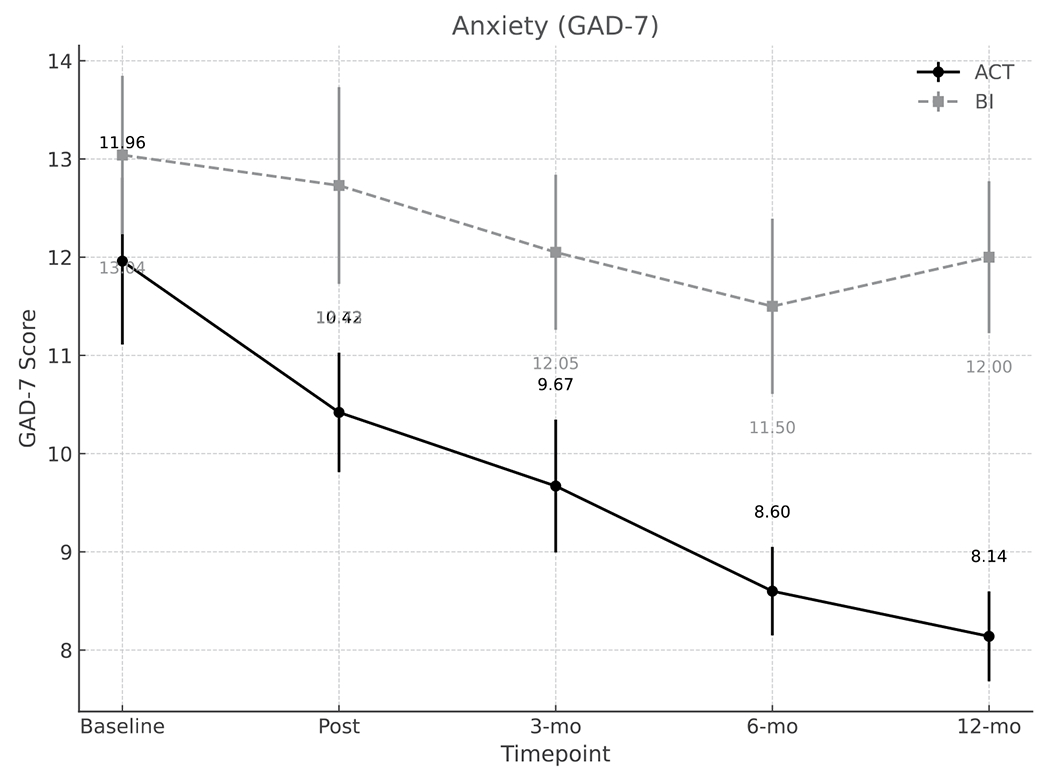
Unhealthy alcohol use is prevalent among people with HIV (PWH) and associated with significant health-related consequences. We describe here a randomized feasibility/acceptability trial of a brief, telephone-delivered transdiagnostic acceptance and commitment therapy (ACT) intervention for PWH who drink at unhealthy levels. This pilot trail was designed to match the procedures of a planned definitive RCT that will compare the ACT intervention to a brief alcohol intervention (BI). We randomly assigned PWH and unhealthy alcohol use 1:1 to either the ACT or the BI intervention and collected self-report and biomarker data post-treatment and again at 3-, 6-, and 12-months. The primary objectives of this pilot trial were to assess feasibility of recruitment, retention, and intervention delivery, and acceptability of intervention content. We also collected preliminary primary (alcohol use) and secondary (symptoms of anxiety, depression, and experiential avoidance) outcome data to examine general patterns of results at a purely descriptive level. In total, 192 participants were screened, 117 of whom were eligible, and 49 of whom were randomized to either the ACT (n = 24) or BI (n = 25) condition. Results provided evidence of feasibility and acceptability indicating that a definitive trial should proceed. Preliminary outcome data also suggested that ACT is a promising treatment for unhealthy alcohol use and co-morbid symptoms of depression, anxiety, and experiential avoidance. A definitive trial is currently underway and will determine the comparative efficacy of ACT versus BI for unhealthy alcohol use for PWH.
Overview
CoChat Summary
## TL;DR
This randomized pilot compared a 6-session telephone ACT intervention (ACCEPT) with a brief alcohol intervention for people with HIV who drink at unhealthy levels, primarily to test feasibility, acceptability, and treatment fidelity. The trial enrolled 49 participants and found high feasibility/acceptability signals, with descriptive outcomes suggesting declines in drinking, depression, anxiety, and experiential avoidance, especially for ACT over longer follow-up.
## Key findings
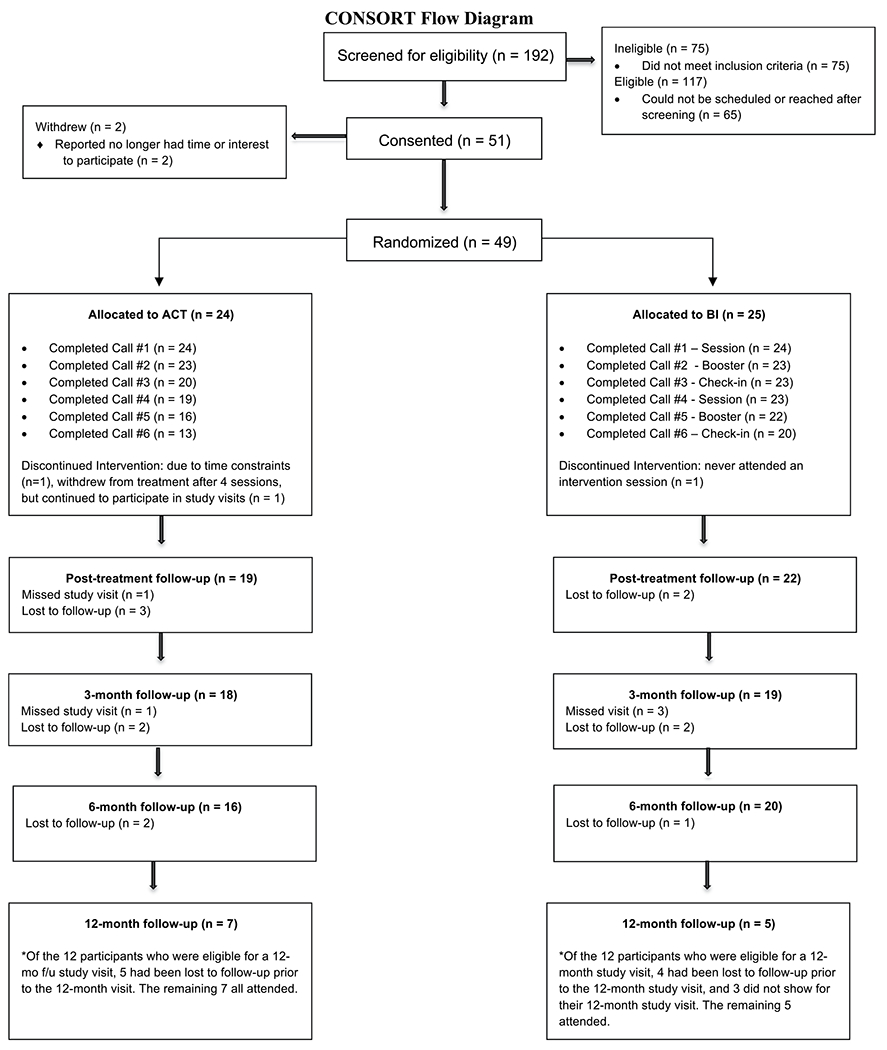
- Of 192 screened participants, 117 were eligible, 51 consented, and 49 were randomized (ACT n = 24; BI n = 25); the study enrolled and randomized 66% of the target sample size (49/74).
- Feasibility outcomes were strong: 82% were treatment “completers” (completed at least 4 sessions), 84% completed post-treatment follow-up, 75% completed 3-month follow-up, 73% completed 6-month follow-up, and 50% (12/24 eligible) completed 12-month follow-up.
- Acceptability ratings were high in both conditions: mean scores were > 5 on all items, with participants reporting they “very often” felt the intervention was important to them (ACT M = 6.11; BI M = 6.29) and would “lead to positive changes” (ACT M = 6.16; BI M = 5.63).
- Fidelity was high: average percent agreement across selected sessions was 95%, with mean adherence scores of 96% for ACT and 98% for BI.
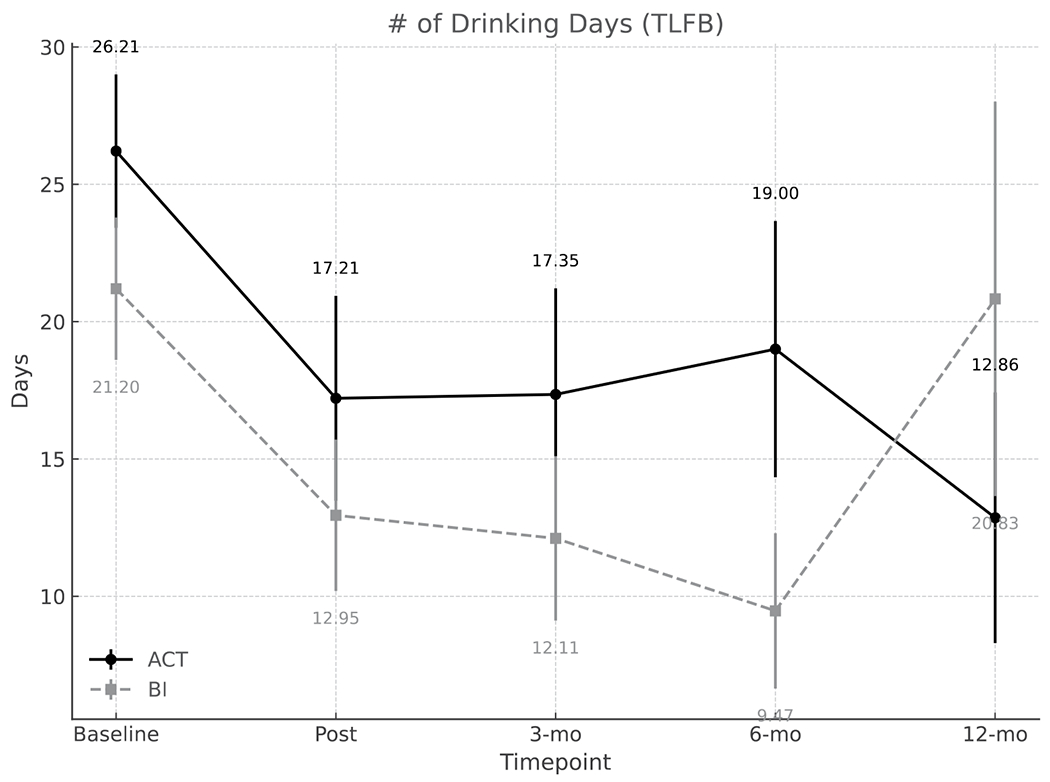
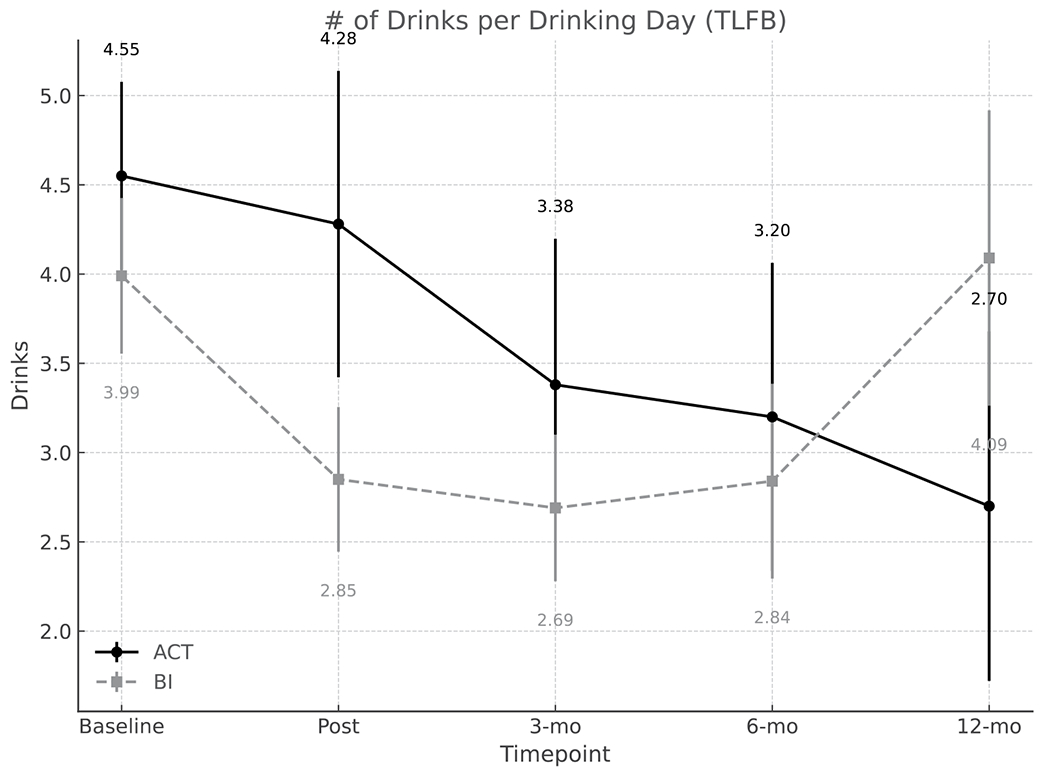
- Descriptively, drinking outcomes declined in both conditions; at 12 months, drinking frequency showed an overall 50.93% reduction from baseline in ACT versus 1.75% in BI, and drinks per drinking day showed a 56.73% reduction in ACT versus 25.37% in BI.
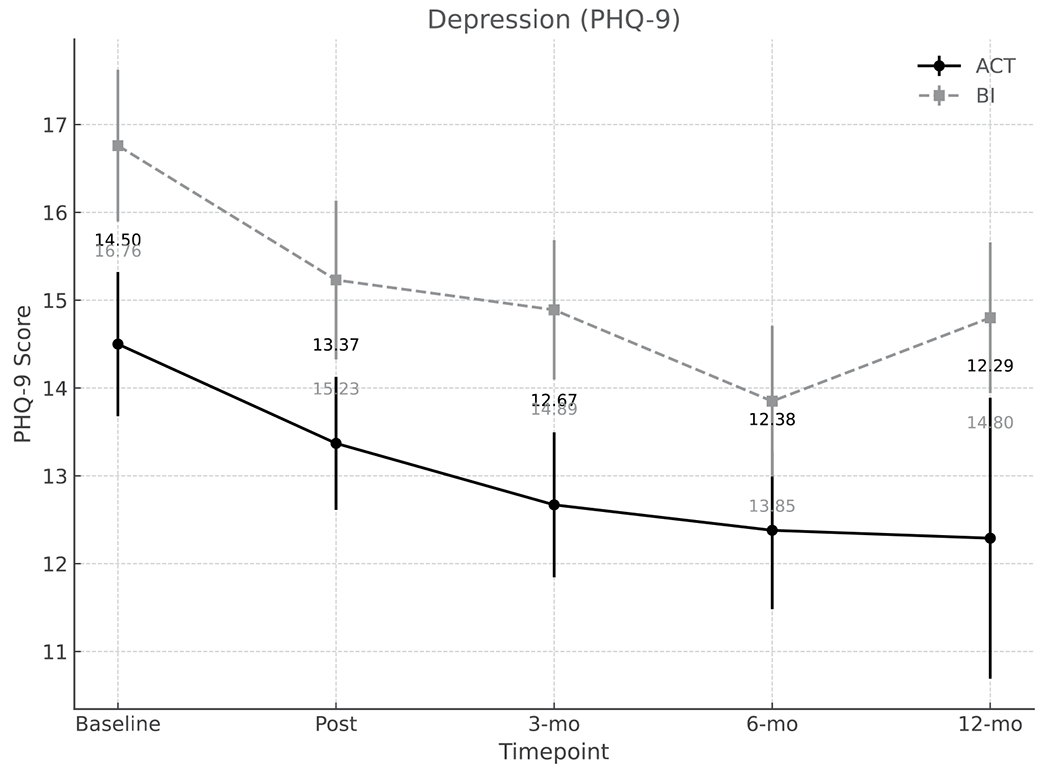
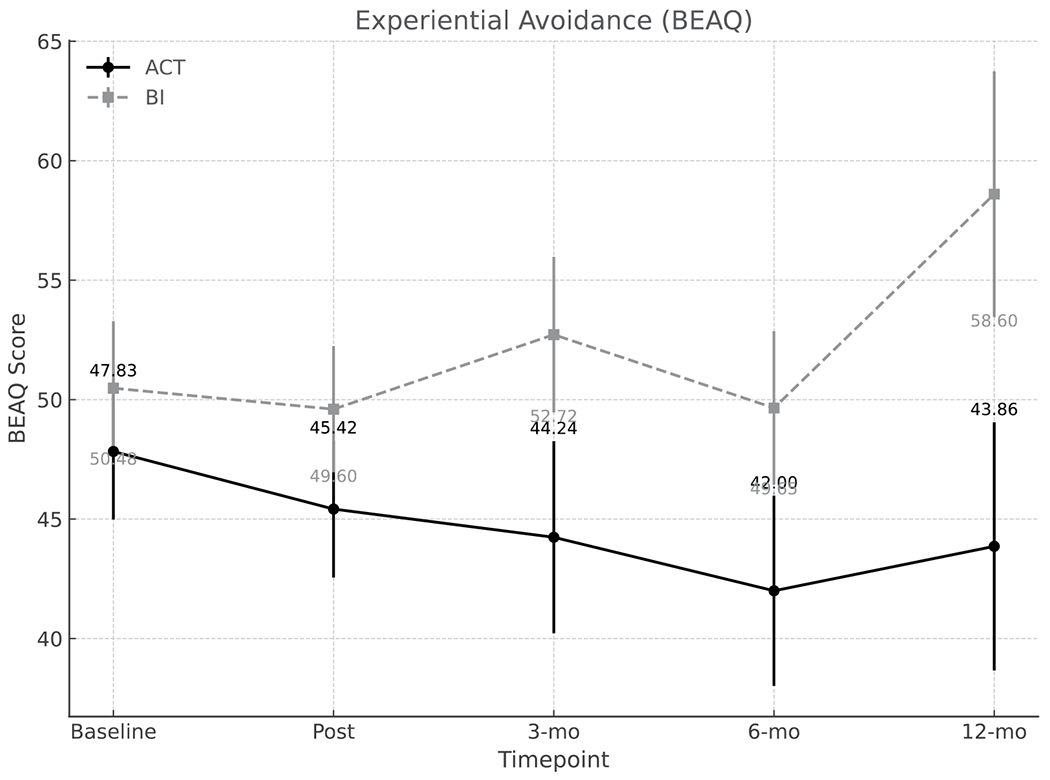
- Descriptively, depression and anxiety also declined in both conditions, while experiential avoidance decreased more steadily in ACT and increased by 16.09% from baseline in BI at 12 months.
## Methods
- Randomized feasibility/acceptability trial with 1:1 allocation to ACT (ACCEPT) or a brief alcohol intervention (BI), with randomization to condition and to an interventionist within condition; both arms had six phone contacts.
- Participants were adults with HIV on ART who reported unhealthy alcohol use in the past month on AUDIT-C (≥ 4 men; ≥ 3 women); 49 were randomized after screening 192 and finding 117 eligible.
- Outcomes were assessed at baseline, post-treatment, 3 months, 6 months, and for some participants 12 months; analyses were descriptive only, with no formal inferential hypothesis testing, and included alcohol use (TLFB), depression (PHQ-9), anxiety (GAD-7), experiential avoidance (BEAQ), acceptability, and fidelity.
## Limitations
- The paper states that the small number of participants assessed at 12-month follow-up makes those outcome data “especially difficult to interpret,” and that the overall pattern at 12 months is “inconclusive” and “unreliable.”
- The paper notes potential crossover effects and bias because the same interventionists were trained in both ACT and BI, although it says fidelity monitoring did not note these problems.
- The sample was biased by changing recruitment procedures from one HIV clinic to New York State to the entire U.S., and it was predominantly male, which the paper says may limit generalizability.
Model-written summary. Check it against the paper before relying on it.
Integrity signals
Registry
Cites
Statistics
Figures
Verification
Claims the paper makes
12 Valid · 0 Not valid · 8 Not checked · 56 Own results and interpretations
The cited sources support only part of this claim — read each source’s verdict below.
In the paper
“The brief format, low training burden, and significant treatment effects have made Chander et al.’s [16] intervention widely adopted in treating unhealthy alcohol use among PWH.”
§ A Randomized Feasibility/Acceptability Trial of Acceptance and Commitment Therapy for People with HIV Who Drink at Unhealthy Levels > Abstract Unhealthy alcohol use is prevalent among people with HIV (PWH) and associated with significant health-related consequences. We describe here a randomized feasibility/acceptability trial of a brief, telephone-delivered transdiagnostic acceptance and commitment therapy (ACT) intervention for PWH who drink at unhealthy levels. This pilot trail was designed to match the procedures of a planned definitive RCT that will compare the ACT intervention to a brief alcohol intervention (BI). We randomly assigned PWH and unhealthy alcohol use 1:1 to either the ACT or the BI intervention and collected self-report and biomarker data post-treatment and again at 3-, 6-, and 12-months. The primary objectives of this pilot trial were to assess feasibility of recruitment, retention, and intervention delivery, and acceptability of intervention content. We also collected preliminary primary (alcohol use) and secondary (symptoms of anxiety, depression, and experiential avoidance) outcome data to examine general patterns of results at a purely descriptive level. In total, 192 participants were screened, 117 of whom were eligible, and 49 of whom were randomized to either the ACT (n = 24) or BI (n = 25) condition. Results provided evidence of feasibility and acceptability indicating that a definitive trial should proceed. Preliminary outcome data also suggested that ACT is a promising treatment for unhealthy alcohol use and co-morbid symptoms of depression, anxiety, and experiential avoidance. A definitive trial is currently underway and will determine the comparative efficacy of ACT versus BI for unhealthy alcohol use for PWH. Unhealthy alcohol use—which encompasses a range of consumption from drinking that exceeds recommended guidelines to alcohol use disorder (AUD) [1, 2]—is prevalent among people with HIV (PWH). Between 27 and 40% of PWH report drinking at unhealthy levels [3–5] which is associated with a range of health-related consequences, including mortality [6], lack of viral suppression [7, 8], less ART utilization [8, 9], and sub-optimal adherence to ART [10]. Randomized clinical trials (RCTs) of alcohol interventions for PWH have had mixed success. There have been two meta-analyses [11, 12] and several narrative reviews [13–15] of this literature published over the last decade. Of the trials conducted in the U.S. with adult samples of PWH, only three trials [16–18] have produced significant effects on alcohol-related outcomes that were different from the control group at 12-month follow-up. One of the three trials that found significant treatment effects was Chander et al.’s [16] brief intervention based on Project Treat [19]. This intervention is a two-session (20 min each) + two booster call (5–10 min) CBT-based treatment that significantly reduced past 90-day drinking frequency compared to usual care, with treatment effects that were maintained at 12-month follow-up. The brief format, low training burden, and significant treatment effects have made Chander et al.’s [16] intervention widely adopted in treating unhealthy alcohol use among PWH. However, the lack of treatment effects on drinking quantity, and the exclusive focus on alcohol use, indicate there may be potential for improvement in the implementation of brief alcohol interventions for PWH. One hypothesized reason for the mixed success of alcohol interventions in the HIV literature is an increasingly recognized syndemic of co-occurring unhealthy alcohol use and other mental health-related problems among PWH [20, 21]. Indeed, up to 63% of PWH meet criteria for a co-occurring substance use and psychiatric disorder [22, 23], with depression and anxiety being the most common psychiatric co-morbidities [23, 24]. The high level of psychological and behavioral comorbidities among PWH necessitates a shift towards examining transdiagnostic approaches that target core psychological processes that underlie multiple mental health and substance-related problems [14].
What the sources say
- Partly supportedcites [16] Chander G, Hutton HE, Lau B, Xu X, McCaul ME. Brief intervention decreases drinking frequency in HIV-infected, heavy drinking women: results of a randomized controlled trial. J Acquir Immune Defic Syndr. 2015;70(2):137–45. sourceExperimental — accuracy not yet measured
The Methods (Intervention; page unavailable) describe two 20-minute sessions and brief booster calls, and the Discussion (page unavailable) reports a significant reduction in drinking frequency among HIV-infected women. The paper does not establish a low training burden or widespread adoption of the intervention. It also cautions that its results may not generalize to men or other settings. (LLM, conf=0.87)
boostedstates a cause- Asserted: passes — The authors put it forward as true.
- Checkable: passes — It can be checked against evidence.
- Load-bearing: unclear — It is unclear whether the paper’s conclusions depend on it.
- Based: passes — The paper gives a reason why it holds.
- Partly supported
The sources with a verdict support this claim; the rest weren’t checked yet, have no full text we could read, or their verdicts aren’t rated yet.
In the paper
“Randomized clinical trials (RCTs) of alcohol interventions for PWH have had mixed success.”
§ A Randomized Feasibility/Acceptability Trial of Acceptance and Commitment Therapy for People with HIV Who Drink at Unhealthy Levels > Abstract Unhealthy alcohol use is prevalent among people with HIV (PWH) and associated with significant health-related consequences. We describe here a randomized feasibility/acceptability trial of a brief, telephone-delivered transdiagnostic acceptance and commitment therapy (ACT) intervention for PWH who drink at unhealthy levels. This pilot trail was designed to match the procedures of a planned definitive RCT that will compare the ACT intervention to a brief alcohol intervention (BI). We randomly assigned PWH and unhealthy alcohol use 1:1 to either the ACT or the BI intervention and collected self-report and biomarker data post-treatment and again at 3-, 6-, and 12-months. The primary objectives of this pilot trial were to assess feasibility of recruitment, retention, and intervention delivery, and acceptability of intervention content. We also collected preliminary primary (alcohol use) and secondary (symptoms of anxiety, depression, and experiential avoidance) outcome data to examine general patterns of results at a purely descriptive level. In total, 192 participants were screened, 117 of whom were eligible, and 49 of whom were randomized to either the ACT (n = 24) or BI (n = 25) condition. Results provided evidence of feasibility and acceptability indicating that a definitive trial should proceed. Preliminary outcome data also suggested that ACT is a promising treatment for unhealthy alcohol use and co-morbid symptoms of depression, anxiety, and experiential avoidance. A definitive trial is currently underway and will determine the comparative efficacy of ACT versus BI for unhealthy alcohol use for PWH. Unhealthy alcohol use—which encompasses a range of consumption from drinking that exceeds recommended guidelines to alcohol use disorder (AUD) [1, 2]—is prevalent among people with HIV (PWH). Between 27 and 40% of PWH report drinking at unhealthy levels [3–5] which is associated with a range of health-related consequences, including mortality [6], lack of viral suppression [7, 8], less ART utilization [8, 9], and sub-optimal adherence to ART [10]. Randomized clinical trials (RCTs) of alcohol interventions for PWH have had mixed success. There have been two meta-analyses [11, 12] and several narrative reviews [13–15] of this literature published over the last decade. Of the trials conducted in the U.S. with adult samples of PWH, only three trials [16–18] have produced significant effects on alcohol-related outcomes that were different from the control group at 12-month follow-up. One of the three trials that found significant treatment effects was Chander et al.’s [16] brief intervention based on Project Treat [19]. This intervention is a two-session (20 min each) + two booster call (5–10 min) CBT-based treatment that significantly reduced past 90-day drinking frequency compared to usual care, with treatment effects that were maintained at 12-month follow-up. The brief format, low training burden, and significant treatment effects have made Chander et al.’s [16] intervention widely adopted in treating unhealthy alcohol use among PWH. However, the lack of treatment effects on drinking quantity, and the exclusive focus on alcohol use, indicate there may be potential for improvement in the implementation of brief alcohol interventions for PWH. One hypothesized reason for the mixed success of alcohol interventions in the HIV literature is an increasingly recognized syndemic of co-occurring unhealthy alcohol use and other mental health-related problems among PWH [20, 21]. Indeed, up to 63% of PWH meet criteria for a co-occurring substance use and psychiatric disorder [22, 23], with depression and anxiety being the most common psychiatric co-morbidities [23, 24]. The high level of psychological and behavioral comorbidities among PWH necessitates a shift towards examining transdiagnostic approaches that target core psychological processes that underlie multiple mental health and substance-related problems [14].
What the sources say
- Not checked — no full text of the sourcecites [11] Ghosh A, Singh GK, Yadav N, Singh P, Kathiravan S. Brief interventions for alcohol misuse among people living with HIV: a meta-analysis. Am J Drug Alcohol Abuse. 2023;49(6):766–86. source
- Supportedcites [12] Scott-Sheldon LA, Carey KB, Johnson BT, Carey MP. Behavioral interventions targeting alcohol use among people living with HIV/AIDS: a systematic review and meta-analysis. AIDS Behav. 2017;21(2):126–43. source
The Eligibility Criteria include randomized controlled trials of alcohol interventions for people living with HIV/AIDS, and the Methodological Quality results say 90% of studies reported random assignment. In Results > Impact of the Interventions Compared with Controls (page not provided), interventions improved some drinking outcomes, while other drinking outcomes showed no significant difference—consistent with mixed success. (LLM, conf=0.89)
- Supportedcites [13] Brown JL, DeMartini KS, Sales JM, Swartzendruber AL, DiClemente RJ. Interventions to reduce alcohol use among HIV-infected individuals: a review and critique of the literature. Curr HIV AIDS Rep. 2013;10(4):356–70. source
The Study Design section says 13 of the 14 reviewed interventions were randomized controlled trials. The Review Summary reports mixed findings for reductions in alcohol frequency and quantity, with approximately half the studies finding significant reductions relative to comparison conditions. (LLM, conf=0.94)
- Supportedcites [14] Madhombiro M, Musekiwa A, January J, Chingono A, Abas M, Seedat S. Psychological interventions for alcohol use disorders in people living with HIV/AIDS: a systematic review. Syst Rev. 2019;8(1):1–16. source
The Discussion reports significant effects in some interventions but no significant effects in others, supporting the characterization of mixed success. The Characteristics of included studies section identifies the studies as RCTs involving people living with HIV. (LLM, conf=0.93)
- Supportedcites [15] Wechsberg WM, Browne FA, Bonner CP, Washio Y, Howard BN, van der Drift I. Current interventions for people living with HIV who use alcohol: why gender matters. Curr HIV AIDS Rep. 2021;18(4):351–64. source
The Results (Non-gender Studies; page not available in our copy) say that most studies reported reduced alcohol use at follow-up, but only three demonstrated statistically significant intervention effects. The Results (Gender Studies; page not available) report significant alcohol-use effects in the studies reviewed there, though one naltrexone trial’s effect did not persist to its final follow-up. Together, these findings support the characterization of mixed success. (LLM, conf=0.92)
plain- Asserted: passes — The authors put it forward as true.
- Checkable: passes — It can be checked against evidence.
- Load-bearing: passes — The paper’s conclusions depend on it.
- Based: passes — The paper gives a reason why it holds.
The cited sources support only part of this claim — read each source’s verdict below.
In the paper
“The high level of psychological and behavioral comorbidities among PWH necessitates a shift towards examining transdiagnostic approaches that target core psychological processes that underlie multiple mental health and substance-related problems [14].”
§ A Randomized Feasibility/Acceptability Trial of Acceptance and Commitment Therapy for People with HIV Who Drink at Unhealthy Levels > Abstract Unhealthy alcohol use is prevalent among people with HIV (PWH) and associated with significant health-related consequences. We describe here a randomized feasibility/acceptability trial of a brief, telephone-delivered transdiagnostic acceptance and commitment therapy (ACT) intervention for PWH who drink at unhealthy levels. This pilot trail was designed to match the procedures of a planned definitive RCT that will compare the ACT intervention to a brief alcohol intervention (BI). We randomly assigned PWH and unhealthy alcohol use 1:1 to either the ACT or the BI intervention and collected self-report and biomarker data post-treatment and again at 3-, 6-, and 12-months. The primary objectives of this pilot trial were to assess feasibility of recruitment, retention, and intervention delivery, and acceptability of intervention content. We also collected preliminary primary (alcohol use) and secondary (symptoms of anxiety, depression, and experiential avoidance) outcome data to examine general patterns of results at a purely descriptive level. In total, 192 participants were screened, 117 of whom were eligible, and 49 of whom were randomized to either the ACT (n = 24) or BI (n = 25) condition. Results provided evidence of feasibility and acceptability indicating that a definitive trial should proceed. Preliminary outcome data also suggested that ACT is a promising treatment for unhealthy alcohol use and co-morbid symptoms of depression, anxiety, and experiential avoidance. A definitive trial is currently underway and will determine the comparative efficacy of ACT versus BI for unhealthy alcohol use for PWH. Unhealthy alcohol use—which encompasses a range of consumption from drinking that exceeds recommended guidelines to alcohol use disorder (AUD) [1, 2]—is prevalent among people with HIV (PWH). Between 27 and 40% of PWH report drinking at unhealthy levels [3–5] which is associated with a range of health-related consequences, including mortality [6], lack of viral suppression [7, 8], less ART utilization [8, 9], and sub-optimal adherence to ART [10]. Randomized clinical trials (RCTs) of alcohol interventions for PWH have had mixed success. There have been two meta-analyses [11, 12] and several narrative reviews [13–15] of this literature published over the last decade. Of the trials conducted in the U.S. with adult samples of PWH, only three trials [16–18] have produced significant effects on alcohol-related outcomes that were different from the control group at 12-month follow-up. One of the three trials that found significant treatment effects was Chander et al.’s [16] brief intervention based on Project Treat [19]. This intervention is a two-session (20 min each) + two booster call (5–10 min) CBT-based treatment that significantly reduced past 90-day drinking frequency compared to usual care, with treatment effects that were maintained at 12-month follow-up. The brief format, low training burden, and significant treatment effects have made Chander et al.’s [16] intervention widely adopted in treating unhealthy alcohol use among PWH. However, the lack of treatment effects on drinking quantity, and the exclusive focus on alcohol use, indicate there may be potential for improvement in the implementation of brief alcohol interventions for PWH. One hypothesized reason for the mixed success of alcohol interventions in the HIV literature is an increasingly recognized syndemic of co-occurring unhealthy alcohol use and other mental health-related problems among PWH [20, 21]. Indeed, up to 63% of PWH meet criteria for a co-occurring substance use and psychiatric disorder [22, 23], with depression and anxiety being the most common psychiatric co-morbidities [23, 24]. The high level of psychological and behavioral comorbidities among PWH necessitates a shift towards examining transdiagnostic approaches that target core psychological processes that underlie multiple mental health and substance-related problems [14].
What the sources say
- Partly supportedcites [14] Madhombiro M, Musekiwa A, January J, Chingono A, Abas M, Seedat S. Psychological interventions for alcohol use disorders in people living with HIV/AIDS: a systematic review. Syst Rev. 2019;8(1):1–16. sourceExperimental — accuracy not yet measured
The Discussion reports that depression, anxiety and PTSD are common comorbidities in people living with HIV and describes recommendations for transdiagnostic interventions targeting these disorders, alcohol use and treatment adherence. It links those recommendations to a suggested shared neurobiological basis, however, not to identified core psychological processes; it also does not characterize a shift in approach as necessary. (LLM, conf=0.86)
plainstates a cause- Asserted: passes — The authors put it forward as true.
- Checkable: unclear — It is unclear whether it could be checked against evidence.
- Load-bearing: passes — The paper’s conclusions depend on it.
- Based: passes — The paper gives a reason why it holds.
- Partly supported
The cited sources support only part of this claim — read each source’s verdict below.
In the paper
“Of the trials conducted in the U.S. with adult samples of PWH, only three trials [16–18] have produced significant effects on alcohol-related outcomes that were different from the control group at 12-month follow-up.”
§ A Randomized Feasibility/Acceptability Trial of Acceptance and Commitment Therapy for People with HIV Who Drink at Unhealthy Levels > Abstract Unhealthy alcohol use is prevalent among people with HIV (PWH) and associated with significant health-related consequences. We describe here a randomized feasibility/acceptability trial of a brief, telephone-delivered transdiagnostic acceptance and commitment therapy (ACT) intervention for PWH who drink at unhealthy levels. This pilot trail was designed to match the procedures of a planned definitive RCT that will compare the ACT intervention to a brief alcohol intervention (BI). We randomly assigned PWH and unhealthy alcohol use 1:1 to either the ACT or the BI intervention and collected self-report and biomarker data post-treatment and again at 3-, 6-, and 12-months. The primary objectives of this pilot trial were to assess feasibility of recruitment, retention, and intervention delivery, and acceptability of intervention content. We also collected preliminary primary (alcohol use) and secondary (symptoms of anxiety, depression, and experiential avoidance) outcome data to examine general patterns of results at a purely descriptive level. In total, 192 participants were screened, 117 of whom were eligible, and 49 of whom were randomized to either the ACT (n = 24) or BI (n = 25) condition. Results provided evidence of feasibility and acceptability indicating that a definitive trial should proceed. Preliminary outcome data also suggested that ACT is a promising treatment for unhealthy alcohol use and co-morbid symptoms of depression, anxiety, and experiential avoidance. A definitive trial is currently underway and will determine the comparative efficacy of ACT versus BI for unhealthy alcohol use for PWH. Unhealthy alcohol use—which encompasses a range of consumption from drinking that exceeds recommended guidelines to alcohol use disorder (AUD) [1, 2]—is prevalent among people with HIV (PWH). Between 27 and 40% of PWH report drinking at unhealthy levels [3–5] which is associated with a range of health-related consequences, including mortality [6], lack of viral suppression [7, 8], less ART utilization [8, 9], and sub-optimal adherence to ART [10]. Randomized clinical trials (RCTs) of alcohol interventions for PWH have had mixed success. There have been two meta-analyses [11, 12] and several narrative reviews [13–15] of this literature published over the last decade. Of the trials conducted in the U.S. with adult samples of PWH, only three trials [16–18] have produced significant effects on alcohol-related outcomes that were different from the control group at 12-month follow-up. One of the three trials that found significant treatment effects was Chander et al.’s [16] brief intervention based on Project Treat [19]. This intervention is a two-session (20 min each) + two booster call (5–10 min) CBT-based treatment that significantly reduced past 90-day drinking frequency compared to usual care, with treatment effects that were maintained at 12-month follow-up. The brief format, low training burden, and significant treatment effects have made Chander et al.’s [16] intervention widely adopted in treating unhealthy alcohol use among PWH. However, the lack of treatment effects on drinking quantity, and the exclusive focus on alcohol use, indicate there may be potential for improvement in the implementation of brief alcohol interventions for PWH. One hypothesized reason for the mixed success of alcohol interventions in the HIV literature is an increasingly recognized syndemic of co-occurring unhealthy alcohol use and other mental health-related problems among PWH [20, 21]. Indeed, up to 63% of PWH meet criteria for a co-occurring substance use and psychiatric disorder [22, 23], with depression and anxiety being the most common psychiatric co-morbidities [23, 24]. The high level of psychological and behavioral comorbidities among PWH necessitates a shift towards examining transdiagnostic approaches that target core psychological processes that underlie multiple mental health and substance-related problems [14].
What the sources say
- Partly supportedcites [16] Chander G, Hutton HE, Lau B, Xu X, McCaul ME. Brief intervention decreases drinking frequency in HIV-infected, heavy drinking women: results of a randomized controlled trial. J Acquir Immune Defic Syndr. 2015;70(2):137–45. sourceExperimental — accuracy not yet measured
The Results section reports a significant reduction in drinking frequency versus control, and the Assessment Visits section confirms follow-up at 3, 6, and 12 months. But the reported effect comes from a model of the follow-up visits, not a separately reported 12-month comparison. This trial also does not establish that only three U.S. trials met that criterion. (LLM, conf=0.84)
- Supportedcites [17] Kahler CW, Pantalone DW, Mastroleo NR, Liu T, Bove G, Ramratnam B, et al. Motivational interviewing with personalized feedback to reduce alcohol use in HIV-infected men who have sex with men: a randomized controlled trial. J Consult Clin Psychol. 2018;86(8):645. source
The Method (Participants) describes a randomized trial of adults living with HIV recruited in Boston, Massachusetts. The Results (Summary of study outcomes at baseline and follow-up) report significantly lower alcohol consumption and fewer heavy-drinking days in the intervention group than in the control group at 12 months. The citation identifies this paper as one qualifying trial; it does not need to establish the total of three on its own. (LLM, conf=0.91)
- Supportedcites [18] Kahler CW, Surace A, Liu T, Pantalone DW, Mastroleo NR, Yan Y, et al. Efficacy of behavioral intervention, text messaging, and extended intervention to address alcohol misuse in sexual minority men with HIV: a factorial randomized clinical trial. AIDS Behav. 2024;28(12):3970–83. source
The Methods (Participants; Recruitment and Study Procedures, page unavailable) describe a U.S. trial of adults receiving HIV care. The Results (Primary Outcomes, page unavailable) report significantly greater odds of cessation of alcohol misuse at 12 months with interactive text messaging than without it. This supports citing the paper as one of the trials with a significant 12-month alcohol-related outcome; it does not independently establish the sentence’s count of three trials. (LLM, conf=0.91)
plain- Asserted: passes — The authors put it forward as true.
- Checkable: passes — It can be checked against evidence.
- Load-bearing: passes — The paper’s conclusions depend on it.
- Based: passes — The paper gives a reason why it holds.
- Partly supported
Every source the paper cites for this claim was checked and supports it.
In the paper
“A 2020 review [29] of 20 meta-analyses on 100 controlled effect sizes found that ACT was efficacious across a broad range of intervention targets, including depression, anxiety disorders, chronic pain, and stress.”
§ A Randomized Feasibility/Acceptability Trial of Acceptance and Commitment Therapy for People with HIV Who Drink at Unhealthy Levels > Experiential Avoidance as a Transdiagnostic Mechanism > Evidence for ACT
What the sources say
- Supportedcites [29] Gloster AT, Walder N, Levin ME, Twohig MP, Karekla M. The empirical status of acceptance and commitment therapy: a review of meta-analyses. J Context Behav Sci. 2020;18:181–92. source
The indexed abstract reports 20 included meta-analyses and 100 controlled effect sizes. The Discussion (section 4; page not provided) concludes that ACT is efficacious across a broad range of targets and specifically identifies depression, anxiety, chronic pain, and stress. (LLM, conf=0.94)
plainstates a cause- Asserted: passes — The authors put it forward as true.
- Checkable: passes — It can be checked against evidence.
- Load-bearing: unclear — It is unclear whether the paper’s conclusions depend on it.
- Based: passes — The paper gives a reason why it holds.
- Supported
29 more claims
Create a free account to see all 76 claims and to verify the 1 reference still open.
- Probably not a substantial claim. 16
- It may state two separate claims as one. 30
Citations
Cites
The PHQ-9: Validity of a brief depression severity measure
Kroenke, K., Spitzer, R. L., & Williams, J. B. W. (2001) · Journal of General Internal Medicine · doi:10.1046/j.1525-1497.2001.016009606.x · Cited by 44,910 · cited 1×
“Symptoms of depression were measured with the patient health questionnaire (PHQ-9) [52], a brief, standardized measure of depression severity, and symptoms of anxiety were measured with the general anxiety disorder (GAD-7) [53], a brief, standardized measure of anxiety severity.”
A Brief Measure for Assessing Generalized Anxiety Disorder: The GAD-7
Spitzer, R. L., Kroenke, K., Williams, J. B. W., & Löwe, B. (2006) · Archives of Internal Medicine · doi:10.1001/archinte.166.10.1092 · Cited by 31,765
Sobell, L. C., & Sobell, M. B. (1992) · Measuring Alcohol Consumption · doi:10.1007/978-1-4612-0357-5_3 · Cited by 4,110
Hayes, S. C., Wilson, K. G., Gifford, E. V., Follette, V. M., & Strosahl, K. (1996) · Journal of Consulting and Clinical Psychology · doi:10.1037//0022-006x.64.6.1152 · Cited by 3,595 · cited 3×
“Indeed, experiential avoidance has been found to be a transdiagnostic factor in the etiology and maintenance of multiple psychiatric disorders or symptoms [25–28].”
CONSORT 2010 statement: extension to randomised pilot and feasibility trials.
Eldridge, S. M., Chan, C. L., Campbell, M. J., Bond, C. M., Hopewell, S., Thabane, L., & Lancaster, G. A. (2016) · BMJ · doi:10.1136/bmj.i5239 · Cited by 3,404 · cited 1×
“The trial was registered on clinicaltrials.gov (NCT03974061), all procedures were approved by the Institutional Review Board (IRB) at Syracuse University, and our reporting is consistent with the CONSORT extension for randomized pilot and feasibility trials [45].”
Kashdan, T. B., Barrios, V., Forsyth, J. P., & Steger, M. F. (2006) · Behaviour Research and Therapy · doi:10.1016/j.brat.2005.10.003 · Cited by 994
The empirical status of acceptance and commitment therapy: A review of meta-analyses
Gloster, A. T., Walder, N., Levin, M. E., Twohig, M. P., & Karekla, M. (2020) · Journal of Contextual Behavioral Science · doi:10.1016/j.jcbs.2020.09.009 · Cited by 622 · cited 1×
“A 2020 review [29] of 20 meta-analyses on 100 controlled effect sizes found that ACT was efficacious across a broad range of intervention targets, including depression, anxiety disorders, chronic pain, and stress.”
Fleming, M. F. (1997) · JAMA · doi:10.1001/jama.1997.03540370029032 · Cited by 538
The brief experiential avoidance questionnaire: Development and initial validation
Gámez, W., Chmielewski, M., Kotov, R., Ruggero, C., Suzuki, N., & Watson, D. (2014) · Psychological Assessment · doi:10.1037/a0034473 · Cited by 450 · cited 1×
“Symptoms of experiential avoidance were measured with the brief experiential avoidance questionnaire (BEAQ) [54], a 15-item measure that assesses six domains of experiential avoidance (e.g., avoidance of feelings, avoidance of taking action).”
Fear and avoidance of internal experiences in GAD: Preliminary tests of a conceptual model
Roemer, L., Salters, K., Raffa, S. D., & Orsillo, S. M. (2005) · Cognitive Therapy and Research · doi:10.1007/s10608-005-1650-2 · Cited by 344
Research works printed but not linked: 1
- Harris R. ACT made simple: An easy-to-read primer on acceptance and commitment therapy. Oakland: New Harbinger Publications; 2019.
Cited by
Moitra, E., Herman, D. S., Busch, A. M., Molina, P. E., Ferguson, T. F., Baker, J. V., & Stein, M. D. (2026) · AIDS Care · doi:10.1080/09540121.2026.2728926
Metadata
- Authors
- Woolf-King, S. E., Dalton, M. R., Firkey, M., Sheinfil, A., Bucci, V., Estrada, B., Ramos, J., Hahn, J. A., Bricker, J., Gump, B., Bendinskas, K. G., & Maisto, S. A.
- Affiliations
- Saint Louis University (US)
- SUNY Upstate Medical University (US)
- Fairleigh Dickinson University (US)
- University of Illinois Chicago (US)
- Massachusetts General Hospital (US)
- University of Rochester Medicine (US)
- University of California, San Francisco (US)
- University of Washington (US)
- Syracuse University (US)
- State University of New York at Oswego (US)
- ORCID
- Venue
- AIDS and Behavior
- Published
- 2025-12-29
- Volume
- 30
- Issue
- 6
- Pages
- 1761-1776
- ISSN
- 1090-7165 (ISSN-L)
- 1573-3254
- PMC
- PMC13303479
- OpenAlex
- W7117468286
- Cited by
- 1
- References
- 53
- Citations by year
- 2026: 1
- FWCI
- 0.69
- Type
- journal article
- Language
- en
- Open access
- hybrid
- doi.org
- Licence
- cc-by
- creativecommons.org/licenses/by/4.0 (tdm)
- creativecommons.org/licenses/by/4.0 (vor)
- Locations
- AIDS and Behavior (publishedVersion, cc-by)
- PubMed (publishedVersion)
- PubMed Central (publishedVersion, cc-by)
- Funders
- National Institute on Alcohol Abuse and Alcoholism (R34AA026246, R34AA026246-03S1)
- Topics
- Health Sciences › Medicine › Epidemiology › Substance Abuse Treatment and Outcomes
- Social Sciences › Psychology › Clinical Psychology › Mindfulness and Compassion Interventions
- Health Sciences › Medicine › Epidemiology › HIV, Drug Use, Sexual Risk
- Keywords
- acceptance and commitment therapy, HIV, unhealthy alcohol use, brief alcohol intervention, telephone-delivered intervention, transdiagnostic treatment, feasibility, acceptability, depression, anxiety, experiential avoidance, biomarkers
- MeSH terms
- Adult, Alcohol Drinking, Alcoholism, Feasibility Studies, Female, Humans, Male, Middle Aged, Patient Acceptance of Health Care, Pilot Projects, Telephone, HIV Infections, Treatment Outcome, Self Report, Acceptance and Commitment Therapy
About these checks
Registry, retraction, Cites and statistics results are computed, not judged, with one exception: a printed reference that no index lists is read once by a model before it counts as a citation error. Claims are extracted by a model and kept only when their quote appears verbatim in the text; each cited source is then checked, with a model’s help, for whether it says what the claim relies on. Those verdicts can be wrong — read the claim’s quote and the cited source before relying on one.
The claim verdicts this report counts are experimental: their accuracy is not yet measured.
A language model drew the claims from the paper on 2026-10-11, under version 3 of the claim definition (model deepseek-v4.1-flash, prompt extract-v3).
A second model labelled each claim on 2026-10-11 (model jev-1.13-20260917, definition revision gold-guideline-v0.2).
Cited sources are checked with a language model’s help (gpt-6-sol).
Statistics and arithmetic are recomputed, not judged.
Confidence bands are shown only for fields calibrated on our annotated test set. None is calibrated yet, so no band is shown.
What counts as a claim ›How we measure confidence ›How we check this ›
Are you an author, or do you see a problem with this page? Request a review
How to cite
Cite CoChat for the checks on this page, and the paper for its own findings.
- This page
- CoChat. (2026). Citation check: A Randomized Feasibility/Acceptability Trial of Acceptance and Commitment Therapy for People with HIV Who Drink at Unhealthy Levels. https://app.cochat.ai/papers/10.1007/s10461-025-04990-7
- The paper
- Woolf-King, S. E., Dalton, M. R., Firkey, M., Sheinfil, A., Bucci, V., Estrada, B., Ramos, J., Hahn, J. A., Bricker, J., Gump, B., Bendinskas, K. G., & Maisto, S. A. (2026). A Randomized Feasibility/Acceptability Trial of Acceptance and Commitment Therapy for People with HIV Who Drink at Unhealthy Levels. AIDS and Behavior. https://doi.org/10.1007/s10461-025-04990-7
Data sources
Bibliographic data: Semantic Scholar, OpenAlex, Crossref.
Contains information from the Semantic Scholar Academic Graph Datasets, made available under the ODC Attribution License (ODC-BY 1.0).
Semantic Scholar’s data is described in: Kinney, R., et al. (2023). The Semantic Scholar Open Data Platform. arXiv:2301.10140.
