

The impact of obesity on skeletal muscle strength and structure through adolescence to old age
Open accessThe DOI matches its Crossref record; 92 of the 92 references it cites were found in a registry or an index.
Abstract
Obesity is associated with functional limitations in muscle performance and increased likelihood of developing a functional disability such as mobility, strength, postural and dynamic balance limitations. The consensus is that obese individuals, regardless of age, have a greater absolute maximum muscle strength compared to non-obese persons, suggesting that increased adiposity acts as a chronic overload stimulus on the antigravity muscles (e.g., quadriceps and calf), thus increasing muscle size and strength. However, when maximum muscular strength is normalised to body mass, obese individuals appear weaker. This relative weakness may be caused by reduced mobility, neural adaptations and changes in muscle morphology. Discrepancies in the literature remain for maximal strength normalised to muscle mass (muscle quality) and can potentially be explained through accounting for the measurement protocol contributing to muscle strength capacity that need to be explored in more depth such as antagonist muscle co-activation, muscle architecture, a criterion valid measurement of muscle size and an accurate measurement of physical activity levels. Current evidence demonstrating the effect of obesity on muscle quality is limited. These factors not being recorded in some of the existing literature suggest a potential underestimation of muscle force either in terms of absolute force production or relative to muscle mass; thus the true effect of obesity upon skeletal muscle size, structure and function, including any interactions with ageing effects, remains to be elucidated.
Overview
The claims and statistics of this paper haven’t been checked yet.
Free: it reads the open-access text and checks the first 5 claims that cite a source we can check. Create a free account to check every claim.
Integrity signals
Registry
Cites
Statistics
Figures
Verification
Claims the paper makes
The claims and statistics of this paper haven’t been checked yet.
Free: it reads the open-access text and checks the first 5 claims that cite a source we can check. Create a free account to check every claim.
Claims other papers make about this one
Each is checked against this paper’s own text: does it say what the citing paper says it does?
The source backs part of the claim, not all of it — or backs it for a different population, condition or comparison.
In the citing paper
“During weight gain, the amount of muscle may increase to compensate for the larger body habitus and, consequently, persons with obesity may not (or may much later) reach the threshold for sarcopenia as they age.56”
From Changes in lean body mass with glucagon‐like peptide ‐1‐based therapies and mitigation strategies (2024) · cites this paper as [56]
Experimental — accuracy not yet measuredThe cited source says what the claim attributes to it.
In the citing paper
“individuals with obesity possess lower levels of muscular strength than normal-weight counterparts when strength is adjusted for body mass (35).”
From Incretin-Based Weight Loss Pharmacotherapy: Can Resistance Exercise Optimize Changes in Body Composition? (2024) · cites this paper as [35]
The cited source says what the claim attributes to it.
In the citing paper
“Individuals with obesity may conversely have comparable or even higher absolute skeletal muscle mass relative to non-obese counterparts, due to higher overall body mass and potentially higher related muscle workload in daily physical activity [80,81].”
From Definition and diagnostic criteria for sarcopenic obesity: ESPEN and EASO consensus statement (2022) · cites this paper as [80]
In the citing paper
“Obesity can cause biological dysfunction of skeletal muscles, including lipid infiltration, insulin resistance, and inflammation.”
From GLP-1RA Liraglutide and Semaglutide Improves Obesity-Induced Muscle Atrophy via SIRT1 Pathway (2023) · cites this paper as [23]
Self-check
Percentages, sums and reported differences re-computed from the paper’s own numbers.
The self-check needs the paper’s full text.
Citations
Cites
Prevalence of obesity, diabetes, and obesity-related health risk factors, 2001
Mokdad, A. H., Ford, E. S., Bowman, B. A., Dietz, W. H., Vinicor, F., Bales, V. S., & Marks, J. S. (2003) · JAMA · doi:10.1001/jama.289.1.76 · Cited by 5,866
The hormone resistin links obesity to diabetes
Steppan, C. M., Bailey, S. T., Bhat, S., Brown, E. J., Banerjee, R. R., Wright, C. M., Patel, H. R., Ahima, R. S., & Lazar, M. A. (2001) · Nature · doi:10.1038/35053000 · Cited by 4,755
Epidemiology of Sarcopenia among the Elderly in New Mexico
Baumgartner, R. N., Koehler, K. M., Gallagher, D., Romero, L., Heymsfield, S. B., Ross, R. R., Garry, P. J., & Lindeman, R. D. (1998) · American Journal of Epidemiology · doi:10.1093/oxfordjournals.aje.a009520 · Cited by 4,004
Hotamisligil, G. S., Arner, P., Caro, J. F., Atkinson, R. L., & Spiegelman, B. M. (1995) · Journal of Clinical Investigation · doi:10.1172/jci117936 · Cited by 3,543
Janssen, I., Heymsfield, S. B., & Ross, R. (2002) · Journal of the American Geriatrics Society · doi:10.1046/j.1532-5415.2002.50216.x · Cited by 3,139
Skeletal muscle mass and distribution in 468 men and women aged 18–88 yr
Janssen, I., Heymsfield, S. B., Wang, Z., & Ross, R. (2000) · Journal of Applied Physiology · doi:10.1152/jappl.2000.89.1.81 · Cited by 3,087
Goodpaster, B. H., Park, S. W., Harris, T. B., Kritchevsky, S. B., Nevitt, M., Schwartz, A. V., Simonsick, E. M., Tylavsky, F. A., Visser, M., Newman, A. B., et al. (2006) · The Journals of Gerontology Series A: Biological Sciences and Medical Sciences · doi:10.1093/gerona/61.10.1059 · Cited by 3,083
Sarcopenia: origins and clinical relevance
Rosenberg, I. H. (1997) · The Journal of Nutrition · doi:10.1093/jn/127.5.990s · Cited by 2,399
Larsson, B., Svärdsudd, K., Welin, L., Wilhelmsen, L., Björntorp, P., & Tibblin, G. (1984) · BMJ · doi:10.1136/bmj.288.6428.1401 · Cited by 1,934
Adipose Tissue as an Endocrine Organ
Ahima, R. S., & Flier, J. S. (2000) · Trends in Endocrinology & Metabolism · doi:10.1016/s1043-2760(00)00301-5 · Cited by 1,608
Research works printed but not linked: 2
- Butland B Jebb S Kopelman P McPherson K Thomas S Mardell J Parry V Foresight. Tackling obesities: future choices—modelling future trends in obesity and their impact on health 2007 2 London Goverment office for science
- National Centre for Social Research Health Survey for England—2010 2011 London Health and Social Care Information Centre
Cited by
Items 101–200 of 547
Mesinovic, J., Hurst, C., Leung, G. K. W., Ryan, J. R., Daly, R. M., & Scott, D. (2025) · Reviews in Endocrine and Metabolic Disorders · doi:10.1007/s11154-025-09968-3 · Cited by 27
“…risks, many individuals with sarcopenic obesity remain undiagnosed, in part due to the lack of consensus on diagnostic algorithms (until the recent ESPEN and EASO Consensus Statement) [42]), but potentially also due to the assumption that obesity is accompanied by elevated muscle mass [18–21].”
InfluentialMohan, D. M., Anouti, F. A., Kohli, N., & Khalaf, K. A. (2025) · International Journal of Obesity · doi:10.1038/s41366-025-01881-8 · Cited by 28
“Individuals with obesity are also reported to have reduced maximum muscle strength in the lower limb muscles (anti-gravity muscles) relative to their body mass as compared to individuals without obesity [11].”
Harput, G., Güney-Deniz, H., Özer, H., BALTACI, G. Y., & Mattacola, C. G. (2018) · Clinical Journal of Sport Medicine · doi:10.1097/jsm.0000000000000669 · Cited by 28
“There is some evidence documenting greater absolute strength values but lower normalized strength values in obese individuals.(18,19,39) In this study, we documented both absolute and normalized quadriceps and hamstring strength and did not find any difference between groups in absolute quadriceps strength of the reco…”
BackgroundResultInfluentialImpact of Body Composition Parameters on Lung Function in Athletes
Komici, K., D’Amico, F., Verderosa, S., Piomboni, I., D’Addona, C., Picerno, V., Bianco, A., Caiazzo, A., Bencivenga, L., Rengo, G., et al. (2022) · Nutrients · doi:10.3390/nu14183844 · Cited by 22
“Possible mechanisms are likely to play a role: (a) increased muscle mass secondary to exercise may reflect an increased muscle strength [32,33], (b) reduction in fat mass, and in particular reduction in central adiposity, may increase the functional respiratory residual capacity [32], and (c) amelioration of insulin s…”
BackgroundPedraza-Vázquez, G., Mena‐Montes, B., Hernández-Álvarez, D., Gómez-Verján, J. C., Toledo-Pérez, R., López-Teros, M. T., Königsberg, M., Gómez-Quiroz, L. E., & Luna‐López, A. (2022) · Archives of Gerontology and Geriatrics · doi:10.1016/j.archger.2022.104856 · Cited by 22
Salagre, D., Álvarez, E. R., Cendán, C. M., Aouichat, S., & Agil, A. (2023) · Antioxidants · doi:10.3390/antiox12081499 · Cited by 25
Effects of bariatric surgery on muscle strength and quality: A systematic review and meta‐analysis
Ibacache-Saavedra, P., Martínez‐Rosales, E., Jerez‐Mayorga, D., Miranda‐Fuentes, C., Artero, E. G., & Cano-Cappellacci, M. A. (2024) · Obesity Reviews · doi:10.1111/obr.13790 · Cited by 25
“13 In addition, obesity can impair muscle contractile function through a variety of signaling pathways, among others, calcium cycling and AMPK activity.”
InfluentialLiao, C., Tsauo, J., Hsiao, D.-J., Liou, T., Huang, S., & Lin, L. (2017) · PLoS ONE · doi:10.1371/journal.pone.0189150 · Cited by 25
Ramírez‐Vélez, R., Pérez-Sousa, M. Á., García‐Hermoso, A., Zambom-Ferraresi, F., Martínez‐Velilla, N., de Asteasu, M. L. S., Cano, C. A., Rincón‐Pabón, D., & Izquierdo, M. (2020) · Journal of Clinical Medicine · doi:10.3390/jcm9041152 · Cited by 23
“Another plausible reason might be neuromuscular deterioration, as there is an association between obesity/high-fat mass content and poor muscle quality [23,40–42], with an impairment of force production relative to body weight [22,23].”
BackgroundKhani, M., Afsahi, R., Nasab, A. E., Bi’aragh, S. H., Rasouli, K., Ahangar, M. H., Soltani, A., & Pourahmad, R. (2025) · Diabetology & Metabolic Syndrome · doi:10.1186/s13098-025-01925-z · Cited by 23
“Exercise regimens for obese older adults should be tailored to their individual preferences, realistic goals, and any physical limitations they may have, such as sarcopenic obesity [18, 22].”
Trecroci, A., Invernizzi, P. L., Monacis, D., & Colella, D. (2021) · Sustainability · doi:10.3390/su14010419 · Cited by 27
Giuliani, H. K., Shea, N. W., Gerstner, G. R., Mota, J. A., Blackburn, J. T., & Ryan, E. D. (2020) · The Journals of Gerontology Series A · doi:10.1093/gerona/glaa206 · Cited by 22
Liu, C., Liu, T., Ge, Y., Song, M., Ruan, G., Lin, S., Xie, H., Shi, J., Zheng, X., Chen, Y., et al. (2023) · Journal of Translational Medicine · doi:10.1186/s12967-023-04008-7 · Cited by 20
“The infiltration of fat into muscles significantly increases local inflammation and decreases muscle functions, which significantly diminishes the protective effect of muscles on survival [27, 28].”
BackgroundImpact of experimental obesity on diaphragm structure, function, and bioenergetics
Rodrigues, G. C., Rocha, N. N., Maia, L. D. A., Melo, I. D. S., Simões, A. C., Antunes, M. A., Bloise, F. F., Woyames, J., da‐Silva, W. S., Capelozzi, V. L., et al. (2020) · Journal of Applied Physiology · doi:10.1152/japplphysiol.00262.2020 · Cited by 21
Prioritizing movement to address the frailty phenotype in heart failure
Laddu, D., Ozemek, C., Sabbahi, A., Severin, R. S., Phillips, S. A., & Arena, R. A. (2021) · Progress in Cardiovascular Diseases · doi:10.1016/j.pcad.2021.01.005 · Cited by 21
Changes in Body Mass Index on the Risk of Back Pain: Estimating the Impacts of Weight Gain and Loss
Ikeda, T., Cooray, U., Suzuki, Y., Kinugawa, A., Murakami, M., & Osaka, K. (2022) · The Journals of Gerontology Series A · doi:10.1093/gerona/glac184 · Cited by 21
Cheng, S., & Wiklund, P. (2017) · International Journal of Obesity · doi:10.1038/ijo.2017.267 · Cited by 20
The Crossroads of Aging: An Intersection of Malnutrition, Frailty, and Sarcopenia
Severin, R., Berner, P. M., Miller, K. L., & Mey, J. (2019) · Topics in Geriatric Rehabilitation · doi:10.1097/tgr.0000000000000218 · Cited by 19
Neuromuscular determinants of simulated occupational performance in career firefighters
Ryan, E. D., Laffan, M. R., Trivisonno, A. J., Gerstner, G. R., Mota, J. A., Giuliani, H. K., & Pietrosimone, B. G. (2021) · Applied Ergonomics · doi:10.1016/j.apergo.2021.103555 · Cited by 22
Fanelli, E., Daga, F. A., Pappaccogli, M., Eula, E., Astarita, A., Mingrone, G., Fasano, C., Magnino, C., Schiavone, D., Rabbone, I., et al. (2021) · Applied Physiology, Nutrition, and Metabolism · doi:10.1139/apnm-2021-0092 · Cited by 19
Malnutrition Patterns in Children with Chronic Kidney Disease
Karava, V., Dotis, J., Kondou, A., & Printza, N. (2023) · Life · doi:10.3390/life13030713 · Cited by 22
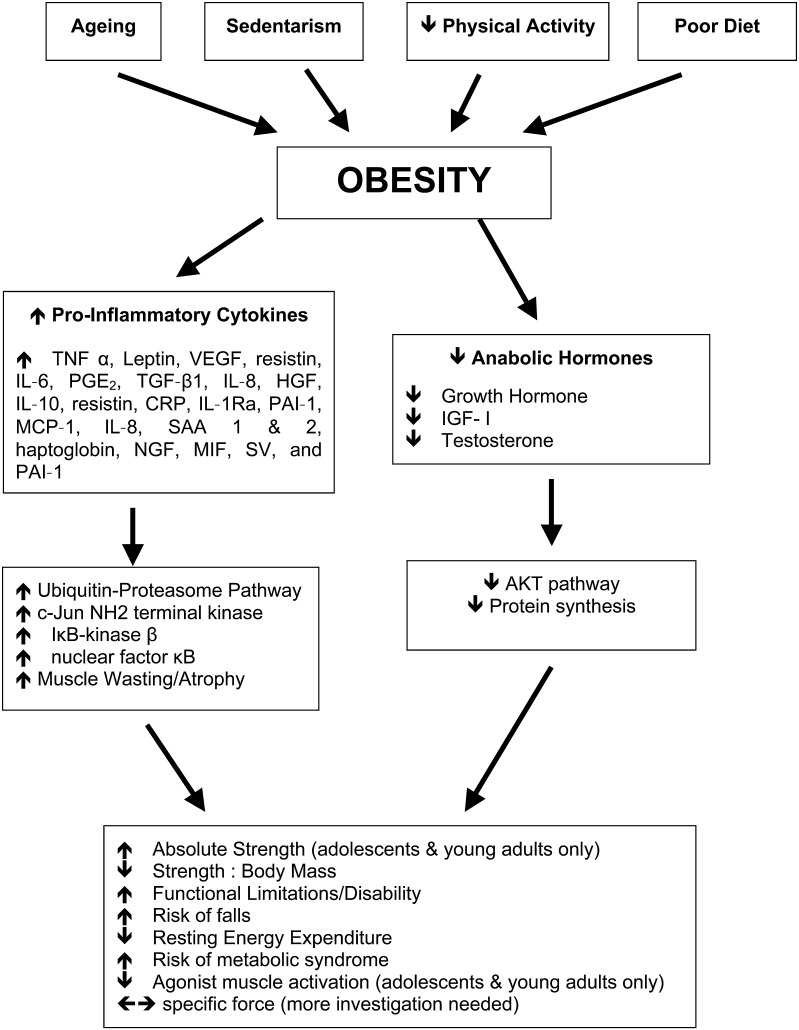
“There is increasing literature evidence that high adiposity levels induce the secretion of systemic pro-inflammatory cytokines, enhancing protein muscle catabolism, while impairing the GH/IGF-1 axis and inhibiting the repair and regeneration of skeletal muscles [80].”
BackgroundMerawati, D., Sugiharto, S., Susanto, H., Taufiq, A., Pranoto, A., Amelia, D., & Rejeki, P. S. (2023) · Journal of Basic and Clinical Physiology and Pharmacology · doi:10.1515/jbcpp-2023-0041 · Cited by 20
Qu, Q., Guo, Q., Sun, J.-Y., Lu, X., Cheang, I., Zhu, X., Yao, W., Li, X., Zhang, H., Zhou, Y., et al. (2023) · BMC Geriatrics · doi:10.1186/s12877-023-04326-x · Cited by 19
Magtouf, E., Chortane, S. G., Chortane, O. G., Boyas, S., Beaune, B., Durand, S., & Maktouf, W. (2023) · European Journal of Investigation in Health Psychology and Education · doi:10.3390/ejihpe13120192 · Cited by 19
Factors, mechanisms and improvement methods of muscle strength loss
Wang, K., Wang, X., & Wang, Y. (2024) · Frontiers in Cell and Developmental Biology · doi:10.3389/fcell.2024.1509519 · Cited by 25
Substance Use Disorders and Related Health Problems in an Aging Offender Population
Gates, M. L., Staples-Horne, M., Walker, V., & Turney, A. (2017) · Journal of Health Care for the Poor and Underserved · doi:10.1353/hpu.2017.0057 · Cited by 19
Rosenblatt, N. J., & Madigan, M. L. (2021) · Archives of Physical Medicine and Rehabilitation · doi:10.1016/j.apmr.2021.06.013 · Cited by 19
Ericsson, Y. B., McGuigan, F. E., & Åkesson, K. (2021) · BMC Musculoskeletal Disorders · doi:10.1186/s12891-021-04517-w · Cited by 21
“Previous studies have shown that overweight women generally have higher muscle strength in the lower extremity than their normal weight counterparts, at least in anti-gravitational muscles such as the knee extensors; this is thought to be a training effect from the extra load during everyday activities [17].”
BackgroundAlpha-Linolenic Acid Ameliorates Cognitive Impairment and Liver Damage Caused by Obesity
Zhang, X., Bao, J., Zhang, Y., & Wang, X. (2024) · Diabetes Metabolic Syndrome and Obesity · doi:10.2147/dmso.s434671 · Cited by 18
Almurdi, M. M. (2024) · Clinics · doi:10.1016/j.clinsp.2024.100401 · Cited by 23
“40 However, the results of the present study were contrary to other research, which found no correlation between fat mass and postural balance in either open or closed eyes conditions among adult females.”
ResultAnalysis of muscle activation in lower extremity for static balance
Chakravarty, K., Chatterjee, D., Das, R. K., Tripathy, S., & Sinha, A. (2017) · Annual International Conference of the IEEE Engineering in Medicine and Biology Society (EMBC) · doi:10.1109/embc.2017.8037762 · Cited by 18
“This inter group comparison is done as obesity largely affects muscle performance thereby increasing disabilities in mobility and balance [19].”
BackgroundRelationship of Body Composition with the Strength and Functional Capacity of People over 70 Years
Villada, F. A. P., Gonzalez-Bernal, J. J., González‐Santos, J., Fernández, J. A. D. P., Jahouh, M., Mielgo‐Ayuso, J., Romero-Pérez, E. M., & Cámara, R. S. (2020) · International Journal of Environmental Research and Public Health · doi:10.3390/ijerph17217767 · Cited by 21
“On the other hand, obesity is associated with functional limitations in muscle performance and with a greater probability of developing a functional disability in mobility, strength, posture or dynamic balance [20].”
Backgroundde Lima, T. R., Sui, X., & Silva, D. A. S. (2021) · International Journal of Environmental Research and Public Health · doi:10.3390/ijerph18168428 · Cited by 17
“Although muscle strength is directly impacted by muscle mass, fat mass, one of the components of muscle mass, can moderate the magnitude of the muscle mass/muscle strength interrelation [8].”
Rubio‐Arias, J. Á., Martínez-Aranda, L. M., Andreu‐Caravaca, L., Sanz, G., Benito, P. J., & Ramos‐Campo, D. J. (2021) · Archives of Physical Medicine and Rehabilitation · doi:10.1016/j.apmr.2021.03.037 · Cited by 21
Mahmoud, W. S., Elnaggar, R. K., & Ahmed, A. (2017) · DOAJ (DOAJ: Directory of Open Access Journals) · Cited by 24
Fang, Z., & Liu, W. (2024) · Journal of Orthopaedics and Traumatology · doi:10.1186/s10195-024-00779-x · Cited by 16
“The reasons for this relationship may be attributed to increased biomechanical stress on the knee joint [10], altered movement patterns [10], decreased proprioception [11], or muscular imbalances in obese individuals [12, 13].”
BackgroundThe Effects of Park Based Interventions on Health: The Italian Project “Moving Parks”
Toselli, S., Bragonzoni, L., Dallolio, L., Grigoletto, A., Masini, A., Marini, S., Barone, G., Pinelli, E., Zinno, R., Mauro, M., et al. (2022) · International Journal of Environmental Research and Public Health · doi:10.3390/ijerph19042130 · Cited by 17
“In addition, participation in physical activity is useful for maintaining and slowing the physiological age-dependent decline of the musculoskeletal system, a process that leads to degenerative forms of arthrosis, as well as to a prevalent loss of strength and elasticity [13,14].”
BackgroundMelatonin and Exercise Counteract Sarcopenic Obesity through Preservation of Satellite Cell Function
Mankhong, S., Kim, S., Moon, S., Lee, J., Cho, E., Kwak, H., Park, D., Ryu, J., & Kang, J. (2023) · International Journal of Molecular Sciences · doi:10.3390/ijms24076097 · Cited by 16
“One possible explanation for our findings is that aged and HFD-induced SO mice may compensate for changes in specific muscle fiber types by inducing chronic overload in antigravity muscles, regardless of age [23].”
ResultCao, Y.-T., Zhang, W., Lou, Y., Yan, Q., Zhang, Y., Qi, F., Xiang, L.-L., Lv, T.-S., Fang, Z.-Y., Yu, J., et al. (2023) · BMC Gastroenterology · doi:10.1186/s12876-023-02997-9 · Cited by 19
“Such a result seems reasonable, as with weight gain comes a small increase in muscle mass to maintain daily physical activity [42], but height is relatively constant.”
BackgroundMa, W., Liu, Y., Wu, N., Zhang, H., Han, P., Wang, F., Wang, J., Xie, F., Niu, S., Hu, H., et al. (2021) · Clinical Interventions in Aging · doi:10.2147/cia.s302167 · Cited by 16
Fenato, R. R., Araújo, A. C. F., & Guimarães, A. T. B. (2021) · BMC Musculoskeletal Disorders · doi:10.1186/s12891-021-04470-8 · Cited by 18
de Lima, T. R., Sui, X., de Lima, L. R. A., & Silva, D. A. S. (2021) · World Journal of Pediatrics · doi:10.1007/s12519-021-00460-x · Cited by 17
Weight of time: exploring the link between obesity and aging
Ragusa, F. S., Tanaka, T., Veronese, N., Mansueto, P., Dominguez, L. J., Barbagallo, M., & Ferrucci, L. (2025) · Aging Clinical and Experimental Research · doi:10.1007/s40520-025-03106-4 · Cited by 16
“On the other hand, obesity may offer a protective effect against disability in older adults, particularly in those who are mildly obese or overweight: mild obese individuals, exhibit greater absolute maximum muscle strength com - pared to their non-obese counterparts [160].”
Full characterisation of knee extensors’ function in ageing: effect of sex and obesity
Muollo, V., Rossi, A. P., Zignoli, A., Teso, M., Milanese, C., Cavedon, V., Zamboni, M. M., Schena, F. F., Capelli, C., & Pogliaghi, S. (2021) · International Journal of Obesity · doi:10.1038/s41366-021-00755-z · Cited by 15
“associated with an impairment of the contractile properties of the surviving muscle mass due to intramuscular fat infiltration and fibrosis [11].”
BackgroundOverlapping and Distinct Physical and Biological Phenotypes in Pure Frailty and Obese Frailty
Ji, F., Park, J. H., Rheem, H., & Kim, J.-H. (2024) · Bioscience Reports · doi:10.1042/bsr20240784 · Cited by 15
Association between gene polymorphisms and obesity and physical fitness in Korean children
Kim, H. J., Lee, S. Y., & Kim, C. M. (2017) · Biology of Sport · doi:10.5114/biolsport.2018.70748 · Cited by 17
D’Souza, M. J., Li, R. C., Gannon, M. L., & Wentzien, D. E. (2019) · International Conference on Engineering, Science, and Industrial Applications (ICESI) · doi:10.1109/icesi.2019.8863033 · Cited by 16
Jin, H., Oh, H., Kim, J., Lee, K., Han, X., Lee, O., & Lee, B.-Y. (2021) · Journal of Functional Foods · doi:10.1016/j.jff.2021.104511 · Cited by 15
Inside Humans: Creating a Simple Layered Anatomical Model from Human Surface Scans
Komaritzan, M., Wenninger, S., & Botsch, M. (2021) · Frontiers in Virtual Reality · doi:10.3389/frvir.2021.694244 · Cited by 21
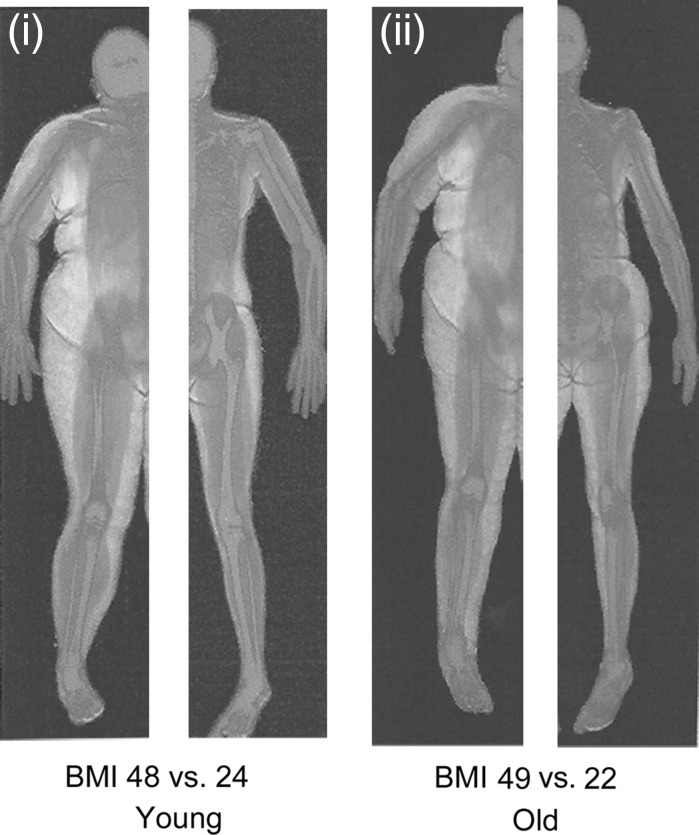
“Although there is a certain correlation between total body mass (and also BMI) and muscle mass – because the higher weight has a training effect especially on the muscles of the lower limbs (Tomlinson et al., 2016) – this general trend is not suf fi cient to de fi ne the body composition of people.”
BackgroundBauer, S. R., Grimes, B. A., Suskind, A. M., Cawthon, P. M., Cummings, S. R., & Huang, A. J. (2019) · The Journal of Urology · doi:10.1097/ju.0000000000000378 · Cited by 18
Grant, D. M., Tomlinson, D. J., Tsintzas, K., Kolić, P. V., & Onambélé-Pearson, G. L. (2020) · Aging · doi:10.18632/aging.202265 · Cited by 15
Self-citationFitch, A., Gigliotti, L., & Bays, H. E. (2025) · Obesity Pillars · doi:10.1016/j.obpill.2025.100205 · Cited by 14
“Reduced mobility, neural adaptions and structural changes to muscle tissue may all contribute to this relative weakness [55].”
Obesity, birth weight, and lifestyle factors for frailty: a Mendelian randomization study
Gu, Y., Li, Z., Dang, A., Zhang, W., Liu, J., Han, X., Li, Y., & Lv, N. (2023) · Aging · doi:10.18632/aging.205290 · Cited by 14
Associations between malnutrition and physical performance, sarcopenia, and frailty in older adults
Coelho‐Júnior, H. J., Álvarez‐Bustos, A., Russo, A., Rodríguez‐Mañas, L., Landi, F., & Marzetti, E. (2025) · BMC Geriatrics · doi:10.1186/s12877-025-06274-0 · Cited by 14
“This recommendation stems from evidence that taller and/or heavier individuals may have similar or even greater absolute ASM compared to their peers due to body proportions and mechanical load [59], potentially masking the presence of low muscle mass.”
de Souza, L. V., Meneck, F. D., Parizotto, G. P., & Franco, M. D. C. (2021) · American Journal of Human Biology · doi:10.1002/ajhb.23595 · Cited by 14
Zhang, F., Bi, C., Yin, X., Chen, Q., Liu, Y., Li, Y., Sun, Y., Zhang, T., Yang, X., & Li, M. (2021) · American Journal of Human Biology · doi:10.1002/ajhb.23624 · Cited by 15
Poveda, N. E., Adair, L. S., Martorell, R., Patel, S. A., Ramírez‐Zea, M., Bhargava, S. K., Bechayda, S. A., Carba, D. B., Kroker-Lobos, M. F., Horta, B. L., et al. (2023) · BMJ Open · doi:10.1136/bmjopen-2022-068427 · Cited by 15
Wang, B., Ruan, Y., Zhou, T. T., Wang, L., Li, H., Peng, D., Reed‐Maldonado, A. B., Sanford, M. T., Lee, Y., Zhou, J., et al. (2019) · Neurourology and Urodynamics · doi:10.1002/nau.24160 · Cited by 15
Binenbaum, I., Atamni, H. J. A., Fotakis, G., Kontogianni, G., Koutsandreas, T., Pilalis, E. D., Mott, R., Himmelbauer, H., Iraqi, F. A., & Chatziioannou, A. A. (2020) · BMC Genomics · doi:10.1186/s12864-020-07173-x · Cited by 14
“Our findings regarding the cases of male nondiabetic obese mice when compared with male non-diabetic normal mice indicate that obesity in the male population heavily affects genes related to the skeletal and cardiac tissues, which is in agreement with previous studies connecting obesity with impaired muscular structur…”
ResultEndocrinological aspects of sarcopenic obesity
Minnetti, M., Poggiogalle, E., Frigerio, F., Piciocchi, C., Pierantozzi, G., Vincenzo, O. D., Pinto, A., Gianfrilli, D., Isidori, A. M., Migliaccio, S., et al. (2026) · Annals of Medicine · doi:10.1080/07853890.2026.2626085 · Cited by 14
Gao, L., Cheng, H., Yan, Y., Liu, J., Shan, X., Wang, X., & Mi, J. (2022) · Frontiers in Endocrinology · doi:10.3389/fendo.2022.976998 · Cited by 16
“Furthermore, it has been found that fat has a negative effect on muscle in children (14, 15).”
BackgroundBody composition and Crohn's disease behavior: Is adiposity the main game changer?
Velho, S., Morão, B., Gouveia, C., Agostinho, L., Torres, J., Maio, R., Baracos, V. E., & Cravo, M. L. (2022) · Nutrition · doi:10.1016/j.nut.2022.111959 · Cited by 13
Ferhi, H., & Maktouf, W. (2023) · PeerJ · doi:10.7717/peerj.16428 · Cited by 16
“%) is perhaps attributed to the muscle decline characteristic of sarcopenia ( Tomlinson et al., 2016 ).”
Regalo, I. H., Palinkas, M., Gonçalves, L. M. N., de Vasconcelos, P. B., Cappella, A., Solazzo, R., Ferreira, C. L. P., Dolci, C., Regalo, S. C. H., Sforza, C., et al. (2023) · Archives of Oral Biology · doi:10.1016/j.archoralbio.2023.105877 · Cited by 17
Livelo, C., Guo, Y., Madhanagopal, J., Morrow, C. D., & Melkani, G. C. (2024) · Aging Cell · doi:10.1111/acel.14382 · Cited by 13
“Additionally, muscle in obesity can display reduced mobility, strength, and dynamic balance (Tomlinson et al., 2016 ).”
Faria, I. M. D. F., Samreen, S., McTaggart, L. S., Arentson‐Lantz, E. J., & Murton, A. J. (2024) · Nutrients · doi:10.3390/nu17010132 · Cited by 17
“Despite the presence of metabolic changes that would be expected to create challenges to the maintenance of muscle mass in the obese, skeletal muscle mass is often greater than that seen in lean individuals of similar height and age [34].”
de França, N. A. G., Peters, B. S. E., dos Santos, E. A., Lima, M. M. S., Fisberg, R. M., & Martini, L. A. (2020) · Journal of Obesity · doi:10.1155/2020/8359616 · Cited by 14
Østborg, T. B., Sande, R. K., Kessler, J., Tappert, C., von Brandis, P., & Eggebø, T. M. (2022) · BJOG An International Journal of Obstetrics & Gynaecology · doi:10.1111/1471-0528.17186 · Cited by 13
Nogueira‐Ferreira, R., Santos, I., Ferreira, R. M., Fontoura, D., Sousa-Mendes, C., Falcão‐Pires, I., Lourenço, A. P., Leite-Moreira, A. F., Duarte, I. F., & Moreira‐Gonçalves, D. (2023) · Biochimica et Biophysica Acta (BBA) - Molecular Basis of Disease · doi:10.1016/j.bbadis.2023.166709 · Cited by 15
Bettonte, S., Berton, M., Stader, F., Battegay, M., & Marzolini, C. (2024) · Open Forum Infectious Diseases · doi:10.1093/ofid/ofae171 · Cited by 14
“As matter of fact, young and older individuals with similar BMIs may have different tissue distributions [35] which may increase the risk of receiving the injection in the adipose tissue rather than the muscle.”
BackgroundFoot Posture, Muscle Strength, Range of Motion, and Plantar Sensation in Overweight and Obese
Ünver, B., Selici, K., Akbaş, E., & Erdem, E. U. (2020) · Journal of Applied Biomechanics · doi:10.1123/jab.2020-0119 · Cited by 15
Degens, H. (2018) · Elsevier eBooks · doi:10.1016/b978-0-12-814593-7.00019-0 · Cited by 13
Pouget, M., Pinel, A., Miolanne, M., Gentes, E., Picard, M., Martinez, R., Mulliez, A., Guillet, C., Farigon, N., & Boirie, Y. (2024) · Obesity · doi:10.1002/oby.24157 · Cited by 12
“As mentioned previously, the absolute value for HGS could be less suitable for strength measurement in people with obesity because relative strength seems to be better for the detection of muscle weakness in this population [31].”
Effects of bariatric surgery on cardiorespiratory fitness: A systematic review and meta‐analysis
Ibacache-Saavedra, P., Jerez‐Mayorga, D., Carretero‐Ruiz, A., Miranda‐Fuentes, C., Cano-Cappellacci, M. A., & Artero, E. G. (2021) · Obesity Reviews · doi:10.1111/obr.13408 · Cited by 13
(Dys)regulation of Protein Metabolism in Skeletal Muscle of Humans With Obesity
Freitas, E. D. S., & Katsanos, C. S. (2022) · Frontiers in Physiology · doi:10.3389/fphys.2022.843087 · Cited by 13
Wang, Z., Li, Q., Yang, H., Zhang, D., Zhang, Y., Wang, J., & Liu, J. (2023) · Journal of Agricultural and Food Chemistry · doi:10.1021/acs.jafc.3c01452 · Cited by 12
Black, A. J., Ravi, S., Jefferson, L. S., Kimball, S. R., & Schilder, R. J. (2017) · Journal of Nutrition · doi:10.3945/jn.117.254482 · Cited by 12
“Ceramides modulate alternative splicing in muscle (41) and aberrantly accumulate in the skeletal muscle of obese individuals and those with metabolic diseases (42, 43).”
Backgroundde Lima, T. R., González‐Chica, D. A., Sui, X., & Silva, D. A. S. (2021) · European Journal of Sport Science · doi:10.1080/17461391.2021.1902571 · Cited by 12
Soangra, R., & Krishnan, V. (2019) · Sensors · doi:10.3390/s19173710 · Cited by 12
“Many research studies have previously reported that obese people are found to have more strength [39,40], and are capable of producing higher activity amplitudes.”
BackgroundSun, Y., Wei, X., Zhao, T. M., Shi, H., Hao, X., Wang, Y., Zhang, H., Yao, Z., Zheng, M., Ma, T., et al. (2024) · FEBS Open Bio · doi:10.1002/2211-5463.13780 · Cited by 12
“Obesity has been reported to be related to dysfunctions of skeletal muscle, and it can also lead to decreased muscle mass and physiological dysfunctions [35,36].”
BackgroundCross‐sectional and longitudinal associations between body flexibility and sarcopenia
Gao, P., Gan, D., Li, S., Kang, Q., Wang, X., Zheng, W., Xu, X., Zhao, X., He, W., Wu, J. Y., et al. (2022) · Journal of Cachexia Sarcopenia and Muscle · doi:10.1002/jcsm.13157 · Cited by 11
Zadoń, H., Michnik, R., & Nowakowska-Lipiec, K. (2023) · Technology and Health Care · doi:10.3233/thc-235014 · Cited by 11
“In addition, research studies have shown that obesity has a negative impact on skeletal muscle through adolescence [10,11] to both young [12,13] and old adulthood [14–16].”
Jeong, H., Mueller, M. J., Zellers, J. A., Yan, Y., & Hastings, M. K. (2021) · Physical Therapy · doi:10.1093/ptj/pzab096 · Cited by 11
Dietary Calcium Intake and Fat Mass in Spanish Young Adults: The Role of Muscle Strength
Torres-Costoso, A. I., Martínez‐Vizcaíno, V., Fernández‐Rodríguez, R., Sequí‐Domínguez, I., Reina‐Gutiérrez, S., de Arenas‐Arroyo, S. N., & Garrido‐Miguel, M. (2021) · Nutrients · doi:10.3390/nu13124498 · Cited by 11
Livelo, C., Guo, Y., & Melkani, G. C. (2022) · International Journal of Molecular Sciences · doi:10.3390/ijms24010422 · Cited by 13
“Obesity is commonly associated with increased adiposity, leading to overall musclerelated dysfunction [24].”
BackgroundEvangelou, C., Kartakoullis, N. L., Hadjicharalambous, M., Aphamis, G., Hadjimarkou, M. M., Sakkas, G. K., & Giannaki, C. D. (2019) · Sport Sciences for Health · doi:10.1007/s11332-019-00559-9 · Cited by 13
Gait speed moderates the adverse effect of obesity on dependency in older Colombian adult
Ramírez‐Vélez, R., Pérez-Sousa, M. Á., Venegas‐Sanabria, L. C., Chavarro‐Carvajal, D. A., Cano, C. A., Correa‐Bautista, J. E., González‐Ruíz, K., & Izquierdo, M. (2019) · Experimental Gerontology · doi:10.1016/j.exger.2019.110732 · Cited by 11
An evaluation of the heel strike transient in obese young adults during walking gait
Pamukoff, D. N., Dudley, R. I., Vakula, M. N., & Blackburn, J. T. (2016) · Gait & Posture · doi:10.1016/j.gaitpost.2016.07.001 · Cited by 11
Impact of obesity on outcomes of rotator cuff repair: A systematic review and meta-analysis
Ma, X., Shen, J., & Wan, J. (2024) · PLoS ONE · doi:10.1371/journal.pone.0299125 · Cited by 12
Inter‐Session Reliability of Functional Performance and Muscle Power in Adults With Severe Obesity
Gam, S., Petz, A., Bjerre, L. R., Bøgild, J., Nielsen, A. B., Sørensen, R. N., Kolind, M. I., Gram, B., Hansen, S., & Aagaard, P. (2025) · Scandinavian Journal of Medicine and Science in Sports · doi:10.1111/sms.70008 · Cited by 10
Metabolic and molecular regulation in skeletal muscle dysfunction and regeneration
Jin, J. B., Robinson, A., Soukup, T., Black, E., Abit, A., Hammer, S. M., Han, A., Lucas, E. A., Kim, Y., & Bae, J. (2025) · Frontiers in Cell and Developmental Biology · doi:10.3389/fcell.2025.1651553 · Cited by 12
“…strength, and balance and is also linked to impaired skeletal muscle regeneration and function due to interrupted muscle metabolic processes, including insulin resistance, increased fatty acid absorption, and intramuscular fat accumulation (Tomlinson et al., 2016; Verpoorten et al., 2020).”
Kamarudin, N. A., Abdullah, M. R., Musa, R. M., Eswaramoorthi, V., Maliki, A. B. H. M., Rasid, A. M. A., & Nadzmi, A. (2022) · International Journal of Academic Research in Progressive Education and Development · doi:10.6007/ijarped/v11-i1/12057 · Cited by 10
“(Rahemi et al., 2015; Tomlinson et al., 2016).”
Wu, D., Shi, L., Xu, Q., Zeng, Y., Lin, X., Li, X., Zhao, H., Zhu, Z., Fu, Y., Li, H., et al. (2022) · Frontiers in Endocrinology · doi:10.3389/fendo.2022.915490 · Cited by 11
“Research has shown that obesity contributes to low muscle mass and weakness (46); children and adolescents with obesity exhibit low relative strength to body mass (47), FIGURE 5 | Correlation between changes of SMM, BFM, and annual height”
BackgroundMolecular mechanisms involved in fetal programming and disease origin in adulthood
Aguayo-Guerrero, J. A., León‐Cabrera, S., & Escobedo, G. (2023) · Journal of Pediatric Endocrinology and Metabolism · doi:10.1515/jpem-2022-0491 · Cited by 12
Nishida, C., Iemitsu, M., Kurihara, T., Kishigami, K., Miyachi, M., & Sanada, K. (2024) · Journal of PHYSIOLOGICAL ANTHROPOLOGY · doi:10.1186/s40101-024-00370-7 · Cited by 10
“The EWGOSP 2010 [1], EWGSOP 2019 [8] and AWGS [9] are diagnostic criteria for sarcopenia, but it has been reported that high BFP overestimates muscle mass when muscle mass is measured using conventional sarcopenia indicators [28–30].”
BackgroundMethodChen, Z., Zhou, Z., Deng, Q., Zou, Y., Wang, B., Huang, S., Tian, J., Zheng, L., Peng, X., & Tang, C. (2025) · International Journal of Molecular Sciences · doi:10.3390/ijms26020752 · Cited by 10
“Importantly, typical symptoms of T2DM were observed in the skeletal muscle of zebrafish fed a high-glucose diet, including decreased skeletal muscle mass, lipid accumulation and fibrosis in the skeletal muscle, reduced cross-sectional area of muscle fibers, decreased proliferation of muscle cells,…”
Herda, T. J., Ryan, E. D., Kohlmeier, M., Trevino, M. A., Gerstner, G. R., Roelofs, E. J., & Miller, J. D. (2019) · Experimental Physiology · doi:10.1113/ep088181 · Cited by 10
The Association of Obesity With Quadriceps Activation During Sit-to-Stand
Bollinger, L. M., & Ransom, A. L. (2020) · Physical Therapy · doi:10.1093/ptj/pzaa170 · Cited by 10
Orange, S. T., Marshall, P., Madden, L. A., & Vince, R. V. (2019) · Translational Sports Medicine · doi:10.1002/tsm2.115 · Cited by 12
Boaretto, M. L., de Andrade, B. Z., Maciel, J. I. H. N., Moha, I., Schneider, S. C. S., Torrejais, M. M., Ribeiro, L. D. F. C., & Bertolini, G. R. F. (2020) · Sport Sciences for Health · doi:10.1007/s11332-020-00632-8 · Cited by 11
“The excess of adipose tissue secretes proinflammatory cytokines that cause a chronic systemic inflammation and stimulate the degradation of muscle protein, besides reducing the protein synthesis, generating a loss of lean body mass, which corroborates for the condition of sarcopenia (sarcopenic obesity—SO) [2].”
Background
Metadata
- Authors
- Tomlinson, D. J., Erskine, R. M., Morse, C. I., Winwood, K., & Onambélé-Pearson, G.
- Affiliations
- Manchester Metropolitan University (GB)
- Corresponding author
- Onambélé-Pearson, Gladys
- Venue
- Biogerontology
- Published
- 2015-12-14
- Volume
- 17
- Issue
- 3
- Pages
- 467-483
- ISSN
- 1389-5729 (ISSN-L)
- 1573-6768
- PMC
- PMC4889641
- OpenAlex
- W2217016020
- Cited by
- 496
- References
- 92
- Citations by year
- 2026: 52 · 2025: 67 · 2024: 63 · 2023: 69 · 2022: 62 · 2021: 71 · 2020: 39 · 2019: 28 · 2018: 27 · 2017: 15 · 2016: 3
- FWCI
- 1.84
- Type
- journal article
- Language
- en
- Open access
- hybrid
- doi.org
- Locations
- Biogerontology (publishedVersion, cc-by)
- PubMed Central (publishedVersion, cc-by)
- PubMed (publishedVersion)
- e-space (Manchester Metropolitan University) (submittedVersion)
- Liverpool John Moores University (submittedVersion)
- Topics
- Health Sciences › Medicine › Physiology (medical) › Nutrition and Health in Aging
- Life Sciences › Biochemistry, Genetics and Molecular Biology › Molecular Biology › Muscle Physiology and Disorders
- Health Sciences › Nursing › Nutrition and Dietetics › Muscle metabolism and nutrition
- Keywords
- obesity, skeletal muscle strength, muscle quality, muscle mass, muscle architecture, muscle morphology, functional disability, mobility limitations, balance, aging, adolescence, antagonist coactivation, physical activity, adiposity
- MeSH terms
- Adolescent, Adult, Aged, Aged, 80 and over, Aging, Female, Humans, Male, Middle Aged, Obesity, Muscle, Skeletal, Evidence-Based Medicine, Muscle Strength, Young Adult, Sarcopenia
About these checks
Registry, retraction, Cites and statistics results are computed, not judged, with one exception: a printed reference that no index lists is read once by a model before it counts as a citation error. Claims are extracted by a model and kept only when their quote appears verbatim in the text; each cited source is then checked, with a model’s help, for whether it says what the claim relies on. Those verdicts can be wrong — read the claim’s quote and the cited source before relying on one.
Statistics and arithmetic are recomputed, not judged.
Confidence bands are shown only for fields calibrated on our annotated test set. None is calibrated yet, so no band is shown.
What counts as a claim ›How we measure confidence ›How we check this ›
Are you an author, or do you see a problem with this page? Request a review
Data sources
Bibliographic data: Semantic Scholar, OpenAlex, Crossref.
Contains information from the Semantic Scholar Academic Graph Datasets, made available under the ODC Attribution License (ODC-BY 1.0).
Semantic Scholar’s data is described in: Kinney, R., et al. (2023). The Semantic Scholar Open Data Platform. arXiv:2301.10140.
