

The DOI matches its Crossref record; 2 of the 2 references it cites were found in a registry or an index.
The longitudinal integrated database for health insurance and labour market studies (LISA) and its use in medical research
Overview
The claims and statistics of this paper haven’t been checked yet.
Run the check — free, no account needed. It reads the open-access text and checks the sources it cites.
Integrity signals
Registry
Cites
Statistics
Figures
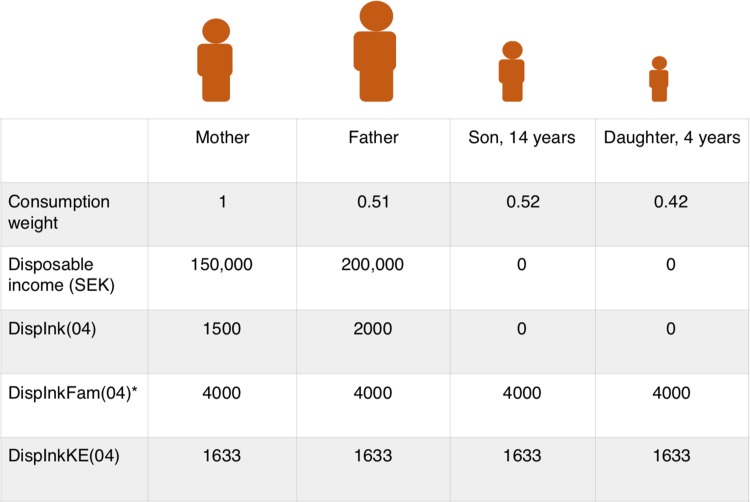
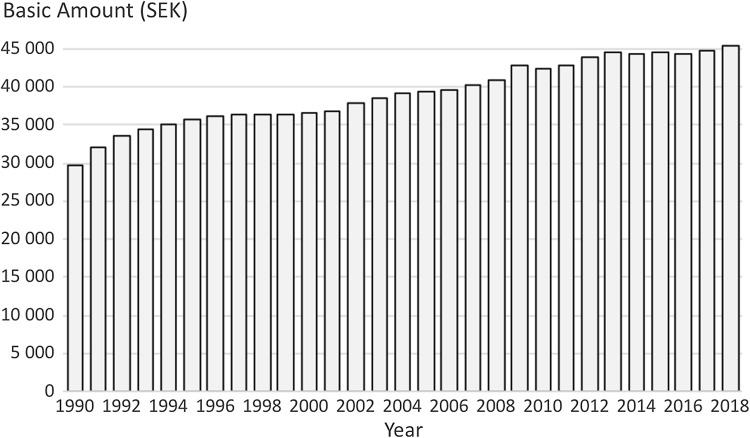
Verification
Claims the paper makes
The claims and statistics of this paper haven’t been checked yet.
Run the check — free, no account needed. It reads the open-access text and checks the sources it cites.
Claims other papers make about this one
Each is checked against this paper’s own text: does it say what the citing paper says it does?
In the citing paper
“The Cause of Death Register includes all deaths of Swedish citizens with annual updates, while LISA includes information on education for 98% of Swedish residents.16”
From Association of maternal snuff use and smoking with Sudden Infant Death Syndrome: a national register study (2023) · cites this paper as [16]
Self-check
Percentages, sums and reported differences re-computed from the paper’s own numbers.
The self-check needs the paper’s full text.
Citations
Cites
The Swedish Multi-Generation Register
Ekbom, A. (2011) · Methods in molecular biology · doi:10.1007/978-1-59745-423-0_10 · Cited by 553
The symptom of vaginal bulging in nulliparous women aged 25-64 years: a national cohort study
Gyhagen, M., Al-Mukhtar Othman, J., Åkervall, S., Nilsson, I., & Milsom, I. (2019) · International Urogynecology Journal · doi:10.1007/s00192-018-3684-5 · Cited by 20
Research works printed but not linked: 70
- Neovius M, Arkema EV, Blomqvist P, Ekbom A, Smedby KE. Patients with ulcerative colitis miss more days of work than the general population, even following colectomy. Gastroenterology. 2013;144(3):536–43. https://doi.org/10.1053/j.gastro.2012.12.004 . · DOI
- Di Thiene D, Rahman S, Helgesson M, et al. Healthcare use among immigrants and natives in Sweden on disability pension, before and after changes of regulations. Eur J Public Health. 2018;28(3):445–51. https://doi.org/10.1093/eurpub/ckx206 . · DOI
- Ervasti J, Virtanen M, Lallukka T, et al. Trends in diagnosis-specific work disability before and after ischaemic heart disease: a nationwide population-based cohort study in Sweden. BMJ Open. 2018;8(4):e019749. https://doi.org/10.1136/bmjopen-2017-019749 . · DOI
- Gyllensten H, Wiberg M, Alexanderson K, et al. Costs of illness of multiple sclerosis in Sweden: a population-based register study of people of working age. Eur J Health Econ. 2018;19(3):435–46. https://doi.org/10.1007/s10198-017-0894-6 . · DOI
- Rahman S, Wiberg M, Alexanderson K, Jokinen J, Tanskanen A, Mittendorfer-Rutz E. Trajectories of antidepressant medication use in individuals before and after being granted disability pension due to common mental disorders—a nationwide register-based study. BMC Psychiatry. 2018;18(1):47. https://doi.org/10.1186/s12888-018-1628-8 . · DOI
- Farrants K, Kjeldgard L, Marklund S, Head J, Alexanderson K. Sick leave before and after the age of 65 years among those in paid work in Sweden in 2000 or 2005: a register-based cohort study. J Int Med Res. 2018;46(2):564–77. https://doi.org/10.1177/0300060517734744 . · DOI
- Lallukka T, Ervasti J, Lundstrom E, et al. Trends in diagnosis-specific work disability before and after stroke: a longitudinal population-based study in Sweden. J Am Heart Assoc. 2018;7(1):006991. https://doi.org/10.1161/jaha.117.006991 . · DOI
- Kavaliunas A, Danylaite Karrenbauer V, Gyllensten H, et al. Cognitive function is a major determinant of income among multiple sclerosis patients in Sweden acting independently from physical disability. Mult Scler J. 2017. https://doi.org/10.1177/1352458517740212 . · DOI
- Ervasti J, Virtanen M, Lallukka T, et al. Permanent work disability before and after ischaemic heart disease or stroke event: a nationwide population-based cohort study in Sweden. BMJ Open. 2017;7(9):e017910. https://doi.org/10.1136/bmjopen-2017-017910 . · DOI
- Rod NH, Kjeldgard L, Akerstedt T, et al. Sleep apnea, disability pensions, and cause-specific mortality: a Swedish nationwide register linkage study. Am J Epidemiol. 2017;186(6):709–18. https://doi.org/10.1093/aje/kwx138 . · DOI
- Kvillemo P, Mittendorfer-Rutz E, Branstrom R, Nilsson K, Alexanderson K. Sickness absence and disability pension after breast cancer diagnosis: a 5-year nationwide cohort study. J Clin Oncol. 2017;35(18):2044–52. https://doi.org/10.1200/jco.2015.66.0613 . · DOI
- Wiberg M, Marklund S, Alexanderson K. Transitions between compensated work disability, joblessness, and self-sufficiency: a cohort study 1997–2010 of those jobless in 1995. Popul Res Policy Rev. 2017;36(1):85–107. https://doi.org/10.1007/s11113-016-9412-2 . · DOI
- Lallukka T, Ervasti J, Mittendorfer-Rutz E, et al. The joint contribution of diabetes and work disability to premature death during working age: a population-based study in Sweden. Scand J Public Health. 2016;44(6):580–6. https://doi.org/10.1177/1403494816655059 . · DOI
- Narusyte J, Bjorkenstam E, Alexanderson K, Ropponen A, Kjeldgard L, Svedberg P. Occurrence of sickness absence and disability pension in relation to childbirth: a 16-year follow-up study of 6323 Swedish twins. Scand J Public Health. 2016;44(1):98–105. https://doi.org/10.1177/1403494815610051 . · DOI
- Narusyte J, Ropponen A, Alexanderson K, Svedberg P. Genetic and environmental influences on disability pension due to mental diagnoses: limited importance of major depression, generalized anxiety, and chronic fatigue. Twin Res Hum Genet. 2016;19(1):10–6. https://doi.org/10.1017/thg.2015.86 . · DOI
- Dorner TE, Alexanderson K, Svedberg P, Tinghog P, Ropponen A, Mittendorfer-Rutz E. Synergistic effect between back pain and common mental disorders and the risk of future disability pension: a nationwide study from Sweden. Psychol Med. 2016;46(2):425–36. https://doi.org/10.1017/s003329171500197x . · DOI
- Wang M, Bjorkenstam C, Alexanderson K, Runeson B, Tinghog P, Mittendorfer-Rutz E. Trajectories of work-related functional impairment prior to suicide. PLoS ONE. 2015;10(10):e0139937. https://doi.org/10.1371/journal.pone.0139937 . · DOI
- Dorner TE, Alexanderson K, Svedberg P, Ropponen A, Stein KV, Mittendorfer-Rutz E. Sickness absence due to back pain or depressive episode and the risk of all-cause and diagnosis-specific disability pension: a Swedish cohort study of 4,823,069 individuals. Eur J Pain. 2015;19(9):1308–20. https://doi.org/10.1002/ejp.661 . · DOI
- Bjorkenstam E, Alexanderson K, Narusyte J, Kjeldgard L, Ropponen A, Svedberg P. Childbirth, hospitalisation and sickness absence: a study of female twins. BMJ Open. 2015;5(1):e006033. https://doi.org/10.1136/bmjopen-2014-006033 . · DOI
- Bjorkenstam E, Weitoft GR, Lindholm C, Bjorkenstam C, Alexanderson K, Mittendorfer-Rutz E. Associations between number of sick-leave days and future all-cause and cause-specific mortality: a population-based cohort study. BMC Public Health. 2014;14:733. https://doi.org/10.1186/1471-2458-14-733 . · DOI
- Bjorkenstam E, Narusyte J, Alexanderson K, Ropponen A, Kjeldgard L, Svedberg P. Associations between childbirth, hospitalization and disability pension: a cohort study of female twins. PLoS ONE. 2014;9(7):e101566. https://doi.org/10.1371/journal.pone.0101566 . · DOI
- Ropponen A, Alexanderson K, Svedberg P. Part-time work or social benefits as predictors for disability pension: a prospective study of Swedish twins. Int J Behav Med. 2014;21(2):329–36. https://doi.org/10.1007/s12529-013-9303-4 . · DOI
- Ropponen A, Samuelsson A, Alexanderson K, Svedberg P. Register-based data of psychosocial working conditions and occupational groups as predictors of disability pension due to musculoskeletal diagnoses: a prospective cohort study of 24,543 Swedish twins. BMC Musculoskelet Disord. 2013;14:268. https://doi.org/10.1186/1471-2474-14-268 . · DOI
- Samuelsson A, Ropponen A, Alexanderson K, Svedberg P. Psychosocial working conditions, occupational groups, and risk of disability pension due to mental diagnoses: a cohort study of 43,000 Swedish twins. Scand J Work Environ Health. 2013;39(4):351–60. https://doi.org/10.5271/sjweh.3338 . · DOI
- Samuelsson A, Alexanderson K, Ropponen A, Lichtenstein P, Svedberg P. Incidence of disability pension and associations with socio-demographic factors in a Swedish twin cohort. Soc Psychiatry Psychiatr Epidemiol. 2012;47(12):1999–2009. https://doi.org/10.1007/s00127-012-0498-5 . · DOI
- Wikman A, Wiberg M, Marklund S, Alexanderson K. Activities and sources of income after a period of long-term sick leave—a population-based prospective cohort study. BMC Public Health. 2012;12:745. https://doi.org/10.1186/1471-2458-12-745 . · DOI
- Naimi-Akbar A, Svedberg P, Alexanderson K, Ekstrand J, Sandborgh-Englund G. Reliance on social security benefits by Swedish patients with ill-health attributed to dental fillings: a register-based cohort study. BMC Public Health. 2012;12:713. https://doi.org/10.1186/1471-2458-12-713 . · DOI
- Floderus B, Hagman M, Aronsson G, Gustafsson K, Marklund S, Wikman A. Disability pension among young women in Sweden, with special emphasis on family structure: a dynamic cohort study. BMJ Open. 2012;2(3):000840. https://doi.org/10.1136/bmjopen-2012-000840 . · DOI
- Samuelsson A, Ropponen A, Alexanderson K, Lichtenstein P, Svedberg P. Disability pension among Swedish twins—prevalence over 16 years and associations with sociodemographic factors in 1992. J Occup Environ Med. 2012;54(1):10–6. https://doi.org/10.1097/jom.0b013e31823d86d5 . · DOI
- Gustafsson K, Lundh G, Svedberg P, Linder J, Alexanderson K, Marklund S. Disability, sickness, and unemployment benefits among long-term sickness absentees five years before, during, and after a multidisciplinary medical assessment. J Multidiscip Healthc. 2011;4:25–31. https://doi.org/10.2147/jmdh.s17138 . · DOI
- Brus O, Nordanskog P, Bave U, et al. Subjective memory immediately following electroconvulsive therapy. J ECT. 2017;33(2):96–103. https://doi.org/10.1097/yct.0000000000000377 . · DOI
- Popiolek K, Brus O, Elvin T, et al. Rehospitalization and suicide following electroconvulsive therapy for bipolar depression-A population-based register study. J Affect Disord. 2018;226:146–54. https://doi.org/10.1016/j.jad.2017.09.030 . · DOI
- Ludvigsson JF, Almqvist C, Bonamy AE, et al. Registers of the Swedish total population and their use in medical research. Eur J Epidemiol. 2016;31(2):125–36. https://doi.org/10.1007/s10654-016-0117-y . · DOI
- Ludvigsson JF, Otterblad-Olausson P, Pettersson BU, Ekbom A. The Swedish personal identity number: possibilities and pitfalls in healthcare and medical research. Eur J Epidemiol. 2009;24(11):659–67. https://doi.org/10.1007/s10654-009-9350-y . · DOI
- Barlow L, Westergren K, Holmberg L, Talback M. The completeness of the Swedish cancer register: a sample survey for year 1998. Acta Oncol. 2009;48(1):27–33. https://doi.org/10.1080/02841860802247664 . · DOI
- Lidwall U, Marklund S. Trends in long-term sickness absence in Sweden 1992–2008: the role of economic conditions, legislation, demography, work environment and alcohol consumption. Int J Soc Welf. 2011;20(2):167–79. · DOI
- Brus O, Cao Y, Gustafsson E, et al. Self-assessed remission rates after electroconvulsive therapy of depressive disorders. Eur Psychiatry. 2017;45:154–60. https://doi.org/10.1016/j.eurpsy.2017.06.015 . · DOI
- Rundgren S, Brus O, Bave U, et al. Improvement of postpartum depression and psychosis after electroconvulsive therapy: a population-based study with a matched comparison group. J Affect Disord. 2018;235:258–64. https://doi.org/10.1016/j.jad.2018.04.043 . · DOI
- Bruze G, Holmin TE, Peltonen M, et al. Associations of bariatric surgery with changes in interpersonal relationship status: results from 2 Swedish cohort studies. JAMA Surg. 2018;153(7):654–61. https://doi.org/10.1001/jamasurg.2018.0215 . · DOI
- Chen L, Eloranta S, Martling A, et al. Short- and long-term risks of cardiovascular disease following radiotherapy in rectal cancer in four randomized controlled trials and a population-based register. Radiother Oncol. 2018;126(3):424–30. https://doi.org/10.1016/j.radonc.2017.12.008 . · DOI
- Ng WL, Peeters A, Naslund I, et al. Change in use of sleep medications after gastric bypass surgery or intensive lifestyle treatment in adults with obesity. Obesity (Silver Spring). 2017;25(8):1451–9. https://doi.org/10.1002/oby.21908 . · DOI
- Bruze G, Ottosson J, Neovius M, Naslund I, Marsk R. Hospital admission after gastric bypass: a nationwide cohort study with up to 6 years follow-up. Surg Obes Relat Dis. 2017;13(6):962–9. https://doi.org/10.1016/j.soard.2017.01.004 . · DOI
- Khalili H, Neovius M, Ekbom A, et al. Oral contraceptive use and risk of ulcerative colitis progression: a nationwide study. Am J Gastroenterol. 2016;111(11):1614–20. https://doi.org/10.1038/ajg.2016.464 . · DOI
- Hagman E, Danielsson P, Brandt L, Svensson V, Ekbom A, Marcus C. Childhood obesity, obesity treatment outcome, and achieved education: a prospective cohort study. J Adolesc Health. 2017;61(4):508–13. https://doi.org/10.1016/j.jadohealth.2017.04.009 . · DOI
- Ludvigsson JF, Welander A, Lassila R, Ekbom A, Montgomery SM. Risk of thromboembolism in 14,000 individuals with coeliac disease. Br J Haematol. 2007;139(1):121–7. · DOI
- Zugna D, Richiardi L, Akre O, Stephansson O, Ludvigsson JF. A nationwide population-based study to determine whether coeliac disease is associated with infertility. Gut. 2010;59(11):1471–5. https://doi.org/10.1136/gut.2010.219030 . · DOI
- Neovius M, Bruze G, Jacobson P, et al. Risk of suicide and non-fatal self-harm after bariatric surgery: results from two matched cohort studies. Lancet Diabetes Endocrinol. 2018;6(3):197–207. https://doi.org/10.1016/S2213-8587(17)30437-0 . · DOI
- Sundstrom J, Bruze G, Ottosson J, Marcus C, Naslund I, Neovius M. Weight loss and heart failure: a nationwide study of gastric bypass surgery versus intensive lifestyle treatment. Circulation. 2017;135(17):1577–85. https://doi.org/10.1161/CIRCULATIONAHA.116.025629 . · DOI
- Eriksson JK, Wallman JK, Miller H, et al. Infliximab versus conventional combination treatment and seven-year work loss in early rheumatoid arthritis: results of a randomized Swedish trial. Arthritis Care Res (Hoboken). 2016;68(12):1758–66. https://doi.org/10.1002/acr.22899 . · DOI
- Larsson H, Sariaslan A, Langstrom N, D’Onofrio B, Lichtenstein P. Family income in early childhood and subsequent attention deficit/hyperactivity disorder: a quasi-experimental study. J Child Psychol Psychiatry. 2014;55(5):428–35. https://doi.org/10.1111/jcpp.12140 . · DOI · Paper page
- Sariaslan A, Larsson H, D’Onofrio B, Langstrom N, Lichtenstein P. Childhood family income, adolescent violent criminality and substance misuse: quasi-experimental total population study. Br J Psychiatry. 2014;205(4):286–90. https://doi.org/10.1192/bjp.bp.113.136200 . · DOI
- Olofsson T, Petersson IF, Eriksson JK, et al. Predictors of work disability after start of anti-TNF therapy in a national cohort of Swedish patients with rheumatoid arthritis: Does early anti-TNF therapy bring patients back to work? Ann Rheum Dis. 2017;76(7):1245–52. https://doi.org/10.1136/annrheumdis-2016-210239 . · DOI
- Chen L, Glimelius I, Neovius M, et al. Risk of disability pension in patients following rectal cancer treatment and surgery. Br J Surg. 2015;102(11):1426–32. https://doi.org/10.1002/bjs.9885 . · DOI
- Glimelius I, Ekberg S, Linderoth J, et al. Sick leave and disability pension in Hodgkin lymphoma survivors by stage, treatment, and follow-up time—a population-based comparative study. J Cancer Surv. 2015;9(4):599–609. https://doi.org/10.1007/s11764-015-0436-0 . · DOI
- Neovius M, Simard JF, Klareskog L, Askling J. Sick leave and disability pension before and after initiation of antirheumatic therapies in clinical practice. Ann Rheum Dis. 2011;70(8):1407–14. https://doi.org/10.1136/ard.2010.144139 . · DOI
- Al-Mukhtar Othman J, Akervall S, Milsom I, Gyhagen M. Urinary incontinence in nulliparous women aged 25–64 years: a national survey. Am J Obstet Gynecol. 2017;216(2):149-e1–11. https://doi.org/10.1016/j.ajog.2016.09.104 . · DOI
- Beckman K, Mittendorfer-Rutz E, Lichtenstein P, et al. Mental illness and suicide after self-harm among young adults: long-term follow-up of self-harm patients, admitted to hospital care, in a national cohort. Psychol Med. 2016;46(16):3397–405. https://doi.org/10.1017/S0033291716002282 . · DOI
- Beckman K, Mittendorfer-Rutz E, Waern M, Larsson H, Runeson B, Dahlin M. Method of self-harm in adolescents and young adults and risk of subsequent suicide. J Child Psychol Psychiatry. 2018. https://doi.org/10.1111/jcpp.12883 . · DOI
- Sariaslan A, Langstrom N, D’Onofrio B, Hallqvist J, Franck J, Lichtenstein P. The impact of neighbourhood deprivation on adolescent violent criminality and substance misuse: a longitudinal, quasi-experimental study of the total Swedish population. Int J Epidemiol. 2013;42(4):1057–66. https://doi.org/10.1093/ije/dyt066 . · DOI
- Butwicka A, Sariaslan A, Larsson H, et al. No association between urbanisation, neighbourhood deprivation and IBD: a population-based study of 4 million individuals. Gut. 2018. https://doi.org/10.1136/gutjnl-2018-316326 . · DOI
- Sariaslan A, Larsson H, D’Onofrio B, Langstrom N, Fazel S, Lichtenstein P. Does population density and neighborhood deprivation predict schizophrenia? A nationwide Swedish family-based study of 2.4 million individuals. Schizophr Bull. 2015;41(2):494–502. https://doi.org/10.1093/schbul/sbu105 . · DOI · Paper page
- Sariaslan A, Fazel S, D’Onofrio BM, et al. Schizophrenia and subsequent neighborhood deprivation: revisiting the social drift hypothesis using population, twin and molecular genetic data. Transl Psychiatry. 2016;6:e796. https://doi.org/10.1038/tp.2016.62 . · DOI
- Murley C, Mogard O, Wiberg M, et al. Trajectories of disposable income among people of working ages diagnosed with multiple sclerosis: a nationwide register-based cohort study in Sweden 7 years before to 4 years after diagnosis with a population-based reference group. BMJ Open. 2018;8(5):e020392. https://doi.org/10.1136/bmjopen-2017-020392 . · DOI
- Mayer-Davis EJ, Lawrence JM, Dabelea D, et al. Incidence trends of type 1 and type 2 diabetes among youths, 2002–2012. N Engl J Med. 2017;376(15):1419–29. https://doi.org/10.1056/NEJMoa1610187 . · DOI · Paper page
- Persson S, Dahlquist G, Gerdtham UG, Steen Carlsson K, Swedish Childhood Diabetes Study G. Why childhood-onset type 1 diabetes impacts labour market outcomes: a mediation analysis. Diabetologia. 2018;61(2):342–53. https://doi.org/10.1007/s00125-017-4472-3 . · DOI
- Loven I, Steen Carlsson K. Early onset of type 1 diabetes and educational field at upper secondary and university level: Is own experience an asset for a health care career? Int J Environ Res Public Health. 2017;14(7):712. https://doi.org/10.3390/ijerph14070712 . · DOI
- Persson S, Gerdtham UG, Steen Carlsson K, Swedish Childhood Diabetes Study G. Labor market consequences of childhood onset type 1 diabetes. Econ Hum Biol. 2016;23:180–92. https://doi.org/10.1016/j.ehb.2016.09.003 . · DOI
- Persson S, Dahlquist G, Gerdtham UG, Steen Carlsson K. Impact of childhood-onset type 1 diabetes on schooling: a population-based register study. Diabetologia. 2013;56(6):1254–62. https://doi.org/10.1007/s00125-013-2870-8 . · DOI
- Steen Carlsson K, Landin-Olsson M, Nystrom L, et al. Long-term detrimental consequences of the onset of type 1 diabetes on annual earnings—evidence from annual registry data in 1990–2005. Diabetologia. 2010;53(6):1084–92. https://doi.org/10.1007/s00125-009-1625-z . · DOI
- Eriksson JK, Neovius M, Bratt J, et al. Biological vs. conventional combination treatment and work loss in early rheumatoid arthritis: a randomized trial. JAMA Intern Med. 2013;173(15):1407–14. https://doi.org/10.1001/jamainternmed.2013.7801 . · DOI
Cited by
Sorted by citations
Mortality in biopsy-confirmed nonalcoholic fatty liver disease: results from a nationwide cohort
Simon, T. G., Roelstraete, B., Khalili, H., Hagström, H., & Ludvigsson, J. F. (2021) · Gut · doi:10.1136/gutjnl-2020-322786 · Cited by 673
Self-citationRepeated FIB-4 measurements can help identify individuals at risk of severe liver disease
Hagström, H., Talbäck, M., Andreasson, A., Walldius, G., & Hammar, N. (2020) · Journal of Hepatology · doi:10.1016/j.jhep.2020.06.007 · Cited by 199
Simon, T. G., Roelstraete, B., Sharma, R., Khalili, H., Hagström, H., & Ludvigsson, J. F. (2021) · Hepatology · doi:10.1002/hep.31845 · Cited by 176
Self-citationHagström, H., Talbäck, M., Andreasson, A., Walldius, G., & Hammar, N. (2020) · Gastroenterology · doi:10.1053/j.gastro.2019.09.008 · Cited by 182
Acetaminophen Use During Pregnancy and Children’s Risk of Autism, ADHD, and Intellectual Disability
Ahlqvist, V. H., Sjöqvist, H., Dalman, C., Karlsson, H., Stephansson, O., Johansson, S., Magnusson, C., Gardner, R. M., & Lee, B. K. (2024) · JAMA · doi:10.1001/jama.2024.3172 · Cited by 147
Metadata
- Authors
- Ludvigsson, J. F., Svedberg, P., Olén, O., Bruze, G., & Neovius, M.
- Venue
- European Journal of Epidemiology
- Published
- 2019-03-30
- Volume
- 34
- Issue
- 4
- Pages
- 423-437
- ISSN
- 0393-2990
- 1573-7284
- PMC
- PMC6451717
- Cited by
- 1,021
- References
- 2
- Language
- en
About these checks
Registry, retraction, Cites and statistics results are computed, not judged, with one exception: a printed reference that no index lists is read once by a model before it counts as a citation error. Claims are extracted by a model and kept only when their quote appears verbatim in the text; each cited source is then checked, with a model’s help, for whether it says what the claim relies on. Those verdicts can be wrong — read the claim’s quote and the cited source before relying on one.
Statistics and arithmetic are recomputed, not judged.
Confidence bands are shown only for fields calibrated on our annotated test set. None is calibrated yet, so no band is shown.
What counts as a claim ›How we measure confidence ›How we check this ›
Are you an author, or do you see a problem with this page? Request a review
How to cite
Cite CoChat for the checks on this page, and the paper for its own findings.
- This page
- CoChat. (2026). Citation check: The longitudinal integrated database for health insurance and labour market studies (LISA) and its use in medical research. https://app.cochat.ai/papers/10.1007/s10654-019-00511-8
- The paper
- Ludvigsson, J. F., Svedberg, P., Olén, O., Bruze, G., & Neovius, M. (2019). The longitudinal integrated database for health insurance and labour market studies (LISA) and its use in medical research. European Journal of Epidemiology. https://doi.org/10.1007/s10654-019-00511-8
