

The DOI matches its Crossref record; 55 of the 55 references it cites were found in a registry or an index.
Executive Function: Cognition and Behaviour in Adults with Autism Spectrum Disorders (ASD)
Open accessAbstract
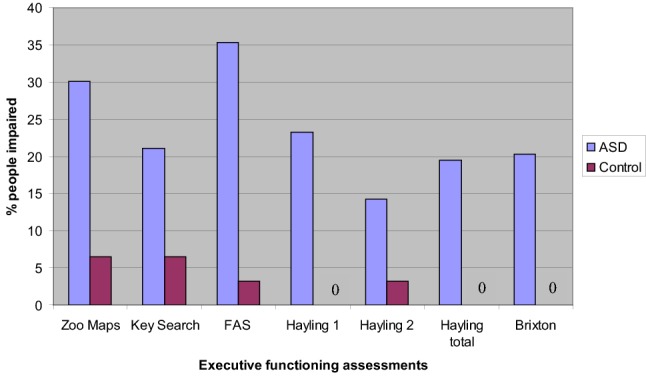
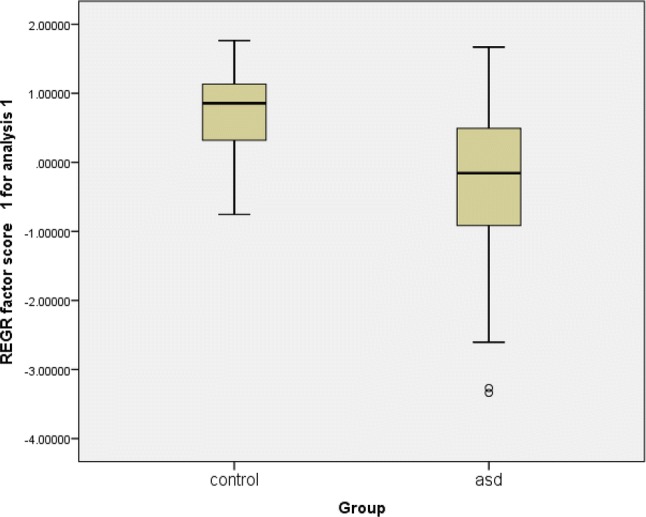
Studies of executive function (EF) in autism spectrum disorder (ASD) have reported mixed findings. Possible confounds include EF domain assessed and co-occurring neurodevelopmental diagnoses. EF task performance across multiple domains and everyday function of autistic adults (n = 110) was significantly different to age- and IQ-matched controls (n = 31). Although significantly more likely to fall into the clinically impaired range, 35.8% of the ASD group showed no impairment on EF measures. Factor analysis revealed a single unifying EF construct rather than a selective pattern of impairment. Dysexecutive behaviours were frequently reported in the ASD group, unrelated to Autism symptoms, EF task performance or co-occurring conditions. This study suggests autistic adults can experience clinically significant executive function difficulties and co-occuring dysexecutive behaviours that are disabling in everyday life.
Overview
The claims and statistics of this paper haven’t been checked yet.
Run the check — free, no account needed. It reads the open-access text and checks the sources it cites.
Integrity signals
Registry
Cites
Statistics
Figures
Verification
Claims the paper makes
The claims and statistics of this paper haven’t been checked yet.
Run the check — free, no account needed. It reads the open-access text and checks the sources it cites.
Claims other papers make about this one
Each is checked against this paper’s own text: does it say what the citing paper says it does?
The source backs part of the claim, not all of it — or backs it for a different population, condition or comparison.
In the citing paper
“Other strategies may require sustained attention, focus and out-of-session practice to maximize effectiveness, which may be challenging for autistic adults who often have cooccurring executive functioning difficulties (Johnston et al., 2019).”
From A mixed methods study of autistic adults' mental health therapy experiences (2023) · cites this paper as Johnston et al., 2019
Experimental — accuracy not yet measuredThe cited source says what the claim attributes to it.
In the citing paper
“Autistic adults who have problems with attention and concentration (Johnston et al., 2019) may need additional supports to facilitate focussed awareness.”
From A mixed methods study of autistic adults' mental health therapy experiences (2023) · cites this paper as Johnston et al., 2019
Self-check
Percentages, sums and reported differences re-computed from the paper’s own numbers.
The self-check needs the paper’s full text.
Citations
Cites
Diagnostic and Statistical Manual of Mental Disorders
American Psychiatric Association (2013) · doi:10.1176/appi.books.9780890425596 · Cited by 116,369
Diagnostic and Statistical Manual of Mental Disorders
Williams, J. B. W., & First, M. B. (2013) · Oxford University Press eBooks · doi:10.1093/acrefore/9780199975839.013.104 · Cited by 109,845
Lord, C., Rutter, M., & Le Couteur, A. (1994) · Journal of Autism and Developmental Disorders · doi:10.1007/bf02172145 · Cited by 9,065
Baron-Cohen, S., Wheelwright, S., Skinner, R., Martin, J., & Clubley, E. (2001) · Journal of Autism and Developmental Disorders · doi:10.1023/a:1005653411471 · Cited by 6,450
A compendium of neuropsychological tests: administration, norms, and commentary
(1991) · Choice Reviews Online · doi:10.5860/choice.29-2400 · Cited by 6,118
Sample size in factor analysis.
MacCallum, R. C., Widaman, K. F., Zhang, S., & Hong, S. (1999) · Psychological Methods · doi:10.1037/1082-989x.4.1.84 · Cited by 5,497
Attention to Action: Willed and Automatic Control of Behavior
Norman, D. A., & Shallice, T. (1986) · Consciousness and Self-Regulation · doi:10.1007/978-1-4757-0629-1_1 · Cited by 4,455
Mendelson, G. (1995) · Australian & New Zealand Journal of Psychiatry · doi:10.3109/00048679509064964 · Cited by 2,592
Exploring the Central Executive
Baddeley, A. (1996) · The Quarterly Journal of Experimental Psychology Section A · doi:10.1080/713755608 · Cited by 2,390
A simple objective technique for measuring flexibility in thinking
Berg, E. A. (1948) · The Journal of General Psychology · doi:10.1080/00221309.1948.9918159 · Cited by 2,255
Research works printed but not linked: 2
- Weschler, D. (1997). Weschler Adult Intelligence Scale III. New York: Psychological Corporation.
- Weschler, D. (2008). Weschler Adult Intelligence Scale IV. New York: Psychological Corporation.
Cited by
Sorted by citations
A review of executive functioning challenges and strengths in autistic adults
John, T. S., Woods, S. E. O., Bode, T., Ritter, C., & Estes, A. M. (2021) · The Clinical Neuropsychologist · doi:10.1080/13854046.2021.1971767 · Cited by 79
“…ADhD or depression were reported (Cederlund et al., 2010; hagberg et al., 2015; Shmulsky et al., 2017). in contrast, another study has found no significant association between self-reported EF difficulties when autistic adults with and without comorbidities are compared (Johnston et al., 2019).”
BackgroundResultInfluentialGhanouni, P., Quirke, S., Blok, J., & Casey, A. (2021) · Research in Developmental Disabilities · doi:10.1016/j.ridd.2021.104085 · Cited by 64
Hajri, M., Abbes, Z. S., Yahia, H. B., Jelili, S., Halayem, S., Mrabet, A., & Bouden, A. (2022) · Frontiers in Psychiatry · doi:10.3389/fpsyt.2022.917121 · Cited by 57
“The latter require, among other factors, self-mentoring skills and response initiation, which are impaired in patients with ASD (30).”
BackgroundDeng, J., Lei, T., & Du, X. (2023) · Frontiers in Psychology · doi:10.3389/fpsyg.2023.1269462 · Cited by 50
“Specifically, EF has implications not just for learning and task execution (Hill, 2004a), but it also further impairs abilities related to social adaptation and independent living (Merchán-Naranjo et al., 2016; Johnston et al., 2019).”
BackgroundAccounting for the preference for literal meanings in autism spectrum conditions
Vicente, A., & Falkum, I. L. (2021) · Mind & Language · doi:10.1111/mila.12371 · Cited by 43
A mixed methods study of autistic adults' mental health therapy experiences
Mazurek, M. O., Pappagianopoulos, J., Brunt, S., Sadikova, E., Nevill, R., Menezes, M., & Harkins, C. (2023) · Clinical Psychology & Psychotherapy · doi:10.1002/cpp.2835 · Cited by 33
Fridell, A., Norrman, H. N., Girke, L., & Bölte, S. (2022) · International Journal of Environmental Research and Public Health · doi:10.3390/ijerph19031268 · Cited by 31
Brain mRNA Expression Associated with Cortical Volume Alterations in Autism Spectrum Disorder
Xie, Y., Zhang, X., Liu, F., Qin, W., Fu, J., Xue, K., & Yu, C. (2020) · Cell Reports · doi:10.1016/j.celrep.2020.108137 · Cited by 29
Perspectives on Involuntary Treatment of Anorexia Nervosa
Clausen, L. (2020) · Frontiers in Psychiatry · doi:10.3389/fpsyt.2020.533288 · Cited by 28
Executive Function in Autism: Association with ADHD and ASD Symptoms
Lee, R. R., Ward, A. R., Lane, D. M., Aman, M. G., Loveland, K. A., Mansour, R., & Pearson, D. A. (2021) · Journal of Autism and Developmental Disorders · doi:10.1007/s10803-020-04852-2 · Cited by 41
Leshem, R., Fano, A. D., & Ben‐Soussan, T. D. (2020) · Frontiers in Psychology · doi:10.3389/fpsyg.2020.00940 · Cited by 33
Megari, K., Frantzezou, C. K., Polyzopoulou, Z. A., & Tzouni, S. K. (2024) · International Journal of Developmental Neuroscience · doi:10.1002/jdn.10356 · Cited by 31
“…as to whether deficits in these functions can be diagnostic criteria for autism or they only appear as secondary symptoms based on the fact that research suggests that deficits in executive functions are associated with stereotypical behaviors in ASD (Hill & Bird, 2006; Johnston et al., 2019).”
Alsaedi, R. H., Carrington, S. B., & Watters, J. J. (2020) · Brain Sciences · doi:10.3390/brainsci10020120 · Cited by 29
“This approach is in line with that used by Johnston, Murray, Spain, Walker and Russell [47].”
ResultMcArthur, G. E., Lee, E., & Laycock, R. (2022) · Journal of Autism and Developmental Disorders · doi:10.1007/s10803-022-05742-5 · Cited by 25
“…with ASD face deficits in executive functioning, including in planning, working memory, cognitive flexibility, self-regulation and response inhibition (Demetriou et al., 2018; Happe et al., 2006; Hill, 2004; Johnston et al., 2019; Russell, 1997; Storch et al., 2013; De Vries & Geurts, 2015).”
BackgroundAutism - A Comprehensive Array of Prominent Signs and Symptoms
Nadeem, M. S., Murtaza, B. N., Al-Ghamdi, M. A., Ali, A., Zamzami, M. A., Khan, J. A., Ahmad, A., Rehman, M. U., & Kazmi, I. A. (2021) · Current Pharmaceutical Design · doi:10.2174/1381612827666210120095829 · Cited by 27
van den Berg, L., de Weerd, A., Reuvekamp, M., & van der Meere, J. J. (2021) · Child Neuropsychology · doi:10.1080/09297049.2021.1888906 · Cited by 25
The Transition to Adulthood for Young People with Autism Spectrum Disorder
Wisner-Carlson, R., Uram, S., & Flis, T. (2020) · Child and Adolescent Psychiatric Clinics of North America · doi:10.1016/j.chc.2019.12.002 · Cited by 26
Frehner, S. S., Dooley, K. T., Palumbo, M. C., Smith, A. L., Goodman, M. M., Bales, K. L., & Freeman, S. M. (2022) · Philosophical Transactions of the Royal Society B · doi:10.1098/rstb.2021.0118 · Cited by 18
Spee, B. T. M., Sladky, R., Fingerhut, J., Laciny, A., Kraus, C., Carls‐Diamante, S., Brücke, C., Pelowski, M. J., & Treven, M. (2022) · Frontiers in Psychology · doi:10.3389/fpsyg.2022.930293 · Cited by 18
“They may also show impaired executive functions (Johnston et al., 2019) such as difficulty planning and organizing activities, or switching their attention between tasks.”
BackgroundThe relationship between autism spectrum and sleep–wake traits
Smidt, S. D. E., Ghorai, A., Taylor, S. C., Gehringer, B. N., Dow, H. C., Langer, A., Rawot, E., Zhang, J., Mitchell, J. A., Rader, D. J., et al. (2021) · Autism Research · doi:10.1002/aur.2660 · Cited by 19
“, perseveration), processing speed, and generativity (the latter two measured by verbal fluency) (Johnston et al., 2019).”
BackgroundCancino-Barros, I., Villacura-Herrera, C., & Castillo, R. D. (2025) · Scientific Reports · doi:10.1038/s41598-025-06137-z · Cited by 21
Crasta, J. E., Green, O. J., Gavin, W. J., & Davies, P. L. (2023) · Journal of Autism and Developmental Disorders · doi:10.1007/s10803-023-06019-1 · Cited by 20
“This is consistent with research showing that autistic adults show slower performance on cognitive and social tasks, even those performed with high accuracy compared to non-autistic adults (Brewer et al., 2021; Johnston et al., 2019; Morrison et al., 2018).”
Skogli, E. W., Andersen, P. N., & Isaksen, J. (2020) · Developmental Neurorehabilitation · doi:10.1080/17518423.2020.1756499 · Cited by 17
Executive Function Brain Network Activation Predicts Driving Hazard Detection in ADHD
Bednarz, H. M., Stavrinos, D., Svancara, A. M., Sherrod, G., McManus, B., Deshpande, H., & Kana, R. K. (2021) · Brain Topography · doi:10.1007/s10548-021-00877-7 · Cited by 17
Everyday Executive Function and Self-Awareness in Agenesis of the Corpus Callosum
Mangum, R. W., Miller, J. S., Brown, W. S., Nolty, A., & Paul, L. K. (2021) · Journal of the International Neuropsychological Society · doi:10.1017/s1355617721000096 · Cited by 16
“Adults with ASD also endorse deficits in everyday executive functioning, and like the adults with AgCC, individuals with ASD tend to rate these deficits as less severe than informants rate them (Johnston et al., 2019).”
BackgroundTóth, O., Pesthy, O., Farkas, K., Guttengéber, A., Komoróczy, E., Réthelyi, J., Szuromi, B., & Németh, D. (2022) · Autism Research · doi:10.1002/aur.2672 · Cited by 15
“Analyses and visualization were performed with R (R Core Team, 2020) and the R-packages readxl (Wickham et al., 2019), tidyverse (Wickham et al., 2019), and ggpubr (Kassambara, 2020).”
MethodTerroux, A., Mello, C., Morin, D., & Rivard, M. (2024) · Journal of Autism and Developmental Disorders · doi:10.1007/s10803-024-06463-7 · Cited by 18
“Studies on EF in school-aged children and adults with autism have generally reported significant impairments in one or more of these domains (Demetriou et al., 2018; Hill, 2004; Irvan, 2019; Johnston et al., 2019; Tsermentseli et al., 2018).”
Ring, M., Guillery‐Girard, B., Quinette, P., Gaigg, S., & Bowler, D. (2020) · Autism Research · doi:10.1002/aur.2387 · Cited by 15
Taylor, S. C., Gehringer, B. N., Dow, H. C., Langer, A., Rawot, E., Smernoff, Z., Steeman, S. L., Almasy, L. A., Rader, D. J., Bućan, M., et al. (2022) · Journal of Autism and Developmental Disorders · doi:10.1007/s10803-022-05822-6 · Cited by 15
“…of Mental Disorders Fifth Edition (DSM-5) (American Psychiatric Association, 2013), autistic individuals often show various degrees of alterations in social cognition, social anxiety, and executive functioning (Johnston et al., 2019; Maddox & White, 2015; Morrison et al., 2019; Spain et al., 2018).”
The Transition to Adulthood for Young People with Autism Spectrum Disorder
Wisner-Carlson, R., Uram, S., & Flis, T. (2020) · Psychiatric Clinics of North America · doi:10.1016/j.psc.2020.08.005 · Cited by 15
Executive Functions and Public Health: A Narrative Review
Esmaili, M., Farhud, D. D., Poushaneh, K., Baghdassarians, A., & Ashayeri, H. (2023) · Iranian Journal of Public Health · doi:10.18502/ijph.v52i8.13398 · Cited by 13
“Intellectual Disabilities (ID) (51), (52) Developmental Language Disorders (DLDs) (53), (54) ADHD (55), (56), (57), (18), (58) ASD (59), (60), (61), (62), (63), (64) Specifc Learning Disorder (SLD) (65), (66), (67), (68) Developmental Coordination Disorder (DCD) (62), (69), (70), (71), (72), (73)”
Pagán, A. F., Izuno‐Garcia, A. K., Hughes, K. R., Chapman, K. S., & Loveland, K. A. (2023) · Advances in Neurodevelopmental Disorders · doi:10.1007/s41252-023-00371-0 · Cited by 9
Autistic Adults Avoid Unpredictability in Decision-Making
Macchia, A., Albantakis, L., Zebhauser, P. T., Brandi, M., Schilbach, L., & Brem, A. (2024) · Journal of Autism and Developmental Disorders · doi:10.1007/s10803-024-06503-2 · Cited by 11
Wang, Q., Jia, S., Cai, Z., Jiang, W., Wang, X., & Wang, J. (2025) · Scientific Reports · doi:10.1038/s41598-025-94334-1 · Cited by 18
“The classification of executive functions differs 50,51 .”
Sarro, R. D., Santantonio, A. D., Desideri, L., & Varrucciu, N. (2021) · International Journal of Developmental Disabilities · doi:10.1080/20473869.2020.1871311 · Cited by 11
“As also stressed by Geurts et al. (2014a; b), though ASD is often associated with EF difficulties over the life span, only some individuals with a diagnosis of ASD may present with EF deficits (see also Johnston et al., 2019).”
MethodCheng, X., Li, Y., Cui, X., Cheng, H., Li, C., Fu, L., Jiang, J., Hu, Z., & Ke, X. (2021) · Frontiers in Neuroscience · doi:10.3389/fnins.2021.747273 · Cited by 12
Singh, K., Pany, S., Mohanty, S. P., Sahoo, P. K., & Rana, S. (2024) · International Journal of Special Education (IJSE) · doi:10.52291/ijse.2024.39.2 · Cited by 8
“If the data required for metanalysis were not reported, then attempts were made to contact authors to get the required data (the study was excluded if authors did not note the relevant data, i.e. Johnston et al., 2019).”
MethodCharlton, R. A., McQuaid, G. A., Bishop, L., & Wallace, G. L. (2022) · Research in Autism · doi:10.1016/j.rasd.2022.102089 · Cited by 8
“Executive function difficulties, for example in inhibitory control and task switching, are also common among autistic adults (Johnston et al., 2019; Wallace et al., 2016), and this includes the cognitive aspects of emotional regulation (Conner et al., 2021; Mazefsky et al., 2013).”
BackgroundAnimacy Processing in Autism: Event-Related Potentials Reflect Social Functioning Skills
Peristeri, E., Ανδρέου, Μ., Ketseridou, S. N., Machairas, I., Papadopoulou, V., Stravoravdi, A. S., Bamidis, P. D., & Frantzidιs, C. A. (2023) · Brain Sciences · doi:10.3390/brainsci13121656 · Cited by 8
“Previous research has shown that autistic individuals, both children and adults, suffer from profound executive function difficulties with inhibition and attention shifting [60,61].”
BackgroundYon-Hernández, J. A., Wojcik, D. Z., García-García, L., Franco, M., & Canal‐Bedia, R. (2022) · Journal of Autism and Developmental Disorders · doi:10.1007/s10803-022-05547-6 · Cited by 9
“Executive functions refer to a set of higher-order cognitive processes (Demetriou et al., 2019), such as response initiation, selection and strategy formation, flexibility, inhibition of prepotent responses (Bramham et al., 2009; Johnston et al., 2019) and future planning (Demetriou et al., 2019).”
BackgroundInfluentialCamilleri, L. J., Maras, K., & Brosnan, M. (2024) · Autism in Adulthood · doi:10.1089/aut.2023.0063 · Cited by 8
“55,56 Digital technology has been shown to benefit autistic individuals by supporting various aspects of executive function, with insight (i.e., self-monitoring), in particular, being an element that may be especially impacted.”
Golden, D., Liang, L.-Y., & Getchell, N. (2022) · Journal of Behavioral and Brain Science · doi:10.4236/jbbs.2022.126016 · Cited by 8
Transition to Adulthood: Executive Functions and Independent Living Skills in Autistic Young Adults
Sullivan, A., Vas, A., & Johnson, W. L. (2024) · Occupational Therapy In Health Care · doi:10.1080/07380577.2024.2441230 · Cited by 8
“Studies have consistently reported significant executive dysfunction in autistic children, adolescents, and adults (Brady et al., 2017; Demetriou et al., 2018; Johnston et al., 2019, Wallace et al., 2016).”
InfluentialSager, R., Walker, A. K., Middleton, F. A., Robinson, K., Webster, M. J., Gentile, K. L., Wong, M., & Weickert, C. S. (2023) · Brain Behavior and Immunity · doi:10.1016/j.bbi.2023.03.015 · Cited by 9
Chien, Y., Tai, Y., Chiu, Y., Tsai, W., & Gau, S. S. (2023) · Autism · doi:10.1177/13623613231184733 · Cited by 10
“In contrast, other studies reported no correlation with autistic traits measured by the total scores of the ADI-R (Johnston et al., 2019; Lee et al., 2021), Social Communication Questionnaire (Lee et al., 2021), or SRS (Bednarz et al., 2020).”
BackgroundResultInfluentialBlackhurst, T., Warmelink, L., Roestorf, A., & Hartley, C. (2024) · Frontiers in Psychology · doi:10.3389/fpsyg.2024.1388726 · Cited by 7
“While neurotypical adults may sometimes struggle with the cognitive demand experienced when lying, it has been proposed that executive functioning limitations underpin many of the social and cognitive difficulties faced by autistic adults (Johnston et al., 2019).”
BackgroundTyrberg, M. J., Parling, T., & Lundgren, T. (2021) · The Psychological Record · doi:10.1007/s40732-021-00459-w · Cited by 6
“Patients with ADHD and autism represent two other clinical groups shown to be prone to EF difficulties (Barkley & Murphy, 2011; Braden et al., 2017; Brown et al., 2009; Johnston et al., 2019).”
BackgroundWang, X., Su, Y., & Hong, M. (2021) · Cognitive Affective & Behavioral Neuroscience · doi:10.3758/s13415-021-00899-5 · Cited by 6
Holmefur, M., Roshanai, A. H., White, S., Janeslätt, G. K., Vimefall, E., & Lidström-Holmqvist, K. (2021) · Trials · doi:10.1186/s13063-021-05578-x · Cited by 6
“People with autism spectrum disorder (ASD) have a more generalised impairment of all aspects of executive functioning, but share similar difficulties in handling time in daily life [18, 19].”
BackgroundVicente, A., & Martín-González, I. (2021) · Studies in Psychology Estudios de Psicología · doi:10.1080/02109395.2021.1909248 · Cited by 7
“En la misma línea, Johnston et al. (2019) reportan un rendimiento general más deficiente en la población con TEA en comparación con individuos de desarrollo normal, incluso aunque un tercio de los participantes con TEA no evidenciaron un deterioro en las medidas de función ejecutiva.”
BackgroundResultKim, J. H., Song, D., Han, H. S., Yoon, N., Cho, H. B., Lee, H. B., Choi, K. H., Chae, P. K., Bong, G., Ahn, S., et al. (2023) · Asian Journal of Psychiatry · doi:10.1016/j.ajp.2023.103579 · Cited by 9
Memišević, H., Pasalic, A., & Saletovic, A. (2023) · Autism Research · doi:10.1002/aur.2952 · Cited by 6
“…to examining EF in school-aged children (7 to 12 years old) (Kouklari et al., 2019; Weismer et al., 2018), adolescents (Sachse et al., 2013), and adults (Johnston et al., 2019; St. John et al., 2022) with autism, there is also a wide body of research examining EF in preschool autistic children.”
BackgroundPathways to Psychopathology Among Autistic Adults
White, S. W., Siegle, G. J., Kana, R. K., & Rothman, E. F. (2023) · Current Psychiatry Reports · doi:10.1007/s11920-023-01429-5 · Cited by 5
“For example, severe EF deficits can be clinically impairing and disabling to daily functioning [75].”
BackgroundCid-Duarte, S., Departamento de Psicología, U. D. O. (., Areces, D., Departamento de Psicología, U. D. O. (., Núñez, J. C., & Departamento de Psicología, U. D. O. (. (2022) · Revista de Psicología y Educación - Journal of Psychology and Education · doi:10.23923/rpye2023.01.232 · Cited by 6
Exploring the landscape of adult autism research in psychology: a bibliometric and network analysis
Mota, F. B., Braga, L., & Cabral, B. (2024) · Frontiers in Psychology · doi:10.3389/fpsyg.2024.1427090 · Cited by 4
“It ranges from contact with the criminal justice system (Blackmore et al., 2022), to trauma and post-traumatic stress disorder (PTSD) (Rumball et al., 2020), and cognition and behavior (Johnston et al., 2019).”
BackgroundSuspected feigning of autism in adults: a clinician survey, indications and proposed guidelines
Murphy, D., & Broyd, J. G. (2022) · Advances in Autism · doi:10.1108/aia-11-2021-0044 · Cited by 4
González, J., Múnera, N., Alvarez‐Jimenez, C., Toledo, N. V., & Romero, E. (2024) · Biomedical Signal Processing and Control · doi:10.1016/j.bspc.2024.106043 · Cited by 4
Forbes, Z. N. M., & Miller, K. (2023) · Review Journal of Autism and Developmental Disorders · doi:10.1007/s40489-023-00398-y · Cited by 5
“Given the cognitive differences seen in executive function and information processing in autism (Johnston et al., 2019; Haigh et al., 2018) our review is necessary to show whether these benefits can also be seen in the autistic population.”
Challenging Behaviors in Adults with Intellectual Disabilities and ASD: Related Variables
Álvarez-Couto, M. (2024) · Springer eBooks · doi:10.1007/978-3-031-40858-8_63-1 · Cited by 5
The Effect of Attention on Auditory Processing in Adults on the Autism Spectrum
Crasta, J. E., & Jacoby, E. C. (2023) · Journal of Autism and Developmental Disorders · doi:10.1007/s10803-023-06040-4 · Cited by 3
“Since the task of a button press following single clicks is fairly simple, our findings of normal accuracy and response times align with current evidence regarding typical cognitive performance on simple tasks among autistic adults (Johnston et al., 2019).”
Pagán, A. F., & Loveland, K. A. (2025) · Hispanic Journal of Behavioral Sciences · doi:10.1177/07399863251333030 · Cited by 3
Lee, S. (2025) · International Journal of Developmental Disabilities · doi:10.1080/20473869.2025.2581644 · Cited by 8
“Lifespan studies confirm that flexibility deficits persist into adulthood, predicting adaptive problem-solving and employment outcomes (Fossum et al. 2021; Johnston et al. 2019).”
Krug, M. K., Elliott, M., Gordon, A., Hogeveen, J., & Solomon, M. (2020) · Journal of Abnormal Psychology · doi:10.1037/abn0000527 · Cited by 3
Frederiksen, O. F., Jepsen, J. R. M., Brustad, N., Vinding, R., Rosenberg, J. B., Mohammadzadeh, P., Hernández‐Lorca, M., Schoos, A. M., Vahman, N., Glenthøj, B., et al. (2026) · JAMA Network Open · doi:10.1001/jamanetworkopen.2026.11464 · Cited by 2
Educational Needs among Women Admitted to High Secure Forensic Psychiatric Care
Selenius, H., Fälth, L., Svensson, I., & Strand, S. J. M. (2021) · Journal of Forensic Psychology Research and Practice · doi:10.1080/24732850.2021.1973234 · Cited by 2
“For example, there are pedagogical strategies such as providing activities that support impaired executive functions, which are reported to be prevalent among people with neurodevelopmental disorders (Johnston et al., 2019; Nyrenius & Billstedt, 2020; Roselló et al., 2020).”
BackgroundExperiences with licensing by autistic drivers: An exploratory study
Dirix, H., Brijs, K., Huysmans, E., Neven, A., Brijs, T., Jongen, E. M. M., Alhajyaseen, W., Wets, G., & Ross, V. (2022) · Procedia Computer Science · doi:10.1016/j.procs.2022.03.044 · Cited by 2
de Oliveira, S. D., & Elias, N. C. (2023) · Psicologia Teoria e Pesquisa · doi:10.1590/0102.3772e39203.en · Cited by 2
“These data corroborate those found by Czermainski (2012), Johnston et al. (2019), and Van den Bergh et al. (2014) in which individuals with ASD showed deficits in executive functions.”
ResultSupporting Autistic Students in College
White, S. W., Brewe, A. M., Powell, N. P., & McClain, A. B. (2024) · Springer eBooks · doi:10.1007/978-3-031-46463-8_7 · Cited by 2
Foxall, V., Leckey, J., Brandt, A., Jacques, S., & Johnson, S. A. (2025) · Review Journal of Autism and Developmental Disorders · doi:10.1007/s40489-025-00510-4 · Cited by 4
Murphy, D., & Mitchell, J. (2022) · Journal of Forensic Psychology Research and Practice · doi:10.1080/24732850.2022.2050333 · Cited by 2
Changes of Entropy Connectivity of the Default Mode and Central Executive Networks in ASDPreprint
Zhao, H., Lv, R., Cai, X., & Zhang, G. (2021) · Research Square · doi:10.21203/rs.3.rs-392565/v1 · Cited by 2
The Complex Relationship between Cognition and Language
Nickels, L., Tessaro, B., Hameau, S., & Salis, C. (2024) · Wiley eBooks · doi:10.1002/9781119875949.ch20 · Cited by 2
Neurobiological Factors of Executive Dysfunction in Autism Spectrum Disorders
Kozunova, G. L., Zakirov, F., Rytikova, A. M., Stroganova, T. A., & Chernyshev, B. (2023) · Neuroscience and Behavioral Physiology · doi:10.1007/s11055-023-01512-7 · Cited by 1
“Two-thirds of autistic patients showed a relative decrease (compared to neurotypical subjects) in two or more aspects of executive functioning [Johnston et al., 2019].”
BackgroundCarls‐Diamante, S., & Laciny, A. (2024) · Lógoi Revista de Filosofía · doi:10.62876/lr.vi45.6481 · Cited by 1
O’Brien, M. K., McQuaid, G. A., McNulty, J., Wallace, G. L., & Lee, N. (2025) · Journal of Autism and Developmental Disorders · doi:10.1007/s10803-025-06799-8 · Cited by 1
“Of the identified stud - ies employing performance-based measures, 41% observed a statistically significant disadvantage in inhibitory control among autistic adults compared to neurotypical adults (e.g., Johnston et al., 2019; Mihailescu et al., 2022; Uzefovsky et al., 2016 ).”
Chien, Y., Chen, C., Hsieh, M. H., & Gau, S. S. (2025) · Progress in Neuro-Psychopharmacology and Biological Psychiatry · doi:10.1016/j.pnpbp.2025.111552 · Cited by 1
McQuaid, G. A., Lee, N., & Wallace, G. L. (2025) · Personality Neuroscience · doi:10.1017/pen.2025.10006 · Cited by 1
“Further, relative to non-autistic adults, many autistic adults show broad challenges (i.e., beyond ER) in executive functioning (Ghanouni et al., 2021; Johnston et al., 2019; St. John et al., 2022).”
Khudiakova, V., Sin, J., Bhattacharya, P., & Barnicot, K. (2026) · Research in Neurodiversity · doi:10.1016/j.rin.2026.100058 · Cited by 1
SPAN-ASD: Pilot implementation to promote functional goals of autistic adolescents and young adults
Yaar, E., Gal, E., Bedell, G. M., & Lamash, L. (2024) · Research in Developmental Disabilities · doi:10.1016/j.ridd.2024.104864 · Cited by 4
Comparing the Executive Functions of Mothers with and Without Autistic Children
Moradi, N., Bakhshani, N., & Yaztappeh, J. S. (2021) · Iranian Journal of Psychiatry and Behavioral Sciences · doi:10.5812/ijpbs.104092 · Cited by 2
“The scoring method according to the Likert scale was as follows: never (1), rarely (2), sometimes (3), often (4), and always (5).”
BackgroundMethodSullivan, A., Vas, A., & Johnson, W. L. B. (2024) · SSRN Electronic Journal · doi:10.2139/ssrn.4670823 · Cited by 1
Amirrudin, S. (2021) · International Journal of Academic Research in Business and Social Sciences · doi:10.6007/ijarbss/v11-i3/8582
“In the understanding of language and social impairment of the ASD children studies like Johnston et al., 2019; Loytomaki et al., 2019 and Suraya Amirrudin & Normaliza Abd Rahim 2019 mentioned about the absence of executive function (EF), and Theory of Mind (ToM) caused the ASD children to manifest…”
BackgroundEpilepsy out of control: when frontal lobe epilepsy becomes more than seizures
van den Berg, L. (2021) · University of Groningen research database (University of Groningen / Centre for Information Technology) · doi:10.33612/diss.165771038
Benefits of Life Skill Based Education for Neurodiverse Adults: An Integrative Review and Analysis
Ravichandren, N., & O'Connor, A. N. (2021) · World Journal of Educational Research · doi:10.22158/wjer.v8n4p21 · Cited by 1
“The reason ND individuals tend to struggle with EF is, in part, due to biological factors (Demetriou et al., 2018; Gillespie-Lynch & Bublitz, et al., 2017; Johnston et al., 2019; Jurado & Rosselli, 2007; Katz, Ogletree, & Shah, 2018; Luca & Leventer, 2011; Miyake & Friedman, 2012).”
BackgroundPsychophysiological aspects of autism spectrum disorder
Alchalaby, L. A., Saarti, M., & Mahmood, M. D. (2022) · International Journal of Health Sciences · doi:10.53730/ijhs.v6ns1.6096
“ASD sufferers are more prone to suffer from executive dysfunction than the general population (Johnston et al., 2019).”
BackgroundHorwitz, E. (2023) · doi:10.33612/diss.593444520
Salahat, F. A., & Zaharudin, R. (2023) · International Journal of Academic Research in Progressive Education and Development · doi:10.6007/ijarped/v12-i1/16776
Executive functions in understanding certain disabilities within an African context
Masuku, M. M., Sithole, M. S., & Mthembu, Z. (2023) · Frontiers in Education · doi:10.3389/feduc.2023.1022453 · Cited by 1
“The findings from ASD studies discovered a link between executive dysfunction and ASD symptoms and may be connected to anatomical and functional differences in the prefrontal cortex (PFC; Chen et al., 2019; Johnston et al., 2019; Ameis et al., 2020; Andreou et al., 2020).”
BackgroundThe inquiry of the learning support index connotation of adults with autism spectrum disorder
Lian, X., Kolletar-Zhu, K., & Pan, X. (2023) · International Journal of Developmental Disabilities · doi:10.1080/20473869.2023.2266624
“As a result, they struggle to self-monitor and manage daily tasks (Johnston et al. 2019).”
Pagán, A. F., & Loveland, K. A. (2024) · doi:10.31234/osf.io/38sr6
Wang, Q., Jia, S., Cai, Z., Jiang, W., Wang, X., & Wang, J. (2024) · Research Square · doi:10.21203/rs.3.rs-4090247/v1
Objective Assessment Tools for Screening and Diagnosis of ASD—A Systematic Review
司, 轩. (2024) · Advances in Psychology · doi:10.12677/ap.2024.144196
NEUROBIOLOGICAL FACTORS OF EXECUTIVE DYSFUNCTION IN AUTISM SPECTRUM DISORDERS
Kozunova, G. L., Zakirov, F., Rytikova, A. M., Stroganova, T. A., & Chernyshev, B. (2023) · Журнал высшей нервной деятельности им И П Павлова · doi:10.31857/s0044467723020077
Clinical reasoning and decision-making for autism
McCrimmon, A. W., Lorentz, B., Bernier, A. S., & McKiernan, K. (2024) · Elsevier eBooks · doi:10.1016/b978-0-443-13552-1.00010-2
Predicting Post-School Outcomes in Autistic Young Adults One Year after High School Graduation
Orsmond, G. I., Krishnan, S. G., Munsell, E. G. S., Cohn, E. S., & Coster, W. J. (2025) · Journal of Autism and Developmental Disorders · doi:10.1007/s10803-025-06782-3
“Prior research indicates a com - plex relationship between IQ, adaptive behavior, and executive functions (Baker et al., 2022; Johnston et al., 2019).”
Camodeca, A. (2025) · Journal of Autism and Developmental Disorders · doi:10.1007/s10803-025-06801-3
“Specifically, research suggests executive function weaknesses are associated with, but not a core autistic trait (e.g., Camodeca, 2022b; Cardillo et al., 2021; Johnston et al., 2019).”
Driving Training Programs for Autistic Individuals: A Scoping Review
Askari, S., & Ghafari, E. (2025) · Review Journal of Autism and Developmental Disorders · doi:10.1007/s40489-025-00514-0
Universitas Muhammadiyah Malang, I., Widodo, E., Arifani, Y., Rafiek, M., & Aini, J. N. (2025) · The Journal of AsiaTEFL · doi:10.18823/asiatefl.2025.22.2.16.432
Álvarez-Couto, M., & García-Villamisar, D. A. (2025) · Acta Psychologica · doi:10.1016/j.actpsy.2025.105877
Gender differences in attentional blink in children with attention deficit hyperactivity disorder
Shi, J., Tao, Y., Zhao, J., Xu, W., Zhao, Y., Shen, S., & Sun, J. (2025) · Scientific Reports · doi:10.1038/s41598-025-28910-w
Metadata
- Authors
- Johnston, K., Murray, K., Spain, D., Walker, I., & Russell, A.
- Affiliations
- National Health Service (GB)
- King's College London (GB)
- University of Bath (GB)
- Corresponding author
- Russell, Ailsa
- Venue
- Journal of Autism and Developmental Disorders
- Published
- 2019-07-08
- Volume
- 49
- Issue
- 10
- Pages
- 4181-4192
- ISSN
- 0162-3257 (ISSN-L)
- 1573-3432
- PMC
- PMC6751156
- OpenAlex
- W2960029572
- Cited by
- 113
- References
- 55
- Citations by year
- 2026: 14 · 2025: 15 · 2024: 19 · 2023: 20 · 2022: 15 · 2021: 21 · 2020: 9
- FWCI
- 6.54
- Type
- journal article
- Language
- en
- Open access
- hybrid
- doi.org
- Locations
- Journal of Autism and Developmental Disorders (publishedVersion, cc-by)
- PubMed Central (publishedVersion, cc-by)
- PubMed (publishedVersion)
- Research Portal (King's College London) (publishedVersion, other-oa)
- Topics
- Life Sciences › Neuroscience › Cognitive Neuroscience › Autism Spectrum Disorder Research
- Social Sciences › Psychology › Neuropsychology and Physiological Psychology › Developmental and Educational Neuropsychology
- Health Sciences › Medicine › Psychiatry and Mental health › Schizophrenia research and treatment
- Keywords
- executive function, autism spectrum disorder, autistic adults, daily functioning, executive dysfunction
- MeSH terms
- Autism Spectrum Disorder, Adult, Cognition, Female, Humans, Male, Executive Function
About these checks
Registry, retraction, Cites and statistics results are computed, not judged, with one exception: a printed reference that no index lists is read once by a model before it counts as a citation error. Claims are extracted by a model and kept only when their quote appears verbatim in the text; each cited source is then checked, with a model’s help, for whether it says what the claim relies on. Those verdicts can be wrong — read the claim’s quote and the cited source before relying on one.
Statistics and arithmetic are recomputed, not judged.
Confidence bands are shown only for fields calibrated on our annotated test set. None is calibrated yet, so no band is shown.
What counts as a claim ›How we measure confidence ›How we check this ›
Are you an author, or do you see a problem with this page? Request a review
