

Seaweeds: an opportunity for wealth and sustainable livelihood for coastal communities.
Open accessThe DOI matches its Crossref record; 69 of the 69 references it cites were found in a registry or an index.
Abstract
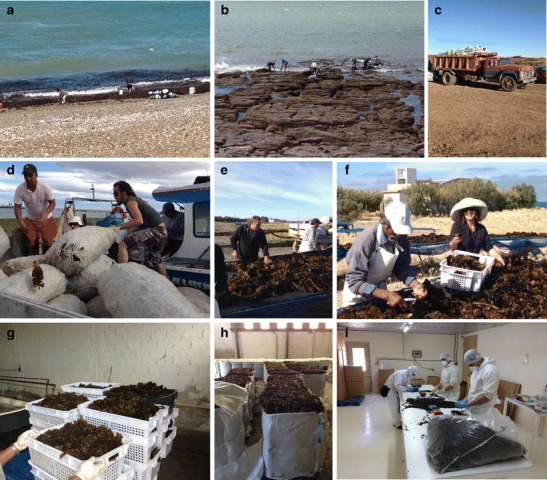
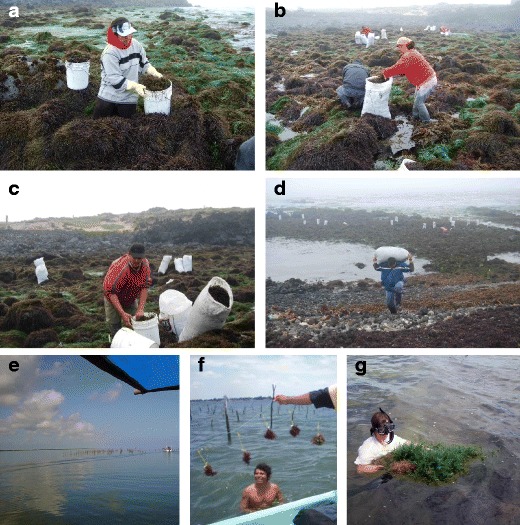
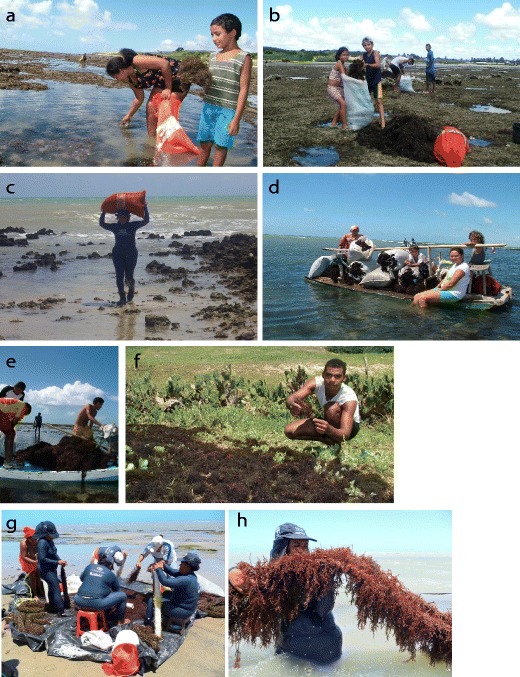
The European, Canadian, and Latin American seaweed industries rely on the sustainable harvesting of natural resources. As several countries wish to increase their activity, the harvest should be managed according to integrated and participatory governance regimes to ensure production within a long-term perspective. Development of regulations and directives enabling the sustainable exploitation of natural resources must therefore be brought to the national and international political agenda in order to ensure environmental, social, and economic values in the coastal areas around the world. In Europe, Portugal requires an appraisal of seaweed management plans while Norway and Canada have developed and implemented coastal management plans including well-established and sustainable exploitation of their natural seaweed resources. Whereas, in Latin America, different scenarios of seaweed exploitation can be observed; each country is however in need of long-term and ecosystem-based management plans to ensure that exploitation is sustainable. These plans are required particularly in Peru and Brazil, while Chile has succeeded in establishing a sustainable seaweed-harvesting plan for most of the economically important seaweeds. Furthermore, in both Europe and Latin America, seaweed aquaculture is at its infancy and development will have to overcome numerous challenges at different levels (i.e., technology, biology, policy). Thus, there is a need for regulations and establishment of "best practices" for seaweed harvesting, management, and cultivation. Trained human resources will also be required to provide information and education to the communities involved, to enable seaweed utilization to become a profitable business and provide better income opportunities to coastal communities.
Overview
The claims and statistics of this paper haven’t been checked yet.
Free: it reads the open-access text and checks the first 5 claims that cite a source we can check. Create a free account to check every claim.
Integrity signals
Registry
Cites
Statistics
Figures
Verification
Claims the paper makes
The claims and statistics of this paper haven’t been checked yet.
Free: it reads the open-access text and checks the first 5 claims that cite a source we can check. Create a free account to check every claim.
Claims other papers make about this one
Each is checked against this paper’s own text: does it say what the citing paper says it does?
The source backs part of the claim, not all of it — or backs it for a different population, condition or comparison.
In the citing paper
“The species collected by each harvesting method differ with only a few species being harvested mechanically (Frangoudes, 2011; Rebours et al., 2014).”
From Current Status of the Algae Production Industry in Europe: An Emerging Sector of the Blue Bioeconomy (2021) · cites this paper as Rebours et al., 2014
Experimental — accuracy not yet measuredThe source backs part of the claim, not all of it — or backs it for a different population, condition or comparison.
In the citing paper
“Laminaria hyperborea biomass in Europe is mainly allocated to the production of extracts used for alginates, supplying 25% of the world alginates manufacturing (Frangoudes, 2011; Rebours et al., 2014; Stévant et al., 2017).”
From Current Status of the Algae Production Industry in Europe: An Emerging Sector of the Blue Bioeconomy (2021) · cites this paper as Rebours et al., 2014
Experimental — accuracy not yet measured
Self-check
Percentages, sums and reported differences re-computed from the paper’s own numbers.
The self-check needs the paper’s full text.
Citations
Cites
Seaweed extract stimuli in plant science and agriculture
Craigie, J. S. (2011) · Journal of Applied Phycology · doi:10.1007/s10811-010-9560-4 · Cited by 1,111 · cited 2×
“Sea vegetables for human consumption constitute about 83 % of production (Craigie 2011), while the remainder is used as fertilizers and animal feed additives, medical applications (Zimmermann et al. 2005; Ehrhart et al. 2013), and biotechnological applications (McHugh 2003).”
BackgroundA decade of change in the seaweed hydrocolloids industry
Bixler, H. J., & Porse, H. (2011) · Journal of Applied Phycology · doi:10.1007/s10811-010-9529-3 · Cited by 873 · cited 2×
“The worldwide seaweed industry provides a wide variety of products for direct or indirect human uses that have an estimated total value of US$10 billion per year (Bixler and Porse 2011; FAO 2013).”
BackgroundEFFECTS OF CLIMATE CHANGE ON GLOBAL SEAWEED COMMUNITIES
Harley, C. D. G., Anderson, K. M., Demes, K. W., Jorve, J. P., Kordas, R. L., Coyle, T. A., & Graham, M. H. (2012) · Journal of Phycology · doi:10.1111/j.1529-8817.2012.01224.x · Cited by 707 · cited 1×
“A review by Harley et al. (2012) addressed the significant gaps in understanding, which hamper ability to predict the outcomes of global change in seaweeddominated systems.”
BackgroundPatch Dynamics and Stability of Some California Kelp Communities
Dayton, P. K., Currie, V., Gerrodette, T., Keller, B. D., Rosenthal, R., & Tresca, D. V. (1984) · Ecological Monographs · doi:10.2307/1942498 · Cited by 547 · cited 2×
“Furthermore, macroalgae may also protect coastlines against erosion (Dayton et al. 1984) and contribute significantly to the marine carbon cycle (Thiel et al.”
BackgroundClimate change implications for fisheries and aquaculture. Overview of current scientific knowledge
Cochrane, K. L., Young, C., Soto, D., & Bahri, T. (2009) · FAO eBooks · Cited by 544
Essential ecological insights for marine ecosystem-based management and marine spatial planning
Crowder, L., & Norse, E. (2008) · Marine Policy · doi:10.1016/j.marpol.2008.03.012 · Cited by 539 · cited 2×
“The concept of ecosystem-based management approaches based on an integrated approach of entire ecosystem including humans should also be considered to develop the coastal spatial planning and the best practices guidelines for the exploitation of seaweed (both harvesting and aquaculture) in order to avoid spatial and t…”
BackgroundAquaculture Production and Biodiversity Conservation
Diana, J. S. (2009) · BioScience · doi:10.1525/bio.2009.59.1.7 · Cited by 448
Thiel, M., Macaya, E., Acu√±a, E., Arntz, W., Bastias, H., Brokordt, K., Camus, P., Castilla, J., Castro, L., Cort√©s, M., et al. (2007) · Oceanography and Marine Biology - An Annual Review · doi:10.1201/9781420050943.ch6 · Cited by 419 · cited 3×
“Furthermore, macroalgae may also protect coastlines against erosion (Dayton et al. 1984) and contribute significantly to the marine carbon cycle (Thiel et al. 2007; Ugarte et al. 2010; Vásquez et al. 2013).”
BackgroundSelf-citationMarine Biodiversity in the Caribbean: Regional Estimates and Distribution Patterns
Miloslavich, P., Díaz, J. M., Klein, E., Alvarado, J. J., Díaz, C., Gobin, J., Escobar-Briones, E., Cruz-Motta, J. J., Weil, E., Cortés, J., et al. (2010) · PLoS ONE · doi:10.1371/journal.pone.0011916 · Cited by 381 · cited 1×
“The trends reported so far, however, may not truly reflect real patterns, as sampling has not been equal throughout the continent, and taxonomic capacity is very uneven from one country to another, as is the case in the Caribbean (Robledo and Townsend 2006; Miloslavich et al. 2010).”
BackgroundMarine Biodiversity in the Atlantic and Pacific Coasts of South America: Knowledge and Gaps
Miloslavich, P., Klein, E., Díaz, J. M., Hernández, C. E., Bigatti, G., Campos, L., Artigas, F., Castillo, J., Penchaszadeh, P. E., Neill, P. E., et al. (2011) · PLoS ONE · doi:10.1371/journal.pone.0014631 · Cited by 346 · cited 4×
“The highest biodiversity of macroalgal species is reported for the Brazilian region (10.6 species per 100 km of coast), followed by the Humboldt Current system (7.3 species per 100 km of coast), the Tropical West Atlantic (7.1 species per 100 km of coast), and the Tropical East Pacific (6.0 species per 100 km of coast…”
BackgroundInfluential
Research works printed but not linked: 13
- Chopin T Integrated multi-trophic aquaculture (IMTA) will also have its place when aquaculture moves to the open ocean Fish Farmer 2008 31 2 40 41
- EEA Balancing the future of Europe’s coasts—knowledge base for integrated management 2013 Denmark European Environmental Agency 67
- Hersoug B Revold J Assessment criteria for Norwegian assistance to aquaculture in developing countries. A draft report to Norad 2012 Tromsø The Norwegian College of Fishery Science, University of Tromsø 47
- Meland M Rebours C Short description of the Norwegian seaweed industry Bioforsk Fokus 2012 7 2 278 279
- Meland M Rebours C Introduction to the management and regulation of Norwegian seaweed industry Bioforsk Fokus 2012 7 2 275 277
- Oliveira RC O panorama da aquacultura no Brasil: a prática com foco na sustentabilidade Rev Intertox Toxicol Risco Ambient Soc 2009 2 1 71 89
- Rebours C Karlsen Å Seaweeds in the North: new scopes for coastal farming Bioforsk Fokus 2007 2 13 73 76
- Robledo D Gasca-Leyva E Fraga J Valderrama D Cai J Hishamunda N Ridler N Social and economic dimensions of carrageenan seaweed farming in Mexico Social and economic dimensions of carrageenan seaweed farming 2013 Rome FAO 185 204
- Suo R Wang Q Laminaria culture in China INFO Fish Int 1992 1 92 40 42
- Vásquez JA Natural mortality of giant kelp Macrocystis pyrifera affecting the fauna associated with its holdfasts Pac Sci 1993 47 180 184
- Vásquez JA Santelices B Comunidades de macroinvertebrados en discos de adhesión de Lessonia nigrescens en Chile central Rev Chil Hist Nat 1984 57 131 154
- Vásquez JA, Zuñiga S, Tala F, Piaget N, Rodriguez DC, Vega JMA (2013) Economic evaluation of kelp forest in northern Chile: values of good and service of the ecosystem. J Appl Phycol. doi: 10.1007/s.10811-013-0173-6 · doi:10.1007/s.10811-013-0173-6
- Vega JMA, Broitman B, Vásquez JA (2013) Monitoring the sustainability of Lessonia nigrescens complex (Laminariales, Phaeophyta) in northern Chile under strong harvest pressure. J Appl Phycol. doi: 10.1007/s.10811-013-0167-4 · doi:10.1007/s.10811-013-0167-4
Cited by
Items 201–300 of 307
Polysaccharides and radiation technology
del Mastro, N. L. (2021) · Elsevier eBooks · doi:10.1016/b978-0-323-85672-0.00015-5 · Cited by 7
A Road to the Sustainable Seaweed Aquaculture
Araújo, G. S., Morais, T., Cotas, J., García‐Poza, S., Silva, J. W. A., Gonçalves, A. M. M., & Pereira, L. (2022) · Springer eBooks · doi:10.1007/978-3-030-91955-9_4 · Cited by 5
Innovation and Sustainable Utilization of Seaweeds as Health Foods
Chye, F. Y., Padam, B. S., & Ng, S. Y. (2017) · Wiley eBooks · doi:10.1002/9781119072737.ch17 · Cited by 5
Policy implications of wild seaweeds used in organic crop fertilizers
Oakley, E. (2023) · Journal of Applied Phycology · doi:10.1007/s10811-023-03116-7 · Cited by 4
“Although certain countries have developed marine mac-roalgae management plans and regulations, others have not (Rebours et al. 2014).”
de Medeiros, T. A. G., Botha, E., Duarte, F. C., Baptista, G. M. D. M., Pereira, B. S. D. B., Kampel, M., & Seoane, J. C. S. (2024) · International Journal of Remote Sensing · doi:10.1080/01431161.2024.2424510 · Cited by 4
A historical review of giant kelp harvesting in Tasmania
Forbes, H., Visch, W., Bennett, S., Sanderson, J. C., Wright, J. T., & Layton, C. (2025) · Journal of Phycology · doi:10.1111/jpy.70015 · Cited by 5
“…harvesting can have negative ecological impacts, both direct and indirect (e.g., Kimura & Foster, 1984; Rothman et al., 2006; Vasquez, 1995), and sustainability remains an ongoing consideration for kelp wild harvests today (Buschmann et al., 2017; Mac Monagail et al., 2017; Rebours et al., 2014).”
Beattie, S., Kambey, C. S. B., Corrigan, S., Brodie, J. A., Lim, P., Poong, S., Ambo‐Rappe, R., Dahlan, D., & Cook, E. (2026) · Journal of Environmental Management · doi:10.1016/j.jenvman.2026.128964 · Cited by 4
Efecto de la irradiancia y temperatura sobre esporofitos de Chondracanthus chamissoi
Rios-Cruz, L., Baltazar, P., Castañeda‐Franco, M., & Arbaiza, S. (2023) · Revista de biología marina y oceanografía · doi:10.22370/rbmo.2023.58.3.4261 · Cited by 4
Levinsen, J. U. G., Nielsen, M. M., Schmedes, P. S., Thomasberger, A., Rasmussen, M. B., Mikkelsen, S. E., Pedersen, M. F., Sloth, J. J., Søndergaard, J., Sørensen, A. S., et al. (2025) · Journal of Applied Phycology · doi:10.1007/s10811-025-03459-3 · Cited by 4
“…resources is vital to prevent over-exploitation of coastal seaweed ecosystems and to secure their continued persistence over time, both with regards to the seaweed resource itself and all its associated ecosystems services (Rebours et al. 2014; Mac Monagail et al. 2017; Heckwolf et al. 2021).”
Zhou, Q., Zhang, L., & Nian, C. (2025) · Frontiers in Public Health · doi:10.3389/fpubh.2025.1597761 · Cited by 6
“First, at the macroscopic level, it is important to cultivate a robust legal environment (58).”
ABSOLUTE GROWTH AND BIOMASS OF Gracilaria sp. THAT CULTIVATED UNDER DIFFERENT DEPTHS
Herliany, N. E., Zamdial, Z., & Febriyanti, R. (2018) · Jurnal Kelautan Indonesian Journal of Marine Science and Technology · doi:10.21107/jk.v10i2.2986 · Cited by 4
Evaluation of ecosystem services provided by farmed and wild seaweeds
Ferreira, A. B. G., Carneiro, M. A. D. A., Fernandes, F. D. O., & Marinho‐Soriano, E. (2021) · Revista Ibero-Americana de Ciências Ambientais · doi:10.6008/cbpc2179-6858.2021.006.0041 · Cited by 6
“…and cultivating seaweed as well as the importance of empirical knowledge and management skills, which are transmitted from generation to generation by traditional communities (REBOURS et al., 2014; O’CONNELL-MILNE et al., 2015; KITOLELEI et al., 2016; MARINHO-SORIANO, 2017; THURSTAN et al., 2018).”
BackgroundSelf-citationPharmacological Importance of Bioactive Molecules of Seaweeds
Jayapala, N., Perumal, M. K., Baskaran, R., & Vallikannan, B. (2022) · Springer eBooks · doi:10.1007/978-3-030-92174-3_32 · Cited by 5
Teniwut, W. A., Hamid, S. K., & Makailipessy, M. M. (2022) · Land Use Policy · doi:10.1016/j.landusepol.2022.106356 · Cited by 4
de Lima, P. C. M., dos Santos, E. P., Dantas, D. M. D. M., Brito, L. O., & Gálvez, A. O. (2025) · Aquacultural Engineering · doi:10.1016/j.aquaeng.2025.102595 · Cited by 4
Exploring the Global Potential of Seaweed Farming for Carbon Removal and Climate Mitigation
Kumari, N., Pandey, A. K., & Singh, A. (2024) · International Journal of Environment and Climate Change · doi:10.9734/ijecc/2024/v14i74261 · Cited by 4
Marine Macroalgae: Sustainable Practices and Environmental Impact
El‐Gendy, N. S., & Nassar, H. N. (2024) · Royal Society of Chemistry eBooks · doi:10.1039/9781837675654-00183 · Cited by 3
Campos, B. M., Moreira-Leite, B., Salgado, A., Ramalho, E., Marmelo, I., Malfeito‐Ferreira, M., de Sousa, P. H. M., Henriques, A., Noronha, J. P., Diniz, M., et al. (2025) · Applied Sciences · doi:10.3390/app15158232 · Cited by 4
Laukaityte, S., & Riera, R. (2022) · Acta Oceanologica Sinica · doi:10.1007/s13131-022-2052-y · Cited by 4
“In Chile, the exploitation of natural seaweed resources is regulated in order to protect the associated biodiversity, as well as the target species of commercial interest (Rebours et al., 2014).”
BackgroundDiharmi, A., Edison, E., PRIDA, E. A., Subaryono, S., & Hidayat, T. (2023) · Food Science and Technology · doi:10.5327/fst.4623 · Cited by 5
The overall volumetric oxygen transfer coefficient in high viscosity, alginate-rich media
Noach, M. N., Pott, R. W. M., Goosen, N. J., & van Rensburg, E. (2024) · Biochemical Engineering Journal · doi:10.1016/j.bej.2024.109620 · Cited by 3
A Molecular Assessment of Red Algae with Reference to the Utility of DNA Barcoding
Siddiqui, Z. H., Abbas, Z. K., Hakeem, K. R., Khan, M. A., & Ilah, M. A. (2020) · Springer eBooks · doi:10.1007/978-3-030-50075-7_7 · Cited by 3
Faculty of Landscape Architecture, Horticulture and Crop Production Science
von Essen, E. (2015) · Cited by 3
Mohamed, E. A. M., El-Baha, A. M., El‐Settawy, A. A. A., Shetta, N. D., & Salem, M. Z. M. (2025) · Ecological Engineering · doi:10.1016/j.ecoleng.2025.107531 · Cited by 2
Sten, M., Yamamoto, K., DeVries, T., Krause, S. J. E., & Siegel, D. A. (2026) · Earth s Future · doi:10.1029/2025ef007628 · Cited by 3
“To investigate these strategies, we first selected a subset of shallow locations ( < 500 m) which have been proposed for seaweed or other biomass‐based mCDR such as the Sea of Okhotsk, the Northern Sea, and the Patagonia Shelf (Rebours et al., 2014; van den Burg et al., 2016; DeAngelo et al., 2022), or are representat…”
InfluentialDevelopment of integrated seaweed culture and capture fisheries in Indonesia
Najamuddin, N., Hajar, M. A. I., Rustam, Palo, M., & Asni, A. (2020) · IOP Conference Series Earth and Environmental Science · doi:10.1088/1755-1315/564/1/012027 · Cited by 2
Sustainable Synthesis of Green Novel Materials for Water Purification
Hassan, A. I., & Saleh, H. M. (2024) · Royal Society of Chemistry eBooks · doi:10.1039/9781837671663-00024 · Cited by 3
Development of a Process Approach for Retaining Seaweed Sugar Kelp (Saccharina latissima) Nutrients
Duran-Frontera, E. (2017) · DigitalCommons (California Polytechnic State University) · Cited by 6
Perera, C. O., & Alzahrani, M. A. J. (2022) · Springer eBooks · doi:10.1007/978-3-030-92174-3_19 · Cited by 2
Marine Algal Colorants for the Food Industry
Venil, C. K., Ramesh, C., Devi, P. R., & Dufossé, L. (2022) · Springer eBooks · doi:10.1007/978-3-030-92174-3_8 · Cited by 2
Bāliņa, K. (2020) · doi:10.7250/9789934225543 · Cited by 3
Pangotra, A., & Louis Cojandaraj, A. (2024) · Current Drug Therapy · doi:10.2174/0115748855292105240607050623 · Cited by 1
Seaweed: A Multifaceted Marvel Driving Global Sustainability and Environmental Health
Waheed, M., Adil, F., Maryam, B., & Shammas, F. (2025) · Journal of King Abdulaziz University-Marine Sciences · doi:10.4197/mar.34-2.8 · Cited by 3
Hypoglycemic potential of Sargassum spp.: A review of bioactive compounds for diabetes management
Firdaus, M., & Priambodo, A. F. (2026) · Journal of Applied Pharmaceutical Science · doi:10.7324/japs.2026.234652 · Cited by 1
Houssa, R., Rezzoum, N.-E., Chrifi, O., Mouttaqui, S. E., Asri, F. E., & Zidane, H. (2025) · Estuarine Management and Technologies. · doi:10.3897/emt.2.167289 · Cited by 1
Wang, X., Zhang, J., Yao, J., Yuan, Z., Fu, X., Huang, T., Yang, X., Shao, Z., Liu, F., Cock, J. M., et al. (2026) · Journal of Advanced Research · doi:10.1016/j.jare.2026.02.038 · Cited by 1
Mishra, P., & Mantri, V. A. (2026) · Frontiers in Aquaculture · doi:10.3389/faquc.2026.1833554 · Cited by 1
“For Indian agarophytes, agar gel strength — the primary quality determinant for industrial applications — is a quantitatively inherited trait that has been shown to respond to selection in Gracilaria species (Rebours et al., 2014).”
Commercial Production of Macroalgae
Duan, D. (2016) · Green energy and technology · doi:10.1007/978-3-319-12334-9_4 · Cited by 1
Saied, S., Lawarence, B., Manoj, G., & Kavitha, M. (2016) · World Journal of Pharmaceutical Research · Cited by 1
Identification of Suitable Areas for Offshore Macroalgae Cultivation
Ramos, N. D. S., & José, F. (2016) · Cited by 2
Temperature, size, and harvest method drive recovery in an Indigenous kelp fishery
Kobluk, H. M. (2018) · Summit (Simon Fraser University) · Cited by 3
Saberes e práticas tradicionais na extração e cultivo de macroalgas marinhas
Ferreira, A. B. G., Carneiro, M. A. D. A., Fernandes, F. D. O., & Marinho‐Soriano, E. (2020) · Revista Ibero-Americana de Ciências Ambientais · doi:10.6008/cbpc2179-6858.2020.006.0053 · Cited by 2
Self-citationUtilization and Management of Eucheuma cottonii Seaweed and Cassava
Walaluya, M., & Lilabite, V. (2020) · Journal Siplieria Sciences · doi:10.48173/jss.v1i2.58 · Cited by 1
“Cassava can be found everywhere, especially in tropical areas, cassava tubers are rich in carbohydrates so that they are widely used by everyone (Rebours et al., 2014; Reilly et al., 2008).”
BackgroundSeaweeds: Potential Candidates in Human Colon Cancer Therapy
Pandey, R., Singh, P. K., & Shrivastava, A. K. (2021) · Springer eBooks · doi:10.1007/978-3-030-64668-4_13 · Cited by 1
Lee, S. R., Lee, Y. L., & Lee, S. Y. (2022) · Frontiers in Nutrition · doi:10.3389/fnut.2022.1015351 · Cited by 1
Mahawan, A., Ibañez, R. Y., & Velza, J. F. (2022) · Journal of Education Management and Development Studies · doi:10.52631/jemds.v2i4.120 · Cited by 1
Goh, P.-T., Poong, S., Zheng, X., Liu, T., Qi, Z., Beardall, J., Pai, T., & Lim, P. (2023) · Regional Studies in Marine Science · doi:10.1016/j.rsma.2023.103245 · Cited by 2
Chemical composition of seaweed and its medical-biological properties
Gorbachev, A. L., & KUBASOV, R. V. (2023) · Marine Medicine · doi:10.22328/2413-5747-2023-9-4-26-33 · Cited by 2
Harb, T. B. (2021) · Digital Library of Theses and Dissertations (Universidade de São Paulo) · doi:10.11606/t.41.2021.tde-12072021-151722 · Cited by 1
Industrial Applications of Red Macroalgae PhycocolloidsPreprint
Pereira, L. (2025) · Preprints.org · doi:10.20944/preprints202510.2134.v1 · Cited by 2
Results of Cultivation of Japanese Kelp ( Saccharina japonica ) in Primorsky Krai, Russia
Gabaev, D. D., & Dimitriev, S. M. (2016) · International Journal of Nutrition and Food Sciences · doi:10.11648/j.ijnfs.20160503.11
Arroyo-Sesento, E., & Hernández-Morales, R. (2017) · Sustainability Agri Food and Environmental Research · doi:10.7770/safer-v5n2-art1201
“Diferentes estudios ponen de manifiesto que México cuenta con una gran cantidad de especies de macroalgas con potencial comercial e industrial (Robledo y Freile-Pelegrín, 2011; Rodríguez et al., 2012; Rebours et al., 2014).”
Costa, M. S. S. P., Cordeiro, S. L., Almeida‐Lima, J., Costa, L. S., & Rocha, H. A. O. (2017) · Revista Verde de Agroecologia e Desenvolvimento Sustentável · doi:10.18378/rvads.v12i3.4424
Avaliação da comunidade de macroalgas da praia rochosa de Belinho-Mar
Melo, R. F. D. S. (2018) · Portuguese National Funding Agency for Science, Research and Technology (RCAAP Project by FCT) · doi:10.34626/dxar-k496 · Cited by 1
Broth: Enhancing Market Opportunities and Improving Sustainability of Maine Farmed Seaweed
Bonelli, Z. M. (2018) · DigitalCommons (California Polytechnic State University)
Lee, J. (2018) · Skemman · Cited by 2
Mckeown, D. (2019) · PEARL (University of Plymouth) · doi:10.24382/815 · Cited by 1
López‐Hortas, L. (2019) · Investigo repository of University of Vigo (University of Vigo) · doi:10.35869/11093/1364
Pechsiri, J. S. (2019) · DiVA (Digitala Vetenskapliga Arkivet)
Suutari, M. (2020) · Helda - University of Helsinki Institutional Repository
Qualitative and Quantitative Analysis of Population Models with Variable Carrying Capacity
Zulkarnaen, D. (2021) · Figshare · Cited by 1
Grebe, G. (2021) · DigitalCommons (California Polytechnic State University) · Cited by 1
Reducción del ruido producido por un PC
López, J. A. (2007) · Todo linux: la revista mensual para entusiastas de GNU/LINUX
A Molecular Assessment of Red Algae with Reference to the Utility of DNA Barcoding
Siddiqui, Z. H., Abbas, Z. K., Hakeem, K. R., Khan, M. A., & Ilah, A. (2018) · Springer eBooks · doi:10.1007/978-3-319-90680-5_10
BRANDT, K. (2023) · Cronfa (Swansea University) · doi:10.23889/suthesis.63625
Manual de cultivo de Chondracanthus chamissoi («yuyo» o «mococho»)
Baltazar, P., Castañeda‐Franco, M., & Salvador, W. B. O. (2023) · doi:10.21142/li.2023.3421
Vers une culture durable de l’algue rouge Gracilaria gracilis en Tunisie
Said, R. B., & Mathlouthi, N. (2024) · European Scientific Journal ESJ · doi:10.19044/esj.2024.v20n36p176
Satibi, A., Rudi, M., Rouf, A. B., Yulda, Y., Cahyadi, F. D., Arifin, W. A., Nurulpaik, I., & Supriatna, E. (2024) · Journal of Advanced Research in Applied Sciences and Engineering Technology · doi:10.37934/araset.55.2.128143
Liceaga-Correa, M. D. L. Á., González, E. J., Rincón-Sandoval, L. A., Hernández-Núñez, H., Palafox–Juárez, E. B., & Cuevas, E. (2025) · Ciencias Marinas · doi:10.7773/cm.y2025.3458
“Asimismo, son la base de importantes actividades de sustento para diversas comunidades costeras de Yucatán (Rebours et al. 2014, Coronado et al. 2020, Arcos-Aguilar et al. 2021, Quiñones-Peraza et al. 2023).”
Kamaroellah, R. A., Roihan, M., Devita, P., Rahmah, K., & Syafik, M. (2024) · JURNAL PENGABDIAN KEPADA MASYARAKAT · doi:10.24114/jpkm.v30i2.57250
Arijón, M., Pérez, D. R., Dellatorre, F. G., & Sánchez‐Carnero, N. (2025) · Marine Environmental Research · doi:10.1016/j.marenvres.2025.107555
Food Security and Innovative Food Production
Mejía, P. A., Cisternas, R. M. M., & Prado, J. K. (2025) · CABI eBooks · doi:10.1079/9781800623248.0008
Dong, W., Lin, G., Zheng, Y., Lu, H., Wu, C., & Bao, J. (2025) · Journal of Coastal Conservation · doi:10.1007/s11852-025-01178-y
Echeverria Encina, C. (2019) · UNSWorks (University of New South Wales, Sydney, Australia) · doi:10.26190/unsworks/3812 · Cited by 1
Reproductive status and early stages of development in the green macroalgae Codium tomentosum
Sá, M. F. (2021) · Portuguese National Funding Agency for Science, Research and Technology (RCAAP Project by FCT) · doi:10.34626/4q3x-8f82 · Cited by 1
Desarrollo de un extracto prebiótico a partir del alga Silvetia compressa
Vázquez-Rodríguez, B. (2021) · El Repositorio Academico Digital de la UANL (Universidad Autónoma de Nuevo León)
The potential of Ulva diversity in southern Portugal for a sustainable food and feed Industry
Stein, L. R.-V. (2019) · Portuguese National Funding Agency for Science, Research and Technology (RCAAP Project by FCT)
Lopez Vargas, G. T. (2019) · ScholarSpace (University of Hawaii at Manoa)
Status of seaweed farming in the South coast of Kenya and implications for restorative aquaculturePreprint
Mirera, D. O., Holeh, G. M., Chebet, M., Okemwa, D., Waweru, M. G., Kawaka, J., Magangi, N., Odhiambo, M., Kwekwe, L., Ngoa, H., et al. (2025) · SSRN Electronic Journal · doi:10.2139/ssrn.5964757
Use of seaweed polysaccharides in the formulation of light yogurt
Freitas, K. F. D. S. (2023) · LA Referencia (Red Federada de Repositorios Institucionales de Publicaciones Científicas)
Kang, K. I., Burke, R., Kelly, A., Lavelle, C., This, H., & Vodnar, D. C. (2025) · HAL · doi:10.17180/ijmpg-2025-art10
Salomone, V. N. (2026) · Cymbella revista de investigación y difusión sobre algas. · doi:10.22201/fc.24488100e.2025.11.2.1
Cheng, S., Li, Z., & Sheng, Y. (2026) · Aquaculture · doi:10.1016/j.aquaculture.2026.743874
Water use optimization in fish farms: Efficient strategies to reduce environmental impact
Ruiz, C. A. P., Hoyos, A. A., & Gaviria, E. F. S. (2026) · International Journal of Innovative Research and Scientific Studies · doi:10.53894/ijirss.v9i3.11316
“The United States promotes sustainable practices through institutions such as Auburn University [19] whereas other countries are advancing in water sustainability and biofiltration [13, 20].”
Puspita, M. (2017) · theses.fr (ABES) · doi:10.70675/a28da482z1f4az4130zba1fzd3e4730cf7cb · Cited by 3
Malik, S. A. A. (2020) · theses.fr (ABES) · doi:10.70675/c0e49a28z60c8z43bez9911z45ad6867ddea
Sustainable development of marine macroalgae production: Policy and governance considerations
Benson, D., & Demirbilek, B. (2026) · Elsevier eBooks · doi:10.1016/b978-0-443-33492-4.00012-7
Nazurally, N., Beehary-Panray, D., & Gatteschi, E. (2026) · African Journal of Marine Science · doi:10.2989/1814232x.2025.2567882
Siriwardena, P., Bulathgama, U., Liyanage, A., & Ramachandra, S. (2026) · Advances in science and technology · doi:10.4028/p-rd3ip0
“Studies have shown that seaweed farming contributes significantly to household income across different economic contexts [22, 23].”
Baltazar, P., & Ávila-Peltroche, J. (2026) · Journal of Applied Phycology · doi:10.1007/s10811-026-03903-y
“A distinctive feature of the Peruvian case is the high proportion of beach-cast seaweed collection of biomass of various seaweeds, (i.e., natural mortality and detachment caused by oceanographic events, wave action, currents, and phenomena such as ENSO) (Rebours et al. 2014; Aller-Rojas et al. 2020).”
Becherucci, M. E., & Pon, J. P. S. (2026) · Marine and Fishery Sciences (MAFIS) · doi:10.47193/mafis.3932026010704
“In this context, wild sporophytes of U. pinnatifida are harvested in Argentine Patagonia to produce wakame and as a source of sulphated polysaccharides (i.e. fucoidan ) (Rebours et al. 2014; Arijón et al. 2021).”
Reassessing the climate mitigation benefits and environmental risks of coastal seaweed farming
Wu, Y., Liu, Y., & Qi, D. (2026) · Discover Oceans · doi:10.1007/s44289-026-00144-2
“They also establish essential foraging corridors and reproductive microhabitats [47, 48], while aquaculture infrastructure creates temporary biogenic habitats supporting diverse invertebrate and fish communities [49].”
Seaweed production as a social-ecological system along the southeast Pacific coast
Latorre-Padilla, N., Tala, F., Vásquez, J. A., & Haye, P. A. (2026) · Revista chilena de historia natural · doi:10.1186/s40693-026-00143-9 · Cited by 1
“The close interdependence between seaweed resources and coastal communities characterizes seaweed production as a social-ecological system (SES) [12–14], in which ecological and social dimensions interact through dynamic feedback relationships and co-adaptive processes [15–17].”
Self-citationThe Origin and Evolution of the Sustainable Rockweed (Ascophyllum nodosum) Harvesting Rake
Spinney, S. R., & Cornish, M. L. (2026) · Developments in applied phycology. · doi:10.1007/978-3-032-28281-1_10
Seaweed Cultivation in Peru: Advances, Challenges, and Opportunities
Baltazar, P., Castañeda‐Franco, M., Mires-Reyes, A., Villena-Sarmiento, G., Padilla-Vallejos, J., & Ávila-Peltroche, J. (2026) · Developments in applied phycology. · doi:10.1007/978-3-032-28281-1_6
Seaweed: Source of Essential Plant Nutrients
Sarkar, J. D., Reddy, M. S. L., Roy, M., Sarkar, A. K., Reddy, C. D. K., Bindu, V. K., BHATTACHARJEE, A., Kumar, S., & Mitra, B. (2026) · Springer eBooks · doi:10.1007/978-3-032-26637-8_3
Saha, S., Pal, D., & Pal, D. (2026) · Springer eBooks · doi:10.1007/978-3-032-26637-8_14
Roy, A., Dutta, S., Dey, S., Jana, S., Basak, S., Dhar, A., & Maity, S. N. (2026) · Springer eBooks · doi:10.1007/978-3-032-26637-8_7
Training Manual on Marine Fish Hatchery Management and Culture
Anuraj, A., Rajesh, N., Babu, P. P. S., & Ignatius, B. (2026) · Eprints@CMFRI Open Access Institutional Repository (Central Marine Fisheries Research Institute)
Metadata
- Authors
- Rebours, C., Marinho-Soriano, E., Zertuche-González, J. A., Hayashi, L., Vásquez, J. A., Kradolfer, P., Soriano, G., Ugarte, R., Abreu, M. H., Bay-Larsen, I., Hovelsrud, G., Rødven, R., & Robledo, D.
- Affiliations
- Universidad Autónoma de Baja California (MX)
- Universidade Federal de Santa Catarina (BR)
- Universidad Católica del Norte (CL)
- Acadian Seaplants (Canada) (CA)
- Nordland Research Institute (NO)
- Centro de Investigación y de Estudios Avanzados del Instituto Politécnico Nacional (MX)
- Corresponding author
- Rebours, Céline
- ORCID
- Venue
- Journal of Applied Phycology
- Published
- 2014-05-03
- Volume
- 26
- Issue
- 5
- Pages
- 1939-1951
- ISSN
- 0921-8971 (ISSN-L)
- 1573-5176
- PMC
- PMC4200322
- OpenAlex
- W2046850796
- Cited by
- 281
- References
- 69
- Citations by year
- 2026: 22 · 2025: 20 · 2024: 21 · 2023: 33 · 2022: 25 · 2021: 32 · 2020: 36 · 2019: 29 · 2018: 24 · 2017: 16 · 2016: 16 · 2015: 6
- FWCI
- 9.14
- Type
- journal article
- Language
- en
- Open access
- hybrid
- doi.org
- Locations
- Journal of Applied Phycology (publishedVersion, cc-by)
- PubMed Central (publishedVersion, cc-by)
- PubMed (publishedVersion)
- Greater South Information System
- Funders
- Bioforsk
- Topics
- Physical Sciences › Earth and Planetary Sciences › Oceanography › Marine and coastal plant biology
- Physical Sciences › Environmental Science › Management, Monitoring, Policy and Law › Coastal and Marine Management
- Life Sciences › Agricultural and Biological Sciences › Aquatic Science › Seaweed-derived Bioactive Compounds
- Keywords
- seaweed harvesting, seaweed cultivation, sustainable resource management, coastal communities, livelihoods, ecosystem-based management, participatory governance, coastal management plans, Peru, Brazil, Chile, Portugal, Norway, Canada, socio-environmental sustainability
About these checks
Registry, retraction, Cites and statistics results are computed, not judged, with one exception: a printed reference that no index lists is read once by a model before it counts as a citation error. Claims are extracted by a model and kept only when their quote appears verbatim in the text; each cited source is then checked, with a model’s help, for whether it says what the claim relies on. Those verdicts can be wrong — read the claim’s quote and the cited source before relying on one.
Statistics and arithmetic are recomputed, not judged.
Confidence bands are shown only for fields calibrated on our annotated test set. None is calibrated yet, so no band is shown.
What counts as a claim ›How we measure confidence ›How we check this ›
Are you an author, or do you see a problem with this page? Request a review
Data sources
Bibliographic data: Semantic Scholar, OpenAlex, Crossref.
Contains information from the Semantic Scholar Academic Graph Datasets, made available under the ODC Attribution License (ODC-BY 1.0).
Semantic Scholar’s data is described in: Kinney, R., et al. (2023). The Semantic Scholar Open Data Platform. arXiv:2301.10140.
