

Seaweeds: an opportunity for wealth and sustainable livelihood for coastal communities.
Open accessThe DOI matches its Crossref record; 69 of the 69 references it cites were found in a registry or an index.
Abstract
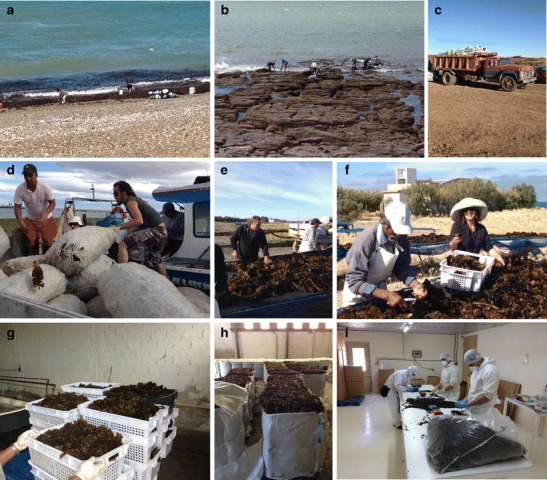
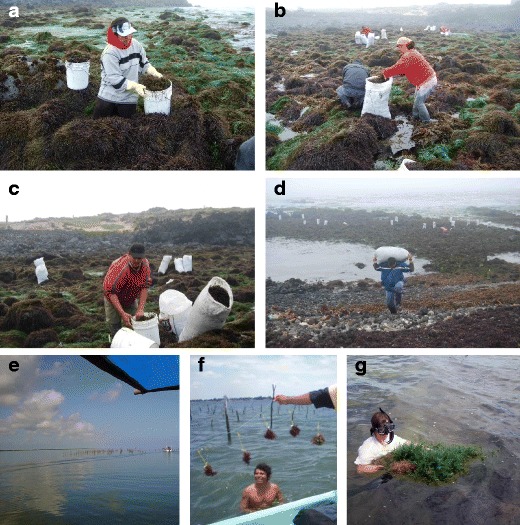
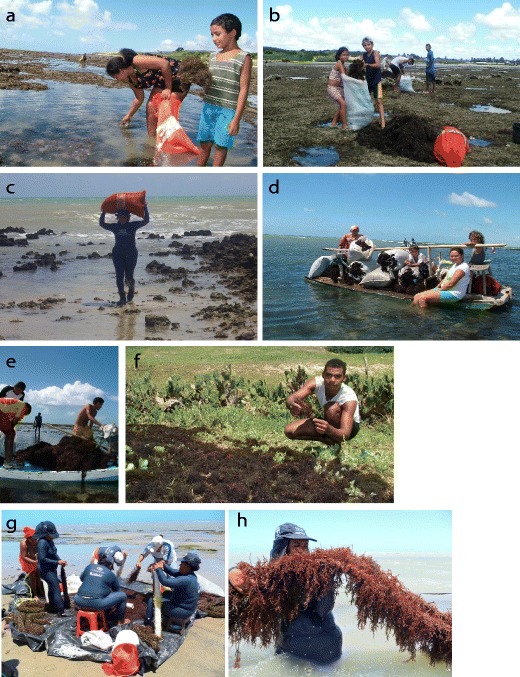
The European, Canadian, and Latin American seaweed industries rely on the sustainable harvesting of natural resources. As several countries wish to increase their activity, the harvest should be managed according to integrated and participatory governance regimes to ensure production within a long-term perspective. Development of regulations and directives enabling the sustainable exploitation of natural resources must therefore be brought to the national and international political agenda in order to ensure environmental, social, and economic values in the coastal areas around the world. In Europe, Portugal requires an appraisal of seaweed management plans while Norway and Canada have developed and implemented coastal management plans including well-established and sustainable exploitation of their natural seaweed resources. Whereas, in Latin America, different scenarios of seaweed exploitation can be observed; each country is however in need of long-term and ecosystem-based management plans to ensure that exploitation is sustainable. These plans are required particularly in Peru and Brazil, while Chile has succeeded in establishing a sustainable seaweed-harvesting plan for most of the economically important seaweeds. Furthermore, in both Europe and Latin America, seaweed aquaculture is at its infancy and development will have to overcome numerous challenges at different levels (i.e., technology, biology, policy). Thus, there is a need for regulations and establishment of "best practices" for seaweed harvesting, management, and cultivation. Trained human resources will also be required to provide information and education to the communities involved, to enable seaweed utilization to become a profitable business and provide better income opportunities to coastal communities.
Overview
The claims and statistics of this paper haven’t been checked yet.
Free: it reads the open-access text and checks the first 5 claims that cite a source we can check. Create a free account to check every claim.
Integrity signals
Registry
Cites
Statistics
Figures
Verification
Claims the paper makes
The claims and statistics of this paper haven’t been checked yet.
Free: it reads the open-access text and checks the first 5 claims that cite a source we can check. Create a free account to check every claim.
Claims other papers make about this one
Each is checked against this paper’s own text: does it say what the citing paper says it does?
The source backs part of the claim, not all of it — or backs it for a different population, condition or comparison.
In the citing paper
“The species collected by each harvesting method differ with only a few species being harvested mechanically (Frangoudes, 2011; Rebours et al., 2014).”
From Current Status of the Algae Production Industry in Europe: An Emerging Sector of the Blue Bioeconomy (2021) · cites this paper as Rebours et al., 2014
Experimental — accuracy not yet measuredThe source backs part of the claim, not all of it — or backs it for a different population, condition or comparison.
In the citing paper
“Laminaria hyperborea biomass in Europe is mainly allocated to the production of extracts used for alginates, supplying 25% of the world alginates manufacturing (Frangoudes, 2011; Rebours et al., 2014; Stévant et al., 2017).”
From Current Status of the Algae Production Industry in Europe: An Emerging Sector of the Blue Bioeconomy (2021) · cites this paper as Rebours et al., 2014
Experimental — accuracy not yet measured
Self-check
Percentages, sums and reported differences re-computed from the paper’s own numbers.
The self-check needs the paper’s full text.
Citations
Cites
Seaweed extract stimuli in plant science and agriculture
Craigie, J. S. (2011) · Journal of Applied Phycology · doi:10.1007/s10811-010-9560-4 · Cited by 1,111 · cited 2×
“Sea vegetables for human consumption constitute about 83 % of production (Craigie 2011), while the remainder is used as fertilizers and animal feed additives, medical applications (Zimmermann et al. 2005; Ehrhart et al. 2013), and biotechnological applications (McHugh 2003).”
BackgroundA decade of change in the seaweed hydrocolloids industry
Bixler, H. J., & Porse, H. (2011) · Journal of Applied Phycology · doi:10.1007/s10811-010-9529-3 · Cited by 873 · cited 2×
“The worldwide seaweed industry provides a wide variety of products for direct or indirect human uses that have an estimated total value of US$10 billion per year (Bixler and Porse 2011; FAO 2013).”
BackgroundEFFECTS OF CLIMATE CHANGE ON GLOBAL SEAWEED COMMUNITIES
Harley, C. D. G., Anderson, K. M., Demes, K. W., Jorve, J. P., Kordas, R. L., Coyle, T. A., & Graham, M. H. (2012) · Journal of Phycology · doi:10.1111/j.1529-8817.2012.01224.x · Cited by 707 · cited 1×
“A review by Harley et al. (2012) addressed the significant gaps in understanding, which hamper ability to predict the outcomes of global change in seaweeddominated systems.”
BackgroundPatch Dynamics and Stability of Some California Kelp Communities
Dayton, P. K., Currie, V., Gerrodette, T., Keller, B. D., Rosenthal, R., & Tresca, D. V. (1984) · Ecological Monographs · doi:10.2307/1942498 · Cited by 547 · cited 2×
“Furthermore, macroalgae may also protect coastlines against erosion (Dayton et al. 1984) and contribute significantly to the marine carbon cycle (Thiel et al.”
BackgroundClimate change implications for fisheries and aquaculture. Overview of current scientific knowledge
Cochrane, K. L., Young, C., Soto, D., & Bahri, T. (2009) · FAO eBooks · Cited by 544
Essential ecological insights for marine ecosystem-based management and marine spatial planning
Crowder, L., & Norse, E. (2008) · Marine Policy · doi:10.1016/j.marpol.2008.03.012 · Cited by 539 · cited 2×
“The concept of ecosystem-based management approaches based on an integrated approach of entire ecosystem including humans should also be considered to develop the coastal spatial planning and the best practices guidelines for the exploitation of seaweed (both harvesting and aquaculture) in order to avoid spatial and t…”
BackgroundAquaculture Production and Biodiversity Conservation
Diana, J. S. (2009) · BioScience · doi:10.1525/bio.2009.59.1.7 · Cited by 448
Thiel, M., Macaya, E., Acu√±a, E., Arntz, W., Bastias, H., Brokordt, K., Camus, P., Castilla, J., Castro, L., Cort√©s, M., et al. (2007) · Oceanography and Marine Biology - An Annual Review · doi:10.1201/9781420050943.ch6 · Cited by 419 · cited 3×
“Furthermore, macroalgae may also protect coastlines against erosion (Dayton et al. 1984) and contribute significantly to the marine carbon cycle (Thiel et al. 2007; Ugarte et al. 2010; Vásquez et al. 2013).”
BackgroundSelf-citationMarine Biodiversity in the Caribbean: Regional Estimates and Distribution Patterns
Miloslavich, P., Díaz, J. M., Klein, E., Alvarado, J. J., Díaz, C., Gobin, J., Escobar-Briones, E., Cruz-Motta, J. J., Weil, E., Cortés, J., et al. (2010) · PLoS ONE · doi:10.1371/journal.pone.0011916 · Cited by 381 · cited 1×
“The trends reported so far, however, may not truly reflect real patterns, as sampling has not been equal throughout the continent, and taxonomic capacity is very uneven from one country to another, as is the case in the Caribbean (Robledo and Townsend 2006; Miloslavich et al. 2010).”
BackgroundMarine Biodiversity in the Atlantic and Pacific Coasts of South America: Knowledge and Gaps
Miloslavich, P., Klein, E., Díaz, J. M., Hernández, C. E., Bigatti, G., Campos, L., Artigas, F., Castillo, J., Penchaszadeh, P. E., Neill, P. E., et al. (2011) · PLoS ONE · doi:10.1371/journal.pone.0014631 · Cited by 346 · cited 4×
“The highest biodiversity of macroalgal species is reported for the Brazilian region (10.6 species per 100 km of coast), followed by the Humboldt Current system (7.3 species per 100 km of coast), the Tropical West Atlantic (7.1 species per 100 km of coast), and the Tropical East Pacific (6.0 species per 100 km of coast…”
BackgroundInfluential
Research works printed but not linked: 13
- Chopin T Integrated multi-trophic aquaculture (IMTA) will also have its place when aquaculture moves to the open ocean Fish Farmer 2008 31 2 40 41
- EEA Balancing the future of Europe’s coasts—knowledge base for integrated management 2013 Denmark European Environmental Agency 67
- Hersoug B Revold J Assessment criteria for Norwegian assistance to aquaculture in developing countries. A draft report to Norad 2012 Tromsø The Norwegian College of Fishery Science, University of Tromsø 47
- Meland M Rebours C Short description of the Norwegian seaweed industry Bioforsk Fokus 2012 7 2 278 279
- Meland M Rebours C Introduction to the management and regulation of Norwegian seaweed industry Bioforsk Fokus 2012 7 2 275 277
- Oliveira RC O panorama da aquacultura no Brasil: a prática com foco na sustentabilidade Rev Intertox Toxicol Risco Ambient Soc 2009 2 1 71 89
- Rebours C Karlsen Å Seaweeds in the North: new scopes for coastal farming Bioforsk Fokus 2007 2 13 73 76
- Robledo D Gasca-Leyva E Fraga J Valderrama D Cai J Hishamunda N Ridler N Social and economic dimensions of carrageenan seaweed farming in Mexico Social and economic dimensions of carrageenan seaweed farming 2013 Rome FAO 185 204
- Suo R Wang Q Laminaria culture in China INFO Fish Int 1992 1 92 40 42
- Vásquez JA Natural mortality of giant kelp Macrocystis pyrifera affecting the fauna associated with its holdfasts Pac Sci 1993 47 180 184
- Vásquez JA Santelices B Comunidades de macroinvertebrados en discos de adhesión de Lessonia nigrescens en Chile central Rev Chil Hist Nat 1984 57 131 154
- Vásquez JA, Zuñiga S, Tala F, Piaget N, Rodriguez DC, Vega JMA (2013) Economic evaluation of kelp forest in northern Chile: values of good and service of the ecosystem. J Appl Phycol. doi: 10.1007/s.10811-013-0173-6 · doi:10.1007/s.10811-013-0173-6
- Vega JMA, Broitman B, Vásquez JA (2013) Monitoring the sustainability of Lessonia nigrescens complex (Laminariales, Phaeophyta) in northern Chile under strong harvest pressure. J Appl Phycol. doi: 10.1007/s.10811-013-0167-4 · doi:10.1007/s.10811-013-0167-4
Cited by
Buschmann, A. H., Camus, C., Infante, J., Neori, A., Israel, Á., Hernández-González, M. C., Pereda, S. V., Gomez-Pinchetti, J. L., Golberg, A., Tadmor-Shalev, N., et al. (2017) · European Journal of Phycology · doi:10.1080/09670262.2017.1365175 · Cited by 767
“In contrast, the European, Canadian and Latin American seaweed industries still rely on harvesting natural resources (Rebours et al., 2014).”
BackgroundInfluentialCan Seaweed Farming Play a Role in Climate Change Mitigation and Adaptation?
Duarte, C. M., Wu, J., Xiao, X., Bruhn, A., & Krause-Jensen, D. (2017) · Frontiers in Marine Science · doi:10.3389/fmars.2017.00100 · Cited by 680
“…farms, but can indeed establish seaweed farms, and thereby in addition to climate mitigation, they will be producing a valuable biomass with potential for delivering food, feed, biomolecules, and energy http://www.fao.org/docrep/field/003/AC287E/AC287E01.htm (Msuya, 2011; Rebours et al., 2014).”
BackgroundCurrent Status of the Algae Production Industry in Europe: An Emerging Sector of the Blue Bioeconomy
Araújo, R., Vázquez Calderón, F., Sánchez López, J., Azevedo, I. C., Bruhn, A., Fluch, S., Garcia Tasende, M., Ghaderiardakani, F., Ilmjärv, T., Laurans, M., et al. (2021) · Frontiers in Marine Science · doi:10.3389/fmars.2020.626389 · Cited by 653
“…potential of seaweed aquaculture to contribute to solving societal challenges such as climate change (Duarte et al., 2017; Philis et al., 2018), eutrophication of coastal waters (Duarte and Krause-Jensen, 2018) and well-being of local communities including women empowerment (Rebours et al., 2014).”
BackgroundMethodSelf-citationA seaweed aquaculture imperative to meet global sustainability targets
Duarte, C. M., Bruhn, A., & Krause-Jensen, D. (2021) · Nature Sustainability · doi:10.1038/s41893-021-00773-9 · Cited by 415
Risks and benefits of consuming edible seaweeds
Cherry, P., O’Hara, C., Magee, P. J., McSorley, E. M., & Allsopp, P. J. (2019) · Nutrition Reviews · doi:10.1093/nutrit/nuy066 · Cited by 440
“of origin; overexploitation; biomass regrowth; environmental impacts; and the development of a sustainable value chain within the agrifood sector.(2) An abundance of commercially available seaweed”
BackgroundAdaptation and development pathways for different types of farmers
Stringer, L. C., Fraser, E. D. G., Harris, D., Lyon, C., Pereira, L., Ward, C. F. M., & Simelton, E. (2020) · Environmental Science & Policy · doi:10.1016/j.envsci.2019.10.007 · Cited by 325
Chandra, R., Iqbal, H. M. N., Vishal, G., Lee, H.-S., & Nagra, S. (2019) · Bioresource Technology · doi:10.1016/j.biortech.2019.01.104 · Cited by 313
Zhang, X., Aweya, J. J., Huang, Z.-X., Kang, Z.-Y., Bai, Z.-H., Li, K.-H., He, X.-T., Liu, Y., Chen, X.-Q., & Cheong, K.-L. (2020) · Carbohydrate Polymers · doi:10.1016/j.carbpol.2020.115894 · Cited by 281
Sustainable harvesting of wild seaweed resources.
Mac Monagail, M., Cornish, L., Morrison, L., Araújo, R., & Critchley, A. T. (2017) · European Journal of Phycology · doi:10.1080/09670262.2017.1365273 · Cited by 253
“of wild seaweed beds could lead to potentially significant, negative ecological responses (Rebours et al., 2014).”
BackgroundInfluentialToward a Coordinated Global Observing System for Seagrasses and Marine Macroalgae
Duffy, J. E., Benedetti-Cecchi, L., Trinanes, J., Muller-Karger, F. E., Ambo-Rappe, R., Boström, C., Buschmann, A. H., Byrnes, J., Coles, R. G., Creed, J., et al. (2019) · Frontiers in Marine Science · doi:10.3389/fmars.2019.00317 · Cited by 221
Seaweed’s Bioactive Candidate Compounds to Food Industry and Global Food Security
Leandro, A., Pacheco, D., Cotas, J., Marques, J. C., Pereira, L., & Gonçalves, A. M. M. (2020) · Life · doi:10.3390/life10080140 · Cited by 216
“It includes a manual of best practices, certification/validation of the seaweed quality, and an environmentally neutral and sustainable value chain within the agri-food sector, to prevent an environmentally and health-harmful seaweed aquaculture and respective value chain [15,16,40].”
BackgroundWang, S., Zhao, S., Uzoejinwa, B. B., Zheng, A., Wang, Q., Huang, J., & Abomohra, A. E.-F. (2020) · Energy Conversion and Management · doi:10.1016/j.enconman.2020.113253 · Cited by 206
Alginate Production from Marine Macroalgae, with Emphasis on Kelp Farming
Peteiro, C. (2018) · Springer Series in Biomaterials Science and Engineering · doi:10.1007/978-981-10-6910-9_2 · Cited by 159
Algae – A quintessential and positive resource of bioethanol production: A comprehensive review
Sirajunnisa, A. R., & Surendhiran, D. (2016) · Renewable and Sustainable Energy Reviews · doi:10.1016/j.rser.2016.07.024 · Cited by 171
Seaweed cultivation: potential and challenges of crop domestication at an unprecedented pace
Loureiro, R., Gachon, C. M. M., & Rebours, C. (2015) · New Phytologist · doi:10.1111/nph.13278 · Cited by 170
Self-citationTibbetts, S. M., Milley, J. E., & Lall, S. P. (2016) · Journal of Applied Phycology · doi:10.1007/s10811-016-0863-y · Cited by 161
“…production of functional polysaccharides for the food, beverage, pharmaceutical, materials manufacturing and cosmetics industries, agricultural fertilizers and fine chemicals, and new uses are beginning to emerge (Venugopal 2009; Holdt and Kraan 2011; Rebours et al. 2014; Hafting et al. 2015).”
BackgroundMethodEuropean Union legislation on macroalgae products
Lähteenmäki-Uutela, A., Rahikainen, M., Camarena-Gómez, M. T., Piiparinen, J., Spilling, K., & Yang, B. (2021) · Aquaculture International · doi:10.1007/s10499-020-00633-x · Cited by 161
Linder, T. (2019) · Food Security · doi:10.1007/s12571-019-00912-3 · Cited by 142
REVIEW: Potential effects of kelp species on local fisheries
Bertocci, I., Araújo, R., Oliveira, P., & Sousa‐Pinto, I. (2015) · Journal of Applied Ecology · doi:10.1111/1365-2664.12483 · Cited by 163
An ecosystem approach to kelp aquaculture in the Americas and Europe
Grebe, G., Byron, C. J., Gelais, A. T. S., Kotowicz, D. M., & Olson, T. K. (2019) · Aquaculture Reports · doi:10.1016/j.aqrep.2019.100215 · Cited by 153
“Expand and teach Best Management Practices (BMPs) Industry-wide BMPs for seaweed harvesting, management, cultivation, and processing need to be developed quickly (Rebours et al., 2014) and in parallel with the expansion of American and European kelp aquaculture.”
BackgroundThe underexplored potential of green macroalgae in aquaculture
Moreira, A., Cruz, S., Marques, R., & Cartaxana, P. (2021) · Reviews in Aquaculture · doi:10.1111/raq.12580 · Cited by 141
Advance research in biomedical applications on marine sulfated polysaccharide.
Rajan, M. S. A., Thirunavukkarasu, R., Joseph, J., Ekaterina, O., & Aruni, W. (2021) · International Journal of Biological Macromolecules · doi:10.1016/j.ijbiomac.2021.11.142 · Cited by 99
RetractedMacroalgae farming for sustainable future: Navigating opportunities and driving innovation
Khan, N. T., Sudhakar, K., & Mamat, R. (2024) · Heliyon · doi:10.1016/j.heliyon.2024.e28208 · Cited by 150
“This includes considering social, economic, cultural, political, and environmental concerns to guarantee that the activity is long-term and can provide employment, money, and food [9].”
BackgroundFurthering knowledge of seaweed growth and development to facilitate sustainable aquaculture
Charrier, B., Abreu, H., Araújo, R., Bruhn, A., Coates, J. C., Clerck, O. D., Katsaros, C. I., Robaina, R. R., & Wichard, T. (2017) · New Phytologist · doi:10.1111/nph.14728 · Cited by 124
Seaweed Secondary Metabolites In Vitro and In Vivo Anticancer Activity
Rocha, D. H. A., Seca, A. M. L., & Pinto, D. C. G. A. (2018) · Marine Drugs · doi:10.3390/md16110410 · Cited by 121
“Due to its nutritional value, seaweeds have also been used as food in many countries of East Asia (Japan, Korea, and China) and in the Celtic cultures of Europe (Ireland, Scotland and Brittany), and used as additive in cosmetic and food industries [21,22].”
BackgroundValuing the ecosystem service benefits from kelp forest restoration: A choice experiment from Norway
Hynes, S., Chen, W., Vondolia, G. K., Armstrong, C. W., & O’Connor, E. (2020) · Ecological Economics · doi:10.1016/j.ecolecon.2020.106833 · Cited by 123
Dynamics of aquaculture governance
Jolly, C. M., Nyandat, B., Yang, Z., Ridler, N. B., Matias, F., Zhang, Z., Murekezi, P., & Menezes, A. (2023) · Journal of the World Aquaculture Society · doi:10.1111/jwas.12967 · Cited by 120
Radulovich, R. A., Neori, A., Valderrama, D., Reddy, C. R. K., Cronin, H., & Forster, J. (2015) · Elsevier eBooks · doi:10.1016/b978-0-12-418697-2.00003-9 · Cited by 150
Perspectives on domestication research for sustainable seaweed aquaculture
Valéro, M., Guillemin, M., Destombe, C., Jacquemin, B., Gachon, C. M. M., Badis, Y., Buschmann, A. H., Camus, C., & Faugeron, S. (2017) · Perspectives in Phycology · doi:10.1127/pip/2017/0066 · Cited by 132
Brakel, J., Sibonga, R. C., Dumilag, R. V., Montalescot, V., Campbell, I., Cook, E., Ward, G. M., Masson, V. L., Liu, T., Msuya, F. E., et al. (2021) · Plants People Planet · doi:10.1002/ppp3.10190 · Cited by 103
“**Values in bracket correspond to the % increase between 2010 and 2018. particularly in areas where few other opportunities exist, including enabling women to be economically active and gain independent economic power (Msuya & Hurtado, 2017; Rebours et al., 2014).”
BackgroundMapelli‐Brahm, P., Gómez‐Villegas, P., Gonda, M., Léon-Vaz, A., León, R., Mildenberger, J., Rebours, C., Saravia, V., Vero, S., Vila, E., et al. (2023) · Marine Drugs · doi:10.3390/md21060340 · Cited by 105
Self-citationDevelopment of seaweed cultivation in Latin America: current trends and future prospects
Alemañ, A. E., Robledo, D., & Hayashi, L. (2019) · Phycologia · doi:10.1080/00318884.2019.1640996 · Cited by 96
Self-citationWomen's well-being and household benefits from seaweed farming in Indonesia
Larson, S., Stoeckl, N., Fachry, M. E., Mustafa, M. D., Lapong, I., Purnomo, A. H., Rimmer, M. A., & Paul, N. A. (2020) · Aquaculture · doi:10.1016/j.aquaculture.2020.735711 · Cited by 94
Concise review of the genus Caulerpa J.V. Lamouroux
Zubia, M., Draisma, S. G. A., Morrissey, K. L., Varela‐Álvarez, E., & Clerck, O. D. (2019) · Journal of Applied Phycology · doi:10.1007/s10811-019-01868-9 · Cited by 101
“The global market for marine macroalgae is growing rapidly and has been estimated at over US$10 billion (about 28 million tonnes of fresh weight per year in 2016) (Rebours et al. 2014; FAO 2016).”
BackgroundHarb, T. B., & Chow, F. (2022) · Algal Research · doi:10.1016/j.algal.2022.102643 · Cited by 90
Macroalgae-derived biohydrogen production: biorefinery and circular bioeconomy
Kumar, M. D., Kavitha, S. K., Tyagi, V. K., Rajkumar, M., Bhatia, S. K., Kumar, G., & Banu, J. R. (2021) · Biomass Conversion and Biorefinery · doi:10.1007/s13399-020-01187-x · Cited by 86
Basyuni, M., Puspita, M., Rahmania, R., Albasri, H., Pratama, I., Purbani, D., Aznawi, A. A., Mubaraq, A., Mustaniroh, S. S. A., Menne, F., et al. (2024) · Heliyon · doi:10.1016/j.heliyon.2024.e31073 · Cited by 96
Seaweeds farming for sustainable development goals and blue economy in Bangladesh
Hossain, M. S., Sharifuzzaman, S. M., Nobi, M. N., Chowdhury, M. S. N., Sarker, S., Alamgir, M. S., AftabUddin, S., Chowdhury, S. R., Rahman, M. M., Rahman, M. S., et al. (2021) · Marine Policy · doi:10.1016/j.marpol.2021.104469 · Cited by 84
Synergistic Effects of Sulfated Polysaccharides from Mexican Seaweeds against Measles Virus
Morán-Santibañez, K., Cruz‐Suárez, L. E., Ricque-Marie, D., Robledo, D., Freile‐Pelegrín, Y., Peña-Hernández, M. A., Rodríguez-Padilla, C., & Trejo-Avila, L. M. (2016) · BioMed Research International · doi:10.1155/2016/8502123 · Cited by 81
“…against Measles Virus Karla Morán-Santibañez,1 Lucia Elizabeth Cruz-Suárez,2 Denis Ricque-Marie,2 Daniel Robledo,3 Yolanda Freile-Pelegrín,3 Mario A. Peña-Hernández,1 Cristina Rodríguez-Padilla,1 and Laura M. Trejo-Avila1 1Laboratorio de Inmunologı́a y Virologı́a, Facultad de Ciencias…”
BackgroundSelf-citationCharting the course for a blue economy in Peru: a research agenda
McKinley, E., Aller-Rojas, O., Hattam, C., Germond‐Duret, C., Martín, I. V. S., Hopkins, C. R., Aponte, H., & Potts, T. (2018) · Environment Development and Sustainability · doi:10.1007/s10668-018-0133-z · Cited by 85
Livelihood aspects of seaweed farming in Rote Island, Indonesia
Mariño, M., Breckwoldt, A., Teichberg, M., Kase, A. G. O., & Reuter, H. (2019) · Marine Policy · doi:10.1016/j.marpol.2019.103600 · Cited by 76
Effect of Microbial Fermentation on the Fishy-Odor Compounds in Kelp (Laminaria japonica)
Zhu, W., Jiang, B., Zhong, F., Chen, J., & Zhang, T. (2021) · Foods · doi:10.3390/foods10112532 · Cited by 75
“In addition to being used for the production of hydrocolloids and in agriculture, most of the harvested seaweeds are used for food (75%) [6].”
BackgroundCurrent application of seaweed waste for composting and biochar: A review
Dang, B., Ramaraj, R., Huynh, K.-P.-H., Le, M., Itayama, T., Pham, T.-T., Luan, V. H., Mai, P. T., & Tran, D. P.-H. (2023) · Bioresource Technology · doi:10.1016/j.biortech.2023.128830 · Cited by 80
Co-liquefaction of Macroalgae with Common Marine Plastic Pollutants
Raikova, S., Knowles, T. D. J., Allen, M. J., & Chuck, C. J. (2019) · ACS Sustainable Chemistry & Engineering · doi:10.1021/acssuschemeng.8b06031 · Cited by 75
Vázquez-Rodríguez, B., Gutierrez-Uribe, J. A., Antunes‐Ricardo, M., Santos‐Zea, L., & Cruz‐Suárez, L. E. (2020) · Journal of Applied Phycology · doi:10.1007/s10811-019-02013-2 · Cited by 72
“In the last 20 years, seaweeds have become a common source of phytochemicals (Plaza and Iba 2008; Samarakoon and Jeon 2012; Rebours et al. 2014).”
The empirical evidence for the social-ecological impacts of seaweed farming
Spillias, S., Kelly, R., Cottrell, R. S., O’Brien, K. R., Im, R.-Y., Kim, J. Y., Lei, C., Leung, R. W. S., Matsuba, M., Reis, J. A., et al. (2023) · PLOS Sustainability and Transformation · doi:10.1371/journal.pstr.0000042 · Cited by 80
Grote, B. (2017) · Reviews in Aquaculture · doi:10.1111/raq.12224 · Cited by 76
da Costa, E., Melo, T., Reis, M., Domingues, P., Calado, R., Abreu, M. H., & Domingues, M. R. (2021) · Marine Drugs · doi:10.3390/md19080414 · Cited by 66
Is social license to operate relevant for seaweed cultivation in Europe?
Billing, S., Rostan, J., Tett, P., & Macleod, A. (2020) · Aquaculture · doi:10.1016/j.aquaculture.2020.736203 · Cited by 71
Adarshan, S., Sree, V. S. S., Muthuramalingam, P., Nambiar, K. S., Sevanan, M., Satish, L., Venkidasamy, B., Jeelani, P. G., & Shin, H. (2023) · Plants · doi:10.3390/plants13010113 · Cited by 73
“Consequently, macroalgae have emerged as an alternative source of food and medicine in many countries [18].”
BackgroundCamus, C., Infante, J., & Buschmann, A. H. (2018) · Aquaculture · doi:10.1016/j.aquaculture.2018.12.030 · Cited by 74
García‐Poza, S., Pacheco, D., Cotas, J., Marques, J. C., Pereira, L., & Gonçalves, A. M. M. (2022) · Integrated Environmental Assessment and Management · doi:10.1002/ieam.4598 · Cited by 68
“…help the economy of the producing countries, providing external income and improving the socioeconomic situation of the coastal population involved (Rebours et al., 2014); of the 32.4 million tons of farmed seaweed produced globally in 2018 (FAO, 2018), some species (e.g., Undaria pinnatifida,…”
BackgroundInfluentialSaved by seaweeds: phyconomic contributions in times of crises
Mouritsen, O. G., Rhatigan, P., Cornish, M. L., Critchley, A. T., & Pérez‐Lloréns, J. L. (2020) · Journal of Applied Phycology · doi:10.1007/s10811-020-02256-4 · Cited by 64
The seaweed resources of Ireland: a twenty-first century perspective.
Monagail, M. M., & Morrison, L. (2020) · Journal of Applied Phycology · doi:10.1007/s10811-020-02067-7 · Cited by 59
Applications of Bioactive Seaweed Substances in Functional Food Products
Qin, Y. (2018) · Elsevier eBooks · doi:10.1016/b978-0-12-813312-5.00006-6 · Cited by 66
Expert perceptions of seaweed farming for sustainable development
Spillias, S., Cottrell, R. S., Kelly, R., O’Brien, K. R., Adams, J. C., Bellgrove, A., Kelly, B., Kilpatrick, C., Layton, C., Macleod, C. K., et al. (2022) · Journal of Cleaner Production · doi:10.1016/j.jclepro.2022.133052 · Cited by 58
Pereira, L., & Cotas, J. (2024) · Exploration of Drug Science · doi:10.37349/eds.2024.00036 · Cited by 62
Ávila-Peltroche, J., & Padilla-Vallejos, J. (2020) · Botanica Marina · doi:10.1515/bot-2020-0026 · Cited by 56
Rifat, M. A., Wahab, M. A., Rahman, M. A., Nahiduzzaman, M., & Mamun, A. (2023) · Heliyon · doi:10.1016/j.heliyon.2023.e13385 · Cited by 59
Bhowmick, G. D., & Hayes, M. (2023) · Global Challenges · doi:10.1002/gch2.202200145 · Cited by 60
Webb, P., Somers, N. K., & Thilsted, S. H. (2023) · Global Food Security · doi:10.1016/j.gfs.2023.100686 · Cited by 57
“However, collecting non-farmed seaweed remains a locally-important activity in certain parts of the world, especially on the coasts of Brazil, Mexico, and Peru (Food and Agriculture Organization, 2020; Rebours et al., 2014).”
BackgroundPechsiri, J. S., Thomas, J.-B. E., Risén, E., Ribeiro, M. S., Malmström, M. E., Nylund, G. M., Jansson, A., Welander, U., Pavia, H., & Gröndahl, F. (2016) · Science of The Total Environment · doi:10.1016/j.scitotenv.2016.07.220 · Cited by 49
Yameen, M. Z., AlMohamadi, H., Naqvi, S. R., Nооr, T., Chen, W., & Amin, N. A. S. (2022) · Fuel · doi:10.1016/j.fuel.2022.127215 · Cited by 55
Stiger‐Pouvreau, V., & Zubia, M. (2020) · Botanica Marina · doi:10.1515/bot-2019-0032 · Cited by 52
The Role of Aquatic Foods in Sustainable Healthy Diets
Ahern, M. B., Thilsted, S. H., Oenema, S., Barangé, M., Cartmill, M. K., Brandstrup, S. C., Doumeizel, V., Dyer, N. W., Frøyland, L., Garrido-Gamarro, E., et al. (2021) · Cited by 100
Key Targets for Improving Algal Biofuel Production
Griffiths, G., Hossain, A. K., Sharma, V., & Duraisamy, G. (2021) · Clean Technologies · doi:10.3390/cleantechnol3040043 · Cited by 49
Setyawidati, N. A. R., Puspita, M., Kaimuddin, A. H., Widowati, I., Deslandes, É., Bourgougnon, N., & Stiger‐Pouvreau, V. (2018) · Marine Pollution Bulletin · doi:10.1016/j.marpolbul.2017.11.068 · Cited by 50
Camus, C., Faugeron, S., & Buschmann, A. H. (2018) · Algal Research · doi:10.1016/j.algal.2018.01.004 · Cited by 51
Henríquez-Antipa, L. A., & Cárcamo, P. F. (2019) · Marine Policy · doi:10.1016/j.marpol.2019.02.042 · Cited by 54
The seaweed resources of the Philippines
Trono, G. C., & Largo, D. B. (2019) · Botanica Marina · doi:10.1515/bot-2018-0069 · Cited by 52
Gadberry, B. A., Colt, J., Maynard, D. J., Boratyn, D. C., Webb, K., Johnson, R. B., Saunders, G. W., & Boyer, R. H. (2018) · ALGAE · doi:10.4490/algae.2018.33.2.21 · Cited by 48
Barbosa, M., Fernandes, F., Pereira, D. M., Azevedo, I. C., Sousa‐Pinto, I., Andrade, P. B., & Valentão, P. (2017) · Arabian Journal of Chemistry · doi:10.1016/j.arabjc.2017.01.015 · Cited by 50
Dellatorre, F. G., Avaro, M. G., Commendatore, M. G., Arce, L., & de Vivar, M. E. D. (2019) · Algal Research · doi:10.1016/j.algal.2019.101726 · Cited by 47
Historical context of commercial exploitation of seaweeds in Brazil
Marinho‐Soriano, E. (2016) · Journal of Applied Phycology · doi:10.1007/s10811-016-0866-8 · Cited by 43
“Since the 1960s, species of the genus Gracilaria, Gracilariopsis, and Hypnea have been collected in the intertidal zone for agar and carrageenan extraction (Oliveira 1998; Marinho-Soriano et al. 2006; Rebours et al. 2014).”
BackgroundSelf-citationSeaweed as potential plant growth stimulants for agriculture in Mexico
Carmona, G. H., & Paz., I. P. N. C. I. D. C. M. L. (2018) · Hidrobiológica · doi:10.24275/uam/izt/dcbi/hidro/2017v28n1/hernandezc · Cited by 54
Uses and management of saltmarshes: A global survey
McKinley, E., Pagès, J. F., Alexander, M., Burdon, D., & Martino, S. (2020) · Estuarine Coastal and Shelf Science · doi:10.1016/j.ecss.2020.106840 · Cited by 47
Algae for global sustainability?
Bourgougnon, N., Burlot, A.-S., & Jacquin, A.-G. (2021) · Advances in botanical research · doi:10.1016/bs.abr.2021.01.003 · Cited by 54
Bennion, M., Fisher, J. C., Yesson, C., & Brodie, J. A. (2018) · Reviews in Fisheries Science & Aquaculture · doi:10.1080/23308249.2018.1509056 · Cited by 45
“Potential impacts of wild harvesting on kelp and kelpfounded habitats have been identified (e.g. Smale et al., 2013; Steen et al., 2016), and the need for a ‘best practice’ code for harvesting recognized (Rebours et al., 2014; Mac Monagail et al., 2017).”
BackgroundIdentifying Suitable Sites for Macroalgae Cultivation on the Swedish West Coast
Thomas, J.-B., Ramos, F. S., & Gröndahl, F. (2019) · Coastal Management · doi:10.1080/08920753.2019.1540906 · Cited by 49
Puspita, M., Setyawidati, N. A. R., Stiger‐Pouvreau, V., Vandanjon, L., Widowati, I., Radjasa, O. K., Bedoux, G., & Bourgougnon, N. (2020) · Advances in botanical research · doi:10.1016/bs.abr.2019.12.002 · Cited by 49
Olmedo-Masat, O. M., Raffo, M. P., Pérez, D. R., Arijón, M., & Sánchez‐Carnero, N. (2020) · Remote Sensing · doi:10.3390/rs12233870 · Cited by 46
Sustainability of the seaweedHypnea pseudomusciformisfarming in the tropical Southwestern Atlantic
Pereira, S. A., Kimpara, J. M., & Valenti, W. C. (2020) · Ecological Indicators · doi:10.1016/j.ecolind.2020.107101 · Cited by 42
Schleder, D. D., Blank, M., Peruch, L. G. B., Poli, M. A., Gonçalves, P., Rosa, K. V., Fracalossi, D. M., Vieira, F. D. N., Andreatta, E. R., & Hayashi, L. (2019) · Aquaculture · doi:10.1016/j.aquaculture.2019.734779 · Cited by 40
Self-citationKtari, L., Ajjabi, L. C., Clerck, O. D., Gómez‐Pinchetti, J. L., & Rebours, C. (2021) · Journal of Applied Phycology · doi:10.1007/s10811-021-02579-w · Cited by 39
Self-citationKhan, A. H., Levac, E., Guelphen, L. V., Pohle, G. W., & Chmura, G. L. (2018) · FACETS · doi:10.1139/facets-2017-0091 · Cited by 40
“Globally, they provide goods and services for human consumption, fertilizers, animal feed additives, pet foods, and cosmetics (Rebours et al. 2014; Ugarte and Sharp 2012).”
Recovery of Copper from Leached Tailing Solutions by Biosorption
Cortés, S., Soto, E. E., & Ordóñez, J. I. (2020) · Minerals · doi:10.3390/min10020158 · Cited by 36
Integrating oceans into climate policy: Any green new deal needs a splash of blue
Dundas, S. J., Levine, A., Lewison, R. L., Doerr, A. N., White, C., Galloway, A. W. E., Garza, C. D., Hazen, E. L., Padilla‐Gamiño, J. L., Samhouri, J. F., et al. (2020) · Conservation Letters · doi:10.1111/conl.12716 · Cited by 38
“In a social context, it is important to develop and share best management practices for the harvesting, management, cultivation and processing of seaweed to reduce economic and ecological risk (Rebours et al. 2014; Friedman et al. 2020).”
BackgroundSeaweed as a Safe Nutraceutical Food: How to Increase Human Welfare?
Cotas, J., Tavares, J. O., Silva, A. R., & Pereira, L. (2024) · Nutraceuticals · doi:10.3390/nutraceuticals4030020 · Cited by 36
“…metabolic disorders, cancer, pathogenic diseases, aging, obesity, bone-related diseases, and neurodegenerative and cardiovascular diseases [4,8,10,35–38]. pathogenic diseases, aging, obesity, bone-related diseases, and neurodegenerative and cardiovascular diseases [4,8,10,35–38] Nutraceuticals…”
BackgroundCamarena‐Gómez, M. T., Lahteenmäki‐Uutela, A., & Spilling, K. (2022) · Aquaculture · doi:10.1016/j.aquaculture.2022.738434 · Cited by 37
Kasanah, N., Ulfah, M., Imania, O., Hanifah, A. N., & Mardjan, M. I. D. (2022) · Molecules · doi:10.3390/molecules27227788 · Cited by 35
“and Sargassum fusiforme represent 98% of the world’s seaweed aquaculture [27,28].”
BackgroundSankaranarayanan, S., Vishnukumar, P., Hariram, M., Vivekanandhan, S., Camus, C., Buschmann, A. H., & Navia, R. (2019) · Journal of Chemical Technology & Biotechnology · doi:10.1002/jctb.6137 · Cited by 32
The seaweed experience: exploring the potential and value of a marine resource
Merkel, A., Säwe, F., & Fredriksson, C. (2021) · Scandinavian Journal of Hospitality and Tourism · doi:10.1080/15022250.2021.1879671 · Cited by 36
“Although various studies highlight the opportunities for small entrepreneurial endeavours resulting from a diverse algae industry (FAO, 2018; Kraan, 2020; Rebours et al., 2014), research in a European context seems scarce.”
BackgroundThe changing paradigm of coastal management: The Portuguese case
do Carmo, J. S. A. (2019) · The Science of The Total Environment · doi:10.1016/j.scitotenv.2019.133807 · Cited by 31
Gundersen, H., Rinde, E., Bekkby, T., Hancke, K., Gitmark, J. K., & Christie, H. (2021) · Frontiers in Marine Science · doi:10.3389/fmars.2021.578629 · Cited by 36
Wang, H., Yang, L., Wang, X., Cong, P., Xu, J., & Xue, C. (2022) · Journal of Agricultural and Food Chemistry · doi:10.1021/acs.jafc.1c07513 · Cited by 31
López‐Hortas, L., Gely, M., Falqué, E., Domínguez, H., & Torres, M. D. (2019) · Journal of Food Engineering · doi:10.1016/j.jfoodeng.2019.05.001 · Cited by 33
Lauzon‐Guay, J., Ugarte, R., Morse, B. L., & Robertson, C. A. (2021) · Journal of Applied Phycology · doi:10.1007/s10811-021-02427-x · Cited by 30
Self-citationPrasedya, E. S., Kurniawan, N. S. H., Kirana, I. A. P., Ardiana, N., Abidin, A. S., Ilhami, B. T. K., Jupri, A., Widyastuti, S. H., Sunarpi, H., & Nikmatullah, A. (2022) · Fermentation · doi:10.3390/fermentation8020046 · Cited by 29
Said, R. B., Mensi, F., Majdoub, H., Said, A. B., Saïd, B., & Bouraoui, A. (2018) · Journal of Applied Phycology · doi:10.1007/s10811-018-1414-5 · Cited by 29
“Globally, seaweeds are increasingly used as food, feed, and fertilizers in agriculture representing a valuable source of income and a sustainable livelihood for coastal communities (Rebours et al. 2014).”
BackgroundSeaweed resources of Mexico: current knowledge and future perspectives
Vázquez-Delfín, E. F., Freile‐Pelegrín, Y., Pliego-Cortés, H. S., & Robledo, D. (2019) · Botanica Marina · doi:10.1515/bot-2018-0070 · Cited by 29
“Due to the credibility that has emerged for algal cultivation, government agencies are able to support its development, particularly in rural communities, providing an opportunity for developing nations to grow (Rebours et al. 2014).”
BackgroundSelf-citation
Metadata
- Authors
- Rebours, C., Marinho-Soriano, E., Zertuche-González, J. A., Hayashi, L., Vásquez, J. A., Kradolfer, P., Soriano, G., Ugarte, R., Abreu, M. H., Bay-Larsen, I., Hovelsrud, G., Rødven, R., & Robledo, D.
- Affiliations
- Universidad Autónoma de Baja California (MX)
- Universidade Federal de Santa Catarina (BR)
- Universidad Católica del Norte (CL)
- Acadian Seaplants (Canada) (CA)
- Nordland Research Institute (NO)
- Centro de Investigación y de Estudios Avanzados del Instituto Politécnico Nacional (MX)
- Corresponding author
- Rebours, Céline
- ORCID
- Venue
- Journal of Applied Phycology
- Published
- 2014-05-03
- Volume
- 26
- Issue
- 5
- Pages
- 1939-1951
- ISSN
- 0921-8971 (ISSN-L)
- 1573-5176
- PMC
- PMC4200322
- OpenAlex
- W2046850796
- Cited by
- 281
- References
- 69
- Citations by year
- 2026: 22 · 2025: 20 · 2024: 21 · 2023: 33 · 2022: 25 · 2021: 32 · 2020: 36 · 2019: 29 · 2018: 24 · 2017: 16 · 2016: 16 · 2015: 6
- FWCI
- 9.14
- Type
- journal article
- Language
- en
- Open access
- hybrid
- doi.org
- Locations
- Journal of Applied Phycology (publishedVersion, cc-by)
- PubMed Central (publishedVersion, cc-by)
- PubMed (publishedVersion)
- Greater South Information System
- Funders
- Bioforsk
- Topics
- Physical Sciences › Earth and Planetary Sciences › Oceanography › Marine and coastal plant biology
- Physical Sciences › Environmental Science › Management, Monitoring, Policy and Law › Coastal and Marine Management
- Life Sciences › Agricultural and Biological Sciences › Aquatic Science › Seaweed-derived Bioactive Compounds
- Keywords
- seaweed harvesting, seaweed cultivation, sustainable resource management, coastal communities, livelihoods, ecosystem-based management, participatory governance, coastal management plans, Peru, Brazil, Chile, Portugal, Norway, Canada, socio-environmental sustainability
About these checks
Registry, retraction, Cites and statistics results are computed, not judged, with one exception: a printed reference that no index lists is read once by a model before it counts as a citation error. Claims are extracted by a model and kept only when their quote appears verbatim in the text; each cited source is then checked, with a model’s help, for whether it says what the claim relies on. Those verdicts can be wrong — read the claim’s quote and the cited source before relying on one.
Statistics and arithmetic are recomputed, not judged.
Confidence bands are shown only for fields calibrated on our annotated test set. None is calibrated yet, so no band is shown.
What counts as a claim ›How we measure confidence ›How we check this ›
Are you an author, or do you see a problem with this page? Request a review
Data sources
Bibliographic data: Semantic Scholar, OpenAlex, Crossref.
Contains information from the Semantic Scholar Academic Graph Datasets, made available under the ODC Attribution License (ODC-BY 1.0).
Semantic Scholar’s data is described in: Kinney, R., et al. (2023). The Semantic Scholar Open Data Platform. arXiv:2301.10140.
