

Hormonal treatments for endometriosis: The endocrine background
Open accessThe DOI matches its Crossref record; 297 of the 299 references it cites were found in a registry or an index; 98 of the 267 sources its claims cite were checked for support.
Abstract
Endometriosis is a benign uterine disorder characterized by menstrual pain and infertility, deeply affecting women's health. It is a chronic disease and requires a long term management. Hormonal drugs are currently the most used for the medical treatment and are based on the endocrine pathogenetic aspects. Estrogen-dependency and progesterone-resistance are the key events which cause the ectopic implantation of endometrial cells, decreasing apoptosis and increasing oxidative stress, inflammation and neuroangiogenesis. Endometriotic cells express AMH, TGF-related growth factors (inhibin, activin, follistatin) CRH and stress related peptides. Endocrine and inflammatory changes explain pain and infertility, and the systemic comorbidities described in these patients, such as autoimmune (thyroiditis, arthritis, allergies), inflammatory (gastrointestinal/urinary diseases) and mental health disorders.The hormonal treatment of endometriosis aims to block of menstruation through an inhibition of hypothalamus-pituitary-ovary axis or by causing a pseudodecidualization with consequent amenorrhea, impairing the progression of endometriotic implants. GnRH agonists and antagonists are effective on endometriosis by acting on pituitary-ovarian function. Progestins are mostly used for long term treatments (dienogest, NETA, MPA) and act on multiple sites of action. Combined oral contraceptives are also used for reducing endometriosis symptoms by inhibiting ovarian function. Clinical trials are currently going on selective progesterone receptor modulators, selective estrogen receptor modulators and aromatase inhibitors. Nowadays, all these hormonal drugs are considered the first-line treatment for women with endometriosis to improve their symptoms, to postpone surgery or to prevent post-surgical disease recurrence. This review aims to provide a comprehensive state-of-the-art on the current and future hormonal treatments for endometriosis, exploring the endocrine background of the disease.
Overview
CoChat Summary
## TL;DR
This review explains how estrogen dependency, progesterone resistance, and broader endocrine/inflammatory changes shape endometriosis and motivate hormonal treatment. It concludes that hormonal therapies are the cornerstone of management for symptom control, delaying surgery, and reducing postoperative recurrence, though they do not cure the disease.
## Key findings
- Endometriosis is described as a chronic disease affecting reproductive-age women, with prevalence reported as 2–10% in women of reproductive age, 30–50% among infertile women, and 5–21% among women with severe pelvic pain.
- The paper identifies estrogen-dependency and progesterone-resistance as the key endocrine events driving ectopic implantation, reduced apoptosis, increased oxidative stress, inflammation, and neuroangiogenesis.
- GnRH agonists improved endometriosis-associated pain; a meta-analysis of 41 trials found them more effective than placebo and as effective as other progestins for pain relief. Treatment for 3–6 months before ART may increase the odds of clinical pregnancy by fourfold.
- Elagolix (a GnRH antagonist) reduced dysmenorrhea and non-menstrual pelvic pain in two multicenter, double-blind, randomized phase 3 trials over 6 months; extension studies reported benefit over 12 months with improved QoL and reduced analgesic use.
- For postoperative prevention, the LNG-IUS and dienogest lowered recurrence: in one study, recurrence at 6 and 12 months was 3.8% and 9.7% in treatment groups versus 32.5% in controls.
- The review notes that progestins are first-choice therapy per ESHRE guidelines and that about two thirds of patients are satisfied with progestins for symptomatic endometriosis.
## Methods
- Narrative review of the endocrine background of endometriosis and the hormonal therapies used or under development.
- Draws on prior studies, including trials, cohort studies, systematic reviews, meta-analyses, and guideline statements, rather than reporting a new primary dataset.
- Synthesizes evidence across endocrine mechanisms, clinical symptoms, comorbidities, and treatments such as progestins, GnRH agonists/antagonists, COCs, SPRMs, SERMs, and aromatase inhibitors.
## Limitations
- Not stated in the paper. The paper does not describe a formal search strategy, inclusion/exclusion criteria, or systematic review methods.
- Not stated in the paper. It does not quantify the strength of evidence across all interventions in a standardized way, beyond citing selected studies and guidelines.
- Evident from the text: as a review, it is dependent on previously published studies and some therapeutic areas are described as having limited data or insufficient data to permit firm conclusions (for example, SPRMs).
Model-written summary. Check it against the paper before relying on it.
Integrity signals
Registry
Cites
Statistics
Figures
Verification
Claims the paper makes
76 Valid · 8 Not valid · 110 Not checked · 20 Own results and interpretations
Every source the paper cites for this claim was checked and supports it.
In the paper
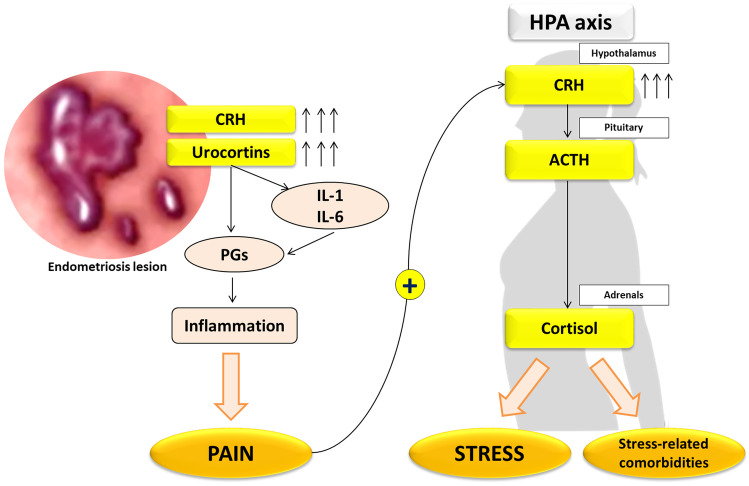
“an involvement of this stress pathway in inflammation is suggested [110].”
§ Hormonal treatments for endometriosis: The endocrine background > Other endocrine aspects > HPA axis and stress hormones
What the sources say
- Supportedcites [110] Novembri R Carrarelli P Toti P Urocortin 2 and urocortin 3 in endometriosis: evidence for a possible role in inflammatory response Mol Hum Reprod 2011 17 9 587 593 10.1093/molehr/gar020 21454316 source
The Discussion (p. 5) reports that Ucn 2 and Ucn 3 regulate secretion of cytokines involved in endometriosis and describes their endometrial modulation through CRH-R2. The Introduction (p. 2) identifies these neuropeptides with the CRH pathway, so the citing sentence's suggested involvement of a stress pathway in inflammation is supported. (LLM, conf=0.92)
hedgedstates a possible cause- Asserted: passes — The authors put it forward as true.
- Checkable: passes — It can be checked against evidence.
- Load-bearing: unclear — It is unclear whether the paper’s conclusions depend on it.
- Based: passes — The paper gives a reason why it holds.
- Supported
Every source the paper cites for this claim was checked and supports it.
In the paper
“increased serum cortisol levels were detected in infertile women with endometriosis, especially in those with advanced stage of disease [105].”
§ Hormonal treatments for endometriosis: The endocrine background > Other endocrine aspects > HPA axis and stress hormones
What the sources say
- Supportedcites [105] Lima AP, Moura MD, Rosa e Silva AAM. Prolactin and cortisol levels in women with endometriosis. Brazilian J Med Biol Res. 2006. 10.1590/S0100-879X2006000800015. 16906287 source
The Cortisol concentrations section reports significantly higher serum cortisol in infertile women with stage III–IV endometriosis than in fertile women without endometriosis; women with stage I–II disease had intermediate values. The Discussion also identifies the significant elevation in the advanced-stage group. (LLM, conf=0.94)
plainstates an association- Asserted: passes — The authors put it forward as true.
- Checkable: passes — It can be checked against evidence.
- Load-bearing: unclear — It is unclear whether the paper’s conclusions depend on it.
- Based: passes — The paper gives a reason why it holds.
- Supported
The cited sources support only part of this claim — read each source’s verdict below.
In the paper
“a blunted early morning cortisol response to CRH test was associated with greater menstrual and non-menstrual pain in endometriosis [101].”
§ Hormonal treatments for endometriosis: The endocrine background > Other endocrine aspects > HPA axis and stress hormones
What the sources say
- Partly supportedcites [101] Ortiz R Gemmill JAL Sinaii N Hypothalamic-Pituitary-Adrenal Axis Responses in Women with Endometriosis-Related Chronic Pelvic Pain Reprod Sci 2020 10.1007/s43032-020-00201-x 32572832 PMC12452883 sourceExperimental — accuracy not yet measured
The Discussion reports that a blunted response to early-morning CRH testing was associated with greater menstrual and non-menstrual pain, but this finding came from an analysis restricted to non-black participants that combined women with and without biopsy-confirmed endometriosis. The paper does not establish the association specifically for women with endometriosis or for the full study population. (LLM, conf=0.88)
plainstates an association- Asserted: passes — The authors put it forward as true.
- Checkable: passes — It can be checked against evidence.
- Load-bearing: unclear — It is unclear whether the paper’s conclusions depend on it.
- Based: passes — The paper gives a reason why it holds.
- Partly supported
Every source the paper cites for this claim was checked and supports it.
In the paper
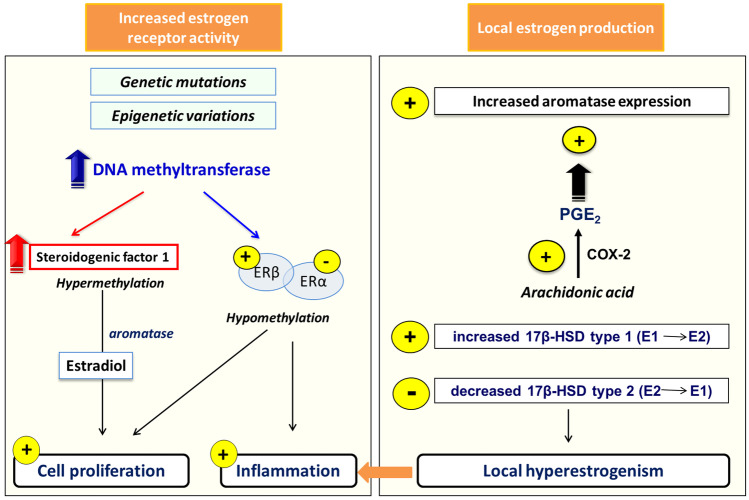
“Clear data show that endometriotic tissue expresses the entire set of steroidogenic genes, including aromatase, allowing to local de-novo estradiol (E2) production. [33]”
§ Hormonal treatments for endometriosis: The endocrine background > Endocrine changes in endometriosis > HPO axis hormones
What the sources say
- Supportedcites [33] Bulun SE Yilmaz BD Sison C Endometriosis Endocr Rev 2019 10.1210/er.2018-00242 30994890 PMC6693056 source
The supplied passage labeled Abstract states that endometriotic tissue expresses the complete set of steroidogenic genes, including aromatase, allowing local conversion of cholesterol to estradiol. This directly supports the claim of local de novo estradiol production. (LLM, conf=0.95)
boostedstates a cause- Asserted: passes — The authors put it forward as true.
- Checkable: passes — It can be checked against evidence.
- Load-bearing: passes — The paper’s conclusions depend on it.
- Based: passes — The paper gives a reason why it holds.
- Supported
The cited sources support only part of this claim — read each source’s verdict below.
In the paper
“Autoimmune thyroid disorders are frequently found in endometriosis patients”
§ Hormonal treatments for endometriosis: The endocrine background > Other endocrine aspects > Thyroid hormones
What the sources say
- Not checked — no full text of the sourcecites [113] Sinaii N Cleary SD Ballweg ML Nieman LK Stratton P High rates of autoimmune and endocrine disorders, fibromyalgia, chronic fatigue syndrome and atopic diseases among women with endometriosis: a survey analysis Hum Reprod 2002 17 10 2715 2724 10.1093/humrep/17.10.2715 12351553 source
- Not checked — no full text of the sourcecites [114] Poppe K Velkeniers B Glinoer D The role of thyroid autoimmunity in fertility and pregnancy Nat Clin Pract Endocrinol Metab 2008 4 7 394 405 10.1038/ncpendmet0846 18506157 source
- Partly supportedcites [115] Yuk JS Park EJ Seo YS Kim HJ Kwon SY Park WI Graves disease is associated with endometriosis: A 3-year population-based cross-sectional study Med (United States) 2016 95 10 1 5 10.1097/MD.0000000000002975 PMC4998884 26962803 sourceExperimental — accuracy not yet measured
The Discussion reports a higher prevalence of Graves disease, an autoimmune thyroid disorder, among women with endometriosis than among controls. But the Results found no significant association for autoimmune hypothyroidism, so the paper does not support the broader claim that autoimmune thyroid disorders generally are frequently found in endometriosis patients. (LLM, conf=0.88)
plainstates an association- Asserted: passes — The authors put it forward as true.
- Checkable: passes — It can be checked against evidence.
- Load-bearing: unclear — It is unclear whether the paper’s conclusions depend on it.
- Based: passes — The paper gives a reason why it holds.
107 more claims · 35 with their cited sources checked
Create a free account to see all 214 claims and to verify the 4 references still open.
- It may state two separate claims as one. 94
- Probably not a substantial claim. 13
Claims other papers make about this one
Each is checked against this paper’s own text: does it say what the citing paper says it does?
The source backs part of the claim, not all of it — or backs it for a different population, condition or comparison.
In the citing paper
“adenomyosis (AD) and certain subtypes of endometriosis, such as deep endometriosis (DE), do not respond to hormonal treatment as well as ovarian endometrioma (OE) (Stratopoulou et al., 2021; Vannuccini et al., 2022)”
From Progressively diminished estrogen signaling concordant with increased fibrosis in ectopic endometrium (2025) · cites this paper as Vannuccini et al., 2022
Experimental — accuracy not yet measured
Self-check
Percentages, sums and reported differences re-computed from the paper’s own numbers.
Self-check results appear here once an independent check has confirmed them.
Cited works that were retracted
Works this paper cites that were later retracted, from the retraction notices publishers deposit. Major when the notice came out before this paper was published.
A note, not an issue: for example, a cited work that was retracted only after this paper was published, which its authors could not have known.
In the paper
“Mousa SA, O’Connor LJ, Bergh JJ, Davis FB, Scanlan TS, Davis PJ. The proangiogenic action of thyroid hormone analogue GC-1 is initiated at an integrin. J Cardiovasc Pharmacol. 2005;46(3):356–60. https://doi.org/10.1097/01.fjc.0000175438.94906.a0.”
Cited work 10.1097/01.fjc.0000175438.94906.a0 · retracted 2023-09-08 · notice 10.1097/fjc.0000000000001471 · this paper published 2021-08-17
Citations
Cites
1 retracted
The Proangiogenic Action of Thyroid Hormone Analogue GC-1 Is Initiated at an Integrin: [RETRACTED]
(2005) · Journal of Cardiovascular Pharmacology · doi:10.1097/01.fjc.0000175438.94906.a0 · Cited by 85
RetractedCentral sensitization: implications for the diagnosis and treatment of pain
Woolf, C. J. (2011) · Pain · doi:10.1016/j.pain.2010.09.030 · Cited by 4,771
ESHRE guideline: management of women with endometriosis
Dunselman, G. A. J., Vermeulen, N., Becker, C., Calhaz-Jorge, C., D'Hooghe, T., De Bie, B., Heikinheimo, O., Horne, A. W., Kiesel, L., Nap, A., et al. (2014) · Human Reproduction · doi:10.1093/humrep/det457 · Cited by 2,211
Pathogenesis and pathophysiology of endometriosis
Burney, R. O., & Giudice, L. C. (2012) · Fertility and Sterility · doi:10.1016/j.fertnstert.2012.06.029 · Cited by 1,590 · cited 1×
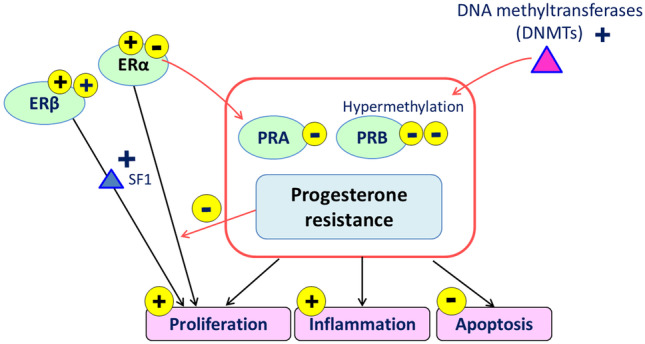
“Since P4 signaling is required to counteract E2-induced proliferation and to promote decidualization [55], the loss of P4-responsiveness leads to both an increased growth of endometriotic lesions and to a non-receptive endometrium [33, 56].”
BackgroundZondervan, K. T., Becker, C. M., Koga, K., Missmer, S. A., Taylor, R. N., & Viganò, P. (2018) · Nature Reviews Disease Primers · doi:10.1038/s41572-018-0008-5 · Cited by 1,257
Fries, E., Hesse, J., Hellhammer, J., & Hellhammer, D. H. (2005) · Psychoneuroendocrinology · doi:10.1016/j.psyneuen.2005.04.006 · Cited by 1,204 · cited 1×
“A paradoxical hypocortisolism like an adrenal fatigue [98] may exacerbate painful symptoms by reducing the endogenous analgesia associated with stress (stress-induced analgesia) [99] [100].”
BackgroundRethinking mechanisms, diagnosis and management of endometriosis
Chapron, C., Marcellin, L., Borghese, B., & Santulli, P. (2019) · Nature Reviews Endocrinology · doi:10.1038/s41574-019-0245-z · Cited by 1,084 · cited 4×
“Based on patient’s symptoms and the desire of pregnancy, an individualized approach aiming to reduce pain, stress, stress-related comorbidities and to improve QoL should be used for an adequate management [1, 21, 25].”
BackgroundMethodInfluentialBulun, S. E., Yilmaz, B. D., Sison, C., Miyazaki, K., Bernardi, L., Liu, S., Kohlmeier, A., Yin, P., Milad, M., & Wei, J. (2019) · Endocrine Reviews · doi:10.1210/er.2018-00242 · Cited by 844
Clinical diagnosis of endometriosis: a call to action
Agarwal, S. K., Chapron, C., Giudice, L. C., Laufer, M. R., Leyland, N., Missmer, S. A., Singh, S. S., & Taylor, H. S. (2019) · American Journal of Obstetrics and Gynecology · doi:10.1016/j.ajog.2018.12.039 · Cited by 843 · cited 2×
“Since these symptoms are not specific to endometriosis and may be signs of other gynecological or non-gynecological conditions, misdiagnosis or a significant delay in endometriosis identification is frequently reported [17].”
BackgroundKim, K. H., Jeong, Y. T., Oh, H., Kim, S. H., Cho, J. M., Kim, Y.-N., Kim, S. S., Kim, D. H., Hur, K. Y., Kim, H. K., et al. (2013) · Nature Medicine · doi:10.1038/nm.3014 · Cited by 774
Research works printed but not linked: 8
- Bulun SE Monsavais D Pavone ME Role of estrogen receptor-beta in endometriosis Semin Reprod Med 2012 30 1 39 45 10.1055/s-0031-1299596 22271293 PMC4034571 · DOI · Paper page
- Reis FM Petraglia F Taylor RN Endometriosis: Hormone regulation and clinical consequences of chemotaxis and apoptosis Hum Reprod Update 2013 10.1093/humupd/dmt010 23539633 PMC3682670 · DOI · Paper page
- Han SJ Jung SY Wu SP Estrogen Receptor β Modulates Apoptosis Complexes and the Inflammasome to Drive the Pathogenesis of Endometriosis Cell 2015 10.1016/j.cell.2015.10.034 26544941 PMC4640214 · DOI · Paper page
- Burney RO Giudice LC Pathogenesis and pathophysiology of endometriosis Fertil Steril 2012 10.1016/j.fertnstert.2012.06.029 22819144 PMC3836682 · DOI · Paper page
- Barra F Grandi G Tantari M Scala C Facchinetti F Ferrero S A comprehensive review of hormonal and biological therapies for endometriosis: latest developments Expert Opin Biol Ther 2019 19 4 343 360 10.1080/14712598.2019.1581761 30763525 · DOI · Paper page
- Dunselman GAJ Vermeulen N Becker C ESHRE guideline: Management of women with endometriosis Hum Reprod 2014 10.1093/humrep/det457 24435778 · DOI · Paper page
- Leonardo-Pinto JP Benetti-Pinto CL Cursino K Yela DA Dienogest and deep infiltrating endometriosis: The remission of symptoms is not related to endometriosis nodule remission Eur J Obstet Gynecol Reprod Biol 2017 10.1016/j.ejogrb.2017.02.015 28231497 · DOI · Paper page
- Techatraisak K Hestiantoro A Ruey S Effectiveness of dienogest in improving quality of life in Asian women with endometriosis (ENVISIOeN): Interim results from a prospective cohort study under real-life clinical practice BMC Womens Health 2019 10.1186/s12905-019-0758-6 31096979 PMC6524261 · DOI · Paper page
Cited by
Items 101–200 of 327
Liao, L., Pan, Z., & Li, Y. (2025) · Archives of Gynecology and Obstetrics · doi:10.1007/s00404-025-08137-w · Cited by 15
“Hormonal therapy remains the recommended first-line treat-ment for endometriosis [3, 34], primarily due to its noninvasive nature and efficacy in controlling disease progression.”
Candan, A., Schwartz, A. K., Birchler, K., & Leeners, B. (2025) · Journal of Psychosomatic Research · doi:10.1016/j.jpsychores.2025.112346 · Cited by 8
Utkarsh, K., Srivastava, N., Papayannakos, C. J., Nayyar, A., Khan, A. U., & Haque, S. (2023) · Extracellular Vesicles and Circulating Nucleic Acids · doi:10.20517/evcna.2023.43 · Cited by 9
Endometriosis in Adolescence: A Narrative Review of the Psychological and Clinical Implications
Panvino, F., Paparella, R., Pisani, F., Tarani, F., Ferraguti, G., Fiore, M., Ardizzone, I., & Tarani, L. (2025) · Diagnostics · doi:10.3390/diagnostics15050548 · Cited by 16
“Some studies suggest that hormonal therapies may help reduce depressive and anxiety symptoms by alleviating pain [45], whereas others highlight potential side effects, such as mood swings, fatigue, and decreased libido, which could negatively affect psychological well-being [179].”
Canis, M. J., & Guo, S. (2023) · Human Reproduction · doi:10.1093/humrep/dead061 · Cited by 9
Rectus Abdominis Muscle Endometriosis: A Unique Case Report with a Literature Review
Turčić, M., Matušan Ilijaš, K., Rajković Molek, K., & Valković Zujić, P. (2025) · Current Issues in Molecular Biology · doi:10.3390/cimb47010047 · Cited by 6
“This is especially true for RAE, which often presents with atypical symptoms and occurs in locations unrelated to previous incisions or in women with no history of endometriosis or prior surgeries.”
Reduced model for female endocrine dynamics: Validation and functional variations
Graham, E. J., Elhadad, N., & Albers, D. J. (2023) · Mathematical Biosciences · doi:10.1016/j.mbs.2023.108979 · Cited by 9
Correlation between lipid metabolism and endometriosis: a meta-analysis
Yang, X., Xue, X., Zhu, Y., & Zhang, Z. (2025) · Gynecological Endocrinology · doi:10.1080/09513590.2025.2500459 · Cited by 12
“On the contrary, it has also been reported that patients with endometriosis have abnormal changes in blood lipid metabolism before drug and hormone therapy [37,38].”
Gao, Z., & Du, J. (2025) · Frontiers in Medicine · doi:10.3389/fmed.2025.1594702 · Cited by 9
Gu, Y., Yin, S., Bi, B., Jiang, Y., & Ruan, F. (2025) · BMC Women s Health · doi:10.1186/s12905-025-03985-9 · Cited by 8
“Additionally, OCPs alleviate pain via prostaglandin synthesis inhibition and demonstrate prophylactic efficacy against postoperative dysmenorrhea recurrence and endometriosis relapse [7].”
Anchan, M. M., & Dutta, R. (2025) · American Journal of Reproductive Immunology · doi:10.1111/aji.70179 · Cited by 7
“Hormonal suppression, however beneficial for pain, has side effects and commonly shows recurrence after cessation [163].”
Medical treatments of endometriosis: a review
Elbasueny, B., Geerts, M., Yang, E. C., Allaire, C., Yong, P. J., & Bedaiwy, M. A. (2022) · Reproductive and Developmental Medicine · doi:10.1097/rd9.0000000000000053 · Cited by 12
Next step in the development of mesoprogestins: the preclinical profile of EC313
Błaszczak-Świątkiewicz, K., Krupa, A., Mnich, E., Elger, W. A. G., Oettel, M., Nair, H. B. B., Wierzbicki, M., Sieroszewski, P., & Shaked, Z. (2023) · Frontiers in Endocrinology · doi:10.3389/fendo.2023.1201547 · Cited by 7
Research Progress of Caspase in Endometriosis
Yang, Y., Li, L., Qi, Y.-X., & Liu, D.-J. (2024) · Reproductive Sciences · doi:10.1007/s43032-023-01425-3 · Cited by 10
“However, the late secretory and menstrual phases are characterized by apoptosis, and endometrial tissue can eliminate senescent cells in the functional layer via apoptosis [6–8].”
Urinary Tract Endometriosis: How to Predict and Prevent Recurrence after Primary Surgical Excision
Di Maida, F., Lambertini, L., Grosso, A. A., Mari, A., Vannuccini, S., Capezzuoli, T., Fambrini, M., Petraglia, F., & Minervini, A. (2022) · Journal of Minimally Invasive Gynecology · doi:10.1016/j.jmig.2022.07.004 · Cited by 5
Self-citationZhu, L., Chen, Z., Liu, H., Wang, G., Dynowski, K., Zhang, S., Wang, L., Wang, W., Gan, X., Hou, S., et al. (2025) · The Lancet Obstetrics Gynaecology & Women s Health · doi:10.1016/j.lanogw.2025.100032 · Cited by 9
Precise capture of circulating endometrial cells in endometriosis
Wang, S., Cheng, H., Zhu, H., Yu, X., Xue, Y., & Chang, X. (2024) · Chinese Medical Journal · doi:10.1097/cm9.0000000000002910 · Cited by 5
“[12,13] In 2017, our research group detected circulating endometrial cells (CECs) in the peripheral blood of EM patients with the microfluidic chip method, and the detection rate was 89.5% (17/19), [14] suggesting that CECs may be useful as a new type of biomarker for the diagnosis of EM.”
InfluentialHao, H., Li, M., Zhang, C., & Zhang, S. (2024) · Frontiers in Medicine · doi:10.3389/fmed.2024.1412126 · Cited by 6
“Leuprorelin may improve the clinical symptoms of infertility patients by affecting the above hormones and is commonly used in treating endometriosis (20).”
BackgroundEndometriosis Is More Than a Painful Period. Period
Fleming, A., & Hardy, A. (2024) · The Journal for Nurse Practitioners · doi:10.1016/j.nurpra.2024.105232 · Cited by 5
Safety Profile of Gestrinone: A Systematic Review
Fagundes, V. L., Marques, N. C. B., de Lima, A. P. R., Cobre, A. D. F., Tonin, F. S., Lazo, R. E. L., & Pontarolo, R. (2025) · Pharmaceutics · doi:10.3390/pharmaceutics17050638 · Cited by 8
“, 30,34,37,38 , 40,43,44 , 46,”
Smoking and endometriosis: A narrative review
Vallée, A., Féki, A., Josseran, L., & Ayoubi, J.-M. (2025) · Tobacco Induced Diseases · doi:10.18332/tid/203429 · Cited by 8
Recent advancements and future applications of intrauterine drug delivery systems
Abhang, A., & Burgess, D. J. (2025) · Expert Opinion on Drug Delivery · doi:10.1080/17425247.2025.2490266 · Cited by 5
“These hormone-based treatments do help in alleviating the pain but cause severe adverse effects due to decreased ovarian function [122].”
Diagnostic and therapeutic approaches for endometriosis: a patent landscape
Singh, M., Jassal, R., & Khetarpal, P. (2023) · Archives of Gynecology and Obstetrics · doi:10.1007/s00404-023-07151-0 · Cited by 8
Matsuzaki, S., & Canis, M. J. (2025) · European Journal of Obstetrics & Gynecology and Reproductive Biology · doi:10.1016/j.ejogrb.2025.114788 · Cited by 4
Signaling pathways and advances in targeted therapy for adenomyosis
Li, Y., Zhang, H., Ding, Y., Zhao, Y., Li, Y., & Qin, T. (2025) · Frontiers in Cell and Developmental Biology · doi:10.3389/fcell.2025.1685525 · Cited by 6
“…progesterone (P4) influences inflammation-related signaling pathways, such as inhibiting the NF-κB pathway; however, in the context of progesterone resistance, the inhibitory effect on this signaling pathway is reduced, promoting the development of ectopic lesions (Vannuccini et al., 2022).”
Popescu, R., Flangea, C., Vlad, D. C., Cobec, I. M., Seropian, P., Marina, C. D. L. C., Vlad, T., Dumitrascu, A. L., & Puscasiu, D. A. (2025) · Cancers · doi:10.3390/cancers18010073 · Cited by 5
“Additionally, third-generation non-steroid AIs are also utilized in endometriosis management to reduce pain-related symptoms [64].”
Role of hormonal therapies in endometriosis: balancing efficacy and safety
Ferrero, S., Paudice, M., Perrone, U., Rosato, F. P., Gullo, G., Vellone, V. G., & Barra, F. (2026) · Expert Opinion on Pharmacotherapy · doi:10.1080/14656566.2026.2685064 · Cited by 8
Exercise and endometriosis—is there a promising future? A narrative review
McKnight, K., Omotosho, O., Jassim, S., & Cotter, A. M. (2024) · Irish Journal of Medical Science (1971 -) · doi:10.1007/s11845-024-03733-2 · Cited by 13
“Hormonal treatments are integral to the current mainstay of treatment for women with endometriosis [16, 19, 102] with their benefits supporting the theory that endometriosis is entangled with an oestrogen-mediated process [103].”
Weighing up GnRH agonist therapy for endometriosis: outcomes and the treatment paradigm
Carneiro, M. M. (2025) · Expert Opinion on Pharmacotherapy · doi:10.1080/14656566.2025.2459783 · Cited by 4
“The net effect is amenorrhea, hypoestrogenism, and endometriotic lesion regression [14,17].”
Taniguchi, F., Fukui, M., Osuga, Y., Harada, T., & Kitawaki, J. (2025) · Trials · doi:10.1186/s13063-025-08750-9 · Cited by 5
Endometriosis‐Associated Periodontal Disease: A Large Cohort Perspective Study
Agneta, M. T., D’Albis, G., Lorusso, L., Bartolomeo, N., Abbinante, A., Antonacci, A. C., Signorile, P. G., D’Aiuto, F., Mazza, E., Corsalini, M., et al. (2025) · Oral Diseases · doi:10.1111/odi.70044 · Cited by 5
Lu, Q., Wu, M., Li, H., Zhou, Y. J., Xian, M., Huang, W., Piao, X., & Ge, Y. (2023) · Chemistry & Biodiversity · doi:10.1002/cbdv.202300646 · Cited by 4
Progestins and combined oral contraceptives in the hormonal treatment of endometriosis – a review
Rojek, K. (2023) · European Journal of Clinical and Experimental Medicine · doi:10.15584/ejcem.2023.2.21 · Cited by 6
Diet characteristics in patients with endometriosis
Ruotolo, A., Vannuccini, S., Capezzuoli, T., Pampaloni, F., Cecere, S., Gallucci, E., & Petraglia, F. (2024) · Journal of Endometriosis and Uterine Disorders · doi:10.1016/j.jeud.2024.100094 · Cited by 9
Self-citationYu, M., Yang, L., Pei, Y., & Xu, M. (2024) · Journal of Molecular Histology · doi:10.1007/s10735-024-10301-6 · Cited by 6
“Hormonal drugs are the most used drugs in medical treatment and are based on endocrine pathogenetic aspects, however, their use is limited by a number of adverse events (Vannuccini et al. 2022).”
Entangled Illnesses: Embodied Experiences of Managing Multimorbidity
Oikkonen, V., Helosvuori, E., Ganesh, A., & Rokkonen, L. A. (2025) · Sociology of Health & Illness · doi:10.1111/1467-9566.70006 · Cited by 5
Endometriose: fisiopatologia e manejo terapêutico
Moreira, M. L., Vitório, L. L. M. R., Mazzarollo, A. V. S., Schiezari, B. A., de Souza, J. R., dos Santos, C. R., de Carvalho, N. C., & Vilaça, R. S. (2022) · Brazilian Journal of Development · doi:10.34117/bjdv8n11-255 · Cited by 8
Proestling, K., Schreiber, M. J., Miedl, H., Hudson, Q. J., Husslein, H., Kuessel, L., Gstoettner, M., Wenzl, R. J., & Yotova, I. (2024) · Biomedicines · doi:10.3390/biomedicines12081657 · Cited by 5
“…are known to play an important role in estrogen-mediated adhesion of endometriotic tissue to the peritoneum, the production of cytokines, prostaglandins and growth factors important for neoangiogenic and local inflammatory responses supporting the survival and the growth of the ectopic lesion [42].”
BackgroundFertility Preservation in Female Children and Adolescent Cancer Patients
Wang, M., & Yang, C. (2025) · Children · doi:10.3390/children12050647 · Cited by 9
“Recent research indicates that the resection of a unilateral ovary can result in a 50% reduction in AMH levels in patients [13], potentially impacting the short-term growth and development of children.”
Chapron, C., Parpex, G., den Bosch, T. V., Hend, A. A., Gargiulo, A., Stockwell, E., Taylor, H., McCarus, S. D., & Petraglia, F. (2026) · Reproductive BioMedicine Online · doi:10.1016/j.rbmo.2026.105642 · Cited by 4
Self-citationHuang, J., Ding, J., Wang, J., Zhang, Y., Sun, B., Hu, G., & Chen, J. (2026) · Scientific Reports · doi:10.1038/s41598-025-07693-0 · Cited by 3
“At present, hormone drugs are mostly used for drug treatment of this disease, and about 30% of patients find it difficult to accept them 20 .”
Endometriosis immune microenvironment timing shifts: from immune escape to immune exhaustion
Fan, W., Zhai, F., & Ruihua, Z. (2026) · Cell Death Discovery · doi:10.1038/s41420-026-02965-8 · Cited by 3
“PGE2 can prevent peritoneal macrophage phagocytosis by suppressing macrophage expression of matrix metalloproteinase(MMP) 9, CD36, and annexin A2, which are linked to PGE2 ’ s activation of the macrophages ’ prostaglandin E receptor 2 signaling pathway [36 – 39].”
Medical Treatment for Endometriosis: One Size Does Not Fit All
Vercellini, P., Salmeri, N., Bandini, V., Conca, B., Viganò, P., Somigliana, E., & Vignali, M. (2026) · Journal of Clinical Medicine · doi:10.3390/jcm15062408 · Cited by 6
Kanno, K., Nakayama, K., Razia, S., Sohel, H. I., Zahan, U. F., Sonia, S. B., Yamashita, H., Ishikawa, M., Ishibashi, T., Imamura, K., et al. (2024) · Current Issues in Molecular Biology · doi:10.3390/cimb46040224 · Cited by 3
“Suppression of PR expression is caused by suppression of estrogen receptor α (ER α ) which increases PR expression [13,14,48], polymorphism [49], promoter hypermethylation [50] and microRNA dysregulation [13].”
BackgroundCo-existence of the abdominal wall and thoracic endometriosis: case report and literature review
Gao, B., Li, Z., Liu, H., Zhou, G., & Lai, X. (2025) · Frontiers in Medicine · doi:10.3389/fmed.2025.1578435 · Cited by 7
“Conventional medications mainly refer to hormone therapy (combined oral contraceptives, gonadotropin-releasing hormone agonists/antagonists, and aromatase inhibitors), which works by blocking the menstrual cycle (32).”
Yuane, E., Dewanto, A., & Widad, S. (2023) · The Indonesian Biomedical Journal · doi:10.18585/inabj.v15i1.2114 · Cited by 5
Li, L., Zhang, Y., Zhou, J., Wang, J., & Wang, L. (2024) · Drug Discoveries & Therapeutics · doi:10.5582/ddt.2024.01004 · Cited by 4
“The impact of EM on patients is substantial and encompasses both physical and psychological aspects ( 4,5 ).”
BackgroundCongenital Anomalies of the Female Genital Tract: A Comprehensive Review
Dahiphale, S. M., Potdar, J., Acharya, N., Jyotsna, G., Saloni, S., & Desale, R. (2024) · Cureus · doi:10.7759/cureus.56753 · Cited by 13
“This approach exemplifies a proactive, patient-centered strategy for managing female genital tract anomalies [33].”
BackgroundStatins: Is it New Weaponry against Endometriosis?
Salam, S., Deeba, F., Banu, J., Ishrat, S., Saha, C., Sinha, S., Patel, P., & Haque, M. (2025) · Advances in Human Biology · doi:10.4103/aihb.aihb_25_25 · Cited by 3
Wang, P., Hsiao, S., Matsuki, S., Hanada, R., Chen, C., Nishimoto-Kakiuchi, A., Sekiya, M., Nakai, K., Matsushima, J., & Sawada, M. (2025) · F&S Reports · doi:10.1016/j.xfre.2025.04.009 · Cited by 15
“Additionally, fertility can be impacted because hormonal treatments disrupt menstrual cycles and ovulation (7, 9).”
Exploring Patient Adherence to Post-Surgical Follow-Up in Pelvic Endometriosis
Szabo, T., Mitranovici, M.-I., Crișan, A., Melinte, I. M., Cotruș, T., Tudorache, V., Moraru, L., Moraru, R., & Micu, R. (2023) · Medicina · doi:10.3390/medicina59071210 · Cited by 2
“This has led to the need for alternative therapies, and operative laparoscopic intervention may be considered superior to diagnostic laparoscopy in alleviating pain, but the associated risks and complications must be taken into account [9,11,12].”
BackgroundInfluentialTorres, P. C., Tàssies, D., Castillo, H., Gràcia, M., Feixas, G., Reverter, J. C., Carmona, F., & Martínez‐Zamora, M. Á. (2025) · European journal of medical research · doi:10.1186/s40001-025-02429-2 · Cited by 2
“…in the expression of the disease, even in DE lesions, with the use of hormonal treatments, inhibiting cyclic bleeding of endometriosis lesions [31–33, Dienogest is a 19-nortestosterone derivative and a selective progesterone receptor agonist that is widely used to treat endometriosis [33, 35].”
Endometriosis can cause gastric obstruction
Tahir, S., Ilyas, M., & Gasem, J. (2025) · European Journal of Case Reports in Internal Medicine · doi:10.12890/2025_005239 · Cited by 2
“Given the oestrogen-dependent nature of endometriosis, a trial of medical therapy such as GnRH agonists, aromatase inhibitors or progestins could have been considered before surgery [10] .”
Temmes, M., Helosvuori, E., & Oikkonen, V. (2025) · BioSocieties · doi:10.1057/s41292-025-00361-6 · Cited by 3
“Endometriosis pain is typically linked to changes in estrogen levels during the menstrual cycle, which cause inflammation around endometriosis tissue, and it can range from mild to severely debilitating (Hudson 2021; Vannuccini et al. 2022).”
Manzi, V., Vannuccini, S., Nacci, F., Mauro, I., Gallone, A., Giani, M., Guiducci, S., & Petraglia, F. (2025) · Journal of Endometriosis and Uterine Disorders · doi:10.1016/j.jeud.2025.100135 · Cited by 3
Self-citationRegulated cell death in endometrial diseases: from molecular mechanisms to targeted therapies
Zi, D., Sun, J. Y., Zuo, N., Li, T., Liang, J., Hu, J., Na, Z., Zhang, H., He, L., & Li, D. (2025) · Archives of Toxicology · doi:10.1007/s00204-025-04192-z · Cited by 4
“For example, the weak estrogen estetrol (E4) restores estrogen receptor alpha/progesterone receptor (ERα/PR) balance by reducing ERβ levels, enhancing anti-apoptotic sensitivity (Vannuccini et al. 2022; Zabala et al. 2024).”
Dückelmann, A. M., Rolke, R., Möller, K., Magerl, W., Mechsner, S., & Köpf, A. (2025) · European Journal of Pain · doi:10.1002/ejp.70163 · Cited by 2
Matsuzaki, S., Pouly, J. L., & Canis, M. J. (2025) · Reproductive Medicine and Biology · doi:10.1002/rmb2.12684 · Cited by 3
Spagnolo, E., Fuentes, B., López, A., de Celada, R. A., Soto, A. B., Ramiro‐Cortijo, D., & Hernández, A. (2025) · BMC Women s Health · doi:10.1186/s12905-025-04148-6 · Cited by 6
“Most treatments for endometriosis involve surgery or medications to suppress ovarian steroid hormones, but these options do not work for everyone [5].”
Raeispour, M., Prisinzano, M., Seidita, I., Romeo, L., Nardi, E., Castiglione, F., Bruni, P., Petraglia, F., Bernacchioni, C., & Donati, C. (2025) · The FASEB Journal · doi:10.1096/fj.202502415r · Cited by 3
“Current endometriosis treatments comprise surgical and hormonal therapies [18], each linked respectively to high rates of recurrence and side effects in long-term administration [19, 20].”
Self-citationInsights on Medical Therapy for Uterine Fibroids: A Review
Pecorella, G., Morciano, A., Sparić, R., Hatırnaz, Ş., Medvediev, M. V., Malvası, A., Damiani, G. R., & Tinelli, A. (2026) · Advances in Therapy · doi:10.1007/s12325-026-03539-x · Cited by 2
Donnez, J., Becker, C. M., Petraglia, F., Horne, A. W., Becker, S., Renner, S. P., Herrera, F. C., Taylor, H. S., Paszkowski, M., Bestel, E., et al. (2026) · Human Reproduction Open · doi:10.1093/hropen/hoag030 · Cited by 3
“ABT, add-back therapy; LGX, linzagolix; TEAE, treatment-emergent adverse event. progestogens (Vercellini et al. , 2016, 2018a,b; Casper, 2017; Vannuccini et al ., 2022), one-third of patients with endometriosis-related pain are not responsive due to progesterone resistance in their lesions (Flores…”
Self-citationSeles, L., Murvai, V.-R., Maghiar, L., Bodog, A., & Huniadi, A. C. (2026) · Medicina · doi:10.3390/medicina62050885 · Cited by 4
“However, the clinical effectiveness of these approaches varies, and current treatments primarily focus on hormonal suppression rather than direct targeting of immune or inflammatory pathways [18,39].”
Hormonal Dysregulation and Neuroinflammation in Endometriosis: Convergent Druggable Pathways
Olteanu, I.-L., Pușcașu, C., Andrei, C., & Zanfirescu, A. (2026) · Current Issues in Molecular Biology · doi:10.3390/cimb48050528 · Cited by 3
Bao, Y., Wu, H., Yao, L., & Yuan, L. (2022) · Gland Surgery · doi:10.21037/gs-21-895 · Cited by 1
Global risks of endometriosis in women – an appraisal
Roy, C., & Mondal, N. (2023) · European Journal of Clinical and Experimental Medicine · doi:10.15584/ejcem.2023.2.27 · Cited by 3
Endometriosis pain or its ‘phantom’ pain? The elephant in the room of research
Moreira, M. D. F., & Oliveira, M. A. P. (2024) · BJOG An International Journal of Obstetrics & Gynaecology · doi:10.1111/1471-0528.17927 · Cited by 2
“9 The same overly narrow perspective on pain that leads to neglecting current diagnostic issues may result in attributing hormonal treatment failure to lesion-related factors, such as progesterone resistance, even in patients who underwent complete resection during diagnosis.”
Jia, Q., Tang, H., Zhong, X., Chen, W., Wu, Y., Wei, W., Zheng, H. Y., & Chen, J. (2024) · Journal of Ovarian Research · doi:10.1186/s13048-024-01531-z · Cited by 2
Living with acuteness in chronic illness: The temporal underpinnings of endometriosis
Oikkonen, V., & Helosvuori, E. (2024) · Medical Anthropology Quarterly · doi:10.1111/maq.12909 · Cited by 4
“…in severe and debilitating ways, endometriosis is nevertheless understood to be a nonlife-threatening disease and is therefore described as a “benign gynecological condition” (Pavone & Lyttle, 2015; Pynnä et al., 2021; Westwood et al., 2023) or a “benign uterine disorder” (Vannuccini et al., 2022).”
Mallis, P. (2025) · World Journal of Stem Cells · doi:10.4252/wjsc.v17.i4.102482 · Cited by 2
Chen, S., & Liu, J. (2022) · Journal of obstetrics and gynaecology research · doi:10.1111/jog.15506 · Cited by 4
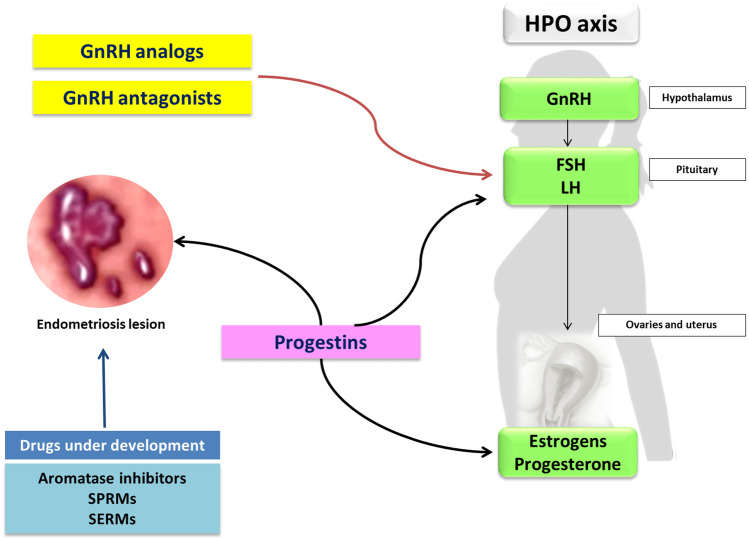
“Given this, Vannuccini proposed the hormonal treatments for endometriosis, which showed that the hormonal treatment could block the menstruation through inhibiting hypothalamus-pituitaryovary axis or causing a pseudodecidualization with consequent amenorrhea, and further impaired the progression of endometriotic impla…”
BackgroundMatthes, A. L. B., Faria, L. R., de Sousa, L. R., et al. (2024) · Brazilian Journal of Health Review · doi:10.34119/bjhrv7n2-256 · Cited by 2
Sardell, J., Das, S., Møller, G., Sanna, M., Chocian, K., Taylor, K., Malinowski, A., Stubberfield, C. R., Rochlin, A., & Gardner, S. (2025) · medRxiv · doi:10.1101/2025.08.13.25333595 · Cited by 2
“Hormone therapies also have significant side effects and are inappropriate for women aiming to conceive 14 , 15 .”
Tata Laksana Terkini untuk Endometriosis
Halim, B., & Adiwinata, T. (2021) · MEDICINUS · doi:10.56951/medicinus.v34i3.77 · Cited by 3
Makoui, R. H., Fekri, S. M., Ansari, N. E., & Makoui, M. H. (2024) · Journal of Turkish Society of Obstetric and Gynecology · doi:10.4274/tjod.galenos.2024.82610 · Cited by 1
“Although these therapies have shown considerable success, they come with undesired side effects due to hormonal suppression and require vigilant monitoring (8,9) .”
BackgroundAbordagens multidisciplinares no manejo da endometriose
Ribeiro, S. L., Carranza, J. S. S., de Jesus, I. D. S. P., Vedana, R. D. F., da Motta, J. P. C., Crepory, M. M., Teixeira, N. R., Silva, M. C. B. E., Casagrande, C., Cursino, P. L. A. D. M., et al. (2024) · Contribuciones a las Ciencias Sociales · doi:10.55905/revconv.17n.8-102 · Cited by 1
Xiao, Q., Hong, L., Li, C., Hong, S., Li, Y., Yu, D., & Liu, H. (2024) · Journal of Endometriosis and Pelvic Pain Disorders · doi:10.1177/22840265241281769 · Cited by 1
“26,27,31 These studies indicate that DNG and COC have similar effects in pain relief, which is also supported by our data.”
Current Science and Practice of Surgical and Nonsurgical Opportunities for Ovarian Cancer Prevention
MacArthur, E., & Stone, R. L. (2024) · Clinical Obstetrics & Gynecology · doi:10.1097/grf.0000000000000900 · Cited by 1
“11,12 While newer screening bioassays are perhaps on horizon, there is much to be gained at this time by focusing on primary prevention strategies.”
Zhao, X., Luo, M., & Tian, Q. (2025) · Future Science OA · doi:10.1080/20565623.2025.2459001 · Cited by 1
Sensitivity Analysis of a Mathematical Model Representing the Female Endocrine Cycle
Horvath, C., Kohlmayer, M.-S., & Körner, A. (2025) · IFAC-PapersOnLine · doi:10.1016/j.ifacol.2025.03.044 · Cited by 1
Mathematical Model Analysis of the Hypothalamus-Pituitary-Thyroid Axis
Horvath, C., Kohlmayer, M.-S., & Körner, A. (2025) · IFAC-PapersOnLine · doi:10.1016/j.ifacol.2025.03.042 · Cited by 1
Lipid accumulation products and endometriosis: A population‐based study from NHANES
Zhang, J., Guo, H., & Zhou, Z. (2025) · International Journal of Gynecology & Obstetrics · doi:10.1002/ijgo.70470 · Cited by 1
“9 Recently, endometriosis has been recognized as a chronic systemic condition affecting various organ systems, having associations with gastro-intestinal and immunologic disorders, ovarian and other gynecologic cancers, as well as thyroid cancer.”
Network pharmacology prediction of UA in targeting endometriosis progression to endometrial cancer
Chauhan, J. K., Kumar, P., Rai, S., Ayesha, S., Dubey, P. K., & Tripathi, A. (2025) · In Silico Pharmacology · doi:10.1007/s40203-025-00492-5 · Cited by 1
GPR30 in spinal cholecystokinin-positive neurons modulates neuropathic pain
Chen, Q., Wu, H. B. K., Xie, S., Zhu, F., Xu, F., Xu, Q., Sun, L., Yang, Y., Xie, L., Xie, J., et al. (2025) · eLife · doi:10.7554/elife.102874.4 · Cited by 2
del Rio, A. S., García‐Mesa, Y., Gutiérrez-Palacios, A., Cuendias, P., Viña, E., Martínez-Barbero, G., Vega, J., & García‐Suárez, O. (2026) · Biomolecules · doi:10.3390/biom16010166 · Cited by 2
“This tissue may proliferate and grow in the proper endometrium or outside the uterus (ovary, peritoneum, urinary bladder, or intestine), or more distantly (lung), originating eutopic or ectopic endometriosis, respectively [3,4].”
Niedenfuehr, J. M., & Stevens, D. M. (2026) · Journal of Endometriosis and Pelvic Pain Disorders · doi:10.1177/22840265251411726 · Cited by 1
Impact of hormonal treatments for endometriosis on the reproductive microbiome: a systematic review
Luppi, S., Topouzova, G. A., Campisciano, G., Giolo, E., Bulfone, T., Rossi, F., Zito, G., Ricci, G., Comar, M., & Andreuzzi, E. (2026) · Frontiers in Microbiology · doi:10.3389/fmicb.2026.1755725 · Cited by 2
“Recent observations indicate that the use of GnRHa and progestins is more effective rather than COCs in reducing disease-associated pain (Vannuccini et al., 2022).”
Jara, J., Alba, C., Fernández, L., Orozco, R., Carrasco, A. L., Garcia, I. B., Jiménez, J. C. V., Soto, A. B., Regidor, P., Gutierrez, R. G. R., et al. (2026) · The European Journal of Contraception & Reproductive Health Care · doi:10.1080/13625187.2026.2644896 · Cited by 4
Dell’Aquila, M., Corte, L. D., Kafetzis, D., Bifulco, G., Carlo, C. D., & Giampaolino, P. (2026) · Gynecological Endocrinology · doi:10.1080/09513590.2026.2662694 · Cited by 2
Detection of activin A and follistatin as potential biomarkers in women with ovarian endometriosis
F.Makki, N., & Kadhum, S. H. (2026) · The Journal of Steroid Biochemistry and Molecular Biology · doi:10.1016/j.jsbmb.2026.107027 · Cited by 1
Gniadek, M., Porubenska, A., Pełka, K., Rzepkowska, Z., & Florjański, J. (2026) · Journal of Clinical Medicine · doi:10.3390/jcm15114297 · Cited by 5
“Other studies also indicate similar efficacy of these methods [59–61].”
Nemeti, G. I., Craciun, A. E., Măgureanu, D. C., Militaru, F. C., Bocșan, I. C., Crăciun, C.-I., Rusu, A., Melincovici, C. S., Buzoianu, A. D., Mureșan, D., et al. (2026) · International Journal of Molecular Sciences · doi:10.3390/ijms27114883 · Cited by 4
“In contrast, progestins suppress inflammatory pathways and responses while promoting apoptotic mechanisms in endometriotic cells [28,146].”
Zahiri, Z., Alborzi, S., Hosseini, S. S. M., Sharifian, F., Khonsarian, Z. S., Goldiani, N. K., Danjeh, M., Etezadi, A., & Amirlatifi, S. (2026) · International Immunopharmacology · doi:10.1016/j.intimp.2026.116988 · Cited by 1
Hernández-Hernández, O. T., Velázquez-Hernández, D. M., & Camacho‐Arroyo, I. (2026) · Current Issues in Molecular Biology · doi:10.3390/cimb48070649 · Cited by 2
“The downregulation of NGF and VEGF by DNG could reduce neuroangiogenesis, a central process in lesion innervation and chronic pelvic pain [32].”
Investigation of Adverse Events Associated with Predicted GnRHR Agonists Using the FAERS Database
Migura, Y., & Uesawa, Y. (2026) · International Journal of Molecular Sciences · doi:10.3390/ijms27156675 · Cited by 1
“However, these drugs have been associated with adverse effects, including amenorrhea, hot flashes, and reduced bone mineral density [10].”
Mailis, A., Ang, S. B., Renna, T. D., Kazatsker, M. M., MacGregor, E. A., Misasi, G., Poli, J. G., Simoncini, T., Wolfman, W., & Nappi, R. E. (2026) · Climacteric · doi:10.1080/13697137.2026.2722558 · Cited by 2
Effects of pharmacological inhibition of hyaluronic acid synthesis on experimental endometriosis
Olivares, C. N., Ricci, A. G., Bilotas, M. A., Alaniz, L. D., Barañao, R. I., & Meresman, G. F. (2022) · European Journal of Clinical Investigation · doi:10.1111/eci.13899 · Cited by 1
Endometrioma: aspectos etiopatogênicos, métodos diagnósticos e manejo terapêutico
Dutra, C. N., Rocha, A. L. D. O., Nascimento, B. S. V. D., et al. (2023) · Brazilian Journal of Development · doi:10.34117/bjdv9n4-092 · Cited by 1
Nutrition in the prevention and management of endometriosis symptoms - a current literature review
Kuć, A. J., & Szymanek, W. P. (2023) · Emergency Medical Service · doi:10.36740/emems202302106 · Cited by 1
Endometriose: fisiopatologia, diagnóstico e abordagem terapêutica
Bastos, L. F., Camacho, S. D., Rodrigues, L. D., et al. (2023) · Brazilian Journal of Health Review · doi:10.34119/bjhrv6n4-211 · Cited by 1
Metadata
- Authors
- Vannuccini, S., Clemenza, S., Rossi, M., & Petraglia, F.
- Affiliations
- Azienda Ospedaliero-Universitaria Careggi (IT)
- Corresponding author
- Petraglia, Felice
- Venue
- Reviews in Endocrine and Metabolic Disorders
- Published
- 2021-08-17
- Volume
- 23
- Issue
- 3
- Pages
- 333-355
- ISSN
- 1389-9155 (ISSN-L)
- 1573-2606
- PMC
- PMC9156507
- OpenAlex
- W3194419458
- Semantic Scholar
- 885f40767e3c457e5ecbc326af5aa6355ccadc21
- Cited by
- 336
- References
- 299
- Citations by year
- 2026: 80 · 2025: 96 · 2024: 75 · 2023: 56 · 2022: 27 · 2021: 2
- FWCI
- 6.56
- Type
- journal article
- Language
- en
- Open access
- hybrid
- doi.org
- Licence
- cc-by
- creativecommons.org/licenses/by/4.0 (tdm)
- creativecommons.org/licenses/by/4.0 (vor)
- Locations
- Reviews in Endocrine and Metabolic Disorders (publishedVersion, cc-by)
- PubMed Central (publishedVersion, cc-by)
- PubMed (publishedVersion)
- Florence Research (University of Florence) (submittedVersion, other-oa)
- Funders
- Università degli Studi di Firenze
- Topics
- Health Sciences › Medicine › Reproductive Medicine › Endometriosis Research and Treatment
- Health Sciences › Medicine › Obstetrics and Gynecology › Ectopic Pregnancy Diagnosis and Management
- Health Sciences › Medicine › Public Health, Environmental and Occupational Health › Menstrual Health and Disorders
- Keywords
- endometriosis, hormone therapy, estrogen dependence, progesterone resistance, GnRH agonist, GnRH antagonist, progestins, combined oral contraceptives, selective progesterone receptor modulators, selective estrogen receptor modulators, aromatase inhibitors, hypothalamic-pituitary-ovarian axis, anti-Müllerian hormone, corticotropin-releasing factor, oxidative stress, inflammation, infertility, dysmenorrhea, comorbidities, recurrence
- MeSH terms
- Endometriosis, Endometrium, Female, Humans, Infertility, Uterine Diseases, Aromatase Inhibitors
About these checks
Registry, retraction, Cites and statistics results are computed, not judged, with one exception: a printed reference that no index lists is read once by a model before it counts as a citation error. Claims are extracted by a model and kept only when their quote appears verbatim in the text; each cited source is then checked, with a model’s help, for whether it says what the claim relies on. Those verdicts can be wrong — read the claim’s quote and the cited source before relying on one.
The claim verdicts this report counts are experimental: their accuracy is not yet measured.
A language model drew the claims from the paper on 2026-09-29, under version 3 of the claim definition (model deepseek-v4.1-flash, prompt extract-v3).
A second model labelled each claim on 2026-09-29 (model jev-1.13-20260917, definition revision gold-guideline-v0.2).
Cited sources are checked with a language model’s help (gpt-6-sol).
Statistics and arithmetic are recomputed, not judged.
Confidence bands are shown only for fields calibrated on our annotated test set. None is calibrated yet, so no band is shown.
What counts as a claim ›How we measure confidence ›How we check this ›
Are you an author, or do you see a problem with this page? Request a review
Data sources
Bibliographic data: Semantic Scholar, OpenAlex, Crossref.
Contains information from the Semantic Scholar Academic Graph Datasets, made available under the ODC Attribution License (ODC-BY 1.0).
Semantic Scholar’s data is described in: Kinney, R., et al. (2023). The Semantic Scholar Open Data Platform. arXiv:2301.10140.
