

Hormonal treatments for endometriosis: The endocrine background
Open accessThe DOI matches its Crossref record; 297 of the 299 references it cites were found in a registry or an index; 98 of the 267 sources its claims cite were checked for support.
Abstract
Endometriosis is a benign uterine disorder characterized by menstrual pain and infertility, deeply affecting women's health. It is a chronic disease and requires a long term management. Hormonal drugs are currently the most used for the medical treatment and are based on the endocrine pathogenetic aspects. Estrogen-dependency and progesterone-resistance are the key events which cause the ectopic implantation of endometrial cells, decreasing apoptosis and increasing oxidative stress, inflammation and neuroangiogenesis. Endometriotic cells express AMH, TGF-related growth factors (inhibin, activin, follistatin) CRH and stress related peptides. Endocrine and inflammatory changes explain pain and infertility, and the systemic comorbidities described in these patients, such as autoimmune (thyroiditis, arthritis, allergies), inflammatory (gastrointestinal/urinary diseases) and mental health disorders.The hormonal treatment of endometriosis aims to block of menstruation through an inhibition of hypothalamus-pituitary-ovary axis or by causing a pseudodecidualization with consequent amenorrhea, impairing the progression of endometriotic implants. GnRH agonists and antagonists are effective on endometriosis by acting on pituitary-ovarian function. Progestins are mostly used for long term treatments (dienogest, NETA, MPA) and act on multiple sites of action. Combined oral contraceptives are also used for reducing endometriosis symptoms by inhibiting ovarian function. Clinical trials are currently going on selective progesterone receptor modulators, selective estrogen receptor modulators and aromatase inhibitors. Nowadays, all these hormonal drugs are considered the first-line treatment for women with endometriosis to improve their symptoms, to postpone surgery or to prevent post-surgical disease recurrence. This review aims to provide a comprehensive state-of-the-art on the current and future hormonal treatments for endometriosis, exploring the endocrine background of the disease.
Overview
CoChat Summary
## TL;DR
This review explains how estrogen dependency, progesterone resistance, and broader endocrine/inflammatory changes shape endometriosis and motivate hormonal treatment. It concludes that hormonal therapies are the cornerstone of management for symptom control, delaying surgery, and reducing postoperative recurrence, though they do not cure the disease.
## Key findings
- Endometriosis is described as a chronic disease affecting reproductive-age women, with prevalence reported as 2–10% in women of reproductive age, 30–50% among infertile women, and 5–21% among women with severe pelvic pain.
- The paper identifies estrogen-dependency and progesterone-resistance as the key endocrine events driving ectopic implantation, reduced apoptosis, increased oxidative stress, inflammation, and neuroangiogenesis.
- GnRH agonists improved endometriosis-associated pain; a meta-analysis of 41 trials found them more effective than placebo and as effective as other progestins for pain relief. Treatment for 3–6 months before ART may increase the odds of clinical pregnancy by fourfold.
- Elagolix (a GnRH antagonist) reduced dysmenorrhea and non-menstrual pelvic pain in two multicenter, double-blind, randomized phase 3 trials over 6 months; extension studies reported benefit over 12 months with improved QoL and reduced analgesic use.
- For postoperative prevention, the LNG-IUS and dienogest lowered recurrence: in one study, recurrence at 6 and 12 months was 3.8% and 9.7% in treatment groups versus 32.5% in controls.
- The review notes that progestins are first-choice therapy per ESHRE guidelines and that about two thirds of patients are satisfied with progestins for symptomatic endometriosis.
## Methods
- Narrative review of the endocrine background of endometriosis and the hormonal therapies used or under development.
- Draws on prior studies, including trials, cohort studies, systematic reviews, meta-analyses, and guideline statements, rather than reporting a new primary dataset.
- Synthesizes evidence across endocrine mechanisms, clinical symptoms, comorbidities, and treatments such as progestins, GnRH agonists/antagonists, COCs, SPRMs, SERMs, and aromatase inhibitors.
## Limitations
- Not stated in the paper. The paper does not describe a formal search strategy, inclusion/exclusion criteria, or systematic review methods.
- Not stated in the paper. It does not quantify the strength of evidence across all interventions in a standardized way, beyond citing selected studies and guidelines.
- Evident from the text: as a review, it is dependent on previously published studies and some therapeutic areas are described as having limited data or insufficient data to permit firm conclusions (for example, SPRMs).
Model-written summary. Check it against the paper before relying on it.
Integrity signals
Registry
Cites
Statistics
Figures
Verification
Claims the paper makes
76 Valid · 8 Not valid · 110 Not checked · 20 Own results and interpretations
Every source the paper cites for this claim was checked and supports it.
In the paper
“an involvement of this stress pathway in inflammation is suggested [110].”
§ Hormonal treatments for endometriosis: The endocrine background > Other endocrine aspects > HPA axis and stress hormones
What the sources say
- Supportedcites [110] Novembri R Carrarelli P Toti P Urocortin 2 and urocortin 3 in endometriosis: evidence for a possible role in inflammatory response Mol Hum Reprod 2011 17 9 587 593 10.1093/molehr/gar020 21454316 source
The Discussion (p. 5) reports that Ucn 2 and Ucn 3 regulate secretion of cytokines involved in endometriosis and describes their endometrial modulation through CRH-R2. The Introduction (p. 2) identifies these neuropeptides with the CRH pathway, so the citing sentence's suggested involvement of a stress pathway in inflammation is supported. (LLM, conf=0.92)
hedgedstates a possible cause- Asserted: passes — The authors put it forward as true.
- Checkable: passes — It can be checked against evidence.
- Load-bearing: unclear — It is unclear whether the paper’s conclusions depend on it.
- Based: passes — The paper gives a reason why it holds.
- Supported
Every source the paper cites for this claim was checked and supports it.
In the paper
“increased serum cortisol levels were detected in infertile women with endometriosis, especially in those with advanced stage of disease [105].”
§ Hormonal treatments for endometriosis: The endocrine background > Other endocrine aspects > HPA axis and stress hormones
What the sources say
- Supportedcites [105] Lima AP, Moura MD, Rosa e Silva AAM. Prolactin and cortisol levels in women with endometriosis. Brazilian J Med Biol Res. 2006. 10.1590/S0100-879X2006000800015. 16906287 source
The Cortisol concentrations section reports significantly higher serum cortisol in infertile women with stage III–IV endometriosis than in fertile women without endometriosis; women with stage I–II disease had intermediate values. The Discussion also identifies the significant elevation in the advanced-stage group. (LLM, conf=0.94)
plainstates an association- Asserted: passes — The authors put it forward as true.
- Checkable: passes — It can be checked against evidence.
- Load-bearing: unclear — It is unclear whether the paper’s conclusions depend on it.
- Based: passes — The paper gives a reason why it holds.
- Supported
The cited sources support only part of this claim — read each source’s verdict below.
In the paper
“a blunted early morning cortisol response to CRH test was associated with greater menstrual and non-menstrual pain in endometriosis [101].”
§ Hormonal treatments for endometriosis: The endocrine background > Other endocrine aspects > HPA axis and stress hormones
What the sources say
- Partly supportedcites [101] Ortiz R Gemmill JAL Sinaii N Hypothalamic-Pituitary-Adrenal Axis Responses in Women with Endometriosis-Related Chronic Pelvic Pain Reprod Sci 2020 10.1007/s43032-020-00201-x 32572832 PMC12452883 sourceExperimental — accuracy not yet measured
The Discussion reports that a blunted response to early-morning CRH testing was associated with greater menstrual and non-menstrual pain, but this finding came from an analysis restricted to non-black participants that combined women with and without biopsy-confirmed endometriosis. The paper does not establish the association specifically for women with endometriosis or for the full study population. (LLM, conf=0.88)
plainstates an association- Asserted: passes — The authors put it forward as true.
- Checkable: passes — It can be checked against evidence.
- Load-bearing: unclear — It is unclear whether the paper’s conclusions depend on it.
- Based: passes — The paper gives a reason why it holds.
- Partly supported
Every source the paper cites for this claim was checked and supports it.
In the paper
“Clear data show that endometriotic tissue expresses the entire set of steroidogenic genes, including aromatase, allowing to local de-novo estradiol (E2) production. [33]”
§ Hormonal treatments for endometriosis: The endocrine background > Endocrine changes in endometriosis > HPO axis hormones
What the sources say
- Supportedcites [33] Bulun SE Yilmaz BD Sison C Endometriosis Endocr Rev 2019 10.1210/er.2018-00242 30994890 PMC6693056 source
The supplied passage labeled Abstract states that endometriotic tissue expresses the complete set of steroidogenic genes, including aromatase, allowing local conversion of cholesterol to estradiol. This directly supports the claim of local de novo estradiol production. (LLM, conf=0.95)
boostedstates a cause- Asserted: passes — The authors put it forward as true.
- Checkable: passes — It can be checked against evidence.
- Load-bearing: passes — The paper’s conclusions depend on it.
- Based: passes — The paper gives a reason why it holds.
- Supported
The cited sources support only part of this claim — read each source’s verdict below.
In the paper
“Autoimmune thyroid disorders are frequently found in endometriosis patients”
§ Hormonal treatments for endometriosis: The endocrine background > Other endocrine aspects > Thyroid hormones
What the sources say
- Not checked — no full text of the sourcecites [113] Sinaii N Cleary SD Ballweg ML Nieman LK Stratton P High rates of autoimmune and endocrine disorders, fibromyalgia, chronic fatigue syndrome and atopic diseases among women with endometriosis: a survey analysis Hum Reprod 2002 17 10 2715 2724 10.1093/humrep/17.10.2715 12351553 source
- Not checked — no full text of the sourcecites [114] Poppe K Velkeniers B Glinoer D The role of thyroid autoimmunity in fertility and pregnancy Nat Clin Pract Endocrinol Metab 2008 4 7 394 405 10.1038/ncpendmet0846 18506157 source
- Partly supportedcites [115] Yuk JS Park EJ Seo YS Kim HJ Kwon SY Park WI Graves disease is associated with endometriosis: A 3-year population-based cross-sectional study Med (United States) 2016 95 10 1 5 10.1097/MD.0000000000002975 PMC4998884 26962803 sourceExperimental — accuracy not yet measured
The Discussion reports a higher prevalence of Graves disease, an autoimmune thyroid disorder, among women with endometriosis than among controls. But the Results found no significant association for autoimmune hypothyroidism, so the paper does not support the broader claim that autoimmune thyroid disorders generally are frequently found in endometriosis patients. (LLM, conf=0.88)
plainstates an association- Asserted: passes — The authors put it forward as true.
- Checkable: passes — It can be checked against evidence.
- Load-bearing: unclear — It is unclear whether the paper’s conclusions depend on it.
- Based: passes — The paper gives a reason why it holds.
107 more claims · 35 with their cited sources checked
Create a free account to see all 214 claims and to verify the 4 references still open.
- It may state two separate claims as one. 94
- Probably not a substantial claim. 13
Claims other papers make about this one
Each is checked against this paper’s own text: does it say what the citing paper says it does?
The source backs part of the claim, not all of it — or backs it for a different population, condition or comparison.
In the citing paper
“adenomyosis (AD) and certain subtypes of endometriosis, such as deep endometriosis (DE), do not respond to hormonal treatment as well as ovarian endometrioma (OE) (Stratopoulou et al., 2021; Vannuccini et al., 2022)”
From Progressively diminished estrogen signaling concordant with increased fibrosis in ectopic endometrium (2025) · cites this paper as Vannuccini et al., 2022
Experimental — accuracy not yet measured
Self-check
Percentages, sums and reported differences re-computed from the paper’s own numbers.
Self-check results appear here once an independent check has confirmed them.
Cited works that were retracted
Works this paper cites that were later retracted, from the retraction notices publishers deposit. Major when the notice came out before this paper was published.
A note, not an issue: for example, a cited work that was retracted only after this paper was published, which its authors could not have known.
In the paper
“Mousa SA, O’Connor LJ, Bergh JJ, Davis FB, Scanlan TS, Davis PJ. The proangiogenic action of thyroid hormone analogue GC-1 is initiated at an integrin. J Cardiovasc Pharmacol. 2005;46(3):356–60. https://doi.org/10.1097/01.fjc.0000175438.94906.a0.”
Cited work 10.1097/01.fjc.0000175438.94906.a0 · retracted 2023-09-08 · notice 10.1097/fjc.0000000000001471 · this paper published 2021-08-17
Citations
Cites
1 retracted
The Proangiogenic Action of Thyroid Hormone Analogue GC-1 Is Initiated at an Integrin: [RETRACTED]
(2005) · Journal of Cardiovascular Pharmacology · doi:10.1097/01.fjc.0000175438.94906.a0 · Cited by 85
RetractedCentral sensitization: implications for the diagnosis and treatment of pain
Woolf, C. J. (2011) · Pain · doi:10.1016/j.pain.2010.09.030 · Cited by 4,771
ESHRE guideline: management of women with endometriosis
Dunselman, G. A. J., Vermeulen, N., Becker, C., Calhaz-Jorge, C., D'Hooghe, T., De Bie, B., Heikinheimo, O., Horne, A. W., Kiesel, L., Nap, A., et al. (2014) · Human Reproduction · doi:10.1093/humrep/det457 · Cited by 2,211
Pathogenesis and pathophysiology of endometriosis
Burney, R. O., & Giudice, L. C. (2012) · Fertility and Sterility · doi:10.1016/j.fertnstert.2012.06.029 · Cited by 1,590 · cited 1×
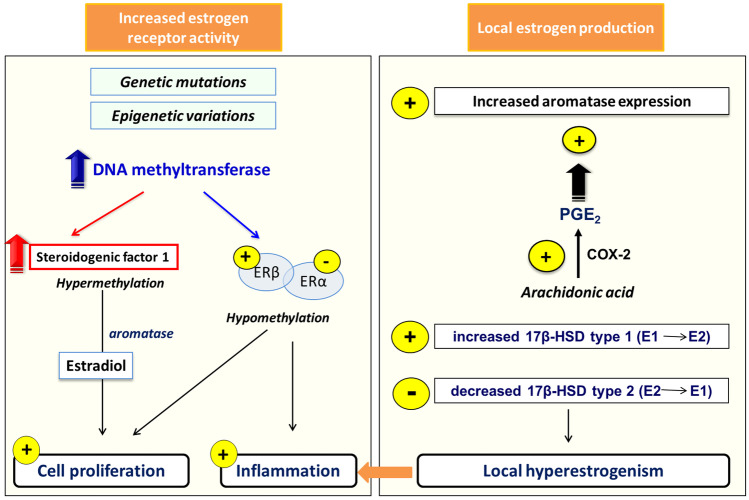
“Since P4 signaling is required to counteract E2-induced proliferation and to promote decidualization [55], the loss of P4-responsiveness leads to both an increased growth of endometriotic lesions and to a non-receptive endometrium [33, 56].”
BackgroundZondervan, K. T., Becker, C. M., Koga, K., Missmer, S. A., Taylor, R. N., & Viganò, P. (2018) · Nature Reviews Disease Primers · doi:10.1038/s41572-018-0008-5 · Cited by 1,257
Fries, E., Hesse, J., Hellhammer, J., & Hellhammer, D. H. (2005) · Psychoneuroendocrinology · doi:10.1016/j.psyneuen.2005.04.006 · Cited by 1,204 · cited 1×
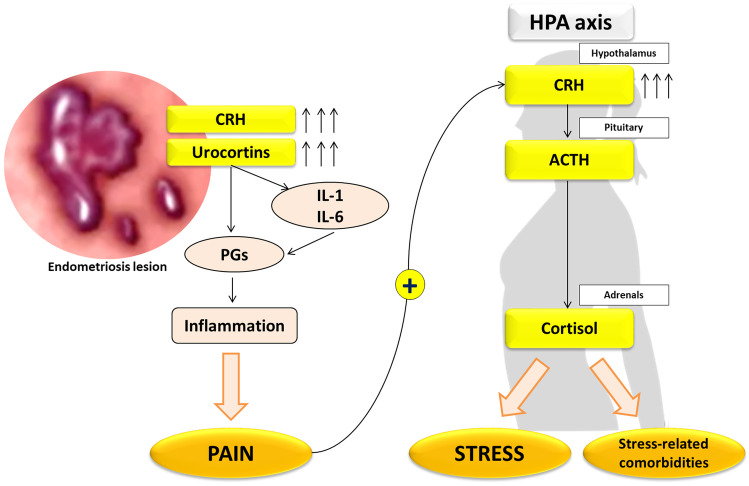
“A paradoxical hypocortisolism like an adrenal fatigue [98] may exacerbate painful symptoms by reducing the endogenous analgesia associated with stress (stress-induced analgesia) [99] [100].”
BackgroundRethinking mechanisms, diagnosis and management of endometriosis
Chapron, C., Marcellin, L., Borghese, B., & Santulli, P. (2019) · Nature Reviews Endocrinology · doi:10.1038/s41574-019-0245-z · Cited by 1,084 · cited 4×
“Based on patient’s symptoms and the desire of pregnancy, an individualized approach aiming to reduce pain, stress, stress-related comorbidities and to improve QoL should be used for an adequate management [1, 21, 25].”
BackgroundMethodInfluentialBulun, S. E., Yilmaz, B. D., Sison, C., Miyazaki, K., Bernardi, L., Liu, S., Kohlmeier, A., Yin, P., Milad, M., & Wei, J. (2019) · Endocrine Reviews · doi:10.1210/er.2018-00242 · Cited by 844
Clinical diagnosis of endometriosis: a call to action
Agarwal, S. K., Chapron, C., Giudice, L. C., Laufer, M. R., Leyland, N., Missmer, S. A., Singh, S. S., & Taylor, H. S. (2019) · American Journal of Obstetrics and Gynecology · doi:10.1016/j.ajog.2018.12.039 · Cited by 843 · cited 2×
“Since these symptoms are not specific to endometriosis and may be signs of other gynecological or non-gynecological conditions, misdiagnosis or a significant delay in endometriosis identification is frequently reported [17].”
BackgroundKim, K. H., Jeong, Y. T., Oh, H., Kim, S. H., Cho, J. M., Kim, Y.-N., Kim, S. S., Kim, D. H., Hur, K. Y., Kim, H. K., et al. (2013) · Nature Medicine · doi:10.1038/nm.3014 · Cited by 774
Burney, R. O., Talbi, S., Hamilton, A. E., Vo, K. C., Nyegaard, M., Nezhat, C. R., Lessey, B. A., & Giudice, L. C. (2007) · Endocrinology · doi:10.1210/en.2006-1692 · Cited by 735 · cited 1×
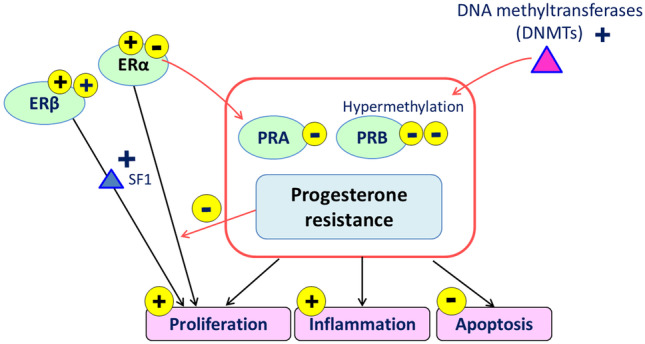
“Progesterone resistance has been well-established in both the endometriotic lesions and eutopic endometrium of women with endometriosis [54].”
BackgroundKao, L. C., Germeyer, A., Tulac, S., Lobo, S., Yang, J. P., Taylor, R. N., Osteen, K., Lessey, B. A., & Giudice, L. C. (2003) · Endocrinology · doi:10.1210/en.2003-0043 · Cited by 696 · cited 1×
“Since P4 signaling is required to counteract E2-induced proliferation and to promote decidualization [55], the loss of P4-responsiveness leads to both an increased growth of endometriotic lesions and to a non-receptive endometrium [33, 56].”
BackgroundSinaii, N. (2002) · Human Reproduction · doi:10.1093/humrep/17.10.2715 · Cited by 620
Aromatase expression in endometriosis.
Noble, L. S., Simpson, E. R., Johns, A., & Bulun, S. E. (1996) · The Journal of Clinical Endocrinology & Metabolism · doi:10.1210/jcem.81.1.8550748 · Cited by 566 · cited 2×
“A feed-forward loop connects hyperestrogenic stimulation with inflammation: the overexpression of cyclooxygenase 2 (COX2) and CYP19A1 increases local production of prostaglandins and estrogen, causing a vicious circle [38].”
BackgroundFrodl, T., & O'Keane, V. (2013) · Neurobiology of Disease · doi:10.1016/j.nbd.2012.03.012 · Cited by 555 · cited 1×
“A paradoxical hypocortisolism like an adrenal fatigue [98] may exacerbate painful symptoms by reducing the endogenous analgesia associated with stress (stress-induced analgesia) [99] [100].”
BackgroundRaffi, F., Metwally, M., & Amer, S. (2012) · The Journal of Clinical Endocrinology & Metabolism · doi:10.1210/jc.2012-1558 · Cited by 546
Endometriosis and pelvic pain: epidemiological evidence of the relationship and implications
Fauconnier, A., & Chapron, C. (2005) · Human Reproduction Update · doi:10.1093/humupd/dmi029 · Cited by 522
Treatment of Endometriosis-Associated Pain with Elagolix, an Oral GnRH Antagonist
Taylor, H. S., Giudice, L. C., Lessey, B. A., Abrao, M. S., Kotarski, J., Archer, D. F., Diamond, M. P., Surrey, E., Johnson, N. P., Watts, N. B., et al. (2017) · New England Journal of Medicine · doi:10.1056/nejmoa1700089 · Cited by 511
De Graaff, A. A., D'Hooghe, T. M., Dunselman, G. A. J., Dirksen, C. D., Hummelshoj, L., WERF EndoCost Consortium, Simoens, S., Bokor, A., Brandes, I., Brodszky, V., et al. (2013) · Human Reproduction · doi:10.1093/humrep/det284 · Cited by 473 · cited 1×
“Painful symptoms and infertility are also associated with psychological stress, low self-esteem, and depression impairing physical, mental, and social well-being [18] and reducing quality of life (QoL) [19].”
BackgroundImpact of endometriosis on quality of life and mental health:Pelvic pain makes the difference
Facchin, F., Barbara, G., Saita, E., Mosconi, P., Roberto, A., Fedele, L., & Vercellini, P. (2015) · Journal of Psychosomatic Obstetrics & Gynecology · doi:10.3109/0167482x.2015.1074173 · Cited by 468 · cited 1×
“In fact, endometriosis has a significantly negative impact on health-related QoL scores and the factors involved are mainly linked to pain symptoms [94].”
BackgroundChronic pelvic pain and endometriosis: translational evidence of the relationship and implications
Stratton, P., & Berkley, K. J. (2011) · Human Reproduction Update · doi:10.1093/humupd/dmq050 · Cited by 442
Endometriosis: a high-risk population for major chronic diseases?
Kvaskoff, M., Mu, F., Terry, K. L., Harris, H. R., Poole, E. M., Farland, L., & Missmer, S. A. (2015) · Human Reproduction Update · doi:10.1093/humupd/dmv013 · Cited by 439
Endometriosis‐associated infertility: aspects of pathophysiological mechanisms and treatment options
Tanbo, T., & Fedorcsak, P. (2017) · Acta Obstetricia et Gynecologica Scandinavica · doi:10.1111/aogs.13082 · Cited by 432
Endometriosis: Diagnosis and Management
Leyland, N., Casper, R., Laberge, P., Singh, S. S., Allen, L., Arendas, K., Leyland, N., Allaire, C., Awadalla, A., Best, C., et al. (2010) · Journal of Obstetrics and Gynaecology Canada · doi:10.1016/s1701-2163(16)34589-3 · Cited by 427
Anxiety and depression in patients with endometriosis: impact and management challenges
Laganà, A. S., La Rosa, V. L., Rapisarda, A. M. C., Valenti, G., Sapia, F., Chiofalo, B., Rossetti, D., Ban Frangež, H., Vrtačnik Bokal, E., & Giovanni Vitale, S. (2017) · International Journal of Women's Health · doi:10.2147/ijwh.s119729 · Cited by 405
Progesterone resistance in endometriosis: link to failure to metabolize estradiol.
Bulun, S. E., Cheng, Y.-H., Yin, P., Imir, G., Utsunomiya, H., Attar, E., Innes, J., & Julie Kim, J. (2006) · Molecular and Cellular Endocrinology · doi:10.1016/j.mce.2005.11.041 · Cited by 397 · cited 1×
“Local E2 levels are increased in endometriosis due to upregulation of the aromatase gene CYP19A1 [34] and reduction of 17-hydroxysteroid dehydrogenase type 2 (17HSD2), which normally (induced by P4) converts E2 to the less potent estrone [35, 36].”
BackgroundTreatment of pelvic pain associated with endometriosis: a committee opinion
(2014) · Fertility and Sterility · doi:10.1016/j.fertnstert.2014.02.012 · Cited by 397
Somigliana, E., Berlanda, N., Benaglia, L., Viganò, P., Vercellini, P., & Fedele, L. (2012) · Fertility and Sterility · doi:10.1016/j.fertnstert.2012.08.009 · Cited by 390
The association between endometriosis and autoimmune diseases: a systematic review and meta-analysis
Shigesi, N., Kvaskoff, M., Kirtley, S., Feng, Q., Fang, H., Knight, J. C., Missmer, S. A., Rahmioglu, N., Zondervan, K. T., & Becker, C. M. (2019) · Human Reproduction Update · doi:10.1093/humupd/dmz014 · Cited by 382
Practice Bulletin No. 114: Management of Endometriosis
(2010) · Obstetrics & Gynecology · doi:10.1097/aog.0b013e3181e8b073 · Cited by 382
Han, S. J., Jung, S. Y., Wu, S.-P., Hawkins, S. M., Park, M. J., Kyo, S., Qin, J., Lydon, J. P., Tsai, S. Y., Tsai, M.-J., et al. (2015) · Cell · doi:10.1016/j.cell.2015.10.034 · Cited by 380
Role of nuclear progesterone receptor isoforms in uterine pathophysiology
Patel, B., Elguero, S., Thakore, S., Dahoud, W., Bedaiwy, M., & Mesiano, S. (2015) · Human Reproduction Update · doi:10.1093/humupd/dmu056 · Cited by 353 · cited 1×
“Changes in promoter methylation may be a cause for the increased ERβ/ERα ratio in endometriotic cells, since regions of the ERα promoter become hypermethylated leading to a decreased expression, whereas a CpG island in the ERβ promoter becomes hypomethylated causing an increased expression [41, 42] (Fig.”
BackgroundLong-term pituitary down-regulation before in vitro fertilization (IVF) for women with endometriosis
Sallam, H. N., Garcia-Velasco, J. A., Dias, S., Arici, A., Abou-Setta, A. M., & Jaafar, S. H. (2006) · Cochrane Database of Systematic Reviews · doi:10.1002/14651858.cd004635.pub2 · Cited by 349
Promoter Methylation Regulates Estrogen Receptor 2 in Human Endometrium and Endometriosis1
Xue, Q., Lin, Z., Cheng, Y.-H., Huang, C.-C., Marsh, E., Yin, P., Milad, M. P., Confino, E., Reierstad, S., Innes, J., et al. (2007) · Biology of Reproduction · doi:10.1095/biolreprod.107.061804 · Cited by 346 · cited 1×
“Changes in promoter methylation may be a cause for the increased ERβ/ERα ratio in endometriotic cells, since regions of the ERα promoter become hypermethylated leading to a decreased expression, whereas a CpG island in the ERβ promoter becomes hypomethylated causing an increased expression [41, 42] (Fig.”
BackgroundProgesterone resistance in endometriosis: origins, consequences and interventions
Patel, B. G., Rudnicki, M., Yu, J., Shu, Y., & Taylor, R. N. (2017) · Acta Obstetricia Et Gynecologica Scandinavica · doi:10.1111/aogs.13156 · Cited by 336 · cited 1×
“It manifests in endometriosis as failed induction of PRs activation, or P4 target gene transcription in presence of bioavailable P4 [53].”
BackgroundPathogenesis of adenomyosis, an update on molecular mechanisms
Vannuccini, S., Tosti, C., Carmona, F., Huang, S. J., Chapron, C., Guo, S.-W., & Petraglia, F. (2017) · Reproductive BioMedicine Online · doi:10.1016/j.rbmo.2017.06.016 · Cited by 326 · cited 1×
“pleura, diaphragm or umbilicus [14] and 30% of cases endometriosis are associated to adenomyosis (infiltration by endometrial stroma and glands into the myometrium) [15, 16].”
BackgroundSelf-citationRole of Estrogen Receptor-β in Endometriosis
Bulun, S., Monsavais, D., Pavone, M., Dyson, M., Xue, Q., Attar, E., Tokunaga, H., & Su, E. (2012) · Seminars in Reproductive Medicine · doi:10.1055/s-0031-1299596 · Cited by 321 · cited 1×
“In terms of alterations in ERs activity, an overexpression of ERβ and a downregulation of ERα [39, 40] have been observed in endometriosis.”
BackgroundChwalisz, K., Perez, M. C., DeManno, D., Winkel, C., Schubert, G., & Elger, W. (2005) · Endocrine Reviews · doi:10.1210/er.2005-0001 · Cited by 310
Incidence of endometriosis by study population and diagnostic method: the ENDO study
Buck Louis, G. M., Hediger, M. L., Peterson, C. M., Croughan, M., Sundaram, R., Stanford, J., Chen, Z., Fujimoto, V. Y., Varner, M. W., Trumble, A., et al. (2011) · Fertility and Sterility · doi:10.1016/j.fertnstert.2011.05.087 · Cited by 309 · cited 1×
“The prevalence ranges between 2 and 10% of women in reproductive age, 30–50% among infertile women, and 5 to 21% among women with severe pelvic pain [2].”
BackgroundZeitoun, K., Takayama, K., Sasano, H., Suzuki, T., Moghrabi, N., Andersson, S., Johns, A., Meng, L., Putman, M., Carr, B., et al. (1998) · The Journal of Clinical Endocrinology & Metabolism · doi:10.1210/jcem.83.12.5301 · Cited by 308 · cited 2×
“Furthermore, in endometriotic tissue, P4 does not induce epithelial 17β-HSD-2 expression [35], an enzyme which in normal endometrium induces the expression of the enzyme 17β-hydroxysteroid dehydrogenase type 2 (17β-HSD-2), which metabolizes the biologically active estrogen E2 to estrone.”
BackgroundReevaluating response and failure of medical treatment of endometriosis: a systematic review
Becker, C. M., Gattrell, W. T., Gude, K., & Singh, S. S. (2017) · Fertility and Sterility · doi:10.1016/j.fertnstert.2017.05.004 · Cited by 302
Nerve fibres in peritoneal endometriosis
Tokushige, N., Markham, R., Russell, P., & Fraser, I. S. (2006) · Human Reproduction · doi:10.1093/humrep/del260 · Cited by 299
The role of thyroid autoimmunity in fertility and pregnancy
Poppe, K., Velkeniers, B., & Glinoer, D. (2008) · Nature Clinical Practice Endocrinology & Metabolism · doi:10.1038/ncpendmet0846 · Cited by 298
Recent advances in understanding and managing adenomyosis
Vannuccini, S., & Petraglia, F. (2019) · F1000Research · doi:10.12688/f1000research.17242.1 · Cited by 291
Self-citationHarada, T., Momoeda, M., Taketani, Y., Hoshiai, H., & Terakawa, N. (2008) · Fertility and Sterility · doi:10.1016/j.fertnstert.2007.08.051 · Cited by 289
Lessey, B. A., & Kim, J. J. (2017) · Fertility and Sterility · doi:10.1016/j.fertnstert.2017.05.031 · Cited by 286
Dlugi, A. M., Miller, J. D., & Knittle, J. (1990) · Fertility and Sterility · doi:10.1016/s0015-0282(16)53755-8 · Cited by 279
Riccio, L. D. G. C., Santulli, P., Marcellin, L., Abrão, M. S., Batteux, F., & Chapron, C. (2018) · Best Practice & Research Clinical Obstetrics & Gynaecology · doi:10.1016/j.bpobgyn.2018.01.010 · Cited by 279
Endometriosis: hormone regulation and clinical consequences of chemotaxis and apoptosis
Reis, F. M., Petraglia, F., & Taylor, R. N. (2013) · Human Reproduction Update · doi:10.1093/humupd/dmt010 · Cited by 275
Self-citationCentral changes associated with chronic pelvic pain and endometriosis
Brawn, J., Morotti, M., Zondervan, K. T., Becker, C. M., & Vincent, K. (2014) · Human Reproduction Update · doi:10.1093/humupd/dmu025 · Cited by 274
As-Sanie, S., Harris, R. E., Napadow, V., Kim, J., Neshewat, G., Kairys, A., Williams, D., Clauw, D. J., & Schmidt-Wilcke, T. (2012) · Pain · doi:10.1016/j.pain.2012.01.032 · Cited by 268
Vercellini, P., Frontino, G., De Giorgi, O., Aimi, G., Zaina, B., & Crosignani, P. G. (2003) · Fertility and Sterility · doi:10.1016/s0015-0282(03)00608-3 · Cited by 263
Leyendecker, G., Bilgicyildirim, A., Inacker, M., Stalf, T., Huppert, P., Mall, G., Böttcher, B., & Wildt, L. (2015) · Archives of Gynecology and Obstetrics · doi:10.1007/s00404-014-3437-8 · Cited by 261 · cited 1×
“Thus, endometriotic cells attach, penetrate and invade the peritoneum, determining growth of lesions which undergo cyclic bleeding with repeated tissue injury and repair [10], neoangiogenesis [11] and neurogenesis [12].”
BackgroundMechanisms of pain in endometriosis
Morotti, M., Vincent, K., & Becker, C. M. (2017) · European Journal of Obstetrics & Gynecology and Reproductive Biology · doi:10.1016/j.ejogrb.2016.07.497 · Cited by 255
Progestagens and anti-progestagens for pain associated with endometriosis
Brown, J., Kives, S., & Akhtar, M. (2012) · Cochrane Database of Systematic Reviews · doi:10.1002/14651858.cd002122.pub2 · Cited by 250
Structural and molecular features of the endomyometrium in endometriosis and adenomyosis
Benagiano, G., Brosens, I., & Habiba, M. (2014) · Human Reproduction Update · doi:10.1093/humupd/dmt052 · Cited by 246 · cited 1×
“Besides, in endometriosis uterus itself has an altered endometrial receptivity mainly due to local growth factors changes (integrin, LIF, activin, CRH), to hormonal aberrations (ER and PR) [9] and to dysperistalsis of myometrium, due to the association to adenomyosis [156, 157].”
BackgroundEndometriosis and nuclear receptors
Yilmaz, B. D., & Bulun, S. E. (2019) · Human Reproduction Update · doi:10.1093/humupd/dmz005 · Cited by 243 · cited 1×
“In terms of alterations in ERs activity, an overexpression of ERβ and a downregulation of ERα [39, 40] have been observed in endometriosis.”
BackgroundEstrogen-progestins and progestins for the management of endometriosis
Vercellini, P., Buggio, L., Berlanda, N., Barbara, G., Somigliana, E., & Bosari, S. (2016) · Fertility and Sterility · doi:10.1016/j.fertnstert.2016.10.022 · Cited by 243
Environment, lifestyle, and female infertility
Bala, R., Singh, V., Rajender, S., & Singh, K. (2021) · Reproductive Sciences · doi:10.1007/s43032-020-00279-3 · Cited by 242
Telimaa, S., Puolakka, J., & Kauppila, A. (1987) · Gynecological Endocrinology · doi:10.3109/09513598709082692 · Cited by 241
Apoptosis in endometrial glandular and stromal cells in women with and without endometriosis
Dmowski, W. P., Ding, J., Shen, J., Rana, N., Fernandez, B. B., & Braun, D. P. (2001) · Human Reproduction · doi:10.1093/humrep/16.9.1802 · Cited by 233
Rich innervation of deep infiltrating endometriosis
Wang, G., Tokushige, N., Markham, R., & Fraser, I. S. (2008) · Human Reproduction · doi:10.1093/humrep/den464 · Cited by 232
Neuroendocrine Mechanisms in Pregnancy and Parturition
Petraglia, F., Imperatore, A., & Challis, J. R. G. (2010) · Endocrine Reviews · doi:10.1210/er.2009-0019 · Cited by 224
Self-citationTreatment of endometriosis with the antiprogesterone mifepristone (RU486)
Michael Kettel, L., Murphy, A. A., Morales, A. J., Ulmann, A., Baulieu, E. E., & Yen, S. S. C. (1996) · Fertility and Sterility · doi:10.1016/s0015-0282(16)58022-4 · Cited by 216
Danazol for pelvic pain associated with endometriosis
Farquhar, C., Prentice, A., Singla, A. A., & Selak, V. (2007) · Cochrane Database of Systematic Reviews · doi:10.1002/14651858.cd000068.pub2 · Cited by 210
Ovarian cortex surrounding benign neoplasms: A histologic study
Maneschi, F., Marasá, L., Incandela, S., Mazzarese, M., & Zupi, E. (1993) · American Journal of Obstetrics and Gynecology · doi:10.1016/0002-9378(93)90093-x · Cited by 208 · cited 1×
“The inflammatory response to the endometriosis implants [78] may cause microscopic alterations of the follicular and vascular patterns.”
BackgroundAttar, E., Tokunaga, H., Imir, G., Yilmaz, M. B., Redwine, D., Putman, M., Gurates, B., Attar, R., Yaegashi, N., Hales, D. B., et al. (2009) · The Journal of Clinical Endocrinology & Metabolism · doi:10.1210/jc.2008-1180 · Cited by 207 · cited 1×
“A feed-forward loop connects hyperestrogenic stimulation with inflammation: the overexpression of cyclooxygenase 2 (COX2) and CYP19A1 increases local production of prostaglandins and estrogen, causing a vicious circle [38].”
BackgroundCasper, R. F. (2017) · Fertility and Sterility · doi:10.1016/j.fertnstert.2017.01.003 · Cited by 205
Estradiol is a critical mediator of macrophage-nerve cross talk in peritoneal endometriosis
Greaves, E., Temp, J., Esnal-Zufiurre, A., Mechsner, S., Horne, A. W., & Saunders, P. T. K. (2015) · The American Journal of Pathology · doi:10.1016/j.ajpath.2015.04.012 · Cited by 201 · cited 1×
“Peritoneal fluid macrophages from women with endometriosis upregulate the expression of ERβ and in a mouse model of endometriosis E2 treatment increases the macrophages present in lesions as well as the expression of macrophage migration factor [51, 52].”
BackgroundOral contraceptives for pain associated with endometriosis
Brown, J., Crawford, T. J., Datta, S., & Prentice, A. (2018) · Cochrane Database of Systematic Reviews · doi:10.1002/14651858.cd001019.pub3 · Cited by 199
As-Sanie, S., Kim, J., Schmidt-Wilcke, T., Sundgren, P. C., Clauw, D. J., Napadow, V., & Harris, R. E. (2016) · The Journal of Pain · doi:10.1016/j.jpain.2015.09.008 · Cited by 199
Peripheral changes in endometriosis-associated pain
Morotti, M., Vincent, K., Brawn, J., Zondervan, K. T., & Becker, C. M. (2014) · Human Reproduction Update · doi:10.1093/humupd/dmu021 · Cited by 198
Vercellini, P., Pietropaolo, G., De Giorgi, O., Pasin, R., Chiodini, A., & Crosignani, P. G. (2005) · Fertility and Sterility · doi:10.1016/j.fertnstert.2005.03.083 · Cited by 197
Petrelluzzi, K. F. S., Garcia, M. C., Petta, C. A., Grassi-Kassisse, D. M., & Spadari-Bratfisch, R. C. (2008) · Stress · doi:10.1080/10253890701840610 · Cited by 196
Progesterone Receptor Isoform A But Not B Is Expressed in Endometriosis1
Attia, G. R., Zeitoun, K., Edwards, D., Johns, A., Carr, B. R., & Bulun, S. E. (2000) · The Journal of Clinical Endocrinology & Metabolism · doi:10.1210/jcem.85.8.6739 · Cited by 193
Long‐term use of dienogest for the treatment of endometriosis
Momoeda, M., Harada, T., Terakawa, N., Aso, T., Fukunaga, M., Hagino, H., & Taketani, Y. (2009) · Journal of Obstetrics and Gynaecology Research · doi:10.1111/j.1447-0756.2009.01076.x · Cited by 192
Spectrum of symptoms in women diagnosed with endometriosis during adolescence vs adulthood
DiVasta, A. D., Vitonis, A. F., Laufer, M. R., & Missmer, S. A. (2018) · American Journal of Obstetrics and Gynecology · doi:10.1016/j.ajog.2017.12.007 · Cited by 191
Pathogenesis of endometriosis: Interaction between Endocrine and inflammatory pathways
Patel, B. G., Lenk, E. E., Lebovic, D. I., Shu, Y., Yu, J., & Taylor, R. N. (2018) · Best Practice & Research Clinical Obstetrics & Gynaecology · doi:10.1016/j.bpobgyn.2018.01.006 · Cited by 191
Medical treatment of endometriosis-related pain
Vercellini, P., Buggio, L., Frattaruolo, M. P., Borghi, A., Dridi, D., & Somigliana, E. (2018) · Best Practice & Research Clinical Obstetrics & Gynaecology · doi:10.1016/j.bpobgyn.2018.01.015 · Cited by 188
Leone Roberti Maggiore, U., Ferrero, S., Candiani, M., Somigliana, E., Viganò, P., & Vercellini, P. (2017) · European Urology · doi:10.1016/j.eururo.2016.12.015 · Cited by 187
Gonadotrophin-releasing hormone analogues for pain associated with endometriosis
Veth, V. B., van de Kar, M. M., McDonnell, R., Julania, S., & Hart, R. J. (2010) · Cochrane Database of Systematic Reviews · doi:10.1002/14651858.cd008475.pub2 · Cited by 182
Diagnosis and management of endometriosis: summary of NICE guidance
Kuznetsov, L., Dworzynski, K., Davies, M., & Overton, C. (2017) · BMJ · doi:10.1136/bmj.j3935 · Cited by 181
Vercellini, P., De Giorgi, O., Mosconi, P., Stellato, G., Vicentini, S., & Crosignani, P. G. (2002) · Fertility and Sterility · doi:10.1016/s0015-0282(01)02951-x · Cited by 180
Crosignani, P. G., Luciano, A., Ray, A., & Bergqvist, A. (2006) · Human Reproduction · doi:10.1093/humrep/dei290 · Cited by 179
Oral contraceptives and risk of endometriosis: a systematic review and meta-analysis
Vercellini, P., Eskenazi, B., Consonni, D., Somigliana, E., Parazzini, F., Abbiati, A., & Fedele, L. (2011) · Human Reproduction Update · doi:10.1093/humupd/dmq042 · Cited by 176
Effect of surgery on ovarian reserve in women with endometriomas, endometriosis and controls
Goodman, L. R., Goldberg, J. M., Flyckt, R. L., Gupta, M., Harwalker, J., & Falcone, T. (2016) · American Journal of Obstetrics and Gynecology · doi:10.1016/j.ajog.2016.05.029 · Cited by 175
Medical Management of Endometriosis
RAFIQUE, S., & DECHERNEY, A. H. (2017) · Clinical Obstetrics & Gynecology · doi:10.1097/grf.0000000000000292 · Cited by 173
Streuli, I., de Ziegler, D., Gayet, V., Santulli, P., Bijaoui, G., de Mouzon, J., & Chapron, C. (2012) · Human Reproduction · doi:10.1093/humrep/des274 · Cited by 171 · cited 2×
“The contrasting observation that AMH levels are not diminished in women with endometriosis, including those with presence of uni- or bilateral OMAs unless they had had previous OMA surgery, was based on data from women undergoing surgery without information on infertility, thus biasing the results [72].”
BackgroundResultCoxon, L., Horne, A. W., & Vincent, K. (2018) · Best Practice & Research Clinical Obstetrics & Gynaecology · doi:10.1016/j.bpobgyn.2018.01.014 · Cited by 170 · cited 1×
“A dysfunction of HPA axis is found in patients with endometriosis [97] (Fig.”
BackgroundSchlaff, W. D., Carson, S. A., Luciano, A., Ross, D., & Bergqvist, A. (2006) · Fertility and Sterility · doi:10.1016/j.fertnstert.2005.07.1315 · Cited by 168
Mental health in women with endometriosis: searching for predictors of psychological distress
Facchin, F., Barbara, G., Dridi, D., Alberico, D., Buggio, L., Somigliana, E., Saita, E., & Vercellini, P. (2017) · Human Reproduction · doi:10.1093/humrep/dex249 · Cited by 166 · cited 1×
“Furthermore, other aspects, such as self-confidence, body esteem, and emotional self-efficacy, play a role in the psychological health and stress perception, being impaired among women with endometriosis[96].”
BackgroundReis, F. M., Coutinho, L. M., Vannuccini, S., Batteux, F., Chapron, C., & Petraglia, F. (2020) · Human Reproduction Update · doi:10.1093/humupd/dmaa009 · Cited by 166 · cited 2×
“The pathophysiology of endometriosis is still a matter of investigation, but endocrine and inflammatory backgrounds are well characterized, recognizing an estrogen-dependency [4] and a progesterone-resistance [5].”
BackgroundSelf-citationPain typology and incident endometriosis
Schliep, K. C., Mumford, S. L., Peterson, C. M., Chen, Z., Johnstone, E. B., Sharp, H. T., Stanford, J. B., Hammoud, A. O., Sun, L., & Buck Louis, G. M. (2015) · Human Reproduction · doi:10.1093/humrep/dev147 · Cited by 164
Seracchioli, R., Mabrouk, M., Frascà, C., Manuzzi, L., Savelli, L., & Venturoli, S. (2010) · Fertility and Sterility · doi:10.1016/j.fertnstert.2009.03.083 · Cited by 158
Seracchioli, R., Mabrouk, M., Manuzzi, L., Vicenzi, C., Frasca, C., Elmakky, A., & Venturoli, S. (2009) · Human Reproduction · doi:10.1093/humrep/dep259 · Cited by 158
Campo, S., Campo, V., & Benagiano, G. (2012) · Reproductive BioMedicine Online · doi:10.1016/j.rbmo.2011.10.003 · Cited by 158
The Effect of Endometriosis Symptoms on Absenteeism and Presenteeism in the Workplace and at Home
Soliman, A. M., Coyne, K. S., Gries, K. S., Castelli-Haley, J., Snabes, M. C., & Surrey, E. S. (2017) · Journal of Managed Care & Specialty Pharmacy · doi:10.18553/jmcp.2017.23.7.745 · Cited by 157 · cited 1×
“Endometriosis-related pain and infertility elicit a stress response: from one side, infertility provokes family issues and fear of frustrating social expectations [85, 86], on the other pelvic pain causes sexual dysfunction and work absenteeism [87], all of which contribute to increase anxiety and chronic stress.”
BackgroundDiagnostic Delay of Endometriosis in the Netherlands
Staal, A. H. J., van der Zanden, M., & Nap, A. W. (2016) · Gynecologic and Obstetric Investigation · doi:10.1159/000441911 · Cited by 156 · cited 1×
“Furthermore, women with endometriosis experience a delay of 4 to 7 years from first presentation of symptoms to the diagnosis [90, 91], which may further enhance the levels of stress perceived by the patient.”
BackgroundAtypical Sites of Deeply Infiltrative Endometriosis: Clinical Characteristics and Imaging Findings
Chamié, L. P., Ribeiro, D. M. F. R., Tiferes, D. A., Macedo Neto, A. C. D., & Serafini, P. C. (2018) · Radiographics · doi:10.1148/rg.2018170093 · Cited by 156 · cited 1×
“pleura, diaphragm or umbilicus [14] and 30% of cases endometriosis are associated to adenomyosis (infiltration by endometrial stroma and glands into the myometrium) [15, 16].”
BackgroundCurrent and Emerging Therapeutics for the Management of Endometriosis
Ferrero, S., Barra, F., & Maggiore, U. L. R. (2018) · Drugs · doi:10.1007/s40265-018-0928-0 · Cited by 156
Montagna, P., Capellino, S., Villaggio, B., Remorgida, V., Ragni, N., Cutolo, M., & Ferrero, S. (2007) · Fertility and Sterility · doi:10.1016/j.fertnstert.2006.11.200 · Cited by 155 · cited 1×
“Peritoneal fluid macrophages from women with endometriosis upregulate the expression of ERβ and in a mouse model of endometriosis E2 treatment increases the macrophages present in lesions as well as the expression of macrophage migration factor [51, 52].”
BackgroundBarragan, F., Irwin, J. C., Balayan, S., Erikson, D. W., Chen, J. C., Houshdaran, S., Piltonen, T. T., Spitzer, T. L. B., George, A., Rabban, J. T., et al. (2016) · Biology of Reproduction · doi:10.1095/biolreprod.115.136010 · Cited by 152 · cited 1×
“This signaling network has been implicated in endometriosis as a factor leading to the establishment and maintenance of endometriosis implants [61].”
BackgroundKettel, L. M., Murphy, A. A., Mortola, J. F., Liu, J. H., Ulmann, A., & Yen, S. S. C. (1991) · Fertility and Sterility · doi:10.1016/s0015-0282(16)54531-2 · Cited by 151
Han, S. J., Hawkins, S. M., Begum, K., Jung, S. Y., Kovanci, E., Qin, J., Lydon, J. P., DeMayo, F. J., & O'Malley, B. W. (2012) · Nature Medicine · doi:10.1038/nm.2826 · Cited by 149 · cited 6×
“In addition, SRC-1 isoform and ERβ may mediate a synergistic role in promoting cell survival in endometriosis [46].”
BackgroundInfluentialQuality of Life in Women with Endometriosis: An Integrative Review
Marinho, M. C. P., Magalhaes, T. F., Fernandes, L. F. C., Augusto, K. L., Brilhante, A. V. M., & Bezerra, L. R. P. S. (2018) · Journal of Women's Health · doi:10.1089/jwh.2017.6397 · Cited by 149 · cited 1×
“Painful symptoms and infertility are also associated with psychological stress, low self-esteem, and depression impairing physical, mental, and social well-being [18] and reducing quality of life (QoL) [19].”
BackgroundJess, T., Frisch, M., Jørgensen, K. T., Pedersen, B. V., & Nielsen, N. M. (2012) · Gut · doi:10.1136/gutjnl-2011-301095 · Cited by 148
Molecular Evidence for Differences in Endometrium in Severe Versus Mild Endometriosis
Aghajanova, L., & Giudice, L. C. (2011) · Reproductive Sciences · doi:10.1177/1933719110386241 · Cited by 146
Factors Associated with Time to Endometriosis Diagnosis in the United States
Soliman, A. M., Fuldeore, M., & Snabes, M. C. (2017) · Journal of Women's Health · doi:10.1089/jwh.2016.6003 · Cited by 146 · cited 1×
“Furthermore, women with endometriosis experience a delay of 4 to 7 years from first presentation of symptoms to the diagnosis [90, 91], which may further enhance the levels of stress perceived by the patient.”
BackgroundEndometrioma-related reduction in ovarian reserve (ERROR): a prospective longitudinal study
Kasapoglu, I., Ata, B., Uyaniklar, O., Seyhan, A., Orhan, A., Yildiz Oguz, S., & Uncu, G. (2018) · Fertility and Sterility · doi:10.1016/j.fertnstert.2018.03.015 · Cited by 146 · cited 1×
“Anyhow, patients with OMA experience a progressive decline in serum AMH levels, which is faster than that in healthy women [77].”
BackgroundSelective Progesterone Receptor Modulators—Mechanisms and Therapeutic Utility
Islam, M. S., Afrin, S., Jones, S. I., & Segars, J. (2020) · Endocrine Reviews · doi:10.1210/endrev/bnaa012 · Cited by 143
Muzii, L., Di Tucci, C., Achilli, C., Di Donato, V., Musella, A., Palaia, I., & Panici, P. B. (2016) · American Journal of Obstetrics and Gynecology · doi:10.1016/j.ajog.2015.08.074 · Cited by 142
Diaphragmatic endometriosis: diagnosis, surgical management, and long-term results of treatment
Redwine, D. B. (2002) · Fertility and Sterility · doi:10.1016/s0015-0282(01)02998-3 · Cited by 141
Stratton, P., Sinaii, N., Segars, J., Koziol, D., Wesley, R., Zimmer, C., Winkel, C., & Nieman, L. K. (2008) · Obstetrics & Gynecology · doi:10.1097/01.aog.0000297307.35024.b5 · Cited by 140
Long-Term Outcomes of Elagolix in Women With Endometriosis: Results From Two Extension Studies
Surrey, E., Taylor, H. S., Giudice, L., Lessey, B. A., Abrao, M. S., Archer, D. F., Diamond, M. P., Johnson, N. P., Watts, N. B., Gallagher, J. C., et al. (2018) · Obstetrics & Gynecology · doi:10.1097/aog.0000000000002675 · Cited by 139
Bayoglu Tekin, Y., Dilbaz, B., Altinbas, S. K., & Dilbaz, S. (2011) · Fertility and Sterility · doi:10.1016/j.fertnstert.2010.08.042 · Cited by 133
The impact of endometrioma and laparoscopic cystectomy on serum anti-Müllerian hormone levels
Hwu, Y.-M., Wu, F. S.-Y., Li, S.-H., Sun, F.-J., Lin, M.-H., & Lee, R. K.-K. (2011) · Reproductive Biology and Endocrinology · doi:10.1186/1477-7827-9-80 · Cited by 132 · cited 1×
“This conclusion is confirmed by recent data [76] indicating that serum AMH level in infertile patients with OMA is significantly lower than in the control group and patients with bilateral OMAs have lower AMH levels than those with unilateral OMA.”
ResultEndometriosis and infertility: Insights into the causal link and management strategies
Tomassetti, C., & D'Hooghe, T. (2018) · Best Practice & Research Clinical Obstetrics & Gynaecology · doi:10.1016/j.bpobgyn.2018.06.002 · Cited by 132
Meresman, G. F., Augé, L., Barañao, R. I., Lombardi, E., Tesone, M., & Sueldo, C. (2002) · Fertility and Sterility · doi:10.1016/s0015-0282(02)03099-6 · Cited by 130
Márki, G., Bokor, A., Rigó, J., & Rigó, A. (2017) · Human Reproduction · doi:10.1093/humrep/dex091 · Cited by 129
Walch, K., Unfried, G., Huber, J., Kurz, C., van Trotsenburg, M., Pernicka, E., & Wenzl, R. (2009) · Contraception · doi:10.1016/j.contraception.2008.07.017 · Cited by 128
Vercellini, P., Bracco, B., Mosconi, P., Roberto, A., Alberico, D., Dhouha, D., & Somigliana, E. (2016) · Fertility and Sterility · doi:10.1016/j.fertnstert.2015.11.016 · Cited by 127
Struthers, R. S., Nicholls, A. J., Grundy, J., Chen, T., Jimenez, R., Yen, S. S. C., & Bozigian, H. P. (2009) · The Journal of Clinical Endocrinology & Metabolism · doi:10.1210/jc.2008-1695 · Cited by 126
Pain in the brain: are hormones to blame?
Blackburn-Munro, G., & Blackburn-Munro, R. (2003) · Trends in Endocrinology & Metabolism · doi:10.1016/s1043-2760(02)00004-8 · Cited by 124 · cited 1×
“A paradoxical hypocortisolism like an adrenal fatigue [98] may exacerbate painful symptoms by reducing the endogenous analgesia associated with stress (stress-induced analgesia) [99] [100].”
BackgroundDonnez, J., Taylor, H. S., Taylor, R. N., Akin, M. D., Tatarchuk, T. F., Wilk, K., Gotteland, J.-P., Lecomte, V., & Bestel, E. (2020) · Fertility and Sterility · doi:10.1016/j.fertnstert.2020.02.114 · Cited by 124
Neuroendocrine–immune disequilibrium and endometriosis: an interdisciplinary approach
Tariverdian, N., Theoharides, T. C., Siedentopf, F., Gutiérrez, G., Jeschke, U., Rabinovich, G. A., Blois, S. M., & Arck, P. C. (2007) · Seminars in Immunopathology · doi:10.1007/s00281-007-0077-0 · Cited by 120
PROGINS receptor gene polymorphism is associated with endometriosis
Wieser, F., Schneeberger, C., Tong, D., Tempfer, C., Huber, J. C., & Wenzl, R. (2002) · Fertility and Sterility · doi:10.1016/s0015-0282(01)02984-3 · Cited by 120 · cited 1×
“Among polymorphisms described in the PR gene of patients with endometriosis, the PROGINS polymorphism affects ligand-binding and downstream signaling in the cellular context of endometriosis, and is involved in progesterone resistance [59, 60].”
BackgroundGuo, S.-W. (2018) · Human Reproduction · doi:10.1093/humrep/dey015 · Cited by 116 · cited 1×
“Fibroblast–myofibroblast transdifferentiation contributes to collagen production and fibrogenesis [13], with entrapment of nerve fibers which, associated with chronic inflammation, explain pain symptoms.”
BackgroundContinuous versus cyclic oral contraceptives for the treatment of endometriosis: a systematic review
Zorbas, K. A., Economopoulos, K. P., & Vlahos, N. F. (2015) · Archives of Gynecology and Obstetrics · doi:10.1007/s00404-015-3641-1 · Cited by 114
Siedentopf, F., Tariverdian, N., Rücke, M., Kentenich, H., & Arck, P. C. (2008) · American Journal of Reproductive Immunology · doi:10.1111/j.1600-0897.2008.00644.x · Cited by 113 · cited 1×
“Endometriosis-related pain and infertility elicit a stress response: from one side, infertility provokes family issues and fear of frustrating social expectations [85, 86], on the other pelvic pain causes sexual dysfunction and work absenteeism [87], all of which contribute to increase anxiety and chronic stress.”
BackgroundDueholm, M. (2017) · Acta Obstetricia et Gynecologica Scandinavica · doi:10.1111/aogs.13158 · Cited by 113
Harris, H. R., Costenbader, K. H., Mu, F., Kvaskoff, M., Malspeis, S., Karlson, E. W., & Missmer, S. A. (2016) · Annals of the Rheumatic Diseases · doi:10.1136/annrheumdis-2015-207704 · Cited by 112
Kulak, J., Fischer, C., Komm, B., & Taylor, H. S. (2011) · Endocrinology · doi:10.1210/en.2010-1010 · Cited by 112
Lemos, N. A., Arbo, E., Scalco, R., Weiler, E., Rosa, V., & Cunha-Filho, J. S. (2008) · Fertility and Sterility · doi:10.1016/j.fertnstert.2007.04.048 · Cited by 110 · cited 1×
“AMH is a dimeric glycoprotein belonging to the transforming growth factor-β superfamily and besides its functional role in the ovary, it reflects the number of preantral follicles that comprise the oocyte pool, thus serum AMH level serves as a marker of ovarian reserve [70].”
BackgroundNg, J., Chwalisz, K., Carter, D. C., & Klein, C. E. (2017) · The Journal of Clinical Endocrinology & Metabolism · doi:10.1210/jc.2016-3845 · Cited by 110
Use of aromatase inhibitors to treat endometriosis-related pain symptoms: a systematic review
Ferrero, S., Gillott, D. J., Venturini, P. L., & Remorgida, V. (2011) · Reproductive Biology and Endocrinology · doi:10.1186/1477-7827-9-89 · Cited by 109
Aromatase expression in endometriotic tissues and cell cultures of patients with endometriosis
Velasco, I. (2006) · Molecular Human Reproduction · doi:10.1093/molehr/gal041 · Cited by 108
Norethisterone acetate in the treatment of colorectal endometriosis: a pilot study
Ferrero, S., Camerini, G., Ragni, N., Venturini, P. L., Biscaldi, E., & Remorgida, V. (2010) · Human Reproduction · doi:10.1093/humrep/dep361 · Cited by 107
Committee Opinion No. 602: Depot Medroxyprogesterone Acetate and Bone Effects
(2014) · Obstetrics & Gynecology · doi:10.1097/01.aog.0000450758.95422.c8 · Cited by 107
Nielsen, N. M., Jorgensen, K. T., Pedersen, B. V., Rostgaard, K., & Frisch, M. (2011) · Human Reproduction · doi:10.1093/humrep/der105 · Cited by 106
Tanmahasamut, P., Rattanachaiyanont, M., Angsuwathana, S., Techatraisak, K., Indhavivadhana, S., & Leerasiri, P. (2012) · Obstetrics & Gynecology · doi:10.1097/aog.0b013e31824264c3 · Cited by 105
Add-back therapy in the treatment of endometriosis-associated pain
Zupi, E., Marconi, D., Sbracia, M., Zullo, F., De Vivo, B., Exacustos, C., & Sorrenti, G. (2004) · Fertility and Sterility · doi:10.1016/j.fertnstert.2004.03.062 · Cited by 103
Pain Catastrophizing and Pain Health-Related Quality-of-Life in Endometriosis
McPeak, A. E., Allaire, C., Williams, C., Albert, A., Lisonkova, S., & Yong, P. J. (2018) · The Clinical Journal of Pain · doi:10.1097/ajp.0000000000000539 · Cited by 101
Efficacy of vaginal danazol treatment in women with recurrent deeply infiltrating endometriosis
Razzi, S., Luisi, S., Calonaci, F., Altomare, A., Bocchi, C., & Petraglia, F. (2007) · Fertility and Sterility · doi:10.1016/j.fertnstert.2006.12.077 · Cited by 100
Self-citationBarra, F., Scala, C., & Ferrero, S. (2018) · Expert Opinion on Drug Metabolism & Toxicology · doi:10.1080/17425255.2018.1461840 · Cited by 100 · cited 2×
“The choice of the most appropriate therapy is based on the intensity of pain, age, desire to conceive, but also on the impact of the disease on QoL on each patient [26].”
BackgroundEffects of Triptorelin Versus Placebo on the Symptoms of Endometriosis
Bergqvist, A., Bergh, T., Hogström, L., Mattsson, S., Nordenskjöld, F., & Rasmussen, C. (1998) · Fertility and Sterility · doi:10.1016/s0015-0282(98)00019-3 · Cited by 99
Krizsan‐Agbas, D., Pedchenko, T., Hasan, W., & Smith, P. G. (2003) · European Journal of Neuroscience · doi:10.1111/j.1460-9568.2003.03029.x · Cited by 99
Han, S. J., & O'Malley, B. W. (2014) · Human Reproduction Update · doi:10.1093/humupd/dmu002 · Cited by 99
Takamura, M., Koga, K., Osuga, Y., Takemura, Y., Hamasaki, K., Hirota, Y., Yoshino, O., & Taketani, Y. (2009) · Human Reproduction · doi:10.1093/humrep/dep297 · Cited by 98
Osuga, Y., Seki, Y., Tanimoto, M., Kusumoto, T., Kudou, K., & Terakawa, N. (2021) · Fertility and Sterility · doi:10.1016/j.fertnstert.2020.07.055 · Cited by 97
Hormonal therapy for endometriosis: from molecular research to bedside
Tosti, C., Biscione, A., Morgante, G., Bifulco, G., Luisi, S., & Petraglia, F. (2017) · European Journal of Obstetrics & Gynecology and Reproductive Biology · doi:10.1016/j.ejogrb.2016.05.032 · Cited by 96
Self-citationCarvalho, N., Margatho, D., Cursino, K., Benetti-Pinto, C. L., & Bahamondes, L. (2018) · Fertility and Sterility · doi:10.1016/j.fertnstert.2018.07.003 · Cited by 96
Redwine, D. B. (2002) · Fertility and Sterility · doi:10.1016/s0015-0282(02)03329-0 · Cited by 95
(2005) · PubMed Central · Cited by 91
Ballard, K., Lane, H., Hudelist, G., Banerjee, S., & Wright, J. (2010) · Fertility and Sterility · doi:10.1016/j.fertnstert.2009.01.164 · Cited by 90
Dienogest or Norethindrone acetate for the treatment of ovarian endometriomas: Can we avoid surgery?
Del Forno, S., Mabrouk, M., Arena, A., Mattioli, G., Giaquinto, I., Paradisi, R., & Seracchioli, R. (2019) · European Journal of Obstetrics & Gynecology and Reproductive Biology · doi:10.1016/j.ejogrb.2019.04.010 · Cited by 88
Evidence for a Müllerian-inhibiting substance autocrine/paracrine system in adult human endometrium
Wang, J., Dicken, C. L., Lustbader, J. W., & Tortoriello, D. V. (2008) · Fertility and Sterility · doi:10.1016/j.fertnstert.2008.01.028 · Cited by 86
Zakhari, A., Edwards, D., Ryu, M., Matelski, J. J., Bougie, O., & Murji, A. (2020) · Journal of Minimally Invasive Gynecology · doi:10.1016/j.jmig.2020.05.007 · Cited by 86
Polymorphisms and endometriosis: A systematic review and meta-analyses
Méar, L., Herr, M., Fauconnier, A., Pineau, C., & Vialard, F. (2020) · Human Reproduction Update · doi:10.1093/humupd/dmz034 · Cited by 85 · cited 2×
“However, some FSHR and LHR single nucleotide polymorphisms (SNPs) have been observed in endometriosis patients [27].”
BackgroundMorotti, M., Sozzi, F., Remorgida, V., Venturini, P. L., & Ferrero, S. (2014) · European Journal of Obstetrics & Gynecology and Reproductive Biology · doi:10.1016/j.ejogrb.2014.10.036 · Cited by 84
Harada, T., Kosaka, S., Elliesen, J., Yasuda, M., Ito, M., & Momoeda, M. (2017) · Fertility and Sterility · doi:10.1016/j.fertnstert.2017.07.1165 · Cited by 84
Ovarian endometriomas and oocyte quality: insights from in vitro fertilization cycles
Filippi, F., Benaglia, L., Paffoni, A., Restelli, L., Vercellini, P., Somigliana, E., & Fedele, L. (2014) · Fertility and Sterility · doi:10.1016/j.fertnstert.2014.01.008 · Cited by 83
Bernuit, D., Ebert, A. D., Halis, G., Strothmann, A., Gerlinger, C., Geppert, K., & Faustmann, T. (2011) · Journal of Endometriosis · doi:10.5301/je.2011.8525 · Cited by 83
Vannuccini, S., Lazzeri, L., Orlandini, C., Morgante, G., Bifulco, G., Fagiolini, A., & Petraglia, F. (2018) · Journal of Psychosomatic Obstetrics & Gynecology · doi:10.1080/0167482x.2017.1386171 · Cited by 82
Self-citationRömer, T. (2018) · Archives of Gynecology and Obstetrics · doi:10.1007/s00404-018-4864-8 · Cited by 82
Steroidogenic factor-1 and endometriosis
Bulun, S. E., Utsunomiya, H., Lin, Z., Yin, P., Cheng, Y.-H., Pavone, M. E., Tokunaga, H., Trukhacheva, E., Attar, E., Gurates, B., et al. (2009) · Molecular and Cellular Endocrinology · doi:10.1016/j.mce.2008.12.012 · Cited by 80 · cited 1×
“The fundamental event in E2 synthesis is the recruitment of the nuclear receptor steroidogenic factor-1 (SF-1) to the promoters of these steroidogenic genes is the key event for E2 synthesis [37].”
BackgroundLeone Roberti Maggiore, U., Remorgida, V., Scala, C., Tafi, E., Venturini, P. L., & Ferrero, S. (2014) · Acta Obstetricia et Gynecologica Scandinavica · doi:10.1111/aogs.12326 · Cited by 80
Vercellini, P., Viganò, P., Buggio, L., Makieva, S., Scarfone, G., Cribiù, F. M., Parazzini, F., & Somigliana, E. (2018) · Best Practice & Research Clinical Obstetrics & Gynaecology · doi:10.1016/j.bpobgyn.2018.01.017 · Cited by 79
Evidence of neurotrophic events due to peritoneal endometriotic lesions
Barcena de Arellano, M. L., Arnold, J., Lang, H., Vercellino, G. F., Chiantera, V., Schneider, A., & Mechsner, S. (2013) · Cytokine · doi:10.1016/j.cyto.2013.03.003 · Cited by 78
Medical Therapy of Endometriosis
(2003) · Seminars in Reproductive Medicine · doi:10.1055/s-2003-41327 · Cited by 76
Bedaiwy, M. A., & Casper, R. F. (2006) · Fertility and Sterility · doi:10.1016/j.fertnstert.2005.12.030 · Cited by 76
Recurrence in deep infiltrating endometriosis: a systematic review of the literature
Ianieri, M. M., Mautone, D., & Ceccaroni, M. (2018) · Journal of Minimally Invasive Gynecology · doi:10.1016/j.jmig.2017.12.025 · Cited by 76 · cited 2×
“In fact, surgery in women with endometriosis is associated with the risk of urological, intestinal, vascular and neurological complications and pain may recur or persist in case of incomplete excision of endometriosis lesions [22, 23].”
BackgroundFedele, L., Bianchi, S., Bocciolone, L., Di Nola, G., & Franchi, D. (1993) · Fertility and Sterility · doi:10.1016/s0015-0282(16)55792-6 · Cited by 74
Friggi Sebe Petrelluzzi, K., Garcia, M. C., Petta, C. A., Ribeiro, D. A., de Oliveira Monteiro, N. R., Céspedes, I. C., & Spadari, R. C. (2012) · Journal of Psychosomatic Obstetrics & Gynecology · doi:10.3109/0167482x.2012.729625 · Cited by 73
Igarashi, M., Iizuka, M., Abe, Y., & Ibuki, Y. (1998) · Human Reproduction · doi:10.1093/humrep/13.7.1952 · Cited by 73
Caruso, S., Iraci, M., Cianci, S., Vitale, S. G., Fava, V., & Cianci, A. (2019) · Journal of Pain Research · doi:10.2147/jpr.s207599 · Cited by 73
Leonardo-Pinto, J. P., Benetti-Pinto, C. L., Cursino, K., & Yela, D. A. (2017) · European Journal of Obstetrics & Gynecology and Reproductive Biology · doi:10.1016/j.ejogrb.2017.02.015 · Cited by 72
Cobellis, L., Razzi, S., Fava, A., Severi, F. M., Igarashi, M., & Petraglia, F. (2004) · Fertility and Sterility · doi:10.1016/j.fertnstert.2003.11.058 · Cited by 71
Self-citationProlactin and cortisol levels in women with endometriosis
Lima, A. P., Moura, M. D., & Rosa e Silva, A. A. M. (2006) · Brazilian Journal of Medical and Biological Research · doi:10.1590/s0100-879x2006000800015 · Cited by 70
Different Expression of Hypoxic and Angiogenic Factors in Human Endometriotic Lesions
Filippi, I., Carrarelli, P., Luisi, S. V., Batteux, F., Chapron, C., Naldini, A., & Petraglia, F. (2015) · Reproductive Sciences · doi:10.1177/1933719115607978 · Cited by 69 · cited 1×
“Thus, endometriotic cells attach, penetrate and invade the peritoneum, determining growth of lesions which undergo cyclic bleeding with repeated tissue injury and repair [10], neoangiogenesis [11] and neurogenesis [12].”
BackgroundSelf-citationMiravet-Valenciano, J., Ruiz-Alonso, M., Gómez, E., & Garcia-Velasco, J. A. (2017) · Fertility and Sterility · doi:10.1016/j.fertnstert.2017.06.002 · Cited by 69
A comprehensive review of hormonal and biological therapies for endometriosis: latest developments
Barra, F., Grandi, G., Tantari, M., Scala, C., Facchinetti, F., & Ferrero, S. (2019) · Expert Opinion on Biological Therapy · doi:10.1080/14712598.2019.1581761 · Cited by 69
Recurrent endometriosis: a battle against an unknown enemy
Ceccaroni, M., Bounous, V. E., Clarizia, R., Mautone, D., & Mabrouk, M. (2019) · The European Journal of Contraception & Reproductive Health Care · doi:10.1080/13625187.2019.1662391 · Cited by 67 · cited 2×
“In fact, surgery in women with endometriosis is associated with the risk of urological, intestinal, vascular and neurological complications and pain may recur or persist in case of incomplete excision of endometriosis lesions [22, 23].”
BackgroundThe Effect of Surgery for Endometriomas on Fertility: Scientific Impact Paper No. 55
(2017) · BJOG An International Journal of Obstetrics & Gynaecology · doi:10.1111/1471-0528.14834 · Cited by 66
Bruner-Tran, K. L., Zhang, Z., Eisenberg, E., Winneker, R. C., & Osteen, K. G. (2006) · The Journal of Clinical Endocrinology & Metabolism · doi:10.1210/jc.2005-2024 · Cited by 65
When more is not better: 10 ‘don’ts’ in endometriosis management. An ETIC* position statement
Club, E. E. T. I., Alio, L., Angioni, S., Arena, S., Bartiromo, L., Bergamini, V, Berlanda, N., Bonin, C., Busacca, M., Candiani, M., et al. (2019) · Human Reproduction Open · doi:10.1093/hropen/hoz009 · Cited by 64
Chen, Y.-J., Hsu, T.-F., Huang, B.-S., Tsai, H.-W., Chang, Y.-H., & Wang, P.-H. (2017) · American Journal of Obstetrics and Gynecology · doi:10.1016/j.ajog.2017.02.008 · Cited by 64
Abou‐Al‐Shaar, H., Krisht, K. M., Cohen, M. A., et al. (2020) · Frontiers in Surgery · doi:10.3389/fsurg.2020.00001 · Cited by 64
From pathogenesis to clinical practice: Emerging medical treatments for endometriosis
Clemenza, S., Sorbi, F., Noci, I., Capezzuoli, T., Turrini, I., Carriero, C., Buffi, N., Fambrini, M., & Petraglia, F. (2018) · Best Practice & Research Clinical Obstetrics & Gynaecology · doi:10.1016/j.bpobgyn.2018.01.021 · Cited by 63 · cited 10×
“Treatment goals are pain control and fertility improvement maximizing the use of medical treatment, but also postsurgical prevention of symptoms and lesions recurrence, in order to avoid repeated surgical procedures [20, 21].”
BackgroundMethodInfluentialSelf-citationRazzi, S., Luisi, S., Ferretti, C., Calonaci, F., Gabbanini, M., Mazzini, M., & Petraglia, F. (2007) · European Journal of Obstetrics & Gynecology and Reproductive Biology · doi:10.1016/j.ejogrb.2006.08.002 · Cited by 62
Self-citationPacchiarotti, A., Frati, P., Milazzo, G. N., Catalano, A., Gentile, V., & Moscarini, M. (2013) · European Journal of Obstetrics & Gynecology and Reproductive Biology · doi:10.1016/j.ejogrb.2013.10.003 · Cited by 61 · cited 1×
“A significantly decrease of serum AMH levels was reported in women with OMA compared with age-matched fertile controls [71].”
ResultAnxiety, coping skills and hypothalamus-pituitary-adrenal (HPA) axis in patients with endometriosis
Quiñones, M., Urrutia, R., Torres-Reverón, A., Vincent, K., & Flores, I. (2015) · Journal of Reproductive Biology and Health · doi:10.7243/2054-0841-3-2 · Cited by 60
Yao, Z., Shen, X., Capodanno, I., Donnelly, M., Fenyk-Melody, J., Hausamann, J., Nunes, C., Strauss, J., & Vakerich, K. (2005) · Journal of Investigative Surgery · doi:10.1080/08941930591004412 · Cited by 60
New trends for the medical treatment of endometriosis
Rocha, A. L. L., Reis, F. M., & Petraglia, F. (2012) · Expert Opinion on Investigational Drugs · doi:10.1517/13543784.2012.683783 · Cited by 60
Self-citationWattanayingcharoenchai, R., Rattanasiri, S., Charakorn, C., Attia, J., & Thakkinstian, A. (2021) · BJOG: An International Journal of Obstetrics & Gynaecology · doi:10.1111/1471-0528.16366 · Cited by 58
Comparison of the effects of raloxifene and anastrozole on experimental endometriosis
Altintas, D., Kokcu, A., Kandemir, B., Tosun, M., & Cetinkaya, M. B. (2010) · European Journal of Obstetrics & Gynecology and Reproductive Biology · doi:10.1016/j.ejogrb.2010.02.004 · Cited by 57
Sibiude, J., Santulli, P., Marcellin, L., Borghese, B., Dousset, B., & Chapron, C. (2014) · Obstetrics & Gynecology · doi:10.1097/aog.0000000000000464 · Cited by 57
Evidence for an association between endometriosis, fibromyalgia, and autoimmune diseases
Greenbaum, H., Weil, C., Chodick, G., Shalev, V., & Eisenberg, V. H. (2019) · American Journal of Reproductive Immunology · doi:10.1111/aji.13095 · Cited by 56
Morotti, M., Remorgida, V., Venturini, P. L., & Ferrero, S. (2014) · European Journal of Obstetrics & Gynecology and Reproductive Biology · doi:10.1016/j.ejogrb.2014.10.029 · Cited by 55
Muzii, L., Galati, G., Di Tucci, C., Di Feliciantonio, M., Perniola, G., Di Donato, V., Benedetti Panici, P., & Vignali, M. (2020) · Gynecological Endocrinology · doi:10.1080/09513590.2019.1640199 · Cited by 55
Angioni, S., Pontis, A., Malune, M. E., Cela, V., Luisi, S., Litta, P., Vignali, M., & Nappi, L. (2020) · Gynecological Endocrinology · doi:10.1080/09513590.2019.1640674 · Cited by 55
Research works printed but not linked: 8
- Bulun SE Monsavais D Pavone ME Role of estrogen receptor-beta in endometriosis Semin Reprod Med 2012 30 1 39 45 10.1055/s-0031-1299596 22271293 PMC4034571 · DOI · Paper page
- Reis FM Petraglia F Taylor RN Endometriosis: Hormone regulation and clinical consequences of chemotaxis and apoptosis Hum Reprod Update 2013 10.1093/humupd/dmt010 23539633 PMC3682670 · DOI · Paper page
- Han SJ Jung SY Wu SP Estrogen Receptor β Modulates Apoptosis Complexes and the Inflammasome to Drive the Pathogenesis of Endometriosis Cell 2015 10.1016/j.cell.2015.10.034 26544941 PMC4640214 · DOI · Paper page
- Burney RO Giudice LC Pathogenesis and pathophysiology of endometriosis Fertil Steril 2012 10.1016/j.fertnstert.2012.06.029 22819144 PMC3836682 · DOI · Paper page
- Barra F Grandi G Tantari M Scala C Facchinetti F Ferrero S A comprehensive review of hormonal and biological therapies for endometriosis: latest developments Expert Opin Biol Ther 2019 19 4 343 360 10.1080/14712598.2019.1581761 30763525 · DOI · Paper page
- Dunselman GAJ Vermeulen N Becker C ESHRE guideline: Management of women with endometriosis Hum Reprod 2014 10.1093/humrep/det457 24435778 · DOI · Paper page
- Leonardo-Pinto JP Benetti-Pinto CL Cursino K Yela DA Dienogest and deep infiltrating endometriosis: The remission of symptoms is not related to endometriosis nodule remission Eur J Obstet Gynecol Reprod Biol 2017 10.1016/j.ejogrb.2017.02.015 28231497 · DOI · Paper page
- Techatraisak K Hestiantoro A Ruey S Effectiveness of dienogest in improving quality of life in Asian women with endometriosis (ENVISIOeN): Interim results from a prospective cohort study under real-life clinical practice BMC Womens Health 2019 10.1186/s12905-019-0758-6 31096979 PMC6524261 · DOI · Paper page
Cited by
Targeting Oxidative Stress Involved in Endometriosis and Its Pain
Clower, L., Fleshman, T., Geldenhuys, W. J., & Santanam, N. (2022) · Biomolecules · doi:10.3390/biom12081055 · Cited by 145
“Common clinical symptoms include irregular uterine bleeding, painful intercourse (dyspareunia), and painful periods (dysmenorrhea) [6,7].”
BackgroundNutrition in the prevention and treatment of endometriosis: A review
Barnard, N. D., Holtz, D. N., Schmidt, N., Kolipaka, S., Hata, E., Sutton, M., Znayenko‐Miller, T., Hazen, N., Cobb, C., & Kahleová, H. (2023) · Frontiers in Nutrition · doi:10.3389/fnut.2023.1089891 · Cited by 127
Endometriosis: Classification, pathophysiology, and treatment options
Pašalić, E., Tambuwala, M. M., & Hromić‐Jahjefendić, A. (2023) · Pathology - Research and Practice · doi:10.1016/j.prp.2023.154847 · Cited by 134
Hormonal drugs for the treatment of endometriosis
Capezzuoli, T., Rossi, M., Torre, F. L., Vannuccini, S., & Petraglia, F. (2022) · Current Opinion in Pharmacology · doi:10.1016/j.coph.2022.102311 · Cited by 92
Self-citationEpigenetic regulation and T-cell responses in endometriosis – something other than autoimmunity
Szukiewicz, D. (2022) · Frontiers in Immunology · doi:10.3389/fimmu.2022.943839 · Cited by 68
Metadata
- Authors
- Vannuccini, S., Clemenza, S., Rossi, M., & Petraglia, F.
- Affiliations
- Azienda Ospedaliero-Universitaria Careggi (IT)
- Corresponding author
- Petraglia, Felice
- Venue
- Reviews in Endocrine and Metabolic Disorders
- Published
- 2021-08-17
- Volume
- 23
- Issue
- 3
- Pages
- 333-355
- ISSN
- 1389-9155 (ISSN-L)
- 1573-2606
- PMC
- PMC9156507
- OpenAlex
- W3194419458
- Cited by
- 336
- References
- 299
- Citations by year
- 2026: 80 · 2025: 96 · 2024: 75 · 2023: 56 · 2022: 27 · 2021: 2
- FWCI
- 6.56
- Type
- journal article
- Language
- en
- Open access
- hybrid
- doi.org
- Licence
- cc-by
- creativecommons.org/licenses/by/4.0 (tdm)
- creativecommons.org/licenses/by/4.0 (vor)
- Locations
- Reviews in Endocrine and Metabolic Disorders (publishedVersion, cc-by)
- PubMed Central (publishedVersion, cc-by)
- PubMed (publishedVersion)
- Florence Research (University of Florence) (submittedVersion, other-oa)
- Funders
- Università degli Studi di Firenze
- Topics
- Health Sciences › Medicine › Reproductive Medicine › Endometriosis Research and Treatment
- Health Sciences › Medicine › Obstetrics and Gynecology › Ectopic Pregnancy Diagnosis and Management
- Health Sciences › Medicine › Public Health, Environmental and Occupational Health › Menstrual Health and Disorders
- Keywords
- endometriosis, hormone therapy, estrogen dependence, progesterone resistance, GnRH agonist, GnRH antagonist, progestins, combined oral contraceptives, selective progesterone receptor modulators, selective estrogen receptor modulators, aromatase inhibitors, hypothalamic-pituitary-ovarian axis, anti-Müllerian hormone, corticotropin-releasing factor, oxidative stress, inflammation, infertility, dysmenorrhea, comorbidities, recurrence
- MeSH terms
- Endometriosis, Endometrium, Female, Humans, Infertility, Uterine Diseases, Aromatase Inhibitors
About these checks
Registry, retraction, Cites and statistics results are computed, not judged, with one exception: a printed reference that no index lists is read once by a model before it counts as a citation error. Claims are extracted by a model and kept only when their quote appears verbatim in the text; each cited source is then checked, with a model’s help, for whether it says what the claim relies on. Those verdicts can be wrong — read the claim’s quote and the cited source before relying on one.
The claim verdicts this report counts are experimental: their accuracy is not yet measured.
A language model drew the claims from the paper on 2026-09-29, under version 3 of the claim definition (model deepseek-v4.1-flash, prompt extract-v3).
A second model labelled each claim on 2026-09-29 (model jev-1.13-20260917, definition revision gold-guideline-v0.2).
Cited sources are checked with a language model’s help (gpt-6-sol).
Statistics and arithmetic are recomputed, not judged.
Confidence bands are shown only for fields calibrated on our annotated test set. None is calibrated yet, so no band is shown.
What counts as a claim ›How we measure confidence ›How we check this ›
Are you an author, or do you see a problem with this page? Request a review
Data sources
Bibliographic data: Semantic Scholar, OpenAlex, Crossref.
Contains information from the Semantic Scholar Academic Graph Datasets, made available under the ODC Attribution License (ODC-BY 1.0).
Semantic Scholar’s data is described in: Kinney, R., et al. (2023). The Semantic Scholar Open Data Platform. arXiv:2301.10140.
