

Increased cellular senescence in doxorubicin-induced murine ovarian injury: effect of senolytics
Open accessThe DOI matches its Crossref record; 53 of the 53 references it cites were found in a registry or an index.
Abstract
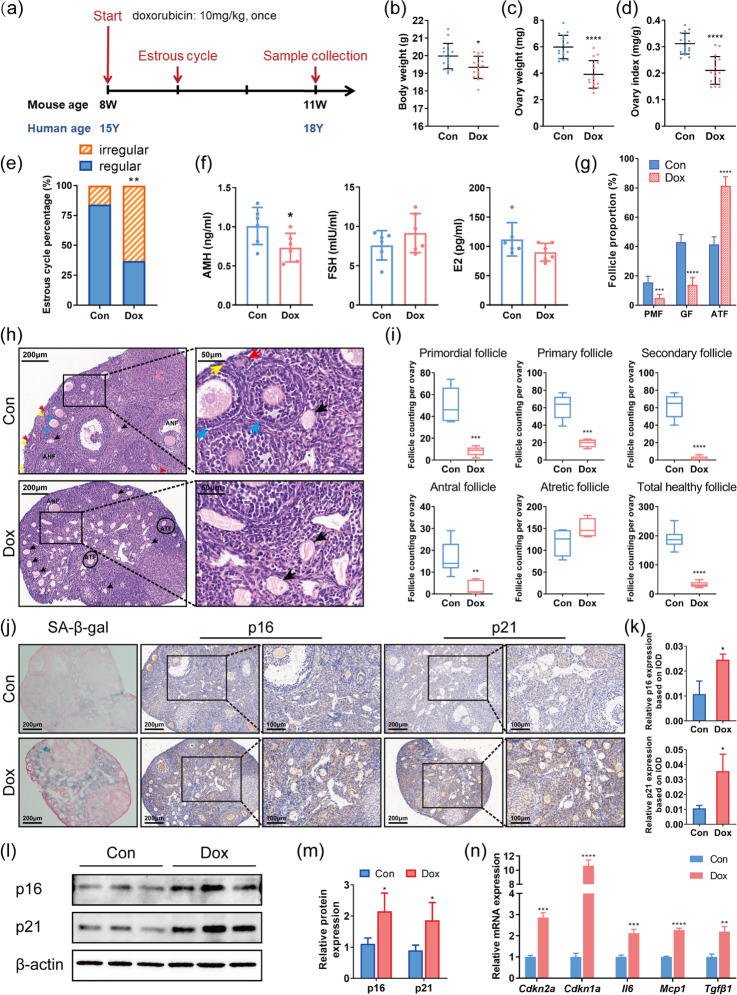
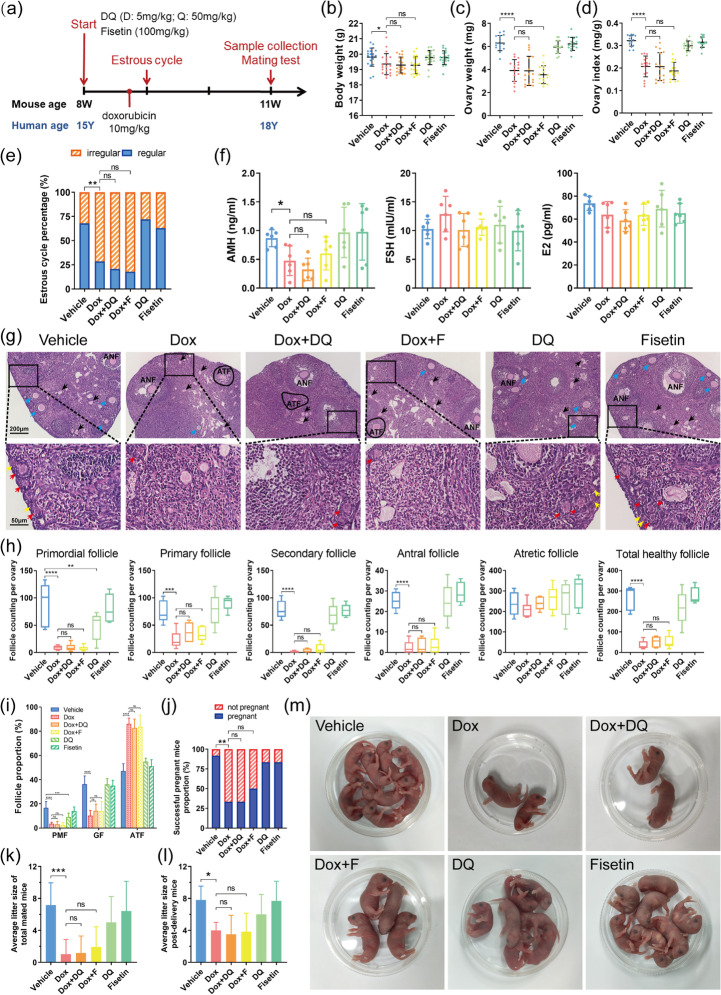
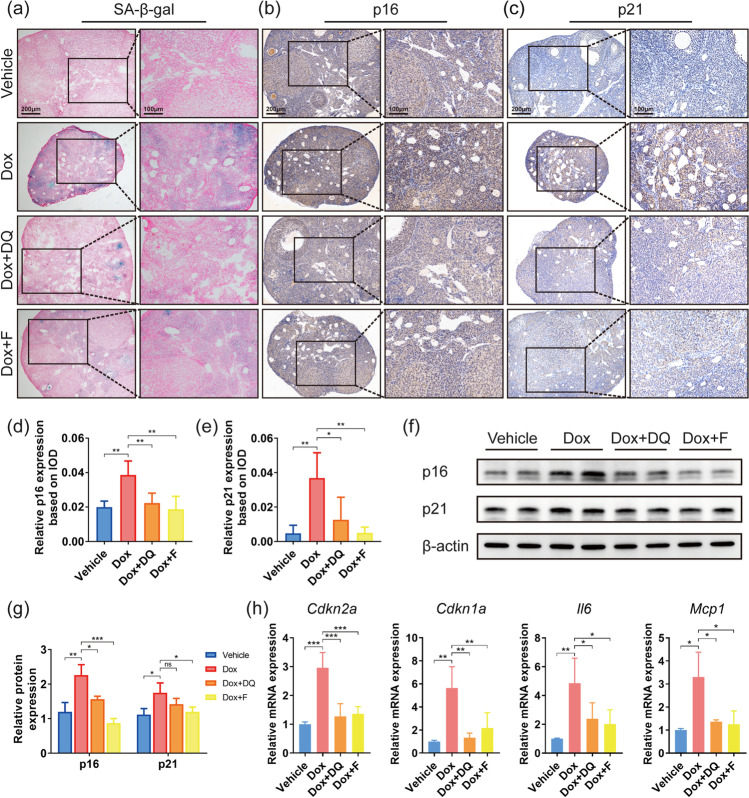
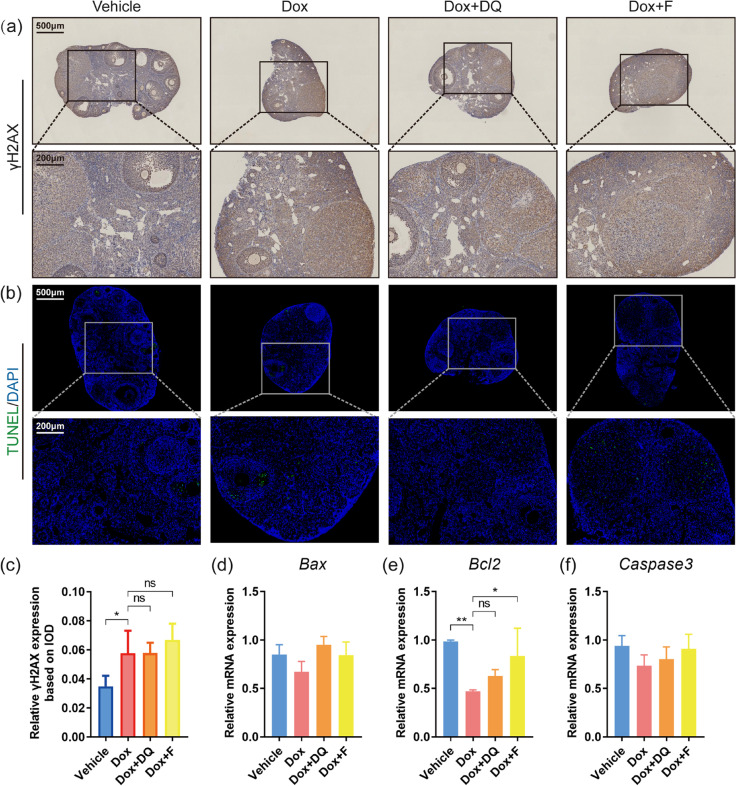
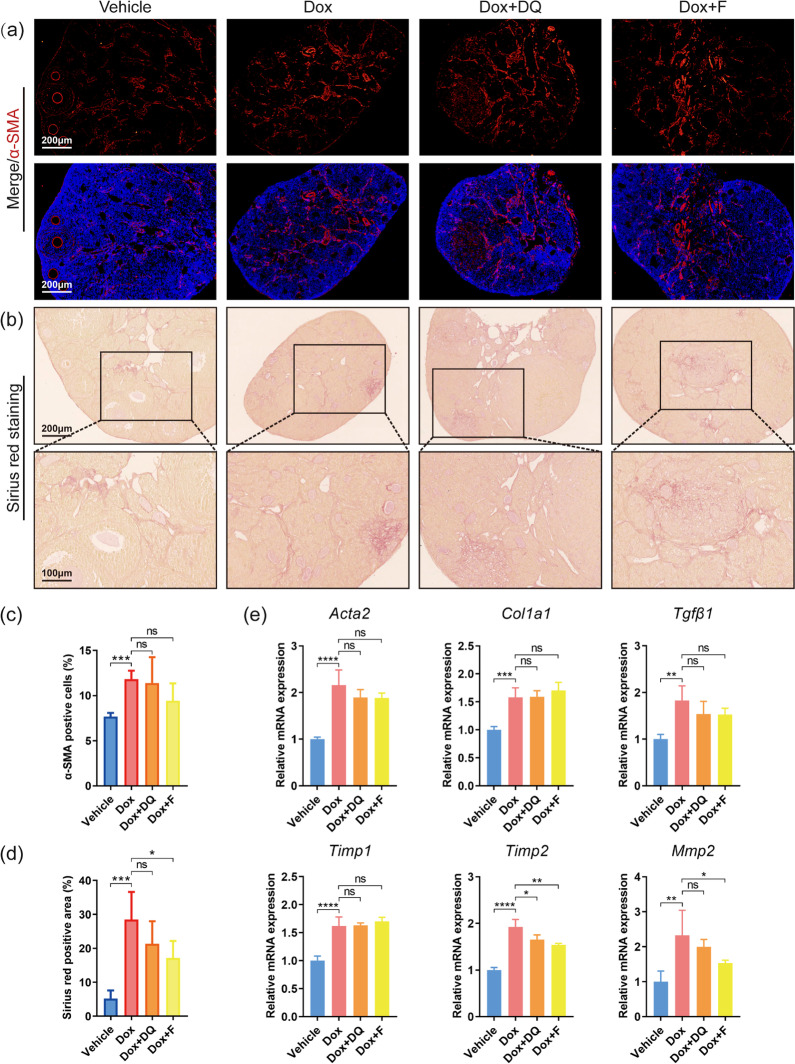
Ovarian injury caused by chemotherapy can lead to early menopause, infertility, and even premature senility in female cancer patients, impairing the quality of life and overall health of the cancer survivors seriously. However, there is still a lack of effective protection strategies against such injury. Cellular senescence can be induced by chemotherapeutic agents in multiple organs and may corrode the structure and function of normal tissues. We hypothesized that the widely used first-line chemotherapy drug, doxorubicin, could increase senescent cell burden in normal ovarian tissue during the therapeutic process and that elimination of senescent cells with senolytics would ameliorate doxorubicin-induced ovarian injury. Here, we demonstrated an accumulation of cellular senescence in doxorubicin-treated ovaries through detecting p16 and p21 expression levels and senescence-associated β-galactosidase (SA-β-gal) activity as well as senescence-associated secretory phenotype (SASP) factors. Short-term intervention with the classic senolytic combination dasatinib and quercetin (DQ) or fisetin significantly reduced the load of senescent cells in ovaries after doxorubicin treatment. However, neither DQ nor fisetin alleviated doxorubicin-related ovarian dysfunction. Further experiments showed that ovarian apoptosis and fibrosis following doxorubicin exposure could not be improved by senolytics. Collectively, our study shows that senolytic treatment can eliminate accumulated senescent cells, but cannot reverse the massive follicle loss and ovarian stromal fibrosis caused by doxorubicin, suggesting that cellular senescence may not be one of the key mechanisms in doxorubicin-induced ovarian injury.
Overview
The claims and statistics of this paper haven’t been checked yet.
Free: it reads the open-access text and checks the first 5 claims that cite a source we can check. Create a free account to check every claim.
Integrity signals
Registry
Cites
Statistics
Figures
Verification
Claims the paper makes
The claims and statistics of this paper haven’t been checked yet.
Free: it reads the open-access text and checks the first 5 claims that cite a source we can check. Create a free account to check every claim.
Claims other papers make about this one
Each is checked against this paper’s own text: does it say what the citing paper says it does?
The cited source says what the claim attributes to it.
In the citing paper
“Moreover, they elicit components of the SASP such as IL-6 (refs. 242,243), Ccl2 (ref. 243) and Tgfb1 (ref. 243).”
From SenNet recommendations for detecting senescent cells in different tissues (2024) · cites this paper as [243]
The cited source says what the claim attributes to it.
In the citing paper
“Apart from physiological ageing, treatments that accelerate reproductive ageing through genotoxic agents, such as the chemotherapeutics cisplatin242 and doxorubicin243, result in increased SA-β-gal242,243, CDKN2A (refs. 242,243) and CDKN1A (refs. 242,243) expression.”
From SenNet recommendations for detecting senescent cells in different tissues (2024) · cites this paper as [243]
Self-check
Percentages, sums and reported differences re-computed from the paper’s own numbers.
The self-check needs the paper’s full text.
Citations
Cites
Sung, H., Ferlay, J., Siegel, R. L., Laversanne, M., Soerjomataram, I., Jemal, A., & Bray, F. (2021) · CA: A Cancer Journal for Clinicians · doi:10.3322/caac.21660 · Cited by 108,699
Hallmarks of Cellular Senescence
Hernandez-Segura, A., Nehme, J., & Demaria, M. (2018) · Trends in Cell Biology · doi:10.1016/j.tcb.2018.02.001 · Cited by 2,605
The Achilles' heel of senescent cells: from transcriptome to senolytic drugs
Zhu, Y., Tchkonia, T., Pirtskhalava, T., Gower, A. C., Ding, H., Giorgadze, N., Palmer, A. K., Ikeno, Y., Hubbard, G. B., Lenburg, M., et al. (2015) · Aging Cell · doi:10.1111/acel.12344 · Cited by 2,584 · cited 2×
“Senolytics are a class of drugs that can selectively kill senescent cells [19].”
BackgroundSenolytics improve physical function and increase lifespan in old age
Xu, M., Pirtskhalava, T., Farr, J. N., Weigand, B. M., Palmer, A. K., Weivoda, M. M., Inman, C. L., Ogrodnik, M. B., Hachfeld, C. M., Fraser, D. G., et al. (2018) · Nature Medicine · doi:10.1038/s41591-018-0092-9 · Cited by 2,287
Acute Lymphoblastic Leukemia in Children
Hunger, S. P., & Mullighan, C. G. (2015) · New England Journal of Medicine · doi:10.1056/nejmra1400972 · Cited by 2,204
Cellular senescence mediates fibrotic pulmonary disease
Schafer, M. J., White, T. A., Iijima, K., Haak, A. J., Ligresti, G., Atkinson, E. J., Oberg, A. L., Birch, J., Salmonowicz, H., Zhu, Y., et al. (2017) · Nature Communications · doi:10.1038/ncomms14532 · Cited by 1,613 · cited 1×
“In addition, short-term intermittent use of DQ after acute injuries such as chemotherapy-induced lung injury and radiation ulcers mitigated the severity of lesions [43, 44].”
BackgroundBreast Cancer, Version 3.2020, NCCN Clinical Practice Guidelines in Oncology
Gradishar, W. J., Anderson, B. O., Abraham, J., Aft, R., Agnese, D., Allison, K. H., Blair, S. L., Burstein, H. J., Dang, C., Elias, A. D., et al. (2020) · Journal of the National Comprehensive Cancer Network · doi:10.6004/jnccn.2020.0016 · Cited by 1,584
ESHRE Guideline: management of women with premature ovarian insufficiency
(2016) · Human Reproduction · doi:10.1093/humrep/dew027 · Cited by 1,555
Hickson, L. J., Langhi Prata, L. G. P., Bobart, S. A., Evans, T. K., Giorgadze, N., Hashmi, S. K., Herrmann, S. M., Jensen, M. D., Jia, Q., Jordan, K. L., et al. (2019) · EBioMedicine · doi:10.1016/j.ebiom.2019.08.069 · Cited by 1,383 · cited 1×
“Both senolytics are currently in clinical trials and have achieved preliminary results [48, 49].”
BackgroundCellular senescence promotes adverse effects of chemotherapy and cancer relapse
Demaria, M., O'Leary, M. N., Chang, J., Shao, L., Liu, S., Alimirah, F., Koenig, K., Le, C., Mitin, N., Deal, A. M., et al. (2017) · Cancer Discovery · doi:10.1158/2159-8290.cd-16-0241 · Cited by 1,338 · cited 1×
“Recent studies have found that doxorubicin can trigger senescence of tumor cells while playing antineoplastic roles, and can also induce cellular senescence in normal organs and tissues such as the heart, liver, and skin [25, 26, 39, 40].”
BackgroundCellular Senescence: Aging, Cancer, and Injury
Calcinotto, A., Kohli, J., Zagato, E., Pellegrini, L., Demaria, M., & Alimonti, A. (2019) · Physiological Reviews · doi:10.1152/physrev.00020.2018 · Cited by 1,270 · cited 1×
“Excessive and abnormal accumulation of senescent cells in tissues can impair tissue function and regenerative potential, and create a pro-inflammatory milieu which contributes to senescence, dysfunction, or malignant transformation of surrounding normal cells [18].”
BackgroundSenolytics in idiopathic pulmonary fibrosis: Results from a first-in-human, open-label, pilot study
Justice, J. N., Nambiar, A. M., Tchkonia, T., LeBrasseur, N. K., Pascual, R., Hashmi, S. K., Prata, L., Masternak, M. M., Kritchevsky, S. B., Musi, N., et al. (2019) · EBioMedicine · doi:10.1016/j.ebiom.2018.12.052 · Cited by 1,261 · cited 1×
“Both senolytics are currently in clinical trials and have achieved preliminary results [48, 49].”
BackgroundMechanisms and functions of cellular senescence
Herranz, N., & Gil, J. (2018) · Journal of Clinical Investigation · doi:10.1172/jci95148 · Cited by 1,232 · cited 8×
“Here, we demonstrated an accumulation of cellular senescence in doxorubicin-treated ovaries through detecting p16 and p21 expression levels and senescence-associated β-galactosidase (SA-β-gal) activity as well as senescence-associated secretory phenotype (SASP) factors.”
BackgroundInfluentialTargeting cellular senescence prevents age-related bone loss in mice
Farr, J. N., Xu, M., Weivoda, M. M., Monroe, D. G., Fraser, D. G., Onken, J. L., Negley, B. A., Sfeir, J. G., Ogrodnik, M. B., Hachfeld, C. M., et al. (2017) · Nature Medicine · doi:10.1038/nm.4385 · Cited by 1,182
Fisetin is a senotherapeutic that extends health and lifespan
Yousefzadeh, M. J., Zhu, Y., McGowan, S. J., Angelini, L., Fuhrmann-Stroissnigg, H., Xu, M., Ling, Y. Y., Melos, K. I., Pirtskhalava, T., Inman, C. L., et al. (2018) · EBioMedicine · doi:10.1016/j.ebiom.2018.09.015 · Cited by 1,032 · cited 2×
“In addition, fisetin, an antioxidant agent with multiple pharmacological functions, was also identified to have senolytic effects in vivo and in vitro [23, 24].”
BackgroundCora, M. C., Kooistra, L., & Travlos, G. (2015) · Toxicologic Pathology · doi:10.1177/0192623315570339 · Cited by 943
Fertility Preservation in Women
Donnez, J., & Dolmans, M.-M. (2017) · New England Journal of Medicine · doi:10.1056/nejmra1614676 · Cited by 853
Targeting senescent cells alleviates obesity-induced metabolic dysfunction
Palmer, A. K., Xu, M., Zhu, Y., Pirtskhalava, T., Weivoda, M. M., Hachfeld, C. M., Prata, L. G., van Dijk, T. H., Verkade, E., Casaclang‐Verzosa, G., et al. (2019) · Aging Cell · doi:10.1111/acel.12950 · Cited by 658
Ovarian damage from chemotherapy and current approaches to its protection
Spears, N., Lopes, F., Stefansdottir, A., Rossi, V, De Felici, M., Anderson, R. A., & Klinger, F. G. (2019) · Human Reproduction Update · doi:10.1093/humupd/dmz027 · Cited by 657
Novais, E. J., Tran, V. A., Johnston, S. N., Darris, K. R., Roupas, A. J., Sessions, G. A., Shapiro, I. M., Diekman, B. O., & Risbud, M. V. (2021) · Nature Communications · doi:10.1038/s41467-021-25453-2 · Cited by 440
New insights into the activities and toxicities of the old anticancer drug doxorubicin
van der Zanden, S. Y., Qiao, X., & Neefjes, J. (2021) · The FEBS Journal · doi:10.1111/febs.15583 · Cited by 410
Ogrodnik, M., Evans, S. A., Fielder, E., Victorelli, S., Kruger, P., Salmonowicz, H., Weigand, B. M., Patel, A. D., Pirtskhalava, T., Inman, C. L., et al. (2021) · Aging Cell · doi:10.1111/acel.13296 · Cited by 405
Acute Lymphoblastic Leukemia, Version 2.2021, NCCN Clinical Practice Guidelines in Oncology
Brown, P. A., Shah, B., Advani, A., Aoun, P., Boyer, M. W., Burke, P. W., DeAngelo, D. J., Dinner, S., Fathi, A. T., Gauthier, J., et al. (2021) · Journal of the National Comprehensive Cancer Network · doi:10.6004/jnccn.2021.0042 · Cited by 246
Acute Lymphoblastic Leukemia, Version 2.2015
Alvarnas, J. C., Brown, P. A., Aoun, P., Ballen, K. K., Barta, S. K., Borate, U., Boyer, M. W., Burke, P. W., Cassaday, R., Castro, J. E., et al. (2015) · Journal of the National Comprehensive Cancer Network · doi:10.6004/jnccn.2015.0153 · Cited by 243
Iske, J., Seyda, M., Heinbokel, T., Maenosono, R., Minami, K., Nian, Y., Quante, M., Falk, C. S., Azuma, H., Martin, F., et al. (2020) · Nature Communications · doi:10.1038/s41467-020-18039-x · Cited by 211
Sun, K.-H., Chang, Y., Reed, N. I., & Sheppard, D. (2016) · American Journal of Physiology-Lung Cellular and Molecular Physiology · doi:10.1152/ajplung.00350.2015 · Cited by 198
Pan, J.-A., Zhang, H., Lin, H., Gao, L., Zhang, H.-L., Zhang, J.-F., Wang, C.-Q., & Gu, J. (2021) · Redox Biology · doi:10.1016/j.redox.2021.102120 · Cited by 196
Self-citationMaajani, K., Jalali, A., Alipour, S., Khodadost, M., Tohidinik, H. R., & Yazdani, K. (2019) · Clinical Breast Cancer · doi:10.1016/j.clbc.2019.01.006 · Cited by 191
Survivin Expression Quantified by Image Pro-plus Compared With Visual Assessment
Wang, C.-J., Zhou, Z.-G., Holmqvist, A., Zhang, H., Li, Y., Adell, G., & Sun, X.-F. (2009) · Applied Immunohistochemistry & Molecular Morphology · doi:10.1097/pai.0b013e3181a13bf2 · Cited by 172
Oocyte DNA damage quality control requires consecutive interplay of CHK2 and CK1 to activate p63
Tuppi, M., Kehrloesser, S., Coutandin, D. W., Rossi, V., Luh, L. M., Strubel, A., Hötte, K., Hoffmeister, M., Schäfer, B., De Oliveira, T., et al. (2018) · Nature Structural & Molecular Biology · doi:10.1038/s41594-018-0035-7 · Cited by 160
Sasaki, K., Jabbour, E. J., Short, N. J., Jain, N., Ravandi, F., Pui, C., & Kantarjian, H. M. (2021) · American Journal of Hematology · doi:10.1002/ajh.26156 · Cited by 149
Overbeek, A., van den Berg, M. H., van Leeuwen, F. E., Kaspers, G. J. L., Lambalk, C. B., & Broeder, E. V. D. (2016) · Cancer Treatment Reviews · doi:10.1016/j.ctrv.2016.11.006 · Cited by 141
Senolytic therapy ameliorates renal fibrosis postacute kidney injury by alleviating renal senescence
Li, C., Shen, Y., Huang, L., Liu, C., & Wang, J. (2021) · The FASEB Journal · doi:10.1096/fj.202001855rr · Cited by 119
Karabicici, M., Alptekin, S., Karagonlar, Z. F., & Erdal, E. (2021) · Molecular Oncology · doi:10.1002/1878-0261.12916 · Cited by 104
Aljobaily, N. A., Viereckl, M. J., Hydock, D. S., Aljobaily, H., Wu, T.-Y., Busekrus, R. B., Jones, B., Alberson, J., & Han, Y. (2020) · Nutrients · doi:10.3390/nu13010041 · Cited by 103
Self-citationWang, Y., Liu, M., Johnson, S. B., Yuan, G., Arriba, A. K., Zubizarreta, M. E., Chatterjee, S., Nagarkatti, M., Nagarkatti, P. S., & Xiao, S. (2019) · Toxicology and Applied Pharmacology · doi:10.1016/j.taap.2019.114714 · Cited by 93
NCCN Guidelines® Insights: Hodgkin Lymphoma, Version 2.2022
Hoppe, R. T., Advani, R. H., Ai, W. Z., Ambinder, R. F., Armand, P. A., Bello, C. M., Benitez, C. M., Chen, W., Dabaja, B. S., Daly, M. E., et al. (2022) · Journal of the National Comprehensive Cancer Network · doi:10.6004/jnccn.2022.0021 · Cited by 89
Lérida‐Viso, A., Estepa‐Fernández, A., Morellá‐Aucejo, Á., Lozano‐Torres, B., Alfonso, M., Blandez, J. F., Bisbal, V., Sepúlveda, P., García‐Fernández, A., Orzáez, M., et al. (2022) · Pharmacological Research · doi:10.1016/j.phrs.2022.106356 · Cited by 89
Marino, A., Campanella, C., Barone, R., Bavisotto, C. C., Górska‐Ponikowska, M., Woźniak, M., Carini, F., Cappello, F., D’Anneo, A., Lauricella, M., et al. (2016) · Cancer Letters · doi:10.1016/j.canlet.2016.10.045 · Cited by 84
Senolytics (DQ) Mitigates Radiation Ulcers by Removing Senescent Cells
Wang, H., Wang, Z., Huang, Y., Zhou, Y., Sheng, X., Jiang, Q., Wang, Y., Luo, P., Luo, M., & Shi, C. (2020) · Frontiers in Oncology · doi:10.3389/fonc.2019.01576 · Cited by 78
Du, D., Tang, X., Li, Y., Gao, Y., Chen, R., Chen, Q., Wen, J., Wu, T., Zhang, Y., Lu, H., et al. (2022) · Oxidative Medicine and Cellular Longevity · doi:10.1155/2022/9144644 · Cited by 61
Self-citationZhang, L., Tong, X., Huang, J., Wu, M., Zhang, S., Wang, D., Liu, S., & Fan, H. S. (2020) · Frontiers in Pharmacology · doi:10.3389/fphar.2020.553690 · Cited by 60
Yang, H.-L., Hsieh, P., Hung, C., Cheng, H.-C., Chou, W.-C., Chu, P., Chang, Y.-C., & Tsai, K. (2020) · Cancers · doi:10.3390/cancers12051102 · Cited by 56
Schmidt, J. K., Roti, E. C. R., Ringelstetter, A. K., Khatib, H., Abbott, D. H., & Salih, S. M. (2015) · PLoS ONE · doi:10.1371/journal.pone.0142588 · Cited by 46
Zhang, J., Li, F., Shi, L., Lai, Z., Lu, Z., Xiong, J., Wu, M., Luo, A., & Wang, S. (2016) · Journal of Ethnopharmacology · doi:10.1016/j.jep.2016.11.014 · Cited by 44
Self-citationDemeestere, I., Racapé, J., Dechène, J., Dupuis, J., Morschhauser, F., Wilde, V. D., Lazarovici, J., Ghesquières, H., Touati, M., Sibon, D., et al. (2021) · Journal of Clinical Oncology · doi:10.1200/jco.21.00068 · Cited by 38
Niringiyumukiza, J. D., Cai, H., Chen, L., Li, Y., Wang, L., Zhang, M., Xu, X., & Xiang, W. (2019) · Biomedicine & Pharmacotherapy · doi:10.1016/j.biopha.2019.108963 · Cited by 37
Alsuraih, M., O’Hara, S. P., Woodrum, J. E., Pirius, N. E., & LaRusso, N. F. (2021) · JHEP Reports · doi:10.1016/j.jhepr.2021.100250 · Cited by 37
Accumulation of Senescent Neural Cells in Murine Lupus With Depression-Like Behavior
Saito, Y., Miyajima, M., Yamamoto, S., Sato, T., Miura, N., Fujimiya, M., & Chikenji, T. (2021) · Frontiers in Immunology · doi:10.3389/fimmu.2021.692321 · Cited by 32
Xiong, J., Xue, L., Li, Y., Tang, W., Chen, D., Zhang, J., Dai, J., Zhou, S., Lu, Z., Wu, M., et al. (2021) · European Journal of Endocrinology · doi:10.1530/eje-20-1178 · Cited by 30
Self-citationKim, S. G., Sung, J. Y., Kim, J.-R., & Choi, H. C. (2021) · Experimental Gerontology · doi:10.1016/j.exger.2021.111598 · Cited by 30
Bernstein, L. R., Mackenzie, A. C. L., Kraemer, D. C., Morley, J. E., Farr, S. A., Chaffin, C. L., & Merchenthaler, I. J. (2014) · Endocrinology · doi:10.1210/en.2013-2153 · Cited by 27
Dalbergioidin Ameliorates Doxorubicin-Induced Renal Fibrosis by Suppressing the TGF-βSignal Pathway
Ren, X., Bo, Y., Fan, J., Chen, M., Xu, D., Yang, D., He, H., Ren, X., Qu, R., Jin, Y., et al. (2016) · Mediators of Inflammation · doi:10.1155/2016/5147571 · Cited by 19
Cited by
SenNet recommendations for detecting senescent cells in different tissues
Suryadevara, V., Hudgins, A. D., Rajesh, A., Pappalardo, A., Karpova, A., Dey, A. K., Hertzel, A., Agudelo, A., Rocha, A., Soygur, B., et al. (2024) · Nature Reviews Molecular Cell Biology · doi:10.1038/s41580-024-00738-8 · Cited by 408
“242,243), Ccl2 (ref.”
Guo, Y., Xue, L., Tang, W., Xiong, J., Chen, D., Dai, Y., Wu, C., Wei, S., Dai, J. Y., Wu, M., et al. (2024) · Human Reproduction Update · doi:10.1093/humupd/dmae020 · Cited by 146
Self-citationFisetin as a senotherapeutic agent: Evidence and perspectives for age-related diseases
Tavenier, J., Nehlin, J. O., Houlind, M. B., Rasmussen, L. J., Tchkonia, T., Kirkland, J. L., Andersen, O., & Rasmussen, L. J. H. (2024) · Mechanisms of Ageing and Development · doi:10.1016/j.mad.2024.111995 · Cited by 111
Ovarian aging in humans: potential strategies for extending reproductive lifespan
Cavalcante, M. B., Sampaio, O. G. M., Câmara, F. E. A., Schneider, A., Ávila, B. M., Prosczek, J. B., Masternak, M. M., & Campos, A. R. (2023) · GeroScience · doi:10.1007/s11357-023-00768-8 · Cited by 105
The role of cellular senescence in ovarian aging
Hense, J. D., Isola, J. V. V., Garcia, D. N., Magalhães, L. S., Masternak, M. M., Stout, M. B., & Schneider, A. (2024) · npj Aging · doi:10.1038/s41514-024-00157-1 · Cited by 72
Metadata
- Authors
- Gao, Y., Wu, T., Tang, X., Wen, J., Zhang, Y., Zhang, J., & Wang, S.
- Affiliations
- Tongji Hospital (CN)
- Corresponding author
- Zhang, Jinjin
- Wang, Shixuan
- Venue
- GeroScience
- Published
- 2023-01-17
- Volume
- 45
- Issue
- 3
- Pages
- 1775-1790
- ISSN
- 2152-4041 (ISSN-L)
- 2509-2723
- PMC
- PMC10400526
- OpenAlex
- W4316927759
- Cited by
- 56
- References
- 53
- Citations by year
- 2026: 16 · 2025: 17 · 2024: 19 · 2023: 4
- FWCI
- 9.89
- Type
- journal article
- Language
- en
- Open access
- hybrid
- doi.org
- Licence
- cc-by
- creativecommons.org/licenses/by/4.0 (tdm)
- creativecommons.org/licenses/by/4.0 (vor)
- Locations
- GeroScience (publishedVersion, cc-by)
- PubMed Central (publishedVersion, cc-by)
- PubMed (publishedVersion)
- Funders
- Huazhong University of Science and Technology
- Topics
- Life Sciences › Biochemistry, Genetics and Molecular Biology › Cell Biology › Telomeres, Telomerase, and Senescence
- Health Sciences › Medicine › Reproductive Medicine › Reproductive Biology and Fertility
- Health Sciences › Medicine › Oncology › Ovarian cancer diagnosis and treatment
- Keywords
- cellular senescence, doxorubicin, senolytics, fisetin, senescence-associated secretory phenotype, p16, p21, senescence-associated β-galactosidase, ovarian apoptosis, follicle loss, premature ovarian aging, female cancer survivors
- MeSH terms
- Dasatinib, Senotherapeutics, Animals, Doxorubicin, Female, Fibrosis, Quality of Life, Cellular Senescence, Mice
About these checks
Registry, retraction, Cites and statistics results are computed, not judged, with one exception: a printed reference that no index lists is read once by a model before it counts as a citation error. Claims are extracted by a model and kept only when their quote appears verbatim in the text; each cited source is then checked, with a model’s help, for whether it says what the claim relies on. Those verdicts can be wrong — read the claim’s quote and the cited source before relying on one.
Statistics and arithmetic are recomputed, not judged.
Confidence bands are shown only for fields calibrated on our annotated test set. None is calibrated yet, so no band is shown.
What counts as a claim ›How we measure confidence ›How we check this ›
Are you an author, or do you see a problem with this page? Request a review
Data sources
Bibliographic data: Semantic Scholar, OpenAlex, Crossref.
Contains information from the Semantic Scholar Academic Graph Datasets, made available under the ODC Attribution License (ODC-BY 1.0).
Semantic Scholar’s data is described in: Kinney, R., et al. (2023). The Semantic Scholar Open Data Platform. arXiv:2301.10140.
