

Japanese 2011 guidelines for prevention and treatment of osteoporosis—executive summary
Open accessThe DOI matches its Crossref record; 15 of the 15 references it cites were found in a registry or an index.
Abstract
INTRODUCTION: In 1998, the first Japanese practice guidelines on osteoporosis was published. It has been updated several times, with the most recent being the full-scale 2011 edition and its abridged edition. The present guidelines provide information for the managements of primary osteoporosis in postmenopausal women and men over 50 years old, a summary of the evidence for the treatment of secondary osteoporosis, and a summary of the evidence for the prevention of osteoporosis in younger people. METHOD: The present Executive Summary is primarily based on the content of the 2011 Japanese abridged edition. One of the key changes is revision of the criteria for initiation of pharmacological treatment, along with an introduction of the fracture risk factors used in FRAX®. Key figures and tables were selected from the Japanese abridged edition and a reference list was added. RESULT AND CONCLUSIONS: The essential points of the Japanese practice guidelines on osteoporosis were translated into English for the first time. It is hoped that the content of the guidelines becomes known throughout the world.
Overview
The claims and statistics of this paper haven’t been checked yet.
Free: it reads the open-access text and checks the first 5 claims that cite a source we can check. Create a free account to check every claim.
Integrity signals
Registry
Cites
Statistics
Figures
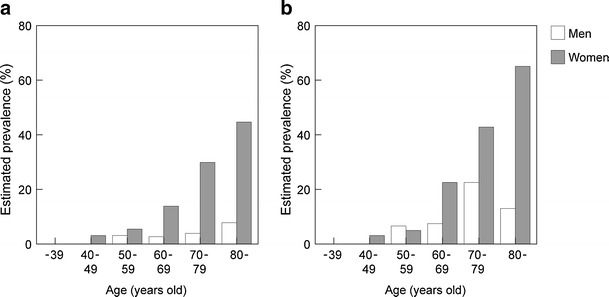
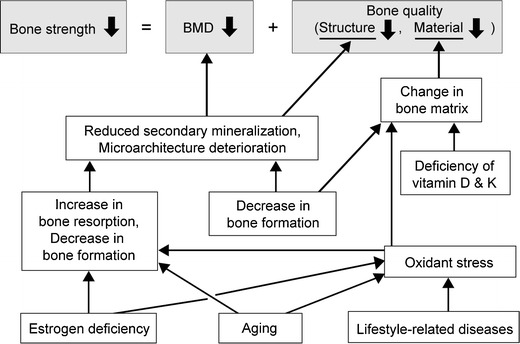
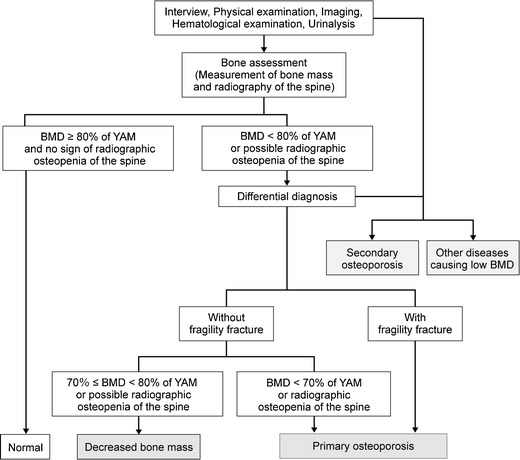
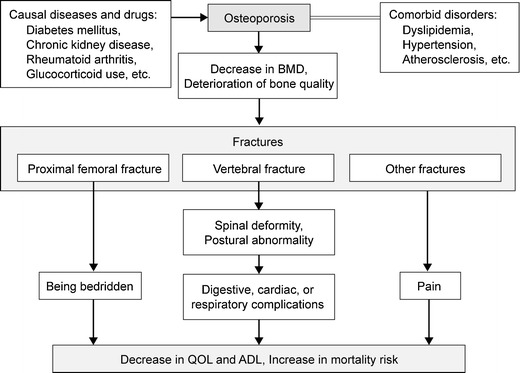
Verification
Claims the paper makes
The claims and statistics of this paper haven’t been checked yet.
Free: it reads the open-access text and checks the first 5 claims that cite a source we can check. Create a free account to check every claim.
Claims other papers make about this one
Each is checked against this paper’s own text: does it say what the citing paper says it does?
The source backs part of the claim, not all of it — or backs it for a different population, condition or comparison.
In the citing paper
“It was apparent that some systematic reviews and guidelines, particularly for the earlier three patient groups, would be different for vitamin K and risedronate 2.5 mg/day if the affected trial reports were removed”
From An investigation into the impact and implications of published papers from retracted research: systematic search of affected literature (2019) · cites this paper as [23]
Experimental — accuracy not yet measuredThe source backs part of the claim, not all of it — or backs it for a different population, condition or comparison.
In the citing paper
“and that some affected systematic reviews and guidelines have themselves been widely disseminated.18 23 30 49 52”
From An investigation into the impact and implications of published papers from retracted research: systematic search of affected literature (2019) · cites this paper as [23]
Experimental — accuracy not yet measuredThe cited source says what the claim attributes to it.
In the citing paper
“Importantly, this 2006 meta-analysis, without any caveat related to the sensitivity analysis, is the sole evidence cited for vitamin K preventing vertebral and non-vertebral fractures in the journal publication of the 2011 Japanese guidelines for osteoporosis23 (122 citations, October 2018).”
From An investigation into the impact and implications of published papers from retracted research: systematic search of affected literature (2019) · cites this paper as [23]
The cited source says what the claim attributes to it.
In the citing paper
“However, for randomised trials in clinical areas affecting systematic reviews and guidelines further propagation is likely, as we show in the case of the systematic review by Cockayne et al 18 and its influence on Japanese osteoporosis guidelines.23”
From An investigation into the impact and implications of published papers from retracted research: systematic search of affected literature (2019) · cites this paper as [23]
Self-check
Percentages, sums and reported differences re-computed from the paper’s own numbers.
The self-check needs the paper’s full text.
Citations
Cites
Effect of Vitamin D on Falls: A Meta-analysis
Bischoff-Ferrari, H. A., Dawson-Hughes, B., Willett, W. C., Staehelin, H. B., Bazemore, M. G., Zee, R. Y., & Wong, J. B. (2004) · JAMA · doi:10.1001/jama.291.16.1999 · Cited by 1,324
Yoshimura, N., Muraki, S., Oka, H., Mabuchi, A., En-Yo, Y., Yoshida, M., Saika, A., Yoshida, H., Suzuki, T., Yamamoto, S., et al. (2009) · Journal of Bone and Mineral Metabolism · doi:10.1007/s00774-009-0080-8 · Cited by 819
Self-citationMacLean, C., Newberry, S., Maglione, M., McMahon, M., Ranganath, V., Suttorp, M., Mojica, W., Timmer, M., Alexander, A., McNamara, M., et al. (2008) · Annals of Internal Medicine · doi:10.7326/0003-4819-148-3-200802050-00198 · Cited by 529
Diagnostic criteria for primary osteoporosis: year 2000 revision
Orimo, H., Hayashi, Y., Fukunaga, M., Sone, T., Fujiwara, S., Shiraki, M., Kushida, K., Miyamoto, S., Soen, S., Nishimura, J., et al. (2001) · Journal of Bone and Mineral Metabolism · doi:10.1007/s007740170001 · Cited by 465
Self-citationCockayne, S., Adamson, J., Lanham-New, S., Shearer, M. J., Gilbody, S., & Torgerson, D. J. (2006) · Archives of Internal Medicine · doi:10.1001/archinte.166.12.1256 · Cited by 361 · cited 1×
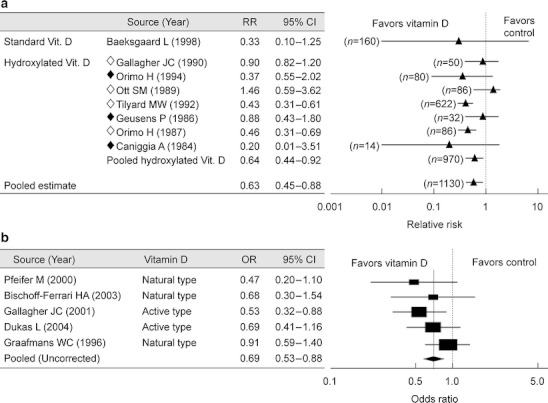
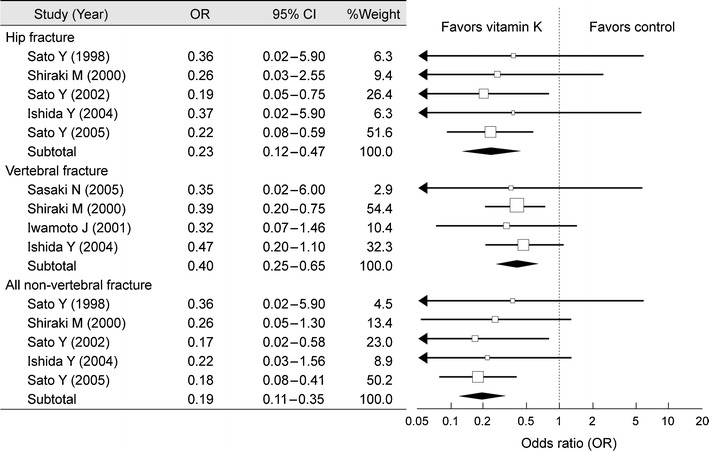
“OR odds ratio,CI confidence interval (Cockayne [13] (Copyright© 2006American Medical Association)) Arch Osteoporos”
BackgroundPapadimitropoulos, E., Wells, G., Shea, B., Gillespie, W., Weaver, B., Zytaruk, N., Cranney, A., Adachi, J., Tugwell, P., Josse, R., et al. (2002) · Endocrine Reviews · doi:10.1210/er.2001-8002 · Cited by 302
Matsumoto, T., Ito, M., Hayashi, Y., Hirota, T., Tanigawara, Y., Sone, T., Fukunaga, M., Shiraki, M., & Nakamura, T. (2011) · Bone · doi:10.1016/j.bone.2011.07.011 · Cited by 189
Self-citationHip fracture incidence in Japan: estimates of new patients in 2007 and 20-year trends
Orimo, H., Yaegashi, Y., Onoda, T., Fukushima, Y., Hosoi, T., & Sakata, K. (2009) · Archives of Osteoporosis · doi:10.1007/s11657-009-0031-y · Cited by 161
Self-citationNishizawà, Y., Ohta, H., Miura, M., Inaba, M., Ichimura, S., Shiraki, M., Takada, J., Chaki, O., Hagino, H., Fujiwara, S., et al. (2012) · Journal of Bone and Mineral Metabolism · doi:10.1007/s00774-012-0392-y · Cited by 143
Self-citationMatsumoto, T., Hagino, H., Shiraki, M., Fukunaga, M., Nakano, T., Takaoka, K., Morii, H., Ohashi, Y., & Nakamura, T. (2008) · Osteoporosis International · doi:10.1007/s00198-008-0816-7 · Cited by 115
Self-citation
Research works printed but not linked: 3
- You K Osteoporos Jpn 2011 19 626
- Orimo H Hosoi T Fukunaga M Manual for osteoporosis screening and health guidance 2009 Tokyo Life Science Publishing
- Nakano T Clinical effect of calcitonin (elcatonin) on acute pain for osteoporotic vertebral fracture: semi blind randomized controlled trial Osteoporos Jpn 2011 19 279
Cited by
Items 101–200 of 358
Adachi, D., Yamada, M., Nishiguchi, S., Fukutani, N., Hotta, T., Tashiro, Y., Morino, S., Shirooka, H., Nozaki, Y., Hirata, H., et al. (2015) · Journal of Osteopathic Medicine · doi:10.7556/jaoa.2015.079 · Cited by 30
Toyoda, H., Takahashi, S., Hoshino, M., Takayama, K., Iseki, K., Sasaoka, R., Tsujio, T., Yasuda, H., Sasaki, T., Kanematsu, F., et al. (2017) · Archives of Osteoporosis · doi:10.1007/s11657-017-0377-5 · Cited by 23
“The estimated prevalence of OVFs among people in their early 70s is 25%; among those aged > 80 years, the estimated prevalence is 43% [3].”
BackgroundThe potential effect of romosozumab on perioperative management for instrumentation surgery
Ishikawa, K., Tani, S., Toyone, T., Tsuchiya, K., Towatari, T., Oshita, Y., Yamamura, R., Wada, K., Nagai, T., Shirahata, T., et al. (2024) · JOR Spine · doi:10.1002/jsp2.1356 · Cited by 25
“6,17,29,30 CT data were acquired with Revolution EVO ES (GE healthcare) using predefined scanning conditions (x-ray energy, 120 kV; x-ray current, SD20; rotation speed, 0.8 s/rot; beam pitch, 0.984; slice thickness, 2.5 mm; reconstruction intervals, 2.5 mm).”
MethodInfluentialKim, J. W., Jeon, Y.-J., Baek, D., Kim, T. N., & Chang, J. S. (2013) · Osteoporosis International · doi:10.1007/s00198-013-2595-z · Cited by 24
McCloskey, E. V., Johansson, H., Harvey, N. C., Compston, J. E., & Kanis, J. A. (2016) · Osteoporosis International · doi:10.1007/s00198-016-3696-2 · Cited by 24
“FRAX is now incorporated into many national and international guidelines for the assessment of fracture risk and/or the management of postmenopausal and glucocorticoid-induced osteoporosis [1-12].”
BackgroundNakamura, Y., Suzuki, T., Yoshida, T., Yamazaki, H., & Kato, H. (2017) · Nutrients · doi:10.3390/nu9050428 · Cited by 22
“In 1999, the Japanese Ministry of Health published Guidelines for the prevention and treatment of osteoporosis, which stated that whenever a placebo group was used as a control group against a drug group, sufficient calcium and vitamin D should be administered as baseline treatment [6].”
BackgroundSelf-citationReal-world bone turnover marker use: impact on treatment decisions and fracture
Lane, N. E., Saag, K. G., O’Neill, T. J., Manion, M. A., Shah, R. A., Klause, U., & Eastell, R. (2020) · Osteoporosis International · doi:10.1007/s00198-020-05734-0 · Cited by 22
Possible FRAX-based intervention thresholds for a cohort of Chinese postmenopausal women
Cheung, E. Y. H., Cheung, C., Kung, A. W. C., & Tan, K. C. B. (2013) · Osteoporosis International · doi:10.1007/s00198-013-2553-9 · Cited by 22
“In Japan, diagnostic thresholds were used as intervention thresholds and differed between those with and without prior fractures [14, 28].”
BackgroundMethodWei, H., Wang, L., Zhao, G., Fang, Z., Wu, H., Wang, P., & Zheng, Z. (2018) · Process Biochemistry · doi:10.1016/j.procbio.2018.01.007 · Cited by 21
Fujiwara, S., Miyauchi, A., Hamaya, E., Nicholls, R. J., Weston, A. R., Baidya, S., Pinto, L. A., Barron, R., & Takada, J. (2018) · Archives of Osteoporosis · doi:10.1007/s11657-018-0443-7 · Cited by 21
Self-citationWang, J., Shao, L. H., Wu, X., Liu, C., Ni, S., Dai, T., Liu, H., & Zhao, H. (2023) · Materials Today Bio · doi:10.1016/j.mtbio.2023.100794 · Cited by 26
“In addition, studies have shown that a daily intake of more than 45 mg of vitamin K2 can effectively improve osteoporosis in postmenopausal women, which is much higher than the daily intake of humans, but there is no obvious toxic effect, indicating that vitamin K2 is a relatively safe drug for the human body [46].”
BackgroundOrimo, H., Sato, M., Kimura, S., Wada, K., Chen, X., Yoshida, S., & Crawford, B. (2017) · Osteoporosis and Sarcopenia · doi:10.1016/j.afos.2017.10.002 · Cited by 22
“The 2011 Japanese osteoporosis guidelines state that the goals of osteoporosis treatment are prevention of fracture andmaintenance of good skeletal health [3].”
BackgroundSelf-citationSuzuki, T., Nakamura, Y., Tanaka, M., Kamimura, M., Ikegami, S., Uchiyama, S., & Kato, H. (2017) · Modern Rheumatology · doi:10.1080/14397595.2017.1308454 · Cited by 19
Self-citationSecondary prevention of fragility fractures in Asia Pacific: an educational initiative
Ebeling, P. R., Chan, D., Lau, T. C., Lee, J. K., Songpatanasilp, T., Wong, S. H., Hew, F. L., Sethi, R. K., & Williams, M. (2019) · Osteoporosis International · doi:10.1007/s00198-019-05197-y · Cited by 19
Tanaka, S., Mizutani, H., Eri, T., Fukuda, R., Kuge, K., & Okubo, N. (2021) · Journal of Bone and Mineral Metabolism · doi:10.1007/s00774-020-01180-4 · Cited by 19
“An estimated 12–15 million people in Japan have osteoporosis, and ~ 150,000 people develop a new osteoporotic fracture each year [2, 6, 7].”
BackgroundEbina, K., Nagayama, Y., Kashii, M., Tsuboi, H., Okamura, G., Miyama, A., Etani, Y., Noguchi, T., Hirao, M., Miura, T., et al. (2024) · Osteoporosis International · doi:10.1007/s00198-024-07019-2 · Cited by 20
“…subcutaneously at 210 mg every month) was initiated between March 2019 and November 2021 for patients deemed to have a high fracture risk as defined by either the World Health Organization’s 1998 criteria or the Japanese Guidelines for Prevention and Treatment of Osteoporosis from 2011 [9].”
MethodTao, H., Xu, Z., Fan, C., & Zhao, X. (2016) · Drug Design Development and Therapy · doi:10.2147/dddt.s84264 · Cited by 24
“17 Both calcitriol and alfacalcidol have been shown to increase BMD 18,19 and reduce the risk of vertebral and nonvertebral fractures.”
Uemura, K., Otake, Y., Takao, M., Soufi, M., Kawasaki, A., Sugano, N., & Sato, Y. (2021) · International Journal of Computer Assisted Radiology and Surgery · doi:10.1007/s11548-021-02345-w · Cited by 18
Shimizu, T., Arita, K., Murota, E., Hiratsuka, S., Fujita, R., Ishizu, H., Asano, T., Takahashi, D., Takahata, M., & Iwasaki, N. (2021) · Journal of Bone and Mineral Metabolism · doi:10.1007/s00774-021-01226-1 · Cited by 19
“A total of 327 patients with postmenopausal osteoporosis met the criteria defined by the Japanese guidelines for prevention and treatment of osteoporosis [13, 14], who were at a high risk of fractures, were visited to our clinical team from January 2014 to December 2019.”
Lesnyak, O. M., Zakroyeva, A. G., Babalyan, V., Cazac, V., Габдулина, Г. Х., Ismailov, S. I., Lobanchenko, O. V., Rudenka, E., Tsagareli, M., Johansson, H., et al. (2021) · Archives of Osteoporosis · doi:10.1007/s11657-021-00962-1 · Cited by 20
Jackson, M., Yang, K. H., Gitlin, M. D., & Wessler, Z. (2021) · Archives of Osteoporosis · doi:10.1007/s11657-021-00952-3 · Cited by 18
Sato, M., Vietri, J., Flynn, J. A., & Fujiwara, S. (2014) · Journal of Osteoporosis · doi:10.1155/2014/909153 · Cited by 18
“Osteoporosis is characterized by low bone mass density (BMD) and increased likelihood of bone fracture [1].”
BackgroundSelf-citationSato, M., Vietri, J., Flynn, J. A., & Fujiwara, S. (2014) · Archives of Osteoporosis · doi:10.1007/s11657-014-0199-7 · Cited by 22
“Bone mineral density (BMD) scanning is available as part of recommended osteoporosis screening in Japan, but it is not clear how widespread the practice is, and in 2005, fewer than 5 % of those eligible for screening participated [16].”
BackgroundMethodSelf-citationOwen, R., Bahmaee, H., Claeyssens, F., & Reilly, G. C. (2020) · Bioengineering · doi:10.3390/bioengineering7010012 · Cited by 22
“Due to MK-4 having the effect of improving the bone quality rather than only retaining the bone mineral density, it has been prescribed as a first line treatment for osteoporosis with vitamin D since 2011 [52], although this is not yet routine outside Japan.”
Effects of bone turnover status on the efficacy and safety of denosumab among haemodialysis patients
Hori, M., Yasuda, K., Takahashi, H., Kondo, C., Shirasawa, Y., Ishimaru, Y., Sekiya, Y., Morozumi, K., & Maruyama, S. (2022) · Scientific Reports · doi:10.1038/s41598-022-12029-3 · Cited by 17
Kokubo, R., Kim, K., Isu, T., Morimoto, D., Iwamoto, N., Kobayashi, S., & Morita, A. (2016) · World Neurosurgery · doi:10.1016/j.wneu.2016.10.096 · Cited by 17
Nakamura, Y., Suzuki, T., & Kato, H. (2017) · Therapeutics and Clinical Risk Management · doi:10.2147/tcrm.s142828 · Cited by 17
“To achieve this, data on bone mineral density (BMD) and bone turnover markers (BTMs) are essential in fracture prediction and prevention, and to evaluate treatment efficacy.(2) The tartrate-resistant acid phosphatase 5b (TRACP-5b) isozyme is a 35–37 kDa glycoprotein.”
BackgroundSelf-citationAssociation Between Geographic Elevation, Bone Status, and Exercise Habits: The Shimane CoHRE Study
Takeda, M., Hamano, T., Kohno, K., Yano, S., Shiwaku, K., & Nabika, T. (2015) · International Journal of Environmental Research and Public Health · doi:10.3390/ijerph120707392 · Cited by 17
“For example, a lower bone mineral density (BMD) is known to increase the risk of fractures, which reduce quality of life among elderly people [1–3].”
BackgroundInfluentialOsteosarcopenia synergistically increases the risk of falls in patients with rheumatoid arthritis
Tada, M., Yamada, Y., Mandai, K., Matsumoto, Y., & Hidaka, N. (2021) · Osteoporosis and Sarcopenia · doi:10.1016/j.afos.2021.11.002 · Cited by 16
“Osteoporosis was defined according to the Japanese Guidelines for Prevention and Treatment of Osteoporosis 2011 [13].”
MethodWang, K., Zhao, X., Yang, S., Qi, X., Li, A., & Yu, W. (2024) · Comprehensive Reviews in Food Science and Food Safety · doi:10.1111/1541-4337.13374 · Cited by 22
Lee, S. H., Kang, M. I., Ahn, S. H., Lim, K.-H., Lee, G. E., Shin, E., Lee, J.-E., Kim, B., Cho, E.-H., Kim, S.-W., et al. (2014) · The Journal of Clinical Endocrinology & Metabolism · doi:10.1210/jc.2014-1584 · Cited by 19
“Current clinical guidelines recommended the use of fracture risk assessment models using CRFs and BMD for the consideration of pharmacological treatment only in osteopenic subjects, but not in osteoporotic subjects (11, 13).”
BackgroundMethodInfluentialKurajoh, M., Inaba, M., Nagata, Y., Yamada, S., Imanishi, Y., & Emoto, M. (2018) · Journal of Bone and Mineral Metabolism · doi:10.1007/s00774-018-0913-4 · Cited by 19
Kocjan, T., Rajic, A. S., Janež, A., Vidmar, G., Orehek, N., Marc, J., & Ostanek, B. (2021) · Endocrine Practice · doi:10.1016/j.eprac.2021.05.012 · Cited by 19
Vitamin K: Metabolism, Genetic Influences, and Chronic Disease Outcomes
Dupuy, M., Bondonno, N. P., Pokharel, P., Linneberg, A. R., Levinger, I., Schultz, C. J., Hodgson, J. M., & Sim, M. (2025) · Food Science & Nutrition · doi:10.1002/fsn3.70431 · Cited by 19
“Of note, MKs continue to be approved in Japan for the treatment of osteoporosis since 1995 (Orimo et al. 2012).”
Abdolalipour, S., Mirghafourvand, M., Ghassab‐Abdollahi, N., & Farshbaf‐Khalili, A. (2021) · Journal of Education and Health Promotion · doi:10.4103/jehp.jehp_450_20 · Cited by 17
“Osteoporosis also has an adverse impact on the quality of life.[8,9] This health disorder can have a profound effect on person’s social and psychological functioning.”
BackgroundMineta, K., Nishisho, T., Okada, M., Kamada, M., & Sairyo, K. (2024) · Bone · doi:10.1016/j.bone.2024.117164 · Cited by 19
The diversity of Fracture Risk Assessment Tool (FRAX)-based intervention thresholds in Asia
Lekamwasam, S. (2019) · Osteoporosis and Sarcopenia · doi:10.1016/j.afos.2019.12.002 · Cited by 15
“[35] in 2011 updating the previous guidelines (1998) on the management of osteoporosis, however, recommended major osteoporosis fracture IT of 15%.”
MethodGuidance for the diagnosis, prevention and therapy of osteoporosis in Italy.
Cianferotti, L., & Brandi, M. L. (2012) · Europe PMC (PubMed Central) · Cited by 20
Ohsawa, T., Shiozawa, H., Saito, K., Tajika, T., Yamamoto, A., Iizuka, Y., Iizuka, H., & Takagishi, K. (2015) · Journal of Orthopaedic Science · doi:10.1016/j.jos.2015.10.016 · Cited by 16
Tanaka, S., Yoshida, A., Kono, S., & Ito, M. (2017) · Journal of Orthopaedic Science · doi:10.1016/j.jos.2016.12.021 · Cited by 18
Lundberg, H. E., Glasø, M., Chhura, R., Shukla, A. A., Austlid, T., Sarwar, Z., Hovland, K., Iqbal, S., Fagertun, H. E., Holo, H., et al. (2022) · BMJ Nutrition Prevention & Health · doi:10.1136/bmjnph-2022-000424 · Cited by 18
Yukishima, T., Ebina, K., Etani, Y., Noguchi, T., Ohmura, S., Nakata, K., Okada, S., & Kobayakawa, T. (2025) · Osteoporosis International · doi:10.1007/s00198-025-07386-4 · Cited by 16
“This multicenter, case-controlled, retrospective study was conducted across seven medical centers and included 389 patients who were receiving intravenous or oral BP in accordance with the Japanese 2011 guidelines for the prevention and treatment of osteoporosis [12].”
Chen, J.-F., Yang, K. H., Zhang, Z. L., Chang, H., Chen, Y., Sowa, H., & Gürbüz, S. (2014) · Osteoporosis International · doi:10.1007/s00198-014-2838-7 · Cited by 14
Effect of a dietary supplement on peri-implant bone strength in a rat model of osteoporosis
Takahashi, T., Watanabe, T., Nakada, H., Tanimoto, Y., Kimoto, S., Mijares, D. Q., Zhang, Y., & Kawai, Y. (2016) · Journal of Prosthodontic Research · doi:10.1016/j.jpor.2015.12.006 · Cited by 14
“[1] Orimo H, Nakamura T, Hosoi T, Iki M, Uenishi K, Endo N, et al.”
Nakamoto, T., Taguchi, A., Verdonschot, R. G., & Kakimoto, N. (2018) · Oral Radiology · doi:10.1007/s11282-018-0330-3 · Cited by 14
Real-world evaluation of osteoporotic fractures using the Japan Medical Data Vision database
Fujiwara, S., Buchanan-Hughes, A., Ng, A., Page, J., Adachi, K., & Li, H. (2022) · Osteoporosis International · doi:10.1007/s00198-022-06472-1 · Cited by 14
“Osteoporosis is a skeletal disorder characterized by compromised bone stength that predisposes a person to fractures, particularly of the spine, hip, wrist, humerus, and pelvis [1, 2].”
BackgroundSelf-citationMiyakoshi, N., Kobayashi, T., Suzuki, T., Kikuchi, K., Kasukawa, Y., & Shimada, Y. (2017) · Asian Spine Journal · doi:10.4184/asj.2017.11.5.756 · Cited by 14
“According to the Japanese 2011 guidelines for the prevention and treatment of osteoporosis [6], secondary osteoporosis is defined as decreased BMD and decreased bone quality due to one or more causes in addition to genetic factors, lifestyle, menopause, and aging.”
InfluentialSelf-citationMiyaoka, D., Inaba, M., Imanishi, Y., Hayashi, N., Ohara, M., Nagata, Y., Kurajoh, M., Yamada, S., Mori, K., & Emoto, M. (2019) · Journal of Bone and Mineral Research · doi:10.1002/jbmr.3821 · Cited by 15
“5 or lower for the lumbar spine (LS), total hip (TH), or femoral neck (FN) in dual‐ energy X‐ray absorptiometry (DXA) images, at least one vertebral fracture, or currently receiving treatment for osteoporosis.((17)) Exclusion criteria were eGFRcys<30mL/min/1.”
BackgroundKuriyama, N., Ozaki, E., Koyama, T., Matsui, D., Watanabe, I., Tomida, S., Nagamitsu, R., Hashiguchi, K., Inaba, M., Yamada, S., et al. (2020) · Journal of Bone and Mineral Metabolism · doi:10.1007/s00774-020-01160-8 · Cited by 15
Yoshida, K., Tanabe, Y., Nishiyama, H., Matsuda, T., Toritani, H., Kitamura, T., Sakai, S., Watamori, K., Takao, M., Kimura, E., et al. (2023) · Journal of Computer Assisted Tomography · doi:10.1097/rct.0000000000001437 · Cited by 14
Miyauchi, A., Hamaya, E., Shimauchi, J., Yoshinaga, Y., & Nishi, K. (2023) · Journal of Bone and Mineral Metabolism · doi:10.1007/s00774-023-01477-0 · Cited by 17
“[13], and 95% of the patients exceeded the Bone Health and Osteoporosis Foundation (BHOF) guideline threshold score for hip fracture (3”
InfluentialEvaluation of Serum 25‐Hydroxyvitamin D3 and Bone Mineral Density in 268 Patients with Hip Fractures
Yu, S., Yang, Y., Zang, J., Li, C., Wang, Y., & Wang, J. (2021) · Orthopaedic Surgery · doi:10.1111/os.12920 · Cited by 15
Bone Mineral Density Screening Interval and Transition to Osteoporosis in Asian Women
Park, H., Yang, H., Heo, J., Jang, H. W., Chung, J. H., Kim, T. H., Min, Y., & Kim, S. W. (2022) · Endocrinology and Metabolism · doi:10.3803/enm.2022.1429 · Cited by 16
“In Japan, BMD testing is offered every 5 years for women 40 to 70 years old to screen for osteoporosis under the Health Promotion Law in Japan [21].”
BackgroundNakamura, Y., Suzuki, T., Kamimura, M., Ikegami, S., Uchiyama, S., & Kato, H. (2017) · The Tohoku Journal of Experimental Medicine · doi:10.1620/tjem.241.319 · Cited by 13
Self-citationSimulation study of axial ultrasound transmission in heterogeneous cortical bone model
Takano, K., Nagatani, Y., & Matsukawa, M. (2017) · Japanese Journal of Applied Physics · doi:10.7567/jjap.56.07jf29 · Cited by 13
Transdermal formulations and strategies for the treatment of osteoporosis
Villanueva-Martínez, A., Merino, V., & Ganem‐Rondero, A. (2022) · Journal of Drug Delivery Science and Technology · doi:10.1016/j.jddst.2022.103111 · Cited by 14
Urushihara, H., Yoh, K., Hamaya, E., Taketsuna, M., & Tanaka, K. (2014) · Health and Quality of Life Outcomes · doi:10.1186/s12955-014-0178-0 · Cited by 13
“Background Osteoporosis negatively affects quality of life (QOL) as well as clinical and laboratory indices, such as fractures and bone mineral density [1].”
BackgroundMirza, R. D., El-Rabbany, M., Ali, D. S., Tetradis, S., Morrison, A., Ruggiero, S. L., Alnajimi, R., Khan, A. A., & Guyatt, G. (2025) · Endocrine Practice · doi:10.1016/j.eprac.2025.06.003 · Cited by 17
Role of vitamin K2 in bone-vascular crosstalk
Merra, G., Dominici, F., Gualtieri, P., Capacci, A., Cenname, G., Esposito, E., Dri, M., Renzo, L. D., & Marchetti, M. (2022) · International Journal for Vitamin and Nutrition Research · doi:10.1024/0300-9831/a000761 · Cited by 14
Egsmose, E. L., Birkvig, M., Buhl, T., & Madsen, O. R. (2014) · Clinical Rheumatology · doi:10.1007/s10067-014-2640-0 · Cited by 12
“FRAX has, to a greater or lesser degree, been incorporated in guidelines for themanagement of osteoporosis in the UK [20], North America [21, 22] and several other countries [23, 24] but may be used anywhere as a guidance for physician and patient decision-making and may eventually determine whether or not treatment i…”
BackgroundEbina, K., Noguchi, T., Hirao, M., Hashimoto, J., Kaneshiro, S., Yukioka, M., & Yoshikawa, H. (2015) · Osteoporosis International · doi:10.1007/s00198-015-3369-6 · Cited by 12
“A total of 172 patients with RAwho were treated with oral weekly ALN or RIS in proportion to the Japanese guidelines for prevention and treatment of osteoporosis 2011 [13] and the guidelines on the management and treatment of glucocorticoid-induced osteoporosis of the Japanese Society for Bone and Mineral Research 200…”
MethodCurrent and Emerging Treatment of Osteoporosis
Tafaro, L., & Napoli, N. (2020) · Practical issues in geriatrics · doi:10.1007/978-3-030-48126-1_15 · Cited by 13
Risk factors for future osteoporosis in perimenopausal Japanese women
Kanto, A., Kotani, Y., Murakami, K., Tamaki, J., Sato, Y., Kagamimori, S., Matsumura, N., & Iki, M. (2022) · Menopause The Journal of The North American Menopause Society · doi:10.1097/gme.0000000000002034 · Cited by 17
Self-citationPrevalence of osteoporosis in elderly women in Hong Kong
Lo, S. S. T. (2021) · Osteoporosis and Sarcopenia · doi:10.1016/j.afos.2021.09.001 · Cited by 12
Suzuki, T., Nakamura, Y., & Kato, H. (2017) · Nutrients · doi:10.3390/nu9080871 · Cited by 12
“The diagnosis of primary OP was made in accordance with the revised criteria established by the Japanese Society of Bone and Mineral Research [14].”
MethodSelf-citationEtani, Y., Noguchi, T., Yukishima, T., Kobayakawa, T., Kashii, M., Okamura, G., Goshima, A., Hirao, M., Miura, T., Kurihara, T., et al. (2025) · Bone · doi:10.1016/j.bone.2025.117627 · Cited by 12
Validation of the Taiwan FRAX® calculator for the prediction of fracture risk
Liu, I.-T., Liang, F., Li, C., Chang, Y., Sun, Z., Lu, T., Chang, C., & Wu, C. (2022) · Archives of Osteoporosis · doi:10.1007/s11657-022-01068-y · Cited by 11
“The Japanese guideline adopted 15% as a treatment probability threshold, considering that the 10-year probability of major osteoporotic fracture in the patients receiving pharmacological treatment in clinical settings was observed to be approximately 15% [34].”
BackgroundHattori, K., & Kanayama, Y. (2024) · Modern Rheumatology · doi:10.1093/mr/roae008 · Cited by 12
Chinda, D., Shimoyama, T., Sawada, K., Iino, C., Sakuraba, H., Nakaji, S., & Fukuda, S. (2019) · American Journal of Men s Health · doi:10.1177/1557988319848219 · Cited by 10
“However, no such medical examinations are performed for men, who are often diagnosed as having osteoporosis only after a fracture (Orimo et al., 2012).”
BackgroundChen, C., Lim, S., Oh, J., Huang, T.-W., Zeng, Y. H., Wu, M.-T., Yang, H., Cheung, J. P. Y., Kim, J. W., Han, J. H., et al. (2020) · Clinical Interventions in Aging · doi:10.2147/cia.s228158 · Cited by 10
“in patients who are at high risk of fractures (patients who have a fracture while on bisphosphonate or selective estrogen receptor modulators therapy, elderly patients with ≥1 vertebral fracture or proximal femoral fracture, or patients with significantly reduced BMD).(24) The 2013 guidelines for the management of pos…”
BackgroundInfluentialBando, H. (2020) · MOJ Clinical & Medical Case Reports · doi:10.15406/mojcr.2020.10.00341 · Cited by 10
Kawabata, R., Takahashi, T., Saito, Y., Nakatsuka, R., Imamura, H., Motoori, M., Makari, Y., Takeno, A., Kishi, K., Adachi, S., et al. (2022) · Surgery Today · doi:10.1007/s00595-022-02581-w · Cited by 12
“1 3 calcium, vitamins D and K, excess intake of phosphorus and salt, excessive calorie restriction, low BMI, lack of physical activity and sunlight, smoking, and excess intake of alcohol and coffee [20].”
BackgroundYoshiki, F., Nishikawa, A., Taketsuna, M., Kajimoto, K., & Enomoto, H. (2016) · Journal of Orthopaedic Science · doi:10.1016/j.jos.2016.11.022 · Cited by 10
Wang, Y., Hu, H., & Huang, Y. (2025) · Frontiers in Endocrinology · doi:10.3389/fendo.2025.1615712 · Cited by 11
Ohta, T., Nagashima, J., Fukuda, W., Sasai, H., & Ishii, N. (2021) · Journal of Epidemiology · doi:10.2188/jea.je20200581 · Cited by 10
“6 Similarly, a 70% under the YAM (YAM70”
Sone, T., Ohnaru, K., Sugai, T., Yamashita, A., Okimoto, N., Inoue, T., & Matsumoto, T. (2023) · Archives of Osteoporosis · doi:10.1007/s11657-023-01344-5 · Cited by 10
A machine learning method for precise detection of spine bone mineral density
Wang, J., Yang, G., Liu, S., Qiao, R., Cao, Y., Fan, B., Yang, H., & Lyu, F. (2024) · Alexandria Engineering Journal · doi:10.1016/j.aej.2024.04.059 · Cited by 9
Soen, S., Fujiwara, S., Takayanagi, R., Sato, M., Tsujimoto, M., Yamamoto, T., Enomoto, H., & Krege, J. H. (2015) · Current Medical Research and Opinion · doi:10.1185/03007995.2015.1074063 · Cited by 9
Self-citationElde, K. D., & Madsen, O. R. (2018) · Journal of Clinical Densitometry · doi:10.1016/j.jocd.2018.10.007 · Cited by 12
Kim, M., Yang, Y.-H., Son, H. J., Huh, J., Cheong, Y., Kang, S., & Hwang, B. (2019) · Medicine · doi:10.1097/md.0000000000016080 · Cited by 9
“Themajor risk factors for osteoporotic fractures are female sex, old age, low bone mineral density (BMD), and history of previous fractures.([9]) Osteoporosis is a common problem, especially among postmenopausal women.”
BackgroundYao, R., NISHII, K., Kito, T., Teranishi, T., Sugiyama, T., Sakai, K., Matsubara, M., & Yamada, K. (2019) · Okajimas Folia Anatomica Japonica · doi:10.2535/ofaj.96.13 · Cited by 8
Verdonck, C., Annemans, L., Goemaere, S., Lapauw, B., Goderis, G., Balligand, E., Doom, M.-P., Perkisas, S., & Borgermans, L. A. D. (2020) · Archives of Osteoporosis · doi:10.1007/s11657-020-00776-7 · Cited by 8
Iki, M., Fujimori, K., Nakatoh, S., Tamaki, J., Ishii, S., Okimoto, N., Kamiya, K., & Ogawa, S. (2022) · Osteoporosis International · doi:10.1007/s00198-021-06265-y · Cited by 10
Self-citationRETRACTED ARTICLE: Menatetrenone for the treatment of osteoporosis
Iwamoto, J., & Satō, Y. (2013) · Expert Opinion on Pharmacotherapy · doi:10.1517/14656566.2013.763796 · Cited by 10
“The optimal dose (45 mg/day) of menatetrenone for the treatment of osteoporosis is about 150 -- 180 times greater than the recommended daily dietary intake of vitamin K (250 -- 300 μg) [31].”
BackgroundRetractedIwamoto, Y., Uchida, K., Sugino, N., Kuroiwa, H., Kitamura, Y., Udagawa, N., Shinohara, A., Higashi, Y., & Taguchi, A. (2016) · Oral Surgery Oral Medicine Oral Pathology and Oral Radiology · doi:10.1016/j.oooo.2016.02.006 · Cited by 9
Tanaka, S., Yamamoto, T., Oda, E., Nakamura, M., & Fujiwara, S. (2016) · Journal of Bone and Mineral Metabolism · doi:10.1007/s00774-016-0809-0 · Cited by 9
“However, for the prevention of non-vertebral fracture [2], only conjugated estrogens, the bisphosphonates alendronate and risedronate, and the parathyroid hormone teriparatide are “strongly recommended” as treatment, although alendronate is the primary treatment option.”
BackgroundSelf-citationTanaka, M., Hosoya, A., Mori, H., Kayasuga, R., Nakamura, H., & Ozawa, H. (2017) · Journal of Bone and Mineral Metabolism · doi:10.1007/s00774-017-0814-y · Cited by 9
Ebina, K., Etani, Y., Tsuboi, H., Nagayama, Y., Kashii, M., Miyama, A., Kunugiza, Y., Hirao, M., Okamura, G., Noguchi, T., et al. (2022) · Osteoporosis International · doi:10.1007/s00198-022-06545-1 · Cited by 9
Kobayashi, A., Yaginuma, T., Kato, K., Nakashima, A., Ohkido, I., & Yokoo, T. (2024) · PLoS ONE · doi:10.1371/journal.pone.0309657 · Cited by 8
“Many osteoporosis medications are contraindicated or require careful administration in patients undergoing dialysis [5].”
BackgroundMethodSaito, R., Fujii, T., Murata, K., Ōnishi, A., Murakami, K., Tanaka, M., Ohmura, K., Yasuda, T., Morinobu, A., & Matsuda, S. (2024) · International Journal of Rheumatic Diseases · doi:10.1111/1756-185x.15358 · Cited by 10
Agostini, F., Alessandro de, S. I. R. E., Sveva, V., Finamore, N., Savina, A., Fisicaro, A., Bernetti, A., Santilli, V., Mangone, M., & Paoloni, M. (2024) · Disability and Rehabilitation · doi:10.1080/09638288.2024.2440142 · Cited by 10
“A total of three more guidelines were added from the web (see SUPPL MATeRiALS for the web link) [29–31].”
InfluentialEbina, K., Kobayakawa, T., Etani, Y., Noguchi, T., Kashii, M., Okamura, G., Nagayama, Y., Tsuboi, H., Miyama, A., Hirao, M., et al. (2025) · Bone · doi:10.1016/j.bone.2025.117389 · Cited by 8
Kawasaki, M., Shimamoto, H., Nishimura, D. A., Yamao, N., Takagawa, N., Uchimoto, Y., Takeshita, A., Tsujimoto, T., Kreiborg, S., Mallya, S. M., et al. (2025) · Scientific Reports · doi:10.1038/s41598-025-96910-x · Cited by 8
“Osteoporosis patients in the MRONJ group have a male-to-female ratio of approximately 1:3.3 in Japan, with a higher prevalence among females 17 .”
InfluentialWada, N., Hashizume, K., Matsumoto, S., & Κakizaki, H. (2015) · The Aging Male · doi:10.3109/13685538.2015.1072155 · Cited by 9
“According to the Japanese guideline of osteoporosis [10], the bone loss and osteoporosis for people without a history of fragility fracture are diagnosed by 80% of YAM and 70% of YAM, respectively.”
MethodKamimura, M., Nakamura, Y., Ikegami, S., Uchiyama, S., & Kato, H. (2016) · The Tohoku Journal of Experimental Medicine · doi:10.1620/tjem.239.17 · Cited by 8
Improved Bone Micro Architecture Healing Time after Implant Surgery in an Ovariectomized Rat
Takahashi, T., Watanabe, T., Nakada, H., Sato, H., Tanimoto, Y., Sakae, T., Kimoto, S., Mijares, D. Q., Zhang, Y., & Kawai, Y. (2016) · Journal of Hard Tissue Biology · doi:10.2485/jhtb.25.257 · Cited by 8
Matsuda, S., Yoshimura, H., & Sano, K. (2017) · Journal of Oral and Maxillofacial Surgery Medicine and Pathology · doi:10.1016/j.ajoms.2017.08.004 · Cited by 8
Wang, C., Fu, S., Hung, C., Yang, R., Lin, J., Chen, H., Hsiao, F., & Shen, L. (2020) · International Journal of Health Policy and Management · doi:10.34172/ijhpm.2020.169 · Cited by 9
Sasako, T., Ueki, K., Miyake, K., Okazaki, Y., Takeuchi, Y., Ohashi, Y., Noda, M., & Kadowaki, T. (2021) · The Journal of Clinical Endocrinology & Metabolism · doi:10.1210/clinem/dgab013 · Cited by 8
“Patients with the FRAX score no less than 15%/10 years were deemed to be at high risk of fractures according to the Japanese guideline (31).”
BackgroundTomishige, E., Kawachi, A., Kiyohara, E., Esaki, F., Sonoda, J., Shinya, T., Narumi, K., Sato, K., & Motoya, T. (2016) · Journal of Pharmaceutical Health Care and Sciences · doi:10.1186/s40780-016-0045-8 · Cited by 8
“Osteoporosis is defined as “a skeletal disorder characterized by compromised bone strength predisposing a person to an increased risk of bone fractures” [2, 3], and it is estimated to afflict over 200 million people worldwide [4].”
Metadata
- Authors
- Orimo, H., Nakamura, T., Hosoi, T., Iki, M., Uenishi, K., Endo, N., Ohta, H., Shiraki, M., Sugimoto, T., Suzuki, T., Soen, S., Nishizawa, Y., Hagino, H., Fukunaga, M., & Fujiwara, S.
- Affiliations
- Japan Osteoporosis Foundation (JP)
- University of Occupational and Environmental Health Japan (JP)
- National Center for Geriatrics and Gerontology (JP)
- Kindai University (JP)
- Japan Nutrition University (JP)
- Niigata University (JP)
- Sanno Medical Center (JP)
- Research Institute and Practice for Involutional Diseases (JP)
- Shimane University (JP)
- Research Institute, National Center for Geriatrics and Gerontology (JP)
- Tottori University (JP)
- Kawasaki Medical School (JP)
- Radiation Effects Research Foundation (JP)
- Corresponding author
- Hosoi, Takayuki
- ORCID
- Venue
- Archives of Osteoporosis
- Published
- 2012-12
- Volume
- 7
- Issue
- 1-2
- Pages
- 3-20
- ISSN
- 1862-3514 (ISSN-L)
- 1862-3522
- PMC
- PMC3517709
- OpenAlex
- W2030203316
- Cited by
- 358
- References
- 15
- Citations by year
- 2026: 12 · 2025: 19 · 2024: 27 · 2023: 22 · 2022: 27 · 2021: 35 · 2020: 34 · 2019: 28 · 2018: 32 · 2017: 33 · 2016: 38 · 2015: 22 · 2014: 14 · 2013: 13 · 2012: 2
- FWCI
- 17.43
- Type
- journal article
- Language
- en
- Open access
- hybrid
- doi.org
- Licence
- cc-by-nc
- Locations
- Archives of Osteoporosis (publishedVersion, cc-by-nc)
- Europe PMC (PubMed Central) (publishedVersion, cc-by-nc)
- PubMed Central (publishedVersion, cc-by-nc)
- PubMed (publishedVersion)
- Topics
- Health Sciences › Medicine › Orthopedics and Sports Medicine › Bone health and osteoporosis research
- Health Sciences › Medicine › Endocrinology, Diabetes and Metabolism › Menopause: Health Impacts and Treatments
- Health Sciences › Medicine › Oncology › Bone health and treatments
- Keywords
- osteoporosis, osteoporosis prevention, osteoporosis treatment, postmenopausal women, men over 50, secondary osteoporosis, fracture risk assessment, FRAX, Japanese clinical practice guidelines
- MeSH terms
- Adult, Aged, Aged, 80 and over, Female, Humans, Japan, Male, Middle Aged, Osteoporosis, Risk Factors, Incidence, Practice Guidelines as Topic, Age Distribution, Sex Distribution, Antirheumatic Agents, Fractures, Bone
About these checks
Registry, retraction, Cites and statistics results are computed, not judged, with one exception: a printed reference that no index lists is read once by a model before it counts as a citation error. Claims are extracted by a model and kept only when their quote appears verbatim in the text; each cited source is then checked, with a model’s help, for whether it says what the claim relies on. Those verdicts can be wrong — read the claim’s quote and the cited source before relying on one.
Statistics and arithmetic are recomputed, not judged.
Confidence bands are shown only for fields calibrated on our annotated test set. None is calibrated yet, so no band is shown.
What counts as a claim ›How we measure confidence ›How we check this ›
Are you an author, or do you see a problem with this page? Request a review
Data sources
Bibliographic data: Semantic Scholar, OpenAlex, Crossref.
Contains information from the Semantic Scholar Academic Graph Datasets, made available under the ODC Attribution License (ODC-BY 1.0).
Semantic Scholar’s data is described in: Kinney, R., et al. (2023). The Semantic Scholar Open Data Platform. arXiv:2301.10140.
