

Japanese 2011 guidelines for prevention and treatment of osteoporosis—executive summary
Open accessThe DOI matches its Crossref record; 15 of the 15 references it cites were found in a registry or an index.
Abstract
INTRODUCTION: In 1998, the first Japanese practice guidelines on osteoporosis was published. It has been updated several times, with the most recent being the full-scale 2011 edition and its abridged edition. The present guidelines provide information for the managements of primary osteoporosis in postmenopausal women and men over 50 years old, a summary of the evidence for the treatment of secondary osteoporosis, and a summary of the evidence for the prevention of osteoporosis in younger people. METHOD: The present Executive Summary is primarily based on the content of the 2011 Japanese abridged edition. One of the key changes is revision of the criteria for initiation of pharmacological treatment, along with an introduction of the fracture risk factors used in FRAX®. Key figures and tables were selected from the Japanese abridged edition and a reference list was added. RESULT AND CONCLUSIONS: The essential points of the Japanese practice guidelines on osteoporosis were translated into English for the first time. It is hoped that the content of the guidelines becomes known throughout the world.
Overview
The claims and statistics of this paper haven’t been checked yet.
Free: it reads the open-access text and checks the first 5 claims that cite a source we can check. Create a free account to check every claim.
Integrity signals
Registry
Cites
Statistics
Figures
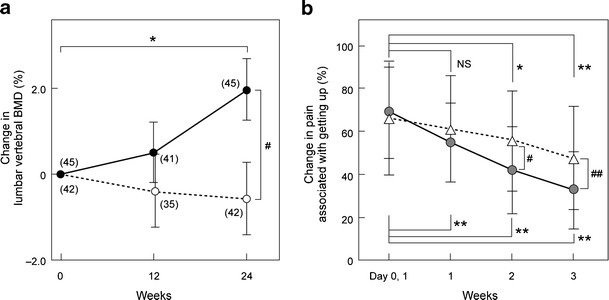
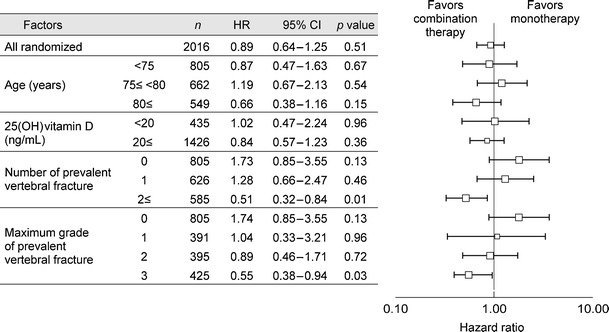
Verification
Claims the paper makes
The claims and statistics of this paper haven’t been checked yet.
Free: it reads the open-access text and checks the first 5 claims that cite a source we can check. Create a free account to check every claim.
Claims other papers make about this one
Each is checked against this paper’s own text: does it say what the citing paper says it does?
The source backs part of the claim, not all of it — or backs it for a different population, condition or comparison.
In the citing paper
“It was apparent that some systematic reviews and guidelines, particularly for the earlier three patient groups, would be different for vitamin K and risedronate 2.5 mg/day if the affected trial reports were removed”
From An investigation into the impact and implications of published papers from retracted research: systematic search of affected literature (2019) · cites this paper as [23]
Experimental — accuracy not yet measuredThe source backs part of the claim, not all of it — or backs it for a different population, condition or comparison.
In the citing paper
“and that some affected systematic reviews and guidelines have themselves been widely disseminated.18 23 30 49 52”
From An investigation into the impact and implications of published papers from retracted research: systematic search of affected literature (2019) · cites this paper as [23]
Experimental — accuracy not yet measuredThe cited source says what the claim attributes to it.
In the citing paper
“Importantly, this 2006 meta-analysis, without any caveat related to the sensitivity analysis, is the sole evidence cited for vitamin K preventing vertebral and non-vertebral fractures in the journal publication of the 2011 Japanese guidelines for osteoporosis23 (122 citations, October 2018).”
From An investigation into the impact and implications of published papers from retracted research: systematic search of affected literature (2019) · cites this paper as [23]
The cited source says what the claim attributes to it.
In the citing paper
“However, for randomised trials in clinical areas affecting systematic reviews and guidelines further propagation is likely, as we show in the case of the systematic review by Cockayne et al 18 and its influence on Japanese osteoporosis guidelines.23”
From An investigation into the impact and implications of published papers from retracted research: systematic search of affected literature (2019) · cites this paper as [23]
Self-check
Percentages, sums and reported differences re-computed from the paper’s own numbers.
The self-check needs the paper’s full text.
Citations
Cites
Effect of Vitamin D on Falls: A Meta-analysis
Bischoff-Ferrari, H. A., Dawson-Hughes, B., Willett, W. C., Staehelin, H. B., Bazemore, M. G., Zee, R. Y., & Wong, J. B. (2004) · JAMA · doi:10.1001/jama.291.16.1999 · Cited by 1,324
Yoshimura, N., Muraki, S., Oka, H., Mabuchi, A., En-Yo, Y., Yoshida, M., Saika, A., Yoshida, H., Suzuki, T., Yamamoto, S., et al. (2009) · Journal of Bone and Mineral Metabolism · doi:10.1007/s00774-009-0080-8 · Cited by 819
Self-citationMacLean, C., Newberry, S., Maglione, M., McMahon, M., Ranganath, V., Suttorp, M., Mojica, W., Timmer, M., Alexander, A., McNamara, M., et al. (2008) · Annals of Internal Medicine · doi:10.7326/0003-4819-148-3-200802050-00198 · Cited by 529
Diagnostic criteria for primary osteoporosis: year 2000 revision
Orimo, H., Hayashi, Y., Fukunaga, M., Sone, T., Fujiwara, S., Shiraki, M., Kushida, K., Miyamoto, S., Soen, S., Nishimura, J., et al. (2001) · Journal of Bone and Mineral Metabolism · doi:10.1007/s007740170001 · Cited by 465
Self-citationCockayne, S., Adamson, J., Lanham-New, S., Shearer, M. J., Gilbody, S., & Torgerson, D. J. (2006) · Archives of Internal Medicine · doi:10.1001/archinte.166.12.1256 · Cited by 361 · cited 1×
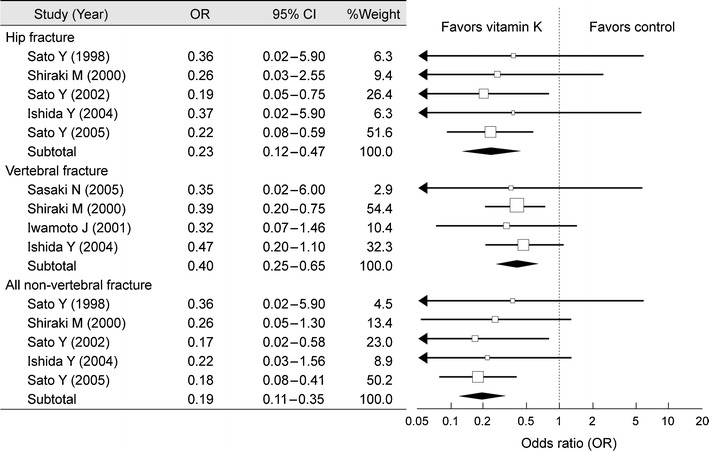
“OR odds ratio,CI confidence interval (Cockayne [13] (Copyright© 2006American Medical Association)) Arch Osteoporos”
BackgroundPapadimitropoulos, E., Wells, G., Shea, B., Gillespie, W., Weaver, B., Zytaruk, N., Cranney, A., Adachi, J., Tugwell, P., Josse, R., et al. (2002) · Endocrine Reviews · doi:10.1210/er.2001-8002 · Cited by 302
Matsumoto, T., Ito, M., Hayashi, Y., Hirota, T., Tanigawara, Y., Sone, T., Fukunaga, M., Shiraki, M., & Nakamura, T. (2011) · Bone · doi:10.1016/j.bone.2011.07.011 · Cited by 189
Self-citationHip fracture incidence in Japan: estimates of new patients in 2007 and 20-year trends
Orimo, H., Yaegashi, Y., Onoda, T., Fukushima, Y., Hosoi, T., & Sakata, K. (2009) · Archives of Osteoporosis · doi:10.1007/s11657-009-0031-y · Cited by 161
Self-citationNishizawà, Y., Ohta, H., Miura, M., Inaba, M., Ichimura, S., Shiraki, M., Takada, J., Chaki, O., Hagino, H., Fujiwara, S., et al. (2012) · Journal of Bone and Mineral Metabolism · doi:10.1007/s00774-012-0392-y · Cited by 143
Self-citationMatsumoto, T., Hagino, H., Shiraki, M., Fukunaga, M., Nakano, T., Takaoka, K., Morii, H., Ohashi, Y., & Nakamura, T. (2008) · Osteoporosis International · doi:10.1007/s00198-008-0816-7 · Cited by 115
Self-citation
Research works printed but not linked: 3
- You K Osteoporos Jpn 2011 19 626
- Orimo H Hosoi T Fukunaga M Manual for osteoporosis screening and health guidance 2009 Tokyo Life Science Publishing
- Nakano T Clinical effect of calcitonin (elcatonin) on acute pain for osteoporotic vertebral fracture: semi blind randomized controlled trial Osteoporos Jpn 2011 19 279
Cited by
The Advisory Board of the National Osteoporosis Guideline Group, Kanis, J. A., Harvey, N. C., Cooper, C., Johansson, H., Odén, A., & McCloskey, E. V. (2016) · Archives of Osteoporosis · doi:10.1007/s11657-016-0278-z · Cited by 421
“95 Hungary Hungarian Society for Osteoporosis and Osteoarthrology [82] 20 3 Japan Japan Osteoporosis Society; Japanese Society for Bone and Mineral Research; Japan Osteoporosis Foundation [31] 15 Japan Academia [83] 10 5 Lebanon Ministry of Public Health and multiple societies [84] 10 Malaysia Ministry of Health, Mala…”
BackgroundInfluentialAn overview of the use of the fracture risk assessment tool (FRAX) in osteoporosis
Schini, M., Johansson, H., Harvey, N. C., Lorentzon, M., Kanis, J. A., & McCloskey, E. V. (2023) · Journal of Endocrinological Investigation · doi:10.1007/s40618-023-02219-9 · Cited by 194
“In other cases, for example China and Japan, thresholds have been adapted to (usually lower) mean fracture incidence in the population [37, 38].”
BackgroundLi, K., Wang, X.-F., Li, D.-Y., Chen, Y.-C., Zhao, L.-J., Liu, X.-G., Guo, Y.-F., Shen, J., Lin, X., Deng, J., et al. (2018) · Clinical Interventions in Aging · doi:10.2147/cia.s157523 · Cited by 191
Yasaka, K., Akai, H., Kunimatsu, A., Kiryu, S., & Abe, O. (2020) · European Radiology · doi:10.1007/s00330-020-06677-0 · Cited by 167
A decade of FRAX: how has it changed the management of osteoporosis?
Kanis, J. А., Harvey, N. C., Johansson, H., Liu, E., Vandenput, L., Lorentzon, M., Leslie, W. D., & McCloskey, E. V. (2020) · Aging Clinical and Experimental Research · doi:10.1007/s40520-019-01432-y · Cited by 165
Laboratory assessment of vitamin B12 status
Harrington, D. J. (2017) · Journal of Clinical Pathology · doi:10.1136/jclinpath-2015-203502 · Cited by 130
Intervention Thresholds and the Diagnosis of Osteoporosis
Kanis, J. А., McCloskey, E. V., Harvey, N. C., Johansson, H., & Leslie, W. D. (2015) · Journal of Bone and Mineral Research · doi:10.1002/jbmr.2531 · Cited by 138
“将固定的FRAX机率作为治疗临界点 使用FRAX的几篇指南推荐将固定的FRAX机率 值作为治疗临界点。例如在美国和加拿大使用10年 内20%骨折机率,日本和瑞典使用10年内15%骨折 机率([31-34])。需要注意的是这些固定临界点并不是必须”
Vitamin K‑dependent proteins involved in bone and cardiovascular health (Review)
Wen, L., Chen, J., Duan, L., & Li, S. (2018) · Molecular Medicine Reports · doi:10.3892/mmr.2018.8940 · Cited by 142
“In the prevention and treatment of osteoporosis (39), Japan's recommended intake of vitamin K2 in the form of MK‑7 is 250‑300 µg/day.”
Kanis, J. А., Harvey, N. C., Johansson, H., Odén, A., Leslie, W. D., & McCloskey, E. V. (2017) · Journal of Clinical Densitometry · doi:10.1016/j.jocd.2017.06.022 · Cited by 137
Ozaki, D., Kubota, R., Maeno, T., Abdelhakim, M., & Hitosugi, N. (2020) · Osteoporosis International · doi:10.1007/s00198-020-05728-y · Cited by 127
Previous fracture and subsequent fracture risk: a meta-analysis to update FRAX
Kanis, J. А., Johansson, H., McCloskey, E. V., Liu, E., Åkesson, K., Anderson, F. A., Azagra, R., Bager, C. L., Beaudart, C., Bischoff-Ferrari, H. A., et al. (2023) · Osteoporosis International · doi:10.1007/s00198-023-06870-z · Cited by 128
“The identification of patients with a fracture history is a well-established goal in the clinical management of osteoporosis as outlined in most clinical guidelines worldwide [7, 8, 9, 10, 11, 12].”
Self-citationLo, J. C.-M., Hui, R. L., Grimsrud, C. D., Chandra, M., Neugebauer, R. S., Gonzalez, J. R., Budayr, A., Lau, G., & Ettinger, B. B. (2016) · Bone · doi:10.1016/j.bone.2016.01.002 · Cited by 111
“However, in Japan, a lower 5 mg/day alendronate dose is approved for osteoporosis treatment [20].”
BackgroundVitamin K2 Therapy for Postmenopausal Osteoporosis
Iwamoto, J. (2014) · Nutrients · doi:10.3390/nu6051971 · Cited by 102
“Of the eight RCTs, six were performed in Japan, one in Indonesia, and one in China.”
BackgroundInfluentialDenosumab versus romosozumab for postmenopausal osteoporosis treatment
Kobayakawa, T., Miyazaki, A., Saito, M., Suzuki, T., Takahashi, J. A., & Nakamura, Y. (2021) · Scientific Reports · doi:10.1038/s41598-021-91248-6 · Cited by 113
Self-citationNguyen, B. N., Hoshino, H., Togawa, D., & Matsuyama, Y. (2018) · Clinics in Orthopedic Surgery · doi:10.4055/cios.2018.10.2.149 · Cited by 99
Krueger, D. C., Tanner, S. B., Szalat, A., Malabanan, A. O., Prout, T. M., Lau, A., Rosen, H. N., & Shuhart, C. (2023) · Journal of Clinical Densitometry · doi:10.1016/j.jocd.2023.101437 · Cited by 124
Chang, K., Chung, C., Lin, C., Sung, F., Wu, T.-N., & Kao, C. (2013) · AGE · doi:10.1007/s11357-013-9608-x · Cited by 102
Tamaki, J., Fujimori, K., Ikehara, S., Kamiya, K., Nakatoh, S., Okimoto, N., Ogawa, S., Ishii, S., & Iki, M. (2019) · Osteoporosis International · doi:10.1007/s00198-019-04844-8 · Cited by 96
Self-citationSeki, S., Hirano, N., Kawaguchi, Y., Nakano, M., Yasuda, T., Suzuki, K., Watanabe, K., Makino, H., Kanamori, M., & Kimura, T. (2017) · European Spine Journal · doi:10.1007/s00586-017-4959-0 · Cited by 94
Deep Learning for Bone Mineral Density and T-Score Prediction from Chest X-rays: A Multicenter Study
Sato, Y., Yamamoto, N., Inagaki, N., Iesaki, Y., Asamoto, T., Suzuki, T., & Takahara, S. (2022) · Biomedicines · doi:10.3390/biomedicines10092323 · Cited by 105
“Osteoporosis is prevalent in aged women, and this population group is the target for screening [9].”
BackgroundMethodInfluentialSelf-citationRole of Vitamin K in Bone and Muscle Metabolism
Alonso, N., Meinitzer, A., Fritz-Petrin, E., Enko, D., & Herrmann, M. (2022) · Calcified Tissue International · doi:10.1007/s00223-022-00955-3 · Cited by 96
Vitamin K series: current status and future prospects
Berenjian, A., Mahanama, R., Kavanagh, J. M., & Dehghani, F. (2013) · Critical Reviews in Biotechnology · doi:10.3109/07388551.2013.832142 · Cited by 92
Fuleihan, G. E., Chakhtoura, M., Cauley, J. A., & Chamoun, N. (2017) · Journal of Clinical Densitometry · doi:10.1016/j.jocd.2017.06.008 · Cited by 89
“The use of FRAX is without any consideration for T-score, in Argentina (87), Lebanon (90), Poland (72),Turkey (78), the UK (79), and Saudi Arabia (91), while other countries also kept T-score thresholds in their considerations to intervene, such as Canada (58), China-Hong Kong (60), France (70), Greece (71), Japan (81…”
BackgroundFRAX and fracture prediction without bone mineral density
Kanis, J. A., Harvey, N. C., Johansson, H., Odén, A., Leslie, W. D., & McCloskey, E. V. (2015) · Climacteric · doi:10.3109/13697137.2015.1092342 · Cited by 90
Wu, C., Chang, Y., Chen, C., Lewiecki, E. M., Wüster, C. C., Reid, I. R., Tsai, K., Matsumoto, T., MERCADO-ASIS, L. B., Chan, D., et al. (2019) · Journal of Clinical Densitometry · doi:10.1016/j.jocd.2019.03.004 · Cited by 95
Ebina, K., Tsuboi, H., Nagayama, Y., Kashii, M., Kaneshiro, S., Miyama, A., Nakaya, H., Kunugiza, Y., Hirao, M., Okamura, G., et al. (2021) · Joint Bone Spine · doi:10.1016/j.jbspin.2021.105219 · Cited by 85
Kishimoto, H., & Maehara, M. (2015) · Archives of Osteoporosis · doi:10.1007/s11657-015-0231-6 · Cited by 84
“Osteoporosis was diagnosed by Japanese guidelines which included the data of BMD, fracture history, and other risk factors [9].”
MethodMa, J., Lin, X., Chen, C., Li, S., Zhang, S., Chen, Z., Li, D., Zhao, F., Yang, C., Yin, C., et al. (2019) · The Journal of Clinical Endocrinology & Metabolism · doi:10.1210/clinem/dgz300 · Cited by 83
Nakamura, T., Fukunaga, M., Nakano, T., Kishimoto, H., Ito, M., Hagino, H., Sone, T., Taguchi, A., Tanaka, S., Ohashi, M., et al. (2016) · Osteoporosis International · doi:10.1007/s00198-016-3736-y · Cited by 82
“Based on the results of a national nutrition survey in Japan, the dietary calcium intake of Japanese patients with primary osteoporosis was approximately 300 mg lower than the required daily intake according to Japanese guidelines [21].”
BackgroundSelf-citationLaboratory assessment of vitamin K status
Card, D. J., Gorska, R., & Harrington, D. J. (2019) · Journal of Clinical Pathology · doi:10.1136/jclinpath-2019-205997 · Cited by 80
“14”
Ebina, K., Hirao, M., Tsuboi, H., Nagayama, Y., Kashii, M., Kaneshiro, S., Miyama, A., Nakaya, H., Kunugiza, Y., Okamura, G., et al. (2020) · Bone · doi:10.1016/j.bone.2020.115574 · Cited by 71
Osteoporosis in East Asia: Current issues in assessment and management
Cheung, E. Y. N., Tan, K. C. B., Cheung, C., & Kung, A. W. C. (2016) · Osteoporosis and Sarcopenia · doi:10.1016/j.afos.2016.07.001 · Cited by 80
Ebina, K., Hashimoto, J., Kashii, M., Hirao, M., Kaneshiro, S., Noguchi, T., Tsukamoto, Y., & Yoshikawa, H. (2016) · Journal of Bone and Mineral Metabolism · doi:10.1007/s00774-015-0731-x · Cited by 72
Fracture risk assessment by the FRAX model
McCloskey, E. V., Harvey, N. C., Johansson, H., Lorentzon, M., Liu, E., Vandenput, L., Leslie, W. D., & Kanis, J. А. (2021) · Climacteric · doi:10.1080/13697137.2021.1945027 · Cited by 71
Regulation of bone remodeling by vitamin K2
Myneni, V. D., & Mezey, É. (2017) · Oral Diseases · doi:10.1111/odi.12624 · Cited by 71
“A dose of 45 mg day 1 was used in these studies, which is about 150–180 times greater than the recommended daily dietary intake of vitamin K (250– 300 lg) (Orimo et al, 2012; Iwamoto, 2014).”
MethodAvenell, A., Stewart, F., Grey, A., Gamble, G., & Bolland, M. (2019) · BMJ Open · doi:10.1136/bmjopen-2019-031909 · Cited by 59
Chen, C.-H., Lin, C.-L., & Kao, C.-H. (2015) · Medicine · doi:10.1097/md.0000000000002276 · Cited by 61
“The confounding factors in this study were determined according to Japanese 2011 guidelines for prevention and treatment of osteoporosis.(14) In addition to primary osteoporosis relating to aging and sex, the guidelines subclassify the causes of secondary osteoporosis into secondary to other diseases, such as hyperpar…”
MethodOrthogeriatrics: The Management of Older Patients with Fragility Fractures
Falaschi, P., & Marsh, D. (2020) · Practical issues in geriatrics · doi:10.1007/978-3-030-48126-1 · Cited by 133
An assessment of intervention thresholds for very high fracture risk applied to the NOGG guidelines
Kanis, J. А., Johansson, H., Harvey, N. C., Lorentzon, M., Liu, E., Vandenput, L., & McCloskey, E. V. (2021) · Osteoporosis International · doi:10.1007/s00198-021-05942-2 · Cited by 61
“for example, BMD has remained the gateway for risk assessment, and FRAX is reserved for those individuals without osteoporosis but with a lowBMD [2, 3].”
BackgroundKanis, J. А., McCloskey, E. V., Harvey, N. C., Cooper, C. C., Rizzoli, R., Dawson-Hughes, B. F., Maggi, S., & Reginster, J. (2022) · Osteoporosis International · doi:10.1007/s00198-022-06567-9 · Cited by 60
Shudo, A., Kishimoto, H., Takaoka, K., & Noguchi, K. (2018) · Osteoporosis International · doi:10.1007/s00198-018-4621-7 · Cited by 61
Miyauchi, A., Dinavahi, R. V., Crittenden, D. B., Yang, W., Maddox, J., Hamaya, E., Nakamura, Y., Libanati, C. R., Grauer, A., & Shimauchi, J. (2019) · Archives of Osteoporosis · doi:10.1007/s11657-019-0608-z · Cited by 60
Kobayakawa, T., Suzuki, T., Nakano, M., Saito, M., Miyazaki, A., Takahashi, J. A., & Nakamura, Y. (2021) · Bone Reports · doi:10.1016/j.bonr.2021.101068 · Cited by 61
Self-citationDenosumab for dialysis patients with osteoporosis: A cohort study
Kunizawa, K., Hiramatsu, R., Hoshino, J., Mizuno, H., Ozawa, Y., Sekine, A., Kawada, M., Sumida, K., Hasegawa, E., Yamanouchi, M., et al. (2020) · Scientific Reports · doi:10.1038/s41598-020-59143-8 · Cited by 53
Koitaya, N., Sekiguchi, M., Tousen, Y., Nishide, Y., Morita, A., Yamauchi, J., Gando, Y., Miyachi, M., Aoki, M., Komatsu, M., et al. (2013) · Journal of Bone and Mineral Metabolism · doi:10.1007/s00774-013-0472-7 · Cited by 54
INABA, N., Sato, T., & Yamashita, T. (2015) · Journal of Nutritional Science and Vitaminology · doi:10.3177/jnsv.61.471 · Cited by 50
Osteoporosis in adult patients with atopic dermatitis: A nationwide population-based study
Wu, C., Lu, Y., Lu, C., Su, Y., Tsai, T., & Wu, C. (2017) · PLoS ONE · doi:10.1371/journal.pone.0171667 · Cited by 49
Nishikawa, A., Yoshiki, F., Taketsuna, M., Kajimoto, K., & Enomoto, H. (2016) · Clinical Interventions in Aging · doi:10.2147/cia.s120175 · Cited by 50
“The prevalence of osteoporosis and related fractures is high and increases dramatically with increasing age.(2,3) In 2009, osteoporosis was estimated to affect up to 12.”
InfluentialShi, Y., Zhan, Y., Chen, Y., & Jiang, Y. (2020) · Archives of Osteoporosis · doi:10.1007/s11657-020-0694-y · Cited by 53
“The primary method of preventing osteoporosis in postmenopausal women is to minimize the amount of bone mass depleted after menopause [5].”
MethodIizuka, Y., Iizuka, H., Mieda, T., Tajika, T., Yamamoto, A., & Takagishi, K. (2015) · Journal of Orthopaedic Science · doi:10.1007/s00776-015-0774-9 · Cited by 46
“Additionally, because musculoskeletal diseases are usually associated with chronic musculoskeletal pain (CMSP) [9–13], which is a common symptom in Japan [13–16] and results in a decreased quality of life (QOL) [17–24], the contribution of these conditions to locomotive function should also be investigated.”
BackgroundNakamura, T., Shiraki, M., Fukunaga, M., Tomomitsu, T., Santora, A., Tsai, R., Fujimoto, G., Nakagomi, M., Tsubouchi, H., Rosenberg, E., et al. (2013) · Osteoporosis International · doi:10.1007/s00198-013-2398-2 · Cited by 48
“According to the guidelines in Japan [5], 70 % of YAM is consistent with the international criterion −2.”
BackgroundSelf-citationNakamoto, T., Taguchi, A., & Kakimoto, N. (2022) · Dentomaxillofacial Radiology · doi:10.1259/dmfr.20220135 · Cited by 54
Saito, T., Mizobuchi, M., Kato, T., Suzuki, T., Fujiwara, Y., Kanamori, N., MAKUUCHI, M., & Honda, H. (2022) · Calcified Tissue International · doi:10.1007/s00223-022-01031-6 · Cited by 50
“Osteoporosis was defined based on the following criteria published by the Japanese Osteoporosis Society [24]: (1) a BMD T-score of < -2.”
MethodInfluentialSelf-citationOsteoporosis and Fracture Risk among Older US Asian Adults
Lo, J. C.-M., Yang, W., Park-Sigal, J. J., & Ott, S. M. (2023) · Current Osteoporosis Reports · doi:10.1007/s11914-023-00805-7 · Cited by 51
Osteoporosis case ascertainment strategies in European and Asian countries: a comparative review
Burden, A. M., Tanaka, Y., Xu, L., Ha, Y., McCloskey, E. V., Cummings, S. R., & Glüer, C.-C. (2020) · Osteoporosis International · doi:10.1007/s00198-020-05756-8 · Cited by 50
“In Japan, diagnostic criteria for osteoporosis follow the 2011 guidelines for the prevention and treatment of osteoporosis [39].”
BackgroundMethodInfluentialWebster, J., Via, J. D., Langley, C. K., Smith, C., Sale, C., & Sim, M. (2023) · Bone Reports · doi:10.1016/j.bonr.2023.101684 · Cited by 55
“…(National Institue for Health, 2021), although pharmaceutical vitamin K2 has been approved in Japan for the treatment of osteoporosis since 1995 (Orimo et al., 2012); despite concerns having been raised regarding the scientific integrity of vitamin K supplementation trials in this area…”
BackgroundPosition Statement on the Use of Bone Turnover Markers for Osteoporosis Treatment
Park, S. Y., Ahn, S. H., Yoo, J., Chung, Y., Jeon, Y. K., Yoon, B., Kim, H. Y., Lee, S. H., Lee, J., & Hong, S. (2019) · Journal of Bone Metabolism · doi:10.11005/jbm.2019.26.4.213 · Cited by 49
Rønn, S. H., Harsløf, T., Oei, L., Pedersen, S. B., & Langdahl, B. L. (2020) · Osteoporosis International · doi:10.1007/s00198-020-05638-z · Cited by 47
Kim, S., & Hwang, B. (2014) · Pain Research and Management · doi:10.1155/2014/870145 · Cited by 42
“BMD is a major determinant of the fracture risk in patients with corticosteroid-induced osteoporosis (29,30).”
BackgroundInfluentialNishikawa, A., Ishida, T., Taketsuna, M., Yoshiki, F., & Enomoto, H. (2016) · Clinical Interventions in Aging · doi:10.2147/cia.s107285 · Cited by 38
“8 million people.(5,6) In 2010, 23% of the Japanese population were aged 65 years and over, and this is projected to increase to 32% in 2030 and to 40% by 2050.”
BackgroundA missense single nucleotide polymorphism in the ALDH2 gene, rs671, is associated with hip fracture
Takeshima, K., Nishiwaki, Y., Suda, Y., Niki, Y., Sato, Y., Kobayashi, T., Miyamoto, K., Uchida, H., Inokuchi, W., Tsuji, T., et al. (2017) · Scientific Reports · doi:10.1038/s41598-017-00503-2 · Cited by 39
Artificial Intelligence-enabled Chest X-ray Classifies Osteoporosis and Identifies Mortality Risk
Tsai, D., Lin, C. S., Lin, C., Lee, C., Wang, C., & Fang, W. (2024) · Journal of Medical Systems · doi:10.1007/s10916-023-02030-2 · Cited by 45
Sugimoto, T., Shiraki, M., Fukunaga, M., Kishimoto, H., Hagino, H., Sone, T., Nakano, T., Ito, M., Yoshikawa, H., Minamida, T., et al. (2019) · Osteoporosis International · doi:10.1007/s00198-019-05111-6 · Cited by 42
Self-citationWang, C., Fu, S., Yang, R., Shen, L., Wu, F. L., & Hsiao, F. (2017) · Archives of Osteoporosis · doi:10.1007/s11657-017-0385-5 · Cited by 36
A proposal for an atypical femur fracture treatment and prevention clinical practice guideline
Dell, R. M., & Greene, D. F. (2018) · Osteoporosis International · doi:10.1007/s00198-018-4506-9 · Cited by 36
Wei, X., Ai-li, X., Yin, Y., & Zhang, R. (2015) · Maturitas · doi:10.1016/j.maturitas.2015.08.013 · Cited by 39
Miyakoshi, N., Hongo, M., Kobayashi, T., Abe, T., Abe, E., & Shimada, Y. (2015) · Osteoporosis International · doi:10.1007/s00198-015-3163-5 · Cited by 34
“Osteoporosis was diagnosed according to the criteria proposed by the Japanese Society for Bone and Mineral Research, as described in the Japanese 2011 guidelines for the prevention and treatment of osteoporosis [13].”
MethodTatsumi, Y., Higashiyama, A., Kubota, Y., Sugiyama, D., Nishida, Y., Hirata, T., Kadota, A., Nishimura, K., Imano, H., Miyamatsu, N., et al. (2016) · Journal of Epidemiology · doi:10.2188/jea.je20150267 · Cited by 34
Sakai, A., Ikeda, S., Okimoto, N., Matsumoto, H., Teshima, K., Okazaki, Y., Fukuda, F., Arita, S., Tsurukami, H., Nagashima, M., et al. (2014) · Osteoporosis International · doi:10.1007/s00198-014-2756-8 · Cited by 33
“Bisphosphonates (BPs) are recommended as a first-line agent for osteoporosis treatment by many national and international guidelines [1–3].”
BackgroundThe FRAX-based Lebanese osteoporosis treatment guidelines: rationale for a hybrid model
Chakhtoura, M., Leslie, W. D., McClung, M. R., Cheung, A. M., & Fuleihan, G. E. (2016) · Osteoporosis International · doi:10.1007/s00198-016-3766-5 · Cited by 36
“Japan and Poland considered fracture probabilities that are equivalent to intervention thresholds used in their previous guidelines, such as a BMD T-score ≤−2.5 [43, 46].”
BackgroundInfluentialNagayama, Y., Ebina, K., Tsuboi, H., Hirao, M., Hashimoto, J., Yoshikawa, H., Okada, S., & Nakata, K. (2021) · Journal of Orthopaedic Science · doi:10.1016/j.jos.2021.08.018 · Cited by 36
New and developing pharmacotherapy for osteoporosis in men
Gennari, L., & Bilezikian, J. P. (2018) · Expert Opinion on Pharmacotherapy · doi:10.1080/14656566.2018.1428559 · Cited by 38
“5 mg/w) are also recommended in Japan [46]; Weekly dosages of Teriparatide (56.”
BackgroundThe Role of Vitamin K in Cholestatic Liver Disease
Sultana, H., Komai, M., & Shirakawa, H. (2021) · Nutrients · doi:10.3390/nu13082515 · Cited by 44
Ebina, K., Etani, Y., Tsuboi, H., Nagayama, Y., Kashii, M., Miyama, A., Kunugiza, Y., Hirao, M., Okamura, G., Noguchi, T., et al. (2022) · Osteoporosis International · doi:10.1007/s00198-022-06386-y · Cited by 34
“Treatment with ROMO was initiated in patients with high fracture risk according to the definition of the World Health Organization 1998 or the Japanese Guidelines for Prevention and Treatment of Osteoporosis 2011 [10]: patients with (1) BMD T-score < − 2.”
MethodEldecalcitol for the treatment of osteoporosis
Kawate, H., Noguchi, Y., Nomura, M., & Takayanagi, R. (2013) · Clinical Interventions in Aging · doi:10.2147/cia.s49825 · Cited by 40
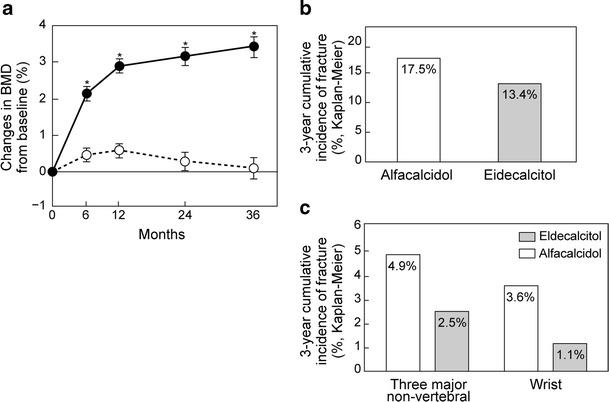
“Active form of vitamin D for the treatment of osteoporosis The active form of vitamin D (1α,25-dihydroxyvitamin D 3 , calcitriol) and its prodrug (1α-hydroxyvitamin D 3 , alfacalcidol) have been approved for the treatment of osteoporosis in Japan (Figure 1).(26) Both calcitriol and alfacalcidol showed a modest increas…”
Accuracy of self‐reported weight, height and body mass index among older people in Japan
Yazawa, A., Inoue, Y., Kondo, N., Miyaguni, Y., Ojima, T., Kondo, K., & Kawachi, I. I. (2020) · Geriatrics and gerontology international/Geriatrics & gerontology international · doi:10.1111/ggi.13971 · Cited by 35
Seki, A., Ikeda, F., Miyatake, H., Takaguchi, K., Hayashi, S., Osawa, T., Fujioka, S., Tanaka, R., Ando, M., Seki, H., et al. (2017) · Journal of Gastroenterology and Hepatology · doi:10.1111/jgh.13746 · Cited by 37
“Osteoporosis is known to be associated with old age, female sex, reduced physical activity, and low body mass index.((6)) Further factors such as a history of fracture, steroid treatment, smoking, alcohol abuse, and diabetes mellitus are thought to increase the risk of secondary osteoporosis.”
BackgroundMethodInfluentialAihara, S., Yamada, S., Oka, H., Kamimura, T., Nakano, T., Tsuruya, K., & Harada, A. (2019) · Renal Failure · doi:10.1080/0886022x.2019.1578667 · Cited by 31
Ebina, K., Hirao, M., Hashimoto, J., Hagihara, K., Kashii, M., Kitaguchi, K., Matsuoka, H., Iwahashi, T., Chijimatsu, R., & Yoshikawa, H. (2017) · Journal of Bone and Mineral Metabolism · doi:10.1007/s00774-017-0861-4 · Cited by 32
Nakamura, Y., Suzuki, T., Kamimura, M., Ikegami, S., Murakami, K., Uchiyama, S., Taguchi, A., & Kato, H. (2017) · Bone Research · doi:10.1038/boneres.2016.55 · Cited by 29
Self-citationBae, S. J., Lee, S. H., Ahn, S. H., Kim, H.-M., Kim, B., & Koh, J. (2016) · Osteoporosis International · doi:10.1007/s00198-016-3565-z · Cited by 33
“Because osteoporosis treatment aims to prevent osteoporotic fracture, the identification of individuals at high risk of fracture is important when deciding whether to administer pharmacological treatment [3–5].”
BackgroundEbina, K., Hirao, M., Hashimoto, J., Matsuoka, H., Iwahashi, T., Chijimatsu, R., Etani, Y., Okamura, G., Miyama, A., & Yoshikawa, H. (2018) · Osteoporosis International · doi:10.1007/s00198-018-4492-y · Cited by 29
“This population may be relatively rare compared to the real-world use of DMAb, since most patients are considered to be treated by BPs at first line according to the osteoporosis guidelines [13, 14].”
BackgroundMethodEbina, K., Hashimoto, J., Kashii, M., Hirao, M., Miyama, A., Nakaya, H., Tsuji, S., Takahi, K., Tsuboi, H., Okamura, G., et al. (2020) · Modern Rheumatology · doi:10.1080/14397595.2020.1769895 · Cited by 28
Iolascon, G., Alessandro de, S. I. R. E., Curci, C., Paoletta, M., Liguori, S., Calafiore, D., Gimigliano, F., & Moretti, A. (2021) · European Journal of Physical and Rehabilitation Medicine · doi:10.23736/s1973-9087.21.06581-3 · Cited by 30
Vitamin K2 in Health and Disease: A Clinical Perspective
Zhang, T., O’Connor, C. M., Sheridan, H., & Barlow, J. W. (2024) · Foods · doi:10.3390/foods13111646 · Cited by 36
“…as a second-line drug in guidelines on the management and treatment of glucocorticoid-induced osteoporosis by the Japanese Society for Bone and Mineral Research [51], and a 250–300 µ g of daily intake of MK-7 is also recommended as a therapeutic and prophylactic medication for osteoporosis [52].”
BackgroundHu, L., Ji, J., Li, D., Meng, J., & Yu, B. (2021) · Journal of Orthopaedic Surgery and Research · doi:10.1186/s13018-021-02728-4 · Cited by 34
Seo, S., Chun, S., Newell, M. A., & Yun, M.-E. (2015) · BMJ Open · doi:10.1136/bmjopen-2015-007914 · Cited by 27
Saitô, H., Kakihata, H., Nishida, Y., Yatomi, S., Nihojima, S., Kobayashi, Y., Tabata, H., & Nomura, M. (2016) · Journal of Bone and Mineral Metabolism · doi:10.1007/s00774-016-0779-2 · Cited by 27
Multiple gene polymorphisms can improve prediction of nonvertebral fracture in postmenopausal women
Lee, S. H., Lee, S., Ahn, S. H., Kim, T., Lim, K.-H., Kim, B., Cho, E.-H., Kim, S., Kim, T., Kim, G. S., et al. (2013) · Journal of Bone and Mineral Research · doi:10.1002/jbmr.1955 · Cited by 28
“We chose the values of 10% and 15% of the probability of events as the cut‐points for this analysis, the former as a diagnostic threshold and the latter as a treatment threshold, as previously suggested in Japan.”
MethodHagino, H., Kishimoto, H., Ohishi, H., Horii, S., & Nakamura, T. (2013) · Bone · doi:10.1016/j.bone.2013.10.017 · Cited by 26
“Open access under CC BY-NC-ND li alendronate and risedronate are frequently used as strongly recommended pharmacotherapy in the treatment of osteoporosis [1], and minodronate has also been approved for this indication [1].”
BackgroundSelf-citationApplying ethnic-specific bone mineral density T-scores to Chinese women in the USA
Lo, J. C.-M., Kim, S. J., Chandra, M., & Ettinger, B. B. (2016) · Osteoporosis International · doi:10.1007/s00198-016-3673-9 · Cited by 30
“As such, several Asian countries recommend using Asian reference data to establish a BMD-based diagnosis of osteoporosis in postmenopausal women, including Hong Kong [41], Singapore [42], Japan [43, 44], and China [45].”
BackgroundOka, R., Ohira, M., Suzuki, S., Yoshida, T., Koide, H., Tanaka, T., & Tatsuno, I. (2017) · Endocrine Journal · doi:10.1507/endocrj.ej17-0331 · Cited by 32
“We selected FRAX > 15% as an outcome measure, because the Japanese guidelines for prevention and treatment of osteoporosis recommend initiation of pharmacological treatment in osteopenic subjects with FRAX > 15% and no fracture history [1].”
BackgroundMethodInfluentialDefining Very High Fracture Risk: Is FRAX Fit for Purpose?
Compston, J. E., & Drake, M. T. (2020) · Journal of Bone and Mineral Research · doi:10.1002/jbmr.4134 · Cited by 34
Liu, X., & Xu, X. (2018) · International Journal of Molecular Medicine · doi:10.3892/ijmm.2018.3690 · Cited by 26
“There is an awareness that there is an interaction between certain ‘lifestyle-related diseases’, such as chronic kidney disease, hypertension or type 2 diabetes with osteoporosis (5).”
Ebina, K., Kashii, M., Hirao, M., Hashimoto, J., Noguchi, T., Koizumi, K., Kitaguchi, K., Matsuoka, H., Iwahashi, T., Tsukamoto, Y., et al. (2016) · Journal of Bone and Mineral Metabolism · doi:10.1007/s00774-016-0792-5 · Cited by 24
Cohort Profile: The Japanese Population-based Osteoporosis (JPOS) Cohort Study
Iki, M., Tamaki, J., Sato, Y., Morita, A., Ikeda, Y., Kajita, E., Nishino, H., Akiba, T., Matsumoto, T., Kagamimori, S., et al. (2014) · International Journal of Epidemiology · doi:10.1093/ije/dyu084 · Cited by 27
Self-citationLee, S. H., Cho, E.-H., Ahn, S. H., Kim, H., Lim, K.-H., Kim, B., Kim, S., Kim, T., Kim, S., Kim, G. S., et al. (2016) · The Journal of Clinical Endocrinology & Metabolism · doi:10.1210/jc.2015-3972 · Cited by 27
FRAX® based intervention thresholds for management of osteoporosis in Singaporean women
Chandran, M., McCloskey, E. V., Thu, W. P. P., Logan, S. J. S., Hao, Y., Tay, D., Ang, W. C., Aung, T., Choo, K. S., Ali, A., et al. (2018) · Archives of Osteoporosis · doi:10.1007/s11657-018-0542-5 · Cited by 26
Yokoyama, S., Ieda, S., Nagano, M., NAKAGAWA, C., Iwase, M., Hosomi, K., & Takada, M. (2020) · International Journal of Medical Sciences · doi:10.7150/ijms.39523 · Cited by 24
Fu, Y., Ba, L., Lü, N.-Q., Yang, H., Hong, X., Zhou, J., & Sun, Z. (2023) · Frontiers in Public Health · doi:10.3389/fpubh.2023.1204497 · Cited by 25
“Additionally, the oxidative stress and increased glycosylation caused by aging lead to non-enzymatic cross-linking of collagen molecules in the bone matrix, resulting in a decrease in bone strength (35, 36).”
Background
Metadata
- Authors
- Orimo, H., Nakamura, T., Hosoi, T., Iki, M., Uenishi, K., Endo, N., Ohta, H., Shiraki, M., Sugimoto, T., Suzuki, T., Soen, S., Nishizawa, Y., Hagino, H., Fukunaga, M., & Fujiwara, S.
- Affiliations
- Japan Osteoporosis Foundation (JP)
- University of Occupational and Environmental Health Japan (JP)
- National Center for Geriatrics and Gerontology (JP)
- Kindai University (JP)
- Japan Nutrition University (JP)
- Niigata University (JP)
- Sanno Medical Center (JP)
- Research Institute and Practice for Involutional Diseases (JP)
- Shimane University (JP)
- Research Institute, National Center for Geriatrics and Gerontology (JP)
- Tottori University (JP)
- Kawasaki Medical School (JP)
- Radiation Effects Research Foundation (JP)
- Corresponding author
- Hosoi, Takayuki
- ORCID
- Venue
- Archives of Osteoporosis
- Published
- 2012-12
- Volume
- 7
- Issue
- 1-2
- Pages
- 3-20
- ISSN
- 1862-3514 (ISSN-L)
- 1862-3522
- PMC
- PMC3517709
- OpenAlex
- W2030203316
- Cited by
- 358
- References
- 15
- Citations by year
- 2026: 12 · 2025: 19 · 2024: 27 · 2023: 22 · 2022: 27 · 2021: 35 · 2020: 34 · 2019: 28 · 2018: 32 · 2017: 33 · 2016: 38 · 2015: 22 · 2014: 14 · 2013: 13 · 2012: 2
- FWCI
- 17.43
- Type
- journal article
- Language
- en
- Open access
- hybrid
- doi.org
- Licence
- cc-by-nc
- Locations
- Archives of Osteoporosis (publishedVersion, cc-by-nc)
- Europe PMC (PubMed Central) (publishedVersion, cc-by-nc)
- PubMed Central (publishedVersion, cc-by-nc)
- PubMed (publishedVersion)
- Topics
- Health Sciences › Medicine › Orthopedics and Sports Medicine › Bone health and osteoporosis research
- Health Sciences › Medicine › Endocrinology, Diabetes and Metabolism › Menopause: Health Impacts and Treatments
- Health Sciences › Medicine › Oncology › Bone health and treatments
- Keywords
- osteoporosis, osteoporosis prevention, osteoporosis treatment, postmenopausal women, men over 50, secondary osteoporosis, fracture risk assessment, FRAX, Japanese clinical practice guidelines
- MeSH terms
- Adult, Aged, Aged, 80 and over, Female, Humans, Japan, Male, Middle Aged, Osteoporosis, Risk Factors, Incidence, Practice Guidelines as Topic, Age Distribution, Sex Distribution, Antirheumatic Agents, Fractures, Bone
About these checks
Registry, retraction, Cites and statistics results are computed, not judged, with one exception: a printed reference that no index lists is read once by a model before it counts as a citation error. Claims are extracted by a model and kept only when their quote appears verbatim in the text; each cited source is then checked, with a model’s help, for whether it says what the claim relies on. Those verdicts can be wrong — read the claim’s quote and the cited source before relying on one.
Statistics and arithmetic are recomputed, not judged.
Confidence bands are shown only for fields calibrated on our annotated test set. None is calibrated yet, so no band is shown.
What counts as a claim ›How we measure confidence ›How we check this ›
Are you an author, or do you see a problem with this page? Request a review
Data sources
Bibliographic data: Semantic Scholar, OpenAlex, Crossref.
Contains information from the Semantic Scholar Academic Graph Datasets, made available under the ODC Attribution License (ODC-BY 1.0).
Semantic Scholar’s data is described in: Kinney, R., et al. (2023). The Semantic Scholar Open Data Platform. arXiv:2301.10140.
