

A survey on large language model based autonomous agents
Open accessThe DOI matches its Crossref record; 205 of the 205 references it cites were found in a registry or an index; 159 of the 182 sources its claims cite were checked for support.
Abstract
Abstract Autonomous agents have long been a research focus in academic and industry communities. Previous research often focuses on training agents with limited knowledge within isolated environments, which diverges significantly from human learning processes, and makes the agents hard to achieve human-like decisions. Recently, through the acquisition of vast amounts of Web knowledge, large language models (LLMs) have shown potential in human-level intelligence, leading to a surge in research on LLM-based autonomous agents. In this paper, we present a comprehensive survey of these studies, delivering a systematic review of LLM-based autonomous agents from a holistic perspective. We first discuss the construction of LLM-based autonomous agents, proposing a unified framework that encompasses much of previous work. Then, we present a overview of the diverse applications of LLM-based autonomous agents in social science, natural science, and engineering. Finally, we delve into the evaluation strategies commonly used for LLM-based autonomous agents. Based on the previous studies, we also present several challenges and future directions in this field.
Overview
CoChat Summary
## TL;DR
This paper is a survey of LLM-based autonomous agents, organizing the literature around three pillars: construction, application, and evaluation. It proposes a unified framework for agent architecture, reviews application areas across social science, natural science, and engineering, and summarizes common evaluation strategies plus open challenges.
## Key findings
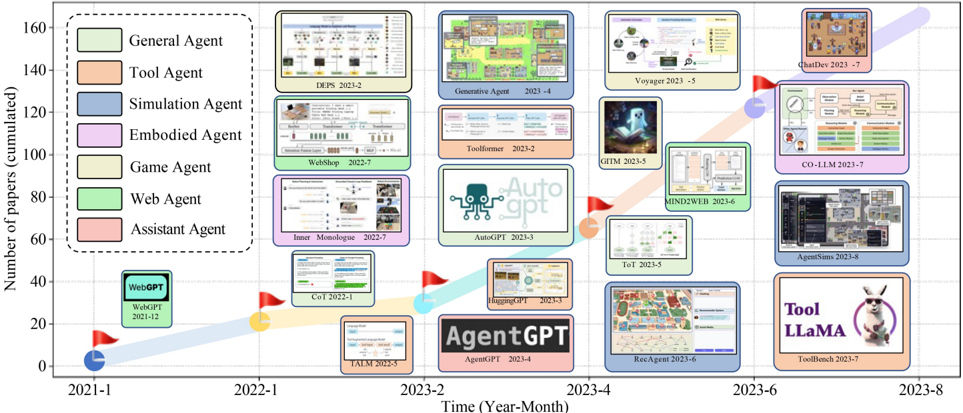
- The authors state they compiled 100 relevant works on LLM-based agents and synthesized them into a taxonomy covering construction, application, and evaluation.
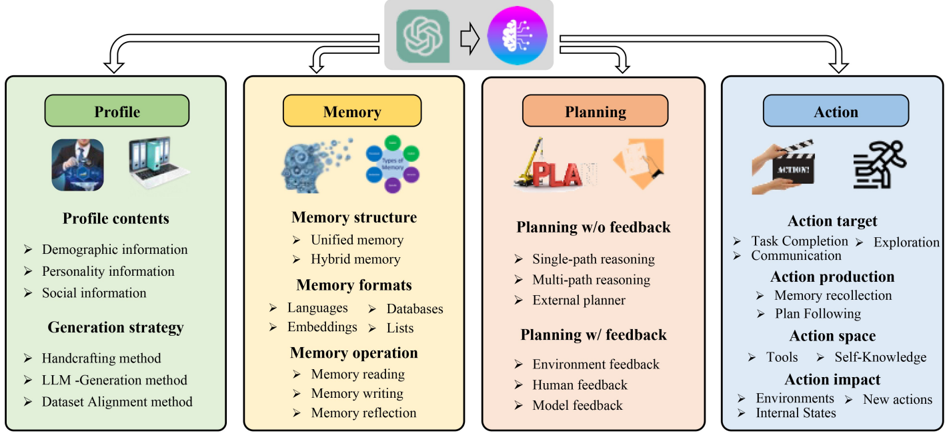
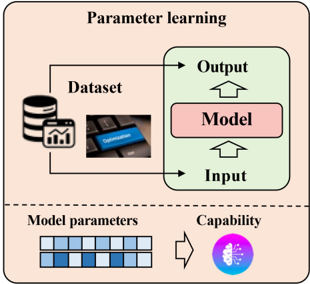
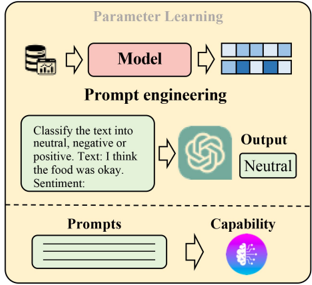
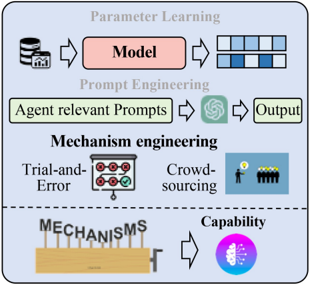
- For agent construction, they propose a unified architecture with four modules: profiling, memory, planning, and action; they also divide capability acquisition into fine-tuning and non-fine-tuning strategies.
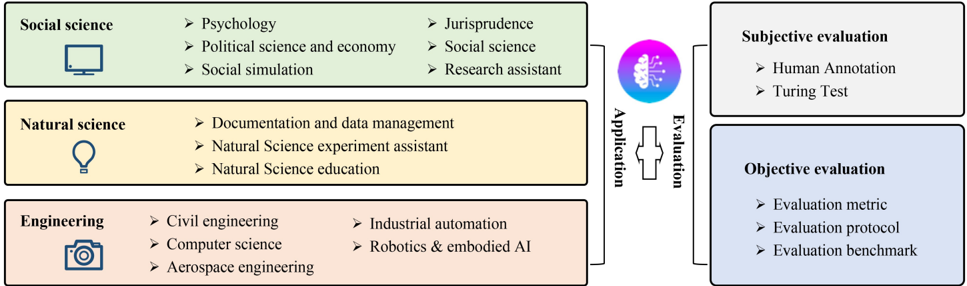
- For evaluation, they distinguish subjective and objective methods; objective evaluation is further broken into metrics, protocols, and benchmarks such as task success, human similarity, efficiency, real-world simulation, social evaluation, multi-task evaluation, and software testing.
- The paper identifies major challenges including role-playing capability, prompt robustness, hallucination, knowledge boundary, and efficiency.
## Methods
- This is a survey/review paper, not an experimental study; it systematically organizes prior work on LLM-based autonomous agents.
- The survey is structured around three aspects: agent construction, application, and evaluation; construction is further split into architecture design and capability acquisition.
- The authors use taxonomies and representative examples from prior papers to synthesize methods, applications, benchmarks, and challenges.
## Limitations
- The paper does not report original experiments or new quantitative results; this is implied by the survey nature of the work.
- The text states that the field is “still at its initial stage”, so the synthesis is limited by the maturity of the underlying literature.
- The authors note that some content is “not explicitly discussed in the paper” in their tables/figures, indicating incomplete coverage of all possible agent designs and evaluation modes.
Model-written summary. Check it against the paper before relying on it.
Integrity signals
Registry
Cites
Statistics
Figures













Verification
Claims the paper makes
90 Valid · 12 Not valid · 9 Not checked · 90 Own results and interpretations
The cited sources support only part of this claim — read each source’s verdict below.
In the paper
“Building upon this capability, there has been a growing research area that employs LLMs as central controllers to construct autonomous agents to obtain human-like decisionmaking capabilities [11][12][13][14][15][16][17].”
§ A survey on large language model based autonomous agents > 1 Introduction
What the sources say
- Could not verifycites [11] 11. Chen X, Li S, Li H, Jiang S, Qi Y, Song L. Generative adversarial user model for reinforcement learning based recommendation system. In: Proceedings of the 36th International Conference on Machine Learning. 2019, 1052-1061 sourceExperimental — accuracy not yet measured
Our copy of Chen et al. (2018) is entirely about a model-based RL framework for recommendation systems: a GAN user-behaviour model plus a Cascading DQN policy (Abstract; Introduction, pp.1-2; Sections 5-6.3). No passage mentions large language models, LLMs as controllers, or autonomous agents with human-like decision-making; searches for 'large language model as central controller autonomous agent', 'LLM agent human-like decision-making capabilities' and 'language model transformer pre-trained controller agent' returned only semantically nearest passages on model-based RL, robotics sample efficiency (Introduction; Related Work) and the MovieLens/Taobao datasets (Section 6). The reference list (References, items 1-24) likewise stops at 2019 works (Shi et al., 2019) with no LLM-related entry, so the claim's point is not addressed by this source at all — neither supported nor contradicted. (LLM, conf=0.72)
- Supportedcites [12] 12. Shinn N, Cassano F, Gopinath A, rasimhan K, Yao S. Reflexion: language agents with verbal reinforcement learning. NaIn: Proceedings of the 37th Conference on Neural Information Processing Systems. 2023, 36 source
The Introduction (page not specified) describes recent research on autonomous decision-making agents built around an LLM core, with LLMs generating actions executed in an environment. This supports the citing sentence’s broad description of the research area; it does not establish that the agents’ decisions match human decisions. (LLM, conf=0.88)
- Partly supportedcites [13] 13. Shen Y, Song K, Tan X, Li D, Lu W, Zhuang Y. HuggingGPT: solving AI tasks with chatGPT and its friends in hugging face. In: Proceedings of the 37th Conference on Neural Information Processing Systems. 2023, 36 sourceExperimental — accuracy not yet measured
The “LLM as Controller” section describes an LLM directing expert models and serving as the brain for planning and decisions. “B More Discussion about Related Works” identifies HuggingGPT and other LLM-based systems as autonomous agents. These passages support the controller-and-agent research claim, but they do not establish that the agents attain human-like decision-making capabilities. (LLM, conf=0.82)
plainstates a cause- Asserted: passes — The authors put it forward as true.
- Checkable: passes — It can be checked against evidence.
- Load-bearing: passes — The paper’s conclusions depend on it.
- Based: passes — The paper gives a reason why it holds.
- Could not verify
The cited sources support only part of this claim — read each source’s verdict below.
In the paper
“Autonomous agents typically perform tasks by assuming specific roles, such as coders, teachers and domain experts [18,19].”
§ A survey on large language model based autonomous agents > 2.1.1 Profiling module
What the sources say
- Partly supportedcites [18] 18. Qian C, Cong X, Liu W, Yang C, Chen W, Su Y, Dang Y, Li J, Xu J, Li S, Liu Z, Sun M. Communicative agents for software development. 2023, arXiv preprint arXiv: 2307.07924 sourceExperimental — accuracy not yet measured
The Introduction describes autonomous agents with specialized roles cooperating on software-development tasks, and the Ablation Study discusses programmer and reviewer roles. The paper supports the role-based approach and the coder example, but the cited passages do not establish teachers or domain experts as agent roles, or that agents typically use roles across tasks generally. (LLM, conf=0.84)
- Supportedcites [19] 19. Chen W, Su Y, Zuo J, Yang C, Yuan C, Chan C, Yu H, Lu Y, Hung Y, Qian C, Qin Y, Cong X, Xie R, Liu Z, Sun M, Zhou, J. Agentverse: Facilitating multi-agent collaboration and exploring emergent behaviors in agents. arXiv preprint arXiv:2308.10848 . source
Section 2.1, “Expert Recruitment” (page not provided), says that current methods predominantly assign role descriptions to autonomous agents. The paper’s role prompts illustrate domain experts and coding-related roles, while its Evaluator prompt assigns an agent the role of a mathematics teacher. (LLM, conf=0.88)
plain- Asserted: passes — The authors put it forward as true.
- Checkable: passes — It can be checked against evidence.
- Load-bearing: unclear — It is unclear whether the paper’s conclusions depend on it.
- Based: passes — The paper gives a reason why it holds.
- Partly supported
Every source the paper cites for this claim was checked and supports it.
In the paper
“More specifically, in Generative Agent [20], the agent has the capability to summarize its past experiences stored in memory into broader and more abstract insights.”
§ A survey on large language model based autonomous agents > Memory operations:
What the sources say
- Supportedcites [20] 20. Park J S, O'Brien J, Cai C J, Morris M R, Liang P, Bernstein M S. Generative agents: interactive simulacra of human behavior. In: Proceedings of the 36th Annual ACM Symposium on User Interface Software and Technology. 2023, 2 source
The Introduction describes a memory stream that records agents’ experiences and a reflection component that synthesizes those memories into higher-level inferences. Section 4 likewise says memory records are recursively synthesized into higher-level reflections. (LLM, conf=0.94)
plain- Asserted: passes — The authors put it forward as true.
- Checkable: passes — It can be checked against evidence.
- Load-bearing: unclear — It is unclear whether the paper’s conclusions depend on it.
- Based: passes — The paper gives a reason why it holds.
- Supported
The cited sources support only part of this claim — read each source’s verdict below.
In the paper
“Usually, there three commonly used criteria for information extraction, that is, the recency, relevance, and importance [20].”
§ A survey on large language model based autonomous agents > Memory operations:
What the sources say
- Partly supportedcites [20] 20. Park J S, O'Brien J, Cai C J, Morris M R, Liang P, Bernstein M S. Generative agents: interactive simulacra of human behavior. In: Proceedings of the 36th Annual ACM Symposium on User Interface Software and Technology. 2023, 2 sourceExperimental — accuracy not yet measured
The Introduction says the paper’s memory-retrieval model combines recency, relevance, and importance to select records. It does not establish that these are commonly used criteria for information extraction generally; the claim extends the paper’s specific design into a broader practice. (LLM, conf=0.84)
plain- Asserted: passes — The authors put it forward as true.
- Checkable: passes — It can be checked against evidence.
- Load-bearing: unclear — It is unclear whether the paper’s conclusions depend on it.
- Based: passes — The paper gives a reason why it holds.
- Partly supported
The cited sources support only part of this claim — read each source’s verdict below.
In the paper
“Agents can directly alter environment states by actions, such as moving their positions, collecting items, and constructing buildings.”
§ A survey on large language model based autonomous agents > Action goal:
What the sources say
- Supportedcites [16] 16. Zhu X, Chen Y, Tian H, Tao C, Su W, Yang C, Huang G, Li B, Lu L, 16. Wang X, Qiao Y, Zhang Z, Dai J. Ghost in the minecraft: generally capable agents for open-world environments via large language models with text-based knowledge and memory. 2023, arXiv preprint arXiv: 2305.17144 source
The action descriptions on p. 14 say the agent walks toward objects, collects dropped items after mining or attacking, and places blocks according to a blueprint when building. These support the examples of changing position, collecting items, and constructing buildings. (LLM, conf=0.93)
- Partly supportedcites [38] 38. Wang G, Xie Y, Jiang Y, Mandlekar A, Xiao C, Zhu Y, Fan L, Anandkumar A. Voyager: an open-ended embodied agent with large language models. 2023, arXiv preprint arXiv: 2305.16291 sourceExperimental — accuracy not yet measured
The Introduction (p. 2) describes exploration and gathering resources, and the Full Prompt (p. 27) provides actions for moving to a position and placing a block. But the automatic-curriculum prompt (p. 22) explicitly excludes building tasks, so the paper does not establish constructing buildings as an activity of these agents. (LLM, conf=0.85)
plainstates a cause- Asserted: passes — The authors put it forward as true.
- Checkable: passes — It can be checked against evidence.
- Load-bearing: unclear — It is unclear whether the paper’s conclusions depend on it.
- Based: passes — The paper gives a reason why it holds.
- Supported
41 more claims · 22 with their cited sources checked
Create a free account to see all 201 claims and to verify the 14 references still open.
- It may state two separate claims as one. 79
- Probably not a substantial claim. 112
- The quote only partly states this claim. 2
Claims other papers make about this one
Each is checked against this paper’s own text: does it say what the citing paper says it does?
The source backs part of the claim, not all of it — or backs it for a different population, condition or comparison.
In the citing paper
“The existing literature reaches neither goal. Benchmark surveys report scores (typically SWEBench [1]) without touching architecture; conceptual taxonomies [5, 6] describe patterns without implementations; the one concurrent source-level taxonomy [34] excludes the provider-native systems that define the field's frontier.”
From Harness Engineering: Anatomy, Architecture, and Evolution of Coding Agents -- A Source-Code Study of Eleven Systems (2026) · cites this paper as [6]
Experimental — accuracy not yet measuredThe source backs part of the claim, not all of it — or backs it for a different population, condition or comparison.
In the citing paper
“Recent studies have converged on a recurring set of functional components underlying such systems, often defined by 4 core components: planning, action, reflection, and memory (PARM) [11].”
From Medical AI Agents for Clinical Decision Support: Viewpoint Using the Planning, Action, Reflection, and Memory (PARM) Analytical Lens (2026) · cites this paper as [11]
Experimental — accuracy not yet measuredThe source backs part of the claim, not all of it — or backs it for a different population, condition or comparison.
In the citing paper
“MAS, in which multiple autonomous agents collaborate as a team, are emerging as a powerful paradigm for biomedical and clinical data analysis [1,2].”
From A Review of Multi-Agent AI Systems for Biological and Clinical Data Analysis (2026) · cites this paper as [1]
Experimental — accuracy not yet measuredThe source backs part of the claim, not all of it — or backs it for a different population, condition or comparison.
In the citing paper
“LLM-based autonomous agents can achieve greater flexibility and robustness by dividing labor among sub-agents [1,3].”
From A Review of Multi-Agent AI Systems for Biological and Clinical Data Analysis (2026) · cites this paper as [1]
Experimental — accuracy not yet measuredThe source backs part of the claim, not all of it — or backs it for a different population, condition or comparison.
In the citing paper
“collaborative agent teams have produced superior results on complex bioinformatics analyses and clinical decision support challenges where no single model excels [1,4].”
From A Review of Multi-Agent AI Systems for Biological and Clinical Data Analysis (2026) · cites this paper as [1]
Experimental — accuracy not yet measured
24 more claims about this paper
Create a free account to see every claim other papers make about this one.
Citations
Cites
Proximal Policy Optimization Algorithms
Schulman, J., Wolski, F., Dhariwal, P., Radford, A., & Klimov, O. (2017) · arXiv · doi:10.48550/arxiv.1707.06347 · Cited by 40,403 · cited 1×
“In earlier paradigms, the policy functions that dictated the agent’s actions were conceived through heuristic methodologies and subsequently refined through environmental engagements [101, 86, 120, 55, 9, 116].”
Human-level control through deep reinforcement learning
Mnih, V., Kavukcuoglu, K., Silver, D., Rusu, A. A., Veness, J., Bellemare, M. G., Graves, A., Riedmiller, M., Fidjeland, A. K., Ostrovski, G., et al. (2015) · Nature · doi:10.1038/nature14236 · Cited by 30,357 · cited 1×
“In previous studies, the agents are assumed to act based on simple and heuristic policy functions, and learned in isolated and restricted environments [113, 96, 134, 60, 11, 127].”
BackgroundLanguage Models are Few-Shot Learners
Brown, T. B., Mann, B., Ryder, N., Subbiah, M., Kaplan, J., Dhariwal, P., Neelakantan, A., Shyam, P., Sastry, G., Askell, A., et al. (2020) · arXiv · doi:10.48550/arxiv.2005.14165 · Cited by 23,372 · cited 2×
“In earlier paradigms, the policy functions that dictated the agent’s actions were conceived through heuristic methodologies and subsequently refined through environmental engagements [101, 86, 120, 55, 9, 116].”
Advances in neural information processing systems 7
Cios, K., & Shields, M. (1997) · Neurocomputing · doi:10.1016/s0925-2312(97)90018-7 · Cited by 22,059
Proceedings of the 24th international conference on Machine learning
(2007) · doi:10.1145/1273496 · Cited by 11,630
Continuous control with deep reinforcement learning
Lillicrap, T. P., Hunt, J. J., Pritzel, A., Heess, N., Erez, T., Tassa, Y., Silver, D., & Wierstra, D. (2015) · arXiv · doi:10.48550/arxiv.1509.02971 · Cited by 10,782
Tree of Thoughts: Deliberate Problem Solving with Large Language Models
Yao, S., Yu, D., Zhao, J., Shafran, I., Griffiths, T. L., Cao, Y., & Narasimhan, K. (2023) · arXiv · doi:10.48550/arxiv.2305.10601 · Cited by 7,650 · cited 2×
“5 The applications (left) and evaluation strategies (right) of LLM-based agents. but are highly related to this area.”
Soft actor-critic Off-policy maximum entropy deep reinforcement learning with a stochastic actor
Haarnoja, T., Zhou, A., Abbeel, P., & Levine, S. (2018) · arXiv · doi:10.48550/arxiv.1801.01290 · Cited by 5,594
Survey of Hallucination in Natural Language Generation
Ji, Z., Lee, N., Frieske, R., Yu, T., Su, D., Xu, Y., Ishii, E., Bang, Y. J., Madotto, A., & Fung, P. (2023) · ACM Computing Surveys · doi:10.1145/3571730 · Cited by 5,025 · cited 2×
“Hallucination can lead to serious consequences such as incorrect or misleading code, security risks, and ethical issues [74].”
BackgroundSurvey of Hallucination in Natural Language Generation
Ji, Z., Lee, N., Frieske, R., Yu, T., Su, D., Xu, Y., Ishii, E., Bang, Y., Chen, D., Dai, W., et al. (2022) · arXiv · doi:10.48550/arxiv.2202.03629 · Cited by 4,981
Research works printed but not linked: 6
- 6. Radford A, Wu J, Child R, Luan D, Amodei D, Sutskever I. Language models are unsupervised multitask learners. OpenAI Blog, 2019, 1(8): 9
- 47. Raman S S, Cohen V, Rosen E, Idrees I, Paulius D, Tellex S. Planning with large language models via corrective re-prompting. In: Proceedings of Foundation Models for Decision Making Workshop at Neural Information Processing Systems. 2022
- 86. Weng X, Gu Y, Zheng B, Chen S, Stevens S, Wang B, Sun H, Su Y. Mind2Web: towards a generalist agent for the Web. In: Proceedings of the 37th Conference on Neural Information Processing Systems. 2023, 36
- 103. Aher G V, Arriaga R I, Kalai A T. Using large language models to simulate multiple humans and replicate human subject studies. In: Proceedings of the 40th International Conference on Machine Learning. 2023, 337-371 102.
- 123. Mehta N, Teruel M, Sanz P F, Deng X, Awadallah A H, Kiseleva J. Improving grounded language understanding in a collaborative environment by interacting with agents through help feedback. 2024, arXiv preprint arXiv: 2304.10750 122. SmolModels. See Githubcom/smol-ai/developer website, 2023 123. DemoGPT. See Github.com/melih-unsal/Demo website, 2023 124. · arXiv
- 135. Nottingham K, Ammanabrolu P, Suhr A, Choi Y, Hajishirzi H, Singh S, Fox R. Do embodied agents dream of pixelated sheep: embodied decision making using language guided world modelling. In: Proceedings of the 40th International Conference on Machine Learning. 2023, 26311-26325 137.
Cited by
Items 201–300 of 1,854
Understanding the Weakness of Large Language Model Agents within a Complex Android Environment
Xing, M., Zhang, R., Xue, H., Chen, Q., Yang, F., & Xiao, Z. (2024) · Proceedings of the 30th ACM SIGKDD Conference on Knowledge Discovery and Data Mining · doi:10.1145/3637528.3671650 · Cited by 19
Deep Learning in Digital Breast Tomosynthesis: Current Status, Challenges, and Future Trends
Wang, R., Chen, F., Chen, H., Lin, C. X., Shuai, J., Wu, Y., Ma, L., Hu, X., Wu, M. H., Wang, J., et al. (2025) · MedComm · doi:10.1002/mco2.70247 · Cited by 23
BioAgents: Bridging the gap in bioinformatics analysis with multi-agent systems
Mehandru, N., Hall, A. K., Melnichenko, O., Dubinina, Y., Tsirulnikov, D., Bamman, D., Alaa, A., Saponas, S., & Malladi, V. S. (2025) · Scientific Reports · doi:10.1038/s41598-025-25919-z · Cited by 19
de la Torre, P. G., Pérez-Verdugo, M., & Barandiaran, X. E. (2024) · arXiv · doi:10.48550/arxiv.2405.06478 · Cited by 19
Agent-as-a-Service: An AI-Native Edge Computing Framework for 6G Networks
Li, B., Liu, T., Wang, W., Zhao, C., & Wang, S. (2024) · IEEE Network · doi:10.1109/mnet.2024.3520987 · Cited by 23
Nechesov, A. V., & Ruponen, J. (2024) · Technologies · doi:10.3390/technologies12120271 · Cited by 38
Kumar, N., Wei, X., & Zhang, H. (2026) · Information & Management · doi:10.1016/j.im.2026.104317 · Cited by 45
AgileCoder: Dynamic Collaborative Agents for Software Development based on Agile Methodology
Nguyen, M. H., Chau, T. P., Nguyen, P., & Bui, N. (2024) · 2025 IEEE/ACM Second International Conference on AI Foundation Models and Software Engineering (Forge) · doi:10.1109/forge66646.2025.00026 · Cited by 77
Lu, Q., Zhu, L., Xu, X., Xing, Z., Harrer, S., & Whittle, J. (2024) · IEEE International Conference on Software Architecture Companion (ICSA-C) · doi:10.1109/icsa-c63560.2024.00028 · Cited by 54
A comprehensive survey of AI agents in healthcare
Xu, G., Li, X., Chen, Y., Duan, Y., Wu, S., Yu, H., Chiu, C.-H., Ni, J., Tang, N., Li, T. J.-J., et al. (2026) · Journal of Biomedical Informatics · doi:10.1016/j.jbi.2026.105045 · Cited by 29
ChatIoT: Zero-code Generation of Trigger-action Based IoT Programs
Gao, Y. C., Xiao, K., Li, F., Xu, W., Huang, J., & Dong, W. (2024) · Proceedings of the ACM on Interactive Mobile Wearable and Ubiquitous Technologies · doi:10.1145/3678585 · Cited by 32
Deep learning applications in the Internet of Things: a review, tools, and future directions
Raoufi, P., Hemmati, A., & Rahmani, A. M. (2024) · Evolutionary Intelligence · doi:10.1007/s12065-024-00949-0 · Cited by 24
Intelligent games meeting with multi-agent deep reinforcement learning: a comprehensive review
Wang, Y., Wang, Y., Tian, F., Ma, J., & Jin, Q. (2025) · Artificial Intelligence Review · doi:10.1007/s10462-025-11166-1 · Cited by 32
Multi-step retrieval and reasoning improves radiology question answering with large language models
Wind, S., Sopa, J., Truhn, D., Lotfinia, M., Nguyen, T.-T., Bressem, K. K., Adams, L. C., Rusu, M., Koestler, H., Wellein, G., et al. (2025) · npj Digital Medicine · doi:10.1038/s41746-025-02250-5 · Cited by 42
Dong, Y., Zhan, Z., Hu, Y., Doe, D. M., & Han, Z. (2025) · Automation in Construction · doi:10.1016/j.autcon.2025.106563 · Cited by 45
Smajić, A., Karlović, R., Bobanović, M., & Lorencin, I. (2025) · Electronics · doi:10.3390/electronics14153153 · Cited by 31
Large Language Models in Medical Image Analysis: A Systematic Survey and Future Directions
Urooj, B., Fayaz, M., Ali, S., Dang, L. M., & Kim, K. W. (2025) · Bioengineering · doi:10.3390/bioengineering12080818 · Cited by 37
CityBench: Evaluating the Capabilities of Large Language Models for Urban Tasks
Feng, J., Zhang, J., Liu, T., Zhang, X., Ouyang, T., Yan, J., Du, Y., Guo, S., & Li, Y. (2024) · arXiv · doi:10.48550/arxiv.2406.13945 · Cited by 18
Self-citationWang, H., Chen, J., Liu, W., Wang, D., Song, Y., Hong, H., Wang, T., Anastas, P. T., & Zimmerman, J. B. (2026) · Chemical Reviews · doi:10.1021/acs.chemrev.5c00828 · Cited by 20
AgentCoord: Visually exploring coordination strategy for LLM-based multi-agent collaboration
Pan, B., Lu, J., Wang, K., Li, Z., Wen, Z., Feng, Y., Zhu, M., & Chen, W. (2025) · Computers & Graphics · doi:10.1016/j.cag.2025.104338 · Cited by 40
Let’s Fix this Together: Conversational Debugging with GitHub Copilot
Bajpai, Y., Chopra, B., Biyani, P., Aslan, C., Coleman, D., Gulwani, S., Parnin, C., Radhakrishna, A., & Soares, G. (2024) · IEEE Symposium on Visual Languages and Human-Centric Computing (VL/HCC) · doi:10.1109/vl/hcc60511.2024.00011 · Cited by 35
Bickley, S. J., Chan, H. F., Dao, B., Torgler, B., Tran, S., & Zimbatu, A. (2024) · Journal of Services Marketing · doi:10.1108/jsm-11-2023-0441 · Cited by 27
de la Torre, P. G., Pérez-Verdugo, M., & Barandiaran, X. E. (2025) · AI & Society · doi:10.1007/s00146-025-02400-z · Cited by 51
Wei, S., Wang, Z., Li, M., Liu, X., & Wu, B. (2025) · Information Processing & Management · doi:10.1016/j.ipm.2025.104089 · Cited by 22
Chen, J., Chen, Y., Pham, D. T., Song, Y., Wu, J. D., Xing, L., & Chen, Y. (2025) · Engineering · doi:10.1016/j.eng.2025.10.027 · Cited by 33
Offline Training of Language Model Agents with Functions as Learnable Weights
Zhang, S., Zhang, J., Liu, J., Song, L., Wang, C., Krishna, R., & Wu, Q. (2024) · arXiv · doi:10.48550/arxiv.2402.11359 · Cited by 17
Self-citationMa, W., Liu, Y., Yi, Q., Liu, X., Xing, W., Zhao, R., Liu, H., & Li, R. (2025) · PLoS ONE · doi:10.1371/journal.pone.0317839 · Cited by 28
RescueADI: Adaptive Disaster Interpretation in Remote Sensing Images With Autonomous Agents
Liu, Z., Zhao, D., Yuan, B., & Jiang, Z. (2025) · IEEE Transactions on Geoscience and Remote Sensing · doi:10.1109/tgrs.2025.3532594 · Cited by 43
Hybrid agentic AI and multi-agent systems in smart manufacturing
Farahani, M. A., Khan, M. I., & Wuest, T. (2026) · Journal of Manufacturing Systems · doi:10.1016/j.jmsy.2026.04.002 · Cited by 56
Security of LLM-based agents regarding attacks, defenses, and applications: A comprehensive survey
Tang, Y., Liu, Y., Lan, J., Yan, Z., & Gelenbe, E. (2025) · Information Fusion · doi:10.1016/j.inffus.2025.103941 · Cited by 44
LLMs driven fusion AI-AD system for mechanical design: From understanding to generation
Xiaorui, L., Yuhao, Z., Leiqi, W., Lexiang, G., Yaning, X., Ke, Z., Qianqian, C., & Gang, Z. (2025) · Advanced Engineering Informatics · doi:10.1016/j.aei.2025.103745 · Cited by 26
Evolution and Optimization of Language Model Architectures: From Foundations to Future Directions
AlQenaei, Z. M. (2025) · Lecture notes in networks and systems · doi:10.1007/978-981-97-7839-3_16 · Cited by 17
Wei, Q., Sun, H., Yin, X.-C., Pang, Z., & Gao, F. (2024) · Energies · doi:10.3390/en17225633 · Cited by 18
Johnson, J. G., Peralta, M., Kaur, M., Huang, R., Zhao, S. G., Guan, R., Rajaram, S., & Nebeling, M. (2025) · Proceedings of the ACM on Human-Computer Interaction · doi:10.1145/3757595 · Cited by 40
International AI Safety Report
Bengio, Y., Mindermann, S., Privitera, D., Besiroglu, T., Bommasani, R., Casper, S., Choi, Y., Fox, P., Garfinkel, B., Goldfarb, D., et al. (2025) · arXiv · doi:10.48550/arxiv.2501.17805 · Cited by 16
Large language models meet NLP: a survey
Qin, L., Chen, Q., Feng, X., Wu, Y., Zhang, Y., Li, Y., Li, M., Che, W., & Yu, P. S. (2026) · Frontiers of Computer Science · doi:10.1007/s11704-025-50472-3 · Cited by 242
Self-citationLLMs and IoT: A Comprehensive Survey on Large Language Models and the Internet of Things
Sarhaddi, F., Nguyen, N. T., Zuniga, A., Khan, M., Hui, P., Tarkoma, S., Flores, H., & Nurmi, P. (2026) · IEEE Open Journal of the Communications Society · doi:10.1109/ojcoms.2026.3680064 · Cited by 33
Lee, J., Kim, J.-Y., Kim, H., Lee, I., & Ryu, S. (2025) · Journal of Manufacturing Systems · doi:10.1016/j.jmsy.2025.11.007 · Cited by 23
Digital phenotyping for migraine: A game-changer for research and management
Petrušić, I. (2025) · Cephalalgia · doi:10.1177/03331024251363568 · Cited by 22
TOMGPT: Reliable Text-Only Training Approach for Cost-Effective Multi-modal Large Language Model
Chen, Y., Wang, Q., Wu, S., Gao, Y. F., Xu, T., & Hu, Y. (2024) · ACM Transactions on Knowledge Discovery from Data · doi:10.1145/3654674 · Cited by 29
Recommender Systems Meet Large Language Model Agents: A Survey
Zhu, X., Wang, Y., Gao, H., Xu, W., Wang, C., Liu, Z., Wang, K., Jin, M., Pang, L. X., Weng, Q., et al. (2025) · Foundations and Trends® in Privacy and Security · doi:10.1561/3300000050 · Cited by 47
The bewitching AI: The Illusion of Communication with Large Language Models
Bottazzi Grifoni, E., & Ferrario, R. (2025) · Philosophy & Technology · doi:10.1007/s13347-025-00893-6 · Cited by 15
Emotional RAG: Enhancing Role-Playing Agents through Emotional Retrieval
Huang, L., Lan, H., Sun, Z., Shi, C., & Bai, T. (2024) · 2024 IEEE International Conference on Knowledge Graph (ICKG) · doi:10.1109/ickg63256.2024.00023 · Cited by 15
“For example, an LLM-based automatic agent architecture proposed in [36] contains four components: a profiling module, a memory module, a planning module, and an action module.”
MethodKnowledge-Based Multi-Agent Framework for Automated Software Architecture Design
Zhang, Y., Li, R., Liang, P., Sun, W., & Liu, Y. (2025) · ACM Joint European Software Engineering Conference and Symposium on the Foundations of Software Engineering (ESEC/FSE) · doi:10.1145/3696630.3728493 · Cited by 21
Why Do Multi-Agent LLM Systems Fail?
Cemri, M., Pan, M. Z., Yang, S., Agrawal, L. A., Chopra, B., Tiwari, R., Keutzer, K., Parameswaran, A., Klein, D., Ramchandran, K., et al. (2025) · arXiv · doi:10.48550/arxiv.2503.13657 · Cited by 630
“Recently, Large Language Model (LLM) based agentic systems have gained significant attention in the AI community [2–4] and multi-agent systems are increasingly explored in various domains [5–11].”
Enabling Intelligent Interactions between an Agent and an LLM: A Reinforcement Learning Approach
Hu, B., Zhao, C., Zhang, P., Zhou, Z., Yang, Y., Xu, Z., & Liu, B. (2023) · arXiv · doi:10.48550/arxiv.2306.03604 · Cited by 15
“Recent research has shown that LLMs have achieved significant success in various tasks within embodied environments [7], [12], [17].”
BackgroundMLGym: A New Framework and Benchmark for Advancing AI Research Agents
Nathani, D., Madaan, L., Roberts, N., Bashlykov, N., Menon, A., Moens, V., Budhiraja, A., Magka, D., Vorotilov, V., Chaurasia, G., et al. (2025) · arXiv · doi:10.48550/arxiv.2502.14499 · Cited by 15
“…navigate the web (Nakano et al., 2022; Deng et al., 2023; Zhou et al., 2023), interface with operating systems (Wu et al., 2024), play games (Paglieri et al., 2024; Wang et al., 2023), or interact with other simulated (Wang et al., 2024b; Lin et al., 2023) or physical worlds (Zhang et al., 2024a).”
FlowBench: Revisiting and Benchmarking Workflow-Guided Planning for LLM-based Agents
Xiao, R., Ma, W., Wang, K., Wu, Y., Zhao, J., Wang, H., Huang, F., & Li, Y. (2024) · arXiv · doi:10.48550/arxiv.2406.14884 · Cited by 15
Alhanahnah, M., Hasan, M. R., Xu, L., & Bagheri, H. (2025) · Empirical Software Engineering · doi:10.1007/s10664-025-10687-1 · Cited by 54
Yang, T., Xiao, Y., Bao, Z., Hao, J., & Peng, J. (2025) · Briefings in Bioinformatics · doi:10.1093/bib/bbaf601 · Cited by 34
Gui, Z., Wang, E., Deng, B., Zhang, M., Chen, Y., Wei, S., Xie, W., & Wang, B. (2024) · Applied Sciences · doi:10.3390/app14166929 · Cited by 22
Zhang, Y., Lin, Y., Li, T., & Yang, X. (2025) · Sustainable Cities and Society · doi:10.1016/j.scs.2025.106761 · Cited by 22
Self-citationGao, S., Jia, Y., Cui, F., Xu, J., Yu, M., Wei, L., Zhang, Q., Zou, Q., & Zhang, Z. (2025) · Journal of Molecular Biology · doi:10.1016/j.jmb.2025.169115 · Cited by 18
Self-citationHua, Y., Li, K., Wang, R., Li, Y., Wang, G., & Yan, Y. (2025) · Advanced Engineering Informatics · doi:10.1016/j.aei.2025.103613 · Cited by 22
AgentSpec: Customizable Runtime Enforcement for Safe and Reliable LLM Agents
Wang, H., Poskitt, C. M., & Sun, J. (2026) · Proceedings of the 2026 IEEE/ACM 48th International Conference on Software Engineering · doi:10.1145/3744916.3764546 · Cited by 395
InfLLM: Training-Free Long-Context Extrapolation for LLMs with an Efficient Context Memory
Xiao, C., Zhang, P., Han, X., Xiao, G., Lin, Y., Zhang, Z., Liu, Z., & Sun, M. (2024) · Advances in Neural Information Processing Systems 37 · doi:10.52202/079017-3801 · Cited by 14
“With the blooming of LLM-driven applications, such as agent construction (Park et al., 2023; Qian et al., 2023; Wang et al., 2024a) and embodied robotics (Driess et al., 2023; Liang et al., 2023), enhancing the capability of LLMs to process streaming long sequences become increasingly crucial.”
Self-citationGeoCogent: an LLM-based agent for geospatial code generation
Hou, S., Jiao, H., Liang, J., Shen, Z., Zhao, A., & Wu, H. (2025) · International Journal of Geographical Information Science · doi:10.1080/13658816.2025.2549460 · Cited by 26
Sun, X., Zhang, Y., Tang, X., Bedi, A. S., & Bera, A. (2024) · IEEE/RSJ International Conference on Intelligent Robots and Systems (IROS) · doi:10.1109/iros58592.2024.10801932 · Cited by 36
Song, T., Tan, Y., Zhu, Z., Feng, Y., & Lee, Y. (2025) · Proceedings of the ACM on Human-Computer Interaction · doi:10.1145/3757633 · Cited by 51
SceneLLM: Implicit language reasoning in LLM for dynamic scene graph generation
Zhang, H., Li, Z., & Liu, J. (2025) · Pattern Recognition · doi:10.1016/j.patcog.2025.111992 · Cited by 24
Pan, S., & Wu, D. (2025) · International Conference on Information Science, Parallel and Distributed Systems (ISPDS) · doi:10.1109/ispds67367.2025.11390999 · Cited by 26
GenAINet: Enabling Wireless Collective Intelligence via Knowledge Transfer and Reasoning
Zou, H., Zhao, Q., Bariah, L., Tian, Y., Bennis, M., Lasaulce, S., Debbah, M., & Bader, F. (2024) · IEEE Access · doi:10.1109/access.2025.3565859 · Cited by 38
CityBench: Evaluating the Capabilities of Large Language Models for Urban Tasks
Feng, J., Zhang, J., Liu, T., Zhang, X., Ouyang, T., Yan, J., Du, Y., Guo, S., & Li, Y. (2025) · ACM SIGKDD Conference on Knowledge Discovery and Data Mining (KDD) · doi:10.1145/3711896.3737375 · Cited by 100
Self-citationAU-RAG: Agent-based Universal Retrieval Augmented Generation
Jang, J., & Li, W.-S. (2024) · Annual International ACM SIGIR Conference on Research and Development in Information Retrieval in the Asia Pacific Region (SIGIR-AP) · doi:10.1145/3673791.3698416 · Cited by 22
Bajestani, M. S., Mun, D., & Kim, D. B. (2026) · Journal of Manufacturing Systems · doi:10.1016/j.jmsy.2026.04.027 · Cited by 33
agentAR: Creating Augmented Reality Applications with Tool-Augmented LLM-based Autonomous Agents
Zhu, C., Hsia, S.-K., Hu, X., Liu, Z., Shi, J., & Ramani, K. (2025) · ACM Symposium on User Interface Software and Technology (UIST) · doi:10.1145/3746059.3747676 · Cited by 40
Large Language Model Agent for Managing Patients With Suspected Hypertension
Wang, Y., Tan, W., Cheng, S., Peng, C., Jin, P. K., Qin, F., Tang, L., Zhu, T., Wu, B., Liu, J., et al. (2025) · Hypertension · doi:10.1161/hypertensionaha.125.25305 · Cited by 21
AquaChat: An LLM-guided ROV framework for adaptive inspection of aquaculture net pens
Akram, W., Din, M. U., Saad, A., & Hussain, I. (2025) · Aquacultural Engineering · doi:10.1016/j.aquaeng.2025.102607 · Cited by 12
LLM-Enabled Cyber-Physical Systems: Survey, Research Opportunities, and Challenges
Xu, W., Liu, M., Sokolsky, O. V., Lee, I., & Kong, F. (2024) · doi:10.1109/fmsys62467.2024.00013 · Cited by 32
Queueing, Predictions, and Large Language Models: Challenges and Open Problems
Mitzenmacher, M., & Shahout, R. (2025) · Stochastic Systems · doi:10.1287/stsy.2025.0106 · Cited by 12
CoSearchAgent: A Lightweight Collaborative Search Agent with Large Language Models
Gong, P.-Y., Li, J.-M., & Mao, J.-X. (2024) · Annual International ACM SIGIR Conference on Research and Development in Information Retrieval · doi:10.1145/3626772.3657672 · Cited by 16
Raman, R., Gandhi, A., Banerjee, U., & Banerjee, S. (2026) · Global Journal of Flexible Systems Management · doi:10.1007/s40171-026-00483-1 · Cited by 12
Lee, P., Son, M., & Jia, Z. (2025) · Journal of Business and Psychology · doi:10.1007/s10869-025-10067-y · Cited by 27
Artificial Intelligence for Remote Sensing: Progress, Challenges, and Perspectives
Shang, Y., Cheng, B., Zhang, Z., Wang, Q., Jin, P., Huang, L., Liu, C., Huang, L., Ding, X., Shen, T., et al. (2026) · IEEE Journal of Selected Topics in Applied Earth Observations and Remote Sensing · doi:10.1109/jstars.2026.3656185 · Cited by 19
Self-citationLarge Language Models for Constructing and Optimizing Machine Learning Workflows: A Survey
Gu, Y., You, H., Cao, J., Yu, M., Fan, H., & Qian, S. (2026) · ACM Transactions on Software Engineering and Methodology · doi:10.1145/3773084 · Cited by 65
Navigating Challenges and Technical Debt in Large Language Models Deployment
Menshawy, A., Nawaz, M. Z., & Fahmy, M. (2024) · Workshop on Machine Learning and Systems (EuroMLSys) · doi:10.1145/3642970.3655840 · Cited by 25
Rapid generation method of process routes based on multi-agent collaboration with LLMs
Xie, Y., Liu, J., Wang, R., Wang, Z., Yu, K., & Song, Z. (2025) · Advanced Engineering Informatics · doi:10.1016/j.aei.2025.103733 · Cited by 17
Adaptive gate residual connection and multi-scale RCNN for fake news detection
Zhou, Q., & Cai, T. (2024) · Machine Learning with Applications · doi:10.1016/j.mlwa.2024.100612 · Cited by 21
Liang, J., Hou, S., Zhao, A., Xu, Q., Xiang, L., Li, R., & Wu, H. (2025) · Geo-spatial Information Science · doi:10.1080/10095020.2025.2483884 · Cited by 24
Agentic RAG with Human-in-the-Retrieval
Xu, X., Zhang, D., Liu, Q., Lu, Q., & Zhu, L. (2025) · IEEE International Conference on Software Architecture Companion (ICSA-C) · doi:10.1109/icsa-c65153.2025.00074 · Cited by 22
An agentic AI framework for ingestion and standardization of single-cell RNA-seq data analysis
Nouri, N., Artzi, R., & Savova, V. (2026) · npj Artificial Intelligence · doi:10.1038/s44387-025-00064-0 · Cited by 29
AVI-Talking: Learning Audio-Visual Instructions for Expressive 3D Talking Face Generation
Sun, Y., Chu, W., Zhou, H., Wang, K., & Koike, H. (2024) · IEEE Access · doi:10.1109/access.2024.3390182 · Cited by 24
Takata, R., Masumori, A., & Ikegami, T. (2024) · Entropy · doi:10.3390/e26121092 · Cited by 37
SuFIA: Language-Guided Augmented Dexterity for Robotic Surgical Assistants
Moghani, M., Doorenbos, L., Panitch, W. C.-H., Huver, S. D., Azizian, M., Goldberg, K., & Garg, A. (2024) · IEEE/RSJ International Conference on Intelligent Robots and Systems (IROS) · doi:10.1109/iros58592.2024.10802053 · Cited by 25
A Comprehensive Survey on Self-Interpretable Neural Networks
Ji, Y., Sun, Y., Zhang, Y., Wang, Z., Zhuang, Y., Gong, Z., Shen, D., Qin, C., Zhu, H., & Xiong, H. (2025) · Proceedings of the IEEE · doi:10.1109/jproc.2025.3635153 · Cited by 45
Language Evolution for Evading Social Media Regulation via LLM-Based Multi-Agent Simulation
Cai, J., Li, J., Zhang, M., Li, M., Wang, C.-S., & Tei, K. (2024) · IEEE Congress on Evolutionary Computation (CEC) · doi:10.1109/cec60901.2024.10612015 · Cited by 23
Liu, C., Song, J., Tang, D., Wang, L., Zhu, H., & Cai, Q. (2025) · Robotics and Computer-Integrated Manufacturing · doi:10.1016/j.rcim.2025.103176 · Cited by 23
Self-citationAgentCF++: Memory-enhanced LLM-based Agents for Popularity-aware Cross-domain Recommendations
Liu, J., Gu, S., Li, D., Zhang, G., Han, M., Gu, H., Zhang, P., Lu, T., Shang, L., & Gu, N. (2025) · International ACM SIGIR Conference on Research and Development in Information Retrieval (SIGIR) · doi:10.1145/3726302.3730161 · Cited by 54
Large Language Models for Combinatorial Optimization: A Systematic Review
Ros, F. D., Soprano, M., Gaspero, L. D., & Roitero, K. (2026) · ACM Computing Surveys · doi:10.1145/3801961 · Cited by 69
Zhou, Z., Huang, H., Li, B., Zhao, S., Mu, Y., & Wang, J. (2025) · Accident Analysis & Prevention · doi:10.1016/j.aap.2025.108299 · Cited by 41
Casino, F. (2025) · Technology in Society · doi:10.1016/j.techsoc.2025.102956 · Cited by 24
ORFS-agent: Tool-Using Agents for Chip Design Optimization
Ghose, A., Kahng, A. B., Kundu, S., & Wang, Z. (2025) · ACM/IEEE Workshop on Machine Learning for CAD (MLCAD) · doi:10.1109/mlcad65511.2025.11189204 · Cited by 35
Emergent language: a survey and taxonomy
Peters, J., de Puiseau, C. W., Tercan, H., Gopikrishnan, A., de Carvalho, G. A. L., Bitter, C., & Meisen, T. (2025) · Autonomous Agents and Multi-Agent Systems · doi:10.1007/s10458-025-09691-y · Cited by 38
Beyond automation: Unveiling the potential of agentic intelligence
Tirulo, A., Yadav, M., Lolamo, M., Chauhan, S., Siano, P., & Shafie‐khah, M. (2025) · Renewable and Sustainable Energy Reviews · doi:10.1016/j.rser.2025.116218 · Cited by 28
A Survey of Large Language Models for Traffic Forecasting: Methods and Applications
Long, Q., Liu, S., Cao, N., Ren, Z., Luo, X., Ju, W., Fang, C., Zhu, Z., Zhu, H., & Zhou, Y. (2026) · IEEE Transactions on Big Data · doi:10.1109/tbdata.2026.3668685 · Cited by 25
A Cooperative Multi-Agent Framework for Zero-Shot Named Entity Recognition
Wang, Z., Zhao, Z., Lyu, Y., Chen, Z., de Rijke, M., & Ren, Z. (2025) · International World Wide Web Conference (WWW) · doi:10.1145/3696410.3714923 · Cited by 45
Self-citationMartela, F. (2025) · AI and Ethics · doi:10.1007/s43681-025-00740-6 · Cited by 19
AgentClinic: a multimodal benchmark for tool-using clinical AI agents
Schmidgall, S., Ziaei, R., Harris, C., Kim, J. W., Reis, E. P., Jopling, J., & Moor, M. (2026) · npj Digital Medicine · doi:10.1038/s41746-026-02674-7 · Cited by 344
“Experiential learning in the context of AI agents refers to the ability to accumulate knowledge and insights from past interactions and apply them tofuturetasks 48 .”
Dip, S. A., Mallick, D., Shuvo, U. A., Soumma, S. B., Rafsani, F., Paul, B. K., Moumi, N. A., Ahmed, S., & Zhang, L. (2026) · Briefings in Bioinformatics · doi:10.1093/bib/bbag110 · Cited by 25
Project Sid: Many-agent simulations toward AI civilization
AL, A., Ahn, A., Becker, N., Carroll, S., Christie, N., Cortes, M., Demirci, A., Du, M., Li, F., Luo, S., et al. (2024) · arXiv · doi:10.48550/arxiv.2411.00114 · Cited by 12
“Modern AI Agents typically consist of multiple LLM-powered modules for reasoning, memory, planning, and tool use (49; 18; 55; 20; 62).”
Background
Metadata
- Authors
- Wang, L., Ma, C., Feng, X., Zhang, Z., Yang, H., Zhang, J., Chen, Z., Tang, J., Chen, X., Lin, Y., Zhao, W. X., Wei, Z., & Wen, J.
- Affiliations
- Renmin University of China (CN)
- Corresponding author
- Chen, Xu
- Lin, Yankai
- ORCID
- Venue
- Frontiers of Computer Science
- Published
- 2024-03-22
- Volume
- 18
- Issue
- 6
- ISSN
- 2095-2228 (ISSN-L)
- 2095-2236
- OpenAlex
- W4393065402
- Semantic Scholar
- 28c6ac721f54544162865f41c5692e70d61bccab
- Cited by
- 1,941
- References
- 61
- Citations by year
- 2026: 1060 · 2025: 623 · 2024: 249
- FWCI
- 284.94
- Type
- journal article
- Language
- en
- Open access
- hybrid
- doi.org
- Licence
- cc-by
- creativecommons.org/licenses/by/4.0 (tdm)
- creativecommons.org/licenses/by/4.0 (vor)
- Locations
- Frontiers of Computer Science (publishedVersion, cc-by)
- arXiv (Cornell University) (submittedVersion, cc-by)
- arXiv (Cornell University) (cc-by)
- Funders
- National Natural Science Foundation of China (62102420)
- Renmin University of China
- Topics
- Physical Sciences › Computer Science › Artificial Intelligence › Artificial Intelligence Applications
- Physical Sciences › Computer Science › Artificial Intelligence › AI-based Problem Solving and Planning
- Physical Sciences › Computer Science › Artificial Intelligence › Topic Modeling
- Keywords
- large language models, autonomous agents, LLM agents, agent applications, assessment methods, human-like decision making, social science applications, engineering applications
About these checks
Registry, retraction, Cites and statistics results are computed, not judged, with one exception: a printed reference that no index lists is read once by a model before it counts as a citation error. Claims are extracted by a model and kept only when their quote appears verbatim in the text; each cited source is then checked, with a model’s help, for whether it says what the claim relies on. Those verdicts can be wrong — read the claim’s quote and the cited source before relying on one.
The claim verdicts this report counts are experimental: their accuracy is not yet measured.
A language model drew the claims from the paper on 2026-09-28, under version 3 of the claim definition (model deepseek-v4.1-flash, prompt extract-v3).
A second model labelled each claim on 2026-09-28 (model jev-1.13-20260917, definition revision gold-guideline-v0.2).
Cited sources are checked with a language model’s help (qwen3.8-omni-flash and gpt-6-sol).
Statistics and arithmetic are recomputed, not judged.
Confidence bands are shown only for fields calibrated on our annotated test set. None is calibrated yet, so no band is shown.
What counts as a claim ›How we measure confidence ›How we check this ›
Are you an author, or do you see a problem with this page? Request a review
Data sources
Bibliographic data: Semantic Scholar, OpenAlex, Crossref.
Contains information from the Semantic Scholar Academic Graph Datasets, made available under the ODC Attribution License (ODC-BY 1.0).
Semantic Scholar’s data is described in: Kinney, R., et al. (2023). The Semantic Scholar Open Data Platform. arXiv:2301.10140.
