

Exercise for Hypertension: A Prescription Update Integrating Existing Recommendations with Emerging Research
Open accessThe DOI matches its Crossref record; 103 of the 104 references it cites were found in a registry or an index, and 1 are not checked yet.
Abstract
Hypertension is the most common, costly, and preventable cardiovascular disease risk factor. Numerous professional organizations and committees recommend exercise as initial lifestyle therapy to prevent, treat, and control hypertension. Yet, these recommendations differ in the components of the Frequency, Intensity, Time, and Type (FITT) principle of exercise prescription (Ex Rx); the evidence upon which they are based is only of fair methodological quality; and the individual studies upon which they are based generally do not include people with hypertension, which are some of the limitations in this literature. The purposes of this review are to (1) overview the professional exercise recommendations for hypertension in terms of the FITT principle of Ex Rx; (2) discuss new and emerging research related to Ex Rx for hypertension; and (3) present an updated FITT Ex Rx for adults with hypertension that integrates the existing recommendations with this new and emerging research.
Overview
The claims and statistics of this paper haven’t been checked yet.
Free: it reads the open-access text and checks the first 5 claims that cite a source we can check. Create a free account to check every claim.
Integrity signals
Registry
Cites
Statistics
Figures
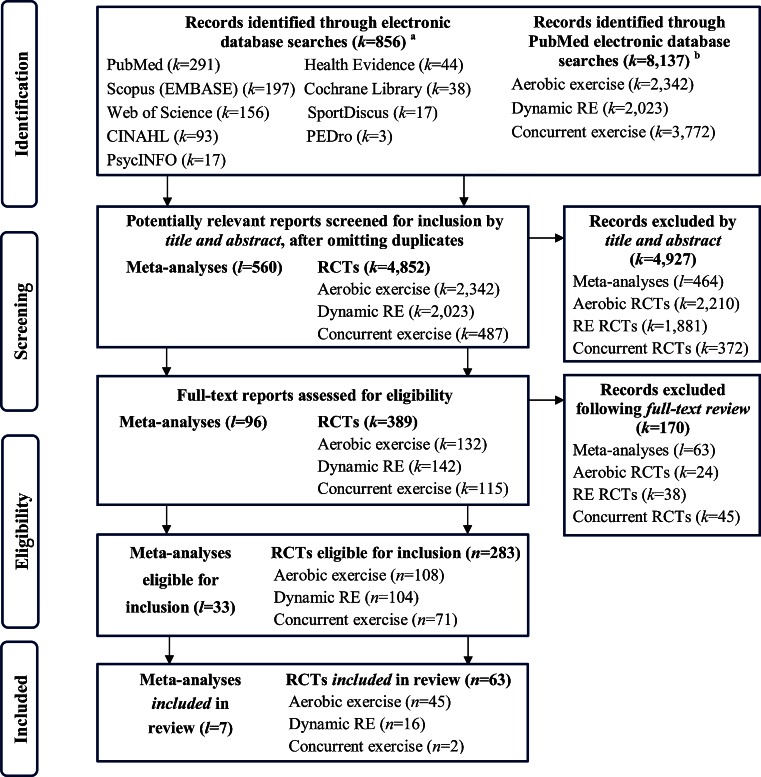
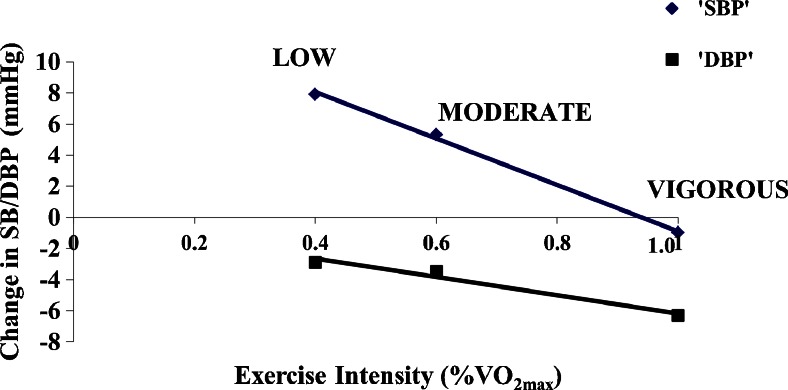
Verification
Claims the paper makes
The claims and statistics of this paper haven’t been checked yet.
Free: it reads the open-access text and checks the first 5 claims that cite a source we can check. Create a free account to check every claim.
Self-check
Percentages, sums and reported differences re-computed from the paper’s own numbers.
The self-check needs the paper’s full text.
Citations
Cites
Toprak, O., Kurt, H., Sarı, Y., Şarkış, C., Us, H., & Kırık, A. (2017) · Kidney and Blood Pressure Research · doi:10.1159/000468530 · Cited by 29,627
Chobanian, A. V., Bakris, G. L., Black, H. R., Cushman, W. C., Green, L. A., Izzo, J. L., Jones, D. W., Materson, B. J., Oparil, S., Wright, J. T., et al. (2003) · Hypertension · doi:10.1161/01.hyp.0000107251.49515.c2 · Cited by 13,271
Ahmed, A., Jorna, T., & Bhandari, S. (2016) · Nephron · doi:10.1159/000447068 · Cited by 11,717
The Physical Activity Guidelines for Americans
Piercy, K. L., Troiano, R. P., Ballard, R. M., Carlson, S. A., Fulton, J. E., Galuska, D. A., George, S. M., & Olson, R. D. (2018) · JAMA · doi:10.1001/jama.2018.14854 · Cited by 9,755
(1998) · PsycEXTRA Dataset · doi:10.1037/e565682010-001 · Cited by 9,472
(2014) · Medical Entomology and Zoology · Cited by 9,400
Self-citationGarber, C. E., Blissmer, B., Deschenes, M. R., Franklin, B. A., Lamonte, M. J., Lee, I.-M., Nieman, D. C., & Swain, D. P. (2011) · Medicine & Science in Sports & Exercise · doi:10.1249/mss.0b013e318213fefb · Cited by 9,319
James, P. A., Oparil, S., Carter, B. L., Cushman, W. C., Dennison-Himmelfarb, C., Handler, J., Lackland, D. T., LeFevre, M. L., MacKenzie, T. D., Ogedegbe, O., et al. (2014) · JAMA · doi:10.1001/jama.2013.284427 · Cited by 7,950
Heart Disease and Stroke Statistics—2015 Update: A Report From the American Heart Association
Mozaffarian, D., Benjamin, E. J., Go, A. S., Arnett, D. K., Blaha, M. J., Cushman, M., de Ferranti, S., Després, J.-P., Fullerton, H. J., Howard, V. J., et al. (2015) · Circulation · doi:10.1161/cir.0000000000000152 · Cited by 5,797 · cited 2×
“The FITT Ex Rx recommendations that follow are based upon the existing exercise recommendations for hypertension 87 Page 6 of 10 Curr Hypertens Rep (2015) 17: 87”
BackgroundMethodThe ALLHAT Officers and Coordinators for the ALLHAT Collaborative Research Group (2002) · JAMA: The Journal of the American Medical Association · doi:10.1001/jama.288.23.2981 · Cited by 5,664
Research works printed but not linked: 1
- Pescatello LS Coleman WB Tsongalis GJ Effects of exercise on hypertension: From cells to physiological systems Molecular and translational medicine 2015 Switzerland Springer International Publishing pp. 3 86
Cited by
Items 201–300 of 466
Bersaoui, M., Bisai, A., Baldew, S.-S. M., Toelsie, J. R., Goessler, K. F., & Cornelissen, V. (2023) · Journal of Human Hypertension · doi:10.1038/s41371-023-00844-8 · Cited by 8
“The chronic hypotensive effect of regular exercise training has been shown to be at least partly explained by the repeated occurrence of post exercise hypotension [6, 12, 13].”
Kendall, S. J., Heinze-Milne, S., Blanchard, C. M., Chiekwe, J., Melvin, J., Culos-Reed, N. S., McNeely, M. L., Keats, M. R., & Grandy, S. A. (2023) · Current Oncology · doi:10.3390/curroncol30080522 · Cited by 6
“, dietary changes) or improve hemodynamic measures [49].”
BackgroundMartone, D., Vitucci, D., Mancini, A., Ermιdis, G., Panduro, J., Cosco, L. F., Randers, M. B., Larsen, M. N., Mohr, M., Buono, P., et al. (2023) · Sports · doi:10.3390/sports11100205 · Cited by 6
“…in our study and in the above-mentioned studies is markedly higher than the minimum suggested for cardiovascular fitness by the American College of Sports Medicine (55–65% HRmax) and is associated with improvements in systolic blood pressure, glucose tolerance and healthier body composition [50–52].”
ResultSalisbury, D. L., Warry, Fergen, Cruikshank, Soderlund, & Jacklin, K. M. (2023) · Rural and Remote Health · doi:10.22605/rrh8351 · Cited by 8
Hemodynamic Effects of a Multidisciplinary Geriatric Rehabilitation Program
Pagonas, N., Bauer, F., Zappe, L., Seibert, F. S., Rohn, B., Klimek, C. N., Wirth, R., Gotzmann, M., Babel, N., & Westhoff, T. H. (2020) · Clinical Interventions in Aging · doi:10.2147/cia.s239844 · Cited by 8
Gjøvaag, T. F., Berge, H. S., Olsrud, M., & Welde, B. (2020) · International journal of exercise science · doi:10.70252/akiq6572 · Cited by 7
“(35) suggests that the PEH response is a low threshold phenomenon with regards to the duration of exercise needed to produce the hypotension effect.”
BackgroundInfluentialResistance exercise for the management of arterial hypertension: An intervention that works!
Ribeiro, F. (2021) · Journal of Clinical Hypertension · doi:10.1111/jch.14197 · Cited by 7
Cunha, R. M., Arsa, G., Silva, I. O., Rocha, I. F., & Lehnen, A. M. (2021) · Journal of Aging and Physical Activity · doi:10.1123/japa.2020-0394 · Cited by 8
Masià, J. R., Pano-Rodríguez, Á., Beltrán-Garrido, J. V., Lecube, A., Sánchez, E., & Hernández‐González, V. (2021) · Applied Sciences · doi:10.3390/app11146409 · Cited by 6
“Many authors have studied the effect of moderate and intense intensity physical activity on blood pressure, obtaining results similar to ours [87].”
ResultEffects of Moderate-Intensity Intermittent Circuit Training in Obese and Overweight Individuals
Themistocleous, I.-C., Petros, A., & Stefanakis, M. (2021) · International Journal of Sports and Exercise Medicine · doi:10.23937/2469-5718/1510194 · Cited by 6
Tardelli, L. P., Duchatsch, F., Herrera, N. A., Ruiz, T. F. R., Pagan, L. U., Vicentini, C. A., Okoshi, K., & Amaral, S. L. (2022) · Frontiers in Physiology · doi:10.3389/fphys.2022.916179 · Cited by 6
“Regular exercise training is an effective non-pharmacological therapy to control hypertension (Pescatello et al., 2015; Whelton et al., 2018; Williams et al., 20182018; Unger et al., 2020; Barroso et al., 2021) and is able to attenuate pathological cardiac remodeling (Cattadori et al.”
BackgroundEffectiveness of physical activity in the prevention and treatment of hypertension: A mini review
Okechukwu, C. E. (2020) · CHRISMED Journal of Health and Research · doi:10.4103/cjhr.cjhr_99_19 · Cited by 6
Therapeutic exercise for hypertension: An update for exercise prescribers
Muhammad, M., Nuhu, J. M., Hassan, T. M., Baba, S., Radda, M. I., Mutawakkil, M., & Musa, M. (2020) · Nigerian Journal of Cardiology · doi:10.4103/njc.njc_24_19 · Cited by 6
Sriton, B., Ruangthai, R., & Phoemsapthawee, J. (2022) · Journal of Exercise Rehabilitation · doi:10.12965/jer.2142644.322 · Cited by 6
“Several studies have shown that the blood pressure (BP) reductions experienced immediately after a single bout of exercise are comparable to those experienced after training (Hecksteden et al., 2013; Liu et al., 2012; Pescatello et al., 2015a; Pescatello et al., 2015b).”
BackgroundResultInfluentialZhang, Z., Xu, C., Yu, W., Du, C., Tang, L., & Liu, X. (2024) · Medicine · doi:10.1097/md.0000000000040413 · Cited by 10
“[16] The European Society of Cardiology’s 2020 Exercise Cardiology and Exercise Guidelines for People with Cardiovascular Disease stress the significance of exercise as an integral part of HTN therapy.”
BackgroundStiefel, M., da Silva, H. B., Schmied, C. M., & Niederseer, D. (2024) · Journal of Cardiovascular Development and Disease · doi:10.3390/jcdd11120379 · Cited by 7
“The optimal regimen includes at least 30 min of moderate-intensity aerobic exercise daily, combined with dynamic resistance training 2–3 times per week, totaling at least 150 min weekly [36].”
Shah, J., Manji, S., Smith, C., Nambafu, J., Ochola, A., Barasa, L., Amir, F., Abdalla, H., Jowi, S., Mithi, C., et al. (2025) · PLoS ONE · doi:10.1371/journal.pone.0334255 · Cited by 6
Oseni, T. I. A., Emonriken, A., Ahmed, S., & Dic‐Ijiewere, M. O. (2023) · Nigerian Journal of Clinical Practice · doi:10.4103/njcp.njcp_1678_21 · Cited by 5
Barriers to physical activity practice and associated factors in patients with hypertension
Vieira, K., Coneglian, J. C., de Barcelos, G. T., Ventura, T. P., Moraes, J. A. D., Carvalho, A. C. A., Cavalheiro, G. P., Ferreira, A. R., & Gerage, A. M. (2024) · Brazilian Journal of Kinanthropometry and Human Performance · doi:10.1590/1980-0037.2024v26e87957 · Cited by 6
Sakairi, M., Miyagami, T., Tabata, H., Yanagisawa, N., Saita, M., Suzuki, M., Fujibayashi, K., Fukuda, H., & Naito, T. (2025) · JMIR Cardio · doi:10.2196/65981 · Cited by 6
The Healthy Trinity to Face Non‐communicable Diseases: Physical Activity, Nutrition and Sleep
Bonilla, D. A., Kočí, J., Petro, J. L., & Kreider, R. B. (2024) · Integrated science · doi:10.1007/978-3-031-64292-0_5 · Cited by 5
Dalton-Alves, F., Araújo, M. B. F., Lucena, B., Souto, G. C., Lopes, D. S. D., Lucena, M. I., Silva, R. D. M., Cabral, L. L. P., Freire, Y. A., Golveia, F. L., et al. (2024) · BMJ Open · doi:10.1136/bmjopen-2024-084736 · Cited by 5
“8 15–17 HIIT is a common component of training programmes for high-level athletes.”
High-Intensity Single-Leg Cycling Improves Cardiovascular Disease Risk Factor Profile
Gordon, N. A., Abbiss, C. R., Maiorana, A., James, A. P., Clark, K., Marston, K. J., & Peiffer, J. J. (2019) · Medicine & Science in Sports & Exercise · doi:10.1249/mss.0000000000002053 · Cited by 6
“Aerobic exercise alters arterial blood pressure through changes in systemic vascular resistance (6), which in turn is likely affected by reductions in sympathetic output (39), improvements in endothelial function (40), and reduced activity of the renin–angiotensin system (39).”
BackgroundGrape juice and aerobic exercise on blood pressure
Leal, J. B., Leal, J. B., Leal, J. B. P., Borges, Y. D. L., de Moura, M. I. L., Teixeira-Araújo, A. A., da Costa, V. S., & Carvalho, F. O. (2019) · Nutrition & Food Science · doi:10.1108/nfs-08-2019-0256 · Cited by 5
Magutah, K., Mbuthia, G. W., Akiruga, J. A., Haile, D. W., & Thairu, K. (2022) · PLOS Global Public Health · doi:10.1371/journal.pgph.0000806 · Cited by 5
Sanglir, M., Ramesh, R. M., Mathew, Z., George, K., Angami, S., & Prasad, J. (2023) · Journal of Family Medicine and Primary Care · doi:10.4103/jfmpc.jfmpc_662_22 · Cited by 5
“[30] In time, the blood vessels in the human body gradually lose pliancy with hormonal changes and contributes to the increase in BP.[31] People with hypertension in the family are also more likely to share a common environment and other potential factors (like dietary habits, exposure to smoking, etc.) that increase…”
BackgroundInfluentialNew Horizons: Testosterone or Exercise for Cardiometabolic Health in Older Men
GREEN, D. J., Chasland, L. C., Naylor, L. H., & Yeap, B. B. (2023) · The Journal of Clinical Endocrinology & Metabolism · doi:10.1210/clinem/dgad175 · Cited by 5
Research Opportunities and Challenges in the Era of Healthy Living Medicine: Unlocking the Potential
Phillips, S. A., Martino, S. A., & Arena, R. A. (2017) · Progress in Cardiovascular Diseases · doi:10.1016/j.pcad.2017.01.006 · Cited by 5
Brief Report: Exercise and Blood Pressure in Older Adults—An Updated Look
Kelley, G. A., & Kelley, K. S. (2018) · International Journal of Hypertension · doi:10.1155/2018/6548659 · Cited by 7
“Finally, these findings are similar to previous randomized controlled trials and meta-analyses irrespective of age and baseline resting blood pressure values [12].”
Hemodynamic responses to different isometric handgrip protocols in hypertensive men
Javidi, M., Argani, H., & Ahmadizad, S. (2019) · Science & Sports · doi:10.1016/j.scispo.2018.12.005 · Cited by 5
Long-Term Effects of Three Water-Based Training Programs on Resting Blood Pressure in Older Women
Reichert, T. L., Costa, R. R., Barroso, B. M., da Rocha, V. D. M. B., Oliveira, H. B., Bracht, C. G., de Azevedo, A. G., & Kruel, L. F. M. (2020) · Journal of Aging and Physical Activity · doi:10.1123/japa.2019-0236 · Cited by 6
Honda, H., Igaki, M., Komatsu, M., & Tanaka, S. (2020) · Journal of Exercise Science & Fitness · doi:10.1016/j.jesf.2020.09.002 · Cited by 6
Lee, E. K. P., Zhang, D. D., Yip, B. H. K., Cheng, J., Hui, S. S., Yu, E. Y. T., Leung, M. K. W., Chu, C. W., Mihailidou, A. S., & Wong, S. Y. S. (2021) · American Journal of Hypertension · doi:10.1093/ajh/hpab019 · Cited by 6
Postexercise Hypotension Is Delayed in Men With Obesity and Hypertension
Jarrett, C. L., Tucker, W. J., Angadi, S. S., & Gaesser, G. A. (2022) · Frontiers in Physiology · doi:10.3389/fphys.2022.819616 · Cited by 6
Fowokan, A., Punthakee, Z., Waddell, C., Rosin, M. P., Morrison, K. M., Gupta, M., Rangarajan, S., Teo, K. K., & Lear, S. A. (2019) · BMJ Open · doi:10.1136/bmjopen-2018-027844 · Cited by 5
“The benefits of physical activity including aerobic exercise in relation to hypertension remain clear; however, the benefits of strength training in relation to hypertension risk, relative to the benefits of aerobic exercise, appear questionable.(37) It is unclear what might be responsible for the positive effect obse…”
ResultZhu, X., Luo, H., Xiang, C., Zhao, J., Liu, Y., Zhang, H., & Kamalden, T. F. T. (2025) · BMC Sports Science Medicine and Rehabilitation · doi:10.1186/s13102-025-01412-y · Cited by 5
“…on exercise adaptability, the moderating variables related to the training program, such as the training duration (weeks), training frequency (times per week), the number of sets, the number of total sessions, repetitions, the rest between sets, and the mean session duration, were selected [129].”
Moderate Exercise Stimulates PACAP-Mediated Neurogenesis in Rat Dentate Gyrus and Cerebellar Cortex
Maugeri, G., Bartolo, S. D., Palmeri, N., D’Amico, A. G., Brancato, D., Federico, C., D’Agata, V., & Musumeci, G. (2026) · Journal of Functional Morphology and Kinesiology · doi:10.3390/jfmk11010037 · Cited by 5
“PA is widely recognized as an effective non-pharmacological strategy for both preventing and managing various pathological conditions, as well as for promoting overall health [48–54].”
Wakeham, D. J., Pierce, G. L., & Heffernan, K. S. (2025) · Pulse · doi:10.1159/000543313 · Cited by 5
“Reductions in resting blood pressure are comparable to that seen with traditional aerobic/ endurance exercise with most studies noting ~4 mm Hg reductions in systolic and diastolic blood pressures in adults with hypertension and prehypertension and reductions of ~3 mm Hg in normotensive adults [5].”
Vasconcelos, C. E. G. D. C., Cabral, M., Ramos, E., & Mendes, R. (2021) · Journal of Nutritional Science · doi:10.1017/jns.2021.50 · Cited by 7
Best Recommended Exercise for patients with Hypertension
Tjahjono, C. T., Lestari, D. D., & Arthamin, M. Z. (2023) · Clinical and Research Journal in Internal Medicine · doi:10.21776/ub.crjim.2023.004.02.07 · Cited by 5
Coelho‐Júnior, H. J., Calvani, R., Tosato, M., Álvarez‐Bustos, A., Landi, F., Picca, A., & Marzetti, E. (2024) · The Journal of Frailty & Aging · doi:10.14283/jfa.2024.15 · Cited by 4
“Most studies did not adjust the analysis for potentially relevant covariates, including physical activity (38, 39), weight loss (40, 41), and the presence of comorbidities (e.g., diabetes, heart failure) (42).”
Guo, T., Zhou, Y., Yang, G., Zhong, A., Pan, X., Pu, Y., Simons, M., Sheng, L., & Chai, X. (2025) · BMC Public Health · doi:10.1186/s12889-024-21216-y · Cited by 4
Post-exercise Hypotension in the Elderly
Bielecka-Dabrowa, A. M., Bartłomiejczyk, M. A., Maciejewski, M., & Banach, M. (2019) · Springer eBooks · doi:10.1007/978-3-030-30332-7_5 · Cited by 4
Brás, R. M. M., Esteves, D., Rodrigues, R. G., Duarte, P., Gouveia, A., O’Hara, K., & Pinheiro, P. G. (2020) · Montenegrin Journal of Sports Science and Medicine · doi:10.26773/mjssm.200302 · Cited by 5
Post-exercise hypotension in concurrent training: a systematic review
Mello, D. D., & Ostolin, T. L. V. D. P. (2020) · Brazilian Journal of Kinanthropometry and Human Performance · doi:10.1590/1980-0037.2020v22e72211 · Cited by 4
Anwar, S., Loh, S. P., & Mahmudiono, T. (2020) · Universitas Airlangga Repository (Universitas Airlangga) · Cited by 10
Travassos, A., Osório, N. B., Avelino-dos-Santos, C., Figueiredo, A. B., Nunes, D. P., Rosa, T. D. S., Frauzino, F. C., de Santana, W. V., Sesti, L. F. C., Nunes, G. F., et al. (2022) · Motriz Revista de Educação Física · doi:10.1590/s1980-657420220020021 · Cited by 4
Cardiorespiratory Benefits of Exercise
Wang, D., Qu, K., Yangm, M., Yang, X., Lu, A., & Ren, J. T. (2023) · IntechOpen eBooks · doi:10.5772/intechopen.107360 · Cited by 6
Editorial: Exercise intervention for prevention and management of hypertension
Gerage, A. M., Alberton, C. L., Cucato, G. G., Delevatti, R. S., & Ritti‐Dias, R. M. (2023) · Frontiers in Physiology · doi:10.3389/fphys.2023.1244715 · Cited by 4
“Exercise has long been regarded as a fundamental component in the prevention and treatment of hypertension (Pescatello et al., 2015).”
BackgroundHigh-Intensity Interval Training for Hypertension: Program Design and Application
Uken, B., Lee, M., Wright, G., & Feito, Y. (2021) · ACSMʼs Health & Fitness Journal · doi:10.1249/fit.0000000000000706 · Cited by 4
“, beta-blockers, diuretics, angiotensin II receptor blockers, and angiotensin-converting enzyme inhibitors), lifestyle intervention is a primary therapeutic option for most who have been newly diagnosed with hypertension (2,3).”
BackgroundAmaral, A. L., Mariano, I. M., Giolo, J. S., Costa, J. G., de Souza, A. V., Batista, J. P., de Souza, T. C. F., Caixeta, D. C., Peixoto, L. G., Teixeira, R. R., et al. (2021) · Motriz Revista de Educação Física · doi:10.1590/s1980-657420220012321 · Cited by 4
“In this sense, hypertension guidelines 14,15 recommend the practice of moderate aerobic training and resistance exercise as support, since they can reduce resting blood pressure (BP) 16 and improve oxidative balance 17,18 .”
Hung, S., Tierney, C., Klassen, T. D., Schneeberg, A., Bayley, M. T., Dukelow, S. P., Hill, M. D., Krassioukov, A. V., Pooyania, S., Poulin, M. J., et al. (2023) · Frontiers in Neurology · doi:10.3389/fneur.2023.1245881 · Cited by 3
“, >60% HRR) may provide greater reductions in BP (18).”
Zheng, P., MacDonald, H. V., Richardson, M. T., Man, K., McDonough, I. M., & Aguiar, E. J. (2024) · Journal of Aging and Physical Activity · doi:10.1123/japa.2023-0363 · Cited by 3
Self-citationFreire, Y. A., da Silva, C. A., de Sousa, F. J. R., Browne, R. A. V., Farias-Junior, L. F., Schwade, D., & Costa, E. C. (2017) · Sport Sciences for Health · doi:10.1007/s11332-017-0415-0 · Cited by 5
“, sets × repetitions × load) that elicits PEH is unknown [2, 3].”
BackgroundExercise Prescription for Hypertension: New Advances for Optimizing Blood Pressure Benefits
MacDonald, H. V., & Pescatello, L. S. (2018) · Elsevier eBooks · doi:10.1016/b978-0-12-811279-3.00009-4 · Cited by 8
Self-citationDiscriminant Analysis to Predict the Hypertension in Women Aged 25–54 Years
Nainggolan, O., Tjandrarini, D. H., & Indrawati, L. (2018) · Global Journal of Health Science · doi:10.5539/gjhs.v10n10p93 · Cited by 4
“Hence, every change in the arterial pressure after the exercises involves one or two these variables (Pescatello et al., 2015).”
BackgroundWaclawovsky, G., Boll, L. F. C., Neto, S. G., Irigoyen, M. C., & Lehnen, A. M. (2021) · Trials · doi:10.1186/s13063-021-05516-x · Cited by 4
Obaseki, C. O., Adodo, S. M., Ede, S. S., & Agbonlahor, E. I. (2022) · Journal of Hypertension and Management · doi:10.23937/2474-3690/1510066 · Cited by 4
“Few studies [19,20] have investigated the relative safety of prescribing isometric exercise training to reduce resting blood pressure, thus explaining why no global recommendation has been made to enhance and encourage its use in addition to using anti-hypertensive medications or with conservative lifestyle changes.”
BackgroundDanielevicz, A., Schlösser, L., Heberle, I., Juchem, G., Hansen, F., Gerage, A. M., & Delevatti, R. S. (2022) · Journal of Bodywork and Movement Therapies · doi:10.1016/j.jbmt.2022.04.016 · Cited by 4
Cardiorespiratory Fitness - New Topics
Sözen, H. (2022) · IntechOpen eBooks · doi:10.5772/intechopen.100928 · Cited by 4
Fernandez, F., Vásquez-Muñoz, M., Canals, A., Arce‐Álvarez, A., Salazar‐Ardiles, C., Álvarez, C., Ramírez‐Campillo, R., Millet, G. P., Izquierdo, M., & Andrade, D. C. (2023) · Journal of Applied Physiology · doi:10.1152/japplphysiol.00544.2022 · Cited by 4
Koenders, N., van Zetten, H., Smulders, M., Verra, M. L., van Kimmenade, R. R. J., van Brakel, T. J., Eijsvogels, T. M. H., & Smith, T. (2023) · Journal of Cardiopulmonary Rehabilitation and Prevention · doi:10.1097/hcr.0000000000000798 · Cited by 3
Saraiva, L. C., de Araújo, I. S., Siqueira, A. A., de Araújo, W. A., Gomes, G. M. S., Bezerra, L. M. M. R., & Carvalho, F. O. (2023) · Revista Contexto & Saúde · doi:10.21527/2176-7114.2023.47.11279 · Cited by 5
Yusni, Y., Yusuf, H., & Yahya, M. (2023) · Islamic Guidance and Counseling Journal · doi:10.25217/0020236387400 · Cited by 5
Prescription and physical activity counseling in primary care
Palomeque, G. A. E. (2024) · Gaceta Médica de Caracas · doi:10.47307/gmc.2024.132.1.16 · Cited by 3
Zhang, Q., Kong, J., Fan, R., & Fu, J. (2025) · BMC Public Health · doi:10.1186/s12889-025-22551-4 · Cited by 4
“Additionally, the existing literature suggests that higher-intensity aerobic or physical conditioning exercises are more effective at lowering blood pressure, whereas badminton, as a moderate-intensity activity, may have a relatively weaker effect on blood pressure [58, 59].”
Motivations as the Key Factor to Exercise Adherence Among Adults with Hypertension
Tjahjono, C. T., Mayangsari, V., Arthamin, M. Z., & Insanitaqwa, A. Z. (2025) · British journal of healthcare and medical research · doi:10.14738/bjhr.1202.18654 · Cited by 3
Pedralli, M. L., Barbosa, E. C. D., & Cunha, P. (2019) · Artery Research · doi:10.2991/artres.k.191203.003 · Cited by 6
“…particular, has pluripotent effects on the vasculature, including regulation of the vascular tone [47], Cerebral Blood Flow (CBF) [48], endothelial function [42,49], microvascular recruitment [50], energy metabolism [51], vessel insulin actions [52], and antihypertensive effects [36–38 ,53 ], all”
Li, Y., Zhong, D., Dong, C., Shi, L., Zheng, Y., Liu, Y., Li, Q., Zheng, H., Li, J., Liu, T., et al. (2021) · BMC Complementary Medicine and Therapies · doi:10.1186/s12906-020-03192-z · Cited by 3
“improve endothelial function in hypertensive patients [50, 51].”
Effects of the Intensity of Lifestyle Exercise on Changes in Blood Pressure
Still, C. H., Moore, S. M., & Sattar, A. (2020) · Western Journal of Nursing Research · doi:10.1177/0193945920969422 · Cited by 2
“Current exercise recommendations suggest that individuals with high BP should engage in moderate-intensity physical activity within 40% to ≤60% of their maximum heart rate to reduce BP (AHA, 2018; Pescatello et al., 2015; Whelton et al., 2017).”
BackgroundEstrategia de prevención comunitaria enfocada en la detección de pacientes con hipertensión arterial
Aroca, K. M. V., & Zumárraga, D. P. (2024) · Mediciencias UTA (Impresa)/Mediciencias UTA (En línea) · doi:10.31243/mdc.uta.v8i1.2346.2024 · Cited by 3
Norooz, M. T., Safavi‐Naini, S. A. A., Jamshidi, P. K., Sadeghi, A., Tabesh, M. R., Abolhasani, M., Abbasi, M., Alamdari, N. M., & Berger, N. A. (2025) · Health Science Reports · doi:10.1002/hsr2.70431 · Cited by 2
Li, C., Zhang, Z., Zhu, J., Du, C., Jin, H., Jiang, B., Sun, Z., Lou, J., & Liu, X. (2025) · Aging Clinical and Experimental Research · doi:10.1007/s40520-025-03093-6 · Cited by 2
“In individuals with well-controlled BP and without severe comorbidities, VPA may confer cardiovascular protective effects, as regular high-intensity exercise has been associated with a reduced risk of HTN onset and a lower incidence of cardiovascular events [30, 31].”
Ulloa-Sánchez, P., Thapa, R. K., Hernández‐Elizondo, J., Sortwell, A., & Ramírez‐Campillo, R. (2025) · The Journal of Strength and Conditioning Research · doi:10.1519/jsc.0000000000005161 · Cited by 6
Li, J., Zhang, P., & Yang, Y. (2025) · Journal of Human Hypertension · doi:10.1038/s41371-025-01064-y · Cited by 2
da Silva, W. A., Christofaro, D. G. D., Martín, P. D. V., Marques, A., Peralta, M., Rezende, L. F. M., de Victo, E. R., & Ferrari, G. (2025) · BMC Public Health · doi:10.1186/s12889-025-25608-6 · Cited by 3
“Current guidelines recommend achieving at least 30 min of physical activity on most days of the week [45], and higher volumes of activity have been linked to greater mortality reductions, independent of blood pressure [37].”
Gao, Y., Guo, Z., Zhao, Y., Xi, X., Hou, G., Liu, L., & Zhang, D. (2026) · Frontiers in Public Health · doi:10.3389/fpubh.2026.1761980 · Cited by 3
“Rather than equating physical fatigue with Methodologically, this study developed an AI-enabled prediction framework that excludes systolic and diastolic blood pressure from model inputs to reduce circularity and avoid performance inflation from outcome-defining variables (47).”
Zhou, T., Su, S., Yuan, C., Jiang, D., Qiu, Y., Xiao, J., Lu, X., Gu, D., & Liu, F. (2026) · Medicine Plus · doi:10.1016/j.medp.2026.100137 · Cited by 2
Álvarez, C., Rojas, G., Andrade, D. C., Delgado‐Floody, P., Peñailillo, L., Gurovich, A. N., & Izquierdo, M. (2026) · Frontiers in Physiology · doi:10.3389/fphys.2026.1757252 · Cited by 2
Etayo-Urtasun, P., de Asteasu, M. L. S., & Izquierdo, M. (2026) · Sports Medicine · doi:10.1007/s40279-026-02469-6 · Cited by 2
“Aerobic training at moderate intensity (40–60% VO 2 peak) for at least 30 min daily is recommended to sustain post-exercise hypotensive effects [74].”
Małek, Ł. A. (2018) · Heart and Mind · doi:10.4103/hm.hm_25_19 · Cited by 4
Diesel, M., Heberle, I., Juchem, G., de Barcelos, G. T., Coneglian, J. C., Gerage, A. M., & Delevatti, R. S. (2022) · Clinical and Experimental Hypertension · doi:10.1080/10641963.2022.2065289 · Cited by 3
“viduals (3), but few investigations involving PEH in combined exercises sessions have been conducted, especially with older people or adults with hypertension or other cardiovascular risk factors; and when applied to populations with those risk factors, only untrained participants have been used (4,6).”
BackgroundYANG, M., PAN, Y., Li, K., Chen, X., Li, M., Lin, J., Li, M., & Lin, C. (2022) · Medicine & Science in Sports & Exercise · doi:10.1249/mss.0000000000002925 · Cited by 2
“Meanwhile, aerobic exercise has become the primary exercise recommendation for blood pressure control in prehypertensive and hypertensive patients (8,9).”
BackgroundJin, Y., Liu, S., Lin, M., Xu, Y., Zhou, S., Ye, B., Lin, S., Guan, X., & Wang, L. (2022) · International Heart Journal · doi:10.1536/ihj.22-378 · Cited by 2
Coelho‐Júnior, H. J., Calvani, R., Picca, A., Tosato, M., Savera, G., Landi, F., & Marzetti, E. (2023) · Aging Clinical and Experimental Research · doi:10.1007/s40520-023-02549-x · Cited by 2
“This evidence led experts in the field to recommend exercise training as part of non-pharmacological treat-ment for cardiometabolic diseases [5, 6, 9].”
BackgroundPrado, J. P. D. S., Castro, A. E. F. D., Carvalho, J., Pereira, D. S., Faccioli, L. H., Sorgi, C. A., Novaes, R. D., da Silva, S. H. M., & Galdino, G. (2023) · Biology of Sport · doi:10.5114/biolsport.2024.131819 · Cited by 3
Salbiyah, S., Asriwati, A., Efendy, I., & Fitria, A. (2024) · Journal of Community Health Provision · doi:10.55885/jchp.v4i1.372 · Cited by 3
Dietary modulation for the hypertension risk group in Koreans: a cross-sectional study
Han, Y., Ryun, H. U. H., Jung, K. J., Kimm, H., & Jee, S. H. (2025) · Nutrition & Metabolism · doi:10.1186/s12986-025-00921-4 · Cited by 2
“Further, obesity and a sedentary lifestyle increase the workload on the heart, raising blood pressure [9, 10].”
Impacto del ejercicio físico en la reducción de la hipertensión en adultos mayores
Jiménez-Gallegos, E. J. (2023) · Space Scientific Journal of Multidisciplinary · doi:10.63618/omd/ssjm/v1/n4/23 · Cited by 2
“…considerable en la disminución de la presión arterial en individuos hipertensos, siendo especialmente relevante para los adultos mayores, quienes a menudo presentan una mayor rigidez arterial debido al envejecimiento de los vasos sanguíneos (Cornelissen & Smart, 2013; Pescatello et al., 2015).”
InfluentialShifting away from sedentary time, and FITTing exercise into the treatment of hypertension
Ferreira, I., & Healy, G. N. (2016) · Journal of Hypertension · doi:10.1097/hjh.0000000000000904 · Cited by 2
“Discussions around what is the best FITT to decrease BP levels in individuals with (newly diagnosed or pharmacologically treated) hypertension are likely to continue as more and better evidence accrues to fill in the gaps of the current literature (for further discussion see [13,14]).”
BackgroundFormenti, D., Cavaggioni, L., & Alberti, G. (2020) · Springer eBooks · doi:10.1007/978-3-030-32274-8_2 · Cited by 2
Effect of water exercise in blood pressure and sleep quality of hypertensive adults
Fraga, V. M., Montrezol, F. T., Ruider, D. T., & Medeiros, A. (2020) · The Journal of Sports Medicine and Physical Fitness · doi:10.23736/s0022-4707.20.10638-8 · Cited by 4
Río, X., González-Pérez, A., Larrínaga-Undabarrena, A., & Coca, A. (2020) · SN Comprehensive Clinical Medicine · doi:10.1007/s42399-020-00512-9 · Cited by 3
“These results in the improvement of SAP and DAP are in consonance with two meta-analyses [26, 27] which concluded that with aerobic exercise, a decrease in arterial pressure of 5– 7 mmHg can be achieved, and with strength exercises, a decrease of 2–3 mmHg in adults with hypertension [28, 29].”
Resultde Paula, T., da Cunha, F. A., Monteiro, W., Farinatti, P., Oigman, W., Midgley, A. W., & Neves, M. F. (2021) · Blood Pressure Monitoring · doi:10.1097/mbp.0000000000000508 · Cited by 2
Effect of high-intensity interval training on the skeletal muscle of spontaneously hypertensive rats
Aleixo, P. H., Castoldi, R. C., de Souza, F. L. A., Mariano, T. B., Ozaki, G. A. T., Garcia, T. A., Santos, L. S., Pacagnelli, F. L., Camargo, R. C. T., & Filho, J. C. S. C. (2021) · Motriz Revista de Educação Física · doi:10.1590/s1980-65742021020921 · Cited by 2
Farhad, A., Farooqui, S. I., & Hassan, B. (2021) · Internet Journal of Allied Health Sciences and Practice · doi:10.46743/1540-580x/2021.2053 · Cited by 3
Beneficios de la podometría en la prevención de factores de riesgo cardiovascular
Laínez, C. E. O., Mejía, K. R. R., & Arango, W. A. H. (2021) · ALERTA Revista Científica del Instituto Nacional de Salud · doi:10.5377/alerta.v4i3.10315 · Cited by 2
Antioxidant Supplementation Hinders the Role of Exercise Training as a Natural Activator of SIRT1
Conti, V., Sellitto, C., Stefanelli, B., Trucillo, M., Manzo, V., Perna, A., Charlier, B., Mensitieri, F., Izzo, V., Luca, A. D., et al. (2022) · International Electronic Conference on Nutrients (IECN) · doi:10.3390/iecn2022-12375 · Cited by 2
Cılhoroz, B., Zaleski, A. L., Taylor, B. A., Fernández, A. B., Santos, L. P., Vonk, T., Thompson, P. D., & Pescatello, L. S. (2023) · Journal of Cardiovascular Development and Disease · doi:10.3390/jcdd10020064 · Cited by 2
“Together, these research teams studied PEH in the laboratory and did not integrate a control sham session in their study designs to account for the placebo effects of the laboratory on BP or the circadian variation in BP that occurs under ambulatory conditions [36,37].”
Self-citationÁlvarez, C., Tuesta, M., Reyes, Á., Guede-Rojas, F., Peñailillo, L., Cigarroa, I., Vásquez-Gómez, J., Cano-Montoya, J., Durán-Marín, C., Rojas-Paz, O., et al. (2023) · International Journal of Environmental Research and Public Health · doi:10.3390/ijerph20054236 · Cited by 2
“However, before starting any exercise training program in clinical populations such as those with elevated blood pressure or HTN, it will necessary to know the baseline cardiovascular response to physical effort through a progressive exercise volitional test, such as a cycling test [16,17].”
Background
Metadata
- Authors
- Pescatello, L. S., MacDonald, H. V., Lamberti, L., & Johnson, B. T.
- Affiliations
- University of Connecticut (US)
- Corresponding author
- Pescatello, Linda S.
- Venue
- Current Hypertension Reports
- Published
- 2015-09-30
- Volume
- 17
- Issue
- 11
- Pages
- 87-87
- ISSN
- 1522-6417 (ISSN-L)
- 1534-3111
- PMC
- PMC4589552
- OpenAlex
- W2123334275
- Cited by
- 431
- References
- 104
- Citations by year
- 2026: 22 · 2025: 29 · 2024: 38 · 2023: 44 · 2022: 58 · 2021: 56 · 2020: 64 · 2019: 39 · 2018: 40 · 2017: 19 · 2016: 19
- FWCI
- 4.46
- Type
- journal article
- Language
- en
- Open access
- hybrid
- doi.org
- Locations
- Current Hypertension Reports (publishedVersion, cc-by)
- Europe PMC (PubMed Central) (publishedVersion, cc-by)
- PubMed Central (publishedVersion, cc-by)
- PubMed (publishedVersion)
- Topics
- Health Sciences › Medicine › Cardiology and Cardiovascular Medicine › Blood Pressure and Hypertension Studies
- Health Sciences › Medicine › Public Health, Environmental and Occupational Health › Physical Activity and Health
- Health Sciences › Medicine › Physiology (medical) › Cardiovascular and exercise physiology
- Keywords
- hypertension, exercise prescription, FITT principle, lifestyle therapy, professional recommendations, cardiovascular risk reduction
- MeSH terms
- Animals, Blood Pressure, Humans, Hypertension, Time Factors, Exercise, Disease Progression
About these checks
Registry, retraction, Cites and statistics results are computed, not judged, with one exception: a printed reference that no index lists is read once by a model before it counts as a citation error. Claims are extracted by a model and kept only when their quote appears verbatim in the text; each cited source is then checked, with a model’s help, for whether it says what the claim relies on. Those verdicts can be wrong — read the claim’s quote and the cited source before relying on one.
Statistics and arithmetic are recomputed, not judged.
Confidence bands are shown only for fields calibrated on our annotated test set. None is calibrated yet, so no band is shown.
What counts as a claim ›How we measure confidence ›How we check this ›
Are you an author, or do you see a problem with this page? Request a review
Data sources
Bibliographic data: Semantic Scholar, OpenAlex, Crossref.
Contains information from the Semantic Scholar Academic Graph Datasets, made available under the ODC Attribution License (ODC-BY 1.0).
Semantic Scholar’s data is described in: Kinney, R., et al. (2023). The Semantic Scholar Open Data Platform. arXiv:2301.10140.
